


Even PREGNANT FEMALES and BABY pangolins are being poached and trafficked!
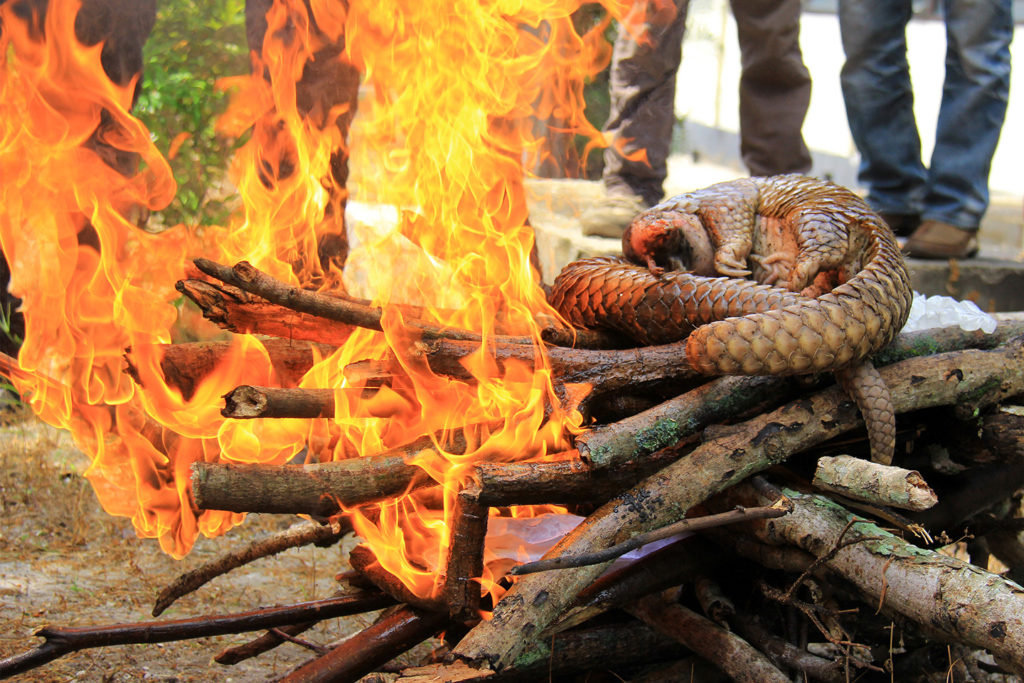
Pangolins are in CRISIS! Despite international protection, this shy, nocturnal creature is still the most trafficked mammal in the world. Now, with COVID-19 regulations easing, more pangolins than ever are being stolen from the wild. Pangolins are racing towards extinction. Two species could be gone in a decade. More than ONE MILLION pangolins have been poached and trafficked in the last decade. Highly sought after in Asian countries, pangolins are brutally killed for their scales which are used to make traditional Chinese ‘medicines’. But not only that, they are also considered a delicacy and eaten as a status symbol in some countries. But, with your help, we can save many of these creatures. In 2019 alone, 195,000 pangolins were poached in the wild; each one endured horrific suffering. Many were boiled alive! Smugglers get more money for live pangolins because some cooks like to boil them alive. This means the poor creatures suffer horrific physical manhandling and trauma as they’re captured in the wild and smuggled to wet markets in Asia where they are crammed into tiny cages to be sold. There are dedicated people working to rescue and rehabilitate pangolins saved from smugglers, but they often do not have the resources to respond to emergencies. We at PAL exist to prevent animal extinction, and we must ensure that when there is a chance to save a pangolin, we are ready and able to respond. We never know when a trafficked pangolin is going to be found and confiscated by law officials. It is essential that we are ready to respond to pangolin emergencies at any given time. We must be able to help rescue, transport and provide medical care immediately. Rescued pangolins need costly, emergency medical care to survive. Rescued pangolins need immediate, critical care if they are to survive the days following their rescue. Often, they are suffering from immense physical and mental trauma inflicted on them by their captors. Many have severe injuries, are critically dehydrated and too stressed to eat. Pangolins are as vulnerable as newborn babies during their rehabilitation process and must be cared for around the clock. They need to be kept at a constant temperature and rehydrated intravenously. They’re also highly susceptible to stress which makes keeping them alive in captivity difficult. But, it is critical to save them so that they have a chance of recovering and being released back to protected wild areas. All eight pangolin species are at risk of being lost forever. We need to do everything possible to save every pangolin life that we can. Sometimes pregnant females are amongst the rescued pangolins. Saving these pangolin mothers is critical if we are to ensure the existence of the next generation. If we don’t help this important species, it will only be a matter of time before pangolins become extinct.
How we are helping RIGHT NOW: May 2021
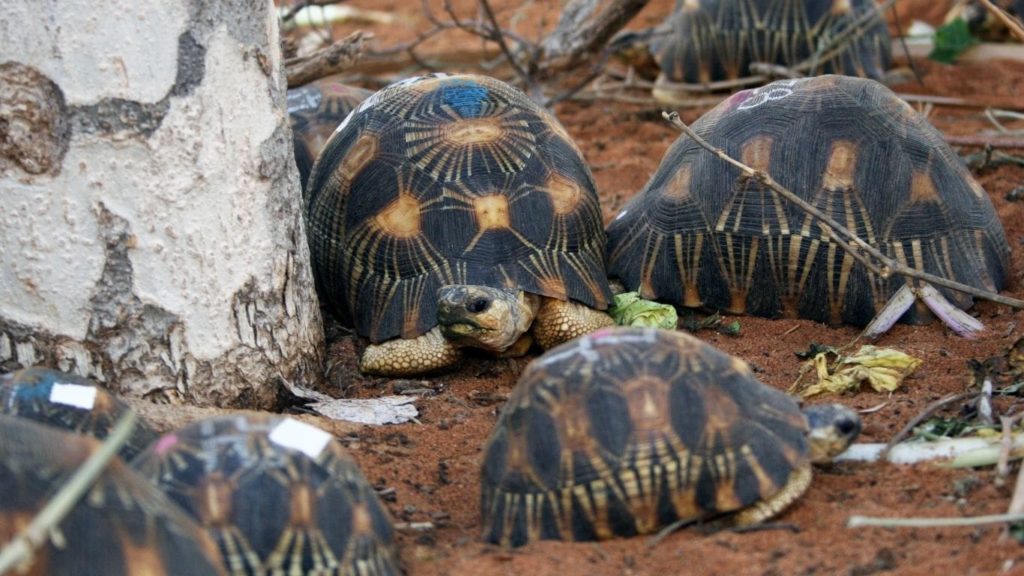
The Political Animal Lobby (PAL) exists to be a voice for animals and the planet. We tackle pressing issues threatening animals around the world. Over the past month, PAL has provided water to drought-stricken elephants in Namibia; kept up the fight to ban snares in the UK; helped a legal battle to save toads in South Africa; given emergency aid to critically endangered tortoises in Madagascar and supported an anti-poaching team fighting ivory poachers in Zimbabwe. But we couldn’t have done it without our supporters. We are deeply grateful to all our donors who make this work possible. Take a look at how your donations are making a difference to animals worldwide right now. United Kingdom Supporting a total ban on the use of wire snares In the United Kingdom (UK), snaring is still legal! We told you last month how this causes shocking suffering and kills up to 1.7 million animals every single year. Incredibly, it is still encouraged by the UK government’s Department for Environment, Food and Rural Affairs (DEFRA) and supported by the British Veterinary Association (BVA)! Millions of innocent animals are left in such horrific pain that they resort to gnawing off their limbs to free themselves. PAL plans to continue fighting against this until it is stopped. Thanks to your donations, we are supporting the National Anti Snaring Campaign (NASC) in convincing the UK government to ban the use of snares outright. We’ll keep you updated on NASC’s progress. South Africa Court action to fight for the survival of western leopard toads In Cape Town, the beautiful and endangered western leopard toad is under severe threat, thanks to plans to build a road through one of its last remaining breeding grounds. These endangered toads are clinging to survival in just a few small areas of South Africa’s Western Cape and only an estimated 320 are left. But their habitat is under serious threat. We support the Noordhoek Environmental Action Group (NEAG) which is taking the toad’s fight to court, seeking to prevent the City of Cape Town from moving forward with the road development. NEAG’s lawyers say the toads stand a good chance of winning. We will keep you posted on the outcomes. Namibia Providing water for one of the last remaining free-roaming elephant herds We’ve secured water for one of the last free-roaming elephant herds in Namibia! Ongoing drought put these vulnerable elephants at risk, forcing them to wander from the safety of a 20,000-acre (8,000-hectare) preservation area in search of water, into places where they are shot at. But now, thanks to our supporters’ help, we’ve managed to drill and strike underground water, which tested safe for elephant consumption. We’ve also erected two water tanks to store the water which is then pumped into a waterhole made easily accessible for the elephants and their babies. Our partners in Namibia have been sending us regular reports that the elephants are visiting the waterhole, which means they are safe and now have a chance of surviving this drought. Madagascar Saving endangered radiated tortoises In Madagascar, radiated tortoises are racing towards extinction. These beautiful tortoises with unique star-patterned shells are highly sought after for the illegal pet trade. Our partner, Turtle Survival Alliance Madagascar (TSA Madagascar), called on us for help when they discovered 800 radiated tortoises being smuggled in shocking conditions and destined for the illegal pet market. These helpless creatures were on the brink of death when the TSA Madagascar team discovered them. But thanks to the help of our supporters, TSA Madagascar will be able to give them the emergency treatment they need to survive. It will take a few months of rehabilitation before these precious tortoises can be released back into the wild and breed. But we are confident that, with your donations, TSA Madagascar will be able to keep them alive until they are ready. With so few left in the wild, saving these 800 radiated tortoises will give the entire species new hope. Zimbabwe Helping an anti-poaching team protect the rare Lake Elephants Zimbabwe’s iconic lake elephants in the Sebungwe region are falling victim to a poaching epidemic. Up to 11,000 of these elephants have been brutally killed for their ivory in the last 15 years. Only 3,500 remain, living in a 580 square mile (1,500 square kilometer) area surrounded by the vast Lake Kariba and hunting areas, both offering ample opportunity for poachers to move in and out. A small anti-poaching team, the Bumi Hills Anti-Poaching Unit (BHAPU), is desperately trying to protect them, but they are running dangerously low on critical supplies and equipment. We visited the area and were shocked by how vulnerable these elephants have become. We asked our supporters to help us raise funds for essential supplies like fuel for their patrol vehicle and boat, rations, and equipment like boots and radios, so that BHAPU can keep fighting for the elephants. Thanks to your generosity, BHAPU will be able to buy critical equipment and supplies and continue its vital work to protect these majestic creatures. Once again, we are deeply grateful for your generous donations and support in raising awareness of these critical issues. You make it possible for us to make a difference, protecting wildlife and wild spaces across the globe.
800 of some of the world’s most endangered creatures face an horrific crisis!
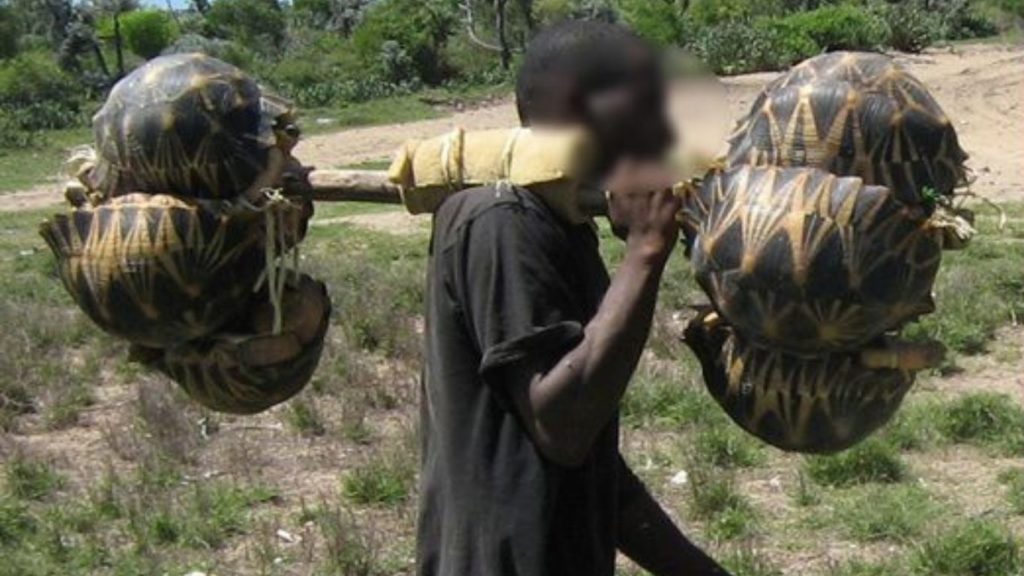
One of the world’s most critically endangered creatures faces an horrific crisis that could wipe them from the face of the earth. Radiated tortoises, who are native to the Indian Ocean island of Madagascar, will be extinct in less than 20 years – unless we act immediately! In a daring rescue operation by our partners, Turtle Survival Alliance Madagascar (TSA Madagascar), over 800 of these beautiful creatures were recently rescued from smugglers. The team discovered the poor animals in a shocking condition. Ready to be shipped, these rare tortoises were destined for the international illegal pet trade, but many would have died before they even reached their destination. The tortoises were crammed into vehicles and hidden under dirty covers, with no food or water, and covered in their own urine and feces. Some of the poor creatures had been brutally manhandled by their captors and were suffering terrible injuries including open wounds and broken shells. Many people don’t know that a tortoise’s shell is a living part of their body and is sensitive to pain. When the shell is broken, it is not only excruciating but the creature’s spine and organs can easily be damaged. Even a small crack can lead to a deadly infection. Radiated tortoises can survive without water for more than a month, but these were dying of thirst. That means they must have been kept for a very long time without food or water. Many were too weak to even lift their heads to drink! To keep them alive, the team had to hydrate the tortoises by INJECTING WATER UNDER THEIR SKIN, where it is naturally stored. These creatures are in terrible trouble. Some of the poor animals are suffering from agonizing eye and mouth infections and need antibiotics and vitamin supplements, plus intensive treatment for the debilitating pain. The good news is that if we can care for them properly, they will survive and be released back into the wild. But they will need our help for many months – to provide lifesaving food, water, medicine and a safe space to recover. Each one of these tortoises is vital to their species. We must act now to save them! We at the Animal Survival International exist to help prevent species from going extinct. It is rare that we have such a clear-cut opportunity to make a difference to the survival of a species, but in this case, we can. Saving these 800 radiated tortoises will give the entire species new hope – if we can keep them alive until they are ready to breed. Half of the rescued tortoises are female and when they reach breeding age, each one will produce an average of eight babies every year for the next 80 to 90 years. That makes their survival as a species a little more achievable. Your donation today will mean the world to generations of tortoises for decades to come. Please help by making a generous donation right now. In the wild, radiated tortoises eat specific types of grasses and leaves that are high in protein and nutrients. When they are in recovery, they must be fed a combination of fruits and vegetables like sweet potato, loose-leaf greens, berries and prickly pears to give them the nutrition they need. But feeding 800 tortoises is terribly costly in Madagascar, where a drought has made fresh foods scarce and expensive. Please, if you possibly can, donate today so that these tortoises can be saved. Unless we act now, radiated tortoises will be extinct in less than 20 years! Because of rampant poaching, the number of radiated tortoises has dropped by 80% in just 30 years. These 800 tortoises are desperately important to the future of their species. We must help them! Radiated tortoises are beautiful, fascinating animals. The biggest threat to their survival is the illegal pet trade. Their beautiful star-patterned shells and the ‘rain dance’ they perform when sprayed with water, make them very popular as pets, but they do not survive for long in captivity. You can imagine how difficult it is for a small team to care for 800 tortoises with extensive injuries and medical needs, but that is not the full story Every day, other sick and injured tortoises are also brought to the center for care. In addition to food and medicines, TSA Madagascar’s conservation center needs an enclosure to house these tortoises while they are recovering. The price tag for food, supplies and the enclosure – all URGENT – is $10,000 (£7,250). We have our work cut out for us, but, we are fortunate to have you on our side. As an animal lover, we are relying on your support. Please donate generously right now to help save yet another species from extinction.
Barbarians intend on continuing to snare helpless animals. Sometimes these animals GNAW OFF THEIR LIMBS!
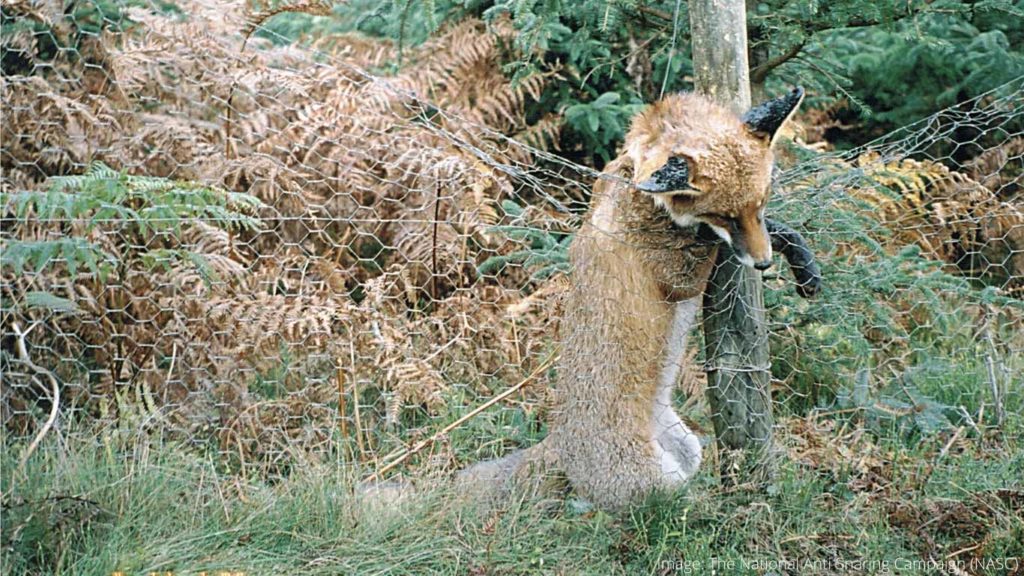
We have told you before about the atrocities caused by LEGAL snaring – a daily act of murder that kills up to 1.7 million animals in the United Kingdom (UK) every single year. Sadly, this fight is far from over. Every 20 seconds, another innocent animal is caught in a snare! Snares are still laid across the country, and incredibly, still encouraged by the UK government’s Department for Environment, Food and Rural Affairs (DEFRA). This government body even goes so far as to publicly state that snares are “an effective and relatively humane form of control”. We cannot fathom how being slowly tortured for hours – or sometimes days – until finally succumbing to death, could ever be considered humane. Even worse, an authority created for the welfare of animals, the British Veterinary Association (BVA)’s so-called “Ethics and Welfare Group”, also supports snaring. It is unimaginable that these two major decision-makers in the UK, who are supposedly involved in caring for animals, advocate the slow and agonizing torture of millions of animals. A cat and rabbit, just two of the many victims caught by indiscriminate snares We cannot and will not let this go unchallenged. We do not accept that millions of innocent animals will be left in such horrific pain that they resort to gnawing off their limbs in an attempt to free themselves. Snares trap indiscriminately; it could be a fox, a protected species or a beloved family pet. These so-called humane traps do not know the difference, and whichever innocent animal it catches, will definitely not die in a humane way. This barbaric cruelty is LEGAL in the UK and considered to be HUMANE! As of 2020, a quarter of the UK’s native mammals are now at risk of extinction! A snare killed this badger. There is an alternate, brave voice, in this scenario, The National Anti Snaring Campaign (NASC) in the UK is a volunteer organization that sees snares for what they truly are: devices of torture that must be totally banned! NASC is taking on the ‘authorities’ and reached out to the Animal Survival International for support; we agreed to help – now we are reaching out to you. There are simple and effective alternatives to snaring! A fox caught in a snare Clearly, snaring is cruel and inhumane, and there are more effective solutions available to keep livestock and crops safe. For example, fox and rabbit-proof fencing are animal friendly, safe and more effective at protecting livestock and crops. The simple fact is that there is no reasonable argument to support the continued use of these torture devices. We are supporting NASC in its efforts to ban snares and urge you to lend your voice to this campaign. To guarantee action, we need to make people more aware of just how bad snaring is, and for that, we need your donations so we can continue to support our anti-snaring friends in this fight to end the sale and use of snares in the UK. We need your support if we are going to help protect millions of wild animals from pointless torture and death. Please, donate now to support this very important cause. Together, we have a chance to outlaw this horrific practice and secure a victory for the animals.
How we are helping RIGHT NOW: April 2021
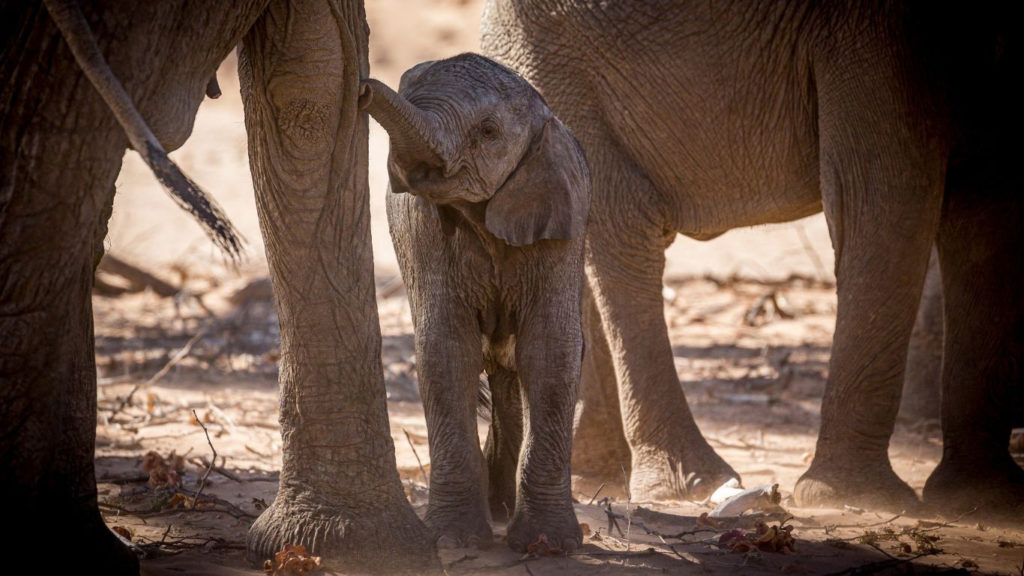
Animals around the globe are in extraordinary peril. From the rampant illegal trade in wildlife, poaching, habitat loss and poor enforcement of wildlife legislation, thousands of species are becoming critically endangered. We need to take heed before it’s too late. If we continue to destroy biodiversity, no life on Earth can survive. The Animal Survival International exists to be a voice for animals and the planet. We tackle pressing issues threatening animals. We are deeply grateful to our supporters who make our work possible. Take a look at our most recent projects and how your donations are making a difference to animals worldwide. Namibia Securing water for one of the last remaining free-roaming elephant herds A family of elephants is at risk from the ongoing drought in the northwest of Namibia. If these 20 elephants and their babies wander from their home range on a 20,000-acre (8,000-hectare) preservation area in search of water, they face being shot at. All the other land in the area is used by hunters and the elephants would be at risk of death or injury. Thanks to our supporters’ swift response to donate funds, we were able to act quickly. ASI is paying for new waterholes to be established by drilling to reach deep underground water sources. After two attempts, we struck water. We are now waiting for test results to make sure that the water is safe for the elephants to drink. If it proves to be contaminated, we have a drilling team standing by to redrill. We will not give up on these elephants. Stay tuned! United Kingdom Supporting a total ban on the use of wire snares Up to 1.7 million animals are brutally killed by snares every year in the UK. Animals endure untold anguish and pain when they are caught in snares. Usually set to catch foxes and rabbits, other wild animals are also caught, including wild cats, hedgehogs, badgers and red squirrels. In some horrific cases, animals have gnawed off their own limbs to free themselves. But despite this horror, the UK’s Department for Environment, Food and Rural Affairs (DEFRA) and the British Veterinary Association (BVA) condone and support snaring! – even though there are more humane and effective solutions available to keep livestock and crops safe from rabbits and foxes. The National Anti Snaring Campaign (NASC) in the UK is fighting to have snaring completely banned. They called on ASI to help them to secure a total ban on the sale and use of snares. Your generous donations allowed us to give NASC £2,500 ($3,500) to continue their fight to bring about an outright ban on wire snares. South Africa Court action to fight for the survival of western leopard toads A plan to build a road through one of their last remaining breeding grounds is threatening the survival of the beautiful endangered western leopard toad in Cape Town. There could be as few as 360 toads left! The Noordhoek Environmental Action Group (NEAG) called on ASI to help its legal battle to prevent Cape Town authorities from building the road. And thanks to our supporters, NEAG may just win a rare, but critical, victory for the animals. Zimbabwe Saving painted dogs in Hwange National Park In Hwange National Park in Zimbabwe, some of the world’s last remaining painted dogs are facing a new threat. With COVID-19 taking its toll on already poor communities, thousands of illegal snares set to catch antelope for food, are being scattered around the park. Each snare means horrific injury and potential death to the beautiful painted dogs. With only 6,500 left in the wild and 160 living in Hwange, we cannot let this continue. Every day, rangers patrol the park on the lookout for snared painted dogs. When they find them, it’s a race to get the suffering animal to help. We partnered with the Painted Dog Conservation (PDC) and asked ASI supporters to donate towards medication essential to transport and treat the wounded animals, and to help them return to their pack in the wild. Thanks to your generosity, we were able to help PDC continue with their vital work of treating and releasing painted dogs back into the wild, as well as teaching villagers about conservation and snare removal. Once again, thank you for your generous donations and your support in raising awareness of these issues. You make it possible for us to make a difference, protecting wildlife and wild spaces across the globe.
UNACCEPTABLE! Intelligent and highly social painted dogs are being indiscriminately SNARED and dying slow, excruciatingly painful deaths!
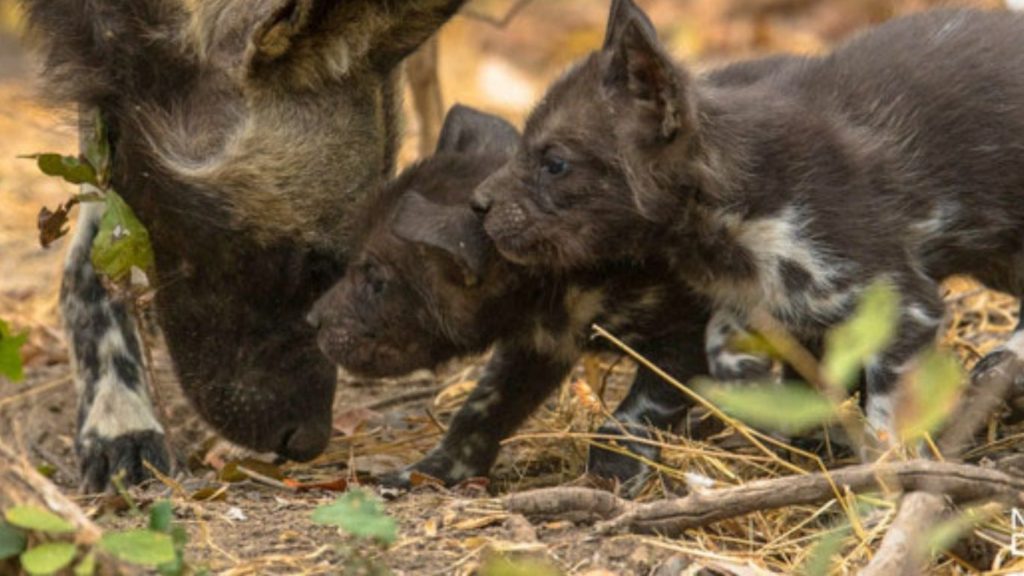
Painted dogs are beautiful, intelligent, social beings, who play an important role in the ecosystem, but there are only 6,500 left in the wild, and they need your help today! One of the biggest challenges to their survival is being caught in illegal snares. Painted dogs travel over 30 miles (50 kilometers) a day in search of prey. This puts them at constant risk of being caught in one of the thousands of snares set by poor people to catch small antelope for food. From half a million painted dogs to 6,500 in just 50 years! Hwange National Park in Zimbabwe is one of the last wilderness areas big enough for these creatures to survive in. 160 painted dogs live in the entire area of 14,651 square kilometers (over 5,600 square miles). Thousands of snares lie in wait surrounding the National Park. Each one could mean death for the dogs. Researchers track and monitor the wild dog packs. Every day in Hwange, rangers patrol the National Park. When they find a snared painted dog, it becomes a race against time to get the suffering animal help! What is urgently needed right now are medicines to treat injured painted dogs. Medicines are essential to transport and treat wounded animals and give them a chance to return to their pack in the wild. We have partnered with Painted Dog Conservation (PDC) and agreed to ask our supporters to help get these wonderful creatures the help they need. Painted dogs caught in these nightmare devices die slow, painful deaths. Snares are horrible devices. A painted dog caught in one faces days of terrible pain and stress before dying from their injuries or starvation. The cruelty is simply dreadful and because there are so few painted dogs left, every single one killed by a snare is a serious blow to their survival as a species. Your donation today can help save these majestic creatures, so please be as generous as you possibly can. Painted dogs are fiercely loyal to each other. The pack leader is chosen by character and not size, unlike many other species, and if one becomes sick, the rest of the pack will take turns caring for the sick individual. Painted dogs are social creatures. They start their days with a greeting ceremony – each of them sniffing and licking one another, making high-pitched greeting sounds and wagging their tails. They are emotional creatures who mourn the loss of a pack member. Each one of these animals deserves the best possible treatment for a chance at life. We know our supporters will do all they can to save this iconic species from extinction, but it is not enough to rescue painted dogs from a snare, only for the poor creatures to be released and trapped again. To solve this problem for the long term, PDC is engaging volunteers from local villages and teaching them about conservation and snare removal. These villagers will scour the wilderness for snares, remove them and use the salvaged wire to make wire ornaments they sell to tourists Please, help today. We will rush lifesaving medicines as quickly as possible!
Breakthrough for African Elephant Conservation as Two Distinct Species Are Recognized
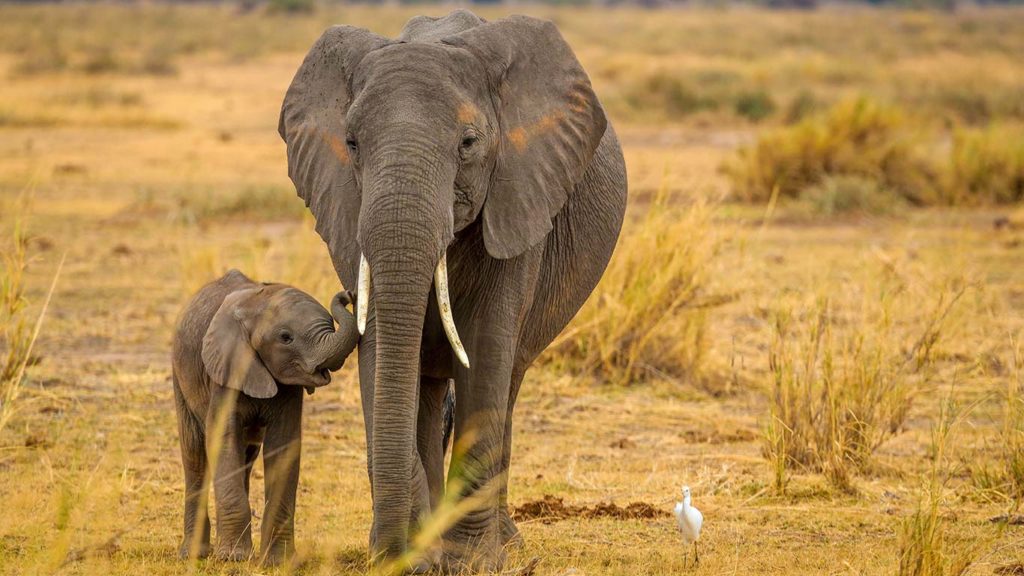
By Melissa Reitz In a massive breakthrough for elephant conservation, two recent and significant decisions are set to ensure that Africa’s elephants are better protected. The International Union for the Conservation of Nature (IUCN), the global authority on the status of natural species and measures needed to safeguard them, has elected to assess African elephants as two distinct species: forest elephants and savanna elephants. This is a major step forward for elephant conservation because their individual populations, smaller than when recognised as a single species, each endure shared, but also very unique threats. In addition, the IUCN has reclassified the status of each species. The forest elephant is now listed as ‘critically endangered’ and the savanna elephant as ‘endangered’. Previously all African elephants were categorised as only ‘vulnerable’. By blanketing both species into one category it has been found that the real status of forest elephants has, until now, been largely overlooked. Furthermore, forest elephants are more elusive, living in remote and often inaccessible habitats. This has exacerbated the inattention they’ve received in comparison to savanna elephants, which live in more open areas. Highlighting the different elephant species and redesignating their IUCN status will greatly change how each is studied and conserved. Ecologists can now focus on understanding their unique ecology and addressing the specific threats each elephant species face. “These decisions by the IUCN are a giant step forward for elephant conservation,” says Adrienne West of Animal Survival International. “If we are to protect elephant species, we need to understand as much as we possibly can about each so that we can find intelligent solutions to the threats they face.” Elephant numbers across Africa have plummeted over recent decades due to rampant ivory poaching and more recently habitat fragmentation and loss, which specialists are calling the ‘silent killer’. As human encroachment pushes into elephant habitat areas, human-elephant conflict intensifies, leading to more elephants being killed. Forest elephants have declined by over 80% within three generations, while savanna elephants declined by over 50% within three generations. The last complete survey, done in 2016, revealed that just over 400,000 savanna and forest elephants remained in Africa. The majority of the critically endangered forest elephants are in the Congo basin in Gabon, West Africa. Botswana has the largest population of some 130,000 savanna elephants. The Convention on International Trade in Endangered Species (CITES), which regulates the international trade in endangered species, has yet to recognize the two types of African elephants as separate species.
Nearly 300 Elephants to Be Shot as Botswana Opens Its Hunting Season
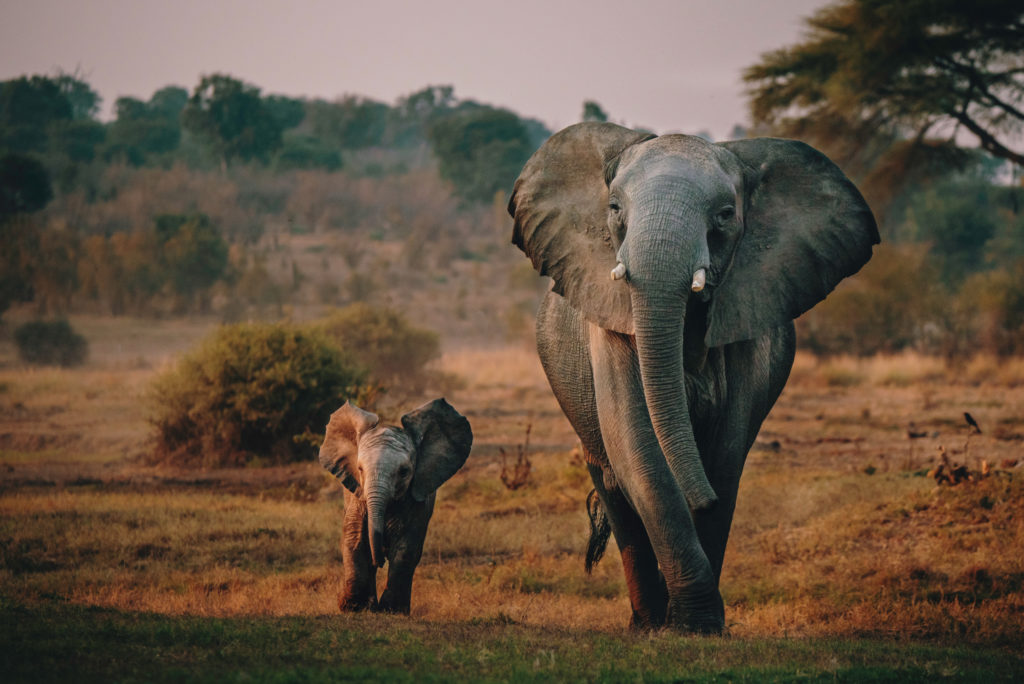
By Melissa Reitz Originally published in Africa Geographic Botswana has granted permission for 287 elephants to be hunted, as it gears up for its first trophy hunting season since its ban was controversially lifted two years ago. With COVID-19 restrictions disrupting last year’s hunting season, 187 existing elephant licenses have been tagged onto this year’s 100 licenses. The licenses were auctioned for up to $43,000 (£31,087) each. A variety of other species are also allowed to be shot between April and September, including leopards. In the face of a global outcry, president Mokgweetsi Masisi reopened trophy hunting in 2019 after former Botswanan president, Ian Khama, banned it in 2014 to conserve the country’s wildlife. Masisi’s government cites that the sport provides a solution to the growing human-elephant conflict and provides income for local communities. “Human-driven habitat loss is fast becoming the ‘silent killer’, almost as big a threat as poaching is to elephants,” says Adrienne West of the Animal Survival International. “We are losing Africa’s elephants at a rapid rate, and it is outrageous that one of their most important range states would choose to put their lives up for sale.” Conservationists and ecological experts dispute hunting as an effective measure against human-wildlife conflict. “Shooting these elephants will do nothing to reduce the incidence of crop raiding in farming areas, as most of the killing would take place in trophy hunting blocks that are some distance away,” says Dr. Keith Lindsay of the Amboseli Trust for Elephants. “In fact, shooting elephants could increase tensions between farmers and elephants – they can communicate over many kilometers and when elephants are killed in one area, the alarm and disturbance would be felt some distance away.” Elephants are a keystone species, and scientists say there is no ecological reason to reduce their numbers by killing them as they play an important role in ecosystem health and diversity. Over the past decade, Africa has lost more than 30% of its elephants to ongoing ivory poaching, which is having devasting effects on populations across the continent. Figures on the CITES (Convention on International Trade in Endangered Species of Wild Fauna and Flora) international trade database reveal that Botswana’s trophy hunting ban of seven years saved more than 2,000 elephants and 140 leopards from being shot. Botswana holds the world’s largest population of approximately 130,000 elephants, which share transboundary migrations routes with neighboring countries, including Namibia and Zimbabwe. During the hunting ban, reports of increased numbers in Botswana suggested that migrating elephants sought refuge in the safety of the then hunt-free country.
Illegal Wildlife Trade Set to Boom Once COVID-19 Restrictions Are Lifted
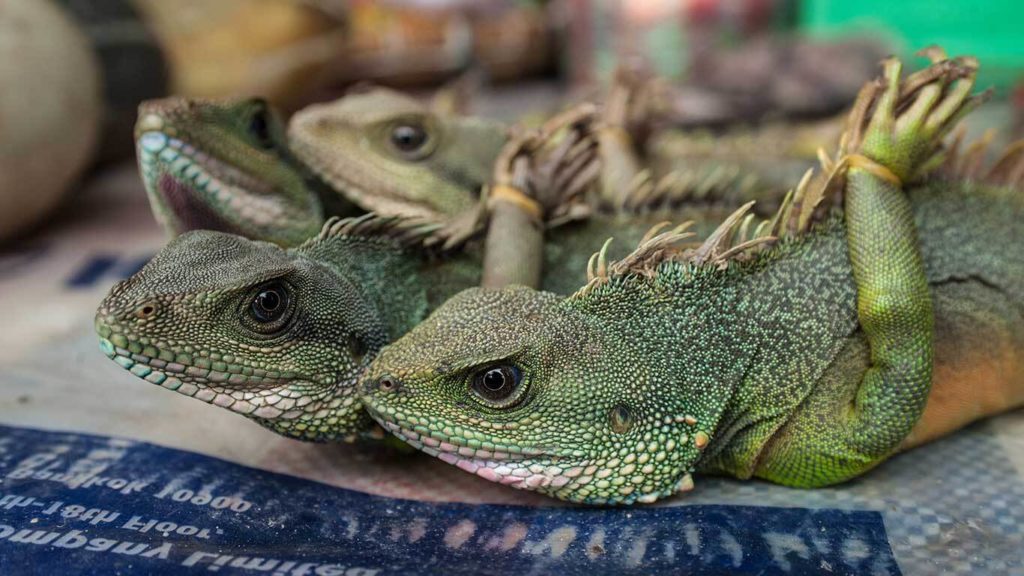
By Melissa Reitz New evidence reveals that the illicit wildlife trade is set to boom as traffickers take advantage of COVID-19 disruptions to stockpile products. Despite data suggesting a drop in arrests and seizures of products such as ivory, rhino horn and pangolin scales in 2020, additional research finds that wildlife trafficking has not dropped, and we could be in for a significant upsurge in global illicit trade. Wildlife crime experts say COVID-induced tasks have limited law enforcers’ capacity to detect and report illicit shipments. As a result, seizure and arrest data alone are not reliable indicators to measure illicit trade activity. According to the Wildlife Justice Commission (WJC), traffickers are stockpiling wildlife products in Africa and Asia because of disruptions caused by the pandemic. Recent reports of seizures of smaller individual parcels with an overall higher volume suggest that traffickers are dividing larger amounts into smaller parcels to evade detection. Research also shows an increase in other indicators of wildlife crime, including poaching numbers and online sales of wildlife and their parts, highlighting that seizure data alone is not a sufficient gauge for on-the-ground activity. Now the concern is that as lockdown restrictions are lifted, leading to increased flights and other travel, stored contraband will quickly be sold, feeding a pent-up demand and fuelling an explosion of animal poaching. “While we may have believed that wildlife was benefitting from pandemic lockdowns and reduced illicit trade, we cannot afford to lose our vigilance,” says Adrienne West of the Animal Survival International. “We must brace ourselves and be prepared to tackle a surge in demand and poaching. We need to be ahead of the game if we are to protect what wildlife remains.” According to the Alliance to Counter Crime Online (ACCO), the size of the booming online markets and illicit online advertisements for exotic pets, such as cheetahs, remained unchanged in 2020.
Barbarians want to keep snaring helpless animals. Sometimes these animals GNAW OFF THEIR LIMBS!
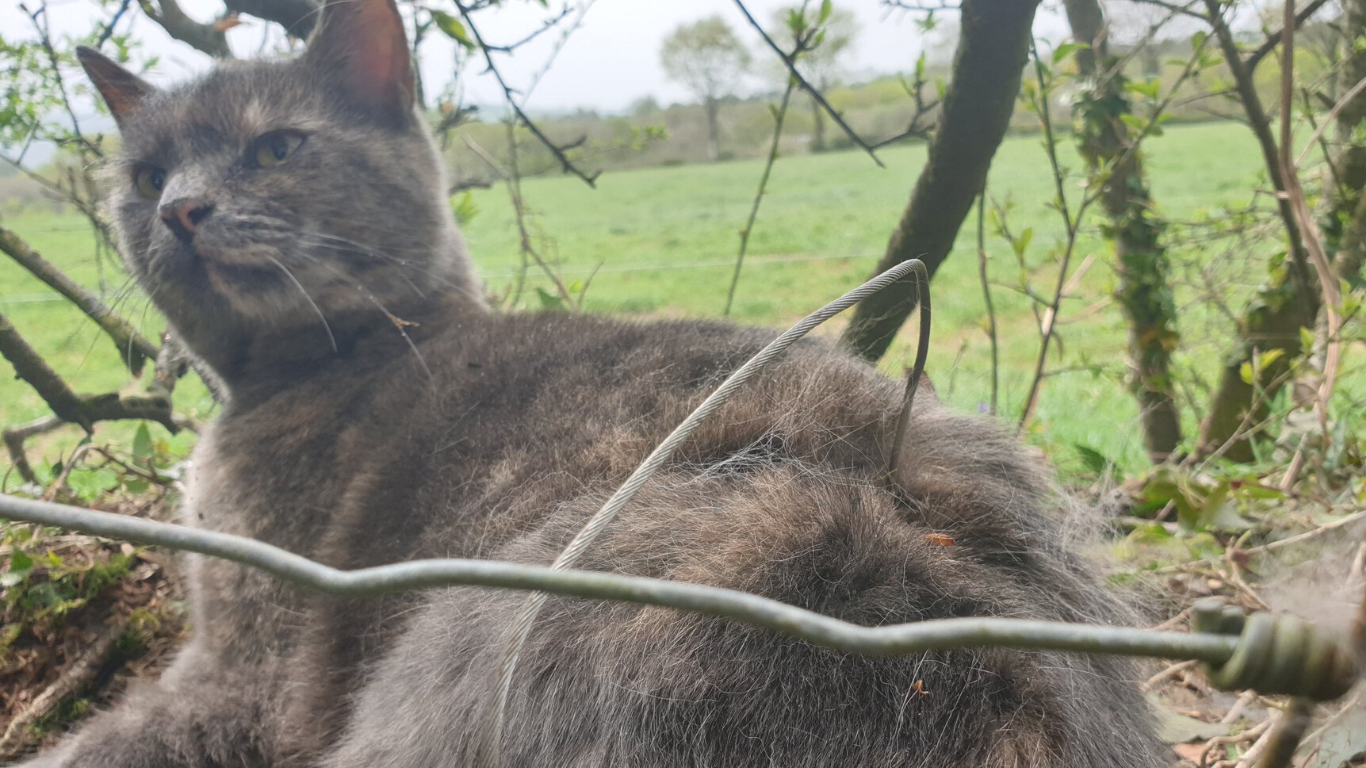
In the United Kingdom (UK), up to 1.7 million animals are brutally killed by snares every single year… Every 20 seconds, another innocent animal is caught in a snare! There can be no worse death than by a snare. Snares cause untold anguish and pain as snare wires cut deep into their flesh while the helpless animals frantically struggle to free themselves. This torture lasts hours, sometimes days, before the animals either succumb to their injuries, the elements, predation, or are executed by the snare-setter. There are horrific cases of frantic animals gnawing off their own limbs to try and free themselves. In some brutal instances, a snare tightens around the creature’s abdomen, slowly cutting them in half! This must be stopped! This barbaric cruelty is LEGAL in the UK and considered to be HUMANE! The UK’s Department for Environment, Food and Rural Affairs (DEFRA) not only condones the use of snares, but states that these devices are “an effective and relatively humane form of control”. Even the British Veterinary Association (BVA)’s so-called “Ethics and Welfare Group” supports snaring, particularly when the victims are badgers – a protected species in the UK. When will the UK’s decision-makers wake up and realize that their policies are endorsing the senseless torture and killing of their dwindling wildlife numbers? As of 2020, a quarter of the UK’s native mammals are now at risk of extinction! Snares are usually set to target foxes and rabbits, but as many as 50% of snaring victims are other creatures, including those that are priorities for conservation. Snares are indiscriminate because these wire death traps cannot tell the difference between a fox, a family pet or a protected species. According to the first Red List of UK mammals, animals such as wildcats, red squirrels and hedgehogs are all under imminent threat. Snares present a serious risk to protected and vulnerable species throughout the UK. This is one of the main reasons snares are banned in many European countries, where they follow the general principle that a device which could accidentally catch and injure any animal which is protected by law, cannot be made lawful. There are simple and effective alternatives to snaring! Clearly, snaring is cruel and inhumane, and there are more effective solutions available to keep livestock and crops safe. For example, fox and rabbit-proof fencing are animal friendly, safe and more effective at protecting livestock and crops. The simple fact is that there is no reasonable argument to support the continued use of these torture devices. We must ACT NOW to have snares completely banned in the UK, and together, we have a real chance to end this horrific practice. Your donation can go a long way in helping us achieve that. Volunteer organization, the National Anti-Snaring Campaign (NASC) in the UK, has an opportunity to bring this to the UK Parliament and potentially secure a total ban on the sale and use of snares. They reached out to the Animal Survival International for support, and we agreed to help. We need your support if we are going to help protect millions of wild animals from pointless torture and death. Please, donate now to support this very important cause. Together, we have a chance to outlaw this horrific practice and secure a victory for the animals.
Over Half a Million Viruses Threaten to Create an Era of Deadly Pandemics

By Louzel Lombard Steyn Human infringement on wild spaces and the destruction of Earth’s biodiversity is setting the stage for an era of deadly pandemics, according to a recently published United Nations report. The report says that up to half of the existing 1.7 million viruses found in mammals and birds are deadly to humans. On average, five new diseases are transferred from animals to humans every year – all with pandemic potential. Some of these include the deadly Ebola virus (contracted from fruit bats), HIV (most likely from chimpanzees) and Lyme disease (from ticks) which alone affects 300,000 people every year in the United States and 65,000 in Europe. Since the Great Influenza Pandemic of 1918, which affected 500 million people and killed 50 million, COVID-19 is at least the sixth global health pandemic. Animals carry microbes that can be transferred to people in close proximity. With environmental destruction, including deforestation, intensive agricultural expansion, climate change and increased trade in wildlife, boundaries between humans and wildlife are jeopardized. According to the report, the cause of COVID-19, or any other modern pandemic, is “no great mystery”, and the same human activities that drive climate change and biodiversity loss also increase the risk of pandemics through their impacts on the environment. “Biodiversity loss has directly corresponded with an increase in new zoonotic diseases (diseases capable of being transferred from animals to humans) over the past 100 years. This means that the more we destroy the natural world, the greater the number of pandemics will be in the future,” says Adrienne West of the Animal Survival International. “Pandemics will spread more rapidly, have a higher mortality rate and do more damage to the world economy than COVID-19, unless there is a determined change to the global approach in preventing such diseases. For humanity’s own sake, it is essential that we prioritize nature and leave enough space for wildlife.” Compiled by 22 leading experts from around the world, the report calls for a change to the current approach to outbreaks. This means prioritizing and investing in biodiversity protection, instead of countries scrambling to contain diseases once they’ve already emerged. It’s also pointed out that preventing future pandemics would be more than 100 times cheaper than fighting the deadly outbreaks after they appear.
How we are helping RIGHT NOW: March 2021
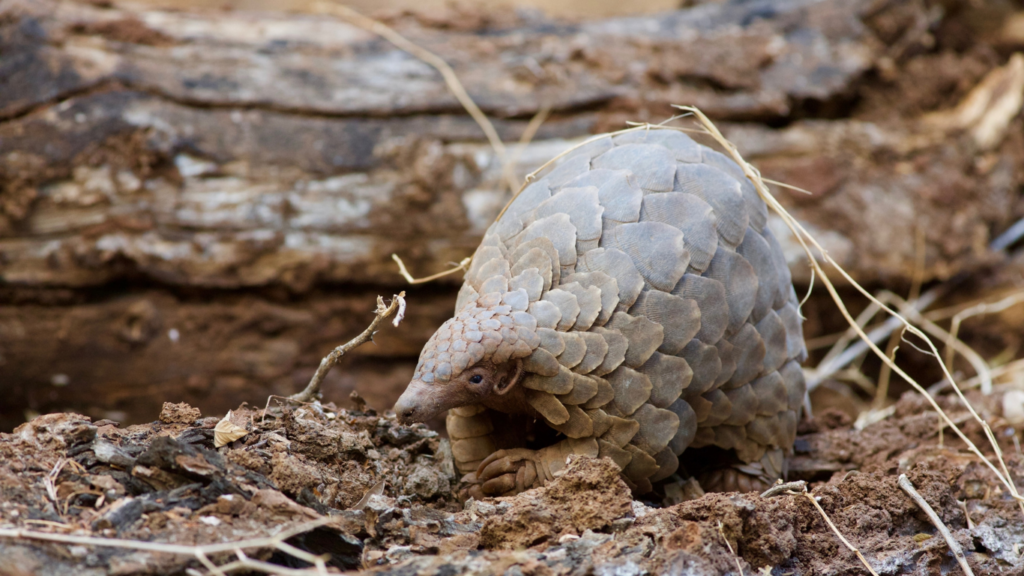
The future of the animals in the natural world has never been more in danger. Climate change, habitat destruction and poor enforcement of international wildlife laws have already pushed numerous species to extinction and will continue to do so if we don’t act now! The Animal Survival International (formerly Political Animal Lobby) exists to be a voice for animals, and we will do everything within our power to fight for their future. Right now, we are hard at work to support the protection of African pangolins, the most trafficked mammal on earth. We can’t share details yet, but keep an eye on your inbox in the coming weeks to learn more. We are incredibly grateful to our supporters who help make the work we do possible. Here’s what ASI is doing now and how your donations are making a difference to animals worldwide: Taking on a City for the future of endangered toads in South Africa Another species is on the brink of extinction because authorities do not care about their survival. This time, it’s the endangered Western Leopard Toads in Cape Town’s Noordhoek valley. The City of Cape Town in South Africa plans to bulldoze a road right through one of their last breeding ponds, even though residents don’t want it. Local organizations, ToadNUTS, and the Noordhoek Environmental Action Group (NEAG) are the toad’s only hope for a future. They are taking the City to court – and the lawyers think they can win. NEAG and ToadNUTS do not have enough funds to fight the big legal teams and carry out their critical day-to-day work. They turned to ASI for aid. With your help, we’re going to do everything we can to help them. A fighting chance for Cape Town’s last Caracal cats in South Africa In the fragmented wild areas of Cape Town, South Africa, as few as 50 caracals cling to survival. Caracals – secretive and nocturnal – are famous for their golden fur and long, elegant ears. They are exquisitely beautiful… and seriously endangered. Caracals are nocturnal, and poorly lit roads crisscross the area where they live. Speeding and negligent drivers have killed 83 of these cats in the past five years. If we act now, we can save many of them from this tragedy. We want to provide a simple and effective solution. The first step is putting up warning signs on the roads, alerting drivers to their presence. The long-term goal is to build tunnels for the caracals to cross safely. The caracals need help now, and that’s why ASI is stepping in; ensuring that effective warning signs are erected in high incident areas while working on a longer-term plan. Bridges for Survival in Kenya Just 5,000 rare Angolan Black and White Colobus Monkeys remain in the entire country of Kenya. Once a stronghold for these gentle creatures, deforestation and illegal bushmeat hunting has destroyed their populations. Naturally living in the treetops, they must now risk their lives crossing dangerous roads to travel between the forest patches that remain. Many try to cross the road using the overhead powerlines, where they are often electrocuted to death. Luckily, there is a simple and effective solution. ‘Colobridges,’ ladder-like structures that provide safe passage across roads, have been tested and have shown to be effective by a local organization, Colobus Conservation. With ASI’s help, the remaining monkey populations will be provided with a network of bridges to keep them safe in their tree canopy sanctuaries. Good News! Life-giving water flows again in South Africa’s Addo Elephant National Park. The ASI team returned to Addo Elephant National Park in South Africa to install state-of-the-art solar-powered pumping equipment that our generous donors helped us purchase. The situation was dire when we arrived, with temperatures soaring and thousands of animals desperate for water. We turned on the tap and animals flocked from miles around for a share of the cool, clean water that will now run every day. Once again, thank you for your generous donations and your support in raising awareness of these issues. You make it possible for us to make a difference, supporting wildlife across the globe.
COVID Aftermath Knocks Conservation Efforts
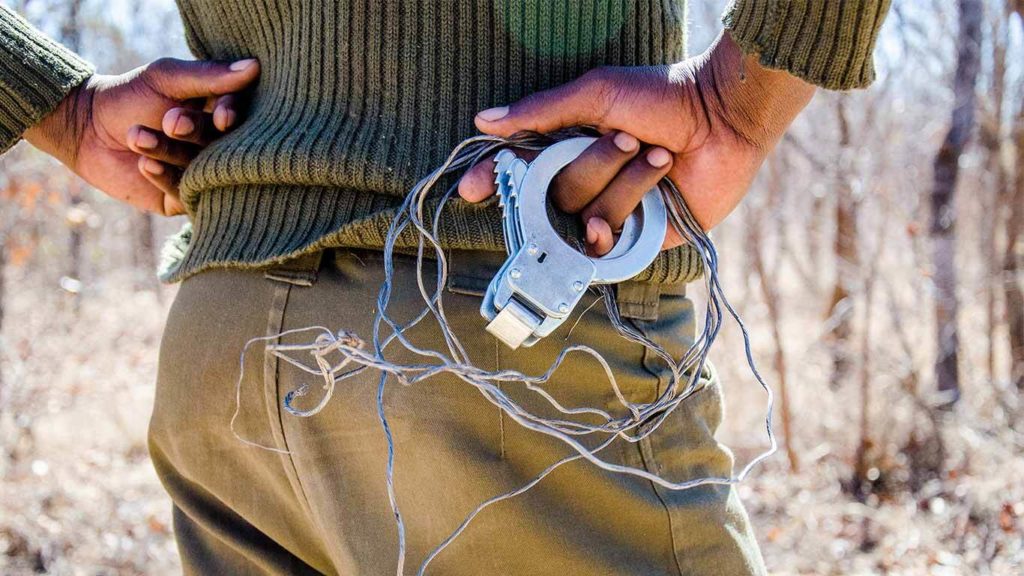
By Louzel Lombard Conservation is the latest casualty of COVID-19, with 22 countries backtracking on anti-poaching efforts and protection of natural areas. The countries, mainly in Africa and Asia, favored developments like road construction and oil and gas extraction in areas designated for conservation, new research by the International Union for Conservation of Nature (IUCN) shows. More than half of Africa’s protected areas reported they were forced to halt or reduce field patrols and anti-poaching operations while a quarter of protected areas in Asia had to reduce conservation activities, including anti-poaching efforts of rhinos and tigers in NeASI. A total collapse of international tourism caused severe revenue losses in wildlife parks and destinations, resulting in budget cuts for both human resources and wildlife protection. In government, “more funding and more economic stimulus went towards activities that undermine nature rather than that support it, globally,” the IUCN research found. “We are not moving in the right direction. The root cause is that our use and abuse of nature has reached the Earth’s limits.” “We need to stop destroying nature and end the trade in wildlife if we want to avoid the next pandemic,” said Adrienne West of the Animal Survival International (formerly Political Animal Lobby). “Destroying habitats and cramming wild animals from all corners of the globe together in unsanitary conditions has dire consequences for human populations. Deadlier pandemics are imminent if we disregard nature.” Scientists warn of close to half a million wildlife (zoonotic) viruses with the potential to threaten human lives and have similar or worse outcomes than the current COVID pandemic. To avoid this, natural areas must not only be protected, they need to be expanded. Only 17 of the countries surveyed by the IUCN, including New Zealand and Pakistan, maintained or increased support for protected and conserved areas. Less than 15% of Earth’s land area and about 3% of the ocean is protected. These protected areas encompass some of the world’s most precious ecosystems which include forests, wilderness areas and natural habitats that support endangered species.
Victory for Elephants as Global Ivory Bans Gain Momentum
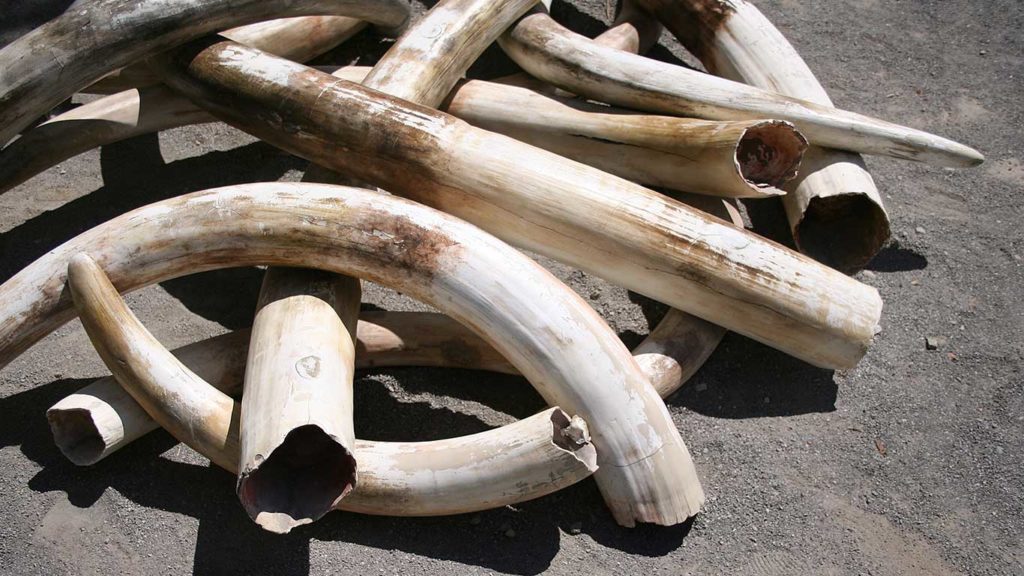
By Louzel Lombard More than 20,000 elephants are killed every year for their tusks. Conservationists and animal welfare groups, such as the UK’s Animal Survival International, have been urging the British government to implement a full ban on the sale of ivory. This week, the government made a step forward. The UK’s Ivory Act was passed in 2018 but implementation was delayed because of lobbying from art and antique traders. Now, the UK’s Department for Environment, Food and Rural Affairs (Defra) intends to move ahead with a near-total ban on the import, export and dealing of items containing elephant ivory in the UK. In the US, the State of New York rejected a challenge by trade groups to its landmark ban on elephant ivory and rhino horn trade. This is particularly important because the State was one of the biggest destinations for ivory traffickers in the US. Before the law came into effect in 2014, the State of New York was home to the country’s largest ivory market. “These moves should have been taken decades ago,” said Adrienne West of ASI. “The world has known for 50 years that elephants will be wiped out if the ivory trade continues.” In 2016, experts estimated that Africa’s elephant population had dropped by 111,000 elephants in the span of a decade. Today, it is estimated that there are little more than 400,000 elephants across Africa. “We are glad the UK government is moving ahead, even if it is at a far too slow pace. It is also worth noting that the government announcement leaves plenty of wriggle room which could see the trade continue for a long time to come.” “The truth is that much more needs to be done. For example, China ‘banned’ the sale of any ivory within the country in 2017, yet in certain parts of China the trade openly continues.”
It’s the toads versus City Hall! REALLY, and it’s gravely SERIOUS!
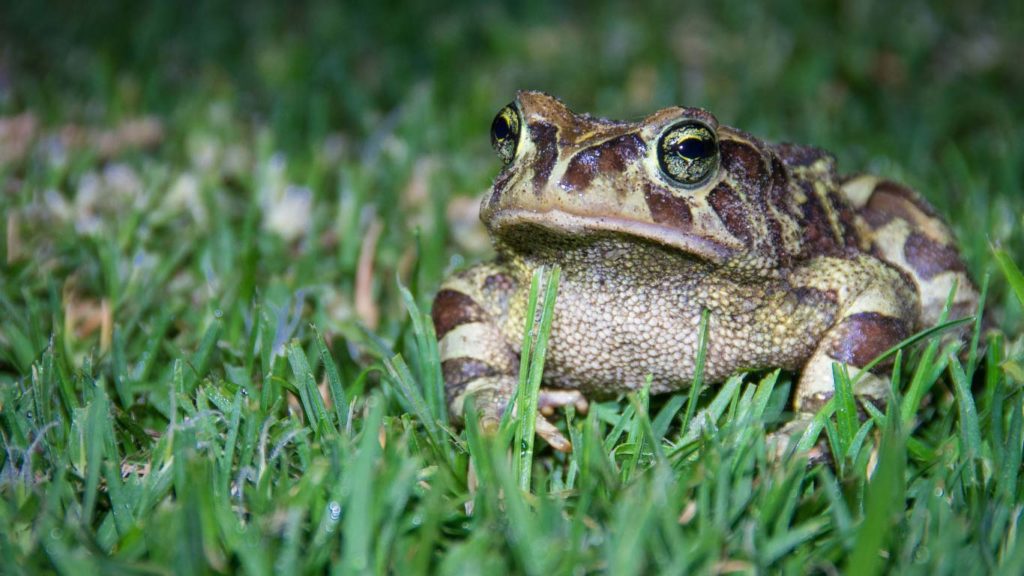
Yet another species is in trouble because of heartless decisions by authorities who seem not to care that their actions threaten the survival of an endangered species. This time, it’s toads. Western leopard toads are harmless, beautiful creatures who help keep nature in balance by eating insects and snails. They are so endangered that they cling to survival in just a few small areas of South Africa’s Western Cape. In 2020, ToadNUTS, a small volunteer organization in the area where the toads live, conducted a census during the breeding period – they could only count 369 toads and 55 of those were dead! Roadkill is already a significant problem. A new road would be the final straw. City plans to bulldoze endangered species’ critical breeding habitat! Now, the Cape Town City Council has decided to bulldoze a road through one of the last breeding areas left for the toads in the Noordhoek valley of Cape Town. This makes their long-term survival even more doubtful. It just gets worse – there are viable alternatives to this road development! This makes destroying their habitat completely senseless. The Noordhoek Environmental Action Group (NEAG), a small volunteer group living in the Noordhoek area, challenged Cape Town’s decision to destroy the toads’ habitat, but the powers that be gave the go-ahead anyway. It’s the toads versus City Hall! Now, the only hope the Noordhoek toads have is if NEAG can successfully take court action to stop the road from being built. Lawyers say that the toads have a good chance of winning, but court documents must be filed very soon, or the case will not be heard. NEAG and ToadNUTS simply do not have enough money to fight the might of the city and continue their hands-on work, so they turned to ASI for help. No one who cares about animals, and is aware of the massive catastrophe that threatens them because of habitat destruction, could ignore a plea like that. We are not a rich organization and our budget is already stretched, but we promised to ask our supporters to join the fight to save these poor creatures, whose only sin is to be born in a place where roads are more important than the survival of a species. What a crazy world it is where bureaucrats can say a road – and not even an important road at that, and when there are alternatives – is more important than one of the last pockets of an endangered species. This is such a frustrating issue because it is so unnecessary. There is no good reason for this road to go ahead. Local people don’t want it, but big developers do. So, these toads will die, and the species may even go extinct. WE SAY NO, let’s fight this and win a rare victory for endangered creatures in the battle against the machines. It is our view that governments and local authorities get away with doing things like this because they know very few people have the ability to fight unjust decisions. One of the reasons ASI exists is to right wrongs. WHAT CAPE TOWN IS DOING IS WRONG! It will result in an endangered species becoming closer to extinction… and there’s no coming back from extinction! We really hope that you can find it in your heart to make a donation today so that we can help leopard toads live to breed another day. Please, be as generous as you can so that at least one endangered species has a chance of survival.
Again, Gray Wolves in Montana Are Under Siege, as State Considers New Hunting Bills
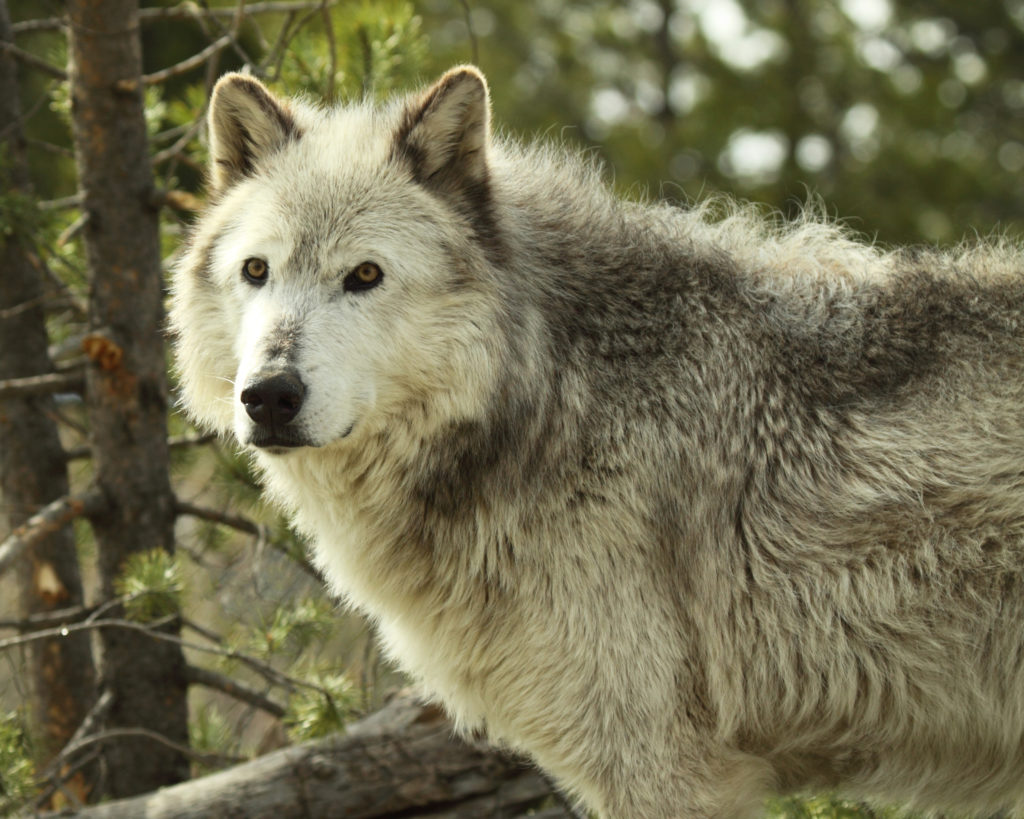
By Melissa Reitz Gray wolves, in US state Montana, are once again under threat by a series of proposed legislative bills to relax trapping and hunting regulations. This comes less than six months after their removal from federal protection under the Endangered Species Act. According to the Humane Society of the United States (HSUS), the legislation is an “unprecedented attack” on the state’s wild animals and if passed, Montana will be declaring “an outright war against wildlife.” The bills, currently under consideration by legislators, will impact wolves and grizzly bears, both of which have historically struggled to maintain viable populations in the area. Two bills have already been passed by the state’s House to allow wolf snaring and to lengthen the wolf trapping season. In response to calls by farmers and hunters that there are too many wolves and numbers should be reduced to save deer, elk and moose, two more bills are being considered with an aim to reduce wolf populations. One of the bills allows any individual with a single wolf hunting or wolf trapping license to “harvest” an unlimited number of wolves and permits hunters to use artificial light for night hunting. Under this bill, all but 15 breeding pairs can be killed. The other bill allows licensed hunters to be reimbursed for the money spent on hunting or trapping wolves. The HSUS is equating this to a “bounty system”. Grizzly bears, which are protected under the Endangered Species Act, are also at risk of being impacted by the proposed bills. Under the new legislation, it will be legal to kill grizzly bears if they are considered “threatening” to people or livestock. The bill also claims that Montana’s grizzly population has recovered, and it should be removed from the endangered species list. Historically, wolf populations in Montana have been devastated by trapping and hunting. By the mid-1900s, wolves had almost completely vanished in 48 states. It wasn’t until the 1980s that wolves were able to start establishing populations again in parts of Montana. Today, a population of about 850 gray wolves remain in Montana, with the highest densities in the northwest. In 1995, wolves were reintroduced to Yellowstone National Park. The project was a ground-breaking ecological success; the wolves’ presence triggered an unexpected chain reaction in the ecosystem that saw other species, including beavers and fish life, dramatically recover, baffling researchers who are still studying the effects. Now HSUS says that removing their federal protection is leaving wolves across that country vulnerable and that the proposed bills are set to unleash “a mass slaughter of wildlife”, jeopardizing ecosystems and creating huge losses in the tourism economy. “With so many threats facing wildlife, we should be strengthening laws to protect remaining wild populations, not weakening them,” says Adrienne West of the Animal Survival International (formerly Political Animal Lobby). “These proposed hunting bills by the State of Montana, in addition to the delisting of gray wolves, is an assault on the State’s biodiversity.”
Edited: Rhino Poaching in Botswana – Is Pride Hampering Prevention?
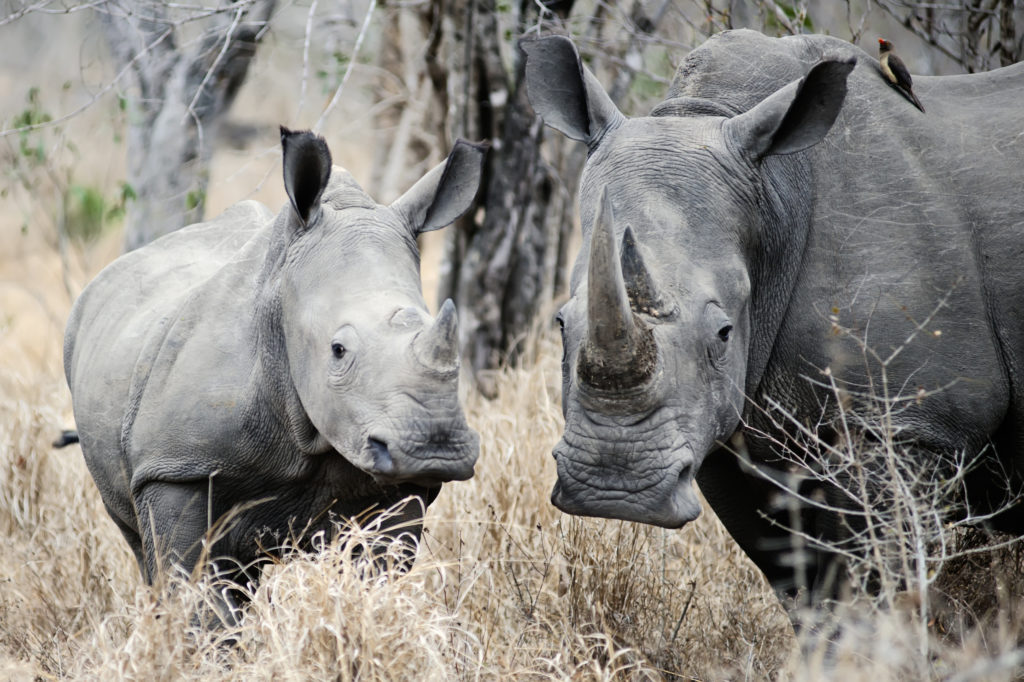
By Melissa Reitz Botswana’s recent upsurge in rhino poaching is reaching a crisis point. More than 100 rhinos have been poached in under two years from a population of less than 400. Yet, the government remains resolute in its denial of a growing catastrophe. Former Botswanan president Ian Khama recently announced on social media that over 120 rhinos have been poached in the past 18 months. The post said that poachers were ‘killing rhinos with or without horns,’ and that ‘after corona (virus) there will be none left for tourists to see.’ Botswana’s Department of Wildlife and National Parks (DWNP) has denied the accusation – saying Khama’s announcement is irresponsible and will negatively impact tourism. In a statement, the DWNP claims that wildlife-related crimes are down by 70 percent since the COVID-19 period from March 2020. But on the same day as DWNP’s statement release, Bhejane Trust, a Zimbabwean rhino conservation organization, publicized the massacre of 12 more rhinos in the Okavango Delta in northern Botswana saying, ‘Urgent action is required by the Botswana authorities, and they should bring in expert advice and assistance immediately if any rhino(s) are to survive.’ Conservationists are concerned that Botswana’s rebuttal to its growing poaching crisis is encouraging rhino horn poachers to focus on the remaining rhino in the Okavango Delta area. ‘The current government already has a poor conservation record, and it seems to be following the same policy of denial it used with the elephant poaching over the last few years,’ says Ian Michler, conservationist and specialist wilderness guide. ‘Let’s be clear; the poaching syndicates have seen the weakness and have turned their attention on this country. Without a strong and effective response, Botswana runs the risk of seeing rhino disappear from its parks and reserves for the third time.’ After numbers crashed in the early nineties, Botswana engaged in a rhino relocation project in 2001 which spanned over ten years, introducing viable populations of black and white rhinos back into the Okavango Delta. In June last year, the Botswanan government began removing rhino horns and relocating rhinos away from the Delta in an attempt to reduce the risk of poaching. The official count for poached rhinos was 56 since 2018, marking it the worst onslaught since the country’s black rhino population was wiped out in 1992 and white rhinos dropped to below 30 individuals. According to Dereck Joubert, who leads the Botswana non-profit Rhinos Without Borders, the relocation of rhinos away from the Delta was essential amid the coronavirus pandemic as poachers were using the absence of safari tourists during lockdown to their advantage. Asian rhino horn traders had also begun to tout rhino horn as a cure for the virus. At that stage, nearly 50 poached rhinos had been recorded since late 2019. In August 2020, the poaching crisis was still showing no sign of let-up and the government went back on its decision to reduce the military capability of the arms carried by its wildlife rangers. With 17 poachers shot dead in six months in gunfire exchange with the army, it was decided to re-arm anti-poaching rangers with military weapons. Is this what it seems to be? An attempt by the government to minimize what is obviously a devastating onslaught on the last few remaining rhinos in Botswana; a repeat of their stance on elephants just two years ago? In 2019, the newly elected President Mokgweetsi Masisi denied that elephant poaching was at a crisis point when aerial surveys revealed that almost 400 elephants had been poached between 2017 and 2018. “The question remains: why is the Botswanan government not engaging the international community for help? Other countries are using NGOs and civil society to assist them with wildlife crime,” says Adrienne West of the Animal Survival International (formerly Political Animal Lobby). “Botswana cannot expect to tackle an issue of this magnitude alone.” Originally published by Africa Geographic
Asia Turns to Africa’s Coastline to Satisfy Its Taste for Marine Delicacies, in a Free-for-All Unpoliced Environment of Trade
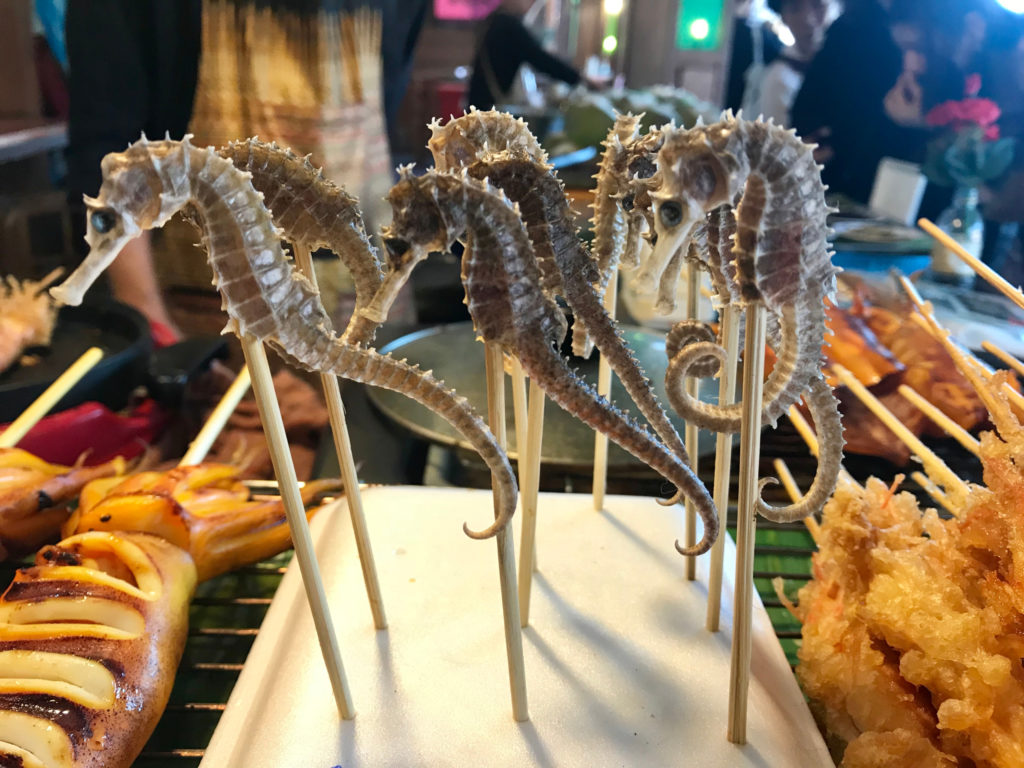
By Melissa Reitz Africa’s coastal waters have been hard hit by Asia’s surging demand for marine delicacies, putting immense pressure on delicate ocean ecosystems. A recent report by Traffic, the wildlife trade monitoring network, focusing on the trade in high-value marine products from Africa to Asia, has found that sea horses, fish maw (dried fish bladders) and sea cucumbers are being harvested and traded in massive volumes with little to no monitoring. More than 80% of African coastal states are exporting fish maw to Asia. Together with shark fins and abalone, sea cucumbers and fish maws are considered delicacies in East Asia. Highly prized and sold at top prices, these luxury seafood products are consumed as symbols of status or wealth. They are also used in traditional Asian medicines. With no effective legislation in place to monitor trade, populations are declining rapidly under this rampant and mostly illicit trade. The mass harvesting of sea cucumbers, fish maws and seahorses is threatening their long-term survival and the health of fragile ecosystems. Traffic says it has seen major discrepancies in the reported imports and exports of these marine products, indicating significant levels of unsustainable harvesting and illegal trade. With a rise in market price for dried cucumbers, fishing has increased in poorly managed fisheries across Africa. As a result, the East African coastline has seen up to a 70% decline in sea cucumber populations from Madagascar, Tanzania, Kenya and the Seychelles. According to Traffic, Madagascar, Kenya, Tanzania, and South Africa show the highest occurrence of under-reported and illegal trade and harvesting. This stimulates smuggling networks to exploit poor legislation and move illegally harvested sea cucumbers for transit into international supply chains. “This unpoliced harvesting and trade of marine products is putting Africa’s marine ecosystems under immense pressure,” says Adrienne West of the Animal Survival International (formerly Political Animal Lobby). “Not only that, but it is yet another avenue of illicit trade that is threatening state security across Africa and impoverishing communities.” The number of African countries involved in trade of sea cucumber products has increased from 18 countries in 2012 to 33 at the end of 2019. Yet only six of these countries have reported trade in the last 10 years.
Today Is World Wildlife Day – But for Millions of Animals Around the World, Today Is Not a Day of Celebration!
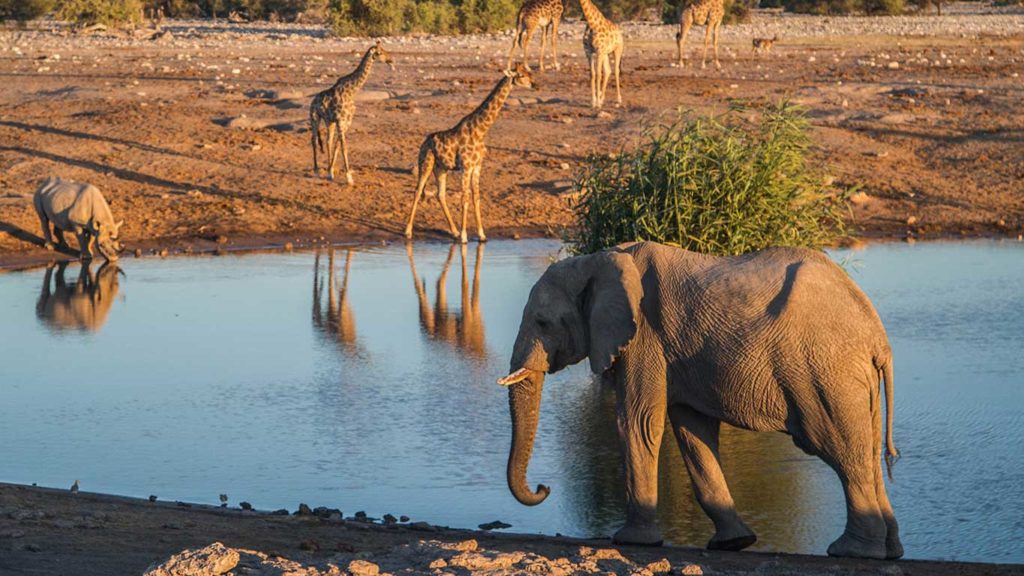
Today is World Wildlife Day. For millions of animals around the world, today is not a day of celebration. Our world’s wildlife is being wiped out. According to a 2019 UN report, one million species are threatened with extinction – some within a matter of years. As many as 30 to 50 percent of all species could be extinct by 2050. It’s worth pointing out that this information is two years old already, and the situation will undoubtedly have gotten worse since then. Although every day there is more gloomy news in the media warning of the rapid onset of extinction, the truth is that’s humanity has not yet fully realized the extent of the catastrophe that is about to take place on our planet. A catastrophe that would have devastating consequences for animals and humans. In coming years, we could say goodbye to pangolins (two species critically endangered), rhinos, (three species of black rhino are critically endangered and the northern white rhino is functionally extinct), mountain gorillas (critically endangered), vultures (eight species critically endangered) and painted dogs (critically endangered). Gone, never to return. And those are just the tip of our melting iceberg. Habitat loss is the biggest culprit, but climate change is also a major contributing factor. As is the poor enforcement of rules governing the international trade of animals. All of this is our fault and our responsibility to fix. Unwittingly, in some cases but deliberately in others, human actions have made the world a deadly place for animals. The Animal Survival International exists to fight for animals affected by these problems and to try and stem the tsunami of destruction that is affecting mammals, birds, marine life, reptiles, insects, amphibians… In fact, nearly every category you can think of is under pressure. We finance scientific research to find practical solutions to a wealth of problems – from Anatolian water frogs, who die by the thousands to be served as culinary delicacies to tracking the movement of elephants and lions across our last remaining wildernesses. We also provide medical supplies and fund treatment for injured, sick and rescued wild animals, and we work to raise public awareness of the calamity that will befall us all unless we fight to stabilize the natural world. You can help our crusade by donating today.
Africa’s First Dedicated Pangolin Hospital Ward Soon to Open
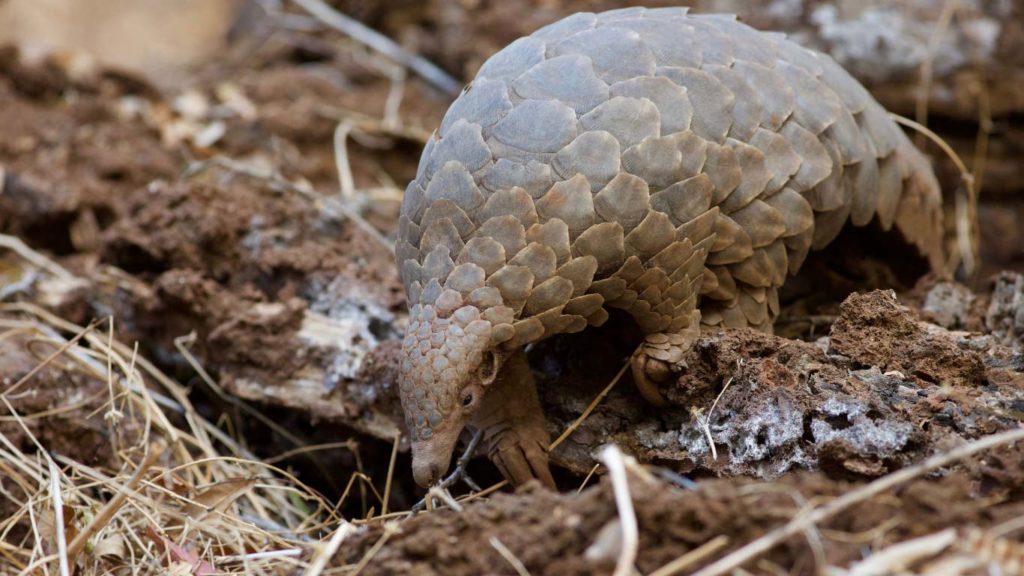
By Melissa Reitz In commemoration of World Pangolin Day, the first-ever dedicated pangolin veterinary ward in Africa has been announced. Fitted with state-of-the-art equipment to assist in the treatment of rescued pangolins, the ward will be built at the existing Johannesburg Wildlife Veterinary Hospital (JWVH) and funded by international banking group, Investec. JWVH is the global leader in pangolin veterinary treatment and rehabilitation. The hospital is the only facility in South Africa mandated to treat and rehabilitate pangolins confiscated by the South African Police Service (SAPS) and conservation law enforcement officers. Pangolins are the most trafficked mammal on Earth, with estimates ranging between 10,000 and 100,000 poached every year. The snatched pangolins are often severely mistreated by poachers and smugglers – transported for days without food and water, taunted and manhandled. As a result, the confiscated creatures arrive at the hospital malnourished and dehydrated, frequently with other complications like pneumonia and post-traumatic stress disorder (PTSD). The ward, which will contain an oxygen generator, anaesthetic machine and hand-held dental X-ray machine, will be designed specially to suit the needs of these solitary, nocturnal creatures. The dedicated space will be offsite at an undisclosed location, to help reduce stress and improve chances of recovery. The room will also be kept at 23°C which is the average temperature in their burrows in the wild. Since its establishment in 2017, over 130 pangolin patients have already been treated at the JWVH facility. Together with the African Pangolin Working Group (AWPG), the facility also oversees the release and post-release monitoring of all pangolins discharged from the hospital. Before being released, each animal is fitted with satellite and VHF (very high frequency) telemetry devices so they can be tracked and monitored. Pangolins are highly sought after in Asia for their scales which are used in Traditional Chinese Medicine. They are also eaten as a delicacy. “We applaud this level of corporate investment in the race to save Africa’s pangolins from being wiped out by illegal wildlife trafficking,” says Adrienne West, of the Animal Survival International (formerly Political Animal Lobby). “This is a global crisis that calls for effort from all sectors.”
Namibia’s Wild Elephants Destined for Foreign Zoos, Say Lobby Groups
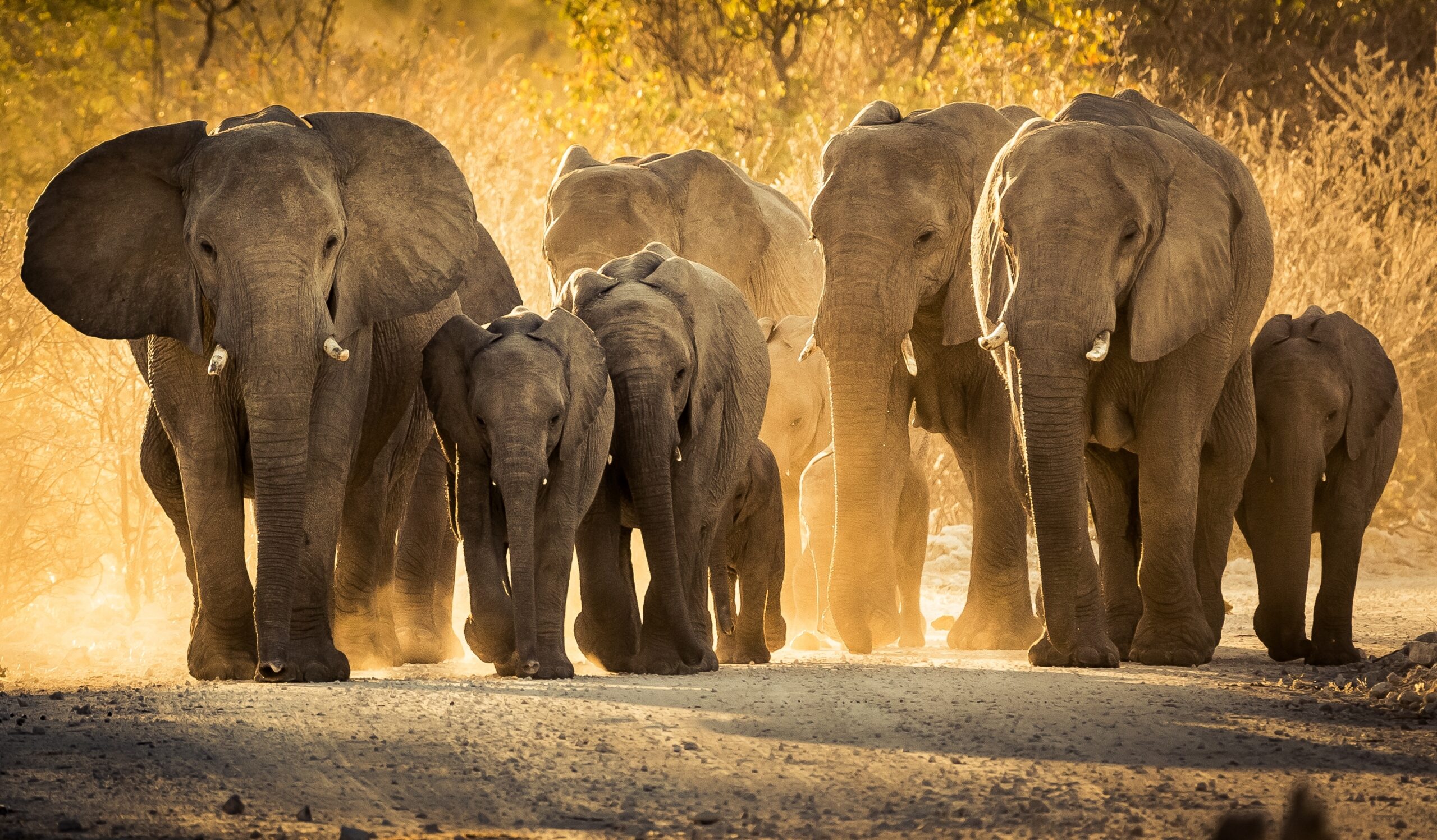
By Melissa Reitz Despite global opposition, Namibia is going ahead and selling 170 wild elephants and the buyer will be announced once the sale is finalized, says the country’s environmental ministry. By going ahead with the sale, Namibia is flouting CITES (Convention on International Trade in Endangered Species) regulations. CITES is the international body charged with regulating wildlife trade and has ruled that elephants must not be exported beyond their natural and historical range states. Namibia is ignoring this, saying that overpopulation and growing human-elephant conflict is the reason for the sale. However, observers say Namibia’s elephant counting method seems flawed and there are far fewer elephants than the ministry says. Namibian authorities won’t say who has bought the elephants or where they are going, despite the tender closing more than two weeks ago. But John Grobler, long-standing environmental investigative journalist in Namibia, said: “The obvious market for these elephants is China, who will buy them for zoos. Or hunters. No game farms are going to buy these animals.” Up to 12 family groups are earmarked from four elephant range areas, including the Omatjette area, Kamanjab farming district, Grootfontein-Kavango area and the Grootfontein-Tsumkwe area. Leading wildlife trade and elephant experts from around the world are contesting the sale with an open letter addressed to the Namibian authorities, including the president. Their main concern is that the free-roaming elephants will end up in captivity where they will endure long-term suffering both emotionally and physically. Namibia has no listed CITES scientific authority to approve the mandatory non-detriment findings for the elephants. Furthermore, extensive research by elephant scientists has repeatedly shown that elephants are sentient beings with complex social lives. When they are removed from their herds, and particularly if they are transferred to captive environments, they suffer extreme stress which affects both their emotional and physical wellbeing. This is not the first time Namibia has sidestepped CITES legislation to sell wild elephants. In 2012 the country exported 18 wild-caught elephants to Mexico, but registered nine individuals. Despite Namibia’s elephants being listed as Appendix ll, which specifies that no live animals may be exported beyond their natural range, the elephants were exported to Mexico under an Appendix l listing. Namibian government authorities say the elephants are affecting human settlements and farms and something needs to be done. Both local and international organizations are offering solutions and funding to mitigate human-elephant conflict, but say the government has ignored the suggested assistance. “In 2019 CITES conclusively banned the export of elephants beyond their range states. It is very clear that under a veil of secrecy Namibia is trying to sell elephants to unknown buyers in unknown destinations. “This can be described as a flagrant attempt to circumnavigate the rules,” says Adrienne West, spokesperson for the Animal Survival International. Originally published in Business Day
How we are helping RIGHT NOW: February 2021
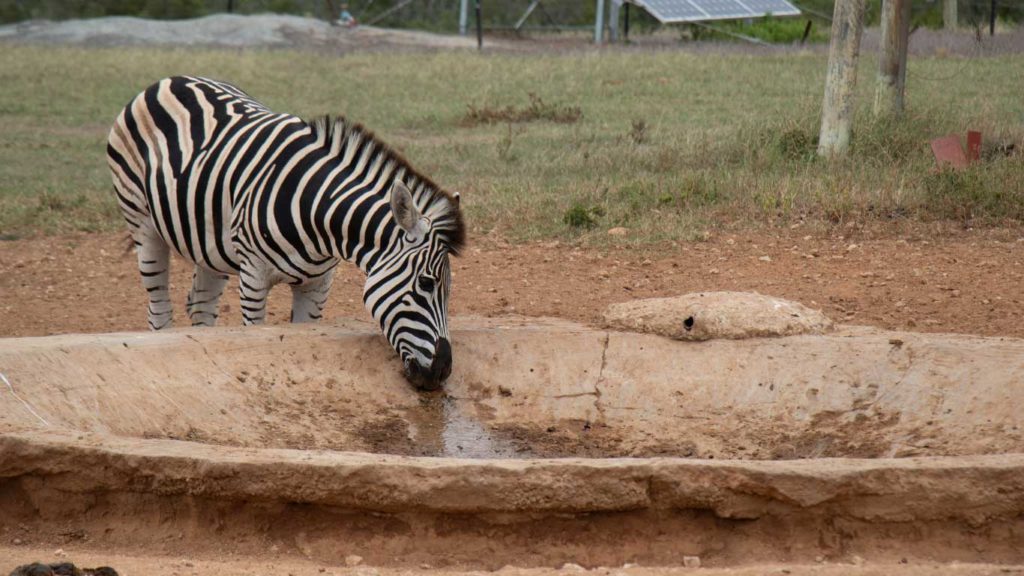
The future of animals and the wilderness they live in has never been more at risk. Climate change, habitat destruction and poor enforcement of international wildlife laws is driving species after species to extinction. We cannot be silent or sit idly by and watch this happen. The Animal Survival International (formerly Political Animal Lobby) exists to be a voice for animals and to do everything within its power to ensure animals survive internationally. We are incredibly grateful to our passionate supporters who make the work we do possible. In case you missed it, here’s what ASI is doing right now and how your donations are making a difference to animals across the globe: Life-Giving Water in the Midst of the Worst Drought in 100 Years In South Africa’s Addo Elephant National Park, hundreds of elephants and countless other animals risk dying of thirst because of the worst drought in 100 years. Water holes are drying up and thousands of animals are suffering – not only from thirst but also injury as they fight one another over the last few drops. Our team watched in horror as zebras kicked and bit each other, desperate for their share. Smaller animals like warthogs stood no chance of getting near the rapidly-drying waterholes. To help this dire situation, we have pledged to fund the installation of state-of-the-art solar-powered water pumps to draw more water from the available boreholes. Thanks to your generous donations, we have raised enough to save one waterhole with new equipment and are nearing our goal of saving a second one. Now we are counting the days until the pumps can be installed. Ending the Cruel Trade of Live Frogs from Turkey Millions of frogs are tortured, maimed and killed so they can be served up as a ‘delicacy’ in restaurants. Every day, thousands of Anatolian water frogs are cruelly harvested in Turkey before being sent across Europe. Hunted with hooks and squashed into bags by the hundreds, these helpless frogs are transported alive. Many die along the way. Those who don’t are often served up alive! Not only is this an example of shocking cruelty, but if we don’t act now, Turkey’s Anatolian frogs will be gone forever, and environmental disaster could ensue. We have pledged to help stop this carnage through the only available avenue – presenting compelling evidence to the authorities. By supporting scientists at Ege University in Turkey in conducting vital research, we will be able to demonstrate the true enormity of the plight of the frogs to the Turkish government and hopefully end this trade forever. A Second Chance for Persecuted and Poisoned Birds of Prey Birds of prey are severely threatened across Africa. Habitat loss, poisoning, local superstitions and climate change are pushing hundreds of raptor species to extinction. The Owl Orphanage in St. Helena Bay, South Africa has made it their mission to rescue and rehabilitate as many poisoned and injured birds as possible. The Owl Orphanage is inundated with birds in desperate need of help. Sometimes they rescue five a day, but they simply do not have enough space to home them all while they recover. Your generous donations helped expand their aviary, meaning that more birds of prey will now get a second chance. Celebrating World Pangolin Day – but for How Much Longer? This month we celebrated the 10th annual World Pangolin Day. On this day we were again reminded of the horrific plight of pangolins, both across Africa and the Far East. As the most trafficked mammal in the world, pangolins are hurtling towards extinction; an estimated 200,000 pangolins are killed every year! Smuggled across borders to Asia, pangolins are hacked to death to be used in traditional Chinese “medicine” or eaten as a delicacy. If we don’t put an end to the rampant slaughter of these quiet, solitary creatures, very soon we won’t be celebrating World Pangolin Day anymore because there won’t be any left. ASI is committed to spreading awareness and offering support wherever needed to help prevent such impending disasters. Thank you for standing with us in this fight. Once again, thank you for your generous donations and your support in raising awareness of these issues. You make it possible for us to make a difference, supporting wildlife across the globe.
Today Is World Pangolin Day – Save the Most Threatened Mammal on Earth
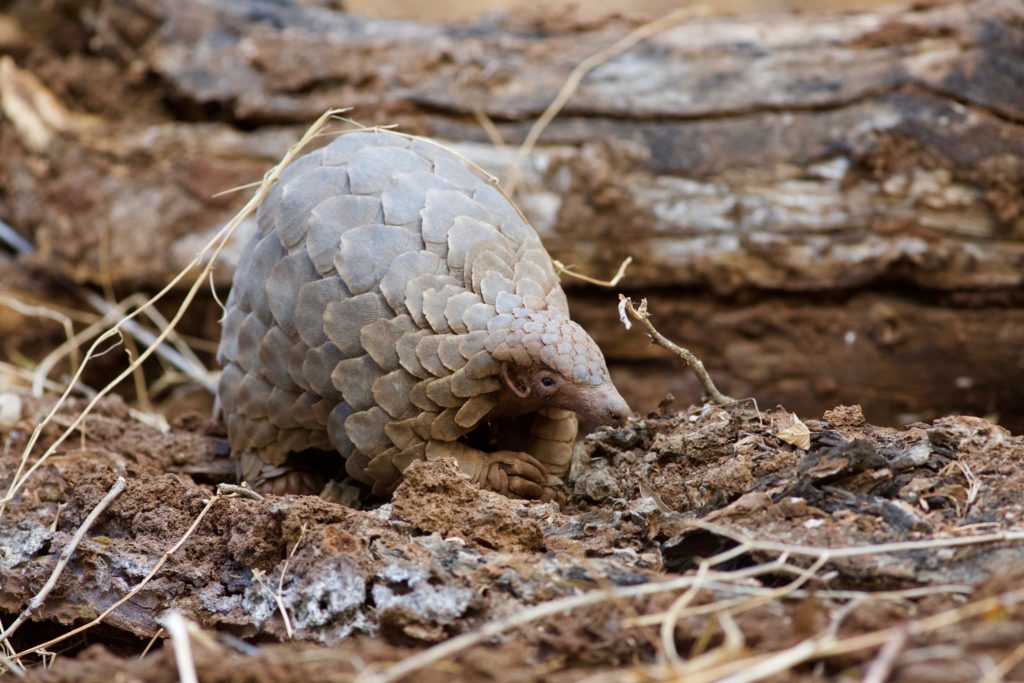
Today the world celebrates World Pangolin Day. But unless action is taken soon, there will be very few such days in the future. As the most trafficked mammal in the world, these quiet, solitary creatures are being wiped out at a rapid rate. Pangolins are being pushed to the very edge of extinction. An estimated 200,000 are killed every year. That is more than 500 pangolins poached from the wild every day. Highly sought after in Asia, tonnes of pangolin scales are smuggled across borders to be used in traditional Chinese “medicine”. Pangolin meat is also considered a delicacy in many regions and whole animals are stuffed and sold as souvenirs to the elite. The last sound a pangolin makes on earth is all too often a squeal of pain as it sizzles in a frying pan. Asia’s growing population and a rising middle class, coupled with increased terrorism and an explosion in online trading, has pushed demand to unprecedented levels. The illicit wildlife trade is rated the fourth-largest illegal form of international trade after drugs, arms and human trafficking. Growing evidence shows that trade in wildlife and their parts is used as a major source of funding for organized crime and global terrorist syndicates. What is being done about it? The situation is so bad that in 2017, the Convention on International Trade in Endangered Species (CITES) extended protection on all eight pangolin species banning all international trade. It made no difference. In 2019, over 10 tonnes of pangolin scales were seized in the Chinese city of Wenzhou, Zhejiang Province. In 2020, China elevated its native Chinese Pangolin (Manis pentadactyla) to the highest level of protection and banned consumption of the species. Additionally, the government announced that pangolin scales were officially removed from the list of approved ingredients in traditional Chinese medicine. But investigations have revealed that this ruling has not been enforced and Chinese pharmaceutical companies continue to use pangolin scales from the national stockpile. The good news, however, is that this year, six international airline companies have pledged support of pangolin conservation. Lufthansa, British Airways, Swiss International Air Lines, TAP Air Portugal, Austrian Airlines and KLM have committed to screening the ground-breaking documentary, Eye of the Pangolin, co-produced by Pangolin.Africa in support of World Pangolin Day. What is a pangolin? There are eight pangolin species in the world – four in Africa and four in Asia. Also known as scaly anteaters, pangolins are elusive, primarily nocturnal animals. When frightened, they will roll into a tight ball exposing their armor of scales to the potential predator. Apart from raising their pups, which they carry on their backs, pangolins live alone. Most of their time is spent foraging on ants and termites. Their sharp claws help them dig into termite mounds, while their long sticky tongues are used to lap up the insects. In the process of foraging, pangolins play a valuable role in the ecosystem by aerating the soil and controlling insect populations. What can you do to help save the pangolin? TWEET using the hashtag #WorldPangolinDay LIKE the World Pangolin Day Facebook page BLOG about pangolins on World Pangolin Day SHARE pangolin information on your social media networks SUPPORT organizations which are working to protect pangolins REQUEST full enforcement of laws and penalties for smuggling pangolins (and other wildlife) NOTIFY the authorities if you see pangolins for sale at markets or on restaurant menus, or if you know of anyone capturing or possessing pangolins. DONATE to pangolin conservation efforts. WHAT THE WORLD SHOULD BE DOING To save pangolins, it’s vital that governments around the world clamp down on their capture and trade. A disgraceful lack of law enforcement in African and Asian countries where pangolins live, coupled with blatant bribery and corruption by border and customs officials is hindering positive work to save this species from annihilation. In addition, CITES shamelessly turns a blind eye to corruption and law evasion. We cannot allow this. We need to make our voices heard by our representatives, demanding they do better.
New Study Reveals What Chinese Wildlife-Product Buyers Really Think
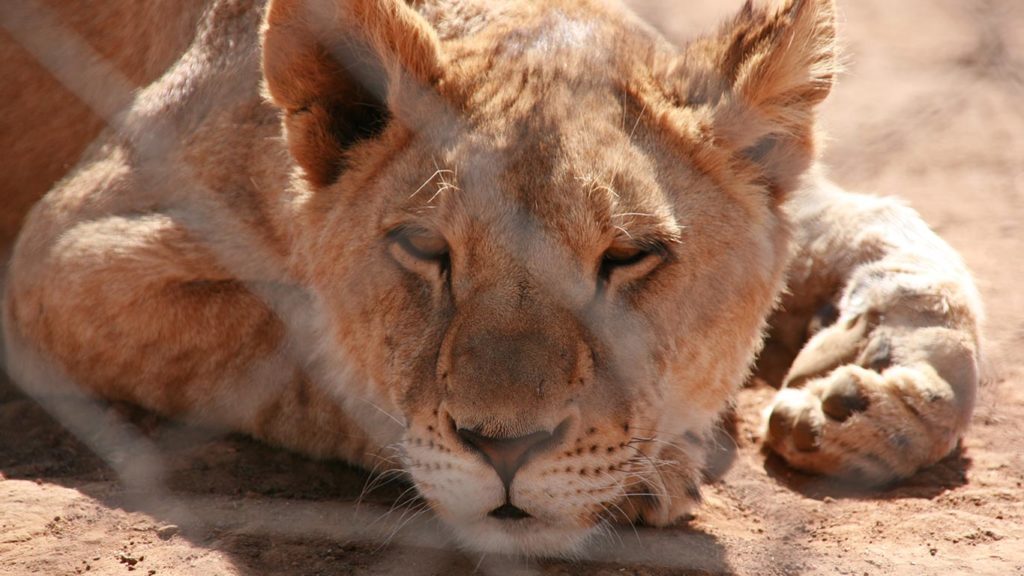
By Melissa Reitz A ground-breaking new study confirms legalized trade and commercial breeding of wild animals significantly stimulates buyers-demand and is ultimately pushing wild species to extinction. To determine the impact wildlife trade bans and breeding farms have on consumers of wild animal products, the study led a survey of a thousand Chinese citizens, focusing specifically on bears, tigers, snakes and turtles. Researchers gave the study participants written scenarios describing the consumption of animal products such as bear bile and tiger bone, before recording and analyzing their responses. The results showed that when trade bans are placed on these products, consumers considered it to be significantly less socially acceptable to buy them. Furthermore, they expected more severe legal punishment if they purchased them. On the other hand, the study found that when Chinese consumers know that wildlife products come from breeding farms, the stigma attached to their consumption is vastly diminished, there is less fear of legal consequences, social acceptability is raised, and overall demand is stimulated. Researchers specifically noted that “farming tigers for medicinal use was associated with increased acceptability of tiger bone”, deducing that Chinese consumers are more comfortable buying wildlife products when they are told that they come from breeding farms rather than from the wild. These outcomes highlight what scientists, conservationists and environmental lobbyists argue: legal trade and commercially breeding wild animals encourages consumption and therefore poaching and illicit trade, ultimately causing wild populations to crash. Around the world, wildlife farmers and traders insist that their activities are not profit-driven or unethical, but beneficial to conserving wild animals. They say breeding species like lions or tigers in captivity and trading them on legal markets will satisfy demand and lower prices, making poaching and trafficking unprofitable. But scientific studies has repeatedly shown that there is little to no conservation benefit to captive breeding programs of wild animals. “The legal trade in wildlife and ongoing captive breeding is in no doubt undermining the survival of wild populations worldwide,” says Adrienne West of the Animal Survival International (formerly Political Animal Lobby). “Furthermore, legal trade provides ample opportunity for traders to hide fraudulent activity.” Today more than 200 tiger farms in China hold over 6,000 tigers – far outnumbering those in the wild – to supply an ongoing demand for Traditional Chinese Medicine. In South Africa, an estimated 12,000 lions exist in the country’s notorious lion-breeding farms, while less than 10, 000 wild lions roam the entire continent. Lion bones are legally exported from South Africa to Asia as a substitute for tiger bones.
Shocking Evidence Reveals Hunting Fraternity Flouting the UK’s Hunting Ban

By Melissa Reitz Fox hunting is illegal in England, Scotland and Wales, but hunters have found a way to get around this with trail hunting which mimics traditional hunting by following an animal-based scent trail. Now leaked webinars reveal longstanding suspicions that hunters use trail hunting to cover up illegal fox hunting. British TV channel, ITV News, captured hunt organizers openly explaining to other hunters how the law could be broken using trail hunting as a “smokescreen”. While police investigations take place, some of the UK’s biggest landowners, including the National Trust, Forestry England, the Lake District national park, United Utilities, the Malvern Hills Trust and Natural Resources Wales, are prohibiting trail hunting on their land. Although still legal in Northern Ireland, fox hunting was banned by the Hunting Act 2004 in England and Wales, and the Protection of Wild Mammals Act 2002 in Scotland. But ongoing evidence, including from eyewitnesses, suggests exemptions in this law – which allows trail hunting and the use of dogs to flush out mammals for birds of prey to catch – creates loopholes which hunters use to cover up chasing and killing foxes. Traditionally, horse and hound hunting involve the chasing and killing of foxes. Scientific evidence shows that hunted foxes suffer extreme physical and mental stress when chased. Hunters are known to block badger dens to prevent the foxes hiding underground, further impacting on other wildlife species. If the foxes do manage to hide in holes, terriers are sent after them, causing immense suffering as the dogs tear at their face, head and neck. The dogs are often injured in this process too. Citizens and animal welfare groups continue to put pressure on the British government to ban all hunting with the use of dogs. “This blatant disregard for the law is a disgrace and yet another reason why parliament needs to fully outlaw trail hunting,” says Adrienne West, Chief Campaigner at Animal Survival International (formerly Political Animal Lobby). “We will continue to rally public support to put an end to this sport once and for all.”
Update: British Government Climbs Down on Pointless Badger Killing but British Veterinary Association Says Let the Killing Continue!
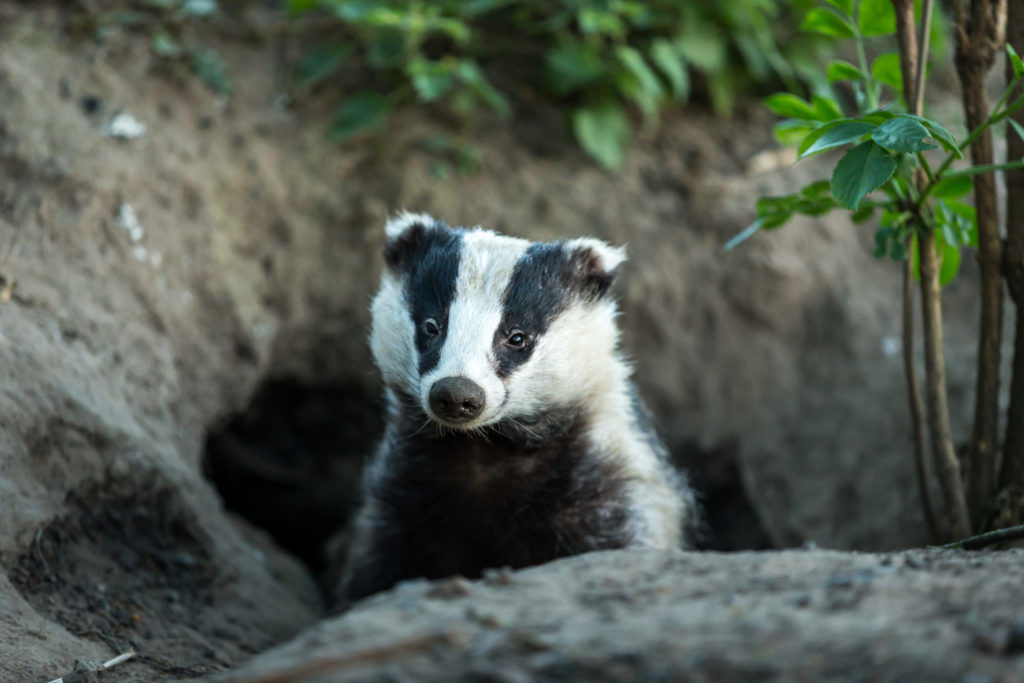
The British government’s announcement that badger culling will be ‘phased out’ at some distant point in the future is welcome news – half-hearted as the commitment might be. What the government should be doing is immediately stop badger killing. It is now well established that badger culling is as pointless as it is cruel. David Morris, a Conservative MP, put it well when he raised the point in Parliament that: “…even if we killed every badger in the UK, it would not eradicate TB“. For more than five years, scientists have been informing government that the policy of shooting badgers does not work as advertised and should be ended. Until now, the government blithely ignored the facts. In addition, between now and 2022, new licenses can be granted. And, on February 8, 2021, the government announced that it is mulling over 12 new culling applications for 2021 including extending culling into the counties of Northamptonshire, Berkshire and Worcestershire. Unbelievably, they are also considering further multiple applications for ‘supplementary culling’ where there has already been ‘intensive culling’ for four years. While the government’s position does indicate a hesitant step in the right direction, it is far from what should be happening but, mealy-mouthed and squirmy as the government’s new policy might be, it does indicate a hesitant step in the right direction. Disgraceful response from the British Veterinary Association What is absolutely extraordinary is the response of the British Veterinary Association (BVA), which claims to represent 18,000 of the UK’s 28,900 veterinarians. Responding to the announcement, BVA President, James Russell, said the BVA will continue to support badger killing. These are his exact words: “BVA has consistently advocated for an approach that uses all the tools in the toolbox to tackle this insidious disease, and we welcome progress on new tools and measures such as a viable cattle vaccine. Farmers, vets and the Government have put in enormous effort over the years to control bovine TB, but it’s essential that any next steps are evidence based before any of the proven tools are phased out.” What Russell is saying here is that badger killing is a “proven tool” (it is not) and should continue. Most people trust veterinarians to do what’s right for animals. Veterinarians in England take an oath which includes the pivotal statement: “…above all, my constant endeavour will be to ensure the health and welfare of animals committed to my care.” Killing healthy badgers is most certainly not ensuring their health and welfare. The BVA’s position is neither scientifically warranted, nor ethically correct and poses an important question: if BVA members cannot be trusted about badgers, how can we trust their advice when we take sick animals to them? There is something terribly wrong here, and in the opinion of the Animal Survival International (formerly Political Animal Lobby), it’s time for the BVA to change its policy. Badgers hold a special place in the hearts of the English and the judgment of history will be harsh on those who support slaughtering them for no good reason. The BVA should be better than this. They should be reminded that badgers are suffering painful, meaningless deaths every single day that this killing continues. And reminded to look at their own promises to care and protect those without a voice. Those paying annual membership fees to the BVA should also be reminded of where their money is going.
Namibia Confirms Its Wild Elephants Are up for Sale – Despite Massive Outcry
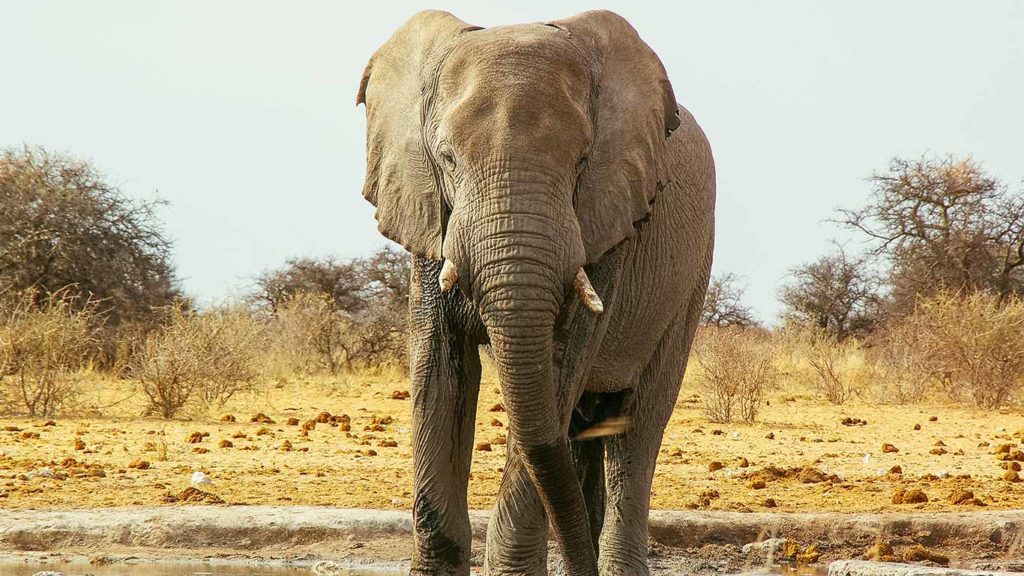
By Melissa Reitz With the tender for auction now closed, Namibia’s Ministry of Environment, Forestry, and Tourism (MEFT) is finalizing buyer details for the sale of 170 wild elephants. Namibian authorities say there are too many elephants in the country. But conservationists are up in arms, saying the ministry has inflated actual elephant numbers. MEFT says the country’s elephant population has tripled from about 7,500 in 1995 to roughly 24,000 today. They say the large population is damaging ecosystems, heightening human elephant conflict, and increasing the risk of poaching. For this reason, they are offering the “high value” animals to local and international buyers. Wildlife experts say the model used to ascertain elephant numbers by the government is flawed as it does not include mortalities. According to conservationists, with a 3.3% increase per annum on 1995’s base count, there cannot be more than 16,000 elephants in Namibia. They also point out that elephants are migratory and transboundary, moving between Namibia, Angola, Botswana and Zambia. The resident elephant population of Namibia is therefore estimated at about 5,500 animals. International animal welfare organization, IFAW, says the government’s plan to sell elephants will not address human-wildlife conflict and is contrary to the Convention on International Trade in Endangered Species (CITES), of which Namibia is a member. Elephant experts have proposed initiatives to mitigate human-elephant conflict, including installing elephant water points away from human settlements and setting up electrified fencing. But the Namibian government claims they never received these proposals. According to the tender requirements, buyers will need to meet certain criteria including quarantine facilities, game-proof fencing and adherence to veterinary regulations. Foreign buyers must prove they have permission to import the elephants. According to CITES regulations, Appendix ll elephants (which include elephants in Namibia, Botswana, Zimbabwe and South Africa) may only be exported to countries where they will “not to be used for primarily commercial purposes” and only to “in situ conservation programmes or secure areas in the wild, within the species’ natural and historical range in Africa, except in exceptional circumstances”. But with the recent sales of wild-caught elephant calves from Zimbabwe to zoos in China, in which CITES regulations were flouted, animal welfare groups are concerned this may also be the fate of Namibia’s elephants. “Animal Survival International (formerly Political Animal Lobby) has no doubt that if we are not vigilant, these elephants could end up in zoos abroad. We investigated the Chinese elephant purchases from Zimbabwe closely for several years and, despite our irrefutable evidence of forged permits and pictures of elephant calves in quarantine, authorities turned a blind eye. We are deeply concerned that if Namibia sends its elephants abroad these animals will end up in zoos facing lifelong emotional and physical trauma,” says Adrienne West, chief campaigner at Animal Survival International (formerly Political Animal Lobby).
COVID-19 Border Restrictions Do Nothing to Curb Illegal Wildlife Trade in Central Africa
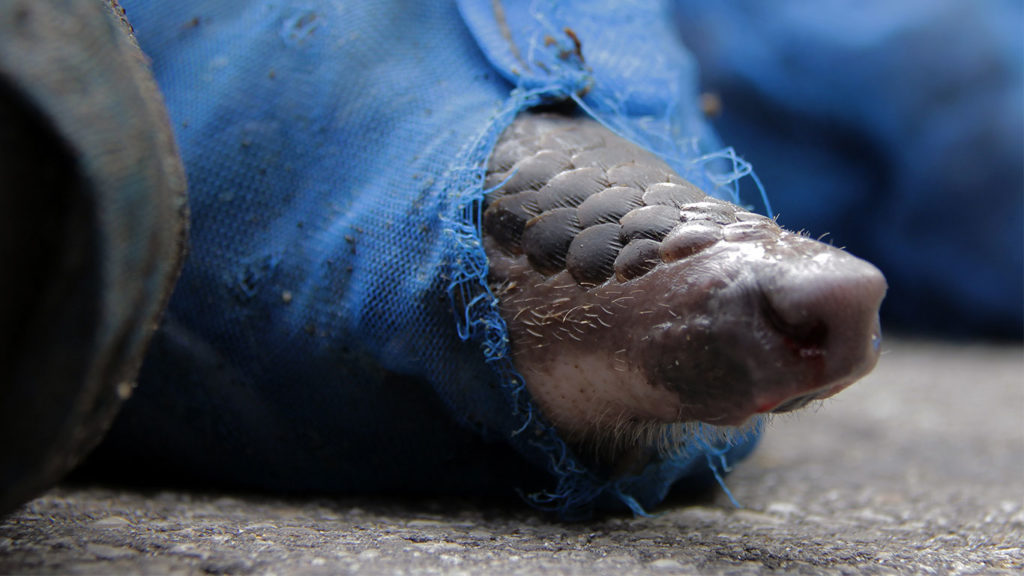
By Melissa Reitz When COVID-19 broke out in Africa, it was hoped that travel restrictions and border closures would go some way to limiting the illegal wildlife trade from Central Africa to Asian countries. It did not happen. A recent spike in poaching and arrests confirms the demand for wildlife animal parts from Central African countries such as Uganda and Democratic Republic of the Congo (DROC) is showing no signs of diminishing. Illegal trade in traditional wildlife products, such as pangolin scales and tortoises as well as new ones, such as elephant penises, has continued throughout the pandemic. High value rhino horn and ivory are airlifted as cargo, while other products such as fish, python skins and hippopotamus teeth are shipped out of Uganda through ports on Lake Victoria. These animal parts are then transported through Kenya and on to destinations in Asia COVID-19 lockdown measures mean reduced staff at ports and borders, making these transit points porous and more susceptible to illicit trade. With Uganda’s cargo services still open, the country can continue acting as both supplier and an important transit hub for illegal wildlife trade from Central Africa. This is in spite of international passenger travel being banned until October 2021. According to wildlife trafficking experts, paying attention to countries such as Uganda that act as midpoints in the supply chain of international illegal wildlife trade is critical to stopping global wildlife trafficking. Scientists and health experts say that it is unregulated movement of wild animal parts that give rise to zoonotic diseases like COVID-19. It’s believed that coronavirus may have first emerged at a ‘wet market’ in the city of Wuhan in China. Wet markets sell a variety of animals, both domestic and wild, for food consumption. Researchers say coronavirus is likely to have originated from a bat and then been passed onto other animals such as the pangolin. With the outbreak of the pandemic, many of China’s wet markets were shut down and the trade and consumption of wild animals for food banned. But the commercial sale of wild animals for pets, traditional medicines, or ornamental uses is still legal. The World Health Organization (WHO) stresses the importance of enforcing bans on the sale of wildlife for food which the environmental and policy community have echoed. “It’s imperative that international communities work together to support a movement toward a total ban in illegal international wildlife trade in all its forms, including consumption, medicine and pets. This is the only way we can disrupt this prolific and ongoing slaughter of Africa’s wildlife,” says Adrienne West, chief campaigner at Animal Survival International (formerly Political Animal Lobby).
Badgers are still being SENSELESSLY MURDERED by the thousands for absolutely NO PURPOSE!
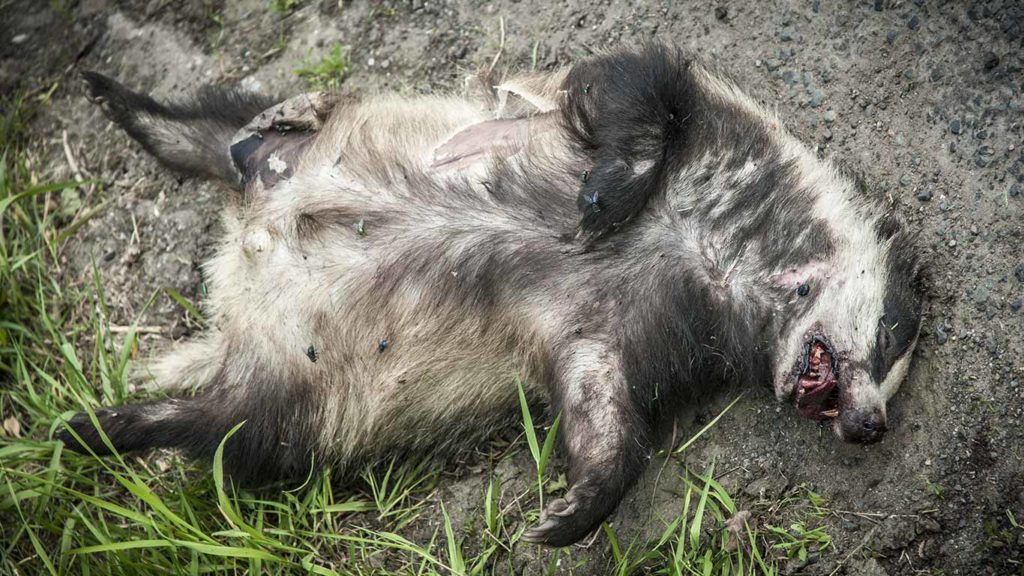
We have told you before about the cruelty involved in the pointless slaughter of hundreds of thousands of badgers in England, in a vain bid to control the spread of bovine tuberculosis (bTB) in cattle. The first thing to know about this cull is that it does not work. Between 2013 and 2020, up to 160,000 badgers were brutally killed at the exorbitant cost of £70-million ($96-million) in a completely unnecessary exercise that does NO good for man or beast. Now, the British government has announced that it will ‘phase out’ badger culling and grant no new licenses from 2022 except under ‘exceptional circumstances. Frankly, we at ASI are sceptical because after pledging to phase out badger culling in 2020, the UK government announced 11 new cull zones. This latest statement also dodges the facts that ‘intensive’ culling will continue in 43 locations and that existing licence conditions provide scope for five more years of ‘supplementary culling’. Plus, between now and 2022, new licenses can be granted. This is truly unacceptable and, one of the most astonishing things about the whole sordid mess of pointless cruelty is that the British Veterinary Association (BVA), the UK’s biggest veterinary association, is fully aware that the slaughter has not worked as hoped but continues to support the badger cull. Frankly, we battle to understand why. We wrote asking the BVA to clarify its position. In response, we received a 72-page document that boiled down to saying: yes, the cull is cruel, but we support it anyway! All UK veterinarians take this oath: “…above all, my constant endeavour will be to ensure the health and welfare of animals committed to my care.” BVA executives know badger culling does not work and say that shooting them causes “welfare harm,” yet it supports the killing anyway. Why is the BVA blatantly ignoring their veterinary vows to support something so wrong? The answer is that some farmers and landowners ignore the scientific evidence that badger culling does not work and pressure MPs to continue voting for it. It’s a good example of the old saying that if you repeat a lie enough times, it takes on the ring of truth. Farmers are good customers of vets, which may go some way to explaining why the BVA supports something it knows is cruel and pointless. With your support today, we will keep fighting the badger cull and put pressure on vets to do what’s right – stop supporting the killing of badgers! The BVA acknowledges that its policies should be based on the best available science but ignores the fact that scientific evidence has irrefutably proven that the badger culls are pointless. It fails to even mention that, as far back as 2018, a report confirmed that poor hygiene at farms and farmers trading in cattle which have not been thoroughly tested for bTB, is the major cause of the spread of bTB in cattle. So, we have heard directly from the BVA that, despite its oath, contrary to knowing that culling badgers does not appear to be stopping the spread of bTB, it intends to continue doing the wrong thing! Every day that this continues means more painful deaths for badgers! Here’s how you can help put a stop to the senseless badger cull: We know many vets are appalled by badger culling. They know the evidence shows that killing every badger in England will not halt the spread of the disease. Mass vaccination of cattle is the answer, which is what the BVA and the government should be focusing on. It’s clear from the BVA’s almost contemptuous answer to our questions that the only real hope of a policy change is if BVA members either quit and join another veterinary organization that opposes the cull or puts pressure on the BVA’s executives to change the policy. You can help by talking to your vet and telling them to help change this situation. Individuals working together can change the situation – so please, speak to your vet or send them an email. Of course, it is your right to take your business elsewhere if you are not satisfied with the response. Please, donate what you can today to help ASI save these terrified creatures from pointless extermination.
Shocking News as Kruger’s Rhino Numbers Are Finally Revealed
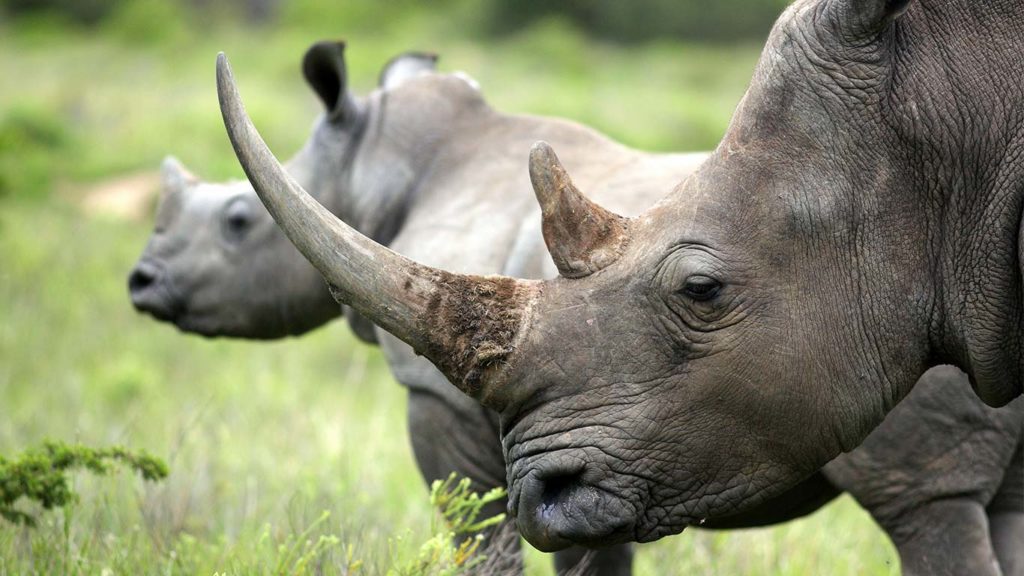
By Melissa Reitz A sobering new report by South African National Parks (SANParks) has confirmed the shocking decline in rhino numbers in Kruger National Park, home to the highest concentration of rhino in the world. Figures have plummeted to an estimated 3,529 white rhino and 268 black rhinos. This information, which come after years of silence by the government on the exact number of rhinos living in the park, confirms a drop of 67% since 2011 for white rhinos and 35% since 2013 for black rhinos. These slashed numbers are the result of unprecedented rhino poaching over the past decade, fuelled by an insatiable demand for their horns abroad. Despite regular government reports on the number of rhinos poached, arrests and incursions, the details of existing populations have been unknown to the public until now. Annual reports have shown poaching numbers steadily dropping over the last five years, but these updates have focused solely on the decrease in actual poached rhino and incursions. With this new population update it is evident that the reduced population is a major contributing factor to lower poaching numbers. There are simply fewer rhinos to kill. According to the IUCN, the poaching rates as a percentage of remaining rhinos in the park and nationwide is of significant concern, despite poaching rates declining. Adding to this, the number of lactating rhino cows killed by poachers has a knock-on effect on population levels as this often leads to the death of dependent calves. However, anti-poaching efforts by both government and the private sector still play a major role in reducing losses for the last remaining rhino populations in South Africa. These efforts include using technology for high-level vigilance and quick reaction, improved information handling and better engagement between government, the private sector, non-profits, and donors. “These population figures heighten the reality that the rhino species is ever closer to extinction, despite efforts to fight poaching. The only way we can prevent this decline is to vigorously enforce international agreements in banning rhino horn trade,” says Adrienne West, chief campaigner of the Animal Survival International (formerly Political Animal Lobby). Kruger National Park is South Africa’s largest national park and home to the highest concentration of rhinos in the world. PUBLICLY-AVAILABLE RESOURCES: 1. These latest stats (2019) are available on page 96 of the 2019/2020 SANParks Annual Report: download. 2. 2018 stats are available on page 101 of the 2018/2019 SANParks Annual Report: download. 3. Prior year stats are available here: white rhinos and black rhinos.
Albatrosses to the Rescue: Policing Illegal Fishing
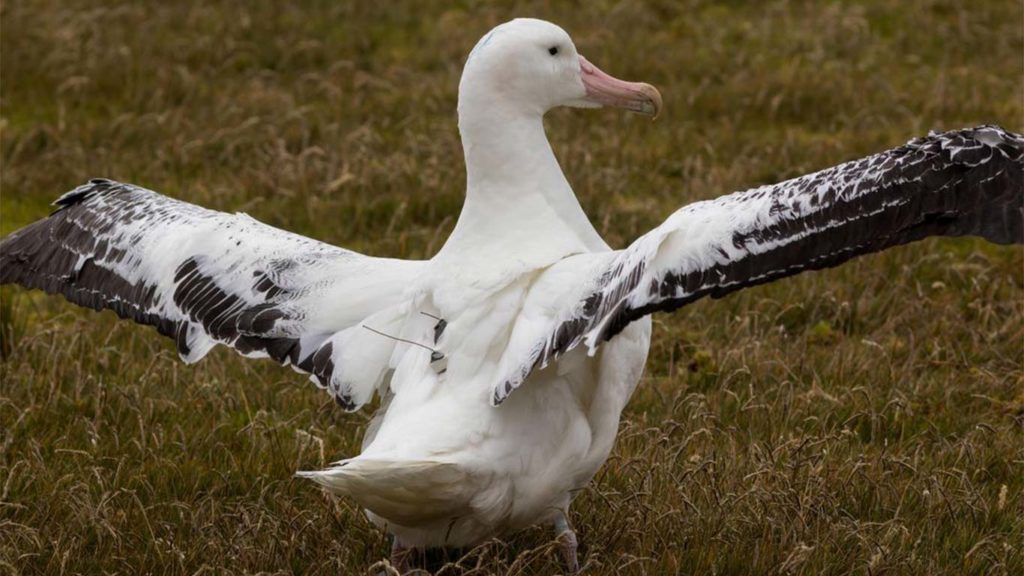
Words: Melissa Reitz Albatrosses are proving invaluable in the fight against illegal fishing in international waters. Fitted with tiny radar-detecting trackers, these huge birds help spot fishing boats that have turned off their automatic identification system (AIS) to hide illegal fishing. In a six-month pilot project, 169 wandering and Amsterdam albatrosses fitted with GPS trackers covered more than 47 million square kilometers in the southern Indian Ocean. During this period, over 350 boats were detected in both international and national economic zones. With the ability to fly vast distances at speeds of over 50 miles (80 kilometers) per hour, albatrosses provide a cost-effective way to police illegal fishing boats in remote regions that are out of reach of monitoring machines. At the same time, they also help map potential hotspots of illegal fishing and gather crucial conservation data. Not only do albatrosses have incredible stamina – some species spend years at sea without ever touching down on land – but they can spot and detect boats, which attract them with their assortment of fish snacks, from almost 20 miles (32 kilometers) away. About one fifth of fish on the market today is a result of illegal, unreported and unregulated catches. Boats that trawl without a license, exceed quotas or underreport their catches undermine fragile ecosystems. Illicit fishing costs the global economy up to $30-billion each year. The project’s team ensure that the tracking devices don’t change the birds’ natural routes, and can be easily removed, or naturally fall off during molting over a two-year period. “Using nature to help us find sustainable solutions to biodiversity degradation is one vital way we can collectively make a difference to saving life on Earth,” says Adrienne West of the Animal Survival International (formerly Political Animal Lobby). Feature image credited to: Alexandre Corbeau
EATEN TO EXTINCTION! Millions of frogs are being tortured, maimed and killed – for the dinner table!

As we’ve told you before, MILLIONS of frogs are being tortured, maimed and killed so they can be served up as a ‘delicacy’ in restaurants. Turkey’s Anatolian water frogs are cruelly harvested by the thousands every day before being sent to a fate of even more horrifying cruelty. The Anatolian water frog can’t survive this carnage. Scientific evidence shows they could be extinct in little more than a decade. ASI has pledged to help scientific researchers at Ege University in Turkey to conduct studies to help end this unsustainable carnage. Your donation will help. It’s only with the support of clear-thinking people like you that we can save these creatures. Frogs may not be glamorous creatures, but they have a right to share this world with us – it’s theirs as much as it is ours. The methods of capture and killing are shockingly cruel. Hunted at night by men using hooks and nets, water frogs are captured thousands at a time, squashed into bags and transported alive across Europe. Many die along the way. France, Italy and Switzerland are the biggest markets, but the trade is worldwide. Once the frogs arrive at their destination, their necks are slashed, insides removed and they are cut in two. Their legs are severed, and their torsos discarded. They are often SERVED ALIVE! A video of a chef preparing frogs legs at a restaurant in Tokyo shows the creature trying to claw its way off the plate after being dismembered. IT WAS MOVING ITS LEGS AND BLINKING AT THE CAMERA! Turkey exports 36 million frogs each year. If we don’t act now, Anatolian frogs will be gone – another species wiped from the face of the earth. We can’t let this happen. Water frogs play a vital role in natural ecosystems; saving them is not just the right thing to do, it is in mankind’s best interests to do so. Your donation will help fund scientists’ vital research absolutely necessary to show the Turkish government why this must change, and the international community must stop eating frogs. Do the frogs suffer? Of course, they do! They have a nervous system and pain receptors, so they feel pain and suffer immensely before a horrible death, for a diner’s fleeting taste experience. Your donation will help increase scientific knowledge that is vitally important when presenting information to the authorities that will help them understand just what is at stake. We must act now, and with your help we will. It’s desperately worrying that the situation has got so bad and nothing is being done to help. Please help change that. Donate what you can, large or small (every gift helps!) today.
In World-First, Germany Outlaws the Mass Culling of Male Chicks
With the approval of a new draft law, Germany is set to lead the way in the poultry industry by becoming the first in the world to ban the mass culling of male chicks. Every year, millions of male chicks are either shredded or gassed to death soon after hatching as they are not suitable for meat production, nor do they produce eggs. Animal welfare groups around the world have decried the cruelty in culling males for years. But now in a significant step forward for animal welfare, Germany has taken a stand to end mass chick killing by 2022. Although farmers have complained that there were no affordable and cruelty-free alternatives to killing male chicks, the German government says there are now methods to determine the sex of chicks before they hatch. One efficient technique, developed by a German company, uses laser technology to make a small hole in the egg to extract fluid that is tested for male or female hormones. To further reduce cruelty, from 2024, the draft law will also require poultry farmers to use methods that work at an earlier stage in the incubation process, preventing pain for the unhatched chicks. “We welcome this new legislation as another step towards a changed world-view on animal welfare and the need for all living beings to live without pain or suffering,” says Adrienne West of the Animal Survival International (formerly Political Animal Lobby). France has also committed to ending the cruel practice in its poultry industry. It has pledged to working with Germany to outlaw the practice of chick shredding by the end of 2021. Switzerland banned shredding of live chicks last year, but still allows gassing. A 2009 EU directive allows shredding if it causes “immediate” death for chicks less than 72 hours old. To ensure that the discarded male eggs are efficiently used, Germany will allow the eggs to be processed into feed component. A Dutch food authority has confirmed that after nine days of incubation, the eggs are safe to use for feed applications.
Habitat encroachment, poisoning, local superstitions and traditional medicines threaten birds of prey!
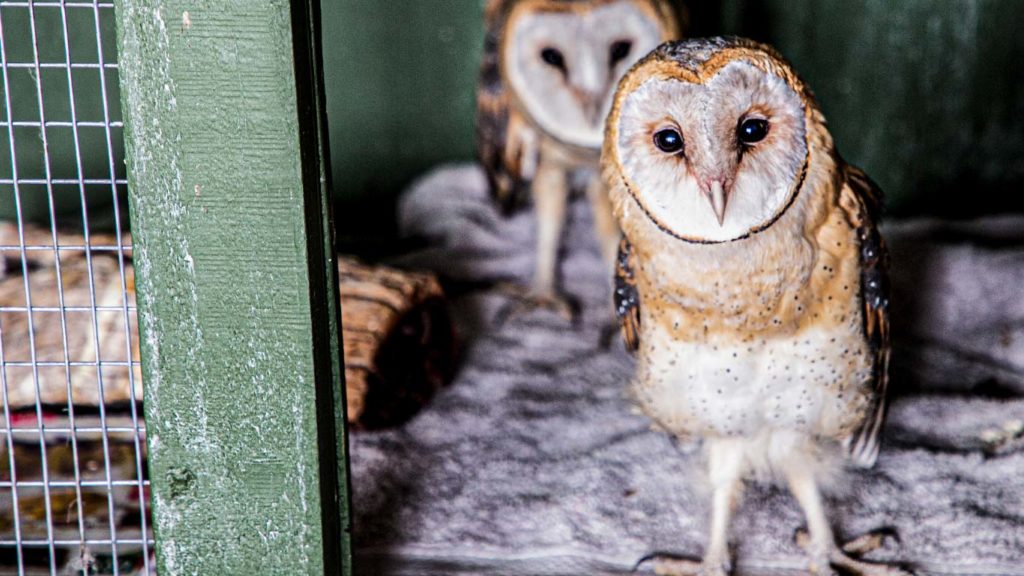
Majestic birds of prey are dying senseless, excruciating deaths. Iconic species of birds around the globe are at risk of being wiped out. Threats including habitat loss, poisoning, local superstitions, razor wire, traditional ‘medicines’ and climate change. These iconic animals could disappear from our skies altogether. Join us today and give threatened owls, hawks, eagles, falcons, vultures and kites a fighting chance. Please, can we count on you today to help us take urgent action to change this tragic situation? Birds of prey are in terrible trouble! Numbers have dropped by 40 percent! Being trapped in wire leads to a slow death for birds of prey. The latest research (published in the journal Biological Conservation, was led by biologists at The Peregrine Fund and in collaboration with nine scientific organizations ) is the first to focus specifically on the status of raptors. An analysis of all 557 raptor species led biologists to the shocking conclusion that 18 percent of these birds are threatened with extinction and 52 percent have declining global populations, making them more threatened than all other birds. We are changing this dreadful situation and need your help. To begin, my team met with an organization called the Owl Orphanage in St. Helena Bay, South Africa, run by Jacques Nel. Jacques started the haven because of the desperate need – the drastic increase in injuries and horrific cases. According to Jacques, among the most common issues he encounters is poisoning – a result of misguided superstitions about raptors. In some local communities, owls are viewed as evil omens who bring bad luck, illness, or death to a family. These poor birds are often mercilessly killed by either ripping their heads from their bodies or stoned and kicked to death. Also, their body parts, feathers and blood are used by witch doctors for making a medicinal potion called muti, believed to protect an individual by warding off unwanted spirits. Another terrible cause of indiscriminate raptor death is rat poison, commonly used in low-income communities to help keep rodent numbers at bay – unfortunately with severe ramifications for raptors. Birds often eat the poison and by the time they begin to show symptoms of poisoning, it is generally too late. After ingestion, the effects – disorientation, inability to fly and internal haemorrhaging – will typically be apparent for three to four days. Death is slow and agonizing. It can take 14 excruciatingly painful days for a poisoned bird to die! Wire fences are deadly traps for owls and other birds. Once trapped, their lives will soon end in unbelievable pain. The Owl Orphanage houses between 10 to 15 owls throughout the year, with this number sharply rising to 30 to 40 owls from July to March. It is during this peak breeding season that Jacques can rescue up to five owls in one day! More chronic cases of critically injured and poisoned adult owls have led to a shocking increase in the number of owl chicks being rescued – without Jacques, these orphaned and injured owls would have little hope of surviving and have nowhere else to go. The Owl Orphanage is the only place in this area to look after these owls, and they are have asked us for help. All the birds who come to the haven are rehabilitated and, once ready, safely released back into the wild. We need your help to protect these birds from possible extinction. It is only with your help and vitally important donation that we can start our essential work. One of the urgent things the orphanage needs is another aviary to accommodate the increasing number of rescued birds. Please, will you join us in raising the $7,000 (£5,000) needed to help build the rehabilitation aviary? The expansion project will enable more rescues, rehabilitations and release of distressed and suffering birds. It will also improve the breeding potential of recovered birds and increase populations in this area.
Mink Farms: Denmark Shows No Remorse for Gross Animal Cruelty
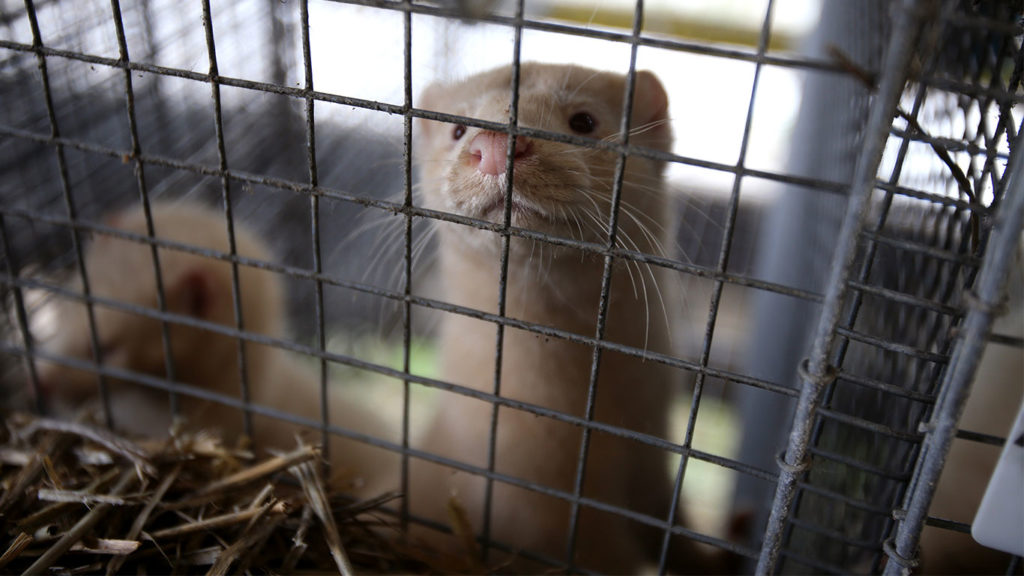
Disturbing photographs and video footage shared worldwide of mink gassed and buried in mass graves in Denmark has highlighted how little we value the lives and deaths of so-called factory farm animals. Millions of mink have been mercilessly slaughtered at the Danish government’s instruction since the start of the coronavirus pandemic. This, after a handful of cases came to light of mink infected with a mutated version of SARS-CoV-2, the virus that causes the disease COVID-19 in humans. It is believed the majority of remaining mink on farms that detected no infections have also been killed. Despite the harrowing footage showing rows of dead mink lying stacked on their backs on wire trays, there has been little sense of remorse by Denmark for the innocent creatures who have been killed. Whilst a similar outbreak in the Netherlands lead to the government swiftly banning mink farming in the country, and other countries including Belgium, France and Norway now following suit, Denmark appears to have no plans to outlaw the horrific practice that feeds a highly controversial industry. The Danish prime minister, Mette Frederiksen, made no mention of regret over the animals that have died, failing to grasp the severity of cruelty the country is responsible for. In her address to the nation after visiting a closed and empty mink farm near Kolding, she was far more concerned by the knock the economy would take because of a halt in the global export of mink fur. Denmark’s mink industry produces 40 percent of the world’s pelts, making Denmark the world’s largest mink skins producer. According to UN data, China is by far the largest exporter of fur. Hong Kong and Russia are among the most prolific buyers. “While we reflect on the many mink so cruelly killed during Denmark’s illegal mass cull, we should also remember all the millions of other animals who are suffering on factory fur farms around the globe and regularly killed to contain epidemics,” says Nicolette Peters of Animal Survival International. About one hundred million animals are bred and killed each year on intensive factory farms. The conditions under which animals are farmed – crowding tens of thousands of frightened souls in filthy cages – serve as amplifiers for viral pandemics. Animal protection laws fail these sentient beings dismally and, as a result, opens the potential to unleash large-scale disaster events. Factory farm animals are often blamed for zoonotic events – and are killed in an attempt to contain the outbreak. The truth is that blame for pandemics such as the coronavirus can be placed firmly on humankind. ASI has been ringing the alarm about the industrial farming of animals for decades. “Changing the way humans treat animals and stopping animal cruelty is the only significant preventive measure to curb pandemics,” concludes Peters.
Good News for Polar Bears, as Trump Fails
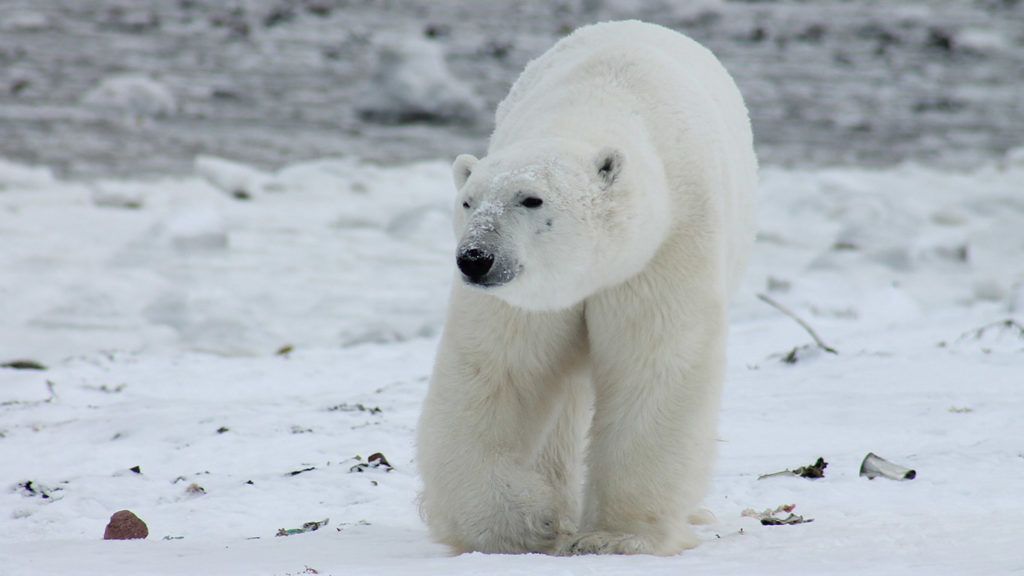
Heeding the warnings of the Animal Survival International (formerly Political Animal Lobby), other environmentalists, watchdog groups, and native Alaskans alike, major oil companies steered clear of fossil fuel leases in the vulnerable Arctic National Wildlife Refuge (ANWR). The refuge is a breeding ground for endangered polar bears. Bears give birth in dens they create in the ice, leaving their cubs alone when they leave to seek for food. Bulldozers have no way of knowing where the dens are; countless polar bear cubs would have been crushed to death. The Trump administration made a reckless last-minute stab to encourage Big Oil to drill in the reserve by offering long-term leases. It would have annihilated the long-protected refuge home to denning polar bears, foxes, migrating birds, and Porcupine caribou herds just days before the end of the administration was a dismal fail. Thankfully, on this occasion, Big Oil did not bite. However, given President-elect Joe Biden’s vow to permanently protect the refuge, massive oil companies steered clear. Although Biden has little authority to withdraw leases once they are issued, the incoming administration has greater discretion to block permits necessary for any activity to be mounted on the tracts. “Any attempt to disrupt the breeding grounds of iconic endangered animals like polar bears is an absolute outrage, and we and all animal lovers will be delighted that the Trump administration failed in a bid that would have caused unbelievable hardship and damage to polar bears,” says Nicolette Peters of ASI.
Heartbreak as Over 500 Wildlife Shot Dead by Hunters in Portugal
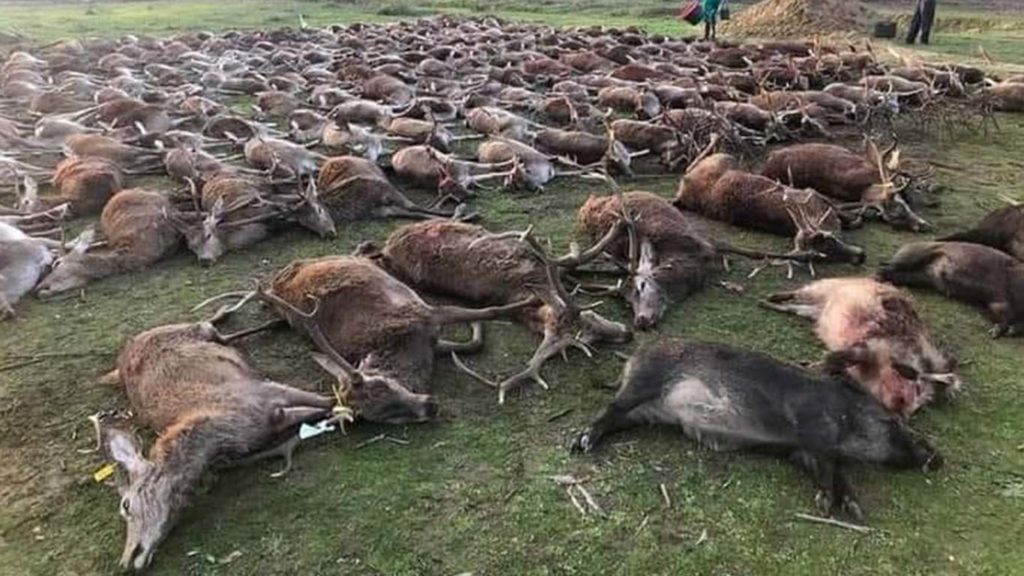
The indiscriminate and senseless slaughter of over 500 wild animals in Portugal by a group of Spanish hunters has been described as a “vile and hateful act against nature”. The killing spree spanned over two days in mid-December on a 2,700-acre farm in Torrebela, roughly 40km from the Portuguese capital Lisbon. According to several reports, 16 hunters paid up to €8,000 (£7,235) each to frivolously shoot deer and wild boar living on the farm. For animals such as deer, who live in close-knit family units, hunting can devastate entire communities. As it stands, deer numbers in Portugal are already dangerously low. What makes this incident even more disturbing is that authorities have since confirmed that the animals were fenced in, with nowhere to run and with absolutely no hopes of escape. Heartbreaking images of the dead animal piled in rows on the farm were openly posted and shared on several social media platforms, sparking outrage among wildlife activists and conservationists. The incident has led to Portugal’s Institute for Nature Conservation and Forests (ICNF)’s announcement to suspend the hunting permit for the Torrebela hunting zone. The Institute also said that it would submit a full report of the killing to prosecutors, hoping that those responsible for these innocent animals’ deaths will be punished for their cruel actions. This case follows the deaths of two of Spain’s protected brown bears, shot dead in separate incidents during wild boar hunts in November. One adult female bear was accidentally shot after reportedly being mistaken for a wild boar by a hunter in a conservation zone in the ASIentina mountains near Ventanilla. Another was killed by a hunter who disturbed the animal while hunting for wild boar in the Bardaji valley in the Robagorza region of the Spanish Pyrenees. The deaths have raised questions over the issuing of hunting licenses within habitats known to be home to various endangered wildlife species. Feature image credited to Twitter | @FrazaoPs
It is not too late to SAVE ANIMALS FROM EXTINCTION! But we URGENTLY need your help now!
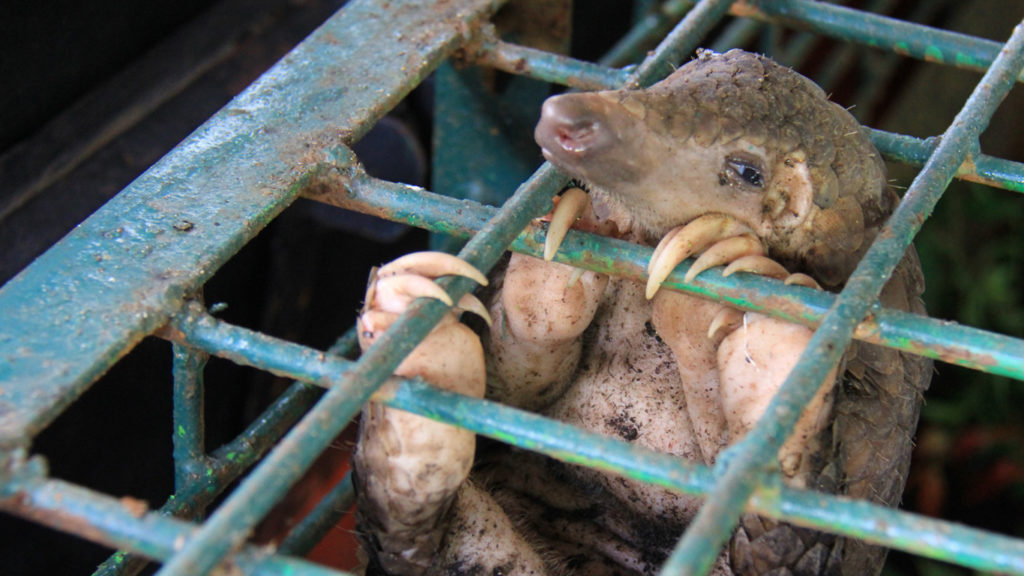
The harsh news we bring you is that extinction for many animals is not around the corner… … it’s now. According to the United Nations, 6,523 species are critically endangered and headed for extinction as we approach 2021. That’s why we at ASI will do everything in our power to fight harder for animals in the New Year. And why we need your help before 2020 is over to make sure we have the resources to continue our vital work. In 2020, we fought for animals, with projects around the world to fight back against climate change, rapacious greed, cruelty and contemptuously poor law enforcement. Animals are being WIPED OUT all over the world! Polar bears have become the victims of climate change and the disastrous onslaught of those who only care about the oil and gas in their “Arctic Refuge”. The once teeming herds of African wildlife risk becoming petting zoo curiosities. Species after species are grabbed for the cooking pot or for phony Asian potions, in their millions. Rhinos, frogs, giraffes, gorillas, orangutans, parrots… vultures, badgers, pangolins, sharks, turtles, and more… The list just keeps getting longer… and sadder… We fight daily on multiple fronts (some of this year’s accomplishments are noted below), but the need to prevent animal extinction is DESPERATE and URGENT. But there’s SO much to do and all we do depends on the support of friends like you. A good example is that the South African government proposes new laws that rank wild animals alongside domestic animals as suitable for human consumption and plans to encourage South Africans to eat more wild animals. We and other NGO’s managed to get lions excluded from the new rules. However, other wild animals will be badly affected. The pangolin is the most trafficked animal in the world. Thousands of pangolins are captured for their scales which are scraped from their bodies while the animal is still alive, to be used in phony Asian cosmetic potions. In Asia, an estimated 200,000 pangolins are killed each year, mostly for the Chinese trade. We are working with a secretly located pangolin rehabilitation center in South Africa and Pangolin(Dot)Africa, to rescue and rehabilitate sick and injured pangolins rescued from poachers. We have also provided funding for vital satellite tracking devices to monitor pangolins released back into the wild. More than 11,000 people signed our petition asking the major veterinary association in the UK, the British Veterinary Association (BVA), to change its policy of supporting the badger cull. Anatolian water frogs are being wiped out because they are the largest edible frog in Turkey, and demand for their legs as ‘delicacies’ is strong in parts of Europe. 17-million Anatolian water frogs are captured for the dinner table each year. Very little research has been conducted to determine how much longer the species has before extinction. We are working with the Department of Biology at Ege University in Izmir to find out. We are working with the Painted Dogs Conservation (PDC) in Zimbabwe, funding its program to dart and rescue snared painted dogs. There are only 200 in the area around Hwange, where they work, and 3,000 snares laid by hungry local people. African Grey parrots are being wiped out because of the international, and now illegal, pet trade. We are financing the construction of a free-flight aviary at Birds of Eden in South Africa. Because of poisoning and habitat destruction, vultures are increasingly endangered. In 2020, we financed an aerial survey of vultures in the Kruger National Park and are hoping to raise funds for the construction of a specially designed vulture rescue vehicle to use in cases of poisoning. We are fighting for the very survival of so many animals… But we promise to do more in 2021, and your end-of year-donations will make sure we do not let the animals down – so we can work to preserve animals anywhere in the world where they need us. The doomsday clock is ticking ever closer towards extinction for countless creatures, but with your help, we will fight for the survival of every animal we can. Please help the animals which can’t help themselves by donating generously to ASI today.
Massive Victory for Polar Bears as U.S. Court of Appeals Says No to Arctic Oil Drilling
A United States federal court has rejected the Trump administration’s plans to drill in Alaska’s Arctic National Wildlife Refuge in a massive victory for polar bears. The United States Court of Appeals for the Ninth Circuit reversed the approval of a controversial oil drilling project in the Beaufort Sea situated north of Canada and Alaska by the Department of the Interior, which would see hundreds of polar bears forced to flee their dens. Dubbed “The Liberty Project”, the development by energy company Hilcorp Alaska was approved two years ago. It has since faced massive opposition from environmentalists and animal welfare activists who have fought tooth and nail to stop the artificial drilling and underwater pipeline project from rolling ahead. The drilling plans formed part of President Donald Trump’s efforts to open up public lands to logging, mining, and grazing, which President-elect Joe Biden strongly opposes. The project would have involved building a 24-acre artificial island in about 20 feet of water, with a six-mile underwater pipeline to pump the water to shore, that would risk oil spills in the sensitive Beaufort Sea and threaten polar bears and Arctic communities. The lawsuit was brought by Friends of the Earth, Greenpeace, the Center for Biological Diversity, Defenders of Wildlife, and Pacific Environment, all of whom were represented by environmental law organization Earthjustice. In the court ruling, officials stated that in line with the National Environmental Policy Act, the Trump administration had failed to consider the project’s climate impacts properly. The court ruled that by failing to analyze the effects of the project on polar bears, including noise disturbance and critical habitat damage, the Fish and Wildlife Service had violated the Endangered Species Act. “While we applaud the court for seeing through the Trump administration’s attempt to push this project through without carefully studying its risks, the fight is far from over. A cloud of uncertainty still looms over polar bears, and over 200 other animal species living in the Arctic, including caribou, reindeer, foxes, waterfowl, and walruses,” said Nicolette Peters of the Animal Survival International (formerly Political Animal Lobby). Research has shown that the Arctic warms faster than the rest of the world. Northern Siberia and the Canadian Arctic are now warming three times faster than the rest of the globe. Arctic temperatures have increased by nearly 1C in the last ten years. We can expect the north to have warmed by 4C year-round by the middle of the century if greenhouse gas emissions stay on the same trajectory.
America Is Running Low on Monkeys to Exploit for COVID-19 Vaccine Tests
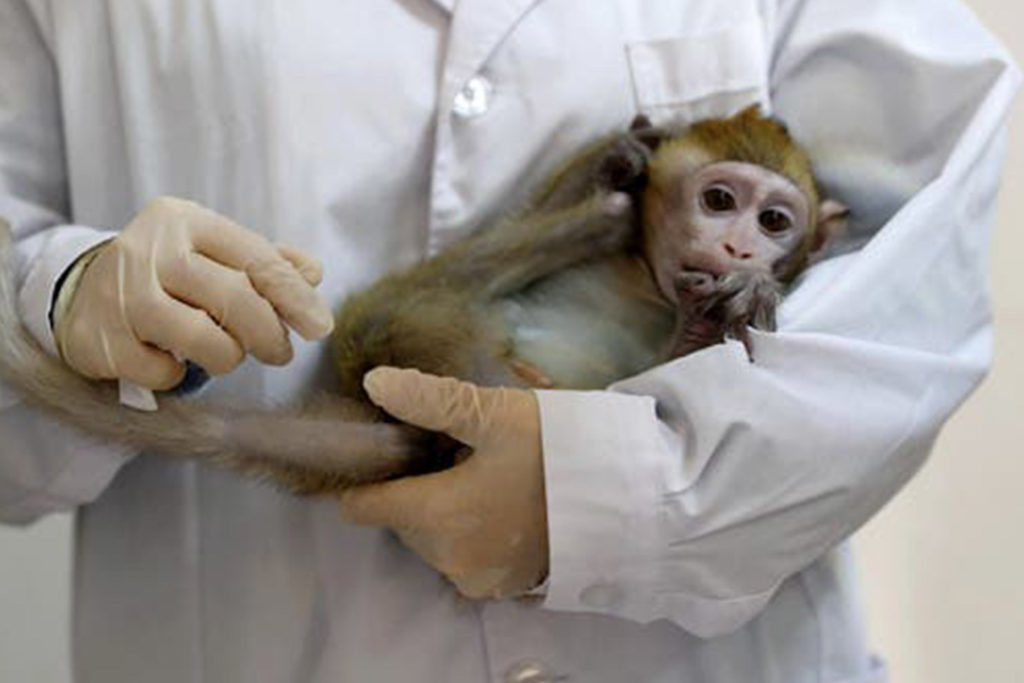
The number of monkeys is drastically declining as laboratories worldwide rely on animal cruelty, exploitation, and suffering to develop a vaccine for the coronavirus. While disturbing videos circulate on social media of monkeys being tortured in laboratories to test the COVID-19 vaccine, infectious diseases scientists in the United States claim there are “just not enough monkeys” to go around. Before drug companies call on human volunteers, monkeys are used in preclinical trials to test a vaccine’s safety and effectiveness. But with coronavirus infection rates skyrocketing across the globe, there is a shortage of monkeys to experiment on. According to the California National Primate Research Center (CNPRC), the coronavirus pandemic has made acquiring rhesus macaques “extremely” challenging and there is a “serious monkey shortage”. Rhesus macaques are the most common primate species exploited in animal testing, along with cynomolgus macaques, because they share about 93% of their genes with humans. Rhesus monkeys typically represent the last step before human clinical trials. Rhesus macaques are native to Pakistan, India, NeASI, and parts of Afghanistan, China, and Southeast Asia. Most are imported from breeding centers where animal welfare standards are often deplorable. The suffering these primates endure during transportation, handling, and their ultimate incarceration in labs is harrowing. According to research organizations specializing in animal testing, the reasons for the shortage are threefold: COVID-19 has created an extraordinary demand for monkeys. This coincided with a massive drop in supply from China, which provided 60 percent of the nearly 35,000 monkeys imported to the U.S. last year and shut off exports after COVID-19 hit. The US doesn’t have its own reserve of monkeys, although a 2018 report from the National Institutes of Health recommended one be created to meet future demand. These pandemic-related events are exacerbating pre-existing monkey shortfalls. “While coronavirus affects monkeys, it does so differently to how the virus affects humans. Testing vaccines on monkeys is not only cruel but increases the chances of COVID-19 outbreaks,” said Nicolette Peters of the Animal Survival International (formerly Political Animal Lobby). “Primates are highly intelligent creatures who form complex social relationships and experience pain, suffering, joy, and fear, just as humans can. There is no question that they can experience psychological, emotional, and physical distress due to experimental procedures. Monkeys kept in laboratories are housed in tiny and cramped cages. Their immune systems are already compromised by the unnatural conditions of the crowded laboratory, so a human infected with the virus could pass it on to one or more of them.” Feature image credited to: Reuters
Eurotunnel’s Decision to Clamp Down on Dog Travel Will See Rescue Dogs Suffer
Animal welfare organizations say a controversial decision by an extensive railway shuttle service operating between France and the United Kingdom will have a devastating impact on thousands of rescue animals. Eurotunnel recently announced changes to their pet transportation rules, one of which includes the limitation of the number of dogs that can be transported using the 31 mile (50-kilometer) shuttle service. The ruling is effective with immediate effect, and no further bookings for man’s best friend will be taken. “This decision is disastrous for international dog rescue. It is clear that animal welfare is not a priority for Eurotunnel. It’s clear that this sudden decision was made with very little thought given to the effect it will have on hundreds of thousands of our four-legged friends who desperately need these freedom rides,” said Nicolette Peters of the Animal Survival International (formerly Political Animal Lobby). Roughly 250,000 dogs travel into the UK via the channel each year. With the UK in its second nationwide lockdown and the end of the year fast approaching, the need to transport rescue animals has risen dramatically, leaving many rescue organizations stretched beyond capacity and in urgent need of help. Eurotunnel explained on their website that the decision was made necessary due to a surge in the number of vehicles arriving at their terminal carrying large numbers of animals. The company has since clarified that registered charities and businesses will be exempt from the limit after a petition to reverse the decision gained more than 40,000 signatures. Many rescue groups, however, are extremely concerned that they may not qualify for the exemption. Registering as a charity takes time, and sadly, many of these rescue dogs do not have the luxury of time. According to Eurotunnel, transporters can enter the Eurotunnel with as many animals as they want but only if a UK charity is involved and in charge of the animals in the UK. Either way, the decision to cut the number of animals allowed to travel in each vehicle from 20 to five, drastically increasing the costs for rescue operations.
Decapitated Tiger Head and Big Cat Body Parts Found During Raid at Private Thailand Zoo
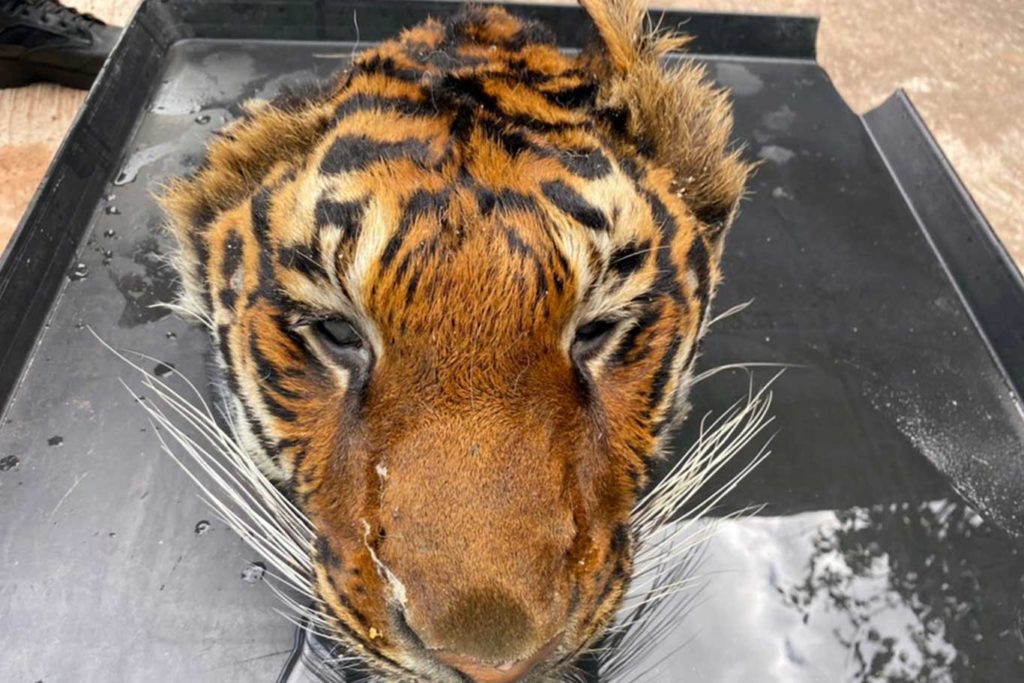
Gruesome details have emerged after the decapitated head of a tiger was found inside a private zoo in Thailand. The animal’s severed head was discovered on a black tray – with its eyes still open – along with several other dismembered tiger corpses, during a wildlife trafficking raid at the Mukda Tiger Park and Farm in Mukdahan, in Isaan province. The Department of National Parks, Wildlife and Plant Conservation (DNP) confirmed that five live tiger cubs were also seized during the raid. Zoo officials claimed that the cubs were born at the facility, but DNA tests have since shown that three of them (one female and two males) were not related to any tigers in the park. This suggests the cubs had been smuggled illegally into the facility. The results of DNA tests on a further 20 tigers, including the two other cubs, will be released later this month. The zoo’s license was suspended for 90 days, and the animals have since been transported to Chulaphorn Wildlife Captive Breeding Centre in the Si Sa Ket province. The zoo owner faces up to five years in prison if found guilty of smuggling tigers and three additional years if convicted of falsifying information, reports the Bangkok Post. The raid follows a crackdown at Mukda Tiger Park and Farm in January 2018, when DNP officials confiscated countless locally protected species, including red pandas, elongated tortoises, and monkeys such as grey-shanked doucs. Since then, the zoo has been under close watch by authorities. Numerous other zoos and parks across Thailand have also been suspected of wildlife smuggling. Over 130 live tigers, more than 40 dead tiger cubs, tiger pelts, and 1,500 tiger skin amulets were among the wildlife products seized in 2016 when Thai authorities raided the Tiger Temple in Kanchanaburi province. “One can only imagine what these poor animals endured before they died. It’s gut-wrenching and we hope that those behind the cruel deaths of these magnificent creatures receive the full wrath of the law. Thailand has some of the world’s worst animal attractions, and it’s time for these places to be shut down,” said Nicolette Peters of the Animal Survival International (formerly Political Animal Lobby). “Sensitive beings will continue to be trafficked, traded, and tortured as long as tickets are sold by facilities that use animals for entertainment. Please urge friends and family not to support cruel tourist traps.” Feature image credited to: EPA/The Independent
Beautiful Painted Dogs In Grave Danger!
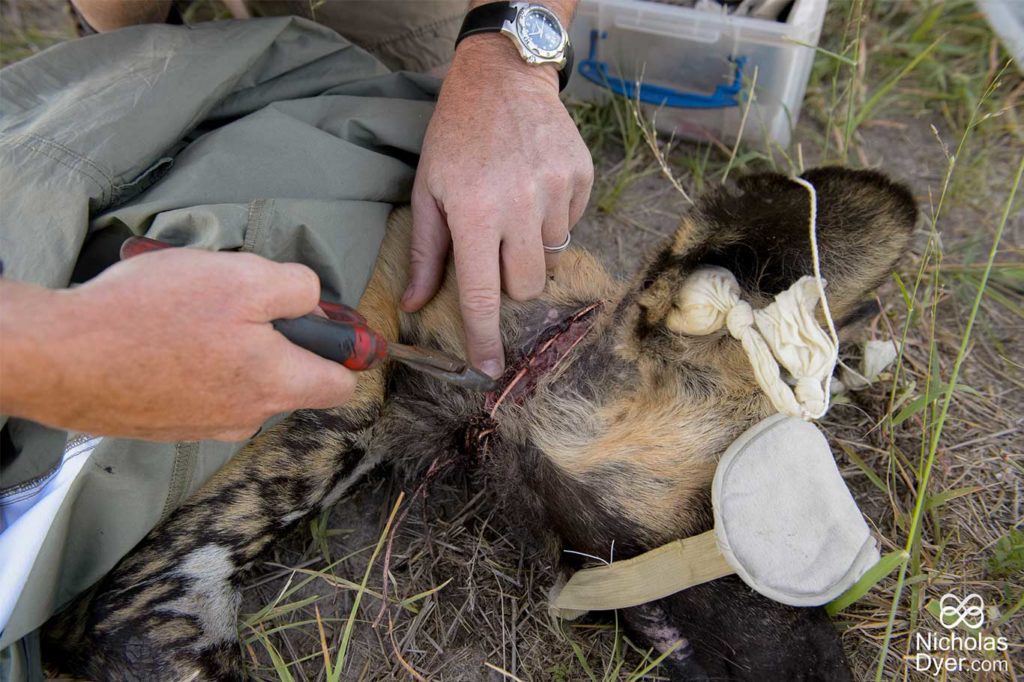
Painted dogs are among the rarest of wild creatures – and they need your help! There are just 6,500 left in the world, down from 500,000, and their numbers are dropping every day. In the wild, their biggest threat was lions – now it’s man! Their habitat is shrinking, and they are being snared in traps intended to capture other wild animals. The situation is truly frightening! 700 painted dogs live in Zimbabwe – one of the few wilderness areas left that is big enough for them to survive. And this is where they are being wiped out by snares, set to catch other wild creatures, by hungry people. Poverty and lack of employment in Zimbabwe is the cause. The official inflation rate is 471.1 percent! The people in communities surrounding protected wildlife areas have little or no money and poach in order to put food on the table. People are so desperate that they are snaring wild animals in the national parks just to eat, and painted dogs are innocent victims of these traps. There are an estimated 3,000 snares scattered through Hwange’s 14,651 square kilometers (more than 5,600 square miles) of land, indiscriminately trapping any animal caught in one. Painted dogs are not deliberate targets but are snared accidentally. Dogs caught in these nightmare devices die horrible and slow deaths. The situation is so serious that these animals could be extinct soon if we don’t act now. 3,000 snares set and only 6,500 painted dogs left in the world! Snares are devices made from wire that form a circle that tightens when an unsuspecting animal puts its neck or leg in one. Snares are one of the cruelest ways to trap an animal, and the victims usually fight hard for days, before succumbing to terrible injuries. Most people don’t realize that the dogs are highly sociable animals, and if one dog dies from being caught in a snare, it affects the whole pack – sometimes to the extent where the family structure collapses and pups die. Painted dogs are not related to domestic dogs but share many mannerisms with them. They are highly sociable, intelligent, and even look after each other’s pups. If one dog becomes ill, the pack will take turns to care for the sick individual. Beautiful, clever painted dogs are dying in slow, agonizing pain! The Painted Dog Conservation (PDC), situated close to Hwange National Park in Zimbabwe, works with between 150-200 painted dogs within the Hwange’s ecosystem. Saving them is enormously challenging. Rangers patrol vast areas looking for snared animals. When they find one that has a chance of life, the creature is darted and taken to PDC headquarters where it is treated until it can be returned to the wild. Every single month, the rangers find at least one snared painted dog. Usually, the painted dogs can be returned to the wild within two weeks, but sometimes the poor creatures are crippled and would quickly be killed by lions if they were to be released back into the wild, and so they become permanent residents at PDC. A major problem is that, because of the country’s economic challenges and COVID-19 lockdown, it has become extremely difficult to afford some essential goods (like medicines and darts) to care for injured dogs. There is no doubt that painted dogs need our help! The first thing that we need to do is supply vital medications to treat rescued painted dogs. We desperately need to raise $6,000 (£4,500) to pay for these supplies. We know our supporters will do all they can to save this iconic species from extinction, but it is not enough to rescue painted dogs from a snare, only for the poor creature to be released and trapped again. To solve this problem, PDC has employed a team of people from local villages and has taught them about conservation and snare removal. The villagers scour the wilderness for snares, destroy them and use the salvaged wire to make wire ornaments they sell to tourists. It is a measure of the magnitude of the economic challenges in Zimbabwe that even this small income is incentive enough to destroy snares. Training, educating, and getting people enough to eat will equal no more snares. Painted dogs are in grave danger if we don’t act now. We can only do something about it as a community, and these beautiful creatures need your help.
Bottled Birds: Horrific Abuse of Protected Parrots Stuffed in Plastic Bottles in Indonesia
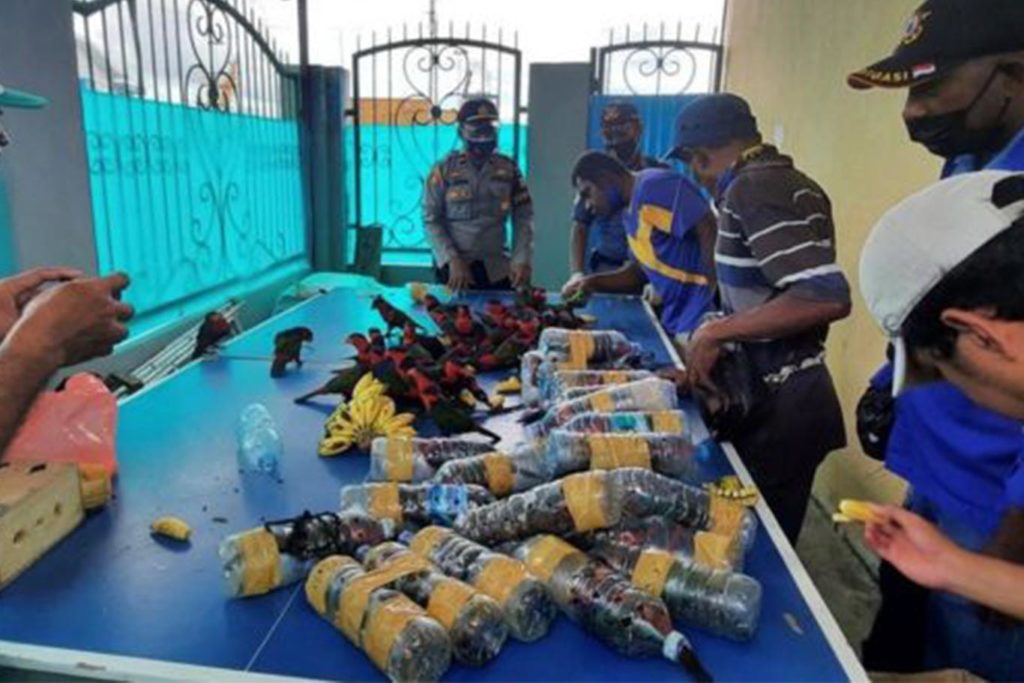
Disturbing footage of endangered parrots stuffed in plastic water bottles is proof that the smuggling of endangered birds occurs on an industrial scale with devastating consequences. Authorities discovered the birds on a ship docked in Indonesia’s Papua region. According to police within the town of Fakfak, the vessel’s crew reported hearing strange squawks and noises coming from a big box. Inside the box, officers found 64 black-capped lories – weak, dehydrated and clinging to life. Sadly, another ten birds were found deceased. The destination of the parrots seized during this operation remains unclear, and as yet, no arrests have been made. With more than 10,000 parrots captured from the wild in Indonesia each year, these lories’ downright cruel transportation is just one example of the inhumane methods animal traffickers use to gain their profits. The forest-dwelling black-capped lory is a colorful parrot native to New Guinea and nearby islands in the southwest Pacific Ocean. Their spectacular bold plumage – black crown contrasting with a blue body and green wings – has rendered them quite popular with parrot enthusiasts. Black-capped lories are a protected species in Indonesia, but this hasn’t stopped poachers from taking advantage of enforcement loopholes, lack of awareness, and limited public and private sector coordination, and moving these birds through the licit transportation system. Indonesia’s vast jungles are home to over 130 threatened bird species, more than any other country except Brazil. But there is also large-scale illegal trading of birds, which sees them sold across major cities or smuggled across the world for sale as pets and status symbols. These birds suffer at every step of the journey destined to people’s homes: from capture to handling, transport, holding, breeding, sale, and the lifetime of captivity in the home. Every year, hundreds of thousands of wild birds are torn from their natural homes in the wild and captured by poachers. Nearly 4,000 bird species, involving several million individuals, are victims of the illegal wildlife trade, with finches, weavers, parrots, and raptors being some of the most heavily affected groups. Some of these species have been pushed to the brink of extinction as a result, such as the Yellow-crested Cockatoo of East Timor and Indonesia. Others are already extinct in the wild, such as the Spix’s Macaw of Brazil. “Several investigations have found that around 40 percent of these birds die before they can reach an owner. That means that for every 1,000 parrots caught from the wild, 400 birds died in vain, during the poaching, transportation, and trade, due to poor conditions and cruel handling,” said Nicolette Peters of the Animal Survival International (formerly Political Animal Lobby). “Those birds that do survive are forced to live the rest of their lives behind bars, confined to small cages. There is no realistic way to replicate the space and freedom these birds would have in the wild. Wildlife trafficking is one of the most prominent forms of international organized crime in the world. Beyond the environmental implications of wildlife trafficking, the illicit trade in live animals presents a potential health risk to other animals and even humans. Birds can reportedly carry over 60 diseases that are transferrable to humans. This cruel trade has to stop.” Feature image credited to: Getty Images
Wildlife Trafficking Bust Sees Tusks, Crocodile Blood, Coral, and More Seized at UK Borders
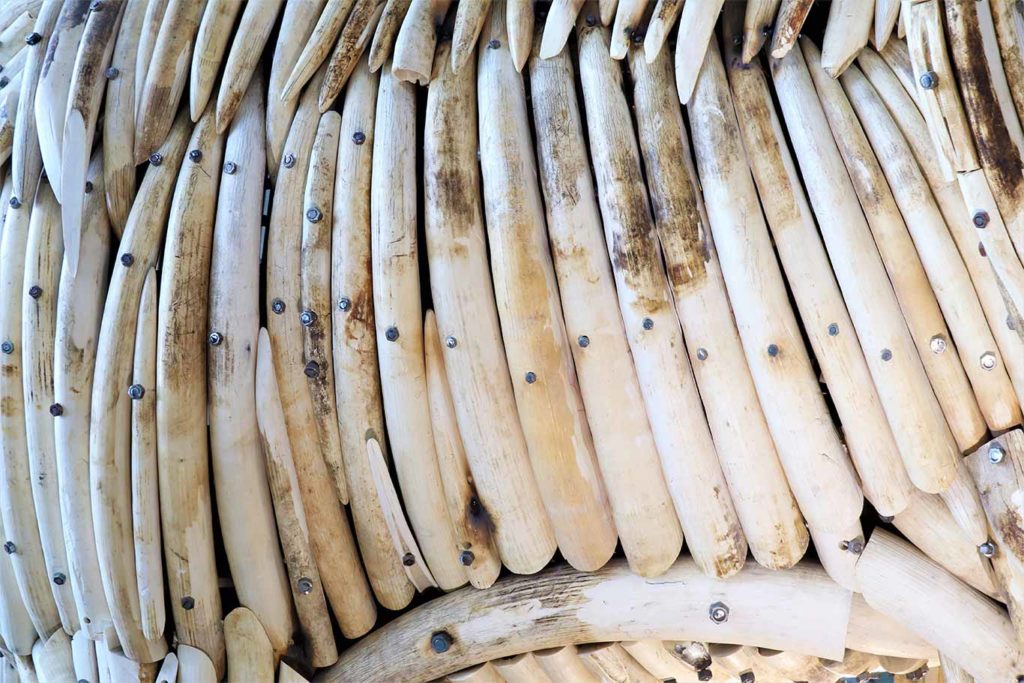
Operation Thunder, a global drive against the trade in endangered wildlife by the International Criminal Police Organization (INTERPOL), has resulted in an enormously successful seizure of large quantities of protected animal products. Criminal gangs and wildlife traffickers believed to be operating in over 100 countries were ambushed in an undercover sting operation led at UK ports and airports. Full-sized elephant tusks and other ivory goods including keychains and trinkets, live corals and reptile skin products, as well as bottles containing crocodile blood, were among thousands of endangered animal products confiscated during the month-long operation. Officers also seized several rare cactus plants. The operation specifically focused on criminal gangs’ activities in countless countries including Sweden, the UK, the Netherlands, South Africa, Ghana, Kenya, India, and Nigeria, who feed off organized wildlife trafficking and are responsible for a considerable increase in the trade of rare animals and plants. As part of that effort, Border Force officers intensified their operations at seaports and airports, making 178 separate seizures of items totaling thousands of products, banned under CITES (The Convention on International Trade in Endangered Species). “While the illegal trade of ivory is rampant worldwide, there has been a marked spike in the demand for reptile blood products. Reptile blood, particularly crocodile blood, is becoming increasingly popular in Thailand and several other countries in the Far East. These countries are using reptile blood in many phony Chinese medicines,” said Nicolette Peters of the Animal Survival International (formerly Political Animal Lobby). Despite a UK ban on the ivory trade, authorities still regularly recover ivory products at Britain’s ports and airports. The European Union has come under increasing pressure to follow the example of the UK and US in banning the trade in ivory products. While the international trade in ivory products was outlawed three decades ago, antique ivory trade and shipments of personal effects for non-commercial purposes are still allowed. Some traders are exploiting this loophole within the EU. The ivory trade has resulted in the staggering rise in elephant poaching in parts of Africa over the past ten years, with around 20,000 elephants killed each year for their tusks. “We applaud the efforts of Operation Thunder, which has resulted in the worldwide seizure of 1.3 tonnes of ivory, more than one tonne of pangolin scales, 1,400 live turtles, and 1,800 reptiles. Stamping out wildlife crime should remain a priority in every country, every state, and every continent. Crimes against wildlife is the largest direct threat to the future of many of the world’s most threatened species,” concludes Peters.
ASI Salutes Congress Members Committed to Ending the FDA’s Dog Testing Mandate
For far too long, man’s best friend has been subjected to harrowing abuse in laboratories worldwide, forced to test the safety of drugs, pesticides, medical devices, and other products. The Animal Survival International (formerly Political Animal Lobby) salutes government officials who are working to eliminate the Food and Drug Administration’s (FDA) outdated, oppressive, and brutal dog testing mandate. More than 65,000 dogs are tormented in U.S. laboratories every year, locked in lonely cages, and forced to undergo invasive, painful, and often deadly experiments. It has to stop Congress can make a significant impact on the lives of millions of laboratory dogs by challenging the FDA’s 80-year-old animal testing red tape – because these tests are not just cruel to dogs, but inaccurate and expensive. Eighteen Congress members sent a letter to the FDA demanding answers about why the agency still forces drug makers to perform agonizing and useless tests on dogs when better alternatives are available. Led by Republican Scott Perry and Democrat Brendan Boyle, the Congress highlighted in their letter how dogs – including small puppies as young as a few weeks old – are made to ingest or inhale large doses of drugs for months on end before being killed and dissected. White Coat Waste Project – a taxpayer watchdog group representing more than 2 million liberty-lovers and animal-lovers – recently exposed that countless dogs are abused in laboratories to satisfy archaic FDA regulations each year. Sadly, beagle and hound puppies are precisely the victims of choice because they are small, calm, and submissive. The bipartisan coalition of lawmakers challenged the FDA’s 80-year-old animal testing red tape because these tests are not just cruel to dogs, but imprecise and costly. A single dog test can cost companies over $800,000 (£605,996). And even the FDA admits that animal testing does not predict performance in humans, with nine out of 10 drugs fail in human trials after passing animal tests because they are ineffective or toxic. “There is more than enough proof that testing on animals has no benefits,” said Nicolette Peters of ASI. “Why sentence millions of animals to life in a laboratory cage and intentionally cause them pain, loneliness, and fear, when there are other alternatives available that would save time, money and accelerate medical innovation, without causing animals to suffer?” Peters continued to say that many companies want to employ these alternatives and avoid wasteful dog tests, but are often rejected by the FDA – and even punished by having products stopped dead in their tracks in the approval process. “The FDA has the authority to tear down senseless red tape at any time, sparing the lives of millions of animals and ensuring drug tests and trials are in line with 21st century standards – for the sake of the lives of animals, and the lives of humans.” ASI hopes that Congress members will help speed this process along. In addition to the letter mentioned above, in its 2021 FDA funding bill, the House of Representatives included provisions requiring the agency to outline ways companies can currently avoid dog tests and update its related policies.
Mamma Bear and Her Cub’s Tragic Final Moments Before Being Shot Dead
Disturbing video footage of a mother bear and her cub ruthlessly shot to death off the side of a Russian submarine in Kamchatka has outraged animal activists across the globe. The heart-breaking images showed the animals sitting on the nuclear submarine deck docked at a military port in the country’s Far East before being gunned down and tumbling into the water. According to a statement released by the Eastern Military District’s press service for the Pacific Fleet, the bears had swum across the circular Krasheninnikov Bay off Vilyuchinsk before entering the pier zone on the deck of one of the submarines. The Russian Navy commands one of the biggest submarine fleets in the world with an estimated 58 vessels. Despite showing no outward aggression, the bears were said to “pose a risk to people”. The navy instructed that they were to be shot dead “using specialized hunting weapons”. In the video, a man (believed to be a sailor) reportedly explained how there “was no other way to get rid of the bears”. In the clip, he says that had the military taken action to drive the bears from the boat, the mother and the cub would have returned to one of the nearby villages. “This is how you have to fight bears in Kamchatka,” he was quoted as saying. Other reports have since surfaced claiming that the mother bear “was very emaciated and wounded and the cub would allegedly become aggressive without its mother”. According to The Moscow Times, the two bears had been spotted around villages in the days before they died, with locals having to chase them away. Meanwhile, animal lovers have accused the Russian navy of blatant animal cruelty after someone leaked the video to social media. Between 10,000 and 14,000 brown bears live on the secluded Kamchatka peninsula, wedged between the Sea of Okhotsk on the west, and the Pacific Ocean and Bering Sea on the east. Since the start of the year, numerous bears have wandered too close to human settlements searching for food. Sadly, they paid the ultimate price and were executed. Environmentalists believe climate change could be to blame, with weak coastal ice forcing the bears to search for food inland rather than at sea. Climate change has caused the Arctic to warm twice as fast as the rest of the world, resulting in considerable declines in sea ice every year, according to a report released by the National Oceanographic and Atmospheric Administration (NOAA) in 2018. “Despite popular belief, Kamchatka brown bears are generally not dangerous to humans, and only one percent of encounters result in unprovoked attacks,” said Nicolette Peters of the Animal Survival International (formerly Political Animal Lobby). “Like most mammals, mother bears are very protective of their babies and keep a close eye on them after they’ve left the den. It’s unacceptable that somebody brutally killed this little family. Despite what the navy may have said, there are always other options, and they should have found a solution that did not result in the bloodshed of two innocent animals.”
Florida’s Flying Squirrel Smuggling Operation Finally Grounded
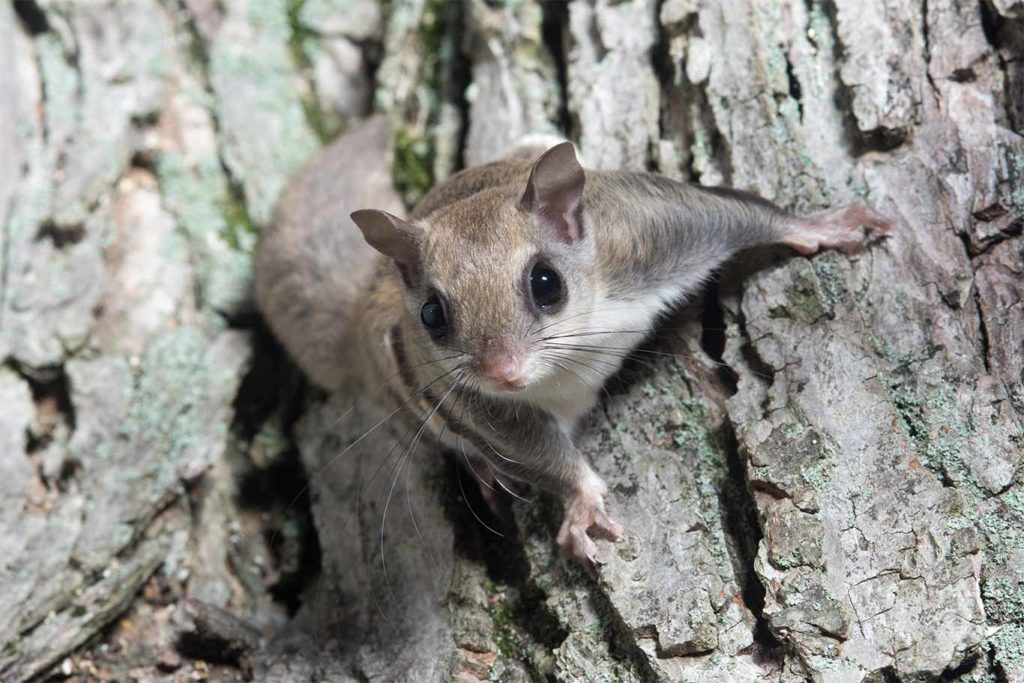
Authorities have broken the back of a wildlife trafficking syndicate believed to be behind the illegal trapping and exploitation of thousands of flying squirrels over a three-year period. The flying squirrels – a protected species in Florida – were trapped with homemade wire cages and transported by vehicle from their natural habitat in Florida to Chicago, before being shipped to buyers in South Korea and sold as pets. According to Florida’s Fish and Wildlife Conservation Commission (FWC) – which launched an inquiry into the case – the squirrels were sold to a licensed wildlife dealer who then claimed they were captive bred. After receiving a tip-off on FWC’s hotline, FWC rolled out a well-thought-out investigation which included phone records, cell phone tower data, GPS trackers on cars, and more, to infiltrate the syndicate. Over the next 19 months, investigators from FWC worked to uncover the underground animal trafficking operation. The Illinois Conservation Police, Georgia Department of Natural Resources, California Department of Fish and Wildlife, and US Homeland Security Investigations threw their weight behind the case. 10,000 squirrel traps were seized in central Florida, with experts estimating as many as 3,600 flying squirrels have been captured by poachers since 2017. The Commission said the Florida dealer received more than $213,000 (£164,000) for the animals. The international retail market value of the poached flying squirrels is estimated to be more than $1-million (£772,000). The investigation has so far seen seven suspects charged with wildlife trafficking, in addition to a variety of other felony charges that include racketeering, money laundering and dealing in stolen property. It has also since been discovered that in addition to smuggling flying squirrels, the suspects were also poaching and trafficking other protected species including freshwater turtles and alligators, with falsified documents to conceal their origin. “Buyers from South Korea would travel to the United States (US) and purchase the flying squirrels from the wildlife dealer in Bushnell. The animals were then driven in rental cars to Chicago, where the source of the animals was further concealed, and the animals were exported to Asia by an unwitting international wildlife exporter,” the Commission said. Despite their name, flying squirrels do not actually fly, but rather glide between trees. They are one of many small exotic mammals with soft fur and big eyes that have become popular pets in South Korea and other parts of East Asia – featured in pet cafés, despite being completely unsuitable for domestication. “In the past decade, wildlife trafficking has escalated into an international crisis – and no species – big or small – are safe,” said Nicolette Peters of the Animal Survival International (formerly Political Animal Lobby). “This case is a reminder that the public can play a huge role in stopping wildlife poachers and syndicates by reporting suspicious behavior to their local authorities. Together, we can stop wildlife smuggling and bring those responsible for wildlife exploitation to book.”
The EU’s Ugly Record of Buying and Selling Ivory
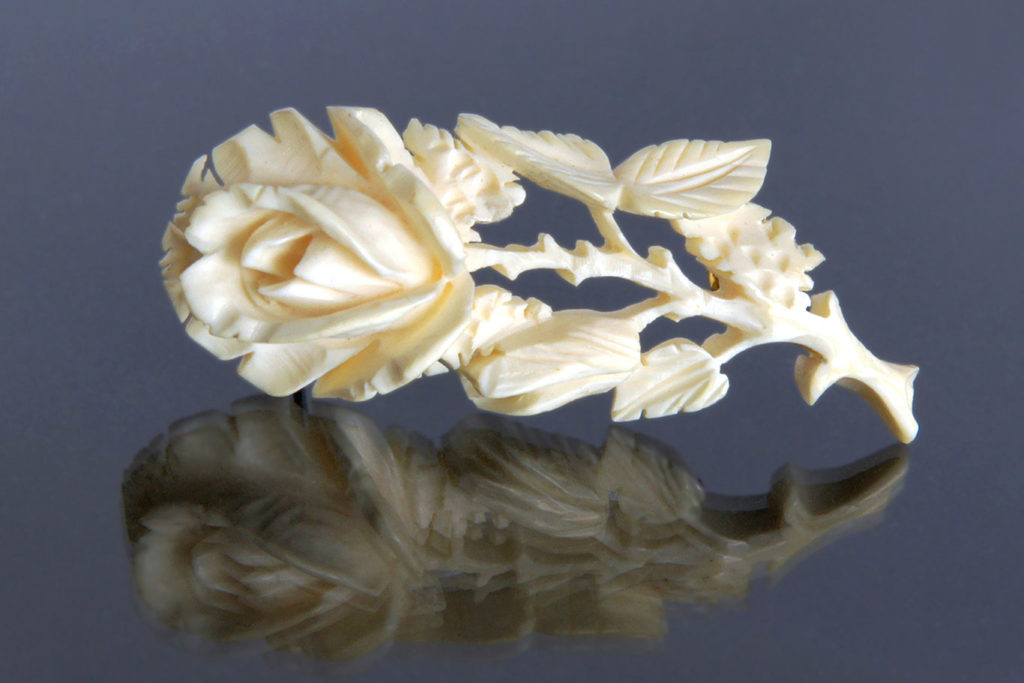
You’d expect the governments of the advanced countries that collectively call themselves the EU to be more aware when it comes to the ivory trade. Not so. Illegal ivory makes its way through legal EU ivory trade structures thanks to a system of loopholes. In 1989, the international trade in ivory was officially banned and almost a decade and a half later, countries like the United States, China and the UK continued the good work by outlawing domestic trade. The same cannot be said for the big developed countries in the EU who still have no internal bans and still allow ivory to be bought and sold. Under current EU rules, ivory pieces that were made between 1947 and 1990 can be bought and sold, but only with a special permit. Ivory items that were made before 1947 can be freely bought and sold as the items are considered antiques. However, and here is one of the biggest loopholes, ‘antique’ pieces require no proof of authenticity or origin within Europe. PROOF THAT MANY ANTIQUE IVORY PIECES ARE IN FACT NEW An investigation carried out by Oxford University Labs and global activist group Avaaz showed that 81 out of 109 ivory items they carbon dated were in fact made after 1947. At a press event, they showed how recently slaughtered elephant tusks had been made into combs, hair pins, knife handles, billiard balls, jewellery pieces and decorative objects. They call these pieces, which are impossible to date with the naked eye, ‘blood trinkets’. Often consumers are none the wiser when buying these ‘antique’ ivory pieces as they trust their governments that the ivory is legal. Global animal welfare groups, including the Animal Survival International (formerly Political Animal Lobby), confirm that the mere fact that ivory can be bought and sold domestically in the EU makes it easy for criminals to launder illegal ivory that was obtained from poached elephants. This in turn is fuelling the poaching of elephants in Africa where between 15,000 and 20,000 African elephants are illegally caught and killed for their ivory every year. Nicolette Peters of ASI says: “As long as there is a market for ivory, elephants are going to be killed for it. If the EU is serious about fighting elephant poaching, it must completely close its domestic ivory market and ban all ivory imports and re-exports.” THE EU’S WATERED-DOWN PROMISES TO STOP THE IVORY TRADE In May 2020, the EU published its new Biodiversity Strategy for 2030, laying out a new set of measures wherein they propose to slightly tighten EU trade rules and ban the trade of items imported between 1975 and 1990. The European Commission is the EU’s politically independent executive arm responsible for drawing up proposals for new European legislation. In October, it pointed out that because the age of an item is easily misrepresented, the present regulations are meaningless. It argues that only by completely closing the domestic ivory market will the EU remove the financial value from ivory. This is a crucial first step in reducing the incidence of new ivory being laundered through legal markets, and would send a clear message to the world that the EU does not consider ivory a commodity. ASI points out that the EU is dragging its feet on the issue, considering that the public is predominantly against all forms of ivory trade. In 2017, the European Commission asked the public what they thought of the ongoing ivory trade within their borders, eliciting the third largest number or responses ever to an EU public consultation. Over 90 percent of respondents were in favor of closing EU ivory markets. “A partial ivory ban is not enough”, said Ms Peters. “There has to be a complete ban on the sale of all ivory across the world to take away the monetary value, and this is what will stop elephant poaching.” READ MORE Hypocrisy hails as the EU completely misses the boat on elephant protection Rhino horn among quack health remedies touted to cure Covid-19 Help us combat illegal elephant and rhino poaching in Africa
UK GOVERNMENT HID STUDIES CRITICAL OF BADGER CULLING!
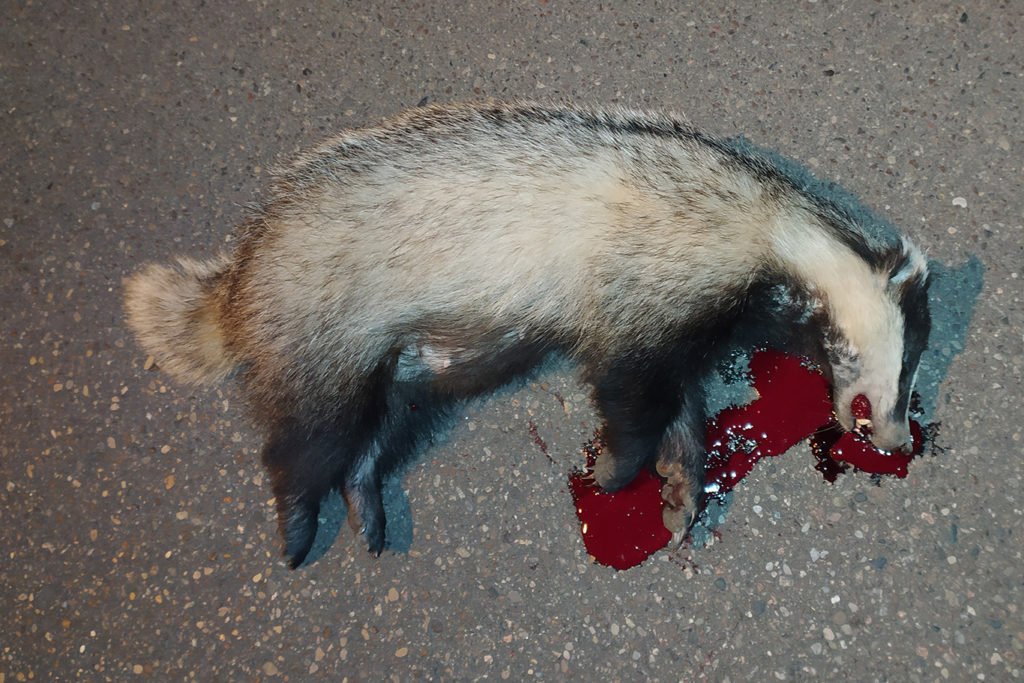
Our petition asking the British Veterinary Association (BVA) to abandon its support for the pointless badger cull has received 9,144 signatures. Please sign our urgent petition right now to help pass the magic figure of 10,000 signatures. The lives of 65,000 innocent creatures are at stake. Earlier this year, the British government announced that it was phasing out the pointless badger cull it had championed for the past five years. This after expert after expert revealed that killing badgers will not prevent the spread of bovine tuberculosis among cattle. The government lied. Instead of stopping the badger cull, it increased the scope and number of badger culling areas. 65,000 English badgers will be trapped, shot, maimed… and mercilessly killed before Christmas! This is not fake news. Dr Iain McGill of the Progressive Veterinary Association, a group of vets campaigning against badger culling, says over 100,000 badgers have been killed so far, with 35,000 killed in 2019 alone. Right now the government plans to drive up the death toll, targeting another 65,000 badgers before Christmas. What is even more chilling is that a study commissioned by the government shows that hardly any badger carcasses analysed in two key areas in the north and south of England had infectious bovine TB. This means that killing badgers there was cruel and ineffective. This is simply outrageous. Dr Iain McGill is adamant that there is not a shred of evidence to support the claim that badgers are driving the epidemic in cattle. Cows mostly catch TB from other cows. What is of deep concern is that the government, instead of admitting the truth, sat on the studies for two years. Astonishing! The British Veterinary Association (BVA) supports the pointless slaughter! As the top body of British vets, the BVA has the ear of the government and regularly meets with top officials. In this position of power, the BVA has a clear duty to take into consideration ethical concerns and apply the best science to its policies. Unbelievably, the BVA ignores the science and while admitting that the main method used to kill badgers – which is for men to stalk the country at night armed with rifles and shoot badgers on sight – causes suffering, but still supports the policy, merely suggesting that badgers should be trapped before being shot. And the final part of this horror story is that the overwhelming majority of these murdered badgers are perfectly healthy, bTB free, and pose no risk to anyone or anything. That’s right, essentially badgers are being killed for no reason at all. It is far more likely that cows will catch bTB from another cow than from a badger. Only around six percent of cattle infections might originate from badgers. If proof is needed, here it is: Bovine tuberculosis rates in one of the pilot badger cull zones in Gloucestershire shot up 130% between 2017 and 2018. That means that after five years of culling badgers, a higher percentage of cattle herds had bTB than before culling started! It is unconscionable that across England, badgers are wounded, dying, or dead because lies or suspicions are being put before facts. Most vets are compassionate human beings which makes it even more extraordinary that their professional body should support the pointless slaughter of 65,000 badgers in the next two months. The UK government is using badger killing as a smokescreen to hide the real problem which is an ongoing epidemic of bTB among cows caused by an outdated skin test from a century ago. The government’s own data show that the routine skin test that vets use fails to pick up around 50% of infected cows, leaving them in the herd to cause further infections. Movement controls for cattle use the same test, ensuring that infected cattle continue to spread bTB to new areas of the country. Yes, you heard that correctly – HALF of all infected cattle are missed by the test! Can you imagine if the government tried to control COVID-19 by using a test that had as much chance of being wrong as right? There would be outrage! Currently, the UK government wastes £100-million ($130-million) of taxpayers’ money a year on this policy which achieves only pain and death. HERE IS HOW YOU CAN HELP: If you can please donate today to enable us to continue our important work. Also, please sign our petition to urge the BVA to withdraw its support from this fatally flawed policy of mass badger slaughter. This would be enormously helpful.