

Fox rescued after being ‘bagged’ and trapped underground for illegal hunt
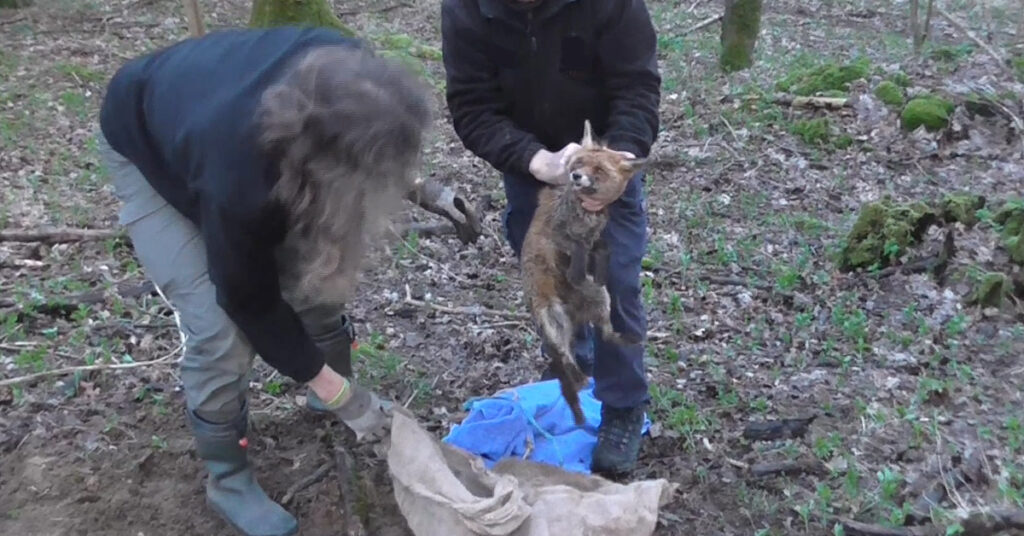
Members of the Cirencester Illegal Hunt Watch and Three Counties Hunt Sabs have rescued a fox which hunters had tied up in a bag and stored under the ground. According to a report by the Hunt Saboteurs Association, the ‘Sabs’, as they are known, rescued the animal during the Cotswold Hunt Meet in Gloucestershire last month, after hearing its cry. Sabs approached a wood where hounds were hunting, and after driving them away, discovered the fox in an ‘artificial earth’ – a network of underground chambers and pipes which hunters use to encourage foxes into an area so they can ensure there are animals to be hunted on the day. When Sabs uncovered one of the chambers, they discovered a tied-up sack that moved when they tried to lift it. Inside was a live fox which, following a careful examination, was released. Experts say she likely had dependent pups. “A vixen with cubs somewhere, trapped and tied up in a sack, buried in a purpose-built torture chamber… Whenever we think we’ve seen the worst of fox hunting’s sickening savagery, it gets worse,” said naturalist and BBC television presenter, Chris Packham, who speaks out against hunting. “It’s time these dog-shooting, hound-whipping, badger-baiting, horse-kicking criminal monsters were shut down forever. Please help us end hunting now.” Image credit: Hunt Saboteurs Association According to the article, a terrierman was overheard saying to another, “Get the sack, it’s evidence [that] the fox was kept at your place”. Sabs had already retrieved the sack to use as evidence. Following the Avon Vale being caught digging out foxes, the British Hound Sports Association (BHSA), the governing body for hunting, advised all its members, including the Cotswold Hunt, that terrier work should be suspended pending a review. The discovery of the fox proves that not only are hunts ignoring this ban, but they are also breaking the law by keeping captive foxes to be chased and killed. “We were shocked and sickened by what we found whilst out sabbing the Cotswold Hunt [on] 18 March 2023. The small, terrified vixen had been tied up in a bag, stuffed into a chamber under the ground called an artificial earth awaiting her cruel fate,” said the Cirencester Illegal Hunt Watch in a statement. “Hounds were marking the ground where she was buried and we believe she would have been released and hunted by the blood thirsty psychopaths out with the hunt if we hadn’t been there. This poor fox would be disorientated away from her territory and could possibly have cubs dependent on her elsewhere. We hope this wildlife crime is taken seriously by Gloucestershire police and those responsible for her suffering get the punishment they deserve.” Meanwhile, spokesperson for the Hunt Saboteurs Association, Lee Moon, said, “The BHSA attempted to assert their authority over their member hunts by banning the Avon Vale. They must now do the same to the Cotswold Hunt if they don’t wish to appear toothless to the British public. Fox hunting has been illegal for over 18 years, yet hunts are still actively using artificial earths and keeping live foxes to be chased and killed. “These organised criminal gangs have shown time and again that they are unwilling and unable to obey the law and so clearly the only option is the disbanding of all hunts, starting with the complete abolition of terrier work.” Banner credit: Hunt Saboteurs Association
Ljubo the caged bear is STILL suffering. Here is the progress we have made so far.
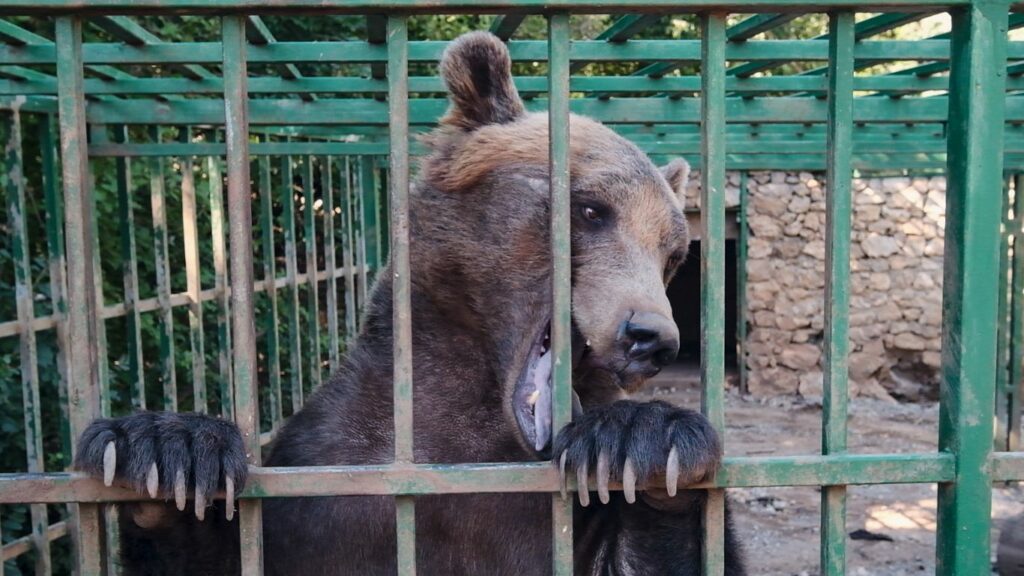
We promised our supporters we will not stop fighting to free Ljubo, a five-year-old brown bear who has been held captive in Montenegro his entire life. We are working tirelessly to have Ljubo relocated to a bear sanctuary, but the fight to free him is fraught with challenges. Here is the situation. Firstly, his owner profits from exhibiting him to the public and refuses to free him, and secondly, until we became involved, the Montenegrin government turned a blind eye to this blatant cruelty. Now, Montenegro’s Environmental Protection Agency (EPA) has endorsed Ljubo’s rescue, but the Veterinary Inspectorate has not, dragging its heels, seemingly finding nothing wrong with bears suffering in cages. Ljubo belongs to the nation, but the nation’s rulers turn a blind eye to his suffering. We will never turn our backs on him – please help us FREE HIM! Under Montenegrin law, the bear belongs to the nation, not to Milan Milickovic, the man holding him captive. Yet the situation continues regardless of the will of the people, most of whom do not know about the situation and would be horrified at such cruelty. The urgency of Ljubo’s situation cannot be overstated. He is DESPERATELY UNHAPPY. For 24 hours a day, every day, Ljubo is confined to a cage. He spends his days being bombarded by food, thrown at him by selfie-seeking tourists. He is so stressed he self-harms, biting himself and the bars of his cage. It is a sickening disgrace that Montenegro allows this to happen and we are doing our utmost to rescue Ljubo from an intolerable situation. It is a tough battle, but one that we must not lose, for the sake of Ljubo and ALL animals treated abominably. Stand with us. Don’t give up on Ljubo – we will not. We are making progress, but we have no illusions: it will be a tough fight. Milickovic makes money from the bear and is refusing to let him go, aided by government inertia and officials who should know better. We urge animal lovers to help us FREE LJUBO and get him to a sanctuary where he will live a better life, in appropriate conditions with expert care. Here is where we are now: The Environmental Protection Agency (EPA) has revoked Milickovic’s license to keep the bear and other wild animals to exhibit them for financial gain. This is because he broke requirements for reporting ‘changes in circumstances’ at his ‘zoo’, including the deaths of 13 animals in one day in December 2022. Milickovic now has no valid zoo license, which means he should close down. He hasn’t done so. At our urging, in February 2023, Montenegro’s veterinary inspectorate, which falls under the Ministry of Agriculture, agreed that a qualified bear expert could visit Ljubo to assess his health, but this did not happen. On April 10, our continued lobbying paid off and we met with the Minister of Agriculture, Vladimir Jokovic, and veterinary administration officials. As a result, the veterinary inspectorate has now approved a list of bear experts they will accept to conduct the assessment. We will work with them to ensure the assessment takes place as soon as possible and have offered to pay for the expert’s time and travel. The grim chronicle of a Montenegrin ‘private zoo’: 13 animal deaths in a single day, with no explanation. We will continue our fight to get Ljubo out of there. We still need your help. We submitted a freedom of information request seeking to establish the status of the investigation into the 13 mysterious animal deaths in a single day at the ‘zoo’ where Ljubo is being held. We were told that it is an ongoing investigation, and that under the Criminal Procedure Code, they are unable to give us answers. We will carefully monitor progress. There is a parliamentary election coming up in Montenegro. In the hope that local people will make their politicians take notice, we placed large billboards at strategic points throughout Podgorica, Montenegro’s capital. To highlight how awful his situation is, the billboards showed Ljubo biting the bars of his cage. There is hope. We are in contact with a reputable wildlife organization, experienced in bear sanctuaries, which has assured us a haven will be found for Ljubo, but only once the government of Montenegro gives permission for his relocation. We are sometimes asked why it is taking the Montenegrin government so long to make right what is so clearly wrong. We do not know the answer to that, but we can promise that we will not stop fighting until Ljubo is free. But we cannot do it alone. If Ljubo is ever to be free, it will take all of us together to achieve it. Please, donate today. Ljubo needs you.
The African elephant population has PLUMMETED from more than 5 million 100 years ago to just 415,000 today!
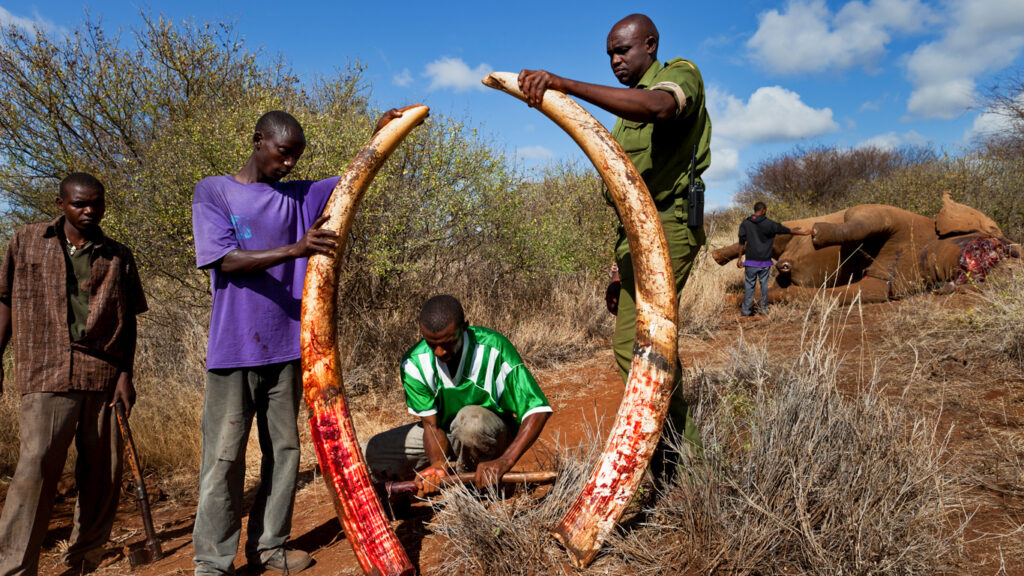
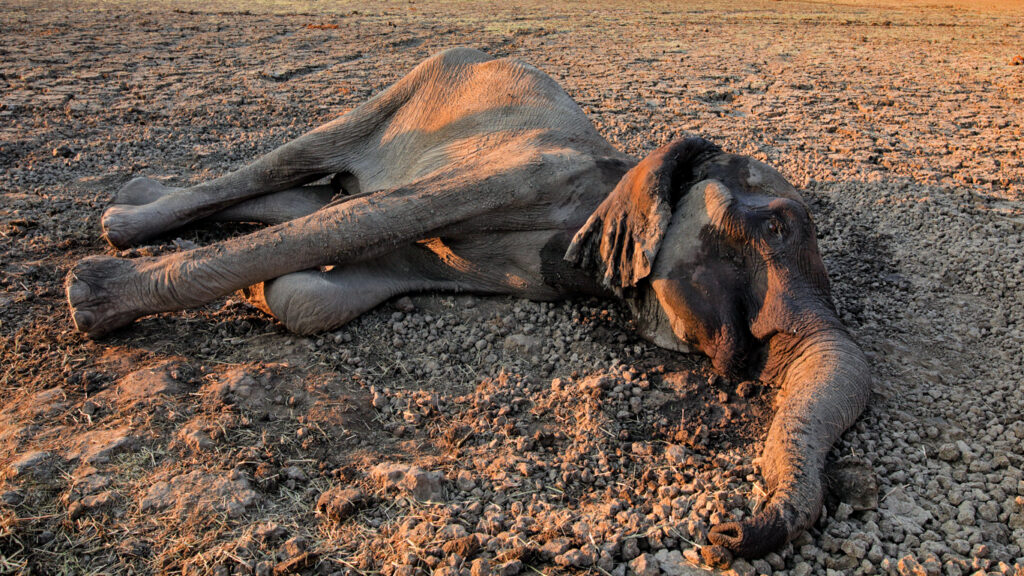
The elephant population in Africa is in the midst of a devastating poaching crisis. At least 20,000 African elephants are killed each year for the illegal ivory trade, driving them headlong to extinction. Routinely, we have to deal with the harrowing sight of the bloody, butchered carcass of a once magnificent animal, its tusks hacked from its face and its body riddled with bullets. Credit: Mpumalanga news The situation is utterly horrific, but we have good news… A brilliant scientist has come up with technology that, using artificial intelligence (AI), will completely revolutionize the way we track and monitor endangered wildlife species and save countless lives. Existing tracking devices are fitted around the neck, and are heavy, cumbersome and expensive. They can tell you where an elephant is, but nothing else. The new devices fit around an ankle; they are lighter, cheaper and provide a mass of detailed vital information. The AI will monitor every movement the elephant makes, in real time, while continuously monitoring its vital signs to tell you how it is feeling. At the first sign of anxiety, the AI will send a message via satellite to anti-poaching teams, who can then respond instantly. At the moment, using the old tracking devices, it can take days to realize something is wrong, and by then, it is far too late. The elephant will be dead, and its tusks on their way to China. This elephant family in Addo National Park is vulnerable to poaching attacks. The new devices were invented by Dr SP Le Roux, a scientist at Stellenbosch University in South Africa, who was awarded a PhD for his work. There is no doubt that the devices will usher in a new era and the day can’t come soon enough for elephants in poaching areas. There is an upsurge of poaching in the area around Addo National Park and elephants are in danger. With your help, we will fit Addo’s elephants with the new devices. We have set ourselves a deadline of one month to do so… that’s how urgent the need is. We need your support to fit the tracking devices to an elephant family, who live worryingly close to a poaching hotspot. Credit: Martin Fletcher Today, there are only about 415,000 elephants left in Africa – a staggering decline from over 5 million less than a century ago. Both species of African elephant are listed on the International Union for the Conservation of Nature’s (IUCN) Red List of Threatened Species. The African forest elephant is critically endangered, while the African savanna elephant is endangered. Dr SP Le Roux displaying the revolutionary tracking device to ASI executive director David Barritt ASI works extensively in Africa and perhaps has a better idea than most of the severity of the situation for elephants and how important it is to protect them. We are at war with poachers, and the reality is that the international criminal gangs that control poaching are becoming ever more sophisticated. They use modern weapons, pay huge bribes to get inside information and are expert smugglers. Those of us who care about the wild must up our game if we are to save an enormously important endangered species. These new devices will give elephants a better chance. We need YOUR support to do so! If we can raise $16,000 (around £13,000), we can purchase SEVEN state-of-the-art tracking devices for endangered African savanna elephants of the Addo Elephant National Park. Please, will you help us? Credit: Martin Fletcher The illegal wildlife trade is one of the most lucrative illicit trade sectors globally, with thousands of wildlife species, worth billions of dollars, being poached annually. Apart from the loss of a culturally significant icon, elephant poaching threatens the vital role that elephants play in maintaining healthy ecosystems as keystone species. Please donate as generously as you possibly can RIGHT NOW.
UNBELIEVABLE! TRAGIC! Crocodile destroys anti-poaching patrol boat. Elephants, giraffes, leopards are in MORTAL DANGER!
The area along the Zambezi River in Zimbabwe’s Victoria Falls is a poaching hotspot. Poachers cross the river from Zambia into the Matetsi Private Game Reserve (MPGR), slaughtering vulnerable and endangered wildlife as they go. Elephants and hippos for their ivory tusks and meat; leopards and giraffes for their skin and meat; countless antelopes and other animals simply because they are there for the taking. Countless animals are being killed by poachers’ snares. Credit: MAPU Critical, keystone species are being wiped out at an alarming rate and throughout Africa, we do our best to protect them. But now, the animals who live near the Zambezi River have a big problem and need your help. Our partner, the Matetsi Anti-Poaching Unit (MAPU), makes 95% of poaching arrests along the Zambezi River, but a crocodile destroyed its patrol boat. Please help us get them back on the water – FAST. Wildlife is at extreme risk, even as you read this. A poacher is apprehended by the Matsetsi Anti-Poaching Unit (MAPU). Credit: MAPU Their team comprises 50 expert forest scouts and a highly trained canine unit. MAPU patrols day and night to cover every part of the reserve and its islands on foot, by vehicle, and critically, by boat. They work in collaboration with Zimbabwe National Parks (ZNP), and over the past two years, the team – established in 2021 – has stamped out poaching in the entire reserve. Now there is a major problem. A few weeks ago, as the MAPU team prepared to leave for an afternoon patrol, a large Zambezi crocodile attacked their boat, ripping it to shreds. Before the croc mistook their boat for dinner, MAPU was able to patrol the river and stop poachers making landfall in the reserve. Now, poachers have the upper hand and are wreaking havoc with wildlife because of it. A baby elephant is freed from a poacher’s snare caught in his mouth. Credit: MAPU With no anti-poaching presence on the river, animals are in real peril. Because scouts are unable to patrol river islands and waterways, poachers can snare and slaughter animals at their leisure. Then, under the cover of dense forest spanning more than 212 square miles (55,000 hectares or 550 square kilometers), they can lay traps for unsuspecting animals. Securing the perimeter of the Matetsi game reserve is vital in protecting animals. Regular boat patrols enable MAPU to investigate suspicious activity along the 16-kilometer (10-mile) riverbank, remove snares, and help trapped and hurt wildlife on islands that cannot be crossed without the use of a boat. One horrifying example is that poachers can kill a hippo and whisk its carcass back to Zambia in under an hour. The MAPU patrol boat was destroyed in a crocodile attack. Credit: MAPU MAPU urgently needs a replacement boat. It will cost $11,000 (£9,305) for a good-quality, second-hand boat with a reinforced aluminum hull. This will enable the boat to be piloted through the rapids and shallow waterways where poachers tend to hide. It will also be easy to lift in and out of the water, which will allow for quick and easy access when the team is alerted to illegal activity on the river. And of course, crocodiles will not be able to snack on it! It is critical that we purchase an anti-poaching boat to help protect the magnificent wildlife of Victoria Falls. Please help us right now. The tragic fate of a giraffe caught in a poachers snare. Credit: MAPU Thanks to MAPU’s efforts in securing the perimeters of their reserve, they have been able to successfully reintroduce waterbuck and have plans to reintroduce black and white rhinos and pangolins. But these plans are in jeopardy: without a boat, they cannot fully protect the reserve, so they cannot risk vulnerable animals in a poaching hotspot. Please help us get MAPU back on the water as soon as possible. Wildlife is severely threatened without regular river patrols, so there is not a second to lose. Please, donate now and help us save elephants, giraffes, leopards and other important wild species of Victoria Falls.
Chinese, South African ‘mafia’ decimating wildlife in Kruger National Park
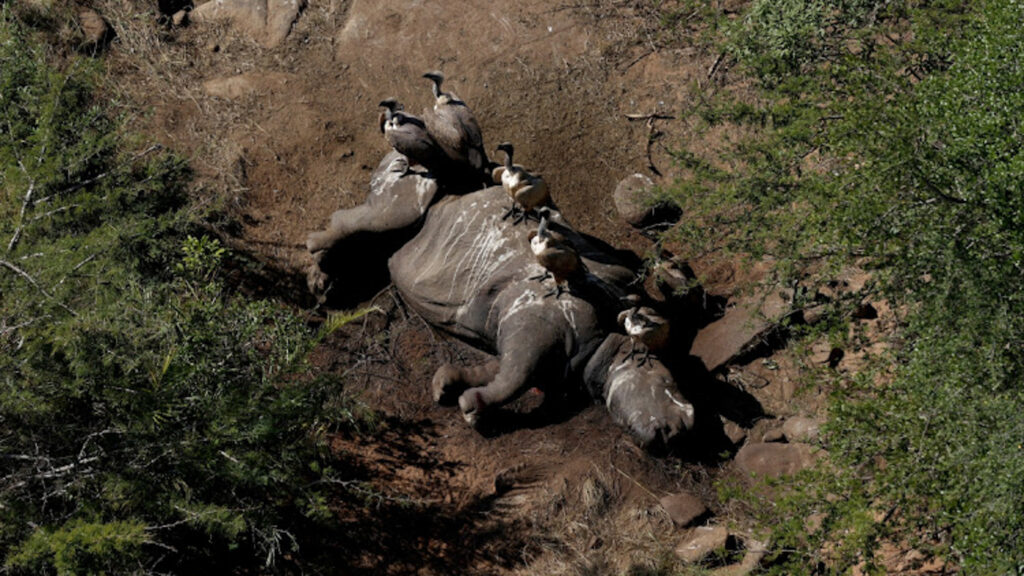
Article written by Darren Taylor Originally published by The Epoch Times (Monday, March 20, 2023) JOHANNESBURG—A new report from the European Union-funded international crime response group, Enact, says organized crime groups from South Africa and China—in collaboration with corrupt wildlife officials—are “decimating” big game animals in one of the world’s premier game reserves. The Kruger National Park covers an area of almost 7,600 square miles across South Africa’s northeastern provinces of Limpopo and Mpumalanga, bordering Mozambique and Zimbabwe. The United Nations Environment Program (UNEP) describes Kruger Park as one of the world’s most important wildlife conservation areas. It’s home to the iconic but increasingly rare animals known as the “Big Five,” namely African buffalo, African elephant, rhino, leopard, and lion. Ivory from elephant tusks fetches high prices on black markets, and rhino horn and lion bones are in high demand in China for their scientifically disproven healing properties when ground and mixed into traditional medicine. According to the report from Enact wildlife and organized crime expert Julian Rademeyer, at least 40 percent of Kruger Park’s law enforcement employees are corrupt and up to 70 percent of other park employees may be assisting poachers. The park employs more than 2,500 staff plus more than 400 rangers. Rademeyer told The Epoch Times the staff is mostly from surrounding communities and as such are at “great risk of coercion and threats.” In his report, he quotes a ranger as telling him: “You work in the park, your wife is alone at home with the kids and this is where the kids go to school. You make the choice.” Under pressure, the ranger starts providing information to the syndicate, receiving an initial payment of 25,000 rands ($1,400). Payments increase depending on the “quality of information” received, such as the location of a lion pride. Credit: Ndivhuwo Mulamu/Hawks The big cats are easy to kill with poisoned meat, and the carcasses are chopped up and transported out of the park with the help of corrupt officials. The bones are then smuggled out of the port of Durban in containers on ships bound for the Far East, to markets in China. Rademeyer said his information is based on interviews with senior Kruger Park law enforcement agencies, honest and corrupted rangers, private wildlife security consultants, conservation managers, and investigators trying to unravel a “complex web” of organized crime that’s “engulfing” the park. Investigators from South Africa’s Hawks agency told The Epoch Times they have linked “many” rangers and police officers to poaching networks. “Rangers must either become part of the crime, or they must turn a blind eye to it. If they do not, they are shot dead in their homes,” said one of the investigators. He continued: “In cooperation with auditors we have traced payments of large amounts of money to more than 50 Kruger Park officials, from syndicates. This is just the tip of the iceberg, as our investigations have just started.” The park’s head ranger, Cathy Dreyer, who’s received numerous death threats, told The Epoch Times it’s “impossible” to enter the Kruger to kill animals “without cooperation from inside the reserve.” Ike Phaahla, the spokesperson for the government-run SANParks agency that manages Kruger Park, told The Epoch Times he could not comment on Rademeyer’s report. “I will first have to read the report,” he said. Kruger Park is considered to be one of the “jewels in the crown” of South African tourism, which prides itself on offering local and international tourists a chance to view the rare game animals. Yet, said Rademeyer, the government appears to be doing little to protect the animals in the way of giving more resources to agencies to fight the syndicates off. His report “Landscapes of Fear” traces the beginning of the “rot” to 2011, when rhino poaching began to increase dramatically in Kruger Park. Between 2011 and 2020 Kruger’s white rhino population fell by 75 percent, from around 10,600 to 2,607. Credit: Reuters Rademeyer, as well as the Hawks officers interviewed by The Epoch Times, said the same syndicates responsible for denuding the Kruger Park were also involved in kidnappings, cash-in-transit heists, car-jackings, extortion, illegal mining, and ATM bombings. Conservationist Kevin Pietersen told The Epoch Times: “The only market for things like rhino horn and lion bones is Asia, and specifically China. “Law enforcement guys have told me about links between Chinese triads and South African mafia-type groups. It’s easy to smuggle anything out of South Africa; the controls are so lax.” Several Chinese nationals have been arrested for rhino, elephant, and lion poaching in South African game reserves in recent years. Most have escaped jail terms, instead paying admission-of-guilt fines. In September 2021, police officer Stephanus Peters – and a woman described by investigators as a “Chinese interpreter”, Lina Zhang – were arrested after allegedly delivering 30 rhino horns for transport from Johannesburg’s OR Tambo airport to Malaysia. Police say the horns were falsely declared as wine. Rademeyer said the poachers were usually armed with automatic rifles and other high-caliber weapons. They often cooperate with corrupt state veterinarians to source animal tranquilizers and “dart rifles.” According to Rademeyer’s research, rangers and soldiers from the South African National Defence Force shot dead at least 200 suspected poachers in Kruger Park between 2010 and 2015, with seven soldiers losing their lives and many seriously wounded. Five years ago, the government budgeted millions of rands for 87 additional rangers, but not a single appointment has been made. Requests for an explanation from the department of environmental affairs went unanswered. A police intelligence source told The Epoch Times most areas around Kruger Park are “hotbeds of violent crime,” with several factions from the ruling African National Congress (ANC) connected to criminal gangs. In March 2020, Hawks agent Colonel Leroy Bruwer was killed when gunmen opened fire on his vehicle as he traveled between the towns of Mbombela and Lydenburg, near the reserve. Bruwer was the lead investigator in several cases of rhino poaching. In July last year, assassins shot dead
Miami art dealer convicted of smuggling ivory sculptures
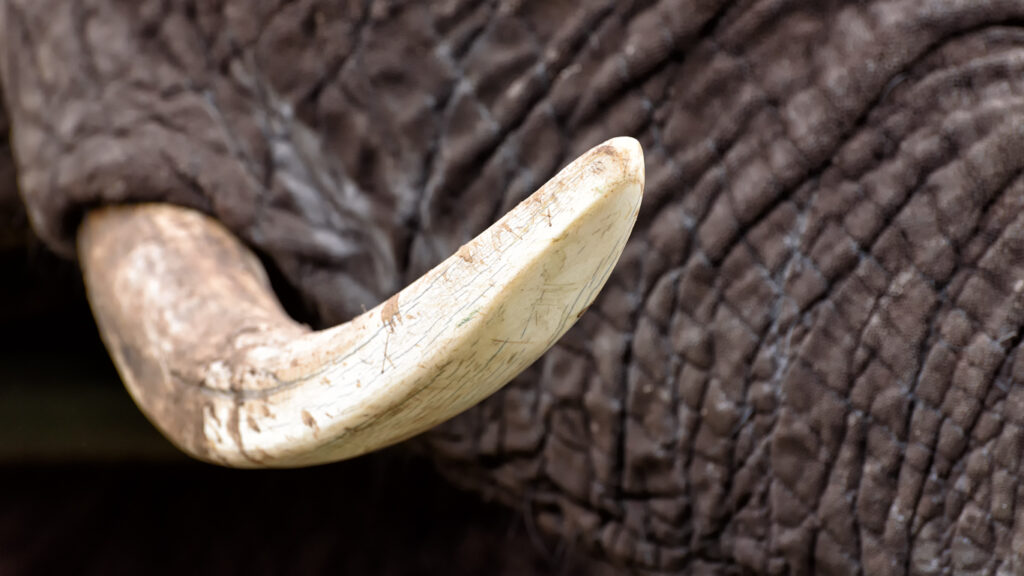
Miami-based art dealer Eduardo Ulises Martinez has been sentenced to more than four years in prison for illegally transporting sculptures containing ivory, reports The Art Newspaper. He was also found guilty of obstructing the course of justice. Martinez was caught with ivory in his luggage in September 2021, as he made his way through Miami International Airport. Last week, a jury found him guilty on nine counts of smuggling items containing ivory, both in and outside of the United States, without declaring the items or making them available for inspection by the US Fish and Wildlife Service (USFWS). His conviction for obstruction of justice was based on his solicitation of false evidence. Martinez purchased sculptures containing ivory from auction houses in Spain, England, Canada and Australia and imported them into the United States using various methods of concealment. On some occasions, he stripped the works into their ivory, bronze, and marble components and shipped the individual pieces in separate boxes. He also utilized third parties residing in Spain and England to collect the sculptures from auction houses in Europe, creating the impression that they would stay within the European Union. Thereafter, he instructed individuals to ship the sculptures to the US. In each instance, Martinez, or others at his command, would falsely declare that the sculptures were made from another material or give false descriptions to evade inspection and declaration requirements. Once the sculptures arrived in the US, Martinez would mend any prior imperfections and sell them at a significant mark up. He even sold to buyers in other countries and helped ease the transportation of ivory out of the US. The jury heard evidence that Martinez knew his actions were illegal, but he continued in order to make money, according to the Justice Department. In addition to his 51-month prison sentence, Martinez was ordered to pay a $20,000 fine and must serve three years of supervised release. He also forfeited various sculptures containing ivory.
Conservation Action Trust: OUR KIN DISCARDED – South Africa’s inhumane and indefensible trade and killing of (nonhuman) primates
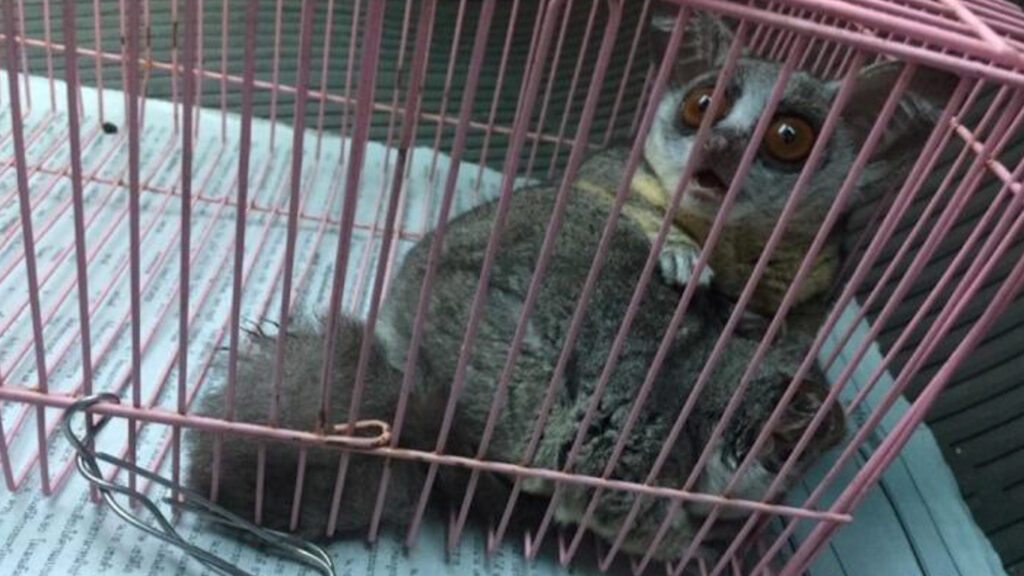
Adapted from article written by EMS & BAT Originally published by Conservation Action Trust (February 2023) South Africa is failing in their oversight of the legal export of non-human primates and their body parts, effectively condoning needless cruelty to these innocent animals. In only 7 years, between January 2016 and December 2022, through just a single port of exit – OR Tambo Airport – there were exports of 3,782 live primates and 5,401 hunting trophies, consisting of 3,349 chacma baboons, 1,886 vervet monkeys and 9 bushbabies. During this period, 1,141 live indigenous bushbabies were exported. Most of the live exports were for commercial trade (not zoos) into countries with highly dubious animal protection histories, like Bangladesh, China, UAE and Armenia. An extensive investigative report by the EMS Foundation and Ban Animal Trading has found South Africa’s primate trade to be poorly managed, ecologically damaging and unsustainable, while raising welfare and ecological concerns. Our Kin Discarded lists a string of systemic official failures: Official data capture includes documentation discrepancies Illegal shipments Untraceable destinations Enforcement negligence Lack of oversight and verification Inadequate safeguards Irrational or arbitrary hunting determinations No national population assessments or Non-Detrimental Findings for indigenous primates – a clear contravention of CITES These activities involve a relatively small number of wildlife breeders, hunting, taxidermy and legal wildlife trade exporters. The 40-page report was based on official information obtained by the EMS Foundation from the South African Department of Forestry, Fisheries and the Environment (DFFE), via the Promotion of Access to Information Act (PAIA), about the trade in CITES-listed (nonhuman) primates. The Report includes extensive graphs as well as an analysis of the situation concerning each non-human primate. There are 10 steps South Africa needs to urgently take to arrest a deplorable situation: Implementation of an effective permitting system to ensure that information is valid, accurate and complete Oversight of the permitting system Ensure the availability of actual trade data for both effective decision-making and for compliance with CITES Review by authorities of how they manage indigenous primates to ensure that biodiversity is protected Comprehensively and transparently assess the impact of the legal trade via a Non-Detrimental Finding Ensure that the trade in non-indigenous primates does not threaten conservation in their country of origin Support in-situ conservation and a compassionate approach in relation to nonhuman primates. Adopt a new ethos, based on Ubuntu, which sees people living in harmony with nature and not simply regarding it as an expendable resource or damage-causing Acknowledge that commercial trade in any primates ignores the complex social structures and cognitive abilities of primates and is ethically wrong Immediately issue a moratorium on the trade, hunting and killing of indigenous primates and the breeding, trading and keeping of exotic primates as pets. The report only covers the export of live primates and hunting trophies but does not cover the hunting of primates by local hunters which is poorly regulated and for which little information exists. All (nonhuman) primates are wild animals and they are fundamentally unsuited to captivity. Cognitively, behaviourally, emotionally and socially, they are some of the most complex animal species on earth. Their capture and removal from their natural habitats and social and family groups is extremely cruel and inflicts great suffering and distress, as well as resulting in injuries and even death. The illegal trade in great apes, such as chimpanzees, is often supported by wholesalers in China, Bangladesh, the UAE and Armenia, who “often act as intermediaries between the traffickers and the final buyers in Asia, the Middle East and Russia.” China has at least four known such wholesalers. The primate pet trade, bolstered by social media, continues to grow and impacts the survival of individuals and wild populations globally. Bangladesh does not allow import of primates, yet the Report found evidence of extensive imports to false or non-existent addresses in Bangladesh. A report by the South African Anti-Money Laundering Integrated Task Force (SAMLIT), published in November 2021, corroborates the research by BAT and EMS and noted that the use of the legal wildlife industry masks illegal trade and is prevalent in South Africa. This occurs when legal exports are either under-declared or prohibited species are exported alongside legal exports. South Africa is home to six indigenous primate species. All these species are susceptible to escalating habitat loss as well as removal from the wild and indiscriminate hunting. Banner Image: Conservation Action Trust
Urgent Action Needed: Help orphaned pangolins survive poaching tragedy!
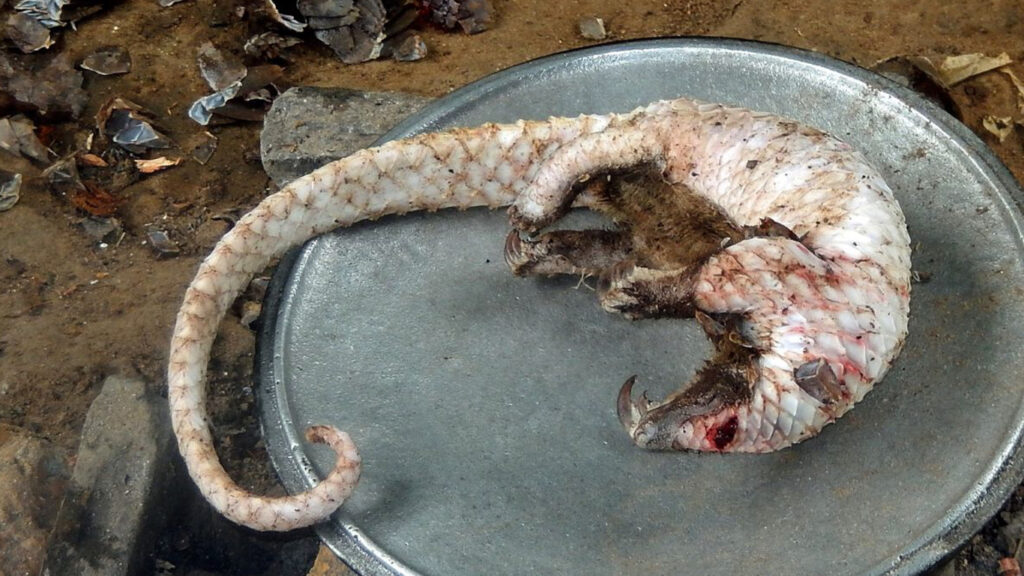
We have told you before about the near obliteration of endangered pangolins in Africa and throughout the world. The clock is ticking for this species, which is being driven to extinction by the illegal wildlife trade, for its meat and scales. Credit: Nancy Gelman / USFWS; Jefri Tarigan / AP Every pangolin life lost pushes the species closer to extinction. Right now, we are helping our partner in Nigeria save the lives of eight juvenile pangolins – called pangopups – in critical condition, all saved from the illegal wildlife trade in West Africa. It is a miracle that any animal could survive this brutal illegal capture – let alone a helpless pangopup – and these eight need your support right away. Credit: Pangolins International and Nigerian Partners Eight pangopups are fighting to survive after being rescued from the illegal wildlife trade. With your help, we can save their lives. Last month, our partner, Pangolins International (PI), rescued the eight pangopups from illegal traders in Nigeria. Their mothers were captured by poachers and slaughtered for their meat and scales, which are sold at local markets. Pangopups are of no use to the traders – so they are routinely chucked into rubbish bins to die, or casually discarded. Sometimes, these infants are found still clinging to their dead mothers! It’s heart-wrenching to think of these young creatures being taken from their mothers only to be thrown away like trash because they are deemed worthless. They are battling for their survival, and we simply cannot stand by and do nothing. Credit: Pangolins International and Nigerian Partners Pangopups rescued from the wildlife trade need special milk or they will die. It is for this life-saving milk that we so desperately need your support today! There is no alternative. We need to rush funds to purchase as much special milk as we possibly can. Political and economic uncertainty in Nigeria means that supplies of specialized products are unpredictable and costly, so PI must purchase the formula whenever they are able to find it – and as much of it as possible. Credit: Pangolins International and Nigerian Partners Pangolins are extremely sensitive creatures that seldom do well in stressful environments and under human care. Many rescued by PI are injured, malnourished and dehydrated, and were saved from intensely traumatic situations. These little creatures have to be handled very carefully and need to be fed special milk formula – measured to the correct amount and mixed to the exact concentration – every few hours. The PI team is skilled and has a remarkable track record in nursing them to health. 80% of our partner’s rescued pangolins survive (so there is GREAT HOPE for the eight pangopups), but to have any chance of survival, they must receive the special milk formula! We are racing to get the formula but we need your help right now. Credit: Pangolins International and Nigerian Partners Please help us raise $5,000 (roughly £4,100) to get these animals the nutrition they desperately need to survive. The more we raise, the longer we can support their recovery – ideally, until they are strong enough to be released into safe protected areas. Pangolins are the most trafficked animal in the world, with Asia being the biggest market for the scales, which are used in potions and their meat which is considered a delicacy. They are notoriously difficult to care for and keep alive, as they easily succumb to the effects of stress. This milk is critical to their survival, and is often the only thing standing between them and death. Credit: Khaosod News The fate of eight rescued juvenile pangolins hangs in the balance. With your support today, we can save them! Pangolins have existed for an estimated 80 million years and play a significant role in controlling insect populations in the wild. Their extinction would have unknown repercussions on our ecosystems, yet all eight species of pangolin are listed as endangered on the IUCN’s Red List (The International Union for Conservation of Nature). Credit: Charles Emogor Some species are at risk of going extinct within as few as ten years! Rescued pangopups stand no chance of survival without this specialized milk formula. Please help us. We must do everything in our power to help secure the future of this irreplaceable species. Help us to do this, one pangolin life at a time.
Study Warns European Demand for Frog Legs Could Drive Amphibians to “Irreversible Extinction”

Frog legs are one of the most infamous dishes on French restaurant menus – but the demand for the delicacy is destroying frog populations in Turkey, Albania and Indonesia, says a new study published in Nature Conservation journal. According to Euronews.green, European countries imported over 40 million kilograms (over 88 million pounds) of frog legs between 2010 and 2019, primarily from these countries. That is the equivalent of two billion frogs – a number that could spell the end of the species. The amphibians are also consumed in other parts of the world, including China and Vietnam. The authors of the study wrote, “We call upon [exporting] countries and their representative governments to assume responsibility for the sustainability of the trade. The EU should take immediate action to channel all imports through a single centralised database and list sensitive species in the Annexes of the EU Wildlife Trade Regulation.” Of the European countries, Belgium is by far the largest importer of frog legs, having imported 28,430 tonnes between 2010 and 2019. However, it re-exported around three-quarters to France – which in turn imported 6,790 tonnes from outside the EU (16.6 per cent of EU imports), followed by the Netherlands (2620 tonnes; 6.4 per cent), Italy (1790 tonnes; 4.3 per cent) and Spain (923.4 tonnes; 2.2 per cent). The cuisine – which many diners would happily fork out an arm and a leg for – is having a serious impact on ecosystems. In fact, France banned local commercial frog hunting (with some exceptions) way back in the 1980s, after numbers dwindled dramatically. Now, 80 percent of Europe’s frog legs are supplied by Indonesia – and the same pattern is being repeated there. The crab-eating grass frog (Fejervarya cancrivora), the giant Javan frog (Limnonectes macrodon), and the East Asian bullfrog (Hoplobatrachus rugulosus) are all vulnerable to potential ‘overharvesting’, warned the report. In Turkey, the Pelophylax caralitanus – commonly known as the Anatolian frog – is at “high extinction risk.” “Commercial overexploitation [of this species] for the frogs legs trade in France, Italy and Switzerland has caused its rapid decline so that the species is now considered endangered,” the report warned. The decline in frog species has a knock-on effect on local ecosystems. These amphibians prey on insects, and in areas where frogs are hunted, the use of harmful pesticides tends to increase. In the 1970s and 80s, Bangladesh and India were the EU’s main suppliers of frogs, but the governments of these countries stopped exporting them after local populations declined. To keep the trade sustainable, it is imperative that frog-exporting nations regulate the trade more strictly. It is also critical for the EU to publish more information on the trade. Legend has it that frogs were first consumed in the 12th century by monks attempting to circumvent a strict no-meat diet: the church classified frogs as fish. Today, some enterprising Francophile vegans have created plant-based frog legs, made from wheat and soy. Banner Credit: Matador Export
Elephant and Rhino Numbers Rising in Uganda After Years-Long Poaching Wave
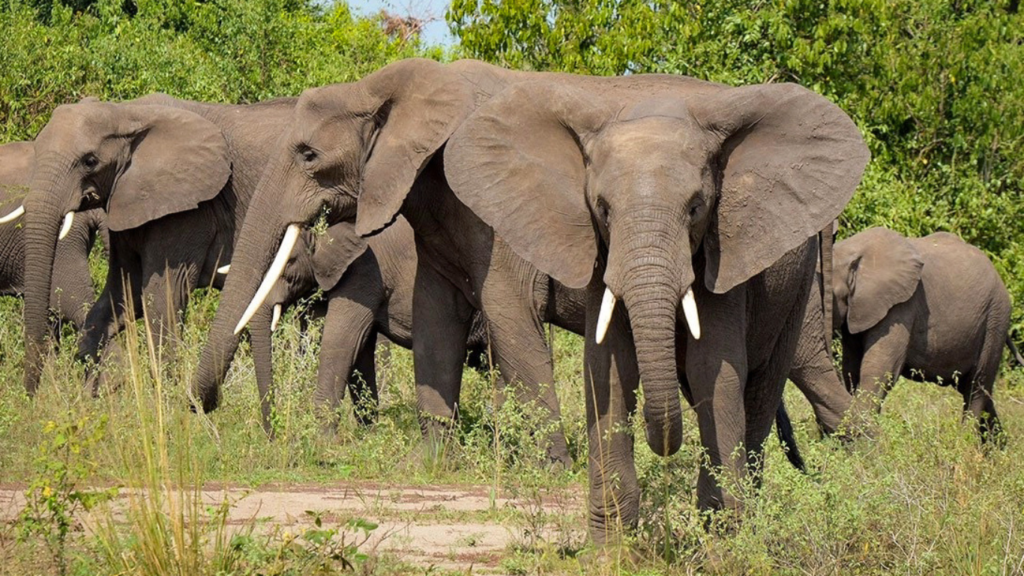
Populations of endangered elephants, rhinos and other wildlife in Uganda’s reserves is steadily growing, following years of decline as a result of poaching, illegal trafficking and conflict, according to state-run Uganda Wildlife Authority. A population of northern white and eastern black rhino wiped out in the 1980s by poachers has grown back to 32, reports South Africa’s News24.com. This after a wildlife charity brought in four rhinos in 2005. Through dedicated conservation efforts between 1983 and 2021, buffaloes increased 77% to 44,163 and elephants surged almost 300% to 7,975. Between the 1960s and 1980s, a number of species experienced devastating declines as political conflict and lack of law enforcement allowed poaching, trafficking and encroachment to run rampant in wildlife-rich areas. However, the Ugandan government acted decisively, establishing a range of conservation policies, including lengthy jail terms for wildlife-related crime. Credit: Gorilla Tracking Tours and Safaris “Wildlife populations are on a steady recovery,” the local authority said. It added that, in a boost to the tourism industry, there had also been an increase in the number of mountain gorillas in dense forests in the southwest of the country. “We applaud the swift and decisive action of the Ugandan authorities in addressing wildlife crime and bringing perpetrators to book,” said executive director of Animal Survival International (ASI), David Barritt. “It is clear that stricter policing and targeted conservation efforts are effective in protecting wild animals and reducing the scourge of poaching and illegal trafficking. ASI strongly urges more African nations to follow in the footsteps of Uganda in order to protect its precious and irreplaceable wildlife populations.” Banner image credit: Great Adventure Safaris
Critically important vultures are being ruthlessly poisoned and pushed to EXTINCTION.
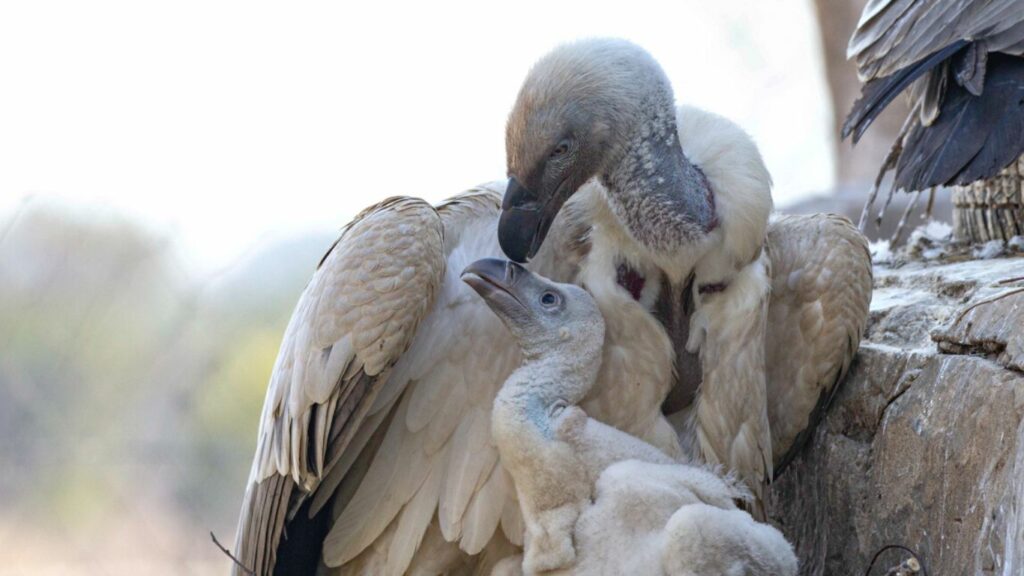
Vultures are perilously close to extinction. If they die out, the consequences for human life will be catastrophic. We need to pay attention to this rapidly dwindling species right now because our health and perhaps our very survival is at stake. Credit: VulPro Tragically, maligned and often misunderstood vultures are given little support because of their association with carrion and death, but… This is the exact reason nature’s “clean-up crew” needs our URGENT protection! If vultures were to become extinct, the damage would be irreparable. Diseases like botulism, the plague and rabies would spread rapidly, and large numbers of rural people would stand little chance against these voracious illnesses. But this is the reality we will face if we do not act immediately. Credit: VulPro We can help by buying hatchers for rescued vultures so that every vulture egg has the optimum chance of survival. In just 30 years, Africa’s vulture numbers have plummeted by 90%. In South Africa, four of the country’s nine vulture species are listed as critically endangered. The African white-backed vulture for example – vital to Southern Africa’s ecosystems and once prolific across the region and the world – is now globally listed as critically endangered. Credit: VulPro The reasons for plummeting vulture numbers in Africa is horrifying. But with your help, we will help the species recover. The plight of African white-backed vultures is alarming, but nearly all vultures are in trouble. One of the major problems is that throughout Africa, they are slaughtered for worthless “traditional” medicines. To capture vultures, poachers kill other animals and lace the carcasses with poison. When the birds die after feeding on poisoned carcasses, poachers harvest their body parts. In other instances, farmers poison vultures because they are considered “pests” – a total lack of understanding of a species that is in fact creating healthy habitats. And in a third peril, vultures fly into power lines, a terrible end. Credit: VulPro Because the vulture may not be killed outright, ailing birds can be rescued and treated so they may return to full health – and this is where your help is needed to ensure that they live and breed. We are working with VulPro, a vulture conservation center near the Magaliesberg mountains in South Africa, which rescues and rehabilitates injured and poisoned birds, and runs a successful breeding program. Vultures who cannot be released back into the wild due to the severity of their injuries live out their lives at the sanctuary, but their offspring are released to help strengthen wild vulture populations. VulPro works with white-backed vultures, the vulnerable Cape vulture, the critically endangered hooded, white-headed vultures and endangered lappet-faced vultures, as well as other large birds of prey and protected species. Credit: VulPro A massive challenge is that vultures usually produce only one egg per year. It is critically important that as many eggs as possible are successfully incubated at VulPro. Because many rescued vultures have disabilities or injuries that make it difficult for them to efficiently incubate their eggs, VulPro uses specialized incubators and hatchers that maintain optimal conditions for vulture eggs to develop and hatch. Right now, VulPro is in urgent need of two more hatchers – critical to ensuring the correct humidity and temperature for eggs to hatch successfully. We really want to help them purchase these important pieces of equipment because the prospect of losing vultures is of utmost concern, and without our help, they are sure to disappear. Credit: VulPro Vultures need your help to survive. Your health could be at risk if they die. If we can raise $6,600 (roughly £5,480), we can support efforts to strengthen vulture numbers. Your donation will be used for important breeding equipment and expert animal staff to care for the hatched offspring. This is a vitally important and worthwhile thing to do, so please be as generous as you can. We know that nobody who values nature – like us, and you, wants to see vultures die out forever.
Illegal traders refer to giraffes as “motorbikes” because selling their body parts can fetch enough money to buy a motorcycle.
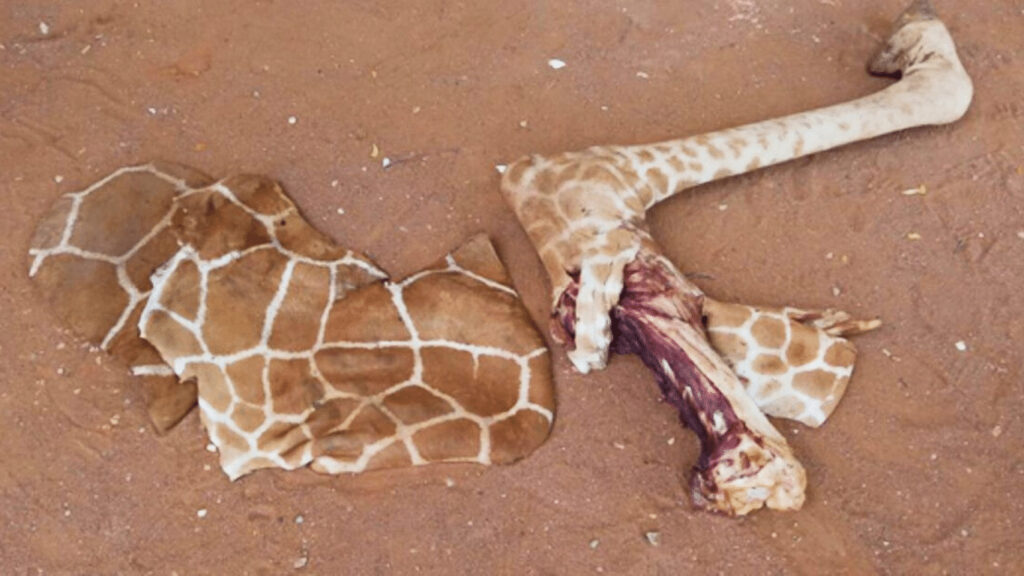
Endangered reticulated giraffes, native to the horn of Africa, are in terrible trouble with poaching being a major cause. It is estimated that there are only 8,500 of these unique animals left in the wild today. Most reticulated giraffes are found in Kenya, where a massive drought and economic hardship – leading to a poaching wave – are very real threats to the remaining population. Other major threats to their survival include habitat destruction by illegal farming, charcoal burning, and the death of countless animals as humans encroach on animal territory. The bottom line is that this species faces a real and intensifying threat to its survival – and very soon, it could be the next subspecies added to the ‘extinct’ list. We have already helped to provide water for the giraffes and other animals. Now, we are stepping in to help in other ways. We are working to help protect these magnificent giraffes, but we need your support before it is too late. We have joined forces with a local organization, the Sabuli Wildlife Conservancy (SWC), to step up anti-poaching measures. The SWC are all members of a local Somali tribe who work to conserve wild animals, among them the endangered reticulated giraffes. The SWC has employed 30 anti-poaching rangers who receive regular training and skills development to help them outsmart and thwart increasingly sly poachers. However, the SWC’s funds are severely limited, and as poaching increases, it desperately needs to upskill and equip its dedicated team – fast. Each ranger must undergo three months of training and be equipped with vital anti-poaching equipment and tools to enable them to pinpoint and apprehend poachers efficiently. Poachers – usually armed and highly dangerous – are continuing their slaughter unabated as teams like the SWC fear for their lives in confronting them. Equipping and training them is crucial. If we can raise $20,000 (roughly £16,580), we can help provide annual training, uniforms and equipment for 10 rangers. The longer it takes, the worse things will get for the giraffes; we have no time to lose. Poachers call giraffes motorbikes because killing one raises enough money to buy a bike. Poachers target reticulated giraffes for their meat, skin, bone marrow and other body parts. Killing the giraffes is totally illegal, but catching the poachers is no easy task. Reticulated giraffes live in Somalia, Ethiopia and northern Kenya. But with their habitat rapidly decreasing, most of the population now occurs within the arid rangelands of northern Kenya. We are therefore focusing our conservation efforts on Wajir County in northern Kenya, where approximately 6,000 endangered reticulated giraffes reside – the largest pool of the subspecies. The meat of one adult giraffe can fetch hundreds of dollars or pounds – the exact price is not known as illegal trading prices change frequently depending on demand and supply. However, in some cases, this may be around $450 (£368) for the meat of one giraffe, which means that poachers have a lot to gain from a single killing. Sickeningly, giraffes are referred to as ‘motorbikes’ in some regions because selling their body parts can get an illegal trader enough money to buy a motorbike. Giraffes are not only slaughtered for their meat and bone marrow but also for their tail hairs, which are used in jewelry and materials, and their skin and tendons, which are used to make sandals, drums and other musical instruments. There is hope… Giraffes are some of the most beloved animals in the world. Not only do they have a unique and regal place in our collective consciousness, but they’re also extremely important for the environments they inhabit. Giraffes keep ecosystems in balance – shaping tree structure, stimulating growth, distributing seeds and, in some cases, even aiding in pollination. With your support, we can save reticulated giraffe by catching poachers, to ensure a future in which these rare creatures can thrive in the wild. So please, donate as much as you possibly can to Animal Survival International right now.
IMPORTANT UPDATE on the fight to FREE LJUBO, a bear in despair!
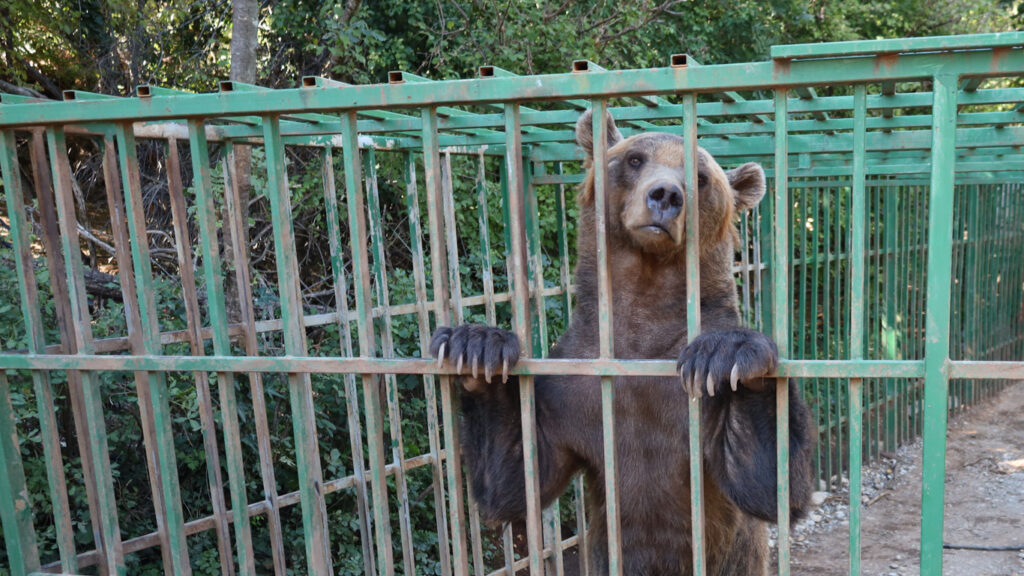
In my work as executive director of Animal Survival International, it is a sad fact that all-too-frequently I encounter cruelty to animals, but I have rarely come across cruelty that affected me as much as the plight of Ljubo, a bear in despair. ASI is working to FREE LJUBO from a cage in Montenegro, and we promised to keep you updated on our progress. This is where we are now… First, a recap: Ljubo has spent his entire life existing in a cage in Montenegro, where he is exhibited to the public, who are encouraged to throw food at him. The bear is badly stressed. We have video evidence of him resorting to self-harm – repeatedly biting his arm and the bars of his cage because he is so distressed. The situation is harrowingly cruel. From the moment we witnessed this outrage, we have worked to have Ljubo removed from the private zoo where he is caged and relocated to a bear sanctuary. Freeing Ljubo is not an easy thing to do. Montenegrin officials know of the bear’s suffering but have been content to turn a blind eye, because that is an easier course than undertaking the legal processes necessary to free him. We are in constant touch with the three Montenegrin government agencies that hold Ljubo’s fate in their hands and continue to remind them of the legal steps they are obliged to take to ensure better treatment for Ljubo, and to offer practical help and support. We are making progress, but in Montenegro, the bureaucratic process is slow, cumbersome and oddly organized. It is crystal clear that Ljubo does not belong where he is and should be immediately released, but it is going to take time to achieve this because the processes we must follow are convoluted and slow. Because many people have advised us not to rely on officialdom to do their jobs quickly, we are researching private legal action against the bear’s owner. We hope to meet the Minister of Tourism and ask for his support, reminding him that Montenegro is reliant on tourism and that many animal lovers will refuse to visit a country that allows such cruelty to go unchecked. In short, we are doing everything we can to fight for Ljubo’s freedom. We will keep you informed as his story unfolds, but right now, let’s do everything we can to make sure the ending is a victory for animals.
Rhino poaching soars by 93 percent in Namibia
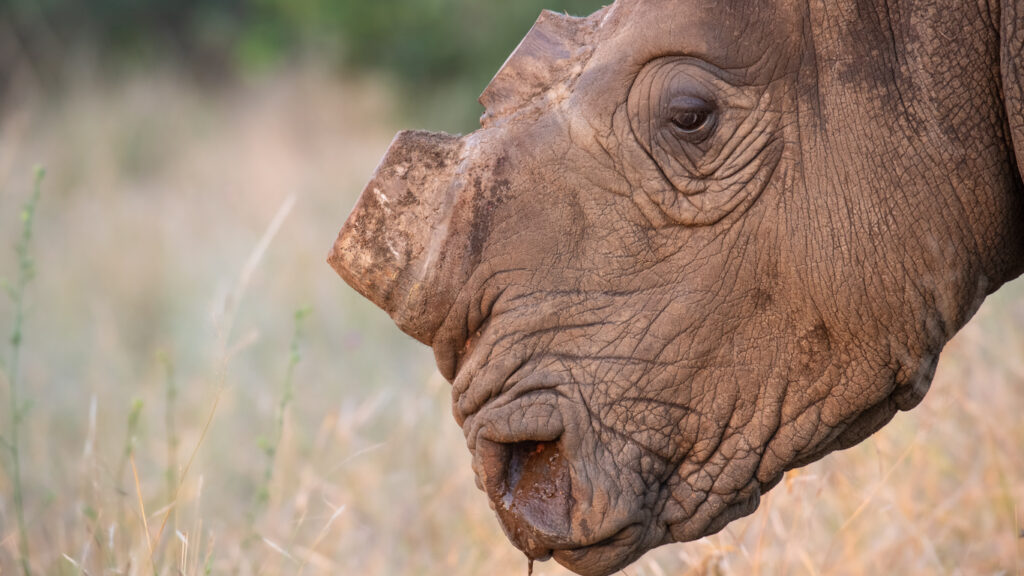
A shocking all-time high of 87 endangered rhinos were poached in Namibia last year, reports Al Jazeera. This in comparison to 45 slaughtered in 2021, according to local government data. Africa’s rhino population has been decimated over the past decades as the demand for rhino horn has surged in East Asia. The horn is considered a symbol of status or wealth and is used to make jewelry and so-called ‘traditional medicines.’ This week, Ministry of Environment, Forestry and Tourism spokesperson Romeo Muyunda said poachers killed 61 black and 26 white rhinos, primarily in Namibia’s largest wildlife reserve, Etosha National Park, where 46 were found slaughtered. “We note with serious concern that our flagship park, Etosha National Park, is a poaching hotspot,” Muyunda said, adding that the ministry and law enforcement officials have increased their anti-poaching efforts at the park. He did not provide further details about what these steps are. Rhino poaching has been a scourge in Southern Africa for many years, including in South Africa and Botswana. Anti-poaching and strict policing programs are in place in these countries, as is dehorning – a humane way to remove rhinos’ horns to discourage poaching. Namibia is home to the world’s last free-roaming black rhinos, and also has the world’s second-largest concentration of white rhinos after South Africa. In a glimmer of good news, elephant poaching has declined in the country over recent years, from 101 in 2015 down to just four last year. “As long as rhinos have horns, they will be the target of poachers,” said David Barritt, executive director of Animal Survival International. “The Namibian government has shown it can protect great species, such as elephants, from illegal slaughter – and now it is time to put those same measures in place to protect its rapidly dwindling rhino population. Wildlife is one of a country’s greatest and proudest treasures, and the Namibian government must simply not allow it to be decimated by poaching.”
Unique Madagascan Mammals on Fast Track to Extinction
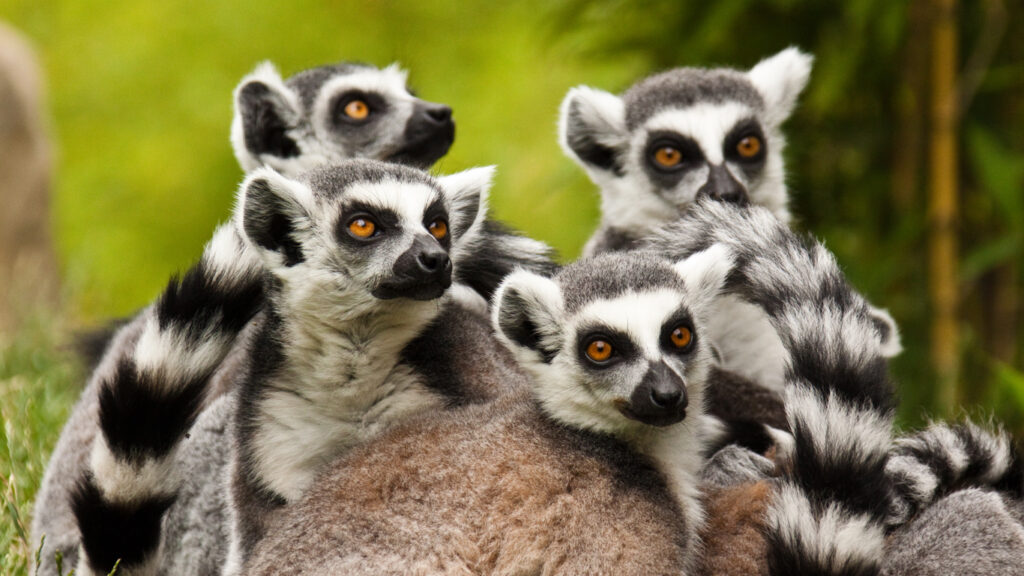
Over 20 million years of evolutionary history could be wiped from the face of the earth if action is not taken now to stop Madagascar’s unique mammals going extinct, according to a new study published in Nature Communications journal. Species at risk include the threatened ring-tailed lemur and the aye-aye, a nocturnal primate native to Madagascar – the fourth largest island in the world and roughly the same size as Ukraine. Shockingly, it would already take three million years for the diversity of Madagascar’s mammal species to recover after human settlement 2,500 years ago. This disturbing trend is set to continue in the coming decades: if threatened Madagascan animals go extinct, life forms that have evolved over 23 million years will be destroyed. Madagascar is one of the planet’s biodiversity hotspots, with 90 percent of its fauna and flora found nowhere else in the world. Now, more than half its mammal species are threatened with extinction. “Our results suggest that an extinction wave with deep evolutionary impact is imminent on Madagascar unless immediate conservation actions are taken,” said researchers. The situation is particularly serious because the island is home to wildlife that has not evolved anywhere else in the world. Species that came from Africa diversified over millions of years, and due to the fact that Madagascar broke away from greater India almost 90 million years ago, these species are not found anywhere else. “It’s about putting things in perspective—we’re losing unique species traits that will probably never evolve again,” said lead researcher Dr Luis Valente from the Naturalis Biodiversity Center in Leiden, the Netherlands, and the University of Groningen. “Every species is valuable in its own right; it’s like destroying a piece of art, so what is happening is very shocking.” His team worked with researchers from the United States and Madagascan conservation organization, Association Vahatra. The island is known especially for its ring-tailed lemurs – members of a unique lineage of primates found nowhere else. Other well-known inhabitants include the fossa, a carnivorous cat-like animal, and the panther chameleon, as well as a wide array of unique butterflies, orchids, baobabs, and many other species. Between 2010 and 2021, the number of Madagascan mammal species facing extinction more than doubled, from 56 in 2010 to 128 in 2021. The primary threats to species are human-driven habitat destruction, climate change and poaching. Biologists and paleontologists built a dataset that showed all the mammal species currently present on the island; those that were alive when humans arrived, and those known only from fossil records. Of the 249 species identified, 30 are extinct. More than 120 of the 219 mammal species alive today on the island are threatened with extinction. Lost species can never return, and so the study looked at how long it would take to recover the same levels of biodiversity through new species colonizing and evolving on the island. Researchers concluded it would take millions of years for natural processes to rebuild the levels of biodiversity already lost. “Lots of these species could be going extinct in the next 10 or 20 years—they cannot wait much longer. The main message is that biodiversity is not going to recover quickly. Even the places we think are pristine and really untouched can be pushed to the point of collapse quite quickly,” said Valente. He added that the loss of mammals would have serious consequences for plants and insects that depend on them. “It’s a cascading effect—losing these mammals would likely cause a collapse of the ecosystem more broadly. In total, it is likely to be more than 23 million years at stake.” What the island urgently needs is conservation programs focused on creating livelihoods for local people, stopping forests being converted into farmland, and limiting the exploitation of resources such as hardwood trees and animals killed for their meat (known as bushmeat). “Real conservation action must be taken – immediately – to help preserve Madagascar’s unique and vulnerable biodiversity,” said David Barritt of Animal Survival International (ASI), which provides direct aid to wildlife in crisis. ASI runs programs on the island which help to fund rehabilitation for rare tortoises rescued from illegal poaching rings and to protect vulnerable indri lemurs from poachers. “We have done enough damage to this critically important island, and if the pillaging does not end now, many species will take millions of years to recover – if they recover at all. The impact of this could be devastating not only for the island of Madagascar, but for ecosystems and our planet at large.” Read more about ASI’s work with tortoises and lemurs in Madagascar.
Poachers could wipe gentle bonobos off the face of the earth!
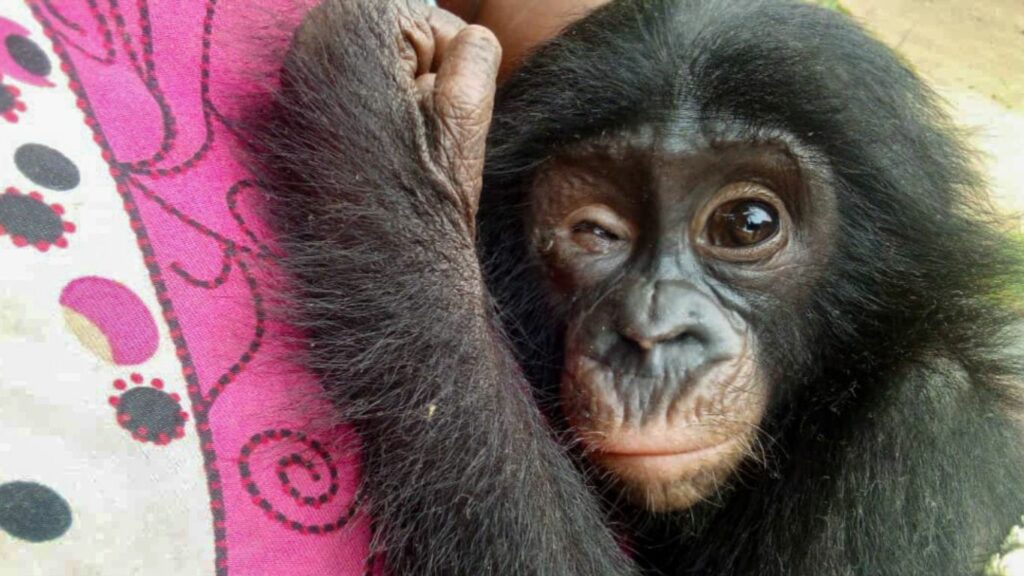
In the Democratic Republic of Congo (DRC) in Central Africa, the rampant illegal wildlife trade is destroying many precious endangered animals. Bonobos, an endangered great ape species which shares more than 98% of its DNA with humans, are a tragic example. These peaceful, forest-dwelling creatures are native only to the DRC and are routinely hunted from the wild by poachers hunting for meat to sell at markets (bushmeat), and to be kept as exotic pets. Some superstitious people hack off the apes’ body parts – falsely believed to have ‘magical’ properties – and use these in phony traditional “medicines.” Starved and neglected, Ikele was found in a deplorable condition upon rescue by Friends of Bonobos in Kinshasa. With your support today, we can help our partner Friends of Bonobos in Kinshasa rescue bonobos care for, and rehabilitate them then release them in a protected reserve. The bushmeat trade is the biggest threat to bonobos – it may be hard to believe, but increasingly endangered bonobos are casually slaughtered for the cooking pot in Africa. Hunting for bushmeat affects over 500 wild African species but is particularly harmful to great apes. Because they have small populations and slow reproductive rates, all apes struggle to rebound from overhunting. Their extinction would be disastrous as they perform a vital role as seed dispersers, critical for forest regeneration in the rapidly declining wilderness areas of the DRC. Bonobo populations have dropped dramatically over the last 30 years. It is estimated that as few as 10,000 remain in the wild today. Killing even small numbers of bonobos can critically impact the species’ population and, in turn, the habitats they keep healthy, which is why we must take action – and fast. We have partnered with Friends of Bonobos. The Kinshasa-based organization has the world’s only bonobo sanctuary and rewilding program. This devoted team works with Congolese wildlife protection officials and local communities to rescue bonobos, provide them with essential care and rehabilitation and release them in a protected reserve where skilled forest guards carefully monitor them. The bonobos who come into our partner’s care have often experienced severe physical and psychological trauma following the slaughter of their families and abuse at the hands of poachers. Bonobos arrive at the sanctuary injured, dehydrated, malnourished and riddled with intestinal parasites. Vets who examine them tell us many appear depressed. In extreme cases, some bonobos suffer from severed fingers, rope burns and bullet wounds. Over the past two years, Friends of Bonobos have rescued 20 bonobos. Lofute receives love and care as he recovers from injuries sustained to his eye due to beatings suffered at the hands of poachers. Poachers often target mothers with infants so that they can profit by selling the mothers for their meat and babies as exotic pets. The influx of rescued bonobos at the sanctuary has put immense strain on their clinic, nursery and rehabilitation program. We have a plan to help continue the critical work but, we DESPERATELY need your support. If we can raise $5,000 (roughly £4,100), we can provide Friends of Bonobos with funds for life-saving veterinary treatment and medications for sick and injured bonobos rescued from the barbaric illegal wildlife trade. Your donation right now will provide vital antibiotics and hydrating fluids, procedures to remove bullet fragments, and long-term rehabilitation so the animals may one day return to safe and protected wild areas. Please, will you help us? Loolo, pictured above with an injured and swollen hand, is one of the many young bonobos rescued and treated by the sanctuary. Worth approximately $23 billion (over £18 billion) each year, the illegal wildlife trade has led to international criminal syndicates exploiting low-risk, high-reward opportunities across the globe, and the DRC is ground-zero for the rampant African wildlife trade. The Congo is a haven for some of the most endangered species on the planet, bonobos included. Yet law enforcement is feeble, and corruption is out of control. Bonobos are extraordinarily sensitive, gentle creatures who prefer to resolve conflict through affection rather than aggression. Dubbed the “make-love-not-war” primate by researchers, there is so much we can learn from bonobos. They show empathy for both their loved ones and strangers. Sadly, humans have not shown much empathy for bonobos – we have hunted them, sold their babies as pets and depleted most of their natural habitat. Please show these kind and gentle creatures that not all humans are so callous and cruel by donating as generously as you possibly can to Animal Survival International today, and help us give them the care, nurturing and protection they deserve.
Gentle, shy pangolins are in grave danger of EXTINCTION! Here’s how you can help!
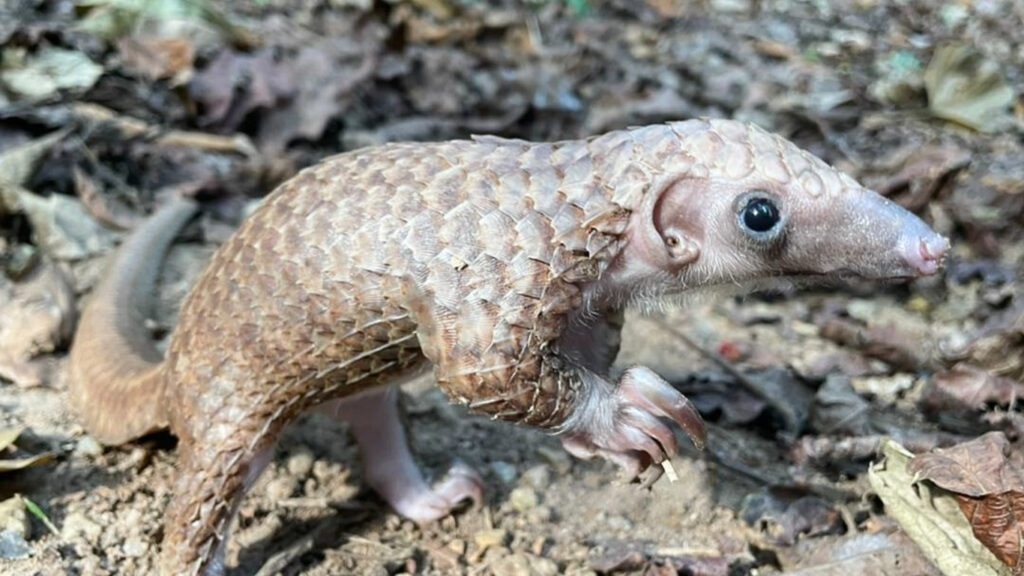
I come to you with a heartfelt plea for help on behalf of pangolins in Nigeria. Every day, these shy, gentle, nocturnal creatures in this African nation are at risk of being captured for the horrific illegal wildlife trade. Pangolin scales are used in Asia for phony ‘traditional medicines’. Animals are stripped of their scales and boiled alive for restaurant meals. The trade is so huge that if it is not stopped, pangolins will soon be extinct. With your support today, we can help Nigerian pangolins survive this relentless onslaught. Nigeria’s out-of-control, illegal wildlife trade is driving pangolins to extinction. With your contribution, we will do everything in our power to help our partners save as many pangolins from this horrific trade as they can, and help intercept future illegal activity. Although the country has banned the hunting, trading and ownership of pangolins, the illegal trade is growing because Nigeria’s lax law enforcement, corruption, trafficking syndicates and busy seaports make it the ideal hub for poaching and smuggling. Credit: Taylor Weidman The insatiable demand for pangolin parts and meat is fast-tracking the species’ path to EXTINCTION! Your support will allow us to help rehabilitate and safely release injured and dying pangolins saved from the trade. Some rescued pangolins are infants, weighing as little as 3.5 ounces (100 grams). They need critical medical treatment, long-term care, and ultimately tracking devices so they can be monitored once they have been released into protected areas. We are working with Pangolins International (PI), an organization based in the Emerald Forest Reserve in South-West Nigeria, which rescues, rehabilitates and releases pangolins back into their natural environment. Pangolins International and its Nigerian partners rescue some five pangolins every month from the illegal trade. Credit: Pangolins International Right now, there is an upsurge in confiscated pangolins. We need to raise $5,000 (roughly £4,100) to provide them with shelter, medical care, and a very specific milk formula critical to their survival – particularly those who have been ripped from their mothers as infants. It will also enable us to help support their ongoing protection through the work of our partners on the ground. To achieve this, we desperately need your donation. Please take a moment to consider how you can make a difference by donating any amount possible, small or large. Credit: Pangolin International Millions of pangolins – small, defenseless mammals which have been around for approximately 80 million years – are illegally slaughtered each year. They play an important role as insect controllers in the wild and their extinction would have unknown consequences. Today, all eight species of pangolin are listed on the IUCN’s (The International Union for Conservation of Nature) Red List of threatened species. The crisis facing pangolins is devastatingly real, with some species facing extinction in as little as 10 years! Your donation today can, and WILL, make a real difference. Credit: Pangolins International
President Biden Bans Ownership of Big Cats in the United States
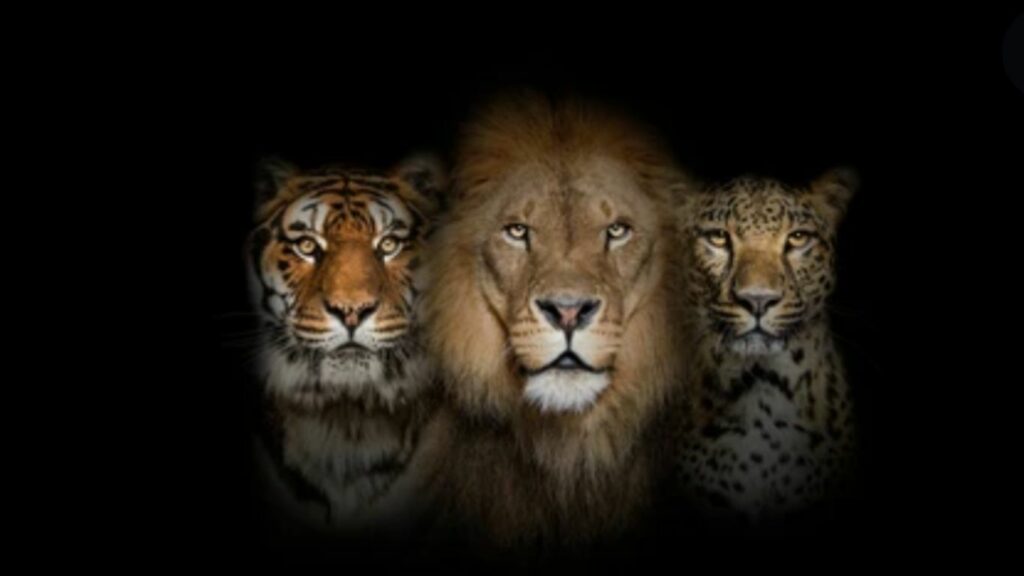
The US’ President Biden signed legislation earlier this week banning the private ownership of several species of big cats, including lions and tigers, reports the New York Post. The ban follows a years-long campaign by Carole Baskin, infamous antagonist of the Netflix hit series, Tiger King. The Big Cat Public Safety Act was signed after the bill passed the Senate without any “no” votes on December 7, after clearing the House by 278-134 in July. Under the new legislation, anyone who currently owns a big cat must register their animal, while no new animals may be acquired. Significantly, the law also bans direct public contact with six species, namely lions, leopards, snow leopards, tigers, cougars and jaguars, but provides exemption for licensed zoos and sanctuaries including Baskin’s Big Cat Rescue facility in Tampa, Florida. Baskin, 61, achieved fame in 2020 when she featured in the Netflix series, which followed her rivalry with self-declared “Tiger King”, Joe Exotic. Exotic is a long-running Oklahoma political candidate, country musician and private zoo owner who referred to himself as a “gay, gun-carrying redneck with a mullet.” In a celebratory video following the ban, Baskin said, “The passage of the bill is the successful culmination of many years of battling against narcissistic, abusive, dangerous men who dominated the cruel trade and did everything they could to stop its passage, including wanting to intimidate, discredit and even kill me.” According to Baskin’s organization, only five states — Alaska, Hawaii, Louisiana, Oregon and Washington — had banned private ownership of big cats as of last year. Most allowed licenses for private ownership or for commercial exhibitors, and four — Alabama, Nevada, North Carolina and Wisconsin — had no restrictions. Animal Survival International executive director, David Barritt, commended President Biden on the decision and said big cats had suffered for too long. “It is incomprehensible that people can find joy in the suffering of animals behind bars. Many caged cats are stolen from their mothers as cubs and sentenced to lonely, frustrating lives behind bars for the titillation of the public, or kept as entirely unsuitable pets until disaster strikes or they are discarded. The animals always lose. There is no good reason to own a wild animal and we urge every country in the world to put in place similar bans.” Read more about our fight against the illegal pet trade here.
Brian Davies obituary (1935 – 2022)
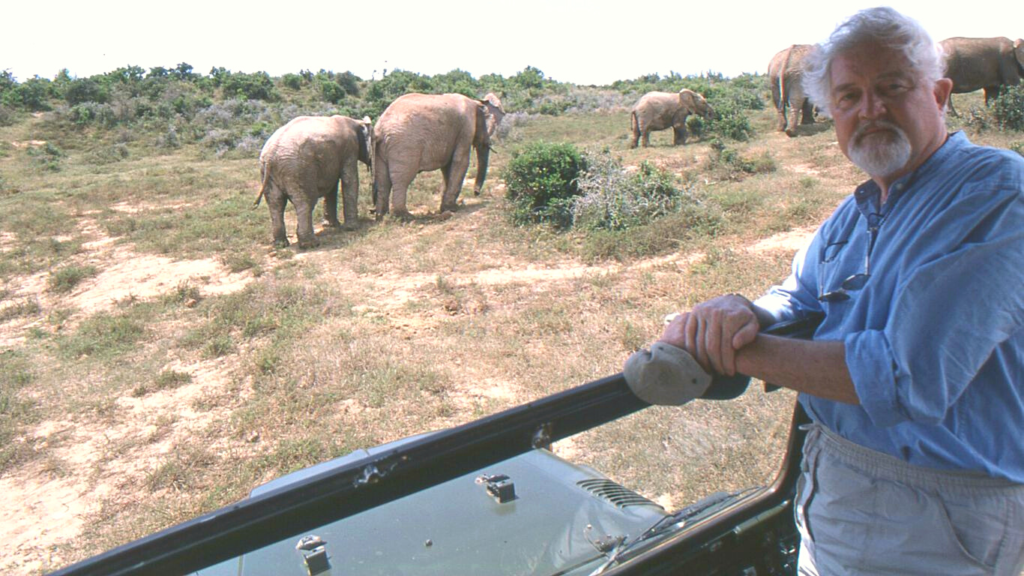
Brian Davies – 4 February 1935 – 27 December 2022 Brian Davies, world-renowned animal welfare activist, has died. He was 87. To the general public, Davies will be most remembered for his success in ending the baby whitecoat seal slaughter in Canada in the 1960s, and for donating £1-million to the British Labour Party election campaign in 1996 in a bid to bring an end to fox hunting. To animal welfare organizations, Davies will be remembered as the man who pioneered direct mail fundraising for animal causes, creating a model that is the world standard today. Davies was born in poverty in the small village of Tonyrefail in Wales, growing up sickly, he was raised by his grandparents until the end of World War ll. Then 11-year-old Davies and his parents moved to England to start afresh. But life was tough, and Davies left school at 14 to work various manual labor jobs. When he was 20, he married Joan Pierce and the couple moved to Canada where they had two children, Nicholas and Toni. They settled in Fredericton, New Brunswick, where Davies joined the military and became secretary of the New Brunswick SPCA. In May 1976, he met his now-wife Gloria (nee Colisanto), and it was love at first sight. They married in 1981. In the 1960s, Davies worked as a government-appointed observer at the annual seal hunt on the Canadian ice floes, during which some 30,000 baby seals were clubbed to death. Alone among observers, Davies spoke out against the cruelty involved and began a one-man crusade to ban the slaughter. Noticing that animal lovers began writing to him offering their support, he hit on the idea of mass-mailing them asking for funds to help his campaign. It was the world’s first animal action-orientated direct mail appeal and was so successful that Davies not only brought the cull to an end, but on the strength of it, created one of the world’s largest animal welfare organizations, the International Fund for Animal Welfare (IFAW). By the time Davies retired, IFAW was a $60-million a year charity. As an activist, Davies was formidable, fearless, wily, canny and utterly determined. During his fight against sealing, he was jailed for defying a government ban on flying to the Canadian ice to witness the cull, survived an apparent assassination attempt, and had so many death threats he left Canada and moved to the US. When the campaign needed traction, Davies lobbied the editor of the powerful British Daily Mirror. On March 26, 1968, the front page of the newspaper read, “The price of a seal skin coat”, below the full-page image of a doe-eyed whitecoat seal pup staring upward at a jackbooted, bloody-handed, bat-wielding hunter, frozen mid-strike. The ever-canny Davies capitalized on the outrage the article caused by taking celebrities to the ice to see the situation for themselves – another innovation for animal welfare. French actress Brigitte Bardot was one of the first and her visit drew international attention to sealing. Eventually, Davies won when the European Union banned the import of baby seal pelts in 1987. Davies went on to other significant achievements. A maverick with a larger-than-life personality and a penchant for the odd bottle of wine or three, he controversially donated £1 million to the British Labour Party in 1996, believing that if Tony Blair won the 1997 general election, he would ban hunting with hounds. Blair won and anti-hunting legislation was passed. At the time, it was the largest single donation in Britain’s history. Davies was offered a peerage, which he turned down – something he often regretted in later years, not because of the status it would have brought but because he came to believe he could have achieved more for animals as a Lord. In 2003, Davies retired from IFAW, telling close friends that he was burned out and exhausted. Retirement did not last long. Restless, he built two new organizations: Network for Animals, an organization that works in 26 countries and focuses on direct action to help street dogs, donkeys and cats in need, and Animal Survival International, which focuses on the plight of wild animals in a world of climate change, habitat destruction and international criminal trade in animals and their body parts. Towards the end of his life, Davies was asked by a journalist if he would do it all again if he had a second chance. “In a heartbeat,” was his reply. Davies is survived by his two children and second wife, Gloria C. Davies, and his beloved dogs Max and Flora.
Pangolins! Elephants! SO MANY rare and endangered animals could be EXTINCT IN OUR LIFETIMES!
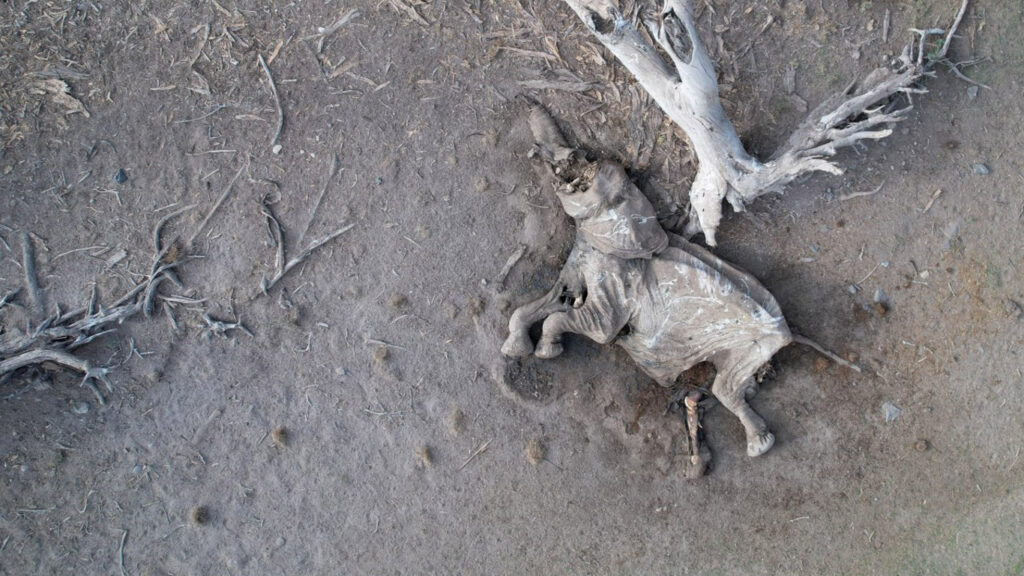
Our planet is in crisis and our irreplaceable wildlife is in terrible danger all over the world. ASI provides direct action to help animals in the most immediate peril – animals who would die without our help. At ASI, we see firsthand the devastating consequences of climate change, habitat destruction and the merciless illegal wildlife trade. What is truly frightening is that it is getting worse. There can no longer be any doubt that without immediate and determined action, we will see more and more wild animals becoming extinct. We are a dedicated team, working with our partners on the ground wherever we are needed, whenever we can. It is your vital donations that keep us in the field. There is hope! Honestly, the animals would be lost without your generosity. Your donations allow us to be there for animals who would otherwise have a slim chance of survival. Take pangolins, for example… Driven by human ignorance and greed, these shy and gentle creatures are the most trafficked mammals in the world and dangerously close to being wiped out. Pangolin meat is prized as a delicacy in several parts of Asia, and their scales are used for useless ‘traditional medicines’. Tragically, this means huge numbers of pangolins are brutally slaughtered each year. Often, they are boiled alive. Africa is seeing a pangolin poaching onslaught, and we are on the frontlines of the battle. In 2022, in Nigeria and South Africa, we aided emergency pangolin rescue operations, covered medical costs and provided high-tech equipment so rescued-and-released pangolins could be monitored and protected. We also helped equip two rehabilitation facilities that are a godsend for rescued pangolins in need of specialized, life-saving care. The insatiable illegal wildlife trade is taking a terrible toll on pangolins, which means the pangolins you help are vitally important if the species is to breed and survive. Will you continue to stand with us? Please, donate to ASI today. On the other end of the size spectrum, we urgently intervened for elephants beset by poaching, climate change-induced drought, and habitat loss… Thanks to the generosity of our supporters, we provided the Addo Elephant National Park in South Africa with high-tech anti-poaching drones, boreholes and solar-powered water pumps to ensure that life-giving water is kept flowing for desperately thirsty elephants and other wildlife caught in the worst drought for 100 years. A happy note: the drought has broken! Drought is still ravaging the African nation of Kenya, so we provided emergency water supplies. Your donations helped us prevent countless elephants, giraffes, buffaloes and antelope from dying of thirst. In 2023, as global temperatures rise at an alarming and unprecedented rate, our crucial drought mitigation efforts will be needed more than ever. So please, if you possibly can, donate right now. Reforestation: We work with partners on the ground in Kenya and South Africa helping to provide a long-term solution to forest loss by planting thousands of trees, thus creating more animal habitats and reducing carbon in the atmosphere. Habitat destruction caused by illegal logging and agriculture means that elephant ranges are shrinking, forcing them to move closer to human settlements in search of food and water. This is deadly dangerous for the elephants because there is a high risk of them being killed as a result of human-wildlife conflict. Tragically, the animals always lose. Tree planting is one of the cheapest and most cost-effective ways to provide elephants and other wild animals with forests they can retreat to – away from humans. We aim to help plant up to 500,000 trees this decade. If we achieve it, we will have provided a slice of hope to future wildlife generations. We cannot do this alone. Please, will you help us? We focus much of our attention on immediate and direct action… In crises, we pride ourselves on being among the first to respond. Our teams are always ready, but our vital work could not happen without you. Your donations are essential and make a world of difference for animals in need when catastrophe strikes… Lastly, but so importantly, we began the fight to free Ljubo – a bear in despair – kept in intolerable conditions in the Balkan nation of Montenegro. Ljubo is caged and so stressed he self-mutilates. We are working to persuade the Montenegrin government to act to improve his living conditions immediately and join us in finding him a home in a bear sanctuary. It is your donations that will give hope to this bear in despair. Read more… Some of our other projects in 2022 are: We provided medical care for critically endangered radiated tortoises, and funded protection units for indri lemurs in Madagascar. In South Africa’s Eastern Cape, we provided tracking collars for a genetically vital breeding pair of cheetahs and supported a hungry and tick-infested giraffe family. We financed anti-poaching and anti-snaring activities in Zimbabwe. Foxes, bats, badgers and vultures all benefit from your compassion and generosity. Sea creatures that benefitted from your donations include critically endangered vaquitas, sea turtles, endangered African penguins and whales caught in life-threatening fishing nets. You can see from reading this how wide-ranging our work is and how important it is. ASI works around the clock and around the globe to protect and preserve wildlife and the environments they depend on. Our successes this year were only made possible by YOU. Our planet is in crisis – please stand with us and fight for wild animals. Please support us as we take action against the threats that endanger the survival of invaluable wildlife by donating right now.
Illegal wildlife trade poaching kills a gentle pangolin EVERY FIVE MINUTES! EXTINCTION LOOMS!
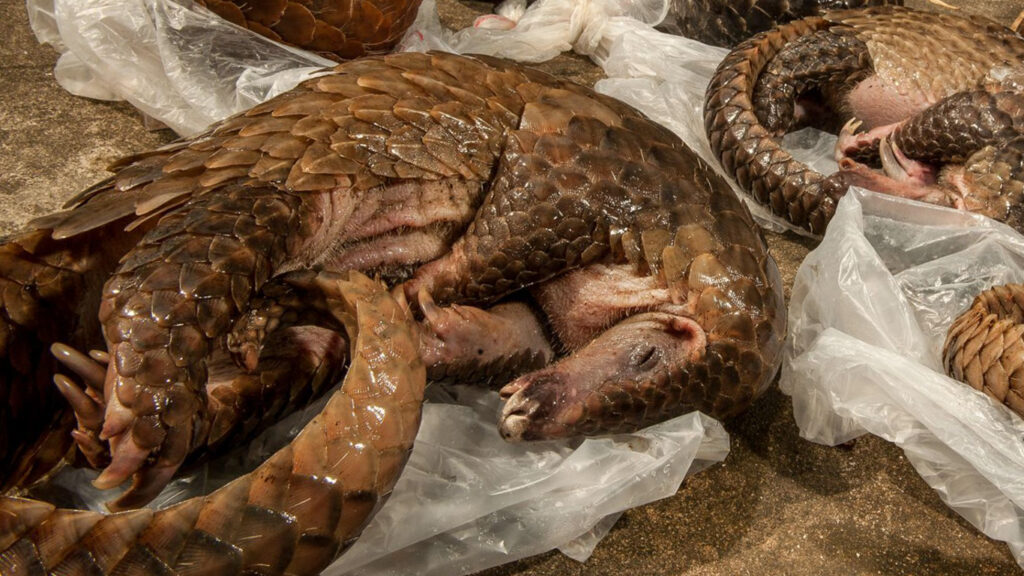
Gentle, shy pangolins are in grave danger of extinction. The insatiable and unrelenting illegal wildlife trade slaughters tens of thousands of pangolins every year. Credit: AFP Experts warn that two critically endangered pangolin species – the Chinese pangolin and the Sunda pangolin – could be wiped out within seven years. We need to act now. Pangolin meat is considered a delicacy in several parts of Asia, and the scales are used for traditional ‘medicines’ despite there being no scientific evidence they work… The pangolin trade is sickeningly cruel: often the animals are stripped of their scales while still alive and then dropped into boiling water to be cooked alive. Credit: WCRU/ZXZhang It is estimated that one pangolin is poached from the wild every five minutes. This is a harrowing statistic that could see us lose all eight pangolin species. Humankind’s never-ending exploitation of precious wildlife is to blame. We have a plan to help – we just need your support to implement it. Credit: DennisFarrell/AssociatedPress Africa is a major target for pangolin poachers, and Animal Survival International (ASI) supports three organizations doing invaluable work to protect them there: the Umoya Khulula Wildlife Centre in Tzaneen, South Africa; Care for Wild Rhino Sanctuary in Mpumalanga, South Africa, and the Saint Mark’s Animal Hospital and Shelter in Lagos, Nigeria. Credit: The Mpumalanga Tourism and Parks Agency and Umoya Khulula Wildlife Centre Right now, our partners are seeing an influx of rescued pangolins coming through their doors. We do our best to help the pangolins in every way we can. Pangolins are nocturnal and like to sleep during the day. We ensure they receive medical treatment, have darkened, secure rooms to recover, and are given the specialist care needed to help them safely return to the wild. But our emergency funds for critical operations are running out. We really need your support to help pangolins. We need to ensure our teams on the ground in Nigeria and South Africa have the equipment and facilities they need to respond to pangolin emergencies. Vitally, we must also provide aid for undercover operations to arrest the smugglers. Credit: Afrianto Silalahi via Getty Images If we can raise $5,000 (£4,100), we can provide: financial and logistical support for undercover sting operations, pay medical costs for sick and injured pangolins, and provide crucial, high-tech satellite tags to monitor and protect released pangolins. Please will you help us? Every pangolin life is crucial to the survival of their entire species, and we must do everything in our power to save as many of these unique animals as we can. Pangolins are shy, nocturnal, and gentle creatures who prefer to keep to themselves. With your support, we can work to ensure that these animals can lead peaceful lives of solitude in safe wild places, free from the frightful fate of being hunted and killed. Please, please, help us give our planet’s precious pangolins a chance of survival.
11 Sentenced to Death for 2017 Murder of Wildlife Activist Wayne Lotter
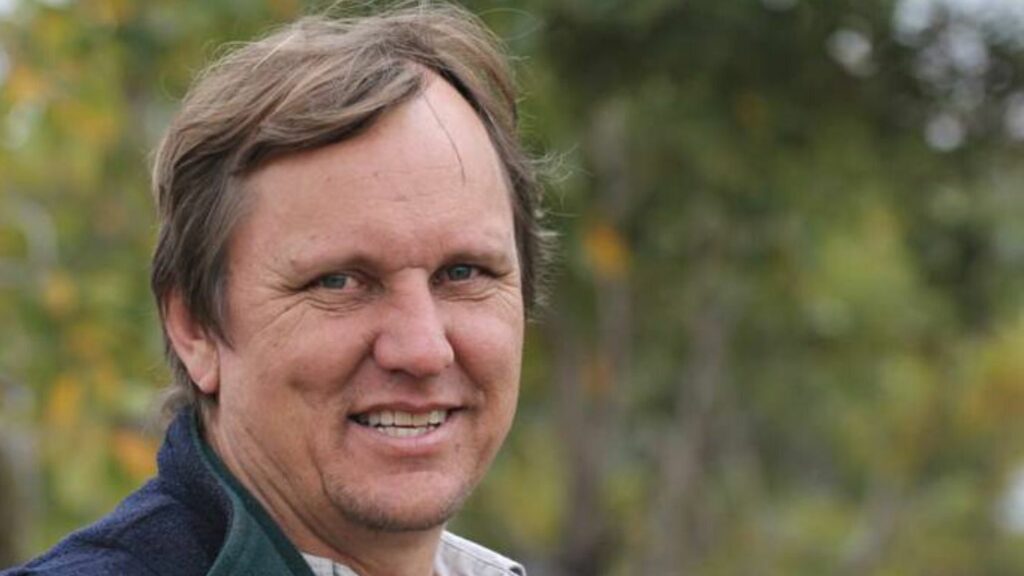
Five years after the murder of renowned anti-poaching activist Wayne Lotter, a Tanzanian court has sentenced his killers to death. According to Al Jazeera, 11 people were handed the death penalty by a Tanzanian court last Friday. Those sentenced included nine locals and two Burundians. Lotter, a 51-year-old South African conservationist living in Tanzania, helped establish the PAMS Foundation in 2009, which worked to combat elephant poaching and ivory trafficking in the East African country. In 2017, he was shot dead in Dar es Salaam after the taxi he was traveling in was ambushed. His colleagues believe he was targeted for his work in protecting elephants. Tanzania has been one of the African countries worst hit by poachers. According to the PAMS Foundation, the country – which once had one of the world’s largest elephant populations – lost around 60% of its elephants to rampant poaching between 2009 and 2014. High Court Judge Leila Mgonya said there was compelling evidence linking the 11 sentenced to the two counts on which they were charged: conspiracy to commit murder and murder. “Some of the suspects, in their statements recorded by police officers, confessed to have taken part in the conspiracy meetings and in killing,” she told the court. “The evidence provided was strong enough to convict them.” Death sentences are not uncommon in Tanzania but are often commuted to life in prison. The country’s last execution was in 1994. A report by NGO, Global Witness, found that 200 environmentalists had been killed around the world in 2021, and more than 1,700 in the last 10 years. Banner Image: PAMS Foundation
FREEDOM FLIGHT! No animal should be held captive… yet this is the plight of two lion cubs who WE’RE ABOUT TO FLY TO A SANCTUARY!
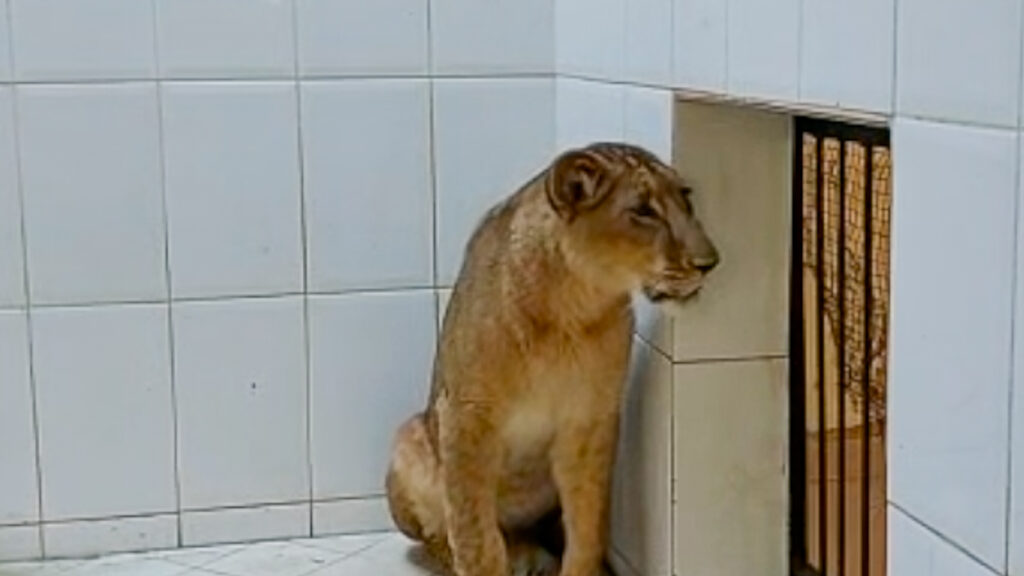
In the Middle East, wealthy Gulf-state nationals buy wild animals to show off as status symbols. These animals are illegally imported, reared in captivity, bred, abused and then often escape or are discarded. This is no life for any wild animal, and no exotic species is safe from the illegal exotic pet trade: lions, chimpanzees, cheetahs and tigers are all kept as pets in countries like Kuwait, Saudi Arabia and Dubai. Najla and Sara are lion cubs rescued from the illegal pet trade in the Middle East. Right now, they are stuck in a zoo in Kuwait. With your help, we will transport them to a safe sanctuary in South Africa where they can live in peace. Najla and Sara, both 13-months-old, were acquired illegally and have only known life in captivity… Sara was rescued from Bedouins who intended to shoot her because they had been unable to sell her. She was rescued in the nick of time, malnourished, traumatized with cuts all over her face. She had been declawed and defanged – two senseless and extremely cruel, painful methods used to make a wild animal “safe” enough to be handled by humans, by leaving them defenceless. Najla meanwhile was kept as an illegal pet. She was confiscated from the hands of her irresponsible owner and taken to a zoo. Najla and Sara were taken to the only safe place that would care for them: a zoo in Kuwait, where each female is living in a 6.5 square-foot (two-square-meter) enclosure. They have slowly been nursed back to health but this is ONLY a temporary solution, and they cannot – and MUST not – stay at the zoo indefinitely. The zoo only offered to take the cubs on condition that they would not remain there forever, and we are terrified at the thought of what could happen if these lions are not moved. In Kuwait, it is common for animals to be euthanized without a second thought! The unsuitable and cramped environment is taking its toll on the growing cubs. The lionesses are becoming more and more frustrated, anxious and depressed from being trapped in tiny rooms 24/7 with no stimulation, no enrichment and no time outdoors. Najla and Sara are struggling to cope in captivity – BUT they have an opportunity to fly to a sanctuary in South Africa as soon as next week… …if the funds can be raised for their flight. Please help us raise the funds to secure their flight – we have just a few days to do it. We have managed to find some money, but sadly not enough. If you can possibly be generous today and we can raise another $7,500 (£6,100), we can get Najla and Sara to safety in a place where they can be left in peace for the rest of their lives. Please , we MUST help them! For months, The Lions Foundation in the Limpopo province of South Africa, has been working hard to prepare everything for the lionesses’ safe relocation to their big cat rescue sanctuary. The Lions Foundation provides lifetime shelter, rehabilitation and care to big cats rescued from circuses, private ownership, zoos and animal parks. The sanctuary provides a wonderful semi-wild home for big cats previously kept captive and who cannot be released into the wild. Everything is ready for the cubs: their new home is prepared, their permits are approved, their travel crates are ready to be loaded… all that is needed now is the remaining funds for the flight! Your donation will really make a difference. The end of their ordeal is within reach and with your help we can give them the life they deserve.
How we helped in October and November 2022
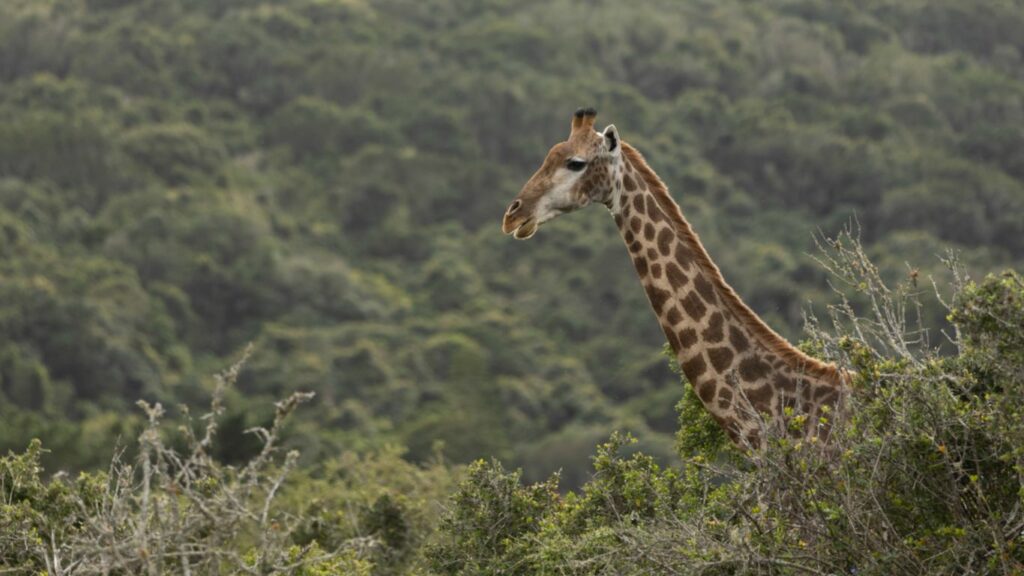
Animal Survival International (ASI) works around the clock and around the globe to help wildlife affected by climate change. Thanks to the generosity of our supporters and the tireless dedication of our partners, we are able to take immediate action for countless wild animals in dire need of help. Your support is vital in everything we do. Hartbeespoort, South Africa Saving vultures from the brink of extinction Vultures play an essential role in maintaining healthy ecosystems. African vulture populations have dropped by around 90% in the past 30 years, and some are critically endangered. If this continues, vultures will die out in the wild. The loss of vultures opens the way for less efficient scavengers, who have the potential to spread bacteria and viruses from carrion – decaying flesh – to humans. This is a harrowing reality with chilling implications for animals and humans. We partnered with Vulpro, an organization that rescues, rehabilitates and, whenever possible, releases vultures back into the wild. Vulpro’s facility houses 270 unreleasable vultures who produce just 25 hatchable eggs annually. Through your support, we were able to provide Vulpro with a specialized hatcher and incubators that will increase the number of successful hatchlings, and offer a renewed sense of hope for the survival of invaluable vulture species. Mpumalanga, South Africa Establishing a rehabilitation and release facility for seized pangolins Pangolins are the most trafficked mammals in the world, with more than one million poached over the last decade. Every year, tens of thousands are hunted and killed for their scales and meat. We support projects helping pangolins in many parts of the world, but with increasing incidences of wildlife trafficking in Mpumalanga, South Africa, the need has never been greater to establish a rehabilitation and release facility for seized pangolins in the region. Our partner, the Care for Wild Rhino Sanctuary (CFW), has the expertise to extend its care to vulnerable and threatened pangolins – but the team needed our help to do so. We reached out to you, and thanks to your generosity, have been able to provide CFW with crucial funding to equip its sanctuary with the tools needed to treat and eventually release, injured traumatized pangolins. Eastern Cape, South Africa Combating poaching and improving wildlife health with a high-tech drone Wildlife poaching is rampant in South Africa and threatens the survival of many species. Our partner, the Addo Elephant National Park, is determined to keep poachers out of the reserve, and reached out to ASI for additional help. Aerial surveillance is one of the best weapons against the scourge. Thanks to your support, ASI was able to purchase a state-of-the-art anti-poaching drone, which will enable them to spot and stop poachers day and night. Drones are also used to monitor the well-being of wildlife, and to find animals when they are sick. Mossel Bay, South Africa Refurbishing an intensive care unit (ICU) for endangered African penguins African penguin populations have declined by 98% in the last century. Tragically, there are only 10,000 breeding pairs left in South Africa. Climate change, oil spills, food scarcity due to overfishing, and disease are taking a deadly toll on these endangered seabirds. The situation is only getting worse, and now is the time for critical action if we are to have a fighting chance of saving the species. The Seabird and Penguin Rehabilitation Center (SAPREC) in Mossel Bay, South Africa, has successfully rescued, rehabilitated and released over 1,000 penguins and seabirds. SAPREC is doing wonderful work, but its intensive care unit (ICU) recently suffered severe weather damage and urgently needed to be refurbished. Through your support, we managed to raise enough funds to completely repair and weatherproof SAPREC’s ICU. Your donations have ensured that scores of sick and injured penguins have a life-saving facility where they can be treated. Montenegro Ljubo, a bear in despair, self-harms. We are fighting to get him to a sanctuary. In the tiny Balkan country of Montenegro, a sad and lonely brown bear has lived his whole life locked in a caged enclosure. Named Ljubo, he is a bear in despair. He barely has enough room to stand up and stretch and is so traumatized that he self-harms, repeatedly biting himself. The authorities have turned a blind eye to this inhumane situation, but thanks to your support, we are now fighting to get Ljubo better living conditions, and ultimately moved to a suitable bear sanctuary. Kenya Providing life-saving water to elephants and other wildlife in a devastating drought Kenya’s worst drought in 40 years is wiping out elephants at a staggering rate. Dehydrated elephants die – further devastating a species already beset by habitat loss, poaching and human interference. The drought in Kenya has killed hundreds of elephants, buffaloes, zebras, giraffes, and other animals. We provided temporary waterholes last year, but with the drought showing no sign of abating, we knew we had to get more water to the elephants of Kenya – and fast. With your support, we were able to bring life-saving water to the region’s desperately thirsty elephants and other wildlife. We initially sent in trucks of water to meet the animals’ immediate and urgent need for water and subsequently, repaired existing boreholes and drilled new ones to help reach vital water sources beneath the ground. Good News Updates: Eastern Cape, South Africa A family of three giraffes we are helping in the Eastern Cape, South Africa, is doing well. The giraffes are presently in a totally unsuitable environment, close to human activity. We planned to move them to a more suitable location. Then a calf was born. We have to wait until the calf is stronger before we move the family. The calf is growing and getting stronger each day thanks to your generosity, which has allowed us to get the animals the food and veterinary care they desperately needed. The calf is still not old enough to be relocated, but we are continuing to ensure the family’s
U.N. Gathering Rejects Bids to Trade Ivory and Rhino Horn in Southern Africa
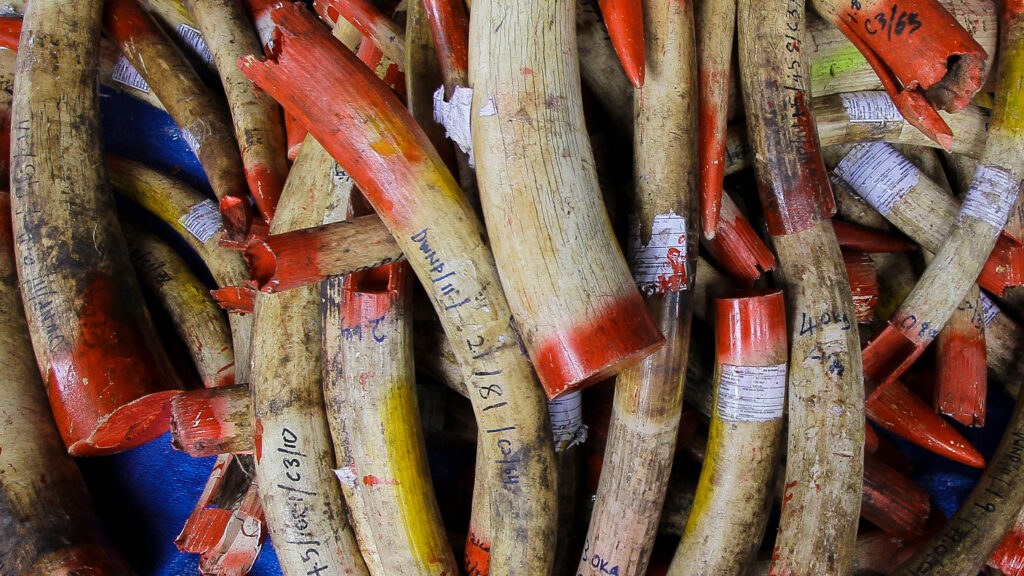
In a blessing for elephants, the African nations of Namibia and Zimbabwe have failed to convince a United Nations body to allow them to export elephant tusks, while Eswatini lost a bid to sell rhino horn, reports Reuters. Namibia and cash-strapped Zimbabwe had claimed that sales would protect the animals and raise money for conservation, and that their populations of rhino and elephant were either growing or stable. However, member states of the U.N. Convention on International Trade in Endangered Species (CITES) were quick to dismiss the bid, voting overwhelmingly to reject the proposals, regardless of whether the tusks or horns were seized from poachers or removed from animals who died naturally or had been euthanized by the state because they were, for example, destroying crops. “It is unconscionable that countries would even consider jeopardizing their animal populations as wildlife continues to be slaughtered in alarming numbers, or die because of our worsening climate crisis,” said David Barritt, executive director of Animal Survival International (ASI). “We welcome the sensible decision of the CITES committee in continuing to uphold the ban on ivory and rhino horn. As our planet’s wildlife dies out in devastating numbers, there is not a single good reason to trade in animal parts.” Zimbabwe had asked CITES for permission to sell a 70-tonne ivory stockpile worth an estimated $35 million (£28.8 million), while Swaziland, also a poor country, wanted to sell 330kg (700 pounds) of rhino horn worth an estimated $10 million (£8.2 million). In 1989, a worldwide ban was imposed on ivory sales to curb a wave of poaching but in a once-off ruling in 2008, CITES permitted Botswana, Namibia and Zimbabwe to sell stockpiles to Japan, and South Africa to sell to China and Japan. In 1977, a similar ban was placed on rhino horn, but in recent years the poaching of both elephants and rhinos has soared to meet the unstoppable demand in newly affluent Asian countries like China and Vietnam. Ivory is prized for its aesthetic qualities while rhino horn is used in Asian “medicines”. There is also speculative demand from buyers who are betting that prices will skyrocket if rhinos are poached to extinction. South Africa, which home to the majority of the world’s rhinos, has seen slaughters surge from 13 in 2007 to 1215 in 2014. In the first half of this year, 259 rhino were slain in the country. Meanwhile, tens of thousands of elephants have been killed, primarily in east and southern Africa. Encouragingly, other African nations including Kenya – currently experiencing a devastating drought that is wiping out large numbers of wild animals – are strongly opposed to any reopening of the ivory or horn trade. They argue it will activate demand and threaten their animals. “Ivory belongs to the elephants and ivory is worth more on a live animal rather than a dead animal,” Kenyan Environment Minister Judi Wakhungu told Reuters. Rhino horn can be harvested from a sedated animal because it grows back, although most poachers simply kill the animal. To extract an entire ivory tusk, an elephant must be killed. For decades, Kenya has focused on wildlife-spotting safaris and ecotourism as the primary revenue streams from its big animals. In April, it destroyed 105 tonnes of ivory. CITES recommended that countries with legal domestic ivory markets that are not regulated by the convention, such as Japan, begin closing them down because they contribute to poaching. CITES members also voted to include the silky shark, three species of thresher sharks, and nine species of devil rays in its Appendix II listing, which strictly controls trade so that species are not exploited or threatened. Devil rays – similar to their larger cousins, manta rays – are killed for their gill plates, which are sold in China for use in a “health tonic”.
African penguin populations have declined by 98% in the last century! The species could be EXTINCT within the next few years!
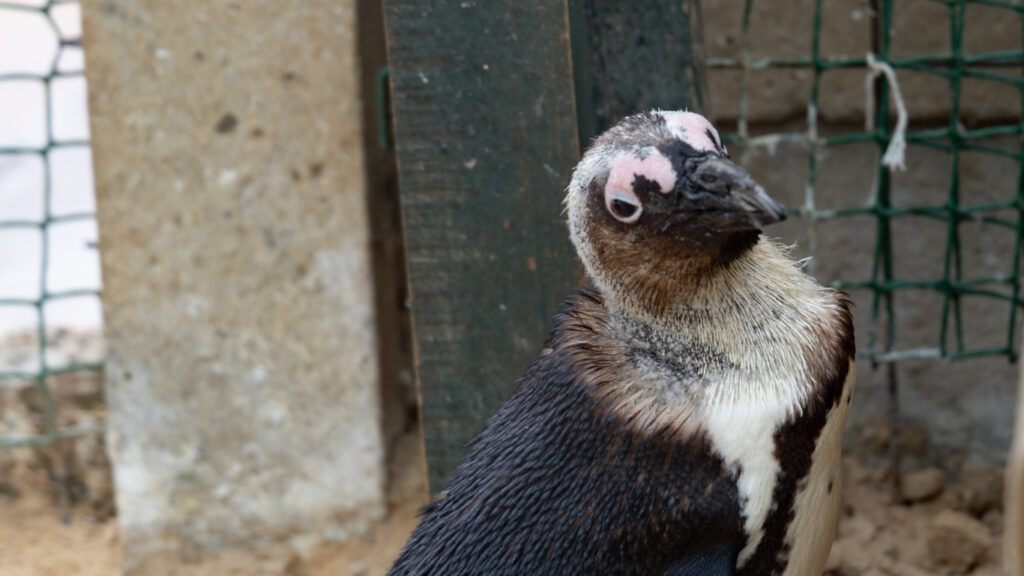
African penguin populations have declined by 98% in the last century. If we do not take IMMEDIATE ACTION, the species could be extinct within the next few years. We have a plan to help them! Please, will you join us? Tragically, it’s no longer unrealistic to imagine a world without these charming and ecologically vital creatures. There are only 10,000 African penguin breeding pairs left in South Africa. At the beginning of the 20th century, there were millions. Endemic to the coasts of Southern Africa, the African penguin is listed as Endangered on the IUCN Red List of Threatened Species. Climate change, oil spills, pollution, food scarcity because of overfishing and disease are taking a deadly toll, and it’s getting worse. We are working with the Seabird and Penguin Rehabilitation Center (SAPREC) in Mossel Bay, South Africa. SAPREC is a haven for the endangered African penguin, endangered Cape gannet, and the Cape cormorant. Founder, Carol Walton, began rehabilitating sick and injured penguins and other seabirds in her garage 20 years ago. Over time, SAPREC was born and is driven by a single goal: to help save seabirds. SAPREC has successfully rescued, rehabilitated and released over 1,000 penguins and seabirds who would have had a slim chance of survival without the organization’s help. But the situation is getting worse, not better, and now is the time for critical action. SAPREC urgently needs to improve its intensive care unit (ICU) to cope with the influx of injured birds it knows is coming. At the moment, the ICU is housed in a rusting shipping container that has recently succumbed to severe weather damage. It is entirely ill-suited to accommodate sick and injured seabirds flooding through the center’s doors. To help the penguins, we desperately need to completely renovate the ICU unit. Doing so will help scores of injured penguins. The ICU unit is an essential part of the lengthy rehabilitation process. The birds need regular monitoring, feeding, fitness and waterproofing assessments, and sociability. Once necessary milestones have been achieved, SAPREC chips the birds and releases them to a nature reserve nearby. It is imperative that we take every step necessary to maintain life-saving facilities like SAPREC to help save penguins. If we can raise $5,000 (£4,200), we will immediately start work to protect and preserve South Africa’s dwindling penguin and seabird populations by creating an efficient ICU. Right now, we urgently need to repair and seal the container, improve the infrared heating lamps, install well-sealed flooring to help prevent infection and install an air circulation system for sick birds with respiratory issues. Endangered African penguins and seabirds are suffering terribly as a result of human encroachment on their habitats, and they will not survive without our help. Please, please, donate generously right now. Our solution is simple, but we cannot do it without you.
A Remarkable Rescue by the Saint Mark’s Animal Hospital and Shelter
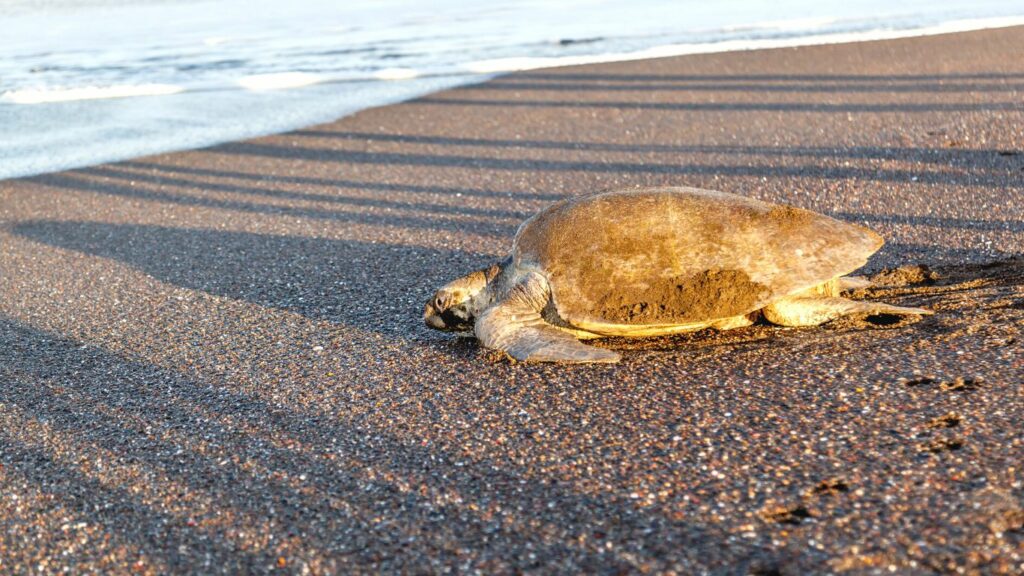
Just a few days ago, our partner, The Saint Mark’s Animal Hospital and Shelter in Lagos, Nigeria, was alerted to a dreadful case involving a vulnerable Olive Ridley sea turtle who had been caught by poachers for the illegal wildlife and bushmeat trade. The magnificent creature had most likely come ashore to lay her eggs, but unbeknownst to her, a group of smugglers was waiting to pounce. The Saint Mark’s team acted fast and with great bravery. Fortunately, they intercepted the poachers and rescued the turtle, with help from the Nigerian Conservation Foundation (NCF). Veterinarian and Founder of Saint Mark’s, Dr Mark Ofua, found that the rescued female was in good health and safe to be released. Credit: Saint Mark’s Animal Hosptial and Shelter Named ‘Asake’ (“to be cherished” in the area’s prominent language of Yoruba), the rescued sea turtle was set free on a protected beach in Lagos that poachers can’t access. The touching release saw the Saint Mark’s team, NCF and delighted bystanders cheering Asake on as she waded into the ocean. According to the IUCN Red List of Threatened Species, the Olive Ridley is Vulnerable, and its population is gradually declining. If it weren’t for the dedicated work of Saint Mark’s, precious Asake would have been yet another tragic victim of the insatiable illegal wildlife trade. Nigeria has become Africa’s epicenter for illegal wildlife and bushmeat trade. A criminal cocktail of lax governance, corruption and powerful trafficking syndicates has caused rapid growth in poaching and illicit wildlife exports over recent years. Credit: Saint Mark’s Animal Hosptial and Shelter Saint Mark’s is the ONLY animal rescue center in Nigeria’s capital city of Lagos. Founder, Mark Ofua, has made it his mission to save as many wild animals as he can. We salute our partner for their extraordinary efforts to rescue the country’s invaluable wildlife and hope to support their worthy work for years to come. Please, donate to Animal Survival International today so that we can continue to assist wild animals threatened by so many perils.
Pangolins rescued from criminal gangs urgently need care before they can be returned to the wild. Please, will you help them?
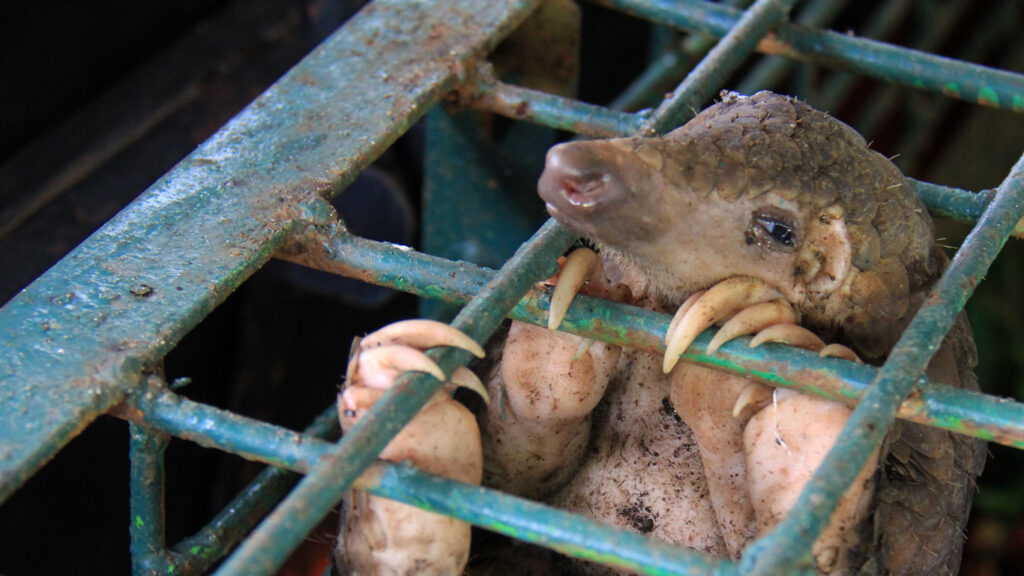
Critically endangered pangolins are the most trafficked mammals in the world, with more than ONE MILLION poached over the last decade. The insatiable demand of the illegal wildlife trade has driven all eight species of pangolin to the brink of extinction. Every year, tens of thousands of pangolins are poached and killed for their scales – falsely believed to serve medicinal purposes – and their meat, which is considered a delicacy among the ultra-rich in many Asian countries. Image credit: Traffic Shockingly, restaurants strip pangolins of their scales and BOIL THEM ALIVE!If we do not act fast and do everything we can to help preserve pangolins, we risk losing these unique creatures for good. Please, will you help us? Animal Survival International (ASI) supports important pangolin projects in Nigeria and South Africa, but our emergency funds for critical operations are running dry. We must ensure that our partners on the ground are ready to respond immediately to any emergency, and that they are well equipped to deal with challenges we may encounter. Image credit: Shaban Omar/The Star Currently, numerous pangolin smuggling routes operate in and out of Mpumalanga, South Africa. There are increasing incidences of wildlife trafficking and successful sting operations confiscating the poor creatures – but unfortunately, there are no suitable facilities for treating them. There is an URGENT need to establish a rehabilitation and release facility for seized pangolins. Our partner, the Care for Wild Rhino Sanctuary in Mpumalanga, South Africa, plans to do exactly that – and with your support, we will help. Image credit: The Mpumalanga Tourism and Parks Agency We work closely with Care for Wild (CFW), a registered wildlife rehabilitation facility and the largest rhino sanctuary in the world, and is the best candidate for the job. CFW has successfully rehabilitated and released nearly one hundred orphaned rhinos. This devoted team has the expertise to extend their care to vulnerable and threatened pangolins – but they desperately need the resources to do it. If we can raise $10, 000 (£8,445), we will provide funds to start equipping the sanctuary with the tools they urgently need to deal with injured, traumatized, and dying pangolins. Your donation will save lives and ensure healthy pangolins are released back into protected areas. Image credit: The Mpumalanga Tourism and Parks Agency Pangolins are extremely vulnerable to stress. Most die within six months of capture or rescue, which is why it is SO important that they are rehabilitated fast and returned to the wild as quickly as possible. During the rehabilitation process, pangolins are as vulnerable as newborn infants. They require intensive, round-the-clock care if they are to make a full recovery following the physical and psychological damage inflicted on them by poaching. Rescuing individual pangolins from traffickers, rehabilitating them, and releasing them into protected areas with high-tech tracking equipment is vitally important in the fight to save the species. Image credit: EAGLE Network/USAID/Flickr Extinction is looming, and EVERY pangolin life is critical to the survival of the entire species. Without your support, we will see more and more cases of rescued pangolins succumbing to their injuries from the sickeningly cruel illegal wildlife trade. Please find it in your heart to donate as much as you possibly can today so that we can work alongside Care for Wild in this critical rehabilitation project.
Conservationists Argue to Protect African Hippo as Wildlife Trade Drives the Species Closer to Extinction
African representatives from Humane Society International (HSI) will argue for the classification of hippo as an endangered species at the Convention on International Trade in Endangered Species (CITES) of Wild Fauna and Flora in Panama next month. This after South Africa exported an average of 122 hippos every year between 2009 and 2018, according to CITES trade data – more than 1% of the country’s entire hippo population. This volume of legal hippo killing threatens to slash the species’ wild population by as much as 30% over the next 30 years. HSI wildlife director Dr Audrey Delsink said that classifying the hippo as endangered will move it from Appendix II (animals not necessarily threatened with extinction) into Appendix I – animals that are under extreme threat and must be protected. Over and above the commercial slaughter of hippos, the species is also vulnerable to climate change and drought. Delsink said that the 2015/2016 drought wiped out 50% of the Kruger National Park’s hippo population. “Including hippos in Appendix I would prohibit international trade in hippos and their parts, thereby ensuring that such trade would not contribute to further declines in wild hippo population,” said Delsink. The impending hippo crisis extends into other African countries, and as such, ten African representatives will recommend the classification for hippos in order to limit legal trade. HSI director of wildlife programs Adam Peyman said, “Hippos are an iconic African species, yet the scale of the international trade in their parts and products such as tusks, teeth, skins, skulls and trophies is shocking. We urge CITES parties to adopt this proposal to ensure that this commercial trade ends. This pointless industry of selling animal parts, along with other threats facing hippos, is pushing these incredible animals to the brink of extinction.” The convention will consider 52 proposals that recommend either an increase or decrease in the protection of 600 endangered species. HSI plans to reject a proposal to amend the listing of the African elephant, which would allow international trade in trophies, live animals, ivory, hair, skins, jewelry and stocks of ivory, and to support a proposal to transfer the African elephant to Appendix I. The species continues to be decimated by rampant poaching, with more than 30,000 elephants killed across Africa every year. The HSI will also reject a proposal to move the southern white rhino population from Appendix I to Appendix II, which would allow international trade in hunting trophies and live animals.
South African Rhino Horn Worth $15-million Seized in Singapore
Authorities in Singapore have made their largest-ever seizure of rhino horn, confiscated from a smuggler arriving from South Africa, according to News24.com. The haul is reportedly worth $830,000 (around £735,471). Authorities at Singapore Changi Airport uncovered 20 pieces of rhino horn weighing 34 kilograms (75 lb). The two bags containing the horn were detected by sniffer dogs, and belonged to a passenger continuing onward to Laos. The suspect has been arrested. Rhinos are protected under the Convention on International Trade in Endangered Species of Wild Fauna and Flora (CITES). International trade in rhino horn is illegal. Genetic testing will be carried out on the confiscated horn to determine the exact species of rhino, after which it will be destroyed to prevent it entering the black market. In many parts of Asia, rhino horn is considered a status symbol and is used to make jewellery, buttons, belt buckles and combs. Some falsely believe rhino horn to have medicinal properties and this has given rise to the relentless slaughter of the species. According to the International Union for Conservation of Nature (IUCN), poaching remains a severe threat to the species. Three species of rhino – the black, Javan and Sumatran – are listed as critically endangered. “We applaud the effective work of the Singaporean authorities in detecting and seizing this consignment of rhino horn,” said David Barritt, executive director of Animal Survival International (ASI). “The nations of the world, and in particular those situated on well-known illegal trade routes, must work together to stop poachers at borders and apprehend them. The more regularly and efficiently this happens, the more we send a message to poachers that this slaughter will not be permitted, and we can begin to put an end to this horrendous scourge.” The IUCN says more than 2,700 rhinos were slaughtered in Africa between 2018 and 2021 – 90% of which were killed in South Africa, home to nearly 80% of the world’s rhino population. Most were killed in the Kruger National Park.
Three Baby Chimps Kidnapped and Held for Ransom in DRC
Is this the new trend in animal wildlife crime? An animal sanctuary in the Democratic Republic of Congo (DRC) has been hit with a ransom demand after three of its baby chimpanzees were kidnapped, reports CNN.com. “This is the first time in the world that baby apes were kidnapped for ransom,” Franck Chantereau, founder of the Young Animals Confiscated in Katanga (JACK) Sanctuary, told CNN. The sanctuary is situated in Lubumbashi near the border of DRC and Zambia – a key smuggling route between Congo and South Africa, from where apes are exported to the rest of the world. The kidnappers broke into the sanctuary in the early hours of the morning on September 9th and stole three of five baby chimpanzees that had been rescued this year – César, Hussein and Monga. The remaining two were later found hiding in the kitchen of the sanctuary. An hour after the break-in, kidnappers sent three messages and a video of the abducted animals to Chantereau’s wife. “They told us that they had planned to kidnap my children because they were supposed to come here on vacation. But they didn’t come so the kidnappers took these three babies hostage and demanded a large amount of ransom from us,” Chantereau said. He added that the kidnappers said they had drugged the animals and threatened to harm them if the ransom was not paid. “Obviously, it’s impossible for us to pay the ransom,” Chantereau said. “Not only do we not have the money, but you need to understand that if we go their way, they could very well do it again in two months, and also we have no guarantee that they will return the baby to us.” Chantereau also expressed concern that giving into these demands would fuel further kidnappings. “There are 23 sanctuaries across the continent doing this. If we pay the ransom, it could set a precedent and it could give ideas to others, so we must be extremely vigilant.” These sentiments have been frankly echoed by the media advisor to DRC’s environment minister, Michel Koyakpa, who told CNN, “We will not give in to this kind of demand.” He added that, “(The kidnap) is inhumane and unnatural,” and said it was the first of its kind in the country’s history. Koyakpa has said authorities are investigating the kidnapping in hopes of identifying the perpetrators in the coming days or weeks. But it has now been two weeks since Chantereau last received any proof that the chimpanzees are still alive, and he is extremely worried. “We can’t get back to our daily life, we are completely devastated,” he said – but he will not be deterred in his mission to continue saving baby chimpanzees from smugglers. He explained that in order to catch baby chimpanzees, entire families have to first be killed – around eight to 10 individual apes – and that the surviving babies often die before reaching their final destination. They are destined for the illegal pet trade, often purchased by people who want to keep an exotic animal in their home. “They don’t understand the consequences of their actions because for one little baby to arrive in their hands, at least 10 have been killed,” he said. Nor do they understand the danger: chimpanzees are wild animals who grow up quickly. An adult chimp can kill a human with its bare hands. Chantereau is bleak about the future. He feels kidnappings will happen more often as animal numbers dwindle, and smugglers find it harder to capture them in the wild. Sanctuaries like his are a target, he believes, as his animals are healthy and smugglers know exactly where to steal them from. “We at Animal Survival International (ASI) are sickened to the core by this barbaric crime,” said David Barritt, executive director of ASI. “We know that wildlife crimes are on the rise as people become more desperate. But what is most sickening about this particular crime is the sheer lack of compassion it shows towards a helpless, juvenile animal who is barely old enough to be away from its mother. Sanctuaries must be supported by local governments to strengthen their security measures and law enforcement must resist the tendency towards apathy in the face of these criminal rings. Without decisive action right now, our chimps will be obliterated from the wild – along with countless other irreplaceable species.”
Cheetahs Set to Roam in India for the First Time Since Being Declared Extinct 70 Years Ago
Indian prime minister Narendra Modi has reintroduced extinct cheetahs on his birthday, reports the BBC.com. The group of eight cats arrived from Namibia on Saturday, and will be the first to roam free in the country since the species was declared extinct in 1952. The cheetahs will spend one month in quarantine before being released into Kuno National Park in central India. It marks the first time a large carnivore has been moved from one continent to another to be reintroduced into the wild. Cheetahs used to roam alongside other big cats like lions and tigers in India, but by 1952, they had been wiped out. According to studies, many of the cats were killed by bounty hunters and sheep and goat herders during the colonial era. India has tried to reintroduce the animal since 1950s, but this is the first time attempts have been successful. The cats – five females and three males between two and six years of age – were flown from Windhoek to the city of Gwalior. They were accompanied by wildlife experts, vets and biologists during their journey on a modified passenger Boeing 747 plane, and upon arrival were transferred by helicopter to Kuno park in Madhya Pradesh state. Their new home – a sprawling 289-square-mile (749-square-kilometer) expanse – is rich in prey, including antelope and wild boars. Additional groups of cheetahs will be arriving from South Africa and Namibia, bringing to at least 20 the number of cats due to be reintroduced. Each cheetah will be assigned a dedicated team of volunteers to monitor its wellbeing and movements. Satellite radio collars have been put on each cat and will provide geolocation updates to the teams. Those in support of the project believe the reintroduction will bolster local economies and help restore ecosystems that support cheetahs, the world’s fastest land animal. However, there are concerns from other camps that the relocation of animals is risky and that releasing them into the park could place them in danger: cheetahs tend to avoid conflict and are targeted by competing predators. Kuno has a large leopard population which could kill cheetah cubs. There is also the risk that the cheetahs could stray outside the boundaries of the park and get killed by people or other animals. But officials have discounted these fears, saying cheetahs are highly adaptable and that the park has been well vetted for suitability. There are currently around 7000 cheetahs in the world, and South Africa and Namibia are home to around one third of these. Banner: Narendra Modi/Twitter
Wildlife Trafficker Abdi Ahmed Extradited to the United States
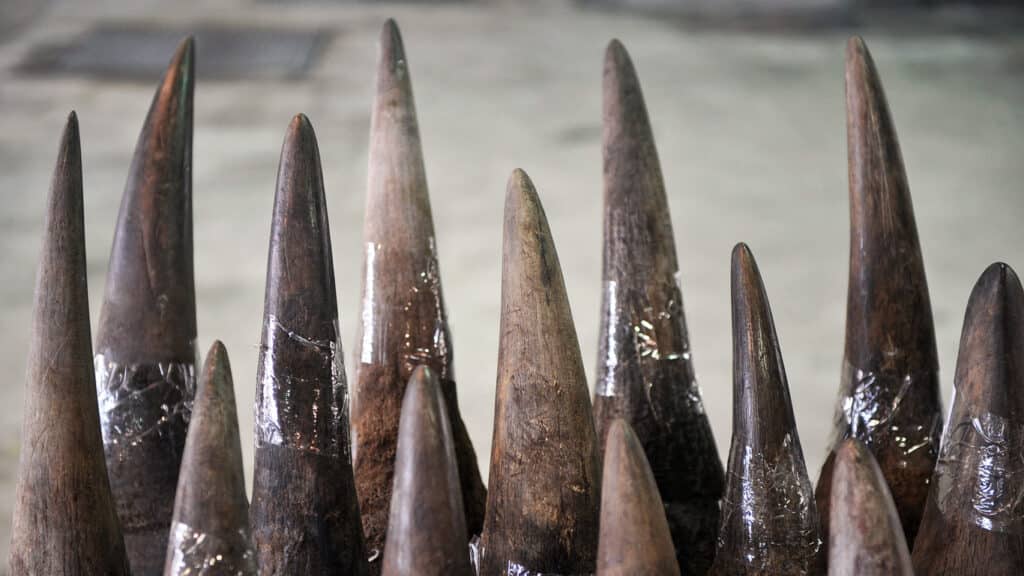
Notorious Kenyan wildlife trafficker Abdi Ahmed has been extradited to the United States (US) on multiple counts of wildlife trafficking, according to the Organized Crime and Corruption Reporting Project (OCCRP). Ahmed was the final escaped member of a prominent wildlife traffic syndicate wanted in the U.S. for trafficking substantial amounts of ivory and rhino horn, according to Kenya’s Directorate of Criminal Investigations (DCI). The poaching of elephants and rhinos in Africa is driven by the insatiable demand for ivory and rhino horn in Southeast Asia, where these items are considered a status symbol and mark of wealth and success. They are also used in traditional Chinese “medicines”. Ahmed was arrested in Maua, central Kenya, after the US offered up to $1 million (£870,100) for information about him and his accomplice, Badru Saleh. Saleh was caught five days later while attempting to escape to neighboring Somalia. Ahmed’s arrest comes after his 2019 indictment in a New York court in which he was charged with conspiracy in trafficking at least 190 kilograms (419 lbs) of rhino horn and 10 tonnes of ivory, valued in excess of $7 million (£6 091,855). It is estimated that to achieve these weights, 35 rhinos and 100 elephants were poached and killed in Kenya, Uganda, the Democratic Republic of Congo, Guinea, Mozambique, Senegal and Tanzania. Charges were also brought against his accomplices, Liberian Moazu Kromah, Guinean Amara Cherif, and Kenyan Mansur Surur. Surer and Ahmed also faced drug charges for participation in possessing and distributing over 10 kilograms (22 lbs) of heroin. Ahmed was the last to be captured. All his accomplices were caught in recent years and extradited to the United States to face trial. The group was active between 2012 and 2019, based in Uganda and surrounding countries, and supplied contraband to buyers in the US and Southeast Asia. Items were smuggled in art such as masks and statues, according to the New York court. “We commend the actions of the Kenyan authorities which led to this successful arrest, and encourage more countries to act swiftly and decisively against wildlife criminals,” said David Barritt, executive director of Animal Survival International (ASI). “Elephants, rhinos and many other species are under terrible threat across Africa and apprehending and imprisoning poachers is critical in the fight against the illegal trade. It sends a clear message that Africa’s nations will not tolerate reprehensible acts committed to be against their precious indigenous wildlife.” Image credits: Banner: Government of HongKong; Image 1: Twitter_DCI_Kenya; image 2: Ezemvelo_KZN_Wildlife
Caught in a snare, ‘Najam’ the lioness suffered horribly for FOUR DAYS. We can save wild animals from snares. Please, will you help us?
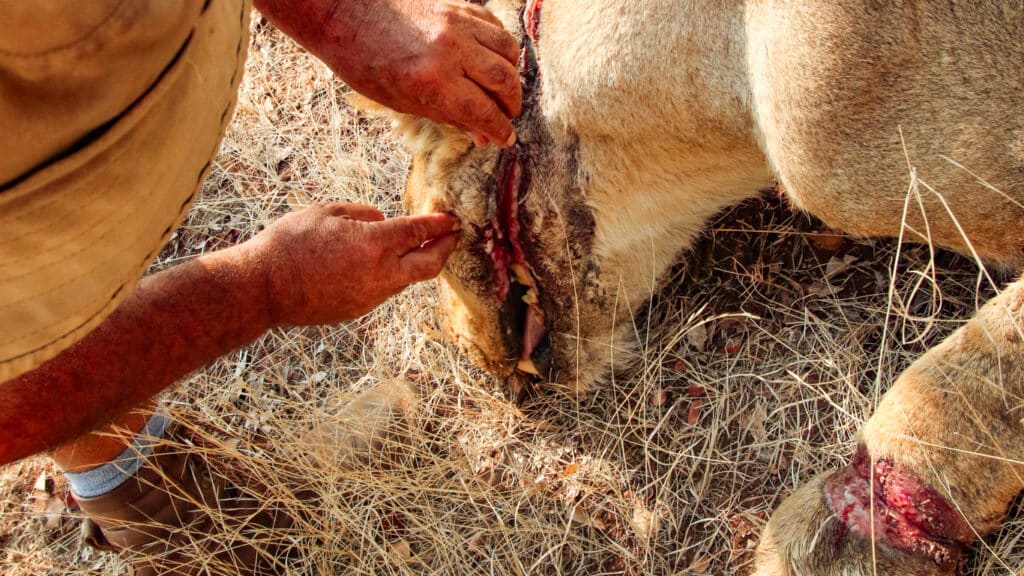
Snares are one of the world’s oldest and cruelest devices for killing animals. Usually, the animal dies slowly, after days or weeks of suffering. Recently, ‘Najam’, a magnificent two-year-old lioness in Zimbabwe, was spotted with a steel snare cutting through her mouth and tearing through her cheeks. The slipknot was lodged in her throat, making it impossible for her to eat. Poaching in Zimbabwe is having a CATASTROPHIC EFFECT on both small and large species, and shockingly, lions are no exception! We could really use your help to save vulnerable wildlife. When our partner, the Bumi Hills Anti-Poaching Unit (BHAPU), realized the seriousness of the problem, it immediately sent a highly skilled team to help Najam. She was carefully tranquilized, and the team worked swiftly to remove the snare and provide critical care to her gaping wounds. The wire had torn its way into her flesh, and she had several broken teeth from her desperate and repeated attempts to chew through it. She also had deep injuries to her front paw, consistent with snaring. BHAPU estimates Najam was caught in this death trap for at least four days. They knew if they had not acted immediately, she would have died an excruciating death. “The unimaginable suffering this young lioness had to endure is beyond comprehension. This is cruelty in its harshest form.” – BHAPU Base Manager, Catherine Norton. Najam is safely back with her pride and her mother, ‘Rakesh’ (meaning “Moon”), and making a slow recovery. But her case highlights the dire need for BHAPU to have more feet on the ground patrolling for deadly snares. The illegal snaring of vulnerable wildlife in Zimbabwe has increased by 25% since the start of 2022, according to BHAPU. The increase in snaring is likely a result of the country’s shattered economy, rising unemployment levels and people having no food to eat. With its present resources, BHAPU finds and removes some 40 snares a month, and on average, encounters two severe snare cases like Najam’s. With more patrols, they can increase the protection of animals significantly, but that costs money. For every $15,000 (£13,000) we raise, we can hire, train and equip one additional scout per year. Even one scout will make a difference, allowing BHAPU to cover additional ground and find up to 10% more snares – critical to the continued survival of animals like Najam– and the prevention of needless suffering. With your support, we will be there to help snared animals. For those caught in snares, this means a slow, agonizing and painful death sentence. No animal deserves to suffer in such a horrible way. We need your help to ensure the BHAPU team has more feet on the ground to help keep the wildlife of Zimbabwe safe. Please donate generously to ASI right now so we can continue to protect the irreplaceable wildlife of the Lake Kariba region.
Rhino Poaching Surges in Namibia
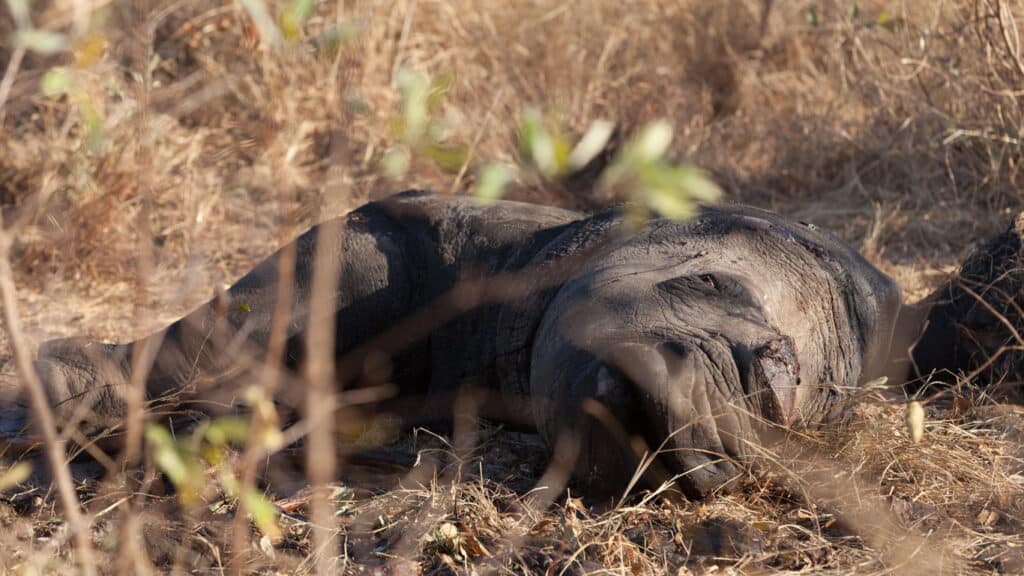
Namibia is currently experiencing an alarming surge in rhino poaching, with the number of poached rhinos reaching 48 this year, according to a spokesperson for the Ministry of Environment, Forest and Tourism. Of these, 32 were critically endangered black rhinos and 16 were near-threatened white rhinos. “Poaching has become more prevalent in private farms as well as black rhino custodianship farms,” said Ministry spokesperson Romeo Muyunda. “We are busy implementing new measures across the board to counter this surge. We will also be availing the services of our helicopter for aerial patrols in hotspot areas.” Reports say that anti-poaching units on privately-owned farms are being strengthened, and that police and law enforcement officials would be assisting private farmers with intelligence, patrols and enforcement of laws. David Barritt, executive director of Animal Survival International (ASI) has condemned the poaching wave, saying the planet could simply not afford to lose rhinos in this number. “Poaching is a scourge decimating vulnerable wildlife in great numbers. Namibia’s track record of protecting rhinos is poor and it is high time that the governments turned talk into action. If serious, decisive action is not immediately taken, poaching will wipe out entire species that we’ll never see again.”
The UK’s Leading PM Candidate Refuses to Embrace Animal Welfare – But Her Opponent Will
The Guardian last week reported that Liz Truss, would-be successor to outgoing British prime minister Boris Johnson, has refused to protect animal welfare in post-Brexit trade deals. This according to environment secretary George Eustice, who says that Truss’s rival, Rishi Sunak, has made it clear he would not compromise on welfare standards. “It is fair to say there were some challenges I had in getting Liz Truss to recognise the importance of animal welfare in particular and that we should reflect it in trade agreements,” Eustice said at the Conservative Environment Network Tory leadership hustings, where he spoke on behalf of Sunak. “[Sunak]’s got a position that I am much more comfortable with than I suspect will be the position with Liz Truss, and that is the position on international trade: he has made it clear that we shouldn’t compromise on animal welfare standards.” Meanwhile, representative for Truss, international environment minister Zac Goldsmith, said that Sunak failed to attend any climate-related meetings as chancellor and had tried to cut budgets for international wildlife programs. Truss has recommitted to doing a British nature survey, while Sunak has promised to invest in renewable and carbon capture and storage. Truss has previously decried the use of solar panels in fields while Sunak has said he is averse to allowing more onshore wind farms. On the topic of carbon neutrality, Goldsmith said Truss had signed up to the UK reaching net zero emissions by 2050. Sunak has also committed to maintaining the legally binding net zero target. Banner: PANewsAgency & Image 1: RishiSunak
Cheetah Reintroduction in Malawi Encourages the Return of Vultures
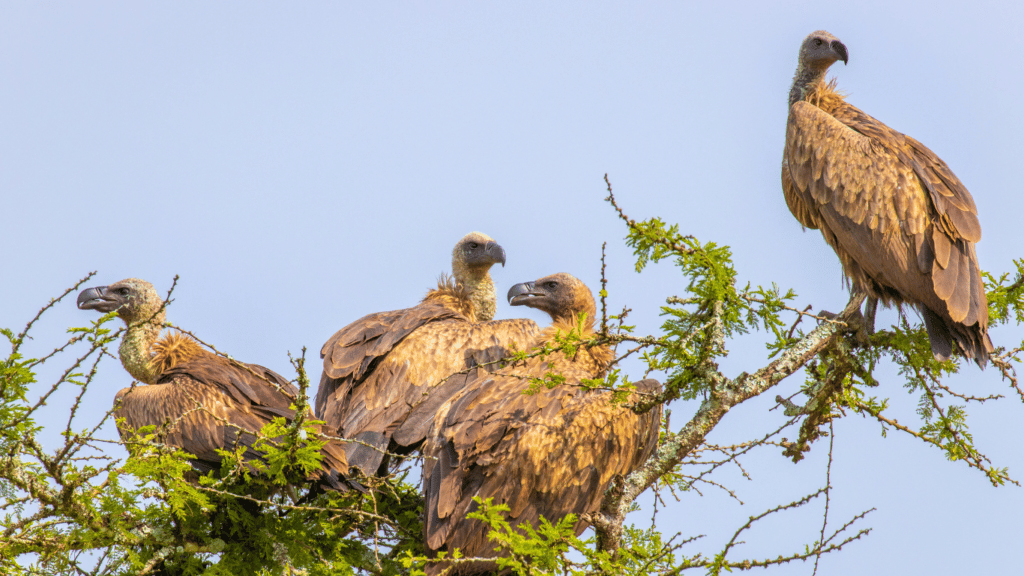
Four critically endangered vulture species have returned to the Liwonde National Park in Malawi, after having not been seen there for more than 20 years. The birds’ resurgence is credited to the successful reintroduction of cheetahs and lions, as the predators’ prey remains increase food availability for vultures. In 2017, seven cheetahs were relocated to Liwonde by African Parks, a conservation group working in collaboration with Malawi’s Department of National Parks and Wildlife (DNPW). Vultures emerged within days, even though the big cats remained confined to their acclimatization boma. The cheetah translocation project has been a huge success. The population within the 548,000-hectare (1.3 million-acre) park recently reached 42, and a second generation of cheetahs are also now breeding and raising cubs. Vultures, cheetahs and lions vanished from Liwonde and other protected areas because of a poaching crisis that ravaged the area in the 1990s and early 2000s. One severe consequence of the vultures being wiped out was that animals who died of natural causes were not picked clean by the birds, who rapidly consume carcasses and the potentially deadly diseases they carry. While there was an emergence of scavengers that wouldn’t normally be seen in parks with thriving ecosystems, they were not nearly as efficient as vultures. Other birds of prey such as bateleur and tawny fish eagles, marabou storks and ospreys that would usually be overpowered by vultures soon became the predominant scavengers in the area. Effective management of the park by African Parks and the DNPW has played a crucial role in the return of the vultures. “It’s very encouraging to have vultures come back to Liwonde,” said ecologist Tiwonge Mzumara-Gawa of the Malawi University of Science and Technology. The first two to arrive back in 2017 were critically endangered white-backed and hooded vultures. Three other species have since been recorded in Liwonde: critically endangered white-headed and Ruppell’s vultures, and lappet-faced vultures. Another major victory in 2021 was the discovery of three white-backed vulture nests. These are the first active breeding records of vultures in Liwonde after more than two decades. Positive news regarding African vultures is hard to come by. A report published in the scientific journal Conservation Letters in 2015 revealed that seven species of African vulture declined by more than 80% over three generations. Poisoning and habitat loss have drastically diminished their numbers. Poison is frequently used to hunt and kill Africa’s wildlife. It is mostly used against predators like lions, hyenas and jackals as revenge for attacks on farmers’ livestock. Unfortunately, vultures are often the unintentional or deliberate victims. By carefully tracking Malawi’s vulture population, the impact of poisoning can be reduced. Once a vulture with a mortality sensor dies, people on the ground are alerted and can rapidly respond to poisoning incidents. The insatiable demand for charcoal has also stripped much of Malawi’s landscape. “With the recovery of the vultures we need to protect the large trees that they like to nest in,” says Mzumara-Gawa. Lengwe and the Majete Wildlife Reserve are vital to Liwonde’s new vulture population. Data gathered from tagging white-backed vultures in Liwonde in 2021 revealed that the birds are migrating between all three protected areas. “For Malawi’s small breeding population of vultures, protected areas are crucial safe havens for the birds, the prey that they feed on as well as for cheetahs and lions,” says David Barritt, Executive Director of Animal Survival International. “Poisoning and habitat destruction continue to threaten the survival of vultures in Malawi. But better park management and meticulous monitoring efforts offer a renewed sense of hope for vultures and other wildlife.” Image credits: Image 2 OliviaSievert_OryxTheJournal, Image 3: OliviaSievert_LilongweWildlifeTrust
More than 100 vultures and a hyena poisoned to death at South Africa’s Kruger National Park
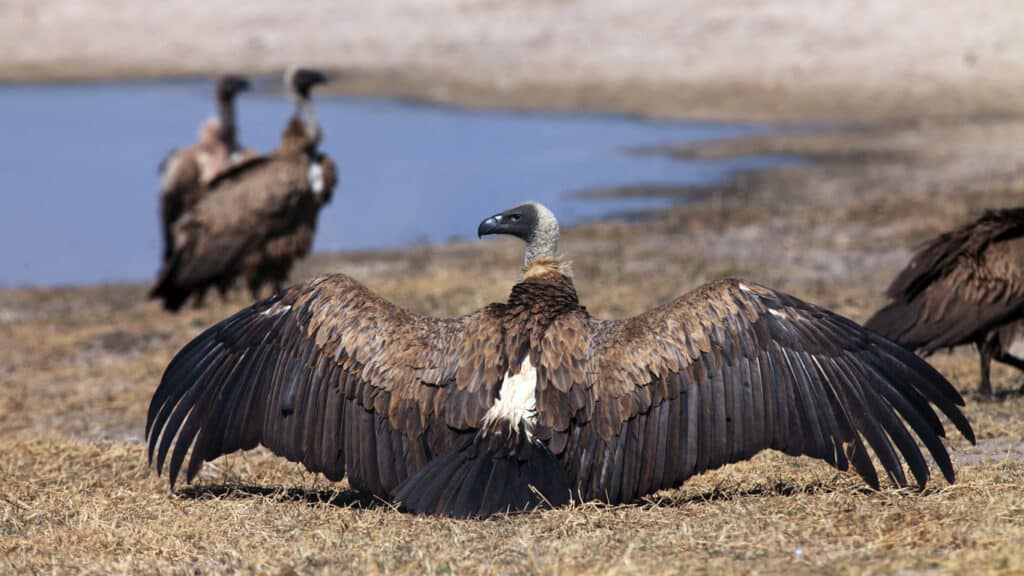
More than 100 vultures at South Africa’s Kruger National Park, as well as a hyena, have been found dead after feeding on a poisoned buffalo carcass, reports local media. The disturbing discovery was made near the far northern Punda Maria region of the park, which borders a village. Local conservationists believe the deaths could be linked to the illegal trade of vultures, which are used in traditional medicines known as ‘muthi’. The vulture population in the park is under immense threat because of the illegal trade, and the latest discovery is the third of its kind since 2021. Another 20 ailing vultures were found at the scene. Conservationists rushed them to nearly rehabilitation centers for treatment. “Rangers on patrol discovered the carcass of a buffalo, which appeared to have been laced with poison. They also found over 100 dead vultures and a dead hyena likely to have fed off the carcass,” South African National Parks (SANParks) told local media. Vultures are at critical risk and the latest onslaught on the species is of extreme concern, as it pushes the bird species closer to extinction. Reports say the carcasses were burnt to avoid any risk of further contamination. “This reprehensible act once again highlights the ever-present danger of poisoning by unscrupulous people. We cannot afford to let our guards (sic) down and we call on law-enforcement agencies outside the park to move swiftly to arrest the perpetrators,” said Gareth Coleman, managing executive of Kruger National Park. According to research published in the Journal of Raptor Research in September last year, vultures are caught by poisoning and trapping them in “communal rangelands and inside protected areas”, such as the Kruger National Park, Manyeleti Game Reserve, Bushbuckridge Nature Reserve and Sabi Sands Game Reserve – some of South Africa’s largest and most wildlife-rich reserves. A whole bird can vary in price from $18 or £15 to roughly $92 or £76. In polls conducted among 51 traditional healers in the region, it was estimated that they use between 400 and 800 vultures a year. Research papers indicate that traditional healers in Africa use the body parts of vultures for various purposes. They are chiefly believed to give clairvoyant abilities to those who ingest them, and are also believed to encourage good dreams, increase intellectual abilities, treat diseases and appease ancestors. “Few species today can withstand this kind of mass annihilation and South African vultures are at particular risk given their vulnerable status,” said David Barritt, executive director of Animal Survival International. “We urge local authorities to apprehend and punish those responsible to the full might of the law. We further call on parks authorities to urgently improve their on-the-ground anti-poaching efforts. We cannot stand by and allow another iconic species to be decimated because by the illegal wildlife trade, and if more is not done to protect Africa’s vultures, they will be yet another species we add to the ‘extinct’ list. This cannot, and must not, be allowed to happen.” Image credits: Image 1: SANParks & Image 2: EWN_Facebook
The TORTURE – the BRUTALITY – endured by tortoises is BEYOND BELIEF!
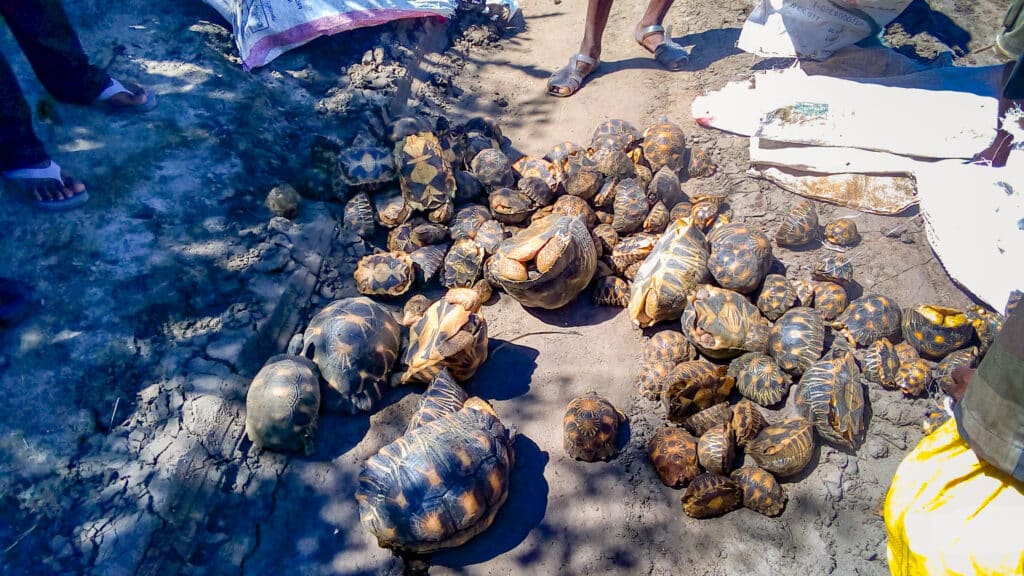
Right now, a group of critically endangered tortoises are in danger of starving to death after being rescued from the illegal wildlife trade in Africa. With your help, we can urgently get food to them so they survive this ordeal and bring hope to their entire species. Please, help us right now. In Madagascar, tortoises are captured in their thousands for the illegal pet and bushmeat trade. After being stolen from the wild, they are usually bound with duct tape, stored in bags, and left in the wilderness, sometimes for months at a time, until they can be smuggled or processed for bushmeat. They must endure living in their own urine and feces and are often starved and left without water for long periods of time. Many are terribly mistreated and suffer cracked and broken shells. Those who do not die of these injuries and neglect are ultimately sold as pets or consumed for unfounded “medicinal” purposes. These critically endangered creatures and many other tortoise subspecies are rapidly heading towards extinction due to insatiable demand for their meat and the illegal pet trade. We must help them! The harsh reality of the illegal wildlife trade is that animals are not merely killed, but cruelly tortured to death. A few weeks ago, our team visited Turtle Survival Alliance Madagascar (TSA), which takes confiscated tortoises to its centers across Madagascar, where they are expertly cared for and fed. Often, they require critical, life-saving care. They are rehabilitated in a secure and appropriate natural habitat – primarily safe, protected forested areas – until they are strong enough to be released back into the wild and carefully monitored by the anti-poaching units. Ensuring that they can be safely released is of paramount importance. But, due to the sheer number of critically ill and injured tortoises that TSA is rescuing, the team is running out of food for these creatures at its rescue centers. Rescued tortoises are starving as TSA is running out of food to maintain its rapidly filling rehabilitation centers. Two of TSA’s largest rehabilitation and soft-release centers – Tortoise Conservation Center (TCC) and Lava Volo Center (LVC) in forested habitats in the south – are both as much as 50% over capacity. TSA has now saved 26,000 tortoises and is running out of food for these vulnerable creatures. Without the help of caring people like you, TSA cannot continue its vital work. We are determined to ensure that TSA has a continual, secure source of food for rescued wildlife. With your support, we will ensure that these precious creatures are regularly fed while we work on long-term goals. Our partners are extremely proactive and constantly finding new ways to meet the needs of the wildlife in their care, but they cannot do it alone. If we can raise $15,000 (£12,400), we can rush funds for critically needed food to TSA to sustain its rescued tortoises for the next six months. Your urgent donation will also support TSA’s long-term program which educates local farmers on more sustainable farming practices. These updated farming practices will help farmers maximize their harvests and create a secure, year-round supply of food for tortoises. TSA works closely with local communities in Madagascar to intercept smugglers and rescue wildlife. Local people are empowered by a centuries-old, community-based law called Lilintane I Androy, which supports a long-held cultural tradition of protecting tortoises. Local people can apply this law when they encounter poachers, which enables the wildlife to be confiscated and poachers to be arrested and prosecuted. In the near future, we would also like to help TSA expand its infrastructure at TCC, one of its largest soft-release sites. With your help, we can support this extremely successful program so that TSA does not have to turn away any vulnerable wildlife. We MUST support successful programs like this, because the more we support them, the more animals they can save, the more poachers they can stop and the better the chances the tortoises have to survive.
Rhino Poaching Worsens in South Africa as 259 Slain in First Half of 2022
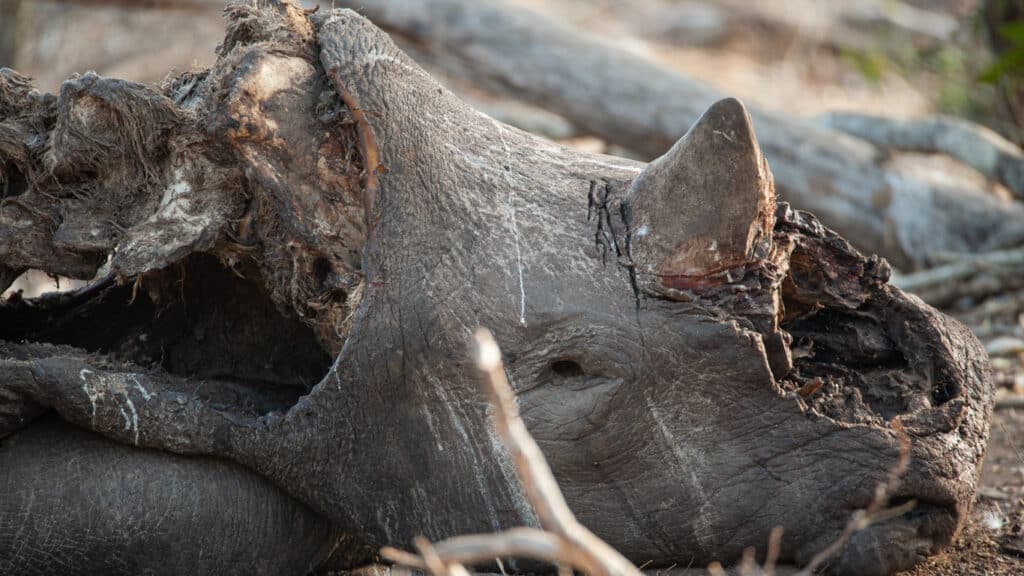
South Africa’s Department of Environment, Forestry and Fisheries (DFFE) reports that 259 rhinos have been slaughtered in the first six months of this year in the country – already 10 more than for the same period last year. Of these, 82 were killed in the Kruger National Park, the country’s largest state-owned park. According to the DFFE, 210 of those slaughtered were killed on state property, while 49 were poached in private parks. KwaZulu-Natal was the hardest-hit province, reporting 133 rhino deaths. “Recent trends in rhino poaching show a move away from the Kruger Park to private reserves and KwaZulu-Natal where the majority of rhinos have been killed this year,” said Environment Minister, Barbara Creecy. She added that criminal syndicates continue to operate within the country’s borders as the demand for rhino horn remains high and a constant threat to rhino populations. During the first six months of the year, 69 people were apprehended for crimes related to rhino poaching and the trafficking of rhino horns. Thirteen were alleged poachers caught in the Kruger National Park. “Animal Survival International (ASI) condemns these attacks on South Africa’s rhino populations and calls on the South African government to urgently step up its monitoring and prosecution efforts,” said David Barritt, executive director of ASI. “We can ill-afford these wildlife losses, and if criminal rings are not intercepted and those responsible punished to the full extent of the law, we will lose entire rhino populations.”
Shy pangolins, the world’s most trafficked animals, are being poached to extinction for food and the illicit wildlife trade.
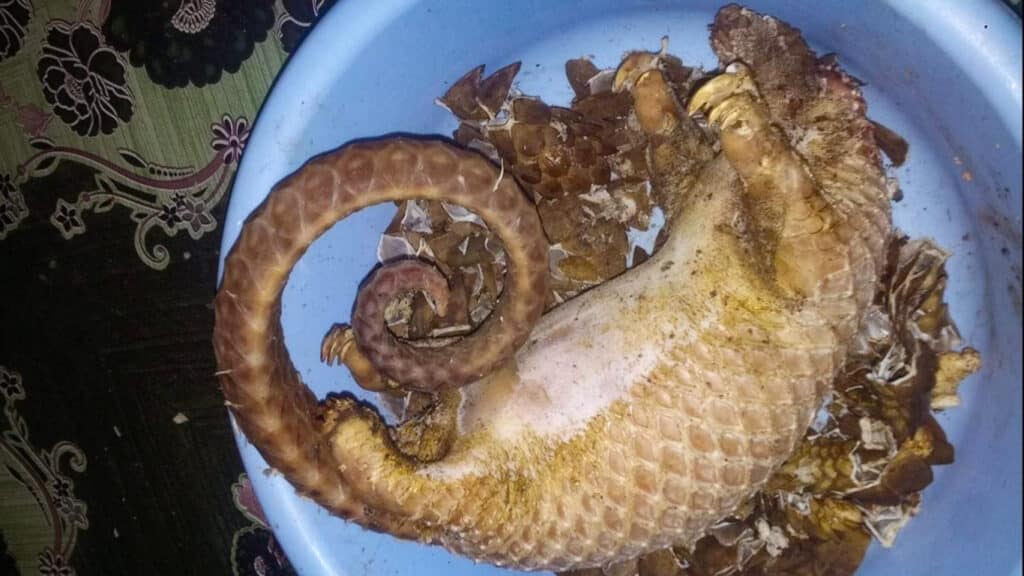
An estimated 2.7 million pangolins are poached annually in Central Africa alone, according to a new study by the UK’s University of Sussex. These statistics are harrowing, and they are worsening every year. Pangolins – shy, nocturnal animals who are mammals despite their scaly appearance – are now the most trafficked animal on the planet. Poached for their scales and meat, all eight species are now threatened with extinction. Without our help, another unique creature will be lost due to humankind’s relentless exploitation of wildlife. We DO have a plan to help, and with your support, we can implement it. Wildlife traffickers are taking advantage of remote ivory trade routes to smuggle pangolins out of Central Africa. Now, more than ever, we need to step up our pangolin conservation efforts. Pangolins are being stolen from the wild at a rapidly increasing rate to meet the demands of the illegal wildlife trade. Pangolin meat is considered a delicacy in China and Vietnam, and the scales are used for traditional Chinese medicines despite there being no scientific evidence supporting this use. Consequently, the international price of scales and meat has driven up local costs, resulting in pangolin poaching and trafficking becoming a lucrative activity in Africa. The pangolin trade is sickeningly cruel: often they are scaled while still alive and then dropped into boiling water to be cooked. Pangolins are being poached to extinction because of a multi-billion-dollar illegal trade. Worth an estimated $7-23 billion (£5.75-19 billion), the illicit wildlife trade has led to international criminal organizations exploiting low-risk, high-reward opportunities across the globe, and the Democratic Republic of Congo (DRC) is ground zero. The Congo Basin exists as a haven for some of the most endangered species on the planet. The heart of the world’s second-largest tropical rainforest that stretches across six different Central African countries, the DRC has become the frontline of the burgeoning wildlife trade. The DRC is now the starting point of a trade route for wildlife trafficked to the world via the Middle East and Africa. To make matters worse, the illegal trade of pangolin meat in urban Congolese areas is also a huge problem. Pangolin species are being destroyed to meet the demands of the illegal wildlife trade. In the DRC and numerous other African countries, pangolins are sold as meat in urban markets and restaurants despite the national protected status of the different species. The giant, long-tailed and the white-bellied tree pangolin are marketed for local consumption in the DRC, and for international trade. The problem is the law enforcement in the DRC’s protected areas and forests is not enough to protect these unique animals. If these animals are to have any chance at survival, it is critical that the illegal trade be consistently infiltrated to bring wildlife criminals to justice. We have a plan to help do just this. By working alongside Conserv Congo, a Congolese non-governmental organization registered in the DRC, Animal Survival International (ASI) is helping combat the local consumption of pangolin meat in the DRC and helping to stop the illegal trade of pangolins and their scales. Conserv Congo investigates, reports and prosecutes wildlife crimes in the DRC and the Central African region by working with the Congolese Wildlife Authority (ICCN) and the national police. By mapping out transit and destination routes, and by using their vast network of undercover agents, they can help prevent wildlife crime by actively infiltrating criminal networks, confiscating illegal products and ensuring arrests are made. They have been involved in some of the biggest inland seizures of animal parts on the African continent and have enabled the arrests of wildlife criminals. This led to the dismantling of some of the biggest wildlife trafficking gangs. With around 6,000 wildlife investigations and 3,000 arrests, this organization has proven its successes time and again. But Conserv Congo’s operational costs are skyrocketing due to the increasing number of cases. It desperately needs the help of ASI supporters to continue its vital work. We MUST support grassroots organizations that conduct undercover sting operations to bring ruthless wildlife criminals to justice. Global networks, cross-border partnerships and a symbiotic relationship with law enforcement all allow our partner to bring culprits to justice and protect the Congo Basin’s pangolins and other wildlife species. It is an approach that works and one that, with your help, will help preserve the rapidly dwindling pangolin species. Please, will you help us today?
First Beaver Born In Cheshire After More Than 400 years
A pair of Eurasian beavers have successfully bred in Cheshire in northwest England for the first time in over 400 years. The couple, named Willow and Rowan, were released at Hatchmere near Delmere Forest by the Cheshire Wildlife Trust (CWT) in November 2020. The CWT described the sighting of the newborn beaver as “a real milestone,” given the mammals’ ability to revive the reserve’s ecosystem. Hatchmere reserve’s manager, Kevin Feeney, said, “The dams and wetlands they have created are helping to improve water quality within the catchment and help reverse the decline in Cheshire’s wildlife.” The beavers are even encouraging unseen species into the area, including kingfisher, stoats and waterfowl. The Eurasian beaver was once widespread in Eurasia but was soon hunted to near-extinction in the 16th century for their meat, fur and castoreum – a waterproofing oil that they secrete. At the start of the 20th century, only about 1,200 beavers survived in eight populations in Europe and Asia. Since the early 2000s, beavers have been reintroduced across the United Kingdom. In 2020, fifteen families of beavers were given a permanent “right to remain” on the River Otter in Devon. The River Otter trial confirmed that the animals’ skill enhanced the ecology of the river and their dams functioned as natural flood defenses. “Beavers have played a critical role in maintaining wetland landscapes since prehistoric times,” says Tayla Lance of Animal Survival International (ASI). “The successful reintroduction of Eurasian beavers in Cheshire offers a renewed sense of hope for not only the formerly near-extinct species, but for the area’s entire ecosystem. As a keystone species, beavers are vitally important as they transform the environment around them, support other animals and lower the risk of floods.”
11 Black Rhinos Poached in Namibia’s National Park
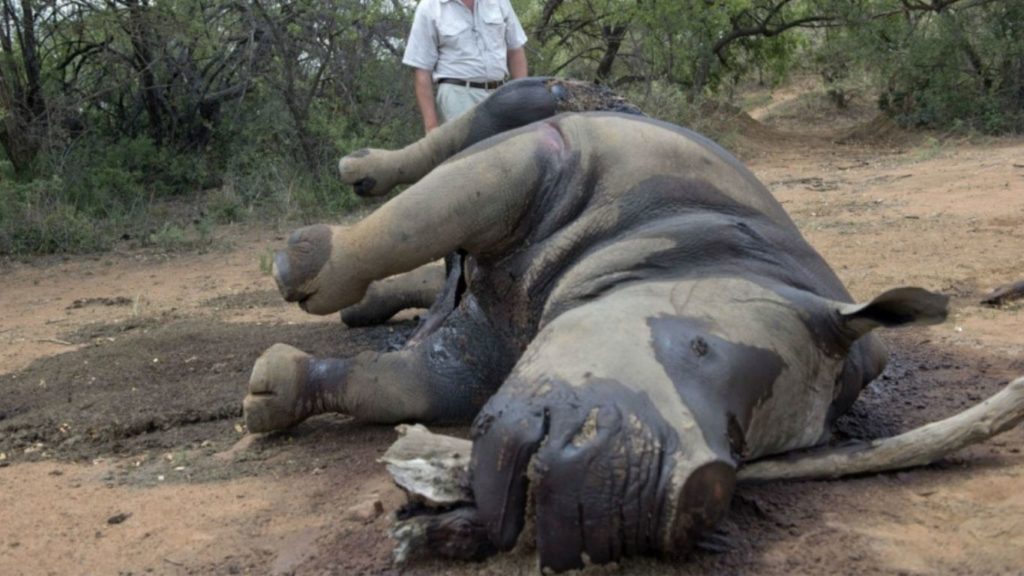
In June, 11 critically endangered black rhinos were illegally slaughtered and their horns removed in just two weeks. Their lifeless carcasses were discovered scattered across the Etosha National Park, said Namibia’s Ministry of Environment, Forestry and Tourism (MEFT) spokesperson, Romeo Muyunda. No arrests in connection with the killings have been made, but investigations are ongoing. There are only around 5,500 black rhinos left in the world, and Namibia is home to almost half of them. Powdered rhino horns are sold in Asia for various phony medicines – Vietnam is a big consumer where rhino horn is falsely touted as a hangover cure. The trade is having a devastating effect, the most recent massacre of these precious creatures brings Namibia’s total to 22 rhinos poached in 2022 alone. “This latest tragedy is a stark indication that the rhino poaching crisis is escalating,” says Tayla Lance of Animal Survival International (ASI). “Namibia’s MEFT and law enforcement officials urgently need to improve their wildlife protection and law enforcement interventions before our planet loses yet another keystone species to the callous practice of wildlife crime.” Banner Image credit: GalloImages:RexFeaturesAP
Happy the Elephant is Not a Person, New York Court Rules
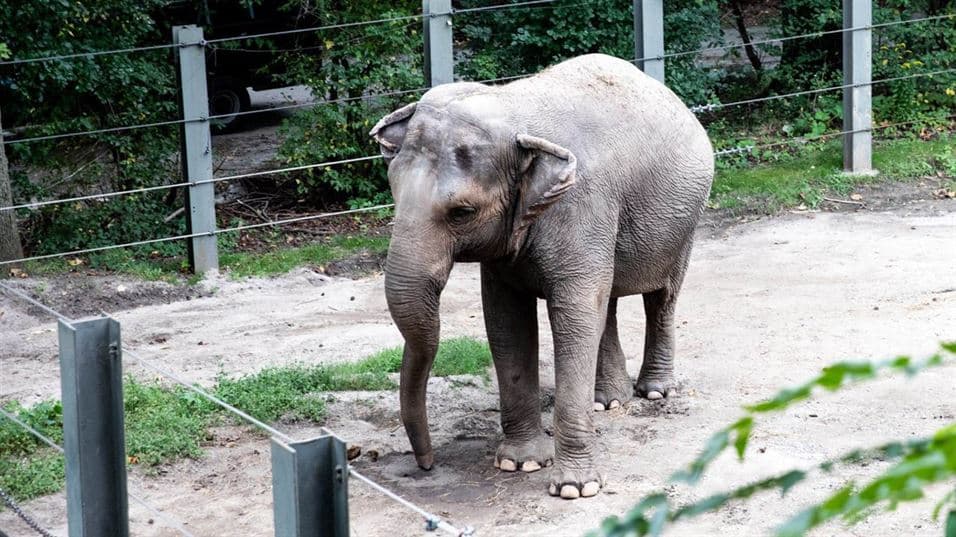
Originally published by and adapted from BBC News. 14 June 2022 Happy the elephant, a long-time resident of the Bronx Zoo, must remain there after a New York court ruled she is not legally a person under US law. Animal Survival International (ASI) reported on Happy the Elephant back in May. At the time, there were high hopes for a ground-breaking verdict in Happy’s favour. However, on Tuesday, the state’s highest court voted 5-2 to reject an animal rights group’s argument that Happy was being illegally confined at the zoo. While elephants are “impressive”, the court said, they are not entitled to the same liberty rights as humans. The animal rights group sought to have Happy moved to an elephant sanctuary. The court dispute centred on whether the legal principle of habeas corpus – which guards against illegal detention – should be extended to emotionally complex and intelligent animals. “While no one disputes the impressive capabilities of elephants, we reject petitioner’s arguments that it is entitled to seek the remedy of habeas corpus on Happy’s behalf,” wrote Chief Judge Janet DiFiore on behalf of the majority. “Habeas corpus is a procedural vehicle intended to secure the liberty rights of human beings who are unlawfully restrained, not nonhuman animals.” The decision follows that of lower courts which had repeatedly taken the side of the Bronx Zoo in the case brought by the Nonhuman Rights Project, a New York-based legal non-profit. The group had pushed to remove the 51-year-old elephant from the Bronx Zoo, saying she was imprisoned in her one-acre enclosure. But the Wildlife Conservation Society, which operates the zoo, rejected this description, saying Happy and her fellow elephant at the zoo are well cared for. It did not respond immediately to a request for comment following the ruling. In a statement on Tuesday, the Nonhuman Rights Project celebrated the decision’s dissenting opinions, calling them “powerful” and adding that it planned to use them in another elephant rights case underway in California. In her dissent, Judge Jenny Rivera wrote: “[Happy’s] captivity is inherently unjust and inhumane. It is an affront to a civilized society, and every day she remains a captive—a spectacle for humans—we, too, are diminished.” Happy was born in the wild in Thailand in the 1970s, captured and brought to the US when she was about one. She has lived at the Bronx Zoo since 1977. She is one of two remaining elephants at the zoo, which has said it will eventually end its captive elephant programme. “As an organization committed to natural freedom of animals, ASI is strongly opposed to zoos in every form,” said David Barritt of Animal Survival International. “We are extremely disappointed in the outcome of this case, but we hope that it has opened a critical conversation into the rights of animals in captivity. We look forward to the day that animals like Happy are granted freedom from captivity, to live freely in the wild as they ought to.” Banner Image credit: JackieMalloy
Namibia’s Wildlife Policy Slammed Over Recent Export of Elephants to The UAE
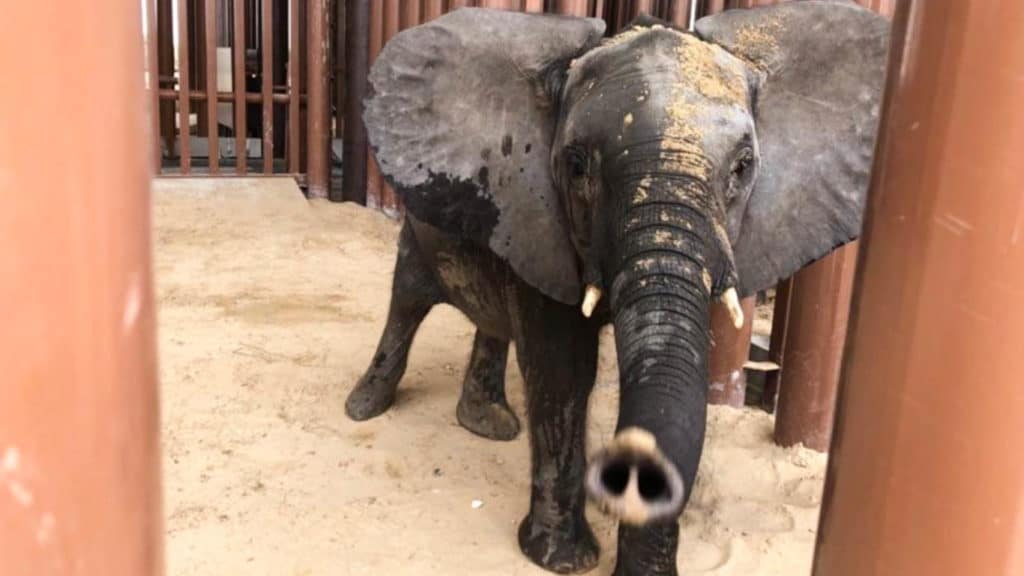
The recent export of 22 wild-caught elephants from Namibia to zoos in the United Arab Emirates (UAE) has sparked outrage at the county’s flagrant disregard of international agreements and appalling cruelty to elephants. Moving wild-caught elephants into zoos has been outlawed since 2002, but Namibian officials chose to ignore the rules. The elephants moved are said to have been taken from a small, fragile population of Namibia’s desert-adapted elephants. In a startling image circulating on social media, 13 of the Kamanjab desert elephant herd can be seen lurking beneath fake umbrellas in the Al Sharjah African Theme Park near Dubai. “Does this look like elephant range country to you?” says John Grobler of South Africa’s Daily Maverick in his argument directed towards Namibia’s Ministry of Environment, Forestry and Tourism (MEFT). To make matters worse, the elephants were not captured and exported in accordance with appropriate elephant conservation practices to maintain strong family structures. The MEFT specified that the elephants were to be transported as an entire herd, and that calves should not be left behind. However, at least three calves were separated from their mothers. One young calf, whose mother remained in Kamanjab during the capture process, was in such poor condition that is highly unlikely to have survived the journey to a non-range country. Part of the Kamanjab desert elephant herd was sent to two different zoos and are now split into three groups. Five of the elephants, including new-borns and their mothers, appear to have been sent to a private zoo belonging to one of the UAE sheikhs. The 22 exported elephants do not even make up the entire herd – a few individuals were left behind in Namibia. According to Stefania Falcon of the Pro Elephant Network (PREN), this has serious implications for the overall well-being of the captured and remaining elephants. PREN is campaigning to halt the capture and export of elephants altogether. A 2021 report revealed that the entire population is now at risk of collapse due to overexploitation, drought and human encroachment. Of the thousands of elephants that roamed a century ago to the west of Namibia’s largest nature park, only a handful remain. The MEFT justifies the recent export as a much-needed solution to human-wildlife conflict, and even denies that the relocated individuals belonged to the fragile, desert-adapted population: “The 22 come from a healthy population of elephants, a population that has grown and continues to grow leading to increased conflicts with humans,” claimed MEFT spokesman Romeo Muyunda. “The Namibian government is facing heavy and valid criticism,” says David Barritt of Animal Survival International. “They are starkly exaggerating human-wildlife conflict to justify the unfounded capture and sale of these elephants.” Numerous legal opinions reveal that the capture and transportation of wild elephants in Namibia to non-range state was unlawful. There will be further discussions on this issue when CITES meets in Panama in November, but there are major concerns that the remaining 20 auctioned elephants could be captured and exported before then. Banner image: EMSFoundation_Facebook
The young pangolin, Bean, was illegally captured and shot in the head. MIRACULOUSLY, he SURVIVED!
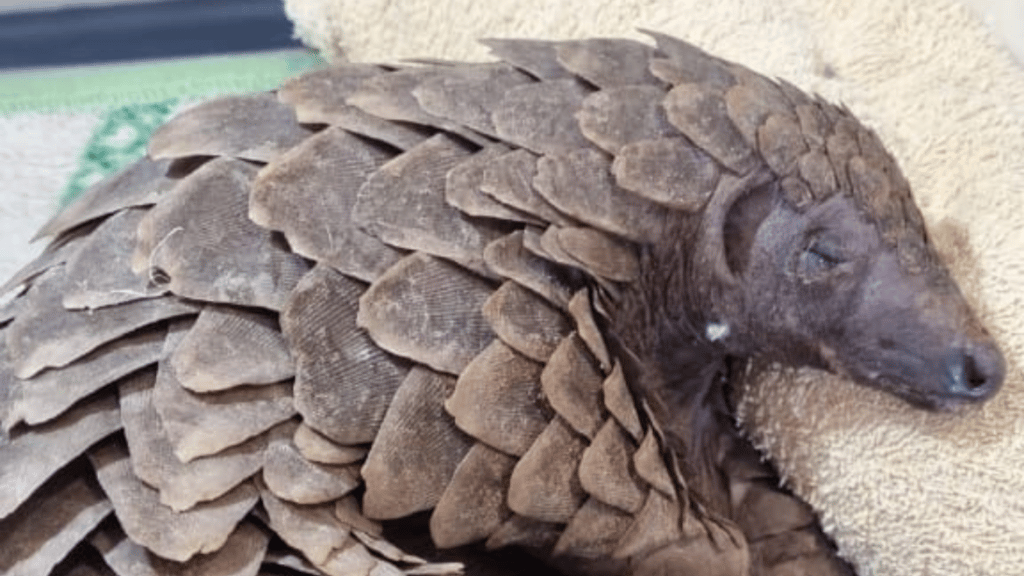
Please, will you help today? In South Africa, a young pangolin has been rescued from the criminal wildlife trade and needs URGENT MEDICAL ATTENTION to save his life! During an undercover operation conducted by the Umoya Khulula Wildlife Centre, in partnership with the South African Police Service, their team found the pangolin stuffed into a small metal barrel. He had been there for more than a week (clawing his paws raw attempting to escape), with no food or water, starved almost to death and suffering from serious injuries. The criminals were arrested, they will be prosecuted and hopefully receive a hefty sentence. The team named the pangolin Bean and rushed him to the nearest wildlife veterinary hospital where an examination revealed multiple injuries. He has a deep head wound, believed to have been caused by a pellet gun, and his hands and feet were damaged, probably from frantically trying to escape the small barrel. Pangolins are highly susceptible to stress which makes keeping them alive in captivity difficult. Bean is now receiving intensive 24-hour-a-day care from pangolin experts at Umoya Khulula, but his life remains in danger. Pangolins are so endangered that the life of a single individual is vitally important. We must raise $3,000 (£2,400) a CT scan and treatment, to check for internal injuries, and specialized antibiotics to fight infections. We urgently need your help to provide this critical medical care if Bean is to survive the crucial next period. Bean is a Temminck’s ground pangolin, less than one year old, weighing 10.6 lb (4.8 kg) and critically underweight for his age. His head wound is a major concern and must be monitored 24 hours a day. We are deeply concerned for his life and must quickly raise the money to pay for his treatment. Pangolins are the most trafficked mammal on the planet and sadly, on the verge of extinction. More than ONE MILLION pangolins have been poached and trafficked in the last decade. Highly sought after in Asian countries, pangolins are killed for their scales, used to make traditional Chinese ‘medicines.’ Often the scales are stripped from their bodies while they are still alive. They are also considered a delicacy in some countries and boiled alive. Our partner, Umoya Khulula works tirelessly to rescue pangolins from the illegal trade and rehabilitate them. Even if they are healthy when they are saved, rescued pangolins require specialized care before being released into protected wild areas. If we can help Bean survive, it is a small victory in a desperate fight to prevent these shy, nocturnal creatures from becoming extinct. His life is important for his species survival. Our team is working hard to help his fight for life, but we cannot do it without your support. Please, help us save Bean by making a generous donation right now.
Cruel Trade in Ivory to be Illegal as World-leading Ban Takes Effect
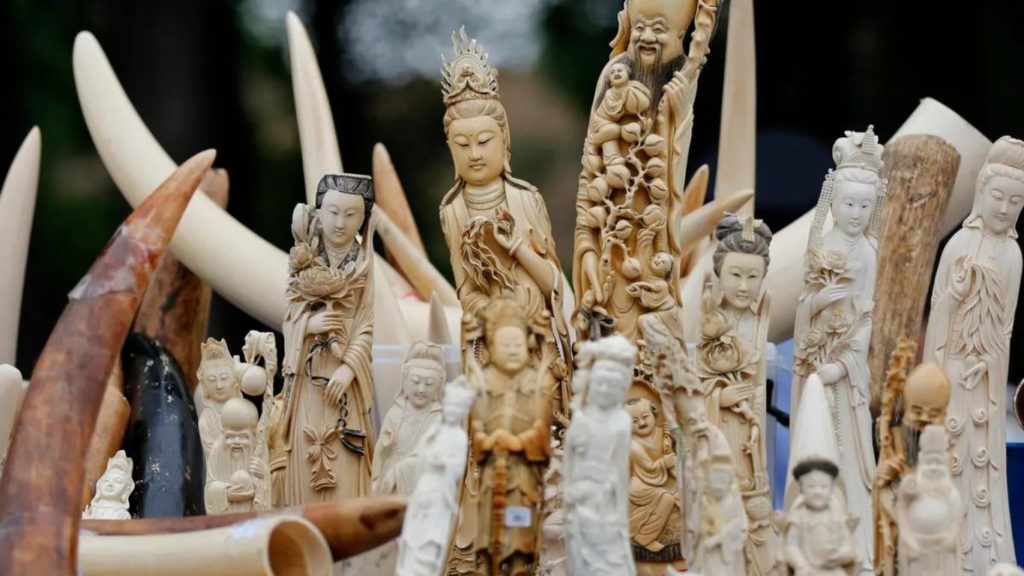
The UK Ivory Act, which enforces a near total ban on the import, export and dealing of items containing elephant ivory, came into full effect on June 6. Said to be one of the toughest and most strictly enforced bans on elephant ivory sales around the globe, the Ivory Act has emerged not a moment too soon. Wild elephant numbers have drastically declined. In the last seven years, the savanna elephant population has plummeted by 30 percent. This equates to an alarming figure of 144,000 individuals lost across 15 African countries. An estimated 20,000 elephants are wiped out every year due to the unwavering demand for ivory, largely in Asia. The International Union for Conservation of Nature (IUCN) has declared African savanna (or bush) elephants as ‘endangered,’ and African forest elephants as ‘critically endangered.’ It is absolutely imperative that we do everything in our power to conserve African elephant populations. They are keystone species’ who play a vital role in preserving their respective ecosystems. The UK’s Ivory Act will ensure better protection for Africa’s elephants by putting a stop to the UK trade in ivory. The ban applies to ivory items of all ages, not only those produced after a certain date, allowing a narrowly defined set of exemptions. Thus, it will now be illegal to trade in ivory items unless they have been registered or are accompanied by an exemption certificate. Those found guilty of violating the ban will face tough new penalties, including an unlimited fine in England and Wales or up to five years in jail. “This is a monumental win not only for the elephants, but for the animal welfare organizations that fight to protect them,” says Tayla Lance of Animal Survival International. “We can only hope that the UK’s recent ban is just the beginning in terms of bringing about a global end to the senseless commercial trade in ivory.” Banner credit: TheGuardian_EPA_WuHong
Smuggling of Exotic Animals via India Escalates as Kangaroos Discovered in Bengal
India’s anti-smuggling intelligence agency, the Directorate of Revenue Intelligence (DRI), says that the country has seen a rapid rise in the demand for exotic animals. Customs authorities have witnessed an extreme spike in the illegal trafficking of exotic animals from Southeast Asia in particular. According to the UN Environment Programme (UNEP), elephant tusks, pangolin scales, tiger skins and Indian star tortoises are just a few of the wildlife parts that have been confiscated at Indian airports. However, the latest case involves the smuggling of three live kangaroos (native to Australia) to the eastern Indian state of West Bengal. After receiving a tip-off from the local residents, forest officers acted fast, rescuing the three smuggled kangaroos from Gajoldoba Forest in the Jalpaiguri district. It is suspected that the smugglers caught wind of the impending raid and abandoned the animals in fear. Weak, confused and upset, the marsupials were rushed to a wildlife park for emergency treatment. Unfortunately, one of them did not survive. The remaining two kangaroos are suffering from severe muscle atrophy as a result of being squeezed into a small space while being smuggled. Now confined to a foreign environment, the animals will likely live out the rest of their days in captivity. West Bengal State officials believe that the illegal pet trade is responsible. Owning an exotic pet is considered prestigious in India and has become increasingly popular in recent years. The demand for these animals is also rooted in the traditional belief that their parts are vital ingredients in superstitious rituals. Indian wildlife officials often find they can’t prosecute smugglers because India’s Wildlife Protection Act doesn’t protect non-native, exotic animals. The DRI said that since a ban on trade in native animal species is in force, smugglers have shifted to exotic species, with disastrous global environmental consequences. Customs officials have the authority to halt the transportation of wild animals if individuals do not hold the appropriate permits, but they find it difficult to track illegal trade through penetrable borders. Lawmakers are reviewing an amendment to India’s Wildlife Protection Act which would bring exotic species protected by CITES provisions under their protection. This illegal trade is expected to get worse, as a recent report by wildlife monitoring group TRAFFIC found that more than 70,000 native and exotic animals were trafficked through 18 Indian airports between 2011 and 2020 alone. “Loopholes in legislation and weak law enforcement have led to the illegal wildlife trade becoming one of the world’s largest black markets,” says Tayla Lance of Animal Survival International (ASI). “In recent years, wildlife crime has become the most serious threat to the survival of some of the planet’s most endangered species.” Banner image credit: BBC News | Bengal Safari Park
Much To Trumpet About: US Court To Decide If Happy The Elephant Has Human Rights
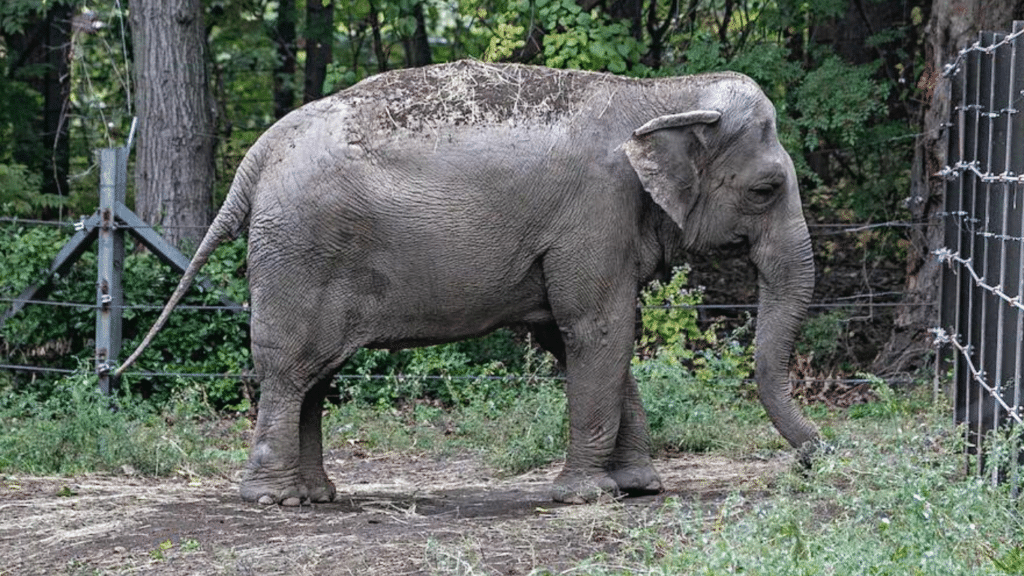
Can basic human rights be extended to an elephant? That is the question being put to the New York High Court this week by advocates at the Nonhuman Rights Project (NRP). According to The Guardian, they argue that Happy – an Asian elephant who has lived at the Bronx Zoo for 45 years – is an “autonomous, cognitively complex elephant worthy of the right reserved in law for a ‘person’”. However, the zoo says that the animal is neither a person nor illegally prisoned. They say she is well cared for and ‘respected’, and that a victory for animal advocates could set a precedent for more legal actions on behalf of animals, including pets and other zoo creatures – all at the expense of Happy and her psychological wellbeing. Happy was born in the wild in Asia in the early 1970s, captured and brought as a one-year-old to the US, where she was given the ironic moniker after a character from Snow White and the Seven Dwarves. She arrived at the Bronx Zoo in 1977 and has since remained in a one-acre enclosure, where she has little freedom to move around and forage as she pleases. She is also kept in isolation, separated from other elephants so she is denied any ability to socialize. NRP argues that no matter how Happy is being treated at the zoo, her bodily liberty is being violated, and the state court of appeals has been hearing arguments over whether she should be released through a habeas corpus proceeding – that is, a way for people to challenge illegal confinement. NRP would like Happy to be moved from what they call her ‘one-acre prison’ at the zoo to a sanctuary with more space, where she will be able to exercise her own choices, including what to eat, what to do and where to go, as well as choose who she wants to spend her time with – something that zoo life is prohibiting her from doing. But the zoo argues that in her current home, where she lives adjacent to their other resident elephant, Patty, Happy can swim, forage and engage in other behavior natural for elephants. In 2005, Happy became the first elephant to pass a self-awareness indicator test, repeatedly touching a white “X” on her forehead as she looked into a large mirror. Attorneys for NRP say the case is not about how Happy is treated at the zoo, but the fact that her ‘bodily liberty’ is being violated. They have asked the court to recognize Happy’s right to freedom – and hence her status as a person – so she may be released. NRP’s applications have previously been unsuccessful in lower courts – both in the case of Happy and others. However, in October 2021, a federal judge ruled in favour of another animal rights group, stating that the infamous ‘cocaine hippos’ belonging to Columbian drug lord Pablo Escobar could be recognized as ‘interested persons’ with legal rights in the United States. The Guardian notes that, “The decision had no real ramifications for the hippos themselves, given that they reside in Columbia.” Banner: Gigi Glendinning/Reuters
UK’s Leading Mammal Expert Shows a Ban on Snaring Is the Only Way To Protect Animal Welfare
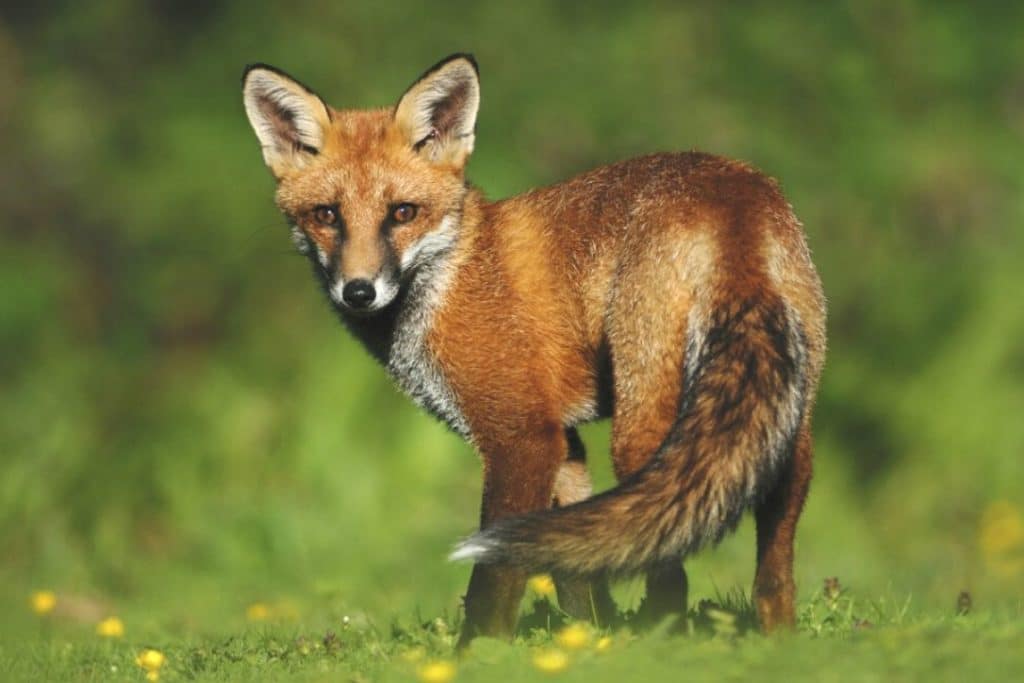
Originally published by Antisnaring.co.uk (Monday, May 10, 2022) The National Anti Snaring Campaign with the support of Animal Survival International has commissioned a major “Review of the use of Snares in the UK” by Professor Stephen Harris. This follows the Action Plan for Animal Welfare in May 2021, which set out the Government’s plans, aims and ambitions across animal welfare, and included a commitment to launch a call for evidence on the use of snares. The Action Plan stated that “The government considers it timely to open this call for evidence to make sure it has the very latest understanding on this issue.” DEFRA (As of May 2022) has yet to announce the promised “call for evidence on snaring,” saying only that it will happen in “due course.” Therefore, to pre-empt this dragging of heels over the issue, the NASC commissioned the most comprehensive review on all the available data on snaring ever produced. The report’s author, Professor Stephen Harris, concludes on page 61 of the report: “The use of snares in the UK does not meet acceptable standards of animal welfare or any of the principles for ethical wildlife control established by a committee of international experts. Some methods used to kill wild animals have such extreme effects on their welfare that, regardless of the potential benefits, their use is never justified: snaring is such a method. All the available data show that the only way to stop extremely high levels of non -target capture, illegal use and misuse of snares, address animal welfare concerns, and recognise that wild animals are sentient beings, is to prohibit the manufacture, sale, possession and use of snares in the UK.” His 69-page report makes uncomfortable reading and shows that little has changed in over 50 years of evidence, showing injury, death and non-target capture from free running snares. The game shooting lobby has recognised the cruelty and indiscriminate nature of snaring, and so has created a “breakaway snare’’ designed to free non-target badgers caught in fox snares. However, new laboratory studies commissioned by the National Anti Snaring Campaign (page 35 of the snare review) show that over 70 kilograms of force is required to break a weak link when the pulling replicates a badger’s neck, with the weight falling on a wire 2mm wide. Even this does not equate to the dynamic forces of a struggling animal, and consequently 69% of badgers do not escape and there is no data on the long-term survival of those badgers that do, having had to exert extreme force, usually with the wire wrapped around the soft tissue of their neck. The report shows there has been a 64% decline in rabbit numbers since 1996 and fox numbers have fallen by 44% largely due to the decline in rabbits which were a staple of the foxes diet. Combining this with the move to intensive rearing of livestock and any argument that snaring is needed for the agricultural economy has long vanished. Professor Stephen Harris worked at the University of Bristol for 40 years and was Professor of Environmental Sciences from 1992 until 2017. He is considered one of the country’s leading mammal experts.