

Happy the Elephant is Not a Person, New York Court Rules
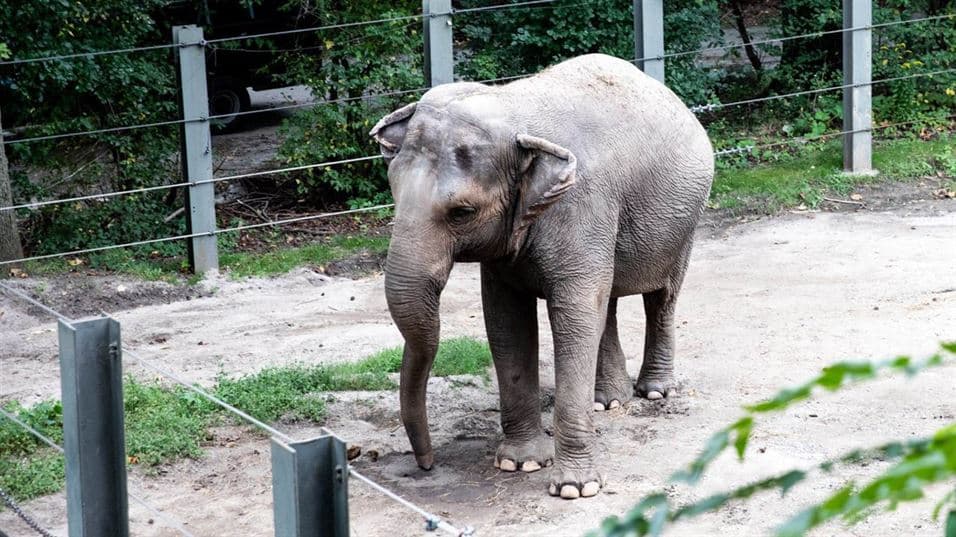
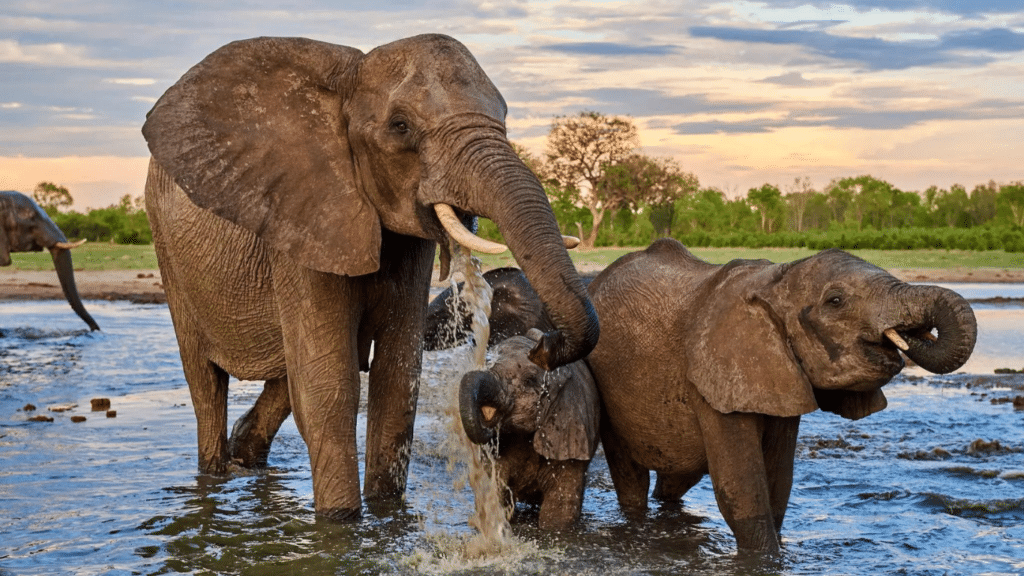
Originally published by and adapted from BBC News. 14 June 2022 Happy the elephant, a long-time resident of the Bronx Zoo, must remain there after a New York court ruled she is not legally a person under US law. Animal Survival International (ASI) reported on Happy the Elephant back in May. At the time, there were high hopes for a ground-breaking verdict in Happy’s favour. However, on Tuesday, the state’s highest court voted 5-2 to reject an animal rights group’s argument that Happy was being illegally confined at the zoo. While elephants are “impressive”, the court said, they are not entitled to the same liberty rights as humans. The animal rights group sought to have Happy moved to an elephant sanctuary. The court dispute centred on whether the legal principle of habeas corpus – which guards against illegal detention – should be extended to emotionally complex and intelligent animals. “While no one disputes the impressive capabilities of elephants, we reject petitioner’s arguments that it is entitled to seek the remedy of habeas corpus on Happy’s behalf,” wrote Chief Judge Janet DiFiore on behalf of the majority. “Habeas corpus is a procedural vehicle intended to secure the liberty rights of human beings who are unlawfully restrained, not nonhuman animals.” The decision follows that of lower courts which had repeatedly taken the side of the Bronx Zoo in the case brought by the Nonhuman Rights Project, a New York-based legal non-profit. The group had pushed to remove the 51-year-old elephant from the Bronx Zoo, saying she was imprisoned in her one-acre enclosure. But the Wildlife Conservation Society, which operates the zoo, rejected this description, saying Happy and her fellow elephant at the zoo are well cared for. It did not respond immediately to a request for comment following the ruling. In a statement on Tuesday, the Nonhuman Rights Project celebrated the decision’s dissenting opinions, calling them “powerful” and adding that it planned to use them in another elephant rights case underway in California. In her dissent, Judge Jenny Rivera wrote: “[Happy’s] captivity is inherently unjust and inhumane. It is an affront to a civilized society, and every day she remains a captive—a spectacle for humans—we, too, are diminished.” Happy was born in the wild in Thailand in the 1970s, captured and brought to the US when she was about one. She has lived at the Bronx Zoo since 1977. She is one of two remaining elephants at the zoo, which has said it will eventually end its captive elephant programme. “As an organization committed to natural freedom of animals, ASI is strongly opposed to zoos in every form,” said David Barritt of Animal Survival International. “We are extremely disappointed in the outcome of this case, but we hope that it has opened a critical conversation into the rights of animals in captivity. We look forward to the day that animals like Happy are granted freedom from captivity, to live freely in the wild as they ought to.” Banner Image credit: JackieMalloy
Namibia’s Wildlife Policy Slammed Over Recent Export of Elephants to The UAE
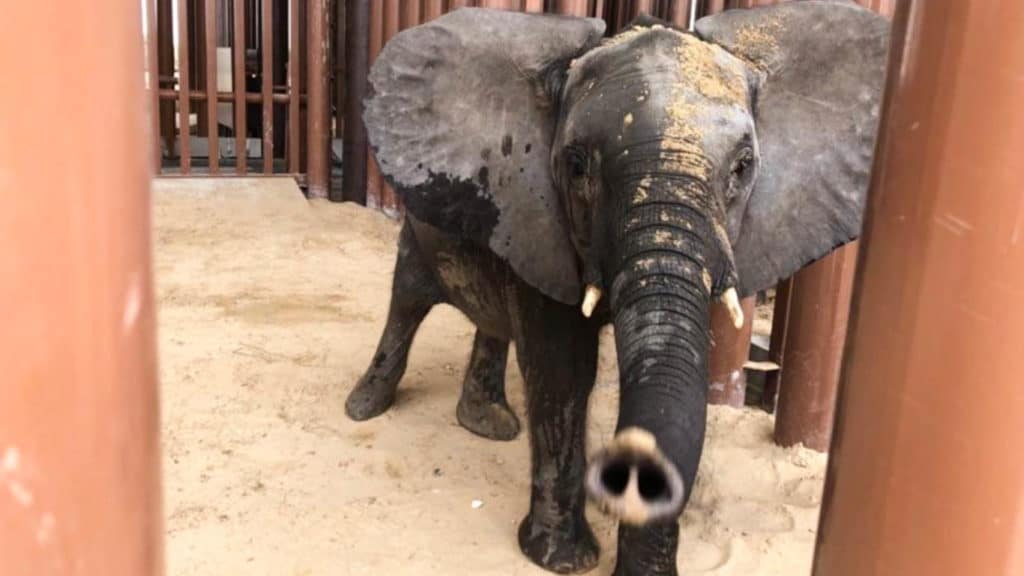
The recent export of 22 wild-caught elephants from Namibia to zoos in the United Arab Emirates (UAE) has sparked outrage at the county’s flagrant disregard of international agreements and appalling cruelty to elephants. Moving wild-caught elephants into zoos has been outlawed since 2002, but Namibian officials chose to ignore the rules. The elephants moved are said to have been taken from a small, fragile population of Namibia’s desert-adapted elephants. In a startling image circulating on social media, 13 of the Kamanjab desert elephant herd can be seen lurking beneath fake umbrellas in the Al Sharjah African Theme Park near Dubai. “Does this look like elephant range country to you?” says John Grobler of South Africa’s Daily Maverick in his argument directed towards Namibia’s Ministry of Environment, Forestry and Tourism (MEFT). To make matters worse, the elephants were not captured and exported in accordance with appropriate elephant conservation practices to maintain strong family structures. The MEFT specified that the elephants were to be transported as an entire herd, and that calves should not be left behind. However, at least three calves were separated from their mothers. One young calf, whose mother remained in Kamanjab during the capture process, was in such poor condition that is highly unlikely to have survived the journey to a non-range country. Part of the Kamanjab desert elephant herd was sent to two different zoos and are now split into three groups. Five of the elephants, including new-borns and their mothers, appear to have been sent to a private zoo belonging to one of the UAE sheikhs. The 22 exported elephants do not even make up the entire herd – a few individuals were left behind in Namibia. According to Stefania Falcon of the Pro Elephant Network (PREN), this has serious implications for the overall well-being of the captured and remaining elephants. PREN is campaigning to halt the capture and export of elephants altogether. A 2021 report revealed that the entire population is now at risk of collapse due to overexploitation, drought and human encroachment. Of the thousands of elephants that roamed a century ago to the west of Namibia’s largest nature park, only a handful remain. The MEFT justifies the recent export as a much-needed solution to human-wildlife conflict, and even denies that the relocated individuals belonged to the fragile, desert-adapted population: “The 22 come from a healthy population of elephants, a population that has grown and continues to grow leading to increased conflicts with humans,” claimed MEFT spokesman Romeo Muyunda. “The Namibian government is facing heavy and valid criticism,” says David Barritt of Animal Survival International. “They are starkly exaggerating human-wildlife conflict to justify the unfounded capture and sale of these elephants.” Numerous legal opinions reveal that the capture and transportation of wild elephants in Namibia to non-range state was unlawful. There will be further discussions on this issue when CITES meets in Panama in November, but there are major concerns that the remaining 20 auctioned elephants could be captured and exported before then. Banner image: EMSFoundation_Facebook
The young pangolin, Bean, was illegally captured and shot in the head. MIRACULOUSLY, he SURVIVED!
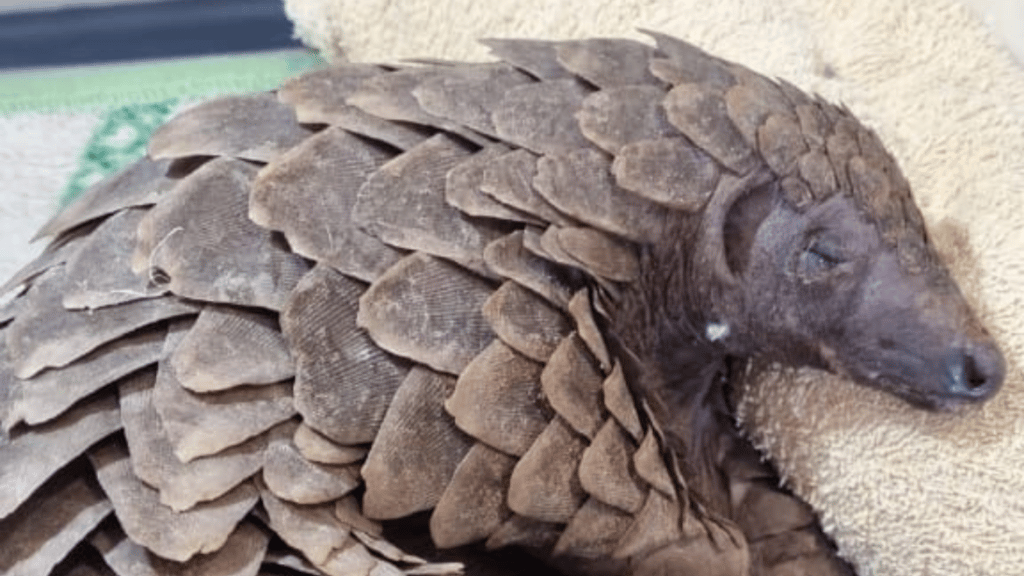
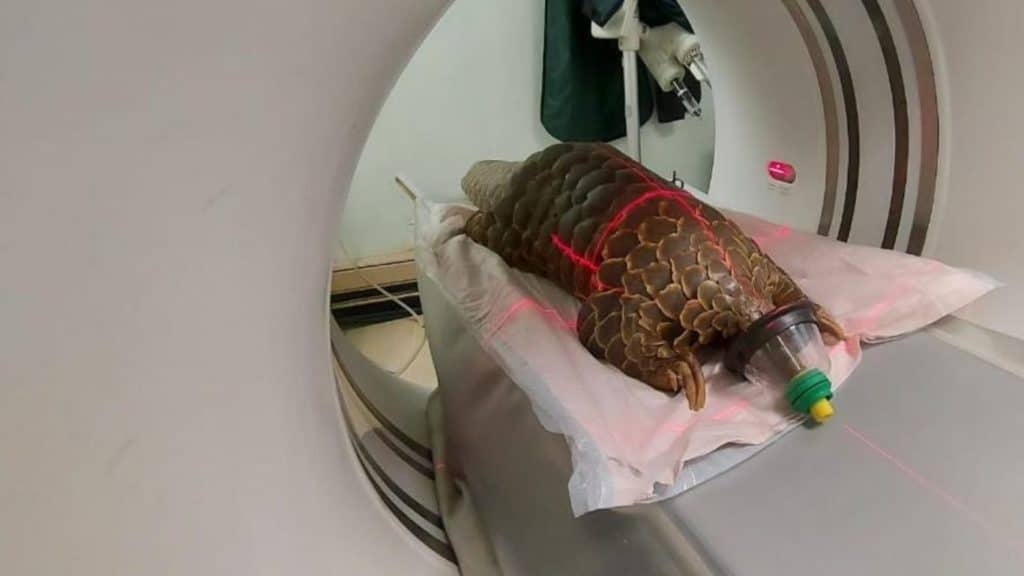
Please, will you help today? In South Africa, a young pangolin has been rescued from the criminal wildlife trade and needs URGENT MEDICAL ATTENTION to save his life! During an undercover operation conducted by the Umoya Khulula Wildlife Centre, in partnership with the South African Police Service, their team found the pangolin stuffed into a small metal barrel. He had been there for more than a week (clawing his paws raw attempting to escape), with no food or water, starved almost to death and suffering from serious injuries. The criminals were arrested, they will be prosecuted and hopefully receive a hefty sentence. The team named the pangolin Bean and rushed him to the nearest wildlife veterinary hospital where an examination revealed multiple injuries. He has a deep head wound, believed to have been caused by a pellet gun, and his hands and feet were damaged, probably from frantically trying to escape the small barrel. Pangolins are highly susceptible to stress which makes keeping them alive in captivity difficult. Bean is now receiving intensive 24-hour-a-day care from pangolin experts at Umoya Khulula, but his life remains in danger. Pangolins are so endangered that the life of a single individual is vitally important. We must raise $3,000 (£2,400) a CT scan and treatment, to check for internal injuries, and specialized antibiotics to fight infections. We urgently need your help to provide this critical medical care if Bean is to survive the crucial next period. Bean is a Temminck’s ground pangolin, less than one year old, weighing 10.6 lb (4.8 kg) and critically underweight for his age. His head wound is a major concern and must be monitored 24 hours a day. We are deeply concerned for his life and must quickly raise the money to pay for his treatment. Pangolins are the most trafficked mammal on the planet and sadly, on the verge of extinction. More than ONE MILLION pangolins have been poached and trafficked in the last decade. Highly sought after in Asian countries, pangolins are killed for their scales, used to make traditional Chinese ‘medicines.’ Often the scales are stripped from their bodies while they are still alive. They are also considered a delicacy in some countries and boiled alive. Our partner, Umoya Khulula works tirelessly to rescue pangolins from the illegal trade and rehabilitate them. Even if they are healthy when they are saved, rescued pangolins require specialized care before being released into protected wild areas. If we can help Bean survive, it is a small victory in a desperate fight to prevent these shy, nocturnal creatures from becoming extinct. His life is important for his species survival. Our team is working hard to help his fight for life, but we cannot do it without your support. Please, help us save Bean by making a generous donation right now.
Cruel Trade in Ivory to be Illegal as World-leading Ban Takes Effect
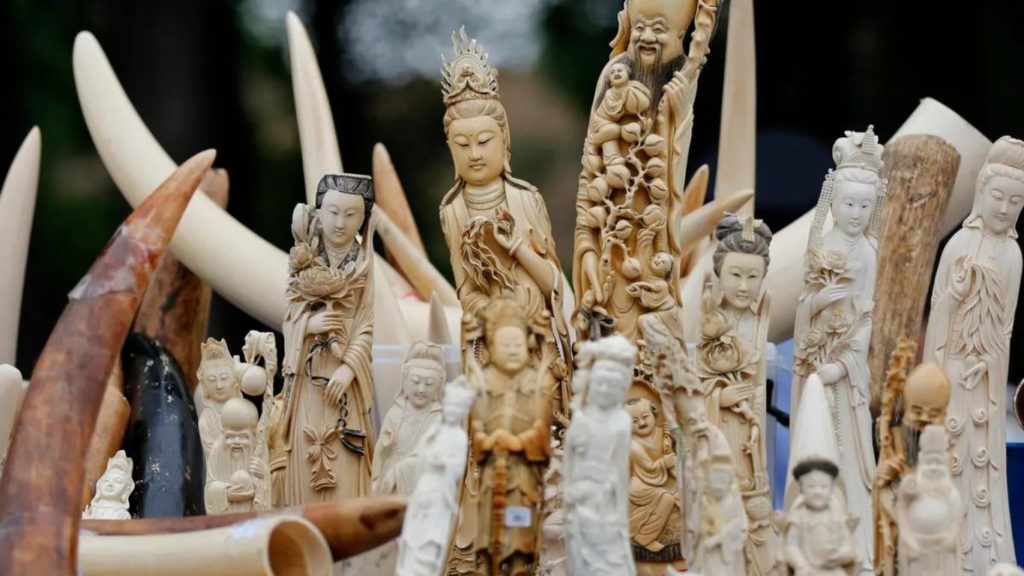
The UK Ivory Act, which enforces a near total ban on the import, export and dealing of items containing elephant ivory, came into full effect on June 6. Said to be one of the toughest and most strictly enforced bans on elephant ivory sales around the globe, the Ivory Act has emerged not a moment too soon. Wild elephant numbers have drastically declined. In the last seven years, the savanna elephant population has plummeted by 30 percent. This equates to an alarming figure of 144,000 individuals lost across 15 African countries. An estimated 20,000 elephants are wiped out every year due to the unwavering demand for ivory, largely in Asia. The International Union for Conservation of Nature (IUCN) has declared African savanna (or bush) elephants as ‘endangered,’ and African forest elephants as ‘critically endangered.’ It is absolutely imperative that we do everything in our power to conserve African elephant populations. They are keystone species’ who play a vital role in preserving their respective ecosystems. The UK’s Ivory Act will ensure better protection for Africa’s elephants by putting a stop to the UK trade in ivory. The ban applies to ivory items of all ages, not only those produced after a certain date, allowing a narrowly defined set of exemptions. Thus, it will now be illegal to trade in ivory items unless they have been registered or are accompanied by an exemption certificate. Those found guilty of violating the ban will face tough new penalties, including an unlimited fine in England and Wales or up to five years in jail. “This is a monumental win not only for the elephants, but for the animal welfare organizations that fight to protect them,” says Tayla Lance of Animal Survival International. “We can only hope that the UK’s recent ban is just the beginning in terms of bringing about a global end to the senseless commercial trade in ivory.” Banner credit: TheGuardian_EPA_WuHong
Smuggling of Exotic Animals via India Escalates as Kangaroos Discovered in Bengal
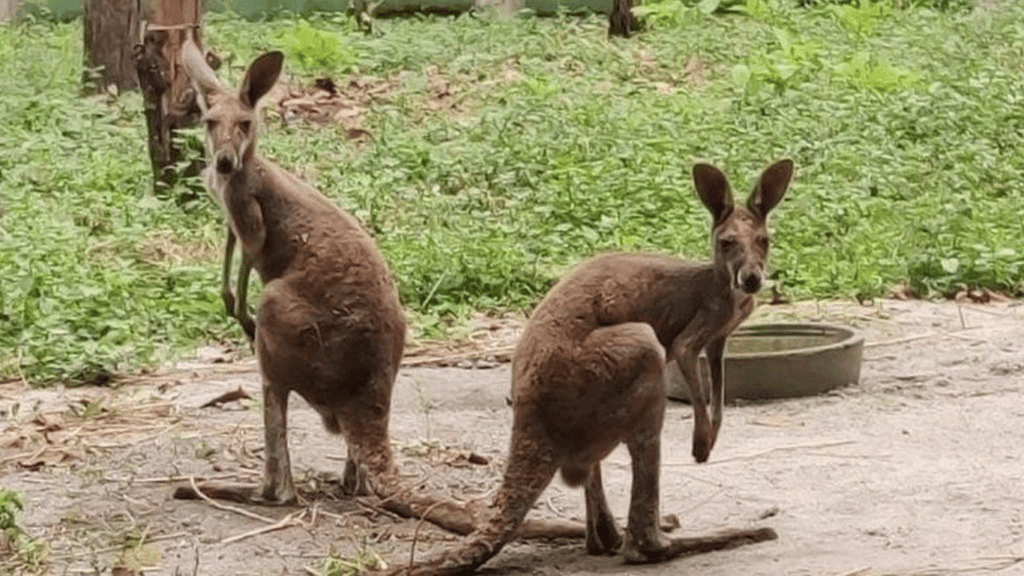
India’s anti-smuggling intelligence agency, the Directorate of Revenue Intelligence (DRI), says that the country has seen a rapid rise in the demand for exotic animals. Customs authorities have witnessed an extreme spike in the illegal trafficking of exotic animals from Southeast Asia in particular. According to the UN Environment Programme (UNEP), elephant tusks, pangolin scales, tiger skins and Indian star tortoises are just a few of the wildlife parts that have been confiscated at Indian airports. However, the latest case involves the smuggling of three live kangaroos (native to Australia) to the eastern Indian state of West Bengal. After receiving a tip-off from the local residents, forest officers acted fast, rescuing the three smuggled kangaroos from Gajoldoba Forest in the Jalpaiguri district. It is suspected that the smugglers caught wind of the impending raid and abandoned the animals in fear. Weak, confused and upset, the marsupials were rushed to a wildlife park for emergency treatment. Unfortunately, one of them did not survive. The remaining two kangaroos are suffering from severe muscle atrophy as a result of being squeezed into a small space while being smuggled. Now confined to a foreign environment, the animals will likely live out the rest of their days in captivity. West Bengal State officials believe that the illegal pet trade is responsible. Owning an exotic pet is considered prestigious in India and has become increasingly popular in recent years. The demand for these animals is also rooted in the traditional belief that their parts are vital ingredients in superstitious rituals. Indian wildlife officials often find they can’t prosecute smugglers because India’s Wildlife Protection Act doesn’t protect non-native, exotic animals. The DRI said that since a ban on trade in native animal species is in force, smugglers have shifted to exotic species, with disastrous global environmental consequences. Customs officials have the authority to halt the transportation of wild animals if individuals do not hold the appropriate permits, but they find it difficult to track illegal trade through penetrable borders. Lawmakers are reviewing an amendment to India’s Wildlife Protection Act which would bring exotic species protected by CITES provisions under their protection. This illegal trade is expected to get worse, as a recent report by wildlife monitoring group TRAFFIC found that more than 70,000 native and exotic animals were trafficked through 18 Indian airports between 2011 and 2020 alone. “Loopholes in legislation and weak law enforcement have led to the illegal wildlife trade becoming one of the world’s largest black markets,” says Tayla Lance of Animal Survival International (ASI). “In recent years, wildlife crime has become the most serious threat to the survival of some of the planet’s most endangered species.” Banner image credit: BBC News | Bengal Safari Park
Much To Trumpet About: US Court To Decide If Happy The Elephant Has Human Rights
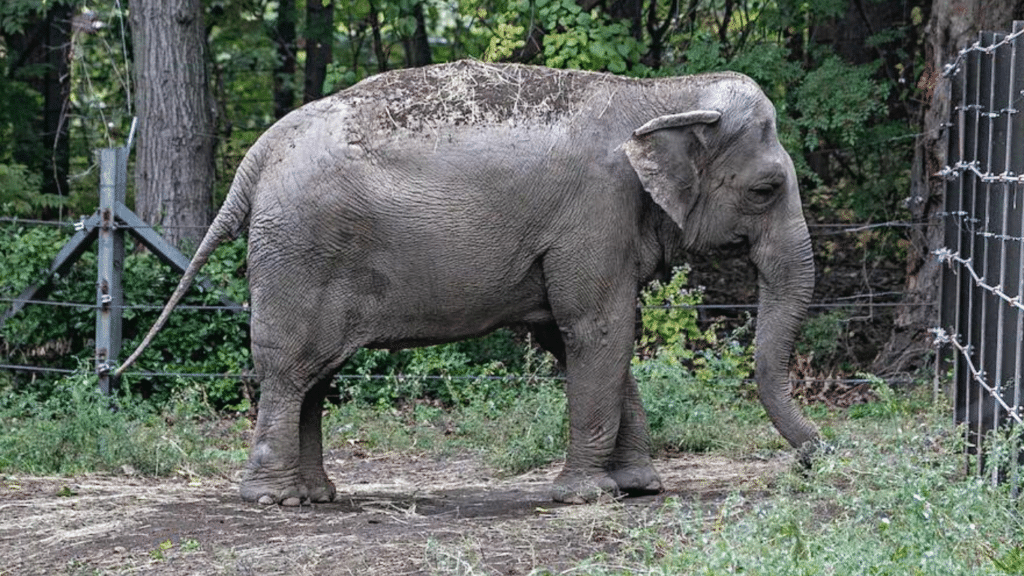
Can basic human rights be extended to an elephant? That is the question being put to the New York High Court this week by advocates at the Nonhuman Rights Project (NRP). According to The Guardian, they argue that Happy – an Asian elephant who has lived at the Bronx Zoo for 45 years – is an “autonomous, cognitively complex elephant worthy of the right reserved in law for a ‘person’”. However, the zoo says that the animal is neither a person nor illegally prisoned. They say she is well cared for and ‘respected’, and that a victory for animal advocates could set a precedent for more legal actions on behalf of animals, including pets and other zoo creatures – all at the expense of Happy and her psychological wellbeing. Happy was born in the wild in Asia in the early 1970s, captured and brought as a one-year-old to the US, where she was given the ironic moniker after a character from Snow White and the Seven Dwarves. She arrived at the Bronx Zoo in 1977 and has since remained in a one-acre enclosure, where she has little freedom to move around and forage as she pleases. She is also kept in isolation, separated from other elephants so she is denied any ability to socialize. NRP argues that no matter how Happy is being treated at the zoo, her bodily liberty is being violated, and the state court of appeals has been hearing arguments over whether she should be released through a habeas corpus proceeding – that is, a way for people to challenge illegal confinement. NRP would like Happy to be moved from what they call her ‘one-acre prison’ at the zoo to a sanctuary with more space, where she will be able to exercise her own choices, including what to eat, what to do and where to go, as well as choose who she wants to spend her time with – something that zoo life is prohibiting her from doing. But the zoo argues that in her current home, where she lives adjacent to their other resident elephant, Patty, Happy can swim, forage and engage in other behavior natural for elephants. In 2005, Happy became the first elephant to pass a self-awareness indicator test, repeatedly touching a white “X” on her forehead as she looked into a large mirror. Attorneys for NRP say the case is not about how Happy is treated at the zoo, but the fact that her ‘bodily liberty’ is being violated. They have asked the court to recognize Happy’s right to freedom – and hence her status as a person – so she may be released. NRP’s applications have previously been unsuccessful in lower courts – both in the case of Happy and others. However, in October 2021, a federal judge ruled in favour of another animal rights group, stating that the infamous ‘cocaine hippos’ belonging to Columbian drug lord Pablo Escobar could be recognized as ‘interested persons’ with legal rights in the United States. The Guardian notes that, “The decision had no real ramifications for the hippos themselves, given that they reside in Columbia.” Banner: Gigi Glendinning/Reuters
UK’s Leading Mammal Expert Shows a Ban on Snaring Is the Only Way To Protect Animal Welfare
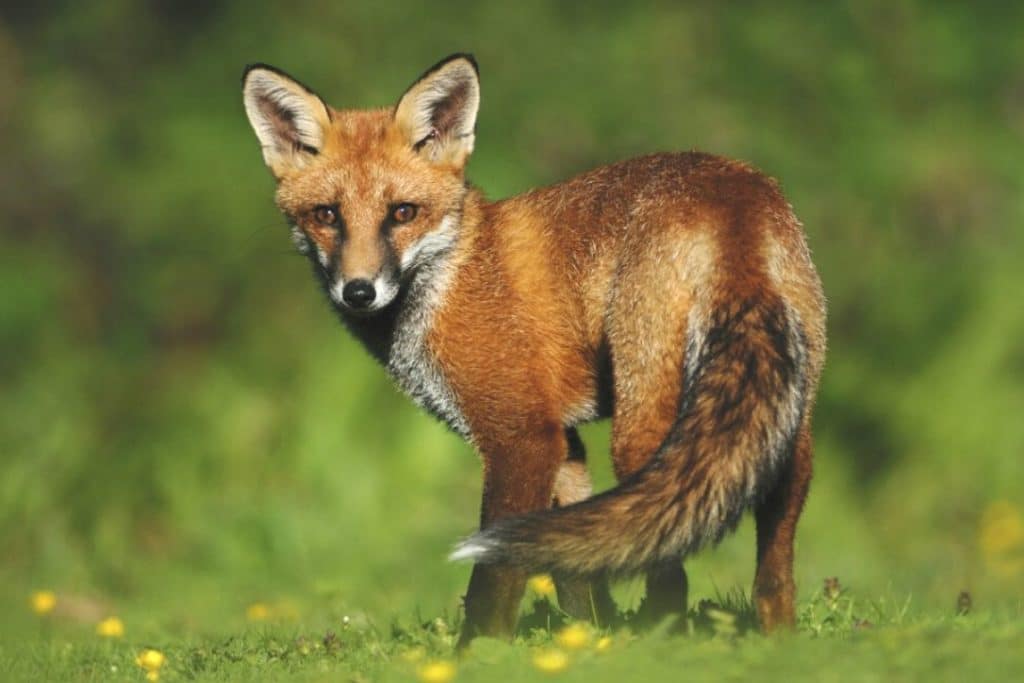
Originally published by Antisnaring.co.uk (Monday, May 10, 2022) The National Anti Snaring Campaign with the support of Animal Survival International has commissioned a major “Review of the use of Snares in the UK” by Professor Stephen Harris. This follows the Action Plan for Animal Welfare in May 2021, which set out the Government’s plans, aims and ambitions across animal welfare, and included a commitment to launch a call for evidence on the use of snares. The Action Plan stated that “The government considers it timely to open this call for evidence to make sure it has the very latest understanding on this issue.” DEFRA (As of May 2022) has yet to announce the promised “call for evidence on snaring,” saying only that it will happen in “due course.” Therefore, to pre-empt this dragging of heels over the issue, the NASC commissioned the most comprehensive review on all the available data on snaring ever produced. The report’s author, Professor Stephen Harris, concludes on page 61 of the report: “The use of snares in the UK does not meet acceptable standards of animal welfare or any of the principles for ethical wildlife control established by a committee of international experts. Some methods used to kill wild animals have such extreme effects on their welfare that, regardless of the potential benefits, their use is never justified: snaring is such a method. All the available data show that the only way to stop extremely high levels of non -target capture, illegal use and misuse of snares, address animal welfare concerns, and recognise that wild animals are sentient beings, is to prohibit the manufacture, sale, possession and use of snares in the UK.” His 69-page report makes uncomfortable reading and shows that little has changed in over 50 years of evidence, showing injury, death and non-target capture from free running snares. The game shooting lobby has recognised the cruelty and indiscriminate nature of snaring, and so has created a “breakaway snare’’ designed to free non-target badgers caught in fox snares. However, new laboratory studies commissioned by the National Anti Snaring Campaign (page 35 of the snare review) show that over 70 kilograms of force is required to break a weak link when the pulling replicates a badger’s neck, with the weight falling on a wire 2mm wide. Even this does not equate to the dynamic forces of a struggling animal, and consequently 69% of badgers do not escape and there is no data on the long-term survival of those badgers that do, having had to exert extreme force, usually with the wire wrapped around the soft tissue of their neck. The report shows there has been a 64% decline in rabbit numbers since 1996 and fox numbers have fallen by 44% largely due to the decline in rabbits which were a staple of the foxes diet. Combining this with the move to intensive rearing of livestock and any argument that snaring is needed for the agricultural economy has long vanished. Professor Stephen Harris worked at the University of Bristol for 40 years and was Professor of Environmental Sciences from 1992 until 2017. He is considered one of the country’s leading mammal experts.
Temporary Reprieve for SA Wildlife as Trophy Hunting Quotas Halted
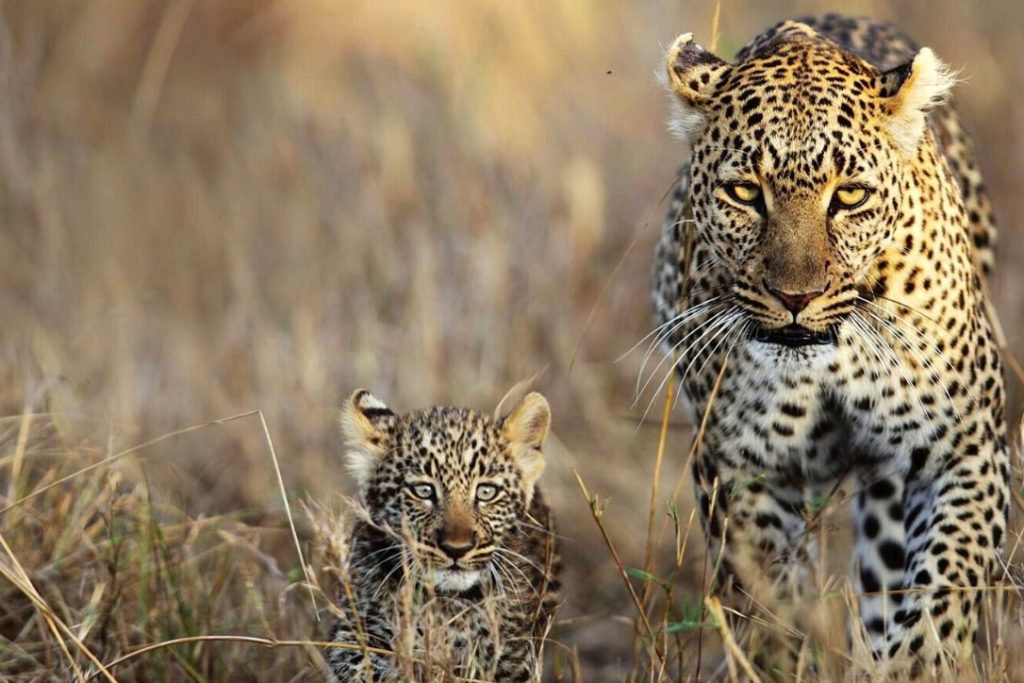
The South African government wants to issue permits so trophy hunters can kill 10 leopards, 10 black rhinos and 150 elephants in 2022.The Western Cape High Court has temporarily blocked the attempt on technical grounds but the fight is far from over because the government will certainly appeal. According to the Daily Maverick, South Africa is the world’s second-largest exporter of hunting trophies and accounts for more than 16% of the global total. Between 2014 and 2018, the country exported 574 leopard trophies, 1,337 elephant trophies and 21 black rhino trophies. On the IUCN Red List of Threatened Species, leopards are categorized as vulnerable, black rhinos are critically endangered and elephant populations are diminishing by the day. ASI campaigner Tayla Lance says that trophy hunting is a scandal that the world should ban. “The organized slaughter of endangered wild animals is irrational and cruel, and must not be allowed to continue,” she said. “Trophy hunting businesses always claim that the income generated by killing the animals justifies the slaughter, and dodges the profound ethical issues involved. Slaughtering animals to satisfy the egos of those who are titillated by killing animals is clearly wrong and should be completely outlawed.” Image credit: Art of Safari
MILITANT TERRORISTS (called Al-Shabaab) are SLAUGHTERING rare giraffes and selling their meat to BUY MORE WEAPONS!
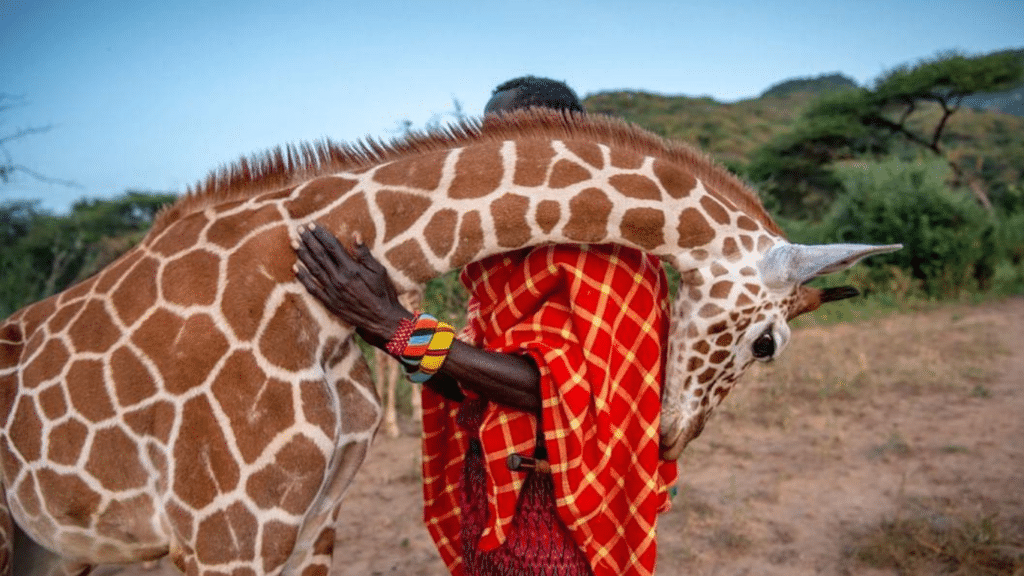
While the war in Ukraine and its devastating effects on the country’s animals dominate international headlines (and much of our current work), the reality is that animals continue to face mounting crises all over the globe, and we have to be there for them. We are – and with your support today, we will continue to save lives. A chilling example is in Kenya, where endangered giraffes are being wiped out by a militant group called Al-Shabaab. Pitted against these heavily armed terrorists is a humble local community of Somali tribespeople who live in the Sabuli Wildlife Conservancy (SWC) in Wajir, northeastern Kenya. The SWC community aims to protect the region’s natural resources and conserve wild animals, while maintaining its traditional pastoral lifestyle. Founded in 2017, the project cares for, among many other creatures, endangered reticulated giraffes whose numbers have plummeted by almost 40 percent over the last ten years, according to a report by People’s Trust for Endangered Species. Some 6,000 giraffes live in the Wajir county, making it the largest pool of this subspecies. The giraffes are being targeted by a terrorist group of militant Islamic fighters. It’s a crisis we cannot ignore! But we need your help. The terrorist group known as Al-Shabaab controls areas in Somalia on the border with Kenya. All the giraffes that used to live in the Al-Shabaab-controlled regions have almost been completely wiped out. Now Al-Shabaab has taken its massacres to the northeast of Kenya. The group kills giraffes for their meat to sell to Somalian refugees for profit and to buy more fighting materials. Giraffe meat fetches hundreds of dollars per pound/kilogram. Sickeningly, giraffes are referred to as ‘motorbikes’ in some regions because the money a poacher can make from selling the meat of a dead giraffe is enough to buy a motorbike. This is a representation of the situation The Kenyan Wildlife Services (KWS) does an excellent job with the limited resources available and provides 12 anti-poaching rangers to the 21,620 square miles (56,000 square kilometers) of the Wajir county area, but KWS does not have the funds to provide more. This means that each time SWC anti-poaching rangers head out to stop another potential poacher in their tracks, they put their lives on the line. SWC has asked us for help to equip its team with vital anti-poaching equipment to improve its ability to protect the animals. With your support, we will equip the team with the tools it needs for patrols and a high-tech anti-poaching drone – a tool we have proven to work effectively, with many of our wildlife partners in Africa. A drone can spot poachers effectively allowing foot and vehicle patrols to find them before they begin the giraffe slaughter. This is a representation of the situation This help is URGENTLY needed because, without intervention, reticulated giraffes in the area will all be slaughtered. To make the situation even worse, a terrible drought has the region in its grip which has claimed the lives of countless animals. We must equip the courageous SWC team with a drone and vital equipment for combating these callous criminals in their tracks. Giraffes are continuing to die, and poachers are continuing their slaughter unabated as teams like the SWC fear for their lives. This giraffe died due to dehydration Last year, we provided $8,000 (£6,300) for waterholes in the region, helping many animals survive. We can’t now turn our backs on the animals because of the actions of criminal gangs. With your help, we will provide the SWC team with the equipment it needs to combat poaching. The reticulated giraffe, native to Kenya, Somalia and Ethiopia, has drastically declined in numbers over the years. In 2018, reticulated giraffes were added to the IUCN Red List (International Union for Conservation of Nature Red List of Threatened Species) and listed as ‘Endangered’. Poaching, hunting, habitat loss and fragmentation, and competition for resources with other animals have all contributed to their substantial decline in number – and now they face a new threat in the form of a terrorist group. We must equip the Sabuli Wildlife Conservancy team with the high-tech tools it needs to protect giraffes – and its team members – from the lethal threat of terrorist poachers. With an anti-poaching drone in its arsenal, the team will be able to monitor animals from above and cover a far greater area, and much more safely, than they can on foot. Drones use infrared technology to detect the presence of humans through body heat, enabling teams to accurately identify and locate criminals and dispatch teams to intervene – all without the anti-poaching rangers being detected themselves. The team will need to be equipped with the right gear and tools to reach and apprehend poachers efficiently. With your help, we will supply SWC with what it needs to protect giraffes. The Sabuli Wildlife Conservancy is primed to stop terrorist poachers in their tracks but the daily risk to its team’s safety is extreme. We must help protect SWC while it protects the dwindling giraffe species of Wajir. Please help us to raise $10,000 (£7,850) to purchase a high-tech anti-poaching drone and vital protective gear and equipment for the brave SWC team, so it can continue to protect the rapidly declining reticulated giraffe population of Wajir. There is no time to lose.
Ireland Becomes Latest European Country to Ban Fur Farming
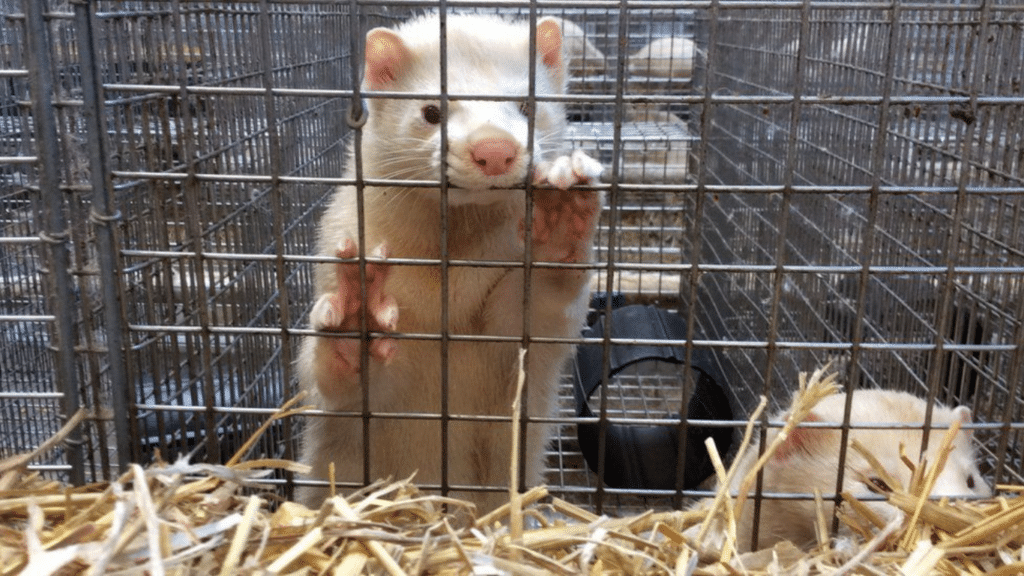
Ireland is the latest country to ban fur farming after legislation to end the practice reached the final stages of the parliamentary process last month. The bill is currently on its way to the president of Ireland, Michael Higgins, to be signed into law. Ireland’s three existing fur farms will be shut down during the course of 2022 after the ban becomes official. Last year, bans on fur farming were implemented by several European countries including France, Italy and Estonia. The practice had already been outlawed in the UK, Austria, Croatia, Czech Republic, Slovenia, Bosnia and Herzegovina, Luxembourg, Serbia, North Macedonia and the Netherlands. According to Eurogroup for Animals, a 2018 poll conducted by Respect for Animals in Ireland found that a whopping 80% of respondents were opposed to fur farming and agreed that the killing of animals for their fur should be banned. “We commend Ireland for at last banning the inhumane practice of fur farming,” says David Barritt, executive director of Animal Survival International. “It is a cruel and barbaric practice that has no place in a society that cares about its animals. We look forward to the day that fur farming is forever relegated to our history.” Banner: BBC News
UNPRECEDENTED RESCUE MISSION UNDERWAY – to save 6,000 Ukraine frightened and starving zoo animals! We must act fast!
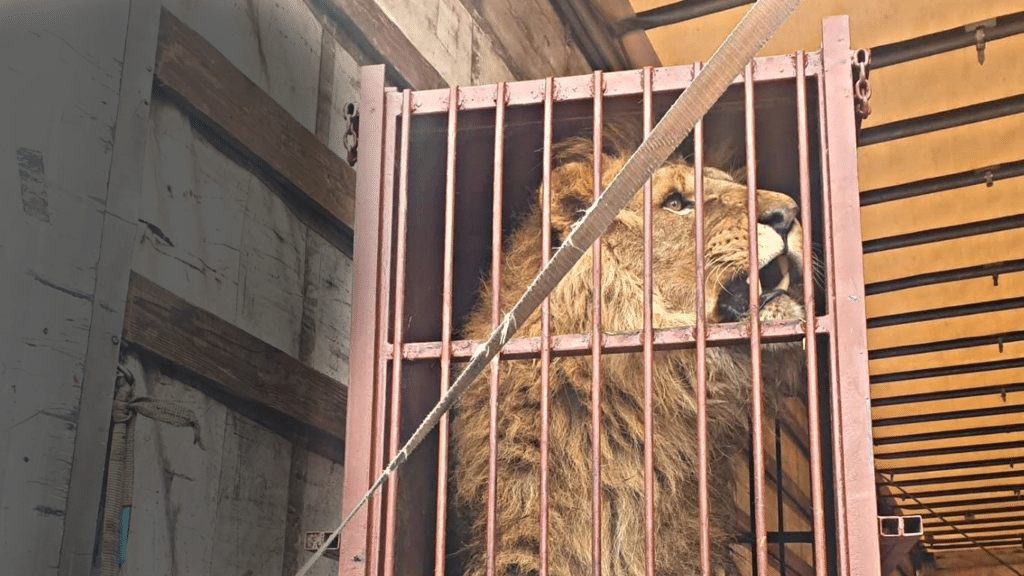
As Russia’s war against Ukraine rages on, ASI is deeply concerned about the country’s wild animals. We are dismayed by the relentless anguish thousands of animals are enduring because of the violence and destruction. The war is having catastrophic consequences on Ukraine’s free wildlife and on the poor, unfortunate animals locked captive in zoos. A deer with deep burns that was rescued after shellings in the Kyiv region Right now, over 6,000 animals are suffering at the Feldman Ecopark in Kharkiv, Ukraine. Since the beginning of the invasion, Kharkiv has been subjected to heavy shelling and bombing. For well over a month now, the park’s animals have been exposed to the ear-splitting noises that have accompanied the countless explosions, gunshots, rockets and air-raid sirens. Their stress levels have soared – they are starving and terrified, and their cages are on the verge of collapse. A Russian shell landed amidst the animals Alexander Feldman, the owner of the Ecopark, has said that the animals’ cages will not remain intact if even one more shelling takes place – and that seems inevitable. The sad reality is that unless action is taken now… THESE ANIMALS WILL BE EUTHANIZED! 6,000 trapped and terrified animals desperately need your help to be evacuated! We have a plan, but we need your help to pull it off. ASI has partnered with UAnimals, an animal organization working to rescue animals from the chaos. Since the outbreak of war, UAnimals has financially supported animal shelters in Ukraine and delivered animal food to various shelters and Ecoparks. Evacuations are already underway; this poor pony collapsed from exhaustion and fear We have agreed to join a massive rescue mission. UAnimals has already successfully evacuated kangaroos, lions, tigers, foxes, tapirs, ostriches, buffalo, lambs, alpacas, pelicans and camels, and has the skill set to do it. The costs involved are simply too much for UAnimals, so we agreed to ask our supporters to join in this last-ditch rescue mission to save 6,000 animals. Your donation is a way to practically help wild animals who are living in hell, with only this rescue attempt standing between them and death. Kangaroos at the back of a van were evacuated We promise to do everything we can to rescue as many as possible of these 6,000 traumatized animals. UAnimals is ready to head back into the warzone in Kharkiv to evacuate more animals from the Ecopark. There is a place for the animals to go: Wild Animal Rescue, a sanctuary near Kyiv, is ready and waiting to welcome them. But time is running out! WE MUST ACT FAST! Every day that passes is a day closer to thousands of innocent animals being euthanized, but without the funds to evacuate and relocate them, there’s little that can be done for them. We need your help to raise the funds needed to join a full-scale rescue mission. We MUST get the funds to UAnimals quickly so they can conduct as many rescue journeys as possible to save as many wild animals as they can. A wolf and foxes ready to be evacuated Whenever there is a threat to animals’ survival, ASI will do everything in its power to help. Despite our fundamental opposition to zoos, we will never ignore or abandon an animal in dire need. We must ask you, in this time of tremendous crisis, to help us save the animals of the Feldman Ecopark and to get them to a safe haven.
US Allows Hunters to Import Some Elephant Trophies From African Countries
Adapted from article written by Miranda Green Originally published by New York Times (Friday, April 1, 2022) The US Fish and Wildlife Service informed some hunters last month that it would allow the import of six elephant trophies into the United States from Zimbabwe. The African elephant carcasses will be the first allowed into the country in five years. The decision reverses an agency-wide hold on processing elephant trophy import permits that was put in place during the Trump administration in November 2017, and has since prevented any elephant tusks, tails or feet from being brought into the country. The reversal is the result of a September 2021 settlement with the Dallas Safari Club, a big-game hunting organization that sued the Trump administration for pausing trophy permit processing. The Fish and Wildlife Service is required under the settlement to process the permits of the 11 hunters named in the suit, as well as 73 other outstanding permit applications. That could potentially lead to additional trophies being brought into the United States from countries that allow limited hunting of elephants for sport. The service’s decision to settle the lawsuit continues a long-running dispute between hunters and biodiversity experts over whether trophy hunting is beneficial or harmful to big game species, particularly endangered animals like the two species of African elephants. For trophy hunters and big game groups, the reversal came as a long-delayed win. “It’s a victory for conservation because in a lot of these places where elephants reside, the habitat is only made available because of hunting dollars,” said Lane Easter, 57, an equine veterinarian in Texas whose trophy permit was approved under the settlement for a Zimbabwe hunt he did in 2017. The majority of trophy hunters are from the United States. Under the federal Endangered Species Act, hunters must prove before they import a trophy that killing the animal aided in the “positive enhancement” of a species. The Fish and Wildlife Service’s perspective is that trophy hunting can qualify as species enhancement if it’s “legal, well-regulated hunting as part of a sound management program,” the agency spokesperson said. Big game hunters say that the money they spend on hunts is later invested in the rehabilitation of the species and economically benefits nearby communities, preventing poaching. They also say that hunting certain animals like elephants and lions can benefit overall herd health. Hunters can spend upward of $40,000 (£30,480) on an African hunt in Zimbabwe, Tanzania, Zambia and Namibia. But groups like Humane Society International say that hunting a species does not benefit its survival and that the Fish and Wildlife Service should not allow paid hunts to qualify as a method of species enhancement, especially on animals the United States considers threatened. The International Union for Conservation of Nature in 2021 revised its listing for both species of African elephant to highlight that both are at greater risk of extinction. Critics also say there is little proof that money paid for a hunt ultimately helps the species recover, especially when corruption has been found to be rampant in several of the countries where African elephants reside. So far, the Wildlife Service said it had processed eight permits. In addition to the six it allowed, it denied two, and it is expected to rule in coming months on more. “African elephants currently face the threat of poaching which has led to both species becoming endangered,” says Tayla Lance of Animal Survival International. “By allowing hunters to import elephant trophies from African countries, the US Fish and Wildlife Service is playing an active role in pushing the species closer to the brink of extinction. This decision undermines successful conservation efforts aimed at saving the iconic species.” Banner: Eric Baccega/agefotostock, via Alamy
The USDA’s Wildlife Services Division Killed Over a Million Animals in 2021
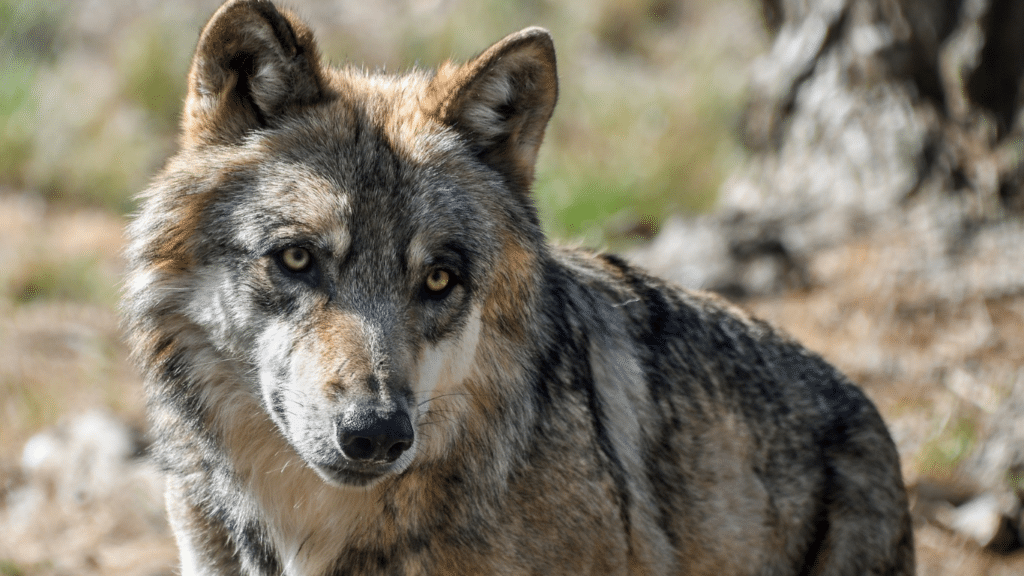
In 2021 alone, the United States Agricultural Department’s (USDA) Wildlife Services division killed more than 1.75 million animals nationwide. This amounts to a shocking rate of around 200 dead creatures per hour. Among the executed are diverse species of wildlife such as alligators, armadillos, doves, owls, otters, porcupines, snakes and turtles. These senseless killings have provoked outrage among conservationists and animal activists alike, who are calling for an urgent adjustment to the division’s approach to wildlife management. With a mission to “resolve wildlife conflicts to allow people and wildlife to coexist,” Wildlife Services maintains that the current federal program is necessary in their endeavor to protect and preserve environmental stability, agriculture, endangered species and public safety. The program targets invasive species that are considered major threats to the nation’s ecosystems. Last year, European starlings were its most-killed invasive species, totaling 1,028,642. This was followed by feral hogs, of which 143,903 were eliminated. But invasive species are not the only victims of this controversial program – large quantities of America’s innocent native species are also killed. In 2021, 404,538 individuals were eradicated by Wildlife Services. This included 63,965 coyotes, 24,683 beavers, 3,014 foxes, 433 black bears and 324 gray wolves. Several of these poor creatures are wiped out unintentionally by leg hold traps, snares and poisons. The department also uses M-44 sodium cyanide “bombs,” which often kill coyotes and foxes. According to Collette Adkins, a carnivore conservation director at the Center for Biological Diversity, the killing of predators such as coyotes and bears (unintentional or otherwise) can have devastating consequences. Any benefit that these killings might have for the livestock industry are outweighed by their interference with ecosystems. Adkins says that diminishing populations of natural predators further encourages the spread of invasive species in America. “Wildlife is beset by so many threats that we should be strengthening laws to protect remaining wild populations,” says Tayla Lance of Animal Survival International. “These legal killings driven by the USDA’s Wildlife Services Division is an assault on the United States’ biodiversity.”
Here’s the latest on besieged zoo animals in Ukraine’s war!
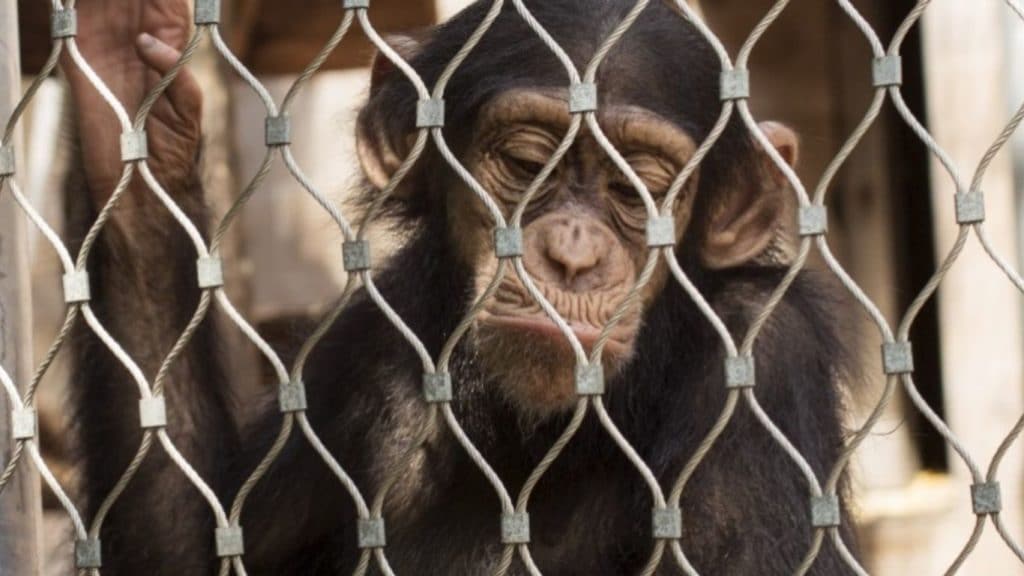
Over a month ago, Russia began a military invasion of Ukraine, causing devastation to the country’s wild animals. We are horrified by the suffering inflicted. It is having catastrophic consequences for Ukraine’s free wildlife and for the poor, unfortunate animals in zoos. These poor creatures now have war to add to the cruelty they suffer as caged captive animals. Zoo animals are starving as you read this! HELP US GET THEM FOOD! This is a representation, but we know from previous experience what will happen to Ukraine’s zoo animals ASI strongly disagrees with zoos that cage wild animals who should be free in their natural habitat. But we can’t stand by and watch innocent animals suffer, and zoo animals are starving in Ukraine right now. Because of the war, no help is coming from the Ukrainian government and so we partnered with the Ukrainian Nature Conservation Group (UNCG), an NGO made up of scientists and other experts, to help feed these creatures. This is a representation, but we know from previous experience what will happen to Ukraine’s zoo animals One of the more dire situations is at the Askania-Nova Biosphere Reserve in Kherson Oblast which has 3,898 animals, including ostriches, emus, rhinos, bison, wild horses, llama, zebras, antelopes and the world’s largest herd of critically endangered saigas antelopes. This is an area that has seen heavy fighting. The animals are running out of food and facing CATASTROPHE! UNCG had made a deal with local farmers to provide enough fodder. That deal has come to an end, but with your help, we can renew it and keep feeding the animals. Any donation you can make today will be of enormous value to hungry captive animals. IT GETS WORSE! Russian tanks destroyed zoo fences and shelled animal enclosures! The Mykolaiv Zoo is running out of money to feed giraffes, hippos, polar bears, elephants, tigers and the Amur leopard – the rarest subspecies of the big cat. The zoo has been hit multiple times by Russian shelling, which is “very stressful” for the animals, according to director Volodymyr Topchyi. Evacuation is not an option for these poor creatures right now, and we applaud the zoo’s brave staff who remain behind to care for them. UNCG has already managed to send some funds to the zoo. But with rockets flying overhead and air raid sirens wailing, the 4,000 trapped and hungry animals need our help with more funding. UNCG says that the zoo’s main needs are medicines and fresh meat for predators. The Berdyansk Zoo, located in a zone that is under Russian occupation, is in a similar situation with lions, wolves, alpacas, tigers, black bears, camels, black leopard, lemurs and emu urgently needing food. Once again, we have found a way to feed them. The Yelanetsky Steppe Reserve in Kalynivka, Mykolaiv Oblast, needs food for 28 species of mammals including bison, red fox, roe deer and wild boar, but the most urgent need there is to rebuild a huge fence that has been repeatedly breached by Russian tanks and other military equipment. If the animals flee, their fates are sealed; they will be mown down in the war. The grazing bison are incredibly important for the reserve’s ecosystem, because they protect it from being overgrown with invasive, alien plants. Thanks to your generosity, we were able to rush emergency funds to UNCG so that they may tackle this project immediately. Your donations have already been transferred to Yelanetsky, and they can now buy much-needed fodder and supplies to begin rebuilding the fence right away. UNCG informed us that this is an area that has recently been liberated from Russian troops. We hope this will be the first success story of many for Ukraine’s struggling reserves and zoos. ASI will always come to the aid of animals in crisis and despite our fundamental opposition to zoos, we must ask you, in this time of crisis to help us feed zoo animals in war torn Ukraine. Giraffes and lions, let alone polar bears, have no place there, and now a deadly war is raging around them to add to their suffering. We need your help to help them!
Rescued BABY wild animals (including 4 endangered pangolins) in the clinic are at RISK OF DEATH from stifling heat due to constant power outages!
In the small town of Tzaneen, South Africa, 15 baby wild animals are suffering from record-breaking high temperatures in a small wildlife clinic… The clinic is experiencing nonstop power outages! The heat is insufferable! Our partner, the Umoya Khulula Wildlife Centre, is a non-profit rescue and rehabilitation facility for orphaned indigenous wildlife. Among the sick and injured – and suffering from unbearable heat due to the power outages at the center’s specialist clinic – are baby antelope, birds, duikers, mongooses and FOUR critically endangered pangolins. Umoya Khulula has released over 200 different species of animals back into the wild since it opened five years ago. While the team is passionate about the care of every animal that comes through its doors, it remains committed to ensuring that all wild animals are sent home, “freeing their spirits” from lives plagued by trauma and suffering. If the babies succumb to uncontrollable heat, they will not have this chance. The babies are struggling. South Africa’s power grid is collapsing because of mismanagement – power outages are occurring five to six times a day! With temperatures often reaching as high as 90°F (32°C), these poor creatures sometimes spend up to 10 hours in a small, airless room in stifling heat. This is a huge problem, especially for pangolins. “They don’t have sweat glands and they can’t pant… so they physically cannot control their body temperature,” explained Emma de Jager, co-owner of the Centre. Pangolins are shy, nocturnal creatures who typically avoid the heat of the day by retreating underground, only to emerge at night to hunt when it is cooler. But the rescued 4 at Umoya Khulula do not have this same luxury. Here’s our plan to help save them… we could sure use your help! Quiet, temperature-controlled clinics have proven to be ideal environments for animals in recovery. Such spaces create a stress-free environment for them to heal, not only their physical wounds but their psychological ones as well. Pangolins are sensitive, and it is important to pay attention to the emotional scars inflicted on them from poaching. Rehabilitation can take anywhere from a few months to a year. Umoya Khulula needs a generator to keep its clinic at the optimal temperature of 73°F (23°C) for their pangolins. High South African temperatures, plus constant power outages, make it that much more difficult for these animals to cope in the region’s hot, dry conditions. This is why we are writing to you today; we urgently need to raise funds for an automatic generator so that these helpless babies can be comfortable during the height of yet another scorching South African summer. If we can raise just $3,000 (£2,250), we will deliver this life-saving piece of equipment right to Umoya Khulula’s doorstep. Please, help us keep the power on and the air flowing for ALL of these babies.
Chinese-led ivory poachers need to be stopped!
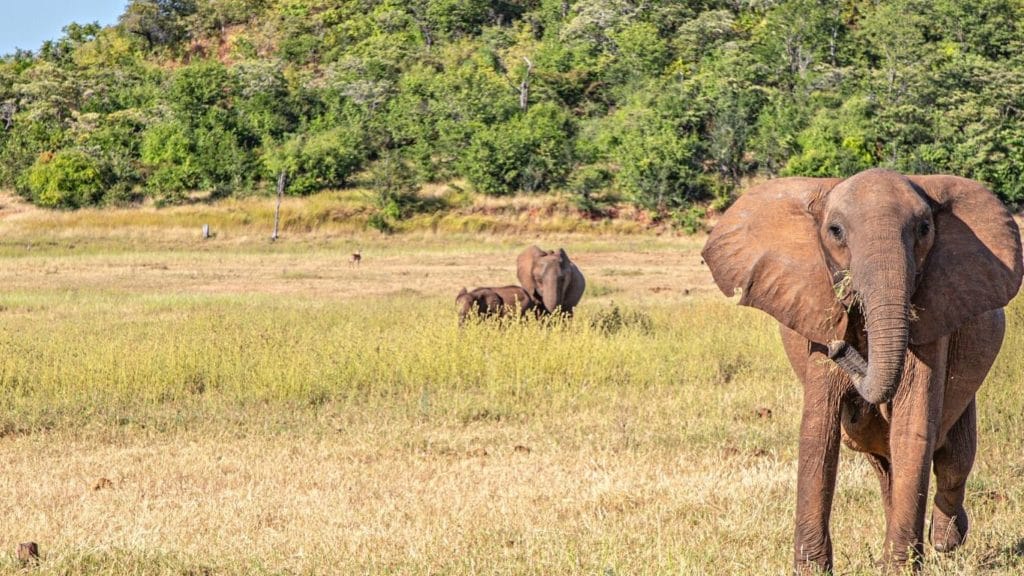
In Lake Kariba, Zimbabwe, the Bumi Hills Anti-Poaching Unit (BHAPU) – a small but fiercely dedicated anti-poaching unit – faces a mammoth task. The team is responsible for protecting 3,500 elephants in the area from violent ivory poachers. BHAPU cannot do this without a patrol vehicle, and theirs has reached the end of its life. The team can expect no help from the authorities because the economy is in terrible trouble and there is simply no money. The BHAPU team kept their old vehicle going as long as they could, but now it is beyond repair; its engine, suspension and steering have all succumbed to a long lifetime of crashing through the African bush in pursuit of animal killers. A vehicle is absolutely critical for their patrols. BHAPU has turned to ASI supporters, pleading to help buy a new one because each day they are unable to patrol is another day that elephants face brutal slaughter by poachers. The Bumi Hills Anti-Poaching Unit must fight, every single day, to save the 3,500 elephants in their care. Your donation right now will help save the lives of countless wild animals! We hope to raise $20,000 (£15,000) towards a new patrol vehicle – critical in the fight against the Chinese-driven wildlife trade. Please help us raise this critical funding! So often in our work we face the ugly truth that much of the killing is driven by Chinese criminal syndicates seeking ivory. In Zimbabwe they are well on their way to destroying Zimbabwe’s elephant population. It is estimated that 75% of the region’s elephants have fallen victims to poaching in the last 15 years. If the scourge continues at this rate, the entire population could be wiped out within the next five years. Elephant receiving medical treatment In partnership with Zimbabwe Parks and Wildlife Management Authority, BHAPU is the region’s best defense against poachers. The team has done such good work that poaching in its area is under control, for the moment, but BHAPU MUST have a vehicle to continue conducting vital patrols in the conservancy’s huge expanse of 580 square miles (1,500 square kilometers). With each passing day, poachers become smarter, stealthier and deadlier – not only to the animals but to our teams. Poachers do not hesitate to kill those protecting elephants and the BHAPU team put their lives on the line trying to keep poachers at bay. Yet regular patrols are critical and that’s where the use of the patrol vehicle comes in. Our team can cover much more ground, much more quickly and also find the thousands of snares set by poachers more easily. Poachers are prowling for vulnerable wildlife as you read these words! We cannot delay getting a patrol vehicle because every hour counts in the fight to save elephants! Please, donate as generously as you can today so that we can help provide the dedicated BHAPU team with a critically needed patrol vehicle. Delay is not an option if we’re to protect vulnerable species from callous wildlife criminals – and we MUST!
Africa Geographic: More Forest Elephants in Gabon Than Previously Thought – New Research
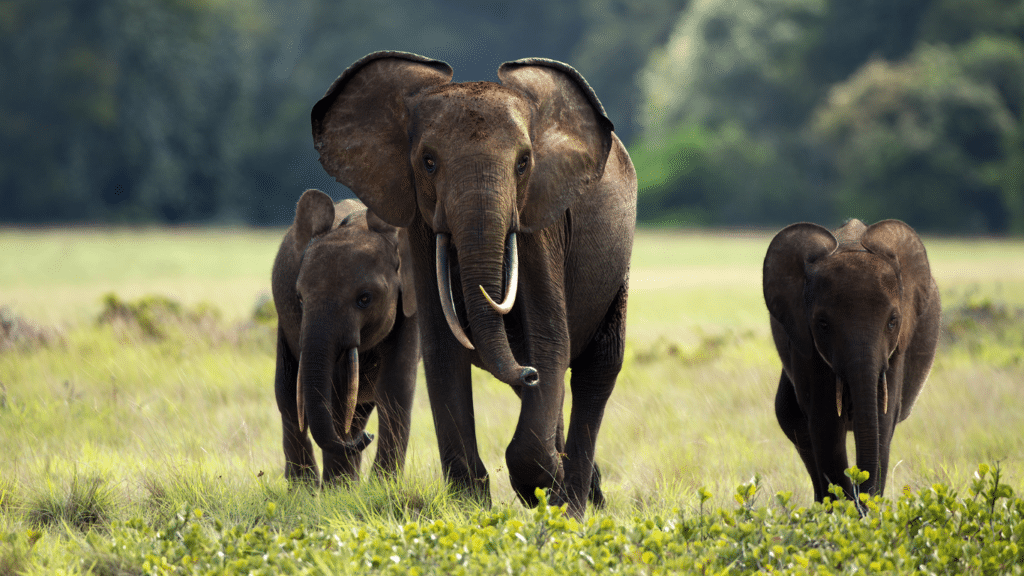
Adapted from article written by Team Africa Geographic Originally published by Africa Geographic (Wednesday, January 31, 2022) The good news is that there are more forest elephants in Gabon than previously believed. A new study from the Wildlife Conservation Society (WCS), Gabon’s National Park Agency (ANPN) and Vulcan offer the first countrywide elephant population estimate in nearly thirty years. Forest elephants were only recently formally recognized as a separate species by the IUCN and were immediately classified as “Critically Endangered”. This new research estimates that there are around 95,000 in Gabon, which equates to roughly 60-70% of the total global population. Astonishingly, although forest elephant numbers have been in freefall for the last century, Gabon appears to have bucked the trend, and forest elephants are believed to be present across some 90% of this Central African country. Unlike savanna elephants, counting forest elephants from the air is almost impossible given their preference for dense forest habitat. Thus, scientists have had to search for new and inventive ways to replace aerial surveys as a method for estimating population size. One such method (used in the present study) involves collecting and analyzing DNA using a genetic spatial capture-recapture model. Over three years, researchers collected 4,058 dung samples from across the country and set about identifying individual genetic signatures. Then, using complex statistical models, they used the data collected to approximate the average forest elephant densities in various regions and, by extension, calculate a population estimate. As might be expected, the highest densities were calculated in flat areas of preferred habitat with low levels of human pressure and interference (such as Loango National Park). Conversely, the lowest densities occurred in regions of low habitat suitability, such as those near major cities, along roads, and across the Bateke savanna. The authors also caution that although the results of their study are primarily positive, this does not discount significant local declines that Gabon has experienced due to poaching surges in recent years. For example, in Minkébé National Park, a previous study estimated a loss of up to 81% of the forest elephants in just a single decade, from 2004 to 2014. These pockets of low elephant density have yet to recover. Forest elephants were once widespread throughout the forests of Africa, with a population that would have numbered in the millions. Today, there are fewer than 200,000 (and likely significantly less). Most of these are found in Gabon, placing significant pressure on the country to ensure their safety and future. Protected areas constitute 22% of Gabon’s total area, meaning that the vast majority of the forest elephants exist outside these spaces. The authors estimate that some 65% of the country’s elephants occur in logging concessions. However, an accurate estimate of densities and populations is the vital first step in adaptive management strategy, which this study now provides. As the authors conclude, “These results are of interest to local, national, and international decision-makers concerned with the conservation of this species and its habitat, with the important ecological role of forest elephants on climate regulation potential of forests, and with forest elephants as a useful indicator for healthy, intact and well-governed forests.” Resources Access the full paper here: “Nationwide abundance and distribution of African forest elephants across Gabon using non-invasive SNP genotyping”, Laguardia, A., et al. (2021), Global Ecology and Conservation Forest elephants going hungry as climate change stops trees from fruiting. Read more… African, Asian & forest elephants – what’s the difference? Read more… Banner image: zahorec/Shutterstock
CHEETAHS at RISK! Illegal wildlife trafficking, habitat destruction, loss of genetic diversity…
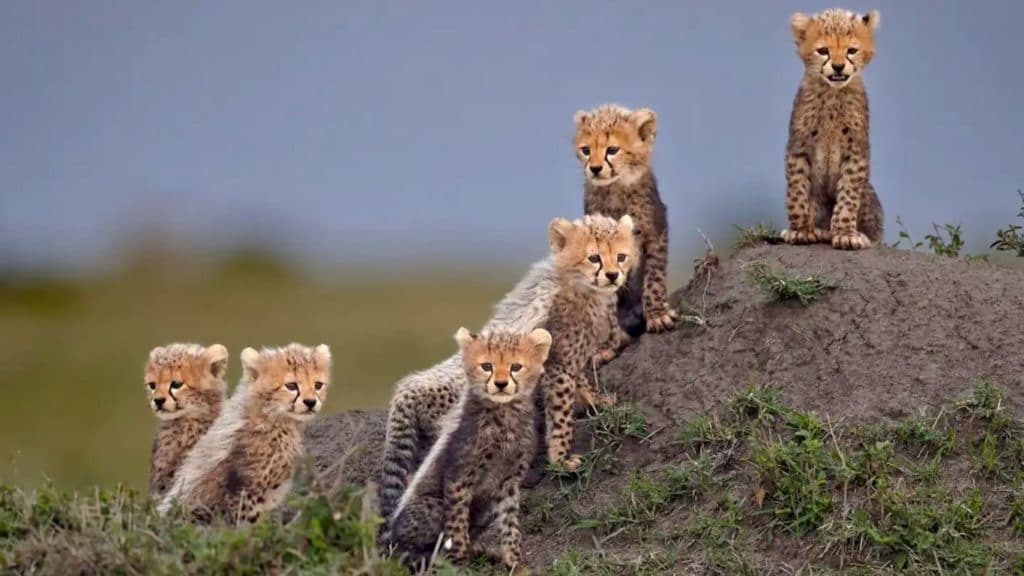
It’s ALARMING! Africa’s cheetah population has drastically declined. It’s estimated that only about 7,000 remain in the wild (just 1,300 in South Africa). They have been reduced from eight subspecies to just one. They can only be found on 10% of their historical range. In just one African country, Somaliland, at least 300 cheetah cubs are smuggled and sold every year. It should come as no surprise that the cheetah is today listed on the International Union for Conservation of Nature’s (IUCN) RED LIST of Threatened Species. And you can be certain that Animal Survival International (ASI) is committed to using all its power to help save the cheetah in South Africa! We need your help! While South Africa is recognized as the only country in the world with an increasing population of cheetahs – there remains massive reason for concern. Indeed, intensive conservation programs have helped the cheetah population in South Africa increase from approximately 500 in 1975 to a little more than twice this number today – this is progress, but it has taken 45 years! Contrast the number of cheetahs today with the more than 100,000 cheetahs who once roamed the African bush! Cheetahs are threatened and at risk of extinction for several reasons: They are caught and sold alive into the exotic pet market, poached for their skin, illegally trophy hunted, and subject to the unrelenting destruction of their habitat. On top of all these pressures, scientists warn that cheetah reproduction is being considerably slowed because of climate change. Due to warmer temperatures, male cheetah’s testosterone levels have been reducing and sperm counts 10 times lower than that of domestic cats are being found. Add to all of this the challenge of ensuring species diversification (and avoiding inbreeding), which are critical to maintaining a healthy population. Relocation of the cats across South Africa’s provinces is essential, and already underway, to advance diversification of the cheetah gene pool and help save the species. Recently, South African National Parks (SANParks) appealed to ASI for help purchasing two hi-tech cheetah tracking collars for use at Mountain Zebra National Park (MZNP). A female cheetah is about to be relocated to the park (where her future breeding partner is already a resident) to expand the genetics of the cheetah population in the park. Understandably, time is of the essence – we need to obtain and fit the collars as soon as possible. We need your help to raise the funds required to purchase the two cheetah tracking collars. The total cost is reasonable: $4,280 (£3,160). The collars will make a real difference. By collaring the two cheetahs, we will be able to track and monitor the health and wellbeing of this genetically important pair and ensure that they have the best chance of starting a family. Newborn cheetah cubs are MZNP’s only hope of preserving and growing the cheetah population in the park. The collars will also help us to ensure that the breeding pair doesn’t encounter farmers who will shoot them as ‘nuisances’ to their livestock. A murdered mother cheetah comes with heartbreaking consequences for cubs waiting at home for dinner. Please, can we count on you to help us purchase the two cheetah tracking collars? It goes without saying that cheetahs play a vital role in the ecosystem. They are a keystone species. Their survival is already severely threatened and the combination of climate change, illegal wildlife trafficking and loss of genetic diversity could well result in extinction. How ironic – the cheetah may be the world’s fastest land animal, but it won’t be able to outrun its own extinction! Unless we help! It is not too late to help change the fate of Africa’s cheetahs! But time is slipping away. The greater the genetic difference between one individual cheetah and the next (and the next), the stronger the offspring (and the next) and the better the chances are that the species can survive these challenging times. Please, donate today so we can purchase the two tracking collars so critical to protecting this very special pair of breeding cheetahs. Help us give them a chance. Help us give their babies a chance. Help us give the species a chance.
Are Hippopotamuses to Become Belated Victims of Cocaine Lord Pablo Escobar?
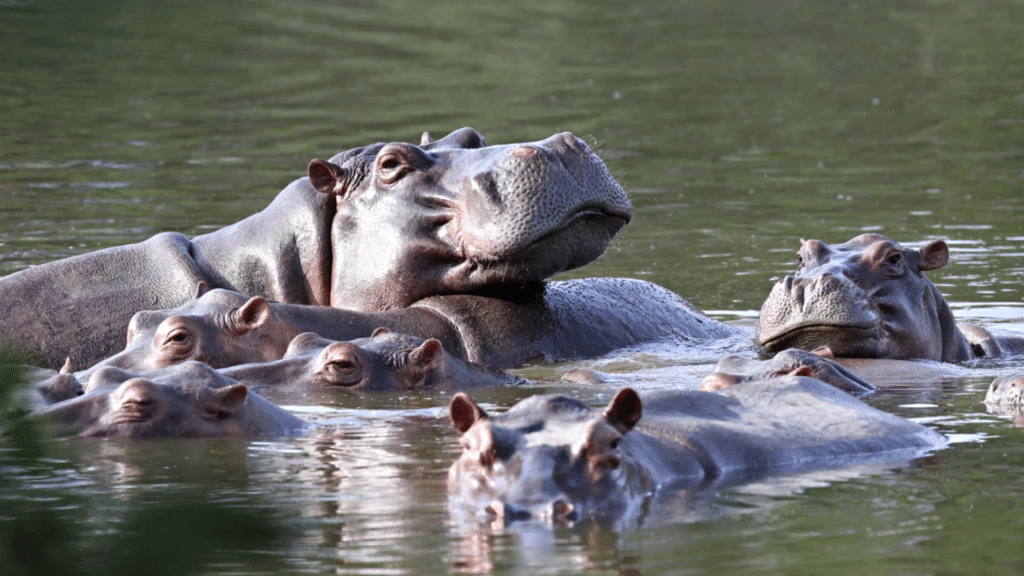
Thanks to a dead drug lord, Colombia is now home to the “biggest herd of hippos outside of Africa,” says veterinarian and conservationist Carlos Valderrama (BBC News). The threat the animals pose to both public safety and the environment has fueled a global debate among scientists and animal welfare activists. While every effort is being made to ensure that their soaring numbers are brought under control, some people are calling for them to be killed. Pablo Escobar, former head of the Medellin Cartel, was the most notorious drug trafficker of his time. However, his cocaine trafficking is not the only troubling legacy he left behind. Having amassed a massive fortune from his drug empire, Escobar constructed a private menagerie on his Hacienda Nápoles estate in Antioquia, Colombia. Here, his personal collection of exotic wildlife comprised elephants, flamingos, giraffes, hippopotamuses, kangaroos, ostriches and zebras. Following his death in 1993, most of the animals were transferred to neighboring zoos. Excluded from this relocation project, however, were the hippos. It was believed the animals would eventually die off and could therefore be left alone, but this could not have been further from the truth. With no natural predators or seasonal Sub-Saharan African droughts to diminish their numbers, the hippos thrived. What began as just four hippopotamuses secured within the walls of Escobar’s estate has multiplied at an alarming rate over the last 29 years. Today, an estimated 80 to 120 hippos call the Magdalena Medio home. South America may be an ideal habitat for hippos, but hippos are not ideal for South America. The first risk is in Colombia’s main river, the Magdalena; while hippos happily bask in the water, toxic bacteria in their feces contaminate the water. Moreover, the hippos also endanger native animals such as the West Indian manatee. Lastly, these 3,000-pound territorial animals pose a significant threat to the lives of Colombian people. This is why a cull is being proposed, but there are two sides to every story; ecologist Arian Wallach puts it well, arguing that the hippos are a “story of life’s resilience” (NPR), and deems Colombia’s hippos worthy of protection. According to NGO International Union for Conservation of Nature (IUCN), hippos are considered a vulnerable species. Animal Survival International is opposed to killing the hippos. The hippos are nothing more than the innocent victims of displacement, yet another example of the disastrous consequences of the illicit wildlife trade. Decades ago, a handful of their ancestors were ripped away from their natural habitat and smuggled across the globe to a foreign land. Today, between 80 and 120 of them remain trapped in an environment where they do not belong, and while it’s not that simple to book them a one-way ticket home, there are alternatives to slaughtering them. A sterilization program for the hippos is already underway in Antioquia, Colombia. Led by the region’s environmental agency, Corporación Autónoma Regional Rionegro-Nare (CORNARE), doses of the chemical contraceptive GonaCon have been administered to 24 of the hippos via blow dart. These doses were donated to the Colombian government by the United States Department of Agriculture (USDA)’s Animal and Plant Health Inspection Service (APHIS). Before the previous effort was abandoned on the basis of expense, time and safety, 11 of the hippos were surgically sterilized. GonaCon, on top of being a much cheaper alternative, is effective in both male and female hippos. However, the drug has its own complexities as it is typically used to control the populations of much smaller animals such as horses and deer. To ensure effective sterilization, CORNARE will be administering a second and third dose over the next 10 years. This is a long-term project that is going to require substantial research and close monitoring by CORNARE. Banner image: Fernando Vergara / AP file
Independent: Pangolin Kidnapped and Held to Ransom in Congo Amid Fears of ‘New Trend’ in Wildlife Crime
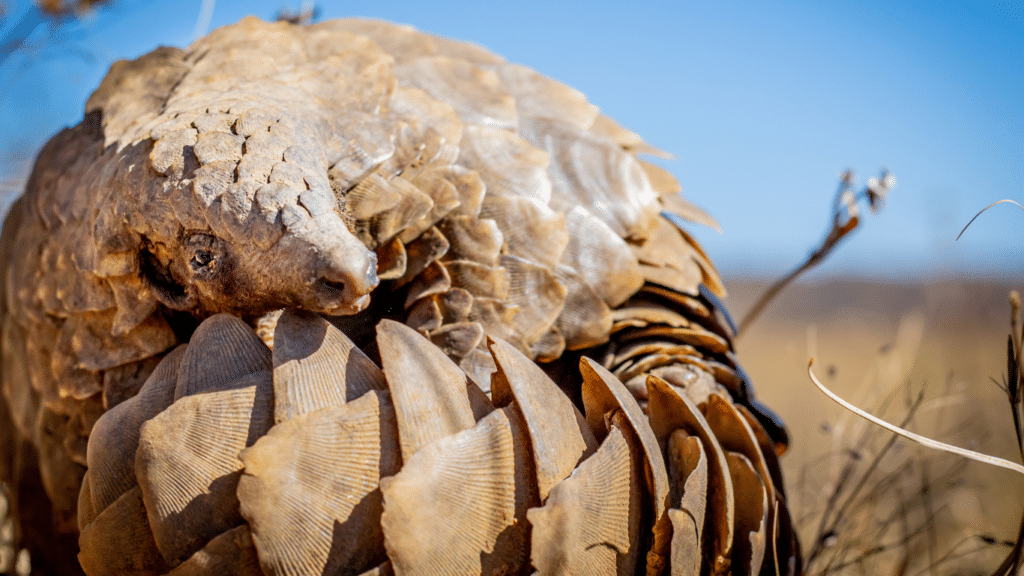
Adapted from article written by Emily Atkinson Originally published by Independent (Wednesday, January 26, 2022) ‘If we pay them, then we are doomed,’ say conservationists An endangered pangolin has been taken hostage by a group of rebels in the Democratic Republic of Congo (DRC) who sent a ransom request to conservationists for the animal’s release. It sparks fears that the kidnap could lead to a trend in using wildlife as bargaining power, the activists negotiating with the kidnappers are attempting to rescue the pangolin without payment. “This is something new and alarming,” Adams Cassinga, founder of Conserv Congo, said after “proof of life” photographs of the prized animal were sent to community conservationists. “If we pay them, then we are doomed, the whole park and all the apes would be taken hostage. “They have seen how much money is spent on conservation issues and that rare animals are prized by the international community, and they would say even more so than the poor communities who live in the same area,” he added after the pangolin was captured on the border of the eastern rainforests of the DRC. According to reports, the mammal is being held in Virunga National Park, where over 120 gangs are engaged in a long-fought dispute over land and mineral resources. It comes as the number of people being taken hostage in the area has surged over the past year in a bid to fund the conflict. Aid workers are a common target. Cassinga added that, in the wake of last year’s killing of Italy’s ambassador to the country, the armed groups have been seeking out new means of raising funds. Conserv Congo was contacted over the weekend after the pictures were sent to local conservationists in the town of Mweso. A call placed later to a group in North Kivu province was answered with: “Pay us and we hand it over for release, if not we will do what we want,” Cassinga added. The Nduma Defence of Congo, the gang thought to be responsible for snatching the nocturnal mammal, is yet to determine a price for the pangolin. “They are testing the market,” Cassinga added. Dubbed the “most trafficked mammal in the world” by the WWF, more than one million pangolins have been lifted from the wild over the last decade by poachers seeking their meat and scales (for use in traditional medicines), and tens of thousands are still trafficked every year. All eight species of pangolin are cataloged on the IUCN Red List of Threatened Species. The Chinese, Sunda and Philippine pangolins have also been labeled ‘critically endangered’, nearing becoming ‘extinct in the wild’.
EMERGENCY! We helped rescue FOUR baby rhinos whose mothers were slaughtered. Three are doing well. But one, Aquazi, is FIGHTING FOR HIS LIFE!
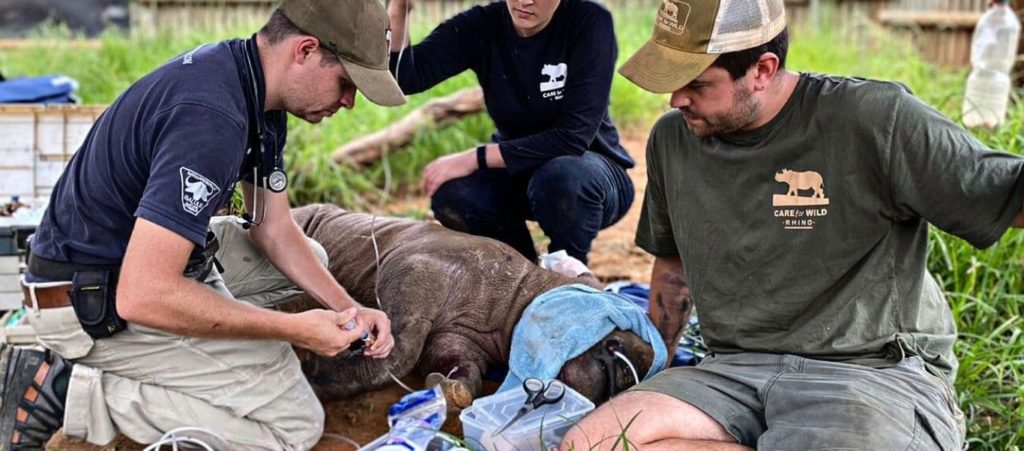
In December, we told you about four rhino calves who had been rushed to our partner, the Care for Wild Rhino Sanctuary (CFW) in Mpumalanga, South Africa. The baby rhinos had been left abandoned after poachers mercilessly slaughtered their mothers. Left Aquazi being transported to safety, right Aquazi in ICU We reached out to you for support, and you responded generously, allowing us to send critical funds to kick-start the intensive medical care and rehabilitation for the four calves. But one of the baby rhinos has taken a sudden turn for the worse! We received the heartbreaking news that our beloved Aquazi, who was only a few weeks old when rescued, is not doing well. Recently, his guards reported that the young rhino was having difficulty breathing. Aquazi was immediately rushed to CFW’s intensive care unit (ICU), where it was discovered that his oxygen levels had plummeted. The young rhino calf now remains in ICU, fighting for his life. In order to save this young rhino’s life, the CFW team will continue to work tirelessly, and never leave his side. He has already been given blood plasma administered intravenously, which has helped boost his immune system and protein levels but now he requires LIFE-SAVING ANTIBIOTICS, X-RAYS and OXYGEN THERAPY. Aquazi is so fragile that he must have expensive 24-HOUR-A-DAY CARE. We cannot give up on him now! Please, help us raise the $5,000 (£3,700) needed to give Aquazi a chance of survival! It’s a miracle that Aquazi is still alive! We MUST do our best to save him! This baby rhino is in an epic fight for survival. Forced to navigate a world without his mother at only a few weeks old, then surviving severe pneumonia and compromised lungs, this little rhino desperately wants to live. It is no exaggeration to say that Aquazi’s survival is important for his entire species. In South Africa, a rhino is killed for its horn every 22 hours. If this continues, soon rhinos will be gone from the world forever. Every rhino life is critical for their survival! Rhinos in Africa are at risk of extinction. Rhinos are prized for their horns, which are used in Asia for phony traditional Chinese “medicines”. South Africa is a hub for the illegal trade which has led the country’s rhino population to decline drastically. If we don’t do everything we can to save rhino lives now, they will be wiped out in a matter of years. Please, help us secure little Aquazi’s survival! He is fighting so hard to survive, and his team of caregivers continue to give him the best possible around-the-clock care. But this baby rhino is still very young and won’t be able to recover from his dangerously low oxygen levels and bacterial infection without our help. Please, donate now and help us rush emergency help to Aquazi!
Mozambican Poaching Gang Leader Sentenced to 30 Years in Prison
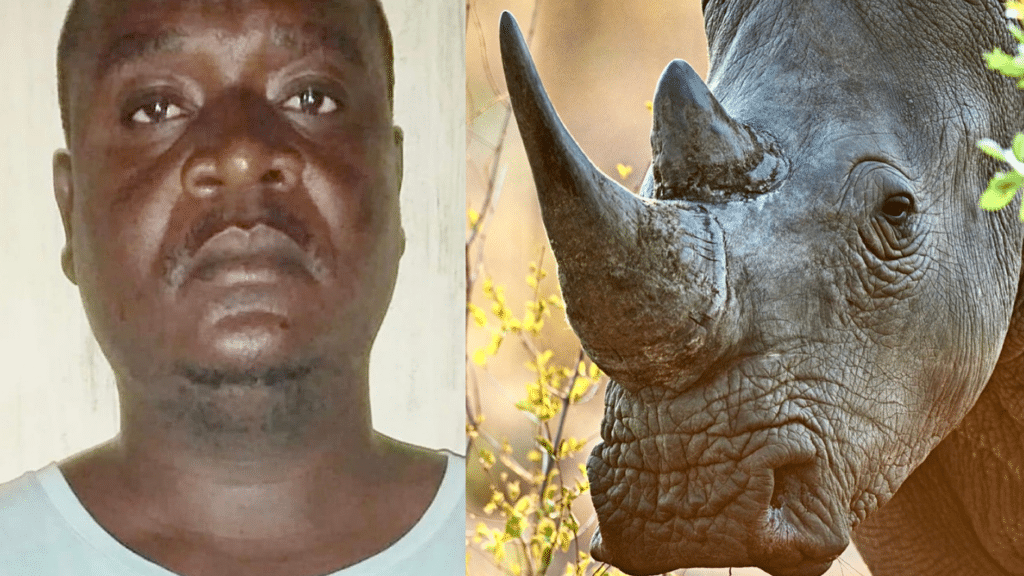
In a significant victory against wildlife poaching in Africa, a Mozambican judge has sentenced notorious rhino poacher and gang leader Admiro Chauque to 30 years in prison. He was also ordered to pay 28 years’ worth of fines after being convicted of multiple crimes relating to the illegal wildlife trade and possession of weapons in Mozambique and South Africa’s Kruger National Park. The Southern African nation of Mozambique has been imposing stricter penalties on poachers in recent years, culminating in the record sentencing of Chauque. In Zimbabwe, where the poaching epidemic is believed to have begun in 2008, there is a nine-year minimum sentence for poachers. In South Africa, where poaching is rampant, there is no minimum sentence. According to Save the Rhino, one rhino is slaughtered every day in South Africa for its horn. It estimates that a total of 9,985 African rhinos have lost their lives to the scourge. “Animal Survival International (ASI) applauds the Mozambican government and judiciary for taking a stand against the detestable illegal wildlife trade and welcomes the sentencing of one of Africa’s worst offenders,” says campaigner Tayla Lance of ASI. “However, it is of great concern that South African legislators are not treating the issue with the urgency needed. We call upon the South African government to create a five-year minimum sentence for poaching.” Image Credit: World Animal News.com
Elephants, rhinos and more face unrelenting threat from heartless POACHERS who work for CHINESE CRIMINALS!
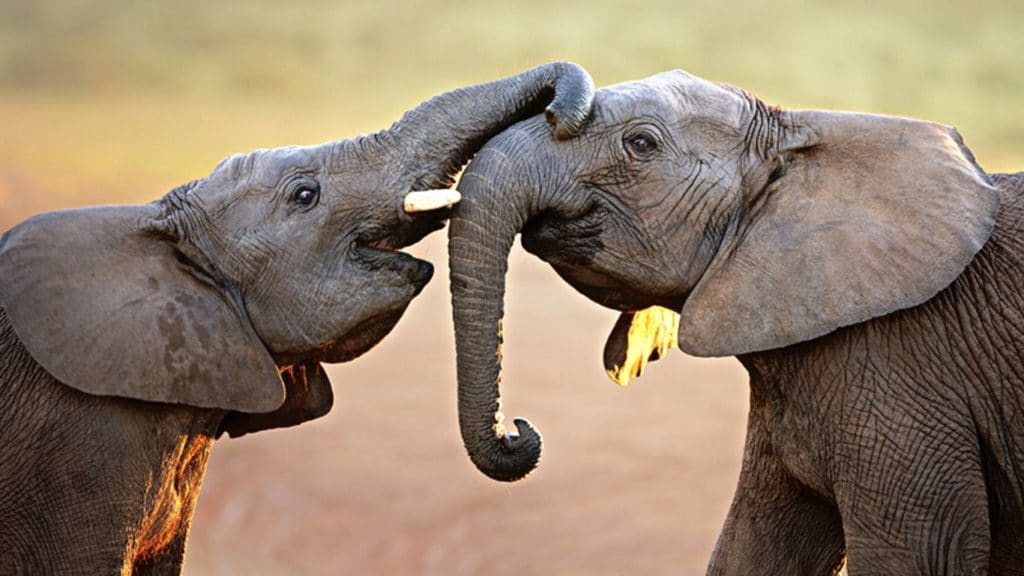
A poaching epidemic underway in South Africa is killing endangered animals including elephants and rhinos every day. Protecting wild animals is a huge challenge because they roam over such massive areas. Our partner, the Addo National Park alone covers 630 square miles (1,640 square kilometers) of dense vegetation offering poachers ample places to hide. The animals need our help to provide a high-tech drone to locate poachers before they kill animals. The poachers work for Chinese criminals seeking rhino horns, elephant tusks, lion bones, leopard skins – in fact, any wild animal body part they can peddle in Asia. They are merciless and would have no hesitation in ambushing and killing game rangers. This makes patrolling the area a difficult and seriously dangerous job. We need to prevent this from happening at Addo National Park Criminals are smart – we must be smarter! We need to raise $7,500 (£5,500) to provide Addo with a high-tech anti-poaching drone. For animals, drones can be lifesavers. Flown at night and equipped with stealth technology, they identify poachers from their body heat, lock onto them and track them through the bush. This information is sent to nearby anti-poaching teams who home in on the gangs and ARREST THEM if possible. A drone like this is an invaluable weapon in combating poaching so, your donation will have an immediate impact on the scourge of poaching and save countless animal lives. Addo is home to the world’s southernmost population of elephants and one of the best hopes for their survival. Some 600 elephants live there, along with critically endangered rhinos and thousands of other animals. With your help to buy a drone, we can protect the animals and crucially, track down the killers. Please help us raise the funds needed to provide Addo’s animals with the technology to protect them. Given Addo’s dense vegetation, poachers can easily hide from foot patrols, but they cannot hide from the sky. Another plus is that sky patrols prevent anti-poaching teams from coming face-to-face with murderous armed poachers on the ground. We work extensively with the Addo National Park to help protect animals – but we can’t do it without you. Thanks to your generosity, we have helped Addo to obtain additional land for animals, set up boreholes to provide critical water supplies during times of terrible drought and have funded translocations to diversify animal gene pools – a critical part of wildlife conservation. Please, if you can, help us now in our mission to preserve the precious wildlife of the Addo National Park. We must protect them from senseless and blood-thirsty poaching. Drones are also a vital tool in biological monitoring, helping conservation teams locate animals for medical emergencies. A drone will also play an important role in monitoring animals without stressing them. Importantly, anti-poaching units can use video footage and images obtained via the drone as evidence in court cases to put poachers behind bars. Your support has previously helped us protect and care for Addo’s animals. The animals need your help yet again
Rescued baby wild animals, including critically endangered pangolins, need medical treatment and intensive care to be readied for return to the wild!
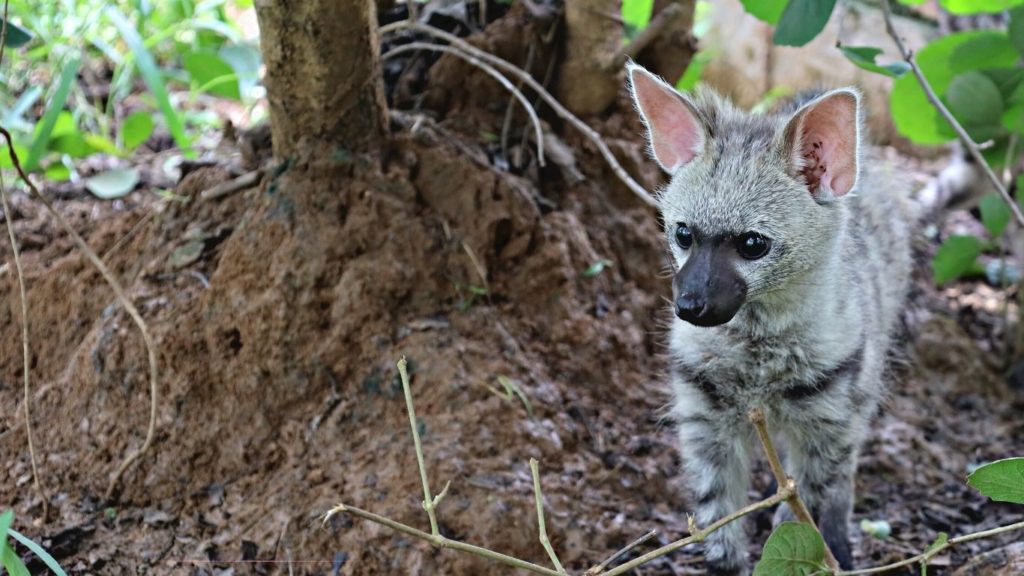
In a remote part of South Africa, sick and injured orphaned baby wild animals desperately need a bush veterinary clinic to help them. Our partner, the Umoya Khulula Wildlife Centre, is a rescue and rehabilitation center for baby wild creatures, orphaned when their mothers were killed. Right now, Umoya Khulula has dozens of very young animals, all of whom need medical treatment and intense care to be readied for return to the wild. Among them are aardwolves, springbok, zebras and critically endangered pangolins. When orphaned babies arrive at Umoya Khulula, they are always traumatized, terrified and often have injuries that need X-rays and scans. Currently, they must be bundled into a vehicle for an arduous 150-mile (240-kilometer) round trip to the nearest clinic. These are creatures who feel pain and fear just as we do – can you imagine the terror they must feel? But at the moment there is no alternative. With your help, we are going to change that by assisting with the creation of a small emergency clinic at Umoya Khulula. A clinic will save baby orphans and give hope to endangered species! This is truly important because some of these creatures are so endangered that the survival of even a single animal, to be returned to the bush, is a major victory. Vitally important RIGHT NOW are three baby pangolins rescued from the Asian pangolin trade. It may be hard to believe but there are entire international criminal syndicates that stretch their tentacles from Asian headquarters to places as remote as the deep South African bush. They have one purpose: to capture pangolins – small, solitary, gentle nocturnal termite-eaters – and skin them for their scales or keep them alive before being served as a meal for sick customers in heartless restaurants from the Congo to China. In a Congo restaurant, a slice of pangolin costs $60 (£45) and is openly on sale. The trade involves ghastly cruelty. In Asia, they like to smoke live pangolins over a fire so that oil drips from the body, which is then sold as a tonic. There is not a single shred of evidence the oil – or any other part of the pangolin, including scales – has any health benefit, but they do it anyway. All eight pangolin species are supposed to be protected under national and international laws – but in reality, they are the most trafficked animals in the world and are quickly being wiped out. All pangolin species are threatened; two are critically endangered. So, you can see why this animal welfare issue is so important. The survival of these and other babies to grow up in the wild and breed will give new to an entire species. Here’s our plan to help the orphans… We have promised to help equip a small veterinary clinic at Umoya Khulula, where the newly arrived orphans can be scanned, X-rayed and assessed immediately. An X-ray machine and scanner are available and the building is ready to have the equipment installed. Please help us provide medical help for countless orphaned animals for years to come by making a donation today. Your kindness and concern will play a crucial role in giving hope for the survival of creatures we risk losing forever. Please donate what you can today.
We helped SAVE SIX BABY PANGOLINS! Finally, they are about to be RELEASED!
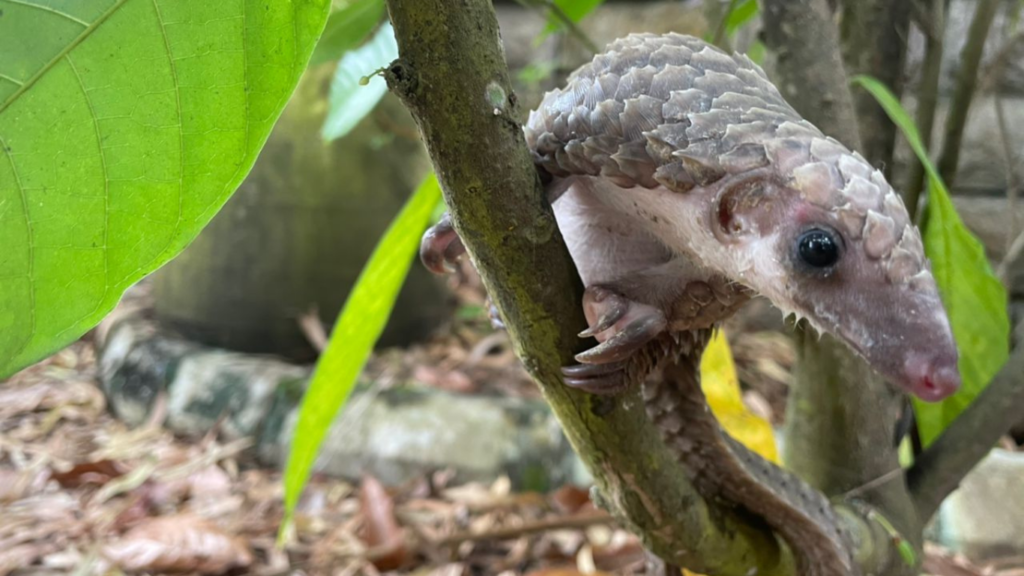
In August, we told you about the rescue of five baby pangolins whose mothers were slaughtered for the illegal bushmeat market in Lagos, Nigeria. A few weeks later, a mother and her newborn baby were also rescued. Sadly, the newborn died, but this meant that the Saint Mark’s Animal Hospital and Shelter team now had six pangolins’ lives in their hands. They turned to Animal Survival International (ASI) for help. Thanks to you, Saint Mark’s managed to save the lives of all six pangolins. Your donations ensured they were provided with constant medical attention, specialized milk formula and around-the-clock care. But the job is not over! We must now keep these babies safe as they are released into the wild. We need your help in keeping these six pangolins safe! The rescued pangolins are ready to be returned to the wild to ensure there will be new generations of these gentle creatures. But we need to help Saint Mark’s buy six GPS trackers, one for each pangolin. The trackers will allow the Saint Mark’s team to monitor their movements at all times – any unusual movement that indicates poachers may have caught them will be flagged and investigated. It is critical that we prevent them from becoming victims of the meat market in Nigeria. Your help could be the difference between life and death for these pangolins! We must urgently raise $4,300 (£3,250) to provide Saint Mark’s Animal Hospital and Shelter with the six GPS trackers. These pangolins will be EXTREMELY VULNERABLE once they are released. Nigeria is at the center of Africa’s illegal wildlife and bushmeat trade. Corruption and a lack of law enforcement have made it nearly impossible to shut down the illegal bushmeat market in Nigeria. This has resulted in hundreds of pangolins in desperate need of being rescued and rehabilitated. Pangolins are the most trafficked mammals in the world. Please donate today and help us save these six! Pangolin scales and meat are in high demand in Asia which has accelerated the species to become the most trafficked mammal in the world! Saint Mark’s is the ONLY animal rescue center in Nigeria’s capital city of Lagos. Each year, the number of rescued animals brought to Saint Mark’s is growing. Founder, Mark Ofua, has made it his mission to save as many wild animals as he can from the many illegal markets… But, for Mark to continue his mission, he needs our help to ensure the safety of the pangolins after they have been released into the wild. Please donate today so that our work to save these animals from being slaughtered and ending up in the illegal bushmeat market can continue.
It is not too late to SAVE COUNTLESS ANIMALS FROM EXTINCTION!
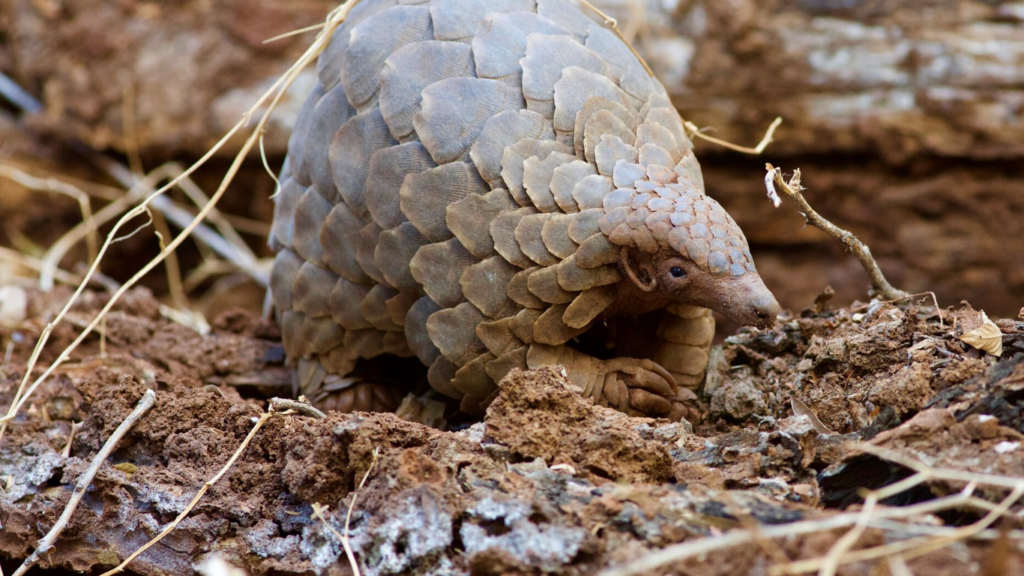
These are frightening times for animals and the planet! Climate change, the relentless destruction of forests, coral reefs and wilderness areas and the illegal trafficking of creatures large and small, powered by greedy humans, are sending animals and marine creatures hurtling towards extinction. Without determined action, we could lose the wild and its creatures soon and forever. That’s the grim, but true, situation as we enter 2022. But there is good news too! As you know, ASI fights every day to save animals and protect the wilderness. We also raise awareness about the situation, because truly, most people don’t realize how bad it is for animals. Elephants are a good example… Can you imagine a world without elephants? Elephant numbers are plummeting, and climate change is making a bad situation even worse. This year alone, we provided water systems and waterholes for elephants in South Africa and Namibia. At the Addo Elephant National Park, the systems we provided are giving water 24 hours a day to hundreds of elephants and thousands of other animals in the worst drought in 93 years. We were there to help and will be in 2022, thanks solely to our supporters who value our animals and the planet as much as we do. At the other end of the size scale, the world is on the way to losing pangolins, the gentle, shy, solitary and nocturnal scaly anteaters, who pose no threat to anyone. Yet they are the most illegally trafficked animal in the world. Once captured, their scales are ripped from their bodies to be used as hangover ‘cures’ in Vietnam and traditional ‘medicines’ in China. Often pangolins are kept alive, long enough to be boiled alive and sold in Asian restaurants as menu items. With the help of our supporters, we support rescue operations and pangolin rehabilitation programs in Nigeria and South Africa. So threatened are pangolins that rescued creatures have to be kept in guarded secret locations. Thanks to our supporters, we are at the forefront of the fight to save them. Our work never stops, and we need to do so much more. Make no mistake, the world and its animals are in peril, and we need your help to fight it. We get no help from governments – our support comes from caring, thoughtful people who are as concerned as we are. It’s donations from people like you that allow us to help animals – so please, if you can, make a donation to help ASI fight for animals and the planet. In 2021, we helped endangered tortoises in Madagascar, frogs in Turkey and hyenas and toads in South Africa. We financed anti-poaching and anti-snaring activities in Zimbabwe. Zebras, aardwolves and aardvarks, badgers, barn owls, giraffes, wildebeests, rhinos, monkeys and birds of prey have all benefited from the work our supporters allow us to do. Sea creatures who benefited from your donations include seals and turtles. We focus much of our attention on direct action to save wild creatures, but we also finance scientific research to learn more about animal populations in the wild. This work is vitally important to help maximize the chances of animal survival in an ever-diminishing wilderness. None of what we do can be done without people who care enough and realize how bad the situation is. Wild animals need your help – the planet needs your help. Please donate generously to Animal Survival International right now. Your donation is important. ASI works internationally – we go where we are needed but we can only do so with the help of caring people like you. We live and breathe these issues every day, and each day, we become more alarmed at the seriousness of the situation: animals are headed for extinction and extinction is forever. The need for urgent action is vital. For 2022, ASI has pledged to expand our help to wild creatures and to increase our efforts to protect the environment. The work we do is critical for animals and the world we live in – don’t doubt for a moment that your donation really makes a difference – even a small amount is a godsend for animals. There is so much good work to be done. Animals need you – please do your best to help. Orphaned baby animals URGENTLY need a clinic! Let us end 2021 by telling you about our plans to help create a wildlife emergency veterinary clinic at the Umoya Khulula Wildlife Centre in a remote bush region of South Africa. Umoya Khulula is a volunteer organization that rehabilitates baby animals rescued from traffickers or whose mothers were poached. At the moment, if an animal needs emergency care, the nearest clinic involves a 114-mile (284 kilometer) round trip. Many animals die during the journey. It would be so wonderful if you could make a small donation to help animals there. The list of needs is long, but there is hope. ASI helps improve animal lives and protects the wilderness. Please join us in this crusade for the animals and the planet we live in by making a donation right now.
It’s a staggering task to rescue and save four baby rhinos. Please, help us!
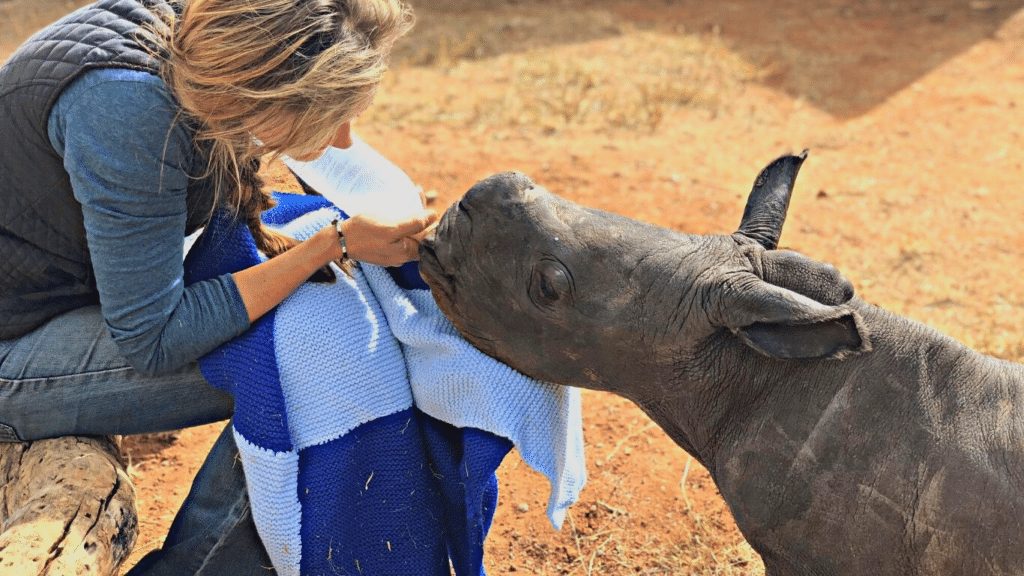
We have terrible news! Right now, four baby rhinos have been orphaned after their mothers were killed for their horns in the South African bush. We have been asked to help save them. Taking advantage of freak storms, likely driven by climate change, poachers swooped in on a game area in South Africa’s Mpumalanga area and slaughtered every rhino they could find. These orphans need our help! They are the innocent victims of a poaching epidemic that has swept the country. Poachers have killed 24 rhinos in South Africa since the beginning of December, according to the Department of Forestry, Fisheries and the Environment. Each baby rhino story is more heart-wrenching than the next… it’s a miracle that four babies survived! One baby was no more than 12 hours old when she was found lying next to her mother’s mutilated carcass with the umbilical cord still attached. Now named Daisy, she had yet to take her first steps; she couldn’t even stand. She was rushed to our partner, Care for Wild’s (CFW) sanctuary where she received an emergency blood transfusion from an older rescued rhino. Daisy now has intensive round-the-clock care. She is fed hourly and always has a caregiver with her. She is a tiny, tiny baby and has already lost out on receiving the nourishing colostrum from her mother’s milk that should’ve kick-started her development. Only with our help, does she have a chance to survive and grow strong. One of the last of his species, baby Taro wandered hungry and alone for days… followed by hungry hyenas! It couldn’t be more important that Taro, a baby black rhino, survives because black rhino are hurtling towards extinction, with only 5,000 left in the world. Taro’s survival could make an important contribution to breeding – if we can keep him alive. Poachers used the cover of a storm to brutally kill his mother and he wandered alone in the wilderness for several days before an anti-poaching unit found him and sent him to our partner. For 18-month-old Taro, proper nutrition is crucial – he must eat between 20 and 30 different shrubs and trees every day as well as take special medication for the next two months if he is to have a chance. So traumatized by his ordeal, Aquazi had to be sedated and blindfolded before his pneumonia could be treated! Aquazi was found when he was just three weeks old. He’s another little miracle because he had wandered the bushveld on his own for several days and still survived, just. He was so stressed that he had to be blindfolded, given earplugs and sedated before he could be put on a drip to fight pneumonia in his body. Aquazi is now stable. He has a sweet nature and has befriended an orphaned zebra at the sanctuary. Shiloh was so close to death she had to be medevacked by helicopter during a ferocious storm! Shiloh was found lying motionless close to her mother’s body just as a ferocious storm rolled in. A rescue helicopter managed to get the baby to our partners just in time and veterinarians immediately began treating him on the helipad. All four babies are so stressed by their ordeals that they must be given medication to prevent the development of deadly ulcers. Without it, vets say all four would die. It is amazing that these defenseless babies survived long enough to be rescued. Although they are now safely in the hands of a devoted team of caregivers (in an undisclosed location – for their safety), it remains a touch-and-go situation for all of them. The CFW team is working in shifts to ensure a caregiver is always by the orphans’ sides – they must be monitored around the clock. The youngest calf, still only a few days old, must be fed every hour because she is not stable, and her condition is of major concern. All of the babies are severely traumatized and fighting for their lives, we must urgently raise $7,000 (£5,285) for costly medical treatment and 24-hour care for these orphaned rhinos to survive! We have never before been called upon to save four baby rhinos at the same time – it is a staggering task and one we cannot complete without the help of animal lovers like you. If these rhino calves are to survive these crucial weeks of recovery, we need urgent help so we can rush emergency funds to CFW. Your donation will be put to immediate use for comprehensive medical treatment and continuous care. Each one of these animals is vital to the survival of their species, and we must do everything within our power to ensure that all four babies survive and are released to a protected area.
Poachers have already killed 75% of Zimbabwe’s majestic lake elephants. Now, THE REST ARE IN PERIL!

A few months ago, we told you about the terrible slaughter of Zimbabwe’s lake elephants and the efforts of the Bumi Hills Anti-Poaching Unit (BHAPU) to protect the last of these magnificent creatures. BHAPU is a small, committed team that put their lives on the line every day. But now, the team, and the animals they protect, are in trouble! Their anti-poaching boat is out of commission and without it, there is no one to patrol the waters of the vast Lake Kariba, where poachers pose as local fishermen. We must urgently raise $5,500 (£4,100) to repair the boat before poachers take advantage of its absence! 65% of BHAPU’s arrests are made by boat! For the sake of the elephants, we MUST get the team back on the water NOW! Poachers killed 75% of the majestic lake elephants. But then, BHAPU was formed to defend them. This expertly trained team has been successful in protecting these iconic creatures for years, but without their boat, they have lost their first line of defense. Lake Kariba, the largest man-made lake in the world, is used as a highway for illegal wildlife smuggling. The lake forms 140 miles (220 kilometers) of the international border between Zimbabwe and Zambia. Poachers and smugglers take advantage of the difficulty of patrolling this enormous stretch of water and regularly move wildlife contraband across the lake. With BHAPU’s operations limited to the land, smugglers are now free to move with little fear of being caught. We have promised to send help, but we need your support. Please donate generously today to get BHAPU back on the water! The anti-poaching boat has been an important tool in protecting these animals for over 25 years. But thousands of operations and chases have battered the boat badly, causing the fiberglass hull to collapse completely. Only the support of animal lovers like you can keep these elephants safe. Elephants are highly intelligent, emotional beings who form strong bonds with each other. They protect each other fiercely and mourn the deaths of their kin for months, even years. Across the African continent, these animals are in peril. Poaching, habitat loss and climate change threaten their survival as a species, making every single elephant population a priority for conservation. Please, help us protect the last of the lake elephants! Without their boat, BHAPU is unable to respond to wildlife emergencies! BHAPU must often respond to wildlife emergencies where animals’ lives are imminently at stake. Snared animals, human-wildlife conflict incidents and trapped baby animals all rely on the BHAPU team to come to their rescue. But without their boat, the team must travel by land – and many of these animals won’t survive long enough for them to make the long arduous journey across miles of rugged terrain. Please, for the animals, donate generously today!
The Yorkshire Post: Lack of Action on Illegal Hare Poaching Not Good Enough – David Bean of Countryside Alliance
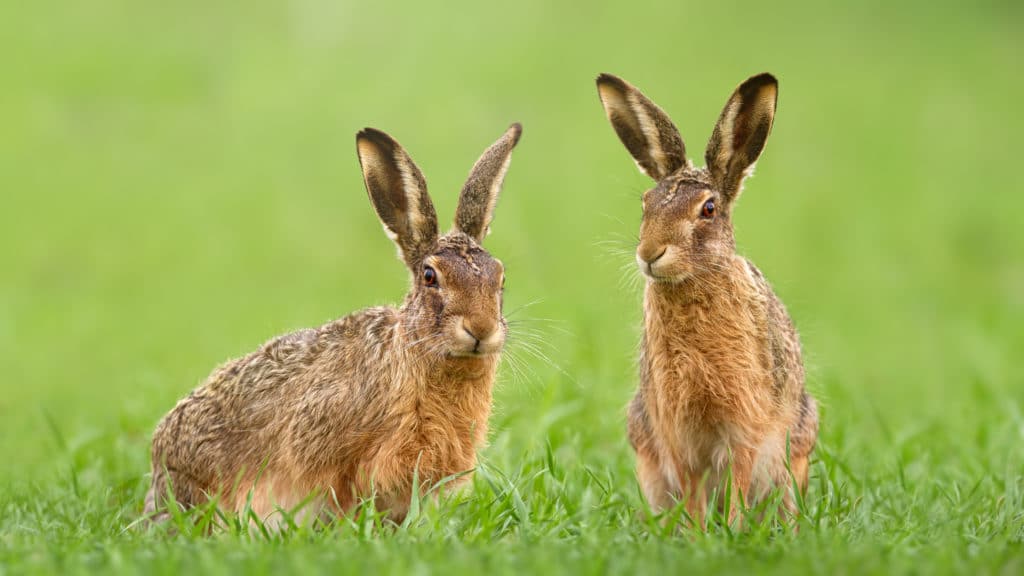
Adapted from article written by John Blow Originally published by The Yorkshire Post (Tuesday, November 16, 2021) Having dashed, zigzagged and seasonally boxed across British fields since Roman times at least, few inhabitants of our landscape are more iconic than the hare. Changes in farming practices, especially in the West of the country, saw significant declines in the hare population through the middle of the last century, but numbers have stabilized in recent decades and, especially where farming is predominantly arable, there remain high densities of hares in many areas. However, nearly everywhere that hares are abound, including many parts of Yorkshire, poaching with dogs has become endemic. In its wake comes criminal damage, theft, vandalism, and violence. The “season” usually begins after harvest, as poachers take advantage of bare fields. A single incident can cause thousands of pounds worth of damage to land and crops, and see farmers and landowners violently abused. This is not the romantic poaching of rural myth. A local going abroad with his dog to take ‘one for the pot’. Poachers in powerful four-wheel-drive vehicles smash down gates, drive through crops and hedges to run their dogs on hares in competition with one another. At its extreme, it can involve organized criminal gangs betting thousands of pounds on the outcome of matches. Police forces have struggled to tackle this sort of blatant criminality despite their best efforts and increasingly close cooperation between different forces. One of the issues they face is that hare poaching is most often prosecuted under the Game Acts, which date back to the 19th century. The offenses in the Acts precisely describe the problem: “trespassing in pursuit of game”, but they are burdened by a range of deficiencies that have been rectified in more modern wildlife law. For instance, they lack robust powers to seize dogs and vehicles or recover kennelling costs, or penalties stiff enough for effective deterrence. For many years the Countryside Alliance has campaigned for reforms that would strengthen the power of the police and courts to act in partnership with groups as diverse as the Country Land and Business Association, the National Farmers’ Union and the RSPCA (Royal Society for the Prevention of Cruelty to Animals). In May, it appeared that this activity was at last bearing fruit: the government’s much-vaunted Action Plan for Animal Welfare finally included a commitment on hare poaching, and its specific proposals closely resembled the measures we had sought for so long. What we lacked was a timetable: a firm indication of when the government planned to act and as such, how much longer the rural community must wait for action. With no government legislation in the pipeline the Police, Crime, Sentencing and Courts Bill, which was already before parliament, seemed the ideal vehicle for reforms that already enjoy broad consensus. Our proposals would increase penalties, allow the courts to disqualify offenders from owning or keeping dogs and let the police recover kennelling costs for dogs that have been seized. They have the support of all politicians of all parties, rural organizations, the RSPCA and the police, and would deliver almost everything the Government says it wants to achieve without the need for another piece of legislation. Last Wednesday, therefore, when the Police Bill was being considered in the House of Lords, amendments to tackle hare poaching were tabled by a group of sympathetic peers headed by the Lord Bishop of St Albans. He opened the debate with a powerful exposition of the threat illegal hare poaching poses to rural life, and as it progressed it quickly became clear that unlike much of what has been a controversial bill, the measures attracted broad cross-party support. Yet as the crossbench peer Lord Carrington observed, when similar amendments were brought to the House of Commons, “[t]he response by the Minister was that Defra was aware and dealing with the issue. Nothing further has been heard yet.” It was therefore more with dismay than surprise that we learned the government was once again fumbling a prime opportunity for action. It would not accept the amendments and they were withdrawn. Responding on behalf of the Government, Lord Sharpe of Epsom repeated what we have heard time and again: ministers are looking at it, there are detailed discussions, it will take time, we need to get it right; however, he failed to explain any objections to the proposals, what the government wants as an alternative or what timescale it has in mind. All he could offer was action “when parliamentary time allows.” That is simply not good enough when there is a clear and urgent need for action and parliamentary time now. Given the level of support for these measures, and the concern across the countryside about the activity of hare poachers, we fully expect these proposals to be revisited in the House of Lords. The government’s opportunity has not yet passed, but there can be no more excuse for delay. Rural communities have been waiting far too long for the Government to get serious about tackling hare poaching. It is time for talk to give way to action. David Bean is the Parliamentary and Government Affairs Manager for the Countryside Alliance.
BADGER BAITING! Hunters call this “SPORT” – ripping PREGNANT badgers from their dens and letting savage dogs TEAR THEM APART!
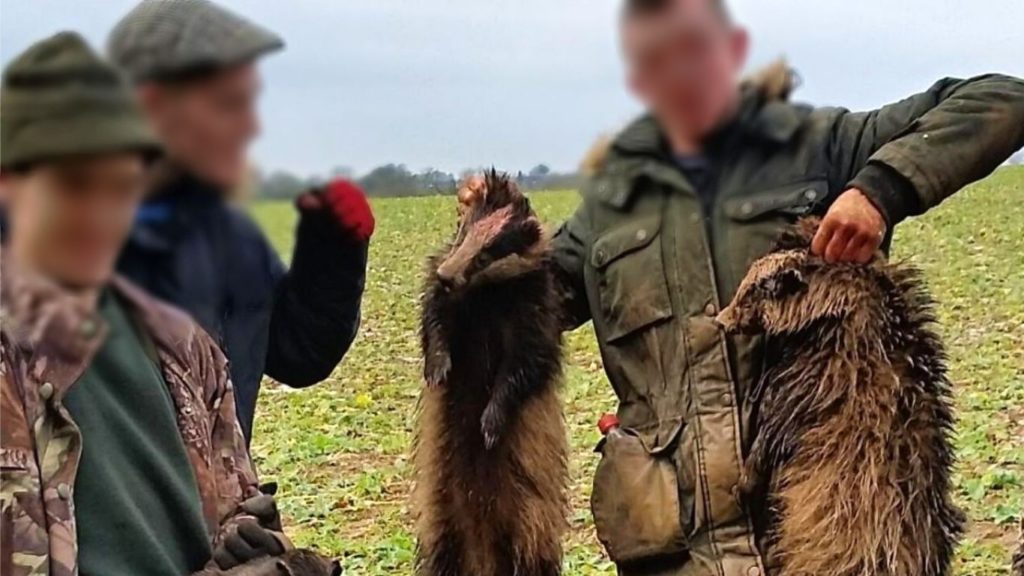
Each year in the United Kingdom (UK), it is estimated that more than 10,000 badgers are tortured and killed for entertainment by huntsmen and their dogs! The barbaric and illegal blood sport of “badger baiting” is wreaking havoc on this protected species. We need your help to bring this carnage to an end by putting the cruel perpetrators where they belong – behind bars. Badger baiting involves sending trained dogs down badger setts (dens) to locate and hold the animal at bay while hunters dig them out. Once exposed, the badger is dragged from its sett and TORN APART by a pack of savagely trained dogs. And this is considered “sport!” With your help, we can raise the £5,000 ($6,800) to fund undercover investigations into the networks responsible for this horror and BRING THEM TO JUSTICE! Badger baiting takes place mostly between November and March when badger sows are pregnant or giving birth… Badgers are typically shy and peaceful creatures. But during the cold winter months, they become defensive – ferociously protecting their homes when females are pregnant or nursing their young. Badger baiters exploit this defensive behavior which makes for “better sport”. So-called “better sport” also means graver injuries to the hunters’ dogs. A badger has great strength and their powerful digging claws can do serious damage when they’re fighting for their life. The dogs are often left with horrific wounds. Worried that veterinarians may report them, hunters usually stitch the dogs’ wounds themselves, without giving the animal pain relief or antibiotics. If the dogs are severely hurt, they are simply shot or tied up and left to die. We must do our best to bring this horror to an end, but we need your help. A horror that is becoming more common is underground badger baiting events, where a badger is brought to a makeshift arena and as many as 15 blood trained dogs are set on it – and tear it to pieces. Even if a badger manages to best one of the dogs, its fate is sealed. Either through injury or exhaustion, the terrified creature will eventually succumb while crowds place bets and cheer on the pack of dogs. A large badger, such as a pregnant female, can be sold for as much as $970 (£700) to the gangs who run these underground torture events. In addition to the horrific injuries from being viciously attacked, the badgers are often deliberately wounded to guarantee a longer fight or to “protect” valuable winning dogs. This is usually done by either breaking their jaw or leg or pulling their teeth out! These animals suffer long, agonizing deaths. It is critical that we fund investigations to identify these criminal networks and bring them to justice! The badger is the UK’s last remaining large carnivore – an iconic creature who urgently needs our help. Despite being a protected species since 1992 – despite badger baiting being illegal for almost 200 years, the unspeakably cruel “sport” continues to thrive on a terrifying scale, particularly in Wales and the surrounding areas. ASI cannot – will not – allow this to continue. Please, donate today and help us root out the people responsible! Those found guilty of badger baiting face sentences of up to six months in prison per offense, hefty fines and lifetime bans on owning animals – but the challenge lies in catching them. That is why it is critical that we fund undercover investigations to root out the callous criminal gangs at the heart of this horror.
EMERGENCY! Lily the pregnant pangolin has taken a SUDDEN TURN FOR THE WORSE!
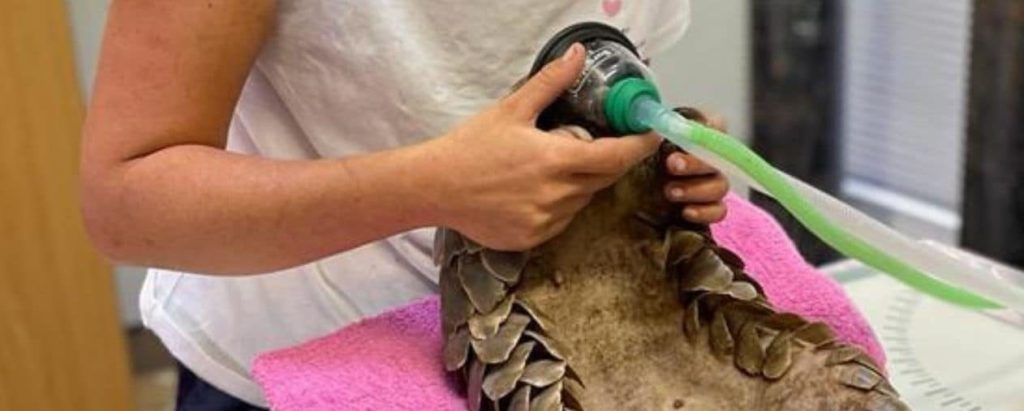
In October, we told you about Lily, the terribly emaciated pangolin who was rescued from traffickers in South Africa and miraculously turned out to be pregnant despite her horrific ordeal at the hands of callous criminals. We reached out to you for support, and you responded generously, allowing us to send critical funds to kick-start her intensive medical care and rehabilitation. But Lily has taken a sudden turn for the worse! Her red blood cell count has plummeted, and her only chance for survival is a blood transfusion! We cannot give up on Lily and her unborn baby now. Please, help us raise the $3,000 (£2,200) needed to give her and her baby a chance of survival! If we are to save Lily and her baby’s lives, two teams must work simultaneously to meet a tight deadline. A medical team will be at the wildlife hospital working to stabilize Lily’s condition so that the procedure can be successful, while a second team will have just hours to track another pangolin, draw a safe amount of life-saving blood for Lily and rush it back to the hospital! An undertaking like this has NEVER BEEN ATTEMPTED before! We MUST try to save Lily and her baby! Lily was rescued from traffickers in a shockingly emaciated state Lily and her baby are lucky that a large adult male pangolin was recently rehabilitated and released in a nearby protected area. Using his state-of-the-art GPS tracking tag, the team know exactly where to find him and is standing by to deploy. Rangers will track him on foot and an expert wildlife veterinarian will draw blood after confirming that it will not negatively impact his health or affect his strength. The blood will be packed into cold storage and rushed to the hospital to hopefully give Lily the strength she needs to recover and see her pregnancy through. Pangolins are the most trafficked mammal on earth. Every pangolin life is critical for their survival! Every single species of pangolin in Africa and Asia are at risk of extinction. Their scales are used widely in phony traditional “medicines” and their meat is served as an illegal delicacy in many countries. A thriving black market for these gentle creatures is driving them to extinction at a rate we have never seen before, and if we don’t do everything we can to save pangolin lives now, they will be wiped out in a matter of years. Lily has been fighting so hard to survive and to see her pregnancy through, and her team of caregivers continues to give her the best possible around-the-clock care. But pangolins are very delicate creatures and Lily won’t be able to recover from her dangerously low red blood cell count without our help. Please, donate now and help us rush emergency help to Lily and her baby!
OUTRAGEOUS! Leopards slaughtered by the thousands for their skins! In the name of FASHION!
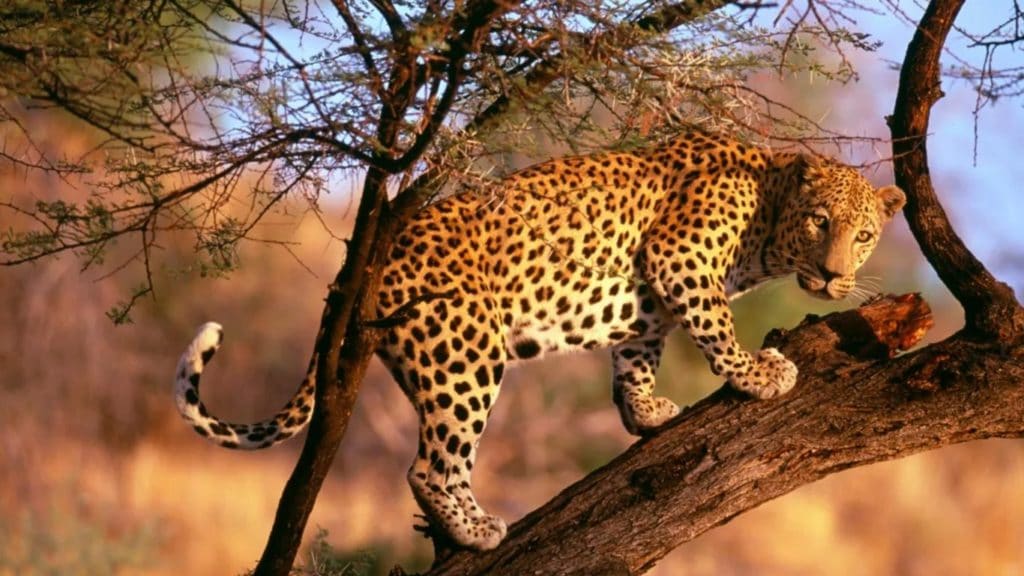
Leopards are the most persecuted big cats in the world! In the last 50 years, almost ONE MILLION of these magnificent animals have been killed in Africa for trophies, to make coats from their beautiful skins and because some farmers view them as pests. It takes EIGHT leopard skins to make one coat! Fashion has played a big role in pushing leopards to the brink of extinction. Sadly, in the 1960s, their beauty fueled the slaughter of 50,000 of these exquisite creatures for their skins to be made into coats and hats – every year. Even today, thousands are being killed for their skins annually. It’s only a matter of time before they disappear forever – unless we do something. It’s OUTRAGEOUS! Leopards slaughtered by the thousands for their skins! In the name of FASHION! There is a booming illegal trade in leopard skins too, but because we know so little about leopard numbers, it’s difficult to pinpoint from where these animals are being poached. Please, will you help us raise the $8,000 (£5,812) needed to learn this critical information and give leopards the protection they so desperately need? Leopards’ massive territories and their secretive behavior make it exceptionally difficult to determine how many are left. There is a dreadful suspicion that a conservation disaster is looming. Researchers say that their populations are declining faster than they can understand – and at a rate that surely cannot continue for long. The Hwange National Park in Zimbabwe may just be one of the leopards’ last strongholds in Africa. But we need to find out how bad the situation is and establish the threats they face to protect them. Please, help us raise the funds needed to humanely collar and track leopards in Hwange to secure a future for these mysterious, imperiled big cats before it’s too late. Leopards have lost almost 70% of their habitat – and the rest is shrinking fast! This leopard was saved just in time from a snare thanks to a tracking collar Leopards are solitary animals who each need territories of up to 270 square miles (700 square kilometers). But with human settlements growing and encroaching on wild areas, these creatures are being put into fierce competition with each other for space or killed when they enter farms or communities in search of food. Sometimes, these cats are shot by farmers who view them as pests. Those who don’t die immediately are left to suffer and slowly succumb to bullet wounds or starvation. We must do everything we can to protect these magnificent creatures! At almost 6,000 square miles (15,000 square kilometers), the Hwange National Park could be a haven and support a large breeding population of leopard. But we must first learn more about their behavior, movements and the threats they face here. Please donate today and help us secure a future for these cats.
African Elephants Evolving Towards Tusklessness, New Study Finds
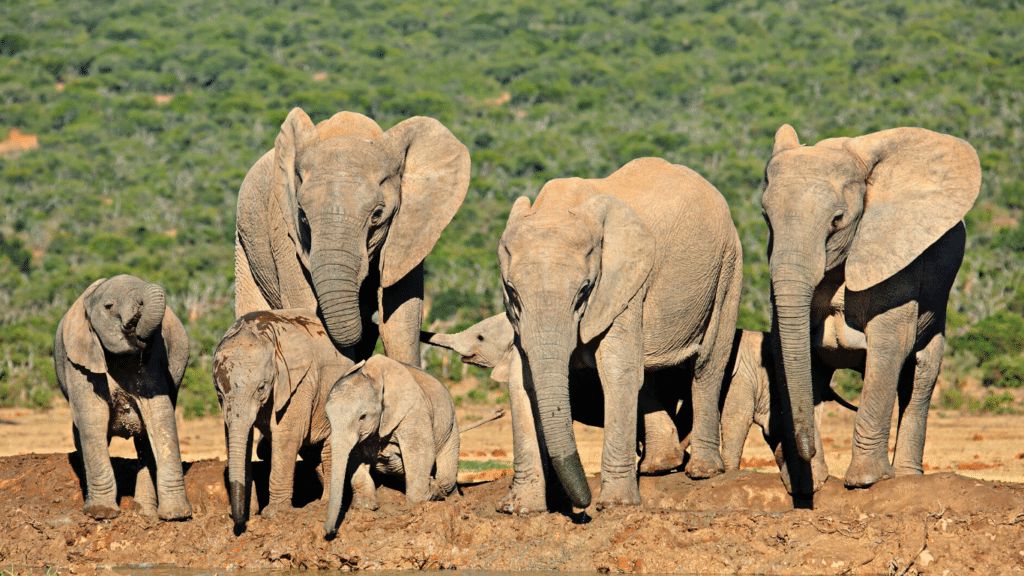
A recent study on African elephant genetics has found that the species is evolving towards tusklessness in areas where ivory poaching has been rampant. This is according to research published this month in Science and based on findings observed in the Gorongosa National Park in Mozambique. What was observed was that a genetic mutation that caused elephants to be born without tusks has now become much more common in groups that were once relentlessly massacred for their tusks. Slaughtering elephants for ivory skyrocketed in the late 1970s and throughout the 1980s when global demand for the material reach an all-time high. It was during this period that the elephant population in Africa was reduced by half – a major contributing factor being the Mozambican civil war between 1977 and 1992. Armed forces all but decimated the country’s elephant population, using ivory as currency to fund the conflict. Only 10% of the animals survived. Naturally, elephants without tusks were ignored by poachers. As a result, the once-rare mutation is now being seen in growing numbers of female elephants at Gorongosa during periods of heavy poaching, elephants without ivory are more likely to pass on the gene. “One of the conspicuous features is that a lot of the female elephants don’t have tusks and we were getting intrigued by this phenomenon,” said Robert Pringle of Princeton University’s department of ecology and evolutionary biology, which led the study. “We realised that although there had been a fair amount written with people observing the fact that elephants were sometimes tuskless, especially in places where there had been a lot of poaching, nobody really understood why. And nor had anybody really quantified or documented the phenomenon and been able to really attribute it to a cause, as opposed to just speculating about the origins.” The research shows that tooth-building genes are most likely involved in the syndrome, which also presents in humans and is lethal to males in both species. But, while the mutation might protect some elephants from poaching, could it have implications for the species, in light of the fact that males with the syndrome do not develop properly in utero? “About half of male elephant calves with a tuskless mother will have this genetic abnormality, which means elephant herds where there has been a lot of poaching can end up severely depleted of males,” said Pringle “But this problem is reversible over time.” “There’s such a blizzard of depressing news about biodiversity and humans in the environment and I think it’s important to emphasise that there are some bright spots in that picture,” he added. Elephant numbers have risen steadily for two decades and the population has more than tripled in size since being pushed to the brink of extinction in the 1990s. Given those statistics, Pringle says it’s expected that the prevalence of the mutation will once again decrease provided that concerted conservation efforts remain firmly in place. Adrienne West of Animal Survival International (ASI), an organization that works extensively with elephants in South Africa’s Addo Elephant National Park, said that the findings match her experience at Addo. “The area experienced extensive elephant hunting in the last century and today the number of tuskless elephants is of such concern that Park officials enlisted our aid to bring big tuskers in from other areas,” she said. “Our program commenced in 2019 and it is too early to know the results but we are optimistic, and the findings that with good conservation, tusks will return is encouraging indeed.”
IT’S WRONG! Top UK vet body supports CRUEL AND POINTLESS badger slaughter!

We have told you before about the horrific cruelty involved in the slaughter of more than 160,000 badgers in England in a futile bid to control the spread of bovine tuberculosis (bTB) in cattle. In the face of overwhelming scientific evidence that badger culling has not and never will have any significant impact on the transmission of the disease to cattle, the UK government said it would phase out the killing. Instead, it broke that promise and announced that up to 76,000 more badgers will be slaughtered this year alone! We really need your help to STOP THIS KILLING! The cull, which has already killed over ONE-THIRD of England’s badger population and cost $96 million (£70 million) does no good and is inherently cruel, yet the British government and British Veterinary Association (BVA) continue to support it! A PROTECTED SPECIES is being trapped, maimed and killed en masse – with the blessing of the UK’s vets, the very people trusted to care for animals! The BVA represents 18,000 of the UK’s 28,900 veterinarians, each of whom takes an oath, which includes the statement: “…above all, my constant endeavour will be to ensure the health and welfare of animals committed to my care.” How can this cruelty be in the interest of these animals’ health and welfare? The simple answer is that it cannot. These creatures are being betrayed by the people whose duty it is to protect them! Badgers have the highest protection status of any animal in the UK. It is ILLEGAL to willfully kill, injure or remove a badger (or even attempt to do so!) in England. These animals and their homes have been protected by law since 1973, yet the same government that gave them this protection now flouts its wildlife laws and for no other reason than what many people say is to pander to the ill-informed views of a powerful lobbying group of commercial farmers! The scientific evidence is clear! Badgers are not to blame! Defra, the UK’s Department for Environment, Food and Rural Affairs, claims that its bTB policy of killing badgers is science-led but independent scientific experts agree that culling badgers is ineffective. The government continues to ignore this evidence and is continuing with an impractical and ineffective policy – signing death sentences for an additional 76,000 badgers in 2021 alone. Even though cows are twice as likely to contract bTB from other cattle than from badgers, these shy creatures who are an icon of the English countryside continue to be blamed and executed. Please donate today so that our work to save these creatures from senseless and painful extermination can continue.
50% of the Badger Population in the UK to be Wiped Out by 2026 Makes for a Somber National Badger Day
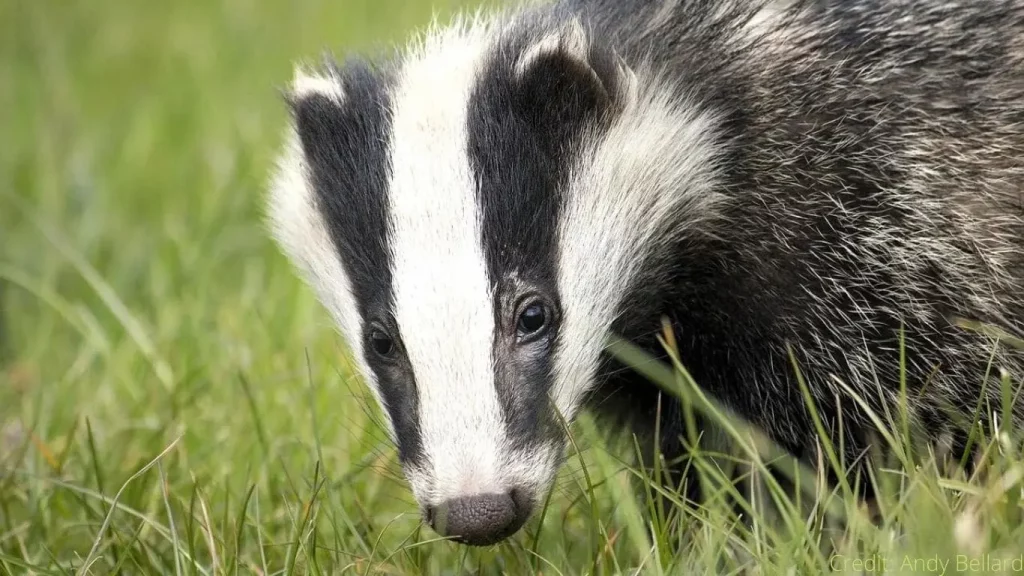
October 6th is National Badger Day in the United Kingdom (UK). Usually, this would be a day to celebrate one of Britain’s most iconic animals, but this year, any celebration is marred by the recent announcement that the controversial badger culls are set to expand to seven additional counties. Up to 75,000 badgers could be killed this year, bringing the cull’s total death toll to roughly 200,000 – almost half the UK’s badger population. Culling badgers has been the nationwide policy for controlling bovine tuberculosis (bTB) since 2011, in an attempt to manage the spread of the disease in the interest of commercial beef and dairy industries. This is despite bTB vaccinations being readily available, and data consistently showing that culling badgers makes no meaningful contribution to the control of the disease. In May of this year, the UK government confirmed that no new cull licenses would be issued after 2022. But the four-year licenses will allow thousands more badgers to be killed before they expire in 2026. By this time, close to 60% of the UK’s entire badger population will have been wiped out courtesy of £700-million in taxpayer money. Wildlife conservation organizations warn that the cull will not achieve its objective and could have severe impacts on ecosystems. “It is desperately frustrating that the UK government continues to ignore scientific data proving that the cull is ineffective,” says Adrienne West of Animal Survival International (ASI). “Instead, they continue to massacre a protected animal which is also a keystone species. The knock-on effect on natural habitats could be devastating.” Authentic scientific data indicates that the UK government’s current attempt to bring the spread of bTB under control is failing dismally. Badgers are the UK’s last remaining large predator and despite being legally protected throughout the UK, they have become the scapegoat for the spread of bTB.
On the verge of death! Starved and wounded pregnant pangolin in need of critical medical care!
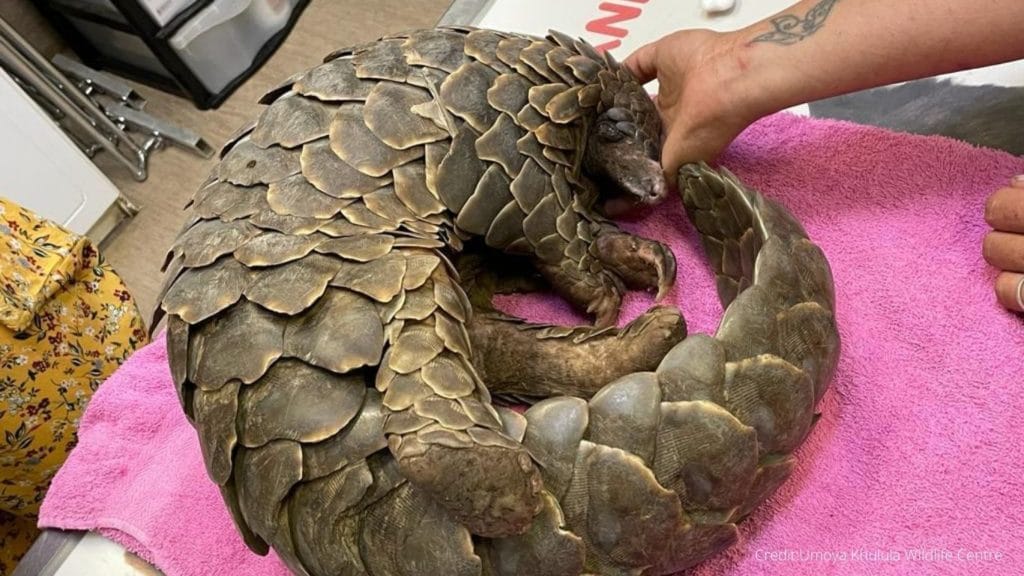
In a daring undercover sting operation in South Africa, a pangolin on the brink of death was rescued from traffickers. The most trafficked mammals in the world, pangolins are prized in Asian restaurants as a delicacy and their scales are used in phony Chinese ‘medicines’. Pangolins are racing towards extinction, and every single life is important for their survival. The pangolin had been badly injured by her captors and was terribly emaciated. She was rushed to a veterinary center where the team made a shocking discovery – she’s pregnant! But now, both her and her baby’s lives are at risk. We urgently need your help to provide critical medical care to this pregnant pangolin if she is to survive these crucial weeks and keep her baby. Starved and wounded by her captors, we must urgently raise $6,500 (£4,700) for costly medical treatment and around-the-clock care for this pangolin and her baby to survive! It is nothing short of miraculous that the stress of her ordeal didn’t cause her pregnancy to fail. Our partner, Umoya Khulula, informed us that the pangolin, named Lily, is in the worst condition they have ever seen. Tied up and stuffed into a backpack for at least 12 days with no food or water, she is critically underweight and her condition is very fragile. Her captors ripped off fistfuls of her protective scales, causing immense pain and leaving her delicate skin bleeding and exposed. Although Lily is now safely in the hands of a committed team of caregivers in an undisclosed and closely guarded location, she is not out of the woods yet. She needs to be carefully rehydrated on a drip, anesthetized and fed through a tube to receive critical nutrients and monitored 24-hours a day for signs of pneumonia, which is a common but deadly side effect of stress in pangolins. There are two lives at stake! Please help us rush funds to provide intensive medical treatment and around-the-clock care! This gentle creature is in desperate need of our help. We have pledged to provide support, but, we need your help to do so. Please help us raise the $6,500 (£4,700) so urgently needed. Your donation will be put to immediate use for intensive medical treatment and around-the-clock care. Each one of these animals is vital to the survival of their species, and we must do everything within our power to ensure that Lily and her baby survive and return to a protected area. If we do not save every pangolin we can, these rare and unique creatures could become extinct in our lifetime. We are working towards a long-term solution to the worldwide illegal trade in pangolins for traditional ‘medicine’ and meat. But in the meantime, rescuing individual pangolins from traffickers, rehabilitating and releasing them into protected areas with high-tech tracking equipment, is our best course of action to try to prevent their extinction. Lily’s captor has been arrested and faces a lengthy prison sentence, but it is now a race against time to save his victim and her unborn baby. Please, can we count on your support? Rescuing a pangolin from traffickers and securing arrests is a big success, but this is only the start. These criminals have no regard for the welfare of the captured pangolins, who are often close to death when they are confiscated. As a result, it becomes a race against time to assess the animal and start emergency treatment. In Lily’s case, the team must provide the emergency care she needs, but also be very careful to keep her stress levels down and her treatment as non-invasive as possible for the sake of her pregnancy. Any additional stress could cause her body to abort the baby. Lily’s medical costs are already skyrocketing, but she and her baby are worth it. Please donate to help us secure their survival. Lily has a long road to recovery ahead of her, and the team must work harder than ever before to ensure that she is healthy enough to be released and give birth in the wild. She will need to be stabilized as soon as possible so that she can begin her rehabilitation and build up her strength. Thankfully, she has dedicated caregivers who are committed to giving her the best possible care. But they cannot do it without our support. Please, help us save Lily and her baby. They have a chance of survival, but only with our help.
We Did It! The Baby Elephant Rescue Operation Was a Success!
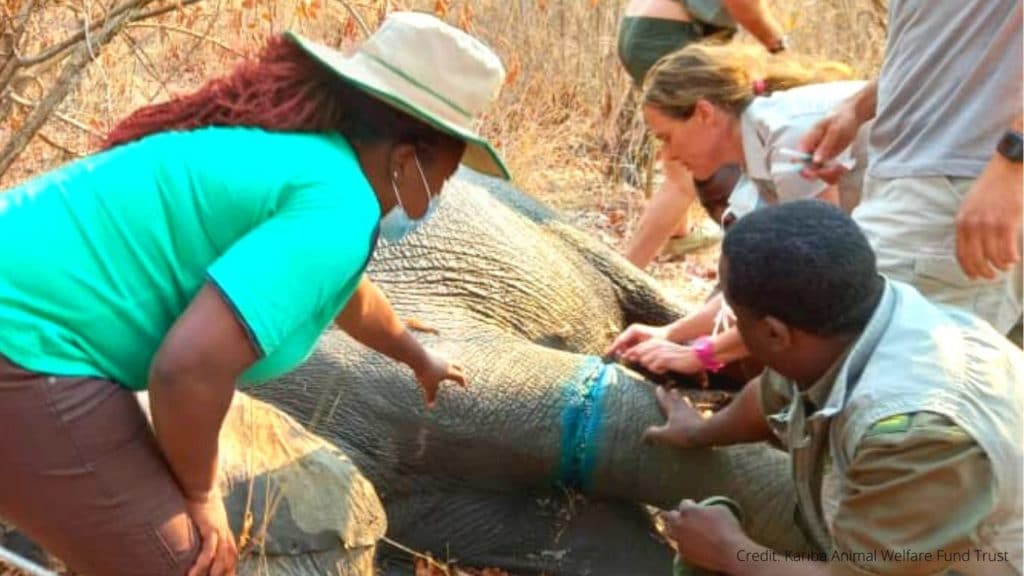
Just days ago, we were alerted to a baby elephant in Zimbabwe with a wire snare wound tightly around the top of its leg. The swelling was so severe, veterinarians worried the calf would lose its leg if the snare wasn’t removed soon enough. The only option we had to save this baby elephant was to charter a helicopter, dart the elephant from the sky and send in a team of experts to treat it as quickly as possible. It was a race against time to save the baby elephant! A nail-biting two days passed while waiting for the flight plan to be approved by all the relevant authorities, as a team of Zimbabwe National Parks Rangers kept a vigilant eye on the herd. But early yesterday morning, the team took to the sky. They quickly located the herd and darted the baby from the helicopter. The ground team of vets and rangers worked fast to clean and treat the wound, administer antibiotics and reverse the immobilizing drugs, while the expert helicopter pilot kept the mother elephant at bay for the team’s safety. Once the baby elephant (who the vets discovered is a girl!) started to wake up, the helicopter pilot herded the mother back to her baby. The team watched as they reunited with the rest of the herd and moved off together. This baby elephant is expected to make a full recovery, but something MUST be done to prevent this from happening again! The snare had cut deeply into the elephant’s leg, but treatment came just in time, and she is expected to make a full recovery. This, however, is not always the case and that is why ASI is committed to ending the use of snares. Snares are horrific devices that torture and kill animals indiscriminately; not even elephants are safe from their cruelty. Thanks to your support, ASI was able to make a generous donation to the Kariba Animal Welfare Fund Trust, which will sponsor regular snare sweeps in the area. We will do everything we can to prevent this from happening to another animal!
Elephant Appreciation Day
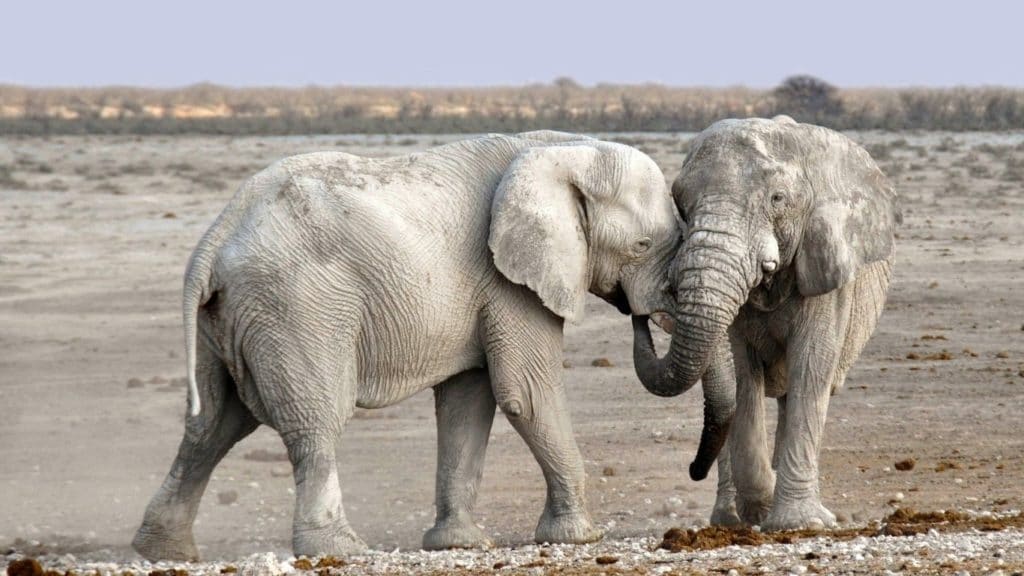
Today is Elephant Appreciation Day – a day to reflect on these great, grey, gentle giants which never cease to evoke a sense of awe in humankind. The more we learn about them, the more we marvel at their social structures, their caring family lives and the sheer wonder of their being. Yet, we are destroying our elephants, pushing them to the brink of extinction through trophy hunting, ivory poaching and habitat destruction. Greed and corruption beset elephants at every turn. Even CITES (The Convention on International Trade in Endangered Species of Wild Fauna and Flora), the international body tasked with protecting elephants from exploitation, has blatantly justified Namibia selling its wild elephants into captivity. Read more… At Animal Survival International (ASI), we strive to protect African elephants in every way we possibly can. At Addo Elephant National Park in South Africa, ASI is providing water for more than 600 elephants as the worst drought in a hundred years takes its toll. In Zimbabwe, we financially support anti-poaching efforts to help save the last of Kariba’s famous Lake Elephants, the targets of ongoing ivory poachers. Just this week, we provided emergency funding to prevent a baby elephant from losing his leg to a deadly snare in Zimbabwe. In Namibia, we provided water for some of the last free-roaming elephants in the country, so that they would stay in safe areas and not be shot at by farmers and hunters. But the efforts we have made are being undermined by the Namibian government which has announced it intends to sell 57 wild elephants, many of which will almost certainly end up in zoos. Sometimes it seems that we are fighting a losing battle as with every elephant life we save, another is lost. More than 50 elephants die every day at the hands of ivory poachers. The situation has become so serious that if humanity doesn’t change the way it exploits elephants, they will soon be gone forever. To prevent this from happening, we need to act now. We at ASI promise that with the commitment of our supporters, we will be at the forefront of the fight to save elephants. Please don’t let today be the only day you think about these majestic creatures. Be part of the daily effort to save elephants. Become a supporter of Animal Survival International, and we promise to do whatever it takes to protect elephants across Africa.
International Body Tasked With Protecting Endangered Species Shamefully Allows Namibia to Export Wild Elephants
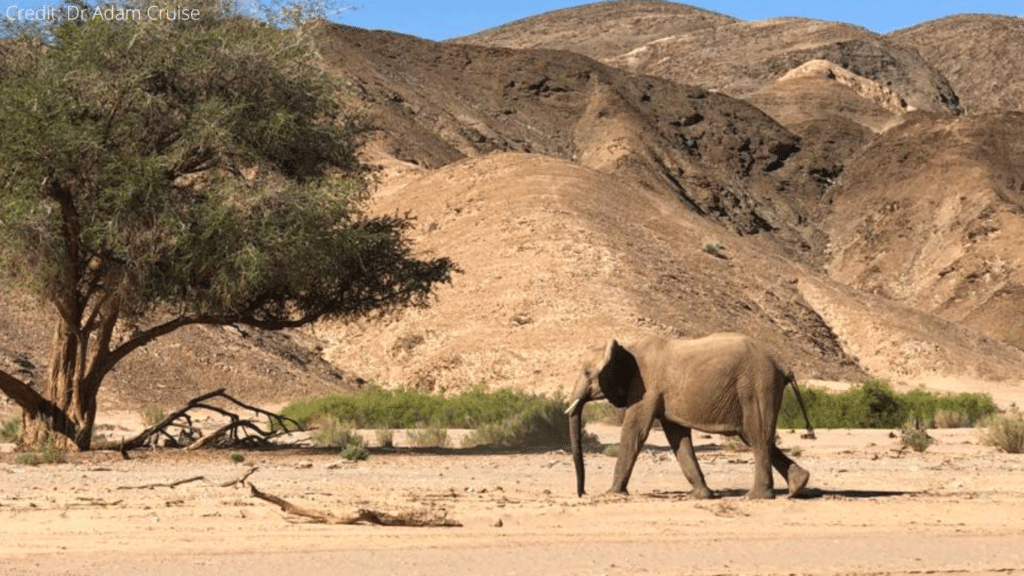
By Melissa Reitz The Convention on International Trade in Endangered Species of Wild Fauna and Flora (CITES), the international body that oversees trade in endangered species, has given Namibia the go-ahead to capture and sell 57 wild elephants, of which around 35 will be exported to captive destinations. According to an investigation by US welfare organization, Animal Survival International (ASI), these elephants, including calves, are likely to be sent to zoos and safari parks in the Middle East. The Al Ain Zoo in the United Arab Emirates (UAE) has confirmed that it is expecting elephants early next year but would not say from where. Previous elephant exports to the UAE have required a five-month quarantine period. This green light by the CITES Secretariat flies in the face of the Convention’s legislation to prohibit Namibia from exporting its live elephants outside their natural habitat under their, and according to conservationists is a deliberate misinterpretation by Namibia of, trade regulations. “Namibia is making a mockery of international laws with its deliberate abuse and misinterpretation of trade regulations which are meant to protect elephants,” says Adrienne West, Chief Campaigner of ASI. “What is deeply concerning to conservationists is that it is not the role of the CITES Secretariat to verify Namibia’s elephant exports, instead, it is the duty of CITES signatory countries.” The legality of Namibia’s actions will be examined by CITES Standing Committee (its executive body) at its next meeting in 2022. But by this time, the sold elephants will have already been freighted to their destination. In a convoluted statement, the CITES Secretariat attempted to justify the sale with a complex set of explanations that highlight the ineffective role CITES plays in protecting endangered species from trade exploitation. In essence, the statement alleges that Namibia is permitted to export the elephants under a questionable interpretation of elephant Appendix II listing, saying that under certain circumstances, the country may export its elephants abroad using an Appendix l listing. Appendix I-listed elephants can be exported under certain conditions, which includes being sold to zoos. CITES approves zoos and safari parks as “acceptable destinations” if they cite “education” or “captive breeding programs” as their purpose for import. This leaves plenty wiggle room for zoos to invest in elephants, which draw high ticket sales, under the guise of wildlife conservation efforts. Elephant experts, including the IUCN (International Union for Conservation of Nature) Elephant Specialist Group, say keeping elephants in captivity has no conservation value to the species and is severely traumatic for individuals. Research shows conclusively that elephants in captivity suffer significant physical and psychological suffering, with high calf mortality and low reproduction rates. The capture has already begun in the northwest regions of Namibia, where the famous and extremely vulnerable population of desert-adapted elephants live. A recent two-month on-the-ground investigation, partly sponsored by ASI, found that elephant populations in the northwest regions are on the verge of collapse, and removing elephants from these areas will be devastating to the future existence of the population. “The capture of just a few individuals in the Kunene Region will have serious consequences on this isolated population of desert-adapted elephants already reeling from years of trophy hunting, drought, habitat encroachment and human persecution,” says Dr Adam Cruise, who carried out the investigation. “If elephants are removed from this area, we may as well bid farewell to Namibia’s desert elephants for good.” While it is not clear what the Secretariat’s motivation is in backing the exports, Namibia’s motivation is clear. The sale of the wild-caught elephants will amount to $4.1-million (£3-million), which Namibian officials claim will be used for wildlife conservation and benefit community conservancies. But no evidence has been provided to support how the money will be spent. “We’ve seen African states exploiting international agreements over and again to sell elephants to zoos or safari parks in the US and Asia,” says ASI’s West. “A complete overhaul of CITES outdated Treaty Terms is long overdue.” This controversial endorsement by the Secretariat of Namibia’s elephant transaction, underlines a deep dissatisfaction with CITES by those African countries seeking to protect elephants, making it clear that CITES does not act as “a multilateral treaty to protect endangered plants and animals” but rather as a treaty to keep score and support the trade in natural endangered resources to the best of its ability.
EMERGENCY RESCUE OPERATION! Baby elephant has wire snare wound tightly around his leg – cutting off blood-flow. WE CAN’T LET HIM DIE!
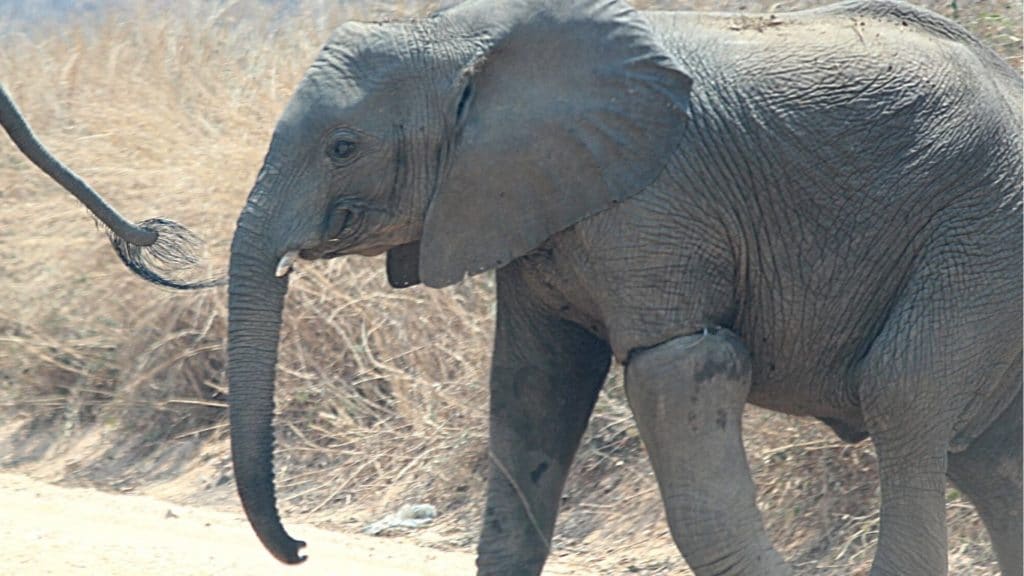
A baby elephant in Zimbabwe’s Kariba region urgently needs your help – and the clock is ticking! The Zimbabwe National Parks Authority has been alerted to a baby elephant with a wire snare wound tightly around the top of his leg. Now, together with the Kariba Animal Welfare Fund Trust (KAWFT), we are working as quickly as possible to help arrange the logistics, specialized equipment and personnel for an emergency rescue operation. We are in a race against time to save a baby elephant’s life! Every step he takes is tightening the device and putting him in greater danger of death. We must urgently raise $7,000 (£5,000) to charter a helicopter and buy medical supplies to dart the baby elephant and remove the snare before it’s too late! The wound is already dangerously swollen, and vets fear his time is running out! The team at KAWFT saw this baby elephant just five days ago, with no sign of a snare. That means the damage is worsening dangerously fast, and he will soon lose the use of his leg. It is critical that we relieve the swelling and return blood-flow to the leg as soon as possible. Please, donate now so that we can rush life-saving assistance to this injured animal. It will be a dangerous rescue operation, but we are committed to saving this baby elephant! This elephant herd is well known by KAWFT, and the calf’s mother is notoriously unpredictable. We anticipate that she will protect her baby fiercely from human interference. This means the expert team of Zimbabwe National Park rangers, veterinarians and a highly trained pilot must execute the rescue with military precision and with the highest level of care. The adult elephants are already on edge because the calf is struggling. But they will need to be kept at a safe distance from the rescue team and the injured calf once he has been successfully darted from the air. Again, we are in a race against time to raise $7,000 (£5,000) to charter a helicopter and purchase medication to save this baby elephant. The team on the ground is busy preparing so they can be ready to mobilize at a moment’s notice. Another team of rangers are keeping as close as possible to the calf, while the veterinarians, who are donating their time and expertise to save the life of this baby elephant, are standing by. All that remains is to secure the helicopter and to purchase the immobilization drugs and medical supplies to dart and treat the injured calf. Please, donate right away so that we can get the team in the air! This baby elephant is an example of why ASI is so committed to ending the use of snares! Snares are horrific devices that torture and kill animals indiscriminately. No animal is safe from their cruelty. This calf is the second baby from the same mother to be caught in a snare. ASI cannot stand by and let this baby elephant suffer and die because of a snare. We have promised to send emergency help, but we cannot do it without you. Snares function like a noose – tightening with pressure! The wire where the snare was anchored to a bush or tree is now catching under the calf’s foot with each step, causing it to become tighter and tighter. We cannot imagine the pain and stress this little elephant is experiencing. Please help us end this anguish and save his life.
This is our BEST CHANCE to end the horror of snaring!
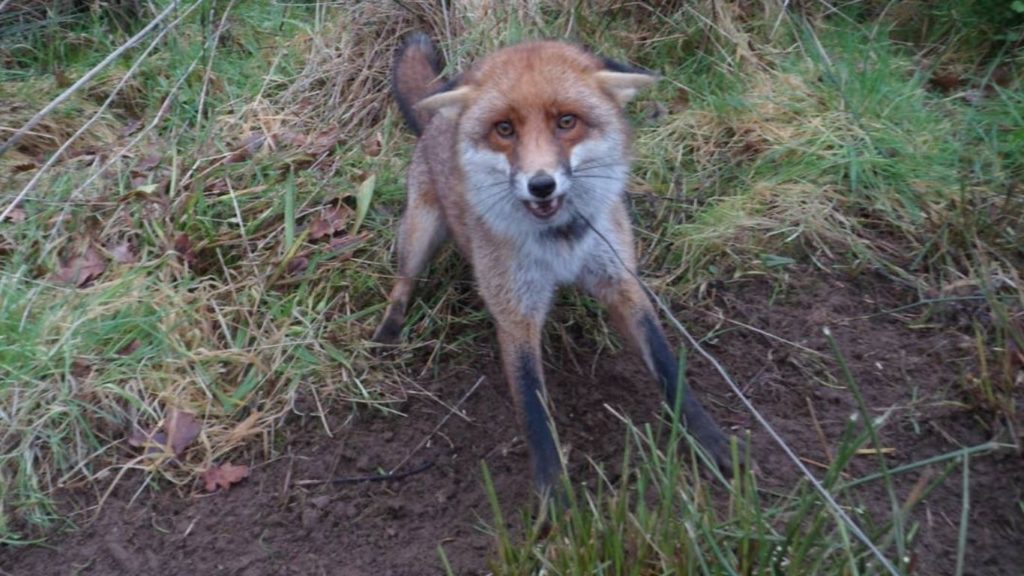
We have told you before about the atrocities caused by LEGAL snaring – daily acts of murder that kill up to 1.7 million animals in the United Kingdom (UK) every single year. But now, we have a chance to put an end to this horror, and we need your help. Every 20 seconds, another innocent animal is caught in a snare. Our partner, the National Anti-Snaring Campaign (NASC), has worked tirelessly towards a complete ban on snaring in the UK, and the government has finally responded: “The Government recognises that some people consider snares to be an inhumane and unnecessary means of trapping wild animals and will launch a call for evidence on the use of snares…” To secure a ban, we must ensure that in-depth reports and damning evidence of the cruelty of snares are submitted by the NASC and other organizations as soon as possible. Can we count on your support of our plan to sponsor the development of these reports and collate the evidence? This is extremely important and perhaps the only chance animals have to avoid being trapped and dying in agony. Please, help, us raise the $9,000 (£6,500) needed to secure evidence and develop reports on the atrocities of snaring! Sadly, the animals are up against the might of the UK government’s Department for Environment, Food and Rural Affairs (DEFRA), which has publicly stated that snares are “an effective and relatively humane form of control.” We cannot fathom how being slowly tortured for hours – or sometimes days – until finally succumbing, could ever be considered “humane”! Nor can we count on vets who belong to the authority created for the welfare of animals, the British Veterinary Association (BVA). Even the BVA’s so-called “Ethics and Welfare Group” supports snaring. These two major decision-makers in the UK, which exist for the care of animals, are advocating for the slow and agonizing torture of millions of animals. So, it is up to us! We do not accept that millions of animals will continue to suffer such horrific pain that some resort to gnawing off their own limbs in an attempt to free themselves. With your help, we have a chance to show the UK government what snares truly are: devices of torture that must be totally banned! Snares trap indiscriminately – it could be a fox, a protected species or even a beloved family pet. These so-called “humane” traps do not know the difference, and whichever animal it catches, will never die humanely. Authorities claim that ‘non-target’ animals such as badgers are able to free themselves from snares, but even adult deer are not strong enough to break free! We will sponsor independent, professional testing, which we are confident will prove that no animal is strong enough to break free from one of these torture devices without suffering life-threatening injuries. Please, donate now towards securing this critical evidence. As of 2020, it is estimated that a quarter of the UK’s native mammals are now at risk of extinction. NASC is taking on the government, and they reached out to Animal Survival International for support. We agreed and are now reaching out to you. Please donate so that we can stop this horror once and for all! There are simple and effective alternatives to the cruelty of snaring. For example, fox and rabbit-proof fencing are animal friendly, safe and more effective at protecting livestock and crops. There is no reasonable argument to support the continued use of these torture devices. This is exactly what these in-depth reports will show the government. We need your support if we are going to help protect millions of wild animals from torture and death. Please, donate now to support this very important cause. Together, we have a chance to outlaw this horrific practice and secure a victory for the animals.
Unable to respond to animals in need! Time is running out!
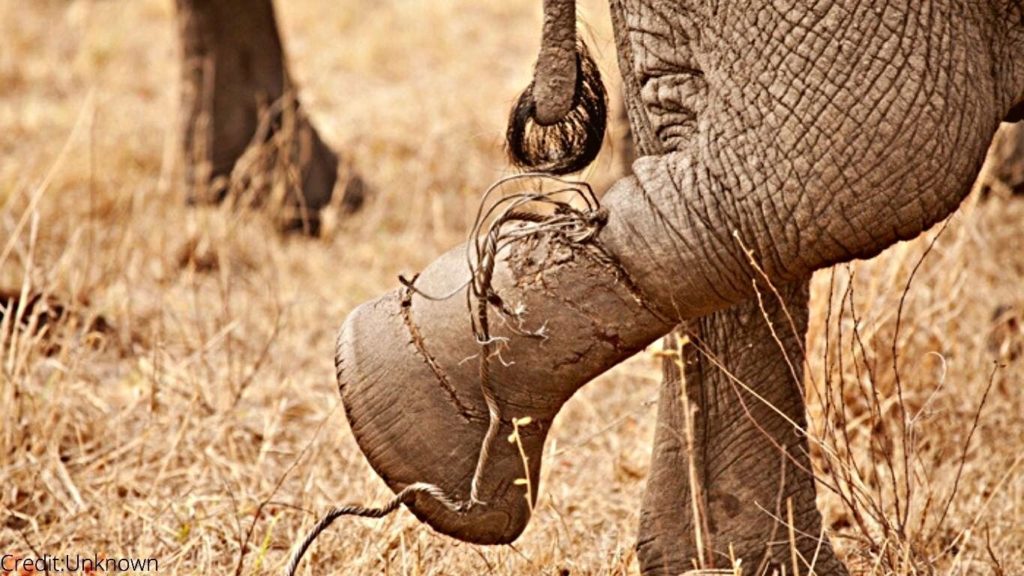
We’ve told you before that an estimated 3,000 snares have been set around the unfenced Hwange National Park in Zimbabwe – so many that the very survival of entire populations is threatened. Lying in wait, these cruel devices trap and strangle animals, causing severe pain, injury and ultimately death. Our partner in Zimbabwe, DART (Dete Animal Rescue Trust) is a dedicated team that works around the clock to remove snares and rescue injured animals in the Hwange area. But now, DART faces an emergency that is preventing them from doing this vital work! The organization’s only two vehicles, vital for its operation, are out of working order and need costly repairs. Without these vehicles, the team cannot respond to emergency calls to rescue snared and injured wild animals. We must help DART continue saving animal lives. It will cost $4,800 (£3,500) to repair the vehicles and get them back on the road. Every day they are out of action means more suffering for animals trapped in snares. Please donate generously today so we can get help to the animals RIGHT NOW. The snares are primitive, yet deadly. Made with any available material such as telephone wire, steel fencing wire, nylon rope, electrical cable, and even braided tree bark – the Hwange area has become a lethal killing zone for wild animals. Even elephants and lions aren’t spared the torture and possible death caused by deadly snares. We cannot ignore the suffering Hwange’s wild animals are enduring. We need your help to save Zimbabwe’s already endangered wildlife from being caught by these deadly devices. Without DART able to do its job, hundreds of animals who become trapped by snares will die long, painful deaths. Or the few lucky enough to get away will live with horrific festering wounds that, in the end, will also kill them. Each life saved is hope for an entire species. Several years ago, DART saved a snared female cheetah on the verge of death. Thankfully, the team got to her just in time and managed to treat and release her. A short time ago, we received news from DART that this cheetah had recently given birth to a SECOND LITTER of cubs since her rescue! These babies have increased Hwange’s critically endangered cheetah population by 25%. This goes to show how vital DART’s work is. Please help us get them back in action. We have no time to lose. With snares, no animal is safe. Endangered creatures such as wild dogs, lions and elephants are at risk of being caught, tortured and killed. The animals of the national park roam free, crossing main roads, even passing through villages. Every step they take is a possible disaster waiting to happen. They need the assistance and life support that DART gives them. Please, help us today to support DART and save indiscriminately snared animals from excruciating pain, prolonged suffering and death. Donate as generously as you can – together we can get DART back on the road.
Two more pangolins have just been rescued! THEIR SURVIVAL IS TOUCH-AND-GO!
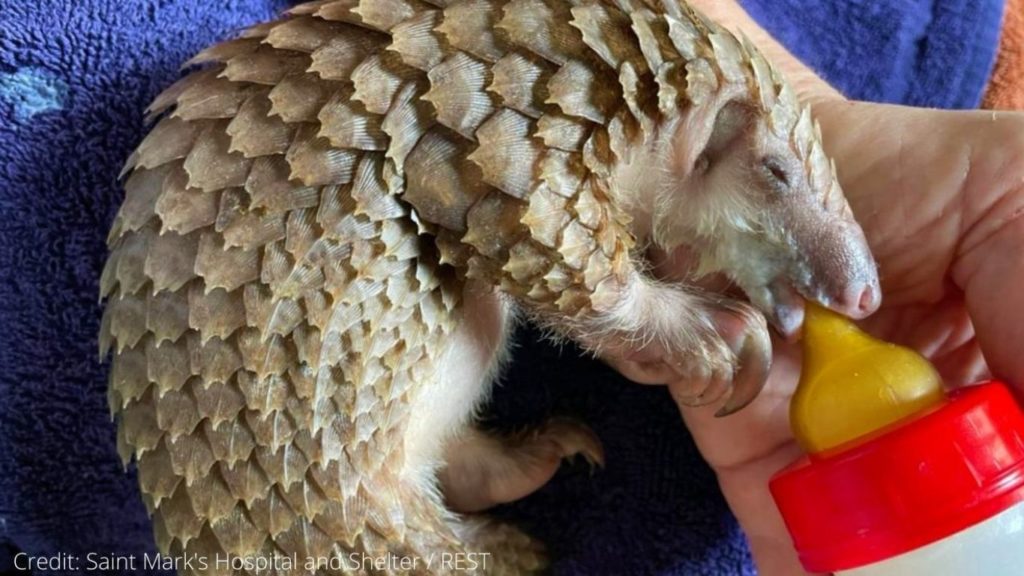
Last week, we told you about five baby pangolins rescued from the illegal bushmeat market in Nigeria who are in desperate need of our help. As the Animal Survival International (ASI) team was preparing to rush life-saving funds to the Saint Mark’s Animal Hospital and Shelter, two more pangolins – a mother and newborn baby – were rescued. The mother’s condition is critical and if she doesn’t survive, we cannot guarantee the survival of her baby. We must urgently raise an additional $2,500 (£1,800) if they are to have a chance of survival. We’ve told you before about the crisis facing Africa’s pangolins. This shy, scaly creature is the most poached and trafficked mammal in the world. Asia’s insatiable demand for pangolin scales and meat is fast-tracking the species to extinction, which means every single pangolin life is important. Right now, seven pangolins, who were rescued from the illegal bushmeat market in Nigeria, are in desperate need of our help. Five mothers have already been killed, but with medical attention, specialized milk formula and around-the-clock care, we can give the rest a chance at survival. Please will you help us help them? If we don’t act immediately to help these unique and rare animals, pangolins could become extinct in our lifetime. ASI received news that our partner, the Rare and Endangered Species Trust (REST), had been called upon to provide urgent critical care for the five baby pangolins. Despite travel difficulties amidst COVID-19 restrictions, pangolin rescue expert, Maria Diekmann, immediately journeyed from her home in Namibia to Saint Mark’s Animal Hospital and Shelter in Lagos, Nigeria, to care for the fragile babies. Nigeria has become Africa’s epicenter for illegal wildlife and bushmeat trade. A criminal cocktail of lax governance, corruption and powerful trafficking syndicates has caused rapid growth in poaching and illegal wildlife exports over recent years. Yet, Saint Mark’s is the ONLY animal rescue center in Nigeria’s capital city of Lagos, where nearly 15 million people live. Founder, Mark Ofua, has made it his mission to save as many wild animals as he can from the many illegal markets. Our pangolin emergency fund has run dry. We must urgently raise an additional $2,500 (£1,800) to provide the emergency care these rescued pangolins need. With each passing year, the number of rescued animals being brought to Saint Mark’s is growing. Right now, the small, basic center is struggling with the influx of rescued baby pangolins saved from the bushmeat market where their mothers were killed for food. Mark says on average the center receives three to four rescued adults every month and this number goes up during breeding season when more babies are rescued. Every pangolin we can save from this horror is a victory for their species. Earlier this year, we asked you to help us set up an emergency fund for rescued pangolins in need of critical care. Your generous response allowed us to rush Saint Mark’s funding to help the five baby tree pangolins in Maria’s care. But these funds have run out, and the rescued pangolins are still months away from recovery. The road ahead is long, and these fragile creatures need 24-hour, hands-on care to ensure they are stable and can grow strong enough to be released back into a safe wild area. They must be fed a specialized milk formula every four to six hours, be taken on regular walks to help them build their strength and encourage their instinctive ability to forage for food. It’s also critical that their environment is stable, calm and the temperature regulated in these early weeks to ensure they can thrive without unnecessary stress. It will be at least three months before the strongest of the seven is ready to be released into the wild. During this time, we must help provide enough milk and medical care for them to survive. Before the baby pangolins were rescued and brought to Saint Mark’s, their only contact with humans was being snatched from the wild and then separated from their mothers who were killed and eaten. The noise of the markets and the barbaric way they are handled by poachers is mentally and physically traumatizing for the tiny pangolins. This means that not only do they need physical care, but it’s imperative they receive emotional support too. We cannot ignore how precious each baby pangolin life is to the entire species. We must do whatever we can to help every single one survive! Please help us take care of these precious creatures to make sure every baby pangolin survives long enough to be released back into the wild with a tracker to monitor its wellbeing. We have promised to provide more help, but we need your support.
Celebrating World Lion Day by Supporting the Shut Down SA’s Captive Lion Breeding Industry
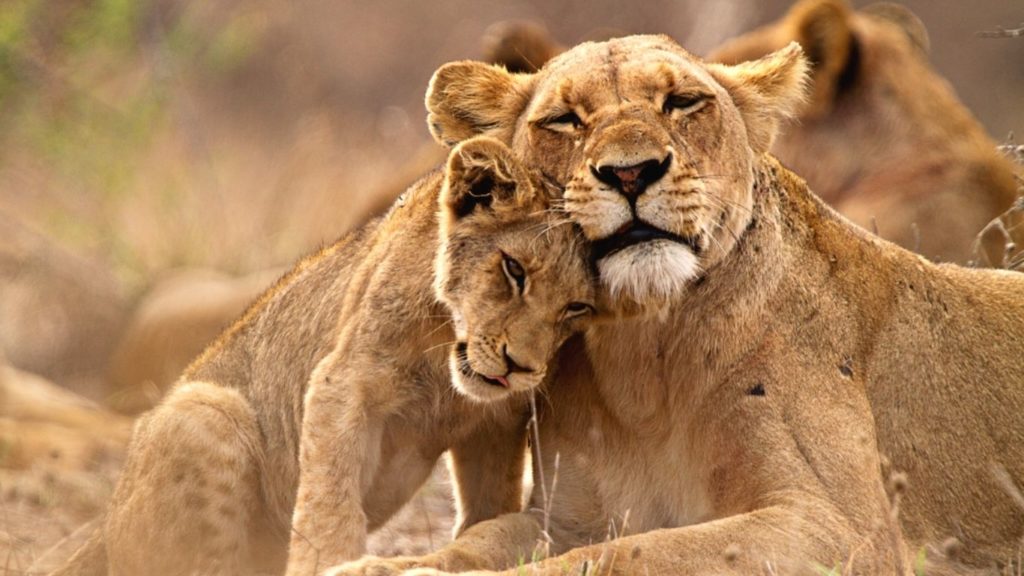
Today is World Lion Day, a day to celebrate one of Africa’s most iconic species and raise awareness on lion conservation globally. And this year we have something well worth celebrating. The South African government recently announced a complete ban on its controversial and shameful captive lion breeding industry. For more than 20 years, the cruel industry which supports breeding lions for cub petting, canned lion hunting, and trade in lion bones has been growing at an unprecedented rate. Over 10,000 captive-bred lions have been living in squalor waiting to either be ‘hunted’ or slaughtered for their bones. In the meantime, only about 20,000 lions are left on the entire African continent. Conservation and lion experts have proven that breeding lions in captivity has no conservation value whatsoever because of genetic deficiencies and human habituation. The South African government has recognized this and that the squalid captive facilities are a breeding ground for zoonotic diseases, posing a major threat to people. There is still much work to do to finalize this major move in securing a better future for lions in South Africa. Many decisions need to be made and 10,000 lion lives still need to be accounted for. We are not there yet. But this is a major step forward which Animal International Survival (ASI) supports. Lions belong in the wild. “We applaud this move in the right direction for lion conservation. Although there is much work to be done in realizing this massive shut down of nearly 350 captive lion breeding facilities, it is the only way forward if we are going to secure the lives of lions in the wild,” says Adrienne West of ASI.
Wildlife Traffickers Exploit Weak Law Enforcement in the Shipping Industry
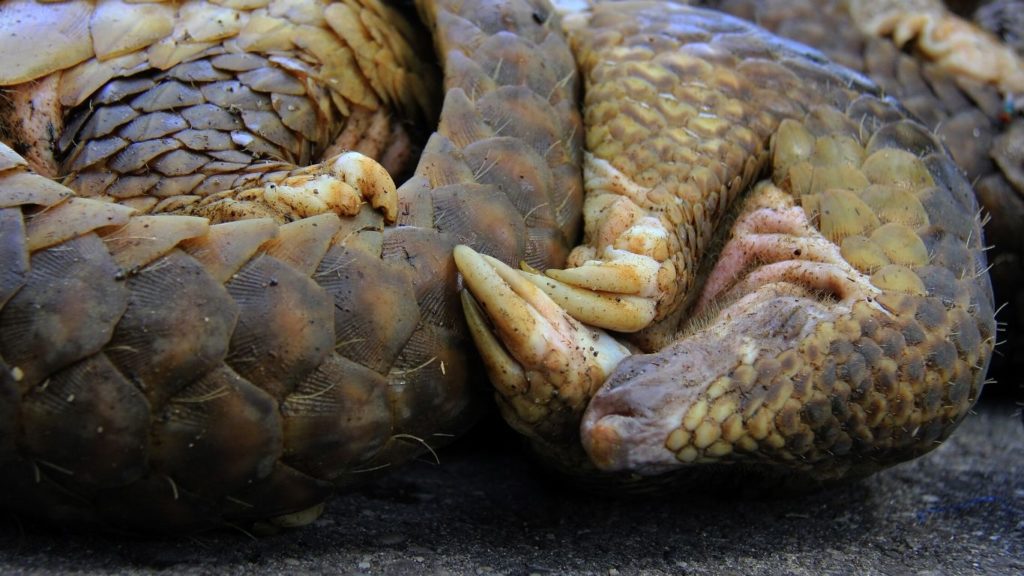
By Melissa Reitz Maritime supply chains are becoming increasingly exploited by wildlife traffickers who use loopholes and lax law enforcement to smuggle illegal wildlife products. Despite the growing demand for and movement of these products, many shipping companies are unaware they are being misused. A recent report has revealed that an estimated 80% of wildlife products are trafficked by sea. With 90% of all international trade in goods carried by ships, it’s become easy for illegal trade syndicates to use the shipping industry to transport illicit wildlife products undetected. While live creatures are mostly smuggled using air freighter and courier services, container ships are a popular choice for smuggling large quantities of wildlife products. Heavy loads of elephant ivory, pangolin scales and rhino horn, are easily moved in containers where there is a low likelihood of being detected. Bribes of between $130 (£93.50) and $260 (£187) per ton are frequently, and successfully, pushed on to law enforcement or customs officials. Employees are also routinely bribed into falsifying documentation, including CITES (Convention on International Trade in Endangered Species) permits, which are meant to regulate legal trade and ensure it does not threaten the survival of wildlife and plant species. In recent years, Nigeria, with its well-developed transportation system, has become a key export point for illegal wildlife products to major Asian consumers, namely China and Vietnam. Earlier this year, 8.8 metric tons of elephant ivory, pangolin scales and rare animal bones were found at a Nigerian port. In 2019 alone, 15.5 tons of elephant ivory and 90 tons of pangolin scales were seized on container ships heading to Asia from Africa. “Wildlife smugglers are growing bolder as the demand for animal products grows in Asia. It’s vital that the global maritime industry clamps down on this reckless lawlessness,” says Adrienne West of Animal Survival International. “We are prepared to support initiatives that tackle and respond proactively to this rampant illegal trade in wildlife.”
UK Announces Plan to Ban the Keeping of Captive Elephants
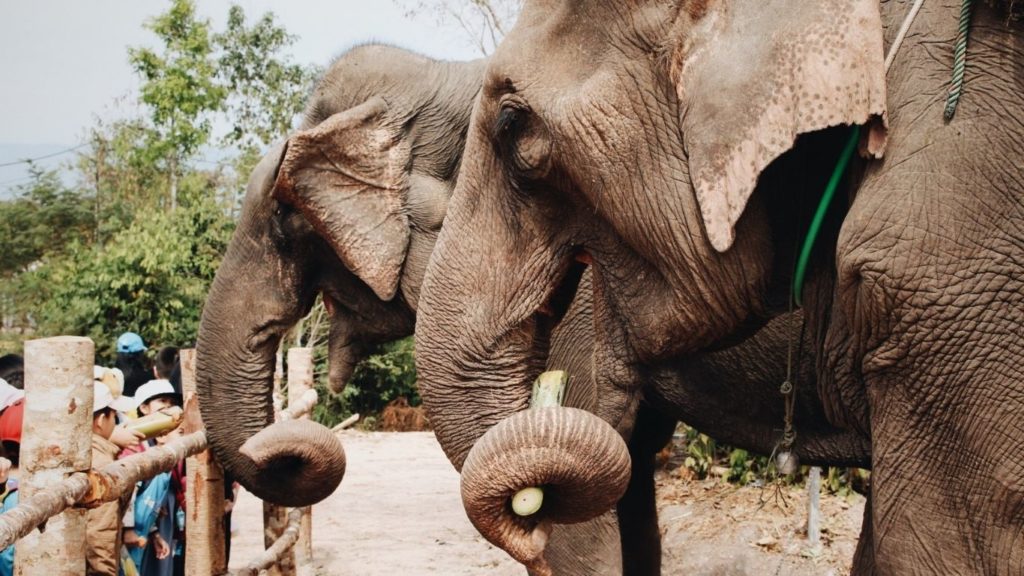
By Melissa Reitz Years of research proving that keeping elephants in captivity is cruel is finally paying off. The United Kingdom (UK) has announced its intention to ban the captivity of elephants in zoos and safari parks. Initiated by environment minister, Zac Goldsmith, the amendment to the Animal Welfare (Kept Animals) Bill to outlaw elephants in captivity, is part of a broader set of zoo reforms that will be passed later this year. The UK government already banned circuses from keeping elephants in January 2020. Research has repeatedly shown that keeping elephants in captivity is cruel and has no conservation value whatsoever. As highly intelligent and sentient beings with complex family structures, captivity does not provide for the needs of normal elephant behavior and reproduction. As a result, captive elephants suffer both physical and emotional trauma including hernias, arthritis, mental degradation, and high calf mortality. The average lifespan of a captive elephant is 17 years; in the wild, elephants can live for 50 years or more. “We applaud this move by the United Kingdom,” says Adrienne West of Animal Survival International. “It is long overdue, and we appeal to the rest of the world to take heed of this progressive decision and follow suit.” There are 51 elephants in 11 zoos across the UK. Once the ban is in place, existing captive elephants will be allowed to live out their natural lives, but there will be no elephants bred or captured to replace them. Photo by Irene Grace Tolentino on Unsplash
More than 800 of some of the world’s most endangered creatures face an horrific crisis!
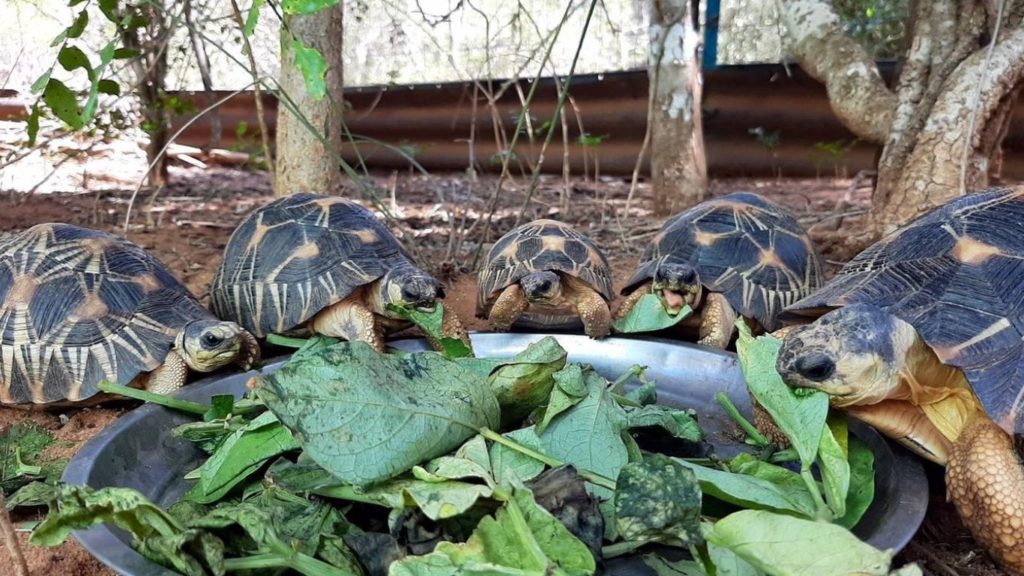
More than EIGHT HUNDRED critically endangered radiated tortoises were recently rescued from smugglers on the Indian Ocean island of Madagascar. Hidden in vehicles with no food or water and suffering life-threatening injuries, these animals needed intensive care to survive the days and weeks following their rescue. The death of these rare tortoises will be a critical blow to the survival of the entire radiated tortoise population. With your help, ASI provided emergency funding for food, water and medical supplies for their recovery. But with drought ravaging the island, food and water for the tortoises is now dangerously scarce, and costly. Already, 68 have died! But we have a chance to save the rest. We urgently need to raise $6,500 (£4,700) to get food and water to the tortoises. In a daring operation, Turtle Survival Alliance Madagascar (TSA Madagascar) rescued the tortoises which were found in a shocking state, crammed on top of each other and covered in their own urine and feces. Some of the creatures had been brutally manhandled by their captors and sustained life-threatening injuries, including open wounds and broken shells. Radiated tortoises can survive without water for more than a month, but these were dangerously dehydrated, meaning they had been kept without food or water for a very long time. Some were too weak to even drink, and the rescue team resorted to injecting water under their skin to keep them alive. Unless we act now, radiated tortoises will be extinct in less than 20 years! Rampant poaching for the illegal pet trade, has caused the number of radiated tortoises to drop by 80% in just 30 years. Their beautiful star-patterned shells and the ‘rain dance’ they perform when sprayed with water, make them popular pets – but they don’t survive for long in captivity. Each one of these rescued radiated tortoises is vital to the survival of its species. If protected, these individuals could produce thousands of baby tortoises. But before that can become a reality, they must survive a new threat, a result of climate change: drought! In the wild, radiated tortoises eat specific types of grasses and leaves that are high in protein and nutrients. When they are in recovery, they are fed a combination of fruits and vegetables such as sweet potato, loose-leaf greens, berries and prickly pears for extra nutrition. But, in the face of a devastating drought, the TSA Madagascar team are traveling further and further afield, and paying increasingly more to secure fresh organic food so that these animals can recover. We have promised to support them and are counting on your donation today to help this critically endangered species survive.
We Celebrate World Giraffe Day by Taking a Moment to Consider the Plight of These Gentle Giants
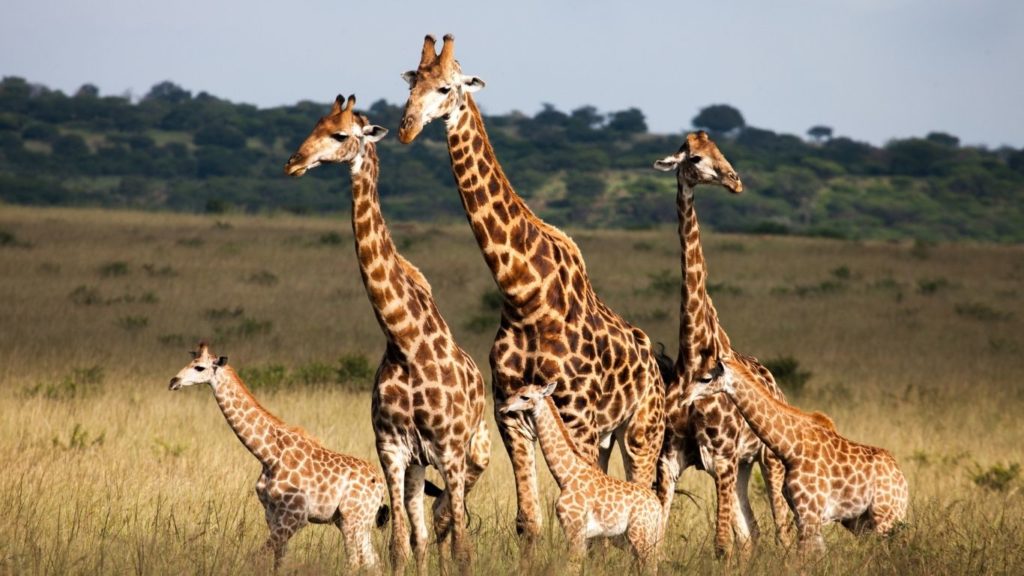
Traditionally, the tallest mammal on Earth has not received as much attention as other wild African species such as elephants and rhinos. So, with today being World Giraffe Day, we’d like to shine the spotlight on this graceful creature which is becoming increasingly threatened. Dubbed the ‘silent extinction’, giraffe populations have quietly been declining over the past two decades. Once teeming across Africa, now fewer than 100,000 mature individuals are left on the continent – a 40% decline since 1980. Like so many other threatened African species, giraffe numbers are dwindling because of climate change, habitat loss, urban encroachment, poaching, and the effects of war and civil unrest. Considered ‘easy prey’ by poachers, these gentle giants are especially targeted for the bushmeat trade in countries where unrest and lax law enforcement prevails. Trade in giraffe ‘products’ is also rife, and in some regions, giraffe bone marrow and brains are now being consumed as a ‘cure’ for HIV/AIDS. It wasn’t until 2019 that the CITES (Convention on International Trade in Endangered Species) finally agreed to protect giraffes under an Appendix ll listing, to regulate international trade in giraffe parts. Before that, an average of one giraffe a day was imported into the United States (US) by trophy hunters, who enjoy the exotic prize that giraffes represent. Half of all the giraffe species and sub-species are listed as critically endangered and endangered. The most endangered of all is the Nubian giraffe found in northeast Africa, of which only 450 are left. What’s more, the entire giraffe genus has declined overall in eight out of its 21 range countries. “It’s time we take notice of this iconic African species and do whatever we can to save it from sliding into extinction,” says Adrienne West of Animal Survival International (ASI). “Until now, there has been limited conservation research on giraffes. ASI is committed to supporting giraffe conservation wherever possible.” New findings show that there could be nine species and subspecies of giraffe. This information is still under review and will hopefully soon be taken into consideration for future conservation assessments, giving each giraffe their own taxonomical status and mandate for greater conservation action.
The horror and pain that snares indiscriminately inflict on defenseless animals, EVEN ELEPHANTS, is UNIMAGINABLE!
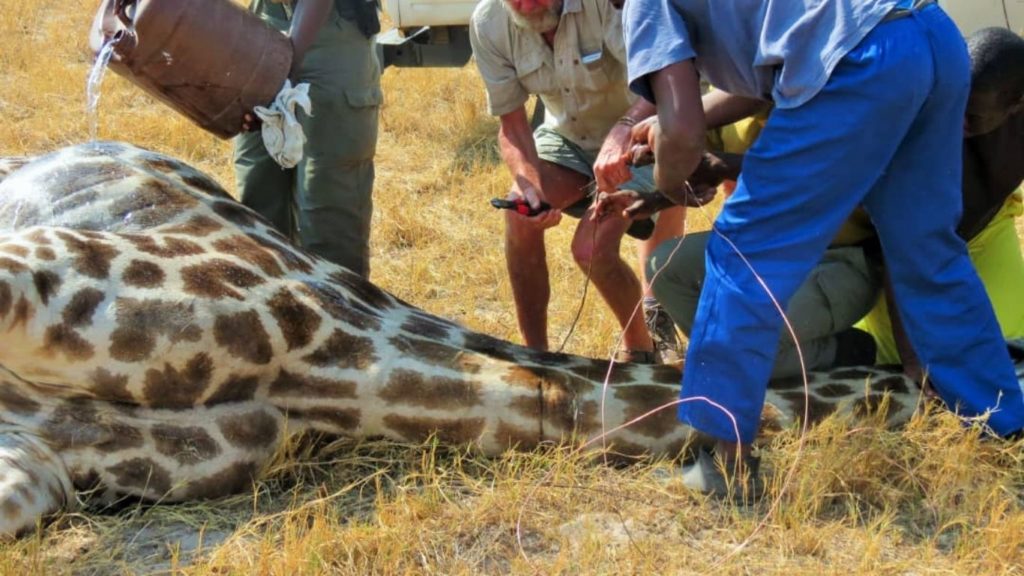
We have told you before about the horror and pain that snares inflict on defenseless animals. Today, we must tell you about the plight of wild animals living around Hwange National Park in Zimbabwe, who are indiscriminately caught and severely injured by illegal snares. Please, will you help us? Together, we can save many animals from this horrific fate. More than 3,000 of these deadly devices lie in wait to trap and torture defenseless wild animals! COVID-19 has intensified unemployment and poverty in Zimbabwe so severely that rural communities in the Hwange area have turned to snaring wild animals to feed their families. As people’s desperation has grown, so have the number of snares surrounding the unfenced National Park. Experts estimate that more than 3,000 deadly snares now surround the protected area. Simple, yet lethal, the snares are made from telephone wire, steel fencing wire, nylon rope, electrical cable, steel wire brake cables from cars and bicycles – or even braided tree bark. These devices are set along pathways that wild animals use, often on their way to find water. Tethered to a tree or bush, the loop of the snare, which is almost invisible, catches an animal by the neck or leg and pulls tighter as the animal tries to get away. The wires cut deep into the animal’s flesh as it fights to free itself, causing terrible pain and injury, and often death. No animal is safe from a snare. Even animals as large as an adult elephant can fall victim to snaring! The Animal Survival International (ASI) team traveled to Zimbabwe to meet with the Dete Animal Rescue Trust (DART) and see firsthand the challenges that these snares present. DART has been working tirelessly for more than 20 years in the Hwange area to remove snares and rescue animals injured by them. With their funding now running dangerously low, they urgently need our help to continue their vital work. This small team is winning daily victories by locating and removing snares and giving snared animals life-saving medical treatment. We joined them on a snare removal patrol through the dense bush and tough terrain, where the expertly trained team quickly located the almost invisible deathtraps. One of the snares we found was big enough to trap an adult elephant! DART urgently needs medications and darts to rescue snared animals! During their patrols, the DART team often comes across snared animals, terribly stressed and with various levels of injury. In these situations, they spring into action immediately to rescue and treat the animals. Careful not to cause additional stress, the team first darts the animal with a sedative. Once it has been successfully immobilized, the team gets to work assessing and treating the animal’s wounds. Quickly and carefully, the snare wire must be removed, and the wounds cleaned with antiseptic. Long-acting anti-inflammatory medication and antibiotics are then administered, and the sedative is reversed. From a safe distance, the team makes sure the animal is able to move away. We need to support DART so that they can continue to remove these deadly devices and save injured animals. We need to raise $7,500 (£5,500) as quickly as we can – please help us provide life-saving medication and darts. Every snare removed is a life saved! One of the biggest problems with snares is that no animal is safe from them. Endangered creatures such as wild dogs and elephants risk being caught, tortured and killed. The animals of the National Park roam free, crossing main roads and even passing through villages. Every step they take is a possible disaster waiting to happen. In 2020 alone, DART collected 387 miles (623 kilometers) of decommissioned copper-coated, high tensile steel telephone wire weighing more than 26 tons! That is approximately 207,666 potential snares removed, and thousands of animals saved from injury and death! Please, help us today to support DART and save indiscriminately snared animals from excruciating pain, prolonged suffering and death.
The End of South Africa’s Shameful Lion Breeding Industry – What Now Happens to the Lions?
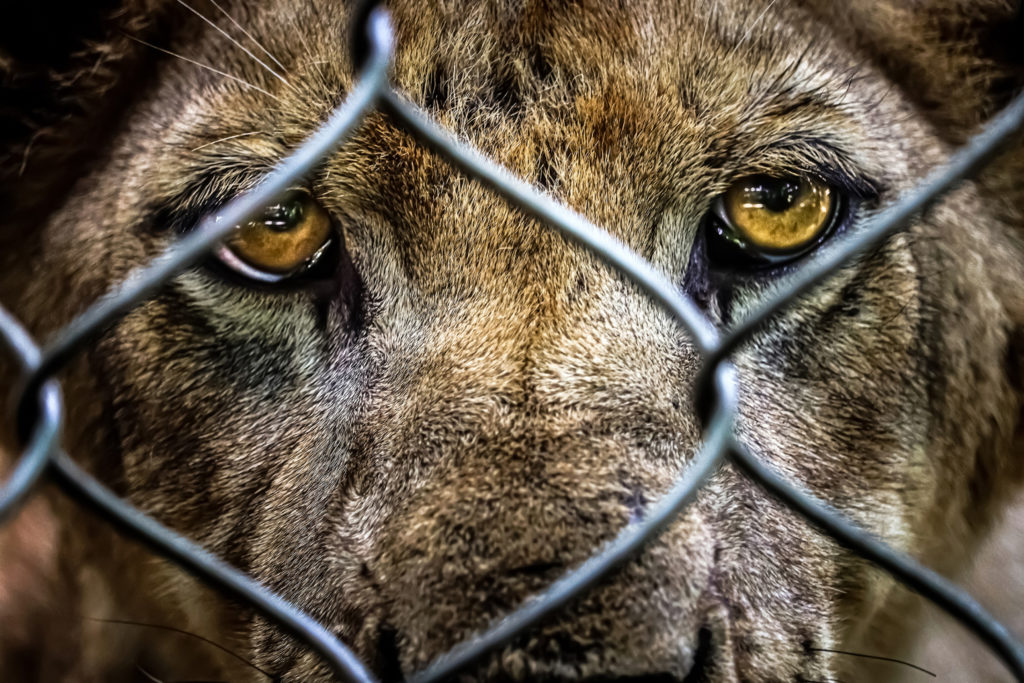
By Melissa Reitz Originally published in Africa Geographic Last month, South Africa’s government took a significant step forward for animal welfare and lion conservation when the Minister of the Department of Forestry, Fisheries and Environment (DFFE), Barbara Creecy, announced a complete ban on the controversial captive lion breeding industry. But as we stare into the face of the horror created over two decades, one question remains: what will happen to the thousands of captive-bred, genetically impaired and diseased lions and cubs? Conservationists and welfare experts have pushed to shut down the captive lion breeding industry for years, saying it is cruel, has no conservation value, and is damaging to South Africa’s international image. The industry has been exposed for the unethical ‘canned’ or captive lion hunting, the questionable tourist cub petting industry and, more recently, the lion bone trade to Asia. Now, as processes to close the industry are unfolding, welfare activists ask: “What will become of all the lions?” The answer is not only shocking but also sobering. With so many welfare and genetic defects, more than half, if not all, of the approximately 12,000 captive-bred lions will need to be euthanized. The unregulated captive industry has led to the inbreeding of lions, resulting in physical defects, inferior genetics, and a breeding zone for pathogens that threatens other lion populations and humans. “We must not ignore the catastrophic consequences created by this horrific industry. Let’s hope South Africa and the rest of the world does not easily forget the shameful outcome of such animal exploitation,” says Adrienne West of Animal Survival International. Conservationists say rewilding captive-bred lions is no solution due to their diseases, compromised genes and human habituation. And there is simply not enough wild habitat available to accommodate so many lions. Furthermore, despite many facilities promoting themselves as wildlife sanctuaries, only a handful of true sanctuaries exist in South Africa. None have the capacity or financial ability to home hundreds of big cats. Yet the industry must be stopped. Left unchecked, the captive predator breeding industry is a self-perpetuating animal welfare disaster. During the mid-nineties, when the Cook Report first exposed the horrific cruelty of the industry and Director of Blood Lions, Ian Michler, began his intensive investigations, there were fewer than 1,000 lions held in captive facilities. “When I started investigating, there may have been about 800 predators living in captive facilities. In 2005, I submitted a report to the government at the time, estimating that there were roughly 3,500, and when we researched Blood Lions, the number was in excess of 6,000. Today it’s estimated that there are over 10,000 lions in about 300 captive breeding facilities,” says Michler. If the captive breeding of lions were left to continue, the number could explode to tens of thousands of genetically inferior lions living in captive squalor and destined for trophies or slaughtered for their bones. “Captive lion breeding does not contribute to the conservation of wild lions and… legal trade in lion body parts risks stimulating demand and illegal trade, posing major risks to wild lion populations in South Africa and among vulnerable wild lion populations in other countries where poaching is on the rise,” says Dr. Paul Funston, director at the international wild cat organization, Panthera. In addition, a recent study found that captive lion facilities create a dangerous breeding ground for zoonotic diseases, highlighting the potential health risk to thousands of tourists and staff working at the facilities. According to Blood Lions, the first plan of action needs to be an immediate ban on captive breeding through sterilization. Following that, there needs to be an audit to ascertain exact population numbers, the welfare of individual lions and the state of the facilities. The audit will also reveal true sanctuaries from commercial breeding facilities. A true sanctuary provides a permanent home for animals and does not buy, sell, breed or trade-in animals or their parts, nor do they allow any human interaction. “Strict guidelines on breeding, keeping, animal husbandry and welfare need to be imposed on such facilities and a definition of a true sanctuary must be addressed in existing legislation” Environmental and animal welfare NGOs are now eagerly awaiting the DFFE’s Policy Paper to begin the process of shutting down the captive predator breeding industry. But lion breeders and canned hunting outfitters are frantically lobbying Creecy to reconsider her decision, and many fear this an attempt to bully the minister into watering down the policy report, which would be a devasting blow to such a bold move by government. In addition, there is a concern that lion breeders may begin illegally killing their lions and pushing illicit lion bone trade before new legislation comes into effect and clamps down. “It’s a matter of urgency that the process is swift as we would hope that the industry is not allowed to flourish while details are being sorted,” says Michler. Banning the captive predator breeding industry is a significant shift in South Africa’s attitude towards utilizing its wild animals. Hopefully, we will not easily forget the shame of being forced to dispose of nearly 12,000 lions humanely.