

In the Race to Save Humanity, the World’s Nations Fail to Meet Co₂ Goals
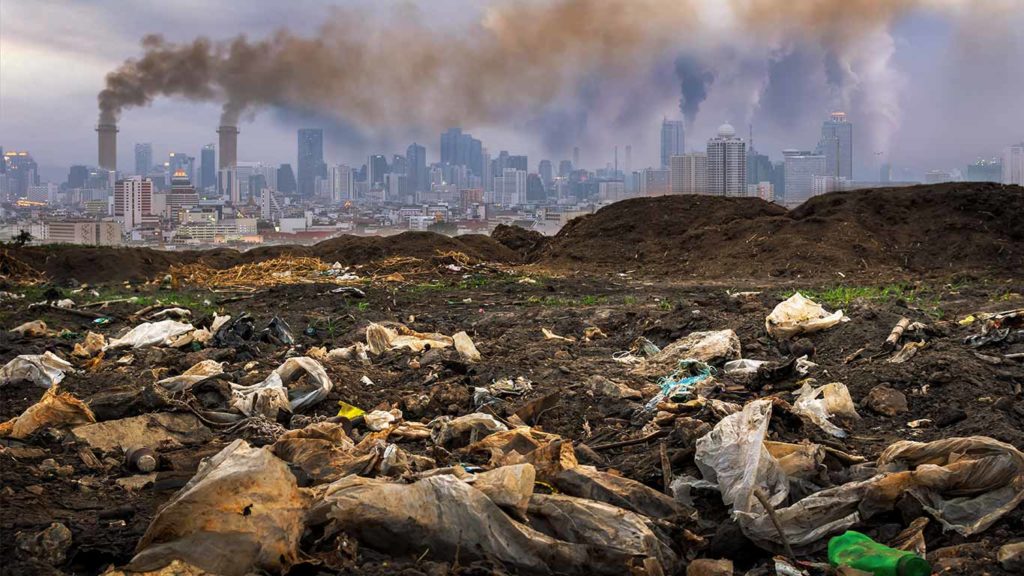
By Melissa Reitz More than half of the world’s nations are failing in efforts to cut greenhouse gas emissions to prevent a climate catastrophe, according to a recent United Nations (UN) assessment.In the run up to the Cop26 Climate Summit in November this year, signatories to the Paris Agreement, the international treaty on climate change, were required to submit their carbon emission goals, known as an NDC, by December 2020. But of 197 countries, only 71 have submitted their national action plans on time. The USA and China, the planet’s largest carbon emitters, are amongst those that have not yet announced their carbon reduction goals. In addition, the countries which have submitted pledges have not done enough, says the UN, and even if their national pledges are fulfilled, global emissions will only be reduced by 1% by 2030. According to the goals set out in the Paris Agreement, nations pledged to keep global heating below 35.6°F (2°C) above pre-industrial levels, with a goal of a 34.7°F (1.5°C) limit over the next ten years. Scientists have repeatedly warned that global warming above (34.7°F) 1.5°C will create irreversible and devastating consequences for the planet and humanity. To prevent this happening, we now need a 45% reduction over the next decade. But unless every nation in the world commits to reducing carbon emissions this will not be possible. According to UN secretary general, António Guterres, 2021 is a “make-or-break” year to confront the global climate emergency. He says major emitters need to make radically more ambitious reduction targets for 2030. The UN Framework Convention on Climate Change (UNFCCC) has condemned nations for their “business as usual” approach in the face of the biggest crisis mankind has ever been met with. Other major emitters that have not come forward with new plans include Indonesia, India, Iran, Canada, Saudi Arabia and South Africa. These six nations collectively contribute nearly 17% of global emissions. The EU, Russia, Brazil, Australia, Japan, South Korea, Argentina, Mexico, Zambia and the UK are the only economies each contributing roughly 1% or more of global emissions that have submitted their targets. “The writing is on the wall, and it has been for a long time. If governments and large corporations do not put every effort into reducing their greenhouse emissions, the planet will no longer be able to sustain us,” says Adrienne West of the Animal Survival International (formerly Political Animal Lobby). “There is simply no more time to lose. We demand that the world’s leaders do what needs to be done.”
Today Is World Wildlife Day – But for Millions of Animals Around the World, Today Is Not a Day of Celebration!
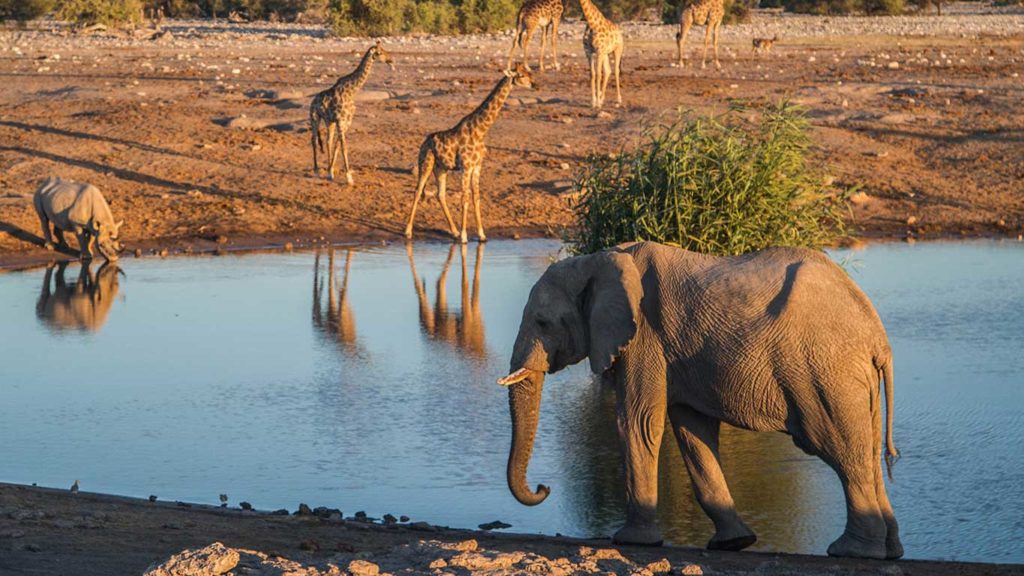
Today is World Wildlife Day. For millions of animals around the world, today is not a day of celebration. Our world’s wildlife is being wiped out. According to a 2019 UN report, one million species are threatened with extinction – some within a matter of years. As many as 30 to 50 percent of all species could be extinct by 2050. It’s worth pointing out that this information is two years old already, and the situation will undoubtedly have gotten worse since then. Although every day there is more gloomy news in the media warning of the rapid onset of extinction, the truth is that’s humanity has not yet fully realized the extent of the catastrophe that is about to take place on our planet. A catastrophe that would have devastating consequences for animals and humans. In coming years, we could say goodbye to pangolins (two species critically endangered), rhinos, (three species of black rhino are critically endangered and the northern white rhino is functionally extinct), mountain gorillas (critically endangered), vultures (eight species critically endangered) and painted dogs (critically endangered). Gone, never to return. And those are just the tip of our melting iceberg. Habitat loss is the biggest culprit, but climate change is also a major contributing factor. As is the poor enforcement of rules governing the international trade of animals. All of this is our fault and our responsibility to fix. Unwittingly, in some cases but deliberately in others, human actions have made the world a deadly place for animals. The Animal Survival International exists to fight for animals affected by these problems and to try and stem the tsunami of destruction that is affecting mammals, birds, marine life, reptiles, insects, amphibians… In fact, nearly every category you can think of is under pressure. We finance scientific research to find practical solutions to a wealth of problems – from Anatolian water frogs, who die by the thousands to be served as culinary delicacies to tracking the movement of elephants and lions across our last remaining wildernesses. We also provide medical supplies and fund treatment for injured, sick and rescued wild animals, and we work to raise public awareness of the calamity that will befall us all unless we fight to stabilize the natural world. You can help our crusade by donating today.
The last of Cape Town’s exquisite caracal cats are becoming ROADKILL!
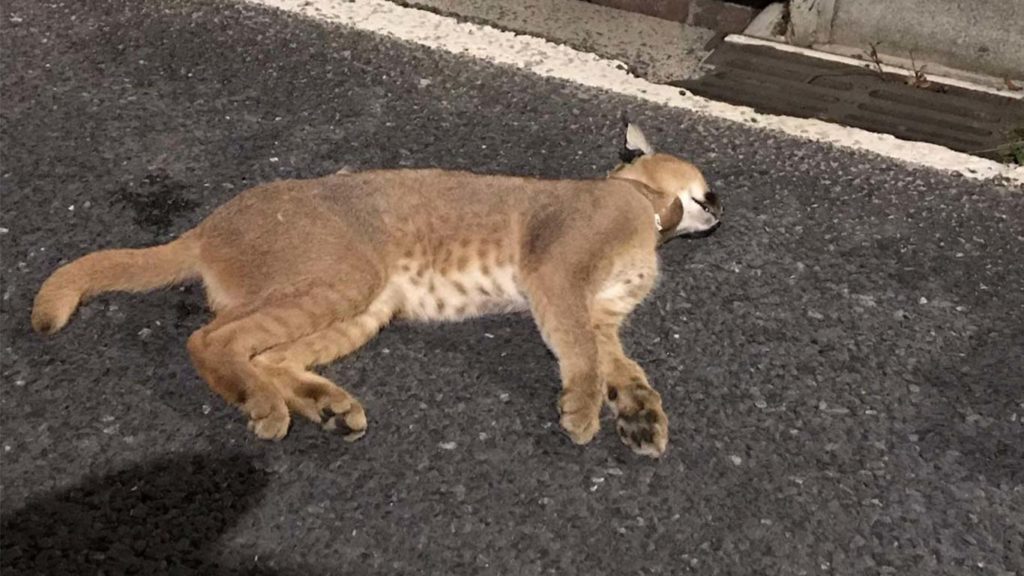
In South Africa, Cape Town’s famous mountains are home to a small population of caracals – secretive, nocturnal wildcats famous for their golden fur and long, elegant ears. They are exquisitely beautiful… and desperately endangered. Caracals are nocturnal and the area where they cling to their way of life is crisscrossed by poorly lit roads. Speeding and inattentive drivers have killed 83 in the past five years. There are now only between 50 and 60 caracals left in the area and if we don’t act now, they will all be gone. The situation is truly heartbreaking. Mother caracals, who are still nursing kittens, are killed by cars, leaving their helpless young to starve to death. When the kittens go in search of their mothers, they too are often run over and killed. Some cats are “lucky” and die immediately. Others suffer broken limbs, jaws or internal injuries and endure prolonged, excruciating deaths. Another deadly threat is to young caracals who leave their mothers when they are between one and two-years-old. Many are killed before they can find their own territory. They never have the chance to breed, further sealing their population’s fate. But there is good news – if we act now, we can save these caracals from horror, and the help we can provide is simple and effective. With your help, we can save these elusive and beautiful creatures from senseless and painful deaths. The astonishing thing is that simply putting up road signs that warn of crossing caracals would make an enormous difference to their survival. The problem is the South African government controls road signs and the approval process is very slow. The City of Cape Town says it could take years to shepherd the necessary legislation for a national caracal road sign. Caracals don’t have years! We have promised to raise $3,000 (£2,120) to have temporary signs created that will save caracal lives. The signs will be placed by volunteers in areas where caracals cross over roads; it’s a simple thing to do and, with your help, we can begin saving lives today. These last caracals living in Cape Town’s mountainous peninsula are almost completely isolated from other wild areas. There is hope that in the future, we can develop wildlife corridors to safely connect these populations to other wild spaces, but without immediate help – there may be no caracals left to save by then. Losing these beautiful creatures would make the world a poorer place. In the 13th and 14th centuries, caracals were used by rich people to hunt. They were exposed to a flock of pigeons so gamblers could bet on which caracal would kill the largest number of birds. This probably gave rise to the expression “to put the cat among the pigeons”. It’s not often that a simple, effective and cheap solution presents itself. So please, if you possibly can, donate today and together we will ensure that in the 21st Century, instead of putting the cat among the pigeons, we will put the warning signs among the caracal, and make sure caracals and their kittens live on in the Cape Town mountains.
How we are helping RIGHT NOW: February 2021
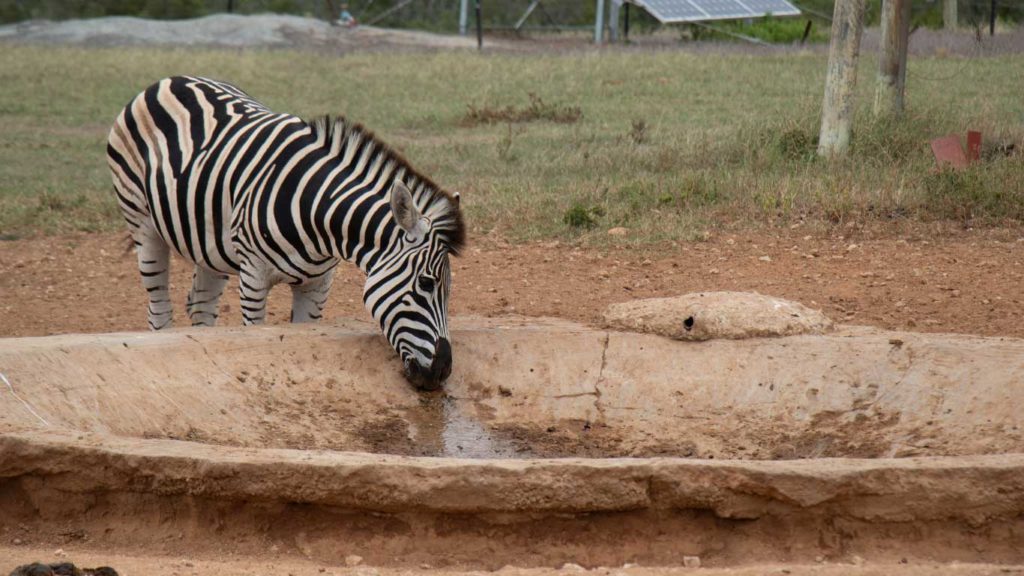
The future of animals and the wilderness they live in has never been more at risk. Climate change, habitat destruction and poor enforcement of international wildlife laws is driving species after species to extinction. We cannot be silent or sit idly by and watch this happen. The Animal Survival International (formerly Political Animal Lobby) exists to be a voice for animals and to do everything within its power to ensure animals survive internationally. We are incredibly grateful to our passionate supporters who make the work we do possible. In case you missed it, here’s what ASI is doing right now and how your donations are making a difference to animals across the globe: Life-Giving Water in the Midst of the Worst Drought in 100 Years In South Africa’s Addo Elephant National Park, hundreds of elephants and countless other animals risk dying of thirst because of the worst drought in 100 years. Water holes are drying up and thousands of animals are suffering – not only from thirst but also injury as they fight one another over the last few drops. Our team watched in horror as zebras kicked and bit each other, desperate for their share. Smaller animals like warthogs stood no chance of getting near the rapidly-drying waterholes. To help this dire situation, we have pledged to fund the installation of state-of-the-art solar-powered water pumps to draw more water from the available boreholes. Thanks to your generous donations, we have raised enough to save one waterhole with new equipment and are nearing our goal of saving a second one. Now we are counting the days until the pumps can be installed. Ending the Cruel Trade of Live Frogs from Turkey Millions of frogs are tortured, maimed and killed so they can be served up as a ‘delicacy’ in restaurants. Every day, thousands of Anatolian water frogs are cruelly harvested in Turkey before being sent across Europe. Hunted with hooks and squashed into bags by the hundreds, these helpless frogs are transported alive. Many die along the way. Those who don’t are often served up alive! Not only is this an example of shocking cruelty, but if we don’t act now, Turkey’s Anatolian frogs will be gone forever, and environmental disaster could ensue. We have pledged to help stop this carnage through the only available avenue – presenting compelling evidence to the authorities. By supporting scientists at Ege University in Turkey in conducting vital research, we will be able to demonstrate the true enormity of the plight of the frogs to the Turkish government and hopefully end this trade forever. A Second Chance for Persecuted and Poisoned Birds of Prey Birds of prey are severely threatened across Africa. Habitat loss, poisoning, local superstitions and climate change are pushing hundreds of raptor species to extinction. The Owl Orphanage in St. Helena Bay, South Africa has made it their mission to rescue and rehabilitate as many poisoned and injured birds as possible. The Owl Orphanage is inundated with birds in desperate need of help. Sometimes they rescue five a day, but they simply do not have enough space to home them all while they recover. Your generous donations helped expand their aviary, meaning that more birds of prey will now get a second chance. Celebrating World Pangolin Day – but for How Much Longer? This month we celebrated the 10th annual World Pangolin Day. On this day we were again reminded of the horrific plight of pangolins, both across Africa and the Far East. As the most trafficked mammal in the world, pangolins are hurtling towards extinction; an estimated 200,000 pangolins are killed every year! Smuggled across borders to Asia, pangolins are hacked to death to be used in traditional Chinese “medicine” or eaten as a delicacy. If we don’t put an end to the rampant slaughter of these quiet, solitary creatures, very soon we won’t be celebrating World Pangolin Day anymore because there won’t be any left. ASI is committed to spreading awareness and offering support wherever needed to help prevent such impending disasters. Thank you for standing with us in this fight. Once again, thank you for your generous donations and your support in raising awareness of these issues. You make it possible for us to make a difference, supporting wildlife across the globe.
Britain Releases Beavers Back Into Its Water Systems in a Bid to Save Ecosystems and Help People
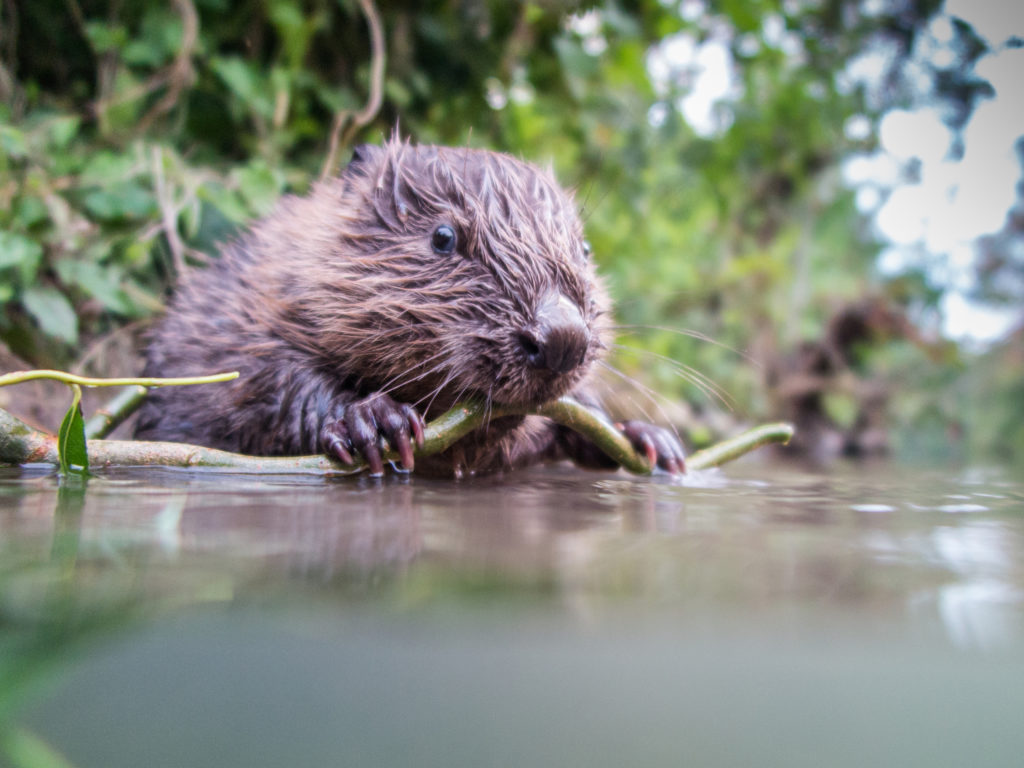
By Melissa Reitz Britain plans to introduce beavers back into the wild in five counties after their worth as vital players in ecosystems has been proven. Co-ordinated and managed by the Wildlife Trusts, beavers will be returned to Dorset, Derbyshire, Hampshire and the Isle of Wight, Nottinghamshire and Montgomeryshire, where they have been extinct for more than 300 years. Hunted out of existence in the 16th century for its fur, meat and scent glands, the loss of the Eurasian beaver (Castor fiber) also led to a loss of important waterways and lakes throughout Britain. Now, a five-year study has shown that beavers play a vital role in maintaining water systems, not only benefiting other species but also people. The study revealed that beaver dams prevent flooding by drastically slowing the flow of streams, and that they also purify water polluted by nitrates and phosphates, store carbon and help restore habitats for other wildlife. Now, landowners and large estates are scrambling to acquire licenses to reintroduce the water-loving rodents onto their properties. England’s Department for the Environment, Farming and Rural Affairs (Defra), is considering research so that beavers can be given legal protection as a native species. In Scotland, beavers were officially given native species status in 2016. However, controversy has erupted over a culling system. The charity organization, Trees For Life, is taking the Scottish government to court who, they say, has failed to make culling a “last resort” for controlling beaver numbers. In the meantime, Britain’s reintroduction project is underway, and a pair of beavers have already been released into an enclosure on a wetland nature reserve in Dorset earlier this year. Two beaver families and their kits will be released into a 12-hectare enclosure in Willington Wetlands reserve in the Trent valley, while Nottinghamshire Wildlife Trust will place beavers in a massive enclosure at its Idle Valley nature reserve. Subject to license approvals, beavers will be released on the Isle of Wight for the first time, while the first officially licensed release of beavers in Wales will be at Cors Dyfi reserve near Machynlleth. “The reintroduction of wild animals, especially keystone species like the beaver, back into their range areas is vital to ensuring we sustain biodiversity on Earth,” says Adrienne West of the Animal Survival International (formerly Political Animal Lobby). “We endeavor to support wildlife reintroduction projects wherever we can.”
Sweden to Build Reindeer Bridges in Bid to Protect Its Wildlife
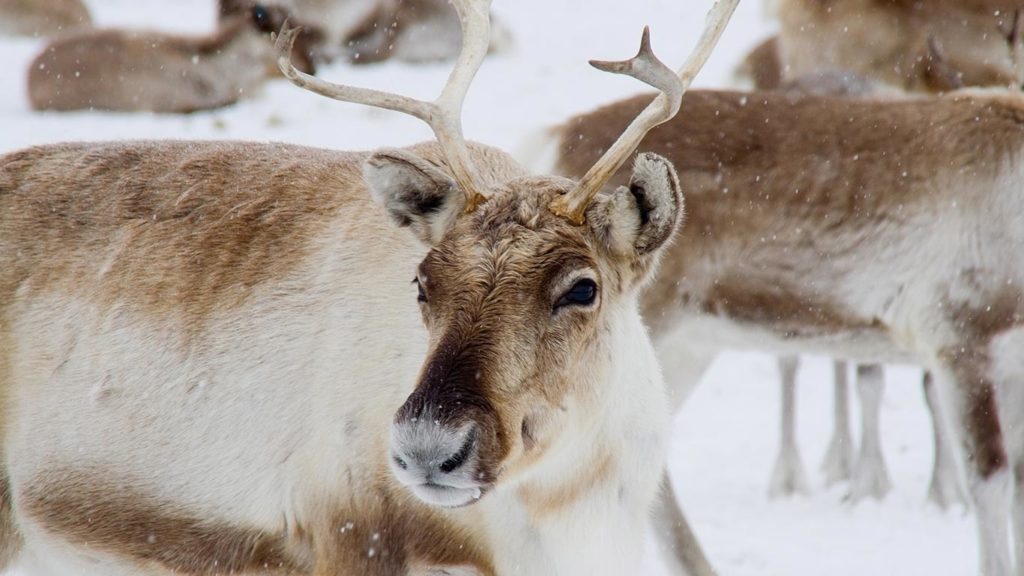
By Melissa Reitz As part of a global effort to protect wildlife from busy transport routes, Sweden has pledged to safeguard its reindeer herds by building a series of animal bridges to help the animals safely cross its highways. The “renoducts” (reindeer viaducts) add to a growing number of wildlife crossings and corridors around the world in efforts to reconnect fractured habitats vital for healthy ecosystems. Every April, thousands of reindeer in Sweden head west to the mountains after a winter of feeding on lichen near the city of Umeå. The lichen forms an important part of the reindeers’ diet in the cold months, before they head to higher grazing lands in summer. With global warming taking its toll, this annual migration is becoming increasingly critical to the reindeers’ survival as they must search even further afield for available food. But to get there, both the reindeer and their Sami herders must cross some of Sweden’s busiest highways, wreaking havoc on the roads and bringing traffic to a standstill. With Sweden’s main highway, the E4, becoming busier, reindeer crossings are becoming increasingly problematic for the animals and road-users with each migration season. As a result, Swedish authorities have announced a plan to build up to a dozen renoducts, in an attempt to help both reindeer and motorists. According to Swedish ecologists, the crossings will not only assist the reindeer, but will also help moose, lynx and other wildlife traverse the landscape unhindered. “We applaud Sweden for this important decision to help protect its reindeer populations. Not only will these animal crossings have a positive effect on the country’s biodiversity, but it’s a vital step for animal welfare,” says Adrienne West of the Animal Survival International (formerly Political Animal Lobby). Habitat fragmentation occurs when large expanses of natural habitats are broken into smaller isolated areas. Transportation routes play a huge role in this type of fragmentation, disrupting ecosystems and degrading biodiversity. For long-ranging mammals, such as reindeer, mountain lions and grizzly bears, animal crossings are essential and play a vital role in maintaining genetic diversity. Globally, countries are beginning to value the significance of wildlife bridges and underpasses to help reconnect fractured habitats. This new awareness and development of infrastructure has helped avert the deaths of potentially billions of animals. In one of the most successful uses of wildlife bridges in Banff National Park, Canada, seven overpasses and 41 underpasses were built where the Trans-Canada Highway bisected the Park. The result was a noticeable improvement in black and grizzly bear populations and a drastic drop in roadkill and human mortality from animal collisions. In California, mountain lion populations have long been isolated by busy freeways resulting in low genetic diversity and leading to signs of inbreeding. To save these mountain lion populations from becoming locally extinct, a £63-million ($85,8-million) wildlife bridge is planned over the 101 Highway north of Los Angeles. On Christmas Island, millions of red crabs make safe passage from the forest to the beach on their annual migration using the innovative crab bridges built over busy coastal roads.
It is not too late to SAVE ANIMALS FROM EXTINCTION! But we URGENTLY need your help now!
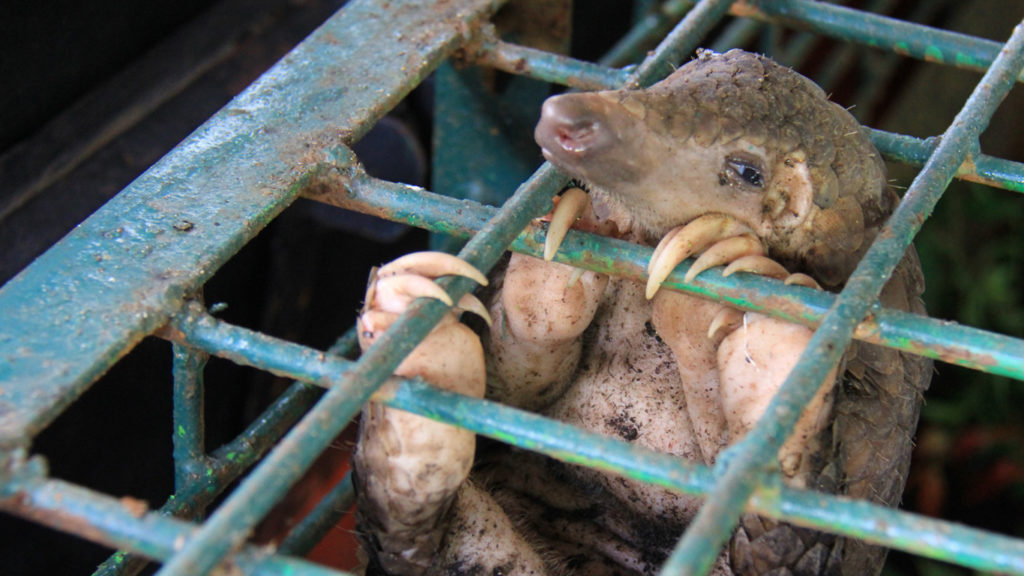
The harsh news we bring you is that extinction for many animals is not around the corner… … it’s now. According to the United Nations, 6,523 species are critically endangered and headed for extinction as we approach 2021. That’s why we at ASI will do everything in our power to fight harder for animals in the New Year. And why we need your help before 2020 is over to make sure we have the resources to continue our vital work. In 2020, we fought for animals, with projects around the world to fight back against climate change, rapacious greed, cruelty and contemptuously poor law enforcement. Animals are being WIPED OUT all over the world! Polar bears have become the victims of climate change and the disastrous onslaught of those who only care about the oil and gas in their “Arctic Refuge”. The once teeming herds of African wildlife risk becoming petting zoo curiosities. Species after species are grabbed for the cooking pot or for phony Asian potions, in their millions. Rhinos, frogs, giraffes, gorillas, orangutans, parrots… vultures, badgers, pangolins, sharks, turtles, and more… The list just keeps getting longer… and sadder… We fight daily on multiple fronts (some of this year’s accomplishments are noted below), but the need to prevent animal extinction is DESPERATE and URGENT. But there’s SO much to do and all we do depends on the support of friends like you. A good example is that the South African government proposes new laws that rank wild animals alongside domestic animals as suitable for human consumption and plans to encourage South Africans to eat more wild animals. We and other NGO’s managed to get lions excluded from the new rules. However, other wild animals will be badly affected. The pangolin is the most trafficked animal in the world. Thousands of pangolins are captured for their scales which are scraped from their bodies while the animal is still alive, to be used in phony Asian cosmetic potions. In Asia, an estimated 200,000 pangolins are killed each year, mostly for the Chinese trade. We are working with a secretly located pangolin rehabilitation center in South Africa and Pangolin(Dot)Africa, to rescue and rehabilitate sick and injured pangolins rescued from poachers. We have also provided funding for vital satellite tracking devices to monitor pangolins released back into the wild. More than 11,000 people signed our petition asking the major veterinary association in the UK, the British Veterinary Association (BVA), to change its policy of supporting the badger cull. Anatolian water frogs are being wiped out because they are the largest edible frog in Turkey, and demand for their legs as ‘delicacies’ is strong in parts of Europe. 17-million Anatolian water frogs are captured for the dinner table each year. Very little research has been conducted to determine how much longer the species has before extinction. We are working with the Department of Biology at Ege University in Izmir to find out. We are working with the Painted Dogs Conservation (PDC) in Zimbabwe, funding its program to dart and rescue snared painted dogs. There are only 200 in the area around Hwange, where they work, and 3,000 snares laid by hungry local people. African Grey parrots are being wiped out because of the international, and now illegal, pet trade. We are financing the construction of a free-flight aviary at Birds of Eden in South Africa. Because of poisoning and habitat destruction, vultures are increasingly endangered. In 2020, we financed an aerial survey of vultures in the Kruger National Park and are hoping to raise funds for the construction of a specially designed vulture rescue vehicle to use in cases of poisoning. We are fighting for the very survival of so many animals… But we promise to do more in 2021, and your end-of year-donations will make sure we do not let the animals down – so we can work to preserve animals anywhere in the world where they need us. The doomsday clock is ticking ever closer towards extinction for countless creatures, but with your help, we will fight for the survival of every animal we can. Please help the animals which can’t help themselves by donating generously to ASI today.
Mamma Bear and Her Cub’s Tragic Final Moments Before Being Shot Dead
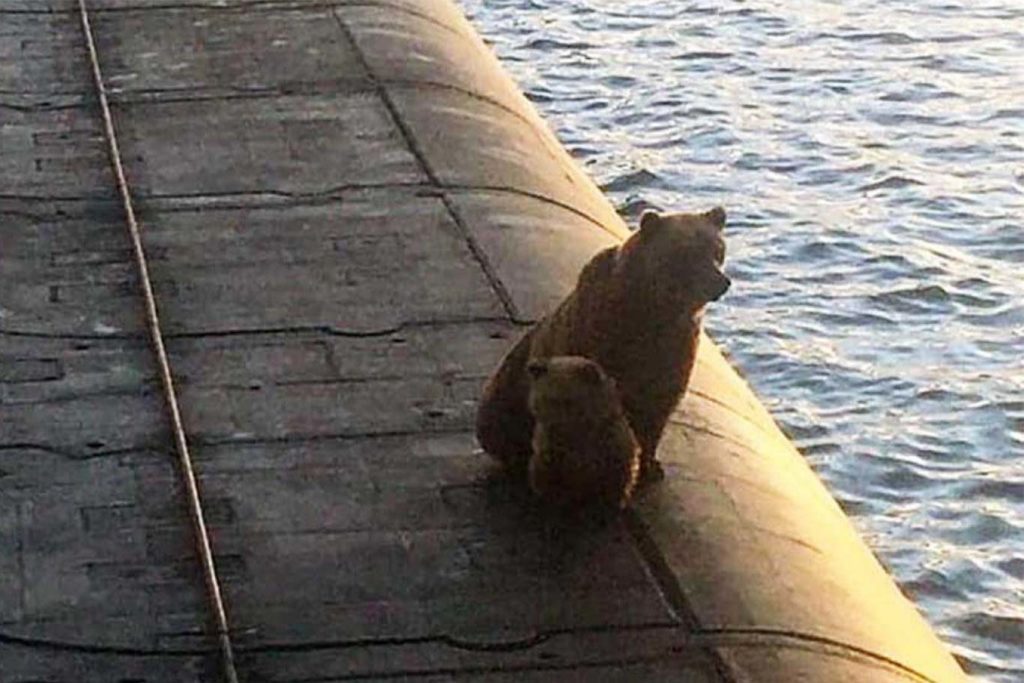
Disturbing video footage of a mother bear and her cub ruthlessly shot to death off the side of a Russian submarine in Kamchatka has outraged animal activists across the globe. The heart-breaking images showed the animals sitting on the nuclear submarine deck docked at a military port in the country’s Far East before being gunned down and tumbling into the water. According to a statement released by the Eastern Military District’s press service for the Pacific Fleet, the bears had swum across the circular Krasheninnikov Bay off Vilyuchinsk before entering the pier zone on the deck of one of the submarines. The Russian Navy commands one of the biggest submarine fleets in the world with an estimated 58 vessels. Despite showing no outward aggression, the bears were said to “pose a risk to people”. The navy instructed that they were to be shot dead “using specialized hunting weapons”. In the video, a man (believed to be a sailor) reportedly explained how there “was no other way to get rid of the bears”. In the clip, he says that had the military taken action to drive the bears from the boat, the mother and the cub would have returned to one of the nearby villages. “This is how you have to fight bears in Kamchatka,” he was quoted as saying. Other reports have since surfaced claiming that the mother bear “was very emaciated and wounded and the cub would allegedly become aggressive without its mother”. According to The Moscow Times, the two bears had been spotted around villages in the days before they died, with locals having to chase them away. Meanwhile, animal lovers have accused the Russian navy of blatant animal cruelty after someone leaked the video to social media. Between 10,000 and 14,000 brown bears live on the secluded Kamchatka peninsula, wedged between the Sea of Okhotsk on the west, and the Pacific Ocean and Bering Sea on the east. Since the start of the year, numerous bears have wandered too close to human settlements searching for food. Sadly, they paid the ultimate price and were executed. Environmentalists believe climate change could be to blame, with weak coastal ice forcing the bears to search for food inland rather than at sea. Climate change has caused the Arctic to warm twice as fast as the rest of the world, resulting in considerable declines in sea ice every year, according to a report released by the National Oceanographic and Atmospheric Administration (NOAA) in 2018. “Despite popular belief, Kamchatka brown bears are generally not dangerous to humans, and only one percent of encounters result in unprovoked attacks,” said Nicolette Peters of the Animal Survival International (formerly Political Animal Lobby). “Like most mammals, mother bears are very protective of their babies and keep a close eye on them after they’ve left the den. It’s unacceptable that somebody brutally killed this little family. Despite what the navy may have said, there are always other options, and they should have found a solution that did not result in the bloodshed of two innocent animals.”
Environmental Disgrace: Australian Minister Chooses Rocks Over Koalas
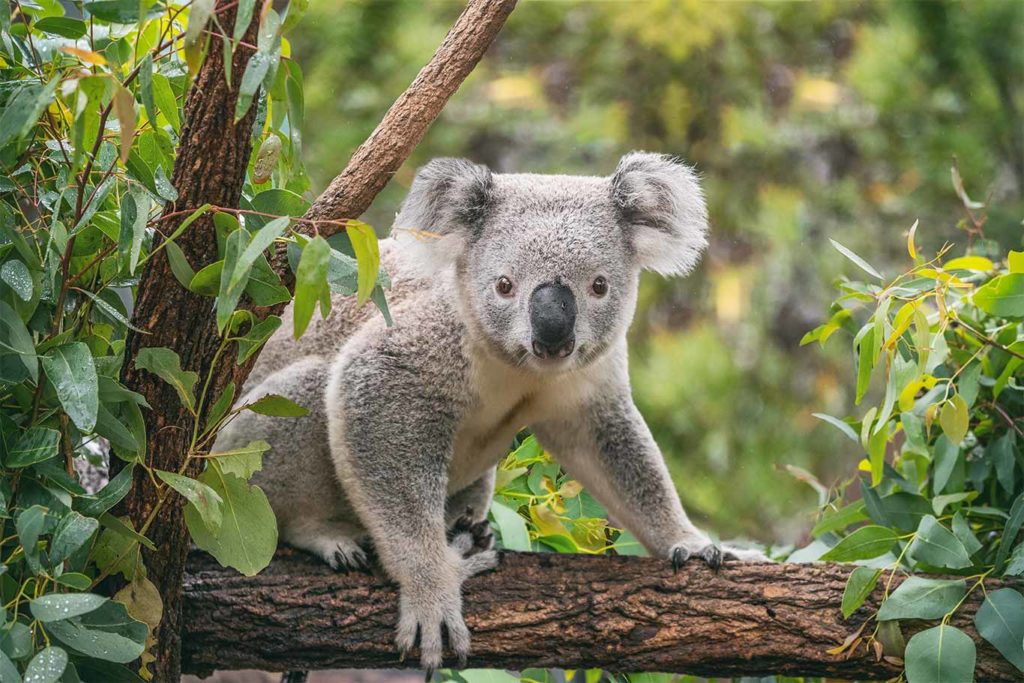
Over 123 acres (50 hectares) of land, home to pockets of koala populations in the Australian state of New South Wales (NSW), will be destroyed, putting the lives of animals at risk. Federal environment minister Sussan Ley has approved 52 hectares of habitat destruction to expand Brandy Hill quarry in Port Stephens in the Hunter region. Ley had been under mounting pressure by the community to step in and stop the expansion project, after it was approved in July. The announcement is especially difficult to comprehend, considering NSW is still suffering environmental damage caused by this year’s bushfire disaster which killed or harmed three billion animals nationally and destroyed about a quarter of their habitat across NSW. Koala numbers in general are under massive threat, so much so that the government is considering the koala for an official endangered listing. It’s understood that there are only 200 to 400 koalas left in Port Stephens and, as such, every bit of koala habitat should be treated as “absolutely precious”. While the minister said the department’s assessment found the development would “not rob the area of critical koala habitat”, local campaigners and conservationists vehemently disagree. They say the decision will push koalas to extinction as their numbers in the wild are already plummeting. Earlier this year, a NSW parliamentary inquiry found koalas would be extinct in the state by 2050 unless governments take urgent action to address habitat loss. Land clearing for agriculture, urban development, mining, and forestry are the biggest factors in the fragmentation and loss of habitat for koalas in NSW. The Animal Survival International (formerly Political Animal Lobby) is calling on the NSW minister to urgently re-examine her decision and put the protection of koalas and their habitat first. “Robbing koalas of their critical habitat is unacceptable,” said Nicolette Peters of ASI. “While there is talk of planting more trees and relocating koalas to buffer the damage, expanding Brady Hill quarry will have devastating consequences to an already threatened wildlife species.”
Sri Lankan Elephants Die After Eating Plastic From Rubbish Dumps
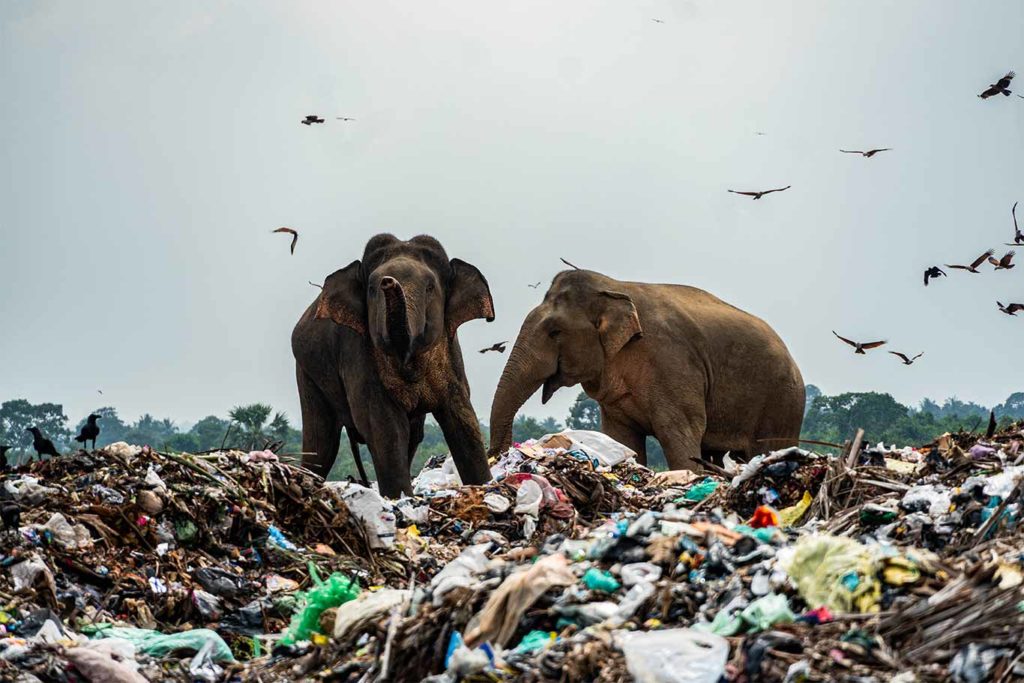
Plastic pollution has caused the death of several wild elephants in Sri Lanka as they head to toxic landfill sites in search of food. Distressing images and video footage of wild elephants foraging for food on an open garbage dump in Sri Lanka have stunned the world and gone viral on social media. Yet, the story may never have been picked up if it weren’t for Sri Lankan local TharmaASIan Tilaxan’s photographs documenting the horrific scenes at the dump. His stunning photographs won first prize in this year’s Royal Society of Biology’s photography competition. The dump, on the edge of a dense jungle area inhabited by a number of elephant herds, lured the elephants to it, where they spend their days foraging for food in garbage mounds and accidently eat microplastics in the process. A COMPLETE BREAKDOWN IN WASTE MANAGEMENT The dump is piled high with rubbish deposited by several districts including Sammanthurai, Kalmunai, Karaitheevu, Ninthavur, Addalachchenai, Akkaraipattu, and Alaiyadi Vembu on the country’s eastern coast. While there was once a fence around the dump, it has since broken down due to poor maintenance, allowing elephants – and other wildlife – free access. As the dump has ‘grown’, its contents have spilled over into the jungle which has now become littered with tin cans, bottles, glass, paper, non-digestible polythene bags and discarded microplastics. The consequence of plastic pollution for wildlife is devastating. Unlike other materials, plastic never truly decomposes, staying in the environment for thousands of years. While the statistics are incomplete, experts estimate that at least 100,000 mammals and birds die a slow and painful death from plastic each year – not to mention the damage plastic does to soil fauna. DEATH BY SHOPPING BAG AND HUMAN INACTION A handful of elephants (at least six, according to veterinarians) have already died. Post-mortems carried out on elephant cadavers have returned plastic products and non-digestive polythene (used to make shopping bags) in their stomach contents. It’s feared that many more lives are at stake as the wild elephants, now accustomed to human habitats, start looking for other food sources and are wandering into nearby rice paddy fields and villages. In response to the problem, authorities in the area have discussed constructing a reinforced fence around the garbage dump and establishing recycling plants, but, as yet, no action has been taken. “This case is more than tragic,” said Nicolette Peters of that Animal Survival International (formerly Political Animal Lobby). “While authorities in Sri Lanka banned the open dumping of garbage near wildlife sanctuaries last year to discourage elephants from foraging for rotting food scraps, they are allowing a ‘killing machine’ in the form of a toxic garbage dump to exist right next to the natural home of elephants. Not only have rubbish dumps put the lives of elephants at stake, it has made communities living nearby particularly vulnerable.” ASI is calling on Sri Lankan authorities to take immediate steps to relocate the dumpsite and ensure the protection of its wildlife – and its people. READ MORE France Finally Bans The Use Of Wild Animals In Circuses and Marine Parks Botswana Blames Bacteria For Mass Elephant Die-off As The Death Toll Grows… But There Are Doubts Vultures are being poisoned into oblivion. Unless this is stopped, more and worse pandemics are a certainty! *Feature image credited to: Tharmaplan Tilaxan
South Africa Is the Only Country Where Cheetah Numbers Are Increasing
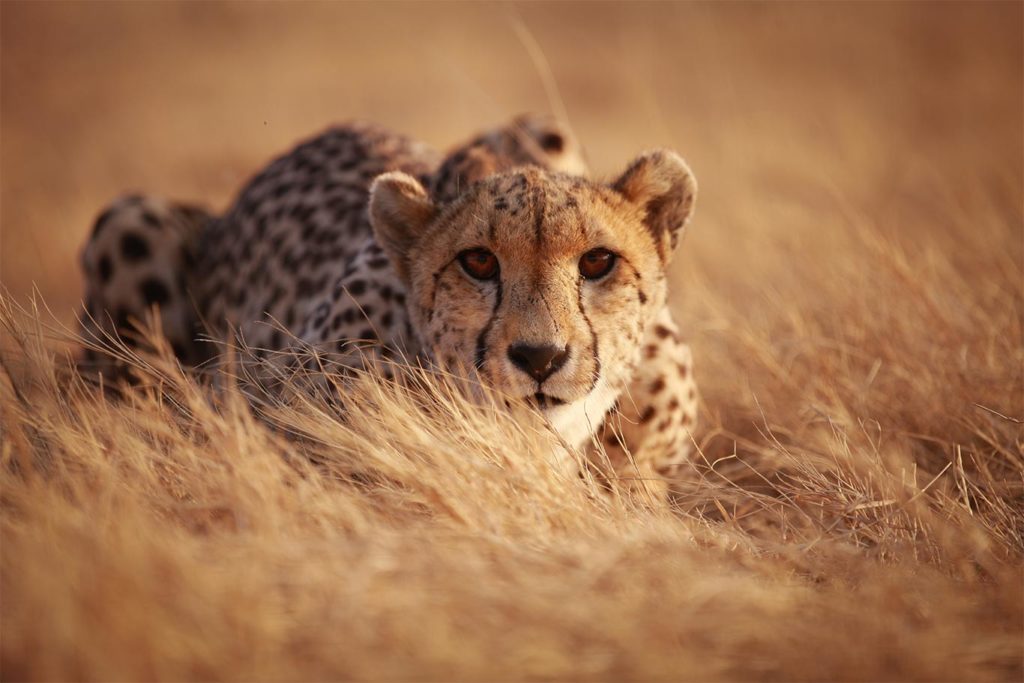
The graceful, shy and highly vulnerable cheetah has been vanishing from its native African savannah grounds at the speed of light. At least, that’s until the Cheetah Metapopulation Project stepped in. Africa’s cheetah population – like so much of the world’s precious wildlife – has been all but annihilated, and it is now listed as a vulnerable species. In fact, cheetahs have vanished from an astounding 90 percent of their historical range in Africa. Now, the Cheetah Metapopulation Project is proving to be a lifeline needed to save South Africa’s cheetah population. DOUBLE THE CHEETAH POPULATION IN 10 YEARS Since the project commenced nearly a decade ago, it’s reported that the country has almost doubled the population of cheetahs. In 2011, there were 217 cheetahs dispersed between 41 reserves. At the moment, it’s estimated that there are just over 400 scattered across 60 reserves. That equates to more than a third of South Africa’s total cheetah population. South Africa has now gained bragging rights as the only country in the world with a significantly increasing population of wild cheetahs and has begun translocating the cats beyond its borders. “While cheetah translocations have been going on in South Africa since the mid 1960s, these relocations were mostly unsuccessful, so to hear that a project is now in place – the results of which are showing huge success – is incredibly promising,” said Nicolette Peters of the Animal Survival International (formerly Political Animal Lobby). A GRIM PICTURE FOR CHEETAHS IN MOST OF AFRICA “We hope that this project can be extended to other parts of Africa where cheetah populations have not flourished, including Zimbabwe, Botswana, and Namibia. Cheetah numbers in Zimbabwe have fallen from 1,500 in 1975, to a devastating 170. While Botswana’s cheetah population has held steady (at around 1,500) the illegal capture of cheetahs for captive breeding purposes, combined with the daily conflicts with farmers, put cheetahs at constant threat. Numbers of cheetahs in Namibia have also dropped from about 3,000 cheetahs in 1975 to about 1,400 today.” INBREEDING IS A PROBLEM IN SMALL RESERVES The Cheetah Metapopulation Project – initiated by the Endangered Wildlife Trust (EWT) – recognizes that although small cheetah populations may be physically secure in several small reserves, the probability of inbreeding remains high if they are kept separated behind barriers, enclosures, and fences. By swapping animals between participating reserves, the trust helps private and state wildlife custodians manage overpopulation and under population on their land and also identify new areas of suitable cheetah habitat. Most importantly, swapping animals reduces the risk of inbreeding among closely related animals. Sometimes it’s just a single cheetah that needs to be swopped, other times it’s up to four cheetahs that have to be relocated. With every relocated cheetah fitted with a satellite or radio collar to monitor their movements, stats have shown that the project has a 73 percent relocation success rate (with the remaining 27 percent of cheetahs lost, mainly to predation by lions, leopards, and spotted hyenas, two years post-release). “We aspire to conserve wild and functional cheetahs, behaving as they normally do, and as they have done for millions of years,” said EWT’s project co-ordinator Vincent van der Merwe. READ MORE Lion numbers in Africa PLUMMET from 200,000 to 20,000! Good news for animals in Africa Animal cruelty is a hotbed for the spread of coronavirus
Koalas Could Be Extinct by 2050: Why This Loveable Species Is Gripped by Emergency
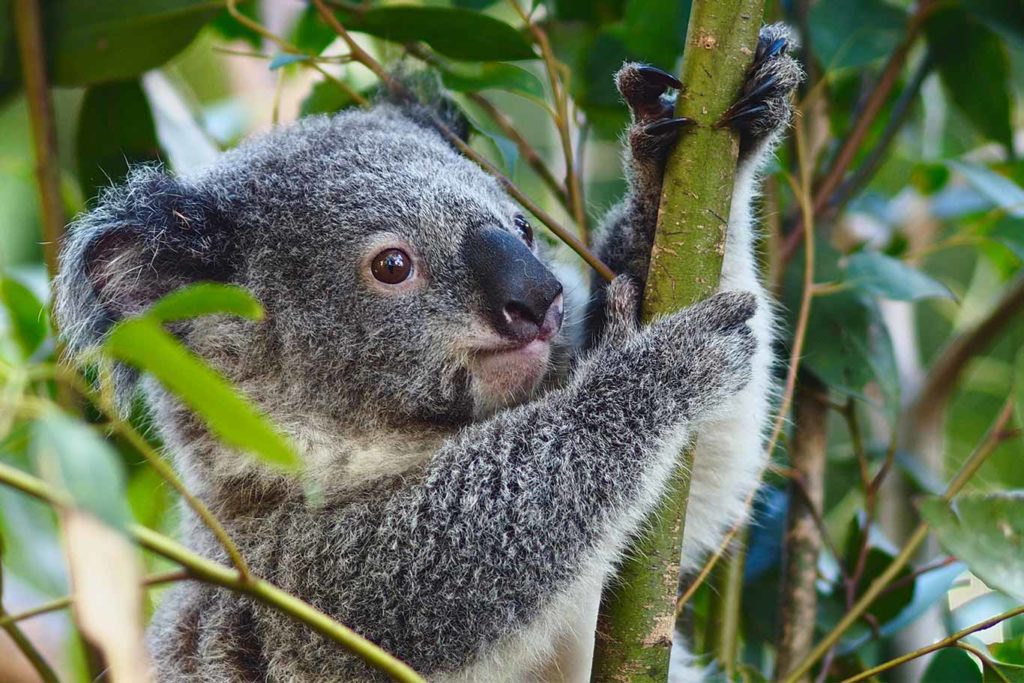
Koalas may not be around much longer. Ravaged by habitat loss, disease, and climatic change, koalas are on a slippery slope to extinction in the Australian state of New South Wales (NSW). If urgent action isn’t taken, this iconic species and national treasure could be extinct by 2050. A new report by the parliamentary committee of NSW into koala populations and their habitats has highlighted their desperate plight. Simply put, the strategies and policies currently in place to protect koalas are not working. The report warned that in the next 30 years the beloved koala will disappear forever. In the report, the committee made 42 recommendations to help save the koalas, including establishing new national parks in identified areas and reducing land clearing. To create these parks, the NSW government would need to cease logging in several state forests on the north coast. The committee also recommended additional funding for the government’s Saving Our Species Iconic Koala Project, which already has been allocated $4 million over a five-year period. While the state government welcomed the report, it has yet to shed light on which recommendations it would adopt. The koala has always faced a flood of sabotages. Their numbers plummeted in the late 19th and early 20th century, with countless butchered for their fur. Now they face serious threats from habitat loss as Australia’s woodlands shrink. As many as 8,400 koalas died in the fires on the mid-north coast of NSW and Kangaroo Island in South Australia lost over 50% of their koala population – a massive blow for a vulnerable species already in decline. Last year, the Australian Koala Foundation estimated there were “no more than 80,000” left in Australia. This year, numbers suggest as few as 43,000. Accelerating the koala’s extinction timeline is the rapid and ongoing destruction of their natural habitats brought on by logging in several state forests on the north coast, as well and climate change and infectious diseases. Climate change exacerbates bushfires and drought, reducing the quality of the animal’s eucalyptus leaf diet. When not sleeping, koalas are usually eating. Koalas can eat more than a pound of eucalyptus leaves a day. Diseases such as chlamydia are another concerning factor in koala deaths and infertility. About half the koalas across Australia are infected with this painful and often lethal condition. The International Union for the Conservation of Nature (IUCN) lists koalas as vulnerable and among those animals most susceptible to climate change. The Animal Survival International (formerly Political Animal Lobby) believes that the status should urgently be upgraded and that koalas are re-listed as endangered. “There is a lot of lip service around saving koalas but not much is actively being done and it appears things are just getting worse. We have already seen koala populations become extinct in large swathes of Australia,” said Sarah Morris of ASI. “Shortly after the bushfire crisis, NSW Forestry Corporation resumed logging of unburnt forest. Blueberry farming has expanded dramatically in the last two decades around the Coffs Harbour region, and the loss of Cumberland Plain woodland around Sydney is still having an enormous impact on local koala populations. The pressures on koalas are crushing this species and yet governments are failing to protect them.”
Animal Populations Crash as Our Planet Becomes a Playground for Human Destruction
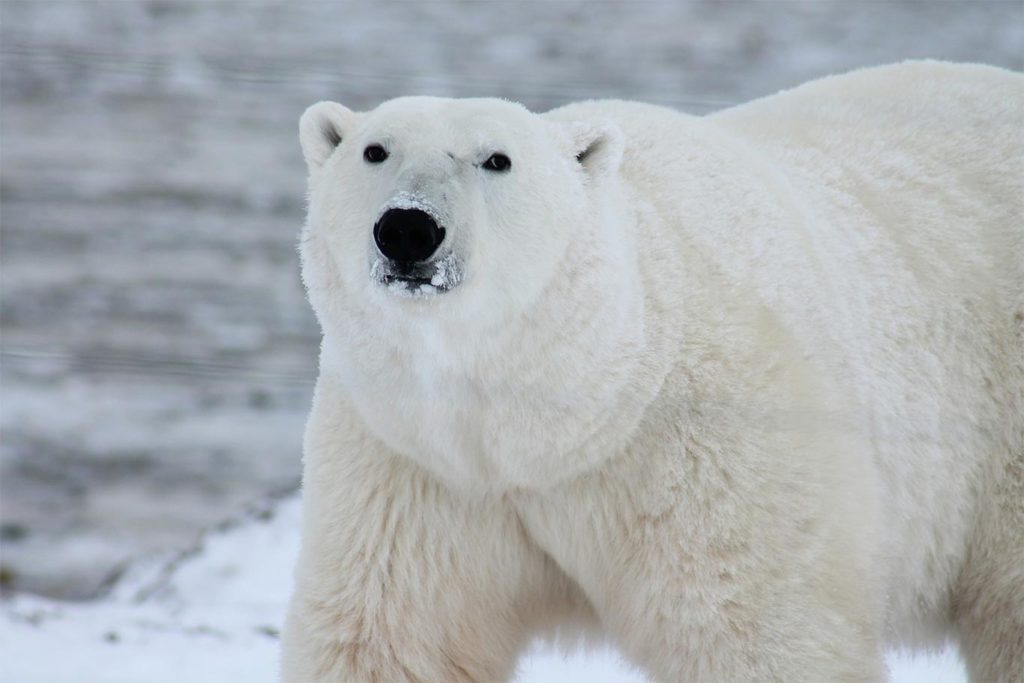
Animal populations are disappearing in front of our eyes. Almost 21,000 populations of mammals, fish, birds, reptiles, and amphibians are under massive threat. Our actions are decimating our precious wildlife at such an extraordinary and disturbing rate that a staggering 4,400 species around the globe have declined. Every two years, the World Wildlife Fund (WWF) reports how far species populations have dropped since 1970. This account serves as a crucial marker for the overall health of ecosystems. This year, the news is disastrous. Populations of animals plunged on average of 68% between 1970 and 2016. Species in Latin America and the Caribbean, along with worldwide freshwater habitats, were exceptionally impacted, declining on average 94% and 84% respectively. “While the decline of animal species can sometimes be attributed to factors out of our control, this particular report puts humans entirely at blame for the shameful state of the planet. Because of our actions, earth’s resources are being annihilated to the point where our planet is just not capable of replenishing itself,” said Nicolette Peters of the Animal Survival International. “Not only are we to blame for exacerbating climate change but the report also exposed how we are also directly to blame for increasing the risk of zoonotic diseases like COVID-19.” The report outlines how land-use change, mostly the destruction of habitats like rainforests for farming, is forcing biodiversity across Europe, Central Asia, North America, Latin America, and the Caribbean to its knees. Where and how humans produce food is one of the biggest threats to nature, with the majority of habitat loss and deforestation driven by food production and consumption. Many animal species simply cannot survive in these new changed habitats mankind has created and forced them to live in. Deforestation also leads to an excess of carbon dioxide in the atmosphere, warming the planet and vexing wildfires. One million species – 500,000 animals and plants and 500,000 insects – are already threatened with extinction. As climate change worsens, these figures are going to implode. Land animals are not the only ones under massive threat. Our oceans are also under siege by overfishing, pollution, coastal development, and other human-caused stressors. As challenging as 2020 has been, one can’t argue that this year has made it crystal clear that humans and nature are entwined. If our planet dies, so do we. It’s up to citizens, governments, and business leaders to come together at a scale never-before-seen to do something about it – before it’s too late.
Butterfly Numbers in Britain Plunge With Lowest UK Figures Recorded in 10 Years
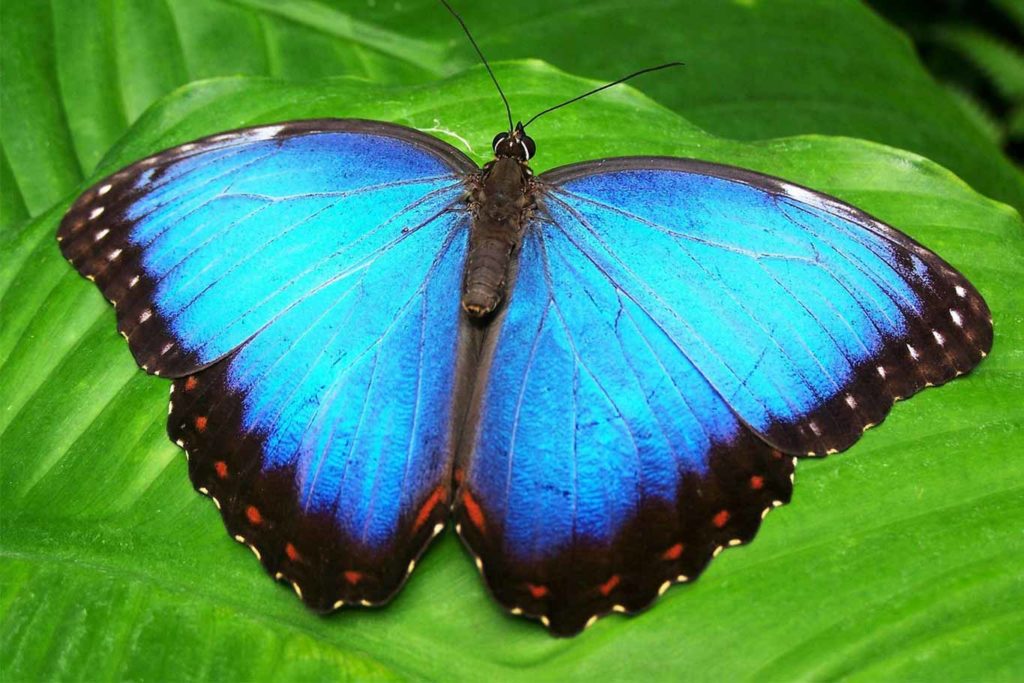
Where have all our butterflies gone? A record low number of butterflies in Britain illustrates the dangerous state of wildlife in the United Kingdom (UK). Scientists are baffled over the figures tallied at the Annual Big Butterfly Count that took place in July and August. Each year, communities gather to count butterflies in parks, gardens, woods, and nature reserves across the country. The results set out the key findings for butterfly species, highlight the implications of research and policy initiatives, and make recommendations for the conservation of UK butterflies and wider biodiversity. This year reflected the lowest average number of butterflies per count – 10.66 – since recording began in 2010. Along with various other species, peacocks and small tortoiseshells have free fallen by a staggering 42% and 41% respectively since last year. While some experts have speculated that the figures could be a result of these species having entered into hibernation late July – many more fear the analyses is evidence enough of the serious, long-term, and ongoing decline of butterflies in the UK. According to the Butterfly Conservation, the UK is home to 57 resident butterfly species and two regular migrants: The Painted Lady and Clouded Yellow. Sadly, four butterfly species have become extinct in the last 150 years – the Large Tortoiseshell, Mazarine Blue, Black-veined White, and Large Copper. “A drop in butterfly numbers is a grim warning about the state of our environment as these delicate and beautiful insects are flagship species for healthy ecosystems,” said Nicolette Peters of Animal Survival International (formerly Political Animal Lobby). Butterflies are an important element of the food chain and are prey for birds, bats, and other animals. They are also heavily involved in the pollination of plants and, with the current decline of the bee population, are ever more vital to the ecosystem. When the butterfly population suffers, so does everything else above it – creating a “butterfly effect” of catastrophic proportions. If the butterfly was to disappear, it could cause the collapse of entire ecosystems.
Botswana Blames Bacteria for Mass Elephant Die-off as the Death Toll Grows… but There Are Doubts
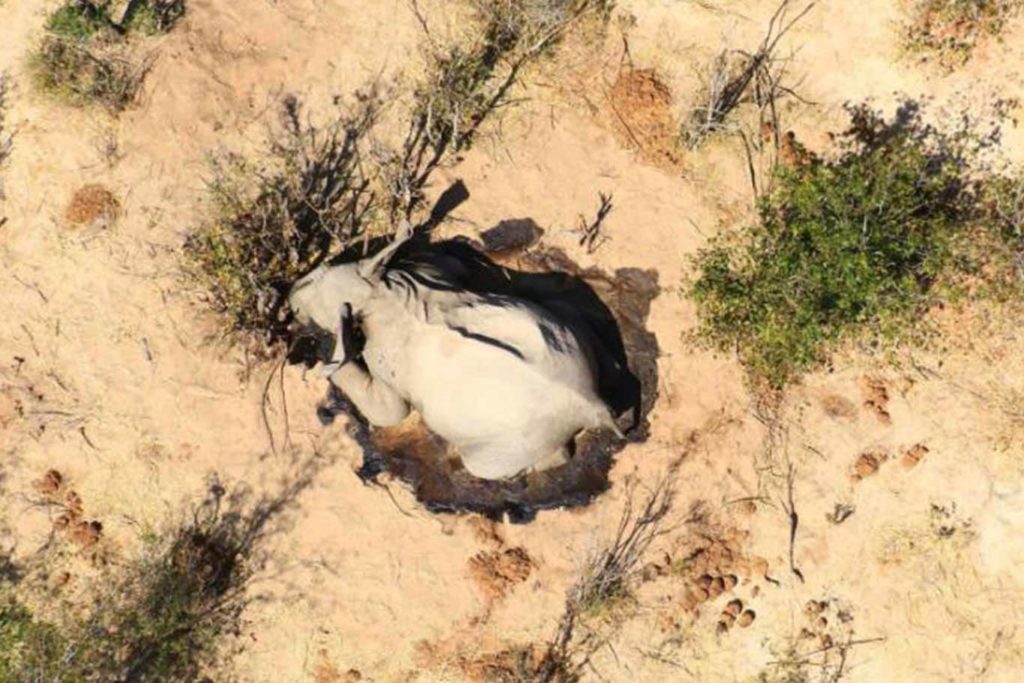
Botswana says it may have solved the mystery behind the mass elephant die-off, but experts have warned there is more to this story than meets the eye. The Botswana Wildlife Department recently announced that they had made a breakthrough in the investigation into the deaths of 350 elephants in the Okavango delta that died suddenly – and without any obvious cause – between May and June this year. They found that the elephants may have succumbed to cyanobacteria poisoning. Cyanobacteria are toxic bacteria which can occur in standing water and sometimes grow into large blooms known as blue-green algae. Climate change may be making these incidents – known as toxic blooms – more likely because they favor warm water. The elephant deaths allegedly stopped towards the end of June, coinciding with the drying of water pans. “While bacterial poisoning rules out human involvement in these deaths, there are a lot of questions that still need to be answered,” said Nicolette Peters of the Animal Survival International (formerly Political Animal Lobby). “This investigation has been so poorly conducted; I fear we may never know the truth.” Wildlife authorities doubt bacteria are to blame because algae blooms appear on the edges of ponds and elephants tend to drink from the middle. The mass die-off was also limited only to elephants and occurred in an isolated area. ASI is not the only organization with concerns; some conservationists have argued the government did not disclose the name of the lab that produced the findings, nor did officials reveal how many samples were taken and from where, which tests were performed, and which species of cyanobacteria was implicated. Dr Niall McCann, director of conservation at United Kingdom (UK) based charity National Park Rescue, along with Dr. Pieter Kat, an expert on lions, both raised concerns over the wildlife samples that UK laboratories were sent to test. “Just because cyanobacteria were found in the water that does not prove that the elephants died from exposure to those toxins. Without good samples from dead elephants, all hypotheses are just that: hypotheses,” said McCann. Dr. Kat agreed, saying he was recently contacted via e-mail by an official within The Department for Environment, Food and Rural Affairs (Defra) asking for advice to strengthen the ability of UK laboratories to be able to test wildlife samples from Africa in terms of forensics, emerging and zoonotic diseases. “In the correspondence, it was revealed that these UK laboratories had been sent the following samples from the Zimbabwe elephant deaths: stomach contents, water and sediment samples, trunk swabs, and some formalin-fixed slides. This is pathetic. Is that the sum-total of samples sent to overseas laboratories to be able to evaluate the Zimbabwe elephant deaths? Is that the sum-total of Zimbabwe’s effort to collect relevant samples from 22 dead elephants (carcasses now all destroyed, apparently) to determine the cause of death? The UK laboratories can only perform the most basic analyses with these samples, and certainly cannot decipher the cause of deaths.” Kat continued to say if mystery deaths of a species occur, the onus is on those in the field to collect as many relevant samples they can. “Blood, brain, internal organs – for a start. And then to maintain those samples in proper storage and shipping to ensure ‘freshness’. Sending inadequate samples will result in inadequate results,” he concluded.
Iconic Wildlife Become Casualties of Human Conflict in War-Torn Burkina Faso
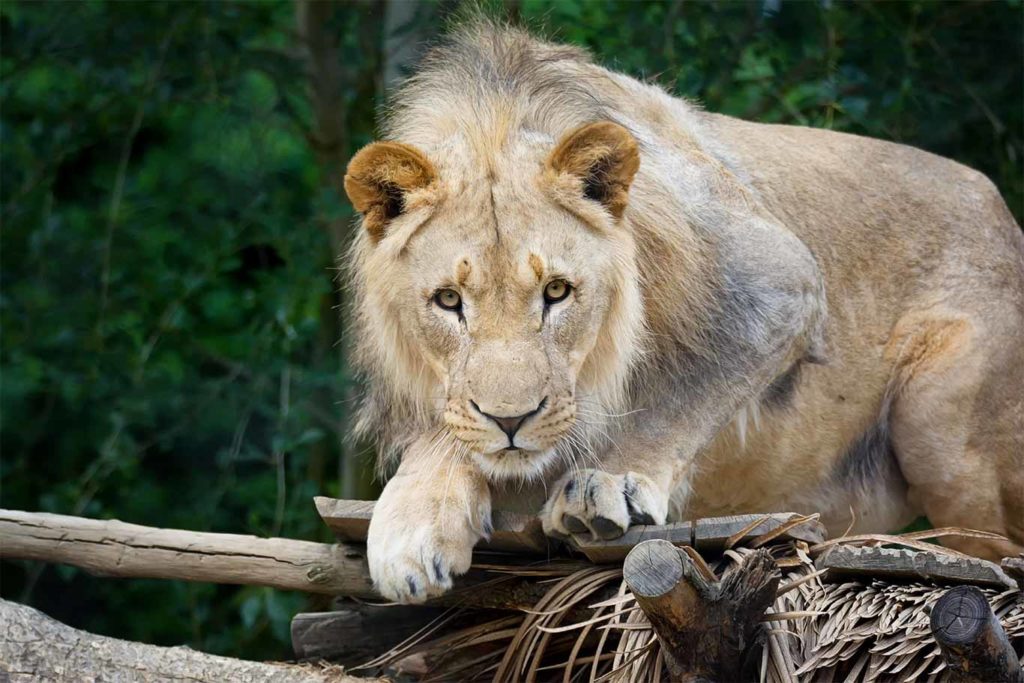
A brutal combination of war, poverty, and corruption is shattering wildlife populations across Burkina Faso. Natural reserves, home to some of the most iconic animals on earth, have become a battle zone ravaged by militants, armed rebels, drug cartels, and poachers. The situation is dire. Civil unrest has made it difficult for environmentalists to protect fragile animals on the ground. Endangered West African lions and African bush elephants are being caught in the crosshairs. As it stands, less than 400 lions are thought to remain in the region’s wildlife reserves, making them likely the most endangered lions on the planet. Other wildlife including the aardvark, civet, clawless otter, wild dog, dwarf buffalo, bushbuck, caracal, cheetah, and chimpanzee are also under fire. Burkina Faso was once a tourist paradise booming with biodiversity. Tragically, this landlocked country in West Africa has seen war deplete its precious natural resources and drastically impact its wildlife. Terrorists have turned conservation reserves into battlefields, executing game rangers and exposing endangered animals to poachers. Just like much of the rest of the world, the coronavirus pandemic has made the situation in this impoverished country with a weakened health system even more desperate. The virus, combined with human conflict, has exacerbated local poverty causing communities to turn to poaching and the ruthless bushmeat trade to survive. Last year, clashes between government forces, brigands, and armed groups in Burkina Faso led to the deaths of more than 2,000 people and forced over 700,000 community members to flee their homes. This year, wildlife reserves are gripped by escalating human violence that has spread across the country. Park rangers fear for their own lives and many have been shot and killed trying to safeguard animals against heavily armed poachers. Ranger stations across reserves have been set alight. Vast areas of fertile grasslands have been torched. The chaos has made it easier for poachers to gain access to wildlife. Lions are chiefly targeted for their skins which sell for up to $2,100. This is according to Panthera, a conservation group that is tracking lions in the region. Bushmeat poaching has also increased substantially because fewer park rangers are on staff. The infiltration of rebel groups has also led to increased rates of deforestation and forest fragmentation. It’s understood that while the militants aren’t actively hunting animals themselves, they are bribing poachers. It’s alleged by rangers that the militants pay the poachers a tax to conduct their illicit business in the parks, giving them a safe range to move freely. Burkina Faso is home to the most exquisite wildlife inhabiting the country’s four national parks and 12 Wildlife Conservation Units, with over 650 mammals (the world’s largest population of roan antelope) and 1,407 different plant species. The Volta River basin teems with almost 200 species of aquatic wildlife including Nile crocodile and hippopotamus. The W National Park, which includes areas of Niger, Benin, and Burkina Faso, is one of the last remaining sites in which you will find the Saharan cheetah – a rare cheetah subspecies that is listed as critically endangered on the IUCN Red List. “We cannot sit by and idly watch as iconic wildlife become casualties of war. History has taught us to know better. During Mozambique’s civil war, giraffe and elephant herds in the Gorongosa National Park shrivelled by more than 90%. When the Lord’s Resistance Army penetrated Uganda, two species of antelope were completely wiped out in the Pian Upe reserve; we know just how the Rhodesian war almost annihilated elephant populations. The same thing is now happing in Burkina Faso – a place that is home to species that are already teetering on extinction,” said Nicolette Peters of the Animal Survival International (formerly Political Animal Lobby). “Extreme measures are immediately needed to save Burkina Faso’s wildlife. And these measures have to involve intricate planning and diplomacy. Ambassadors, government officials, international aid organizations, military advisers, combatants, international security companies, and many others, need to intervene before the situation deteriorates to the point of no return.”
National Wildlife Day – September 4: Wildlife Is Mother Nature’s Greatest Treasure; We Protect To Protect It!
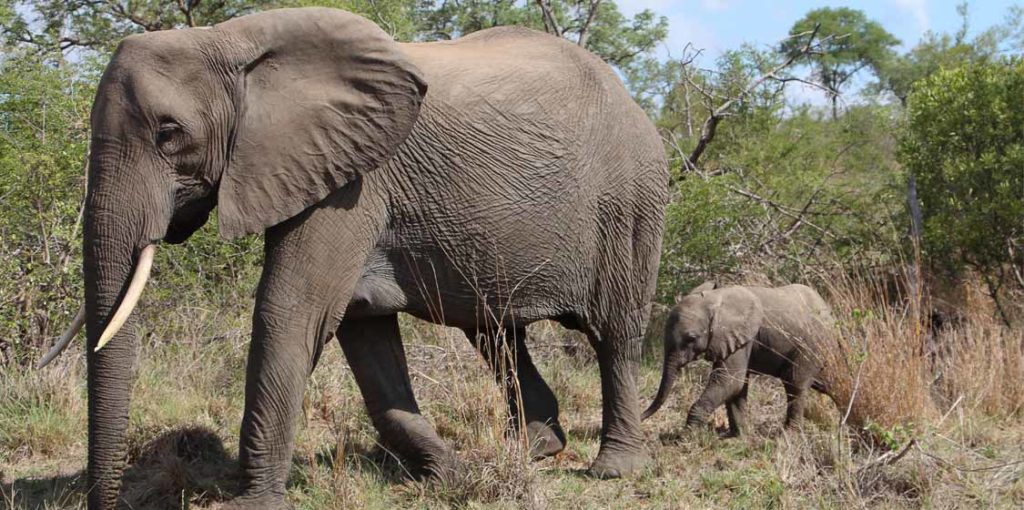
Today is National Wildlife Day. A day we give voice to the voiceless and raise awareness for animal welfare. While the world’s 7.6 billion people represent just 0.01% of all living things, we are behind the loss of 83% of all wild mammals. Researchers talk of ‘biological annihilation’ as studies reveal billions of wildlife populations have been lost in recent decades. Wildlife is dying because of habitat destruction, the international wildlife trade, hunting, pollution and climate change. The International Union for Conservation of Nature (IUCN) estimates that 27,000 species are at risk for extinction. “Today – and every other day to come – is a chance to change the future. It’s a chance for all of us to step back, take a deep breath, and appreciate everything around us. Then do something to make sure we never lose it,” said Nicolette Peters of ASI. Today is also a reminder of the urgent need to step up the fight against wildlife crime. The illegal trade in wildlife is estimated to be worth $20-billion (£15-billion) per year! Poaching and illegal harvesting, particularly in Africa, is shattering wildlife populations The unprecedented spike in illegal wildlife trade poses a growing threat not only to wildlife but to all of us. It is becoming more and more common for diseases to spread from animals to man as the wild trade increases. For example, the Coved plague came from bats and pangolins. ASI disrupts and dismantling networks involved in the illegal wildlife trade and works towards the enforcement of international wildlife laws and treaties. “The work we do is demanding, sometimes dangerous but always important,” said Peters. “The world’s wildlife is in trouble, we are trying to do something about it.”
Cold-Blooded Cruelty Sees Frogs Wiped Out in the Wild and Tortured to Death
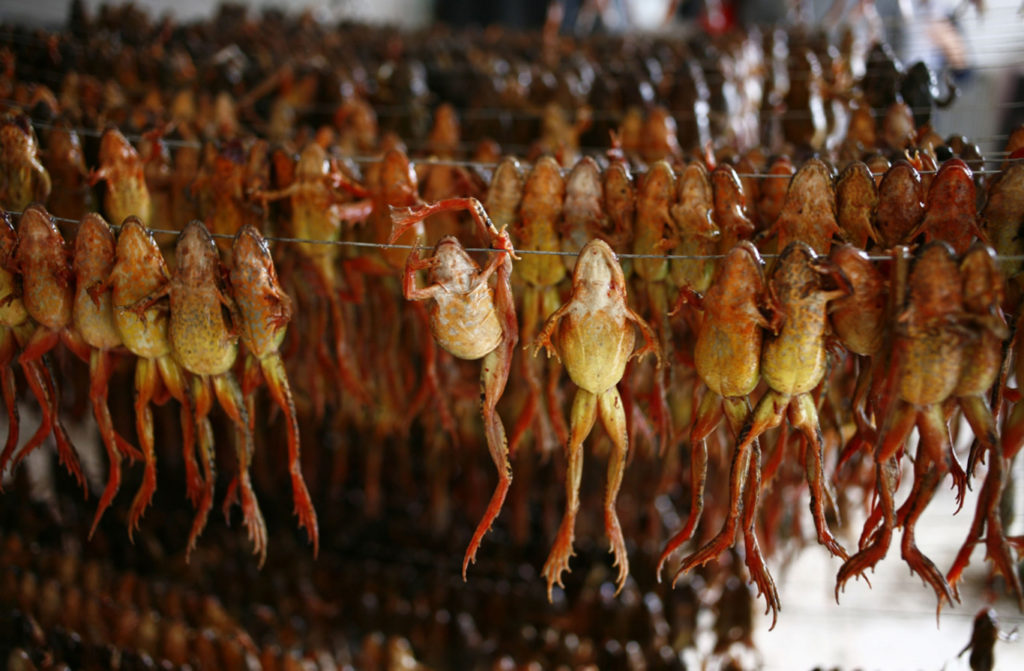
Imagine being forced from your home and taken to a place of torture. Imagine your arms and legs hacked off while you are still alive. Imagine watching the same fate happen to your friends and family. Imagine being left for hours to suffer, while your killer laughs with no remorse. For frogs, this horror is real. As you read this, millions of frogs across the world are being tortured, maimed, and killed. Deprived of everything that is natural and important to them, they languish in pain, ache with loneliness, and long to be free. These uniquely beautiful creatures need our protection now more than ever before. ASI will continue to go out on a limb to stop frog cruelty once and for all! Leaked video footage in Cambodia shows frogs at markets kicking and squirming in pain as their rear legs and snouts are cut off with scissors. Still alive, they are thrown in a pile of other maimed frogs and left to endure a slow death. In their harrowing moments, you can see the creatures’ eyes blinking back at the camera while their killer laughs in the background. These frogs are not only massacred for their legs, but they are also turned into trinkets and curios for the tourist industry. In Laos, tiny rice paddy frogs are dipped into boiling oil, fried alive on sticks, and eaten whole as “snacks” – their little bones and all. Or they are plopped into a blender and liquidized before being added to curries and stews, boiled in soups or barbecued on an open flame. In Vietnam and Japan, live Bullfrogs are served up filleted with their hearts still beating and their limbs still flailing. Large volumes of these frogs are caught after the first heavy rains of the wet season when some species emerge following a six-month hibernation period. Inhumane methods are used to capture them, from nets, hooks, and spears. In China, Asiatic grass frogs – a protected amphibian species – are butchered for use in traditional medicine. Hasma is made with the fallopian tubes of dried-up female frogs and is supposed to help consumers “look younger”. It is estimated that between 180 million to a billion frogs are currently collected from the wild in Asia alone each year for use in traditional medicine. In Europe and the United States, an exploding exotic pet trade sees glass frogs plucked from tropical rainforests and stuffed into tiny glass containers, destined for the pet trade. Of all the enchanting creatures Mother Earth boasts the glass frog is truly one of the most breathtaking. Glass-like, its undersides are transparent. So much so, you can see their organs. Because the skin on its stomach is so thin, glass frogs are particularly sensitive to changes in the environment. The capture, transport, and confinement of this delicate creature is an often brutal and cruel business, causing untold suffering and death. Many frogs die before reaching their final destination and those that don’t die later perish from the long-term effects of capture and transport. Across the world, aquatic African clawed frogs, semiterrestrial bullfrogs and terrestrial toads are still used in classroom dissections and teaching exercises in a harrowing process known as “pithing”. Pithing leaves the frogs’ defenseless while students cut them open, apply drugs to their beating hearts, and attach electrodes to their exposed leg muscles after peeling off their skin. “The methods of torture that these frogs endure so they can be devoured alive, used in traditional medicines, dissected, and oppressed in the exotic pet trade – is an outrage. Amphibians possess neuro-anatomical pathways conducive to a complete nociceptive experience. Simply put, this means that frogs are fully capable of feeling pain,” said ASI’s Sarah Morris. “The abuse of frogs is exacerbating the already dire situation for many wild populations. We all have a responsibility to ensure that frogs are protected.” Amphibians globally are facing a growing crisis, with between a third and one-half of all known species threatened with extinction. Cruelty aside, new potentially deadly zoonotic diseases that can be transmitted to humans are emerging with alarming frequency and many of them originate in wild animals. Throughout the world, public health agencies have recognized that the disease risks posed by exotic pet trade are serious and substantial. Every single life on earth is deserving of protection. Every time you say no to frog cruelty, you save these living creatures from a terrifying death and you make a difference for our planet. The tragic plight of the frog can no longer be ignored.
Botswana Elephants Drop Like Flies in a Mysterious Mass Die-Off, Yet Government Drags Its Heels
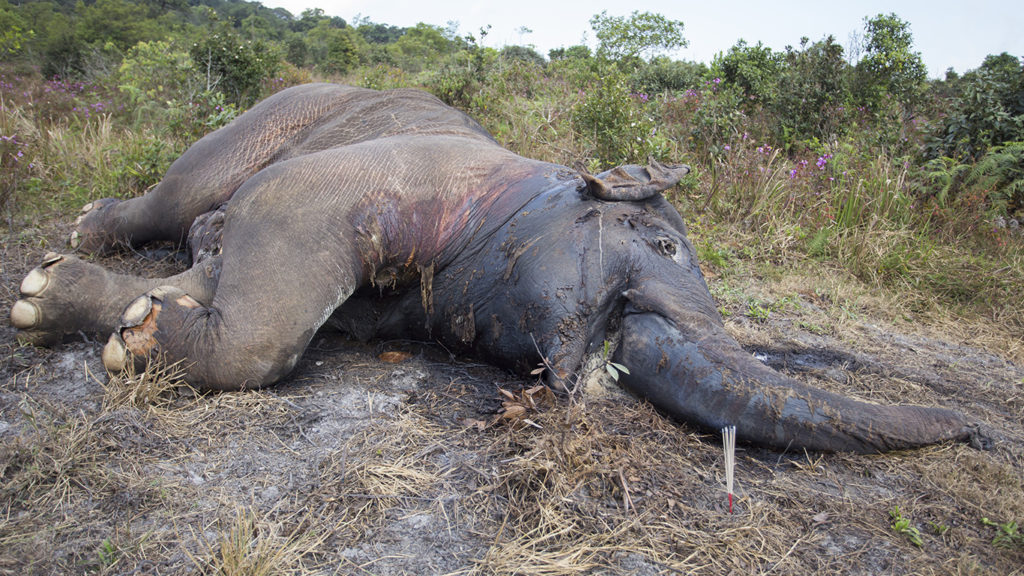
Heart-breaking visuals of elephant carcasses strewn across Botswana call for urgent answers. Why is it taking the Botswana Department of Wildlife and National Parks and government veterinary service so long to establish what is behind the mysterious mass die-off of one of the world’s most majestic mammals? Since May 2020, over 350 elephants (and counting) have been discovered dead around the northwest parts of Africa – home to a third of Africa’s declining elephant population. The bodies show no physical signs of trauma or injuries to indicate poaching, and investigations have ruled out poisoning. At the time of going to press, authorities eluded to the possibility that something was attacking the elephants’ neurological systems since many of them appeared to have collapsed on their chests, almost in mid-step. “We have had a report of 356 dead elephants in the area north of the Okavango Delta and we have confirmed 275 so far,” Cyril Taolo, the acting director of the Department of Wildlife and National Parks, said. “The cause of the deaths is yet to be established with anthrax having been ruled out. We do not suspect poaching since the animals were found with tusks.” It is believed that the first carcass was found near Seronga on May 11 by researchers in a helicopter trying to discover why an elephant with a satellite tracker hadn’t moved for some time. The discovery of the body led to a team finding body, after body. It was only recently that the world was alerted to the gristly deaths. This, after a confidential report by Elephants Without Borders (EWB), was leaked to the media earlier this week. “One would think that a mass death of a species that is already under enormous threat would jumpstart the Government into urgent action yet it appears little, if nothing, is actively being done to figure out what is causing these elephants to drop like flies. It has been almost two months, for goodness sake! The Government claims they have collected blood samples from the deceased elephants yet still no results have been forthcoming. And no, any suggestions put forward that the nationwide lockdown due to Covid-19 is to blame for a delay in results is a pathetic and poor excuse,” said Nicolette Peters of ASI. “There is no technical reason why samples could not have been analyzed within days. This is an urgent matter and should have been dealt with, with utmost urgency. The Government failed to act for months. Authorities also ignored repeated offers to help with testing and investigation from other private stakeholders who were willing to assist. Meanwhile, more ellies are dying. According to reports, another eight elephants were seen in the area that were weak, lethargic, and emaciated. The report stated that they were walking with difficulty or in circles. Adding to this, the true number of elephant deaths is likely to be even higher than what we’ve been told because elephant carcasses can be difficult to spot, especially in densely vegetative areas.” Of the total number of elephants found dead, roughly 70 percent were near watering holes. Elephants of all ages and both sexes have been dying – an indication more could die in the coming weeks. Elephants in Botswana are a controversial issue as last year President Mokgweetsi Masisi lifted a hunting ban. The elephant deaths came on the back of a surge in rhino poaching in Botswana. Last year, poachers slaughtered more than two dozen rhinos throughout Botswana, and already that number was surpassed during the first four months of 2020.
South African Wildlife Under Government Assault, Humans Under Threat
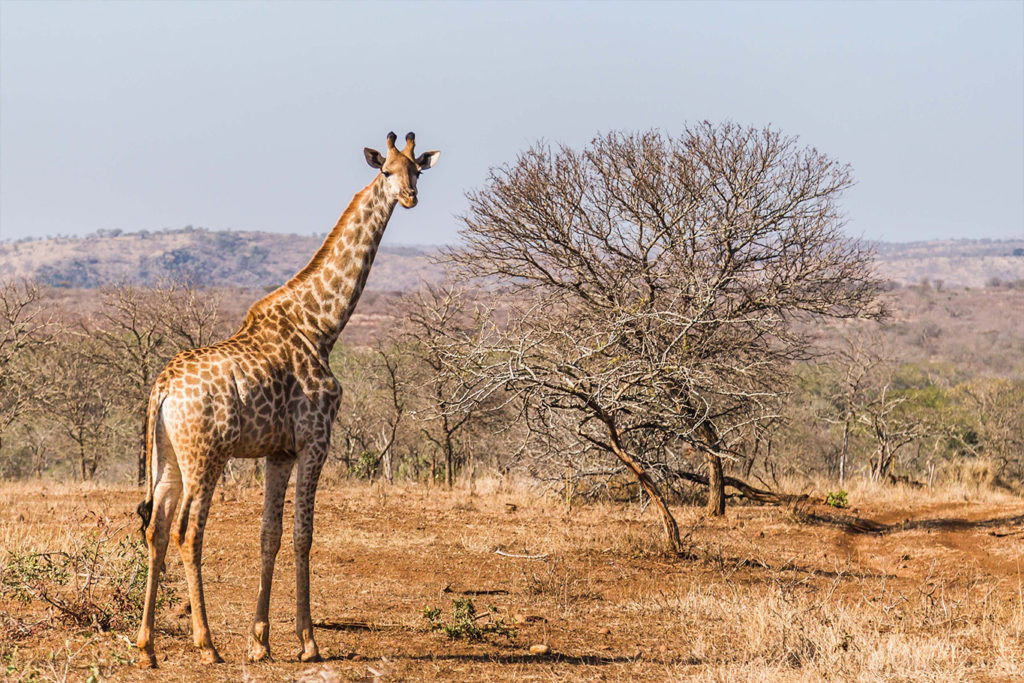
Amid a global pandemic, when the dangers of eating wildlife have never been more apparent, South Africa plans to declare an outrageous legislation that requires urgent intervention. Wildlife will no longer be treated as living beings, only commodities valued for nothing but livestock and meat. This is according to a shocking revision to the Meat Safety Act by the SA government, allowing for the slaughter of wild animals as meat for human consumption and unrestricted farming of everything from lions, giraffes, and rhinoceros to tiny antelopes. If passed in its present form, the updated schedule will open a devastating gateway, allowing the brutal slaughter of countless wildlife species, some already teetering on the brink of extinction, and open Pandora’s box with regards to deadly zoonotic diseases. On 28 February 2020, the South African Government proposed adding over 90 local and non-indigenous species to the list of animals regulated under the Meat Safety Act (MSA). Ironically, South Africa’s Department of Agriculture, Land Reform, and Rural Development is driving the legislation – an entity that is supposed to ensure the well-being of numerous endangered species. The purpose of the MSA is to provide measures to promote meat safety and the safety of animal products for human and animal consumption. The MSA sets national standards at abattoirs and also prohibits animals from being killed anywhere other than at accredited abattoirs unless the killing is done for non-commercial personal use or ritualistic purposes. MSA also regulates the export and import of their flesh, skin, bone, and horn. While the reasoning behind the Act may sound clean on paper, putting African wildlife on the menu for mass consumption will have catastrophic consequences. “Reclassifying wild animals as livestock and legalizing the slaughter and consumption of all species without any off-limits is ludicrous,” said Nicolette Peters of ASI. “This amendment poses a major threat to the future of wildlife already facing overwhelming odds, the results of which will lead to Titanic damage. Conservationists have already predicted that the revision will inadvertently drive up the demand for bushmeat through legitimizing the consumption of protected wild animals.” Promoting the consumption of wildlife will only intensify the commodification of South Africa’s natural heritage. The wildlife meat market is relatively small in South Africa. However, this amendment will expand the wildlife meat market share in SA and across the globe, even though there is no real demand from consumers in SA requesting it. “The proposed updated schedule of animals covered by the act makes no sense. Even New Zealand’s national icon, the kiwi was listed alongside ostrich and emu. Australia’s national icon the kangaroo was also on the list. Even the wording of the South African government’s proposals is so bad that even humans can be slaughtered and eaten!” continued Peters. “There is no respect for life, human or otherwise. We also find it repugnant that rare and precious species like lions, cheetahs, and giraffes amongst many others, are to be treated simply as objects to be raised and traded. The South African government’s decisions over our wildlife are is disgraceful and must be challenged.” In addition, the proposed updated schedule poses a very real threat to mankind. Wild animals are reservoirs for pathogens, and people who come in contact with their bodily fluids risk becoming infected with a zoonotic diseases. Surely, the COVID-19 pandemic was enough to drive home the dangers of the transmission of viruses from wildlife to humans? Scientists are particularly concerned about wildlife meat-borne epidemics of new diseases. “Animals are a common source for the introduction of new infectious diseases into human populations,” said Michael Jarvis, a virologist at the University of Plymouth. “Some of the best known zoonotic diseases include HIV, the Bubonic Plague, Lassa fever, SARS, Ebola, and the coronavirus. Even malaria is believed to have been originally introduced into the human population from gorillas. And this isn’t a minor risk: diseases transmitted from animals to humans represented 60 percent of all emerging infection disease events (EIDs) between 1940 and 2004.” ASI is working hard to get the message out about the threat this new Act poses, along with several other animal welfare organizations frustrated by the simplistic portrayal Government has taken in what is an incredibly serious issue. While the proposal is currently being circulated for comment – with the deadline now extended to 30 June to oppose this extremely disturbing proposed legislation –- the legality of passing such an Act remains to be seen. ASI urges our supporters and all people concerned about biodiversity, animal welfare, and the rights of all creatures to life to oppose the passing of these amendments
Conservation Organizations, Wildlife Under Threat as Tourism Collapses During Worldwide Lockdowns
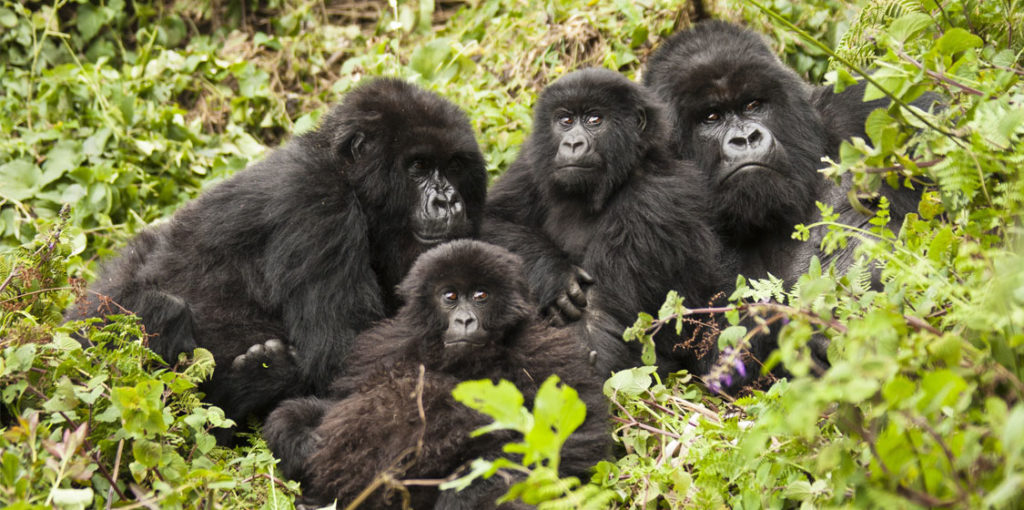
Conservation organizations protecting critically endangered species face closure worldwide. This follows the collapse of the tourist industry with lockdowns in place globally to control the spread of COVID-19. Many organizations who work to protect threatened ecosystems and species depend on revenues from ecotourism to fund their conservation activities. Most of them work in resource-rich countries whose ecosystems and biodiversity are under assault from mining, deforestation, industrial agriculture and urbanization. But their work is becoming even more important. People in rural, biodiverse-rich areas are expected to be driven to rely on game meats and activities like illegal deforestation and mining since their source of income from tourism has disappeared. Already, the black rhinos of the Okavango Delta, in Botswana, have been evacuated after six were poached in March. Meanwhile, the largest ever hauls of pangolin scales were seized in Singapore last month just as the Chinese government outlawed the consumption of wildlife because it is believed that the coronavirus epidemic is a consequence of humans eating wild animals. These conservation organizations and their employees – like the endangered animals they protect – are also under threat. Twelve rangers caring for mountain gorillas in the Virunga National Park, in the Democratic Republic of Congo, were murdered last month while they were trying to protect the giant primates from poachers. In a parliamentary briefing on the wildlife trade and COVID-19 in South Africa, Nick King, an international climate change and biodiversity expert, argued that if we want to reduce the future spreading of diseases from humans to animals, ecosystems that these wild animals occupy need to be nurtured and taken care of. “While we are locked down in our homes, and our attention is fixed on the coronavirus, we must not forget about the animals,” says Animal Survival International (formerly Political Animal Lobby) spokesperson Elizabeth Kruger. “Now more than ever, the work of conservation organizations to protect critically endangered species is crucial. Not only is the wildlife trade implicated in the spread of the coronavirus, but precious species are facing threats in the wake of the virus’s spread across the globe. ASI urges our readers to support conservation and animal welfare organizations during the coronavirus lockdowns, and beyond.”
Last of the Mhorr Gazelles Dies in Tunisia, Another Species Extinct
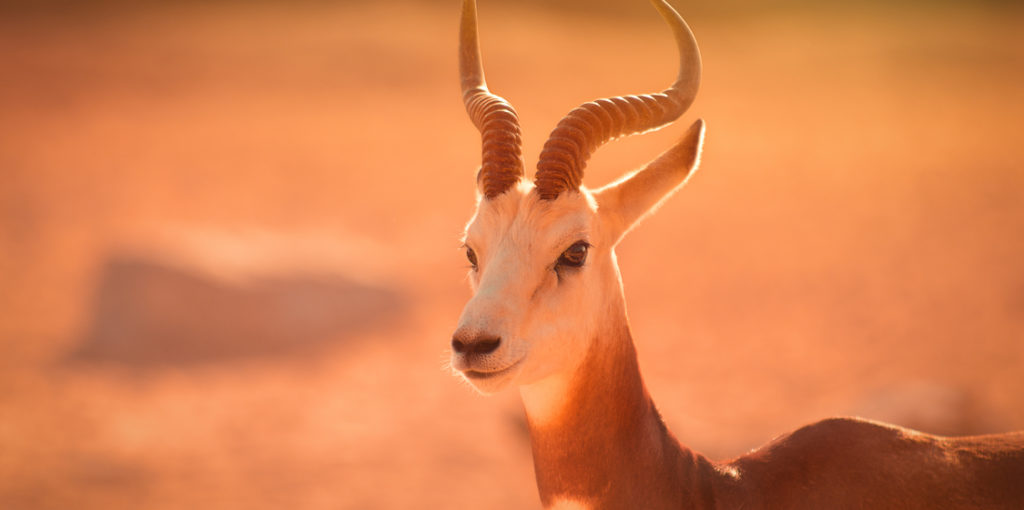
The last of the Mhorr gazelles has died, and the species has been snuffed from life in the wild and declared extinct in Tunisia. The Tunisia Wildlife Conservation Society (TWCS) reported that the gazelle, which lived in the Bou-Hedma National Park in Tunisia, died of natural causes. The Mhorr or Dama gazelle, once common in the arid and semi-arid Sahara desert, used to roam Tunisia, Chad, Mali and Niger but little was done to ensure the survival of this now extinct species. The extinction of the Mhorr gazelle was far from natural: it was driven by overhunting and habitat loss. Spokesperson for the Animal Survival International (formerly Political Animal Lobby), Nicolette Peters, mourns the loss of the Mhorr gazelle, saying, “ASI is devastated that we have lost yet another species from earth. Again, we are reminded that it is humans that are driving ecological devastation on the planet. We must redouble our efforts to preserve ecosystems and animals in the face of a voracious and uncaring world economy.”
Cartoon Illustrated by Matt Pritchett – Telegraph Cartoonist

Matt Pritchett’s cartoons delight readers each day. Matt is a Telegraph institution, and his witty sketches are a vital part of the newspaper. In his newsletter, the enormously popular cartoonist explains just what inspires him each day, and shares an extra, unseen cartoon, which will not have been published anywhere else. For more cartoons from Mat you can subscribe to The Telegraph
South African Wildlife Under Government Assault, Humans Under Threat
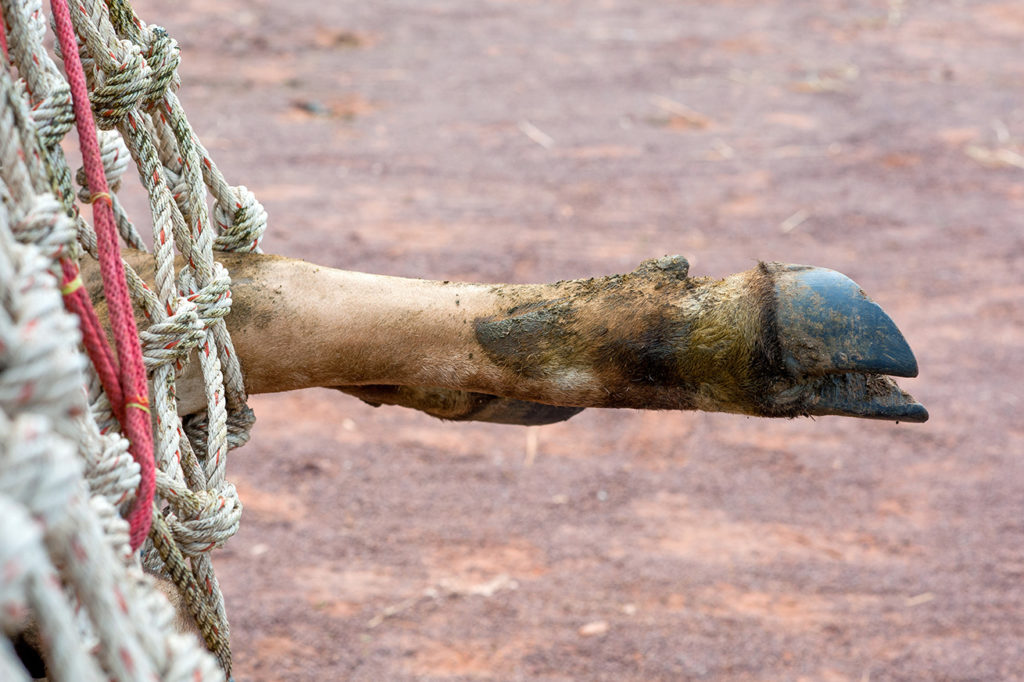
In a devastating blow to its wildlife, South Africa plans to declare its wild animals as meat for human consumption and allow unrestricted farming of everything from lions, giraffes and rhinoceros to tiny antelopes. Under the proposal, any wild animal may be used – no distinction is made between domestic animals and wild creatures. No animal is taboo. The proposed Act of Parliament specifically lists 104 wild animals that can be farmed, but also stresses that the law will apply to all other species of animals including birds, fish and reptiles. Their genetic material, embryos and body parts can be harvested and traded. The mighty lion is already treated just like a cow: lions can be bred and slaughtered for their bones to be sold on international markets as a substitute in tiger bone wine and used in jewellery. Lion cubs can be taken away too early from their mothers, who will give birth to many more offspring in their lifetimes in captivity than they would in the wild. The proposed amendment to the Meat Act (2000) will worsen the conditions of lions and all wildlife in South Africa. There will be no more wildlife, only livestock and meat. The South African Meat Safety Act of 2000 regulates the safety of meat and animal products, abattoir standards, and the import and export of meat. This February, the Department of Agriculture, Land Reform and Rural put forward motions to include in the act an inexhaustive list of creatures that “may be slaughtered as food for human and animal consumption”. Even worse, the amendment is to include “animals that may be listed as threatened species in accordance with conservation provisions”. This could be an important development for game farmers, according to the Farmer’s Weekly, and would allow them to legally slaughter their game populations, and distribute the meat in a sanitary and safe manner. According to WWF, the wildlife game meat economy can contribute to rural development, job creation and security through the establishment of abattoirs in private and state-owned conservation areas. Why the law should extend to cover animals such as lions is a troubling mystery, since South Africans do not customarily eat lion meat. EMS Foundation sheds some light on the matter. They report that a challenge to the lion bone export trade in South Africa has been that, until now, the bones have been exported as “trophies”, but because they are used for human consumption, they need to be exported under a food export permit – and therefore regulated under the Meat Safety Act. The same would apply for any species being exported for human consumption – be that food or medicine. Until now, lions have not been included on the list of meats suitable for human consumption in the Food Safety Act, nor in the Meat and Animal Export Procedures of South Africa, according to EMS. The same applies for rhinoceros. The new Meat Safety Act amendments change all of this. Now, any animal can be exported under the new food safety and export laws, and the way for trading in the prized lions and their bones has been smoothed. The Meat Safety Act amendments argue that the new rules might benefit land owners seeking to slaughter their excess animals, but in combination with the recently passed Animal Improvement Act, the scenario becomes more sinister. The new laws leave many grey areas for an already murky and poorly-regulated captive game industry, and there are no guarantees that wildlife would be kept under the same free-ranging conditions as the WWF might suggest. The proposed laws raise other questions, such as why endangered species like the rhinoceros, oribi – or any other species for that matter – should be included on a list of species deemed appropriate for human consumption and export. As Italian magazine, La Stampa, points out, the export market is highly profitable, and the “meat” is not limited to what people will eat. Effectively, the combination of these acts promulgated by the Department of Agriculture, Land Reform and Rural Development together with the Department of Environmental Affairs, Forestry and Fisheries, allows for the export of any of South Africa’s endangered wild animals, not just those on the list. The government can simply introduce the new regulations based on advice from ‘experts’. In practice, that largely means people sympathetic to the government’s wishes, with animal welfare organizations mostly excluded from the process. If this isn’t Machiavellian enough, the government has put a time limit on when submissions can be made – April 30 is the deadline and South Africa is in total lockdown until then because of the corona crisis. Insult is piled on to injury because the legislation is being driven by South Africa’s Department of Agriculture, Land Reform and Rural Development which is charged with ensuring the well-being of numerous endangered species. Minister Thoko Didiza seems to be following China’s laws on wildlife, where until recently stock farming of wild species has been commonplace. “Well, we know how that turned out,” said the Animal Survival International (formerly Political Animal Lobby)’s Nicolette Peters. “China’s so called wet markets, where wild and domestic animals are held in close proximity in unhygienic conditions and in close contact with humans.” The outbreak of the COVID-19 coronavirus, is believed to have originated in a wet market, from a wild animal – potentially a pangolin. ASI is outraged that, in the midst of a global pandemic that is believed to have originated from contact between humans and wild animals, the South African government is proposing a law that will allow unfettered consumption of any animals whatsoever, wild or tame. It is well-established that lion bones can carry diseases and toxic sedative residues that can be harmful to human health. Even more commonly-eaten game meats are increasingly prone to disease, and the need for antibiotics to treat them. Opening up the entire South African biota to global consumption is blatantly irresponsible and retrogressive when it is well-established that 70% of new infectious
Chimpanzees, Orangutans and Gorillas in Great Danger of COVID-19
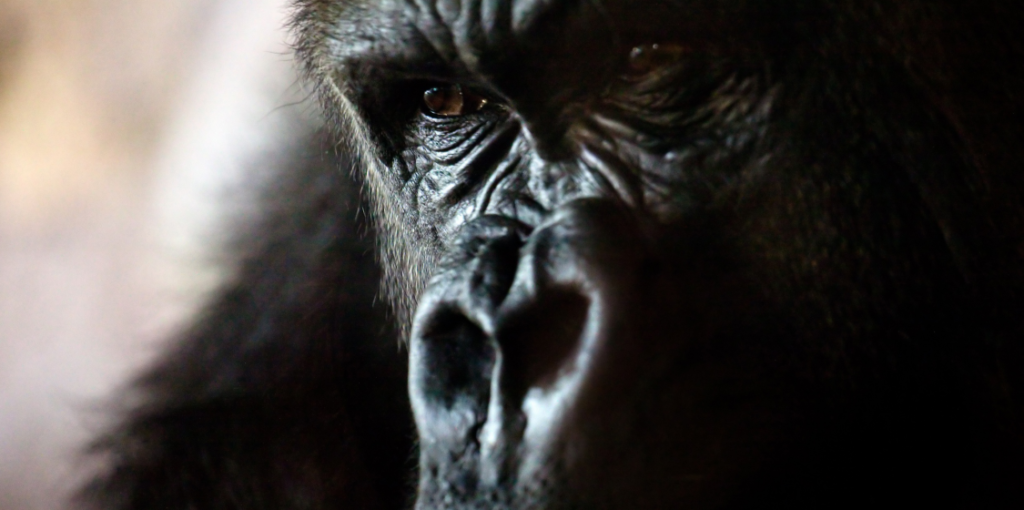
Sensible steps have been taken to isolate the animals, but the coronavirus could be devastating to them.
Botswana Election Result Is a Huge Setback for Wildlife Conservation

Encouraging people to kill elephants sends the wrong message to poachers – a message that says Botswana is a place that doesn’t care about elephants.
The World’s Most Trafficked Animal Is on the Verge of Extinction
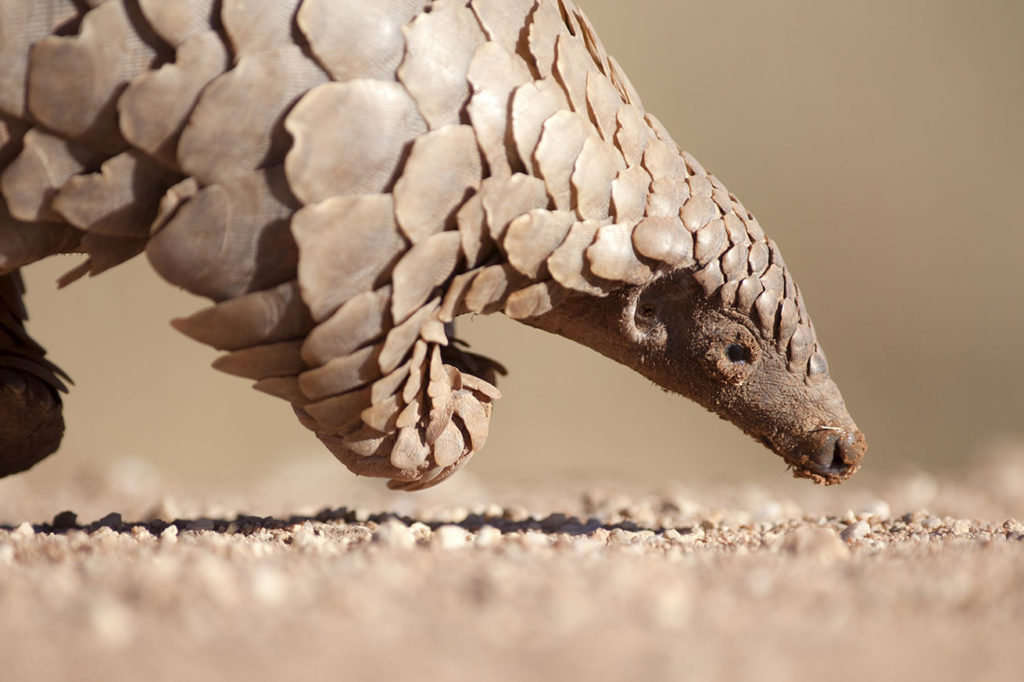
Pangolins are under threat. Their extinction is imminent and once again it’s all thanks to mankind. More than one million pangolins have been poached or trafficked in the last decade alone and this lucrative business is thriving. In some parts of the world pangolins are beaten and suffocated with smoke, then boiled alive. Some restaurants in Vietnam even go a step further and slaughter live pangolins at the dinner table. The Animal Survival International’s (ASI) is actively involved in global campaigns to get governments to pass stricter laws and mitigate this catastrophe. “We cannot allow this horrendous slaughter to continue, something has to be done. These solitary and peaceful creatures are one of the most trafficked mammals in the world, accounting for as much as 20% of all illegal wildlife trade,” said ASI’s Andrea Matthee. Pangolins are mainly traded for their scales, which Chinese medicine incorrectly states can be used to treat several illnesses. The plight of the poor pangolin dates as far back as 1820, where King George III was presented with a coat and helmet made with their scales. “This trade is still thriving today, 200 years down the line and it has always been driven by money. The scales from a single pangolin can fetch up to $100,000 (£81,000) on the black market,” explained Matthee. All eight pangolin species are classified by the International Union for Conservation of Nature (IUCN) as being threatened or vulnerable. Two of these species are critically endangered. International trade in pangolins is prohibited in terms of the global Convention on International Trade in Endangered Species (CITES) agreement and yet the trafficking continues unabated. In April, 2019, Malaysian authorities uncovered 27 tonnes of animals and scales – a record breaking bust to the value of over $2 million (£1.6 million). Moreover, in Singapore 26 tonnes were intercepted and in Vietnam five tonnes were confiscated after being found hidden under a container of cashew nuts. Beyond unfounded medicinal ignorance, pangolin meat is also treated as a delicacy and forms a big part of the multibillion-dollar bush meat trade. “It’s time for us to rise up and fight for these voiceless creatures. Authorities around the world continue to turn a blind eye to this scourge but we will continue to fight for the survival of these creatures because if we don’t do it, who will?” said Matthee. Pangolins, or scaly anteaters as they are otherwise known, are solitary and secretive mammals that live in underground burrows or tree hollows. They are found in parts of Asia and across the African continent and are the only mammals in the world to be covered in scales. They’ve got small heads, long snouts and even longer tongues for slurping up ants from inside ant nests.
Botswana to Charge £1,500 ($1,834) For a Licence to Kill Elephants
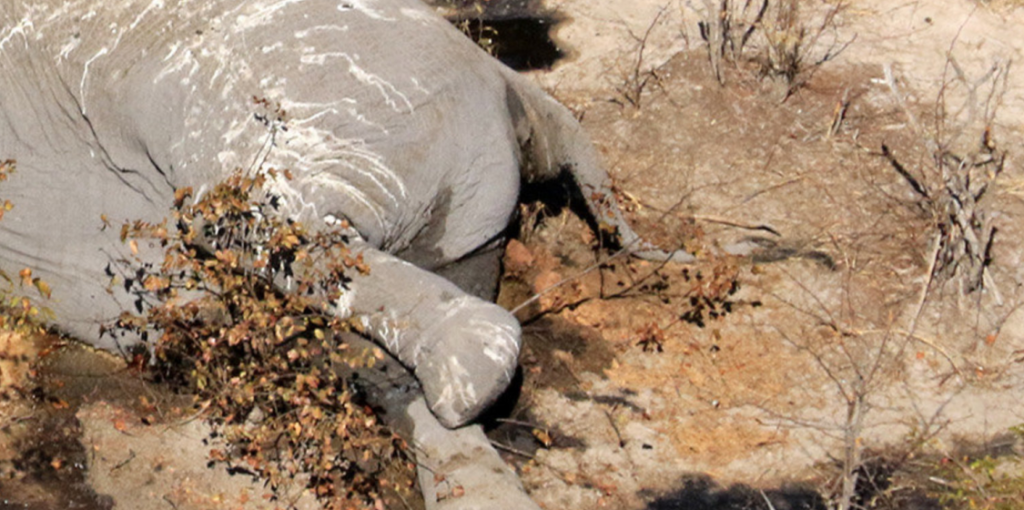
We call upon all our supporters to support ASI in expressing strong opposition to trophy hunting, at a time when elephant numbers are plummeting.
Chimpanzees: We Are Betraying These Kindred Spirits
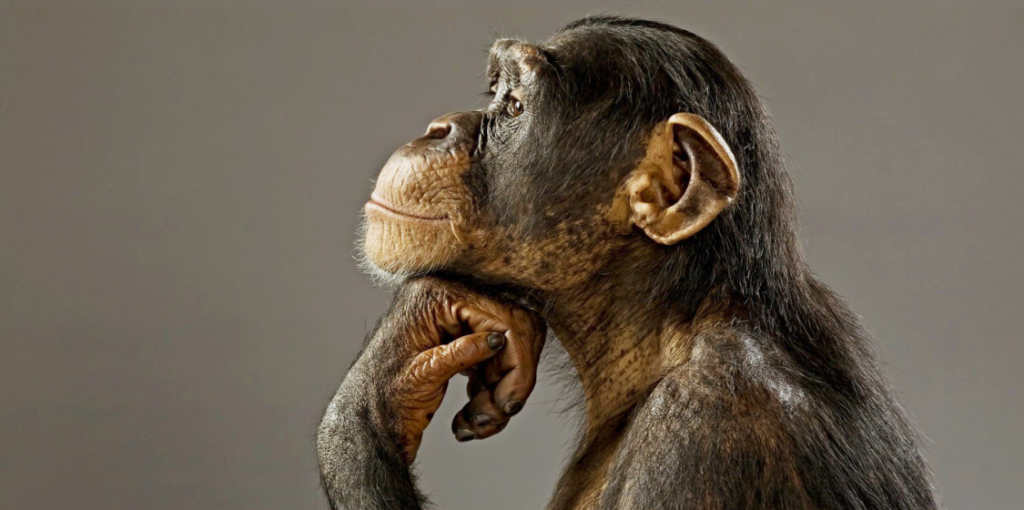
By pushing these beautiful beings to extinction we are shutting the door on discovering our own evolutionary history.
Botswana’s Elephants: Myths vs Facts
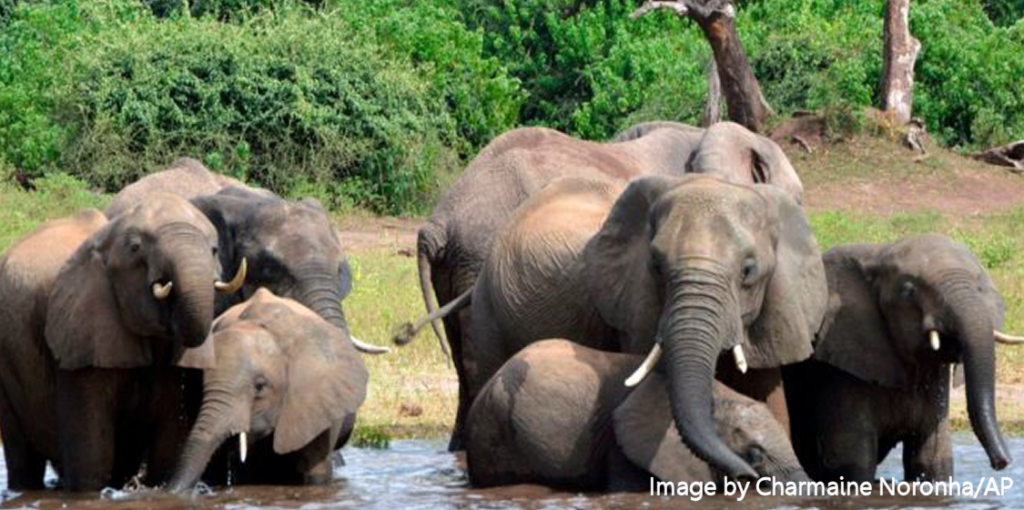
In the final analysis, the southern African countries represented at the Kasane Conference appear intent on moving against science and cogent argument.
Namibia’s Wild Desert Horses Face Extinction
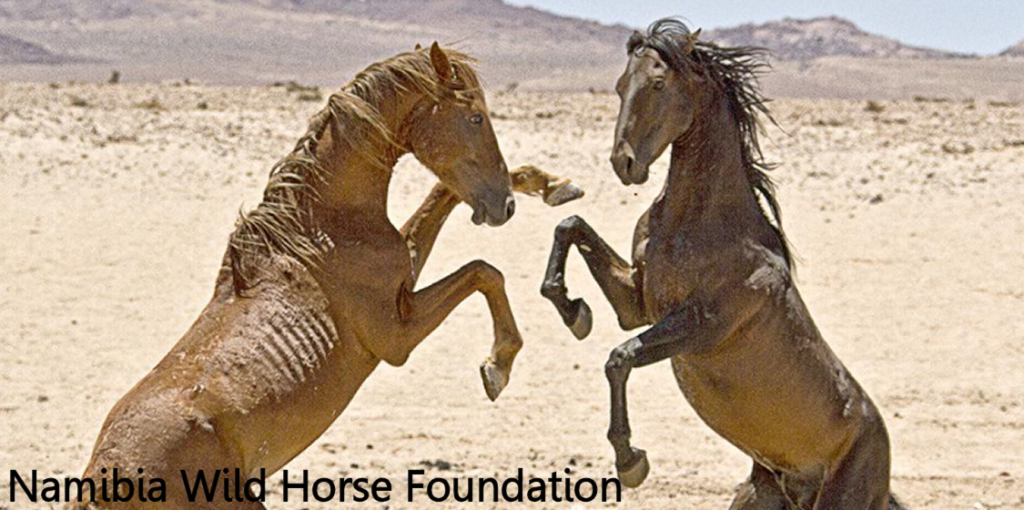
There might be about one or two pregnant mares still, but that is about it.
35 More Baby Elephants Being Sent From Zimbabwe to Lives of Hell in China
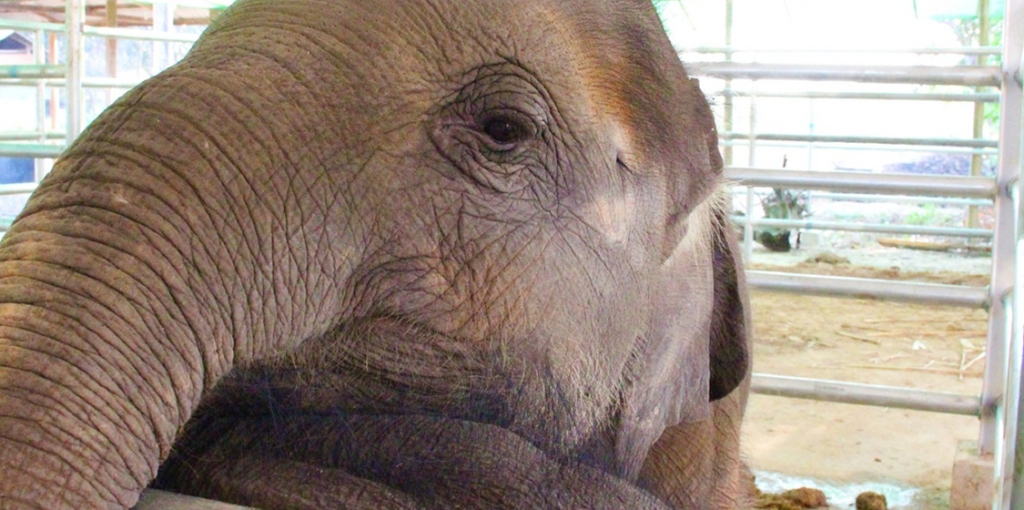
Many of these babies will still be breast feeding. Scientists say they will never fully recover from the trauma.
Some Giraffe Subspecies Are at Risk of Extinction
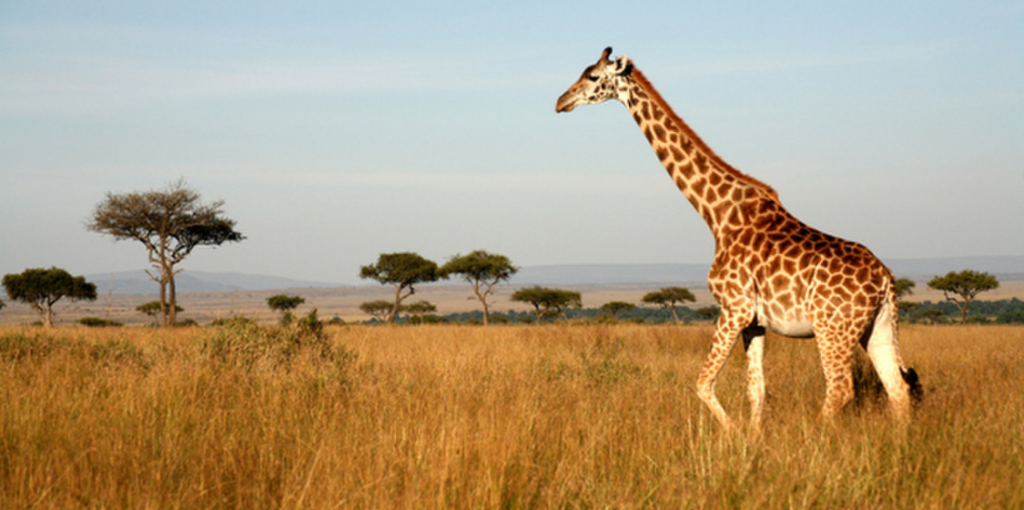
Two out of nine subspecies of giraffe are listed by IUCN as critically endangered, while others are considered endangered, vulnerable and near threatened.
New Knowledge About Tigers Could Help to Protect Them
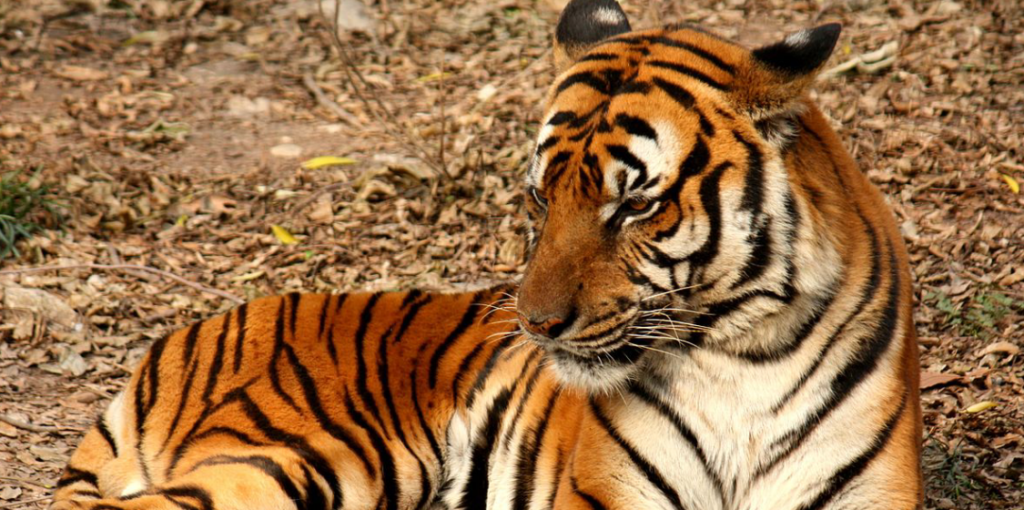
Preserving what is left of tigers’ genetic diversity will mean ensuring that all remaining subspecies are taken into account, say the researchers.
More Disturbing Rhino Deaths
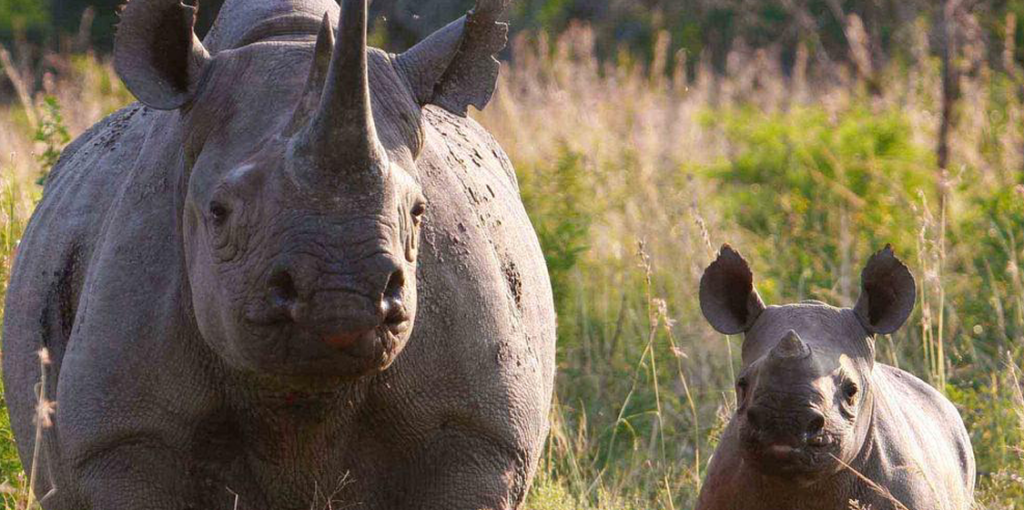
Although rhinos were once widespread throughout Africa, only about 5,000 black rhinos remain.
How Many Hippos Are Too Many?
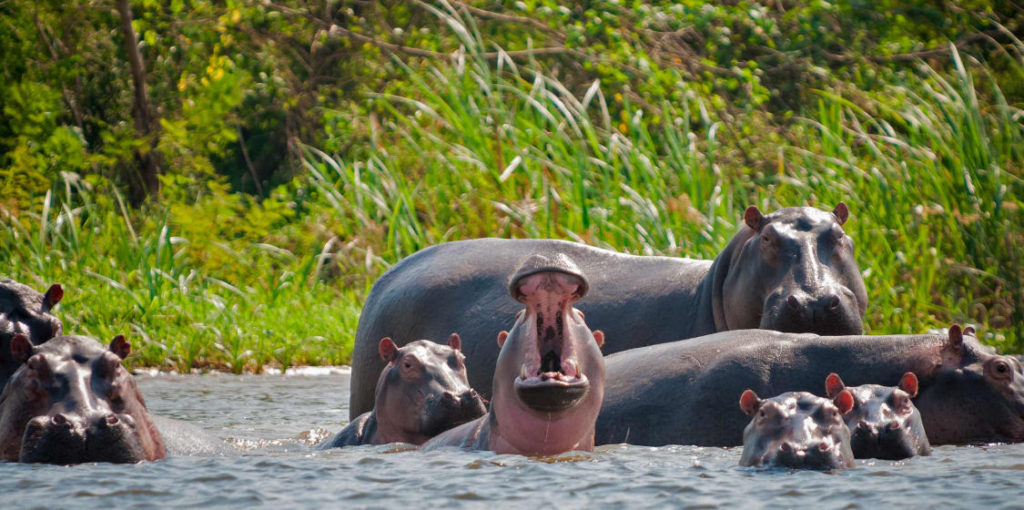
Once human settlements get established in the former (hippo) range, it would not be politically feasible to later evacuate people for the sake of reclaiming hippo habitat.
Tragic End to Botched Rhino Relocation
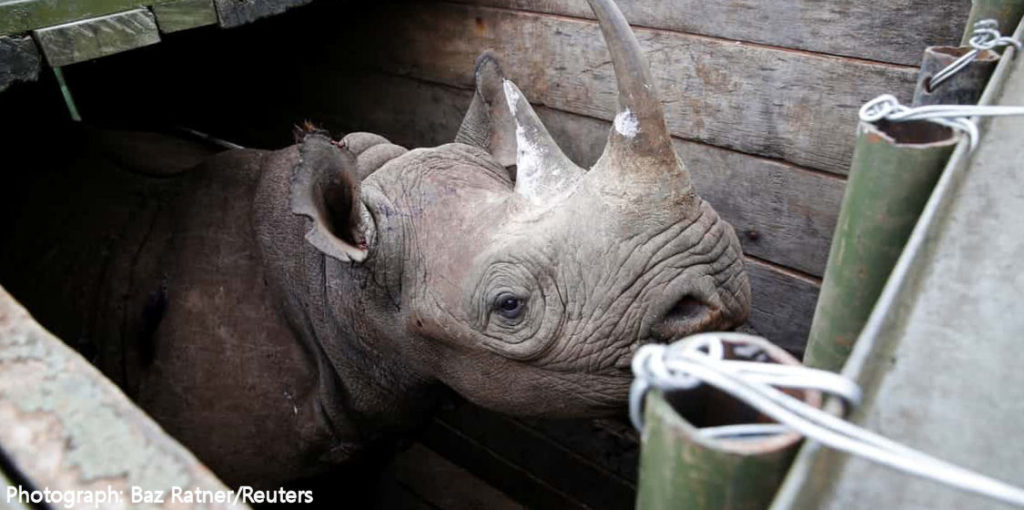
As a result of decades of poaching for rhino horn, numbers of rhinos have plummeted across Africa. There are only about 5 000 black rhinos left in Africa and about 745 live in Kenya.
Network for Animals’ Supporters Just Made History
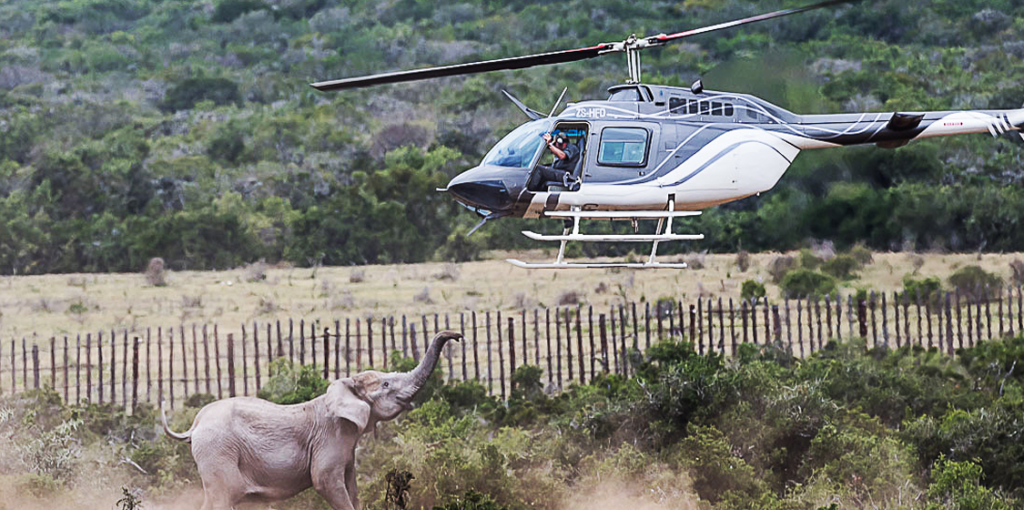
Perhaps the most moving moment of the experience came when the elephants were released. Without hesitation they walked out of the elephant carriers and headed off into the wild, without a backward glance.
Mission Jumbo: The Elephant Countdown. Two Days to Go.
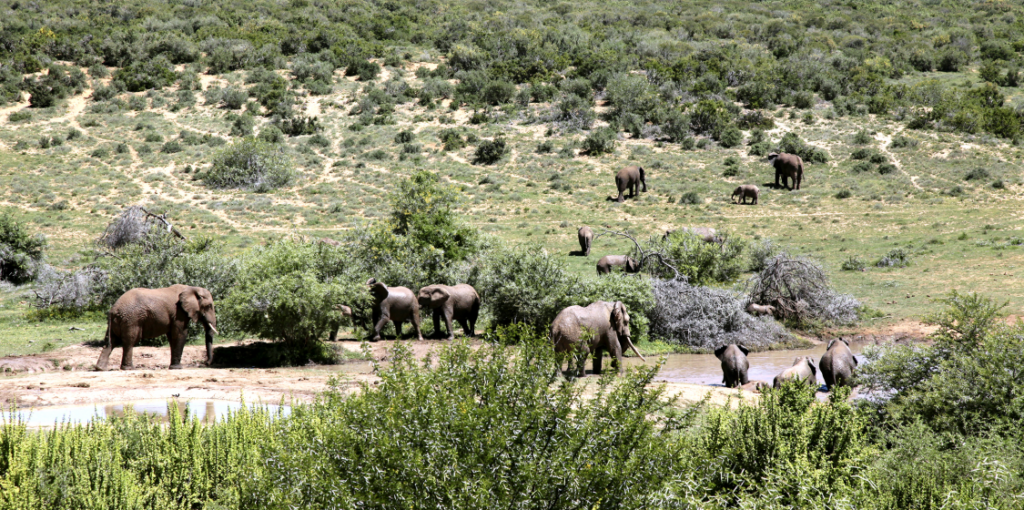
The helicopters have arrived, the game capture team is in position. So far so good!
Mission Jumbo: The Countdown Begins. Three Days to Go.
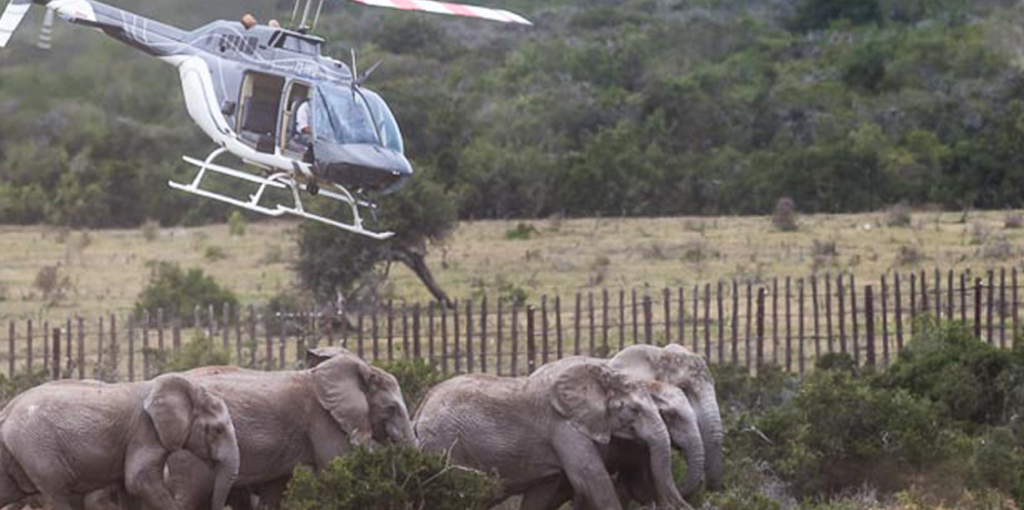
“It is a proud moment for NFA,” said David Barritt, NFA’s campaign director.
Waiting for Freedom
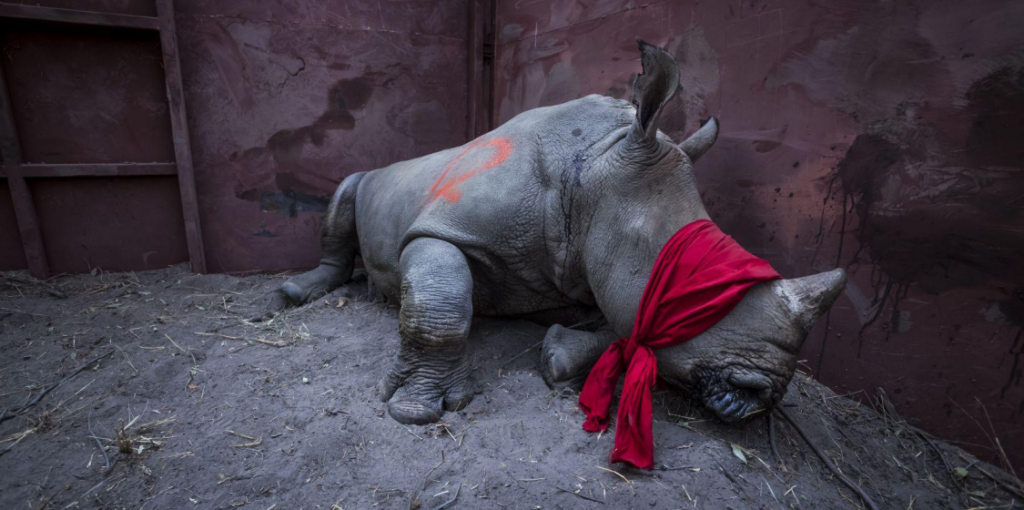
Rhino poaching is driven by demand for rhino horn, primarily from Vietnam and other parts of Asia where it is used as a traditional medicine.
South Africa’s Famed Wildlife Is at Risk
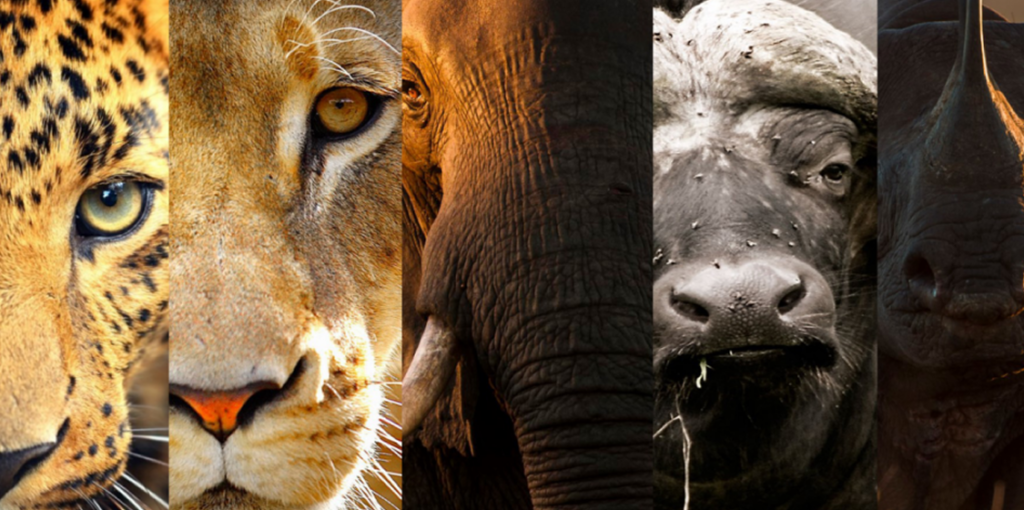
When wildlife becomes a commodity as it has done in South Africa, the welfare of animals becomes secondary.
ASI and NFA Honor Daphne Sheldrick
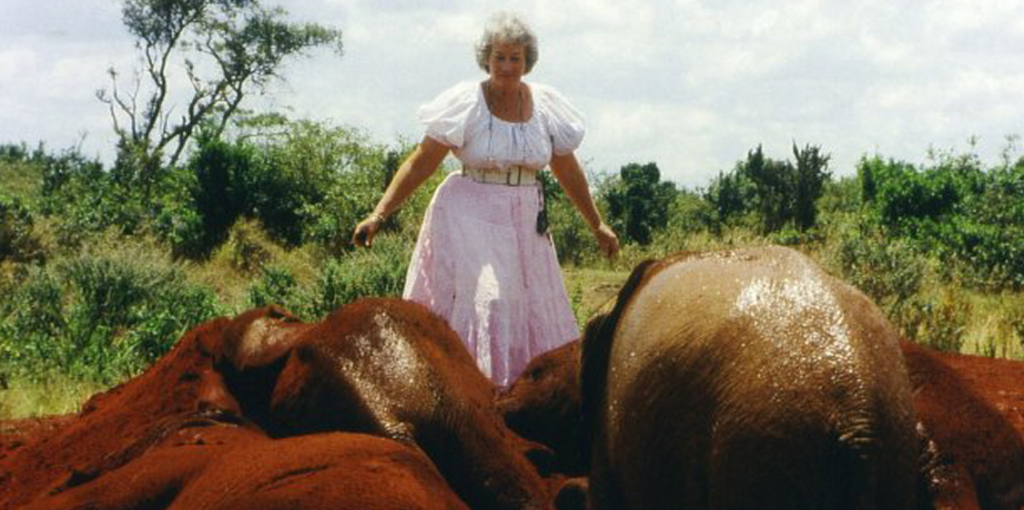
“Daphne was a giant among animal lovers,” said David Barritt, NFA campaign director and a spokesperson for ASI. “We honour her life’s work and we pledge to continue doing everything in our power to protect the wild animals and wild places of Africa.”
Hunters Should Stop Using Lead Bullets and Help Save the Vultures
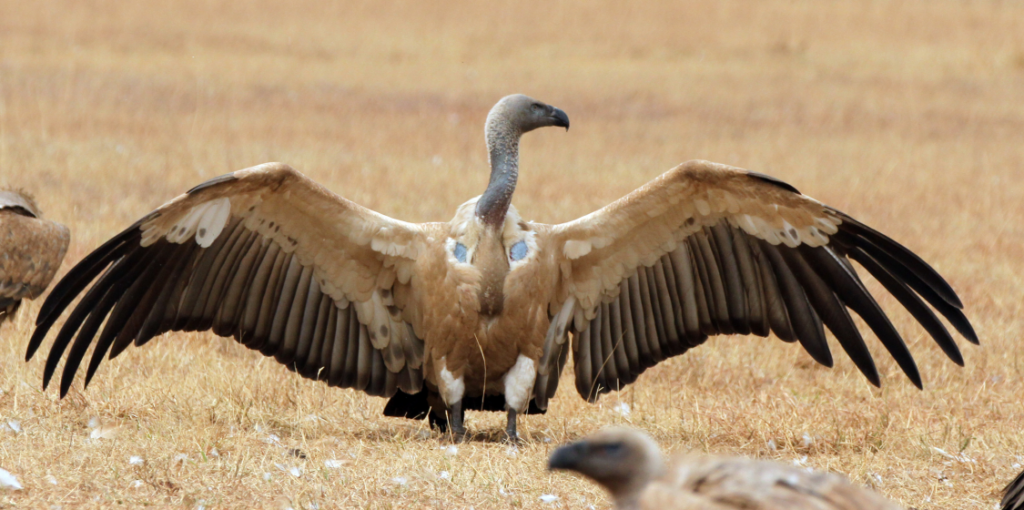
Concern over the threat to scavenging raptors is increasing. Recent research has shown that lead poisoning can have negative effects even if it doesn’t kill the birds.
UK Expands the Kill Zone for Badgers
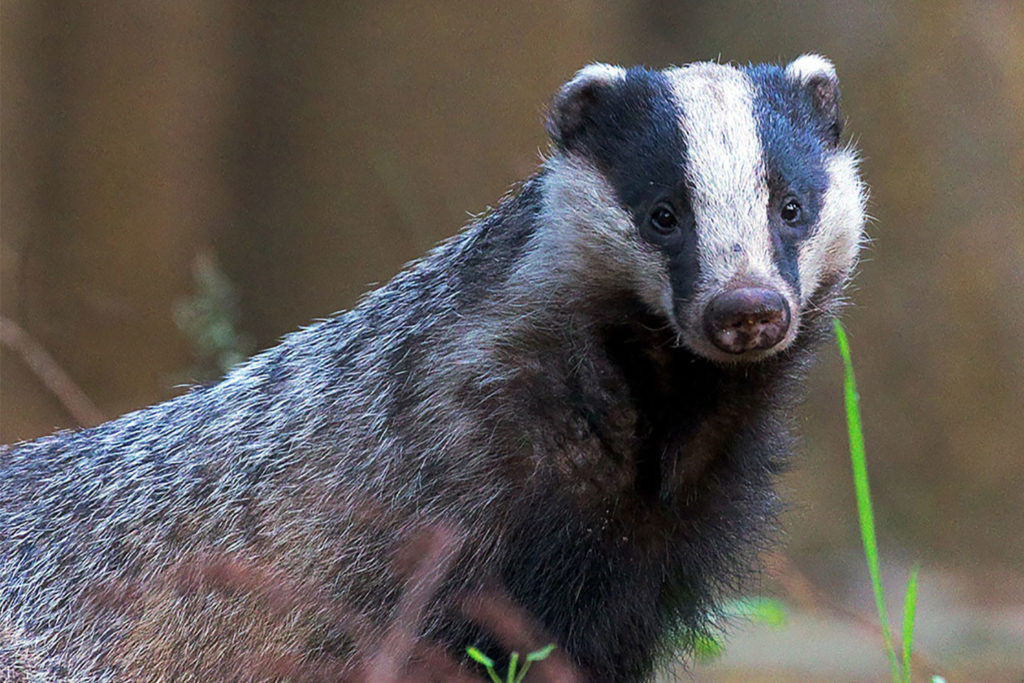
In spite of a lack of convincing evidence that its policies are helping to eradicate a strain of tuberculosis that strikes cattle, the UK’s Department for Environment, Food and Rural Affairs (DEFRA) announced in September that it would allocate an additional 11 licenses to kill badgers in parts of Devon, Wiltshire, Somerset, Dorset and Cheshire. This is in addition to the DEFRA re-launching its Badger Edge Vaccination Scheme, which was suspended for two years following a global vaccine shortage. Vaccination of badgers will begin again in 2018. England has the highest incidence of Bovine TB in Europe and in 2016 slaughtered 29,000 cattle in an effort to control the disease. Badgers are known to carry bovine TB, but the shooting of as many as 33,841 badgers across England over the coming year, is unlikely to have any impact on the spread of the disease, according to scientists at the Zoological Society of London. They say that, according to an eight-year experiment that began in 1998, badger culling is a double-edged sword. When it is done effectively, it can reduce bovine TB inside a control zone, but the incidence of the disease is likely to increase up to two kilometers outside a zone. This is because shooting and trapping traumatized badgers and disrupts their social groups, leading them to flee the control zone and spread the disease. Tim Coulson, a zoologist at the University of Oxford, participated in the independent expert panel that oversaw the experiment. He calls the expanded cull “contrary to scientific understanding.” The trial culls showed the difficulty of achieving the necessary 70% reduction in badger population needed to reduce the risk of spreading disease to cattle. “My interpretation of this policy is that the government thinks it is better to be seen to be doing something, rather than to do nothing at all—even if it risks making the problem worse.” An ASI spokesperson agreed, saying the organization is appalled that the DEFRA is flouting scientific advice to continue its senseless slaughter of badgers. “ASI is opposed to Britain’s badger cull on the grounds that it is cruel and unnecessary. The organization will continue to lobby the Conservative government to end its ludicrous badger killing policies,” said the spokesman.