

Scientists Think We Got German Measles From Animals

As the coronavirus pandemic shines a spotlight on zoonotic diseases, new research has found German measles has a family and they all live in animals Scientists used to believe that the virus causing German measles (aka rubella) was the only member of its genus, Rubivirus. But that just changed as combined research by the University of Wisconsin Madison in the US and the Friedrich-Loeffler Institute in Germany found that rubella does in fact have two family members: ruguhu and rustrela. Ruguhu (the local word for bat) was discovered by Tony Goldberg and his team in healthy cyclops leaf-nosed bats in Kibale National Park in Uganda. Rustrela (named after a lagoon in the Baltic Sea), was discovered by Martin Beer and his team at the Friedrich-Loefller Institute. They discovered the new virus in a donkey, a kangaroo and a capybara, all of which had died from encephalitis at a zoo in Germany. TWO TEAMS, THREE VIRUSES, ONE CONCLUSION The two teams published their research in Nature (Relatives of Rubella Virus in Diverse Mammals, October 2020), arguing that, at some point in our distant past, a virus that shares an identical genomic architecture with ruguhu and rustrela jumped from animals to humans. And that virus is the one that we know today as rubella, the one that causes German measles. “While the good news is that neither of the newfound viruses are known to infect humans at this time, the bad news is that we know a related virus did jump species, and this is very worrying. It means that the two other viruses have the potential to do the same,” said Nicolette Peters of the Animal Survival International. “Given the current COVID-19 outbreak, the world should be paying very close attention to diseases that can spread from animals to humans (known as zoonotic diseases).” German Measles is potentially lethal and especially dangerous for pregnant women as it can lead to miscarriages, stillbirth, deafness and eye, heart, and brain problems. Every year, about 100,000 newborns worldwide are affected by the virus. THE GLOBAL RISE OF ZOONOTIC DISEASES “Right now, there are 219 virus species that are known to be able to infect humans. Every year, another three to four new species are discovered. While tracing the origins of each and every virus is impossible, what we do know is that six out of every 10 infectious diseases in people are zoonotic, which makes it crucial that the world strengthens its capabilities to prevent and respond to these diseases,” added Peters. “These include Zoonotic influenza, Salmonellosis, West Nile virus, Plague, Emerging coronaviruses (such as severe acute respiratory syndrome and Middle East respiratory syndrome), Rabies, Brucellosis, and Lyme disease, to name a few.” ASI continues to emphasize the critical connection between people, animals, plants, and their shared environment and calls on everyone from ordinary citizens to world leaders to work together to achieve the best health outcomes for all. READ MORE Animal Populations Crash As Our Planet Becomes A Playground For Human Destruction France Finally Bans The Use Of Wild Animals In Circuses and Marine Parks Iconic Wildlife Become Casualties of Human Conflict in War-torn Burkina Faso
Rare Reptiles Are Traded on the Internet and Nobody’s Stopping It
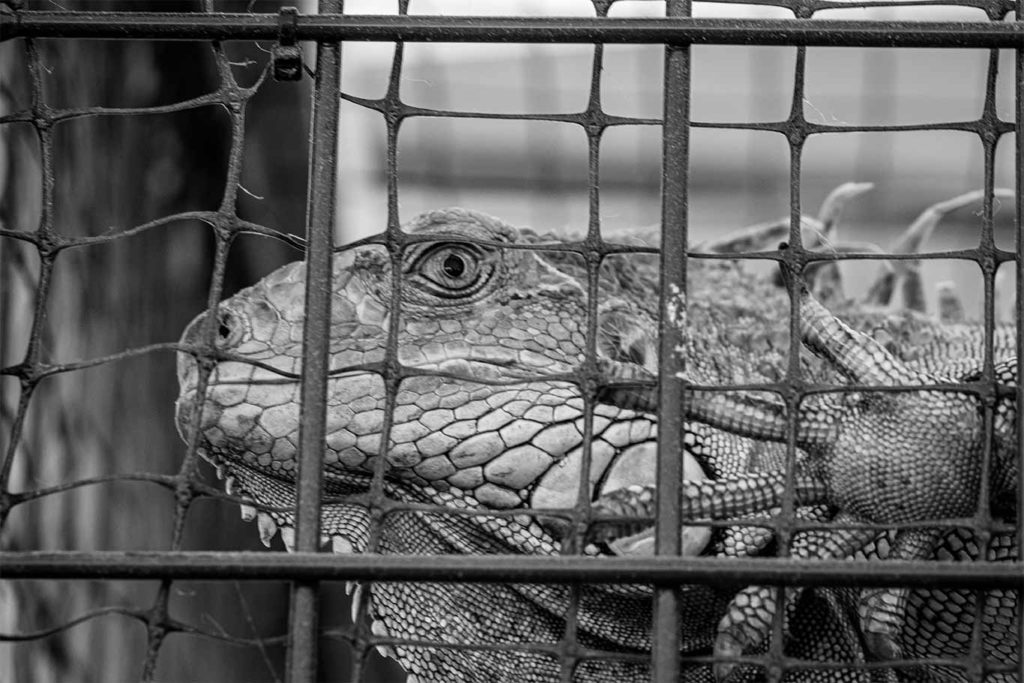
Did you know that anyone can buy and sell highly endangered reptile species online and because of a lack of regulation, nothing can be done about it? An alarming new study Thousands of reptile species threatened by under-regulated global trade published in Nature Communications (September 2020) has revealed that both common and rare reptile species are being traded at the click of a finger worldwide. These include monitor lizards, pythons, crocodilians as well as geckos, lizards, turtles and tortoises. The study authors scoured the internet for “reptiles for sale” and their search turned up 3,943 species, comprising over 35 percent of all species of reptiles globally. These species have been traded for more than two decades, and 2,754 of all transactions are conducted online. This study used the complete list of 11,050 reptile species created by Reptile Database, updated 14 August 2019”, as their naming standard. The researchers explained how they compiled official data from 2000 to 2019 from CITES (The Convention on International Trade in Endangered Species of Wild Fauna and Flora) and US Fish and Wildlife Service records and then gathered their own information from websites that sell reptiles. For the latter, they used an algorithm to identify and scrape the data from nearly 24,000 pages at 151 websites in English, German, Spanish, Japanese, and French. KEY FINDINGS OF THE STUDY IN REPTILE TRADE The trade of reptiles online is not protected, nor regulated, by the international community, with 75 percent of reptiles traded not included in any trade regulation or agreement Over 80 percent of critically endangered species were traded for use in fashion items, ranging from clothing to shoes and handbags About 90 percent of traded reptile species and half of the traded animals were captured from the wild Prices ranged from $10 (£7.63) to $20 (£15.26) for common species to thousands for rare species The major reptile consumer markets are within Europe and North America Vietnam is a major source of some of the more threatened species currently traded THESE NUMBERS MAY WELL BE UNDERREPORTED As disturbing as the findings are, the study still underestimates the true number of reptile species caught up in the online trade because its analysis did not include social media platforms. It’s known that social media sites allow the trade of large numbers of wildlife to go on unabated. The paper also lacked results from websites in languages other than the five it considered. Additionally, the research does not attempt to quantify how many individuals of each species are sold online. “The online reptile trade, whether for fashion, the pet trade, food or medicine, has fast-become a major feeder for global reptile sales. Assessments of the wildlife trade remain incomplete, despite reports that direct wildlife exploitation is the second most damaging human activity to global biodiversity,” said Nicolette Peters of the Animal Survival International (formerly Political Animal Lobby). “A permanent ban on the reptile trade is the only solution to protect reptiles in the wild and eliminate reptiles suffering in captivity. It is also high time we lobby social media publishers to ban this trade on their platforms,” she concluded. READ MORE The dangers of the billion-dollar international trade in reptiles How the airline industry could stop wildlife trafficking How royal pythons are being wiped out for the pet trade
Israel Becomes the First Nation to Ban Trade in Fur

In a giant victory for millions of wild and farmed animals, Israel has announced its plans to ban the fur trade, with a couple of exceptions. The plans were announced by Environmental Protection Minister Gila Gamliel, who criticized the practice of buying and selling skin and fur in the fashion industry, calling it “immoral”. In future, the Nature and Parks Authority will issue permits to buy or sell fur, but only in special cases and under certain limited criteria. These criteria are for scientific research, education or instruction, and religious purposes and tradition. Anyone who contravenes this act could face a year in prison or a $22,000 fine. LOOPHOLES IN ISRAEL’S FUR BAN “While we applaud the environmental protection minister’s decision to put an end to the sale of furs in Israel, the battle is not yet done. Haredi Jews – who account for the main buyers of fur – will still be able to use fur for shtreimels (a fur hat worn by many married Haredi Jewish men). Each real fur shtreimel may be made of up to 30 sables, minks, martens, or foxes,” said Nicolette Peters of the Animal Survival International (formerly Political Animal Lobby). “They can cost up to $5,000 each.” Additionally, Israel does not distinguish between the pelts of animals trapped in the wild and wild creatures raised on fur farms. In spirit, the amendment is great news but there are many loopholes that could be exploited which have to be addressed. “In this day and age, there is absolutely no justification for killing animals just for the sake of wearing their fur. There are excellent substitutes – both for fashion and for warmth purposes – that do not cause suffering and murder,” Peters said. Each year, over 50 million animals are mercilessly slaughtered for their fur. Although most animals killed for their fur are raised on fur farms, worldwide, about 10 million wild animals are trapped for the fur trade– including raccoons, coyotes, bobcats, and beavers. They are often killed in the most horrific ways including bludgeoning, neck-breaking, and anal and genital electrocution, while many are skinned alive. Many fashion designers have committed to not ever using fur in their clothing lines again, including Versace, Chanel and Calvin Klein, but Israel’s bold move may well prove to be more effective in encouraging other countries to follow suit. We are holding thumbs. READ MORE Incredible cruelty at French mink farm exposed Coronavirus causes the culling of thousands of minks Support our appeal to stop the cruel frog trade
France Finally Bans the Use of Wild Animals in Circuses and Marine Parks
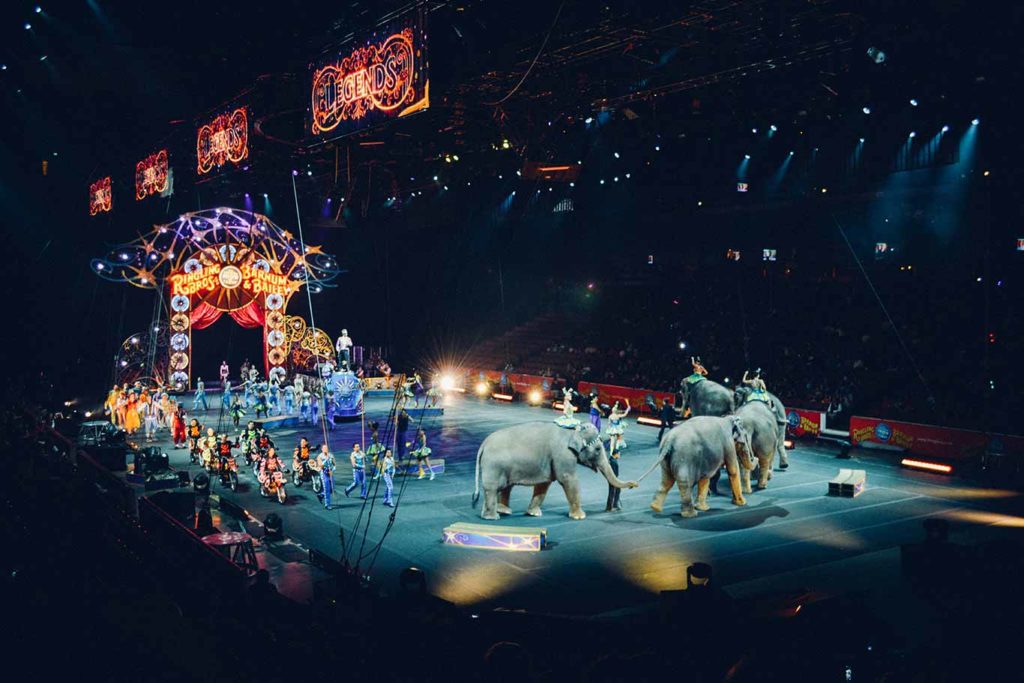
France is finally following a growing global movement to stop wild animals being exploited in the name of entertainment at circuses and marine parks. In what has been hailed as a breakthrough for animal rights across the world, the country passed laws in September 2020 that will protect animals in the following three ways: the use of wild animals in circuses will be phased out marine parks will, with immediate effect, cease breeding and bringing in killer whales and dolphins killer whales will be banned from being used in shows by 2022 and dolphins by 2027 mink farming will be phased out over the next five years Because of the potential economic impact on those who own circuses, dolphinariums (France has three) and marine parks (there are four killer whales in captivity in France), the minister said the government would set aside €8 million (£7.3m; $9.3m) to re-invent their businesses without the use of wild animals. Ms Pompili told the French newspaper Le Monde that there are currently around 500 wild animals in French circuses and that the new rules will bring France in line with over 20 other EU countries that have already limited or banned animals in travelling circuses. They would also consider creating sanctuaries for these animals as circuses adapt to the new laws. WILD ANIMALS AS ENTERTAINERS HAS RUN ITS COURSE Wild animals that work in circuses are bred in captivity and trained from a young age to perform in front of crowds. They will never be able to fend for themselves in the wild. Historically, circuses were a way to show wild animals to the public, but today the public can travel to game reserves to see animals in their natural habitat. Ms Pompili said it was “time that our ancestral fascination with these animals no longer translates into situations where we favor their captivity over their well-being”. She also cited studies that showed killer whales and dolphins had emotional intelligence and are aware of being in captivity. This causes immense stress and has a negative impact on their overall health and well-being. “It is in these animals’ nature to create social bonds and hunt with their family groups – something they cannot do in confined marine parks and dolphinariums,” said Nicolette Peters of the Animal Survival International (ASI). “While we would have liked clarity on the timeline for the roll-out of these measures, we do applaud France for taking this decision. We are hopeful that the remaining countries that still allow wild animals to be used for entertainment will follow suit and implement similar bans.” COUNTRIES THAT HAVE BANNED WILD ANIMALS IN CIRCUSES New Jersey and Hawaii were the first US states to ban exotic animals in circuses. In 2016, California banned the use of bullhooks on elephants in circuses and then banned the use of most exotic animals altogether. The Czech Republic, Denmark, Finland, Portugal, Sweden, and India have all implemented nationwide bans on the use of certain species in circuses, while other countries such as Bolivia and Greece are making some progress. In 2012, the UK Government pledged to ban the use of wild animals in circuses, but it wasn’t until January 2020 that this actually happened (as bills were repeatedly blocked by individual Conservative MPs). Despite the setbacks, it is still a move in the right direction. It is important to note that while most countries in the EU have some form of a restriction or ban on using wildlife in circuses, the absence of EU-wide legislation allows circuses to exploit regional and national differences when it comes to the enforcement of these laws. That is why you would still see exotic and wild animals in circuses across these regions and specifically in countries such as Lithuania and Spain. Over a decade ago, Hungary implemented a nationwide ban on the use of newly captured wild animals in circuses, banned the purchasing and training of elephants and primates, and the purchase, training and use of CITES listed species caught after 2010 in circuses. In a twist of fate, the country’s COVID-19 lockdown saw the Hungary National Circus, which is still home to 100 performing animals including elephants, giraffes, camels and ‘zonkeys’ (a cross between a donkey and a zebra), transform itself into a five-acre safari park to stay afloat. ASI believes the pandemic offers a unique opportunity for circuses to transition away from using animals in shows to allowing them to retire in a more natural environment. ASI remains committed to ending the use of wild animals in circuses, marine parks, and zoos and is determined to get every single animal out of the entertainment business. “Wild animals should never be held in captivity so we can gawk at them in tanks, cages, or tents. Least of all should they be held in captivity so they can perform tricks or act like clowns. It is never okay to exploit animals. We don’t condone bear-baiting, cockfighting, or fighting pitbulls to the death, so why do we still condone circuses, marine parks, and zoos? In all these incidences, animals suffer. It has to stop,” concluded Peters. READ MORE Animal populations crash as our planet becomes a playground for human destruction Iconic Wildlife Become Casualties of Human Conflict in War-torn Burkina Faso Animal cruelty caused Coronavirus, now is the time to stop China’s live market trade forever *Feature image: Elephants in the ring at Ringling Bros. and Barnum & Bailey Circus, an American traveling circus company billed as The Greatest Show on Earth. The show closed permanently in May 2017. Photo by Becky Phan on Unsplash
Pangolin purgatory! Chopped, diced and eaten to extinction!
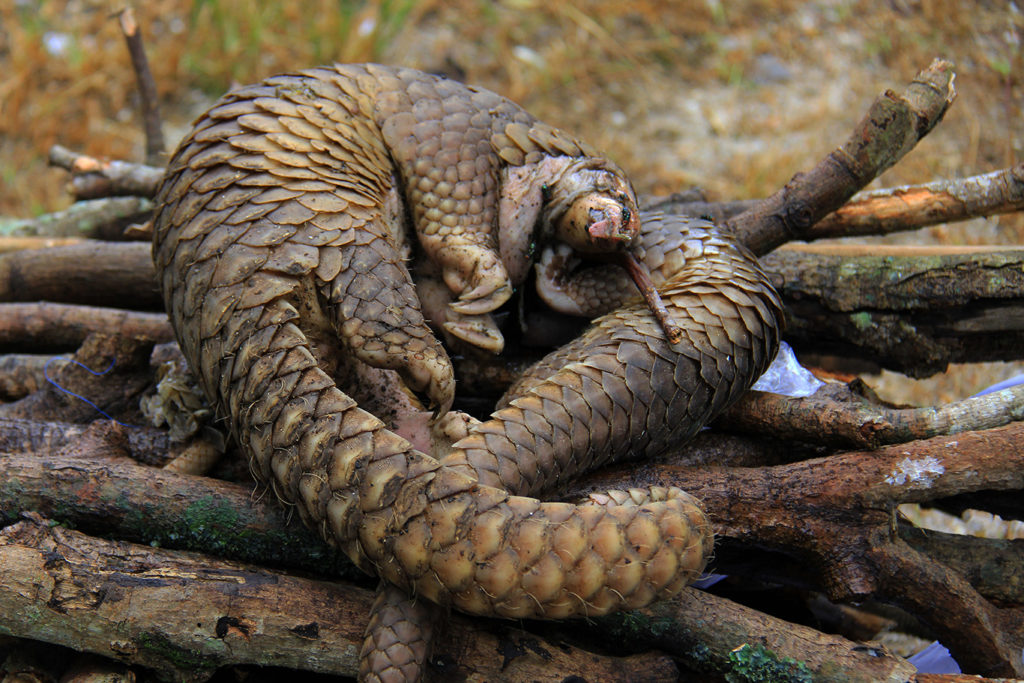
The pangolin is the most trafficked animal in the world. These shy and vulnerable creatures are smoked out from their homes, beaten, tortured, and burnt alive. They need your help! The number of pangolins killed by poaching is devastating. Pangolins are trafficked, thousands at a time, for their scales which are boiled off their bodies and used in phony Asian medical potions. In Asia, an estimated 200 000 are killed each year, mostly for the Chinese trade. To add to their woes, pangolins – and even their unborn babies – are considered a delicacy and eaten as a status symbol in some Asian countries. Pangolins are in desperate need of assistance and with your help, the Animal Survival International (formerly Political Animal Lobby) will provide it. Shockingly, it is estimated that one pangolin is poached from the wild in Africa every five minutes. They are the most trafficked animals in the world with more than one million poached over the last decade. Experts warn that two critically endangered pangolin species – the Chinese pangolin and the Sunda pangolin – could be wiped out within this decade. We need to act now. Recently, our team rushed to the scene where a pangolin was rescued from poachers in South Africa’s Kalahari Desert. The poor creature was in terrible condition – traumatized and nearly dead. Poachers show no mercy to these innocent animals. They’re forcefully unrolled from their protective positions, or their skin is burned with paraffin or petrol to “clean” them of parasites. They are bludgeoned with machetes, smashed with rocks, or thrown into boiling water. Pangolins are in such danger from poachers that we must keep secret the location of a pangolin rehabilitation sanctuary where we work. It is run by Machel van Niekerk, a highly qualified veterinary nurse, who manages the sanctuary with vital help from scientists from Pangolin(Dot)Africa. During the rehabilitation process, pangolins are as vulnerable as newborn infants; they must be kept warm and they have very specific dietary requirements that can never be met outside of their natural environment. Once rescued, when pangolins are well enough they need to be taken for walks every three to five hours to forage and readjust to their natural way of life. Someone must be with them every step of the way. This is a time-consuming and exhausting job. Pangolins are extremely vulnerable to stress, making them very difficult to keep in captivity. Most die within six months of capture, which is why it is so important that they are returned to the wild quickly. After three long days and nights of intensive care, our pangolin was strong enough to be released! To make sure we can keep track of him in the future, we fitted him with a satellite tracking device. We are saving pangolins, one animal at a time, but so many are in dire need of our help that we really need your support. It sends shivers down our spines to think of the brutal fate this terrified pangolin would have suffered if we had not rescued him. It’s only because of your support that we are able to give him a second chance. International trade in pangolins is prohibited by terms in the global Convention on International Trade in Endangered Species (CITES) agreement. Yet, the trafficking continues unabated. We are working to raise awareness about this issue and putting pressure on authorities to enforce existing laws. Truthfully, we should not have to do so. Pangolins harbor a wide variety of coronaviruses and scientists say Chinese wet markets, where pangolins are sold alive was the source of COVID-19 spreading to humans. For the love of all animals, even those covered in armor, please be as generous as you can today.
Baby Chimp’s Daring Rescue Marks a Watershed Moment in Congo’s Fight Against Wildlife Trafficking
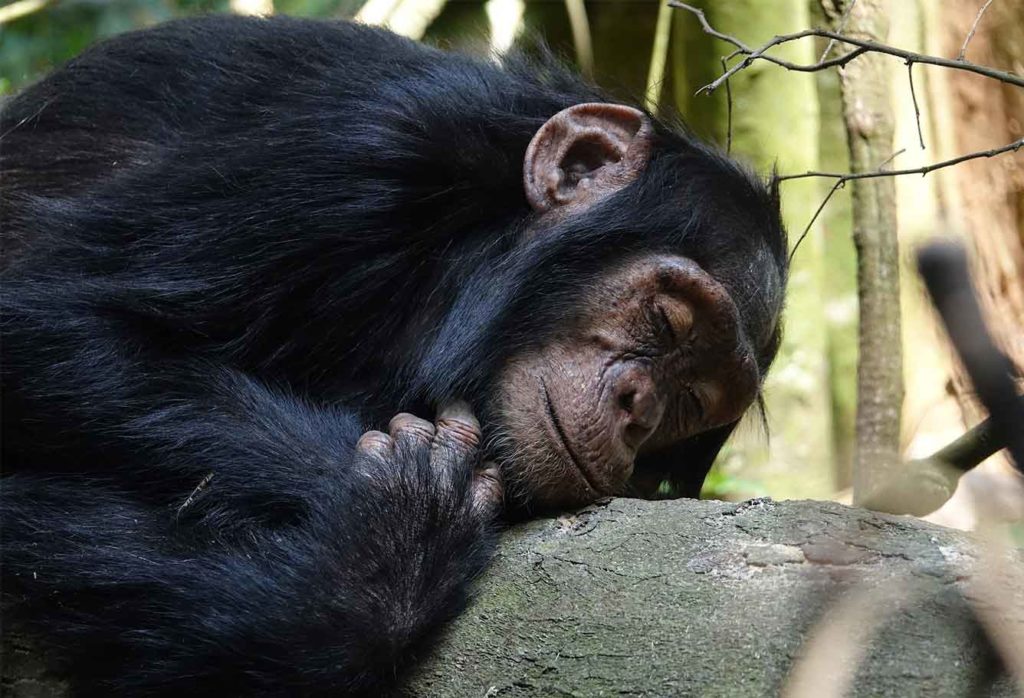
A secret network of wildlife traffickers notorious for capturing, smuggling, and selling baby chimpanzees has been nabbed following a sting operation by a Congolese nature conservation organization in collaboration with local authorities. Chimpanzees are widely exploited across the globe, sold as pets, for bushmeat, or for their body parts. Despite restricting regulations and international bans, experts conservatively estimate one chimpanzee is poached every four hours to satisfy consumer demand primarily driven from China, Russia, and the Middle East. At least 3,000 great apes are lost to trafficking each year, with about two-thirds of these being chimpanzees, although true numbers are probably far higher. The Democratic Republic of the Congo in West Africa is a hub for the poaching and illicit trade of chimps and apes. For the last two years, Conserv Congo, a nature conservation organization in the country, investigated wildlife traffickers operating in the area and uncovered a major leading syndicate trading in great apes in Kinshasa. Tragically, 11 baby apes were sold during the course of the investigation. Late last month, the investigation came to a watershed when the traffickers operating through sophisticated chains of intermediaries were intercepted on a highway to Bandundu, where the sale of a baby chimp (destined to be sold for $2,500 (£1,930)) was planned to take place. Spearheaded by Conserv Congo and the Kinshasa Central Police, with the support of the Ministry of Environmental Affairs and Sustainable Development, authorities were able to rescue the baby. The little girl, no more than three months old, is now in a place of safety. The rescue comes at a crucial time where Conserv Congo is still entangled in a matter involving 29 other primates that were intercepted by the Zimbabwean authorities en route to South Africa. The trafficking of great apes involves the capture of live babies – often with fatal outcomes for protective chimp adults wanting to safeguard their infants. Moms and dads, along with other family members, are usually shot and subsequently used for bushmeat during the infant capturing process. Despite its cruelty, wildlife trafficking is a multi-billion-dollar industry. According to data from the United Nations (UN), the black market for animals is exceeded in value only by the illicit trades in drugs, humans, and weapons. The Animal Survival International (formerly Political Animal Lobby) encourages the public to assist governments in the conservation of primates by being eyes and ears to illegal wildlife trafficking. The world is much smaller thanks to the internet and now it’s easier than ever to blow the whistle on the trade of illegal wildlife trade anonymously. You can report suspicious behavior to your local authorities or to WildLeaks – an initiative dedicated to environmental crime (https://wildleaks.org/).
Vultures are being poisoned into oblivion. Unless this is stopped, more and worse pandemics are a certainty!
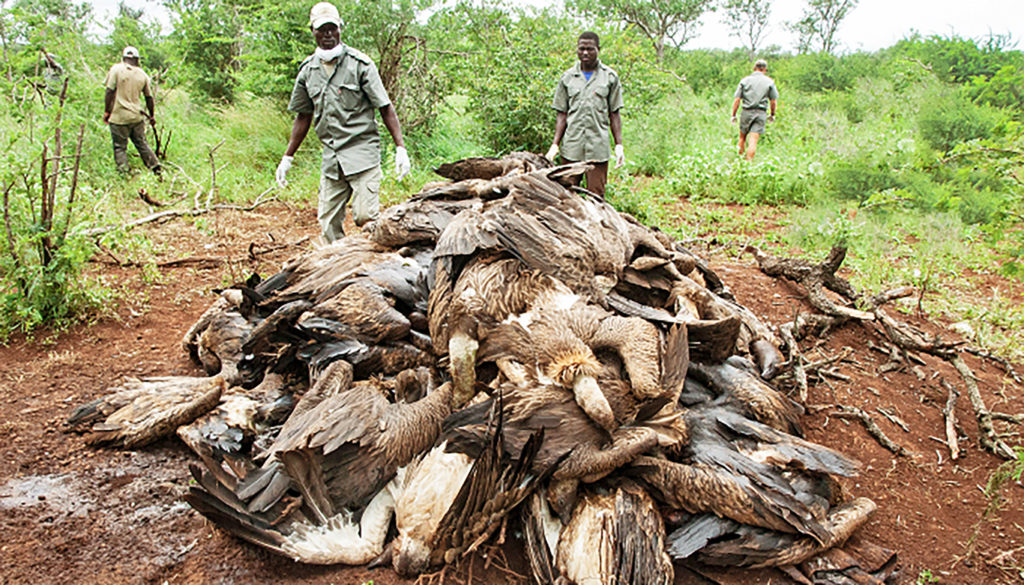
A catastrophe is taking place in Africa as thousands of vultures die of poisoning, gravely impacting the environment, wildlife, and human health. We urgently need to raise $9,000 (£7,000) to build a special rescue vehicle so we can rush poison-stricken vultures for emergency medical treatment. Without treatment, the poor birds die within hours of being poisoned – there is not a moment to lose. The Animal Survival International (formerly Political Animal Lobby) was alerted by South Africa’s Endangered Wildlife Trust that there is a major problem for vultures in one of the world’s greatest wildlife sanctuaries, the Kruger National Park. Together, we investigated. The news is bad. Not only did we find carcasses of critically endangered African white-backed vultures, but we found a poisoned tawny eagle and poisoned lions, leopards, civets and baboons. To save creatures like these, we need to build special rescue vehicles. Vultures and other creatures are dying as you read this. We need that transport vehicle now to have a chance of saving poisoned creatures. We can only do so with your support. Please help them by donating today. Africa’s vulture populations have plunged by 62% in the past 30 years – with seven species crashing by 80%. We know that more than 1,200 vultures were poisoned in Southern and Eastern Africa in 2019 and this year numbers are even higher. Losing one vulture is a tragedy. Losing thousands is a catastrophe. If something isn’t done right now to save the vulture from extinction, the world – and everyone in it – is in big, big trouble. Vultures are prized for their heads and feet which are used in traditional medicine, even though they have absolutely no medical benefits. To get the vultures, poachers kill other animals and lace the carcases with poison. Vultures and other creatures die after feeding on these carcasses. The poachers then harvest their body parts. The vultures do not die immediately and that gives us hope. If we can get to them before they die and transport them for treatment, we can save many of them. This work is vitally important. Without vultures, the risk of humans getting diseases explodes. In the ‘90s, India obliterated 97% of its vultures – and the result was disastrous. When vultures eat rotting carcasses, their digestive system destroys lethal diseases like anthrax, botulism, and cholera. With nature’s clean-up crew annihilated, diseases in India surged. Since then, the Indian government has been trying to return vultures to the country… with little success. We know what’s going to happen if we lose vultures – deadly diseases will explode and humankind will face pandemic after pandemic – just like the CORONAVIRUS crisis. We can’t stand idly by and watch this happen. We thank you for your continued support which made this research possible, but the findings have revealed that much more needs to be done. We need to act now. The fate of our precious wildlife is in your hands. The race is now on to not only save vultures from extinction, but to save the other animals who share their home. We desperately need your help to save vultures and other creatures. We know that many people will shrug their shoulders because vultures are not the most glamorous creatures – but that does not mean it’s acceptable to wipe them out. If you look beyond their appearance, you will find lively social creatures who spend their lives eating things that would otherwise kill us! That’s got to be a good thing. So please, donate what you can today, and we will do our part to make sure that vultures are around tomorrow, and diseases are not.
Badgers being murdered in cold blood! Their only hope is that you speak up before it’s too late!
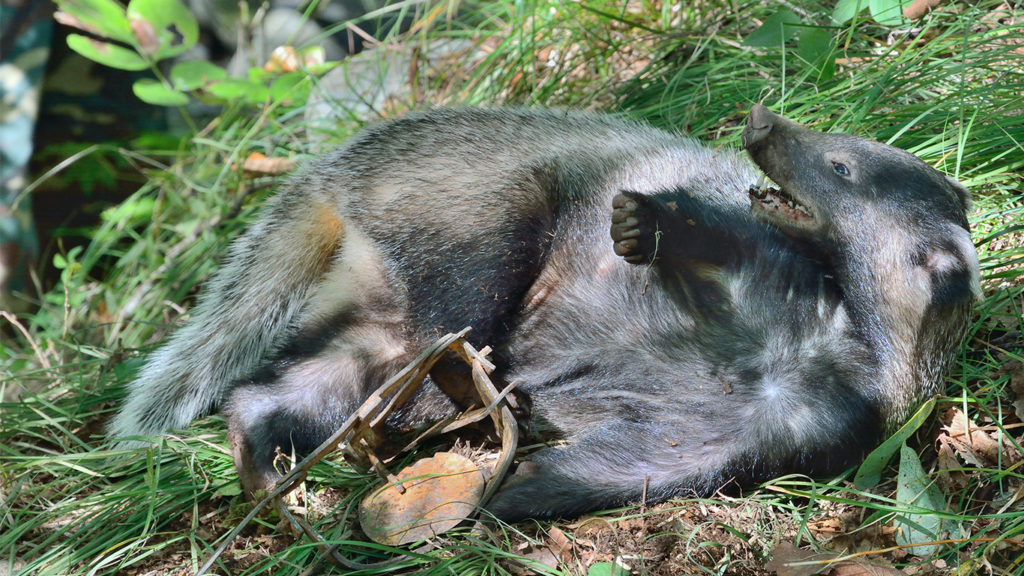
Across England, hundreds of thousands of badgers are wounded, dying or dead because politicians are putting lies before facts. The government says the cull is to stop the spread of bovine tuberculosis (bTB) from badgers to cows. But a recent study shows that cow-to-cow transmission of bTB is ten times more likely than badger-to-cow. Badger culls don’t work. Killing badgers will not stop the spread of bovine TB. The British government knows this and promised to phase out the killing. Instead, as a standard operating procedure (SOP) to farmers, they intend to kill even more badgers. Already this year, 35,000 badgers have been killed. Now the government has announced new measures that will see more than 25,000 killed by the end of year. We must STOP the cycle of violence RIGHT NOW! Please, support our campaign today! The UK government has broken its promise. They pledged to phase out the badger cull. But now, they’re approving 11 new culling zones. The expanded areas will see more than 60,000 badgers butchered in cold blood during this year alone. The killing fields include Derbyshire, Oxfordshire, Warwickshire, Shropshire, Leicestershire and Lincolnshire. This brings the number of cull licenses to 54. It’s an utter betrayal! Anti-cruelty laws exist – why are they being ignored? Murdering badgers in cold blood is unacceptable, intentional, and malicious. We call on the government to stop the badger blame game once and for all. CAN THE CULL! Annihilating a species for no reason is a crime. TB in cattle is a severe problem for farmers and taxpayers, leading to the compulsory slaughter of 30,000 cattle and a cost of £150 million (more than $190 million) every year, but badgers are being used as scapegoats for something that is not their fault. An independent review in 2018 found that frequent trading of cattle and poor biosecurity on farms was severely hampering efforts to tackle the crisis. The scientists said it was highly desirable to move from culling to vaccination of badgers. Tackling biosecurity, trading of infected cattle and testing makes far more sense than inflicting extreme physical pain on innocent creatures. Badgers are being shot in a hit-and-miss approach. Bullet-riddled badgers don’t all die right away. Many are left to suffer before their organs fail and their hearts stop. Badgers have a thick skull, thick skin and a very thick layer of fat. Their short, squat body means their legs often conceal the main killing zone. Getting a clean shot is like taking a shot in the dark. Less than 1% killed of badgers killed have even been tested for bTB, let alone infected with the disease! All the cull does is slaughter innocent animals, for absolutely no reason. When is the UK government going to reach a point where they realize that animals’ lives matter? We need to set hard boundaries and take a stand for badgers. The government must stop the badger cull and embark on effective and cruelty-free options – of which there are plenty. Please, donate today to save these terrified creatures from extermination for no good reason.
Terrible Cruelty Revealed at French Mink Farm
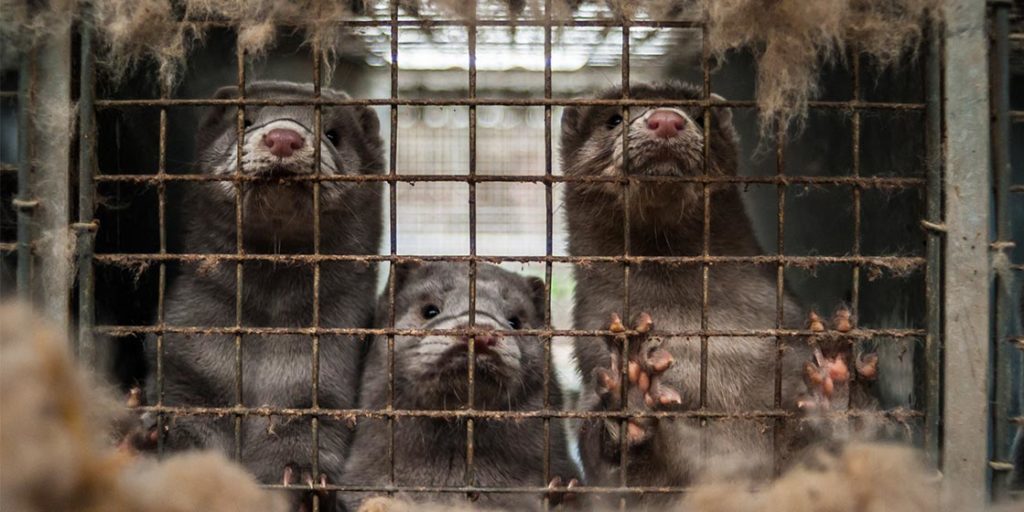
Shocking footage reveals the nauseating horror of mink farming in France. Described by campaigners as something “from a horror film”, a mink with paralyzed back legs is photographed dragging itself across the wire of its cage to reach a few drops of water. Another mink is seen with hideous, infected eye wounds. All were are living in squalid conditions, surrounded by piles of their feces – a situation that is typical at mink farms throughout France. The slaughtering of minks is just as horrific as the abuse they endure while they’re alive. Minks are subjected to being skinned alive, having their necks snapped, having their throats slit, or being poisoned. Undercover investigations discovered that some fur farms hook wires inside the creatures’ mouths and anuses, and then jolt them with electricity to induce fatal heart attacks. French and European animal protection laws have failed these sentient beings dismally. The fur farming industry is thriving, and innocent animals are dying by the millions. Fur bans exist all around the world but so many loopholes exist that the trade continues unabated. “Every single stage of the fur farming industry is laced with unspeakable cruelty,” said Nicolette Peters of the Animal Survival International (formerly Political Animal Lobby). “Minks are forced to live in squalid, cruel and painful conditions in cages so small that moving is near impossible. They are starved and often left for days without clean water. The air they breathe is thick with the smell of urine and feces.” “With the option of synthetic alternatives, we have absolutely no need for animal fur. Why does 85% of fur still come from factory farmed animals? There is no excuse. Do you want to make a difference and stand up for animals all over the world? It’s simple – do not buy animal fur,” concluded Peters. The European Union accounts for 63 percent of global mink production, with Denmark accounting for 28 percent of that total. Other major producers include China, the Netherlands, Russia, and the U.S. China is the largest importer of fur pelts and the largest exporter of finished products.
Anthrax, botulism, and cholera! Their unique digestive systems can dissolve these horrific diseases and help keep us safe!
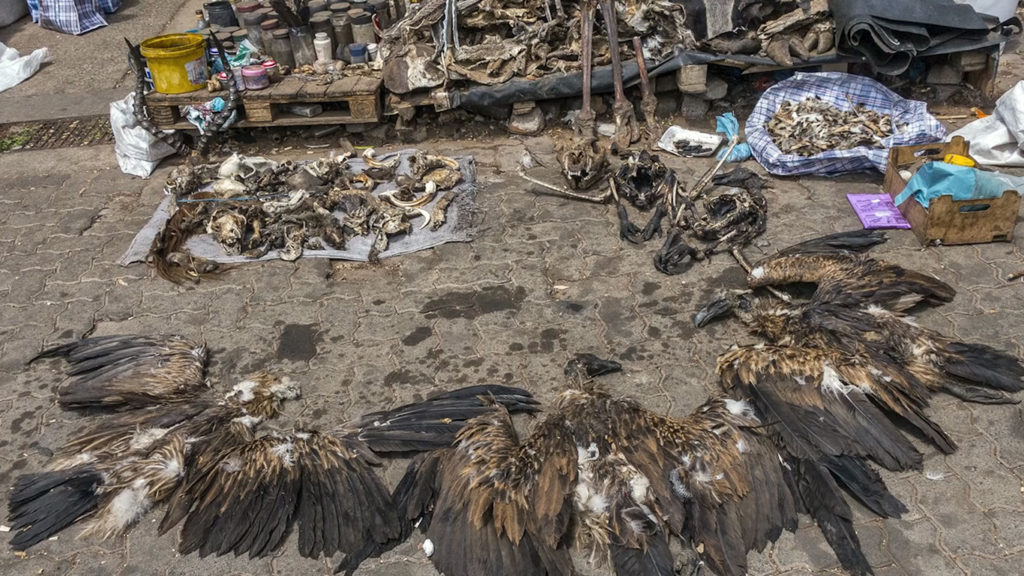
Please, can we count on your support today? It’s vitally important. Vultures are victims of poisoning and the evil bushmeat trade. Vulture feet, heads and other body parts are widely available in markets throughout Africa. Vulture brains are dried, ground up, and then smoked in cigarettes which supposedly give the users visions of the future. Vultures who evade the meat trade are at enormous risk of poisoning. Livestock owners use deadly poisoned bait to kill them. Vultures feed on these carcasses, putting hundreds and thousands at risk of death. Vultures may not be the most beautiful of creatures, but they play an important ecological role and the consequences of wiping them out are enormous. And they are going fast. Of the 22 vulture species, nine are critically endangered, three are endangered and four are near threatened. Vultures are being wiped off the face of the earth! Vultures are even more threatened than rhinos and elephants. In the past 30 years, vulture populations have dropped by 62%. A 2015 study at 67 markets in 12 West African countries, found that vultures accounted for 41% of the bush meat on sale. Twenty-seven percent of them were categorized as Near Threatened, Vulnerable or Endangered. It is estimated that 2.2-million pounds (one million kilograms) of wild animal meat is traded each year. A significant percentage of these are vultures. In Botswana, 600 vultures died after eating one poisoned elephant carcass. In Guinea-Bissau over 2,000 hooded vultures were poisoned in one of the largest mass vulture killings in the world. Not only is this extermination pointless and cruel, it is dangerous for human health. Their unique digestive system is capable of dissolving anthrax, botulism and cholera. ¨ Vultures need your help. ASI supports The Endangered Wildlife Trust (EWT) which carries out rescue missions and treats poisoned vultures. The situation is so grave that help is desperately needed. Right now, we need to raise $2,000 (£1,500) for emergency life-saving medical equipment. Your donation today will help save creatures that may not be beautiful on the outside, but are terribly endangered, vital to the environment and important for human health.
National Wildlife Day – September 4: Wildlife Is Mother Nature’s Greatest Treasure; We Protect To Protect It!
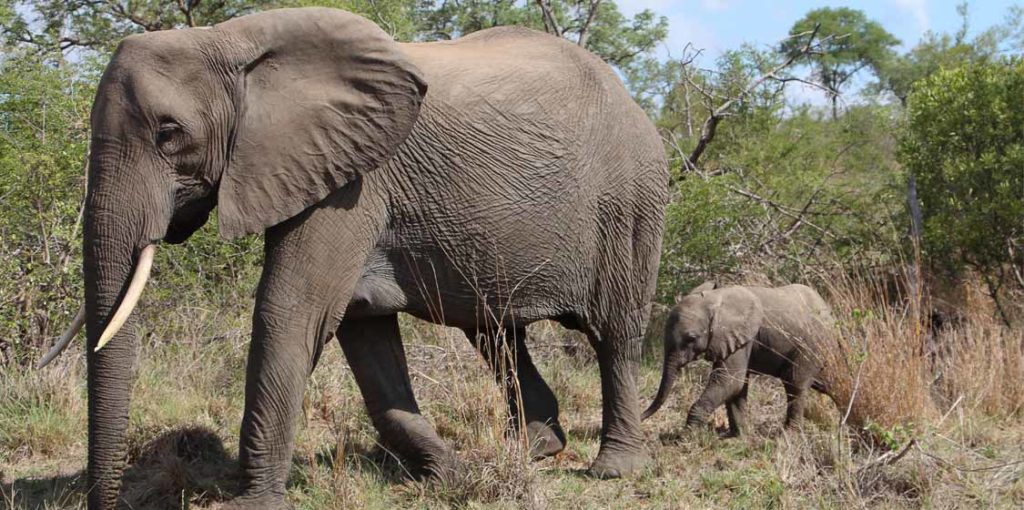
Today is National Wildlife Day. A day we give voice to the voiceless and raise awareness for animal welfare. While the world’s 7.6 billion people represent just 0.01% of all living things, we are behind the loss of 83% of all wild mammals. Researchers talk of ‘biological annihilation’ as studies reveal billions of wildlife populations have been lost in recent decades. Wildlife is dying because of habitat destruction, the international wildlife trade, hunting, pollution and climate change. The International Union for Conservation of Nature (IUCN) estimates that 27,000 species are at risk for extinction. “Today – and every other day to come – is a chance to change the future. It’s a chance for all of us to step back, take a deep breath, and appreciate everything around us. Then do something to make sure we never lose it,” said Nicolette Peters of ASI. Today is also a reminder of the urgent need to step up the fight against wildlife crime. The illegal trade in wildlife is estimated to be worth $20-billion (£15-billion) per year! Poaching and illegal harvesting, particularly in Africa, is shattering wildlife populations The unprecedented spike in illegal wildlife trade poses a growing threat not only to wildlife but to all of us. It is becoming more and more common for diseases to spread from animals to man as the wild trade increases. For example, the Coved plague came from bats and pangolins. ASI disrupts and dismantling networks involved in the illegal wildlife trade and works towards the enforcement of international wildlife laws and treaties. “The work we do is demanding, sometimes dangerous but always important,” said Peters. “The world’s wildlife is in trouble, we are trying to do something about it.”
Wildlife trade HORROR! We must stop those who put a price tag on priceless species!
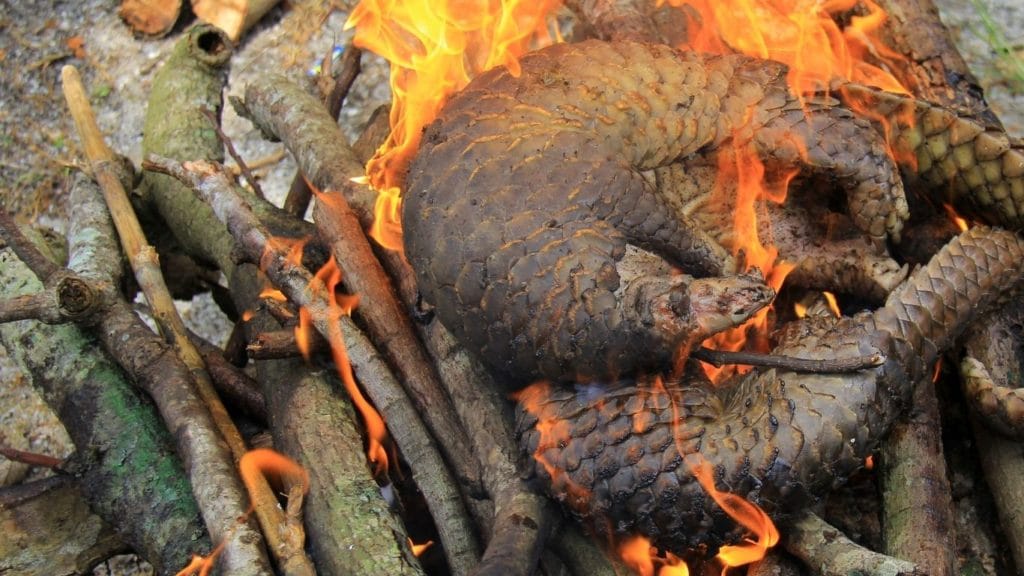
Over the past few weeks we have told you about creatures that don’t usually get any public attention, but all are vitally important to our planet. They are all currently being exterminated in a variety of horrific, cruel ways. Without your help, they will soon vanish from this world entirely. Sophisticated criminal networks are driving wildlife to extinction, but governments must start taking responsibility too. The tragic plight of wild animals, viewed simply as pawns for profit, CANNOT BE IGNORED! It’s OUR move now! Checkmating governments and lobbying the opponent is the only way to win this fight. The wildlife trade is fuelled by gluttony and greed, and riddled with gaping loopholes exploited at every twist and turn. If we don’t act now, many unheralded but vitally important creatures will be GONE FOREVER! Most people already know that elephants and tigers are endangered, but many are not aware that frogs, pangolins and pythons are being wiped out at breath-taking speeds with possibly catastrophic consequences to our planet. In Europe and the United States, an exploding exotic pet trade sees glass frogs plucked from tropical rainforests and stuffed into tiny glass containers, destined for the pet trade. The cruelty inflicted on frogs when they are barbarically slaughtered for the sick thrill of diners, or their use in cosmetics, is blatant, abhorrent, and dangerous. Frogs play a vital role in the food chain, as both predators and prey. Their diet includes mosquitoes, lowering the transmission risk of killer diseases including Dengue fever, malaria, West Nile fever, and Zika. Most people don’t even know what a pangolin is – nor that this shy, nocturnal creature is the most trafficked and hunted animal in the world. More than one million pangolins have been poached or trafficked in the past decade alone! All eight pangolin species are classified by the International Union for Conservation of Nature (IUCN) as being threatened or vulnerable, and two are critically endangered. It’s only a matter of time before all the pangolins have gone. Pangolins are being killed in a variety of cruel ways and then cooked, sometimes while they are still alive. To make it worse, pangolins are incubators for zoonotic diseases including the deadly COVID pandemic! Beautiful Royal pythons are being chopped up for bushmeat, medicines, and their skins. There is a very large market for them in the pet trade. They are sold and stuck in glass tanks for the rest of their days. Would you call this a life? This global trade is a ticking time bomb for humans too. There is absolutely no regard, nor compassion, for the innocent lives destroyed along every chain of the wildlife trade. The world has a chance to make things right. Why aren’t the authorities paying attention? Because frogs don’t vote. Pangolins don’t vote. Pythons don’t vote. We must be the voice for these and other defenceless creatures who, without us, will suffer endless cruelty until there are none left to torture. Please donate today so that can fight on behalf of some of the most defenceless creatures in the world. We need to act now! The wildlife trade must stop. Existing laws are not being enforced. Please help us put pressure on politicians and law enforcement agencies to do their job. With your support, we will keep piling on the pressure until governments crack and ban the barbaric international trade in wild creatures once and for all.
Hypocrisy Hails as the EU Completely Misses the Boat on Elephant Protection
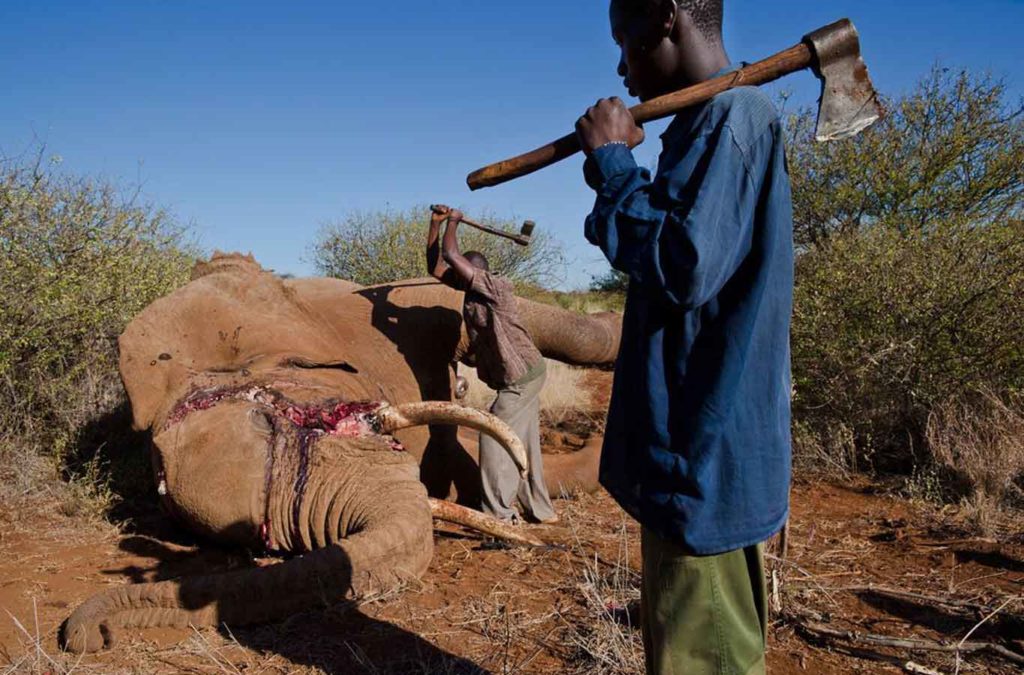
As many as 35,000 elephants are massacred each year in Africa – the brutal murders of these iconic giants driven by an insatiable demand for ivory. Today Africa is home to just 415,000 African elephants – a sobering 30% drop in the last decade and down from 10 million a century ago. Never before has the call to stop the killing, stop the trafficking, and stop the demand for ivory been more desperate. And yet, the EU has shockingly opposed an outright ban to the Ivory trade. What on earth were they thinking? The continent’s pachyderms have been decimated at the hands of humans through poaching, trophy hunting, and habitat loss. Even though African elephants are classified as “vulnerable to extinction” by The International Union for Conservation of Nature (IUCN), certain positive policies are being ignored. CITES (Convention on International Trade in Endangered Species) members voted against the trade in live wild-caught African elephants at COP18 in Geneva last August. However, six southern African countries including South Africa did not support the resolution. Botswana even reintroduced elephant hunting in May 2019, with a 2020 quota of 272 elephants! Europe’s strategies to tighten elephant protection in Africa while doing absolutely nothing to stop their own blooming ivory market is a move that reflects extreme double standards. The existence of legal domestic ivory markets in the EU and elsewhere provides cover for criminals to launder illegal ivory from poached elephants, puts the burden of proving illegality on enforcement officers, and confuses consumers, many of whom misunderstand market availability of ivory for the legality of the trade. As part of its plans to be the first net-zero emissions, zero pollution continent by 2050, the European Union (EU) published its Biodiversity Strategy for 2030 – a strategy touted as a comprehensive, ambitious, long-term plan for protecting nature and reversing the degradation of ecosystems. Ironically, the strategy proposes – among other issues – a further tightening of the rules on EU ivory trade, while nonetheless maintaining a thriving ivory market itself! ASI had hoped the EU would actually come to the party and address the actual elephant in the room – the implementation of an outright ban on all ivory imports and exports. Instead, all the EU has done is dished out lip service on how other nations should manage their wildlife, while simply sweeping the implications of their own actions under the carpet. “The UN is considered to be the third-largest destination for illegal wildlife and a crucial hub for the ivory trade. In fact, the EU is the largest exporter of legal ivory in the world. Of course, elephant poaching isn’t happening in Europe itself. That would be exploiting one’s own natural heritage. Instead, the EU is undercutting the efforts of other countries to shut down the ivory trade – effectively acting as a key contributor to the destruction of Africa’s natural heritage,” said Nicolette Peters of ASI. “Poaching has decimated the world elephant population, which has slumped in Africa from several million at the turn of the 19th century to around 400,000 today. 20,000 elephants are killed each year for their ivory. That equates to one elephant every 26 minutes. More African elephants are killed by poachers each year than are being born. Any legal trade enables and encourages illegal trade. If current poaching levels continue, elephants may be extinct in the wild within the decade, no thanks to the pathetic response the EU has taken. We urgently need to put the lives of elephants above profit and greed.” Until the EU shuts down its domestic market and puts an end to ivory sale loopholes, ivory will continue to be laundered into European markets under the guise of being ‘old or small stock’. The EU currently has rules on ivory sales within its borders. It’s illegal, for example, to export elephant tusks out of the EU, and only objects dated before 1947 can be bought without paperwork – any ivory made after that date requires a certificate to purchase. However, investigations have revealed that as much as a fifth of ivory objects came from elephants killed after the global trade ban in 1989. It is still too easy to trade illegal ivory within and out of the EU. Ivory sold as antique requires no proof of authenticity or origin within Europe and it is still easy to find ivory sculptures for sale online with no proof of their provenance. ASI shares the sentiments of the Elephant Protection Initiative Foundation (EPI), an organization comprising of 21 African countries working to secure the protection of African elephants. EPI emphasized that a further tightening of the rules by the EU is “hardly progress”. Countries that had thriving markets such as China and the US have gone ahead to ban ivory trade, which has helped decrease poaching within some parts of Africa. It would seem logical that the EU only follows suit. “The European Commission maintains that the EU’s ivory market deals only with old ivory stocks and has no influence on current poaching levels. That is a blatant lie. Giving ivory a value prolongs demand, which maintains the push for supply,” added Peters. “All the EU are doing is gifting a loophole to illegal traffickers to brutally butcher elephants.” The solution is loud and clear – a total ban on ivory trade is the only way of giving elephant populations a chance to thrive. Elephant poaching in Africa has reached a critical point threatening the extinction of these animals. Their protection far outweighs the ridiculous need for artifacts and collectibles carved from their tusks. “In essence, any person buying ivory tusks or products made from ivory is just as guilty as the person who originally killed that elephant. Allowing ivory sales to continue just transfers the blood of an elephant from the hands of the poacher, into your own. The best way to tackle the ivory trade is to disrupt and dismantle the ivory market by making it absolutely impossible for poachers to sell
WICKED SNARES kill giraffes for food and tourist trinkets!
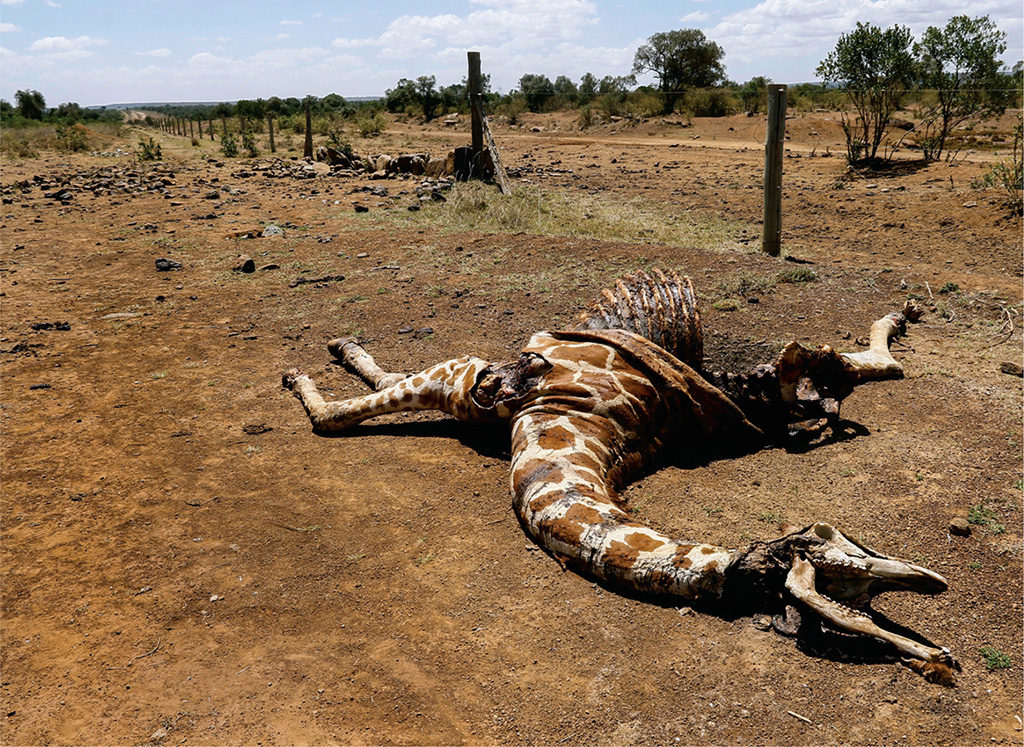
The evil bushmeat trade is driving giraffes to extinction. According to the International Union for the Conservation of Nature (IUCN), giraffe numbers in Africa have fallen by a staggering 48 per cent in the past 30 years, in what is being called a “silent extinction.” These shy, gentle and graceful creatures are butchered for the bushmeat trade and their body parts are used to make jewellery, bracelets and purses. Poachers are killing giraffes by the thousands, using snares that pull tight around their necks or legs, causing horrific wounds. Made from metal wires scavenged from tires, bikes, motorcycles and even wildlife-protecting fences, these homemade torture devices maim, mutilate, and kill untold numbers of giraffes. While some caught in snares end up being eaten, most are left to rot in the bush. A tragic waste of a special life… Snares are indiscriminate. They can just as easily entrap helpless calves as well as adult giraffes. In the Serengeti ecosystem, these gentle giants have been found clinging to life with snares ripped into their legs and wrapped tightly around their exposed bones. In northern Tanzania, giraffes have been found trapped, dying in agony, hanging by their necks from snares set in trees. Another poaching method is to blind giraffes with bright flashlights; while the poor creatures are disoriented, men hack violently at their long legs, severing their tendons. The giraffes crash to the ground, still ALIVE, where they are mercilessly chopped to death. Giraffes are in big, big trouble! They are already extinct in seven countries: Burkina Faso, Eritrea, Guinea, Malawi, Mauritania, Nigeria and Senegal. Every step we take now is critical. Every step we take now will determine their future. We need to act fast. If these fragile creatures don’t get our immediate protection, we may be forced to live in a world without them. Giraffes are beloved, peaceful and empathetic animals – quietly grazing on treetops, bending down to touch noses with their new-borns, forming close friendships, and mourning their dead. As recently as 15 years ago, there were around 140,000 giraffes in Africa. It is believed that there are now only some 68,000 mature giraffes left and these numbers are under massive threat. Can you imagine living in a world without these extraordinary and unique African creatures? Then please respond right now before giraffes are gone forever. We must continue our work to raise public awareness about the outrageous cruelty involved in giraffe poaching and habitat decline. With you on our side, ASI will continue to fight this monstrous cruelty. Your donation in any amount will help. Please, help us continue the fight for giraffe conservation!
Anatolian water frogs
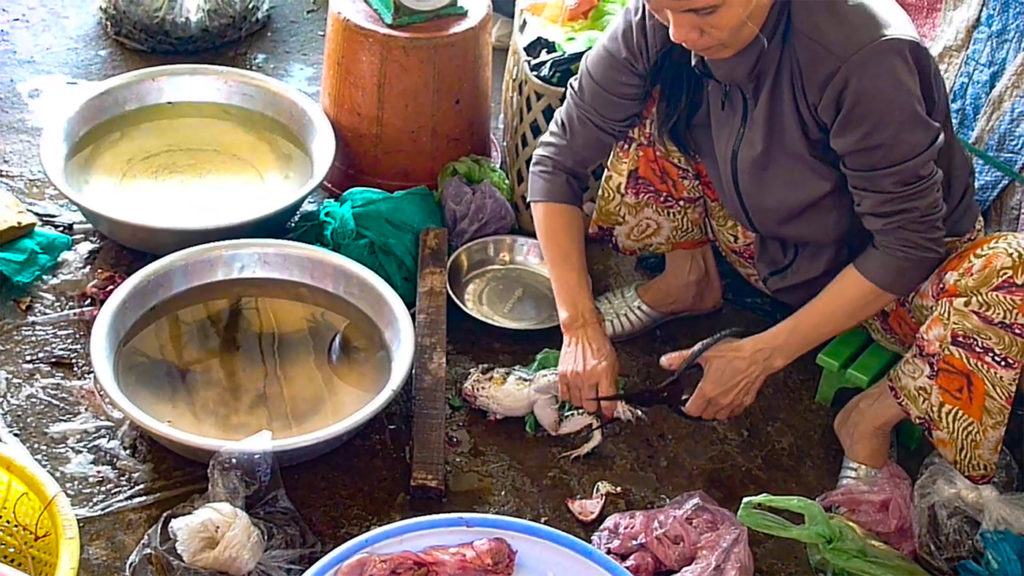
We recently exposed how millions of frogs across the globe are being tortured, maimed, and killed. Our investigations led us to the despicable water frog massacres in Turkey so diners can eat frogs legs. Anatolian water frogs are being EATEN TO EXTINCTION! But with your support today, Gloria, we have an opportunity to head this off… Anatolian water frogs have the misfortune to be the largest edible water frog in Turkey. Each year, 17 million water frogs are captured and killed for the dinner table; scientists predict that, because of the trade, water frogs could be extinct by 2032. In the last 50 years some 200 frog species have gone extinct. The Anatolian water frog is fast heading to join them. Not only is the trade driving the frogs towards extinction, it’s almost unbelievably cruel. Hunted at night by men using nets and hooks, water frogs are captured and squashed into bags. Each night, a harvester typically captures between 1,500 and 3,000 frogs to be shipped around the globe. France, Italy and Switzerland are the biggest markets, but the trade is worldwide. Many frogs die on the journey. Once frogs arrive at their destination, their necks are slashed, insides removed, and they are cut in two. Their legs are severed, and their torsos discarded. Sometimes they are SERVED ALIVE! Frogs are used in France for dishes such as cuisses de grenouilles à la provençale. In China, frog legs are often eaten stir fried, while in Indonesia they are eaten in a frog leg soup. In the US, they are either fried or grilled. A video of a chef preparing frogs legs at a restaurant in Tokyo shows the creature trying to claw its way off the plate after being dismembered. Gloria, it was moving its legs and blinking at the camera! A most important question is: do water frogs suffer? Of course, they do! They have nervous systems and pain receptors, so they feel pain and suffer immensely before a horrible death, for a diner’s fleeting taste experience. With your help, we can fight to stop this merciless cruelty. The first and most obvious action we ask, that you take is to share this post and urge your friends to never again eat frog legs, of any species. They all suffer the same cruel fate. With your support, we will explain the situation to the Turkish government and ask them to ban wild frog harvesting. We cannot do this alone. We need your help – please, donate today. Amputating the legs of a live frog is barbaric and cruel. Sometimes the frogs remain in agony for an hour before they die! Water frogs in Turkey need your urgent help! Please, today, donate what you can, large or small (every gift helps!), so water frogs can be spared from pain and suffering!
Rhino Horn Among Quack Health Remedies Touted to Cure COVID-19
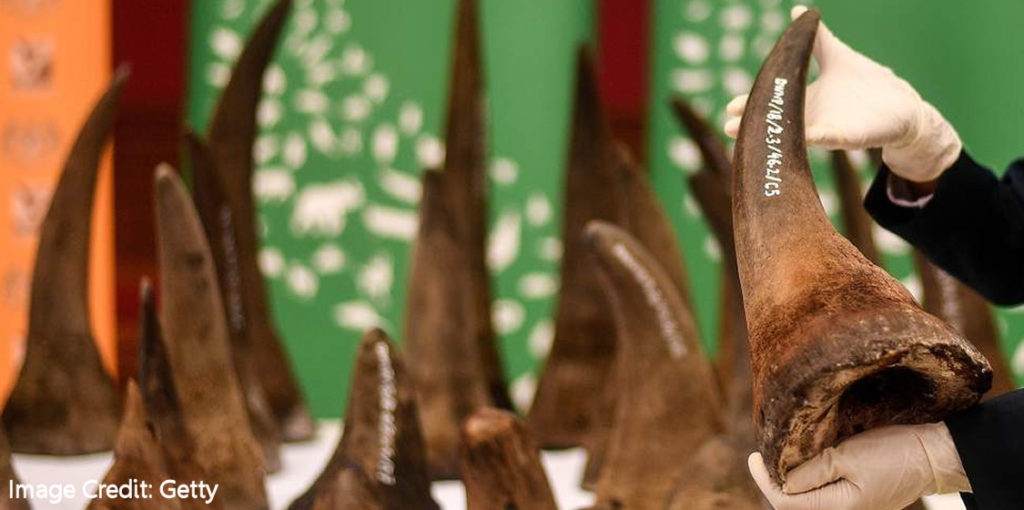
As the coronavirus takes a massive toll on humanity, one would assume that humankind has learned their lesson and stopped using animal body parts like rhino horn in traditional Chinese medicine (TCM). If only that were true. The London-based Environmental Investigation Agency (EIA), working to expose trade in illicit goods, has discovered images of the packaging of a product called Angong Niuhuang Wan that lists rhino horn as an active ingredient. “The avalanche of false information stemming out of China that an animal’s horn made of nothing more than dead keratin cells can treat or cure a deadly virus, is playing with fire and could prove devastating for society as a whole,” said Nicolette Peters of ASI. “China has taken one step forward and two steps backward when it comes to the fight against the novel coronavirus, which was first discovered in China, and rapidly spread around the globe. While they’ve banned wild meat and shut down wet markets and farms, the Chinese government has also been aggressively promoting traditional medicine as a cure for Covid-19. Spreading fake news is yet another indication that China is not taking this pandemic seriously.” The world was slowly making a degree of progress in the fight to stop rhino poaching. Then came the virus. Covid-19 has resulted in increased poaching of African wildlife and a flood of products on social media promoting animal parts as remedies for treating the virus, such as the Angong Niuhuang Wan on WeChat. Angong Niuhuang Wan is sold in the form of medicine ‘balls’ made up of a combination of mineral, herbal, and animal ingredients and is used to reduce fever. One of the sellers is based in China and has a long history of offering tiger, elephant, helmeted hornbill, rhino, and other illegal wildlife for sale via WeChat. Another is a Chinese-owned company with multiple retail outlets in the Laotian capital Vientiane selling tiger, elephant, bear, rhino and other wildlife parts and derivatives. Some items are sold openly and others under-the-counter, while the company WeChat account is full of illegal wildlife for sale. “China has signed the Convention on International Trade in Endangered Species (CITES), under which international commercial trade in rhino products is banned, so imports and exports of any rhino horn product are illegal,” said Peters. “We all know rhinos are on the brink of extinction and spreading fake rumors that rhino horn can now also cure the coronavirus could prove to be the final nail in the coffin.” The unfounded belief that an animal’s horn comprised of the same type of protein that makes up hair and fingernails has magical healing properties has fuelled the brazen slaying of thousands of endangered rhino. South Africa, Zimbabwe, Zambia, Kenya, and Tanzania have struggled for decades to control the poaching of rhino horns to feed demand in China and Southeast Asia. South Africa, home to 80% of the world’s rhinos, has been hardest hit by rhino poaching, with more than 1,000 killed each year between 2013 and 2017. Poaching of both black and white rhino has risen at an alarming rate in Botswana with nearly 50 rhinos killed – three in the space of two weeks in June. A report released by the Netherlands-based Wildlife Justice Commission states that large quantities of ivory are being stockpiled in Laos, Vietnam, and Cambodia, which are often the entry points for the Chinese market. Despite lockdowns in place, flights canceled and movement restricted, shifting significant volumes of rhino horn has far from stopped. Authorities confirm that shipments are still moving because although human travel has stopped, the shipping companies are still operating. All wildlife by-products pose human health risks, regardless of whether the animals are bred for meat or poached for traditional medicine. The magnitude of the current coronavirus outbreak places an intensified spotlight on the human health risks linked to wild animal trade. “Despite the clear imperative for action provided by the tragic impacts of the Covid-19 pandemic, China remains a primary consumer of parts and products of rhinos, big cats, pangolins, and several other species. To tackle this demand, China’s policy changes need to include a comprehensive, permanent ban on the use of parts and products of wildlife threatened by trade,” concluded Peters.
Butchered for bushmeat, tortured for phony medicines and exploited for fetish beliefs…
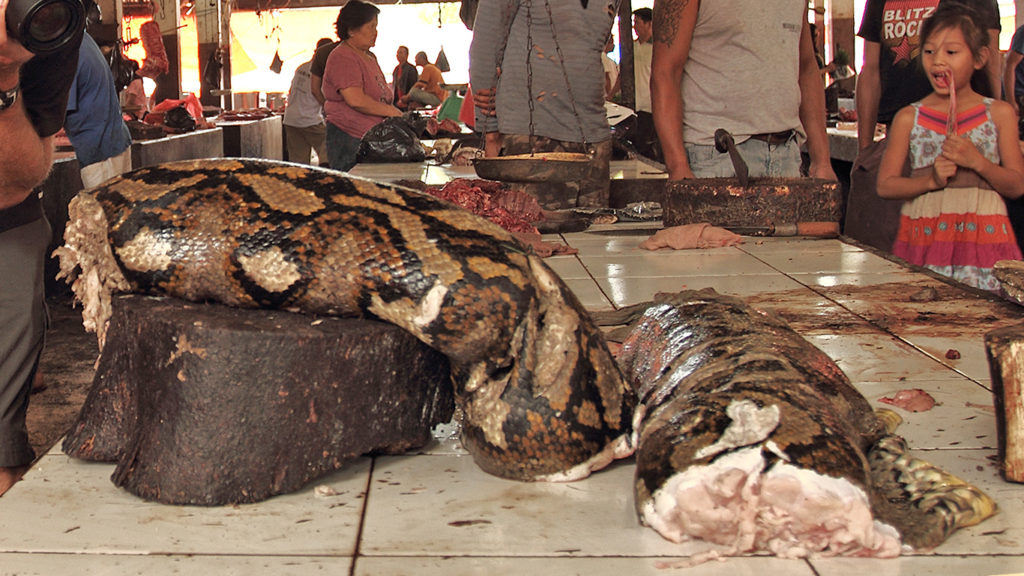
Royal pythons are being wiped out for the pet trade. Imagine being trapped inside a tiny glass tank for the rest of your days. Would you call this a life? Royal pythons are suffering. It’s time to end this abhorrent cruelty! Royal pythons, also known as Ball pythons, are not just traded as pets. They are butchered for bushmeat, tortured for phony medicines and exploited for fetish beliefs. A traditional medicine market in Togo revealed that pythons are among the most profitable wild animal derivatives sold there – both whole and for parts such as their blood, intestines, scales and tails. Three million snakes are traded each year! Over 100,000 die in transit and 75% within their first year in captivity! The Royal pythons’ beauty make them particularly desirable targets. Their docile natures and beautiful patterns have created a surge in demand with the United States. The scale of tragedy these meek and mild reptiles endure is unimaginable. Their export from Africa for the exotic pet industry is dirty business and results in enormous suffering. Shocking photos show how Royal pythons are snatched from the wild and abused at every stage of their cruel journey – from their capture and inhumane transport to their short, grim lives in captivity. Hunters rip pythons from their burrows, often causing serious injuries, before stuffing them into sacks, often with many other snakes. For solitary animals, this process is extremely harrowing. Pregnant Royal pythons, hatchlings and clutches of eggs are especially targeted and kept in ranches so that live babies can be exported, sold to wholesalers, pet stores, or directly to buyers. Row after row of pythons trapped in tiny, cramped tanks and jars are stuffed into giant warehouses, to be browsed and handled like products on a shelf. Most die. We have seen the scale of destruction first-hand and it is horrifying. But with your support today, we have an opportunity to shed light on their suffering and call on governments, organizations and nations to unite to end the global wildlife trade of Royal pythons. It is clear that the plight of the Royal python is slipping through the cracks, we demand they have more protection immediately. In recent years, scientists have discovered that, just like warm-blooded animals, snakes suffer from anxiety, stress, distress, excitement, fear, frustration, pain and suffering. The inability to hide from perceived threats adds to a snake’s mental anguish, and many experience trauma due to failed escape attempts, the inability to explore, properly regulate their body temperature, or eat a natural and balanced diet. They are also incubators for zoonotic diseases! Beyond the terrible suffering of Royal pythons, their global trade is a ticking time bomb for people too. Snakes are hotbeds for outbreaks like salmonella, West Nile virus and tick-borne diseases. Royal pythons coming from their native habitats could be coming with an entire suite of potential pathogens that we have no idea about. A 2017 outbreak of salmonella in the U.S. was traced to Royal pythons, infecting several children! We need to act right now, or the Royal python will face a slippery slope to its demise. Support the Animal Survival International (formerly Political Animal Lobby) and let us fight to bring an end to this suffering forever. Royal pythons are wild creatures, not commodities. The time to act is now!
Key Player in the West African Ivory Cartel Has Been Arrested in Mombasa
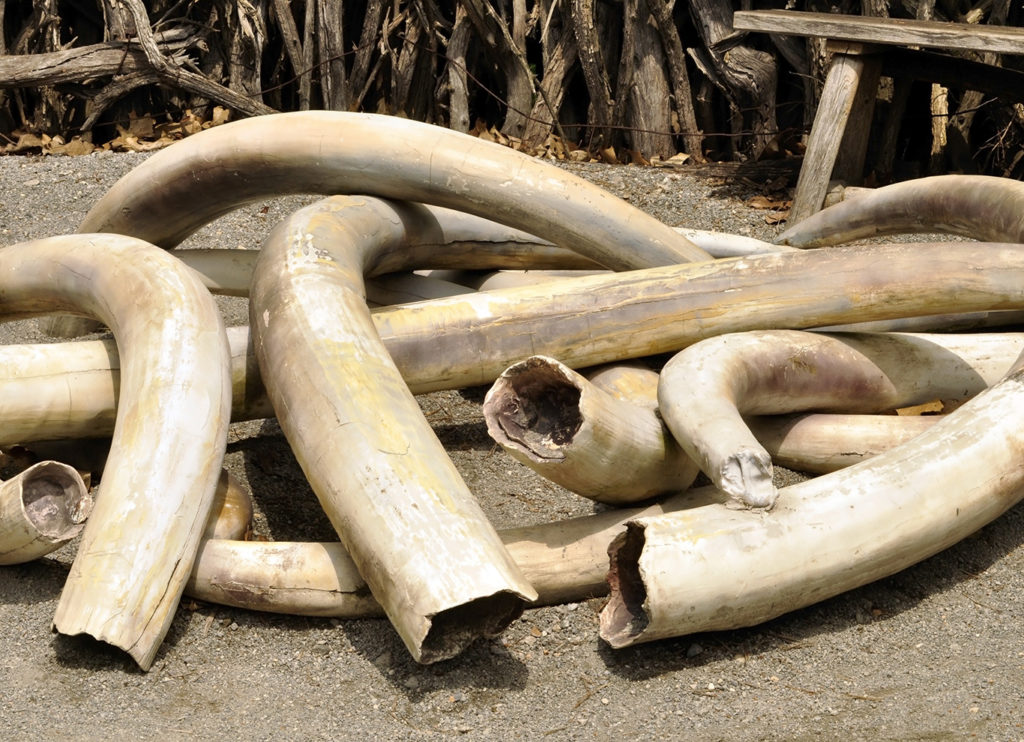
As the future of our planet’s most iconic species is called into question, ASI has hailed the arrest of alleged ivory poaching kingpin Mansur Mohamed Surur and congratulated authorities involved in the fight against wildlife crime syndicates. Surur is believed to be part of an international organized network involved in the ruthless killing of more than 35 rhinos and 100 elephants and has been on the Interpol radar since 2012. He was arrested last week shortly before his 60th birthday by a contingent of security agents from at least five different units, following an intense investigation spearheaded by the American Drug Enforcement Agency and supported by Kenya, Tanzania, and Mozambique. All three of these countries have been hard hit by the actions of Surur and his team. A United States fugitive, Surur was wanted in connection with engaging in money laundering, smuggling of ivory, and the drug trade. He was detained in the early hours of Wednesday 29 July at the Moi International Airport. He was among 47 Kenyans stranded in Yemen who were returning home on a Chartered Skyward Express flight, which was to land later that night but was delayed, touching down in Mombasa. After his arrest, Surur was moved to the Port Police Station before being transferred to Nairobi. He will be extradited to New York, where he was indicted of conspiracy to traffic rhino horns and ivory valued at more than $7-million. Three other suspects facing similar charges have also been formally indicted by the US. Kenyan national 56-year-old Abdi Hussein Ahmed, Liberian national 49-year-old Moazu Kroma, and Guinean 54-year-old Amara Cherif are accused of being members of the same criminal network spanning Kenya, Uganda, DR Congo, Guinea, Mozambique, Senegal, and Tanzania. It’s believed the group was selling ivory and rhino horn to buyers in Manhattan, New York, and countries in Southeast Asia. From December 2012 through May 2019, Surur, Ahmed, Kroma, and Cherif allegedly conspired to transport, distribute, sell and smuggle at least 190 kilograms of rhinoceros horns and at least 10 tonnes of elephant ivory in packaging that concealed them in pieces of art such as African masks and statues. They allegedly received and deposited money from foreign customers via wire transfers, some through US financial institutions, and others in cash. Surur, Kromah, Cherif, and Ahmed are each charged with one count of conspiracy to commit wildlife trafficking and two counts of wildlife trafficking, each of which carries a maximum sentence of five years in prison. Kromah, Cherif and Surur are also each charged with one count of conspiracy to commit money laundering, which carries a maximum sentence of 20 years. Finally, Surur and Ahmed are each charged with one count of conspiracy to distribute and possess with intent to distribute one kilogram or more of heroin, which carries a maximum sentence of life imprisonment, and a mandatory minimum sentence of 10 years’ imprisonment. The prosecution of this case is being handled by the U.S. Attorney’s Office’s Complex Frauds and Cybercrime Unit. Assistant United States Attorneys Sagar K. Ravi and Jarrod L. Schaeffer are in charge of the prosecution. “Where previously poachers were subsistence or small-scale operators, now, organized groups engage in ruthless killing sprees,” said ASI’s Nicolette Peters. “One of the biggest problems in fighting the illegal wildlife trade is that authorities don’t always get to the kingpin. Many arrests are of the smaller players. Corruption and political connections often are blamed for the failure of some countries to arrest and prosecute high-level figures in the illegal drug and wildlife trades. The war is, however, far from over and we hope this arrest will not only result in a conviction but also pave the way to many more arrests of wildlife syndicates.” Download Surur’s indictment here.
Scientists LINK barbaric trade in gentle pangolins to Covid-19 pandemic!
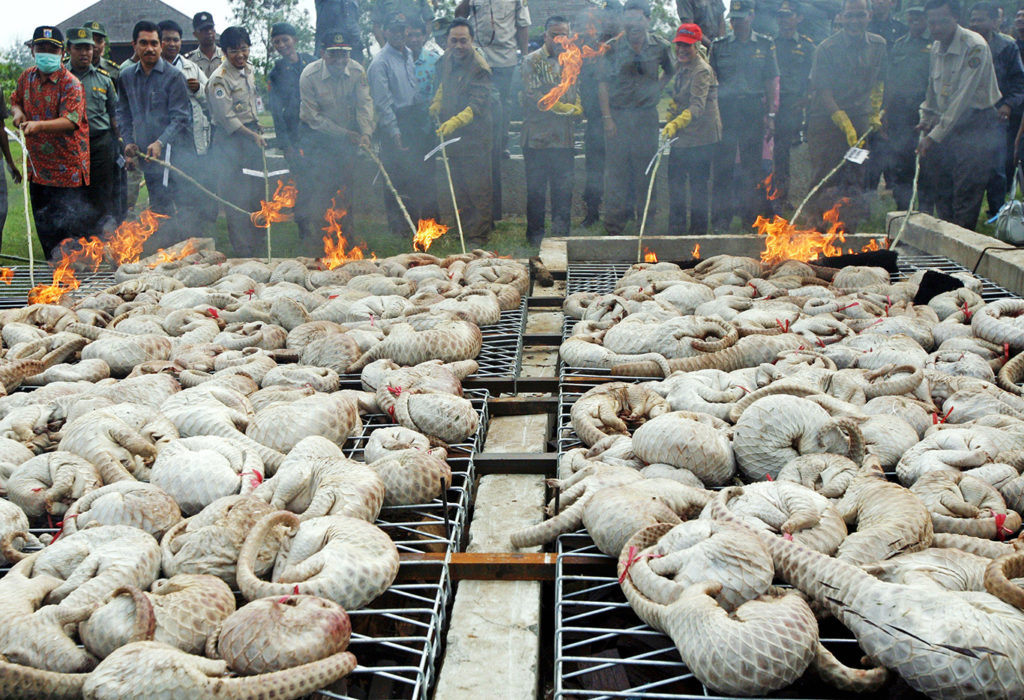
We have told you before about the horrific international trade that is pushing pangolins to the brink of extinction and spreading deadly diseases to humans. We drew attention to the danger of pangolin-human disease transmission in April last year, well before the corona crisis began. The authorities refused to listen and the result is that more than 600,000 people have died of Covid-19. Scientists tell us pangolins were involved in the transmission of the disease to humans. This means: The pangolin trade is fundamentally linked to 600,000 human deaths! That’s right, because of greedy traders illegally killing and selling these helpless, endangered animals for meat or traditional medicine, more than 600,000 people are dead! For the sake of humanity, it is time to raise our voices about the danger that this senseless trade places us all in! We MUST not allow it to continue! Please help us fight to end this madness by donating today. We ignore this at our peril, yet so many countries are not taking it seriously. In China, where Covid-19 first spread from animals to humans via pangolins, the government promised to stop the use of pangolins in traditional Chinese medicine and make them a protected species. What really happened? The trade continues under ill-defined “special circumstances” and pangolins are still legally used in eight patented medicines and 72 traditional ones. We need to band together and urge governments to tighten laws and pressure law enforcement agencies to increase their efforts to catch smugglers. We must do it because the massive use of pangolin scales in Chinese traditional medicine is fast driving them towards extinction. As if that isn’t bad enough, there is the nightmare of pangolin-eating. Pangolins are bludgeoned, broken and tossed alive into boiling water… for lunch! Pangolins are eaten in restaurants across Asia. The owners take a live pangolin, bludgeon it until its internal organs are pulp and it’s a mass of blood, then they toss it into a cauldron of boiling water. The cruelty is so barbaric that it boggles the mind! Yet thousands of pangolins are suffering this fate every single day. Please help us stop this nightmare, by donating now. We must continue our work to raise public awareness about the outrageous cruelty involved in the pangolin trade and the dire consequences for humanity. With you on our side, ASI will continue to fight this monstrous cruelty. Your donation in any amount will help.
ASI Calls on an Infinite Ban on the Fur Trade as the Coronavirus Rips Through Mink Farms
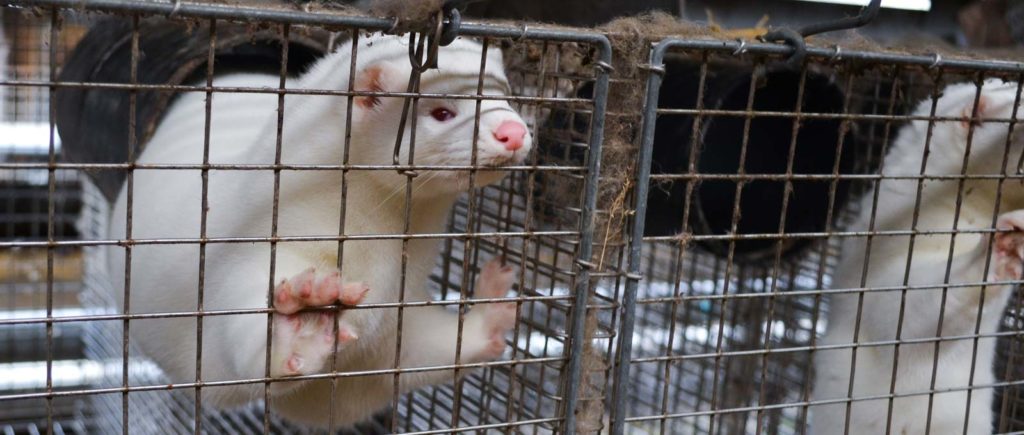
One million innocent creatures slaughtered in a matter of a few weeks. Yes, you read that right – ONE MILLION. Brutally butchered because humans decided fur coats were important during a global pandemic that ironically manifested from animal cruelty. Wake up! It’s 2020… you don’t need to skin an animal for a jacket. Fur farms are ghastly places of torture. They perpetuate horrifically cruel practices and harbor methods of raising and handling animals that are completely barbaric. In a time where the world is grappling with a deadly pandemic, the Animal Survival International (formerly Political Animal Lobby) calls on an urgent and desperate move towards a more compassionate world. Shut down all fur farms – for good! “Coronavirus is ripping through mink farms and instead of implementing a total and infinite ban on fur, countries are simply covering up the mess they’ve made, at the expense of animals,” said Sarah Morris of ASI. “While decades ago, fur garments – especially mink – represented the ultimate symbol of status, elegance, and femininity. Today, all they represent is blatant animal cruelty. Today we know better. Or, perhaps, I should say, we should know better.” In breaking news, Spain has ordered the culling of 100,000 mink on a farm and an estimated one million mink have already been culled on Dutch fur farms, as Covid-19 wreaks havoc in the European fur farming industry. Joaquin Olona, agriculture minister for the north-eastern Aragon region, said the cull “to avoid the risk of human transmission” would involve the slaughter of 92,700 mink which are prized for their pelts. This, after the coronavirus, reached the farm through a worker who passed it onto the animals. Coronavirus infections are now reported to have spread to 24 Dutch fur farms. A further outbreak reported last week, brings the number to 25 and climbing. “Mink are culled in the same way they are killed for fur, using carbon monoxide and dioxide gas. Culled fur does not enter the retail chain,” said HSI Europe’s public affairs director, Joanna Swabe. “Gassing is a particularly cruel way to kill mink because they are semi-aquatic animals able to hold their breath for long periods. Recent Dutch video footage appears to show a mink that survived gassing being fished out of a container to be gassed again.” Although mink is the most popular animal farmed for fur, foxes and raccoon dogs are also raised in captivity for the fur trade. Killing methods of these animals are equally gruesome. Because fur farmers care only about preserving the quality of the fur, they use slaughter methods that keep the pelts intact but that can result in extreme suffering for the animals. According to various reports and live footage captured on these fur farms, “small animals are sometimes crammed into boxes and poisoned with engine exhaust from a truck. Engine exhaust is not always lethal, and some animals wake up while they are being skinned.” Larger animals have “clamps attached to their mouths and rods are forced into their anuses, and they are painfully electrocuted.” Other animals are “poisoned with strychnine, which suffocates them by paralyzing their muscles with painful, rigid cramps.” Gassing, decompression chambers, and neck-breaking are other common slaughter methods on fur factory farms. In addition to animal cruelty, fur farms act as reservoirs for coronaviruses, incubating pathogens transmissible to humans. Both foxes and raccoon dogs are known to be able to become infected with SARS-CoV-related viruses, with the potential to act as intermediate hosts to pass viruses to humans. Raccoon dogs and foxes in wildlife markets in China were both found to have been infected with SARS-CoV. “Covid-19 had its origins in the animal kingdom. There are now many opportunities for animals to be exposed through contact with humans carrying the virus,” said Morris. “The Dutch government, and all fur-producing countries like Denmark, Poland, France, Italy, China, Finland, Spain, and the United States, should commit to ending this inhumane practice and not only protect public health but prevent more animals from suffering. Fur is not essential to human health or well-being. In the modern world, we don’t need to still be wearing fur. Every single fur coat, every single fur lining, every single fur trim represents the intense suffering of an animal. This cruelty will only end if the world refuses to buy or wear fur. Wearing a dead animal and encouraging animal cruelty is never fashionable.” Dr. Joanna Swabe, senior director of public affairs for Humane Society International/Europe, agreed. “The death toll from the Dutch mink fur farm culls has now reached 1 million mink. The risk from failing to eliminate this virus reservoir is clear and yet still the Dutch government is not acting decisively by fast-tracking the early closure of this cruel and dangerous industry. The Dutch Parliament has already adopted a motion calling for the mink industry to shut down before the existing 2024 deadline. In addition to fur factory farming being inherently cruel, the potential for zoonotic disease spread, and mink fur farms, in particular, to act as reservoirs for coronaviruses, incubating pathogens transmissible to humans, is an unavoidably compelling reason for the world to call time on fur farming.” Mink fur farms and COVID-19 timeline 26 April: SARS-CoV-2 is identified on two mink farms in the Netherlands. 9 May: SARS-CoV-2 is discovered on two more mink farms in Noord Brabant as well as in dust particles in the enclosures in which the mink are kept in. 15 May: SARS-CoV-2 is diagnosed in three cats living at a mink farm where the presence of the virus was detected. 19 May: The first farm worker is reported to have contracted COVID-19. The Minister confirms compulsory screening is extended to all mink farms in the Netherlands. 20 May: Dutch Agriculture Minister Carola Schouten tells MPs it is likely that mink infected with SARS-CoV-2 passed the virus to a worker. 22 May 2020: Seven out of 14 employees of a mink farm in La Puebla de Valverde (Spain) test positive for SARS-CoV-2.
Elephant Poaching Increasing Across Africa
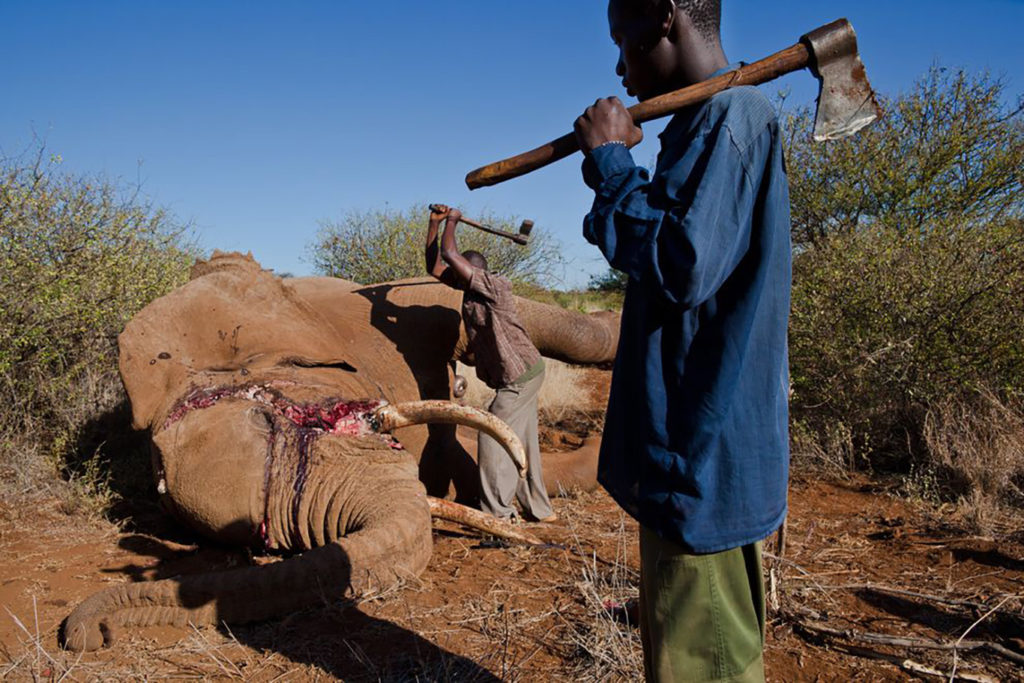
Despite a ban on the international trade in ivory, tens of thousands of elephants are still butchered mercilessly each year for their tusks. An alarming new report has revealed that the wave of poaching ivory has worsened since 2011 across most of the African continent. According to a recent publication in the Scientific Reports journal, state-space models have revealed a continuous elephant poaching problem in most of Africa. The latest figures show that between 2011–2018, only in Eastern Africa have poaching rates decreased substantially. “For Africa as a whole, poaching did decline from 2011 to 2018, but the decline was entirely due to Eastern African sites,” reads the report. It goes on to state that illegal killing has improved little or even worsened since 2011 in Southern, Western, and Central Africa. Sarah Morris of the Animal Survival International (formerly Political Animal Lobby) explains: “If you crunch the numbers, you’ll see that the devastating figures of elephants killed have not decreased. The African elephant is in grave trouble and needs our help.” Weighing in at an average of six tons (5 442 kilograms), the African elephant is the largest land-living mammal in the world. Tragically, this majestic and intelligent creature is, quite literally, worth its weight in gold. As a result of the insatiable lust for ivory products in Asian markets, the trade is extremely profitable, with China driving illicit poaching through the roof. Recent studies reported that the poaching of African elephants reached its peak in 2011 and has been decreasing through 2018. On closer examination of these studies, however, questions are raised about the conclusion that poaching is decreasing throughout the continent. Scott Schlossberg and Michael J. Chase of Elephants Without Borders corrected that misinformation: “Reports of falling poaching rates in Africa are something of an illusion,” said lead author Schlossberg. “Regionally, elephant poaching is decreasing only in Eastern Africa. For the rest of the continent, poaching rates are still near their peak and have changed little since 2011.” Recent survey data from Southern Africa is limited, but two major elephant populations in this region are showing worrying trends. Northern Botswana’s large elephant population has been experiencing a spike in poaching since 2017, and the Kruger National Park in South Africa has also experienced heightened poaching in recent years. These findings are an important call for continued vigilance in anti-poaching and anti-trafficking efforts. “There are still more African elephants being killed for ivory than are being born. Elephant populations continue to decline,” added World Elephant Day Co-Founder, Patricia Sims. “Elephants are a keystone species. This means they create and maintain the ecosystems in which they live and make it possible for a myriad of plant and animal species to live in those environments as well. The loss of elephants gravely affects many species that depend on elephant-maintained ecosystems, causes major habitat chaos, and a weakening to the structure and diversity of nature itself. To lose the elephant is to lose an environmental caretaker and an animal from which we have much to learn.”
Nagaland Dog Meat: Animal Rights Groups Hail Ban as ‘Major Turning Point’
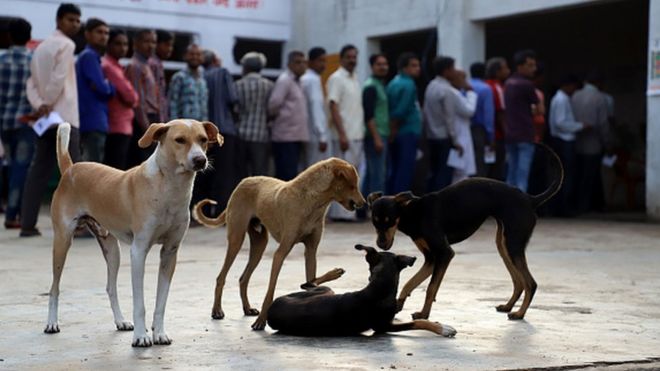
The Indian state of Nagaland has banned the import, trading and sale of dog meat, in a move celebrated by animal rights activists. The north-east state’s government announced the ban following a sustained campaign by animal welfare groups. They hailed the decision as a “major turning point” in ending cruelty to dogs in India. But some civil society groups criticised the ban, calling it an attack on food customs in the state. Eating dog meat is illegal in parts of India, but some communities in north-eastern areas consider it a delicacy. “The State Government has decided to ban commercial import and trading of dogs and dog markets and also the sale of dog meat, both cooked and uncooked. Appreciate the wise decision taken by the State’s Cabinet,” Nagaland’s Chief Secretary Temjen Toy tweeted on Friday. The government shared no further details about how it planned to enforce the ban. Indian media said the ban came after a picture of dogs bound in sacks at a wet market was circulated widely on social media, provoking outrage. On Thursday, the Federation of Indian Animal Protection Organisation (FIAPO) said it was “hit by shock and horror at recent images” of dogs in “terrifying conditions, tied up in sacks, waiting at a wet market, for their illegal slaughter, trade, and consumption as meat”. The group urged Nagaland’s government to enforce an immediate ban on selling dog meat. The FIAPO was among several animal rights organisations, including People for the Ethical Treatment of Animals (PETA), to spearhead campaigns against the sale of dog meat in Nagaland. The Humane Society International (HSI), which has campaigned for years to end India’s dog-meat trade, welcomed the decision by Nagaland’s government. “The suffering of dogs in Nagaland has long cast a dark shadow over India, and so this news marks a major turning point in ending the cruelty of India’s hidden dog meat trade,” managing director of HSI, Alokparna Sengupta said. An estimated 30,000 dogs a year are smuggled into Nagaland, where they are sold in live markets and “beaten to death with wooden clubs”, according to the HSI. Earlier this year, the state of Mizoram took the first step towards ending the sale of dogs, by amending legislation to remove them from the list of animals suitable for slaughter. While not widespread, the eating of dogs does take place in other countries, including China, South Korea and Thailand. Source: https://www.bbc.com/news/world-asia-india-53288214
MASS TORTURE!
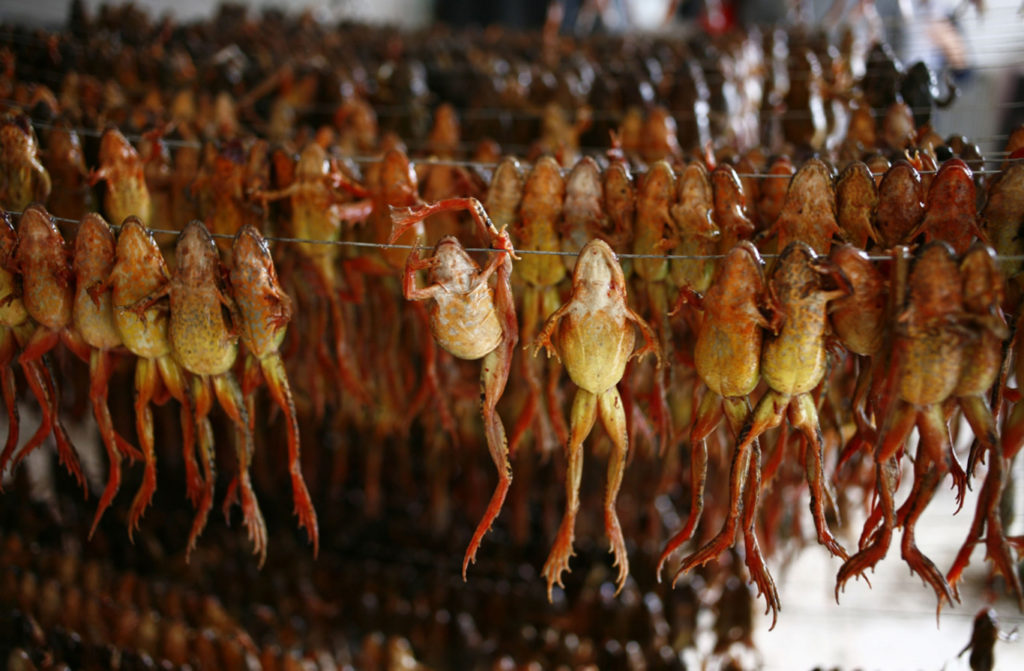
Right now, as you read this, billions of frogs across the world are being tortured, maimed, and killed. Stolen from the wild, they die in pain. It is estimated that in Asia alone, between 180 million and a billion frogs are currently stolen each year for use in traditional ‘medicine’. In Laos, tiny rice paddy frogs are dipped into boiling oil and fried alive on sticks. Or they are put into blenders and liquidized before being added to curries and stews, boiled in soups or barbecued on an open flame. In Vietnam and Japan, live bullfrogs are served to diners, filleted while their hearts are still beating. In China, Asiatic grass frogs – a protected species – are butchered for use in traditional ‘medicine’ (hasma is made with the fallopian tubes of dried-up female frogs and is supposed to help consumers “look younger”). Video footage from Cambodia shows frogs kicking and squirming in pain as their snouts and rear legs are cut off with scissors. Still alive, they are thrown in a pile of other maimed frogs and left to endure a slow death. These frogs are not only massacred for their legs, they are also turned into trinkets and curios for the tourist industry. In Europe and the United States, an exploding exotic pet trade sees glass frogs plucked from tropical rainforests and stuffed into tiny glass containers, destined for the pet trade. Many frogs die before reaching their destination and those that don’t die later perish from the long-term effects of capture and transport. Across the world, aquatic African clawed frogs, semiterrestrial bullfrogs, and terrestrial toads are still used in classroom dissections and teaching exercises in a harrowing process known as “pithing”. Pithing leaves the frogs defenceless while students cut them open, apply drugs to their beating hearts, and attach electrodes to their exposed leg muscles after peeling off their skin. The cruelty being inflicted on frogs for cosmetics or when they are barbarically killed for a sick frill for diners is so blatant, so abhorrent and so dangerous that governments must act now. Your donation will help us make them pay attention. The havoc with nature caused by this trade has potentially irreversible negative consequences for the entire planet. Frogs play a vital role in the food chain, as both predators and prey. As tadpoles, frogs eat algae, reducing the chances of algal contamination and they, in turn, are an important source of food for birds, fish, monkeys and snakes. Their diet includes mosquitoes, lowering the transmission risk of killer diseases including Dengue fever, malaria, West Nile fever and Zika. Right now, frogs are racing headlong to extinction, but if we act fast to stop the international trade, we will give the frogs a better chance of survival and save billions of creatures from merciless cruelty. Every single animal life is important. Please support us in our efforts.
South African Wildlife Under Government Assault, Humans Under Threat
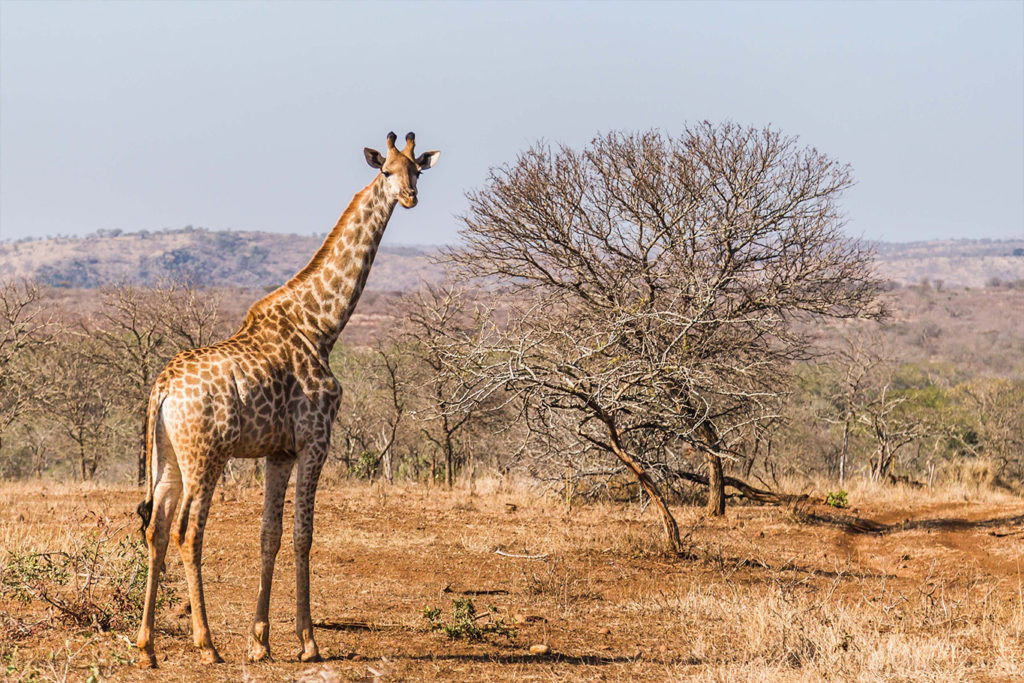
Amid a global pandemic, when the dangers of eating wildlife have never been more apparent, South Africa plans to declare an outrageous legislation that requires urgent intervention. Wildlife will no longer be treated as living beings, only commodities valued for nothing but livestock and meat. This is according to a shocking revision to the Meat Safety Act by the SA government, allowing for the slaughter of wild animals as meat for human consumption and unrestricted farming of everything from lions, giraffes, and rhinoceros to tiny antelopes. If passed in its present form, the updated schedule will open a devastating gateway, allowing the brutal slaughter of countless wildlife species, some already teetering on the brink of extinction, and open Pandora’s box with regards to deadly zoonotic diseases. On 28 February 2020, the South African Government proposed adding over 90 local and non-indigenous species to the list of animals regulated under the Meat Safety Act (MSA). Ironically, South Africa’s Department of Agriculture, Land Reform, and Rural Development is driving the legislation – an entity that is supposed to ensure the well-being of numerous endangered species. The purpose of the MSA is to provide measures to promote meat safety and the safety of animal products for human and animal consumption. The MSA sets national standards at abattoirs and also prohibits animals from being killed anywhere other than at accredited abattoirs unless the killing is done for non-commercial personal use or ritualistic purposes. MSA also regulates the export and import of their flesh, skin, bone, and horn. While the reasoning behind the Act may sound clean on paper, putting African wildlife on the menu for mass consumption will have catastrophic consequences. “Reclassifying wild animals as livestock and legalizing the slaughter and consumption of all species without any off-limits is ludicrous,” said Nicolette Peters of ASI. “This amendment poses a major threat to the future of wildlife already facing overwhelming odds, the results of which will lead to Titanic damage. Conservationists have already predicted that the revision will inadvertently drive up the demand for bushmeat through legitimizing the consumption of protected wild animals.” Promoting the consumption of wildlife will only intensify the commodification of South Africa’s natural heritage. The wildlife meat market is relatively small in South Africa. However, this amendment will expand the wildlife meat market share in SA and across the globe, even though there is no real demand from consumers in SA requesting it. “The proposed updated schedule of animals covered by the act makes no sense. Even New Zealand’s national icon, the kiwi was listed alongside ostrich and emu. Australia’s national icon the kangaroo was also on the list. Even the wording of the South African government’s proposals is so bad that even humans can be slaughtered and eaten!” continued Peters. “There is no respect for life, human or otherwise. We also find it repugnant that rare and precious species like lions, cheetahs, and giraffes amongst many others, are to be treated simply as objects to be raised and traded. The South African government’s decisions over our wildlife are is disgraceful and must be challenged.” In addition, the proposed updated schedule poses a very real threat to mankind. Wild animals are reservoirs for pathogens, and people who come in contact with their bodily fluids risk becoming infected with a zoonotic diseases. Surely, the COVID-19 pandemic was enough to drive home the dangers of the transmission of viruses from wildlife to humans? Scientists are particularly concerned about wildlife meat-borne epidemics of new diseases. “Animals are a common source for the introduction of new infectious diseases into human populations,” said Michael Jarvis, a virologist at the University of Plymouth. “Some of the best known zoonotic diseases include HIV, the Bubonic Plague, Lassa fever, SARS, Ebola, and the coronavirus. Even malaria is believed to have been originally introduced into the human population from gorillas. And this isn’t a minor risk: diseases transmitted from animals to humans represented 60 percent of all emerging infection disease events (EIDs) between 1940 and 2004.” ASI is working hard to get the message out about the threat this new Act poses, along with several other animal welfare organizations frustrated by the simplistic portrayal Government has taken in what is an incredibly serious issue. While the proposal is currently being circulated for comment – with the deadline now extended to 30 June to oppose this extremely disturbing proposed legislation –- the legality of passing such an Act remains to be seen. ASI urges our supporters and all people concerned about biodiversity, animal welfare, and the rights of all creatures to life to oppose the passing of these amendments
Serial Killers and Trophy Hunters: When the Power To Cause Pain Is the Only Power That Matters
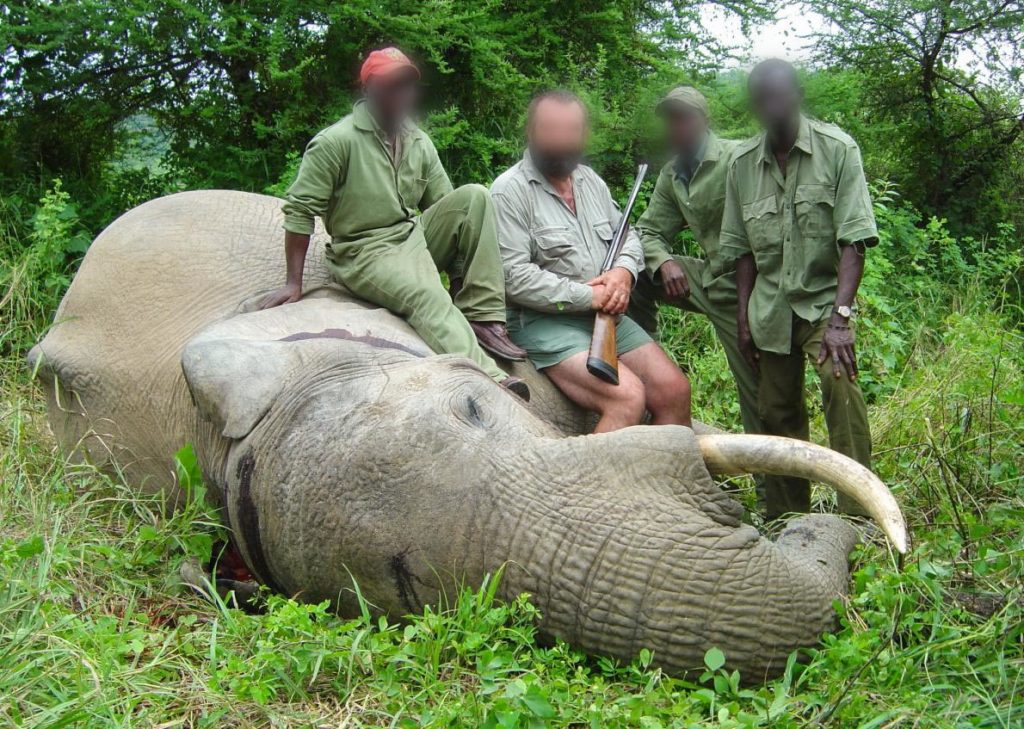
What kind of person enjoys taking another living being’s life – and doing it over and over again? Serial killing and trophy hunting are terrifyingly similar, as an environmental activist and author Eduardo Goncalves, points out in his new book, Trophy Hunters Exposed. When police raided the home of notorious serial killer Ed Gein he had racked up an array of human body parts kept as trophies, including a wastebasket and chairs made of skin, bowls created from skulls, masks created from human faces, numerous organs in a box, and more. Gein’s crimes were so hideous and gruesome that seasoned authorities, who had worked many murder cases before, reported having suffered from anxiety, panic attacks, and nightmares after seeing Gein’s human trophies. Step into the life of an avid hunter – one who stalks and butchers animals for ego-gratification and fun – and you’ll find a very fine line between Gein’s repulsive world, and theirs. Both serial killers and hunters are compelled to keep souvenirs from their victims. The killing is addictive and one victim is never enough to quench a thirst for violence. They seek fame, attention, and notoriety. The kills are premeditated, and with every drop of blood comes a surge of adrenalin, power, and dominance. Stalking the victim gives a feeling of excitement. Killing becomes a compulsion. Many document their kills via photos and/or videos to gratify themselves later. Now a book penned by Eduardo Goncalves has revealed what Animal Survival International (formerly Political Animal Lobby) already knows. The so-called sport of hunting and killing sentient creatures for fun and prestige is nothing less than murder. Trophy Hunters Exposed uncovers how trophy hunters have gunned down 1.7 million wild animals in the past decade. Even more concerning, is that around 250 000 of them were endangered species. These hunts, supported by wealthy and powerful organizations like Safari Club International, the Dallas Safari Club, and the National Rifle Association – and egged on by countless awards and record book listings – cannot be denied. That’s because the book doesn’t just stop at accusations. It lists the names of trophy hunters, the exact tally of their kills, their cruelty, and even their Facebook boasts, all forensically detailed. The book talks about some of the most well-known hunters and lists their kills, which run into many thousands. These include Malcolm King – a British businessman who has 125 Safari Club International (SCI) Record Book entries and dozens of awards for killing hundreds of wild animals, Charl Knight of Take Aim Safaris in Gauteng, who has taken part in over 400 hunts in every African country open to hunting, as well as Paul Roberts, a British hunter who has one of the world’s biggest collection of trophies. Also listed are Jacques and Micheline Henrijean who have logged 240 kills in six continents, Spaniards Tony Sanches-Arino with 4 044 kills (1 317 being elephants), and Marcial Sequeira with 2 000 kills, Trump fundraiser Steven Chancellor with 428 kills and Zimbabwean Ron Thomson with 5 930 kills. Listed also are the names of 500 hunters who have won the Safari Club International (SCI) Big 5 awards for shooting a lion, an elephant, a leopard, a rhino, and a buffalo. SCI offers around 80 different prizes to hunters who shoot the most animals, who kill them in the greatest number of places and who use ‘novel’ ways to kill them. “Everything about hunting is despicable,” said Goncalves. “It’s the immorality of thinking that you can take the life of a living creature just because that’s how you get your kicks. How can anyone call trophy hunting a sport? A sport is when you have two consenting parties on a level playing field. The animals, in this case, don’t get a say. These people decide for themselves that they are going to kill an animal because for them that is recreation. Trophy hunting is wholesale slaughter, these people are wildlife serial killers and they have got to be stopped.” ASI’s Nicolette Peters agreed. For decades, ASI has rallied to put an end to trophy hunting. “This book simply highlights what we all already know. Hunting is not about killing for food, nor is it about conservation. It’s about boosting your ego, bragging on social media, flaunting your wealth, and enforcing your dominance. It’s outrageous to think that hunters justify their actions by saying that hunting helps improve conservation when they are killing some of the most critically endangered animals on earth just for kicks.” Scientific studies have demonstrated that trophy hunting is causing the decline of species like lions and leopards and exacerbates human-wildlife conflict. Trophy hunting is a corrupt industry that does nothing for conservation except to undermine it. Most money from trophy hunting goes to businesses that arrange the hunts, not to communities or governments charged with wildlife management. “Trophy hunters do fork out large sums of money – but where it ends up is another matter,” said BBC Wildlife columnist Mark Carwardine. “Critics argue that the hunting elite and corrupt government officials siphon off as much as 97 percent. Trophy hunts are one-off payments – you can’t kill the same animal twice – whereas a lion or rhino can earn money from traditional ecotourism for many years. To think that poachers are slaughtering about 100 elephants and three to four rhinos every day, for example, allowing trophy hunters to kill yet more seems absurd. Critics are also concerned about the mixed messages it sends local people: they can’t hunt endangered species, but rich Westerners can.” South Africa has the largest hunting industry worldwide and it’s the second most popular source of American trophy imports. The USA legally imports no fewer than 126,000 animal trophies every year, and the EU some 11 000 to 12 000 (representing 140 species, including everything from African elephants to American black bears), not counting those trophies taken in the countries themselves.
China Signals End To Brutal Dog Meat Trade but the Fight for Animal Rights Is Far From Over
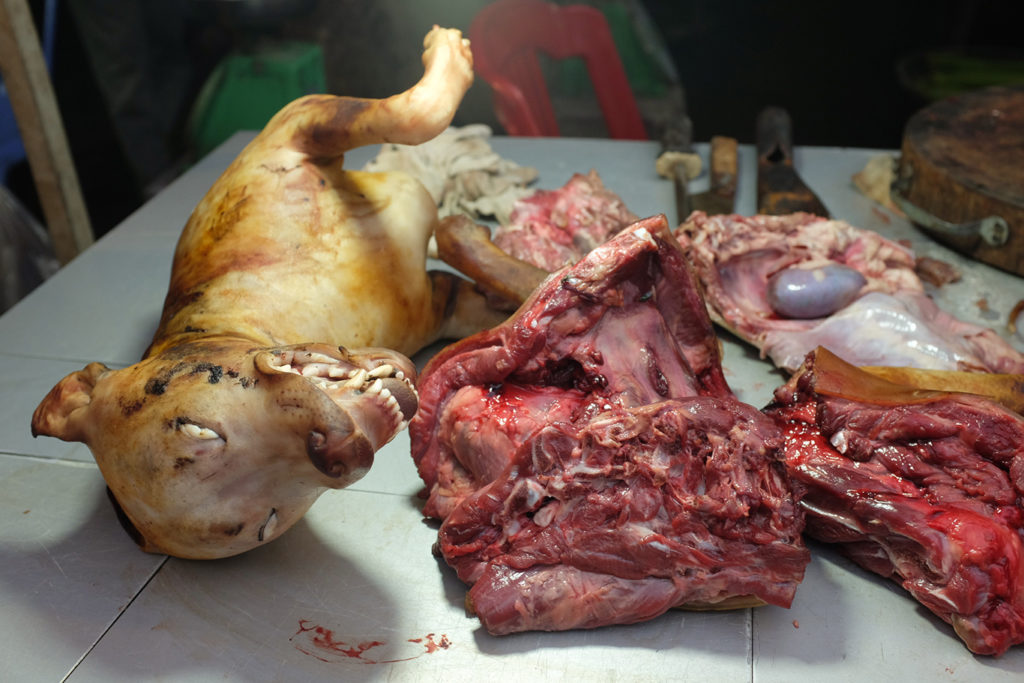
Could a bloody and brutal trade that sees thousands of dogs skinned, bludgeoned, and boiled alive really be coming to an end? China’s new draft policy may be a watershed moment in the efforts to end the brutal trade of dog meat. Animal activists, however, remain skeptical as to whether the Chinese Government will come to the table and implement a full ban on eating man’s best friend. Thirty million dogs are slaughtered a year across Asia for meat. They suffer unspeakable cruelty at the hands of their killers – forced to watch in terror, as other dogs are beaten death or thrown still alive into boiling water to remove their skins before it is their turn to die. The fight to provide basic rights to dogs in China has been raging since the start of time but a new and deadly virus may prove to be the catalyst needed to bring about drastic change. An updated version of China’s Directory of Genetic Resources of Livestock and Poultry has been released. For the first time in history, dogs are not on the list of animals that are allowed to be bred, raised, traded, and transported for commercial purposes. Citing the “progress of human civilization” as well as growing public concern over animal welfare and prevention of disease transmission from animals to humans, China’s Ministry singled out canines as forbidden in a draft “white list” of animals classified as livestock or poultry. The list includes traditional livestock, including pigs, cows, sheep, goats, horses, donkeys, camels, rabbits, chickens, ducks, geese, turkeys, pigeons, and quails. It also covers 16 types of “special livestock”, including sika deer, red deer, reindeer, alpacas, guinea fowls, pheasants, partridges, mallards, ostriches, minks, the American red fox, the Arctic fox, and raccoon dogs. The last four species can be traded, but not for their meat. “While it’s hoped the draft will effectively end the legal trade of dogs for meat and fur, it’s important to note that it is not officially a ban on the consumption of dog meat. To the best of our knowledge, there is no actual ban on consumption. The fight to stop the trade of dog meat is still not over, and won’t be over until the relevant laws are actually revised,” said ASI’s Nicolette Peters. “In addition, while dogs have been removed from the ‘whitelist’ of approved domesticated livestock, it is disappointing to hear that two new species previously considered wild – the emus and Muscovy duck – have now been included, allowing for them to be sold. Others on the list officially declared as livestock include three animals most abused for their fur – raccoon dog, silver fox, and mink.” In a tragic twist of irony, just days after the new draft policy was released, China approved the use of bear bile to treat coronavirus patients. The extraction of bear bile from live bears is gruesome and causes unimaginable suffering and long-term health problems for these animals. All methods for extracting bile are invasive. Bears may suffer infections, starvation, dehydration, diseases, and malignant tumors, and they often die from these ailments. Consumers of bear bile also run the risk of ingesting bile from sick bears, which can be contaminated with blood, feces, pus, urine, and bacteria. “Surely, if the coronavirus has taught us anything it’s that we shouldn’t be relying on wildlife products as the solution to combat a deadly virus that appears to have originated from wildlife. Not only does bear bile farming cause enormous animal suffering, but it also poses an undeniable human health threat with the risk of zoonotic diseases,” concluded Peters.
China’s Ban on Pangolin Scales for Medicinal Use Is the Tip of the Iceberg
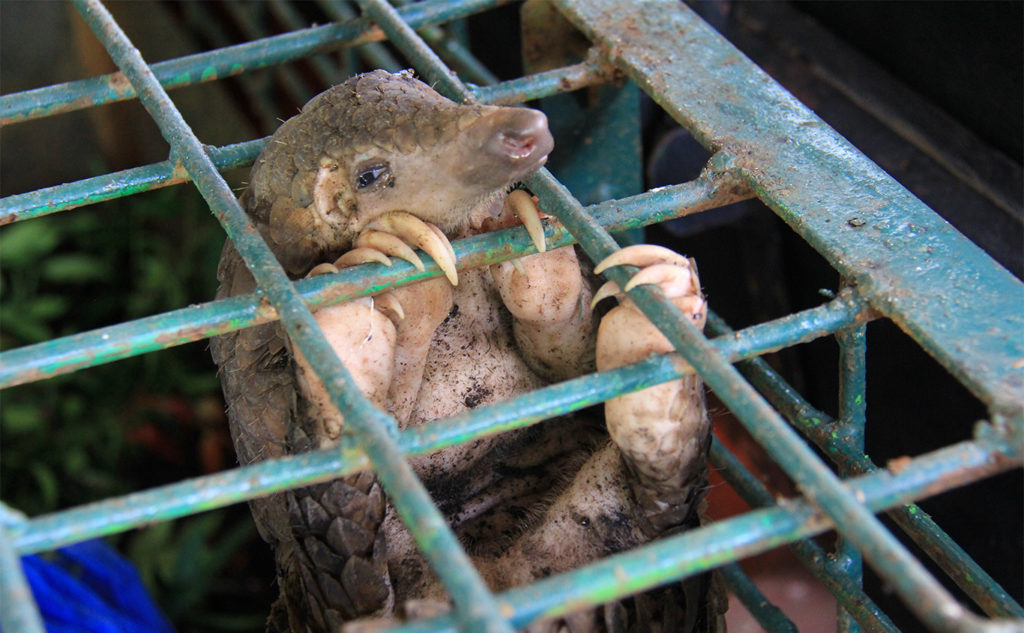
In breaking news, China has raised the protection of pangolins by removing their scales from an official 2020 listing of ingredients approved for use in traditional Chinese medicine. The decision comes after the country’s State Forestry and Grassland Administration raised the protected status of pangolins to the highest level, with immediate effect. While it is hoped the move will help end the global trade of these endangered animals, it is by no means the end in the fight to protect it. A creature straight out of an enchanted fantasy tale, Pangolins are unlike any other animal on earth. And if they disappear, there will be nothing like them left on earth. “While the news is a step in the right direction, it’s not a green light for complacency in the fight to protect pangolins,” said Nicolette Peters of ASI. “Humans will still find a way to exploit these vulnerable animals, treating them as things rather than as sentient beings. Work must continue to defend and rescue the species with measures which include improving their habitat and cracking down on poaching and trafficking.” The pangolin looks like a miniature T-Rex when standing upright with its little arms outstretched and its thick, long tail it uses for balance. Its long tongue is ingeniously designed to reach in every nook and cranny of ant mounds for tiny morsels. They are fussy eaters that consume only certain species of ants and termites – a diet that is hard to provide in captive situations. For protection against predators and when afraid, the pangolin can roll its scale covered body up into a ball, protecting both itself and its young. While nature blessed the pangolin with strong protective armor, sadly it is no match for man. A scared pangolin can be easily scooped up with bare hands. The pangolin’s population has plummeted to dangerously low levels. Over a million pangolins have been slaughtered in the last decade and they are now among the world’s most trafficked mammals. This bizarrely beautiful animal group faces the risk of complete eradication. Driven to the brink of extinction because of the high price on its scales – made of keratin, the same substance as human fingernails and of absolutely no medicinal value – this shy nocturnal anteater is victimized and abused from the moment it is caught to the moment it is killed. The animals are trafficked mainly for their scales, which are believed to treat a variety of health conditions in traditional Chinese medicine (TCM), and as a luxury food in Vietnam and China. According to an analysis by wildlife trade monitoring organization Traffic, at least 67 countries and territories on six continents have been involved in the pangolin trade. The shipments with the biggest quantities of scales, however, originated in Cameroon, Nigeria, Sierra Leone, and Uganda, mainly headed to China. An estimated one million pangolins were poached from 2000 through 2013. In 2013, authorities detained the crew of a ship carrying 22,000 pounds of pangolin meat across the coast heading to the Philippines. The following year, Chinese officials confiscated 956 pangolins stuffed into 189 coolers. The dead pangolins were being carried overland in a truck, with the total haul weighing four tonnes. In April 2015, more than 4,000 frozen pangolin carcasses, along with scales and nearly a hundred live animals, were discovered in Indonesia in a shipping container supposedly holding frozen fish. In 2016, 4.4 tons of pangolin scales, labeled as plastic, were seized in Hong Kong, a haul estimated to represent between 1,100 and 6,600 pangolins and be worth $1.25 million (£979 000). In 2017 and 2018, law enforcement officers in Côte d’Ivoire seized nearly 8,000 pounds (3 628 kilos) of pangolin scales likely bound for China or Vietnam. The ground pangolin, also known as Temminck’s pangolin or Cape pangolin, is one of four species of pangolins found in Africa. This pangolin is sold as a form of bushmeat, for ritual or spiritual purposes, and use in traditional African medicine. To their killers, it does not matter if the pangolin is mothering an offspring or not. Poachers show no remorse in snatching adults for the wild, and no mercy in the treatment of their babies either. While most pangolin poaching and smuggling used to occur within Asia, as the numbers of Asian pangolins declined so the demand for intercontinental trade grew. Traders know the scales fetch a pretty price, making worth the extra cost to smuggle pangolins from Africa to Asia. “Every time someone brings us a pangolin, I wonder if it’s the last one in Zimbabwe,” said Lisa Hywood, the founder of Tikki Hywood Foundation, a rescue center near Harare, Zimbabwe. Hywood has rescued more than 180 pangolins since 2012. “We don’t have time to wait for the next generation. If we don’t realize now what is happening, we are going to lose.”
Trump Rules See Bear Cubs Slain Where Sleeping Bears Lie
Alaskan hunters will be given the green light to slaughter bear cubs while they are safely tucked in their dens. In a shocking revelation, the Trump administration is having the National Park Service crush a 2015 order that safeguarded bears and wolves within protected lands. After President Donald Trump’s signature hits the document, authorities, and hunters will again be able to trap, bait, and kill families of bears while they are in their homes. These new rules to kill predators and their young will be in direct paradox to guidelines written by the Barack Obama administration, which banned certain cruel practices for hunting these seriously misunderstood creatures. These new rules will cause mass suffering to the predatory wildlife that inhabits two million acres of public land in the state’s Kenai National Wildlife Refuge. The slew of despicable new rules includes hunting black bears, wolves, and coyotes, as well as their cubs and pups, in their dens with the aid of artificial lights to draw them out of hibernation. It also allows for the slaying of caribou from motorboats, and, for the first time, bear hunting from “registered bait stations”. Outraged conservation groups, along with most Alaskans, have argued that once sanctioned, these practices will open a dangerous gateway for hunters to use unspeakably cruel tactics in hunting, as well as lead to wildlife mismanagement, including baiting bears and the use of barbaric trapping devices. “We cannot stand by and watch as our national parks are turned into killing fields for trophy hunters,” said Andrea Matthee, a lead campaigner at international animal welfare organization, the Animal Survival International (formerly Political Animal Lobby). “If animals cannot be safe from the hands of hunters while in their own homes, where are they expected to be safe?” Matthee continued to say that baiting bears is a cowardly and cruel practice in which trophy hunters leave out piles of junk food like doughnuts and candy to lure the bears and then shoot them. Females who have recently given birth are particularly attracted to the bait, given that they emerge from their dens in worse body condition than other bears, having lost up to 40% of their body weight. “When a lactating mother is killed, her orphaned cubs are also likely to die, either of starvation or by being killed by other predators. The traps hunters use to immobilize bears also have no place in modern society. Steel-jaw traps are notoriously used to clamp down on the bear’s legs, causing excruciating pain as they cut into the flesh, often down to the bone – mutilating the leg or paw. Some bears, especially mothers with babies to feed, will try to chew off their own limbs in an attempt to escape. These poor animals often struggle for hours or even days before the trapper returns to kill them.” Jesse Prentice-Dunn, policy director for the Center for Western Priorities – a nonpartisan conservation and advocacy organization – said that the rule change was “amazingly cruel” and “just the latest in a string of efforts to reduce protections for America’s wildlife at the behest of oil companies and trophy hunters.” Jamie Rappaport Clark, President and CEO of Defenders of Wildlife, agreed, saying that the Trump administration has shockingly reached a new low in its treatment of wildlife and that allowing the killing of bear cubs and wolf pups in their dens is utterly barbaric and indescribably inhumane.
Victory for Common Sense as Sterilization Ban Is Overruled

We asked ASI supporters to sign a petition asking the South African government to reverse its lockdown ban on sterilizing street dogs during the corona crisis. The government acted and we are pleased to report that spaying and neutering is now taking place. In a country where poverty-stricken townships are crowded with stray dogs, the allowance for sterilizations to continue during stringent movement regulations is a landslide victory in the fight against animal abuse and cruelty. The announcement that only emergency veterinary surgeries could take place due to strictly regulated rules set in place to limit the spread of Covid-19 drew heavy criticism across South Africa. Organizations working tirelessly to improve the welfare of animals through sterilization programs found themselves in crisis mode, anticipating a tragic influx of pregnant dogs and puppies in the months to come. Fallen Angels was one of several shelter-and-outreach organizations affected by the bizarre ruling. Their shelter in the Western Cape cares for over 300 dogs, whilst also providing valuable care for thousands of strays living in shantytowns in and around the province. With authorities estimating there could be more than 230 000 street dogs in Cape Town alone, Fallen Angels simply could not afford to turn their back on these dogs. At the beginning of April, Fallen Angels reported they had 65 dogs who needed to be sterilized immediately and 20 puppies waiting their turn but the South African Government’s ban of street dog sterilizations until the end of lockdown meant the NPO’s hands were tied. Animal Survival International (formerly Political Animal Lobby) set out to challenge the ruling, encouraging South Africans to do the same and show their support for the cause by signing a petition to Government, as well as sharing an educational video on the importance of continuing sterilization projects in Cape Town. ASI’s efforts paid off and the ban was successfully lifted. “The Government’s announcement of the protocols relating to animal welfare issues during Level Five were incredibly perplexing. Especially the ruling that stated that only emergency animal surgeries could be performed,” said Nicolette Peters, a ASI spokesperson. “We all know dog over-population is a huge problem across South Africa’s informal settlements, especially in the City of Cape Town and the Western Cape, which is home to the largest percentage of stray animals. Stopping sterilizations in these areas – even for a brief amount of time – was an issue of grave concern for all of us.” While South Africa is facing numerous serious issues at the moment that deserve our attention, preventing cruelty to animals is certainly still one of them. Did you know that just one unsterilized female dog and her offspring can produce 67 000 puppies in only six years? Crunch the numbers and it is no wonder sterilization programs remain instrumental in reducing the number of animals who die every day due to over-population. “Every stray dogs sterilized is a victory for us because it creates a chain reaction and puts a stop to the thousands of animals that would have been born to roam the streets, live in municiASI dumping sites, or end up in rescue shelters,” added Peters. “The overturn of this ban is a giant leap forward to combat animal cruelty.”
South Africa’s Despicable Live Wildlife Trade With China
South Africa is failing dismally to protect its vulnerable wildlife from illegal trading, provoking a deep-seated sense of outrage among animal welfare experts and conservationists. According to a damning report published by EMS Foundation and Ban Animal Trading, fatally flawed and poorly enforced regulations are enabling an industry driven by profit and greed to thrive. In a perfect world, wild animals would live where they belong. There would be no wire cages, cramped pens, or dirty enclosures. No money to be made from their exploitation. No enjoyment to be had by their confinement. Tragically, South Africa – with its beautiful and diverse wildlife – is a growing hub for the illegal export of wild animals. South Africa supplies the lion’s share of living wild animal export to Asia. The EMS Foundation and Ban Animal Trading investigated the export of a large sample of wild animals to China. Both NGOs found evidence of dysfunctional regulations and permitting procedures in South Africa, alongside extremely concerning nature conservation issues. The report – titled Breaking Point: Uncovering South Africa’s Shameful Live Wildlife Trade With China – found that 5 035 live wild animals were exported from SA to China between 2016 and 2019. The list comprised of a bewildering array of species, ranging from kudu and giraffe to chimpanzees, African penguins, wolves, ring-tailed lemurs, and no fewer than 45 Bengal tigers, a species not native to Africa. Huge oversights by CITES and a lax approach at enforcing laws included incorrectly dated, undated and unsigned permits, permits listing incorrect numbers, ages, and places of origin for the animals involved, as well as permits giving untraceable or fictitious destination addresses in China and illegal shipments masked as legitimate exports. The authors concluded that in most cases the exports that were permitted should never have been allowed to take place. Another section of the report explored Chinese legislation for the protection of wild animals. It found that laws that attempt to prevent the trade in endangered species contained a myriad of exemptions so as to be “essentially meaningless”. Scientific research, captive breeding, and public exhibitions or performances, for example, were all escape clauses under which animals could be traded. If gross misconduct was not concerning enough, perhaps the fact that these findings have emerged at a time when the entire globe is reeling from a deadly disease that originated in wild animals should be the last straw. Astonishingly, the report notes that South African exports continued even at the time when China reached its peak of the Covid-19 outbreak. The Animal Survival International (formerly Political Animal Lobby)’s Nicolette Peters pointed out that the report emphasized that South Africa seemed to be following China’s laws on wildlife – taking numerous legal steps to ease the flow of traffic in wild animals and their parts. “Wildlife being reclassified as livestock under the Animal Improvement Act, and all species of vertebrae proposed to be included in the Meat Safety Act, for example, are amongst the actions that the South African state has taken, which make it easier for to export wild animals, dead or alive,” said Peters. “The South African Government has the legal framework to control the illegal wildlife trade but chooses to encourage it instead. The Government’s deceit and trickery must be exposed and brought to a halt to save our precious wildlife.” Peters went on to say that immediate steps need to be taken to tackle the inhumane and indiscriminate trade in wild animals. “The international wildlife trade has nothing to do with conservation and everything to do with commercialisation, commodification, and profit,” she said. “CITES must be replaced with a completely different international preventative and precautionary legally binding agreement that establishes universal adherence to, and implementation of, a comprehensive and complete ban on the wildlife trade.” ASI is committed to the abolition of the live trade of wild animals, including captive-bred wild animals; captive breeding and farming of wildlife for trade; the consumption of wild animals, and ‘wet markets’, where wild and domestic animals are held in close proximity to humans in unhygienic conditions.
Conservation Organizations, Wildlife Under Threat as Tourism Collapses During Worldwide Lockdowns
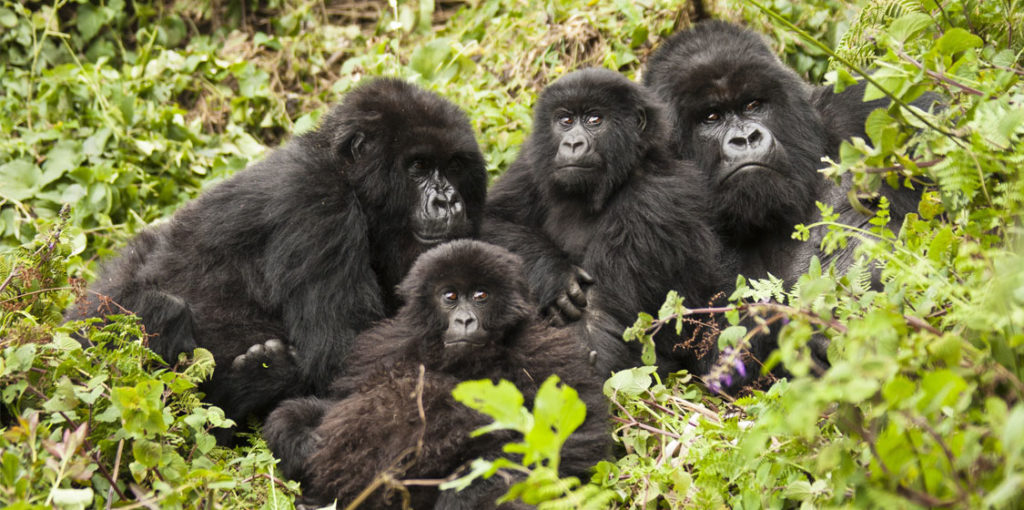
Conservation organizations protecting critically endangered species face closure worldwide. This follows the collapse of the tourist industry with lockdowns in place globally to control the spread of COVID-19. Many organizations who work to protect threatened ecosystems and species depend on revenues from ecotourism to fund their conservation activities. Most of them work in resource-rich countries whose ecosystems and biodiversity are under assault from mining, deforestation, industrial agriculture and urbanization. But their work is becoming even more important. People in rural, biodiverse-rich areas are expected to be driven to rely on game meats and activities like illegal deforestation and mining since their source of income from tourism has disappeared. Already, the black rhinos of the Okavango Delta, in Botswana, have been evacuated after six were poached in March. Meanwhile, the largest ever hauls of pangolin scales were seized in Singapore last month just as the Chinese government outlawed the consumption of wildlife because it is believed that the coronavirus epidemic is a consequence of humans eating wild animals. These conservation organizations and their employees – like the endangered animals they protect – are also under threat. Twelve rangers caring for mountain gorillas in the Virunga National Park, in the Democratic Republic of Congo, were murdered last month while they were trying to protect the giant primates from poachers. In a parliamentary briefing on the wildlife trade and COVID-19 in South Africa, Nick King, an international climate change and biodiversity expert, argued that if we want to reduce the future spreading of diseases from humans to animals, ecosystems that these wild animals occupy need to be nurtured and taken care of. “While we are locked down in our homes, and our attention is fixed on the coronavirus, we must not forget about the animals,” says Animal Survival International (formerly Political Animal Lobby) spokesperson Elizabeth Kruger. “Now more than ever, the work of conservation organizations to protect critically endangered species is crucial. Not only is the wildlife trade implicated in the spread of the coronavirus, but precious species are facing threats in the wake of the virus’s spread across the globe. ASI urges our readers to support conservation and animal welfare organizations during the coronavirus lockdowns, and beyond.”
Widespread Opposition to Wet Markets Across Asia
Last week, the Australian government described wildlife wet markets as a “biosecurity and human health risk” and urged G20 countries to take action against them. Even though nobody knows exactly how COVID-19 originated, it is thought that the coronavirus was spread through exotic animals at the Huanan wet market in Wuhan in China. Last week, the World Health Organization also called for stricter safety and hygiene standards in wet markets, particularly those selling exotic wildlife. Generally, wet markets are common across the Middle East and Africa where people depend on them as an important food source. However, in the wake of the COVID-19 outbreak, opinions regarding wildlife wet markets across Asia in particular have turned negative. The World Wildlife Fund published polling earlier this month showing opinions about the markets in Hong Kong, Vietnam, Thailand, Myanmar and Japan. It found that worries are high regarding the possibility of another coronavirus outbreak. 88 percent of those polled in Vietnam were either extremely or very worried about that occurring, along with 86 percent in Thailand, 79 percent in Myanmar, 78 percent in Hong Kong and 76 percent in Japan. In all countries except Japan, 90 percent or more of respondents would support government efforts to close wildlife wet markets. The report states that Japan’s low figure of 54 percent is due to a large share of those polled saying that there are no wildlife wet markets in the country. Indeed, open wildlife markets are not thought to be particularly prevalent in Japan. Originally posted my statista.com – the original post can be found here
Cartoon Illustrated by Matt Pritchett – Telegraph Cartoonist

Matt Pritchett’s cartoons delight readers each day. Matt is a Telegraph institution, and his witty sketches are a vital part of the newspaper. In his newsletter, the enormously popular cartoonist explains just what inspires him each day, and shares an extra, unseen cartoon, which will not have been published anywhere else. For more cartoons from Mat you can subscribe to The Telegraph
Humans Are to Blame for the COVID Epidemic, Say Scientists
Our destructive behaviors and endless appetite for natural resources drive these epidemics.
Largest Ever Pangolin Scale Shipment Discovered in Midst of Global COVID Panic
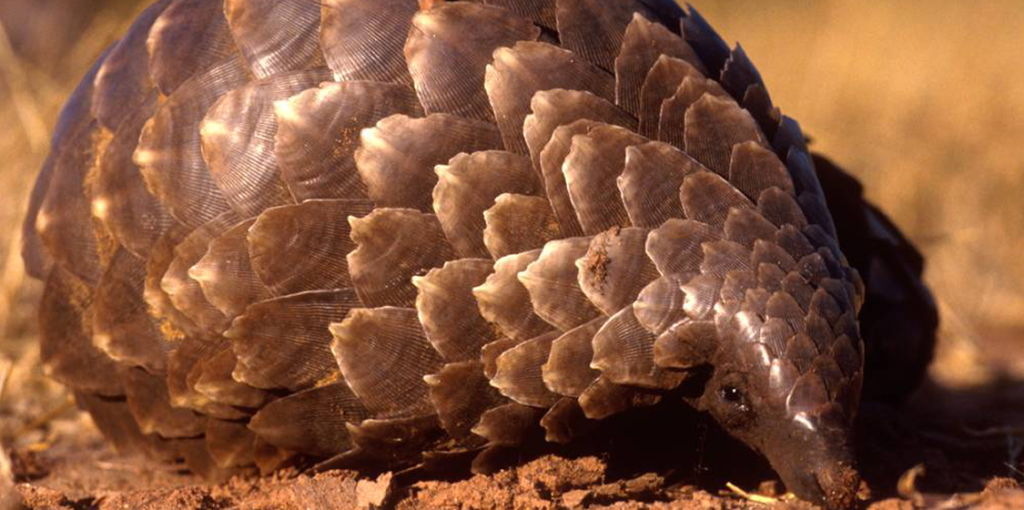
The pangolin has been fingered by scientists as one possible source of the COVID-19 outbreak, which is believed to have emerged at a live animal market in Wuhan, China. Yet, in the midst of worldwide lockdowns, the pangolin trade flourishes as never before.
South African Government Plans to Make It Legal to Use Endangered Species For Human Meat
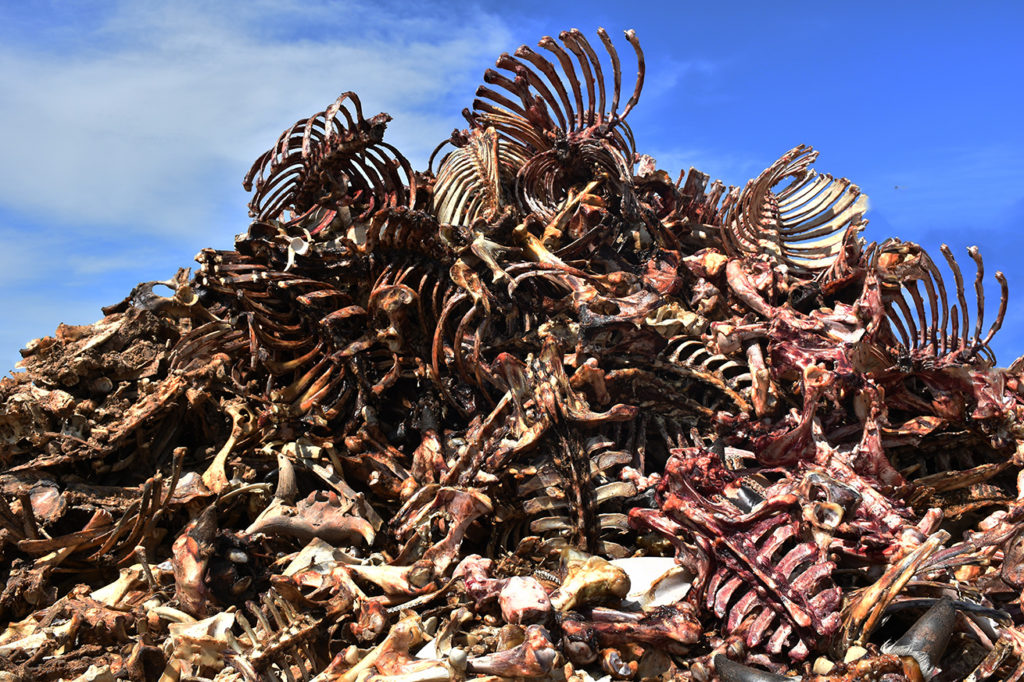
In a devastating blow to its wildlife, South Africa plans to declare its wild animals as meat for human consumption and to allow unrestricted farming of everything from lions, giraffes and rhinoceros to tiny antelopes. Under the proposal, no animal is taboo. The proposal specifically lists 104 wild animals that can be farmed, but stresses that the law will apply to all other species of animals including birds, fish and reptiles. Their genetic material, embryos and body parts can be harvested and traded. Even worse, amendment specifically includes “animals that may be listed as threatened species.” The regulations are to be changed so that any wild animal can be exported, smoothing the way for exporting dead lions and their bones. If this isn’t Machiavellian enough, the government has put a ridiculous time limit on when submissions can be made – April 30. But, because of the corona crisis, South Africa remains in strict lockdown with no end in sight, making meaningful comment very difficult. The Animal Survival International (formerly Political Animal Lobby)’s Nicolette Peters points out that the government seems to be following China’s laws on wildlife, where until recently commercial farming of wild species has been commonplace. “Well, we know how that turned out,” she said. “The corona crisis is killing hundreds of thousands of people as a direct result of Chinese wet markets.” – “China’s ‘wet markets’, where wild and domestic animals are held in close proximity to humans in unhygienic conditions.” The outbreak of the COVID-19 coronavirus is believed to have originated in a wet market, from a wild animal – potentially a pangolin. Peters says that ASI is shocked that, in the midst of a global pandemic that is believed to have originated from contact between humans and wild animals, the South African government is proposing to allow unfettered consumption of any animals whatsoever, wild or tame. It is well-established that lion bones can carry diseases and toxic sedative residues that can be harmful to human health. Even more commonly-eaten game meats are increasingly prone to disease, and the need for antibiotics to treat them. “Opening up the entire South African biota to global consumption is blatantly irresponsible and retrogressive when it is well-established that 70% of new infectious diseases originate from human contact with animals,” said Peters. “Epidemiologists and climate change experts warn more pandemics are coming as humans disrupt the last remaining wild habitats and come into closer contact with wild animals. What the South African government is about to do, places its entire human population at greater risk, along with tourists who visit the country. “Not only does the South African government propose to put the entire globe at risk of future pandemics, but also the survival of already endangered wild species. Making the parts of endangered animals available for medicine, fetishes or meat increases demand for animals caught in the wild.” Reclassifying wild animals as livestock and legalizing the slaughter and consumption of all species without any off limits is, as far as ASI can make out, an unprecedented law. “The South African government’s proposals are disgraceful and we urge people to speak out strongly against it,” said Peters. The deadline is April 30 to oppose these inhumane and extremely disturbing law changes. ASI urges our supporters and all people concerned about biodiversity and animal welfare to make their voices heard before it is too late. Comments can be sent to: Dr M. Molefe Director: Veterinary Public Health Department of Agriculture, Land Reform and Rural Development Email: VPH@daff.gov.za Tel: +27 12 319 7699 Some of the animals allowed to be killed include: African Buffalo Bushpig Cape Grysbok Crocodile Donkey Duiker Dwarf Antelope Elephant Gemsbuck Giraffe Grey Rhebuck Hippopotamus Horse ImASIa Klipspringer Lechwe Mule Oribi Porcupine Rhinoceros Roan Antelope Royal Antelope Sable Antelope Scimitar Oryx Sharpe’s Grysbok Steenbuck Suni Warthog White Antelope Zebra
South African Wildlife Under Government Assault, Humans Under Threat
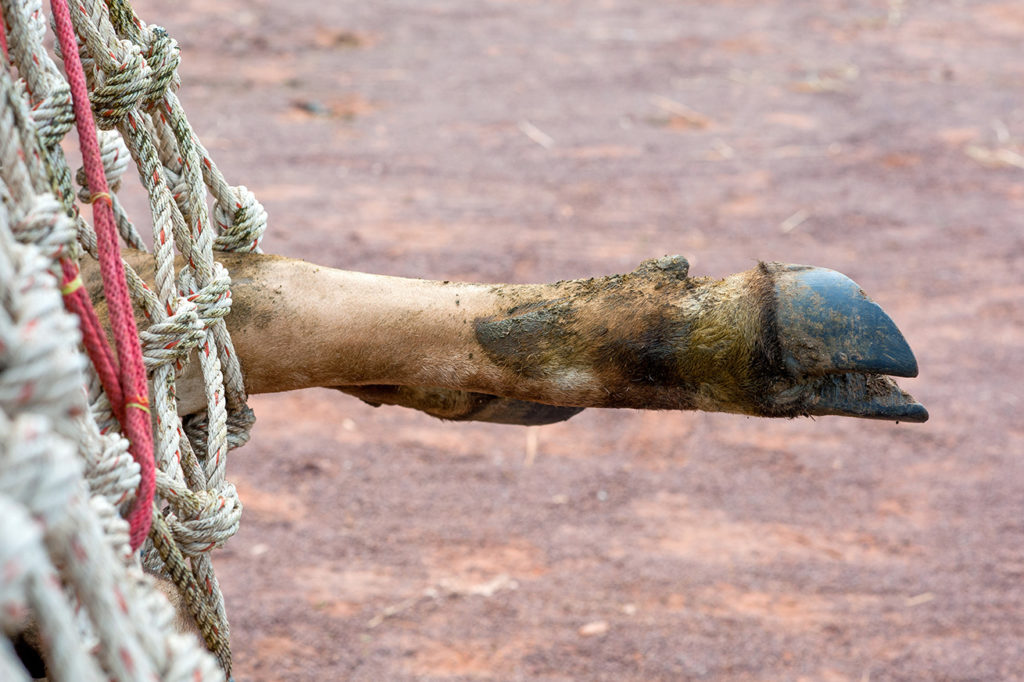
In a devastating blow to its wildlife, South Africa plans to declare its wild animals as meat for human consumption and allow unrestricted farming of everything from lions, giraffes and rhinoceros to tiny antelopes. Under the proposal, any wild animal may be used – no distinction is made between domestic animals and wild creatures. No animal is taboo. The proposed Act of Parliament specifically lists 104 wild animals that can be farmed, but also stresses that the law will apply to all other species of animals including birds, fish and reptiles. Their genetic material, embryos and body parts can be harvested and traded. The mighty lion is already treated just like a cow: lions can be bred and slaughtered for their bones to be sold on international markets as a substitute in tiger bone wine and used in jewellery. Lion cubs can be taken away too early from their mothers, who will give birth to many more offspring in their lifetimes in captivity than they would in the wild. The proposed amendment to the Meat Act (2000) will worsen the conditions of lions and all wildlife in South Africa. There will be no more wildlife, only livestock and meat. The South African Meat Safety Act of 2000 regulates the safety of meat and animal products, abattoir standards, and the import and export of meat. This February, the Department of Agriculture, Land Reform and Rural put forward motions to include in the act an inexhaustive list of creatures that “may be slaughtered as food for human and animal consumption”. Even worse, the amendment is to include “animals that may be listed as threatened species in accordance with conservation provisions”. This could be an important development for game farmers, according to the Farmer’s Weekly, and would allow them to legally slaughter their game populations, and distribute the meat in a sanitary and safe manner. According to WWF, the wildlife game meat economy can contribute to rural development, job creation and security through the establishment of abattoirs in private and state-owned conservation areas. Why the law should extend to cover animals such as lions is a troubling mystery, since South Africans do not customarily eat lion meat. EMS Foundation sheds some light on the matter. They report that a challenge to the lion bone export trade in South Africa has been that, until now, the bones have been exported as “trophies”, but because they are used for human consumption, they need to be exported under a food export permit – and therefore regulated under the Meat Safety Act. The same would apply for any species being exported for human consumption – be that food or medicine. Until now, lions have not been included on the list of meats suitable for human consumption in the Food Safety Act, nor in the Meat and Animal Export Procedures of South Africa, according to EMS. The same applies for rhinoceros. The new Meat Safety Act amendments change all of this. Now, any animal can be exported under the new food safety and export laws, and the way for trading in the prized lions and their bones has been smoothed. The Meat Safety Act amendments argue that the new rules might benefit land owners seeking to slaughter their excess animals, but in combination with the recently passed Animal Improvement Act, the scenario becomes more sinister. The new laws leave many grey areas for an already murky and poorly-regulated captive game industry, and there are no guarantees that wildlife would be kept under the same free-ranging conditions as the WWF might suggest. The proposed laws raise other questions, such as why endangered species like the rhinoceros, oribi – or any other species for that matter – should be included on a list of species deemed appropriate for human consumption and export. As Italian magazine, La Stampa, points out, the export market is highly profitable, and the “meat” is not limited to what people will eat. Effectively, the combination of these acts promulgated by the Department of Agriculture, Land Reform and Rural Development together with the Department of Environmental Affairs, Forestry and Fisheries, allows for the export of any of South Africa’s endangered wild animals, not just those on the list. The government can simply introduce the new regulations based on advice from ‘experts’. In practice, that largely means people sympathetic to the government’s wishes, with animal welfare organizations mostly excluded from the process. If this isn’t Machiavellian enough, the government has put a time limit on when submissions can be made – April 30 is the deadline and South Africa is in total lockdown until then because of the corona crisis. Insult is piled on to injury because the legislation is being driven by South Africa’s Department of Agriculture, Land Reform and Rural Development which is charged with ensuring the well-being of numerous endangered species. Minister Thoko Didiza seems to be following China’s laws on wildlife, where until recently stock farming of wild species has been commonplace. “Well, we know how that turned out,” said the Animal Survival International (formerly Political Animal Lobby)’s Nicolette Peters. “China’s so called wet markets, where wild and domestic animals are held in close proximity in unhygienic conditions and in close contact with humans.” The outbreak of the COVID-19 coronavirus, is believed to have originated in a wet market, from a wild animal – potentially a pangolin. ASI is outraged that, in the midst of a global pandemic that is believed to have originated from contact between humans and wild animals, the South African government is proposing a law that will allow unfettered consumption of any animals whatsoever, wild or tame. It is well-established that lion bones can carry diseases and toxic sedative residues that can be harmful to human health. Even more commonly-eaten game meats are increasingly prone to disease, and the need for antibiotics to treat them. Opening up the entire South African biota to global consumption is blatantly irresponsible and retrogressive when it is well-established that 70% of new infectious
First Chinese City to Outlaw Dog and Cat Eating
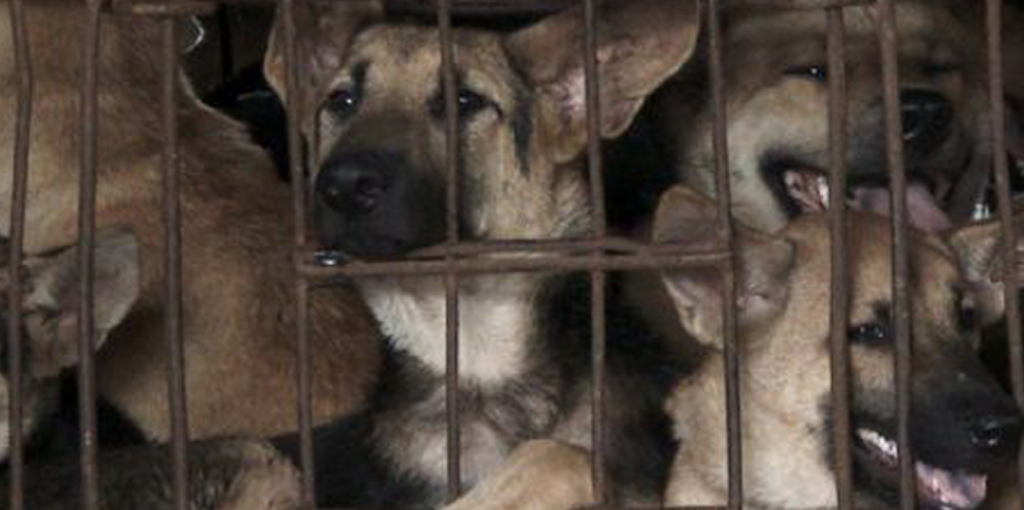
This ban on dog and cat consumption follows on the Chinese government’s moves to regulate the wild animal trade in the wake of the coronavirus outbreak.
Chimpanzees, Orangutans and Gorillas in Great Danger of COVID-19
Sensible steps have been taken to isolate the animals, but the coronavirus could be devastating to them.
The Billion Dollar International Trade In Reptiles Ignored Health and Helped the Coronavirus
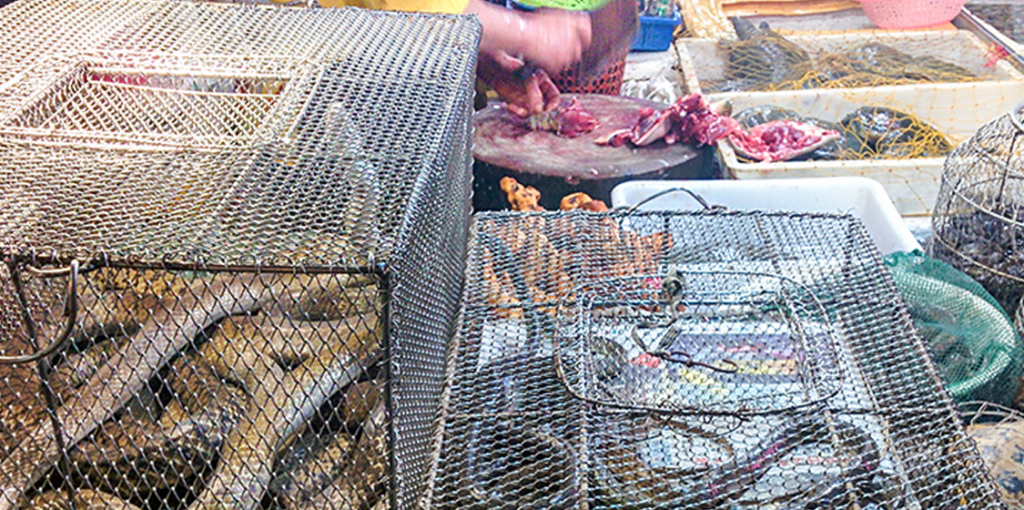
Much of the reptile trade takes place online and through social media platforms like Facebook, Instagram and YouTube.
Pangolin Trade Now Batters Africa’s Population
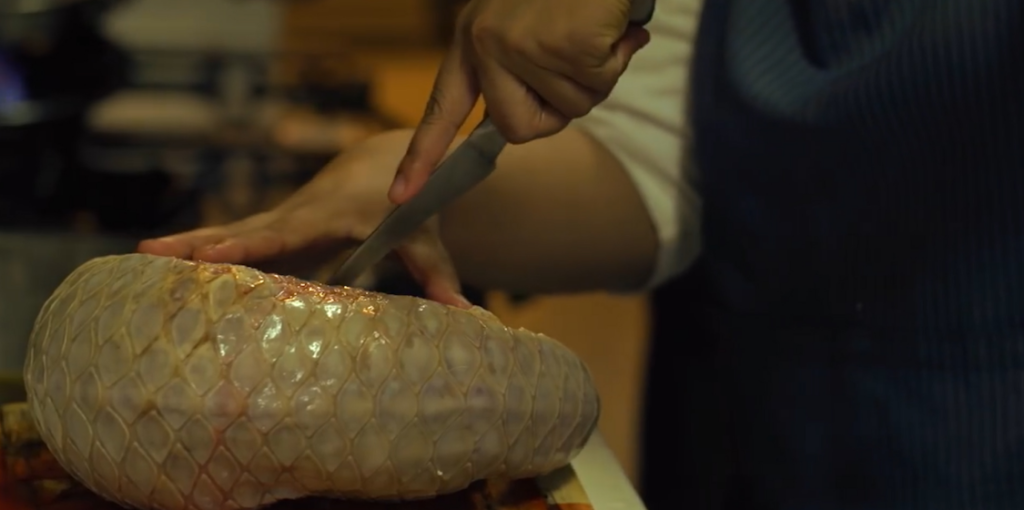
The opening up of an African trade in pangolins could tip the balance. Pangolins are likely to be extinct in the next twenty years at current poaching and trading rates.
Coronavirus
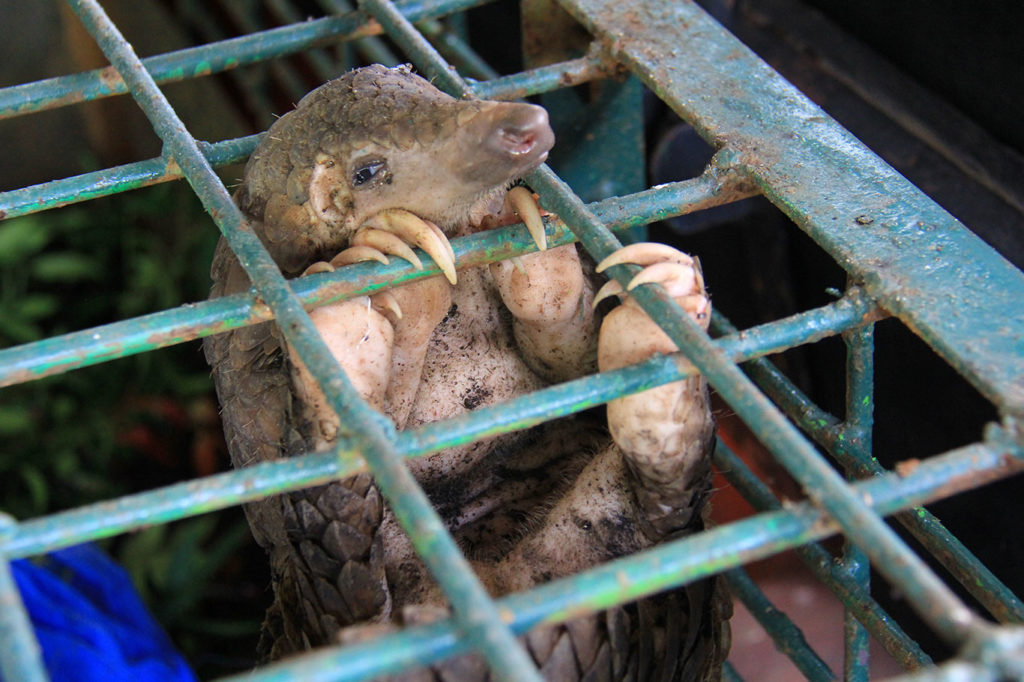
URGENT! Animal cruelty caused Coronavirus, now is the time to stop China’s live market trade FOREVER.
Tentative Victory for Common Sense as British Government Announces Plan to Curtail Badger Culling
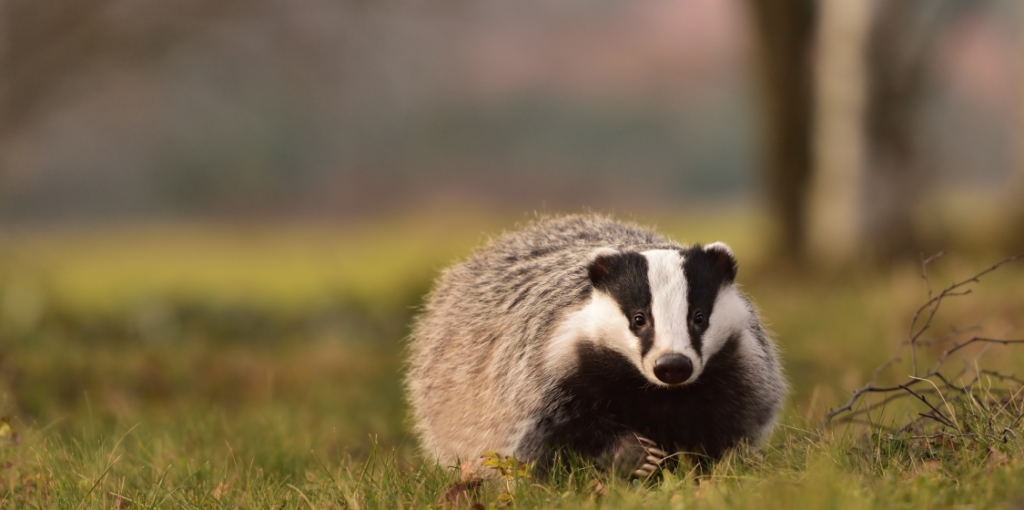
Badger culling should be stopped immediately because if it continues for another five years, many badgers will die for no purpose whatsoever.
Outrage as Animal Welfare Groups Listed on Terror Chart

To list those of us who care about animals, alongside neo-Nazis and religious extremists is an outrage.
Aerial Study Proves Increased Elephant Poaching in Botswana
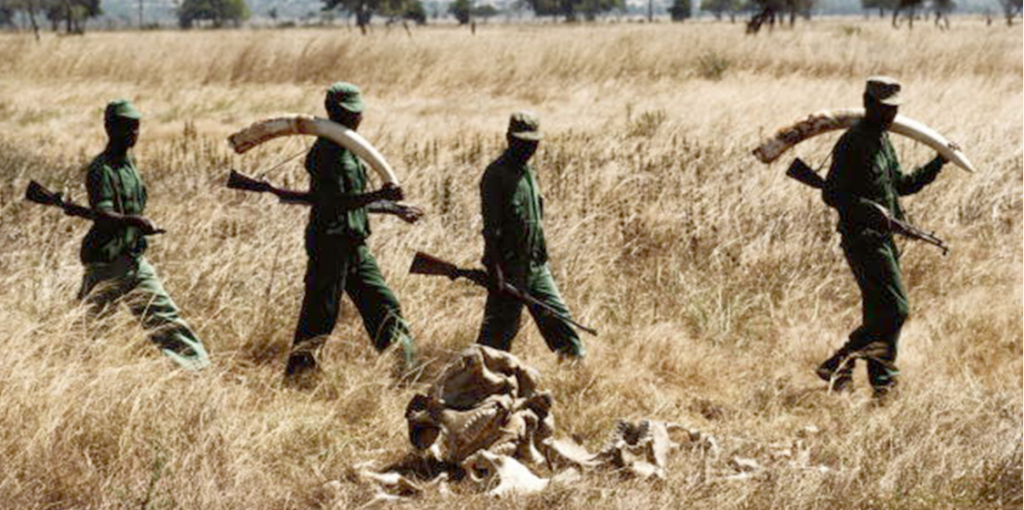
There are now around 415,000 African elephants left, and Botswana is home to about a third of them.
Botswana Election Result Is a Huge Setback for Wildlife Conservation

Encouraging people to kill elephants sends the wrong message to poachers – a message that says Botswana is a place that doesn’t care about elephants.
Philippines Court Cases

ASI has been fighting for decades to end the illegal dog meat trade in the Philippines. We work closely with law enforcement agencies to track down the evil people who kidnap dogs for slaughter. During a police raid on a dog meat trader’s secret “stash,” officers discovered kidnapped dogs being held for slaughter in a cruel, concrete pit. We rescued them all. It felt so good for our team to lift those suffering souls from that sweltering hellhole in the Philippines, and supporters like you made it happen. But what if our work stopped there, with the rescue? What if there was no prosecuting, convicting, or imprisoning of these brutal dog meat criminals? It would be the saddest kind of dust in the wind, and the killing and the kidnapping of defenceless dogs would continue. This must never be! That’s why we are asking for your help today to fuel a battle against the Philippines dog meat trade that is as critical as our raids and rescues. The battle in the courtroom. Rush your donation now to help us serve up justice to dog meat traders and traffickers in the Philippines, and end their ugly reign of terror. Let us tell you about what has unfolded since we rescued those five poor dogs (they are all safe and in loving homes today). THIRTEEN traders convicted! THREE now locked in prison! OVER ONE MILLION pesos in fines to the government! My team appears at trial after trial, no matter how slowly the judicial process takes. One recent case stretched 24 months but ended in the conviction of two traders. Another took nearly NINE years! Just imagine the grim fates of untold numbers of dogs if we’d run out of funds to pursue each case. Justice is deeply worthwhile, but costly. Sadly, all fines go to the government. My team receives no help for their heroic work and determination. So, I turn now, to you. I know a court hearing isn’t as dramatic as a rescue or a raid. But they are transporting poor, dead dogs by the truckload! Can you imagine stopping even one of these heartless criminals in their tracks? It’s dangerous but VITAL work. Your support now WILL SAVE MORE DOGS, so please be as generous as you can. Thank you so much for being a true friend to dogs in the Philippines.
The World’s Most Trafficked Animal Is on the Verge of Extinction
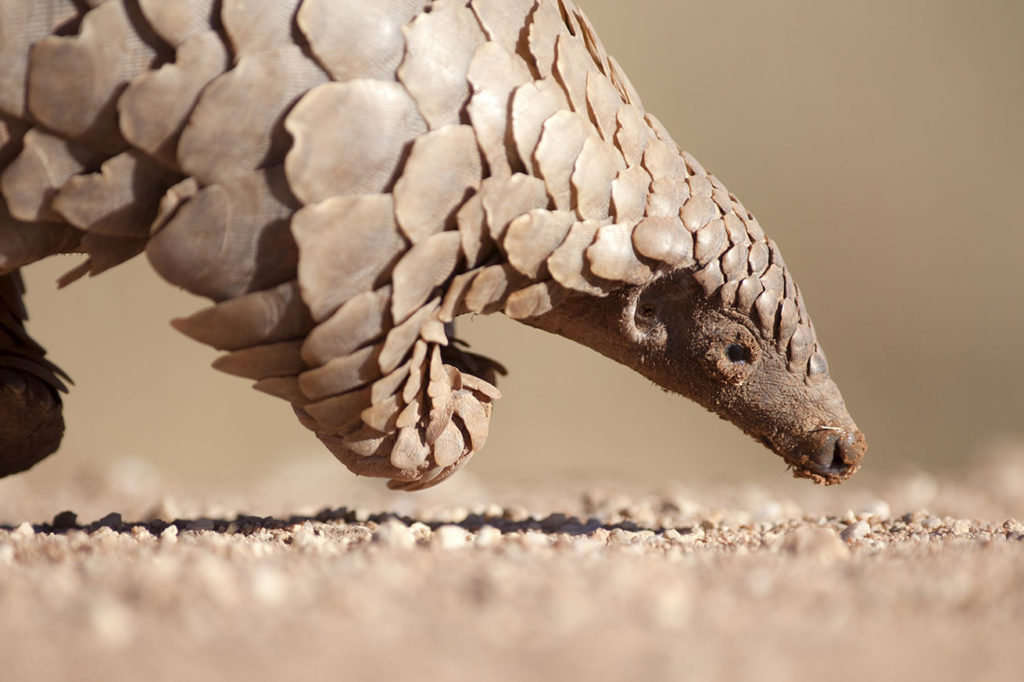
Pangolins are under threat. Their extinction is imminent and once again it’s all thanks to mankind. More than one million pangolins have been poached or trafficked in the last decade alone and this lucrative business is thriving. In some parts of the world pangolins are beaten and suffocated with smoke, then boiled alive. Some restaurants in Vietnam even go a step further and slaughter live pangolins at the dinner table. The Animal Survival International’s (ASI) is actively involved in global campaigns to get governments to pass stricter laws and mitigate this catastrophe. “We cannot allow this horrendous slaughter to continue, something has to be done. These solitary and peaceful creatures are one of the most trafficked mammals in the world, accounting for as much as 20% of all illegal wildlife trade,” said ASI’s Andrea Matthee. Pangolins are mainly traded for their scales, which Chinese medicine incorrectly states can be used to treat several illnesses. The plight of the poor pangolin dates as far back as 1820, where King George III was presented with a coat and helmet made with their scales. “This trade is still thriving today, 200 years down the line and it has always been driven by money. The scales from a single pangolin can fetch up to $100,000 (£81,000) on the black market,” explained Matthee. All eight pangolin species are classified by the International Union for Conservation of Nature (IUCN) as being threatened or vulnerable. Two of these species are critically endangered. International trade in pangolins is prohibited in terms of the global Convention on International Trade in Endangered Species (CITES) agreement and yet the trafficking continues unabated. In April, 2019, Malaysian authorities uncovered 27 tonnes of animals and scales – a record breaking bust to the value of over $2 million (£1.6 million). Moreover, in Singapore 26 tonnes were intercepted and in Vietnam five tonnes were confiscated after being found hidden under a container of cashew nuts. Beyond unfounded medicinal ignorance, pangolin meat is also treated as a delicacy and forms a big part of the multibillion-dollar bush meat trade. “It’s time for us to rise up and fight for these voiceless creatures. Authorities around the world continue to turn a blind eye to this scourge but we will continue to fight for the survival of these creatures because if we don’t do it, who will?” said Matthee. Pangolins, or scaly anteaters as they are otherwise known, are solitary and secretive mammals that live in underground burrows or tree hollows. They are found in parts of Asia and across the African continent and are the only mammals in the world to be covered in scales. They’ve got small heads, long snouts and even longer tongues for slurping up ants from inside ant nests.
Botswana to Charge £1,500 ($1,834) For a Licence to Kill Elephants
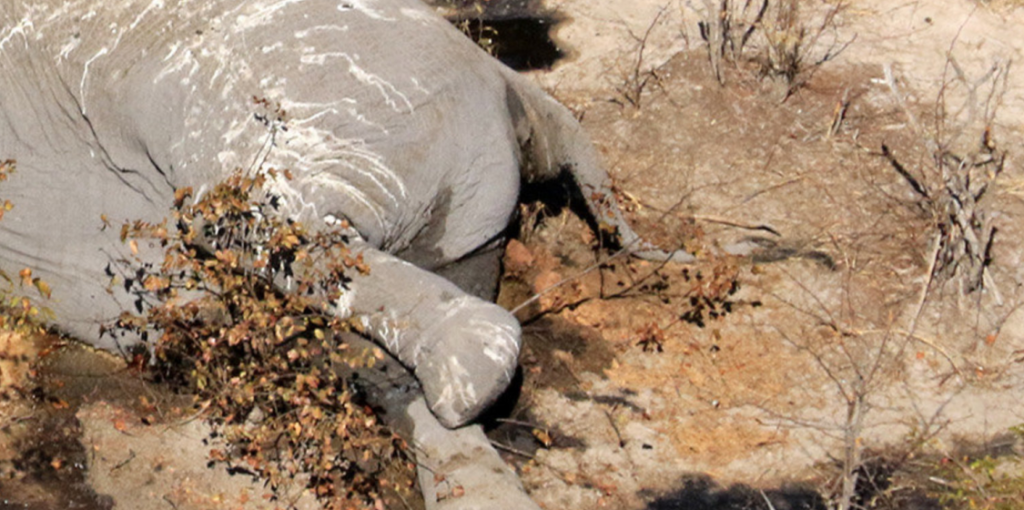
We call upon all our supporters to support ASI in expressing strong opposition to trophy hunting, at a time when elephant numbers are plummeting.
Pangolins
Pangolins are on the verge of extinction. Most people don’t even know what a pangolin is – nor that this shy, nocturnal creature is the most trafficked and hunted animal in the world. Their situation is so serious we really need your help to stop them being wiped out. Pangolins, also known as scaly anteaters, are solitary and secretive, living in underground burrows or tree hollows in parts of Asia, and throughout Africa. Global warming and deforestation threaten their habitat – but there’s a more dire, existential threat: human ignorance and greed. They are slaughtered for their skin and scales and hunted for a fake medicine or status meal. More than ONE MILLION pangolins have been poached or trafficked in just the past decade! The shy, reclusive, almost unknown creatures are being wiped out because of criminal activities that are out of control. The trade is driven by money: the scales from a single pangolin can fetch up to £80,000 ($100,000). In China and Vietnam, they are boiled to make potions falsely believed to cure cancer and skin conditions, and boost virility. To make it worse, pangolin meat is prized as a delicacy in these countries. These meals are routinely accompanied by unspeakable cruelty. The Oxford University’s Wildlife Conservation Research Unit (WildCRU) has documented live creatures beaten and suffocated with smoke, then boiled alive. Waiters in upmarket Vietnamese restaurants offer to procure live pangolins and slaughter them at the table. The pressure for horrific poaching and trafficking is as strong as ever. Pangolins range in size from really small, at just 12 inches (30cm) long, to the giant pangolin, at around five feet (1.5m). All eight pangolin species are classified by the International Union for Conservation of Nature (IUCN) as being threatened or vulnerable, and two are critically endangered. International trade in pangolins is prohibited in terms of the global Convention on International Trade in Endangered Species (CITES) agreement. Yet, the trafficking continues unabated. In April, Malaysian authorities seized a 27-ton consignment of animals and scales, the highest ever in that country, with an estimated black-market value of £1.6m ($2-million). Police in Singapore intercepted shipments of scales totalling 26 tons, and in Vietnam, authorities confiscated five tons hidden in a container of cashew nuts transported from Nigeria. In separate recent discoveries, a further ten tons of scales were seized in Uganda, the Philippines, and Hong Kong. With numbers like that, it is only a matter of time before all the pangolins have gone. Pangolins need better law enforcement if they are to be saved from extinction. ASI needs your help to spread awareness about an impending global disaster. Please, if you possibly can, donate today so that we can make sure these precious creatures don’t slide unnoticed into extinction. Soon, the expression will no longer be: dead as a dodo, but dead as a pangolin, another creature that the world failed to save.