


Victory For Wildlife: South African Court Rejects Hunters’ Challenge To Animal Well-Being Protections
Article written by WAN team Originally published by World Animal News, 13th October 2026 ASI welcomes the decision by the Constitutional Court On October 9, South Africa’s Constitutional Court unanimously dismissed a challenge brought by the South African Hunters and Game Conservation Association to overturn important animal well-being protections. The ruling preserves requirements to consider animals’ health and quality of life in decisions affecting wildlife. The case centered on provisions in the National Environmental Management: Biodiversity Act that recognize animal well-being as encompassing physical, physiological, and mental health, quality of life, and the ability to cope with their environment. For wildlife, these provisions carry an important message: conservation decisions must consider the well-being of individual animals alongside other goals, including protecting species and ecosystems. The law also gives the environment minister powers to prohibit activities that may negatively affect animals’ well-being and to introduce related regulations. The hunting association challenged the process used to adopt the provisions, arguing that revisions to the definition of well-being should have prompted further public consultation. The Court found that the association had waited more than two years after presidential approval to bring its case and had not satisfactorily explained the delay. The judges declined to overlook that delay, considering the challenge’s prospects only as part of that assessment. The NSPCA and EMS Foundation Trust intervened to oppose the application. The hunting association was ordered to pay their legal costs. The outcome leaves the existing protections in place. Unfortunately, it does not end hunting, but it preserves the requirement to take the well-being of animals into account and the government’s powers to develop further welfare measures. World Animal News and Peace 4 Animals welcome this victory for wildlife. Every animal’s life matters, and protecting them must include meaningful consideration of their suffering, their needs, and their quality of life.
Three wild dogs have travelled farther than any African mammal
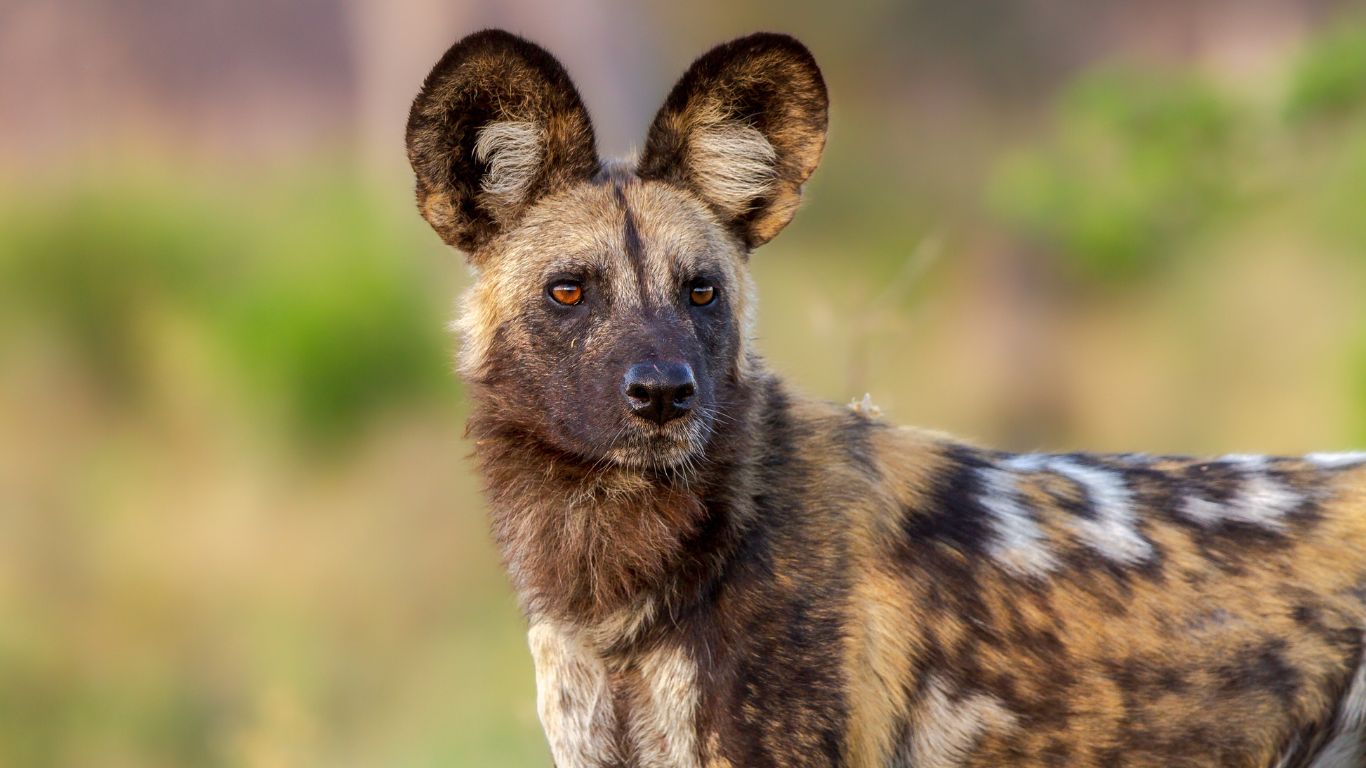
Article written by Phie Jacobs Originally published by Science, 14th September 2026 Record-breaking “odyssey” suggests populations of these highly endangered carnivores are more connected than thought In July 2025, four sisters left their family behind and ventured off into the unknown. Just 2 weeks later, three of their brothers followed suit. Over the next 9 months, these intrepid siblings—all African wild dogs from Zambia’s Kafue National Park—traveled thousands of kilometers, braving untold hazards. Some eventually settled into new territory, having completed the longest movement ever recorded for any African mammal. The others had their journey cut tragically short. The saga, described yesterday in Ecology, highlights the vulnerability of this iconic canine, which remains one of the world’s most endangered mammals. But the findings also suggest wild dog populations are more connected than previously thought, with movements potentially linking ecosystems across eastern and southern Africa. “It’s a fantastic story,” says Sarah Durant, a conservation scientist at the Zoological Society of London who wasn’t involved in the study. “It really adds to what we know about African wild dogs, but also the connectivity of these landscapes.” African wild dogs (Lycaon pictus)—sometimes referred to as “painted dogs” for their splotchy coats—are leaner and longer legged than their distant, domesticated cousins. They are also highly social, living in tightly knit family groups in which communally raised pups are always the first to eat. In these packs, breeding is typically reserved for a single dominant dog of each sex. Subordinate members may stick around to help raise their relatives’ offspring, all while waiting for a chance to become the next alpha. Or they may strike off on their own in search of more immediate breeding opportunities. Predicting which dogs will stay and which will go “is as much of an art as a science,” says study co-author Matthew Becker, who serves as CEO and manager of the Zambia Carnivore Programme. The dogs that dispersed from Kafue were all 3 years old and members of the refuge’s large Mayukuyuku pack. If they remained there, their odds of reproducing were slim, making them good candidates for dispersal. Hoping to follow the dogs on their journey, Becker and his colleagues outfitted a member of each group with a radio tracking collar. The animals shouldn’t have had to travel very far. Kafue, Becker explains, is something of a paradise for wild dogs. The park spans more than 22,000 square kilometers, making it more than twice the size of Yellowstone National Park, and its diverse prey species and sprawling woodlands offer dogs ample food and shelter. But rather than stick around, the wild dogs did what they do best: Cover ground. Thanks to their long legs, “otherworldly” gait, and high endurance, African wild dogs “are built to move,” says Scott Creel, a conservation biologist at Montana State University and the new study’s lead author. Once the animals left home, surviving the journey ahead was far from straightforward. Even though wild dogs are carnivores, they often find themselves at the mercy of other predators. Lions are a major threat for both adults and pups, and hyenas are known to steal their hard-earned kills. Swimming across rivers, meanwhile, carries a high risk of being devoured by crocodiles. “They are looking for an opportunity … and they just have to keep searching until they find it,” Creel explains. “It does turn into an odyssey.” After leaving Kafue in July 2025, the females spent several weeks roaming a “buffer zone” game management area next to the park, which offered both less protection and fewer prey than the terrain they had just left. The males, meanwhile, moved eastward into an unprotected region of central Zambia. Both groups eventually reached the outskirts of large, populated cities, including Kabwe, Kitwe, and Ndola, avoiding these settlements with the same shallow turns and superfast sprints they use to avoid lions and other threats. Then in September 2025, something remarkable happened. After both groups had moved more than 1000 kilometers from their home range, the Mayukuyuku siblings reunited for a single day, only to split up again. The males headed south, retracing their steps and steering clear of major roadways. The females also headed south, toward Kabwe, arriving at a forested patch outside the city on 10 October. It would prove to be a fateful decision. Tracking data from the following week show the group’s collared female began to move strangely, in a back-and-forth pattern typically seen in dogs that have newborn pups or are returning to an injured packmate. One of the uncollared females probably had been caught in a wire snare set for bushmeat hunting, and her sisters refused to abandon her. On 23 October, the collared female likely met the same fate: Her collar was cut off, severing the researchers’ connection to the group. These traps, Creel explains, represent “the single largest threat to African wild dogs right now.” The Mayukuyuku males, meanwhile, found their way around Kabwe and headed east, where they encountered and managed to cross two large reservoirs. The group eventually settled into a new territory at the top of the Great Rift Valley Escarpment, some 419 kilometers from their birthplace in Kafue. In all, the males’ winding journey across Zambia had taken them a total of 4126 kilometers—the longest dispersal path recorded for any African mammal. Wildebeest, by contrast, move up to 1800 kilometers during their epic annual migration between Kenya and Tanzania. When combined with other recent studies of other wild dog migrations, the new findings suggest wild dog populations remain connected across much of eastern and southern Africa, despite the vast gulfs between each population’s home range. At one point, the Mayukuyuku males passed within just a few kilometers of a group of females whose own home range in eastern Zambia lies more than 500 kilometers away from Kafue. The observations raise hopes that African wild dogs can recolonize areas where they were once assumed to be locally extinct. Malawi’s Kasungu National Park, for example, recently reported wild dogs for
Why are we bombing Kenya?
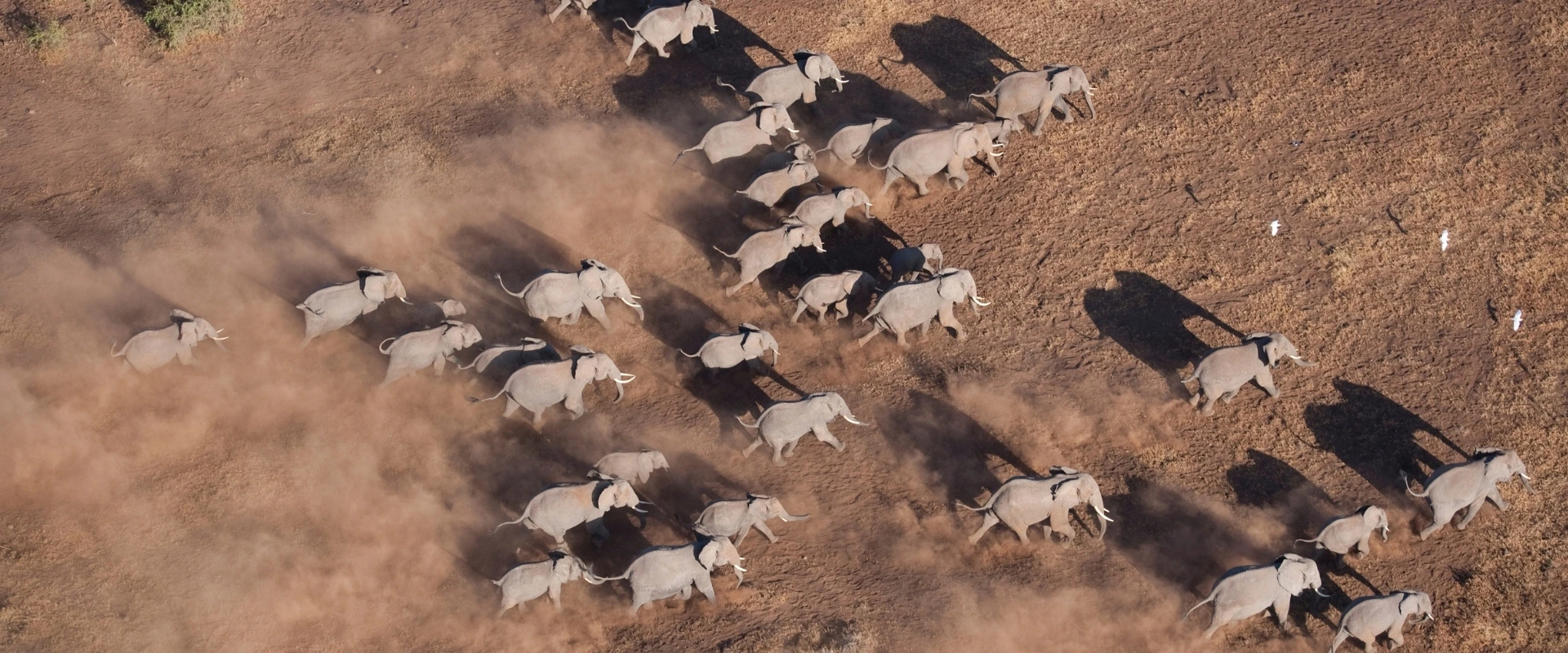
What if we could plant a forest… from the sky? This October, a group of pilots has offered their aircraft to help us carry out the largest seedball airdrop Animal Survival International has ever attempted – sending millions of tiny indigenous seeds onto some of Kenya’s most degraded landscapes. But we need your help to make it happen. As Kenya’s forests disappear, elephants, giraffes, birds, antelope and countless other wild animals are being pushed into an ever-shrinking number of remaining green spaces. As deforestation strips Kenya’s landscape bare, wild animals lose the food, shade and shelter they depend on to survive. Source: samjbasch/iStock Kenya is losing on average 209,337 acres (84,716 hectares) of forest each year. As trees vanish, so does the food, shade and shelter that wild animals depend on. For an elephant searching for food or a bird looking for a safe place to nest, a bare, treeless landscape can put survival at risk. That is why we are preparing for an extraordinary reforestation mission: taking seedballs to the sky and dropping them across areas where forests have disappeared. Each seedball is tiny, containing an indigenous seed protected inside a coating of charcoal dust. But dropped in the right place, at the right time, these little packages become something much bigger – trees, forest, food and shelter for wildlife. This October, timing is everything. Plans are underway to drop seedballs from the sky across areas where forests have disappeared, scattering tiny seeds that could grow into trees and help bring lost forests back to life. Source: Seedballs Kenya The El Niño weather pattern is predicted to be extremely intense, with meteorological forecasts indicating wetter conditions across Kenya’s arid and semi-arid belt from October 2026 to January 2027. This rain could give scattered seedballs the moisture they need to germinate and begin restoring degraded landscapes much faster than usual. Miss this window, and it could be too late. Six tonnes. Three million seedballs. The potential for 600,000 new trees. We are racing to fund a massive seedballs airdrop before the rains arrive – putting more indigenous seeds into Kenya’s degraded landscapes than we ever have before. With your help, we can fill an entire aircraft cargo hold with millions of tiny seedballs and send hundreds of thousands of potential trees raining down over areas in desperate need of new life. Your donation can help us put a forest in the sky: $5 (£3.70) – 500 seedballs, 100 trees $20 (£14.80) – 2,000 seedballs, 400 trees $100 (£74) – 10,000 seedballs, 2,000 trees $5,000 (£3,700) – ONE TONNE LEGACY! 500,000 seedballs, 100,000 trees NOTE: Tree estimates are based on an average 20% seedball germination rate. What began as a tiny seedball is now a growing seedling, one small step toward restoring the forest that was lost. Source: Seedballs Kenya Seedballs work. We really can help to create a new forest by bombing the ground with seeds. Imagine looking up as an aircraft passes overhead and seeing the foundations of a new forest falling from the sky. Imagine those seeds taking root, trees beginning to grow, and elephants, giraffes, birds and other wild animals returning to a landscape that has finally turned green again. That is what we are working to make possible. But we can only do it with your support. Please donate generously to Animal Survival International today and help us get these seedballs into the sky, onto the ground and growing for Kenya’s wildlife.
Your gift will be doubled to help save Africa’s rarest elephants
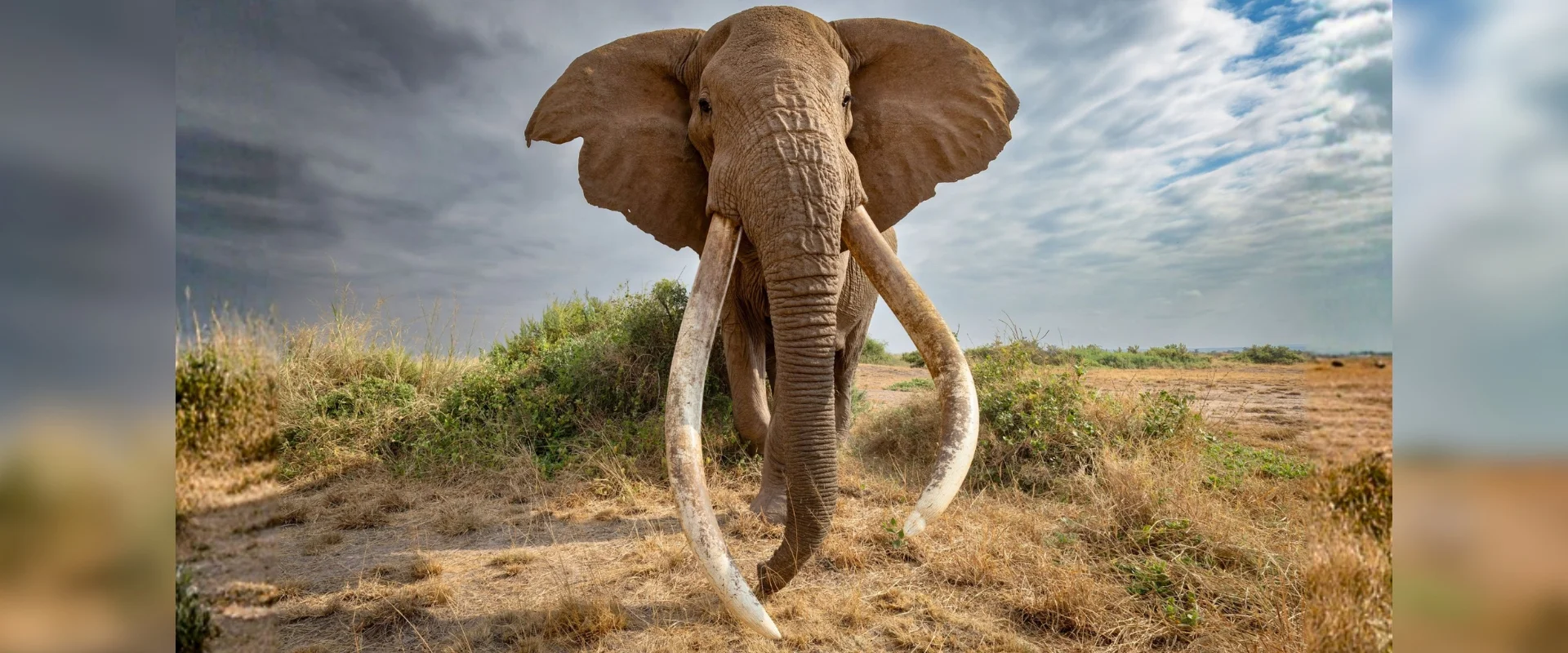
There are moments when your compassion can change far more lives than usual. This is one of those moments. A generous supporter has offered to double every donation made toward this appeal for East Africa’s super-tusker elephants, up to our fundraising goal. That means your gift today can have twice the impact. A donation of $50 (£37) instantly becomes $100 (£75). A gift of $100 (£75) becomes $200 (£150). For a limited time, you have the rare opportunity to protect twice as many of East Africa’s last remaining super-tusker elephants. But this extraordinary opportunity is time-sensitive. Fewer than 30 super-tusker elephants remain in East Africa Imagine standing beside an elephant so immense that its ivory tusks almost touch the ground. These are Africa’s legendary super-tuskers – elephants carrying some of the world’s most extraordinary genetics. They have survived decades of relentless poaching, shrinking habitat and increasing conflict with people. Every journey a super tusker makes is dangerous. Poachers know their routes, and their extraordinary tusks make them a target. Credit: Africa Geographic Today, fewer than 30 are believed to remain in East Africa, and only 90 on the entire continent. If we lose them, we lose far more than individual elephants. We lose an irreplaceable part of Africa’s natural heritage forever. Every journey these giants take could be their last. As these magnificent elephants move between Kenya’s Amboseli National Park and Tanzania’s Kilimanjaro landscape, they face constant danger. Poachers know where elephants travel. Trophy hunters covet their enormous tusks, which weigh as much as 100 pounds (45 kilograms) each. Without protection, even one encounter could end the life of an elephant that has survived for half a century or more. That is why our partner, Conservation Through Tourism (CTT), urgently needs additional anti-poaching drones. Eyes in the sky. Hope on the ground. These specialized drones allow rangers to monitor elephants across vast landscapes in real time. From the air, they can detect suspicious activity, locate vulnerable elephants and respond far more quickly to threats than would ever be possible on foot. Every extra drone dramatically expands the area that can be protected. Every extra drone gives these remarkable elephants another chance to survive. Today, your gift goes TWICE as far. Thanks to our generous matching donor, your support today will do twice as much to help purchase these life-saving drones. Super tuskers must cross largely unprotected corridors to survive. For these elephants, more drones could mean the difference between life and death. Credit: CTT That means: Your compassion reaches twice as far. Your generosity protects twice as much habitat. Your gift helps safeguard twice as much of the landscape these elephants depend on. It is rare to have an opportunity like this. Please don’t let it pass by. You can help write the next chapter for these giants. Every super-tusker still walking East Africa today has survived extraordinary odds, but they have never been more threatened. Your gift today will be matched dollar for dollar, helping CTT obtain the equipment needed to watch over these magnificent elephants before danger strikes. Please give as generously as you can while your donation will still be DOUBLED. Together, we can help ensure that these gentle giants continue to roam the wild landscapes they have called home for generations.
Baby, the sloth, held onto me the way she should have been embracing her dead mother
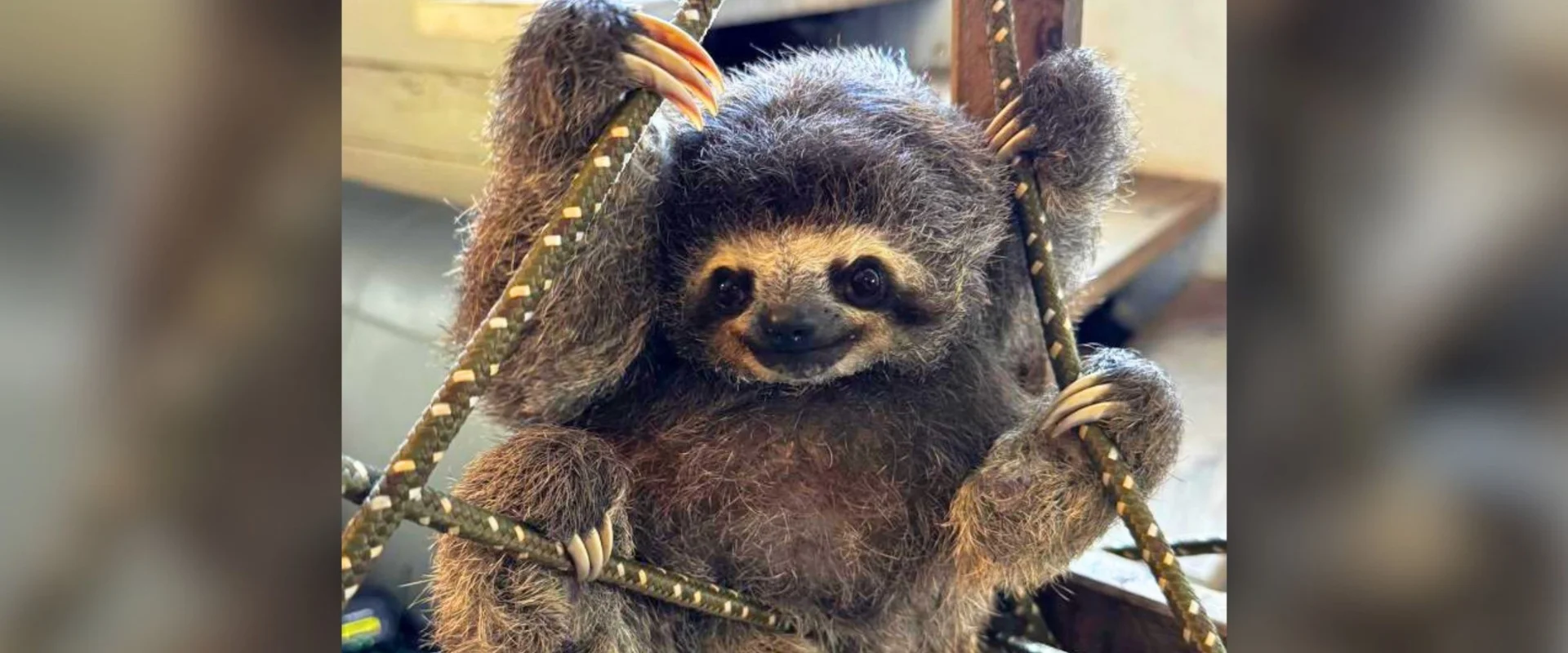
A few days ago, I wrote to you about Baby, the orphaned sloth in Venezuela whose mother was killed by stray dogs. I am writing again because we have not yet raised enough funds to give her rescuers the equipment they need. Baby is safe and growing stronger. But the danger facing Venezuela’s sloths has not changed. Her rescuers are still responding to sloths stranded on power lines without all the insulated equipment they need to reach them safely. The next call will come – whether the team is properly equipped or not. I am asking again: please consider making a gift today. Baby’s rescuers have almost no funding and every contribution will help them continue their vital work. Baby was only days old when stray dogs killed her mother near Caracas. She was entirely dependent on her. Everything a young sloth needs – milk, warmth and the long apprenticeship that teaches her which leaves to eat and which branches will hold her weight – Baby should have learned from a mother who was no longer there. Sloths are tree-dwelling mammals found in the forests of Central and South America. They are roughly the size of a large house cat, with long, curved claws that work like hooks and an extraordinarily slow digestive system that can take weeks to process a meal of leaves. Baby is a brown-throated three-toed sloth. She belongs in the forest canopy. For now, she is being hand-reared in the home of the people determined to return her there. Baby is doing well. She now weighs almost a kilogram, nearly four times what she weighed when she arrived at Fundación Chuwie. At two kilograms, the next stage of her rehabilitation will begin. Source: ASI/Dan Snyders When I met her, her grip explained everything. At our partner, Fundación Chuwie, Baby was placed briefly against me under her rescuers’ supervision. She took hold of my clothing immediately, and her grip was astonishing. It felt like an embrace. It was nothing of the kind. An infant sloth grips because, in the forest, letting go means falling from the trees. Baby was following the instinct that should have kept her attached to her mother. Built for a forest that is coming apart. Sloths are superbly adapted to the forest canopy. They move slowly enough not to register as movement, and algae grows in their fur, tinting them green until they disappear into the leaves. A predator can look directly at a sloth and fail to see an animal at all. When development breaks that canopy into fragments, every one of those adaptations turns against them. A sloth on the ground cannot outrun a dog or escape a car. And where branches have been replaced by cable, it will reach for a power line exactly as it would reach for a vine – then hold on, because holding on is the only thing it knows how to do. One rescued sloth started a project that now helps 300 every year. Juan Carlos and Haydée Rodríguez found a sloth grievously injured on a high-voltage line. They had no training. They called specialists in Costa Rica and Panama, did as they were told, and the animal lived. They named him Chuwie, and his face is now the logo of the foundation his rescue created. They care for sloths in their own home, because the animals keep arriving – around 300 a year, attacked by dogs, struck by cars or stranded on power lines. They have never turned one away. If a sloth finds its way onto a power line, getting it down safely is specialist work. A frightened animal grips with enormous force, and pulling it free will be terribly painful. Rescuers use insulated tools to reach it, cut it free and lower it without anyone touching a live line. The power lines around Caracas have become death traps for sloths. Specialized equipment like insulated poles and hot-stick tools are needed for emergency rescues. Source: Fundación Chuwie Everything depends on that equipment being in the vehicle before the call comes. Animal Survival International is raising $6,400 (£4,800) to equip Venezuela’s only sloth rescue team properly – insulated poles and hot-stick tools, a pole saw, a ladder, gloves, nets, transport crates, recovery enclosures, first-response supplies, orphan formula and fuel. Here is exactly what your gift buys: $25 (£19) – formula and supplements for an orphan like Baby $100 (£75) – gloves, nets and a transport crate: what it takes to carry one sloth safely $350 (£265) – a recovery enclosure, so an injured sloth heals properly $900 (£680) – the insulated rescue poles. The difference between one casualty and two. Baby is doing well. Most sloths are not. Baby now weighs almost a kilogram – nearly four times what she weighed when she arrived. At two kilograms, the next stage of her rehabilitation begins, and if she keeps going as she is, she may one day go back into the forest wearing a tracking device. But any donation you give is not only about Baby. The equipment will still be there for the next sloth, and the one after that. It cannot put a forest back together. It decides whether a rescuer reaches an animal safely, whether an injured sloth is carried without being hurt further, and whether the next orphan is fed. Baby survived because trained people were ready. Please help us keep them ready.
Wild animals need your help after wildfires in France destroy their homes
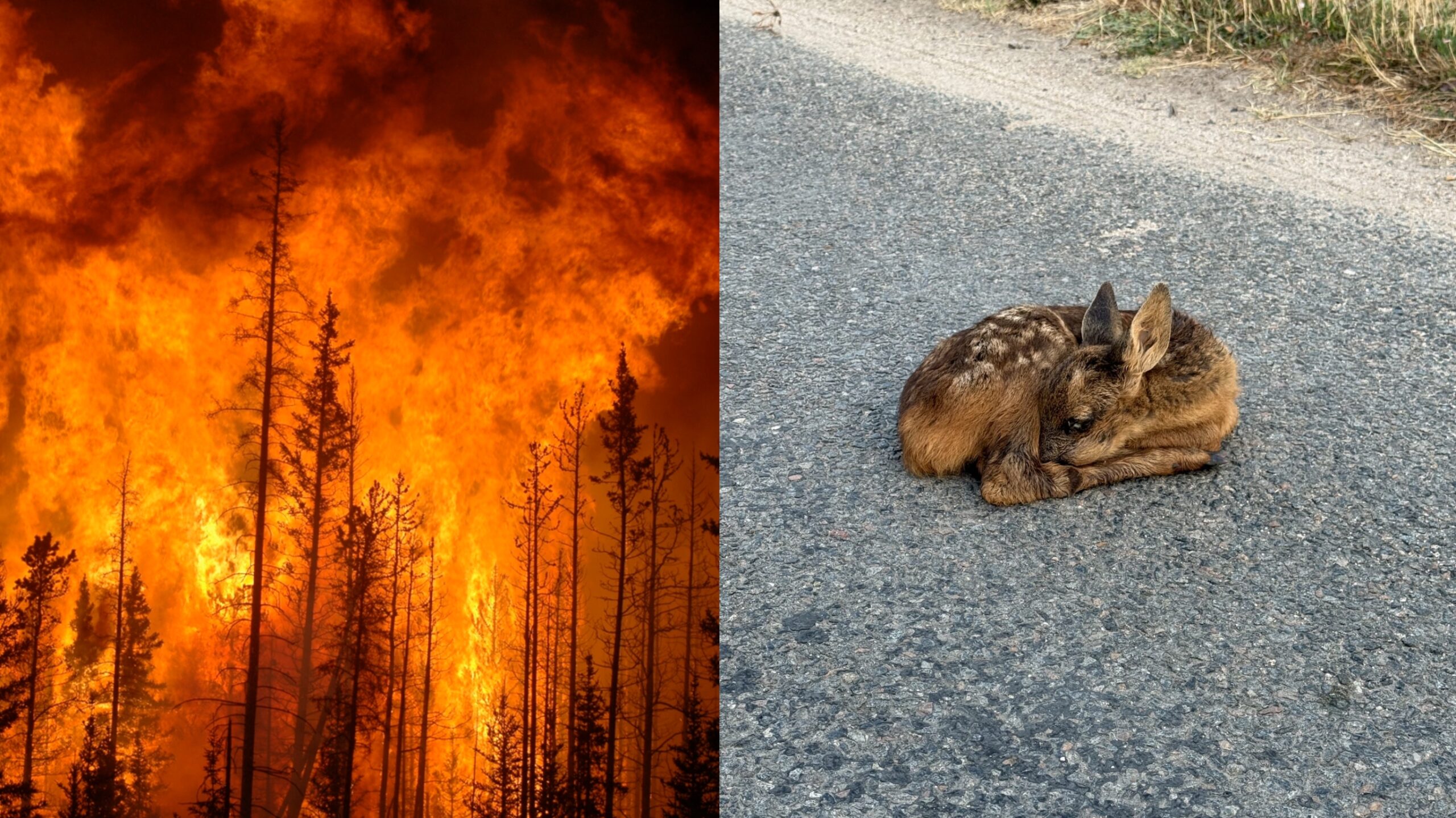
Catastrophic wildfires have left a trail of devastation in southwestern France, reducing thousands of hectares of precious wildlife habitat to ash. Entire forests that once sheltered wild animals created death traps for helpless creatures. Those who weren’t burnt to death were forced to flee through walls of fire and choking smoke, leading to severe and debilitating injuries. Wild animals suffer severe injuries, burns and trauma when wildfires tear through forested areas. Source: FRANCE 24 English We are in a race to save and treat wild animals in France. Even though the fires are now under control, the crisis is far from over for animals in need of rescue and care. We are working with Réseau Centres de Soins Faune Sauvage (RCSFS), in one of the largest wildlife emergency responses in France as these unprecedented heatwaves and wildfires overwhelm animal rescue centers. Animals big and small, from tiny hedgehogs – who curl into defensive balls instead of running – to foxes, squirrels and deer, which collapse from dehydration after fleeing the flames, have died. Young mammals were separated from their mothers in the chaos of fire, left bewildered, terrified and alone. Birds fell from scorched nests, while reptiles and amphibians perished as their habitats were consumed by fire. Those that survived arrived at rescue centers with horrific injuries: burned paws, scorched feathers, smoke-damaged lungs, severe dehydration and overwhelming trauma. Many were orphaned. Others continue to fight for their lives. Emergency teams are on the ground providing life-saving help to wildlife affected by the fires in southwestern France. For illustrative purposes. Photo credit: Réseau Centres de Soins Faune Sauvage (RCSFS). Source: Réseau Centres de Soins Faune Sauvage Veterinarians and wildlife carers are providing emergency treatment, pain relief, oxygen, fluids, wound care and constant feeding for vulnerable, displaced and orphaned animals. But they are being pushed to breaking point. Rescue centers have admitted thousands of wild animals, but supplies are running out and there is no space left. This is why we need to rush emergency support to the animals. Please donate as generously as you can today. The burnt, frightened and exhausted wild animals of France are depending on you. Your gift today will help cover the costs of emergency evacuation and transport, life-saving vet care, critical medications and vital supplies that rescue teams desperately need to continue saving lives. Every hour matters. Every minute matters. We cannot wait a moment longer to help. Please make an urgent gift today.
Orange-lipped monkey that roars and snorts deep in Congo rainforest is new species to science
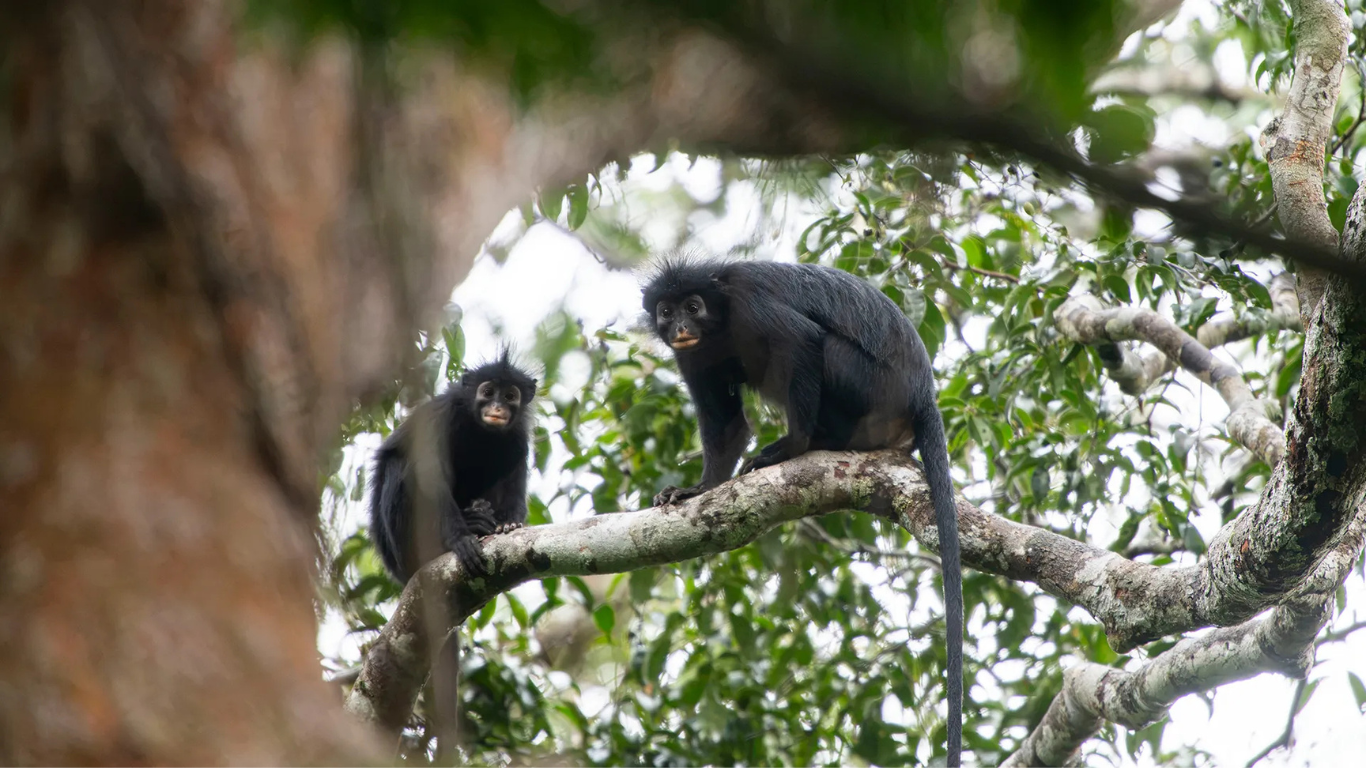
Article written by Chris Simms Originally published by Live Science, 15 July 2026 A striking new monkey species, Colobus congoensis, was discovered deep in the Congo rainforest and has been scientifically described for the first time. Scientists have identified a new species of monkey that has orange lips and makes unique roars and snorting sounds. The distinctive monkey lives in a remote region of the Democratic Republic of the Congo (DRC). It is only the fifth new monkey species to be identified in Africa in the past 75 years, and there might be more unknown monkey species in the region, scientists behind a new study suggested. Researchers named the newly identified species of monkey Colobus congoensis, after the region, and it is known by the common name “likweli” in the local Kilanga language. “This is remarkable because it’s not very common these days to find a new, never-before-documented primate species, let alone a relatively large species of monkey,” said Joshua Linder, an anthropologist and president and co-founder of the The Forest Collective, a nonprofit that aims to conserve and restore tropical rainforests. In 2008, conservationists in the dense rainforests of Lomami National Park, within the Congo Basin in the DRC, photographed an unidentified monkey, but it was partially obscured. Then, in 2018 a similar-looking animal was captured on camera, prompting study co-author Junior Amboko, a Lomami National Park researcher and a Florida Atlantic University anthropologist, to set out to find the mysterious monkey. To see what was already known, Amboko and his colleagues showed the pictures to people from 52 villages around the park. The researchers worked in the Lomami National Park, within the Congo Basin in the Democratic Republic of Congo. Credit: Daniel Rosengren, Frankfurt Zoological Society “These people really know the fauna and flora in the forest,” Amboko told Live Science. “In only eight villages, people knew the monkey — and these were hunters, who know the economic value of animals or how much food each animal can provide, but even they didn’t know much.” Hunters of the Balanga ethnic group called the monkey “likweli,” although the meaning of this name isn’t known. Some in the Mituku local communities called the species “kasaba nkoni,” which Amboko said means “the branch shaker.” This refers to the way colobus monkeys leap from branch to branch, Amboko said. In their searches between 2018 and 2022, the researchers recorded 114 sightings of the species across an estimated range of about 660 square miles (1,700 square kilometers) naturally isolated between the Lomami and Lualaba rivers. They reported their findings July 15 in the journal PLOS One. The monkeys, seen hanging out in groups of between one and 20 individuals, are mainly glossy black, but they have a conspicuous orange patch around the mouth and nose. Bare gray skin on their cheekbones makes it look as if they’re wearing masks. They also have a patch of white fur around the anus. DNA analysis confirmed C. congoensis was a previously unknown species. Credit: Daniel Rosengren, Frankfurt Zoological Society “We’re going with the face and the rump as the two distinctive traits,” said study co-author Kate Detwiler, an anthropologist at Florida Atlantic University. “If you see the face, you see this unique bare skin that’s orange cream. And then if you’re coming from behind, you see this white patch.” The monkeys, which weigh about 15 pounds (7 kilograms), also make deep, loud roars, punctuated by distinctive snorts. These unique vocalizations distinguish them from other colobus monkeys, Detwiler told Live Science. By taking samples, and sequencing DNA, from monkeys killed by hunters and destined for the illegal bushmeat trade, and comparing the results with what’s in museum collections and datasets of genetics, skulls, teeth and pelts for other colobus monkeys, the team confirmed that C. congoensis was a previously unknown species. “My lab got the tissue sample and did the genetics, and we were shocked by how divergent the key area of the mitochondrial genome was from other colobus monkeys,” Detwiler said. The monkeys live in the same forest as the Angola colobus (Colobus angolensis), but their closest relatives are black colobus monkeys (Colobus satanas), which live around 750 miles (1,200 kilometers) to the west, in Cameroon, Gabon and Bioko Island. Researchers think the new species diverged up to 5.78 million years ago. Credit: Daniel Rosengren, Frankfurt Zoological Society “The fact that the results show that the closest living relative to this new species is the black colobus located 1200 km away in West Africa is equally remarkable,” Linder, who was not involved in the new study, told Live Science via email. Detwiler estimates that these close relatives diverged between 5.78 million and 3.44 million years ago — the longest known split between species within the Colobus genus. “The discovery is reshaping our understanding of African monkey evolution,” she said. Given the small geographic range, rare sightings and increasing habitat loss, the researchers recommend that C. congoensis be classified as endangered on the IUCN Red List. The discovery also emphasizes the importance of Lomami National Park, where another previously undescribed monkey, the lesula (Cercopithecus lomamiensis), was reported in 2012 by a team that included Detwiler. The Congolian rainforest ranging across this part of Africa is the world’s second-largest tropical forest, after the Amazon, and about 60% of it is in the DRC. “It is a paradise for biodiversity,” Amboko said, adding that there might be more undescribed primate species there. “If we are able to discover two big new primate species, who knows how many other new mammals, fish, reptiles or plants there could be?”
We continue to help raise funds for drought-stricken animals in Kenya
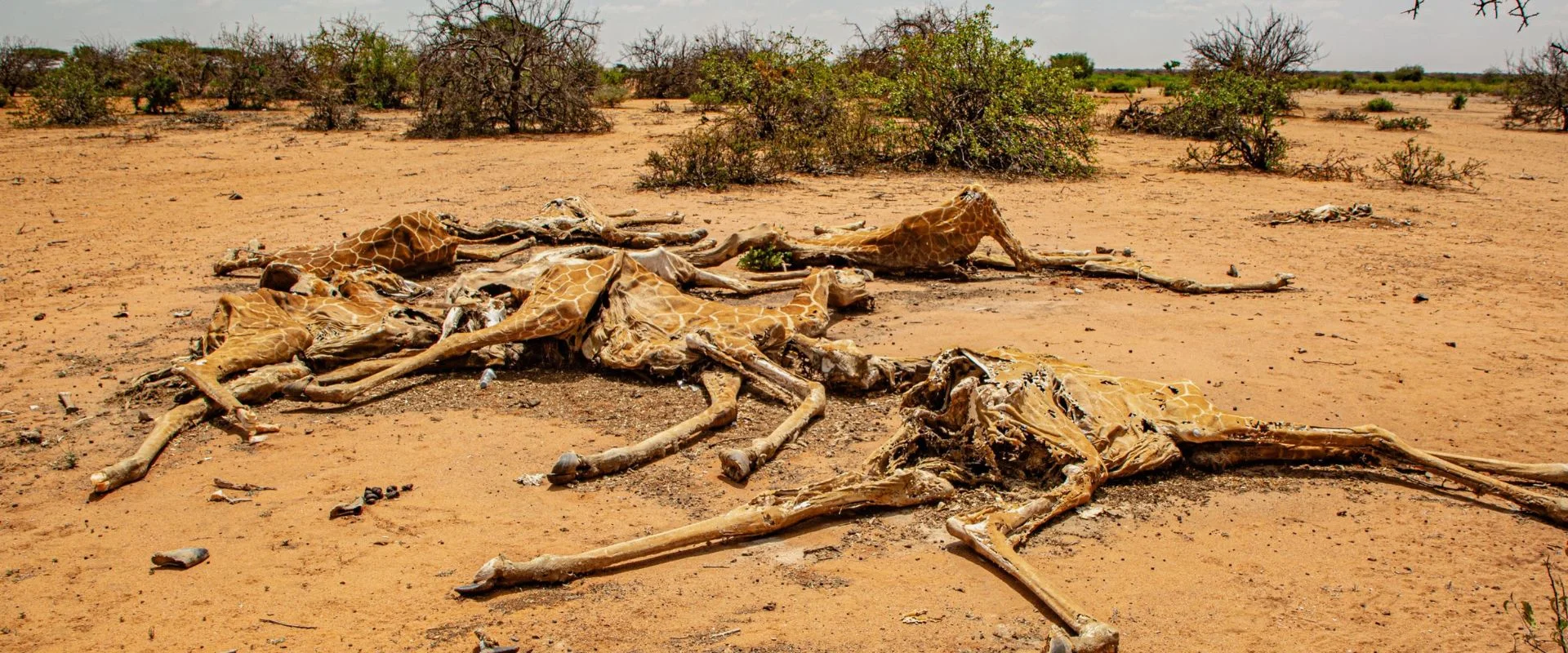
The situation for wild animals in drought-ravaged Tsavo West National Park in Kenya is heartbreaking and critically urgent. The Tsavo ecosystem is a naturally hot, semi-arid region of southeastern Kenya, but in recent years dry has turned to drought because of rising temperatures and repeated failed rainy seasons. Water has been desperately needed for several years but funding has always been a severe challenge. We are working to bring a life-saving water source to thousands of animals struggling through lingering drought in the region — and thanks to supporters like you, we’re pressing ahead as fast as we can. But the drought is relentless, and we must keep helping. We are deeply concerned for the animals awaiting our urgent help. Wild animals are visibly emaciated, exhausted and desperately competing for the last remaining water sources. And for mothers with young calves, every single day is a fight to stay alive. When riverbeds run dry in Kenya’s Tsavo West National Park, animals like this elephant pay the ultimate price. Prolonged drought has made water a matter of life and death. Source: Reuters (top) and Mwalua Wildlife Trust (bottom) They need your help badly. For the region’s 14,000 elephants especially, who need 53 gallons (200 liters) of water per day, the situation is extremely serious. Our partner, the Mwalua Wildlife Trust, says the drought continues to grip the region with brutal force. Water remains desperately scarce, grazing is almost gone and countless animals are starving as competition for survival intensifies. Elephants, buffalo, giraffe, zebra and critically endangered rhino are all struggling to survive lingering drought conditions in Kenya. Many are growing weaker by the day. Some are collapsing from exhaustion and dehydration before they can even reach water, having walked for endless hours and days in search of sustenance that does not exist. Without emergency support, more animals will die. What was once a reliable water source has been reduced to a fraction of its former size by prolonged drought. Source: Mwalua Wildlife Trust Your donation will help get water flowing to the animals before it’s too late. Please make an urgent donation today. Every contribution, no matter its size, could help save the life of an elephant calf, a giraffe, a zebra or another desperate animal fighting to survive under the scorching African sun.
Deepest and most extensive whale graveyard discovered in Indian Ocean
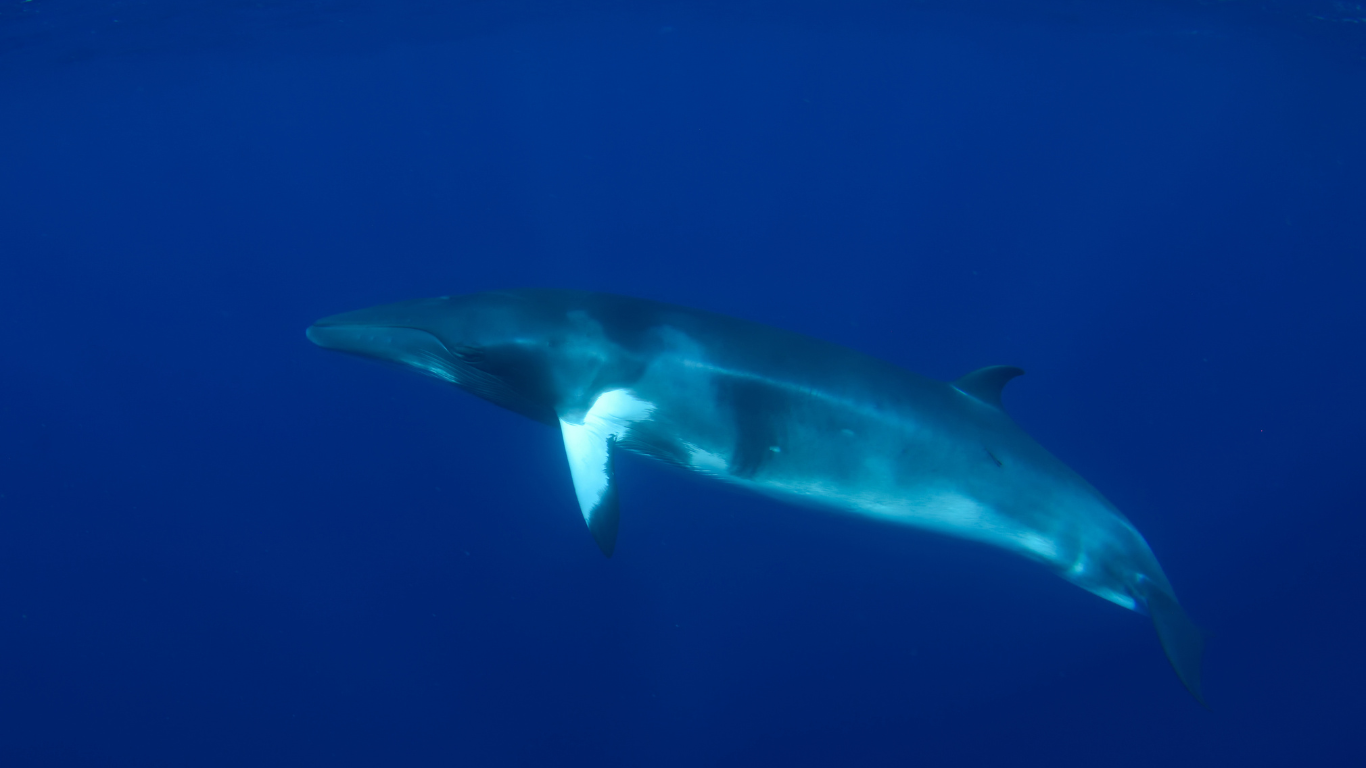
Article written by Nicola Davis Originally published by The Guardian, 10 June 2026 Some remains found in Diamantina fracture zone date back more than 5m years and reveal species and ecosystems unknown to science The oldest, deepest and most extensive whale graveyard yet discovered has been found in the south-eastern Indian Ocean, with fossils dating back more than 5m years. Whale falls – the term for dead whales that sink to the ocean floor – are not uncommon, but most have been found at depths of less than 4km (2.5 miles). By contrast, the newly discovered necropolis reaches depths of more than 7km, and extends hundreds of miles across the sea floor. What’s more, researchers found decaying carcasses teeming with life. Dr Giovanni Bianucci, a co-author of the study based at the University of Pisa, said: “This discovery demonstrates that these extreme and unexplored environments are home to species and ecosystems still unknown to science, and that we are therefore still far from understanding the true biodiversity of our planet. “Furthermore, it shows us that life can adapt and evolve even in extreme environments where light is absent and pressure is extremely high.” He added that the study also provided unique information on creatures including the “mysterious and elusive” beaked whales. In an article accompanying the study, Stephen J Godfrey of the Calvert Marine Museum in the US described the graveyard as “a truly unique discovery”, saying the site could yield many more exciting finds. “[The research] reminded me of a trailer for the first in a series of epic movies,” he wrote. A team of researchers based in China, Italy and New Zealand used a submersible to explore an area of trenches and ridges in the south-eastern Indian Ocean, known as the Diamantina fracture zone. This formed between 60m and 50m years ago as the Australian and Antarctic continents drew apart. The team, whose study was published in the journal Nature, discovered whale fossils at depths of up to 7,002 metres – near the deepest point of the Diamantina fracture zone. They subsequently carried out 32 dives to the sea floor, finding 485 whale-fossil sites, as well as five modern natural whale falls in an advanced stage of decomposition. The team noted: “Aligned along a northwest-southeast axis for 1,200km, these falls may form a previously unrecognised ‘whale-fall community supercorridor’.” The largest carcass discovered by the researchers was a five-metre long skeleton of an Antarctic minke whale. They also encountered remains of extinct species including a fossilised skull from a species of beaked whale called Pterocetus benguelae, which was dated to 5.3m years ago, and another fossilised skull from a new species the team have named Pterocetus diamantinae. The decaying whale caracasses were home to a diverse array of life including crustaceans, molluscs, bone-eating worms and brittle stars, among other creatures. Many species, the researchers noted, may be new to science. Jon Copley, a professor of ocean exploration and science communication at the University of Southampton, who was not involved in the work, said: “It’s an exciting and rare discovery – not only the world’s deepest known ‘whale-fall’ colony of deep sea animals, but also such an abundance of modern whale skeletons and fossils in this particular location.” Copley said whale falls were island-like habitats for deep sea animals, including species related to those thriving at hydrothermal vents, which make a meal of their remains. But, he added, whale falls were harder to find than undersea hot springs as they cannot be detected remotely. “Finding a ‘whale necropolis’ where there are nearly 800 skeletons per square kilometre is a surprise, and the mix of whale types is a puzzle,” Copley said, noting that it included some shallow-diving filter-feeding species such as Minke whales as well as many bones and fossils of beaked whales, which are very deep-diving hunters. “As the researchers suggest, such a necropolis probably results from being on a migration route for filter-feeding species, while also a good place for the hunter species to dive deep for squid, but perhaps pushing them perilously close to their limits as they dive into this crack in the ocean floor,” he said.
Calling One Acre of Forest “Secure Habitat” for Grizzly Bears Is Scientific Nonsense
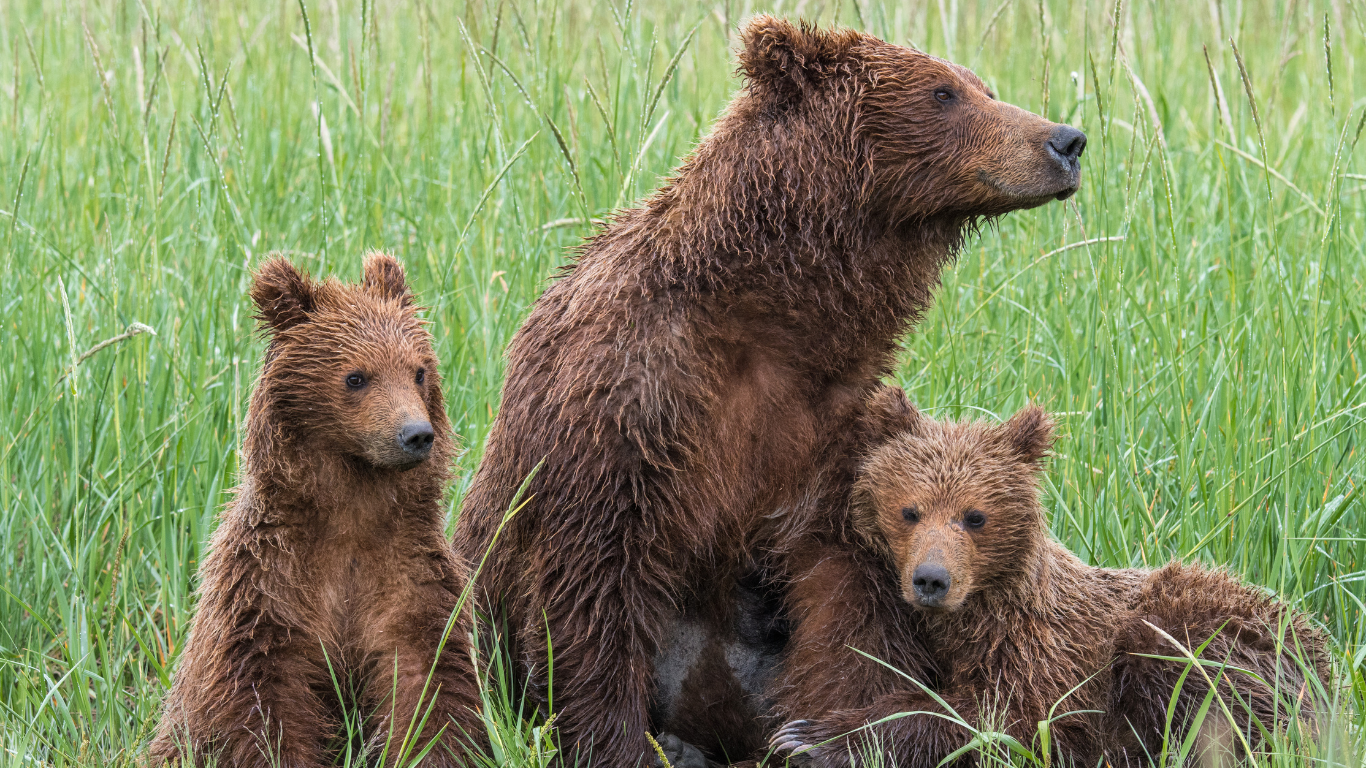
Adapted from original article written by David Stalling Originally published by The Wildlife News, 5 June 2026 The U.S. Forest Service and Fish and Wildlife Service have done something remarkable – and not in a good way. They have effectively declared that a single acre of forest can qualify as “secure habitat” for a grizzly bear. One acre. For decades, federal land managers and wildlife scientists used a common-sense definition of secure habitat. To qualify as a secure habitat, a patch of land generally had to be part of at least 2,500 contiguous acres located away from open motorized routes and developed sites. The standard reflected a basic biological reality: grizzly bears need large blocks of relatively undisturbed habitat where they can forage, travel, rest, and avoid potentially dangerous encounters with people. In 2024 and 2025, however, the agencies quietly abandoned that long-standing definition. Under the new approach, a habitat patch can be as small as one acre and still be counted as “secure habitat” on agency maps and analyses. The agencies did not make this change because new science suddenly showed that grizzly bears can thrive in tiny habitat fragments. No such science exists. Instead, the definition changed as federal agencies sought to justify a major logging and road-building project that would not have met the previous standard. That is not science-based management. It is bureaucratic convenience. A one-acre patch of forest surrounded by roads, logging activity, and human disturbance does not provide the kind of security the term was originally intended to describe. Grizzly bears now occupy only a small fraction of their historic range in the Lower 48 states. They remain vulnerable to human-caused mortality and face growing pressures from expanding development, increasing recreation, road construction, livestock conflicts, and climate change. This is precisely the moment when habitat security should be strengthened, not diluted. The Larabee Hat project lies within one of the most important wildlife corridors in the Northern Rockies. Scientists have long emphasized that maintaining connectivity between these populations is essential for long-term grizzly recovery. Yet instead of protecting this corridor, federal agencies are approving extensive logging and road construction while simultaneously redefining habitat security into meaninglessness. The scientific community understands that grizzly bears require large landscapes. They require connected landscapes. They do not require semantic games. Perhaps most telling is that this is not the first time federal agencies have attempted to reduce secure habitat standards. A federal court previously rejected an effort to reduce the minimum secure habitat patch size from 2,500 acres to 10 acres, concluding that the agencies had failed to adequately justify the change and had not demonstrated that it would protect grizzly bears. Now the agencies have gone even further – from 2,500 acres to one acre. The issue is not whether a grizzly bear can physically stand on one acre of land. The issue is whether a one-acre fragment surrounded by disturbance can honestly be counted as “secure habitat” for purposes of conservation planning and recovery. Common sense says no. Science says no. Yet federal agencies now say yes. Conservation standards should follow science. Definitions should reflect biological reality. And federal agencies should not be permitted to discard decades of habitat-security principles simply because they complicate a logging project. A grizzly bear does not care about bureaucratic definitions. It cares whether the landscape provides enough secure habitat to survive. One acre is not habitat security. It is a redefinition designed to make habitat loss disappear on paper.
Incredible maiden flight for Eastern Cape captive-bred lappet-faced vulture
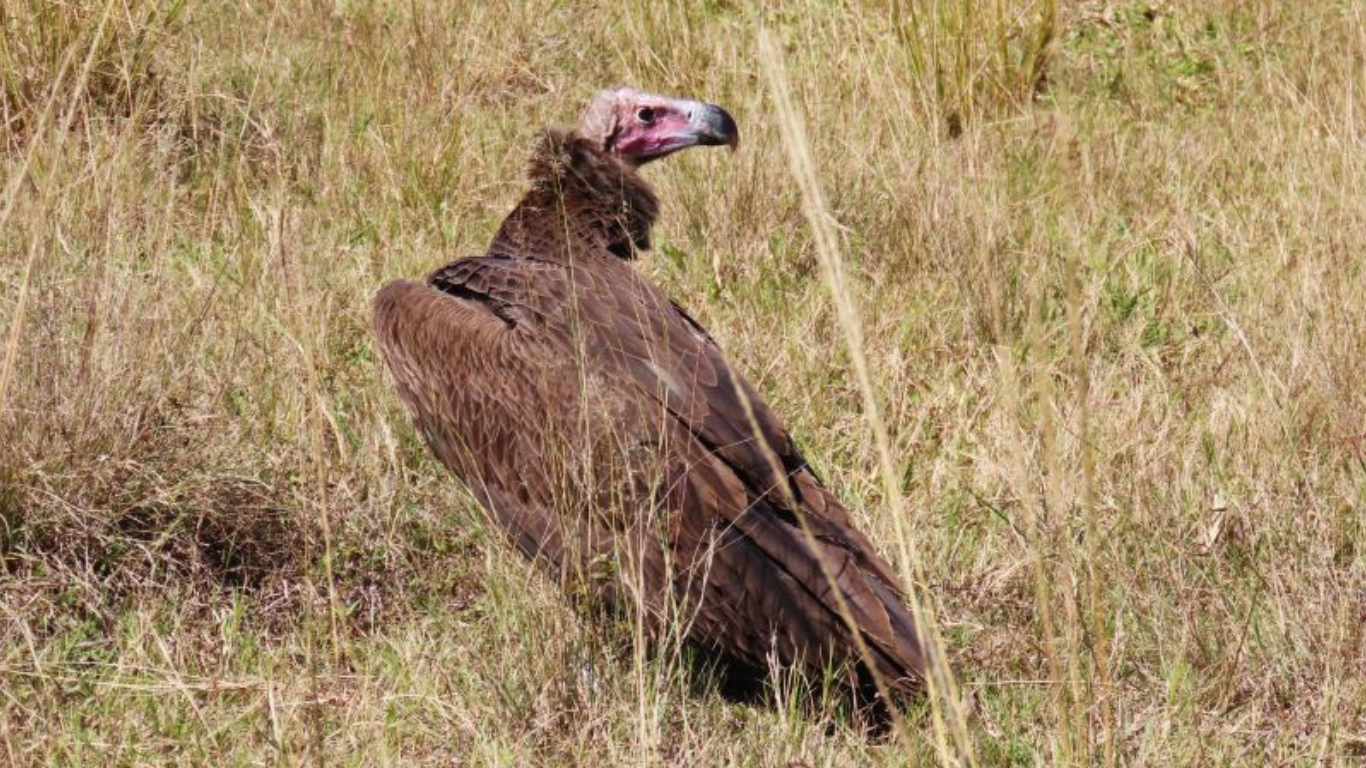
Article written by Kyran Blaauw Originally published by Daily Maverick, 7 June 2026 A young lappet-faced vulture makes history with a remarkable 1,500km flight after its release from captivity, offering hope for the future of this endangered species in Africa. A young lappet-faced vulture that hatched in captivity in Eastern Cape is soaring far beyond what conservationists had dared hope. Less than a month after being released into the wild, the bird had flown more than 1,500km across southern Africa, travelling through Botswana before reaching Namibia’s Etosha region, one of the species’ remaining strongholds on the continent. The bird is believed to be the first captive-bred lappet-faced vulture released in Africa. “It is a significant milestone. As far as we understand, he is the first captive-bred lappet-faced vulture ever to be released in Africa,” said Vulpro founder and CEO Kerri Wolter. The male chick hatched on 26 September 2025 at Vulpro’s breeding facility at Shamwari Private Game Reserve in Eastern Cape. With only about 160 breeding pairs remaining in South Africa, the species is considered critically endangered locally. “There was a lot of debate whether we release him or whether we incorporate him into our captive-breeding programme,” Wolter said. After genetic testing confirmed he was male, conservationists decided he could contribute more to the species in the wild. “There is no baseline data. We don’t know the survival rates of a captive-bred lappet-faced vulture once released. We don’t know how they move. We don’t know how well they integrate into wild populations.” Possibly the first captive-bred lappet-faced vulture ever released in Africa, this bird was bred and raised at the Shamwari Private Game Reserve in Eastern Cape before being released into the wild in Limpopo. (Photo: Supplied / Vulpro) First flight After leaving the nest in Eastern Cape, the young bird spent several months developing independence before being moved to Hartbeespoort in North West. Because lappet-faced vultures do not naturally occur in Eastern Cape, releasing him there was not an option, Wolter said. Instead, Vulpro sought to mimic nature as closely as possible. The young bird was housed with other tree-nesting vulture species and released at Dabchick Wildlife Reserve in Limpopo at roughly the age wild juvenile lappet-faced vultures would naturally leave their parent’s wings. “Remember, that was his maiden flight. He had never flown. He just took off. I like the saying that he flew where his wings took him.” Wolter said reserve staff monitored him closely in the days after release and supplementary food was provided at a safe feeding site away from power infrastructure and other threats. For four or five days, he remained close to the release site. Then he took to the skies. “Remember, that was his maiden flight. He had never flown. He just took off. I like the saying that he flew where his wings took him,” Wolter said. With a wingspan of nearly 2.8m, the young vulture headed north. Tracking data later showed him crossing Botswana and entering Namibia, where he remains. Whether instinct, genetics or something scientists do not yet understand guided him there remains a mystery. “Did his DNA tell him where to go? It’s impossible to know. But the fact that he almost knew where other lappet-faced vultures would be, and that’s where he flew, is incredible,” Wolter said. Namibia is widely regarded as one of the species’ major strongholds and conservationists suspect the young bird may have joined wild vultures there. “He’s surviving. He’s doing incredibly well. His maiden flight was successful. He appears to be doing pretty well from the tracking. We’re incredibly proud of this bird,” Wolter said. The achievement is also a significant moment for a conservation partnership that began two years ago when Vulpro relocated dozens of vultures from Hartbeespoort to Shamwari in what was then South Africa’s largest vulture translocation project. With an impressive wingspan of 2.8 metres, the young lappet-faced vulture has already travelled more than 1,500 km since its release and is currently believed to be in Namibia. (Photo: Supplied / Vulpro) Conservation beyond the Big Five For Shamwari CEO Joe Cloete, the success highlights the need to focus conservation efforts beyond Africa’s iconic big game species. “A lot of the attention over the last 20, 30 or 40 years has always been on the big animals – rhinos, elephants and wild dogs,” Cloete said. “People have largely forgotten about species like vultures.” Vultures play a critical ecological role by rapidly disposing of carcasses that could otherwise spread disease through ecosystems. Across Africa, populations continue to decline due to poisoning, collisions with energy infrastructure, habitat loss and other human-driven threats. “The vulture numbers are declining rapidly around Africa and indeed around the world for many reasons,” Cloete said. “It is such a massive effort that Vulpro are trying to make to get these vultures back into the wild.” Despite heavy rainfall and flooding disrupting operations in Eastern Cape this breeding season, Vulpro has already confirmed fertility in 24 eggs and expects more. To improve hatching success, the fertile eggs are removed from the nest and replaced with dummy eggs, while the real eggs are incubated under carefully controlled conditions, Wolter said. Once the eggs hatch, the chicks are reunited with their parents, who continue to raise them. Last year, the programme produced 30 chicks and Wolter hopes to match that success this year. Meanwhile, a pair of bonded female Cape vultures reunited earlier this year just in time for Valentine’s Day are thriving, Wolter said. As Daily Maverick reported, the birds were originally separated in the hope that they would pair with males and contribute to Vulpro’s breeding programme, but neither accepted a new mate. “They are totally in love. They don’t have eyes for anyone else. The one chased me the other day because I got too close to their nest,” Wolter said. Although any eggs they produce will be infertile, conservationists hope the pair could one day serve as surrogate parents. Banner credit: A male captive-bred lappet-faced vulture, bred at
Visual AI tracks nearly 100 wildlife species to improve conservation
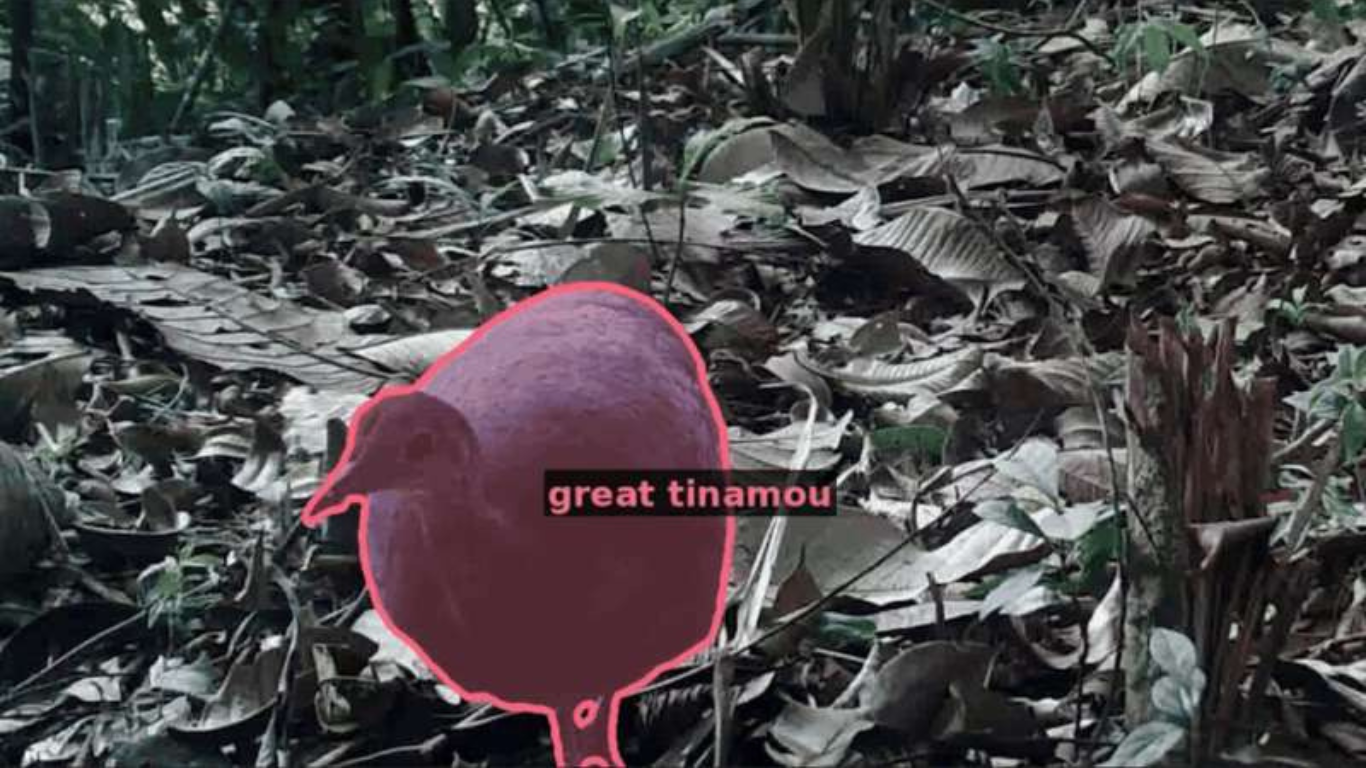
Article written by Gaby Clark Originally published by Phys.Org, 5 June 2026 Wildlife research projects worldwide could benefit from a new AI system which can automatically find, name, and follow individual animals in footage. A University of Bristol team working on Animal Biometrics and AI for Conservation have been key contributors to the SA-FARI (Segment Anything in Footage of Animals for Recognition and Identification) project, developed by an international consortium with first author Dante Wasmuht and senior author Didac Suris, overall led by ConservationX Labs (CXL) and META. SA-FARI builds on META’s latest Segment Anything Model 3 (SAM3), which is a foundational and cutting-edge Vision-Language Model that is designed to use text and visual prompts to precisely identify, segment, and follow objects in images or videos. This enables researchers to track animals in footage using ‘masklets’ which represent the exact outline of an animal in a video from frame-to-frame through time. It means the animal can be accurately separated from its background and form the basis of individual and behavioral analysis. This method has the potential to save thousands of hours for researchers using camera trap surveys in terms of viewing content manually. The SA-FARI paper will be presented on Saturday 6 June at the Conference for Computer Vision and Pattern Recognition (CVPR) in Denver, U.S., widely regarded as the leading conference for visual AI. The paper has been selected as an Award Candidate at CVPR. For the Bristol team working on Animal Biometrics and AI Conservation, this marks the second consecutive year to get such a prestigious international nomination. Tilo Burghardt, Professor of Computer Vision and Animal Biometrics at the University of Bristol, said, “Global problems require global solutions. Based on the group’s pioneering track record of over 20 years, the University of Bristol is regarded as one of the go-to places for using AI for conservation in the UK and beyond, and is an important part of a growing international community working in this area.” Dr. Otto Brookes, Lecturer in AI and Animal Biometrics from the Bristol team added, “The ability to locate animals in space and time is incredibly important for wildlife monitoring—it is a prerequisite for many tasks, such as recognizing behavior and distinguishing individuals from one another and ultimately, measuring how animals respond to conservation interventions.” The project trained and benchmarked an AI system which can automatically detect, name and track animals of nearly 100 species pixel-accurately in footage. To do this, a vast dataset of more than 11,000 wildlife videos taken in natural habitats was curated and annotated. The project offers this data freely downloadable for biologists, researchers, and conservationists to boost ecological projects worldwide with cutting-edge AI powers. Professor Burghardt believes the SA-FARI work has the potential to be extended in the future by others by adding new features such as tracking animal body pose, depth and natural language descriptions. The SA-FARI project was led by CXL and META, with important inputs from co-authors including Dr. Brookes and Prof Majid Mirmehdi from the University of Bristol, teams from the Hasso Plattner Institute, the University of Oviedo, Osa Conservation, the Senckenberg Museum of Natural History, the Max Planck Institute for Evolutionary Anthropology, and Climate Corridors—together the group pulled off a project of significant scale and truly inter-disciplinary reach.
A rare and mysterious creature has just been detected in a remote Kenyan forest. Here’s why experts are so excited
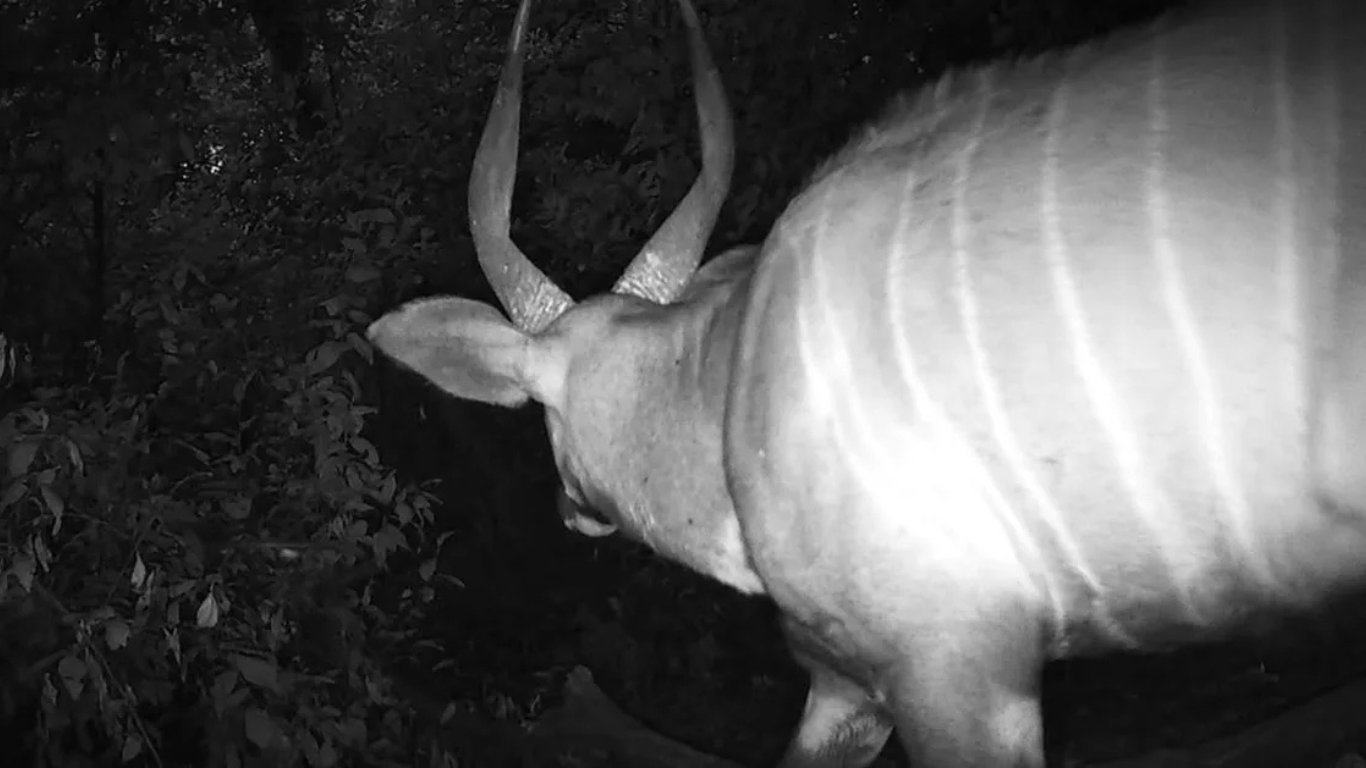
Article written by Sophie Ellis Originally published by Discover Wildlife, 1 June 2026 One of Africa’s rarest creatures is caught on a trail camera – hundreds of kilometres from where it was expected to be Africa’s rarest antelope – the mountain bongo – has been caught on a trail camera in an area where it was thought to be locally extinct. After detecting the elusive mammal in four isolated areas eight years ago, conservationists were concerned that the wild population had shrunk to a small range in Kenya’s Aberdare mountains. Bongos face threats from habitat destruction and disturbance, and their shyness, and extreme rarity, have made them historically difficult to track. Now, trail camera images show these creatures exploring a forest in Maasai Mau – around 200km from the known Aberdares population. The mature male captured on camera was likely first identified in 2018 by Tommaso Sandri, a Mountain Bongo Project (MBP) Advisory Council member and Chester Zoo conservationist. He suggested that if the animal had remained hidden for this amount of time, then other bongos may also be in the area. This was confirmed when the camera captured more images. Markings analysis has confirmed that these show a young male and a young female. A young female mountain bongo was also captured on the camera traps. Credit: Chester Zoo and Mountain Bongo Project Unlike Aberdares, Maasai Mau is not a national park and the bongos discovered there do not have the same protections. “The excitement in camp was unbelievable when we first looked through the photos,” says Oscar Dyer, director of operations at MBP. “This image is the result of years of hard work by our rangers on the ground in one of Kenya’s most inaccessible forests. Seeing a bongo here again is incredibly exciting – and it reinforces our determination to continue searching, protecting this forest and finding evidence of more bongos in the area.” These images come at a time when recent data suggest an uncertain future for the species. In 2025, an AI monitoring survey was carried out by the UK’s Chester Zoo, following guidance from the MBP and with the support of the Mount Kenya Wildlife Conservancy (MKWC) and Kenya Wildlife Service, to monitor bongo populations. It found that only 28 individuals were in the Aberdare stronghold. Mountain Bongo Project rangers check a camera trap in the field. Credit: Mountain Bongo Project “It’s difficult to put a finger on why numbers aren’t increasing,” explains Stuart Nixon, Chester Zoo’s regional field programme senior manager. “Surveys show there are habitats they could expand into. Perhaps their numbers are so low that a natural level of predation is depressing the population. So, we have a population that’s stable, but small and ageing.” There are around 900 bongos in sanctuaries (like Aberdare, which is operated by the MKWC) and zoos. Currently, organisations are looking at both protecting wild populations and reintroducing bongos to the wild as conservation methods. In 2025 and 2026, mountain bongos bred as part of conservation centres and zoo conservation programmes were translocated to help reinforce the sanctuary population in Kenya. “The Mau population represents a significant genetic pool for mountain bongos and it is therefore vital for long-term conservation,” says Robert Aruho, the head of MKWC. Their cousins, the lowland bongo, are classified as Near Threatened with fewer than 30,000 wild individuals. Banner image: the adult male mountain bongo’s first appearance. Credit: Mountain Bongo Project/Chester Zoo
Elephants return to Mount Elgon side of Uganda after four decades
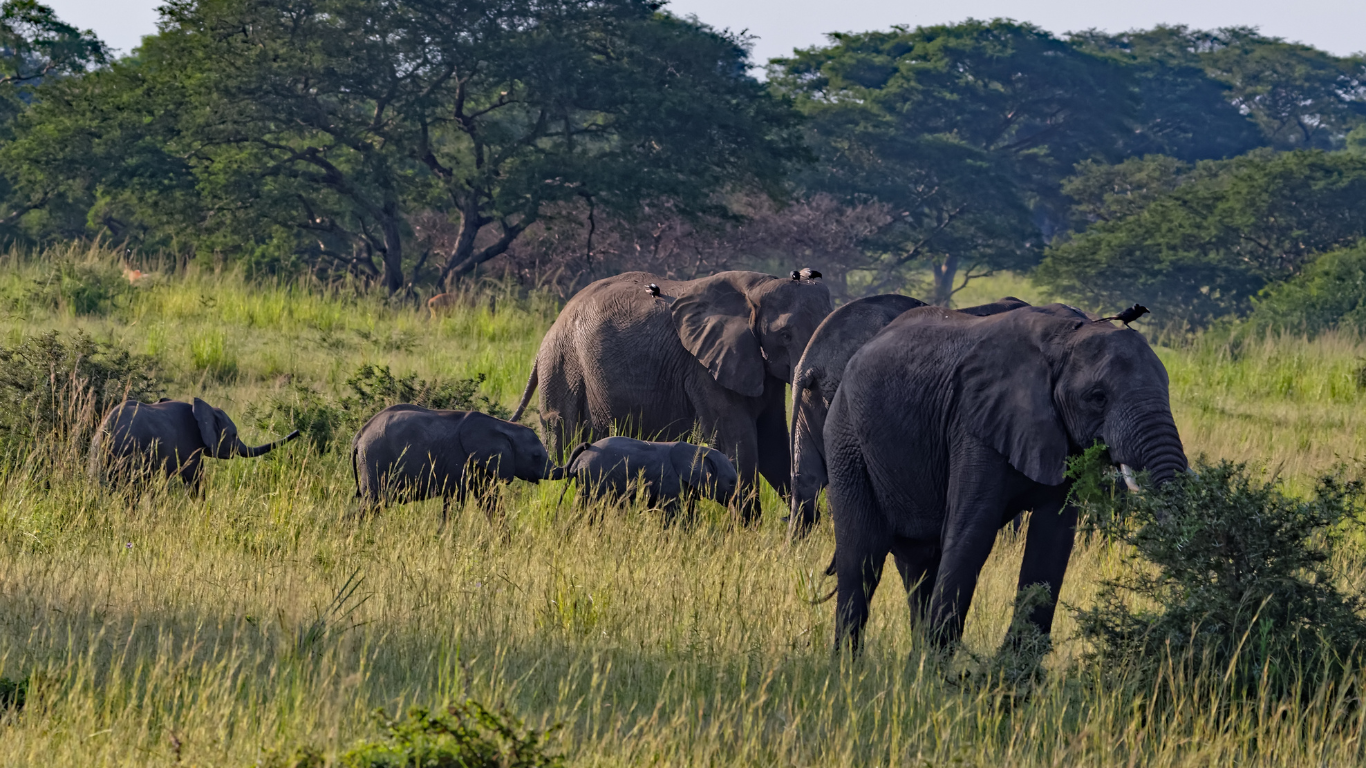
Article written by Benjamin Jumbe Originally published by Mongabay, 18 May 2026 According to monitoring with tracking collars by the Mount Elgon Foundation (MEF), last year at least 60 elephants crossed from Kenya into the Ugandan side of Mount Elgon, a vast volcanic mountain that straddles the border, returning to a part of their natural range where they’ve not been seen for over 40 years. MEF funds community projects aimed at reducing forest degradation and raising awareness of environmental issues, as well as a team of 18 community scouts on the Kenyan side of the mountain, part of the East African Wild Life Society’s Mount Elgon Elephant Project. MEF’s chair, Chris Powles, told Mongabay that back in 2022, scouts tracked four elephants crossing the Suam river, which marks the border between the two countries. Drone footage of elephants on the Ugandan side of Mount Elgon. Image courtesy of UWA. In an email interview, Powles said a number of factors could explain the elephants’ return, though it’s impossible to say for certain what’s prompted them to reestablish themselves. “[These] include the growth of the elephant population on the Kenya side, the increasing human pressure on the Kenya side, the relative safety for them on the Uganda side as it is all national park (unlike in Kenya),” he wrote. “And, maybe, the elephants alive from the time when others of them were killed in Uganda have now died naturally and so their memory of what happened in Uganda may have passed.” In the late 1970s and 80s, elephants in Uganda and other parts of East Africa were aggressively hunted by ivory traffickers — including by combatants in Uganda’s civil war. Caroline Asiimwe, responsible for research and ecological monitoring at the Uganda Wildlife Authority, said the elephant crossings from Kenya back into Mount Elgon on the Uganda side is a sign of species recovery. “Mount Elgon used to historically host elephants, but then they disappeared when the habitat was degraded, but with the restoration progress that Uganda Wildlife Authority is making, we have seen elephants return,” Asiimwe told Mongabay. “Using our drone technology, we saw a herd of elephants coming back, and since November, they have not returned to Kenya.” A line of elephants file into the Kitum cave, on Mount Elgon’s Kenyan side. Image courtesy of Ian Redmond. Mount Elgon National Park’s montane forests are home to more than 300 bird species, including the endangered lammergeyer (Gypaetus barbatus), and to mammals including leopards, oribi (Ourebia ourebi) and elephants. On both sides of the border, the mountain is a UNESCO Biosphere Reserve, but Asiimwe said communities living in Bukwo and other districts around the mountain had severely degraded large areas, causing elephants to move to neighboring Kenya. “Until these communities were removed, and we tried to restore the habitat, then we are seeing the elephants coming back,” Asiimwe said. Mount Elgon is an important catchment area for water, and the UWA official told Mongabay the authority has been working to restore degraded forest. “The park is regenerating on its own, although UWA is growing some trees,” Samuel Ngirio, a community elder from Saptet village in Bukwo district, told Mongabay. “We now have artificial [non-native] trees, cyprus and eucalyptus, and the elephants are now entering regenerated areas.” After a 40 year absence, this elephant population has been seen on the Ugandan side of the mountain. Image courtesy MEF. People living near the park have cautiously welcomed the return of elephants. “The surrounding communities accepted the return and presence of the elephants; it’s generally a mix of pride, economic optimism, significant anxiety regarding safety and livelihood losses, but [the communities] urge authorities to implement protective measures such as electric fencing, trenches and better compensation for losses for crops and livelihoods,” said Araptison Moses Malinga. He is chairperson of the Leaders Conservation Peace Initiative, a community organization composed of community elders created to foster dialogue and reduce tensions between the community and UWA. Ngirio told Mongabay that in 2025, elephants did substantial damage to maize and banana plantations in the area. “My house is very near the national park,” he said. “The fields of my immediate neigbours, Julius Musobo and his brother Ben Cheptegei, were affected.” He said residents have asked the Uganda Wildlife Authority for compensation. He also added that UWA personnel posted to the area have successfully scared elephants away from farmers’ fields this year. Mount Elgon’s elephant population is known to scrape sodium-rich rock from the walls of dozens of the mountain’s caves. Image courtesy of Ian Redmond. UWA’s Asiimwe told Mongabay that the wildlife authority plans to train communities to grow crops that are less palatable to elephants as a way to reduce potential conflict. She also said the presence of elephants could boost tourism in Bukwo district. “Elephants are among the biggest attractions for wildlife tourism and could generate revenue, create jobs such as tour guides and rangers and support conservation funding,” Malinga said. UWA’s executive director, James Musinguzi, said efforts are already underway to ensure coexistence between people and wildlife, which include restoring habitats, creating wildlife corridors to allow safe elephant movement and involving communities in conservation and eco-tourism initiatives. Fresh signs of this unique cave-mining behaviour have already been observed in caves on the Ugandan side. Image courtesy of MEF. The elephants on Mount Elgon are known to enter caves in search of sodium-rich material, carving the caves’ walls into distinctive curved shapes. In February, MEF’s Powles visited the Ugandan side of the mountain, and found old tusking marks and the same distinctive shapes. Locals also shared stories of how elephants had used caves here in the past. As elephants reclaim their historic range on Mount Elgon, the challenge now lies in balancing conservation success with the safety and livelihoods of the communities living alongside them. Meanwhile, residents like Malinga are urging authorities to introduce stronger measures to keep elephants out of their fields, including electric fencing, trenches and improved compensation for crop and property damage.
War on Iran may threaten conservation of the world’s rarest big cat
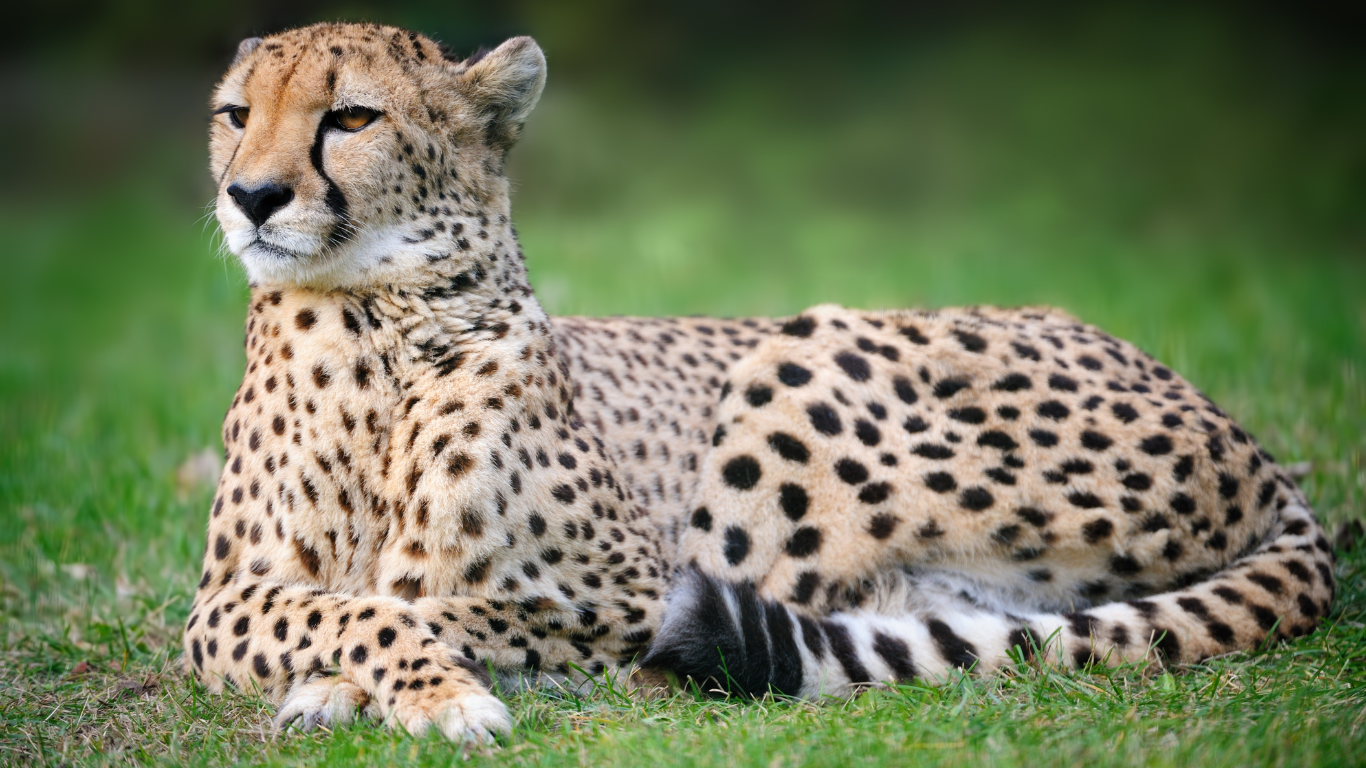
Article written by Naina Rao Originally published by Mongabay, 18 May 2026 The Asiatic cheetah, the world’s most endangered big cat, faces an increasingly precarious future as ongoing conflict in Iran disrupts critical conservation efforts, reports Mongabay contributor Kayleigh Long. Once ranging from the Arabian Peninsula to India, the cheetah subspecies (Acinonyx jubatus venaticus) is now confined to just 16% of its former territory, with fewer than 30 individuals estimated to remain in the wild in Iran. Before the war began in February 2026, conservationists observed a rare sign of hope: a female cheetah named Helia was filmed in North Khorasan province with five cubs, the largest litter ever recorded for the subspecies. Bagher Nezami, national director of the Conservation of the Asiatic Cheetah Project, told Iranian media that these were “ID-carded” individuals being monitored by researchers. However, access to protected areas for nongovernmental groups has now “slowed down considerably,” interrupting long-term monitoring and camera trapping, a local conservationist told Mongabay, speaking on condition of anonymity. There are also fears that conservation vehicles could be misidentified as military targets in the remote desert landscapes where the cheetahs live. Sarah Durant, a research scientist at the Zoological Society of London, emphasized the protection of field scientists, park rangers, and Indigenous peoples during armed conflict is “a matter of urgent international concern.” Beyond the direct impact of combat, Western sanctions on Iran have also taken a toll. “Critical activities such as monitoring, law enforcement and the development of wildlife-friendly infrastructure have declined,” the authors of a 2025 study wrote. “These limitations have contributed to a decrease in prey availability and an increase in direct cheetah mortality, particularly from road accidents.” Road accidents account for more than half of recorded cheetah deaths in Iran, including the devastating 2023 death of a pregnant female that was hit and killed on a road in Semnan province. Reduced patrolling due to the war may further increase risks from poaching and habitat disturbance. Import restrictions have also limited or prevented access to high-quality conservation tech and satellite or SIM-enabled devices that can help track and identify individual cats. The use of camera traps brought controversy in 2018, when nine conservationists from the Persian Wildlife Heritage Foundation were arrested and accused of espionage. The current U.S.-Israeli war on Iran will likely mean a reduction in resources dedicated to conservation, said Jamshid Parchizadeh from Michigan State University, U.S., who has worked as a wildlife biologist in Iran. He said he’s doubtful the Iranian government would have funds for wildlife once post-war reconstruction on infrastructure becomes the primary focus. “Before the war, cheetah conservation received limited funding from the government,” Parchizadeh said. “But after the war, I doubt that the government has any money left for the conservation of the cheetah.” Read the full story by Kayleigh Long here.
This rare monkey is disappearing from one forest — but bouncing back in another
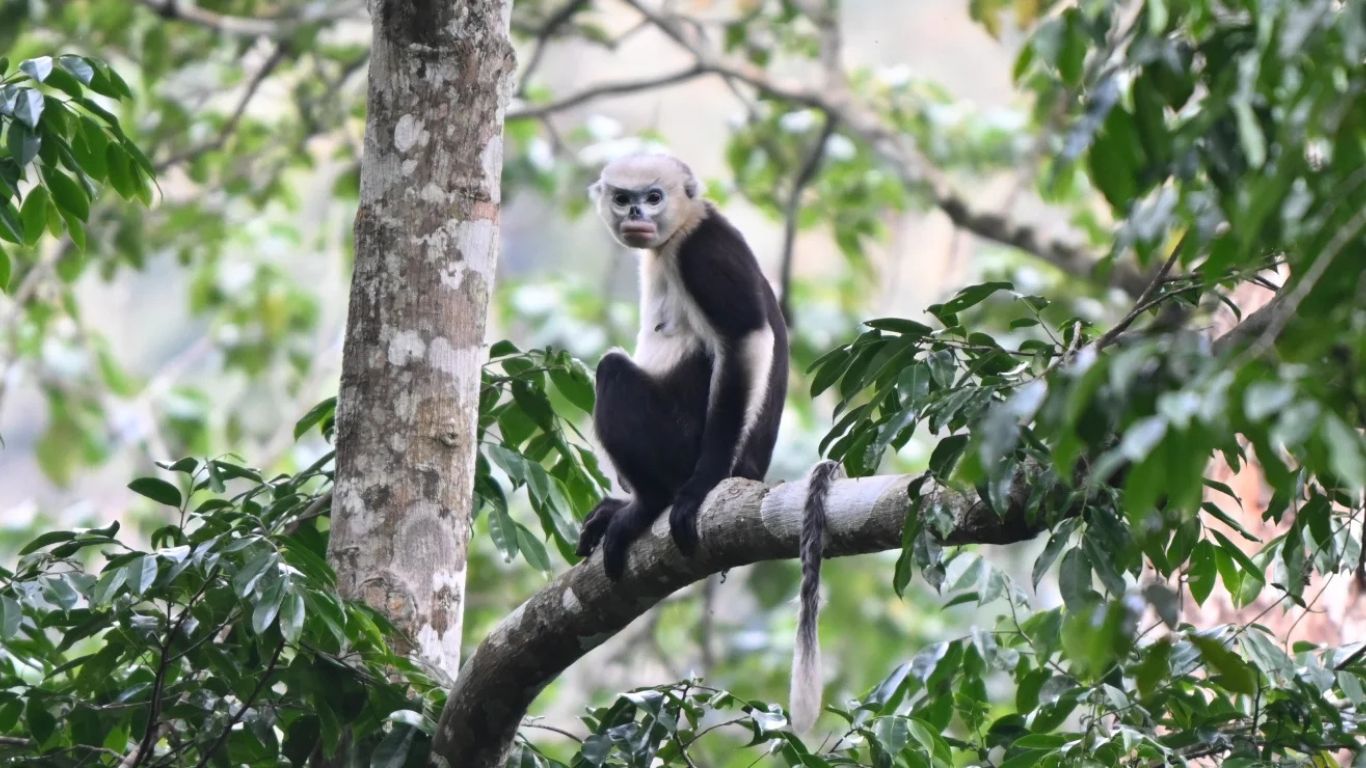
Article written by Rebecca Cairns Originally published by CNN Science, 19 May 2026 Between the branches of broad-leaf evergreens, a pair of blue-ringed eyes stare across the treetops of Khau Ca’s limestone forest. It’s a rare glimpse of one of the world’s most endangered monkeys — and one that field conservationist Canh Xuan Chu relishes. Tonkin snub-nosed monkeys are endemic to Vietnam, and only found in fragmented patches of forest in two of the country’s northernmost provinces, bordering China. A population of just 50 was discovered in Khau Ca in 2002, adding to the handful of locations where the species was rediscovered in the late 1980s and 1990s, after being presumed extinct. The Cat Ba langur, also called the golden-headed langur, is critically endangered with less than 100 remaining on Vietnam’s Cat Ba Island in the greater Ha Long Bay region. Throughout the 20th century, habitat loss and poaching for traditional medicine decimated its population, but conservation efforts on the island have seen the population grow over the past decade. Source: Tim Plowden/Shutterstock Today, the monkeys have all but disappeared from these other habitats. But a new census from conservation non-profit Fauna & Flora International found that Khau Ca’s population has more than tripled since 2002, with 160 of the critically endangered monkeys — an estimated 80% of the entire species — now living in the reserve. “It’s one of our most successful surveys,” says Chu, the project manager for Fauna & Flora’s Tonkin snub-nosed monkey program. The survey’s findings are giving the fragile species a hope for survival — and could be a model for other forests in Vietnam to restore their populations of Tonkin snub-nosed monkeys. Cao vit gibbons have the longest arms of any primate, proportional to their body size, allowing them to swing through the treetops at speeds of up to 34 miles per hour. They were presumed extinct through much of the 20th century, until they were rediscovered in the limestone forests on the border between Vietnam and China in the early 2000s. It’s one of the rarest primates in the world, with just 74 individuals counted during its last population count in 2021. Source: Editorial/Shutterstock ‘Significant increase’ Despite their outlandish facial markings, these monkeys are shy and reserved, avoiding humans and often disappearing at any unusual sounds, says Chu. It’s part of what makes them so difficult to count, a problem that goes back decades. Hunted extensively for use in traditional medicine, and sometimes bushmeat, Tonkin’s snub-nosed monkeys were so rarely seen that by the 1980s, many thought they were extinct. Shortly after discovering the population at Khau Ca, Fauna & Flora set up a conservation field station, and established community conservation teams to protect and patrol the forest, helping to remove snares and report signs of illegal deforestation or hunting. The critically endangered Raffles’ banded langur is found in Singapore and southern peninsular Malaysia, and its fragmented population is threatened by forest clearances for urban development, agriculture and mining. In Singapore, where only around 60 individuals remain, conservationists are trying to reconnect sections of forest with rope bridges over roads, and citizen scientists are helping to collect data to save their habitat. Source: Then Chih Wey/Xinhua News Agency/Getty Images To support communities that would typically make their income from farming or foraging in the forest, the project also creates new income streams, like the patrol groups. Other conservation partners, like the New Nature Foundation and Denver Zoo, are also working to reduce demands on the forest, distributing fuel-efficient stoves that cut firewood needs by 50%. Tran Van On, a member of Fauna & Flora’s community conservation team, has observed a “significant increase” in community awareness around the conservation of the Tonkin snub-nosed monkey. “People are now not only more conscious about protecting this endemic species of Vietnam, but also more aware of the importance of safeguarding forest habitats and other wildlife species,” said On, in a written statement. Banner source: Nguyen Quyet
At 100, David Attenborough’s message is no longer just about wonder
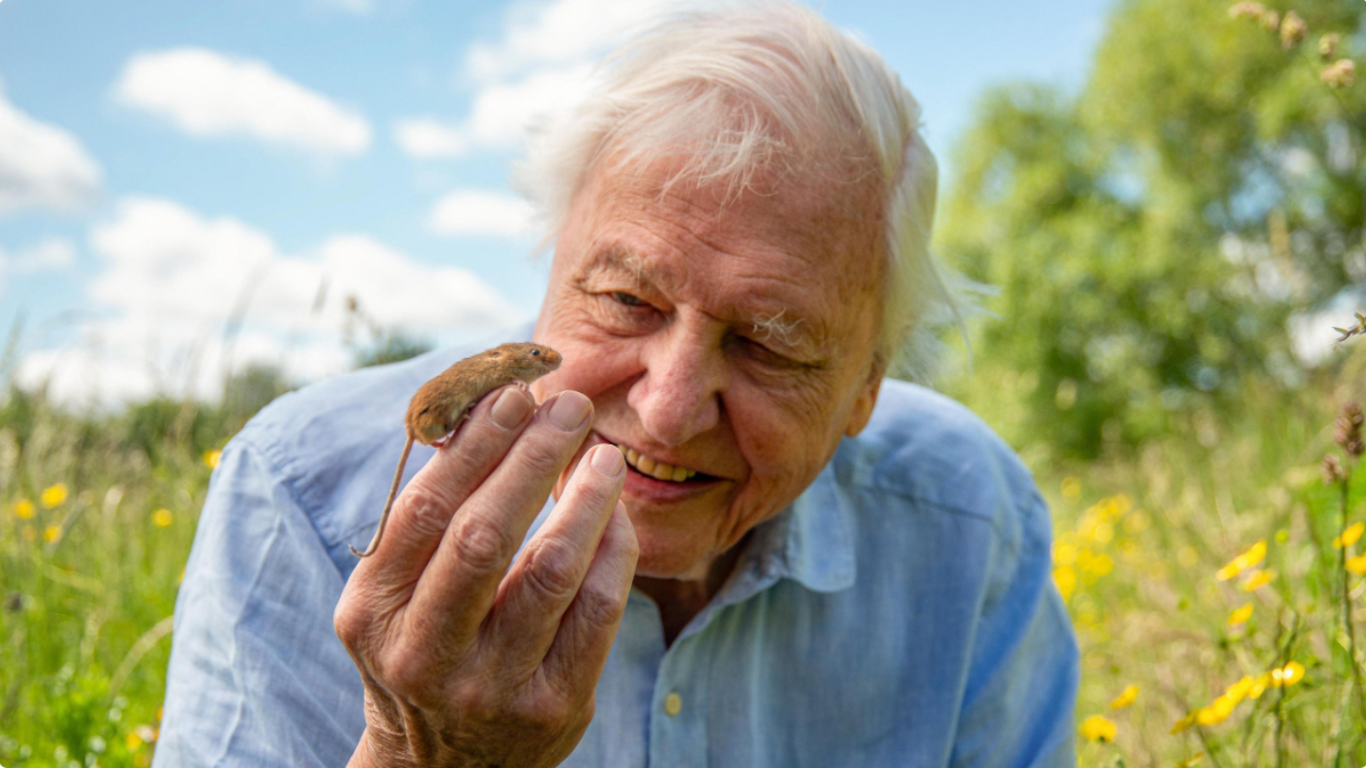
Article written by Rhett Ayers Butler Originally published by Mongabay, 5 May2026 As his 100th birthday approaches, David Attenborough occupies an unusual place in public life: not a practicing scientist, not quite a conventional journalist, and no longer only a broadcaster. His voice, familiar from decades of natural history programming, has become one of the most recognizable ways the public hears about the state of the living world. That was not always the role he played. When Attenborough began his career at the BBC in the 1950s, the task was more modest. Television was still finding its footing, and natural history programming largely meant showing audiences what they could not otherwise see. Early series such as Zoo Quest were shaped by that spirit. They were exploratory, sometimes improvised, and often framed around the thrill of encountering unfamiliar species. The tone was one of discovery. The unspoken assumption was that the natural world, vast and varied, would endure. As his work evolved, so did the technology that made it possible. Color film, lightweight cameras and, later, digital imaging expanded what could be captured. Attenborough used those tools with unusual patience. His programs lingered on behavior as much as spectacle. Courtship rituals, feeding strategies, and migrations were given time to unfold. His programs did more than show animals; they asked viewers to notice how they lived. Attenborough in Borneo, 1982. Photo by Rex Features This attention to detail became one of his signatures. It reflected a view that understanding begins with careful seeing. Attenborough rarely made himself the story. His narration was measured and often understated. The attention stayed on the animal, the habitat or the behavior unfolding on screen. The approach helped establish a standard for natural history filmmaking. It also shaped how audiences related to the material. Animals were not props for adventure. They were creatures with their own pressures, habits and place in a wider order. For much of the late 20th century, that approach carried a sense of confidence. Series such as Life on Earth and The Living Planet presented ecosystems as intricate but resilient. There were acknowledgments of human impact, though they tended to sit at the margins. The prevailing mood was one of admiration. The natural world was portrayed as something to be appreciated, perhaps even cherished, but not yet as something being pushed toward dangerous limits. That balance began to shift in the 2000s and early 2010s. Scientific consensus around climate change became firmer. Evidence of biodiversity loss accumulated. The changes were not abstract. They appeared in the very subjects Attenborough had spent decades documenting. Coral reefs bleached. Species once filmed in abundance became harder to find. Habitats fragmented. His later work did not abandon the aesthetic that had defined his earlier films. The images remained carefully composed. The storytelling retained its discipline. Still, the framing grew more direct. In series such as Planet Earth II and A Life on Our Planet, the concluding segments took on a heavier purpose. The camera still showed the beauty of forests, oceans and grasslands. The narration made clearer that these systems were under strain. Sir David Attenborough accepting The Perfect World Foundation Award in 2018. Photo by Daniel Wilke What changed was not only the tone, but the purpose. Attenborough began to speak more openly about consequences. The loss of species was no longer treated as a distant or specialized worry. It was linked to broader questions about stability, food systems and climate. The argument, when he chose to make it, was straightforward: understanding the natural world is not a matter of curiosity alone. It is tied to how societies will fare in the decades ahead. He did not always speak in the language of advocacy. His instinct remained to show rather than to argue. Yet the cumulative effect of his later work is difficult to separate from a sense of warning. The authority comes less from rhetoric than from continuity. Few individuals have documented the same systems over such a long period. Fewer still have done so for so many people. There is a restraint in how Attenborough presents these shifts. He avoids exaggeration. He also avoids offering simple resolutions. The closing passages of his recent films often point toward changes in energy use, land management and consumption. They are framed as possibilities rather than prescriptions. This has drawn criticism from those who would prefer a more forceful stance. It has also helped his work remain accessible to people who may not share the same politics. David Attenborough on Lizard Island, on the Great Barrier Reef. Photo by Freddie Claire/BBC/Atlantic Productions The result is a body of work that has changed in emphasis without losing its core method. The early films asked viewers to look closely at the natural world. The later ones ask what follows from that attention. The link between the two is the idea that knowledge carries implications. To see clearly is, eventually, to confront the conditions that make such scenes possible. As his 100th birthday approaches, it is tempting to treat Attenborough as a symbol. He has become one, in part because his career spans a period in which the relationship between people and the natural world has changed so sharply. Yet his influence is more practical than symbolic. He helped establish how nature is filmed, how it is narrated, and how it is brought into public conversation. The arc of his work traces a change in how that conversation is conducted. What began as an effort to reveal the richness of life on Earth has come to include a more sober assessment of its trajectory. The continuity lies in the premise that understanding matters. Not as an end in itself, but as the beginning of responsibility.
Maxwell Frost condemns Sloth World animal deaths and calls for federal investigation
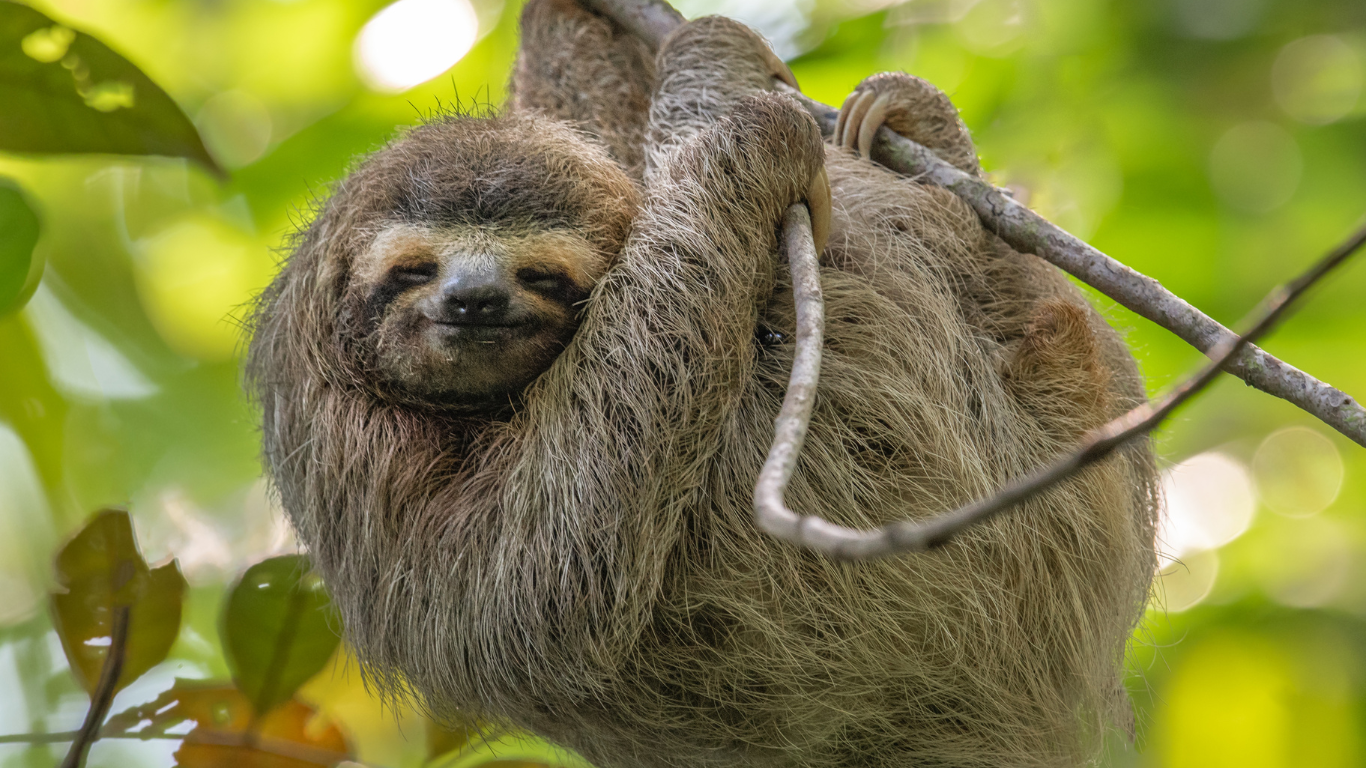
Article written by Gabrielle Russon Originally published by Florida Politics, 24 April 2026 These sloths — naturally solitary animals — were put in the worst conditions possible.’ U.S. Rep. Maxwell Frost is now calling on the U.S. Department of Agriculture to investigate after at least 31 sloths died before the opening of the Sloth World attraction in Orlando. “I am appalled to hear about the 31 sloths who died under the ‘care’ of the not yet opened Sloth World in Orlando,” the Orlando Democrat wrote on X this week. “These sloths — naturally solitary animals — were put in the worst conditions possible. They were taken from their natural habitats to a packed warehouse that wasn’t properly heated and allowed for the spread of deadly viruses, leading to a stress-induced death.” Sloth World is set to open on International Drive in Orlando’s tourism corridor to offer $49 animal experiences. Frost’s concerns arise after Florida Fish and Wildlife Conservation Commission inspectors detailed the deaths of the animals who have been imported from Miami International Airport in late 2024 and early 2025. Some of the animals died being shipped, while others died after they were left in a warehouse that had no electricity or water and at one point no heat in the Winter, according to Inside Climate News, which broke the story last week from a public record request. Other traditional Central Florida media outlets and entertainment websites began covering the story this week. Fox35 Orlando reported the warehouse did not proper permits, causing an Orange County inspector to issue a “stop work” order at the warehouse. Meanwhile, Sloth World’s social media presence went dark, Attractions Magazine reported. “What we really wanted to do with Sloth World is actually replicate the rainforest as their home,” then Sloth World Vice President Peter Bandre told the Orlando Sentinel in an interview last year to promote the new opening. “You are in their home, and that’s the most important thing to really remember.” The Sentinel reported this week that Bandre has since left the company. Sloth World did not respond to request for comment over the growing public outcry. “This was mass death by greed. Thirty-one sloths were torn from their tropical rainforest homes and confined in warehouse conditions, reportedly so cold their bodies couldn’t cope — all to become props for selfie-seekers,” People For Ethical Treatment of Animals (PETA) Foundation Managing Director of Captive Wildlife Debbie Metzler said in a statement. “No Instagram post is worth a single life, let alone 31, and PETA urges everyone to steer clear of any outfit that uses wild animals as photo props.”
Critically endangered wild dog pups senselessly killed in Zimbabwe
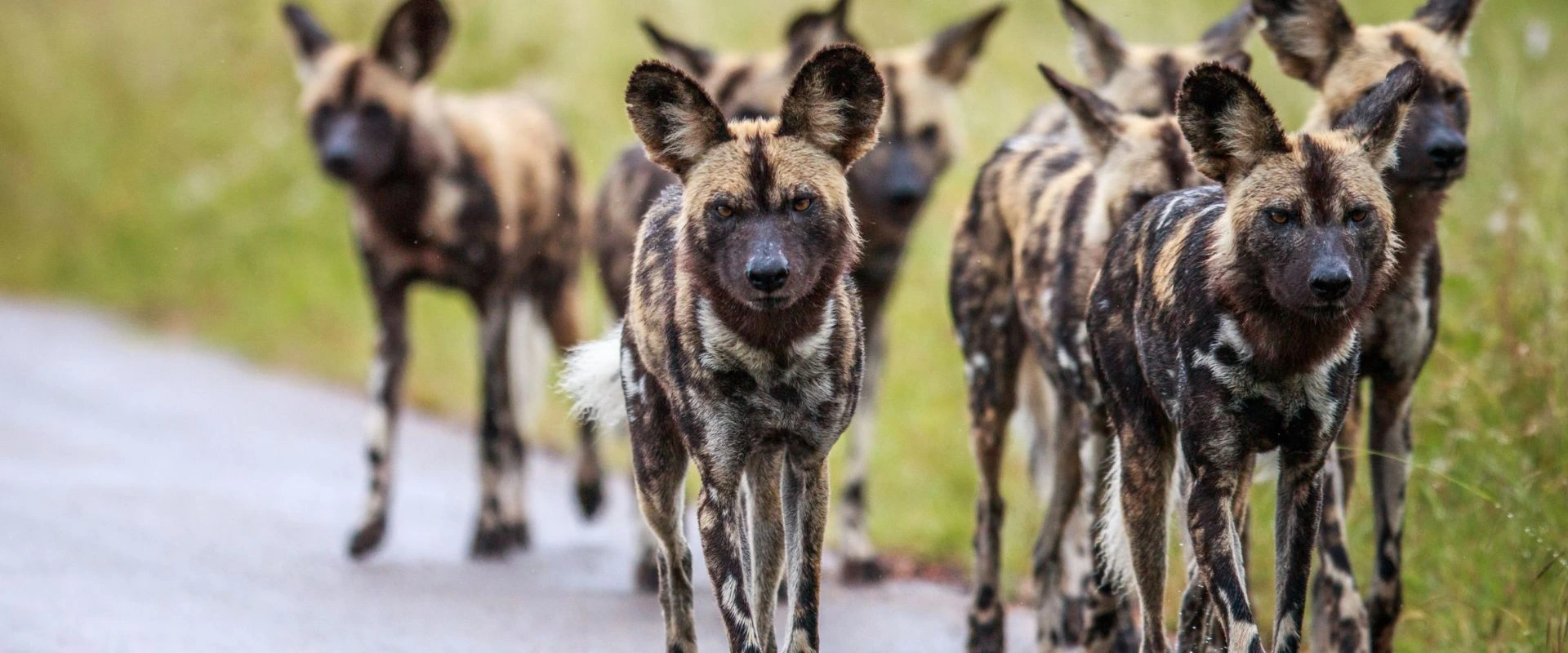
Recently, three critically endangered, painted wild dog puppies were killed by speeding vehicles near Hwange National Park in Zimbabwe. The bewildered pups were trying to cross the busy, unlit, unfenced roadway that separates parts of Hwange when tragedy struck. Without any road sense, they became tiny, heartbreaking victims of drivers unaware of the danger because there are no warning signs. Traffic calming measures are PROVEN to work. Help us raise $30,000 (£22,000) to install them as soon as possible. Also known as ‘painted dogs’ because of their patterned coats, African wild dogs are teetering on the edge of extinction. For years, they have battled shrinking habitats, cruel snares and poaching. Those caught in snares die slow, excruciating deaths over days or weeks. Now, as the species battles to survive, it is being wiped out by speeding cars because motorists don’t even know they’re there. With your compassionate support today, we will help our partner, Painted Dog Conservation (PDC), to install traffic calming measures, including reflective signs and speed bumps in wildlife-rich areas. Snares, poaching, shrinking habitats — and now speeding cars. Wild dogs are fighting on every front. Source: Painted Dog Conservation African wild dogs are teetering on extinction . Every death damages the species’ chance of recovery. Wild dogs grieve their dead, and our hearts break at the thought of mothers mourning their infants. A grieving wild dog may return to the site of a deceased companion for days, vocalize with mournful howls and show signs of depression – such as lowering their tails and heads – after a close pack member dies. Wild dogs like these face many threats — but road kill is one of the most preventable. Slowing down in wildlife areas could save their lives. Source: Painted Dog Conservation The thought of these sentient beings mourning breaks our hearts – and the idea of them being wiped out forever is unconscionable. As caring custodians of our planet’s wildlife, we must do everything we can to help. Road signs and speed bumps are a basic safety measure, but the Zimbabwe economy is in tatters and this is a very low priority in the national park. But we know it is not a low priority for our supporters. Please donate today and help us protect the lives of helpless wild dogs and the future of the entire species.
40 years on from the disaster, why there are foxes, bears and bison again around Chernobyl
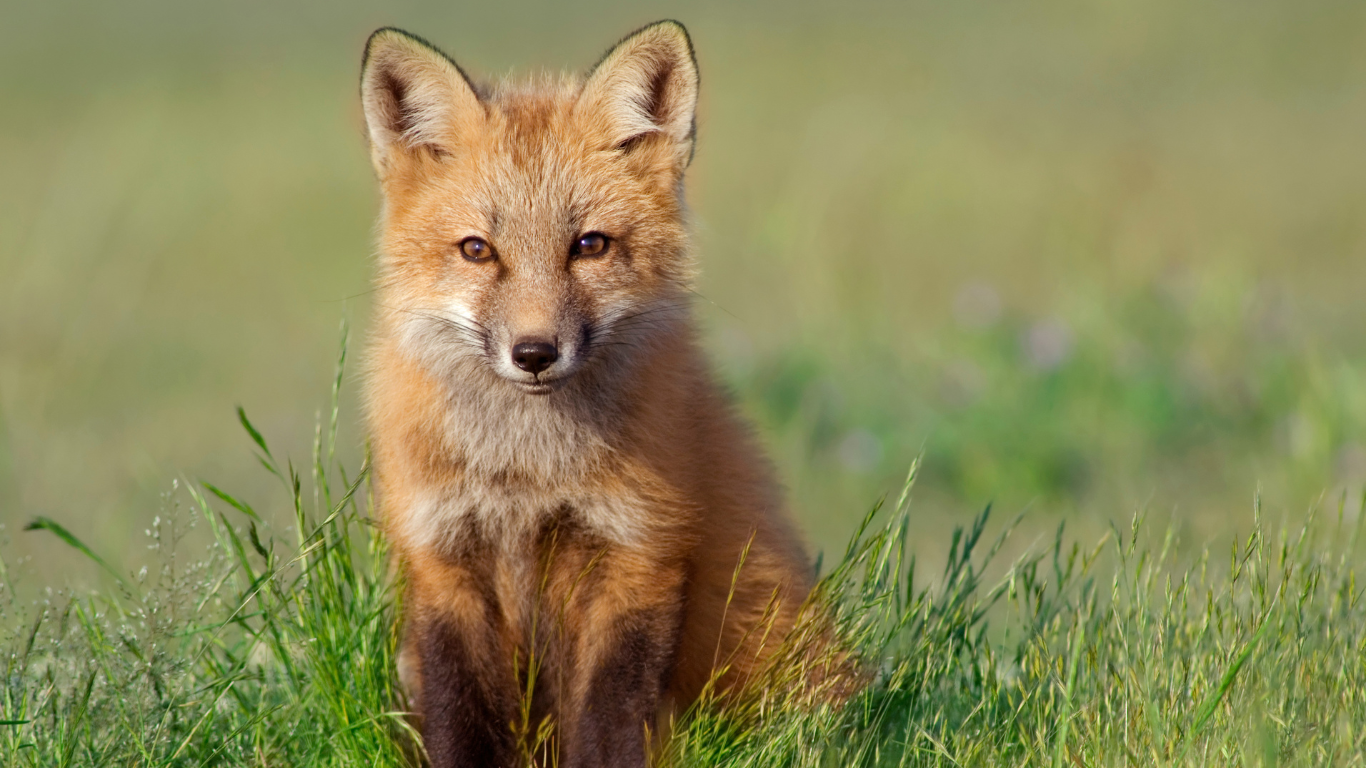
Article written by Nick Dunn Originally published by The Conversation, 20 April 2026 In the novel When There Are Wolves Again by E.J. Swift, the Chernobyl disaster and its legacy is extrapolated to a near future where natural habitats are depleted and precarious. This work of eco-fiction deftly explores issues of possible paths to a future where animals return to a nature depleted area. In the real world, a parallel version of this story has been unfolding as nature is thriving around former nuclear power plants. This is especially evident at the former Chernobyl plant in Ukraine, where the absence of human activity has enabled wildlife to flourish despite continuing radiation, 40 years after the nuclear disaster there. A 2,600km² exclusion zone was established following the world’s worst civilian nuclear accident at Chernobyl in 1986, which released a radioactive cloud across Europe and led to the evacuation of around 115,000 people from the surrounding area. Almost immediately, radiation poisoning killed 31 plant workers and firefighters. It is 40 years since the Chernobyl disaster that led to the creation of the Chernobyl Exclusion Zone (CEZ). Since 1986, it has turned into a thriving, unintentional wildlife sanctuary and a vast rewilding “laboratory”. The CEZ prohibits people living there, commercial activities, natural resource extraction and public access. Now the area is home to flourishing populations of large mammals. Populations of wolves, foxes, Eurasian lynx, elk and wild boar have significantly increased here. Species such as brown bears and European bison, meanwhile, have returned. This is rewilding in its most extreme form, given the inability of humans to intervene and it has resulted in several unexpected effects in the CEZ. Studies indicate that the lack of human hunting, agriculture and development has a more positive impact on animal numbers than radiation has a negative one. Large mammal populations in the Belarusian sector of the zone are comparable to or higher than those in uncontaminated nature reserves. There is no doubt that initial radiation caused major damage to flora and fauna, most notably in the “red forest”, a 10km² area near the nuclear power plant. This area earned its name after pine trees died and turned red-brown due to high radiation absorption. Yet long-term studies show that biodiversity has increased in the absence of humans. Return of rare species A range of endangered species have returned to the exclusion zone. This includes Przewalski’s horses, reintroduced in 1998 as a conservation experiment. They are now thriving, and the population has grown to over 150 animals within a distinct area of the Ukrainian part of the zone. Both Eurasian lynx and European bison, which had disappeared from the area, have returned and established their populations. Several different bird species have returned, such as black storks, white storks and white-tailed eagles. Most significant, is the return of the globally endangered greater spotted eagle, which depends on wetland habitats to hunt and is very sensitive to human disturbance. It had vanished from the area at the time of the nuclear accident. In 2019, four pairs were recorded at the study site, and at least 13 pairs were documented nesting in the Belarusian part of the zone. Today, this region is the only place in the world where the population of this rare species is growing. Frogs change colour There is also scientific evidence that some species appear to be adapting to the radioactive environment. For example, tree frogs in the zone are darker, as higher melanin levels seem to protect against radiation damage. There also appears to be resilience evolving in wolves as research on Eurasian wolves indicates potential adaptations to survive chronic radiation and reduce cancer risks. Such adaptation is not limited to animals. A black fungus was first discovered in 1991 using remotely piloted robots growing inside reactor 4 of the former power plant. It appears to use melanin, which can protect against ultra-violet light, to convert gamma radiation into energy to grow faster than normal. In addition, some plants in the nearby zone are demonstrating DNA repair as a response to the high levels of radiation. Such adaptation means the vegetation has evolved to survive, with some plants showing enhanced ability to manage heavy metals and radiation. It is now one of Europe’s largest nature reserves, providing an important site for ecological research, particularly for how ecosystems recover when undisturbed. The zone has undoubtedly been shaped by radiation but also, crucially, by abandonment and time. As a consequence, the usual ecological rules no longer apply and this has meant Chernobyl now has some remarkable wildlife. For example, the hundreds of pet dogs abandoned in the aftermath of the disaster have become feral dogs that have evolved to be genetically distinct from populations elsewhere in Ukraine. Despite the evidence supporting rewilding here, it is apparent that not all outcomes of the disaster have been beneficial for flora and fauna. There is evolutionary pressure with some species showing reduced reproductive success and high mutation rates, resulting in some health issues for animals. But it is not only at Chernobyl where these nuclear zones are encouraging animals to return. Around other damaged nuclear reactors, such as Fukushima, mammals, including bears, raccoons and wild boars have now returned in high numbers transforming exclusion zones into unexpected sanctuaries. At some operating nuclear plants, local wildlife has been encouraged through habitat creation and protection of large, undisturbed exclusion areas. Clearly, the situation is complicated, and it should not take a nuclear accident to stop humans pushing other species towards existential risk, let alone the continuing environmental degradation occurring around the globe. There are lessons to be learned from such catastrophes, and no neat conclusions, even 40 years after the disaster. Wildlife has largely returned to the area around Chernobyl due to the absence of people, although not predictably or evenly. It does illustrate, however, how ecosystems can respond and still flourish when the usual rules do not apply.
Rat poison found in Cape Town’s dead caracals
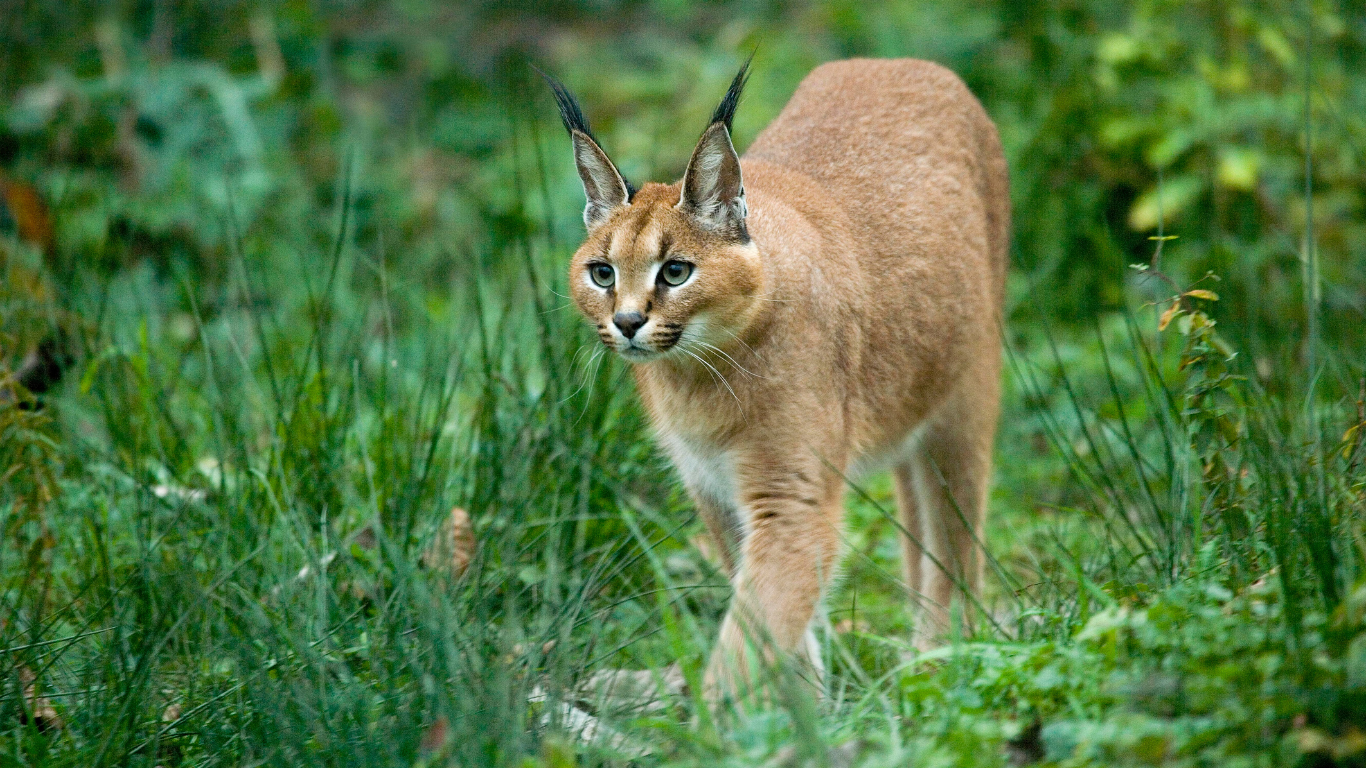
Article written by Jacques Malherbe Originally published by GroundUp, 15 April 2026 UCT researcher says secondary poisoning of the apex predator from eating contaminated prey threatens to unbalance the Cape Peninsula ecosystem Dr Gabriella Leighton has performed dozens of post-mortems on Cape Town’s caracals. She has become used to seeing the effects of anticoagulant rodenticides – rat poisons designed to cause internal haemorrhaging. “You see a lot of free blood in the chest and abdomen,” she says. “It just doesn’t coagulate.” Leighton and her research team at the University of Cape Town’s Urban Caracal Project have found evidence of secondary poisoning caused by eating other poisoned animals. Rodenticides, which are widely used, will often contaminate rats or mice with a slow-acting poison. “That target rodent will consume whatever poison is put out, but it can take up to two weeks to die,” explains Leighton. “In the meantime, it’s running around and it’s often a bit slower and easier to catch.” Predators, including birds, genets and caracals, find what seems an easy meal. “The poison is not something they can see,” Leighton says. “It’s an invisible threat.” Even when it isn’t lethal, the impact of secondary poisoning on the cat’s health can be severe. “These compounds can affect the immune system,” says Leighton. “So they may be less able to fight off diseases.” “Caracals are a sentinel species,” she says. “All of the threats that other species are facing will be reflected in them.” “Being a top predator puts them at more risk. For every step you go up the food web, the poison gets more concentrated and potent. It’s a trend of bioaccumulation,” says Leighton. Whilst secondary poisoning is an issue across the world, Cape Town’s geography makes it particularly vulnerable. “Cape Town is pretty unique,” says Leighton, “We have a national park surrounded by the city.” Caracals living on the peninsula are often forced into contact with human settlements, which “puts them at much greater risk of poisoning”. “The use of poison is always considered a last resort,” the City Health Department told GroundUp. In environmentally sensitive areas, the City uses poisons with “a lower risk of secondary poisoning”. However, Leighton has not seen this reflected in her observations: “I wouldn’t say that there’s been any improvement,” she says. “I don’t think that any kind of mitigation has really been implemented.” Rodenticide is also widely used by businesses, farmers and private individuals, something industry-body CropLife SA insists is a necessity. “The reason we have rodenticides is public health,” says CEO Rod Bell. “There are quite a few nasty diseases that rodents are vectors for. So they’re for things like food processing facilities, hospitals, anywhere you need sterile conditions. ” Bell maintains that risks to the environment can be managed through responsible use of poisons. “We have a really strong emphasis on stewardship,” he says of CropLife’s guidelines for using poison. These include placing poisons in bait stations, collecting dead rodents, and responsibly disposing of unused rodenticides. CropLife, and the City, advocate for an “integrated pest management programme” where poison is a “last resort.” Instead, primary interventions focus on prevention through managing food waste, limiting access points like holes in walls, and using non-poison traps. But Bell acknowledges that the risk of secondary poisoning cannot be totally eliminated. “Unfortunately, pesticides are designed to kill an organism,” he says, “that is the basic function of it, but responsible use practices reduce that risk as far as possible.” Even so, Bell says rodenticides are a crucial part of a healthy city. “It’s a delicate situation of the benefits outweighing the risks.” But Leighton and her team say the harm to caracals will be felt in the wider environment. “When predators are not doing well their ability to control their prey species in the environment is lessened,” she says. “That’s when ecosystems very quickly get out of balance.”
First ‘cloud jaguar’ spotted in 10 years sparks hope in Honduras
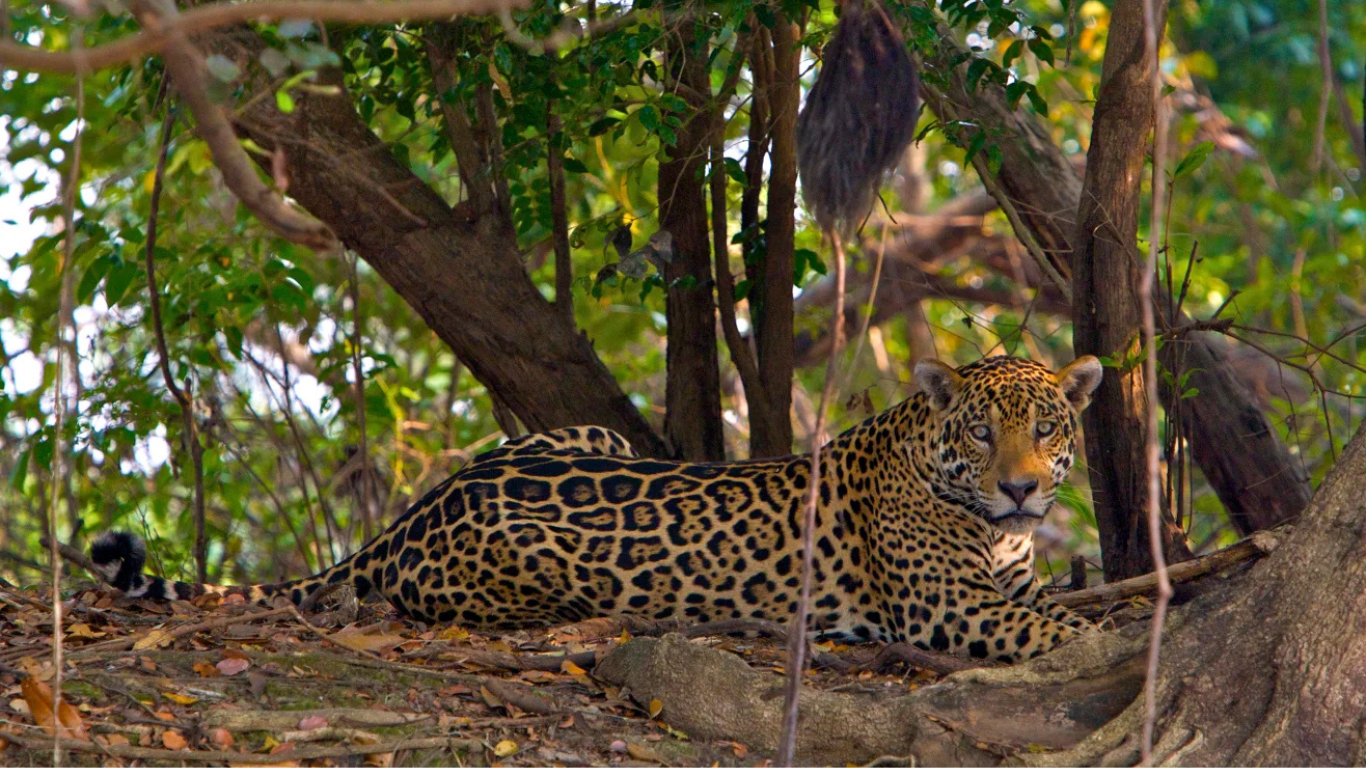
Article written by Tom Page Originally published by CNN Science, 14 April 2026 Honduras is one of 18 countries where jaguars live. The largest cat in the western hemisphere, and third largest big cat in the world (behind tigers and lions), it has a range running from Mexico to Argentina, but it has lost nearly half of its historic territory. Conservation efforts are helping to preserve it through wildlife corridors. Camera traps have photographed a jaguar high up in the Honduran Sierra del Merendón mountain range, the first time the big cat has been detected there in a decade. In images shared exclusively with CNN, the lone male, known as a “cloud jaguar,” was spotted on February 6, about 2,200 meters up in high-altitude forest, a positive signal for the Central American nation attempting an environmental turnaround. Jaguars have lost 49% of their historic range in the Americas, according to the International Union for Conservation of Nature (IUCN). The largest population lives in Amazonia, but all other populations are classified as endangered or critically endangered. In Honduras jaguars are protected, though they face challenges. “Deforestation and poaching are the biggest threats, and we have been working to tackle both,” said Franklin Castañeda, Honduras country director at wild cat conservation organization Panthera, which captured the images of the jaguar. A young male jaguar captured on camera in Honduras’ Sierra del Merendón mountain range on February 6, 2026. The sighting was the first time a jaguar had been spotted in the range for a decade. Credit: Panthera Honduras Between 2001 and 2024, the Central American nation lost 1.5 million hectares (3.7 million acres) of tree cover — 19% of its total — according to Global Forest Watch. Permanent agriculture like plantations and grazing land was the overwhelming reason. The government has committed to curbing deforestation by the end of the decade , as well as restoring 1.3 million hectares (3.2 million acres) of forest. Its Zero Deforestation Plan 2029 declared a state of environmental emergency to protect forests and wildlife, utilizing a military patrol force comprising 8,000 troops to deter and prevent illegal agricultural and logging activity. Meanwhile, poaching of jaguar prey species, such as the brocket deer, peccary and iguana, is thought to impact the big cat’s food supply. But in the Merendón range, there are signs of environmental success. The mountainous forest, along with other so-called cloud forests in Honduras, have been protected since 1987, when policymakers recognized their importance as vital watersheds for neighboring communities. “They didn’t know then, but now we know they were also protecting a very important habitat for jaguars,” said Castañeda. Illegal activity and biodiversity loss was not expunged altogether, however, and in recent years Panthera and its partners have ramped up surveillance efforts, including ranger patrols, camera traps and hidden acoustic monitors, as well as a program to reintroduce jaguar prey species. Panthera says poaching is down, and the protection and revitalization has made the forest more amenable to big cats. “It seems we are seeing a recovery in large cats in general,” said Castañeda. In 2021, after 17 years of surveys, the project detected pumas in the range for the first time, and there have been multiple sightings since. Ocelots, jaguarundis and margays have also been sighted, meaning the area features all five species of wild cats known to exist in Honduras. A puma was detected by camera traps in Honduras’ Sierra del Merendón mountain range in 2021 for the first time, after 17 years of surveys. There have been multiple sighting since. Credit: Panthera Honduras Most jaguars live below 1,000 meters (3,281 feet) and cloud jaguars are exceptionally rare. There have only been a handful of sightings, including in Costa Rica and Mexico. It’s unclear if this is a new behavior or something that had previously gone undetected due to the remoteness of high-altitude areas, explained Dr. Allison Devlin, jaguar program director at Panthera. There have been just three recordings of jaguars at high elevation in Honduras, the last in 2016. (The 2016 sighting prompted Panthera and it partners, including Wildlife Without Borders and the US Fish and Wildlife Service, to establish a protected wildlife corridor in the Merendón range between Honduras and Guatemala.) Castañeda called the new sighting “awesome,” saying that the mountain where the big cat was seen had been surveilled for the past 15 years, and the last 10 years continuously. Jaguars are not homebodies; records in Honduras show them traveling 10 kilometers (6.2 miles) in a single night, and there’s documentation of individuals traveling as far as 400 kilometers (249 miles) near the US-Mexico border, said Castañeda. A jaguar detected in the mountains of Sierra del Merendón, Honduras in 2016. Its discovery prompted wild cat conservation organization Panthera and its partners to establish a wildlife corridor spanning Honduras and Guatemala. Credit: Panthera Honduras The Merendón range does not contain a resident population, and the young male was likely moving along the wildlife corridor from eastern Honduras to Guatemala or vice versa in search of females, Castañeda speculated. There are two populations in Izabal, Guatemala (Punta de Manabique Wildlife Refuge and Cerro San Gil Springs Protection Reserve) and two in Honduras (Pico Bonito National Park and Jeannette Kawas National Park) the jaguar could have come from, he said. The populations in Honduras are thought to be small: 10-18 jaguars in Jeannette Kawas National Park and 20-50 in Pico Bonito National Park. Movement between populations is essential for maintaining genetic diversity. Devlin argued the sighting demonstrated “that protection of habitat across all elevations, including those people might not readily consider to support wild cat passage or territories, are in need of conservation for adaptable and wide-ranging species like the jaguar and puma.” The Merendón corridor is part of a broader network called the Jaguar Corridor Initiative, first detailed in 2018 as part of the Jaguar 2030 Conservation Roadmap for the Americas. The wildlife corridor stretches from Mexico to Argentina, comprising 30 conservation landscapes. Panthera is involved in conservation efforts in 11 of the 18
The fence effect: What happens to wildlife when you draw a line around it?
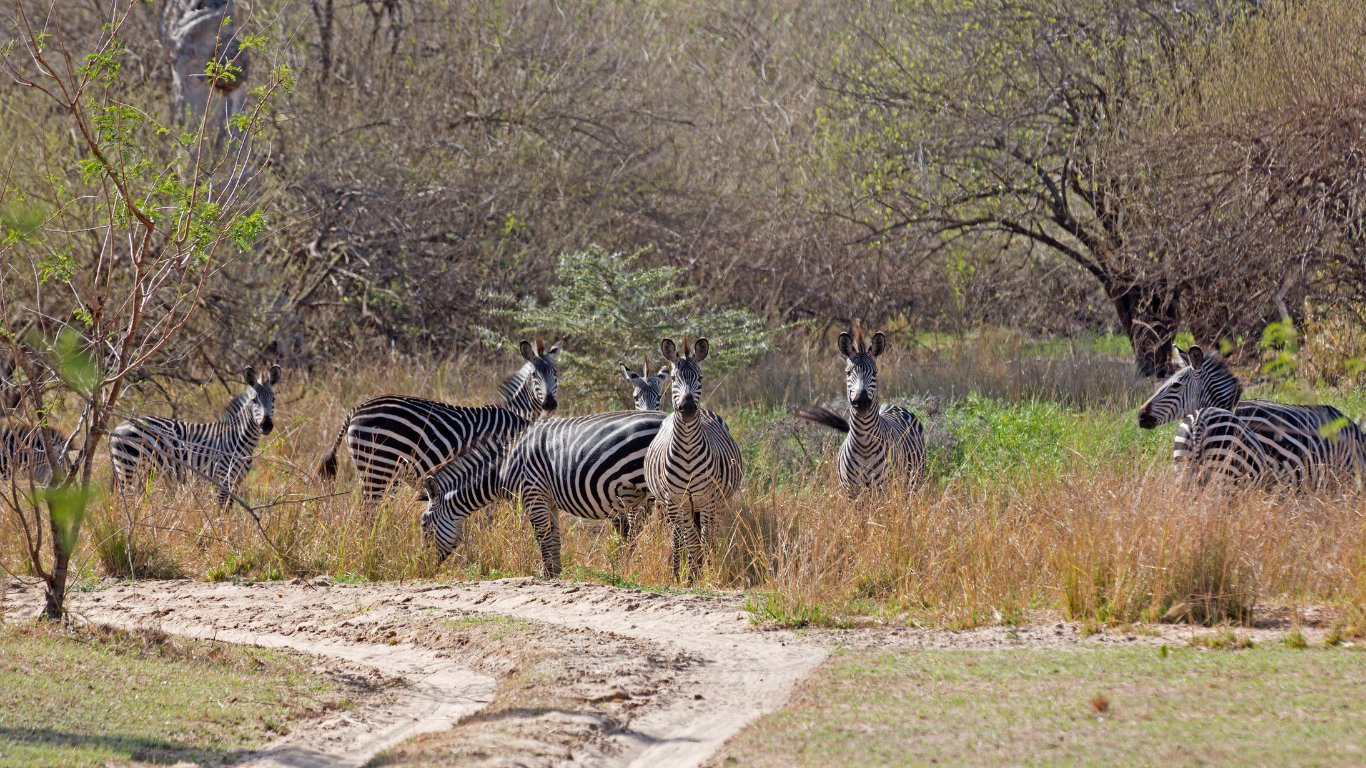
Article written by Gillian McAinsh Originally published by Daily Maverick, 7 April 2026 Are the fences around South Africa’s game reserves saving biodiversity or subtly changing it? Research from Nelson Mandela University suggests the answer is both. A large-scale study of South Africa’s protected areas finds that conservation tools like fencing, roads and artificial waterholes are not neutral – they actively shape biodiversity and predator-prey dynamics. In his PhD, “Evaluating the ecological impacts of fencing on wildlife diversity and dynamics in South African protected areas”, conservation scientist Dr Gert Botha examined how fencing and tourism infrastructure such as roads and artificial waterholes influence mammal diversity and predator-prey dynamics. His supervisors were Professor Jan Venter and Professor Hervé Fritz, both based on the “green” George Campus of Nelson Mandela University. “In an ideal world, you would not have fences at all,” said Botha. “But we don’t live in that. Fences serve a very important purpose in conserving wildlife. They are not just to protect wildlife, but also to protect people from wildlife.” In SA, fences are required by law to manage dangerous game and prevent conflict with neighbours. However, Botha’s research shows that fences also act as ecological filters, influencing which species thrive and which retreat. Most earlier studies focused on a single species or park. Botha instead analysed thousands of camera trap records collected through Snapshot Safari, a large-scale monitoring project developed by Venter. The data span national parks including Pilanesberg National Park, Madikwe Game Reserve, Mountain Zebra National Park and Karoo National Park, as well as private reserves. Overall, herbivores were less likely to use areas close to park boundaries. “They tended to avoid getting too close to the fences,” Dr Botha said. “Human activity near those boundaries, including nearby villages, probably also influences their behaviour.” Carnivores responded differently. “Lions are often seen on roads, and fences don’t seem to discourage them. They use these clear paths to move around more easily, instead of going through dense vegetation.” Predator space use was strongly associated with prey availability, supporting a bottom-up regulatory structure within fenced systems. Artificial water sources, widely used to support tourism and buffer dry periods, also reshaped ecosystems. “The goal of this research was to use science to support managers in maintaining healthy ecosystems. SA is experiencing a decline in biodiversity, and protected areas are one of our most important tools for conserving species and preventing further losses,” Botha said. “What is the ecological impact of adding watering holes, roads, or fences, and how does it affect the species inside fenced protected areas? “Watering holes and roads are essential, but they must be designed and managed in ways that protect wildlife and the ecosystem. We want to halt the ongoing loss of biodiversity, which is largely driven by human interventions. “Tourism is important, and artificial water points can be a useful management tool. They make it easier for visitors to see wildlife. However, they must be implemented responsibly and managed sustainably. Similarly, species can adjust to landscapes that include roads.” At the same time, he cautioned: “Too many water points can disrupt the balance of the ecosystem. Animals may concentrate in these areas, leading to overutilisation.” Artificial water points were used by a wide range of species, while other, less water-dependent species tended to roam more widely across the reserve. Rainfall and reserve size also mattered, with larger protected areas generally supporting more balanced predator-prey systems than smaller fenced landscapes. Professor Jan Venter said the real power of the study lay in the scale and continuity of data behind it. “What makes this work particularly important is that it is built on a large, standardised, long-term dataset collected across multiple protected areas. In conservation science, scale matters.” Botha’s research draws on thousands of camera trap records generated through the Snapshot Safari network, one of the largest coordinated wildlife monitoring initiatives in Africa. “Large datasets allow us to separate signal from noise. Wildlife populations fluctuate naturally from year to year. Without long-term monitoring, it is very easy to misinterpret short-term changes as ecological crises, or to miss gradual but important trends,” said Venter. Broader patterns “When you monitor consistently over time and across space, you can begin to see broader patterns. That is essential if we want conservation decisions to be evidence-based rather than reactive.” He added that SA was in a strong position internationally because of its structured monitoring programmes, as few countries had been able to generate this kind of standardised, multi-reserve dataset. Botha’s work added to this. “A fenced protected area is a closed system that needs to be monitored and managed,” said Botha. “As a conservationist at heart, you want to protect. We want to conserve the environment, but you also want to do it in a sustainable way, where we can grow as a society. This protected area is not just for tomorrow or the day after, but forever.” For Botha, who grew up visiting the Kruger National Park, the question is not whether SA should fence its reserves. It is how carefully those fences, roads and waterholes are used in landscapes that must remain both economically viable and ecologically intact.
This 6-foot fish has the world’s longest freshwater migration. Amazon nations are uniting to save it
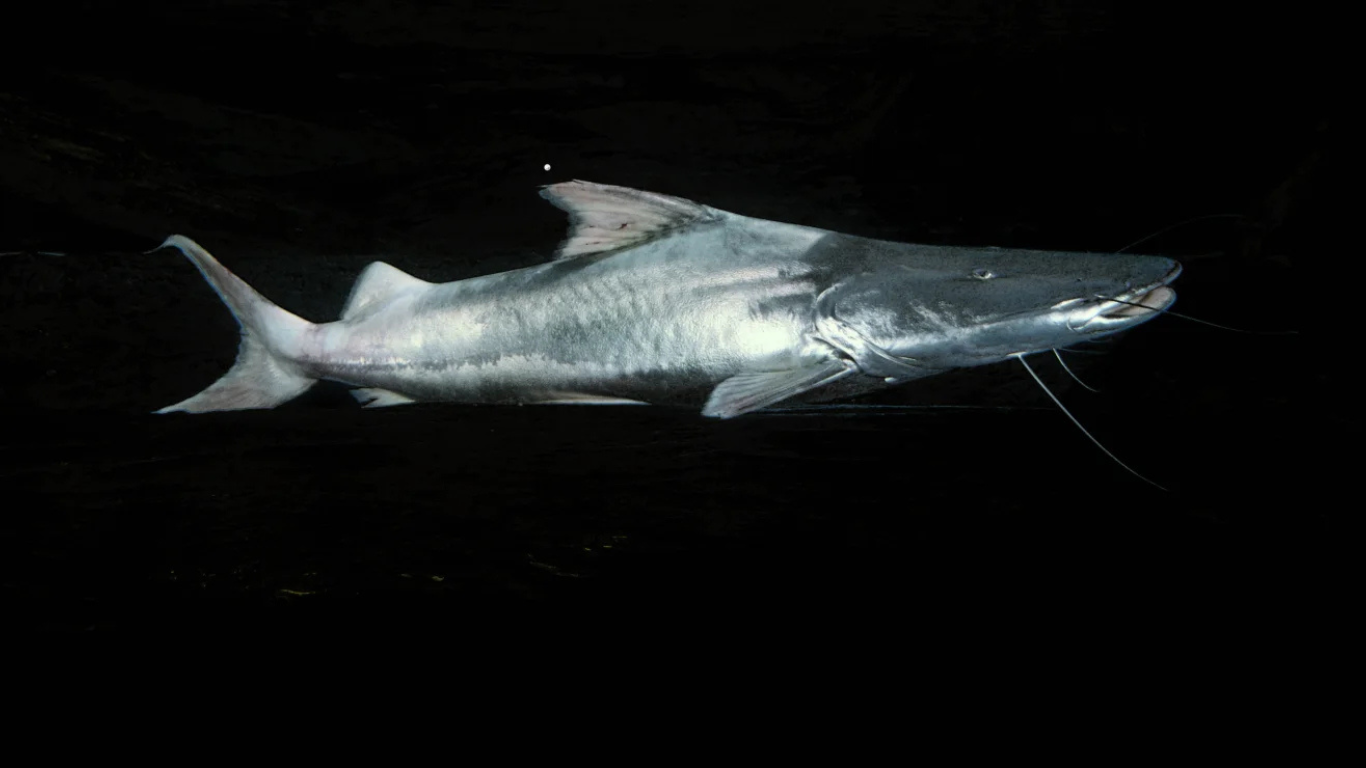
Article written by Rebecca Cairns Originally published by CNN Science, 9 April 2026 The dorado catfish, also called the gilded catfish, has the longest freshwater migration in the world: a 7,400-mile round trip from the Amazon estuary to its headwaters in the Andes. It was one of several migratory species highlighted at the Convention for the Conservation of Migratory Species in Brazil last week. Look through the gallery to see some of the longest migrations in the animal world. When the annual rains return to the Amazon, the murky river swells and quickens. For the dorado catfish, that rising tide is a millennia-old cue: it’s time for a continent-spanning homeward voyage. Its 7,000-mile round trip is the longest freshwater migration on Earth — and one of the most endangered. Scientists only uncovered the full extent of its odyssey in recent years. The dorado, part of the “Goliath” catfish family and also known as the gilded catfish, spawns in the Amazon River’s headwaters in the Andes. The larvae drift thousands of miles downstream to the estuary, where the river meets the Atlantic Ocean. The nutrient-rich, brackish water is the perfect nursery for the juvenile dorado to feed and grow — up to six feet long and 200 pounds — before it makes the 1-2 year journey back to the foothills of the Andes to lay its own eggs, and begin the cycle again. But the same route the dorado has followed for millennia is now being choked by hydropower dams and river fragmentation, blocking the fish from reaching its breeding sites and triggering steep population declines. The dorado, or gilded catfish, is named for its silver-gold scaleless skin. Credit: Michael Goulding/WCS A new international action plan, proposed by Brazil at the UN-backed Convention for the Conservation of Migratory Species (CMS) and signed yesterday aims to reverse that trend, uniting six countries in an effort to keep the river connected and give the dorado — and six other species of migratory Goliath catfish — a chance to complete their journey home. “(The dorado) is incredibly important to people living all along the Amazon River,” says Dr. Zeb Hogan, a biology professor at the University of Nevada and councilor for freshwater fish for CMS. “We need to get everyone together, to try to work together to figure out how to protect these incredible animals.” What happens in one section of the river ripples across the whole system: in 2019, studies found that dorado numbers in Bolivia, one of the locations where the catfish spawns, dropped by 80% in 15 years after two dams were built downstream in Brazil. They risk disappearing from this upstream section of river entirely, but it also has a knock-on effect downstream: the dorado is an apex predator, keeping smaller species populations in check and the entire river ecosystem in balance. An aerial view of the Amazon rainforest by the Tocantins River in Cameta, Brazil, near the Amazon River’s estuary. Credit: Mauro Pimentel/AFP/Getty Images More careful planning for future hydropower projects, including assessments of their impact on migratory fish from the outset, could help reduce harm and improve site selection, says Hogan. For existing dams, interventions like fish ladders — a structure or tunnel that allows migrating fish to get around or through the dam — or the removal of old or disused dams can help unblock migration routes, Hogan says: “Scientists have been surprised how fast these migratory fish can come back when they’re given a chance to move through the system.” A ‘milestone’ moment Migratory fish like the dorado are also essential to local food security, economies and cultural heritage. Species such as dourada, piramutaba, and other catfish are highly valued both for their size and for their food quality,” Dino Delgado, engagement and policy lead for Wildlife Conservation Society (WCS) and Amazon Waters, told CNN in a message. Around 47 million people live in the Amazon region, and its fisheries are heavily reliant on migratory species, which account for 93% of catch and generate $436 million annually, according to CMS. Around 400 Indigenous groups live in the Amazon, with many relying on fishing for sustenance — like this Kanamari man, pictured, holding a large catfish he caught in the Amazon River in Brazil, in 2002. Credit: Scott Wallace/Hulton Archive/Getty Images In addition to hydropower dams, fish in the Amazon face added pressures from mercury contamination from mining, and overfishing. In an open letter to the delegation at CMS, fishers from the Madeira basin — one of the most interrupted sections of river in the Amazon due to two large dams in Porto Velho — emphasized the need for “coordinated and urgent action” from governments, adding: “International efforts will only succeed if they go hand in hand with artisanal fishers, Indigenous peoples, and the communities that inhabit the Amazon.” Delgado, who has worked closely on the action plan’s development, says with the plan approved, important work will begin — from collating local scientific and Indigenous knowledge about critical habitats, to regional efforts to standardize data collection. The slobbering catfish is another of the migratory species covered in the action plan. Credit: Michael Goulding/WCS The laulao catfish, listed by CMS in 2024, has a migration of over 6,000 kilometers. Credit: Zeb Hogan The collaboration between the six Amazonian nations is a “milestone” for biodiversity conservation that will strengthen scientific knowledge and harmonize policies and regulations across the region, Guillermo Estupiñán, wetlands and aquatic resources specialist at WCS Brazil, told CNN in an email. The dorado — along with the laulau “Goliath” catfish, which can grow up to 12 feet long and weigh 400 pounds — was added to the CMS protection list in 2024 — a move which laid the foundation for the now-approved action plan, says Amy Fraenkel, the executive secretary for CMS. “For other species, there are these kinds of cooperative agreements under CMS,” says Fraenkel, pointing to the Central Asian mammal initiative as a successful model. “But we haven’t [previously] done that for freshwater fish, so that’s why this example is so powerful.” Swimming upstream The dorado’s struggle reflects a global crisis. A CMS
Is microplastic pollution a problem for animals?

Article written by Rachel Jaeger Originally published by Enviroment America, 30 January 2026 Animals can ingest tiny pieces of plastic that cause health issues. What are microplastics? Microplastics are tiny plastic particles that pollute our environment. At 5 mm or less in length, they are the size of a pencil eraser or smaller, and the United Nations Environment Programme suggests that they are just about everywhere in the world. They have been reported at the top of Mount Everest and the bottom of the Mariana Trench. And Environment Colorado Research and Policy Center found microplastics in 100% of waterways we sampled in Colorado. Where do microplastics come from? Some of the main known sources of microplastic pollution include synthetic fibers shed from clothing, broken down bits of plastic packaging, road dust from tires and road paint, and plastic pellets, the feedstock for plastic production. Millions of metric tons of microplastics are released into the environment every year, and the number only seems to be increasing. How long do microplastics stay in the environment? Plastics in our environment don’t go away. They can last centuries or longer and break down into tinier and tinier pieces as they are exposed to sun, water, and other erosive processes. Eventually, they become small enough that we can’t see them or clean them up easily. As more microplastics enter the environment each year, the problem compounds. Is microplastic pollution a problem for animals? Yes—microplastics are a problem for animals. Microplastic pollution impacts wildlife in a number of harmful ways. Most notably, plastic can look like food to wildlife. At least 1,565 species, both marine and terrestrial, are known to ingest plastic. If it doesn’t pass through their digestive systems, plastic can block animals’ stomachs and intestines and can cause them to starve. Fish and birds are commonly found with stomachs full of plastic, but terrestrial animals like coyotes, mountain lions, and bears also ingest plastic material. The case of a Telluride bear that Colorado Parks and Wildlife had to euthanize because its intestines were blocked by trash, including plastic, is a tragic example of plastic waste harming Colorado wildlife. The bear was suffering from infection and severe abdominal pain, and it struggled to even walk. CPW Area Wildlife Manager Rachel Sralla said the bear had been “decaying from the inside out” because of the intestinal block. The Telluride bear lived for a while despite the blockage because of its fat reserves, but other animals can die after ingesting plastic. For wildlife that don’t eat enough plastic to lead to blockages, malnutrition or starvation, microplastics can cause other health problems. They act like magnets for environmental toxics like pesticides or heavy metals. When plastic pieces adsorb these toxics and are ingested, they increase wildlife’s exposure to harmful chemicals. Plastic itself is also toxic and can lead to increased inflammation, immune system suppression, and increased risk of cancer. Chronic exposure to microplastics raises concerns about long term health consequences on wildlife, which have ecosystem-wide impacts. Reproductive issues, behavioral changes, and lowered ability to survive due to other health issues can all contribute to population decline and food chain disruptions. Because they don’t break down, microplastics can accumulate in the tissues of the animals that eat them. They can then biomagnify up the food chain and harm animals at the top, including humans. Several studies have documented the harmful effects of plastic on the human body. So, what do we do about microplastic pollution? The best way to address the microplastic issue is by preventing microplastics from entering our environment in the first place. The size of microplastics makes them incredibly difficult to clean up once they have entered the environment. They can disperse quickly and end up far away from the source. For everyday consumers, it’s important to limit exposure by using fewer single-use plastic items, which can become litter and break down into microplastics. At the very least, we need to ensure small plastic is not dumped or spilled into the environment. It’s estimated that trillions of pre-production plastic pellets, a form of primary microplastic pollution, enter our environment each year through dumping and spilling. We can’t allow companies to dump plastic pellets down the drain or spill them into our rivers. That’s why Environment Colorado is working to pass the Plastic Pellet Free Waters Act in our state. The Plastic Pellet Free Waters Act would make it illegal to dump or spill any pre-production plastic materials, including plastic pellets, into our waterways. Our water should be plastic free, for the sake of our environment, our wildlife, and our own health. Show your support for microplastic free waters today.
The mutant wolves of Chernobyl have evolved to survive cancer
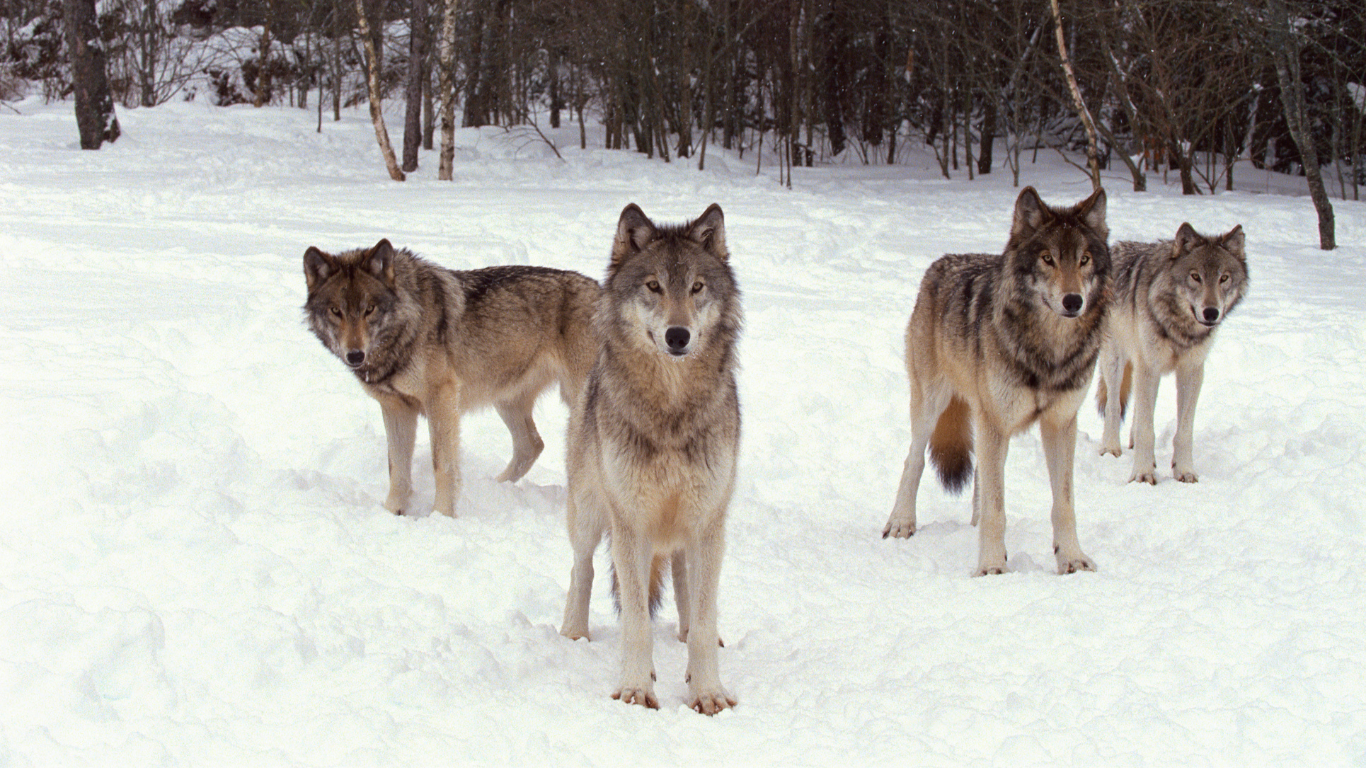
Article written by World Animal Protection Originally published by Popular Mechanics, 23 January 2026 In the shadow of nuclear disaster, these canines show remarkable resilience to the deadly disease. On April 26, 1986, disaster struck the small Ukrainian-Belarusian border town of Chernobyl, (then part of the Soviet Union) when a series of steam explosions led to a nuclear meltdown. The apocalyptic event impacted hundreds of thousands of people and greatly impacted the surrounding environment. But 40 years later, something strange is happening. The Chernobyl Exclusion Zone (CEZ), a roughly 1,000 square mile perimeter around the nuclear plant, is slowly becoming one of the world’s biggest science experiments for exploring the long-term effects of ionizing radiation. While humans might’ve abandoned the area, other animals stuck around. In 2016, a study found that the Eastern tree frogs (Hyla orientalis) in the CEZ exhibit different characteristics than their neighboring cousins, and in 2023, another study discovered distinct genetic differences between Chernobyl dogs and dogs living only 10 miles away in Chernobyl City. Now, Princeton University biologists Cara Love and Shane Campbell-Stanton are exploring another strange mammalian characteristic of the CEZ—its unexpectedly thriving wolf population. The results of the decade-long study were presented at the Annual Meeting of Society of Integrative and Comparative Biology in 2024. Analyzing wolves in the CEZ is particularly interesting because they’re apex predators, a.k.a. the top of the food chain. This is usually a privileged position in an ecosystem, but when that ecosystem is inundated with radiation, these animals are forced to eat irradiated prey that ate irradiated plants that grew out of irradiated soil. Basically, it’s radiation all the way down. This would seem to suggest that wolves would be particularly impacted in the CEZ, but Love says that isn’t happening. In fact, she told NPR that wolf populations in the CEZ are actually seven times more dense than in protected wildlife areas in neighboring Belarus. “Gray wolves offer a really interesting opportunity to understand the impacts of chronic, low-dose, multigenerational exposure to ionizing radiation,” Campbell-Stanton said in an NPR interview. “As an evolutionary biologist, the very first question in my mind was whether or not this radiation was enough of a stressor to actually be a selective pressure.” In 2014, the Princeton team attached collars to these CEZ wolves with both GPS and radiation dosimeters, in an effort to understand the population’s response to Chernobyl’s cancer-causing radiation. They discovered over time that the wolves were consistently exposed to radiation six times higher than the legal limit for humans. Love and Campbell-Stanton’s theory is that wolves are experiencing a kind of rapid natural selection, one likely caused by the equally rapid change in their surrounding environment. Some wolves within the CEZ contained genes that made them more resistant to cancer than other wolves. While still getting cancer at the same rate, these resilient canines simply weren’t as impacted, allowing them to pass on those genes to a future generation. “So in general, we found that the fastest-evolving regions within Chernobyl are in and around genes that we know have some role in cancer immune response or the anti-tumor immune response in mammals,” Campbell-Stanton told NPR. While the data shows a clear genetic cause behind the CEZ wolves’ cancer-resistance, Campbell-Stanton is quick to point out that these wolves are also free from other biological pressures—most notably, humans. The team is currently working with cancer specialists to see how these results could impact human health. For decades, Chernobyl has been characterized as an immense ecological disaster (which it definitely was), but in the past decade, the CEZ has also looked more and more like an unprecedented scientific opportunity.
Flying foxes die in their thousands in worst mass-mortality event since Australia’s black summer
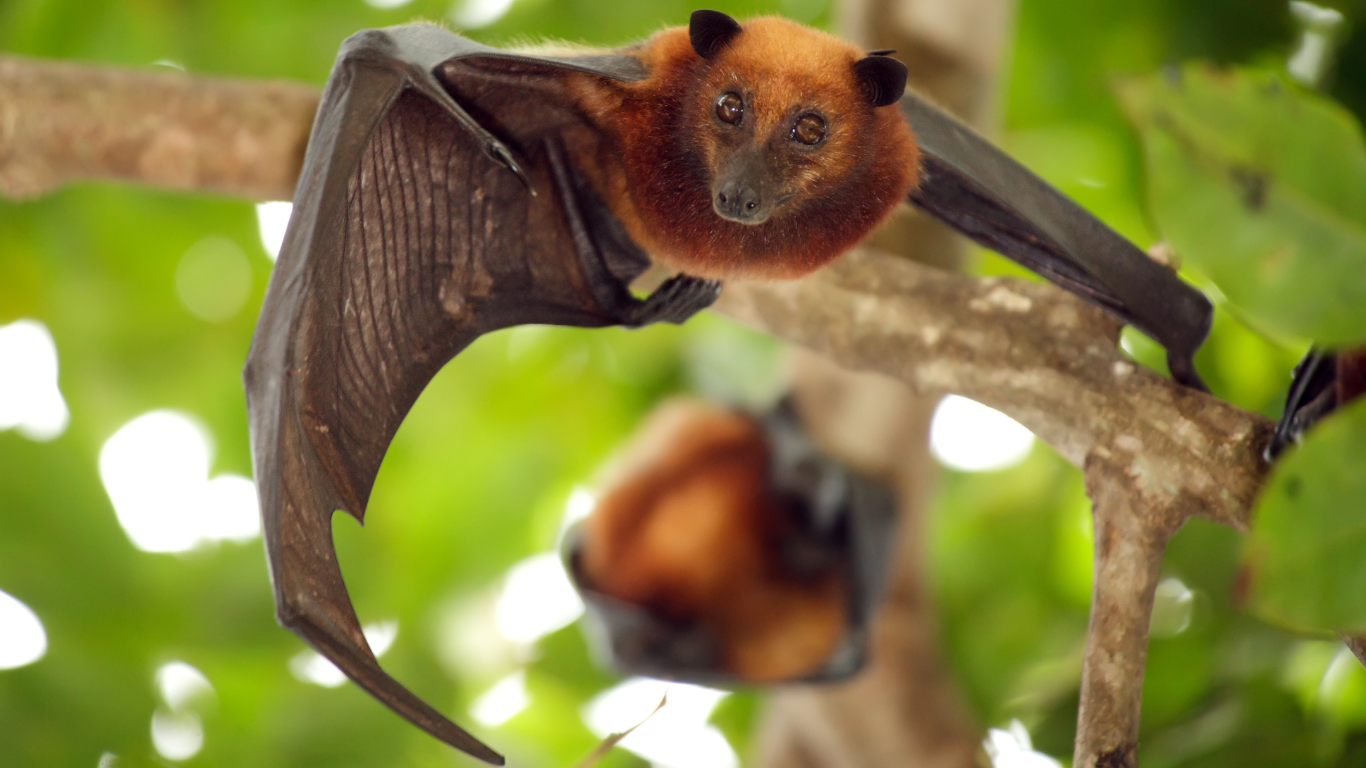
Article written by Petra Stock Originally published by The Guardian, 12 January 2026 Volunteers found thousands of dead bats at Melbourne’s Brimbank park, wildlife expert says Thousands of flying foxes have perished in the heatwave that scorched southeast Australia last week, the largest mass mortality event for flying foxes since Black Summer. Extreme temperatures resulted in deaths in camps across South Australia, Victoria, and New South Wales. Grey-headed flying foxes, listed as vulnerable under federal environmental laws, were the most affected. The director of the Fly by Night bat clinic in Melbourne, Tamsyn Hogarth, said volunteers witnessed thousands of dead bats at Brimbank Park and hundreds more at camps in Yarra Bend and Tatura. Wildlife volunteers did what they could to help, she said, rescuing dozens of pups found clinging to dead mothers. “These orphans will slowly die of heat stress, starvation, or predation if they aren’t found. “We also found countless adults who couldn’t withstand the heat in areas of the colonies that were hotter – like trees with less foliage and shade coverage and the baking hot clay of the riverbank.” Despite the best efforts of dedicated volunteers, thousands died in the heat. Researchers were still tallying the dead, estimating at least 1,000 – 2,000 flying foxes died in South Australia, thousands in Victoria, and up to 1,000 in New South Wales. “Temperatures over 42 degrees are known to cause mortality in flying foxes, sometimes at biblical scales,” said Prof. Justin Welbergen, an expert in flying foxes at Western Sydney University. The loss of life in last week’s heatwave was the “most significant mass mortality event” since 2019-20, he said. More than 72,000 flying foxes died in eight separate extreme heat events during Black Summer. One deadly heatwave in 2018 wiped out 23,000 endangered spectacled flying foxes in Queensland, a third of their population at the time. Last week, Australia’s worst heatwave in years saw temperatures in Adelaide reach 43°C on consecutive days and surpass 42°C on the hottest day in Melbourne and Sydney, with suburbs and regional areas recording maximums in the mid-to-high 40s. The heat had a “double-whammy” effect, Welbergen said, placing animals under direct stress and impeding their ability to find food by making it harder to fly and reducing the availability of nectar from eucalyptus flowers. Mothers and pups were most affected, making it harder for populations to bounce back. Dr. Wayne Boardman, a wildlife veterinarian and flying fox researcher at the University of Adelaide, said flying foxes initially showed signs of distress. “They fan their wings, they start to move down the trees, they pant a bit, and some try to fly to dip in the river.” But above 42°C, dehydration and heat stroke made it “physiologically very difficult for animals to survive.” Members of the public were advised never to try to rescue any sick, injured, or orphaned bats themselves, but instead to contact their nearest wildlife organization. The chief executive of Wildlife Victoria, Lisa Palma, said the organization increased its emergency response capacity to deal with a spike in cases, deploying its travelling veterinary service to a nationally critical flying fox colony. “Heat events like this can be catastrophic for native wildlife. Unlike us, our native animals can’t escape the heat and are highly vulnerable to dehydration, disorientation, burns, and even blindness.” Welbergen said flying foxes weren’t the only wildlife affected by extreme heat, but their deaths were often more visible with the animals roosting in trees in large numbers, often in urban centers. Flying foxes were like “canaries in the coal mine,” he said, providing an indication of what was happening to other animals as global heating increased the frequency and intensity of hot days and heatwaves. The work of rescuing and caring for wildlife affected by extreme weather weighed heavily on volunteers and an under-resourced veterinary sector, with no national wildlife rescue strategy. “We’ve been hit with a terrible season for orphaned pups. We were already at breaking point and dreading what the hot weather would bring—now our worst fears have been realized.” Hogarth said.
From ‘psychedelic’ spiders to European eels: 10 species heading into 2026 on the brink of extinction
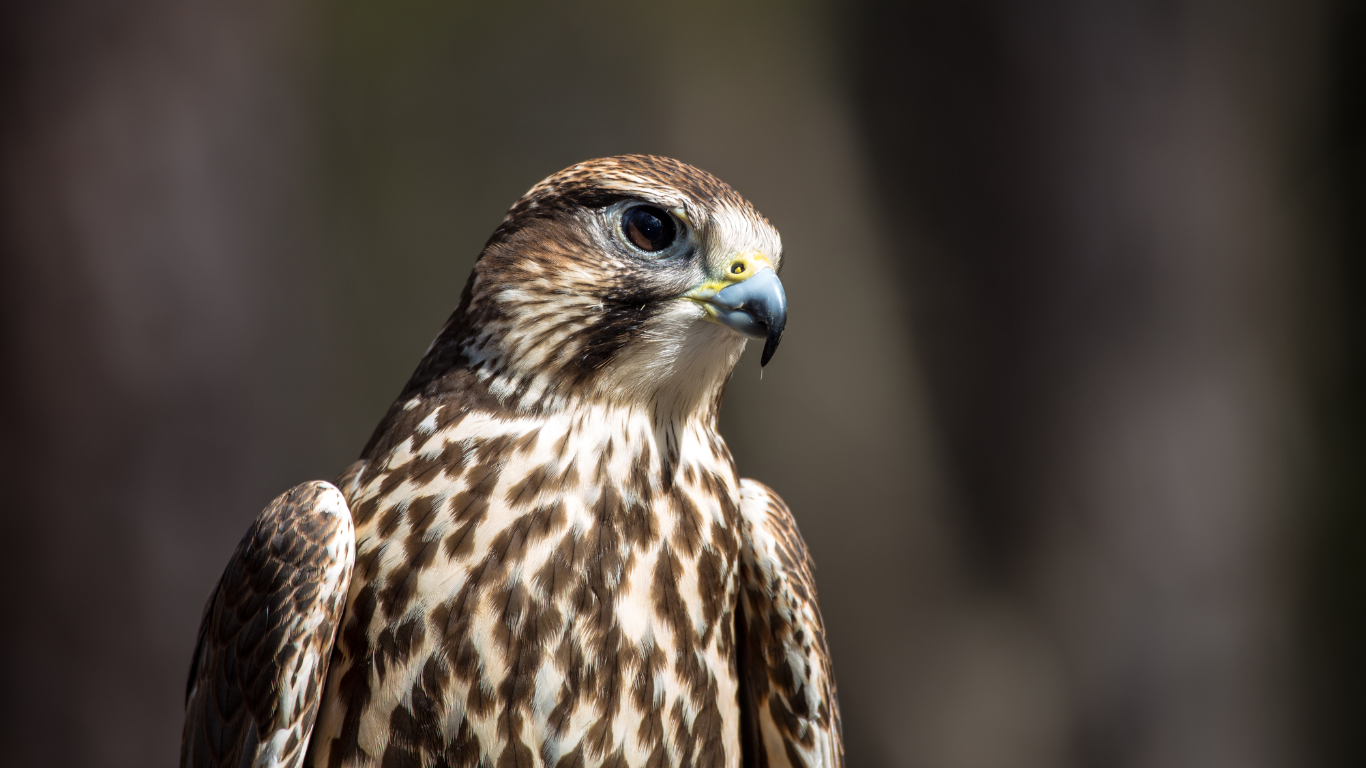
Article written by Liam Gilliver Originally published by EuroNews, 02 January 2026 Habitat loss, deforestation, the illegal wildlife trade, and climate change are pushing these extraordinary species towards extinction. Conservationists warn the world can “no longer afford” to delay climate action to protect and restore our planet’s natural wonders. Today (7 January), international nature charity Fauna & Flora has launched its 2026 Species to Watch list, highlighting some of the “weird and wonderful” creatures at risk of disappearing in the not-so-distant future. Kirsitian Teleki, Fauna & Flora’s CEO, says the list offers an insight into the “key challenges” facing some of the world’s most vulnerable species, including habitat loss, deforestation, the illegal wildlife trade, and the climate crisis. “It also shines a spotlight on the weird and wonderful plants and animals we are working to protect, and on the inspiring people and partners Fauna & Flora works with across the globe to deliver effective conservation action,” Teleki adds. “In challenging times, it stands as a beacon of hope.” As we edge closer to 2030, a “guiding star” for many nature and climate goals, here are 10 species heading into the new year on the brink of extinction. European eel Once common throughout the continent, the European eel is on a slippery slope towards extinction. Over the past 25 years, its UK population alone has plummeted by a staggering 95 percent. Experts point the blame at overfishing, driven by the once-popular jellied eel dish, as well as pollution, habitat fragmentation, and illegal trade. They may not look cute, but experts warn these snake-like creatures play a “crucial role” in freshwater and coastal ecosystems, providing a high-energy food source for otters, bitterns, and other fish-eating creatures. “Their disappearance would have dire consequences,” warns Fauna & Flora. “Having recently detected European eel during freshwater monitoring in Georgia—where they haven’t been recorded for some time—[we] will conduct further research into this enigmatic and critically endangered fish in 2026.” Cao-vit gibbon Named after its distinct call, the Cao-vit gibbon is the world’s second-rarest primate. Scientists feared the species had become extinct until its rediscovery back in 2002. Today, around 74 remain. Fauna & Flora says the critically endangered gibbon is at “extreme risk from loss of genetic diversity, inbreeding, and unforeseen catastrophes.” A 2026 census hopes to verify whether conservation efforts laid out by the organization have helped restore habitats and increase the population. Psychedelic earth tiger (Indian rainbow tarantula) Found solely in the tropical forests of the southern Western Ghats in Kerala, India, this groovy spider is awash with color and a metallic iridescence. However, its striking appearance is fueling its demise—as demand from the illegal pet trade continues to harm the population. Habitat loss and degradation have also pushed the Indian rainbow tarantula towards extinction. The Conservation Leadership Programme (CLP), a female-led team of spider experts, is now working to safeguard the species’ future through field surveys, community engagement, and awareness initiatives. Credit: Mithun Das CLP by Fauna & Flora Blackchin guitarfish This “weird and wonderful” guitarfish looks like a mix between a shark and a ray. It’s instantly recognizable with its flattened nose, broad pectoral fins, and long-finned tail. Native to the Mediterranean Sea and the eastern Atlantic, the blackchin guitarfish has become critically endangered as a result of overfishing, habitat destruction, and slow reproductive rates. Fauna and Flora are currently working in the waters of Cabo Verde, aiming to halt its decline by strengthening networks of marine protected areas and reducing shark and ray mortality from fishing. Temminck’s pangolin This ground-dwelling animal is the only one of Africa’s four pangolin species found in relatively arid areas of East and Southern Africa, with sightings going as far north as Chad and Sudan. The Temminck pangolin forages “very slowly and deliberately,” often walking on its back legs and using its short tail as a counterweight. It’s a fascinating display of adaptation, but like all pangolins, the species is threatened by the illegal trade market for its meat and scales. Fauna & Flora is supporting the development of a crisis clinic in Mozambique to help the rehabilitation and re-release of rescued and injured pangolins. Saker falcon Lightning-fast and powerful, the saker falcon has been highly prized by falconers for millennia, particularly in the Middle East. However, its soaring popularity has seen the population plummet. Scientists predict there are fewer than 30,000 now left in the wild. This year, Fauna & Flora will assess the impact of trade on the species in Central Asia by monitoring populations and gathering data on international trade chains. This evidence will be used to develop conservation strategies, community engagement and enforcement efforts. Clouded leopard Targeted for its striking markings, the clouded leopard has been pushed towards extinction due to the illegal wildlife trade. They’re trafficked alive as exotic pets, while their pelts are sold on the black market for decoration and luxury clothing. It is thought that clouded leopards are even targeted for their teeth, claws and bones, which are passed off as tiger parts. This year, Fauna & Flora is supporting community-led patrols to protect the threatened feline in Cambodia’s Virachey National Park. Utila spiny-tailed iguana Named after a small island in Honduras and known locally as wishiwilly del suampo, the Utila spiny-tailed iguana only lives in mangrove forests. While the lizard remains critically endangered, a recent survey suggests the population has increased from around 3,000-6,000 to 7,000-14,000. Fauna & Flora is supporting its in-country partners to keep on protecting and restoring mangrove trees that the iguanas depend on. Saint Lucia fer de lance A highly venomous viper with a potentially deadly bite, these lancehead snakes can grow up to two meters in length. As its name suggests, this endangered species of pit viper is endemic to the island of Saint Lucia in the Lesser Antilles. Although widely feared, the reptile isn’t aggressive and will only bite when threatened. Still, the Saint Lucia fer-de-lance is often killed by locals on sight. Now, Fauna & Flora are trying to change perceptions of
Do hibernating animals go to the loo?

Article written by Helen Pilcher Originally published by Discover Wildlife, 18 November 2025 Lots of animals hibernate. Hedgehogs hunker down, dormice curl up in a ball, and bats take to their roosts. Hibernation occurs when animals enter a state of almost total inactivity during the winter months. They do this by slowing their heart rate, lowering their body temperature, breathing more slowly and reducing their metabolism. This helps them to conserve energy and survive for long periods of time without eating. As with so many things, however, it’s a question of degree. Some animals rouse themselves from hibernation for a quick snack and a toilet break before returning to their bed. Dormice do this, and so do bats and chipmunks. This helps the animals to keep their strength up and get rid of any waste that would otherwise soil their ‘bed.’ Bears, on the other hand, truly commit to hibernation. If you’ve never come across ‘Fat Bear Week,’ check it out. Prior to hibernation, bears eat so much they can double their body weight. During Fat Bear Week, online spectators vote for the biggest chubster. (The 2025 award went to a 500kg brown bear called Chunk, who triumphed despite having a broken jaw.) Unaware of this kerfuffle, the bears then get on with the serious business of settling in their dens and drifting off. The metabolism of the black bear slows by half, and its heart rate drops from 55 beats per minute to just nine. Bears do not enter a deep, continuous sleep but remain in a state of ‘torpor’ where their body temperature drops by a relatively small amount, and they retain the ability to wake up quickly if they need to. This hibernation-like state can last for around six months, during which time they don’t pee or poop. At all. Hibernating bears still produce urine, but they don’t expel it. Instead, any urine is absorbed back through the bladder into the body, where urea in the urine is used to build proteins. This helps the animals to maintain their muscle mass and avoid the build-up of toxic waste products. Meanwhile, undigested solids accumulate in the large intestine, where any remaining water is also absorbed back into the body. This leads to the formation of a dry, solid, chunky poo which blocks the only available exit. The ‘fecal plug’ sits in the rectum until spring. Then, when the bears finally wake up, they do indeed poop in the woods.
Red deer on the Danish border: Amateur hunters frame themselves as the only solution to a crisis of their own making.
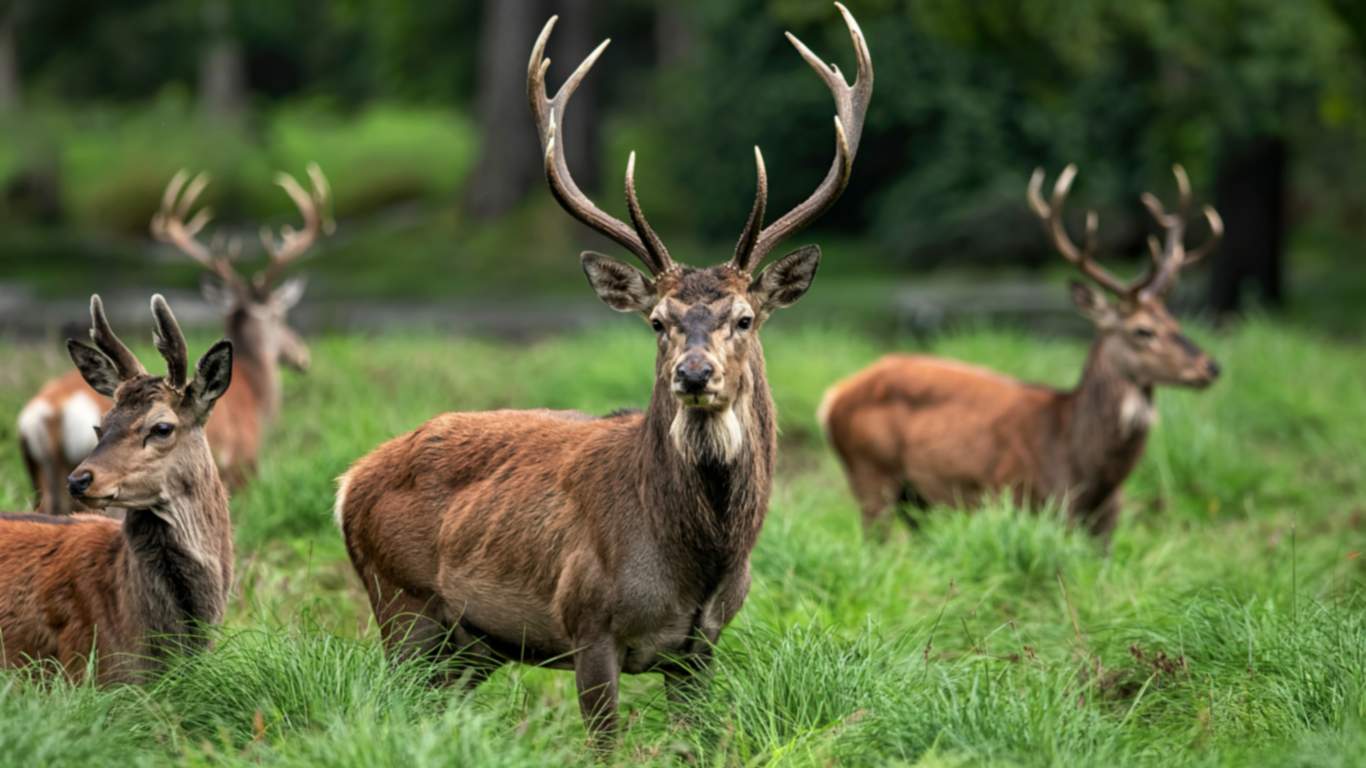
Adapted from original article written by Wild Beim Wild Editorial Staff Originally published by Wild Beim Wild, 30 November 2025 In North Frisia, amateur hunters are sounding the alarm. Large numbers of red deer from Denmark are crossing the border, easily scaling the 4-foot (1.2-meter) wild boar fence and appearing in the forests of Schleswig-Holstein. The list of complaints is familiar: more wildlife collisions, allegedly massive forest damage, and financial losses for forest owners. This is the summary of a recent article based on a report published by Norddeutscher Rundfunk (NDR) and circulated by various hunting-related websites. What is striking in this portrayal is that red deer appear as a natural disaster that must be combated by humans through heroic hunting efforts. What is almost completely ignored is that this very system of hobby hunting is what has created the problems in the first place. The crux of the NDR story lies in a sentence that hunting-related platforms openly repeat: The problem isn’t the red deer, but the hunting system in Denmark. Unlike in Germany, the country has no officially mandated culling quotas. Instead, the following applies: The main targets of hunting are animals that yield trophies, namely deer with antlers. For wealthy customers, the shooting of red deer is apparently worth up to 5,000 euros (around $5,825 / £4,385) per animal. Forest owners can earn more from trophy hunting than from selling timber. The biological consequence is obvious. If the focus is primarily on male animals and females are largely spared, the offspring population increases. Red deer hinds are the true driving force behind the population. Those who protect them while simultaneously creating attractive hunting conditions through baiting and feeding are orchestrating overpopulation. According to the cited report, the red deer population in Denmark has grown from approximately 4,000 to more than 40,000 animals in about twenty years. This is not a natural phenomenon, but the result of a system geared towards maximum hunting yield. North Frisia: Extermination, return, and now the next hysteria In North Frisia, Germany, there were practically no red deer left until 2004. Historically, red deer were largely eradicated in Schleswig-Holstein, as even hunting associations acknowledge. Animals are migrating back in. Large herds cross the border at night, navigate the artificial wild boar fence, and seek out new habitats. Instead of understanding this development as a belated correction of man-made degradation of the landscape, a threat scenario is once again being constructed. Foresters complain about bark browsing, and smaller forest areas are said to be 80 percent devalued. This has been known for years: The greatest risks to the forest come from recreational hunting, climate stress, monocultures and industrial use. Damage from browsing by ungulates is also a factor, but is primarily a management problem for forestry and recreational hunting. Those who have relied on spruce plantations and hunting-friendly structures for decades should not be surprised when wild animals use these unstable systems, making the damage wreaked on these ecosystems visible. Red deer need migration corridors, not bullets Red deer are a species accustomed to semi-open landscapes. Originally, they migrated over large distances between different seasonal habitats. Today, this natural mobility is massively restricted: Highways, railway lines and canals fragment habitats. Settlements and intensive agriculture are taking away space from wild animals. Green bridges and wildlife corridors are the rare exception rather than the standard. Schleswig-Holstein, Germany’s northernmost state, is a prime example of how much red deer suffer from this fragmentation. Genetic studies and reports from hunting associations document severe inbreeding problems: shortened lower jaws, malformations, and a depleted gene pool. It is a bitter irony that the very associations that have been warning for years about inbreeding and genetic impoverishment nevertheless call for higher hunting quotas at every opportunity, while confining wild animals to small, managed hunting units. Political response: More shootdowns instead of less disruption According to the widely circulated NDR report, a decree is planned in Schleswig-Holstein to regulate the management of migrating red deer, and is scheduled to take effect in April 2026. One goal is to intensify culling and clarify the legal situation. At the same time, the plans contain a seemingly positive aspect: Immigrant deer from Denmark are intended to help improve the genetic diversity of German red deer populations. The aim is to protect middle-aged deer so that they can continue to migrate south to reproduce. What sounds like foresight at first glance is, on closer inspection, yet another attempt to neatly categorize wild animals into a hunting management scheme. Individual animals are allowed to survive as free gene donors, while the vast majority continue to be declared “pests” and shot. Forest damage as a constant pretext When amateur hunters are portrayed in the media as “raising the alarm about red deer,” the narrative usually conveys a picture in which stags and hinds bear the primary responsibility for forest problems. These same individuals conveniently omit that: The forest in northern Germany has been weakened by years of intensive forestry, clear-cutting, hobby hunting and monotonous stands. Extreme climatic events put additional pressure on trees. Stable, near-natural mixed forests with richly structured vegetation are significantly more resilient to browsing by wild animals than artificial timber plantations. Red deer are more of a symptom than a cause in this system. Where species-rich, near-natural forests are lacking and hunting alters the animals’ structures and behavior, damage becomes visible, which then serves as ammunition for even more hunting. Shifting responsibility: The hunting industry as profiteer The situation in Denmark, with its high-priced trophy hunting, is not an exotic anomaly, but rather a glimpse into where recreational hunting, primarily serving economic interests, can lead. The animals always pay the price. When the numbers rise, “damage” is complained about and higher culling quotas are demanded. In the end, recreational hunting presents itself as an indispensable force for maintaining order, “solving” problems it has created itself. The current debate in North Frisia fits seamlessly into this pattern. What a modern red deer policy would
15 elephants rescued after being orphaned – now drought threatens them
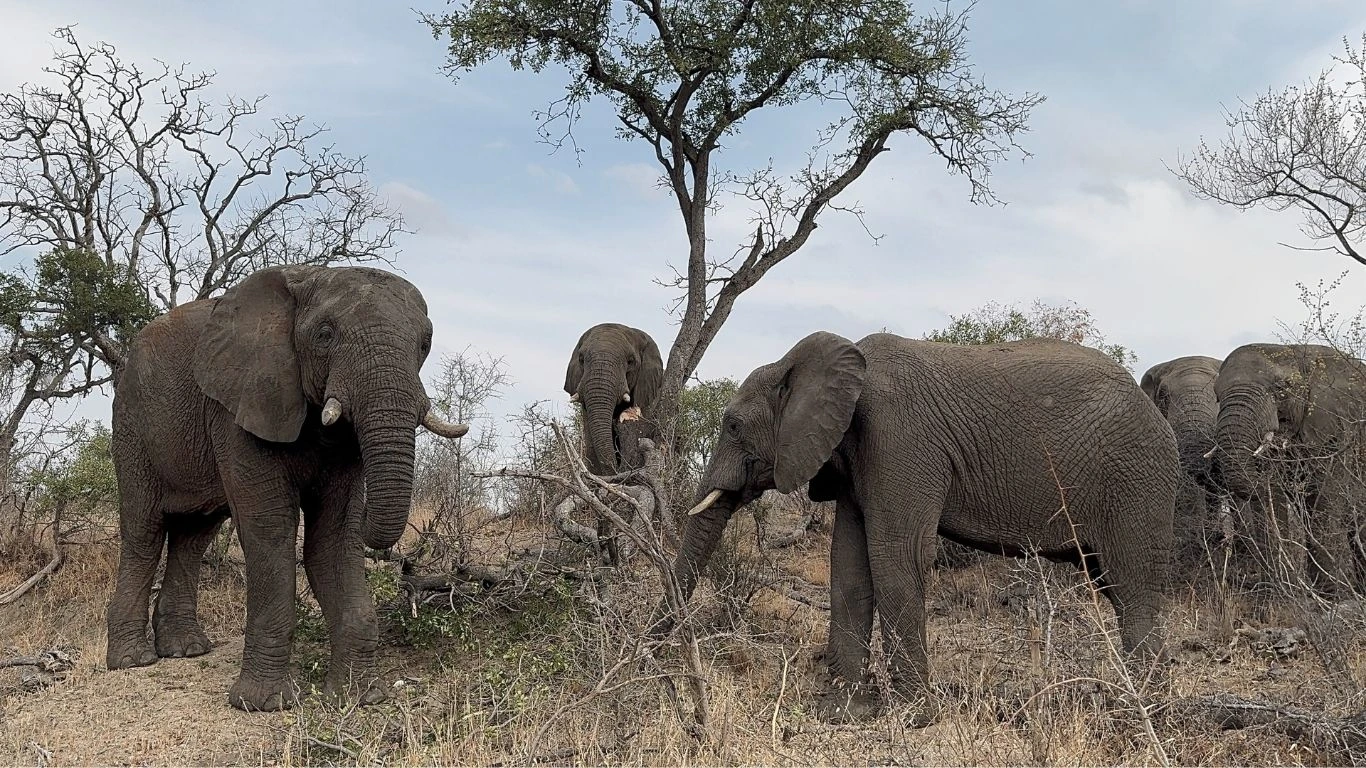
During this season of giving, 15 orphaned elephants are dearly hoping you’ll spare them a thought… The Jabulani herd is a tight-knit herd of rescued elephants who have found comfort, solace and safety in each other – and in our partner, Hoedspruit Elephant Rehabilitation and Development (HERD). Each elephant has survived the devastating trauma of losing their mother – some even witnessing their mothers’ brutal slaughter. Now, these orphans are safe from poachers – but they desperately need food. As climate change and relentless drought strip their landscape of natural vegetation, 15 orphaned elephants desperately need a reliable food source. Relentless drought conditions in Limpopo have left the land bone-dry, and a herd of rescued elephants is struggling to find enough food. Credit: HERD In South Africa’s Limpopo Province, years of erratic rainfall and prolonged dry spells have left precious wildlife struggling to survive. For the Jabulani herd, the situation is especially dire. These are semi-wild elephants, some orphaned by poaching or snaring in South Africa, and others saved from being culled in Zimbabwe. As rescued animals, they would not survive being released into the wild. They rely fully on the HERD sanctuary for food, but our partner is battling the effects of drought. As drought conditions worsen each year and natural vegetation diminishes, there is simply not enough food in the semi-wild environment to sustain the elephants. Today, we need your help to feed 15 orphaned elephants who are relying on your kindness. Amid worsening drought and diminishing natural vegetation, HERD’s bana grass plantation is critical in sustaining the elephants. Their current crop is finished and they must replant as soon as possible. Credit: HERD Our partner has created a three-hectare bana grass plantation – a sustainable, nutrient-rich, fast-growing and highly drought-tolerant crop. This bana grass has been the perfect buffer against the dry, harsh conditions in Limpopo – BUT it has reached the end of its lifecycle. We must replant the crops to keep the elephants fed right away. Replanting now, at the start of Limpopo’s rainy season, gives the grass the best possible chance to thrive and provide enough food for the elephants for the next five years. Together, we can replant the bana grass and help secure enough food for an orphaned elephant herd for the next half-decade. Credit: HERD It costs $75 (£58) to replant one row of Bana grass. If we can raise $6,300 (£4,800), we can fully restore the plantation and guarantee a steady food supply for the entire herd for FIVE YEARS. This is your chance to make a lasting difference for precious elephants in Africa who have lost their homes and their families. The first 25 donors to give $250 (£190) or more will earn the title of Bana Grass Guardian! You will receive a personalized digital plaque – a lasting tribute to your generosity and symbol of hope for the elephants’ future that YOU helped plant. Please email info@animalsurvival.org once you have made your donation, with the name you would like on your digital plaque. Please donate generously today to help us give 15 rescued orphaned elephants in South Africa the food and safe future they need.
Colombia bans all new oil and mining projects in its Amazon
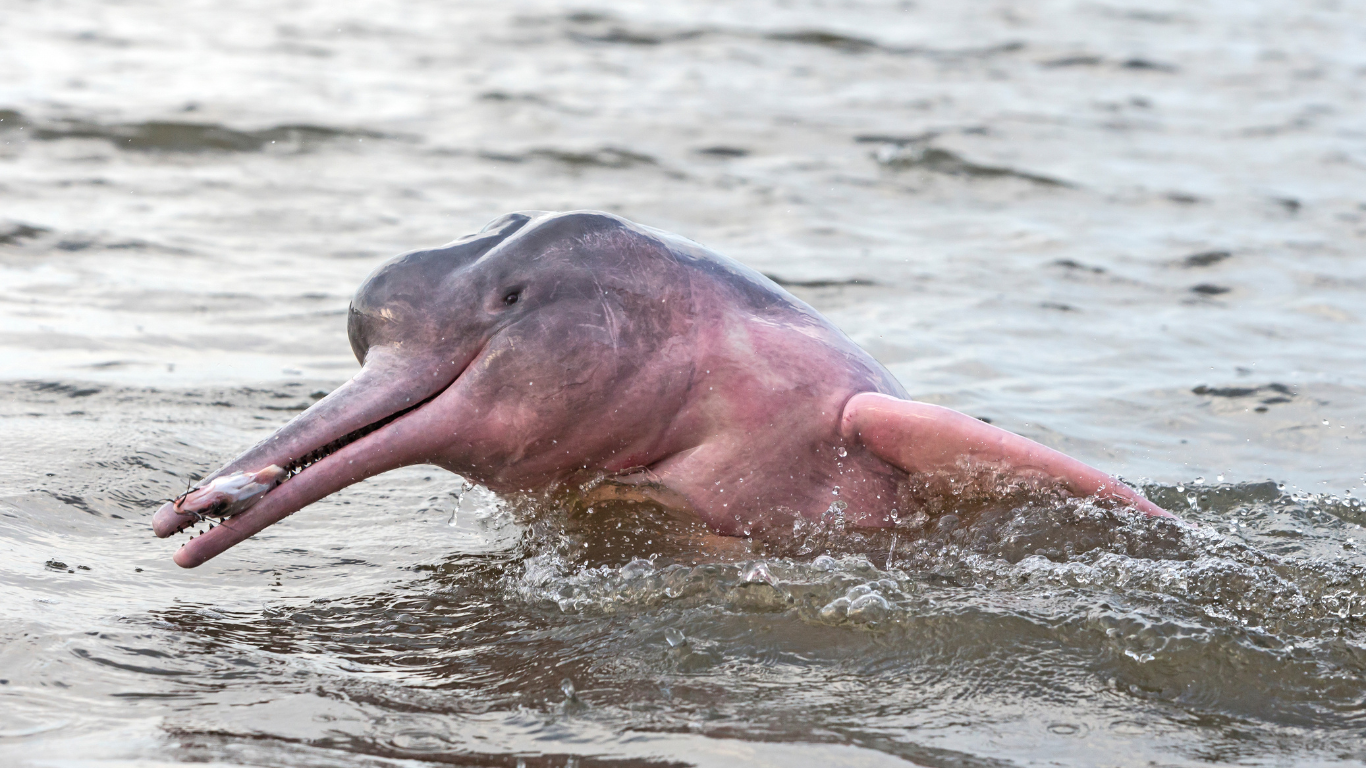
Article written by Shanna Hanbury Originally published by Mongabay, 18 November 2025 Colombia will no longer approve new oil or large-scale mining projects in its Amazon biome, which covers 42% of the nation’s territory, according to a Nov. 13 statement by its environment ministry. Acting Environment Minister Irene Vélez Torres said the entire Colombian Amazon will be made a reserve for renewable natural resources. She made the announcement at a meeting of ministers with the Amazon Cooperation Treaty Organization during COP30, the U.N. climate summit taking place in Belém, Brazil. “This declaration is an ethical and scientific commitment. It seeks to prevent forest degradation, river contamination, and biodiversity loss that threatens the continent’s climate balance,” Vélez said. She also called on other Amazonian nations to adopt similar protections, highlighting that Colombia controls just 7% of the Amazon biome. Across the Amazon, 871 oil and gas blocks cover an area roughly twice the size of France; 68% of the blocks are still in the study or bidding phases. “We do this not only as an act of environmental sovereignty but also as a fraternal call to the other countries that share the Amazon biome, because the Amazon does not know borders, and its care requires us to move forward together,” Vélez added. Brazil, which controls nearly 60% of the Amazon, has moved in the opposite direction over the past year, despite successfully cracking down on deforestation. The nation auctioned off several oil blocks near Indigenous lands and approved drilling for an offshore site at the mouth of the Amazon River. Peru is courting foreign oil companies to restart production at Lot 192, a huge Amazonian crude oil site in in the north of the country. The Ecuadorian government is planning to auction off 49 oil and gas projects worth more than $47 billion, despite protests. In Colombia, 43 oil blocks and 286 mining requests haven’t yet broken ground. The new measure, the ministry says, will prevent these projects from going forward. “Their activation could put the climate balance of the continent at risk,” the environment ministry wrote in a statement. At another COP30 event, Vélez criticized a mechanism that allows corporations to sue governments for losses caused by environmental policies, saying it infringes on state sovereignty. Such a system, she noted, makes it difficult for a nation to outlaw existing extractive industries without facing significant penalties. “Future generations must be able to find nature in a healthy state, the way we have known it,” María Soledad Hernández, coordinator of the sustainability program with the Colombia-based Amazonian Institute for Scientific Research, said in a video statement. “Talking about conservation does not mean talking about not making use of it. Talking about conservation means being sustainable, being responsible, and having activities that are balanced and in harmony with nature,” she added.
More than half of world’s bird species in decline, as leaders meet on extinction crisis
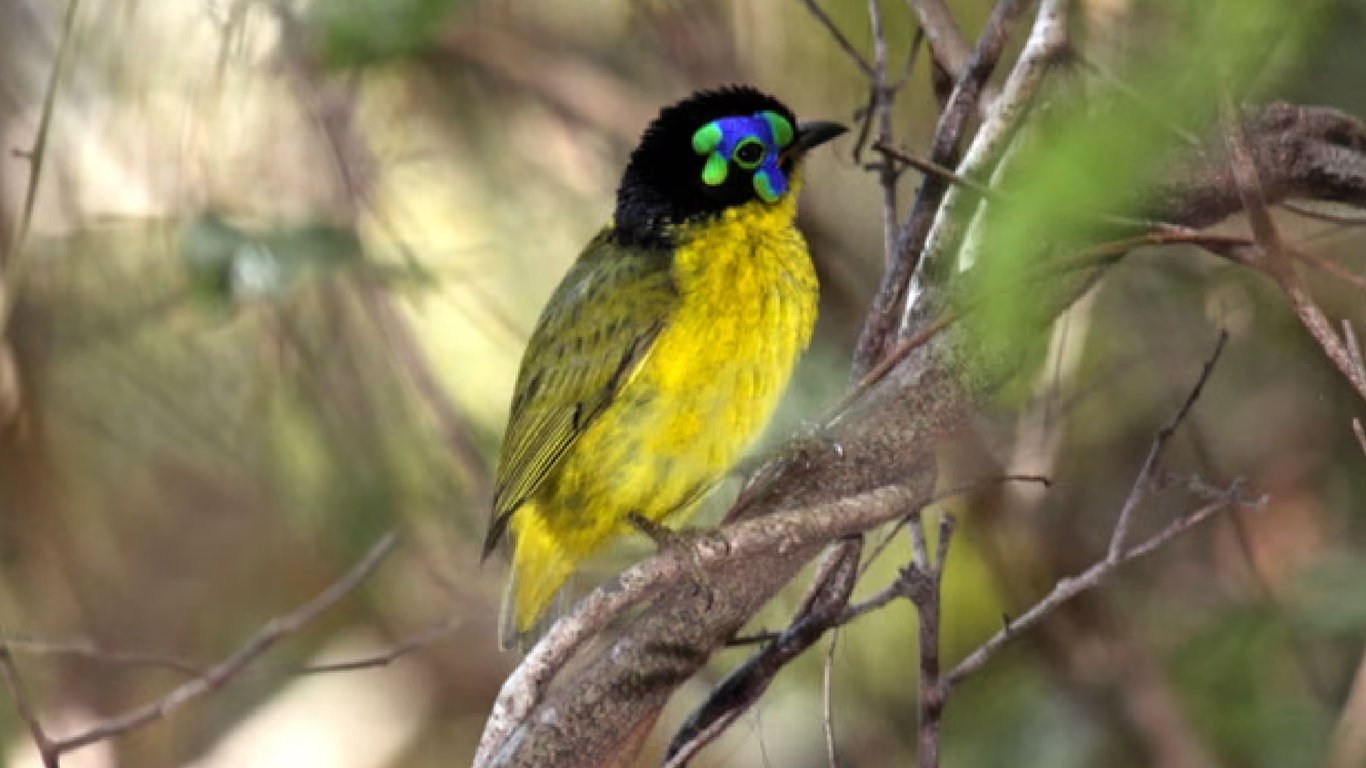
Article written by Patrick Greenfield Originally published by The Guardian, 10 October 2025 Biodiversity losses are growing, the IUCN reports as summit opens, but green turtle’s recovery ‘reminds us conservation works.’ More than half of all bird species are in decline, according to a new global assessment, with deforestation driving sharp falls in populations across the planet. On the eve of a key biodiversity summit in the UAE, scientists have issued a fresh warning about the health of bird populations, with 61% of assessed species now recording declines in their numbers. From Schlegel’s asity in Madagascar to the tail-bobbing northern nightingale-wren in Central America, many bird species have lost habitat to expanding agriculture and human development. Just nine years ago, 44% of assessed bird species had declining populations, according to the red list of endangered species from the International Union for Conservation of Nature (IUCN). Dr. Ian Burfield, BirdLife’s global science coordinator, who helped oversee the assessment, said, “That three in five of the world’s bird species have declining populations shows how deep the biodiversity crisis has become and how urgent it is that governments take the actions they have committed to under multiple conventions and agreements.” It comes as hundreds of conservationists gather in Abu Dhabi on Friday for the IUCN’s congress, where the fate of many of the world’s most at-risk wildlife species will be discussed. In the face of global headwinds on environmental action, scientists are urging governments to deliver on recent pledges to better protect nature. Birds play an important role in ecosystems, helping to pollinate flowers, disperse seeds, and control pests. Hornbills – which are found across the tropics – can spread up to 12,700 large seeds a day in a square kilometer. Credit: Chris Strickland/Alamy Dr Malin Rivers, head of conservation prioritization at the Botanic Gardens Conservation International, said: “The fates of birds and trees are intertwined: trees depend on birds for regeneration, and birds depend on trees for survival.” The green sea turtle’s recovery “reminds us that conservation works,” said the IUCN director general, Dr. Grethel Aguilar. Once classified as endangered, it is now viewed as a species of least concern due to conservation efforts. The turtles’ numbers have grown by 28% since the 1970s thanks to greater protection for nest sites in Ascension Island, Brazil, Mexico, and Hawaii. Roderic Mast, co-chair of IUCN’s species survival commission marine turtle specialist group, said the green turtle’s recovery was “a powerful example of what coordinated global conservation over decades can achieve to stabilize and even restore populations of long-lived marine species.” But there was bad news for Arctic seals, which scientists warn are drifting closer to extinction due to global heating. The loss of sea ice has seen population numbers for bearded and harp seals fall sharply. Thinning sea ice means that the Arctic seals are finding it more difficult to find areas to rest and breed. They are a critical prey species for polar bears, which researchers fear will also be affected by the loss. Dr. Kit Kovacs, Svalbard program leader at the Norwegian Polar Institute, said, “Each year in Svalbard, the retreating sea ice reveals how threatened Arctic seals have become, making it harder for them to breed, rest and feed. “Their plight is a stark reminder that climate change is not a distant problem – it has been unfolding for decades and is having impacts here and now.” Banner credit: Doug McCutcheon/Alamy
Baby giant tortoises thrive in Seychelles after first successful artificial incubation
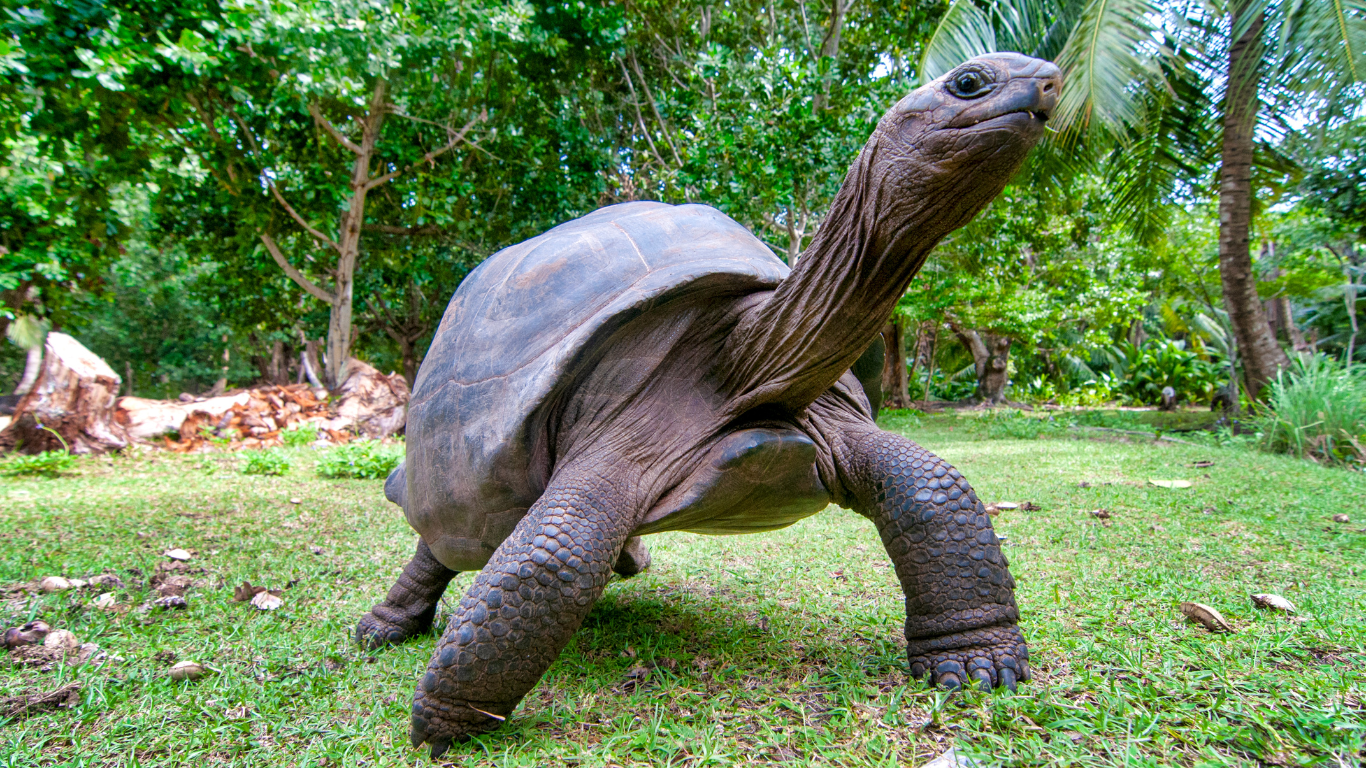
Article written by Jonathan Watts Originally published by The Guardian, 10 October 2025 Exclusive: Trial that has produced 13 hatchlings could help other threatened species avoid extinction The slow-motion pitter-patter of tiny giant tortoise feet has been worryingly rare in recent years, but that looks set to change thanks to the first successful hatching of the species with artificial incubation. One week after the intervention, the 13 babies are building up their strength on a diet of banana slices and leafy greens in Seychelles, which is home to one of the last remaining populations of the tortoise. The researchers said the successful trial could help to stave off an extinction crisis for other threatened species. As new members of one of the biggest and longest-lived reptile species in the world, the Aldabra giant tortoise, they could eventually reach a weight of about 250 kg (39 st) and live more than 100 years. The hatchlings are the survivors from 18 eggs that were taken from a single nest on Cousin Island by local conservationists. Credit: Chris Tagg/Nature Seychelles The hatchlings are the survivors from 18 eggs taken from a single nest on Cousin Island by local conservationists after scientists used a groundbreaking technique to analyze whether the failed tortoise eggs were fertilized and capable of developing. “This is a huge leap,” said Alessia Lavigne, a Seychelloise based at the University of Sheffield, in England, who was the lead author of a recent study related to the project. “It shows what conservation can do.” The study examined the reproduction rates of five turtle and tortoise species, which revealed that 75% of undeveloped eggs had been fertilized but contained embryos that died at an early stage. Those findings cast new light on why the Aldabra giant tortoise, which is classified as vulnerable by the International Union for Conservation of Nature, appears to have very low hatching success in wild nests. The failure rate is considered more likely to be due to environmental factors than to any genetic trait of the tortoises. A baby Aldabra giant tortoise. It could eventually reach a weight of about 250kg. Credit: Chris Tagg/Nature Seychelles Giant tortoises were wiped out from most other Indian Ocean islands in the 19th century as a result of hunting by sailors, but the population on the Aldabra group of islands in Seychelles was saved thanks to their isolation. They, along with 400 other endemic species and the extraordinary colours of the landscape, were the reason why the atoll was listed as a World Heritage Site by UNESCO in 1982. As a hedge against extinction, some individuals were moved to other islands, including Cousin, in the hope that they could establish backup populations in the event of new threats. This has proved prescient because at least one island is being developed as a luxury tourist resort, funded with Qatari money, as the Guardian revealed last year. Lavigne said the rarity of juvenile sightings on many islands suggests reproduction rates may be low. The incubation of fertilized eggs, which is being trialed in collaboration with Nature Seychelles, can help to bolster numbers if there is a crisis. But the priority for research will be how to improve the conditions of wild nests. “It’s wonderful that these eggs have been shown to be viable, but artificially incubating eggs is not a long-term solution,” said Nicola Hemmings of the University of Sheffield’s School of Biosciences. “We now need to identify the variables that are impacting survival in the natural nest environment and then see if there are ways to improve them.”
Israel war emergency: Animals have no protection as bombs fall
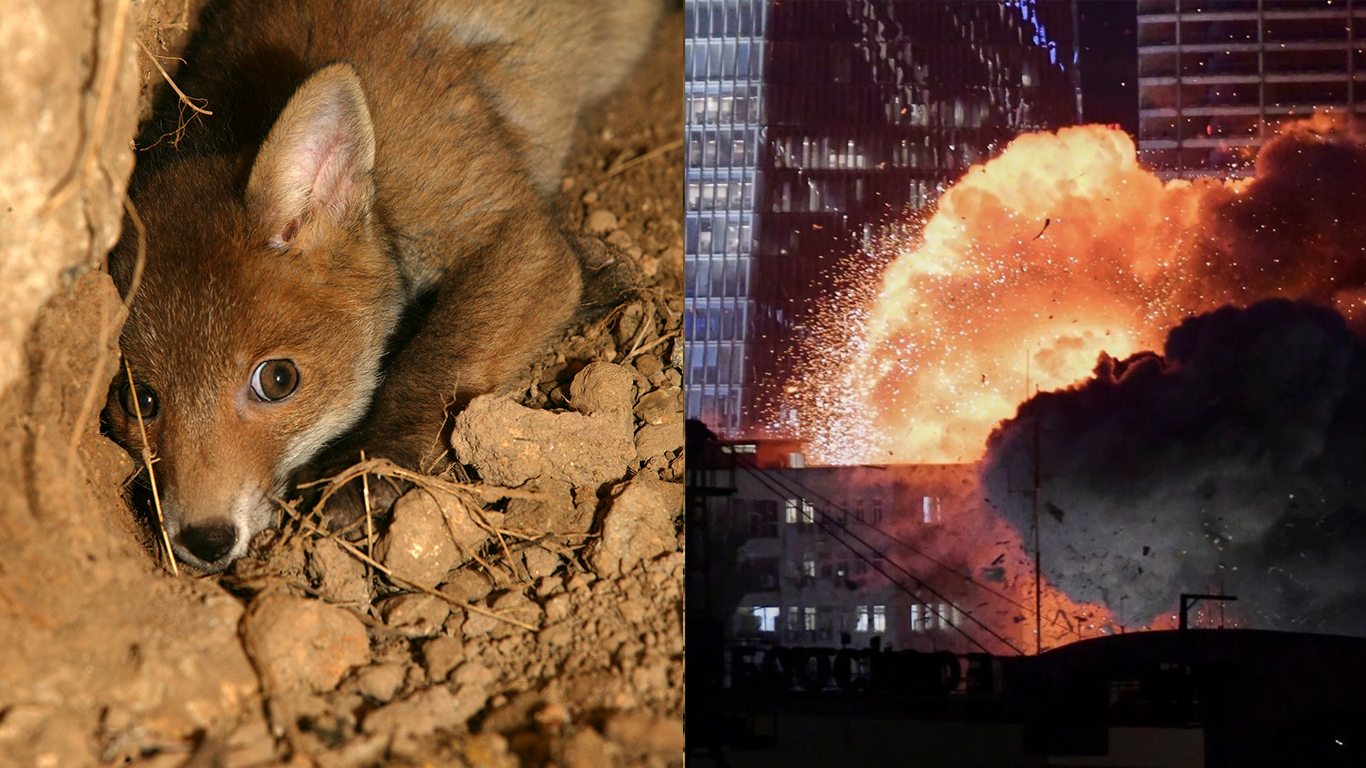
A deadly escalation in the bloody conflict in the Middle East is putting countless animal lives at risk. As Israel and Iran launch relentless attacks, animals are caught in the bloody crossfire. Wild animals are dying as missiles rain down around them, we have a way to protect them. With your help, we WILL. A rescued deer receives round-the-clock care at our partner sanctuary, but all rescued animals are vulnerable to missile strikes without a secure bomb shelter. Credit: TIBS Hundreds of missiles have been fired at Israel from Iran in the past week. The Iron Dome defense system that once kept Israel safe has been breached – now, cities are filled with the sound of warning alarms and sirens, urging people to take cover in bomb shelters. BUT – when the sirens go off, there is nowhere for the animals at our partner shelter to flee to. Together, we can give them the safety they need to survive this horrific war. With the Iron Dome breached, a fortified bomb shelter is the ONLY way to protect animals rescued from war as missiles fall. Credit: TIBS Amid the chaos, destruction and terror, we are doing everything we can to help – but we must act fast. Our partner, The Israeli Bat Sanctuary (TIBS), was initially established to help bats in need. Over the years, it has expanded to help all kinds of wild animals, including foxes, porcupines, deer, jackals, mongooses, birds of prey, and any others needing life-saving assistance. TIBS was the first animal rescue team on the scene after the October 7 attacks, rescuing 500 animals from suffering and death. Today, it is the only safe haven for wild animals outside Tel Aviv and Jerusalem, offering 24-hour rescue, rehabilitation and long-term care. But while the animals have been rescued from death, they are still not safe – not until we can install a bomb shelter to save them from the destruction raining from above. Wild animals are being forgotten as war rages on, like this baby jackal found malnourished and on death’s door. Credit: TIBS A few days ago, bombs fell just three miles (five kilometers) from the sanctuary. The next attack could land a direct hit – and we must act fast to protect the animals before this happens. This rescued porcupine is one of the many animals who are at risk without the protection of a bomb shelter. Credit: TIBS The closest thing TIBS currently has to a bomb shelter is an old walk-in fridge with flimsy polystyrene walls. Every time the sirens blare, the TIBS team moves animals into the old fridge, staying by their side throughout the chaos. If bombs land anywhere near this ineffective shelter, the animals – and the dedicated staff who refuse to leave their side – could be blown to pieces. There is a quick and effective solution that we can implement immediately: A fortified bomb shelter with eight-inch-thick (20cm) concrete walls, which can withstand a missile strike landing as close as six feet (2m) away. The bomb shelter is ready to be purchased and installed – all we need now are the funds. When warning sirens sound, animals are moved to a walk-in fridge offering little protection (L). The team urgently needs a fortified bomb shelter (R) to keep its animals safe. Credit: TIBS The sanctuary receives no government funding and survives solely on the support of volunteers and public donations. Now more than ever, they are financially stretched and cannot afford this crucial protection for their animals. We must act quickly to raise the funds needed to protect animals saved from war. Our partner has sworn to protect them no matter what – and with your help, we can help keep that promise. Please donate right away and help us give these animals the protection they deserve.
Hunters killed their mothers. Now, they need our help.
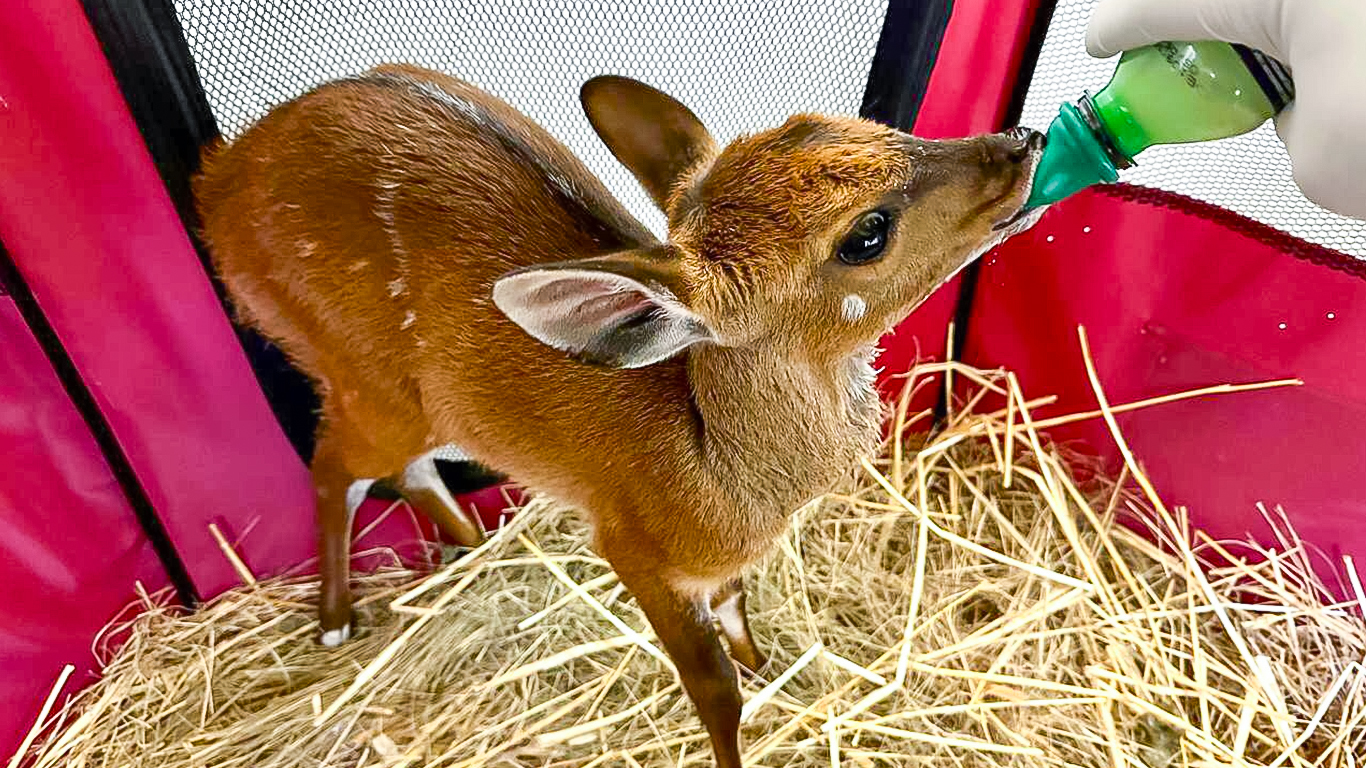
Today, I am sincerely hoping I can count on your compassion for animals. A really sad situation is unfolding in South Africa, and hundreds of little orphaned wild animals desperately need your help. Credit: Friends of Free Wildlife These tiny, precious creatures are sick, injured and alone in the world, and without support from kind people like you, they stand little chance of surviving. Why are there so many orphaned wild animals in need right now? During the height of summer in South Africa, temperatures soar – and, even worse for wild animals, rampant wildfires break out. Their moms get killed in these fires, and they are left alone, often injured and starving. Many die. The lucky ones end up with our partner, Friends of Free Wildlife (FFW). But our partner is at breaking point – there are just SO many animals in critical need. Credit: Friends of Free Wildlife When we visited recently, we saw first-hand how overwhelmed the little sanctuary is. In January alone, FFW took in 463 animals – that’s an average of 15 little souls every day, all requiring varying levels of critical medical care, as well as food and safe shelter. Some of these little creatures – like tiny buck who are barely walking yet – have been orphaned because hunters shot their mothers. Others lost their families to deadly fires. There are SO many hungry mouths to feed. So many broken legs, burn wounds and empty bellies. To make matters worse, a critically important volunteer recently and suddenly passed away. These deaths are not only devastating for the FFW family, but for the countless little creatures counting on the staff for their daily needs. How can you help? During storms, baby genets fall out of trees when their nests are destroyed. Credit: Friends of Free Wildlife You can help by sharing this story with all your friends and family, and by making a donation – every amount makes a difference! It costs our partner around $2,000 (£1,605) a month to feed, treat and take care of all the animals. If we can cover a month’s worth of food, shelter and treatment, it would relieve a massive amount of pressure for our partner, enabling them to give injured, orphaned animals the best possible care. It may be a small organization, but it is doing truly BIG things for the vulnerable and endangered wildlife of South Africa, and you and I can help them do so much more. This baby steenbok, who should still be nursing from its mother, was found orphaned, starving and alone. Credit: Friends of Free Wildlife Will you help? The animals would be so grateful.
Pricey dam project 7 years in the making finished by beavers for free
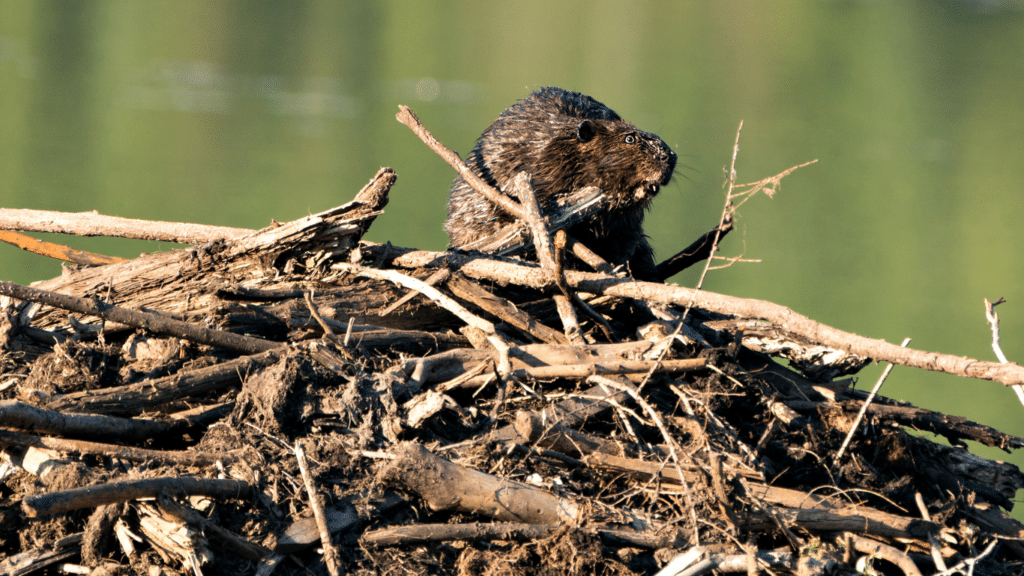
Article written by Hilary Hanson Originally published by Huffpost (Feb 8, 2025) “Beavers always know best,” said an environmental official in the Czech Republic, where the animals commandeered construction. When a long-planned infrastructure project in the Czech Republic hit a snag, beavers took the reins. Beavers have no regard for human laws, so even if they’d known that the construction of a dam in the nation’s Brdy region had stalled due to permitting complications, they wouldn’t have cared. According to Radio Prague International, environmentalists had planned a dam in an area where, years ago, the military had built a drainage system. The new dam was intended to stop the drainage and create a wetland to revitalize the local ecosystem. The project had been in the planning stages for seven years and was slated to cost the equivalent of $1.2 million, according to National Geographic. But as officials hashed out the details of securing the necessary permits, a local beaver colony took matters into its own paws, building a natural dam in the perfect location to create a thriving wetland for free. “Beavers always know best,” Jaroslav Obermajer of the Czech Nature and Landscape Protection Agency told RPI. “The places where they build dams are always chosen just right—better than when we design it on paper.” The Czech broadcasting station characterized the beaver dam as being built “practically overnight.” But Gerhard Schwab, a beaver expert in Bavaria, told National Geographic it probably wasn’t literally overnight. He believes it took more than a few weeks, but people didn’t notice until it was done. Humans across the world are increasingly embracing the benefits of beaver structural engineering. In 2023, California introduced a policy aimed at restoring the animals in areas where their presence—and the dams they build—can create a healthy ecosystem for other animals, replenish groundwater, and even provide wildfire protection.
Please help us rush 5,000 displaced endangered tortoises to safety in Madagascar and save their lives.

Over ten thousand critically endangered tortoises are fighting for their lives after two devastating cyclones destroyed their sanctuary in Madagascar. Over 800 have already drowned. Even more tragic, all were initially rescued from the horrific illegal trade. Rescuers are continuing to search for survivors and have so far recovered several thousand, all struggling to swim in the fast-rising waters. Desperate tortoises attempting to swim to safety as cyclone destroys their sanctuary. Credit: TSA Our priority now is to relocate the survivors to safety as quickly as possible. Please help now. We MUST save critically endangered tortoises from a devastating cyclone in Madagascar. Our partner in Madagascar, Turtle Survival Alliance (TSA), runs two critical sanctuaries for rescued tortoises. Tropical cyclone Dikeledi has completely destroyed one of these, displacing the 12,000 fragile tortoises in its care and claiming the lives of hundreds. A second cyclone, bringing heavy rains and flooding, has obliterated any chance of rebuilding the sanctuary for the moment. Rescuers wade through floodwaters to save displaced, critically endangered tortoises. Credit: TSA Juvenile tortoises exposed to extreme weather conditions are at risk of pneumonia and dying. Please help us get them critical care, FAST. Thousands of radiated and spider tortoises have been recovered and search-and-rescue efforts continue. Five thousand of those recovered are juveniles, and their prolonged exposure to the floodwaters has put them at acute risk of pneumonia. They require urgent, specialized care to survive, and to receive this, they MUST be relocated to TSA’s remaining sanctuary, roughly 234 miles (375 kilometers) away. Credit: TSA Please help us raise $3,000 to hire a transport vehicle and get the sick, struggling tortoises to safety. These little creatures have already survived so much. Each has been saved from the horrors of the illegal wildlife trade, which sees them stolen from the wild to be eaten, or shipped in abhorrent conditions to be “pets” – mostly in Asia, but also in Europe and America. Critically endangered tortoises are poached in their thousands every year, and illegally smuggled in horrendous conditions. Credit: TSA Often during transportation, tortoises are tightly packed, starved and their shells broken, and countless die on route to their final destination. Madagascar’s radiated tortoises are especially sought-after as “pets,” and their populations have plummeted 75% since the early 2000s, rendering them critically endangered. The International Union for Conservation Nature (IUCN) predicts the species could be extinct by as soon as 2050. Credit: TSA Once abundant in Madagascar, tortoise populations have declined alarmingly over the past 20 years. All four local species are now critically endangered. We have a chance right now to help save 5,000 of these severely compromised and critically endangered animals. Will you help them? Please, donate right away and help us save their lives – and give hope to their entire species.
NGOs and fishermen call for urgent action to end bottom trawling in marine protected areas
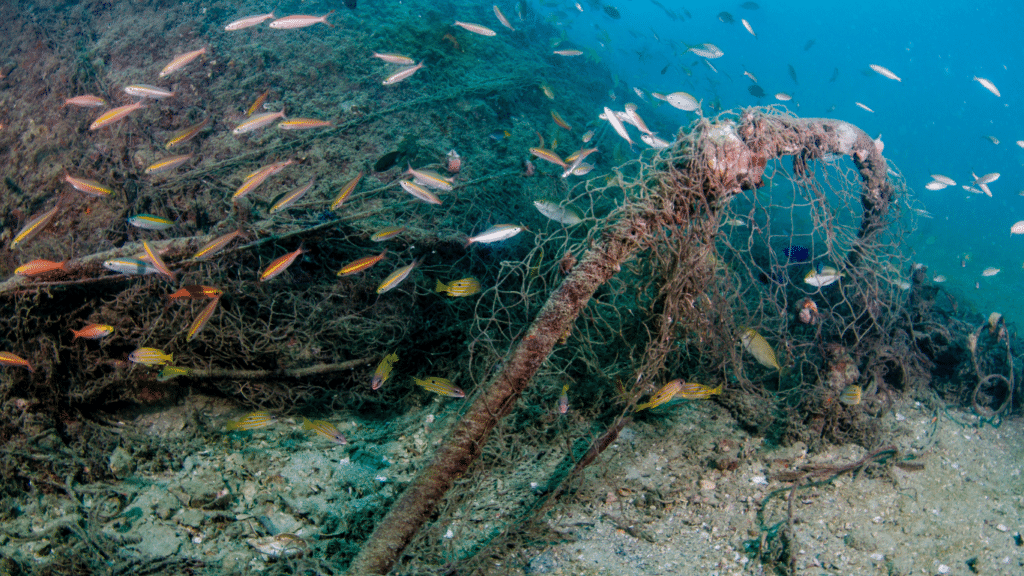
Article written by Rosie Frost Originally published by Euro News (Feb 5, 2025) There is growing public support for marine protection across Europe as 73 percent of people support a ban on bottom trawling. French President Emmanuel Macron and EU Commissioner for Fisheries and Oceans Costas Kadis are being urged to take action against destructive fishing practices in Europe’s protected marine areas. Bottom trawling involves dragging heavy nets along the seabed. Previous research has shown that not only does this fishing practice damage marine habitats, it’s also a leading contributor of CO2 emissions – from both fossil fuel consumption by vessels and by disturbing sediment at the bottom of the sea. A newly launched campaign, Protect Our Catch, sent open letters to the two European politicians on Wednesday urging them to take action. The campaign has been backed by fishermen and hundreds of thousands of citizen activists and is supported by a number of leading ocean advocates including BLOOM, Blue Marine Foundation, Empesca’t, Environmental Justice Foundation, Oceana, Only One, Seas At Risk, and Tara Ocean Foundation. Why are campaigners targeting the French president? President Macron said in 2022 that the world must “set ambitious goals for biodiversity and especially for the ocean.” Yet campaigners argue that France has so far failed to make any “meaningful progress” on banning destructive fishing practices in its protected areas. It says that this threatens the country’s claim to be a steward of the ocean. “Today, France is responding to the climate, social, and environmental emergency with inaction and deception,” says Claire Nouvian, founder and general director of the non-profit BLOOM. “President Macron must rise to the challenge and respond to the challenges we face by creating genuine marine protected areas, free from industrial infrastructure and activities such as trawling, by excluding mega-trawlers from our territorial waters in order to protect ecosystems and coastal fishers, and by advocating for a treaty and legislation on the non-proliferation of fossil fuels.” The open letter reminds the French president that, as the country prepared to host the United Nations Ocean Conference (UNOC) in Nice this June, “the eyes of the world turn to you, not just as the national leader of the world’s second-largest maritime power but as a global champion for the ocean that you could be.” It urges Macron to ensure strict protections that follow IUCN standards in at least 10 percent of French waters and to ban fishing practices like bottom trawling in the country’s marine protected areas (MPAs). “By leveraging these mechanisms, France will ensure true protection in its national MPAs and protection for 10 percent of its waters,” it reads. Campaigners urge the EU to enforce existing regulations At the same time, EU leadership in the Parliament and Commission—including Commissioner Kadis—is being urged to double down on the enforcement of existing EU regulations, especially the Habitats Directive, to prevent destructive fishing practices. “Most European ‘Marine Protected Areas’ are just lines on a map, paper parks that do nothing to stop the ongoing destruction of vital habitats,” adds Steve Trent, Environmental Justice Foundation CEO and founder. “The laws are clear, and the science is unequivocal. Bottom trawling is incompatible with marine protected areas, and we urgently need action to ban it.” The open letter to Commissioner Kadis says the EU has proven “time and again” that it can set an example in ocean protection. “Over the past year alone, the EU has galvanized support for a ban on deep-sea mining, led efforts to ratify the High Seas Treaty, and championed protection for Antarctica.” It calls for the Commission to enforce the Habitats Directive—legislation that aims to protect over 1,000 species. The letter says it should ensure marine protected areas are truly protected through the upcoming release of the EU Ocean Pact. It also adds that the EU should ensure a fully implemented Marine Action Plan to phase out bottom trawling with a just transition to low-impact fisheries. The campaign group points out that public support for marine protection is growing across Europe. Polls show that 90 percent of people believe protected areas are essential for preserving marine biodiversity, and 73 percent would support a ban on bottom trawling in marine protected areas. Protecting marine ecosystems and the livelihoods of fishermen Nearly 80 percent of the EU’s coastal seabed has now been physically disturbed—primarily because of bottom trawling, according to the European Environment Agency. A quarter of the EU’s coastal area is thought to have lost its natural seabed habitats. The two open letters add that no immediate action on destructive fishing practices will have devastating consequences not just for the biodiversity of our marine ecosystems and the fight against climate change but also for small-scale fishermen. “As small-scale fishers, we rely on traditional, low-impact methods that respect the ocean and our culture,” says Isaac Moya, a fisherman in Catalunya and co-founder of sustainable fisheries collective Empesca’t. “However, industrial and bottom trawling in marine protected areas threaten our future. To ensure the continuity of our profession, it is essential to protect and promote artisanal fishing.” Federico Gelmi, a low-impact fisher from Pantelleria, Italy, adds that bottom trawling is “incompatible” with sustainable fishing. “The science is clear, and the fishing tells the same story. We need to protect our ocean if we are to continue fishing.”
UK Crackdown on illegal hunting amid alarming increase in hare ‘lamping’ and baiting of foxes and badgers
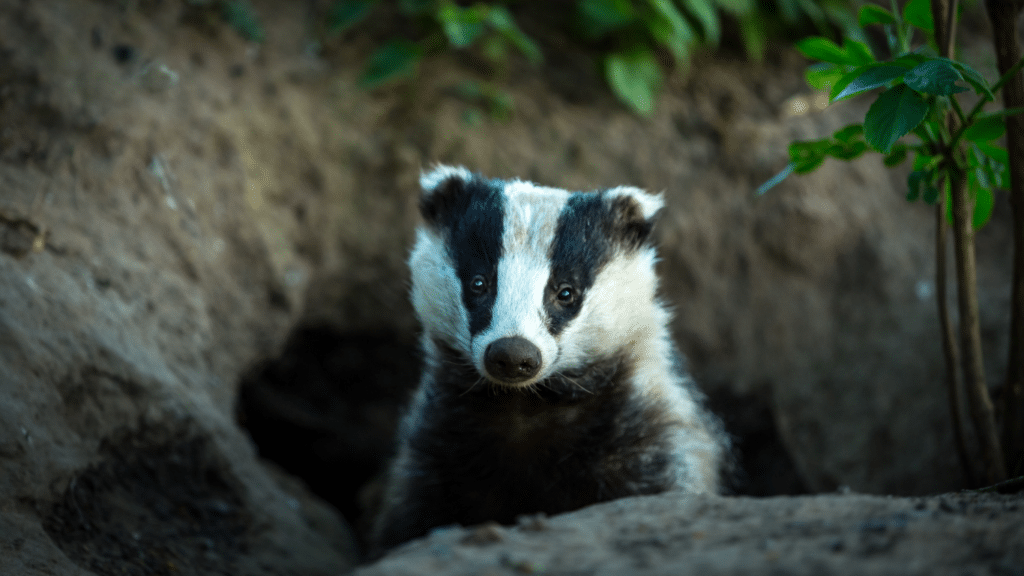
Article written by Ralph Riegel Originally published by archive.today (Jan 22, 2025) Gardaí have launched a crackdown on illegal hunting amid indications of an alarming increase in hare “lamping” and the baiting of both badgers and foxes. Animal welfare groups fear gangs from cities and towns are now operating illegal hunting rings, often with dogs “blooded” to hunt hares, rabbits, badgers and foxes. Such hunts also feature related gambling operations. Searches have been carried out in Kerry, Tipperary, Clare and Cork over recent weeks as gardaí targeted areas linked to the operations of illegal hunters by confidential intelligence. A number of checkpoints have been mounted across Tipperary over recent days, with gardaí supported by officers from the National Parks and Wildlife Service (NPWS). The checkpoints were set up in areas where gardaí had obtained information from local residents about suspicious activity in forestry and fields late at night. That followed checkpoints being mounted across Cork, Kerry and Clare over previous weeks in a crackdown on suspected illegal hunting. Last October, gardaí detected a group of men in north Kerry engaged in suspected lamping—the hunting of hares with the assistance of powerful spotlights. The lights are used to dazzle the animal, which, while stunned, is either killed or captured by the hunters. If captured unharmed, the animal can then be sold for illegal hunting, where it is torn apart by dogs. A number of dogs were also found with the men. NPWS officials expressed concern at the practice of groups travelling from cities and towns to rural areas to target animals, some of which are protected species. Animal welfare officials admitted that illegal hunting is also being promoted in vile social media videos. In some cases, video footage of hunts is shared within groups, encouraging others to join in the illegal activity. Gardaí have monitored those associated with illegal hunts and believe trips are organised to designated rural areas where hunts can be conducted. In one case, the blooding or training of a dog to hunt and kill is videoed. In another, a group recorded a hare being torn apart by dogs and betting about which dog would secure the kill. Equipment, including night-vision goggles and large spotlights, has been seized by gardaí and the NPWS in recent weeks. Sinn Féin MEP Lynn Boylan said there were 43 prosecutions for wildlife crime in 2023, far fewer than might be expected in a country of Ireland’s size. “A wildlife crime can include a number of different things, like illegal burning and cutting down hedgerows outside of the period that is permissible,” Ms. Boylan said. “It involves illegal deer hunting, illegal hunting of hares with dogs and also more horrific things like using glue traps to collect songbirds. “There is a wide range of crimes that fall under the Wildlife Act.” Gardaí have appealed for anyone living in rural areas to contact them if they notice suspicious activity late at night or in the early hours of the morning that they think might be illegal hunting. Officers said they are particularly urging landowners who may notice suspicious activity to contact them.
Alaska to resume ‘barbaric’ shooting of bears and wolves from helicopters
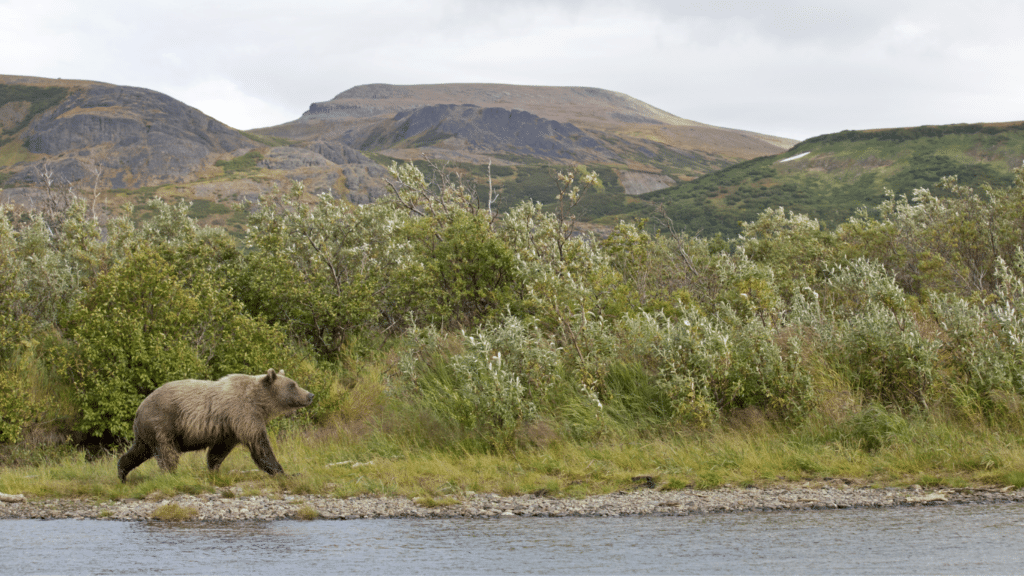
Article written by Tom Perkins Originally published by The Guardian (Jan 20, 2025) A renewed program would allow hunters to eliminate up to 80% of the animals on 20,000 acres of state land Alaska is set to resume the aerial gunning of bears and wolves as a population control measure aimed at boosting caribou and moose herd numbers, even as the state’s own evaluation of the practice cast doubt on its effectiveness. The renewed program would allow hunters to eliminate up to 80% of the animals on 20,000 acres (8,000 hectares) of state land. Environmental groups opposed to what they label a “barbaric” practice of shooting wildlife from helicopters is more about sport than scientific practice, in part because hunters want caribou populations to increase because they are trophy animals. “Alaska’s practice of indiscriminately strafing predators is both inhumane and inane,” said Rick Steiner, a former University of Alaska-Fairbanks ecologist now with Public Employees for Environmental Responsibility (Peer), which opposes the practice. “There is no scientific evidence that this carnage will boost populations of moose and caribou, and there is a growing body of evidence that it disrupts a healthy predator/prey balance in the wild.” The report comes after the Biden administration effectively upheld Trump era rules that allowed for other inhumane hunting practices on federal lands in Alaska, like killing cubs in dens. Alaska’s “intensive management” allows Alaskan game agents to kill any brown bear, black bear, or wolf on some state lands. Nearly 100 bears, including 20 cubs, were killed by helicopter in 2023. The latest program would allow aerial hunters to kill 80% of wolves (until the population is reduced to 35), 80% of black bears (until the population is reduced to 700), and 60% of brown bears (until the population is reduced to 375). Though the practice’s supporters say eliminating the predators helps boost sagging caribou populations, an October state report that examined predator kill practices came to a different conclusion. “The goal of the project was to increase caribou calf survival by removing all bears and wolves from the calving grounds,” the report reads. “Data does not exist to evaluate whether the goal was achieved.” The largest factors in caribou herd decline were “disease, nutrition, and winter severity,” the report states. About 65% died from starvation or dehydration. Critics say the state also notes that it doesn’t know the practices’ full impact on bear populations because it did not estimate brown bear numbers before allowing the kills. More than half of the brown bears killed in 2024 were adult females, raising further questions about the population’s ability to rebound. Meanwhile, the state refuses to allow photographs of the slaughter, independent observers to be present, or to subject the program to scientific review by the federal government. The practice has had other consequences: the National Park Service has ended a more than 20-year study of wolf behavior in the nearby Yukon-Charley national preserve because the resident wolf population has fallen so low. Meanwhile, it has reduced tourism in the area because the ability of visitors to view intact wolf packs inside adjacent Denali National Park, one of the state’s major tourist draws, has plummeted. The state has said the hunting program raises revenue from hunters, but critics called it the “epitome of pound foolish.” “The amount of tourist dollars from people seeking to view these predators in the wild dwarfs any incremental increase in hunting fee revenue the state hopes to realize,” said Peer executive director Tim Whitehouse.
In the aftermath of savage Los Angeles fires, animals still need life-saving care.
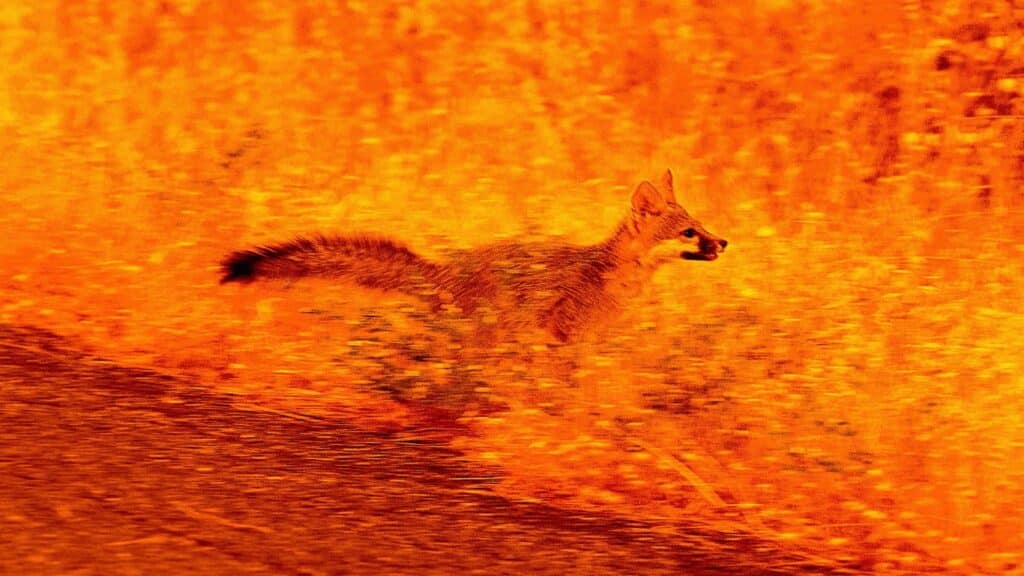
Intense fires are still raging in Los Angeles and extreme winds forecasted for today and tomorrow pose a deadly new threat to wildlife. Rescuers are being overwhelmed by the number of wild bird and animal victims and these creatures badly need your help. A mountain lion in Los Angeles seeks refuge from the burning landscape. Credit: Jason Klassi/Getty “Tragically, many wildlife are impacted by wildfires and lose their lives. But for those that can be rescued, our staff is trained and ready to triage and treat burn and smoke inhalant victims.” – Wetlands and Wildlife Care Center LosAngeles’ wildfires are catastrophic for wildlife. Owls, opossums, coyotes, bobcats, rabbits and mountain lions all need immediate emergency care. Our partner, Wetlands and Wildlife Care Center of Orange County (WWCC), is taking in as many as it can, but it needs help. The animals arrive in terrible conditions, and as the fires continue to rage, more are pouring in all the time. Your donation will help cover the cost of critical care, including X-rays to check for broken bones, veterinary wipe-downs to remove toxic soot, burn wound treatment, skin grafts, emergency oxygen, and surgery for the severely injured. Deer surveying the charred, barren wasteland that remains of their home in the Palisades. Credit: Apu Gomes/Getty The fires, among the most destructive in Los Angeles’ history, have razed 40,300 acres (16,300 hectares) of land so far – an area larger than the city of Paris. Experts believe the disaster has been exacerbated by global warming, as climate-related extreme events increase in frequency and intensity across the globe. Search and rescue missions are underway for injured wildlife seared by fire. Our partner works tirelessly to help wild animals caught in natural disasters. Credit: WWCC Imagine the terror of these helpless creatures as fires blaze around them, with no hope of escape. It is the stuff of nightmares. Our team is ready to find and triage survivors, stabilize them and give them critical care – but they need our help to save them. Your donation today will help save wild animals caught in LA’s cataclysmic fires. Credit: WWCC It is a deeply distressing situation, but we know that with your help today, we can bring comfort and hope to animals who have lost everything. Please, open your heart to the tragic wild animals of Los Angeles, and donate any amount you can right away.
‘The forest will survive’: the volunteers saving Kharkiv’s war-charred woodland
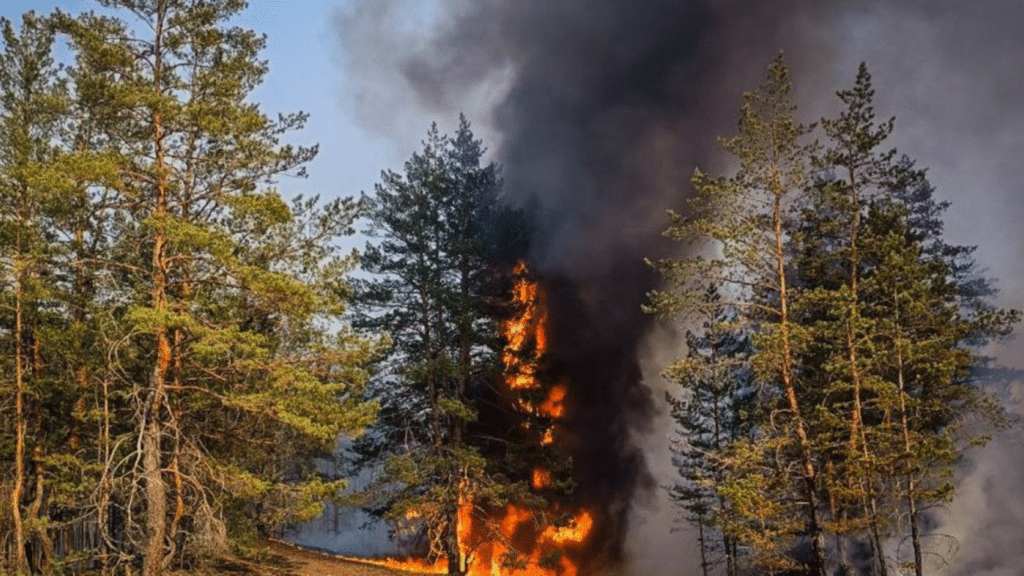
Article written by Luke Harding Originally published by The Guardian (Dec 31, 2024) Despite fighting going on just miles away, some Ukrainians are looking to the future—by planting sturdy English oaks Yuriy Bengus, a biologist, surveyed a scene of destruction. The Zhuravli forest, on the northern edge of Ukraine’s second city, Kharkiv, was a blackened mess. Rooks cawed from burned pine trees and hopped between stumps. A dead bird lay in an abandoned military dugout. War was down the road. From somewhere to the north of Kharkiv came a muffled boom. Bengus plunged his spade into the sandy earth. “From an ecological point of view, oaks are most suitable,” he said. His assistant, Yulia Kucherevska, a 16-year-old volunteer, reached into a plastic bag, pulling out three acorns that she tossed into a shallow hole. The pair moved on to the next spot and threw in three more. Behind them, a No. 16 tram rattled past. In spring 2022, Russian troops had tried to seize Kharkiv, home to a million people. The city’s defenders dug trenches in the forest and blocked the road—now named Invincible Street and previously called Hero of Labour Alley—with concrete blocks and tank traps. Meeting fierce resistance, the Russians pulled back. Ever since, the Russian army has been bombing Kharkiv, using ballistic and other missiles. The forest is near the city’s most pummeled district—Saltivka, its high-rise blocks gutted shells—and a hydropark, a park based around a body of water. On 17 September, a Russian warplane hit the green site with an aerial bomb. Four firefighters tackling an existing fire were injured, with one losing an arm. The blaze swallowed up four acres of woodland, killing animals and scaring away coots on the water nearby. Bengus, along with a group of volunteers, is now attempting to restore the forest. Why bother, given that Russian forces might come back and with fighting continuing a mere 12 miles away? “The oaks will take 25 years to reach maturity. But I’m certain the forest will survive. I’m more optimistic now than before. Where we are standing will be Ukraine,” he said. He added, “Russia has been trying to destroy us for hundreds of years, in particular our language and culture. But we always come back to life as a people and a nation. They can bomb us, of course, but I don’t think they can take over Kharkiv.” He continued, “We have a different mentality. Russians obey power. Our government listens to us.” The biologist’s ambitious plan is to replace the charred trees with English oaks, Quercus robur, which are native to Ukraine and Europe. A virulent root fungus has already wiped out many of Kharkiv’s Scots pines, causing them to shed their orange bark. “Oaks encourage biodiversity. They help mycelium growth and are good for insects and birds,” he said. After Bengus posted about the forest on his Facebook page, he was inundated with offers of help. Children from a neighbourhood school, lycee number 23, collected 50 kg of acorns. A scientist in Kyiv sent a box belonging to a pyramid-shaped oak variety. The students put the acorns in water, rejecting any that floated to the top—healthy ones will sink. Kucherevska, who studies at the school, visits the forest three times a week after classes before it gets dark. “It’s fun. I come here with my friends,” she said, adding, “If there’s an air raid alert, my parents won’t let me go.” So far, she has buried “around 40,000 acorns.” Not all would survive, but this meant many new trees, she said. She and her biology teacher, Anna Bozhko, joined a digging party earlier this week, along with Bengus and his wife, Lyudmila. Bozhko made a note of where saplings would sprout. What about the risk from bombs? “We’ve got used to it. We’ve adapted. I refuse to be terrified. Everyone is doing what they do. In our case, that’s planting oaks. I believe Kharkiv has a future,” she said. Beyond the city, the situation is grim. Both sides build fortifications in wooded frontline areas and use trees to conceal armoured vehicles and firing positions. In May, the Russians launched a cross-border attack on the city of Vovchansk, now a wreck, in Kharkiv oblast. They are closing in on Kupiansk—seized by Russians at the start of the full-scale invasion, liberated, and in danger of being captured again. Russian airstrikes against Ukraine’s energy infrastructure and cities on Christmas Day left half a million people in the Kharkiv region without heating. Yevhen Vasylenko, the spokesperson for Kharkiv’s regional emergency department, said more than 300 forest fires had been recorded in 2024, the worst year ever. He said Russian shelling was often the cause, with the dense mining of forests adding to the problem. One fire in September ripped through the village of Studenok, near the city of Izium, burning down 236 houses and forcing 200 people to flee. It went on for a week. “We can’t use helicopters to extinguish fires from the air because of the war. It’s impossible. And you can’t walk in the forest because of mines. We use sappers to put the fire out,” Vasylenko said. He added, “I don’t think anyone has experience working in a situation when you can be shelled and attacked by drones or can step on a mine at any time. It’s very hard.” The Studenok fire destroyed 4,000 acres of forest, located between Kharkiv and the war-torn Donetsk region, he said. Smoke made it difficult for people to breathe. Firefighters saved residents and, where possible, rescued rabbits, hedgehogs and turtles. Ducks and many dogs died. “The problem is Russia wants to destroy our country. They are ruining our ecosystem as well,” he said. After seeding new oak trees, Begnus went back to his flat in Kharkiv and collected more acorns from the local park. He pointed to trees he had planted back in the 1980s next to his high-rise block: an exotic ginkgo and a towering white fir. “The neighbours on the first floor are not happy
‘Like a giant bird box’: the volunteers building huge snowdrifts for Finland’s pregnant seals
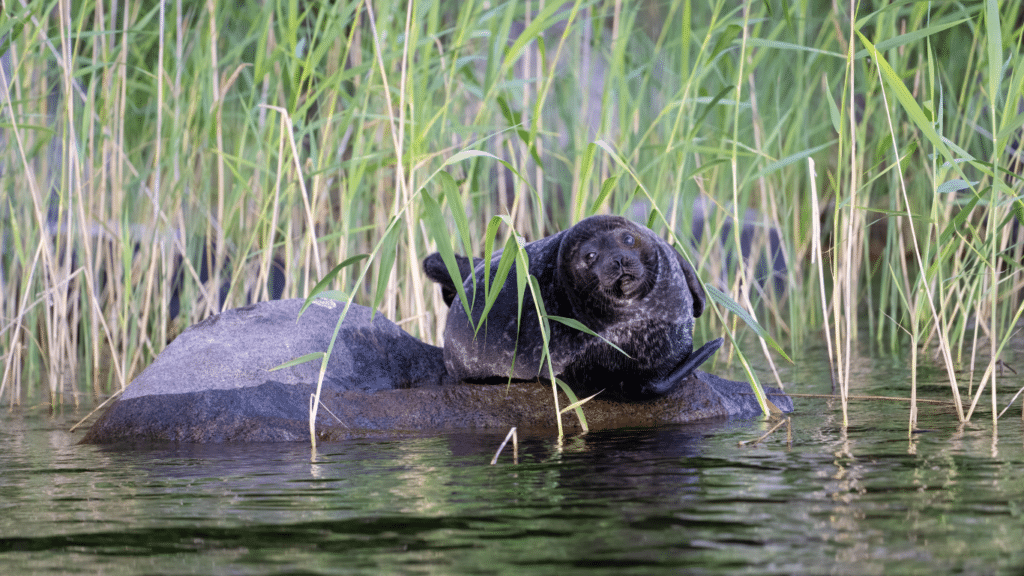
Article written by Samuel Bloch Originally published by The Guardian (Dec 16, 2024) As warmer winters melt the snow drifts that endangered Saimaa ringed seals use to raise their young, humans are giving them a helping hand Eight hours shovelling snow in -20C might not sound like the ideal day out, but a committed team of volunteers in Finland are working dawn to dusk building enormous snow drifts for one of the world’s most endangered seals. The Saimaa ringed seal was once common around Lake Saimaa in the southeast of the country, but only 495 of them remain. The seals make “snow caves” inside snow drifts where they raise their young and protect them from the elements and predators such as red foxes—but as the climate warms, the snow is disappearing. To save these rare seals, 300 volunteers spend days shovelling snow into piles 7 m long and 1.5 m high around the edge of the frozen lake. Last winter they made 200, and the seal population is growing as a result. “It’s kind of a snow cave,” says Vincent Biard, a PhD student and volunteer from the University of Eastern Finland. “The seals come from under and dig into the snow drifts to create a cave where they can give birth and raise their young.” Volunteers meet at first light and work until dusk. They get around on foot or skis, dragging their equipment with them over a distance of 10 km. Biard describes the day as “kind of fun” and adds, “You actually have an impact, which is nice. If we don’t do it, then they would just go extinct quite quickly.” More than 300 pups have been born in artificial snowdrifts since they started making them in 2014. “We are on a rising growth curve, so things still look pretty nice,” says Jari Ilmonen, coordinator of Our Saimaa Seal Life, which is an EU-funded program. “We are doing what we can, so we have to have hope and positive thoughts.” Saimaa seals are less than 1.5 meters long, and each one has a unique fur pattern—individual to each animal, like human fingerprints. In the late 1980s, their population dwindled to its lowest point, with fewer than 200 left, driven by hunting and deaths caused by fish traps. Accidental deaths in fishing nets remain a challenge. Now, the seals are fully protected, but the threat of the climate emergency looms large. Between 1925 and 2002, the maximum thickness of the ice decreased by 1.5 cm a decade. In mild winters, the ice caves can collapse, leaving the pups exposed, with up to 30% of them dying. Human-made snow drifts are larger and “more durable than natural snow drifts,” says Ilmonen. “By the first half of February, most of the natural ones had melted away, but the manmade ones prevailed.” In the future, ice cover is expected to disappear before the pupping season has ended. There have already been some winters where there has not been enough snow to create an artificial drift. In some cases the seals have been known to breed elsewhere, but with no snow, “just a few would hang on,” says Ilmonen. However, scientists from the University of Eastern Finland are working on plan B. They are creating artificial dens, or nest boxes, that mimic the real thing, with preliminary research showing the seals use them for resting, giving birth, and nursing their young. The nest boxes could be used in ice-free winters, researchers say. Biard says: “The long-term perspective is we don’t know if snow drifts are going to be sufficient. So the team is developing artificial nest boxes, similar to what you put in the garden for the birds.” There are about 40 dens on the lake, where three pups have already been born, but Ilmonen wants to get more out there. “If you think that there are maybe 500 seals and maybe 100 pups born each year, you’d need a lot of the boxes,” he says.
Collapsing wildlife populations near ‘points of no return’, report warns
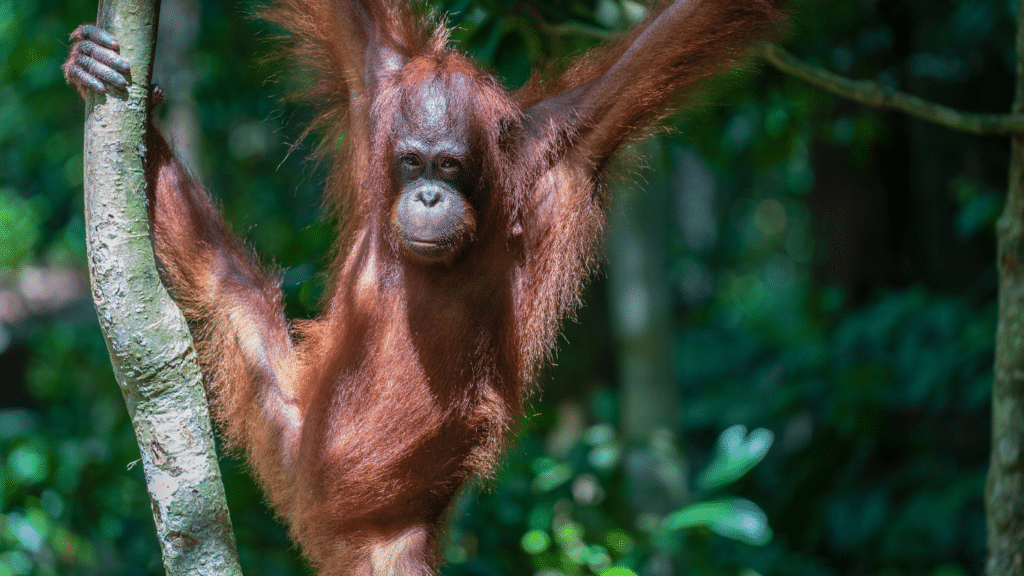
Article written by Patrick Greenfield Originally published by The Guardian (Oct 10, 2024) As average population falls reach 95% in some regions, experts call for urgent action but insist ‘nature can recover’ Global wildlife populations have plunged by an average of 73% in 50 years, a new scientific assessment has found, as humans continue to push ecosystems to the brink of collapse. Latin America and the Caribbean recorded the steepest average declines in recorded wildlife populations, with a 95% fall, according to the WWF and the Zoological Society of London’s (ZSL) biennial Living Planet report. They were followed by Africa with 76%, and Asia and the Pacific at 60%. Europe and North America recorded comparatively lower falls of 35% and 39%, respectively, since 1970. Scientists said this was explained by much larger declines in wildlife populations in Europe and North America before 1970 that were now being replicated in other parts of the world. They warned that the loss could quicken in future years as global warming accelerates, triggered by tipping points in the Amazon rainforest, Arctic and marine ecosystems, which could have catastrophic consequences for nature and human society. Matthew Gould, ZSL’s chief executive, said the report’s message was clear: “We are dangerously close to tipping points for nature loss and climate change. But we know nature can recover, given the opportunity, and that we still have the chance to act.” The figures, known as the Living Planet Index, are made up of almost 35,000 population trends from 5,495 mammals, birds, fish, amphibians, and reptile species around the world and have become one of the leading indicators of the global state of wildlife populations. In recent years, the metric has faced criticism for potentially overestimating wildlife declines. The index is weighted in favour of data from Africa and Latin America, which have suffered larger declines but have far less reliable information about populations. This has had the effect of driving a dramatic top line of global collapse despite information from Europe and North America showing less dramatic falls. Hannah Wauchope, an ecology lecturer at Edinburgh University, said: “The weighting of the Living Planet Index is imperfect, but until we have systematic sampling of biodiversity worldwide, some form of weighting will be necessary. What we do know is that as habitat destruction and other threats to biodiversity continue, there will continue to be declines.” Critics question the mathematical soundness of the index’s approach but acknowledge that other indicators also show major declines in the state of many wildlife populations around the world. In a critique of the index published by Springer Nature in June, scientists said it “suffers from several mathematical and statistical issues, leading to a bias towards an apparent decrease even for balanced populations”. They continued: “This does not mean that in reality there is no overall decrease in vertebrate populations [but the] current phase of the Anthropocene [epoch] is characterised by more complex changes than … simple disappearance.” The IUCN’s Red List, which has assessed the health of more than 160,000 plant and animal species, has found that almost a third are at risk of extinction. Of those assessed, 41% of amphibians, 26% of mammals and 34% of conifer trees are at risk of disappearing. The index has been published days ahead of the COP16 biodiversity summit in Cali, Colombia, where countries will meet for the first time since agreeing on a set of international targets to halt the freefall of life on Earth. Governments have never met a single biodiversity target in the history of UN agreements and scientists are urging world leaders to make sure this decade is different. Susana Muhamad, COP16 president and Colombia’s environment minister, said: “We must listen to science and take action to avoid collapse. “Globally, we are reaching points of no return and irreversibly affecting the planet’s life-support systems. We are seeing the effects of deforestation and the transformation of natural ecosystems, intensive land use and climate change. “The world is witnessing the mass bleaching of coral reefs, the loss of tropical forests, the collapse of polar ice caps and serious changes to the water cycle—the foundation of life on our planet,” she said. Land-use change was the most important driver of the fall in wildlife populations as agricultural frontiers expanded, often at the expense of ecosystems such as tropical rainforests. Mike Barrett, director of science and conservation at WWF-UK, said countries such as the UK were driving the destruction by continuing to import food and livestock feed grown on previously wild ecosystems. “The data that we’ve got shows that the loss was driven by a fragmentation of natural habitats. What we are seeing through the figures is an indicator of a more profound change that is going on in our natural ecosystems… they are losing their resilience to external shocks and change. We are now superimposing climate change on these already degraded habitats,” said Barrett. “I have been involved in writing these reports for 10 years, and in writing this one, it was difficult. I was shocked,” he said.
Deforestation ‘roaring back’ despite 140-country vow to end destruction
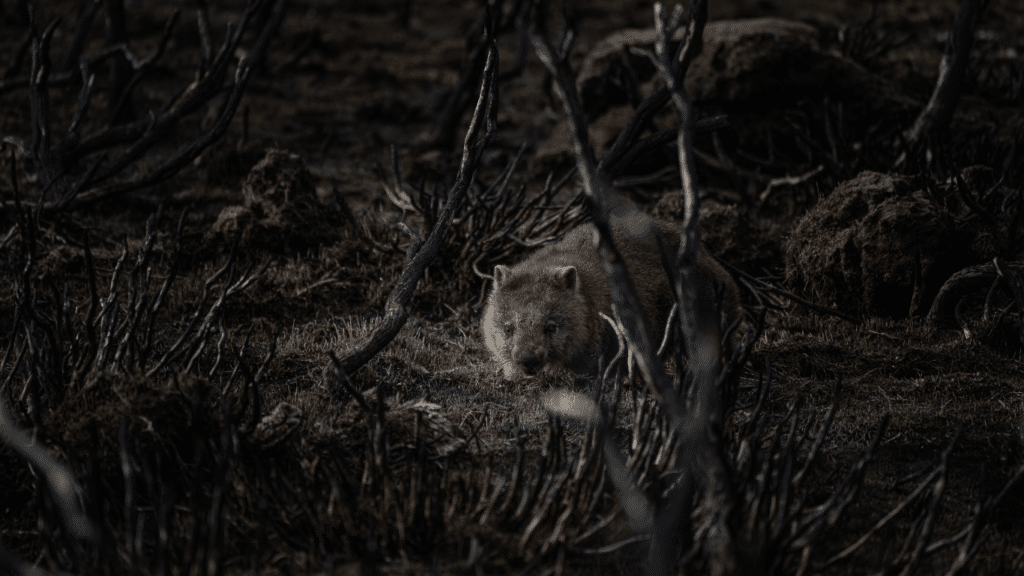
Article written by Damian Carrington Originally published by The Guardian (Oct 8, 2024) Demand for beef, soy, palm oil and nickel hindering efforts to halt demolition by 2030, global report finds The destruction of global forests increased in 2023, and is higher than when 140 countries promised three years ago to halt deforestation by the end of the decade, an analysis shows. The rising demolition of the forests puts ambitions to halt the climate crisis and stem the huge worldwide losses of wildlife even further from reach, the researchers warn. Almost 6.4 million hectares (16 million acres) of forest were razed in 2023, according to the report. Even more forest (62.6 million hectares) was degraded as road building, logging and forest fires took their toll. There were spikes in deforestation in Indonesia and Bolivia, driven by political changes and continued demand for commodities including beef, soy, palm oil, paper and nickel in rich countries. The researchers said attempts at voluntary cuts on deforestation were not working and strong regulation and more funding for forest protection were needed. The report highlighted a bright spot in the Brazilian Amazon, where President Luiz Inácio Lula da Silva’s new government cut deforestation by 62% in its first year. “The bottom line is that, globally, deforestation has gotten worse, not better, since the beginning of the decade,” said Ivan Palmegiani, a consultant at the research group Climate Focus and lead author of the report. “We’re only six years away from a critical global deadline to end deforestation, and forests continue to be chopped down, degraded, and set ablaze at alarming rates,” he said. “Righting the course is possible if all countries make it a priority, and especially if industrialised countries seriously reconsider their excessive consumption levels and support forest countries.” Erin D. Matson, a senior consultant at Climate Focus and co-author of the report, said: “When the right conditions are in place, countries see major progress. The next year, if economic or political conditions change, forest loss can come roaring back. We’re seeing this effect in the spiking deforestation in Indonesia and Bolivia. Ultimately, to meet global forest protection targets, we must make forest protection immune to political and economic whims.” Most countries backed the 2030 zero deforestation pledge at the UN COP26 climate summit in 2021. A coalition of research and civil society organizations produced the 2024 forest declaration assessment, which used a baseline of the typical deforestation between 2018 and 2020 to assess progress towards the goal. It found progress was significantly off track, with the level of deforestation in 2023 almost 50% higher than steady progress towards zero would require. Matson said: “Indonesia’s deforestation alone spiked by 57% in one year. This was in large part attributable to surging global demand for things like paper and mined metals like nickel. “But it’s also clear that the Indonesian government took its foot off the gas. It experienced the steepest drop in deforestation of any tropical country from 2015-17 and 2020-22, so we have to hope that this setback is only temporary.” In 2023, Indonesia produced half the world’s nickel, a metal used in many green technologies. “Brazil gives us an example of positive progress [in the Amazon], but deforestation in the Cerrado [tropical savanna] increased 68% year over year,” she said. Forest fires have also wreaked havoc on the nation, which the climate crisis is making more likely and intense. The report found that about 45 million hectares have burned in the past five years. Other countries that made progress towards the 2030 deforestation target included Australia, Colombia, Paraguay, Venezuela and Vietnam. Outside the tropics, temperate forests in North America and Latin America recorded the greatest absolute levels of deforestation. The researchers said funding for forest protection, strengthening the land rights of Indigenous people and reducing demand for commodities produced via deforestation were needed. The EU has proposed ambitious regulations that would ban the sales of products linked to deforestation, such as coffee, chocolate, leather and furniture. However, on 3 October, the European Commission proposed a one-year delay “to phase in the system” after protests from countries including Australia, Brazil, Indonesia and Ivory Coast. Matson said: “It’s unfortunate that political pressures are largely responsible for this pushback. We can’t rely on voluntary efforts; they have made very little progress over the last decade.”
Paralyzed animals lose all their food in devastating fire.

A crucial wildlife sanctuary in South Africa has been devastated by a wildfire that raged for five days and destroyed 80% of its haven for hundreds of animals. Credit (top and bottom): Bambelela Wildlife Sanctuary This sanctuary, which rescues, rehabilitates and, when possible, releases animals like zebras, monkeys, giraffes, warthogs and antelope back into the wild, now desperately needs our help. Paralyzed, injured and orphaned wild animals miraculously survived the devastating fire – but now, they have no food. Please, help right away. The dedicated team at Bambelela Wildlife Sanctuary in Bela Bela, a town in the Limpopo province of South Africa, risked their lives to fight the fire and protect the 200 rescued animals in their care. Without their intervention, many would have been entirely helpless against the raging fire. Some of the animals have been paralyzed after being hit by cars, others have lost limbs due to abuse or vehicular collisions, and others still have lost their sight due to abuse or old age. Despite orders from firefighters to evacuate, the team stayed behind, trying to stop the flames from reaching the animal enclosures and the injured, paralyzed, orphaned, elderly and blind animals inside. An injured monkey being rescued. Credit: Bambelela Wildlife Sanctuary Sadly, the fire spread too fast, forcing the sanctuary to release the animals onto the reserve to save them from being trapped and killed by the flames or smoke. Most animals have been recovered safely, but three monkeys are still missing. The team is searching for them, and we are hopeful they will be found. We don’t know what caused the fire, but we do know that it destroyed the sanctuary’s grazing areas. Bambelela desperately needs help to feed its 200 animals for the next month while the sanctuary works to recover from the disaster. Credit: BBFPA Right now, Bambelela’s biggest priorities are finding the missing animals and keeping bellies full. Their greatest need is food, as the disaster destroyed all the natural food sources their animals rely on. 80% of this critical wildlife sanctuary’s land has been destroyed by flames that burned more than 32 feet (10 meters) high. Please, will you help feed these vulnerable animals? Credit: Bambelela Wildlife Sanctuary If we can raise $2,080 (roughly £1,600), we can feed all 200 animals for a month, relieving the pressure on the sanctuary as they rush to repair and rebuild what they can. Your support will be a saving grace for animals who have experienced yet another horrendous trauma after lives of hardship, captivity and severe abuse. Please will you help feed the animals of Bambelela Wildlife Sanctuary, and be their guardian angel in their greatest time of need?
Humans to push further into wildlife habitats across more than 50% of land by 2070

Article written by Olivia Lee Originally published by The Guardian (Aug 21, 2024) Sharing increasingly crowded spaces could result in greater risk of pandemics, human and animal conflicts and loss of nature, say researchers Over the next 50 years, people will push further into wildlife habitats across more than half the land on Earth, scientists have found, threatening biodiversity and increasing the chance of future pandemics. Humans have already transformed or occupied between 70% and 75% of the world’s land. Research published in Science Advances on Wednesday found the overlap between human and wildlife populations is expected to increase across 57% of the Earth’s land by 2070, driven by human population growth. “You have places such as forests where there are virtually no people, where we will start to see some more human presence and activities, and interactions with wildlife,” said Neil Carter, the principal investigator of the study and an associate professor of environment and sustainability at the University of Michigan in the US. “People are increasing their pressures and negative impacts on… species, which is something that we’ve seen already for many years. It is part of the cause of the biodiversity-loss crisis that we’re in,” he said. As humans and animals share increasingly crowded landscapes, the bigger overlap could result in higher potential for disease transmission, biodiversity loss, animals being killed by people and wildlife eating livestock and crops, the researchers said. Biodiversity loss is the leading driver of infectious disease outbreaks. About 75% of emerging diseases in humans are zoonotic, meaning they can be passed from animals to humans, and many diseases concerning global health authorities – including Covid-19, mpox, avian flu and swine flu – likely originated in wildlife. Understanding where people and wildlife will overlap is key to preventing “the acceleration of viral spillover from wildlife”, said Kim Gruetzmacher, a wildlife conservation veterinarian and researcher, who was not involved in the study. “The vast majority – up to 75% – of emerging infectious diseases (which can lead to epidemics and pandemics) stem from non-human animals, the majority of which originate in wildlife,” Gruetzmacher said. “It is not the wildlife itself which poses a risk, but our behaviour and specific contact with it.” To forecast future overlap between humans and wildlife, researchers at the University of Michigan compared estimates of where people are likely to inhabit land with the spatial distribution areas of more than 22,000 species. The expansion of human and animal overlap will be most concentrated in regions where human population density is already high, such as India and China, they found. Agricultural and forest areas in Africa and South America will also experience substantial increases of overlap. However, in some regions the human-wildlife overlap was projected to reduce, including across more than 20% of land in Europe. The research can guide policymakers “to avoid the human and wildlife conflicts and focus more on the conservation of species richness,” said Deqiang Ma, the lead author of the study and a postdoctoral research fellow at the University of Michigan Institute for Global Change Biology. Rob Cooke, an ecological modeller at the UK centre for Ecology and Hydrology, who was not involved in the study, said it gave a “broad picture overview of what’s happening and what could change”, but more research was needed into “what kinds of species and how are we going to interact, and what kind of repercussions does it have”.
Lions in Kenya are being killed – simply for being lions.

There are few safe spaces left for lions in southern Kenya – and those that remain are steadily disappearing. Human settlements are rapidly encroaching on critical lion habitats, and the consequences for wild animals are devastating. As climate change wreaks havoc on Kenya’s natural environments, the lions’ food sources are disappearing too. Hungry lions are forced to venture ever closer to humans in a search for food and, following their instincts, prey on livestock. Villagers are killing them in retaliation. Hungry lions eat livestock to fill their empty bellies – and they’re paying for it with their lives. It is a sad fact that around the world, humans and animals are competing for ever-diminishing land and resources. Tragically, the animals always lose. Outside the Amboseli National Park in southern Kenya, the situation is particularly dire. Lions are killed using spears or poison, either in retaliation for eating livestock or, even worse, as a pre-emptive measure before the lions kill a single domestic animal. Recently, seven lions were killed by villagers in a single attack. Every week, lions and other wild animals, including leopards, cheetahs and hyenas – all critical to the healthy functioning of ecosystems and edging ever closer to extinction – are wiped out for being seen as a threat to livestock. We have a solution that will help save the few remaining lions. Livestock in Kenya is usually kept in traditional African enclosures called ‘bomas.’ These enclosures keep the domesticated animals in, but are easily breached by predators. Our partner, Lion Lights, has developed a cost-effective solution that has seen impressive results. The expert team installs specialized “deterrent” devices on bomas – durable, solar-powered LED lights that flash and blink at regular intervals, scaring predators away. This not only protects livestock from attacks, but removes the excuse farmers have long used to slaughter lions and other critical predators. The solution is remarkably effective. Two long-term projects in Kenya have proven the effectiveness of the lights – one of which has been running for ten years, and another which was installed three years ago. Since the lights were installed, the slaughter of lions and other predators has been reduced by around 80% – and in some cases, been eradicated altogether. Only around 200 lions remain in the Amboseli region. Please, help protect them before it is too late! With your generous support, we plan on covering an expansive area of roughly 1.5 acres (over 65,000 square feet or 6,000 square meters) with these advanced deterrent lights. For every $135 we raise (approximately £105), we can protect an entire boma and its livestock — as well as all the lions and other predators in that area. Over time, we hope to equip all 300 of the area’s bomas with these lights, helping to put an end to the retaliatory killing of lions and other crucial predators once and for all. These lights will not only protect lions, but a multitude of other important predators. It is tragic that lions are killed simply for following their natural instincts. We CAN stop the slaughter, but ONLY with YOUR help. With your support today, we can implement this proven, highly-effective solution to keep wild animals safe. Lions are extinct in 26 African countries. Don’t let Kenya become the 27th! Please, donate generously to ASI right now.
Over a fifth of Greece’s wildlife are critically endangered

Article written by Matthew Norman Originally published by greekreporter.com (May 21, 2024) More than a fifth of the 11,500 endangered animal, plant, and fungi species in Greece are “critically endangered” and thus are under threat of extinction, a re-evaluation of the country’s Red List has found. The Environment Ministry published the revised list to commemorate European Natura 2000 Day, the anniversary of the creation in 1992 of what is now the world’s largest coordinated network of protected areas, which in the present day includes more than 27,000 sites. The International Union for Conservation of Nature (IUCN) has evaluated the species on Greece’s Red List using its criteria. The local Red List, tied to the IUCN’s Red List, operates as an openly accessible database, allowing access to scientific information about flora and fauna. Globally, 28 percent of the species evaluated by the IUCN are under threat, and in Greece, that percentage is 21.5 percent. Some 18.7 percent of plants, 22.6 percent of animals, and 34.8 percent of fungi on the list are under threat of extinction. When it comes to specifics, 28.3 percent of birds, 31.3 percent of mammals, 13.3 percent of reptiles, 34.6 percent of amphibians, and 21.5 percent of invertebrates on the list are threatened with extinction. The griffon vulture, the smallest of four vulture species found in Greece and Europe, is one of the “critically endangered” species. As a result of certain protection and conservation measures being implemented, some endangered species previously threatened with extinction have been recategorized as low risk. Examples of this positive transition include the Caretta caretta sea turtle and the lesser kestrel. In a separate announcement, the Hellenic Ornithological Society has said that two vultures that wintered this year on Mount Parnitha, near Athens, have mated and nested there—the first confirmed breeding of the species in the area since the 1970s. Fauna of Greece, including the endangered The fauna in Greece is incredibly diverse, with many different species. The mountainous regions of the country, especially the forests, play host to bears, wild cats, brown squirrels, jackals, wolves, foxes, deer, and lynxes. A rare species of wild goat, known as kri-kri, inhabits the mountainous regions of Crete. There are 116 species of mammals in Greece, and 57 of them belong to endangered species, such as the Brown Bears of Epirus. For the protection of brown bears, wolves, snakes, and other endangered species, many environmental organizations have been established, such as Arcturos, that work on the preservation of wildlife and the natural environment. Around 422 bird species are recorded in Greece, and about 70 percent of them are migratory birds. On the way from northern to southern countries, many birds stop in lakes or river deltas for a few weeks, creating a rare ecosystem.