Microplastics are tiny plastic particles that pollute our environment. At 5 mm or less in length, they are the size of a pencil eraser or smaller, and the United Nations Environment Programme suggests that they are just about everywhere in the world.
They have been reported at the top of Mount Everest and the bottom of the Mariana Trench. And Environment Colorado Research and Policy Center found microplastics in 100% of waterways we sampled in Colorado.
Where do microplastics come from?
Some of the main known sources of microplastic pollution include synthetic fibers shed from clothing, broken down bits of plastic packaging, road dust from tires and road paint, and plastic pellets, the feedstock for plastic production.
Millions of metric tons of microplastics are released into the environment every year, and the number only seems to be increasing.
How long do microplastics stay in the environment?
Plastics in our environment don’t go away. They can last centuries or longer and break down into tinier and tinier pieces as they are exposed to sun, water, and other erosive processes.
Eventually, they become small enough that we can’t see them or clean them up easily. As more microplastics enter the environment each year, the problem compounds.
Is microplastic pollution a problem for animals?
Yes—microplastics are a problem for animals. Microplastic pollution impacts wildlife in a number of harmful ways.
Most notably, plastic can look like food to wildlife. At least 1,565 species, both marine and terrestrial, are known to ingest plastic.
If it doesn’t pass through their digestive systems, plastic can block animals’ stomachs and intestines and can cause them to starve.
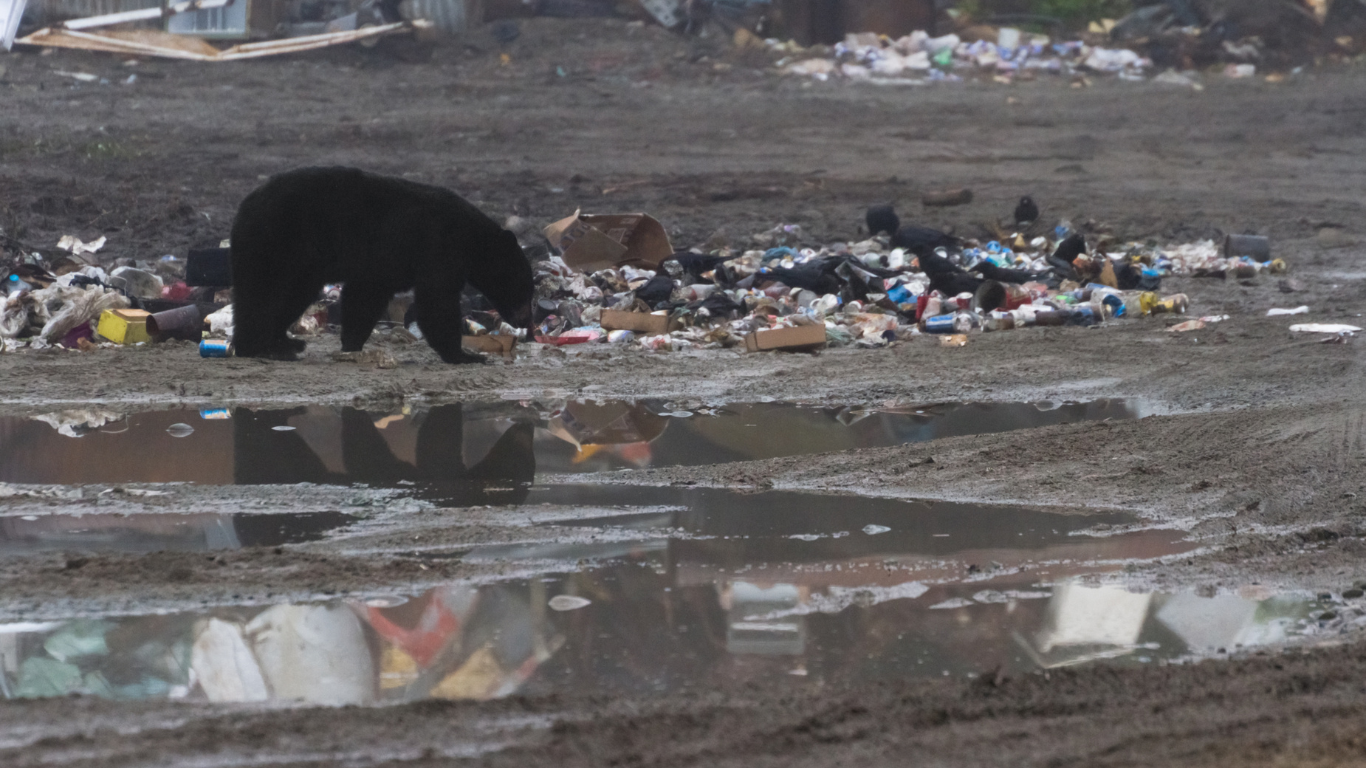
Fish and birds are commonly found with stomachs full of plastic, but terrestrial animals like coyotes, mountain lions, and bears also ingest plastic material.
The case of a Telluride bear that Colorado Parks and Wildlife had to euthanize because its intestines were blocked by trash, including plastic, is a tragic example of plastic waste harming Colorado wildlife. The bear was suffering from infection and severe abdominal pain, and it struggled to even walk.
CPW Area Wildlife Manager Rachel Sralla said the bear had been “decaying from the inside out” because of the intestinal block.
The Telluride bear lived for a while despite the blockage because of its fat reserves, but other animals can die after ingesting plastic.
For wildlife that don’t eat enough plastic to lead to blockages, malnutrition or starvation, microplastics can cause other health problems. They act like magnets for environmental toxics like pesticides or heavy metals. When plastic pieces adsorb these toxics and are ingested, they increase wildlife’s exposure to harmful chemicals.
Plastic itself is also toxic and can lead to increased inflammation, immune system suppression, and increased risk of cancer.
Chronic exposure to microplastics raises concerns about long term health consequences on wildlife, which have ecosystem-wide impacts. Reproductive issues, behavioral changes, and lowered ability to survive due to other health issues can all contribute to population decline and food chain disruptions.
Because they don’t break down, microplastics can accumulate in the tissues of the animals that eat them. They can then biomagnify up the food chain and harm animals at the top, including humans.
Several studies have documented the harmful effects of plastic on the human body.

So, what do we do about microplastic pollution?
The best way to address the microplastic issue is by preventing microplastics from entering our environment in the first place.
The size of microplastics makes them incredibly difficult to clean up once they have entered the environment. They can disperse quickly and end up far away from the source.
For everyday consumers, it’s important to limit exposure by using fewer single-use plastic items, which can become litter and break down into microplastics.
At the very least, we need to ensure small plastic is not dumped or spilled into the environment. It’s estimated that trillions of pre-production plastic pellets, a form of primary microplastic pollution, enter our environment each year through dumping and spilling.
We can’t allow companies to dump plastic pellets down the drain or spill them into our rivers. That’s why Environment Colorado is working to pass the Plastic Pellet Free Waters Act in our state. The Plastic Pellet Free Waters Act would make it illegal to dump or spill any pre-production plastic materials, including plastic pellets, into our waterways.
Our water should be plastic free, for the sake of our environment, our wildlife, and our own health. Show your support for microplastic free waters today.