

Article written by Phie Jacobs
Originally published by Science, 14th September 2026
Record-breaking “odyssey” suggests populations of these highly endangered carnivores are more connected than thought
In July 2025, four sisters left their family behind and ventured off into the unknown. Just 2 weeks later, three of their brothers followed suit. Over the next 9 months, these intrepid siblings—all African wild dogs from Zambia’s Kafue National Park—traveled thousands of kilometers, braving untold hazards. Some eventually settled into new territory, having completed the longest movement ever recorded for any African mammal. The others had their journey cut tragically short.
The saga, described yesterday in Ecology, highlights the vulnerability of this iconic canine, which remains one of the world’s most endangered mammals. But the findings also suggest wild dog populations are more connected than previously thought, with movements potentially linking ecosystems across eastern and southern Africa.
“It’s a fantastic story,” says Sarah Durant, a conservation scientist at the Zoological Society of London who wasn’t involved in the study. “It really adds to what we know about African wild dogs, but also the connectivity of these landscapes.”
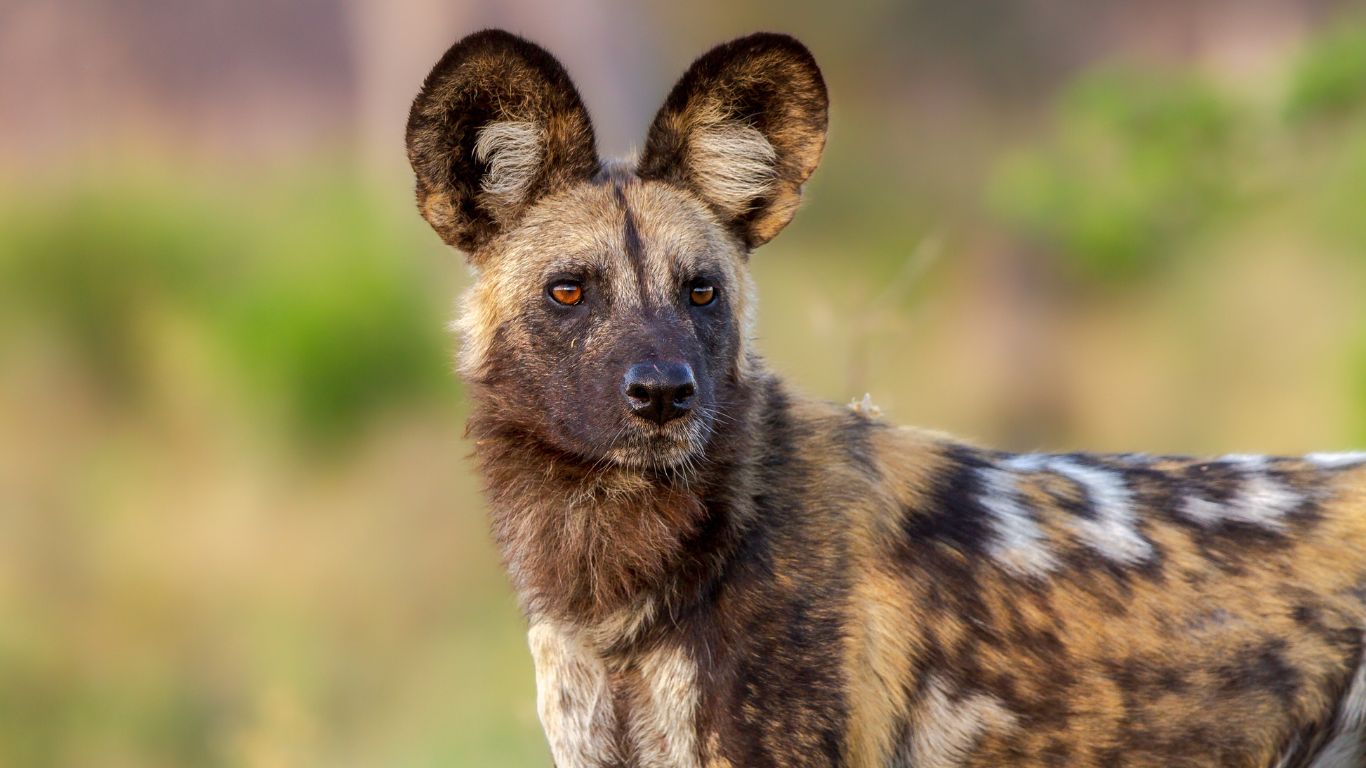
African wild dogs (Lycaon pictus)—sometimes referred to as “painted dogs” for their splotchy coats—are leaner and longer legged than their distant, domesticated cousins. They are also highly social, living in tightly knit family groups in which communally raised pups are always the first to eat. In these packs, breeding is typically reserved for a single dominant dog of each sex. Subordinate members may stick around to help raise their relatives’ offspring, all while waiting for a chance to become the next alpha. Or they may strike off on their own in search of more immediate breeding opportunities.
Predicting which dogs will stay and which will go “is as much of an art as a science,” says study co-author Matthew Becker, who serves as CEO and manager of the Zambia Carnivore Programme. The dogs that dispersed from Kafue were all 3 years old and members of the refuge’s large Mayukuyuku pack. If they remained there, their odds of reproducing were slim, making them good candidates for dispersal. Hoping to follow the dogs on their journey, Becker and his colleagues outfitted a member of each group with a radio tracking collar.
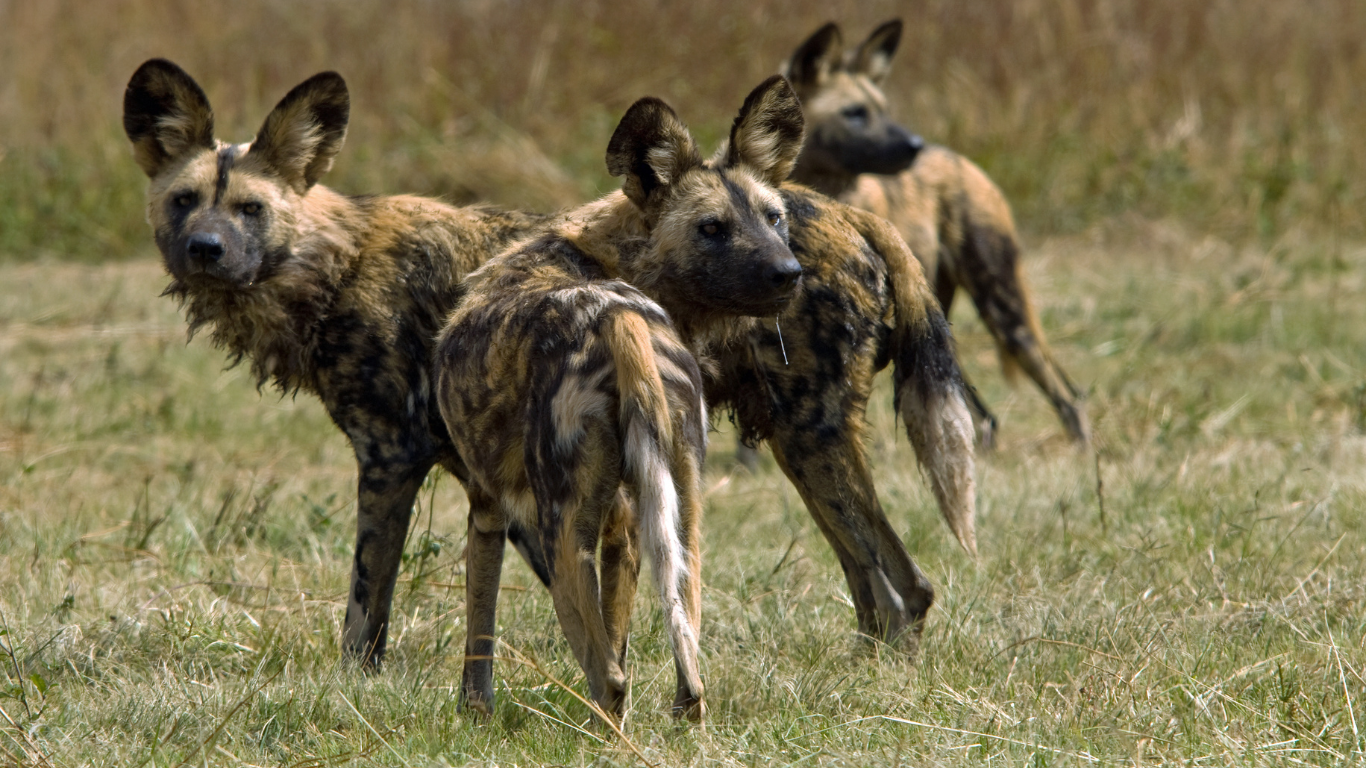
The animals shouldn’t have had to travel very far. Kafue, Becker explains, is something of a paradise for wild dogs. The park spans more than 22,000 square kilometers, making it more than twice the size of Yellowstone National Park, and its diverse prey species and sprawling woodlands offer dogs ample food and shelter.
But rather than stick around, the wild dogs did what they do best: Cover ground. Thanks to their long legs, “otherworldly” gait, and high endurance, African wild dogs “are built to move,” says Scott Creel, a conservation biologist at Montana State University and the new study’s lead author.
Once the animals left home, surviving the journey ahead was far from straightforward. Even though wild dogs are carnivores, they often find themselves at the mercy of other predators. Lions are a major threat for both adults and pups, and hyenas are known to steal their hard-earned kills. Swimming across rivers, meanwhile, carries a high risk of being devoured by crocodiles.
“They are looking for an opportunity … and they just have to keep searching until they find it,” Creel explains. “It does turn into an odyssey.”
After leaving Kafue in July 2025, the females spent several weeks roaming a “buffer zone” game management area next to the park, which offered both less protection and fewer prey than the terrain they had just left. The males, meanwhile, moved eastward into an unprotected region of central Zambia. Both groups eventually reached the outskirts of large, populated cities, including Kabwe, Kitwe, and Ndola, avoiding these settlements with the same shallow turns and superfast sprints they use to avoid lions and other threats.
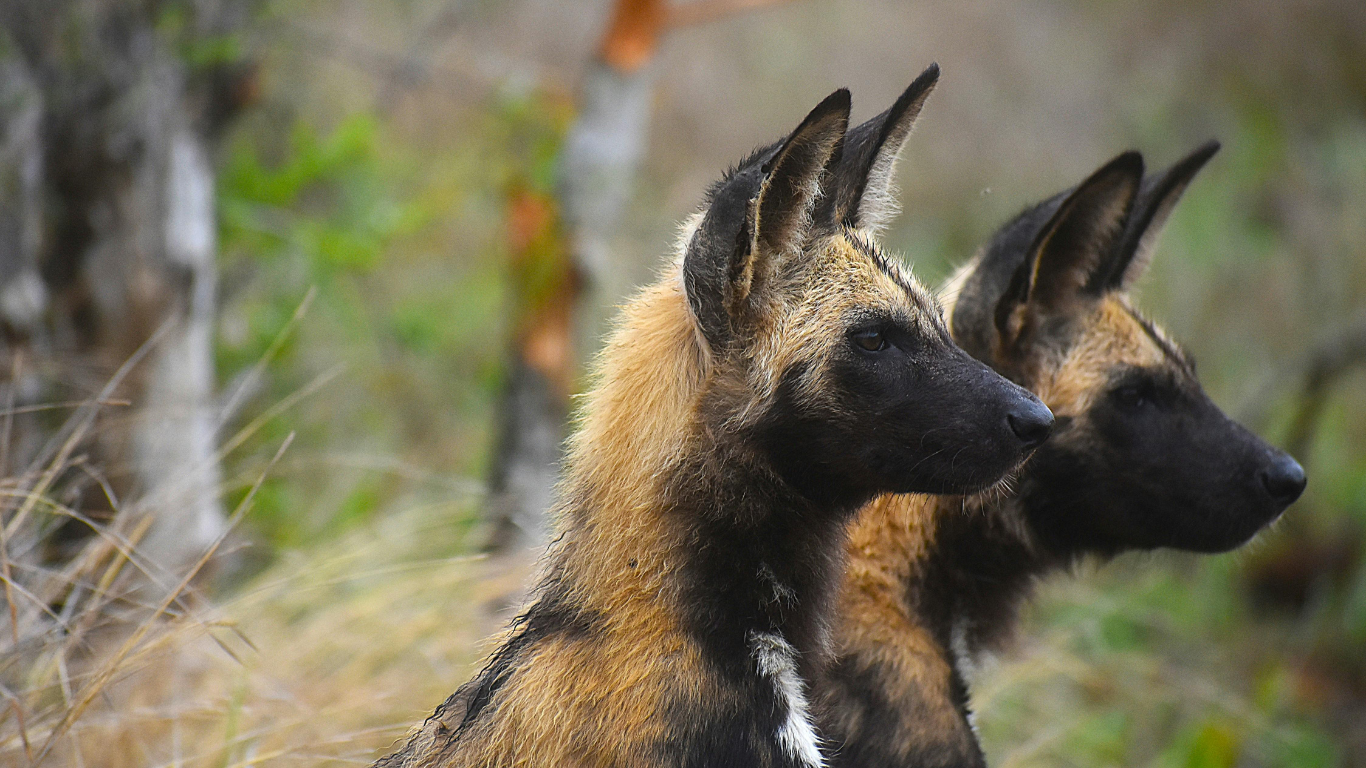
Then in September 2025, something remarkable happened. After both groups had moved more than 1000 kilometers from their home range, the Mayukuyuku siblings reunited for a single day, only to split up again. The males headed south, retracing their steps and steering clear of major roadways. The females also headed south, toward Kabwe, arriving at a forested patch outside the city on 10 October. It would prove to be a fateful decision.
Tracking data from the following week show the group’s collared female began to move strangely, in a back-and-forth pattern typically seen in dogs that have newborn pups or are returning to an injured packmate. One of the uncollared females probably had been caught in a wire snare set for bushmeat hunting, and her sisters refused to abandon her. On 23 October, the collared female likely met the same fate: Her collar was cut off, severing the researchers’ connection to the group. These traps, Creel explains, represent “the single largest threat to African wild dogs right now.”
The Mayukuyuku males, meanwhile, found their way around Kabwe and headed east, where they encountered and managed to cross two large reservoirs. The group eventually settled into a new territory at the top of the Great Rift Valley Escarpment, some 419 kilometers from their birthplace in Kafue. In all, the males’ winding journey across Zambia had taken them a total of 4126 kilometers—the longest dispersal path recorded for any African mammal. Wildebeest, by contrast, move up to 1800 kilometers during their epic annual migration between Kenya and Tanzania.
When combined with other recent studies of other wild dog migrations, the new findings suggest wild dog populations remain connected across much of eastern and southern Africa, despite the vast gulfs between each population’s home range. At one point, the Mayukuyuku males passed within just a few kilometers of a group of females whose own home range in eastern Zambia lies more than 500 kilometers away from Kafue.
The observations raise hopes that African wild dogs can recolonize areas where they were once assumed to be locally extinct. Malawi’s Kasungu National Park, for example, recently reported wild dogs for the first time in more than a decade. However, the fact that such long migrations have become necessary for these animals shows how fragmented their populations have become. “I wonder whether, historically, they would have had to move quite so far,” Durant says.
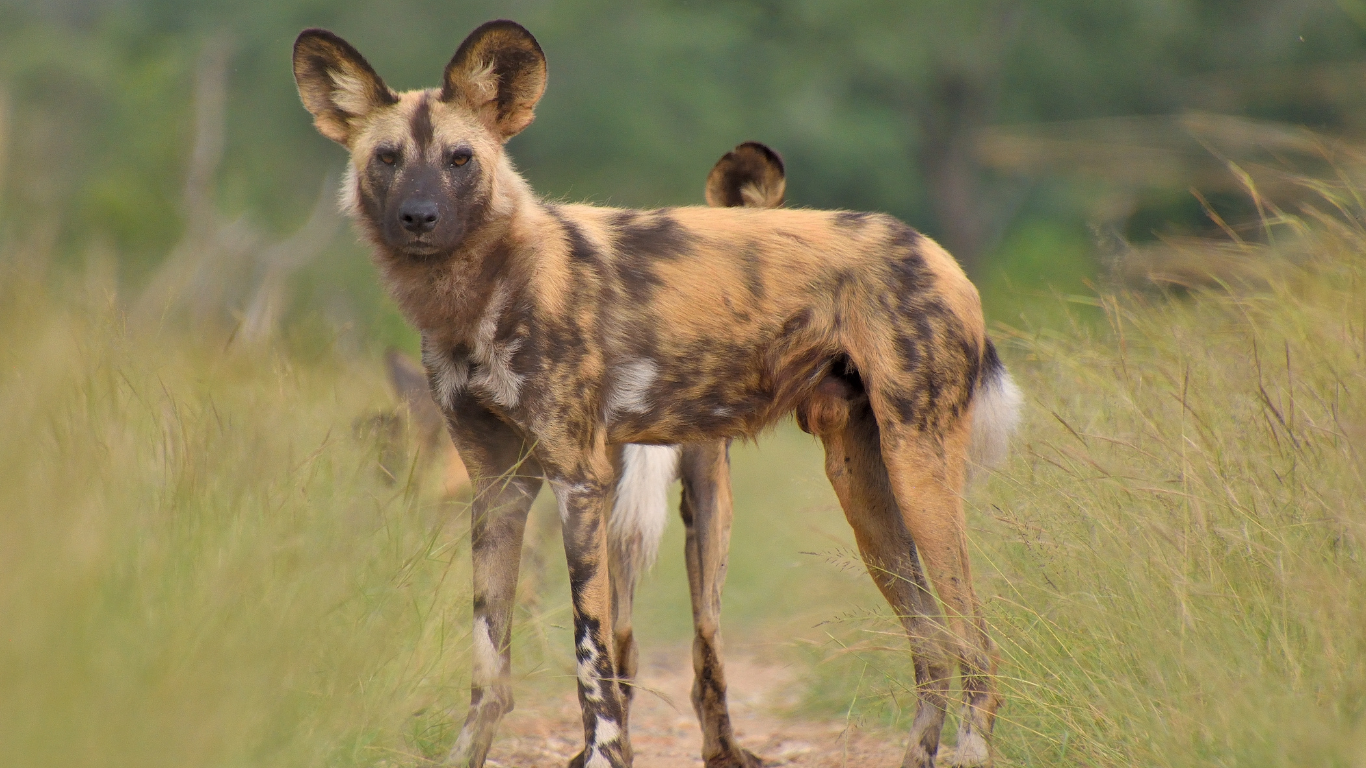
The story of the Mayukuyuku siblings also highlights the threats, both natural and humanmade, that face dispersing wild dogs. The fate of the females “is a sobering reminder of the lottery of dispersal,” says Claudio Sillero, a conservation biologist at the University of Oxford who wasn’t involved in the study. “Extraordinary mobility does not necessarily translate into demographic or genetic success.”
For Nyambe Nyambe, executive director of the Kavango Zambezi Transfrontier Conservation Area Secretariat, the study shows that, to save wildlife, conservationists need to embrace the bigger picture. In the future, he says, governments should focus on creating protections for the wildlife corridors that connect ecosystems, rather than relying solely on existing refuges—and embrace the international collaboration that preserving those corridors will require. Supporting wild dogs, he adds, must also involve efforts to maintain their prey populations and mitigate conflicts with farmers and hunters.
“Borders should not define us in this kind of work,” Nyambe says. “If the landscape is fragmented, perhaps the future is even more fragmented.”