

AI tracking tags: How artificial intelligence is transforming wildlife conservation
As wildlife populations face mounting threats from habitat loss, climate change, poaching and human-wildlife conflict, conservationists are increasingly turning to technology for help. Among the most exciting developments is the emergence of AI-powered wildlife tracking tags – small devices that can monitor animals in real time and provide unprecedented insights into their movements, behavior and survival.
These innovations are helping researchers and conservation organizations protect endangered species more effectively than ever before.
What are AI wildlife tracking tags?
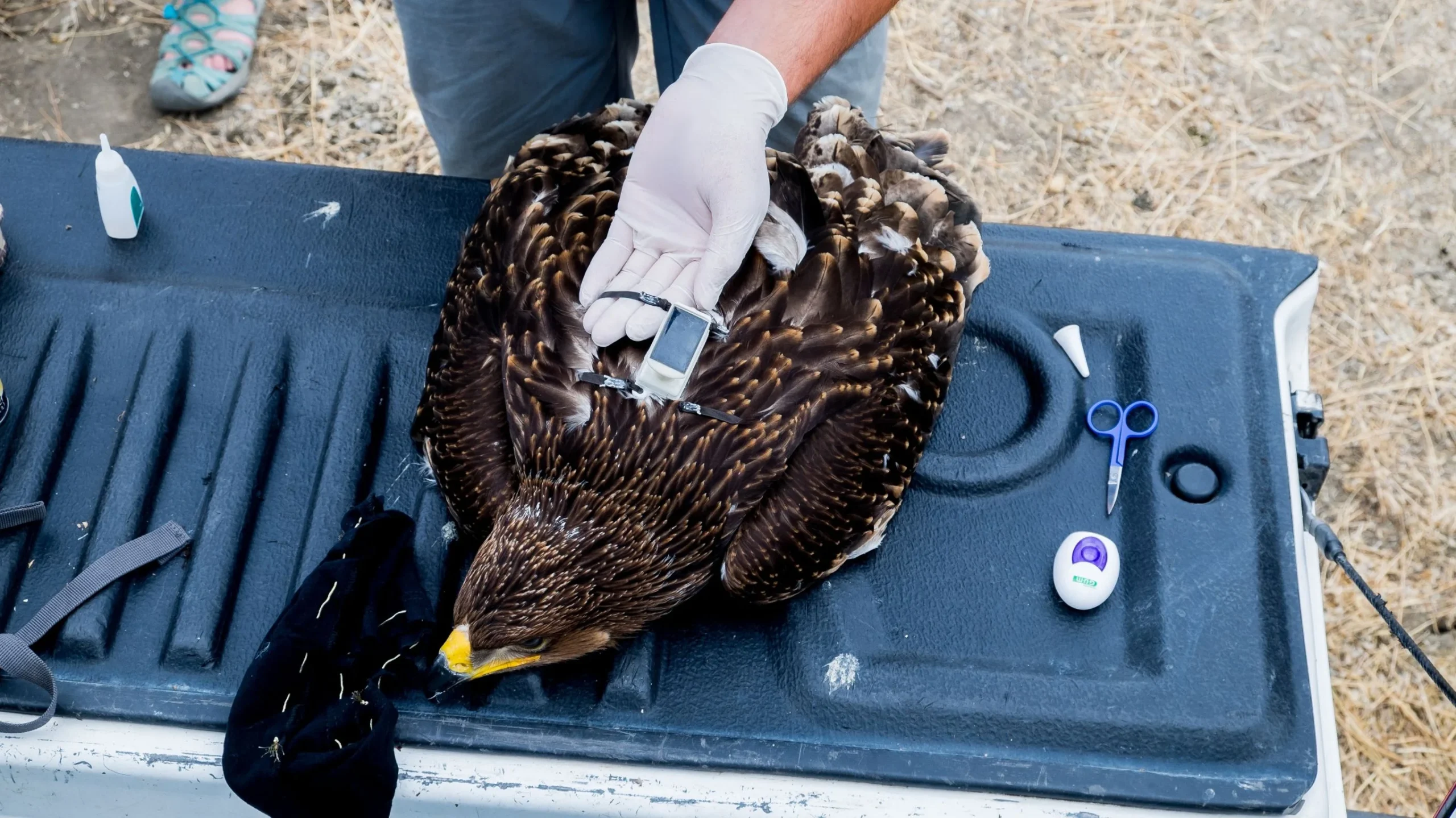
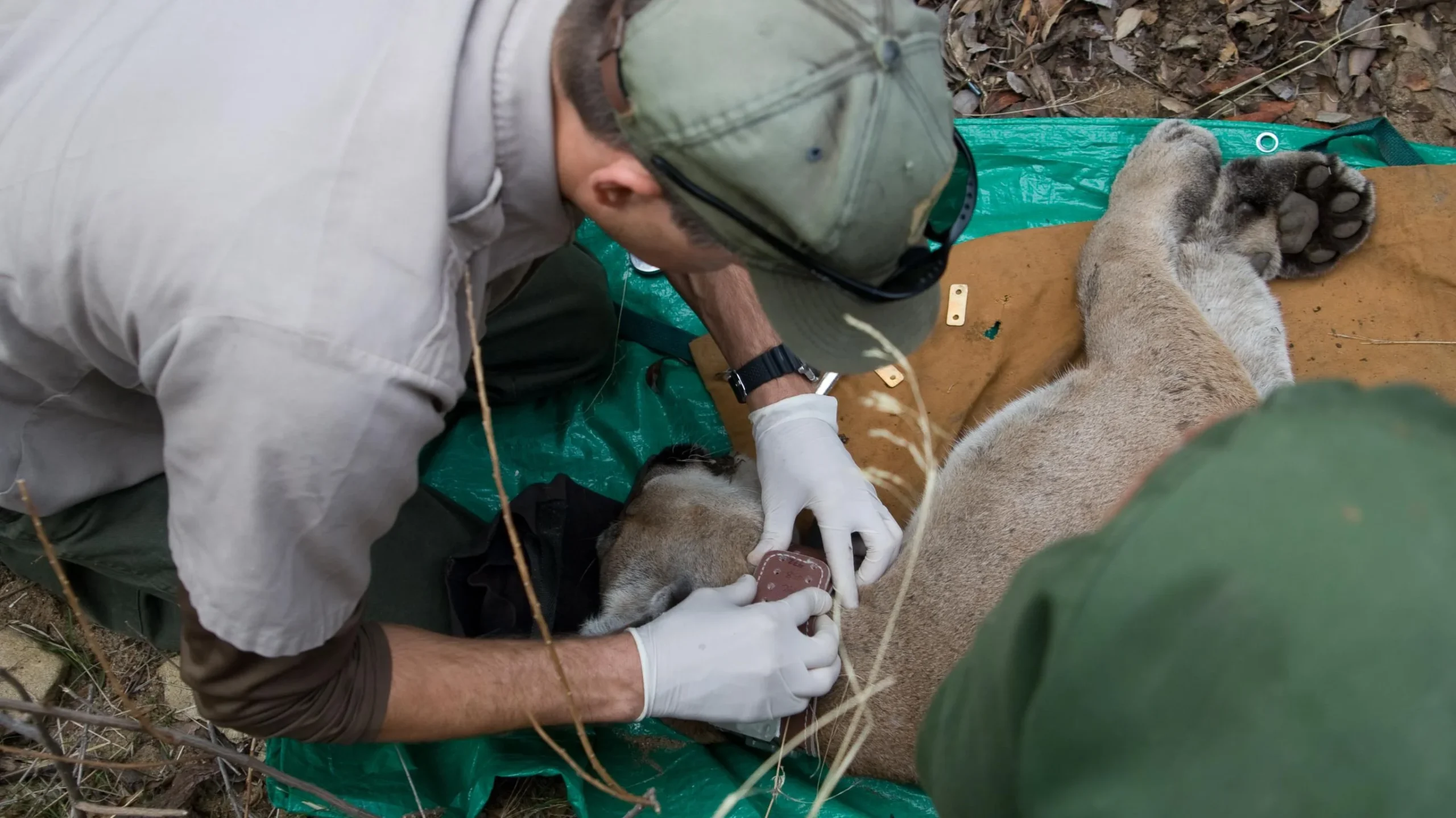
Wildlife tracking tags have been used for decades to study animal movements. Traditional tags typically use radio, GPS or satellite technology to record an animal’s location and transmit data to researchers.
AI-powered tracking tags take this a step further. Equipped with sensors, onboard computing power and machine-learning algorithms, these devices can analyse data directly on the animal rather than simply recording and transmitting everything. This allows researchers to gain deeper insights into behavior while reducing power consumption and data transmission costs.
Modern tracking devices may include:
- GPS receivers
- Accelerometers that measure movement
- Temperature sensors
- Acoustic recorders
- Cameras
- Satellite communication systems
Some advanced systems can even identify specific behaviors such as feeding, resting, hunting, migration or signs of distress.
How artificial intelligence makes a difference
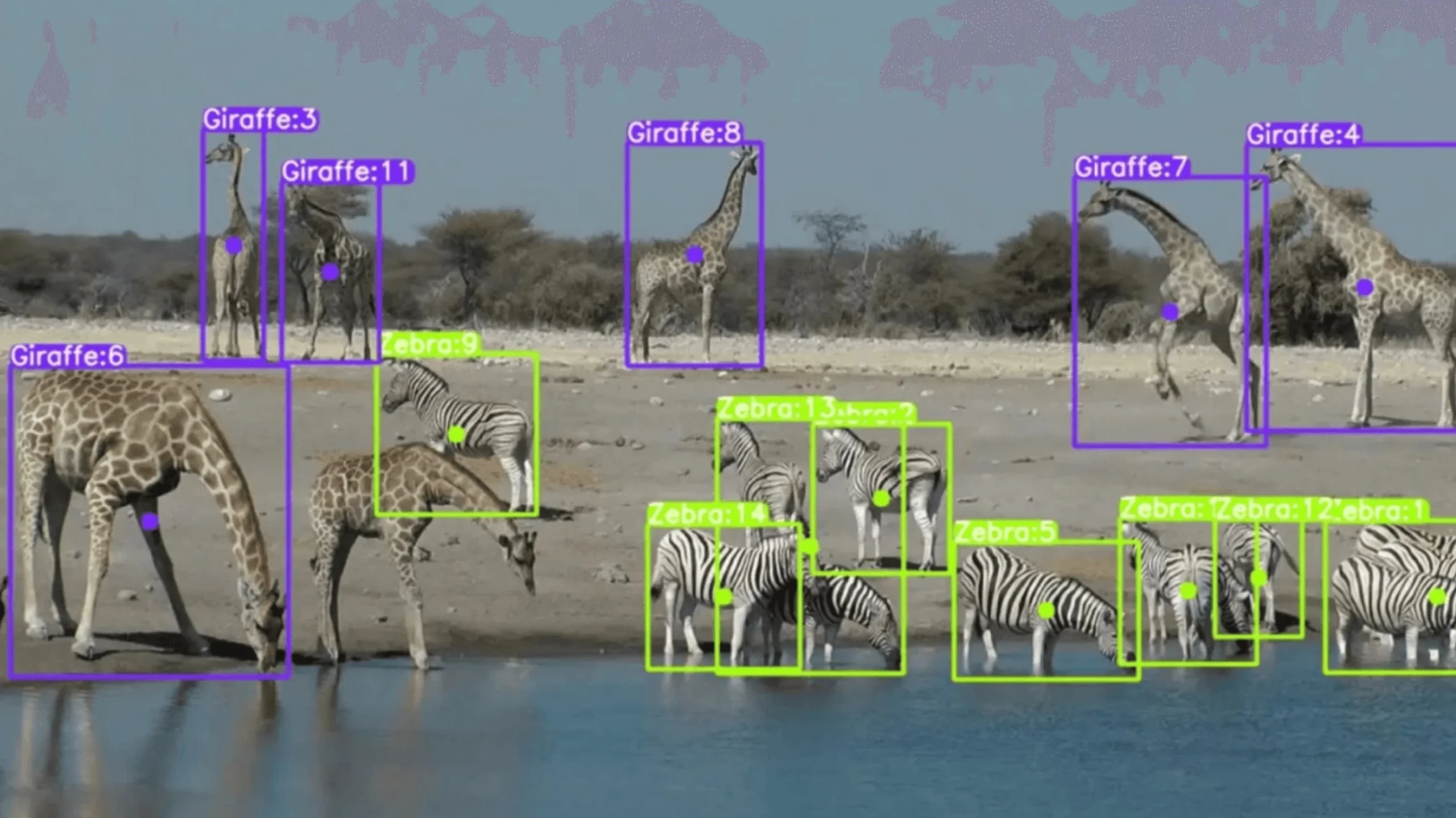
One of the biggest challenges in wildlife monitoring is the sheer volume of data generated by tracking devices.
AI helps solve this problem by automatically analyzing information and identifying important events. Instead of sending every piece of raw data via satellite, the tag can determine which information is most valuable and transmit only key findings. This extends battery life and allows researchers to monitor animals for longer periods.
Artificial intelligence can also:
- Detect unusual movement patterns that may indicate injury or poaching threats
- Identify migration routes and seasonal habitat use
- Recognize behavioral changes linked to environmental stress
- Predict human-wildlife conflict hotspots
- Help conservationists respond more quickly to emerging threats
Protecting endangered species
Real-time monitoring has become one of the most powerful tools in wildlife conservation.
GPS and satellite tracking systems allow conservation teams to monitor endangered animals across vast landscapes, helping identify critical habitats, migration corridors, breeding areas and threats before irreversible damage occurs.
For example:
- Elephant conservation projects use GPS collars to monitor herd movements and reduce conflict with nearby communities.
- Vultures and other birds of prey are increasingly fitted with lightweight GPS transmitters to study migration routes and identify dangers such as poisoning and habitat degradation.
- Sea turtles are being tracked using satellite tags to reveal nesting sites, feeding grounds and migratory pathways across oceans.
By understanding where animals go and how they use their habitats, conservationists can make more informed decisions about protected areas and wildlife management.
The benefits of smarter tracking
AI-enabled wildlife tracking offers several advantages over traditional methods:
Better data
Researchers can collect detailed information about animal behavior rather than simply tracking location.
Faster conservation action
Real-time alerts can help authorities respond more quickly to threats such as poaching, injury or environmental disasters.
Reduced costs
AI can filter and process data onboard, reducing expensive satellite transmission requirements.
Longer battery life
Smarter data management allows devices to operate for months or even years in the field.
Improved scientific understanding
The technology is helping scientists answer questions about migration, habitat use, climate impacts and species survival that were previously impossible to study at scale.
Challenges and ethical considerations
Despite their benefits, tracking technologies must be used responsibly.
Capturing and tagging animals can cause stress, and researchers must carefully weigh the conservation benefits against potential impacts on animal welfare. Some species are particularly sensitive to handling and tagging procedures.
Conservation organizations also face challenges related to:
- Equipment costs
- Data management
- Satellite communication expenses
- Battery limitations
- Ensuring devices are small and lightweight enough not to affect the animal’s natural behaviour
Ethical deployment remains a key priority in wildlife research.
The future of wildlife conservation
Tracking technology is evolving rapidly. New generations of lightweight tags are becoming smaller, smarter and more energy-efficient, making it possible to monitor a wider range of species, including smaller birds, reptiles and mammals.
Researchers are also integrating tracking systems with drones, satellite imagery and other AI-powered conservation tools to create a more complete picture of wildlife populations and ecosystem health.
As biodiversity faces increasing pressure worldwide, AI-powered wildlife tracking is proving to be one of the most promising tools available to conservationists. By helping us understand where animals go, how they behave and what threats they face, these technologies are providing critical information that can help protect species before it is too late.
Supporting science-based conservation
Technology alone cannot save wildlife. However, when combined with strong conservation policies, habitat protection and community engagement, AI-powered tracking tools can help ensure that endangered species have a better chance of survival in an increasingly challenging world.
Animal Survival International helps fund AI-tracking and monitoring devices to help promote conservation efforts, protect wildlife, and deter poachers. Read more about how AI-powered drones are helping to protect wildlife around the world.