


In the Race to Save Humanity, the World’s Nations Fail to Meet Co₂ Goals
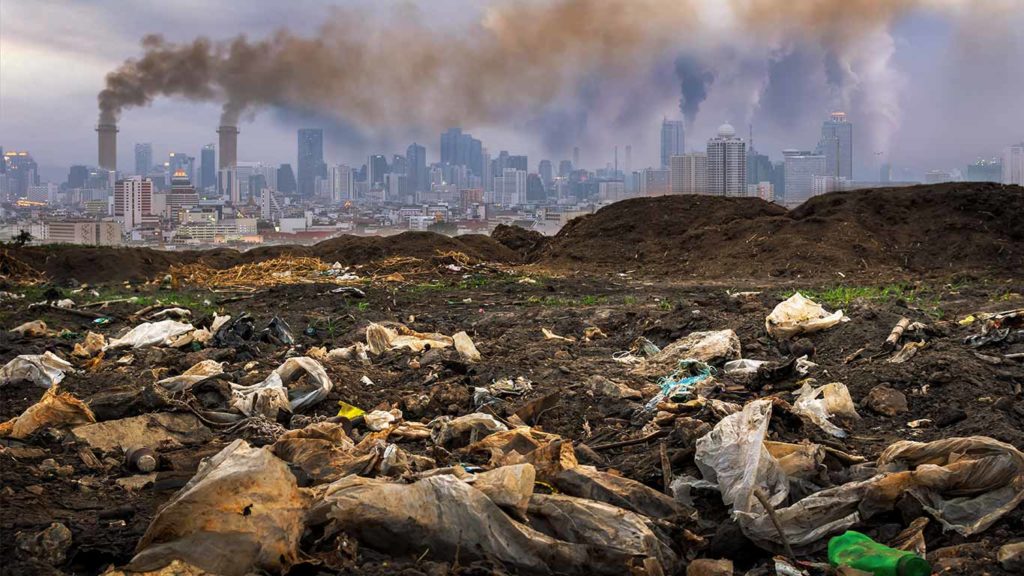
By Melissa Reitz More than half of the world’s nations are failing in efforts to cut greenhouse gas emissions to prevent a climate catastrophe, according to a recent United Nations (UN) assessment.In the run up to the Cop26 Climate Summit in November this year, signatories to the Paris Agreement, the international treaty on climate change, were required to submit their carbon emission goals, known as an NDC, by December 2020. But of 197 countries, only 71 have submitted their national action plans on time. The USA and China, the planet’s largest carbon emitters, are amongst those that have not yet announced their carbon reduction goals. In addition, the countries which have submitted pledges have not done enough, says the UN, and even if their national pledges are fulfilled, global emissions will only be reduced by 1% by 2030. According to the goals set out in the Paris Agreement, nations pledged to keep global heating below 35.6°F (2°C) above pre-industrial levels, with a goal of a 34.7°F (1.5°C) limit over the next ten years. Scientists have repeatedly warned that global warming above (34.7°F) 1.5°C will create irreversible and devastating consequences for the planet and humanity. To prevent this happening, we now need a 45% reduction over the next decade. But unless every nation in the world commits to reducing carbon emissions this will not be possible. According to UN secretary general, António Guterres, 2021 is a “make-or-break” year to confront the global climate emergency. He says major emitters need to make radically more ambitious reduction targets for 2030. The UN Framework Convention on Climate Change (UNFCCC) has condemned nations for their “business as usual” approach in the face of the biggest crisis mankind has ever been met with. Other major emitters that have not come forward with new plans include Indonesia, India, Iran, Canada, Saudi Arabia and South Africa. These six nations collectively contribute nearly 17% of global emissions. The EU, Russia, Brazil, Australia, Japan, South Korea, Argentina, Mexico, Zambia and the UK are the only economies each contributing roughly 1% or more of global emissions that have submitted their targets. “The writing is on the wall, and it has been for a long time. If governments and large corporations do not put every effort into reducing their greenhouse emissions, the planet will no longer be able to sustain us,” says Adrienne West of the Animal Survival International (formerly Political Animal Lobby). “There is simply no more time to lose. We demand that the world’s leaders do what needs to be done.”
Today Is World Wildlife Day – But for Millions of Animals Around the World, Today Is Not a Day of Celebration!
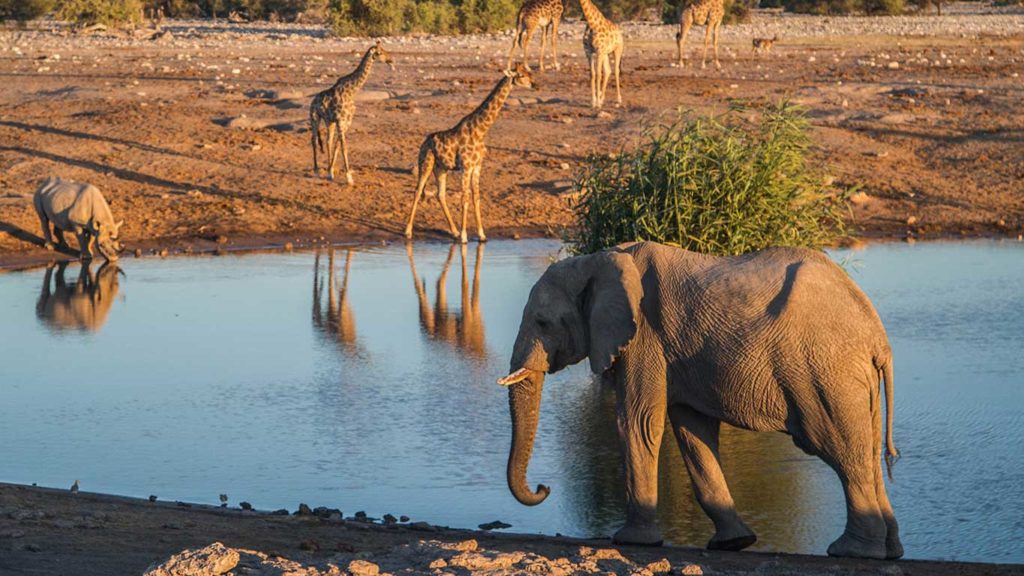
Today is World Wildlife Day. For millions of animals around the world, today is not a day of celebration. Our world’s wildlife is being wiped out. According to a 2019 UN report, one million species are threatened with extinction – some within a matter of years. As many as 30 to 50 percent of all species could be extinct by 2050. It’s worth pointing out that this information is two years old already, and the situation will undoubtedly have gotten worse since then. Although every day there is more gloomy news in the media warning of the rapid onset of extinction, the truth is that’s humanity has not yet fully realized the extent of the catastrophe that is about to take place on our planet. A catastrophe that would have devastating consequences for animals and humans. In coming years, we could say goodbye to pangolins (two species critically endangered), rhinos, (three species of black rhino are critically endangered and the northern white rhino is functionally extinct), mountain gorillas (critically endangered), vultures (eight species critically endangered) and painted dogs (critically endangered). Gone, never to return. And those are just the tip of our melting iceberg. Habitat loss is the biggest culprit, but climate change is also a major contributing factor. As is the poor enforcement of rules governing the international trade of animals. All of this is our fault and our responsibility to fix. Unwittingly, in some cases but deliberately in others, human actions have made the world a deadly place for animals. The Animal Survival International exists to fight for animals affected by these problems and to try and stem the tsunami of destruction that is affecting mammals, birds, marine life, reptiles, insects, amphibians… In fact, nearly every category you can think of is under pressure. We finance scientific research to find practical solutions to a wealth of problems – from Anatolian water frogs, who die by the thousands to be served as culinary delicacies to tracking the movement of elephants and lions across our last remaining wildernesses. We also provide medical supplies and fund treatment for injured, sick and rescued wild animals, and we work to raise public awareness of the calamity that will befall us all unless we fight to stabilize the natural world. You can help our crusade by donating today.
How we are helping RIGHT NOW: February 2021
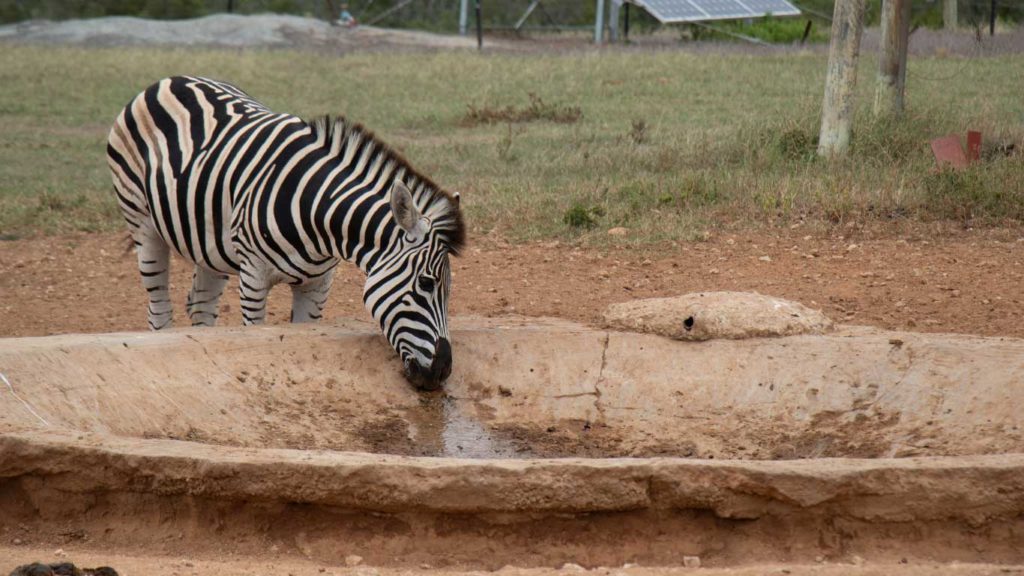
The future of animals and the wilderness they live in has never been more at risk. Climate change, habitat destruction and poor enforcement of international wildlife laws is driving species after species to extinction. We cannot be silent or sit idly by and watch this happen. The Animal Survival International (formerly Political Animal Lobby) exists to be a voice for animals and to do everything within its power to ensure animals survive internationally. We are incredibly grateful to our passionate supporters who make the work we do possible. In case you missed it, here’s what ASI is doing right now and how your donations are making a difference to animals across the globe: Life-Giving Water in the Midst of the Worst Drought in 100 Years In South Africa’s Addo Elephant National Park, hundreds of elephants and countless other animals risk dying of thirst because of the worst drought in 100 years. Water holes are drying up and thousands of animals are suffering – not only from thirst but also injury as they fight one another over the last few drops. Our team watched in horror as zebras kicked and bit each other, desperate for their share. Smaller animals like warthogs stood no chance of getting near the rapidly-drying waterholes. To help this dire situation, we have pledged to fund the installation of state-of-the-art solar-powered water pumps to draw more water from the available boreholes. Thanks to your generous donations, we have raised enough to save one waterhole with new equipment and are nearing our goal of saving a second one. Now we are counting the days until the pumps can be installed. Ending the Cruel Trade of Live Frogs from Turkey Millions of frogs are tortured, maimed and killed so they can be served up as a ‘delicacy’ in restaurants. Every day, thousands of Anatolian water frogs are cruelly harvested in Turkey before being sent across Europe. Hunted with hooks and squashed into bags by the hundreds, these helpless frogs are transported alive. Many die along the way. Those who don’t are often served up alive! Not only is this an example of shocking cruelty, but if we don’t act now, Turkey’s Anatolian frogs will be gone forever, and environmental disaster could ensue. We have pledged to help stop this carnage through the only available avenue – presenting compelling evidence to the authorities. By supporting scientists at Ege University in Turkey in conducting vital research, we will be able to demonstrate the true enormity of the plight of the frogs to the Turkish government and hopefully end this trade forever. A Second Chance for Persecuted and Poisoned Birds of Prey Birds of prey are severely threatened across Africa. Habitat loss, poisoning, local superstitions and climate change are pushing hundreds of raptor species to extinction. The Owl Orphanage in St. Helena Bay, South Africa has made it their mission to rescue and rehabilitate as many poisoned and injured birds as possible. The Owl Orphanage is inundated with birds in desperate need of help. Sometimes they rescue five a day, but they simply do not have enough space to home them all while they recover. Your generous donations helped expand their aviary, meaning that more birds of prey will now get a second chance. Celebrating World Pangolin Day – but for How Much Longer? This month we celebrated the 10th annual World Pangolin Day. On this day we were again reminded of the horrific plight of pangolins, both across Africa and the Far East. As the most trafficked mammal in the world, pangolins are hurtling towards extinction; an estimated 200,000 pangolins are killed every year! Smuggled across borders to Asia, pangolins are hacked to death to be used in traditional Chinese “medicine” or eaten as a delicacy. If we don’t put an end to the rampant slaughter of these quiet, solitary creatures, very soon we won’t be celebrating World Pangolin Day anymore because there won’t be any left. ASI is committed to spreading awareness and offering support wherever needed to help prevent such impending disasters. Thank you for standing with us in this fight. Once again, thank you for your generous donations and your support in raising awareness of these issues. You make it possible for us to make a difference, supporting wildlife across the globe.
A Major Climate Mystery Is Solved, Confirming the Planet Is the Hottest It’s Ever Been in Human Existence
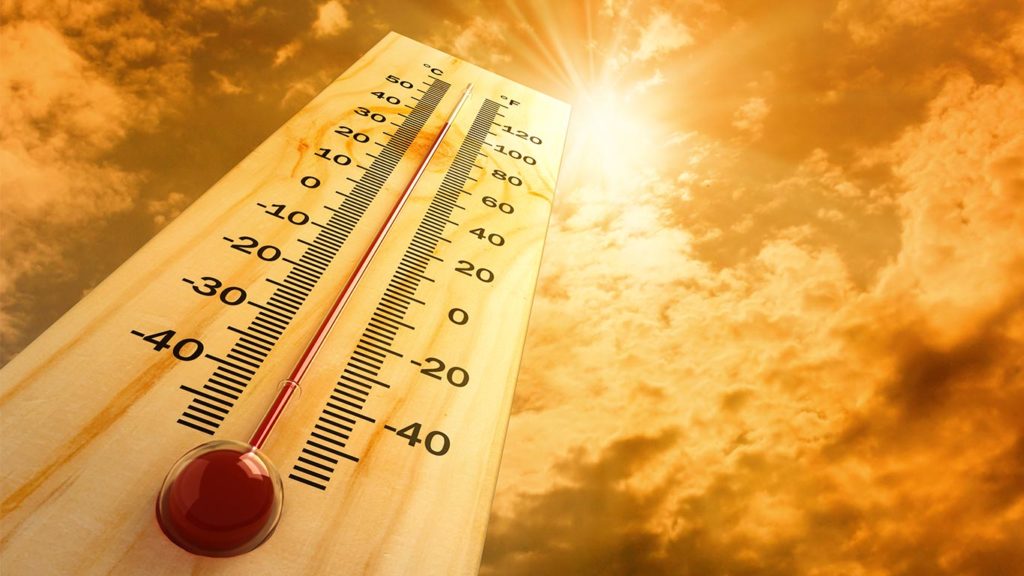
By Melissa Reitz Temperatures on Earth are higher now than they have been for 12,000 years – the entire period spanning the development of human civilization, new research has found. According to scientists, this information means that the modern human-caused global warming period is accelerating a long-term increase in global temperatures, and that we are now in “unchartered territory”. Furthermore, data suggests that the planet may be at its warmest in 128,000 years, say the research team. These findings are a game changer; solving the longstanding mystery known as the “Holocene temperature conundrum,” a debate over how temperatures have changed during the Holocene, our current geological epoch. While it was previously thought that average Holocene temperatures peaked between 6,000 and 10,000 years ago after which the planet cooled, climate models now show that global temperatures have in fact risen over the past 12,000 years. According to scientists at Rutgers University in the US, this new research, “changes the baseline and emphasizes just how critical it is to take our situation seriously.” The study, they say, “eliminates any doubts about the key role of carbon dioxide in global warming.” Previously published information on fossils of single-celled organisms which lived on the ocean surface and other biomarkers from marine algae, allowed the research team to develop a system to reconstruct temperatures through history and arrive at annual averages. This showed them that post-industrial increases in global temperature have steadily risen over past millennia. “This is ground-breaking information that we hope will serve to apply more pressure on international governments to reset policies and clamp down on CO₂ emissions,” says Adrienne West, Chief Campaigner at Animal Survival International (formerly Political Animal Lobby). 2020 was captured as the warmest year on record by the U.S. National Oceanic and Atmospheric Administration (NOAA) and therefore possibly the hottest in the last 128,000 years.
The Rapid Disappearance of Glaciers Threatens Alpine Flowers With Extinction, New Research Finds
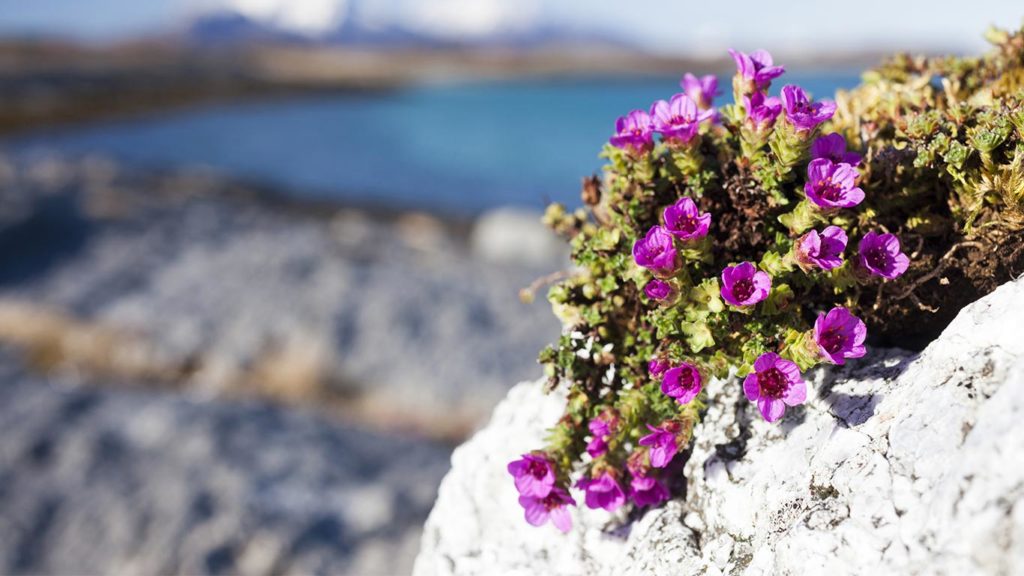
By Melissa Reitz Glaciers are retreating at unprecedented rates, causing a rapid decline in alpine plant species as their remaining habitat disappears. Despite warmer temperatures exposing new land for plant growth, the benefit for pioneer alpine species is short-lived. These plants are instead becoming ever more threatened as aggressive species take over, pushing them out of their remaining habitat and diminishing overall biodiversity. According to a newly published paper, researchers have found that up to 22% of the species studied across four glaciers in the Italian Alps would disappear if the glaciers vanish. Endemic plants such as mossy saxifrage, purple mountain saxifrage and mignonette-leaved bitter-cress could become extinct as a result. Proglacial environments are extremely sensitive to global warming. As the climate warms, mountain species are forced to move to higher-altitude habitats. But there is little space left for them to do this. Alpine plants play a key role in fragile mountain ecosystems which means their disappearance could also lead to the extinctions of certain animal and insect species. Earlier research by the University of Zurich has also shown that alpine plants are not adapting well to climate change, and invasive species are quickly colonizing mountain tops. In the Scottish Highlands, botanists have found Britain’s rarest mountain plants are retreating higher and being replaced by grasses normally found at lower altitudes. “Although deeply concerning, this is valuable information for better understanding the lesser-known effects global warming is having on biodiversity in glacial areas. Again, our attention needs to be focused on mitigating these effects at all costs,” says Adrienne West of the Animal Survival International (formerly Political Animal Lobby).
Worst drought in 100 years still raging. We must act now!
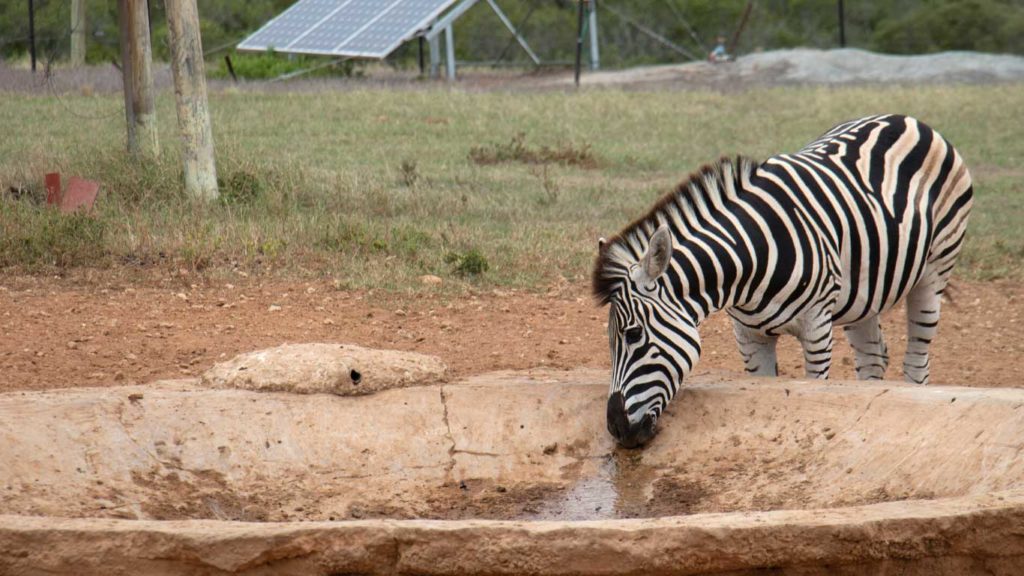
Today we share with you a simple but vitally urgent message: thousands of elephants and other wild animals face dying of thirst in South Africa because of the worst drought in 100 years at the Addo Elephant National Park in South Africa. Water holes are drying up and thousands of animals face death. On a recent emergency visit and as temperatures skyrocketed, our team watched in dismay as animals fought each other over the last few drops of once-plentiful water. Zebra fought among themselves, kicking and biting, warthog families were driven from the life-giving water and baby elephants tried to make an inch of water into a mud bath. With your help, we can save these wild creatures from a slow and agonizing death. The good news is we have a plan. We promised to buy state-of-the-art solar-powered water pumps to provide a reliable source of ground water and, thanks to our supporters, we are nearly there. We just need to raise another $4,000.00 (£2,900.00) to provide two critical waterholes with life-giving water. In the meantime, we are trucking in water from distant reservoirs to help animals survive in the short-term. South African National Parks (SANParks), which manages Addo, is doing everything it can to help and so far no animals have died – but without water, it’s just a matter of time. Donate today, and together we can make sure that these animals get thousands of liters/gallons of life-giving water every day! We have the opportunity – and we must not let it pass – to save elephants, antelope, warthogs, zebra and so many other animals. They cannot survive this drought much longer. As you read these words, water trucks are already at work (we were there to help pumping ourselves). The stress of thirst is driving animals to fight each other for a share of the meager water supply. Worse still – baby animals don’t stand a chance to access the prized remaining inches of muddy water. Zebra are trying frantically to suck water from dry pipes as temperatures soar and dehydration sets in! We witnessed the harsh realities of this drought firsthand. Thirst and panic are making wild animals behave unnaturally. By spending all day lining up, pushing and fighting for water, they don’t have enough time to browse for food or rest. There is no time to waste. We need your support now to respond to this emergency – and save lives! We are on the brink of a massive conservation disaster in Addo National Park. It could be years before this devastating drought ends. Just one elephant drinks 200 liters (over 50 gallons) of water every day. This means that, under current circumstances, an entire day’s dwindling water supply can only sustain a single small family of elephants. It is no understatement that the competition for evaporating water could wipe out whole wildlife populations within the Park. While we have begun to act, we must continue to act! With your help, we WILL save lives! Together, we can save thousands of animals from a horrific fate and protect vital wildlife populations for years to come. Please help us by donating what you can today – every gift is vital.
Scientists Find That Climate Change Is Affecting Humpback Whale Reproduction
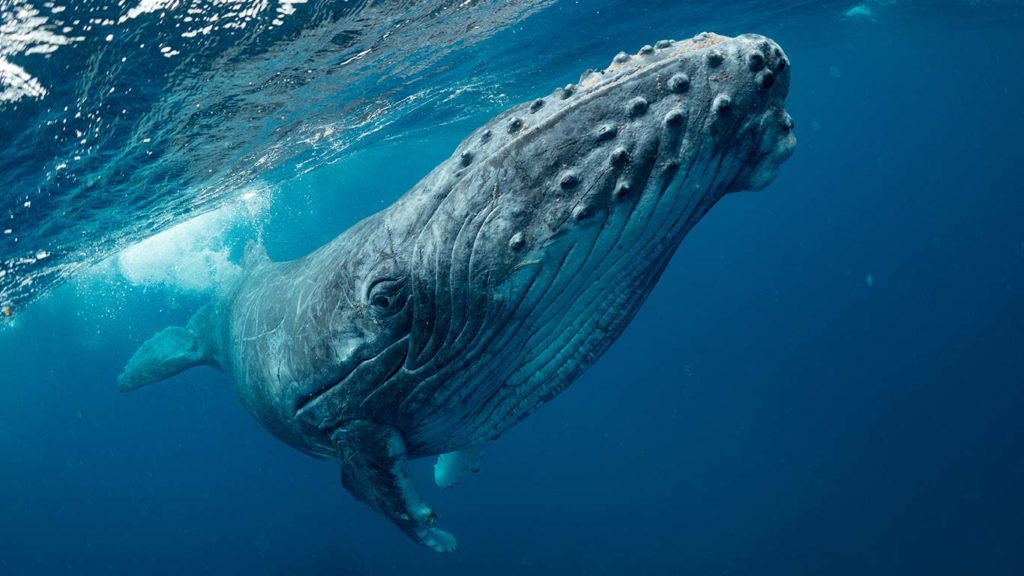
By Melissa Reitz Recent studies in the Gulf of St Lawrence, Canada, show an alarming drop in the number of calves born to humpback whales over the past 15 years. Scientists say the climate crisis is to blame. Each summer, humpbacks return to the north Atlantic, an important feeding ground for whales. But, according to researchers, a rapid rise in sea temperatures and sea levels is affecting ecosystems and causing a decrease in herring numbers, a vital food source for humpbacks. To ascertain the effects and confirm suspicions of dwindling birth-rates, scientists used blubber samples from female humpbacks to determine whether the whales were pregnant. By identifying markers on individuals, they could confirm whether the whales returned to the Gulf of St Lawrence with calves or not. It was found that 39% of the pregnancies were unsuccessful and the annual calving rate had dropped drastically from 2004 to 2018. According to a published report, the findings suggest the decline in reproduction is due to a lack of prey species which is an effect of disrupted ecosystems. This has resulted in females being unable to accumulate the energy reserves needed to maintain pregnancy and meet the demands of lactation. It was previously thought that baleen whales, a group to which humpbacks belong, were potentially resistant to the effects of climate change, by changing migratory patterns and switching prey species if abundance levels dipped. But the decline in calving rates in the north Atlantic over a period of major environmental change suggests a “limited resilience” to these ecosystem changes. “Unless we take radical action to slow down the effects of global warming, we risk losing some of our most important keystone species, such as the humpback whale, which are essential in keeping ecosystems in balance,” says Adrienne West, Chief Campaigner at Animal Survival International (formerly Political Animal Lobby). Whales play a vital role in helping combat climate change by circulating nutrients in the water as they dive and surface. This action, known as the “whale pump”, encourages the growth of phytoplankton, which, through photosynthesis, absorb 40% of carbon from the atmosphere. This is equivalent to the work of four Amazon rainforests. Over the long-term, a lack of healthy reproduction in baleen whales will have a knock-on effect on other essential climate regulators.
Top Scientists Say Humanity Is in Serious Trouble if We Do Not Recognize the Extent of the Climate Crisis
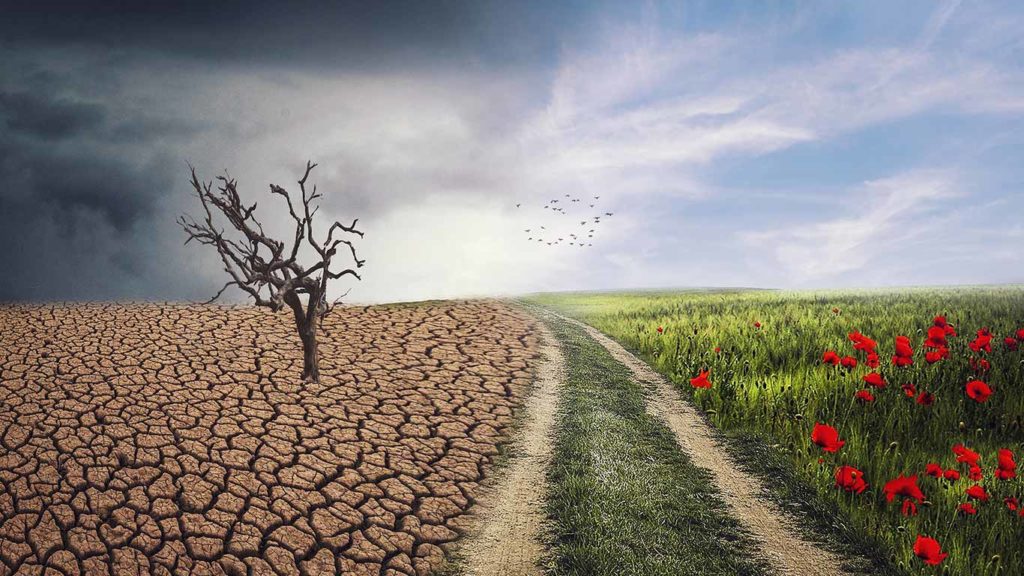
In a shocking new report, the world’s top climate scientists have warned that humanity is failing to grasp the severity of the climate crisis and that the planet is in a far worse state than most perceive. The 17 international experts say ignorance and inaction is leading to a “ghastly future of mass extinction, declining health and climate-disruption upheavals” that poses a very real threat to the survival of humanity. This comes after recent confirmation that world leaders have failed to meet any of the 2010 Aichi targets set out to protect Earth’s vulnerable wildlife and ecosystems, as well as the sobering UN paper indicating that an estimated one million species are currently at risk of extinction. Referencing over 150 major environmental studies, the report points to the delay between the destruction of biodiversity and the impact of these actions being felt resulting in most not realising the true magnitude of the crisis. The authors warn that mass migrations, pandemics and conflict over resources is inevitable if urgent action is not taken. To halt this catastrophe requires far-reaching reforms, say the researchers. The report says this would include ending the notion of perpetual economic growth and stopping the use of fossil fuels, amongst other measures. According to Professor Paul Ehrlich from Stanford University in the USA, who contributed to the report, human population growth and high levels of demand by wealthy nations is driving the destruction. The continuous growth of human populations is fuelling soil degradation and biodiversity loss, says the paper. “If the world does not wake up to the crisis we are in and we begin to drastically change our ways by creating sustainable ways of living, we will be facing a devastating catastrophe. What many still fail to understand is that without a fundamental shift in attitude towards the climate crisis, pandemics, large-scale disaster events and extinctions are here to stay and will get dramatically worse,” says Adrienne West of the Animal Survival International (formerly Political Animal Lobby). At the recent One Planet Summit in Paris, France, the High Ambition Coalition (HAC) for Nature and People, a coalition of more than 50 countries pledged to protect 30% of the planet’s land and oceans. The countries include the United Kingdom and countries from six continents. At the summit, UN Secretary-General, António Guterres, said the process of recovery from the coronavirus pandemic could provide the world a chance to change course and put humanity on a path that is not in conflict with nature.
Good News for Polar Bears, as Trump Fails
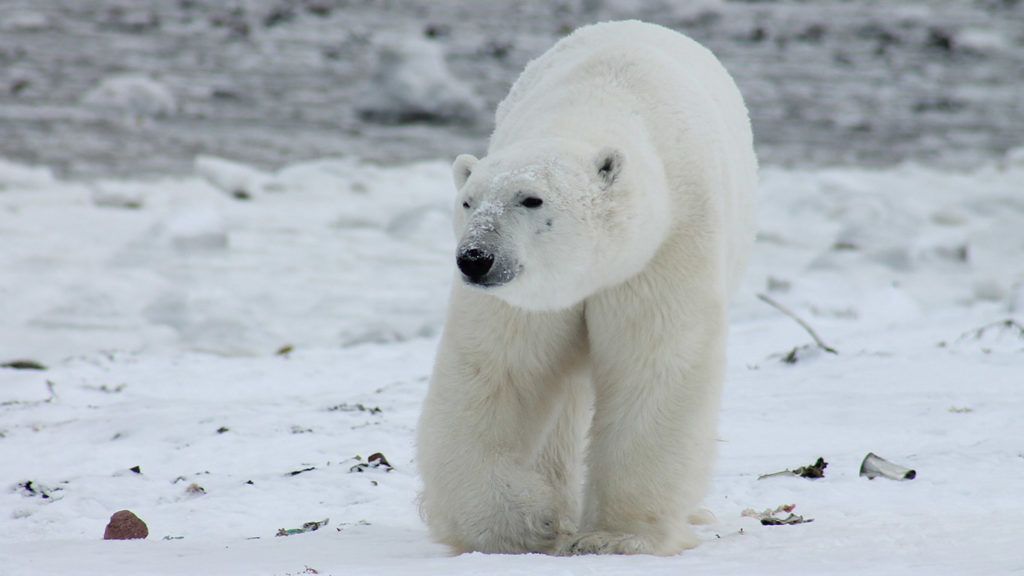
Heeding the warnings of the Animal Survival International (formerly Political Animal Lobby), other environmentalists, watchdog groups, and native Alaskans alike, major oil companies steered clear of fossil fuel leases in the vulnerable Arctic National Wildlife Refuge (ANWR). The refuge is a breeding ground for endangered polar bears. Bears give birth in dens they create in the ice, leaving their cubs alone when they leave to seek for food. Bulldozers have no way of knowing where the dens are; countless polar bear cubs would have been crushed to death. The Trump administration made a reckless last-minute stab to encourage Big Oil to drill in the reserve by offering long-term leases. It would have annihilated the long-protected refuge home to denning polar bears, foxes, migrating birds, and Porcupine caribou herds just days before the end of the administration was a dismal fail. Thankfully, on this occasion, Big Oil did not bite. However, given President-elect Joe Biden’s vow to permanently protect the refuge, massive oil companies steered clear. Although Biden has little authority to withdraw leases once they are issued, the incoming administration has greater discretion to block permits necessary for any activity to be mounted on the tracts. “Any attempt to disrupt the breeding grounds of iconic endangered animals like polar bears is an absolute outrage, and we and all animal lovers will be delighted that the Trump administration failed in a bid that would have caused unbelievable hardship and damage to polar bears,” says Nicolette Peters of ASI.
It is not too late to SAVE ANIMALS FROM EXTINCTION! But we URGENTLY need your help now!
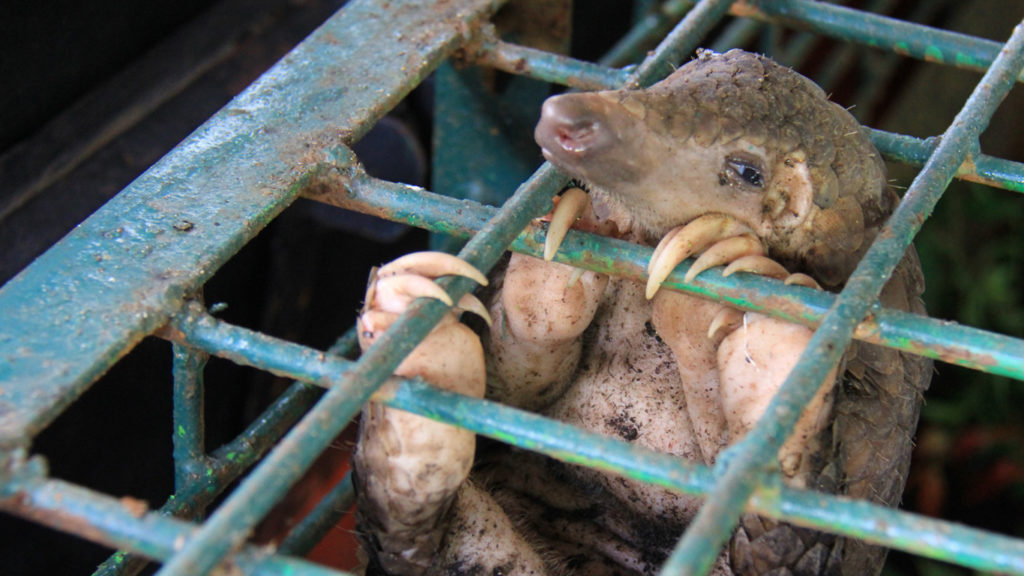
The harsh news we bring you is that extinction for many animals is not around the corner… … it’s now. According to the United Nations, 6,523 species are critically endangered and headed for extinction as we approach 2021. That’s why we at ASI will do everything in our power to fight harder for animals in the New Year. And why we need your help before 2020 is over to make sure we have the resources to continue our vital work. In 2020, we fought for animals, with projects around the world to fight back against climate change, rapacious greed, cruelty and contemptuously poor law enforcement. Animals are being WIPED OUT all over the world! Polar bears have become the victims of climate change and the disastrous onslaught of those who only care about the oil and gas in their “Arctic Refuge”. The once teeming herds of African wildlife risk becoming petting zoo curiosities. Species after species are grabbed for the cooking pot or for phony Asian potions, in their millions. Rhinos, frogs, giraffes, gorillas, orangutans, parrots… vultures, badgers, pangolins, sharks, turtles, and more… The list just keeps getting longer… and sadder… We fight daily on multiple fronts (some of this year’s accomplishments are noted below), but the need to prevent animal extinction is DESPERATE and URGENT. But there’s SO much to do and all we do depends on the support of friends like you. A good example is that the South African government proposes new laws that rank wild animals alongside domestic animals as suitable for human consumption and plans to encourage South Africans to eat more wild animals. We and other NGO’s managed to get lions excluded from the new rules. However, other wild animals will be badly affected. The pangolin is the most trafficked animal in the world. Thousands of pangolins are captured for their scales which are scraped from their bodies while the animal is still alive, to be used in phony Asian cosmetic potions. In Asia, an estimated 200,000 pangolins are killed each year, mostly for the Chinese trade. We are working with a secretly located pangolin rehabilitation center in South Africa and Pangolin(Dot)Africa, to rescue and rehabilitate sick and injured pangolins rescued from poachers. We have also provided funding for vital satellite tracking devices to monitor pangolins released back into the wild. More than 11,000 people signed our petition asking the major veterinary association in the UK, the British Veterinary Association (BVA), to change its policy of supporting the badger cull. Anatolian water frogs are being wiped out because they are the largest edible frog in Turkey, and demand for their legs as ‘delicacies’ is strong in parts of Europe. 17-million Anatolian water frogs are captured for the dinner table each year. Very little research has been conducted to determine how much longer the species has before extinction. We are working with the Department of Biology at Ege University in Izmir to find out. We are working with the Painted Dogs Conservation (PDC) in Zimbabwe, funding its program to dart and rescue snared painted dogs. There are only 200 in the area around Hwange, where they work, and 3,000 snares laid by hungry local people. African Grey parrots are being wiped out because of the international, and now illegal, pet trade. We are financing the construction of a free-flight aviary at Birds of Eden in South Africa. Because of poisoning and habitat destruction, vultures are increasingly endangered. In 2020, we financed an aerial survey of vultures in the Kruger National Park and are hoping to raise funds for the construction of a specially designed vulture rescue vehicle to use in cases of poisoning. We are fighting for the very survival of so many animals… But we promise to do more in 2021, and your end-of year-donations will make sure we do not let the animals down – so we can work to preserve animals anywhere in the world where they need us. The doomsday clock is ticking ever closer towards extinction for countless creatures, but with your help, we will fight for the survival of every animal we can. Please help the animals which can’t help themselves by donating generously to ASI today.
Massive Victory for Polar Bears as U.S. Court of Appeals Says No to Arctic Oil Drilling
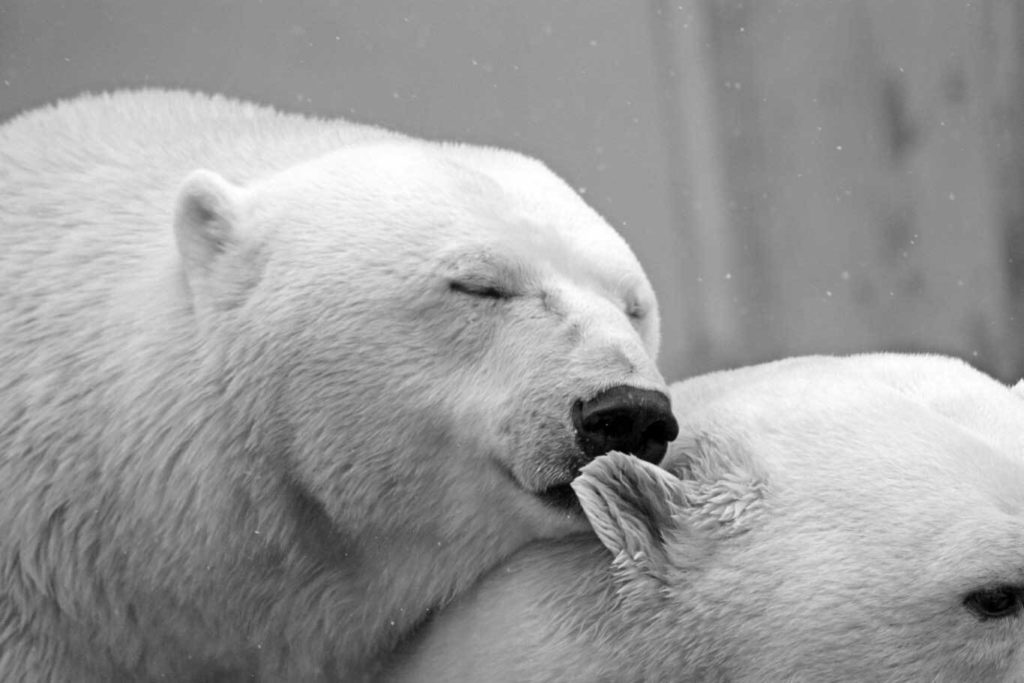
A United States federal court has rejected the Trump administration’s plans to drill in Alaska’s Arctic National Wildlife Refuge in a massive victory for polar bears. The United States Court of Appeals for the Ninth Circuit reversed the approval of a controversial oil drilling project in the Beaufort Sea situated north of Canada and Alaska by the Department of the Interior, which would see hundreds of polar bears forced to flee their dens. Dubbed “The Liberty Project”, the development by energy company Hilcorp Alaska was approved two years ago. It has since faced massive opposition from environmentalists and animal welfare activists who have fought tooth and nail to stop the artificial drilling and underwater pipeline project from rolling ahead. The drilling plans formed part of President Donald Trump’s efforts to open up public lands to logging, mining, and grazing, which President-elect Joe Biden strongly opposes. The project would have involved building a 24-acre artificial island in about 20 feet of water, with a six-mile underwater pipeline to pump the water to shore, that would risk oil spills in the sensitive Beaufort Sea and threaten polar bears and Arctic communities. The lawsuit was brought by Friends of the Earth, Greenpeace, the Center for Biological Diversity, Defenders of Wildlife, and Pacific Environment, all of whom were represented by environmental law organization Earthjustice. In the court ruling, officials stated that in line with the National Environmental Policy Act, the Trump administration had failed to consider the project’s climate impacts properly. The court ruled that by failing to analyze the effects of the project on polar bears, including noise disturbance and critical habitat damage, the Fish and Wildlife Service had violated the Endangered Species Act. “While we applaud the court for seeing through the Trump administration’s attempt to push this project through without carefully studying its risks, the fight is far from over. A cloud of uncertainty still looms over polar bears, and over 200 other animal species living in the Arctic, including caribou, reindeer, foxes, waterfowl, and walruses,” said Nicolette Peters of the Animal Survival International (formerly Political Animal Lobby). Research has shown that the Arctic warms faster than the rest of the world. Northern Siberia and the Canadian Arctic are now warming three times faster than the rest of the globe. Arctic temperatures have increased by nearly 1C in the last ten years. We can expect the north to have warmed by 4C year-round by the middle of the century if greenhouse gas emissions stay on the same trajectory.
Climate Change Is Turning the Heat Up, Surging Night-Time Temperatures
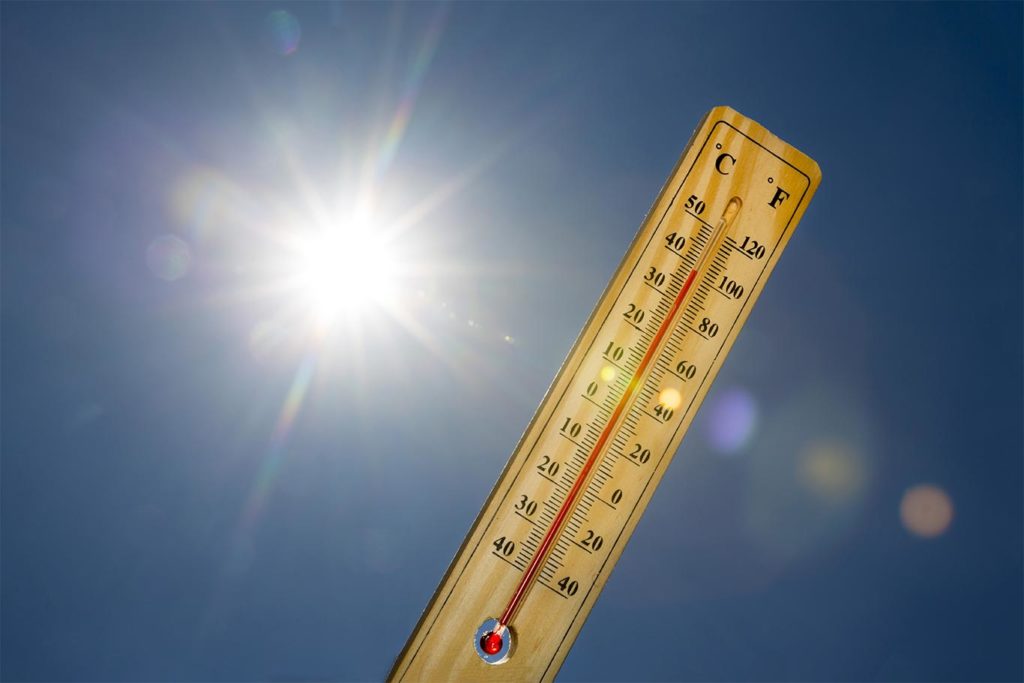
The gradual increase in the temperature of the earth’s atmosphere is warming up nights faster than days and that spells bad news for wildlife across the globe. Scientists have warned that these unequal temperature rises in a 24-hour period could hurt the natural world. According to a new study published in the journal Global Change Biology, in the 35 years between 1983 and 2017, the average night-time temperature increase has outpaced daytime rises of at least 0.25C (0.45 °F). During the study period, researchers from the University of Exeter, in the United Kingdom (UK), factored in hourly records of temperature, cloud cover, specific humidity, and precipitation. They then modeled the different rates of change of daytime maximum and night-time minimum temperatures, and mean daytime and mean night-time cloud cover, specific humidity, and precipitation. They also looked at how vegetation growth and rainfall changed. According to the research, nights are warming faster than days in all areas of the world, but mainly Europe, west Africa, western South America, and central Asia. On the contrary, in southern US, Mexico, and the Middle East, days are warming faster than nights. The total area of regions experiencing greater night warming than day warming, however, was more than two times larger. The study attributed the temperature fluctuations to the changes to clouds global warming brings. Cloud cover has a strong influence on surface solar heating and upward longwave radiation. Naturally, when cloud cover increases, sunlight is blocked during the day. However, at night the clouds retain more heat and humidity, acting like a blanket and trapping in warmth. This leads to nights getting increasingly hotter compared with days. Daniel Cox, a research fellow at the University of Exeter and lead author of the study, said that species only active at night or during the day would be particularly affected by these time shifts. That’s because hotter nights erode the ability of the night‐time to act as a “thermal refuge” where organisms can recover from daytime heat stress, while increased daytime‐specific humidity can exacerbate rising temperatures and increase the risk of heat stress in animals. While it’s too early to determine the impact night-time temperature changes will have on all individual species, cold-blooded animals – which depend on external sources of heat – are bound to be affected as they regulate their body heat through internal body functions. That’s a broad range of amphibians, reptiles, and invertebrates that will be tasked with adapting to a whole new world due to climate change. “This study sets out clear evidence that human-caused climate change is leaving its mark,” said Nicolette Peters of the Animal Survival International (formerly Political Animal Lobby). “The findings reinforce the urgency in reducing the emission of greenhouse gases for policymakers.”
TICKING TIME BOMB for polar bears (and their babies) in Arctic National Wildlife Refuge!
Forty percent of polar bears in the southern Beaufort Sea in northeast Alaska and Canada are gone – lost because of climate change. At this rate polar bears will be wiped from the face of the earth by 2100. Animal loving Americans must unite to save polar bear cubs The present US administration is encouraging oil drilling and exploration in the Arctic National Wildlife Refuge (ANWR) a major home for polar bears. The first leases could be issued before the end of the year. When drilling begins it will inevitably result in new-born polar bear cubs and their mothers being brutely killed in devastating numbers. The exploration will destroy the bears’ protective dens, forcing the mothers to flee, leaving their babies behind to die alone and afraid. Polar bear cubs are small and helpless, born with their eyes closed. They cannot survive without their mothers. An additional nightmare is that because the white bears dig down into the white snow to create dens for their cubs, drivers of the heavy exploration vehicles do not know they are there and will drive over the dens killing the babies. Do the lives of innocent creatures mean nothing – is money all that matters? Between 2001 and 2010, polar bear populations in the refuge dropped to 900 bears. What makes this even more concerning is that, because of climate change, polar bears increasingly rely on the Refuge for breeding. ASI supports a bill introduced to the US Congress by Jared Huffman, chairperson of the US Natural Resources Subcommittee. If passed, the bill will prohibit oil and gas activities within a mile of areas where polar bears create maternal dens by digging in snowbanks. The current administration is fighting this legislation, and sadly, without more support, the bill is unlikely to succeed. If you live in the US, you can help by writing to your Member of Congress and ask them to cosponsor the Polar Bear Survival Act (H.R. 7876). If you live elsewhere in the world, please help us raise public awareness about the catastrophe that is about to befall polar bears by sharing this email. What is about to happen in the Arctic Refuge is a disgrace. All of us who care about our fellow creatures must do all we can to fight the destruction of polar bear habitat. Help us ensure polar bears are able to live and breed in safety. Your donation in any amount will help us keep fighting for creatures who will otherwise be wiped from the face of the earth.
National Wildlife Day – September 4: Wildlife Is Mother Nature’s Greatest Treasure; We Protect To Protect It!
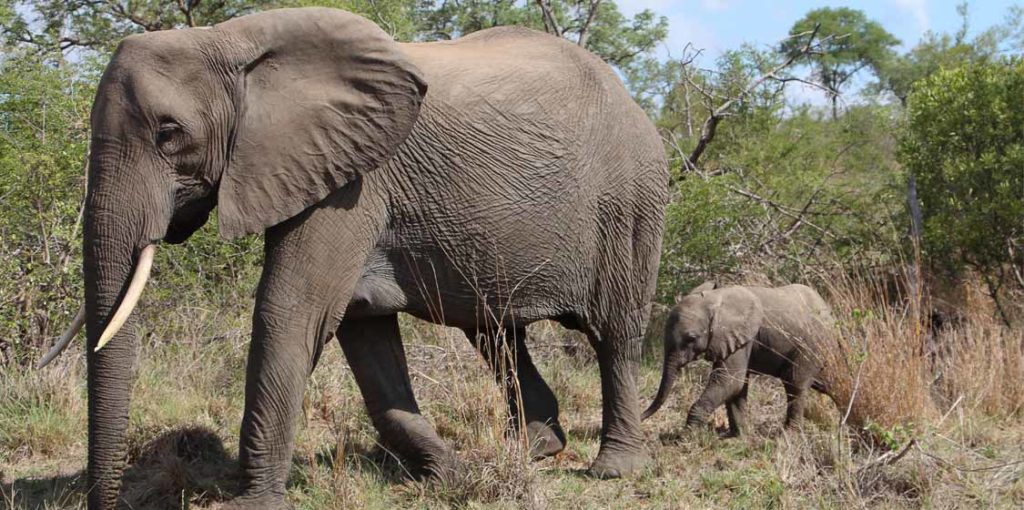
Today is National Wildlife Day. A day we give voice to the voiceless and raise awareness for animal welfare. While the world’s 7.6 billion people represent just 0.01% of all living things, we are behind the loss of 83% of all wild mammals. Researchers talk of ‘biological annihilation’ as studies reveal billions of wildlife populations have been lost in recent decades. Wildlife is dying because of habitat destruction, the international wildlife trade, hunting, pollution and climate change. The International Union for Conservation of Nature (IUCN) estimates that 27,000 species are at risk for extinction. “Today – and every other day to come – is a chance to change the future. It’s a chance for all of us to step back, take a deep breath, and appreciate everything around us. Then do something to make sure we never lose it,” said Nicolette Peters of ASI. Today is also a reminder of the urgent need to step up the fight against wildlife crime. The illegal trade in wildlife is estimated to be worth $20-billion (£15-billion) per year! Poaching and illegal harvesting, particularly in Africa, is shattering wildlife populations The unprecedented spike in illegal wildlife trade poses a growing threat not only to wildlife but to all of us. It is becoming more and more common for diseases to spread from animals to man as the wild trade increases. For example, the Coved plague came from bats and pangolins. ASI disrupts and dismantling networks involved in the illegal wildlife trade and works towards the enforcement of international wildlife laws and treaties. “The work we do is demanding, sometimes dangerous but always important,” said Peters. “The world’s wildlife is in trouble, we are trying to do something about it.”
Skating on Thin Ice: Climate Change Could See Polar Bears Extinct by 2100
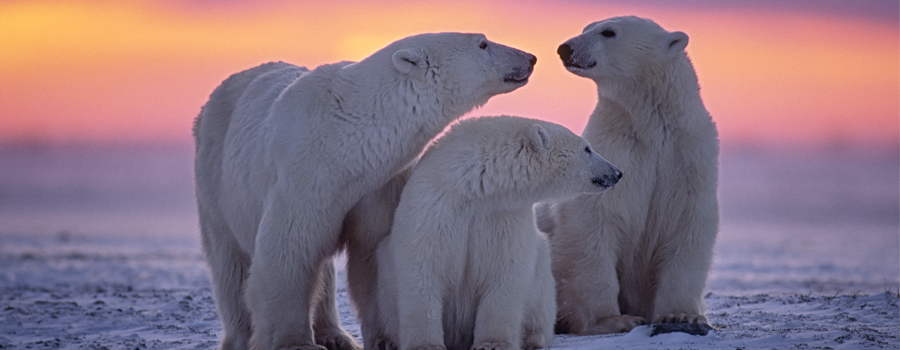
A warming climate is having significant effects on our world, and polar bears are the first on the chopping block. Most of the Arctic’s polar bears will struggle to survive by 2100 due to melting sea ice, a disturbing new study by researchers from the University of Toronto in Canada claims. The study drives home that without “aggressive” cuts to greenhouse gas emissions, polar bears will become extinct. “The loss of sea ice habitat from climate change is the biggest threat to the survival of polar bears and this study simply reinforces the need for the world to take urgent action or risk yet another animal species from being wiped out,” said Nicolette Peters of ASI. “As one of the largest land carnivores in the world, polar bears are known as a keystone species, the apex of the ecosystem. They keep biological populations in balance, which is a critical component to a functioning ecosystem. This study makes it very clear – we’re going to lose the vast majority of them, perhaps not within our lifetime, but certainly within the lifetime of our children.” Polar bears are the planet’s biggest land-based carnivores, although they actually spend most of their lives around water and ice. They range across the Arctic Ocean, in parts of Canada, Alaska, Russia, Greenland, and Norway. It’s hard to imagine such impressive, powerful predators being vulnerable, but climate change could prove to be the force that literally wipes this species from the face of the earth. Climate change is heating up the Arctic faster than anywhere else in the world, and sea ice is rapidly shrinking. The National Aeronautics and Space Administration (NASA) reports that it is dwindling at a rate of roughly 13 percent per decade since 1979. “There is very little chance that polar bears would persist anywhere in the world, except perhaps in the very high Arctic in one small subpopulation if greenhouse-gas emissions continue at so-called business-as-usual levels,” said Peter K. Molnar, a researcher at the University of Toronto Scarborough and lead author of the study, which was published in the journal Nature Climate Change. “Even if emissions were reduced to more moderate levels, we still are unfortunately going to lose some, especially some of the southernmost populations, to sea-ice loss.” Melting ice is forcing bears to burn huge amounts of energy walking or swimming long distances to get to any remaining ice. Because of melting sea ice, polar bears will soon starve to death. Dr. Steven Amstrup, the chief scientist of Polar Bears International, who was also involved in the study, said: “What we’ve shown is that, first, we’ll lose the survival of cubs, so cubs will be born but the females won’t have enough body fat to produce milk to bring them along through the ice-free season. Any of us know that we can only go without food for so long – that’s a biological reality for all species. The trajectory we’re on now is not a good one, but if society gets its act together, we have time to save polar bears.” It’s still possible to make the changes necessary to slow – and then reverse – warming in the Arctic by reducing carbon dioxide to below 350 parts per million, reducing short-lived greenhouse pollutants, helping Arctic wildlife survive unavoidable climatic changes, and taking immediate political action at all levels. Our other choice as individuals is to do nothing at all, and simply sit back and watch the precious window of opportunity we have today slam shut. Sealing not only the fate of polar bears but also the fate of humankind.
Cartoon Illustrated by Matt Pritchett – Telegraph Cartoonist

Matt Pritchett’s cartoons delight readers each day. Matt is a Telegraph institution, and his witty sketches are a vital part of the newspaper. In his newsletter, the enormously popular cartoonist explains just what inspires him each day, and shares an extra, unseen cartoon, which will not have been published anywhere else. For more cartoons from Mat you can subscribe to The Telegraph
ASI and NFA Honor Daphne Sheldrick
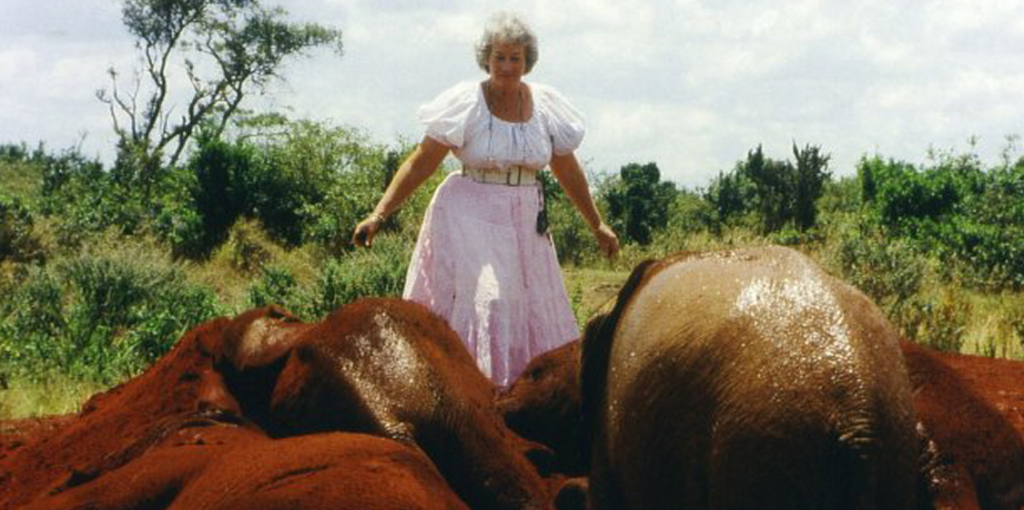
“Daphne was a giant among animal lovers,” said David Barritt, NFA campaign director and a spokesperson for ASI. “We honour her life’s work and we pledge to continue doing everything in our power to protect the wild animals and wild places of Africa.”