

World logs hottest day since records began — with fresh highs expected in the coming months
Article written by Sam Meredith Originally published by CNBC (Jul 23, 2024) The world’s average temperature climbed to its highest level ever recorded on Sunday, according to the European Union’s climate monitor. The EU’s Copernicus Climate Change Service (C3S) found that the global average surface temperature rose to 17.09 degrees Celsius (62.76 degrees Fahrenheit) on July 21—marginally higher than the previous record of 17.08 degrees Celsius set on July 6 last year. “On July 21st, C3S recorded a new record for the daily global mean temperature,” C3S Director Carlo Buontempo said Tuesday. “What is truly staggering is how large the difference is between the temperature of the last 13 months and the previous temperature records. We are now in truly uncharted territory and as the climate keeps warming, we are bound to see new records being broken in future months and years,” Buontempo said in a statement. C3S confirmed on Tuesday that Sunday’s average temperature reflects a fresh high, in their records, which stretch back to 1940. However, they noted that it is the difference between the temperatures since July 2023 and all previous years that really stands out. Before July 2023, the EU’s climate monitor said the previous daily global average temperature record was 16.8 degrees Celsius on August 13, 2016. CS3 said there have now been 57 days since July 3 last year that have exceeded that previous record. Excessive heat has gripped large parts of the U.S., Russia and southern Europe in recent days. The burning of fossil fuels, which is the primary cause of the climate crisis, makes extreme heat much more likely. CS3 recently confirmed that the planet’s more than year-long hot streak continued apace in June. Every month since June last year, has ranked as Earth’s hottest since records began, when compared to the corresponding month in previous years. Some climate researchers had previously warned that an extraordinary run of record heat was likely to usher in a long, hot summer—”and not in a good way.” Scientists have repeatedly called for rapid reductions in greenhouse gas emissions to stop global average temperatures from rising.
Massive drought has starving hippos running out of time!

We are reaching out today because we have still not reached our goal to feed 100 starving hippos through Botswana’s worst drought in decades. Please, will you help? The scenes are harrowing: A hundred starving hippos desperately searching the parched landscape for scraps to eat, their helpless, newborn infants by their sides. Without food, they will die – and without your support right away, we cannot feed them. Read on… Credit: Shutter Stock Hippos are on the brink of starving to death in Botswana’s Makgadikgadi National Park, where we have been working to help mitigate the effects of a terrible drought. They URGENTLY need your help. 100 hippos face death by starvation due to the horrific, relentless drought in Botswana. Please help us feed them FAST. Recently my team and I visited Botswana to oversee the beginning phases of the drought-mitigation project you are helping us implement. Northern parts of the country have been affected by a drought so severe, animals are dropping dead, infants are being left orphaned, and human/wildlife conflict for water is leaving countless wild animals dead. There are many baby hippos with their mothers that are also at risk of dying. Credit: ASI/Taryn Slabbert Right now, we are starting to provide crucial water to the desperate animals, but there is another urgent need we must address… …food for 100 starving, vulnerable hippos. Drought has wiped out the food sources for this rapidly declining pod, and roads and fences – erected to keep wildlife out of human settlements – are obstructing their access to areas that may offer vital sustenance and nutrition for the hippos and their young calves. This year, Botswana has experienced its driest wet season in 40 years, with less than 20% of its expected rainfall. These deadly conditions are made worse by extreme heat steadily climbing above 99℉ (37℃). Water is drying up, and with it, food sources are rapidly disappearing – a tragic result of climate change and the impact of the El Niño climate patterns. Credit: David Dugmore The consequences of drought have been devastating for wild animals, and with no sign of rains to come, more animals will die – unless we help now. Food has almost completely run out for the hippos, and in another TWO WEEKS, they will be in serious trouble. The clock is ticking! During times of food scarcity, hungry hippos can go for up to three weeks without eating, but any longer and they are doomed. Right now, there is no food left, and time is quickly running out. One adult hippo needs up to 110 pounds (50 kilograms) of food every day, and this pod has been walking miles every day in search of food they never find. Ravenous hippos are so desperate for food, they are eating ELEPHANT DUNG to survive! The hippos are so hungry, they are now resorting to eating elephant dung to fill their painfully empty bellies. It is a truly heart-breaking sight. Our partner, Moela Safari – situated near a waterhole where the hippos flock to find precious water – has pledged to get the animals fed if we can help raise the funds. With your support today, 100 starving hippos can receive life-saving food, saving them from slowly succumbing to starvation. This baby hippo died after its mother became too weak and malnourished to feed it. Credit: ASI As the animals become increasingly desperate for food, they may start to break fences and cross roads to approach villages in a last-ditch attempt to find food. This will almost certainly pose a risk to human life, and communities are likely to kill any hippos that get too close, posing yet another threat to their lives. By providing reliable food sources within the protected Makgadikgadi National Park, we can ensure they neither starve to death nor get injured or killed in their frantic search for food. With rains only expected in December, we MUST rush food to the starving hippos RIGHT AWAY. We have no time to waste. Please, hungry animals are desperate for your help now! We have not reached our goal and urgently need your help to provide food for the next five months. For every $4,000 we raise (approximately £3,140), we can feed 100 hippos for a month, protecting these precious wild animals and their defenseless calves from misery and death. 100 hungry hippos are hoping for your compassion today. Please, donate as much as you possibly can, and help us save their lives.
The greatest land mammal migration on Earth is taking place – and it’s not the Serengeti

Article written by Don Pinnock Originally published by Daily Maverick (Jun 25, 2024) In an area you’ve probably never heard of, the largest movement of land mammals on the planet is under way. Each year millions of white-eared kob, Mongalla gazelle, tiang and Bohor reedbuck migrate across the Boma Badingilo Jonglei Landscape in South Sudan. A survey just completed by African Parks and the Sudanese Wildlife Ministry counted about six million antelope. The findings confirm a remarkable and unmatched wildlife phenomenon across a landscape of immense ecological importance which is largely unknown to the rest of the world. The survey covered 122,774km2, encompassing the entire known range of the four main migratory antelope species in the Great Nile Migration. Data from 251 tracking collars on large mammals was also integrated, providing a wide understanding of the region’s ecological dynamics which includes parts of South Sudan and Ethiopia. Announcing the survey results, South Sudan President Salva Kiir Mayardit said it confirmed that the country remained rich in biodiversity with some of Africa’s most beautiful animals. “The results of this survey are nothing short of staggering,” said Peter Fearnhead, CEO of African Parks. “The astonishing scale of the migration is only equalled by the responsibility to ensure that it survives into the future in an extremely complex landscape.” War and commercial poaching have been an ongoing threat to the migration. “This wildlife and larger ecosystem is the basis for survival for multiple ethnic groupings which are often in conflict with each other over resources,” said Fearnhead. “Successful management of this landscape will only be possible through building trust with and amongst these ethnic groupings.” Many ethnic groups live within the Boma Badingilo Jonglei Landscape, including the Dinka, Murle, Anyuak, Jie, Toposa, Nyangatom, Nuer, Mudari, Bari, Lokyoya, Madi, Lolubo, Ari, Lopit, Latuka, Boya and Didinga. Each of these communities has deep cultural traditions and activities that are firmly embedded and heavily reliant on wildlife. The combined survey of white-eared kob, tiang, Mongalla gazelle and Bohor reedbuck counted just under 5,900,000 individuals. No black rhinos were seen – they are thought to have gone extinct in the 1980s. Zebras have also not been seen in the area since 2008, and buffalo were absent except on the periphery of the Sudd Swamp and along the Ethiopian border near Gambella. The survey flights encountered massive populations of open-billed, marabou, yellow-billed, Abdim’s and woolly-necked storks, black-crowned cranes, herons and several species of vultures. The survey used two aircraft equipped with cameras that captured over 330,000 images. A team of seven graduates from the University of Juba, trained in specialised software, analysed 59,718 photos across 64 transects to document wildlife presence. Situated in the east of South Sudan, the Boma Badingilo Jonglei Landscape forms part of a larger 200,000km2 ecosystem that stretches east of the Nile, covering Central Equatoria State, Eastern Equatoria State, Jonglei State and the Greater Pibor Administrative Area. This immense landscape is critically important to the Sudd Swamps – the largest wetlands in Africa and the second largest in the world. African Parks, which conducted the survey, is a non-profit conservation organisation that takes on the responsibility for the rehabilitation and long-term management of protected areas in partnership with governments and local communities. It currently manages 22 national parks and protected areas in 12 countries covering over 20 million hectares in Angola, Benin, Central African Republic, Chad, Democratic Republic of the Congo, Malawi, Mozambique, the Republic of Congo, Rwanda, South Sudan, Zambia and Zimbabwe. It recently bought the farm owned by rhino breeder John Hume and is presently rewilding his 2,000 rhinos on to protected areas across the continent.
Climate crisis driving exponential rise in most extreme wildfires

Article written by Damian Carrington Originally published by The Guardian (Jun 24, 2024) Scientists warn of ‘scary’ feedback loop in which fires create more heating, which causes more fires worldwide The climate crisis is driving an exponential rise in the most extreme wildfires in key regions around the world, research has revealed. The wildfires can cause catastrophic loss of human life, property and wildlife and cause billions of dollars of damage. Scientists say this is climate change “playing out in front of our eyes.” The analysis of satellite data showed the number of extreme fires had risen by more than 10 times in the past 20 years in temperate conifer forests, such as in the western US and Mediterranean. It has increased by seven times in the vast boreal forests in northern Europe and Canada. Australia was also a hotspot for these devastating fires. The scientists also found that the intensity of the worst wildfires had doubled since 2003, and that the six years with the biggest numbers of extreme fires had all occurred since 2017. On average, across the globe, extreme wildfires have more than doubled in frequency and intensity over the past two decades. The researchers also warned that the rise in the huge fires was threatening to create a “scary” feedback loop, in which the vast carbon emissions released by the fires cause more global heating, which causes more fires. The new research helps resolve an apparent paradox, in that global warming has driven an unambiguous rise in hot, dry fire weather, but the area burned by wildfires has fallen. The researchers said that most fires were small, started by humans, caused relatively little damage, and may be declining due to the expansion of cropland and cuts in crop waste burning. Including all fires in global analyses therefore obscured the rapid rise of the most intense and destructive wildfires. “The fingerprints of climate change are all over this rise,” said Dr. Calum Cunningham at the University of Tasmania, Australia, who led the new study. “We’ve long seen model projections of how fire weather is increasing with climate change. But now we’re at the point where the wildfires themselves, the manifestation of climate change, are occurring in front of our eyes. This is the effect of what we’re doing to the atmosphere, so action is urgent.” Cunningham said there were very significant increases in extreme wildfires in the conifer forests of the American West: “That’s concerning, because there’s a lot of people there living in very close proximity to these flammable vegetation types and that’s why we’re seeing a lot of disasters emerge.” He added: “The concerning thing, especially with the really carbon-rich ecosystems, boreal forests, that are burning intensely, is that it’s threatening to create a feedback effect.” The research, published in the journal Nature Ecology & Evolution, analysed data from NASA satellites that pass over the Earth four times a day. The researchers identified the 0.01% most extreme wildfires, measured by the energy released in a day, giving a total of almost 3,000 events. They include extremely destructive recent wildfire seasons in the western US, Canada, Australia, Portugal, Indonesia, Siberia, Chile and the Amazon. One region that did not suffer disproportionately was the eastern US, despite being heavily forested in some places. This may be due to different tree species that are less prone to drying out, said Cunningham. Dr. Mark Parrington, at the EU’s Copernicus Atmosphere Monitoring Service (CAMS), said the research showed the “changing climate is leading to clear observed increases in extreme wildfires” outside the tropics and in regions and ecosystems that have not frequently experienced wildfires in the past. High northern latitudes were heating at double the global average and this was where the biggest increases in extreme wildfires had been taking place, he said. Parrington said the new research and his work at CAMS were likely to underestimate the actual intensity, as the satellites are unable to record data for full days and the fires can be obscured by thick smoke or clouds. Much greater action to prevent and cope with extreme wildfires was urgently needed, Cunningham said, with slowing global warming by cutting fossil fuel burning foremost. Also needed was the thinning of wood in suitable forests and controlled low-intensity burning to reduce the buildup of highly flammable wood, he said. “Indigenous Australians have been managing landscapes for millennia, using [small] frequent fires, so fuel loads never became too high,” Cunningham said. “As a result, this matrix of patchy burns of different ages produces natural fire breaks, which meant catastrophic fires didn’t seem to happen. We might be able to harness some of that wisdom.” Alert systems and evacuation planning were also vital, he said: “A lot of people die during evacuations, because they haven’t left early enough.”
Fossil fuels generated less than a quarter of the EU’s electricity in April
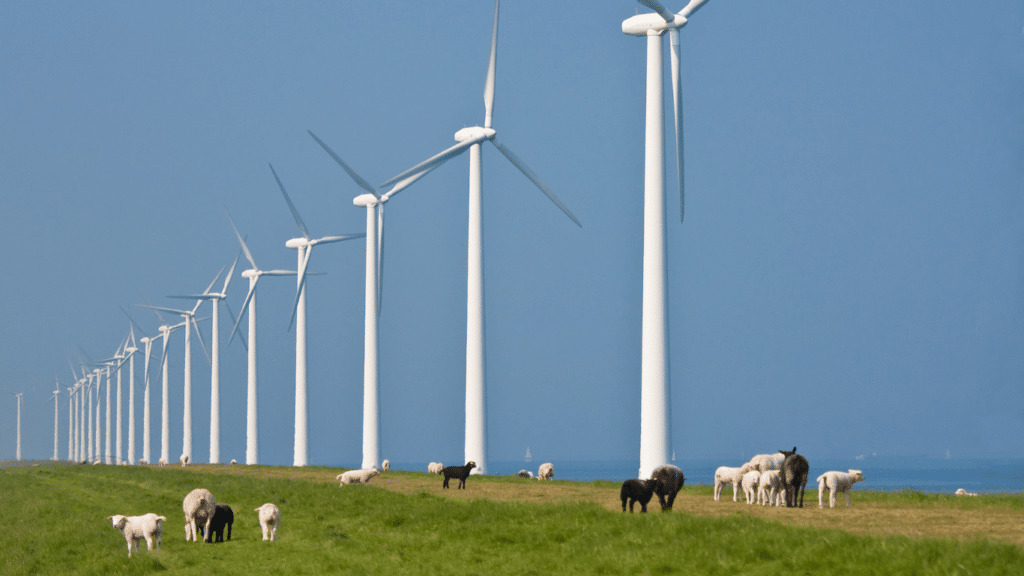
Article written by Rosie Frost Originally published by euronews.green (May 10, 2024) Growth in wind and solar energy, as well as the restoration of hydropower, were the main factors in the decline in fossil fuel production. Fossil fuels provided less than a quarter of the EU’s energy for the first time in April. The good news comes from energy think tank Ember, which found that the proportion of electricity generated by fossil fuels in the bloc fell to a record low of 23 percent last month—a sharp drop of 22 percent compared to April 2023, despite an increase in demand. It also surpasses the previous record low of 27 percent from May 2023. Wind and solar growth, as well as the recovery of hydropower, drove the fall in fossil fuel generation and increased the share of renewables in the electricity mix to a record 54 percent. Wind and solar alone generated more than a third of the EU’s electricity in April, while gas and coal fell. Coal contributed just 8.6 percent of the energy mix, compared to 30 percent in 2023. Gas provided 12.1 percent of the EU’s electricity—a 22 percent decline year-on-year. “The once unthinkable is happening before our eyes,” says Sarah Brown, Ember’s Europe Programme Director. “Fossil fuels are on the way out of Europe’s power sector. Solar and wind have stepped up as the main players, proving they are ready to take on their role as the backbone of the modern clean electricity system.” Which EU country saw the biggest drop in fossil fuel generation? Germany saw the largest drop in fossil fuel generation in April when compared to last year. Seven coal fired power stations closed in the country at the end of March 2024 after their shutdown was postponed due to the energy crisis. Overall, electricity from fossil fuels fell by 26 percent in Germany, representing 32 percent of the total EU fall. Italy saw the second biggest drop of 24 percent, contributing another 15 percent of the EU’s total reduction in fossil fuel electricity. France and the Netherlands came next, then Spain. Emissions fell despite rising electricity demand Electricity demand has been undergoing a mild revival since last October. It increased 0.4 per cent in the first four months of the year when compared to 2023. Despite rising demand, fossil fuel electricity generation still fell as renewables displaced them from the mix. Brown points to coal as an example of this. “From 2016 to 2023, coal fell by over 300 terawatt hours, and there was a similar rise in wind and solar over that period,” she explains. As a result, wind and solar are significantly replacing coal in the structural decline. The report from Ember says that while last month’s exceptional figures stand out, they are part of an established shift in the EU’s electricity transition, with emissions down 18 percent in the first four months of 2024 compared to the same period last year.
Scientists’ experiment is ‘beacon of hope’ for coral reefs on brink of global collapse
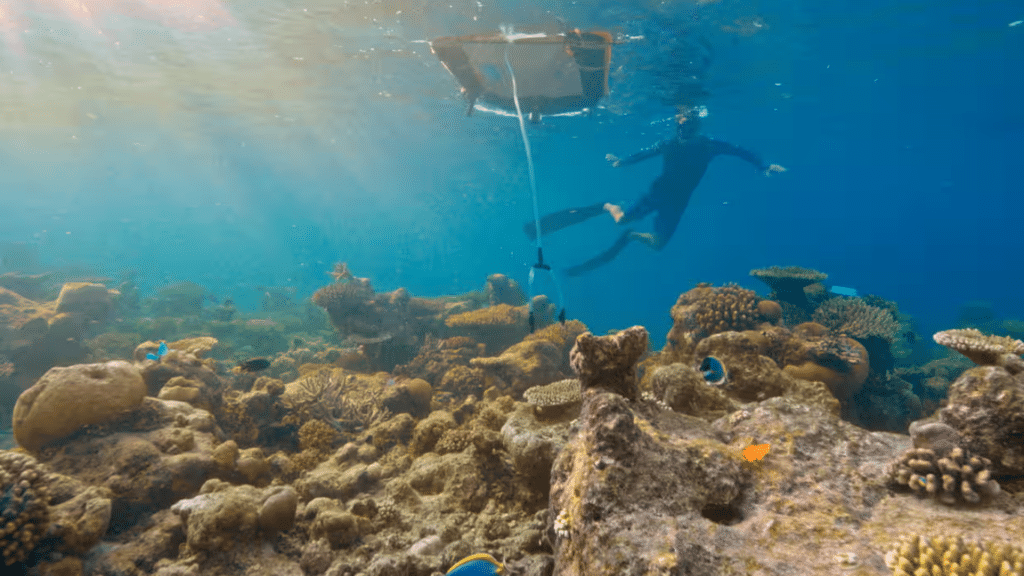
Article written by Donna Ferguson Originally published by The Guardian (Apr 20, 2024) Recordings of healthy fish are being transmitted to attract heat-tolerant larvae back to degraded reefs in the Maldives An underwater experiment to restore coral reefs using a combination of “coral IVF” and recordings of fish noises could offer a “beacon of hope” to scientists who fear the fragile ecosystem is on the brink of collapse. The experiment – a global collaboration between two teams of scientists who developed their innovative coral-saving techniques independently – has the potential to significantly increase the likelihood that coral will repopulate degraded reefs, they claim. The first use of the combined techniques, to repair damaged atolls in the Maldives, will be shown on the BBC One TV series Our Changing Planet, co-presented by the naturalist Steve Backshall. Hailed as a potential “gamechanger”, the hope is that the technique could be replicated on a large scale to help preserve and revitalise dying reefs. “All corals in all ocean basins in the world are under pressure,” said Prof. Peter Harrison, a coral ecologist at Southern Cross University in Australia. “Quite a large number have died in some reef areas. So we’re going to end up with big spaces of new real estate for coral larvae, but very few coral larvae are being produced because so many adults have died.” He has pioneered a form of “coral IVF” that involves capturing millions of spawn from “heat-tolerant” reproductive coral after it floats to the sea surface or, alternatively, surrounding coral that has withstood a bleaching event with a cone-shaped net. The net functions like a huge “coral condom”. “If you breed from heat-tolerant corals that can survive heat stress in the laboratory, the larvae of those corals also have higher heat tolerance than the larvae of other corals,” said Harrison. The gametes (reproductive cells) then merge together, fertilise and form coral larvae in floating “nursery” pools, which protect them from predators and prevent them from getting lost at sea. “If we don’t support the process of natural selection by focusing on the survivors, we’re going to lose everything.” This technique, Harrison added, can produce 100 times more coral colonies than would naturally occur on a reef with the same number of larvae: “And we’re working out ways to get it to about 1,000.” To attract the larvae to settle on a degraded reef, the scientists are broadcasting recordings of fish noises that were captured near a busy, healthy reef. “We’ve done this and restocked degraded reefs with fish,” said Steve Simpson, professor of marine biology and global change at the University of Bristol. “Working with Peter is the first time we’ve tried it with corals. It maximises the chance that the coral larvae being released find somewhere to live – somewhere that they will then restore the reef habitat.” Coral larvae, he has discovered, can detect sound according to the way the hairs on their bodies move, and so can be “tricked” into swimming towards – and settling on – a typically silent, unhealthy reef. “It’s like sowing a field that will become a forest again,” said Simpson. In the lab, the larvae were particularly attracted to the low-frequency grunts, croaks and rumbling sounds made by territorial fish, which can protect coral growing on the reef. “We have discovered that coral larvae hear their way home as babies, before they then choose where to live for up to 1,000 years,” Simpson said. “They look very simple, and they don’t have ears or a brain, but coral were probably among the earliest animals cueing into their soundscape and dancing to the beat.” Time is running out for coral reefs across the planet. Scientists recently announced that the world is experiencing its fourth planet-wide coral bleaching event since 1998, with 54% of reef areas in the global oceans experiencing heat stress high enough to turn its colourful coral white. Australia’s Great Barrier Reef has suffered its worst bleaching on record, with about 73% of the 1,429-mile (2,300km) reef affected. Backshall initially had the idea of using the soundscape of a busy reef to entice the tiny coral larvae to a denuded area “just bananas”. “To see that happening—to take these gametes into the sea, play them the sounds of a healthy reef and see them actively start swimming towards it—it is probably as close to a eureka moment as I will ever have,” he said. He fears, however, that if global temperatures rise by 2.5°C or 3°C, then “coral reefs are doomed”, regardless of these new techniques: “If we continue business as normal in terms of anthropogenic climate change, I don’t think it’s going to matter what we do. “Tropical reefs are right on the frontline. But if we can keep our levels of temperature increase across the planet down to 1.5C, then there’s a chance – and then these methods will absolutely be part of a positive future.” The world is “very gradually” waking up to the enormity of the global climate emergency, Harrison said. In the meantime, he and Simpson are “just trying to buy time for corals”. “If we can keep enough reefs alive through the next two or three bumpy decades to be able to recover, we’ve then got the reefs for the future, once the climate is under control,” Simpson said. “People say that coral reefs might be the first ecosystem we could lose, and I like to think that, therefore, they are the first ecosystem we can save. If they’re on the brink, and we can save coral reefs, we can save anything. And they become a beacon of hope.” Banner Credit: Screengrab/BBC Studios
Wild animals stand no chance against this deadly drought without YOU.
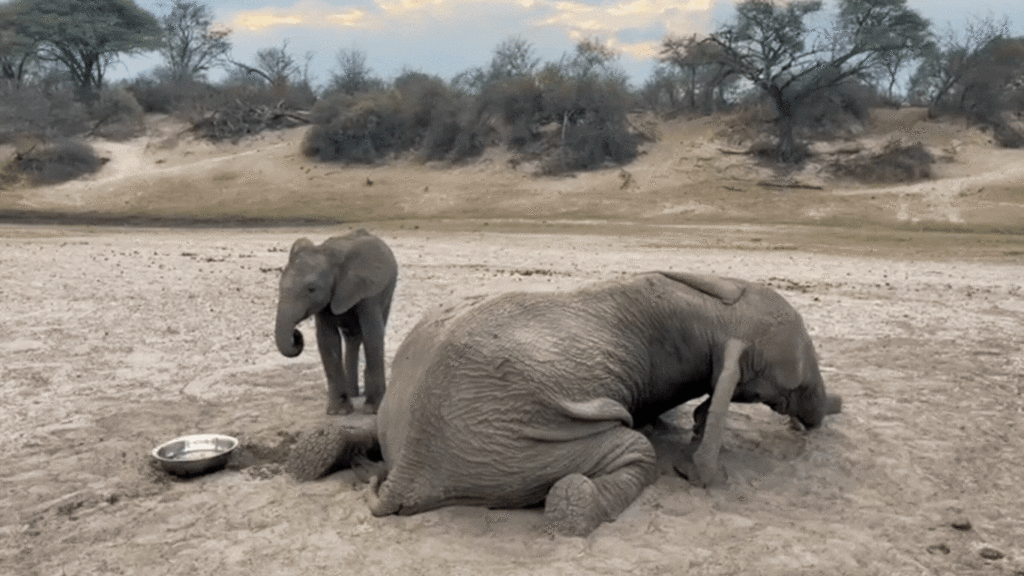
In Botswana, once-majestic wild animals are withering away and dropping dead on parched landscapes – tragic victims of the country’s worst drought in decades. This year, the nation experienced its wet season in 40 years, with less than 20% of its expected rainfall. Deadly conditions were made worse by extreme heat exceeding 99℉ (37℃). For illustration purposes only. The consequences have been devastating for wild animals. In one of the most heart-rending scenes, an orphaned elephant calf was found next to her dead mother, who had been powerless against the raging drought and succumbed to dehydration. The mother had given her baby every last drop of sustenance her body could muster before she collapsed and died. Her calf, helpless and alone, remained by her mother’s side. She was later rescued and taken into the care of an elephant orphanage – but she will never know her mother, who she would have stayed with for her entire life. Drought is reducing Africa’s iconic wildlife to skin, bone, and dust in Botswana – elephants, zebra, lions, hippos, hyenas, and wildebeest are clinging to life as you read this. Credit: Camelthorn Farmstead With your support, we can help save as many of these beautiful animals as possible. The Boteti River runs through the Makgadikgadi National Park in north-eastern Botswana and is one of the animals’ main water sources. Since October 2022, it has been almost completely dry. A smattering of rain in April this year has barely helped, providing a thin trickle of water that will definitely run dry before the next rainy season, which only starts in December. This devastating drought has been exacerbated by a combination of climate change and the impact of the El Niño climate pattern. Wild animals are battling with relentless heat, struggling to find precious water and food. Strong, young wild animals in Botswana who should be in the prime of their lives are dropping dead after traveling countless miles in search of water they never find. For illustration purposes only. Starved, parched, and bone-weary, they fall where they stand, their carcasses littering the barren landscape. Others become stuck in near-dry muddy waterholes, exhausting themselves in futile attempts to escape the mud and ultimately perishing. Under these disastrous conditions, not even the strong survive. Can you imagine, just how dire the situation is for older, weaker and juvenile animals? Amidst this disaster, two wildlife warriors are coming to the aid of desperate wild animals – and they urgently need support for their life-saving mission. This kind-hearted couple owns a private farmstead along a boundary fence of the Makgadikgadi National Park, where desperate animals scour the barren landscape for anything to drink. Using the park’s two wellpoints, their own borehole, and long pipes that extend through the park’s fence, they pump water daily into the park’s dry riverbed for elephants, zebras, and other animals. For illustration purposes only. The animals are so frantic for water that they have come to recognize the sound of the pumps being switched on, clamoring around the pump as they await their turn to drink. This is both heart-warming and heart-breaking to witness. HUNDREDS of wild animals need water right now, and our partner CANNOT meet the demand for this life-saving resource. With two extra water pumps, we can help bring much-needed relief to dehydrated wild animals in crisis. Please support this cause now. Each of the two existing wellpoints currently has the capacity to pump around 7,925 gallons (30,000 liters) of water a day. While this may sound like a lot, elephants alone can drink over 52 gallons (200 liters) every day. In a park covering around 4,630 square miles (12,000km²), home to large herds of elephants, zebras, oryx, wildebeests, impalas, and so much more, the need far exceeds what our partner is able to supply. Credit: Calmelthorn Farmstead By installing new, highly-efficient solar-powered pumps, the output of the existing wellpoints will be DOUBLED, collectively producing around 31,700 gallons (120,000 liters) daily – enough to quench the thirst of the area’s 150 elephants, as well as hundreds of other animals like zebras, giraffes, leopards and hippos. We MUST raise the funds to supply our partner with two solar-powered water pumps RIGHT AWAY. Wild animals are DEPENDING on it – can they count on your generosity today? Countless animals are depending on us to give life-saving water pumps. Credit: Camelthorn Farmstead The animals are desperate. One of the most tragic cases our partner recently witnessed was a mother zebra who succumbed to thirst and starvation while in labor. Our partner did their utmost to help, but it was too late – both mother and foal died. We MUST prevent more wildlife tragedies like this, but we can’t do it without your support today. Please help us raise $6,000 (roughly £4,800) to install these life-saving water pumps immediately. There is no time to waste! The situation is catastrophic, but with your donation today, we WILL rush support to the dangerously dehydrated animals of Botswana – animals who are counting on YOU for a miracle. Please donate as much as you possibly can right away.
Can we engineer our way out of the climate crisis

Article written by David Gelles Originally published by New York Times (Published March 31, 2024 – Updated April 4, 2024) On a windswept Icelandic plateau, an international team of engineers and executives is powering up an innovative machine designed to alter the very composition of Earth’s atmosphere. If all goes as planned, the enormous vacuum will soon be sucking up vast quantities of air, stripping out carbon dioxide and then locking away those greenhouse gases deep underground in ancient stone — greenhouse gases that would otherwise continue heating up the globe. Just a few years ago, technologies like these, that attempt to re-engineer the natural environment, were on the scientific fringe. They were too expensive, too impractical, too sci-fi. But with the dangers from climate change worsening, and the world failing to meet its goals of slashing greenhouse gas emissions, they are quickly moving to the mainstream among both scientists and investors, despite questions about their effectiveness and safety. Researchers are studying ways to block some of the sun’s radiation. They are testing whether adding iron to the ocean could carry carbon dioxide to the sea floor. They are hatching plans to build giant parasols in space. And with massive facilities like the one in Iceland, they are seeking to reduce the concentration of carbon dioxide in the air. As the scale and urgency of the climate crisis has crystallized, “people have woken up and are looking to see if there’s any miraculous deus ex machina that can help,” said Al Gore, the former vice president. Since the dawn of the industrial age, humans have pumped huge volumes of heat-trapping gases into the atmosphere in pursuit of industry and advancement. It amounted to a remaking of the planet’s delicately balanced atmosphere that today has transformed the world, intensifying heat, worsening droughts and storms and threatening human progress. As the risks became clearer, political and corporate leaders pledged to keep global average temperatures to no more than 1.5 degrees Celsius higher than before the Industrial Revolution. But for several months last year, the world briefly passed that symbolic threshold, sooner than many scientists expected. Global temperatures are now expected to rise as much as 4 degrees Celsius, or more than 7 degrees Fahrenheit, by the end of the century. That has given new weight to what some people call geoengineering, though that term has become so contentious its proponents now prefer the term “climate interventions.” The hope is that taking steps like these might buy some time at a moment when energy consumption is on the rise, and the world isn’t quitting fossil fuels fast enough. Many of the projects are controversial. A plant similar to the one in Iceland, but far larger, is being built in Texas by Occidental Petroleum, the giant oil company. Occidental intends to use some of the carbon dioxide it captures to extract even more oil, the burning of which is one of the main causes of the climate crisis in the first place. Some critics say that other types of interventions could open up a Pandora’s box of new problems by scrambling weather patterns or amplifying human suffering through unintended consequences. In effect they are asking: Should humans be experimenting with the environment in this way? Do we know enough to understand the risks? “We need more information so we can make these decisions in the future,” said Alan Robock, a professor of atmospheric science at Rutgers University. “Which is riskier: to do it, or not to do it?” Others argue that fanciful or costly technologies will simply waste resources and time, or lull people with the false idea that it will be possible to slow global warming without phasing out fossil fuels. There is also the risk of rogue actors barreling ahead with their own efforts to change the climate. Already, Mexico has banned what’s known as solar radiation modification after a start-up from California released sulfur dioxide into the atmosphere without permission. And then there is the fact that, because these technologies are so new, there is relatively little regulation governing them. “There are these much bigger questions around who decides how this is all coordinated over time,” said Marion Hourdequin, a professor of environmental philosophy at Colorado College. “We don’t have a great track record of sustained global cooperation.” With a subzero wind whipping down from the fjords, Edda Aradottir trudged through fresh snow to inspect the direct air capture plant in Iceland. Ms. Aradottir is the chief executive of Carbfix, an Icelandic company that is working with the Swiss start-up that built the plant, Climeworks. Known as Mammoth, the project is a technological accomplishment, powered by clean geothermal energy and capable of capturing up to 36,000 metric tons of carbon dioxide per year and pumping it down into the bedrock. That is just one one-millionth of annual global emissions. But unlike trees, which can be cut down or catch fire, Climeworks promises to store that carbon dioxide forever. Inside a series of bunkerlike buildings, dozens of huge fans suck air into bins that contain chemical pellets that absorb carbon dioxide, then release the gas when they are heated up. The carbon dioxide is then mixed with water and pumped more than a mile below the surface, where extreme pressure turns it into a solid in a matter of years, a process known as “mineralization.” In effect, the gas becomes part of the rock. “Over 99 percent of the carbon on Earth is already stored in rocks in the form of minerals,” Ms. Aradottir said. “Naturally, it happens over geologic time scales. We’re speeding it up.” When Mammoth is turned on in the coming weeks, it will be the largest such facility in the world, even though the amount of carbon it can absorb is still just a drop in the bucket. Global carbon dioxide emissions hit an all-time high of 36 billion metric tons last year. The Occidental plant, being built near Odessa, Texas, and known as Stratos, will be more than 10
Africa’s wildebeest: those that can’t migrate are becoming genetically weaker – new study
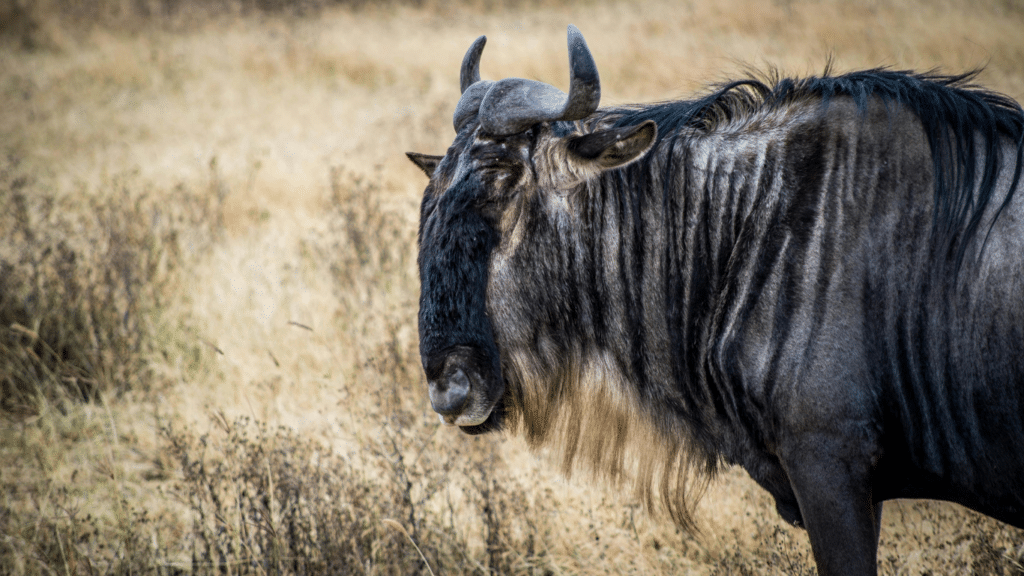
Article written by Joseph Ogutu Originally published by The Conversation (Apr 12, 2024) Wildebeest – large African antelopes with distinctively curved horns – are famous for their great migrations on the grasslands of eastern and southern Africa. One hundred and fifty years ago, they migrated in huge numbers across the continent, in search of grazing and water and to find suitable areas for calving. Migration is crucial to sustain their large populations. But their routes are being interrupted by roads, oil and gas pipelines, railway lines, fences, cities, livestock and farmland. Today, the only remaining large migration is east Africa’s famous Serengeti-Mara migration. About 1.4 million wildebeest – accompanied by about 200,000 zebras, 400,000 gazelles and 12,000 eland – cover up to 3,000km every year in a cycle that follows seasonal rainfall patterns. Even this migration is now threatened by plans for new roads and railways, uncontrolled and unplanned developments and exponential human population growth around the edges of the Serengeti-Mara ecosystem. We’ve now found, in new research, that the disruption to the migratory route has genetic implications for the animals’ longer term survival. Our results show that wildebeest populations that no longer migrate are less genetically healthy than those that continue to migrate. Because their populations aren’t mixing with other wildebeest groups, they are more inbred and genetically isolated. We expect this to lead to lower survival, reduced fertility and other debilitating health effects. It isn’t just the wildebeest that are threatened when we prevent them from migrating, but many other species as well. Wildebeest grazing keeps vegetation healthy and distributes nutrients. The wildebeest also serve as prey for predators, carrion for scavengers and their dung supports millions of dung beatles. If the migrations are lost, Kenya and Tanzania risk losing an enormous amount of tourism revenue that benefits governments and local communities. Collapsing populations Our study is the first time that the genetic effect of migration in wildebeest has been studied. We analysed the genetic material of 121 blue wildebeest and 22 black wildebeest. We chose these 143 wildebeest from their entire range on the African continent, from South Africa to Kenya. This meant we were able to make a general genetic comparison between migratory and non-migratory populations. Populations of migratory wildebeest showed greater genetic diversity. They had extensive random mating which reduced inbreeding levels compared to nearby populations whose migration patterns had been recently interrupted. This was found across multiple locations. The conclusion is clear. There’s an overall negative genetic effect in wildebeest populations that have been prevented from migrating, regardless of where they live on the continent. Reduced genetic diversity makes animals less healthy and therefore more vulnerable to illness and infertility. Populations with low genetic diversity are less able to evolve, or cope with changes to the environment. So, if climatic changes continue to intensify and there isn’t as much genetic variation to enable them to adapt, their survival could be threatened. Already vulnerable Large, non-migrating wildebeest populations are already vulnerable and their numbers shrink when they cannot migrate. This is because they don’t have enough food to eat, cannot access nutrient-rich calving grounds or don’t have enough drinking water in dry periods. They also cannot escape their predators, become vulnerable to poaching and are vulnerable to disease outbreaks, like rinderpest. While the total number of wildebeest across the continent remains fairly stable, many local migrating populations have experienced steep declines and several have even collapsed in recent decades. We’ve seen this affect populations in parts of Kenya, Tanzania and Botswana. For instance, the Mara-Loita migration collapsed by 76% from about 150,000 wildebeest in the 1970s to about 36,500 animals, all of which had become resident, by 2021. And, in Botswana, fencing to protect cattle from coming into contact with migratory wild animals has seen the Kalahari wildebeest population decline by more than 94.2% from roughly 260,000 in the 1970s to fewer than 15,000 in the late 1980s. These findings stress the critical need to preserve animal migration paths. Putting things into perspective Policymakers need to pay special attention to preserving the wildebeest’s old and natural migratory routes. There are certain steps that can be taken: Protect highly variable arid and semi-arid lands inhabited by wildebeest Protect critical drought refuges, such as swamps and woodlands Regulate and strategically plan the expansion of permanent settlements, including urban centres, infrastructure, fences and cultivation in pastoral lands Designate zones for wildlife and livestock grazing and settlements Make and enforce clear rules and regulations governing land use, land sales, leases and development on crucial wildlife migration routes Reintroduce locally endangered wildlife species, such as wildebeest, from outside ecosystems wherever possible By addressing these priorities, efforts to save and restore threatened ungulate mass migrations can be more focused, coordinated and effective, and contribute to the long-term conservation of these animals.
Not just polar bears — climate change could push African rhinos to extinction
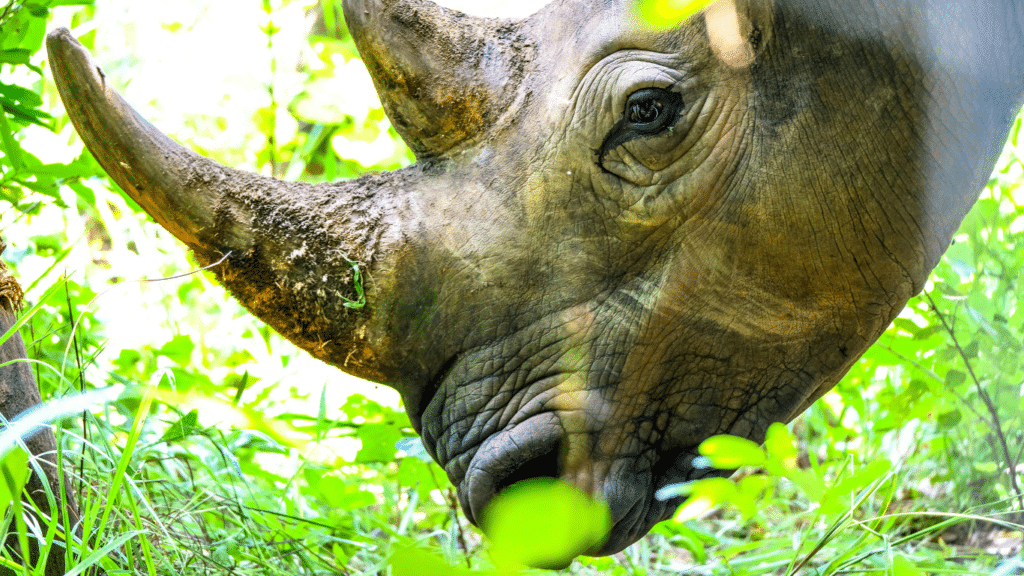
Article written by Anna Dulissa Originally published by Mongabay News (Mar 14, 2024) New research finds climate change threatens black and white African rhinos by making their current habitats hotter, drier and less hospitable. Rhinos, unable to sweat, rely on shade, water and food sources that are becoming scarcer due to rising temperatures and arid landscapes. The study reveals that hotter periods will also likely force rhinos into areas with more humans, raising the risk of conflicts and compounding threats like poaching. Experts say strong global climate change mitigation efforts paired with on-the-ground adaptation tactics, such as shade-tree planting, corridor creation and misting stations, would give rhinos a fighting chance. New research is ringing alarm bells about how climate change may impact one of Africa’s most iconic and vulnerable animals: the rhinoceros. “Climate change has the potential of wiping out all of them in the blink of an eye,” says Hlelolwenkhosi Mamba, an Eswatini native and Fulbright scholar. Mamba and Timothy Randhir, from the University of Massachusetts Amherst, spent two years obtaining climate modeling and rhino GPS coordinates in five national parks across Southern Africa to understand how two different climate change scenarios might impact the bulk of the world’s remaining black (Diceros bicornis) and white (Ceratotherium simum) rhinos, the two rhino species found in Africa. Rhinos, unable to sweat through their super-thick skin, rely on nature for survival, requiring shade trees, mud pits and watering holes to regulate their body temperature. Climate change threatens these vital features, making them scarcer and altering rhino behaviors and population dynamics. In a paper published in January, Mamba and Randhir write that hotter temperatures and increasingly water-starved landscapes will lead to the rhinos stress eating and spending more time escaping the heat, affecting their access to food, water and shade. This will also likely send them into areas with more humans and conflict. On top of the ongoing risk of poaching, these climate change influences could drive rhinos to extinction in these parks by the end of the 21st century, the researchers warn. “People think that rhinoceroses are very strong and robust and can handle it. But I think this study highlights their vulnerability and can hopefully bring more visibility to the climate change question,” Randhir says. The findings are alarming, and the research duo say they hope this information will give humans the tools to help rhinos adapt to a rapidly warming world. “I love rhinos. They are my favorite and I wish I had the resources to protect them from all that’s threatening them,” Mamba says. “If nothing is done to reduce our emissions, then their extinction due to climate change is imminent.” Methods for a megafauna Randhir and Mamba compiled location data on black and white rhinos to identify each species’ habitat preferences. Then they analyzed two emissions scenarios published by the U.N.’s Intergovernmental Panel on Climate Change (IPCC) — business-as-usual and high — for each of the five Southern African parks: Kruger in South Africa, Etosha in Namibia, Hwange in Zimbabwe, Tsavo West in Kenya, and Hlane Royal in Eswatini. From this, they were able to project temperature and precipitation changes and their impacts on rhino habitat suitability by 2050 and 2085. The more moderate, business-as-usual scenario, known as RCP4.5, predicts average warming across the five parks of 2.2° Celsius (4° Fahrenheit) by 2055 from the pre-industrial baseline, and 2.5°C (4.5°F) by 2085. The high-emissions scenario, RCP8.5, forecasts a 2.8°C (5°F) rise by 2055 and 4.6°C (8.3°F) by 2085. In both scenarios, rhino habitats will become hotter and drier, except for Tsavo West National Park, which will see increased rainfall under the high-emissions scenario. Habitats in Etosha National Park and Hlane Royal National Park could become entirely inhospitable for rhinos by 2085 under either scenario, with a real likelihood of extinction. As a conservationist and Eswatini resident, Mamba said, this is something the world needs to know now. Not all black and white For thousands of years, both black and white rhinos have held cultural importance for farming and hunter-gatherer communities throughout sub-Saharan African nations. In the Huns Mountains of southern Namibia, rock art paintings of rhinos date back 30,000 years. To the Shona peoples of Zimbabwe, Mozambique and South Africa, the black rhino or chipembere is known as “the dancer” for its supposed fashion of charging and stamping out campfires. The Tswana, of Botswana and South Africa, believed that Mohoohoo, the white rhino, emerged from the same cave as their own original ancestor, and hold the animal in high regard. And to the San peoples across Southern African, both species are associated with rainmaking rituals, each bringing a type of rain appropriate to their temperament — the more docile white rhino brings a soft rain, and the feistier black rhino commands thunderstorms. That a rain-summoning pachyderm, incapable of sweating and dependent on watering holes and shade for cooling, is now threatened by drought and intolerable heat seems both ironic and unfair. Randhir, an interdisciplinary academic at heart who grew up in India, a country with its own rhinos, said rhino conservation is complicated even at the best of times. “Climate scenarios are having direct and indirect impacts,” he said, adding that it impacts rhinos’ “physiology, survival, the community structure, but also food access, habitat access, and safe places where they can survive without human conflicts.” With drastic or even moderate reductions in global greenhouse gas emissions, Randhir said he hopes the 2.2°C warming by 2055 will be the worst-case scenario for rhinos — and people. But he added that adaptation strategies must be in place. “We always have impacts coming from the cryosphere [polar regions and ice caps] like a polar bear losing their ice. But we never talk about climate impacts on dry environments, especially on rhinos and elephants who are so tied to water,” he said. “We were focusing on how parks can adapt and manage.” Ensuring black and white rhinos have access to food, water, shade and habitat in places safe from human conflict is what Randhir and Mamba say they
February was warmest on record globally, say scientists

Article written by staff and agencies Originally published by The Guardian (Mar 7, 2024) Global average temperature for past 12 months highest on record at 1.56C above pre-industrial levels, data shows Last month was the warmest February on record globally, making it the ninth month in a row with record temperatures for the time of year, scientists have said. Global sea surface temperatures are also at their highest ever recorded, data from the EU’s Copernicus Climate Change Service shows. The data shows February was 1.77C warmer than the pre-industrial average for the month, from 1850 to 1900, and 0.81C above 1991-2020 levels. The global average temperature for the past 12 months – between March 2023 and February 2024 – was the highest on record, at 1.56C above pre-industrial levels. That puts the world temporarily above the 1.5C threshold beyond which, over the long term, the worst impacts of climate change are expected. Daily global average temperatures were “exceptionally high” during the first half of the month, reaching 2C above 1850-1900 levels on four days from 8 to 11 February, Copernicus said. European temperatures in February 2024 were 3.3C above the 1991-2020 average for the month, with temperatures well above average seen in central and eastern Europe, the figures showed. Europe’s winter, from December to February, was the second warmest on record for the continent. Average global sea surface temperatures for February, outside the polar regions, were the highest for any month on record, at 21.06C, exceeding the previous record of 20.98C set in August 2023. The average daily sea surface temperature reached a new absolute high of 21.09C at the end of the month, Copernicus said. Carlo Buontempo, the director of the Copernicus Climate Change Service, said: “February joins the long streak of records of the last few months. As remarkable as this might appear, it is not really surprising as the continuous warming of the climate system inevitably leads to new temperature extremes. “The climate responds to the actual concentrations of greenhouse gases in the atmosphere, so unless we manage to stabilise those, we will inevitably face new global temperature records and their consequences.” Dr Friederike Otto, a senior lecturer in climate science at the Grantham Institute for Climate Change and the Environment, Imperial College London, said: “There’s now so much evidence pointing to the fact that our climate is warming, if you want to deny climate change, you might as well claim the Earth is flat, too. Billions of measurements from weather stations, satellites, ships and planes point to the very basic fact that our planet is heating up at a dangerous pace. “People should not be surprised that we have broken another record. Humans continue to burn oil, gas and coal, so the climate continues to warm. It is a very well understood relationship. There is no silver bullet or magic fix for climate change. We know what to do: stop burning fossil fuels and replace them with more sustainable, renewable sources of energy. Until we do that, extreme weather events intensified by climate change will continue to destroy lives and livelihoods.”
World’s globetrotting animals at risk due to habitat loss, climate change
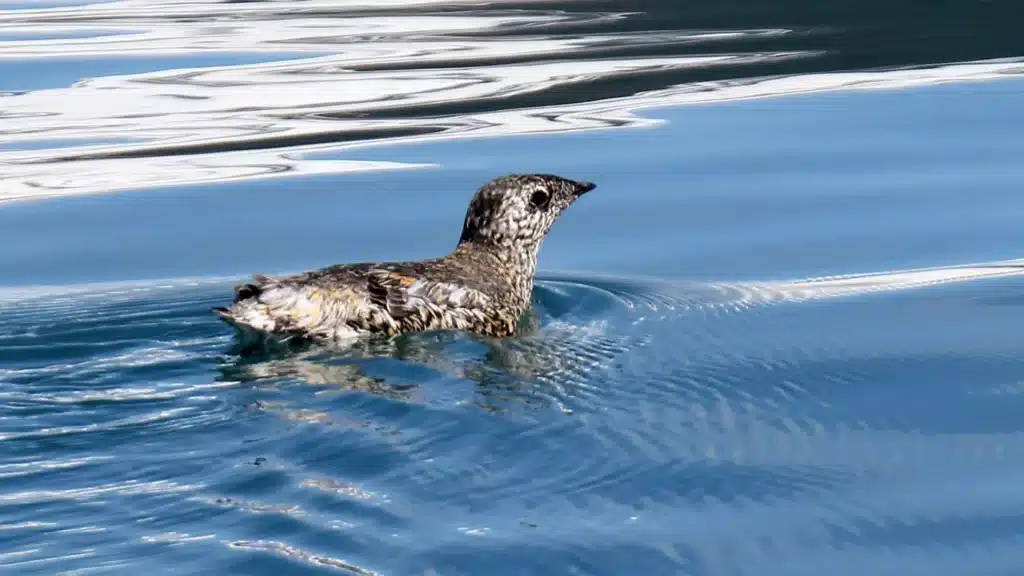
Adapted from original article written by Benjamin Shingler Originally published by CBC News (Fri, Feb 12, 2024) New report highlights challenges facing migratory species, and what can be done to save them During its nesting season, the marbled murrelet, known affectionately among bird watchers as a “strange, mysterious little seabird,” lays a single egg in the thick mosses that grow on the branches of British Columbia’s old-growth forest canopy. With some of those forests under threat from logging, the small black-and-brown mottled seabird is considered threatened, too. The marbled murrelet is among a growing number of migratory species animals facing a perilous future, a new UN report found. “The solution for the marbled murrelet and for a number of other migratory species is habitat protection,” said Shelley Luce, campaign director of Sierra Club. “Loss of habitat is one of the biggest drivers — in many cases the biggest driver — for species loss.” A report by a United Nations conservation group released Monday on the state of the world’s migratory species found the threats to these animals, ranging from fish to birds to butterflies, are greater than ever. Nearly all of the fish the group is tracking — 97 per cent — are down in numbers, and birds aren’t faring much better. Overall, more than one in five species listed by the group are threatened with extinction, and 44 per cent have a decreasing population. Along with habitat loss, other human-caused impacts such as over-exploitation, pollution and climate change are making it harder for migratory species to survive, the report found. The report, entitled State of the World’s Migratory Species, is the first of its kind. It was created by a UN-backed organization known as the Convention on the Conservation of Migratory Species of Wild Animals. It comes two years after nearly 200 countries committed at a UN biodiversity conference in Montreal to halt and reverse the destruction of nature by 2030. An international issue The findings underscore the importance of greater co-operation between countries to preserve habitats along migration routes, experts said. “Trying to conserve those species means working across borders and having coherent policies to try to help them,” said Chris Guglielmo, a biology professor and director of the Centre for Animals on the Move at Western University in London, Ont. The endangered monarch butterfly, for instance, flies from Canada and the U.S. to Mexico and back again every year. The annual count for the number of monarchs at their wintering areas in Mexico dropped by 59 per cent this year. It’s the second-lowest level since record keeping began, according to a partnership of environmental and state groups that conducted the count. Experts have proposed a safe corridor for migrating butterflies through the three countries, where pesticides are reduced and there are stricter rules against deforestation. “Animals need to be able to move to fulfil their life cycles, and we have to put a lot of thought into how we allow them to do that,” said Guglielmo. He described biodiversity as a system of “cogs and wheels,” to borrow a turn of phrase from conservationist Aldo Leopold, whereby every species and organism has a role to play — and if migratory species aren’t around, the system falls apart. Migratory birds, for instance, help control pests such as the spruce budworm, which has wreaked havoc on parts of the boreal forest in a number of Canadian provinces. ‘Pit stops’ on the journey The report lays out how these animals can be better protected, from limiting overfishing to reducing light pollution along migratory bird routes. Like humans, birds often make “pit stops” along their migratory journey, said Barbara Frei, a research scientist with Environment and Climate Change Canada. Frei said adding protection means “more native plants, more food, often shrubs for migratory birds, and reducing threats and, honestly, that makes it a more pleasant place for you and I to live.” Dr. Christy Morrissey, a biology professor at the University of Saskatchewan, said many migratory birds face challenges as they fly north during the spring migration, over farmland during a period of “spring seeding, spring spraying, application of pesticides and tillage.” One solution, Morrissey said, is to protect wetlands from being drained and turned into agricultural land. Those wetlands can serve as a home to many migratory species, she said. Canada’s role Given its vast territory, experts said Canada has an important role to play as the world works toward the 2030 conservation goal. Luce’s Sierra Club has been pressing the federal and B.C. provincial government to do more to protect migratory species. “We have beautiful ancient coastal old growth forests in British Columbia that are not protected from logging,” she said. Sierra Club was among a coalition of environmental groups that went to court to argue that Environment Minister Stephen Guilbeault should have gone further in protecting the marbled murrelet and other at-risk birds. Earlier this month, a Federal Court judge ruled in their favour, concluding that Guilbeault should have extended a protected area beyond the nesting area to where the bird gets its food, meets its mates and rears its young. Environment and Climate Change Canada did not return a request for comment.
Atlantic Ocean circulation nearing ‘devastating’ tipping point, study finds
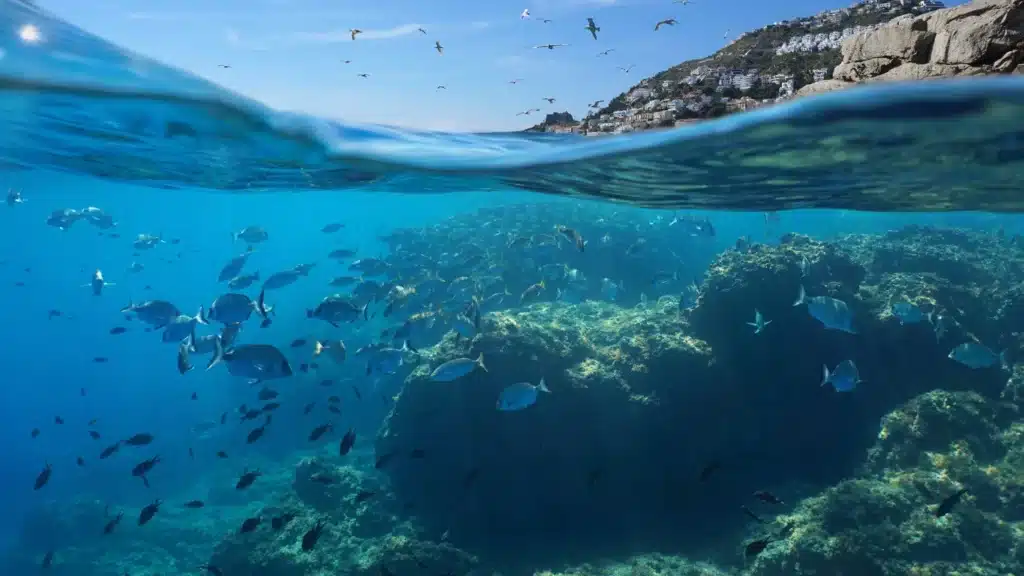
Adapted from original article written by Johnathan Watts Originally published by The Guardian (Fri, Feb 9, 2024) Collapse in system of currents that helps regulate global climate would be at such speed that adaptation would be impossible The circulation of the Atlantic Ocean is heading towards a tipping point that is “bad news for the climate system and humanity”, a study has found. The scientists behind the research said they were shocked at the forecast speed of collapse once the point is reached, but said it was not yet possible to predict how soon that would happen. Researchers developed an early warning indicator for the breakdown of the Atlantic meridional overturning circulation (Amoc), a system of ocean currents critical to climate regulation. They found Amoc is already on track towards an abrupt shift, which has not happened for more than 10,000 years. It would have dire implications for large parts of the world. Amoc is a marine conveyer belt that carries heat, carbon and nutrients from the tropics towards the Arctic Circle, where it cools and sinks into the deep ocean. This helps to distribute energy around the Earth and modulates the impact of human-caused global heating. The Atlantic Meridional Overturning Circulation is weakening and has collapsed in the distant past The system is being eroded by the faster-than-expected melt-off of Greenland’s glaciers and Arctic ice sheets. These pour freshwater into the sea and obstruct the sinking of saltier, warmer water from the south. Amoc is in its weakest state in more than a millennium, according to previous research. The paper mapped some of the consequences of Amoc collapse. Sea levels in the Atlantic would rise by a metre in some regions, inundating many coastal cities. The wet and dry seasons in the Amazon would flip, potentially pushing the already weakened rainforest past its own tipping point. Temperatures around the world would fluctuate far more erratically. The southern hemisphere would become warmer. Europe would cool dramatically and have less rainfall. While this might sound appealing compared with the current heating trend, the changes would hit 10 times faster than now, making adaptation almost impossible. “What surprised us was the rate at which tipping occurs,” said the paper’s lead author, René van Westen, of Utrecht University. “It will be devastating.” He said there was not yet enough data to say whether this would occur in the next year or in the coming century, but when it happens, the changes are irreversible on human timescales.
Nearly half of the world’s migratory species are in decline, UN report says
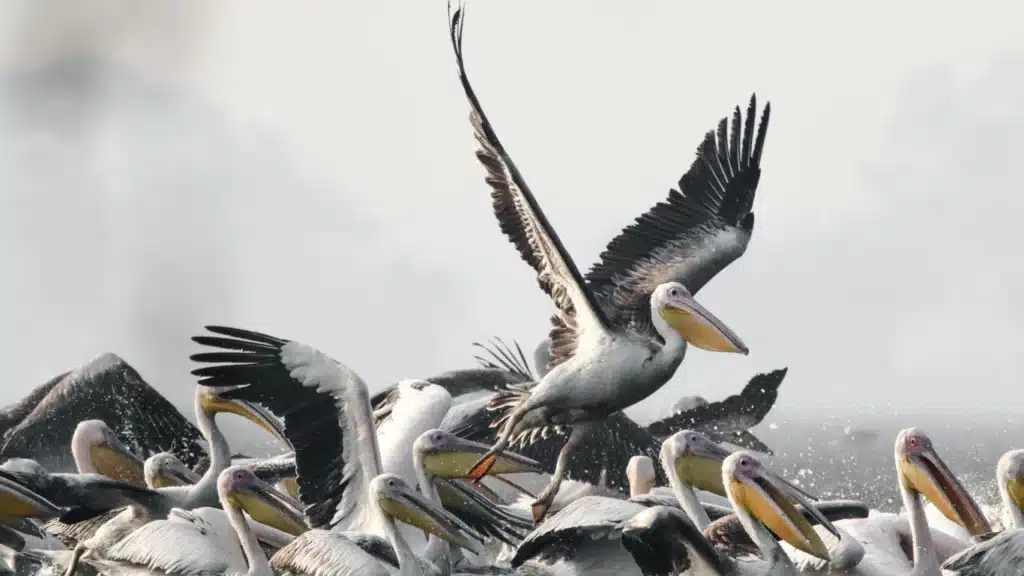
Article written by Christina Larson Originally published by wbtv.com (Mon, Feb 12, 2024) Many songbirds, sea turtles, whales, sharks and other migratory animals move to different environments with changing seasons and are imperiled by habitat loss, illegal hunting and fishing, pollution and climate change. About 44% of migratory species worldwide are declining in population, the report found. More than a fifth of the nearly 1,200 species monitored by the U.N. are threatened with extinction. “These are species that move around the globe. They move to feed and breed and also need stopover sites along the way,” said Kelly Malsch, lead author of the report released at a U.N. wildlife conference in Samarkand, Uzbekistan. Habitat loss or other threats at any point in their journey can lead to dwindling populations. “Migration is essential for some species. If you cut the migration, you’re going to kill the species,” said Duke University ecologist Stuart Pimm, who was not involved in the report. The report relied on existing data, including information from the International Union for Conservation of Nature’s Red List, which tracks whether a species is endangered. Participants of the U.N. meeting plan to evaluate proposals for conservation measures and also whether to formally list several new species of concern. “One country alone cannot save any of these species,” said Susan Lieberman, vice president for international policy at the nonprofit Wildlife Conservation Society. At the meeting, eight governments from South America are expected to jointly propose adding two species of declining Amazon catfish to the U.N. treaty’s list of migratory species of concern, she said. The Amazon River basin is world’s largest freshwater system. “If the Amazon is intact, the catfish will thrive — it’s about protecting the habitat,” Lieberman said. In 2022, governments pledged to protect 30% of the planet’s land and water resources for conservation at the U.N. Biodiversity Conference in Montreal, Canada.
Polar bears risk starvation as they face longer ice-free periods in the Arctic
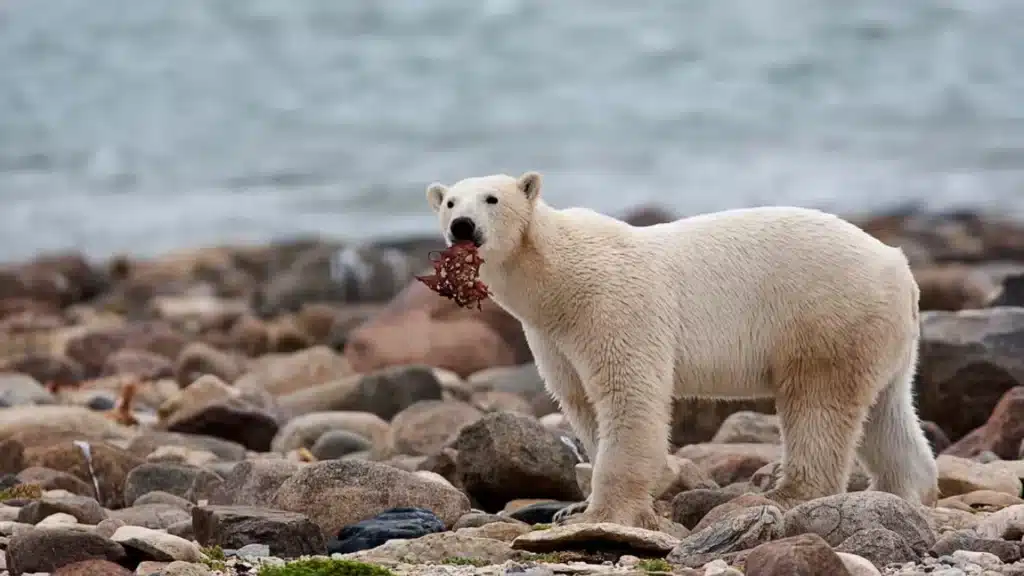
Article written by Agence France-Presse Originally published by The Guardian (Tue, Feb 13, 2024) Bears use ice to access food, but a study of animals in Canada shows them struggling to adapt to more time on land amid climate crisis Polar bears in Canada’s Hudson Bay risk starvation as the climate crisis lengthens periods without Arctic Sea ice, despite the creatures’ willingness to expand their diets. Polar bears use the ice that stretches across the ocean surface in the Arctic during colder months to help them access their main source of prey – fatty ringed and bearded seals. In the warmer months when the sea ice recedes, they would be expected to conserve their energy and even enter a hibernation-like state. But human-caused climate change is extending this ice-free period in parts of the Arctic – which is heating between two and four times faster than the rest of the world – and forcing the polar bears to spend more and more time on land. New research looking at 20 polar bears in Hudson Bay suggests that without sea ice they still try to find food. “Polar bears are creative, they’re ingenious, you know, they will search the landscape for ways to try to survive and find food resources to compensate their energy demands if they’re motivated,” Anthony Pagano, a research wildlife biologist with the US Geological Survey and lead author of the study, told AFP. The research, published in the journal Nature Communications, used video camera GPS collars to track the polar bears for three-week periods over the course of three years in the western Hudson Bay, where the ice-free period has increased by three weeks from 1979 to 2015, meaning that in the last decade bears were on land for approximately 130 days. The researchers found that of the group, two bears indeed rested and reduced their total energy expenditure to levels similar to hibernation, but the 18 others stayed active. The study said these active bears may have been pushed to continue to look for food, with individual animals documented eating a variety of foods including grasses, berries, a gull, a rodent and a seal carcass. Three ventured off on long swims – one travelled a total distance of 175km (more than a hundred miles) – while other bears spent time playing together or gnawing on caribou antlers, which researchers said was like the way dogs might chew bones. But ultimately the researchers found that the bears’ efforts to find sustenance on land did not provide them with enough calories to match their normal marine mammal prey. Nineteen out of the 20 polar bears studied lost weight during the period consistent with the amount of weight they would lose during a period of fasting, researchers said. That means that the longer polar bears spend on land, the higher their risk for starvation. “These findings really support the existing body of research that’s out there, and this is another piece of evidence that really raises that alarm,” Melanie Lancaster, senior Arctic species specialist for the World Wildlife Fund, who is not associated with the study, told AFP. The world’s 25,000 polar bears remaining in the wild are endangered primarily by the climate crisis. Limiting planet-heating greenhouse gases and keeping global heating under the Paris deal target of 1.5C above pre-industrial levels would likely preserve polar bear populations, Pagano said. But global temperatures – already at 1.2C – continue to rise and sea ice dwindles. John Whiteman, the chief research scientist at Polar Bears International, who was not involved in the study, said the research was valuable because it directly measures the polar bears’ energy expenditure during the ice-free periods. “As ice goes, the polar bears go, and there is no other solution other than stopping ice loss. That is the only solution,” he told AFP. Banner credit: Sean Kilpatrick/AP
Hurricanes becoming so strong that new category needed, study says
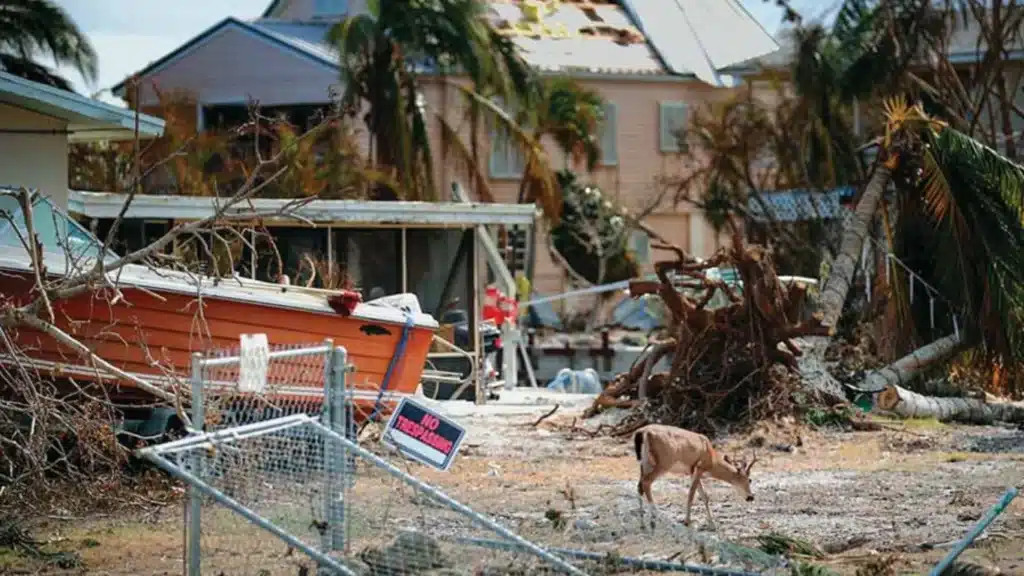
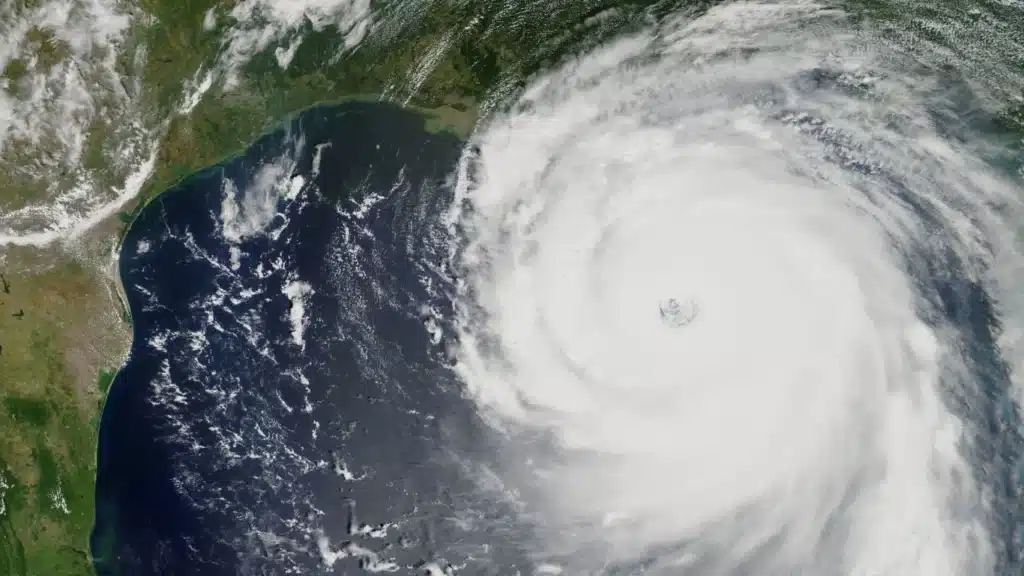
Article written by Oliver Milman Originally published by The Guardian (Mon, Feb 5, 2024) Scientists propose new category 6 rating to classify ‘mega-hurricanes’, becoming more likely due to climate crisis Hurricanes are becoming so strong due to the climate crisis that the classification of them should be expanded to include a “category 6” storm, furthering the scale from the standard 1 to 5, according to a new study. Over the past decade, five storms would have been classed at this new category 6 strength, researchers said, which would include all hurricanes with sustained winds of 192mph or more. Such mega-hurricanes are becoming more likely due to global heating, studies have found, due to the warming of the oceans and atmosphere. Michael Wehner, a scientist at the Lawrence Berkeley National Laboratory in the US, said that “192mph is probably faster than most Ferraris, it’s hard to even imagine”. He has proposed the new category 6 alongside another researcher, James Kossin of the University of Wisconsin-Madison. “Being caught in that sort of hurricane would be bad. Very bad.” The new study, published in Proceedings of the National Academy of Sciences, proposes an extension to the widely used Saffir-Simpson hurricane scale, which was developed in the early 1970s by Herbert Saffir, a civil engineer, and Robert Simpson, a meteorologist who was the director of the US National Hurricane Center. The scale classifies any hurricane with a sustained maximum wind speed of 74mph or more to be a category 1 event, with the scale rising the faster the winds. Category 3 and above is considered to include major hurricanes that risk severe damage to property and life, with the strongest, category 5, including all storms that are 157mph or more. Category 5 storms have caused spectacular damage in recent years – such as Hurricane Katrina’s ravaging of New Orleans in 2005 and Hurricane Maria’s devastating impact upon Puerto Rico in 2017 – but the new study argues there is now a class of even more extreme storms that demands its own category. They include Typhoon Haiyan, which killed more than 6,000 people in the Philippines in 2013, and Hurricane Patricia, which reached a top speed of 215mph when it formed near Mexico in 2015. “There haven’t been any in the Atlantic or the Gulf of Mexico yet but they have conditions conducive to a category 6, it’s just luck that there hasn’t been one yet,” said Wehner. “I hope it won’t happen, but it’s just a roll of the dice. We know that these storms have already gotten more intense, and will continue to do so.” While the total number of hurricanes is not rising due to the climate crisis, researchers have found that the intensity of major storms has notably increased during the four-decade satellite record of hurricanes. A super-heated ocean is providing extra energy to rapidly intensify hurricanes, aided by a warmer, moisture-laden atmosphere. Wehner said the Saffir-Simpson scale was an imperfect measure of the dangers posed to people by a hurricane, which mostly come via severe rainfall and coastal flooding rather than the strong winds themselves, but that a category 6 would highlight the heightened risks brought by the climate crisis. “Our main purpose is to raise awareness that climate change is affecting the most intense storms,” he said. The systems used to chart the world around us have been previously tweaked to reflect the rapid changes of the modern era. Australia’s bureau of meteorology added a new colour – purple – to its weather maps to account for ferocious heat, while just last week the US government’s Coral Reef Watch programme added three new alert categories to capture the increasing heat stress suffered by corals. There is no indication there will soon be hurricanes officially classified as category 6, however. The US National Hurricane Center did not respond to a request for comment about the new study.
Greenland losing 30m tonnes of ice an hour, study reveals
Article written by Damian Carrington Originally published by The Guardian (Thu, Jan 17, 2024) Total is 20% higher than thought and may have implications for collapse of globally important north Atlantic ocean currents The Greenland ice cap is losing an average of 30m tonnes of ice an hour due to the climate crisis, a study has revealed, which is 20% more than was previously thought. Some scientists are concerned that this additional source of freshwater pouring into the north Atlantic might mean a collapse of the ocean currents called the Atlantic meridional overturning circulation (Amoc) is closer to being triggered, with severe consequences for humanity. Major ice loss from Greenland as a result of global heating has been recorded for decades. The techniques employed to date, such as measuring the height of the ice sheet or its weight via gravity data, are good at determining the losses that end up in the ocean and drive up sea level. However, they cannot account for the retreat of glaciers that already lie mostly below sea level in the narrow fjords around the island. In the study, satellite photos were analysed by scientists to determine the end position of Greenland’s many glaciers every month from 1985 to 2022. This showed large and widespread shortening and in total amounted to a trillion tonnes of lost ice. Greenland has lost a trillion tonnes of ice since 1985 from glacier retreat alone Mass of Greeland ice sheet relative to mass in 2022, billion tonnes “The changes around Greenland are tremendous and they’re happening everywhere – almost every glacier has retreated over the past few decades,” said Dr Chad Greene, at Nasa’s Jet Propulsion Laboratory in the US, who led the research. “It makes sense that if you dump freshwater on to the north Atlantic Ocean, then you certainly get a weakening of the Amoc, though I don’t have an intuition for how much weakening.” The Amoc was already known to be at its weakest in 1,600 years and in 2021 researchers spotted warning signs of a tipping point. A recent study suggested the collapse could happen as soon as 2025 in the worst-case scenario. A significant part of the Greenland ice sheet itself is also thought by scientists to be close to a tipping point of irreversible melting, with ice equivalent to 1-2 metres of sea level rise probably already expected. The study, published in the journal Nature, used artificial intelligence techniques to map more than 235,000 glacier end positions over the 38-year period, at a resolution of 120 metres. This showed the Greenland ice sheet had lost an area of about 5,000 sq km of ice at its margins since 1985, equivalent to a trillion tonnes of ice. The most recent update from a project that collates all the other measurements of Greenland’s ice found that 221bn tonnes of ice had been lost every year since 2003. The new study adds another 43bn tonnes a year, making the total loss about 30m tonnes an hour on average. The scientists said: “There is some concern that any small source of freshwater may serve as a ‘tipping point’ that could trigger a full-scale collapse of the Amoc, disrupting global weather patterns, ecosystems and global food security. Yet freshwater from the glacier retreat of Greenland is not included in oceanographic models at present.” The influx of less dense freshwater into the sea slows the usual process of heavier salty water sinking in the polar region and driving the Amoc. Prof Tim Lenton, at the University of Exeter, UK, and not part of the study, said: “This additional freshwater input to the north Atlantic is a concern, particularly for the formation of deep water in the Labrador and Irminger Seas within the subpolar gyre, as other evidence suggests these are the regions most prone to being tipped into an ‘off’, or collapsed state.” “That would be like a partial Amoc collapse, but unfolding faster and having profound impacts on the UK, western Europe, parts of North America, and the Sahel region, where the west African monsoon could be severely disrupted,” he said. “Whether this previously unaccounted source is enough freshwater to make a difference depends on how close we are to that subpolar gyre tipping point. Recent models suggest it could be close already at the present level of global warming.” However, Prof Andrew Shepherd, at the University of Northumbria, UK, said: “Although there was a step-change in glacier retreat at the turn of the century, it’s reassuring to see that the pace of ice loss has been steady since then and is still well below the levels needed to disturb the Amoc.” The discovery of the extra ice loss is also important for calculating the Earth’s energy imbalance, ie how much extra solar heat the Earth is trapping due to human-caused greenhouse gas emissions, said Greene. “It takes a lot of energy to melt 1tn tonnes of ice. So if we want very precise energy balanced models for the Earth, this has to be accounted for.” The glaciers analysed in the study were mostly below sea level already, so the lost ice was replaced by sea water and did not affect sea level directly. But Greene said: “It almost certainly has an indirect effect, by allowing glaciers to speed up. These narrow fjords are the bottleneck, so if you start carving away at the edges of the ice, it’s like removing the plug in the drain.” Greene and colleagues also analysed the extent of Antarctic ice shelves over time in a study published in 2022. It found that the total lost from the ice shelves since 1997 was doubled to about 12tn tonnes when the shrinking areal extent of the shelves was accounted for and added to the thinning of the shelves.
‘Astounding’ ocean temperatures in 2023 intensified extreme weather, data shows
Adapted from article written by Damian Carrington Originally published by The Guardian (Thu, Jan 11, 2024) Record levels of heat were absorbed last year by Earth’s seas, which have been warming year-on-year for the past decade “Astounding” ocean temperatures in 2023 supercharged “freak” weather around the world as the climate crisis continued to intensify, new data has revealed. The oceans absorb 90% of the heat trapped by the carbon emissions from the burning of fossil fuels, making it the clearest indicator of global heating. Record levels of heat were taken up by the oceans in 2023, scientists said, and the data showed that for the past decade the oceans have been hotter every year than the year before. The heat also led to record levels of stratification in the oceans, where warm water ponding on the surface reduces the mixing with deeper waters. This cuts the amount of oxygen in the oceans, threatening marine life, and also reduces the amount of carbon dioxide and heat the seas can take up in the future. “We’re already facing the consequences and they will get far worse if we don’t take action,” said Prof John Abraham, at the University of St Thomas in Minnesota. “But we can solve this problem today with wind, solar, hydro and energy conservation. Once people realise that, it’s very empowering.” Credit: Thoko Chikondi/AP In 2023, an additional 15 zettajoules of heat was taken up by the oceans, compared with 2022. By comparison, humanity uses about half a zettajoule of energy a year to fuel the entire global economy. In total, the oceans absorbed 287 zettajoules in 2023. These figures are based on data from the Institute of Atmospheric Physics at the Chinese Academy of Sciences. A separate dataset from the US National Oceanic and Atmospheric Administration found a similar increase and identical trend over time. The ocean surface temperatures in 2023 were “off the charts”, the researchers said. The primary cause was another year of record carbon emissions, assisted by El Niño. Over the whole year, the average temperature was 0.1C above 2022, but in the second half of 2023 the temperature was an “astounding” 0.3C higher. The scientists said the record level of stratification and reduced oxygen in the ocean would have “severe consequences” for ocean plant and animal life. Marine heatwaves struck across the oceans in 2023. A separate report, by the consortium Global Water Monitor (GWM), found some of the worst disasters of 2023 were due to unusually strong cyclones bringing extreme rainfall to Mozambique and Malawi, Myanmar, Greece, Libya, New Zealand and Australia. Prof Albert Van Dijk of GWM said: “We saw cyclones behave in unexpected and deadly ways. The longest-lived cyclone ever recorded battered south-eastern Africa for weeks. Warmer sea temperatures fuelled those freak behaviours, and we can expect to see more of these extreme events going forward.” Abraham said a rapid end to the burning of coal, oil and gas was needed: “If we don’t bend the trajectory of climate change downwards, then we are going to experience more extreme weather, more climate disruption, more climate refugees, more loss of agricultural productivity. We’re going to have costs in dollars and lives from a problem that we could have avoided. And, generally, those least responsible are going to suffer the most, which is a tremendous injustice.”
Brazilian semi-arid biome could lose over 90% of mammal species by 2060
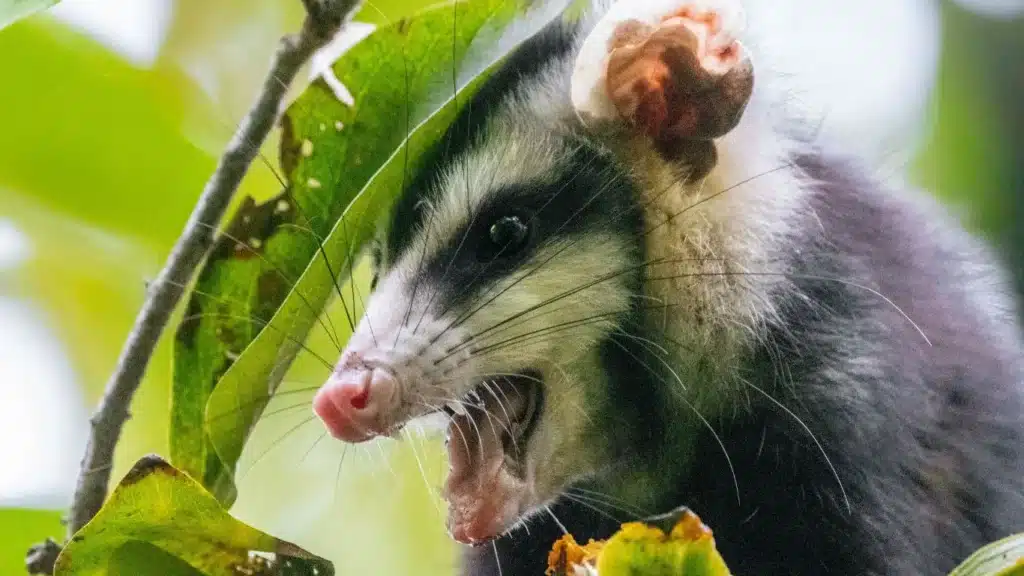
Article written by André Julião Originally published by Phys.org (Thu, Jan 11, 2023) The foreseeable effects of climate change on the Caatinga, the semi-arid shrubland and thorn forest biome in Brazil’s Northeast region, will be catastrophic for most terrestrial mammal species that live there. A study reported in the journal Global Change Biology by researchers in Brazil affiliated with the State University of Campinas (UNICAMP), the Federal University of (UFPB) and the Federal University of Minas Gerais (UFMG) forecasts species loss for 91.6% of species assemblages in the Caatinga and habitat loss for 87% by 2060. “This is the best-case scenario, which assumes humanity keeps the promises made in the Paris Agreement, cuts greenhouse gas emissions, and slows the pace of global warming forecasted for the decades ahead,” said Mário Ribeiro de Moura, corresponding author of the article and coordinator of the study. The researchers cross-tabulated data from the latest projections of future temperatures published by the Intergovernmental Panel on Climate Change (IPCC) with occurrence data for terrestrial mammals in the Caatinga. They used several statistical models to capture the species’ physiological tolerance to the existing climate and future climate change scenarios. According to IPCC, the average temperature in South American drylands will rise up to 2.7 °C by 2060, and the dry season will lengthen by as much as 21 consecutive dry days. Given that animals take thousands or millions of years to adapt to such drastic changes, the models suggest only a few species will find areas with a suitable climate in the future, including armadillos, agoutis, and deer, all of which are large mammals. Primates will lose habitats, on the other hand. Small species whose adults weigh less than 1 kg, comprising 54% of the Caatinga’s mammals, will lose most. Twelve species, or 12.8% of the total, will lose their habitats completely by 2060 under the best-case scenario and 28 (30%) by 2100 under the worst-case scenario. The hardest-hit rodents and marsupials will include the Agile gracile opossum (Gracilinanus agilis), the Long-tailed climbing mouse (Rhipidomys mastacalis), and the White-spined Atlantic spiny rat (Trinomys albispinus). “Biotic homogenization [in which previously distinct plant communities become progressively more similar] will occur in 70% of mammal assemblages, with a few generalist species surviving while rarer specialists will lose suitable areas and become locally extinct. This will result in a loss of ecological functions such as seed dispersal, and the ecosystem as a whole will become less resilient,” Moura said. A previous study by Moura and colleagues also used statistical models and databases to forecast how plants in the Caatinga will be affected by climate change. The findings include homogenization of 40% of plant assemblages, with shrubs and grasses surviving better than trees and other woody species. Transition zone Although mammals can change their behavior to escape higher temperatures, cooler times of day may be used by many species at the same time, leading to more competition for resources, and this will also affect their chances of survival, Moura explained. The eastern portion of the Caatinga, which contains the transition zone to the Atlantic Rainforest biome, will be affected most under all scenarios. More species live there thanks to the higher levels of humidity from the ocean and forest evapotranspiration. “This is also the part of the Caatinga with the largest cities. Deforestation, poaching and other longstanding practices help make the situation there even more complicated, potentially amplifying the effects of climate change,” Moura said. In light of all these factors, the article stresses the importance of taking biodiversity forecasts into account in long-term socio-environmental policy and conservation planning. Brazilian semi-arid biome could lose over 90% of mammal species by 2060
Solar power can help Zimbabwe’s elephants in drought crisis.
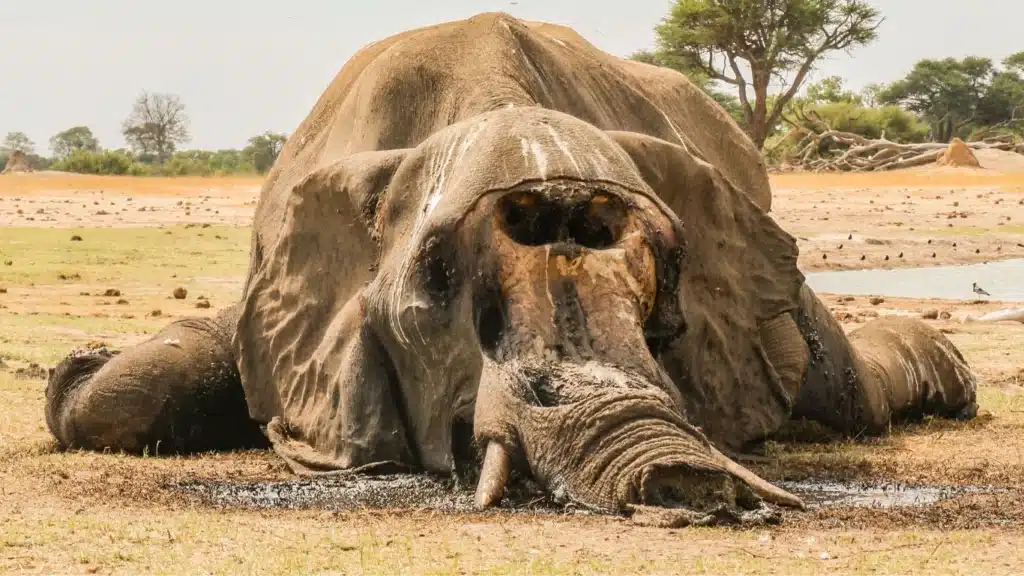
Zimbabwe’s wildlife is in serious trouble. An enduring drought, barely influenced by a recent and inadequate smattering of rain, has left wild animals in severe distress and dying, and will continue to do so if we do not help right away. The elephants of Hwange National Park are set to return from their annual migration – we MUST ensure there is water for them! Please, help them now! A terrible drought is raging in Hwange National Park. Many elephants are now in Botswana, but soon will begin their traditional migration back to Hwange. Unless we help NOW, they will find near-dry water holes and death waiting for them. If we do not act fast, we risk losing untold numbers of endangered African elephants. Please help us provide life-saving water right away! We have a way to pump enough water for the drought-stricken elephants of Zimbabwe. The elephants need YOUR help to make it happen. There are more than 45,000 elephants in Zimbabwe’s Hwange National Park. The average adult elephant consumes around 40 gallons (150 liters) to 53 gallons (200 liters) of water a day, which means millions of liters are needed to sustain this population every day. The hot, arid Hwange National Park is a death trap for desperately thirsty elephants – this is why. The deadly combination of a woefully inadequate water supply and soaring temperatures leave elephants and other animals exhausted at the edges of near-dry water pans. To make the situation worse, once the water has largely dried up, the water hole becomes a sticky, muddy death trap, and weak elephants do not have the energy to free themselves from it – especially the young. They become distressed and ultimately succumb to thirst, heat and exhaustion. In other instances, weak animals or infants are left behind as the herd drags itself off in search of a new water source with a few more drops to drink. This is sometimes 6.2 miles (10 kilometers) away and too far for a weakened calf to travel. Babies are thus abandoned and left to die. Exhausted elephants and their babies get STUCK in muddy waterholes, too weak to free themselves, and slowly die. Please help us pump enough water for these desperate elephants! Hwange National Park has an inadequate supply of natural surface water for wildlife, so pumps are used to bring water to the surface from deep underground. This works fine when the rains come as expected because the pumps can operate for eight hours a day – enough to provide sufficient water. But this year when the animals return mid-year, there will be hardly any water to sustain them… …unless we act NOW The pumps will need to operate 24 hours a day to sustain the elephants. The only way to do this is by installing solar-powered battery systems on the pumps. Because of the cost, some pumps are run on diesel generators – a noisy, expensive and non-eco-friendly solution that pollutes the surrounding atmosphere. The diesel for the generators is often stolen by criminals, leaving the animals once again at great risk. Installing solar-powered battery systems at more of the pumps is the most effective way to get a constant supply of water to the elephants – and we do not have a moment to lose. With your help, we will purchase solar-powered battery systems to pump water 24/7 throughout the Hwange National Park. This will will ensure the park can sustain the elephants and prevent death by mud traps. Please, help now! Donate as much as you can today. We know solar technology works – we have used it to help mitigate the effects of drought in Addo Elephant National Park in South Africa to great success. Now, the elephants of Zimbabwe need us, and we cannot turn away from them in their hour of direst need. Please help us to act FAST to ensure that these thirsty elephants and other wildlife have access to life-saving water when they return to the park in a few months. For every $12,500 (around £9,900) raised, we can purchase and install one solar battery system – and we ultimately hope to install 10. It will make the difference between life and death for desperate elephants in Zimbabwe. Donate right away, and help us protect futures of the elephants of Hwange National Park.
Quarter of world’s freshwater fish at risk of extinction, according to assessment
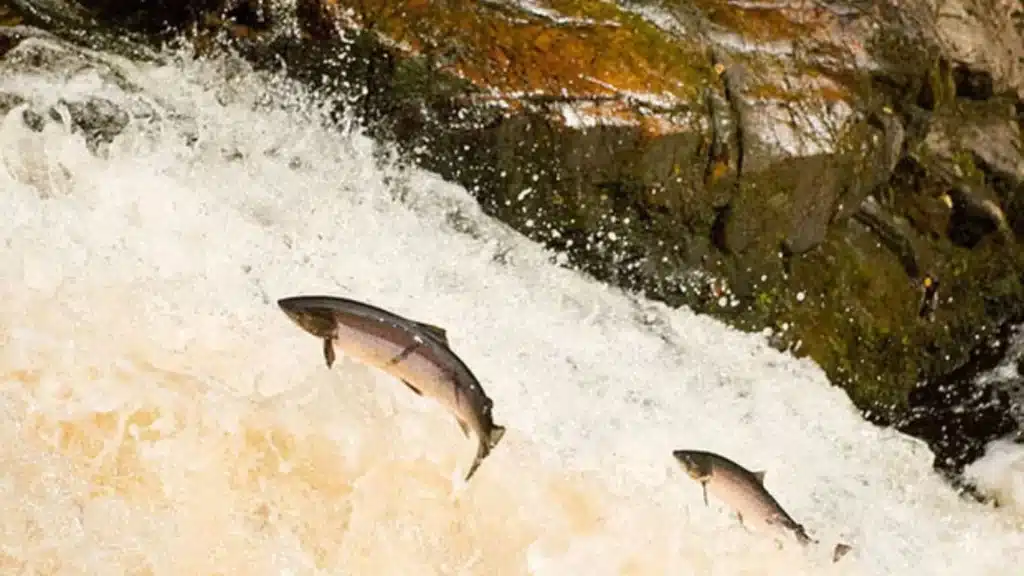
Article written by Patrick Greenfield Originally published by The Guardian (Mon, Dec 11, 2023) Global heating, pollution, overfishing and falling water levels among factors hitting populations, finds IUCN red list study Nearly a quarter of the world’s freshwater fish are at risk of extinction due to global heating, overfishing and pollution, according to an expert assessment. From the large-toothed Lake Turkana robber in Kenya to the Mekong giant catfish in south-east Asia, many of the world’s freshwater fish are at risk of disappearing, the first International Union for Conservation of Nature (IUCN) red list assessment of the category has found. Nearly a fifth of all threatened freshwater species are affected by climate change, from impacts such as falling water levels, shifting seasons and seawater moving up rivers. Of the assessed species, 3,086 out of 14,898 were at risk of vanishing. The latest assessment also found that mahogany, Atlantic salmon and green turtles were increasingly threatened, according to scientific assessments, but there was good news about the saiga antelope, which has moved up from the critically endangered category to near threatened after the population increased by 1,100% in just seven years, mainly in Kazakhstan. The reintroduction of the scimitar-horned oryx in Chad is another success story. The mammal was once common across the Sahel but disappeared in the 1990s after it was overhunted. Reintroduction efforts from captivity have led to the population growing to 140 mature animals in the Ouadi Rimé-Ouadi Achim faunal reserve in Chad. It is classified as vulnerable to extinction and scientists say it is threatened by the climate crisis. “Today’s update to the IUCN red list shows the power of coordinated local, national and international conservation efforts. Success stories such as that of the scimitar horned oryx show that conservation works. To ensure the results of conservation action are durable, we need to decisively tackle the interlinked climate and biodiversity crises,” said the IUCN president, Razan Al Mubarak. Big leaf mahogany, among the most commercially sought-after plants on the planet, is now classified as endangered after its numbers fell by 60% over the past 180 years due to unsustainable harvesting. Mahogany wood remains valuable for furniture, musical instruments and decorations, which has driven illegal logging of the tree across central and South America. The Atlantic salmon, previously common and classified as a species of least concern, is now near threatened on the IUCN red list after its global population fell by 23%, having vanished from many rivers in the UK. The fish, which lives in both fresh and saltwater, has been affected by widespread habitat loss, global heating and dams that block access to breeding sites. Breeding with farmed salmon has also weakened their ability to adapt from global heating while invasive Pacific pink salmon is spreading across northern Europe. “Freshwater fishes make up more than half of the world’s known fish species, an incomprehensible diversity given that freshwater ecosystems comprise only 1% of aquatic habitat. These diverse species are integral to the ecosystem, and vital to its resilience. This is essential to the billions of people who rely upon freshwater ecosystems, and the millions of people who rely on their fisheries,” said Kathy Hughes, co-chair of the IUCN species survival commission freshwater fish specialist group. “Ensuring freshwater ecosystems are well managed, remain free-flowing with sufficient water, and good water quality is essential to stop species declines and maintain food security, livelihoods and economies in a climate resilient world,” she said. Central south Pacific and east Pacific green turtles are also at risk of vanishing, according to scientists. They are a major bycatch in industrial and artisanal fishing while their eggs are a delicacy in some countries. Rising global temperatures are also affecting their hatching success and rising sea temperatures are flooding nests.
World facing ‘hellish’ 3C of climate heating, UN warns before Cop28
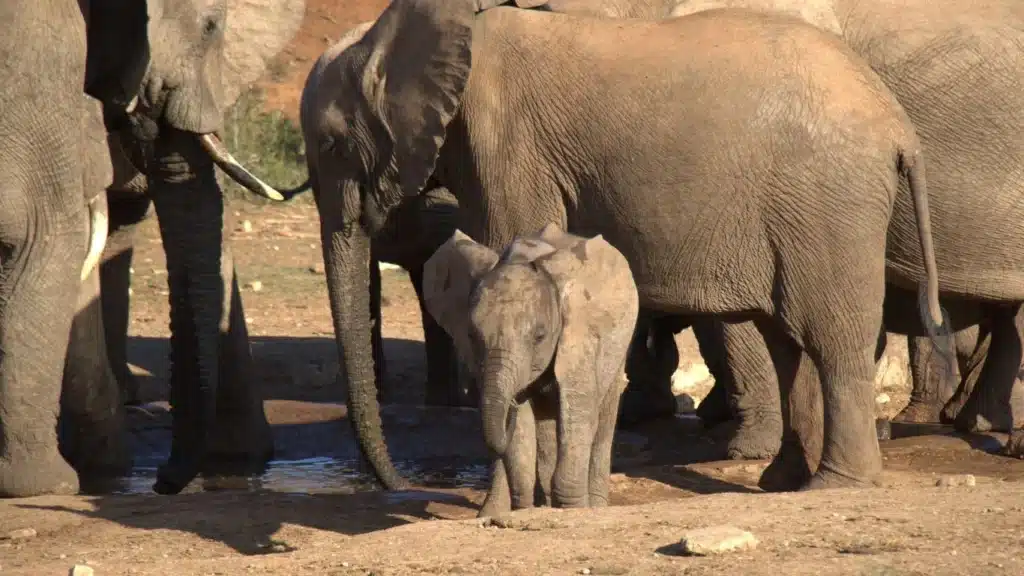
Article written by Damian Carrington Originally published by The Guardian (Mon, 20 Nov, 2023) ‘We must start setting records on cutting emissions,’ UN boss says after temperature records obliterated in 2023 The world is on track for a “hellish” 3C of global heating, the UN has warned before the crucial Cop28 climate summit that begins next week in the United Arab Emirates. The report found that today’s carbon-cutting policies are so inadequate that 3C of heating would be reached this century. Temperature records have already been obliterated in 2023 and intensifying heatwaves, floods and droughts have taken lives and hit livelihoods across the globe, in response to a temperature rise of 1.4C to date. Scientists say far worse is to come if temperatures continue to rise. The secretary general of the UN, António Guterres, has said repeatedly the world is heading for a “hellish” future. The UN Environment Programme (Unep) report said that implementing future policies already promised by countries would shave 0.1C off the 3C limit. Putting in place emissions cuts pledged by developing countries on condition of receiving financial and technical support would cut the temperature rise to 2.5C, still a catastrophic scenario. To get on track for the internationally agreed target of 1.5C, 22bn tonnes of CO2 must be cut from the currently projected total in 2030, the report said. That is 42% of global emissions and equivalent to the output of the world’s five worst polluters: China, US, India, Russia and Japan. Inger Andersen, the Unep executive director, said: “There is no person or economy left on the planet untouched by climate change, so we need to stop setting unwanted records on emissions, temperature and extreme weather. We must instead lift the needle out of the same old groove of insufficient action, and start setting other records: on cutting emissions and on climate finance.” Guterres said: “Present trends are racing our planet down a dead-end 3C temperature rise. This is a failure of leadership, a betrayal of the vulnerable, and a massive missed opportunity. Renewables have never been cheaper or more accessible. We know it is still possible to make the 1.5 degree limit a reality. It requires tearing out the poisoned root of the climate crisis: fossil fuels.” He added: “Leaders must drastically up their game, now, with record ambition, record action, and record emissions reductions. No more greenwashing. No more foot-dragging.” Guterres said countries must commit at Cop28 to triple renewable energy capacity by 2030 and to phasing out fossil fuels with a clear timeframe. He said the recent climate agreement between China and the US was a positive step, but that much more needed to be done to restore trust between developed and developing countries, after broken promises on delivering billions of dollars of climate aid. The UN warned earlier in November that the world’s fossil fuel producers were planning expansions that would blow the planet’s carbon budget twice over, which experts called “insanity”. Another recent report found that the state oil company of the United Arab Emirates, whose CEO, Sultan Al Jaber, will preside over Cop28, has the largest net zero-busting expansion plans of any company in the world. The Unep report, pointedly titled Broken Record, said that if all the long-term pledges by countries to cut emissions to net zero by about 2050 were achieved, then the global temperature rise could be limited to 2C. However, it concluded that these net zero pledges “are not currently considered credible”. None of the G20 countries, which together produce 80% of CO2, are reducing emissions at a pace consistent with their net zero targets, it said. Another report, from UN Climate Change, published on 14 November, reached virtually the same conclusion as the Unep report. It found that existing national pledges to cut emissions would mean global emissions in 2030 were 2% below 2019 levels, rather than the 43% cut required to limit global heating to 1.5C. “Governments are taking baby steps to avert the climate crisis – they [must] make bold strides forward at Cop28 in Dubai to get on track,” said Simon Stiell, the executive secretary of UN Climate Change. Al Jaber said: “There is simply no time left for delays. Cop28 must be a historic turning point in this critical decade for [countries] to seize the moment to commit to raise their ambition and to unite, act and deliver outcomes that keep 1.5C within reach, while leaving no one behind.” Tom Mitchell, the executive director of the International Institute for Environment and Development, said: “The world needs to take the brakes off when it comes to climate action. That means addressing deeply embedded aspects of the economic, legal and financial status quo. “The international investment regime protecting the interests of big oil is one example,” he said, referring to the energy charter treaty, a system of secret courts that enables companies to sue governments over climate policies that would cut their future profits. “Treaties and contracts that favour fossil fuel investors are holding back the green energy transition, even though we know most fossil fuel reserves must stay in the ground if we are to prevent catastrophic heating,” Mitchell said. “The [treaties] must be reformed if we want to cut emissions and keep as much of Earth as possible habitable for our descendants.”
More than a quarter of newly approved oil and gas blocks fall in marine protected areas
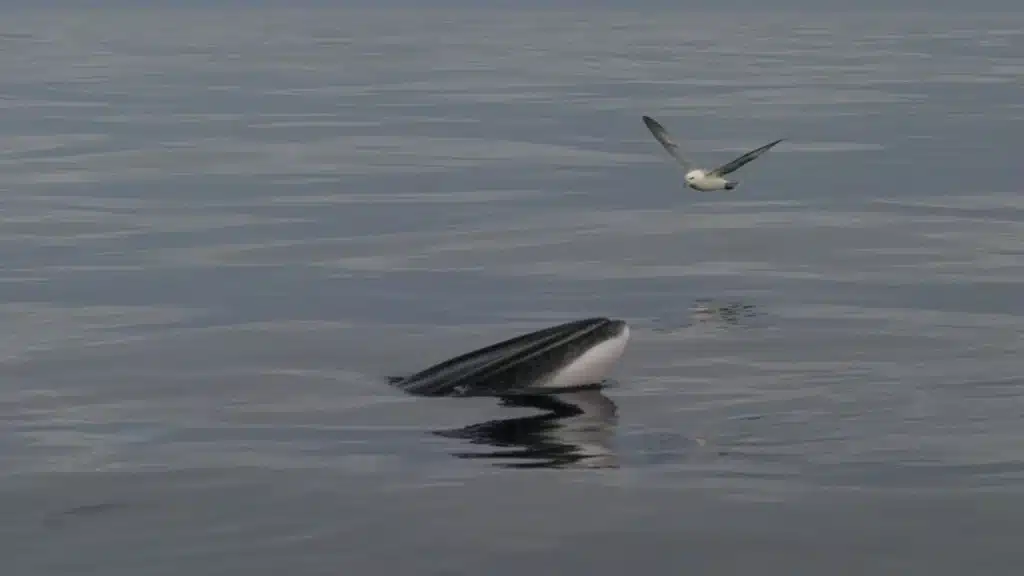
Adapted from the article written by Richa Syal and Ellie O’Donnell Originally published by Unearthed (Mon, 20 Nov, 2023) New UK offshore licences for the multinational oil giants Shell and Eni are among those sitting within sensitive conservation sites More than a quarter of the offshore oil and gas sites licensed by the UK government last month sit within marine protected areas (MPAs) prized for their rare habitats and species, an Unearthed analysis has revealed. Granting new oil and gas licences in our marine protected areas makes a mockery of our climate pledges – Hugo Tagholm, director of Oceana UK At the end of last month, the North Sea Transition Authority (NSTA), a regulatory body responsible for overseeing oil and gas operations in the UK, awarded companies licences to develop or explore for oil and gas resources in 64 offshore sites, known as ‘blocks’, in UK waters. An Unearthed analysis has found that 17 of these blocks (27%) sit wholly or partly within an MPA. The new licences were hailed as “common sense” by the government, which later unveiled plans to bring in mandatory annual licensing rounds, as part of prime minister Rishi Sunak’s promise to ‘max out’ North Sea oil and gas reserves. But ocean conservation groups warned that new oil and gas activity in protected conservation areas had the potential to cause “devastation” to “wildlife and habitats that are vital to ocean health.” While an exploration licence doesn’t always lead to a production field, the NSTA says that the new licences were “prioritised because they have the potential to go into production more quickly than others.” About half of the 27 licences will start development in known reserves, while the others will begin exploration. A NSTA spokesperson said: “Vulnerable and protected habitats and species are considered throughout the licensing and permitting process and licences are only awarded when the NSTA has received permission from OPRED that their environmental assessment requirements are met.” The NSTA has emphasised that, even after a licence is granted, the licensee will still need to get further consents from the authority before they can conduct seismic surveys, drill exploration wells or progress towards full production. More than half of the blocks awarded last month (11 out of 17) that sit within or overlap MPAs went to the oil giant Shell UK. A further three went to a subsidiary of the Italian oil company Eni, and three to Athena Exploration. Shell declined to comment for this story. A spokesperson for Eni told Unearthed that while the company’s licence area “partially overlaps” with a marine conservation zone, “no activity of any kind has ever been foreseen in the area that falls within the marine protected area”. The MPA most-affected by the new tranche of licences is the the North-east Faroe-Shetland channel, which is believed to be a migration route for marine mammals, including fin whales and sperm whales. In total 11 of the blocks approved sit wholly or partly within this conservation area, including eight of the Shell blocks. “MPAs are key habitats that support the UK’s rich marine life, including whales and dolphins, and entire ecosystems will be negatively impacted by destructive oil and gas exploration,” said Anna Moscrop, policy manager at Whale and Dolphin Conservation. She told Unearthed that the Faroe-Shetland channel is “one of the largest designated nature conservation MPAs.” “It is a vital corridor for migrating whales moving between high latitude feeding grounds and breeding areas to the south, and for deep diving species such as sperm and beaked whales which feed in deep waters,” she added. “Fragile and vulnerable deep sea sponges and cold water corals are also found here.” Earlier this year, the government announced plans to issue hundreds of new licences for North Sea oil and gas. The licences awarded last months are just the first batch of blocks to be approved in the current licensing round. The NSTA says that more blocks will be offered in this round, subject to additional environmental checks. The new blocks were granted a month after the approval of the controversial Rosebank project, the UK’s largest untapped oil field off the coast of Scotland, which according to Equinor’s environmental statement will involve building a new pipeline that cuts through the Faroe-Shetland Sponge Belt MPA.
Number of species at risk of extinction doubles to 2 million, says study
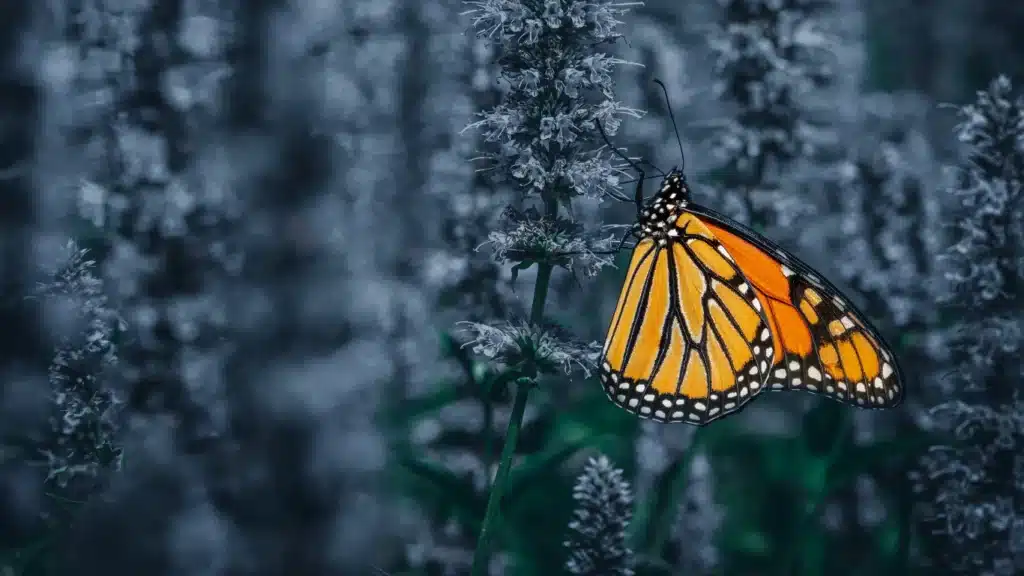
Adapted from the article written by Phoebe Weston Originally published by The Guardian (Wed, 8 Nov, 2023) New research on insects – without which the planet would not survive – shows a higher proportion are at risk of disappearing Two million species are at risk of extinction, a figure that is double previous UN estimates, new analysis has found. While scientists have long documented the decline of species of plants and vertebrates, there has always been significant uncertainty over insects, with the UN making a “tentative estimate” of 10% threatened with extinction in 2019. Since then, more data has been collected on insects, showing the proportion at risk of extinction is much higher than previously estimated. Because there are so many insect species, this doubles the global number of species at risk, according to the paper, published in Plos One on Wednesday. Lead researcher, Axel Hochkirch, from the Musée National d’Histoire Naturelle in Luxembourg, said: “What our study does is really highlight that insects are as threatened as other taxa. And because they are the most species-rich group of animals on our planet, this is really something which should be addressed.” Understanding what is happening to global insect populations has been challenging because of the lack of data – but 97% of all animals are invertebrates. Of that group, about 90% are classified as insects. They provide vital ecosystem services: pollinating crops, recycling nutrients into soils, and decomposing waste. “Without insects, our planet will not be able to survive,” Hochkirch said. The team looked at all European species on the International Union for Conservation of Nature’s red list of threatened species. This is considered the most comprehensive source of information on species at risk. They found a fifth of European species were at risk of extinction, with 24% of invertebrates at risk, as well as 27% of all plants and 18% of vertebrates. These numbers were then extrapolated to make a global estimate of total species at risk of extinction. Apart from insects, estimates remained more or less the same as those made by the UN’s Intergovernmental Science-Policy Platform on Biodiversity and Ecosystem Services (Ipbes) in 2019. “This comprehensive analysis of 14,669 continental red list assessments for European animal and plant species suggests that 2 million plant and animal species are threatened with extinction,” researchers said. UN representatives declined to comment on the study itself. Anne Larigauderie, executive secretary of Ipbes, said the second Ipbes Global Assessment Report is due in 2028, and it was “likely that the estimates and messages from the first Global Assessment Report will be updated and augmented”. “It is perhaps most important to remember that whether the figure being used by policy- and decision-makers is 1 million or even more – the urgency and priority of the global biodiversity crisis remains,” Larigauderie said. “We are losing biodiversity and nature’s contributions to people at rates never before seen in human history.” The causes of these declines are well documented, and are driven by human activity: the expansion of agriculture resulting in the loss of natural habitats is the most significant driver, followed by overexploitation of natural resources, pollution, and residential and commercial development. The paper said: “The finding of agricultural land-use change as a major threat to biodiversity has often been reported. However, our analysis is the most comprehensive and unequivocal to date reaffirming the magnitude of the impact of this threat at a continental scale.” Hochkirch said: “This study shows we have a very high proportion of species which are threatened with extinction, but we can do something about it.” He highlighted the effectiveness of conservation efforts, particularly the increase in large predators across Europe, such as wolves, lynx, bears and white-tailed eagles. He added: “We see whenever conservation action is taking place, these improvements happen.”
Kenyans get tree-planting holiday to plant 100 million seedlings
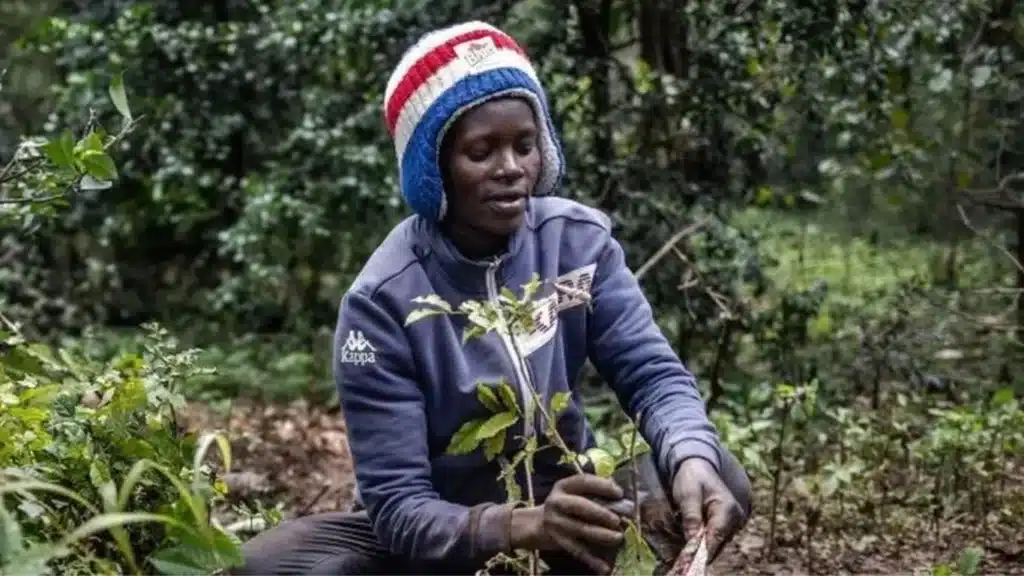
Adapted from the article written by Basillioh Rukanga Originally published by bbc.com (Mon, 13 Nov, 2023) Kenyans have been given a special holiday to plant 100 million trees as part of the government’s goal to plant 15 billion trees in 10 years. The holiday allows “each and every Kenyan to own the initiative”, according to Environment Minister Soipan Tuya. Each Kenyan is being encouraged to plant at least two seedlings, leading to the 100-million target. The initiative is intended to help fight climate change. Trees help tackle global warming by absorbing carbon dioxide from the air while releasing oxygen into the atmosphere. The government is making available about 150 million seedlings in public nurseries. It is providing the seedlings for free at its forest agency centres for Kenyans to plant in designated public areas. But it has also encouraged Kenyans to buy at least two seedlings to plant on their own land. President William Ruto led the exercise in Makueni in the east of the country. Cabinet ministers were sent to other regions to lead the process alongside county governors and other officials. At one site near the source of Kenya’s second-longest river, Athi, there were dozens of people, including soldiers and residents, some with their families. “I have come together with my colleagues, I’m happy to be here to show my love for the environment,” student Wycliffe Kamau told the BBC. “I have come to plant trees here, because our water levels have been diminishing. Even here at the river source, the levels are very low, trees have been cleared,” said local resident Stephen Chelulei. “We need to reverse climate change so that our children can have a place to live when we are no longer there.” However, many people, especially in the cities, are unlikely to take part and will just take advantage of the extra holiday. The tree planting will be monitored through an internet app, which monitors the exercise by allowing individuals and organisations to record activities, including the plant species, number and date planted. The Jaza Miti app will also help people plant the appropriate seedlings by matching the site with the appropriate species, according to the environment ministry. Ms Tuya told local Citizen TV on Sunday night that the response had been “amazing” and there had already been two million registrations on the app by Sunday. She however said the planting would not happen in the north-eastern region, where there have been floods. The country is currently grappling with heavy El Niño rains that have killed dozens of people, displaced thousands and damaged infrastructure – with the northern region most affected. Kenyans have broadly welcomed the tree-planting initiative while also noting some challenges. Environmentalist Teresa Muthoni told the BBC that the initiative was a “very good idea”, but that the exercise was not organised in a way that would ensure everyone was planting trees. She said “many people have to continue with their work to put food on the table… it is coming at a time when our economy is not doing well so a lot of people are struggling financially”. She also noted that “a lot of the 150 million trees available” in public nurseries were exotic. “It is very important to plant the right trees in the right place,” she said. The government has also been criticised for championing tree planting while failing to tame illegal logging in public forests – it recently lifted a ban on logging. But on Sunday, the minister defended the decision, saying only forests designed for commercial purposes were affected – about 5% of the total. She said this was necessary to feed the local demand for local and create jobs, adding that the government was taking action against illegal loggers in other forests. Ms Tuya said the exercise will continue beyond the special holiday and expects that 500 million trees will have been planted by the end of the rainy season in December. Banner credit: AFP
2023 on track to be the hottest year on record, say scientists
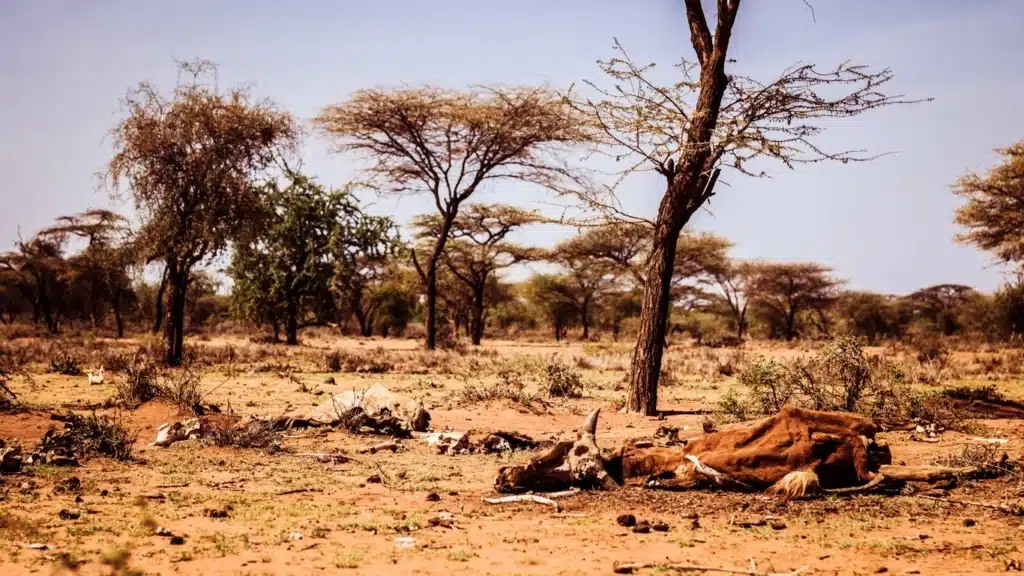
Article written Ajit Niranjan Originally published by The Guardian (Wed, 8 Nov, 2023) Last month was hottest October since records began, with average global temperature thought to be 1.7C above late-1800s levels The world is set to have been hotter in 2023 than in any other year on record, scientists have declared, before a landmark climate summit this month. “We can say with near certainty that 2023 will be the warmest year on record, and is currently 1.43C above the pre-industrial average,” said Samantha Burgess, the deputy director of the Copernicus Climate Change Service. “The sense of urgency for ambitious climate action going into Cop28 has never been higher.” The Copernicus scientists found last month was the hottest October on record globally, with temperatures 1.7C above what they were thought to have been during the average October in the late 1800s. By burning fossil fuels and destroying nature, humans have pumped heat-trapping gases into the atmosphere that have raised the temperature of planet by 1.2C since the Industrial Revolution. The global temperature anomaly for October 2023 was the second highest across all months in its dataset, the scientists found, behind only the month before. “The fact that we’re seeing this record hot year means record human suffering,” said Friederike Otto, a climate scientist at Imperial College London. “Within this year, extreme heatwaves and droughts made much worse by these extreme temperatures have caused thousands of deaths, people losing their livelihoods, being displaced etc. These are the records that matter. “That is why the Paris agreement is a human rights treaty, and not keeping to the goals in it, is violating human rights on a vast scale.” At a summit in Paris eight years ago, world leaders promised to try to stop the planet heating by 1.5C by the end of the century. But current policies are set to heat it by about 2.4C. Akshay Deoras, a meteorology research scientist at the University of Reading, said: “The sizzling October 2023 is another unfortunate example that shows how temperature records are getting shattered by a humongous margin. Global warming due to increased greenhouse gas emissions and El Niño in the tropical Pacific Ocean are hitting the planet really hard.” Record heat last month left scientists stunned. They expect the extreme temperatures to have been driven by a powerful mix of greenhouse gas pollution, the return of the natural weather pattern El Niño, and a handful of other factors including a drop in sulphur pollution and a volcanic eruption in Tonga. Copernicus said El Niño conditions had continued to develop but that the temperature anomalies so far were lower than those reached during previous strong events in 1997 and 2015. “It is frightening to see that the global temperature since June 2023 is much warmer than that during the second half of 2015, when El Niño was much stronger,” said Deoras. “Our planet continues to pass through unfortunate milestones in its meteorological history, and it won’t be surprising to see new records in subsequent months.” On Wednesday, the World Meteorological Organization said the current El Niño was expected to last until at least April 2024. Since the effects of an El Niño typically play out the year after it forms, experts say it is likely that 2024 will be even hotter. Copernicus found the average global mean temperature between January and October 2023 was the highest on record. It beat the 10-month average for 2016 – the current record holder for the hottest year – by 0.1C. Richard Allan, a climate scientist at the University of Reading, said: “Only with rapid and massive cuts in greenhouse gas emissions, across all sectors, can we avoid these repeating headlines of record-breaking warmth and, more importantly, limit the growing severity of wet, hot and dry extremes that accompany a rapidly warming world.”
Why many scientists are now saying climate change is an all-out ‘emergency’
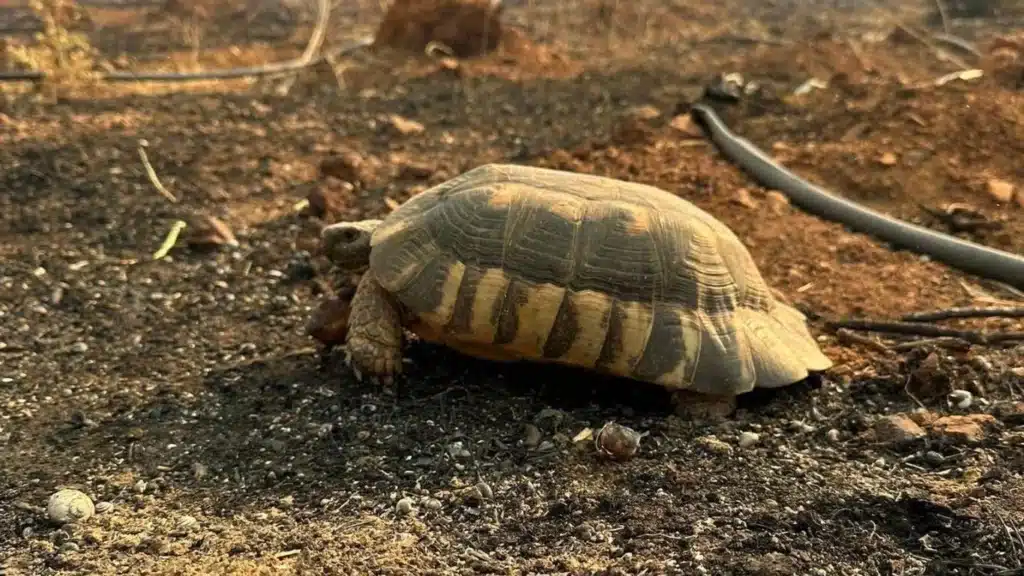
Adapted from the article written by Shannon Osaka Originally published by The Washington Post (Mon, 30 Oct, 2023) Escalating rhetoric comes as new study shows there’s just six years left to keep global warming to 1.5 degrees Celsius at current CO2 emissions rate. On Monday, scientists released a paper showing that the world’s “carbon budget” — the amount of greenhouse gas emissions the world can still emit without boosting global temperatures more than 1.5 degrees Celsius — has shrunk by a third. The world only has 6 years left at current emissions levels before racing past that temperature limit. “There are no technical scenarios globally available in the scientific literature that would support that that is actually possible, or can even describe how that would be possible,” Joeri Rogelj, a climate scientist at Imperial College London, told reporters in a call. Tim Lenton, one of the co-authors on Ripple’s most recent paper and a professor of earth system science at the University of Exeter, said that 2023 has been filled with temperatures so far beyond the norm that “they’re very hard to rationalize.” “This isn’t fitting a simple statistical model,” he said. Lenton said he isn’t afraid to use terms like “emergency” or “climate and ecological crisis.” “If you say ‘urgent’ to a politician … that isn’t really enough,” he said. The language has spilled into academic publications as well. As recently as 2015, only 32 papers in the Web of Science research database included the term “climate emergency.” In 2022, 862 papers contained the phrase. It wasn’t always this way. In the 2000s and even early 2010s, most scientists shied away making any statements that could be seen as “political” in nature. Jacquelyn Gill, a professor of climate science and paleoecology at the University of Maine, said that when she was doing her PhD in the late 2000s, senior academics warned her against deviating at all from the science when interacting with the media or the public. “We were actively told if we start to talk about solutions, if we start to talk about the policy implications of our work, we will have abandoned our supposed ‘scientific neutrality,’” Gill said. “And then people will not trust us anymore on the science.” Susan Joy Hassol, a science communication expert who has worked with climate researchers for years, says that even a decade ago, climate scientists were uncertain what their role was in communicating the dangers of rising temperatures. “I think at least some of them felt that scientists communicate through IPCC reports,” Hassol said, referring to the United Nations Intergovernmental Panel on Climate Change. “‘We do our science, we publish, we put together these reports, and it’s kind of up to other people to listen.’” Now, she said that has changed. “We have reached this stage of crisis,” she said. It isn’t just the fact that emissions still aren’t going down — or that policy hasn’t responded quickly enough to the challenge. (Carbon dioxide emissions related to energy use have continued to climb, even following the brief downturn of the covid-19 pandemic.) As the impacts of climate change escalate, scientists say that their language has changed to meet the moment. When it comes to terms like “climate emergency,” Gill says, “it’s a little bit of strategy and a lot of honesty.” While climate scientists are still discussing whether warming is accelerating, she added, “it’s clear the impacts are becoming more noticeable and in-your-face.” Hassol said that the shift is simple. In the 2000s, she said, climate change wasn’t yet at the level of an emergency. She recalls a 2009 report called the Copenhagen Diagnosis, which analyzed climate science to date and made suggestions for how to reach net-zero carbon emissions. If world governments had acted swiftly, the world would have only had to cut emissions by a bit over 3 percent per year. “We called that the bunny slope,” Hassol recalled. If, on the other hand, governments didn’t start the transition until 2020, cuts would have to be much steeper — up to 9 percent per year. “We called that the double-black diamond,” she said. Despite the brief respite in CO2 emissions during the pandemic, humanity’s trajectory has veered closer to the double-black diamond path. At the same time, many scientists realize that even the best communication in the world isn’t enough to overcome the inertia of a fossil-fuel based system — and the resistance of various oil and gas companies. “The problem is not that scientists haven’t been communicating clearly enough,” Hassol said. “We communicated pretty darn clearly. Anyone who wanted to hear the message — it was there.”
Chinese drug firms backed by global banks found using leopard and pangolin parts, group says

Article written by Michelle Toh Originally published by CNN Business (Sun, 21 Oct, 2023) Three top Chinese pharmaceutical companies, which are backed by top global banks, are using endangered animal parts in their medicines, according to an investigation by an environmental protection group. In a Monday report, the Environmental Investigation Agency UK (EIA) said it had found 72 companies licensed by China’s drug regulator to be using body parts of leopards and pangolins, two species that face the threat of extinction. Among them are three publicly listed traditional Chinese medicine (TCM) giants: Beijing Tong Ren Tang, Tianjin Pharmaceutical and Jilin Aodong Medicine. The EIA said it had found at least nine “products stated to contain leopard and/ or pangolin” that were manufactured by the firms. Some of the companies identified also sell products that contain parts of tigers and rhinos, which would contradict “China’s own stated position that it does not allow use of tiger bone and rhino horn in medicine,” the organization said. “This is use on an effectively industrial scale which can only push these species ever closer to extinction,” Avinash Basker, an EIA legal and policy specialist, said in a separate statement. CNN has reached out to Tong Ren Tang, Tianjin Pharmaceutical and Jilin Aodong for comment. Their brands are hugely popular within China. Tong Ren Tang, founded in 1669, is one of China’s most storied brands. It bills itself as having been the only provider of Chinese medicine to royal families “for 188 years over the reign of eight emperors” and has since grown to become the world’s largest producer of TCM. They also have significant international reach and count a total of 62 banks and financial institutions, including Fortune 500 companies across the globe, as investors, the report said. BlackRock (BLK), Citigroup (C) and HSBC (HSBC) were among the shareholders named. BlackRock and Citi declined to comment, while HSBC did not immediately respond to a request for comment from CNN. The EIA is now urging these shareholders to divest their stakes. “It’s particularly disappointing to see so many major banks and financial institutions effectively endorsing this damaging exploitation, especially as so many have pledged to do otherwise,” Basker said. In the multibillion-dollar TCM industry, powdered leopard bones are used in adhesive bandages and tablets as a cheaper alternative to the more expensive tiger bone, which is thought to treat arthritis and other joint ailments, according to animal rights groups. Pangolin scales are believed “to assist with blood circulation, to promote human lactation and treat rheumatism,” the EIA noted in its report. In recent years, governments around the world have increased legal protections for some endangered animals, including in China. In 2020, the Chinese government removed pangolin scales from its list of approved ingredients for TCM, after acknowledging the devastating effects of “resources exhaustion” on the species. While conservation advocates cheered the move at the time, they expressed skepticism that it would end illegal trafficking. Three years ago, pangolins were the most illegally traded wild mammals on Earth, and they continue to hold that title, according to the IUCN SSC Pangolin Specialist Group, a research organization.
Rapid ice melt in west Antarctica now inevitable, research shows
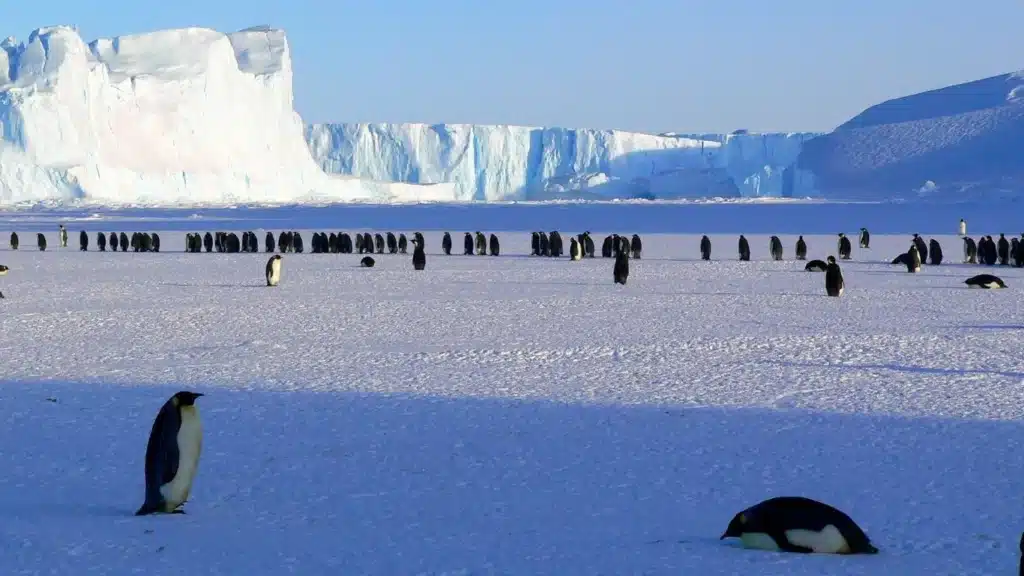
Article written by Damian Carrington Originally published by The Guardian (Sun, 21 Oct, 2023) Sea level will be driven up no matter how much carbon emissions are cut, putting coastal cities in danger Accelerated ice melt in west Antarctica is inevitable for the rest of the century no matter how much carbon emissions are cut, research indicates. The implications for sea level rise are “dire”, scientists say, and mean some coastal cities may have to be abandoned. The ice sheet of west Antarctica would push up the oceans by 5 metres if lost completely. Previous studies have suggested it is doomed to collapse over the course of centuries, but the new study shows that even drastic emissions cuts in the coming decades will not slow the melting. The analysis shows the rate of melting of the floating ice shelves in the Amundsen Sea will be three times faster this century compared with the previous century, even if the world meets the most ambitious Paris agreement target of keeping global heating below 1.5C above pre-industrial levels. Losing the floating ice shelves means the glacial ice sheets on land are freed to slide more rapidly into the ocean. Many millions of people live in coastal cities that are vulnerable to sea level rise, from New York to Mumbai to Shanghai, and more than a third of the global population lives within 62 miles (100km) of the coast. The climate crisis is driving sea level rise by the melting of ice sheets and glaciers and the thermal expansion of sea water. The biggest uncertainty in future sea level rise is what will happen in Antarctica, the scientists say, making planning to adapt to the rise very hard. Researchers said translation of the new findings on ice melting into specific estimates of sea level rise was urgently needed. “Our study is not great news – we may have lost control of west Antarctic ice shelf melting over the 21st century,” said Dr Kaitlin Naughten, at the British Antarctic Survey, who led the work. “It is one impact of climate change that we are probably just going to have to adapt to, and very likely this means some coastal communities will either have to build [defences] or be abandoned.” Naughten said her research showed the situation was more perilous than previously thought. “But we shouldn’t give up [on climate action] because even if this particular impact is unavoidable, it is only one impact of climate change,” she added. “Our actions likely will make a difference [to Antarctic ice melting] in the 22nd century and beyond, but that’s a timescale that probably none of us today will be around to see.” Dr Taimoor Sohail, at the University of New South Wales, in Australia, and not part of the study, said: “The collapse of the west Antarctic ice sheet is a worrying climate tipping point. This assessment suggests that accelerated melting of ice shelves is locked in. The implications for sea-level rise are dire.” Dr Tiago Segabinazzi Dotto, at the UK National Oceanography Centre, said: “It is likely that we [have] passed a tipping point to avoid the instability of the west Antarctic ice sheet. However, the pace of this collapse is still uncertain – it can happen in decades for some specific ice shelves or centuries. “The conclusions of the work are based on a single model and need to be treated carefully.” But he said some details of the findings agreed with previous studies: “[This] gives confidence that this study needs to be taken in consideration for policymakers.” The research, published in the journal Nature Climate Change, used a high-resolution computer model of the Amundsen Sea to provide the most comprehensive assessment of warming in the region to date. The results indicated that increased rates of melting in the 21st century were inevitable in all plausible scenarios for the pace of cuts in fossil fuel burning. An important factor is that natural climate variability is significant in west Antarctica and these variations in melting swamp the small differences in ice melting between rapid, medium and slow scenarios for emissions cuts. Naughten said: “We already have a refugee crisis in the world, and [sea level rise] will only make it worse. How are we going to deal with the displacement of millions of people, or possibly over a billion people, depending on the amount of sea level rise?” Prof Alberto Naveira Garabato, at the University of Southampton, UK, said: “This is a sobering piece of research. However, it should also serve as a wake-up call. We can still save the [east] Antarctic ice sheet, containing about 10 times as many metres of sea level rise, if we learn from our past inaction and start reducing greenhouse gas emissions now.”
World Lemur Day highlights the plight of Madagascar’s critically endangered primates

Today is World Lemur Day but tragically, there is little to celebrate. Lemurs – endemic to Madagascar and some of the world’s oldest living primates – are under terrible and constant threat. Climate change, habitat destruction and the illegal trade in bushmeat and exotic pets is rapidly driving their populations to extinction. Madagascar is home to 70 species of lemurs found nowhere else on earth, except for small neighbouring islands. DNA-based evidence suggests that lemurs first appeared on the island 40 to 50 million years ago, and flourished until human activity burgeoned just 2,000 years ago. Coal mining, illegal logging and slash-and-burn agriculture have led to major deforestation and habitat loss, leaving lemurs confined to just 10% of the land they once roamed. The critically endangered indri lemur, famed for communicating through song, has been of particular concern to us. We are working to help ensure that these beautiful creatures can continue to leap through canopy treetops and sing their songs in a safe and protected environment. Our partner L’homme et l’Environment, a French non-governmental organization that works on lemur conservation and long-term reforestation, recently rescued a breeding pair of indri lemurs whose previous habitat had been destroyed by slash-and-burn agriculture. The pair were relocated to the Vohimana forest where they (and their future offspring) will be carefully monitored by dedicated forest guards who, through your support, we armed with vital GPS trackers and communication devices. Scientists estimate that the probability of extinction for critically endangered species will be more than 50% over the next 50 years. While the exploitation of lemurs is punishable by law, the animals remain in grave danger of becoming extinct, with 31% of all lemur species now critically endangered according to the International Union for Conservation of Nature (IUCN). Working with our partners on the ground, we aim not only to support lemurs through protective and reforestation efforts, but also to help prevent hunting by educating local communities about the crucial role the species plays in maintaining Madagascar’s ecosystems. Considered ‘creators of the forest,’ lemurs spread seeds through their droppings, which grow into trees and offer shade and shelter for a wide range of animals. On this World Lemur Day, please join us in fighting for the survival of our planet’s precious remaining lemurs by donating to ASI now, and supporting our efforts to preserve this important species.
Flame retardant pollution threatens wildlife on all continents, research finds

Article written by Tom Perkins Originally published by The Guardian (Wed, 18 Oct, 2023) More than 100 species, from frogs to killer whales, contaminated with long-lasting chemicals with serious health effects More than a hundred species of wildlife found across every continent are contaminated with highly toxic flame retardants, and the pollution is probably responsible for population declines in some species, a new analysis of published research shows. The dangerous chemicals have been detected in everything from sea urchins to bobcats to Arctic foxes, and at alarming levels in endangered species such as red pandas, chimpanzees and killer whales. The analysis examined about 20 years of flame retardant research and includes an interactive map showing the location and type of animal found to be contaminated. It brings into sharp focus the breadth of flame retardant pollution and dangers it poses. The paper’s lead author, Lydia Jahl, said she expected to find widespread contamination, but was “still blown away by the sheer number of studies finding harmful levels of all sorts of flame retardants everywhere”. “It’s heartbreaking that human advancement doesn’t take health impacts into account for ourselves and for wildlife,” she said. “The people who pollute are not the most impacted – it’s fenceline communities, turtles, dolphins, foxes and butterflies.” Several chemical classes are utilized as flame retardants and in an effort to help reduce fire risks are added to thousands of consumer products from furniture to electronics to auto interiors. The paper found high levels of phased-out flame retardants like PCBs and PBDEs, as well as allegedly safe, newer replacements chemicals, such as chlorinated paraffins and organophosphates, across the globe. All are thought to be toxic and various compounds are linked to liver, thyroid and kidney cancers, while others harm IQ, attention and memory in children. Many of the same health problems found in humans also affect animals, Jahl said. “This is a really unfortunate side-effect from something that is supposed to protect us from fires,” she added. Most flame retardants are highly persistent in the environment and can take decades to degrade. Because of their resilience, they can accumulate in animals, and as larger predators eat smaller organisms, the chemicals accumulate in higher quantities further up the food chain. The highest levels have been found in large marine mammals and birds of prey, and the chemicals are suspected of decimating killer whales’ population because they do so much harm to the species’ calves and immune systems. Some research predicts the chemicals could wipe out half the world’s killer whale population. The chemicals were found at extremely high levels in black-spotted frogs living near electronic-waste facilities in China, and appear to be shrinking the animals’ livers and harming their eggs. Flame retardants are also highly mobile and travel long distances through water and air. Research found high levels in chimpanzees in a protected Ugandan national park deep in Africa’s interior, far from a flame retardant production or disposal site. The issue is all the more frustrating to environmental health advocates because flame retardants have generally been found to be ineffective in most applications, and are based on 1970s standards. There was little data on the chemicals’ effectiveness and toxicity at the time, Jahl said, and the requirements were put in place when more flammable materials were used, and more people smoked. Some states and countries have started eliminating or revising flammability standards, and ending unnecessary uses of flame retardants. Once in the environment, the chemicals are extremely difficult to clean up because they are widespread in the soil, air, water and most human and animal blood. Though the standards “may seem protective at first glance, many cause widespread and lasting harm for no real benefit”, Jahl said. “In general these are outdated standards that don’t have data behind them, but lead to pervasive flame retardant usage, and that’s how it gets into animals worldwide,” she added.
How a ‘mosaic forest’ is helping France adapt to rapid climate change
Originally published and written by Euronews Green (Wed, 18 Oct, 2023) A patchwork of 4,200 hectares of forest is being adapted for rising temperatures. In the Moulière massif in the Vienne département, France’s strategy for tackling climate change is called the “mosaic forest”. Here, a conquering birch grows among the oaks, and a young pine replaces its dying cousins. Summer slips into autumn in the former royal forest northeast of Poitiers. It remains green, but some deciduous trees have lost their branches and Scots pines are scorched. France has seen fewer wildfires than in 2022, but dieback still continues at a low level. “Climate stress is like a silent storm: it causes just as much damage, but it’s less noticeable. The big difference is that this storm doesn’t stop,” explains Albert Maillet, Director of Forests and Climate Risks at the Office National des Forêts (ONF). As manager of France’s public forests – 17 million hectares in mainland France – the ONF is looking for solutions with “a +4°C scenario by 2100” in mind. France has warmed by around 1.8°C since the beginning of the 20th century. Adapting to climate change is an immense challenge “We’re trying to make the forest absorb a 10,000-year thermal shock in 10 years”, says Albert Maillet. The solution lies in diversifying species, he says, even introducing “southern” or “foreign” species further north. France is “the only country in Europe at the confluence of four bioclimatic zones: Atlantic, continental, mountain (Alpine) and Mediterranean. And perhaps soon dry tropical in part of the southern zone”, stresses Albert Maillet. In the Moulière state forest, all the adaptation scenarios are already in place. Antoine Bled, Director of the ONF’s Poitou-Charentes branch, unfurls a forest management map. Small, irregular squares make up the design of the massif: blue for natural regeneration (without planting) and beige for ageing islands (trees providing shelter for birds and insects). The different types of management range from salmon to burgundy colours for softwoods, and from soft green to khaki for hardwoods. Mixed plots come in blond and orange; moorland is circled in blue, and reserves are hatched in brown. This patchwork of 4,200 hectares forms the “mosaic forest”. Image credit: Guillaume Souvant/AFP How will the mosaic help forests to cope with climate change? The map’s pattern “illustrates the ONF’s strategy in the face of climate change”, explains general manager Valérie Metrich-Hecquet. At plot 242, hundred-year-old oaks thrive in a regular forest with beech and hornbeam growing underneath. The aim here is to protect France’s heritage: remarkable woods destined for cooperage – the art of making barrels, vats, buckets and tubs. Forester Christophe Chopin is in charge of the “Renecofor” research programme which was set up 25 years ago to assess the reaction of forest ecosystems to climate change. “We evaluate the level of tree growth, the date of leaf appearance and fall, and acorn production,” he says. The ONF harvests acorns from this “remarkable” area, known for the quality of its trees, to ensure the long-term survival of the “exceptional genetics” of the sessile oak. It has now adapted to the local climate and “could be planted further north” in the future. A few kilometres away, on plot 237, the oak is still king. But this time in irregular high forest, accompanied by maritime pines, ash and hazel trees. Chestnut trees, overcome by a canker disease, have withered away, while birch has made an entrance. “Where we have more mixed plots, the soil and ecosystems function better,” Antoine Bled notes. “You lose 30 to 40 per cent of productivity if the soil doesn’t function properly in terms of water.” Introducing new trees to areas that are suffering Image credit: Guillaume Souvant/AFP The next stage is “migration aid” where trees from elsewhere are planted to adapt to the changing conditions. On plot 85, Scots pine and sessile oak are in trouble. The deciduous trees capture most of the soil’s water reserves. On 7 hectares, the ONF is giving a boost to natural regeneration by introducing more southerly oaks and Laricio pines, which it hopes will be better adapted. The seedlings grow in the shade of hundred-year-old oaks, surrounded by a fine wire mesh that protects them from the teeth of wild animals. Elsewhere, Turkish pines and a Spanish fir are being tested in small areas, “so that we can go back to the way things were,” explains Albert Maillet. Whatever humans do to intervene, he insists, “new afforestation will grow more slowly”. “Harvesting wood in a mosaic forest is more complicated than in a regular forest, but it’s less complicated than in a dying forest.”
South American monsoon heading towards ‘tipping point’ likely to cause Amazon dieback
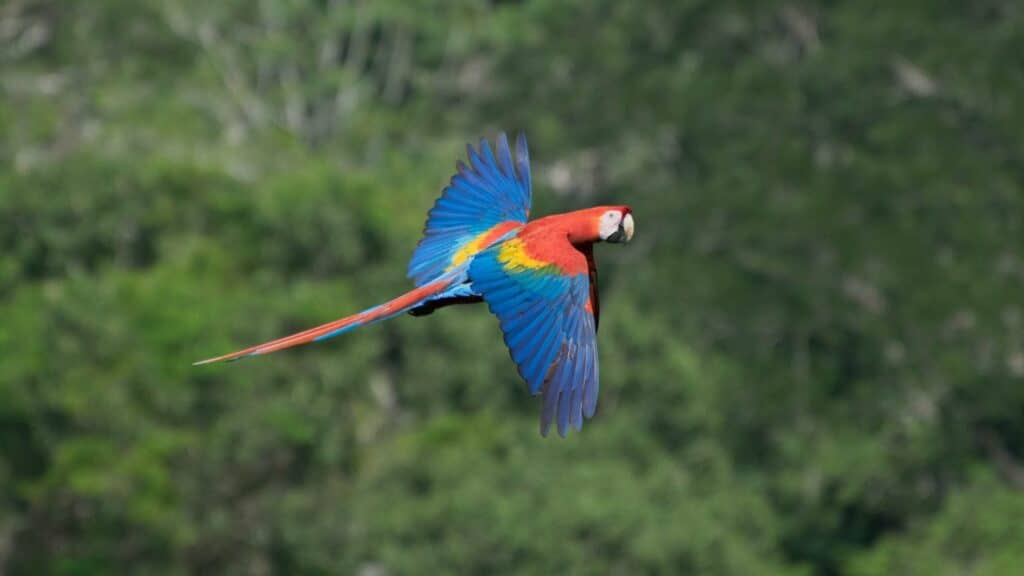
Article written by Jonathan Watts Originally published by The Guardian (Wed, 4 Oct, 2023) ‘Shocking’ study finds Amazon rainforest will be unable to sustain itself and transport moisture once ‘regime shift’ occurs. The South American monsoon, which determines the climate of much of the continent, is being pushed towards a “critical destabilisation point”, according to a study that links regional rainfall to Amazon deforestation and global heating. The authors of the report said they found their results “shocking” and urged policymakers to act with urgency to forestall a tipping point, which could result in up to 30% less rainfall, a dieback of the forest and a dire impact on food production. The study, published on Wednesday in Science Advances, examines how forest degradation and monsoon circulation are interlinked. Using past observations and computer modelling, it finds that the Amazon and the South American monsoon are “one coupled system”, in which the evapotranspiration by the tropical rainforest recycles moisture from the Atlantic Ocean so that it can move south across the continent. Human degradation of the Amazon – by land clearance, fire, logging and mining – is pushing that system towards a tipping point, after which drier conditions would be expected to cause an abrupt “regime shift” in the rainforest, which would be unable to sustain itself and transport moisture. Photograph Credit: Raphael Alves/EPA Other biomes in the region would also be affected, along with swathes of agricultural land because the monsoon stretches thousands of miles south from the Amazon to the River Plate (Rio de la Plata) basin. There would also be a climate impact because the Amazon – which would be worst affected – has historically served as an important carbon sink, though another study this week suggests it is now so degraded that it is at best carbon neutral. A dieback of the forest would release enormous amounts of carbon. The researchers on the Amazon-monsoon paper saw several precursors of the tipping point, including falling rainfall in many areas, the steady lengthening of the Amazon dry season, reduced soil moisture and the increasing frequency and intensity of droughts. There have been three statistically one-in-100-year droughts in the space of a single decade. “It is shocking to see these signs of destabilisation,” said the lead author, Nils Bochow, of the University of Tromsø and the Potsdam Institute of Climate Impact Research. “But we shouldn’t lose hope. We can still act. We need stricter rules regarding the rainforest.” Global heating is adding to the pressure on the forest. Not included in their paper because it is too recent is this year’s fierce dry season, during which many Amazon rivers have fallen far below their average for this time of year, leading to navigation problems, water shortages and mass mortalities of dolphins and fish. Previous studies have suggested a tipping point could be reached when 20% to 30% of the Amazon is cleared, though there is considerable uncertainty about exactly where the point might be. Currently, between 17% and 26% of the rainforest has been destroyed and at least that has been degraded. The paper does not give a prediction of when the tipping point might take place, though its authors say their findings confirm the risks and the likelihood that such a tipping point is much closer than other possible climate tipping points, such as the collapse of the Greenland ice sheet. Although deforestation in the Brazilian Amazon has halved since Brazil’s centre-left president, Luiz Inácio Lula da Silva, came to power at the start of the year, the forest continues to shrink. In Bolivia, the loss is accelerating. Niklas Boers, a professor of Earth system modelling at the Technical University of Munich and the Potsdam Institute, compared the Amazon-coupled monsoon system to a chair that is tilting further and further back to a point where even a breath of wind could knock it over. “My emotional response is anger,” Boers said. “With every square kilometre of deforestation, every fraction of degree of global warming, we are raising the risk of a tipping point. Yet, it is incredibly simple to just stop deforestation. It is an absolutely unique ecosystem that we really can’t afford to lose.” Commenting on the paper, Dominick Spracklen, an Amazon expert and professor of environmental science at University of Leeds, said the study was worrying. “This rapid switch to a dry climate would have catastrophic implications for people living in Amazonia,” he wrote. “The study highlights the urgent need for people across Amazonia to work together to find ways to reduce deforestation, prevent further loss of forest and start to restore areas that have been lost in recent years.”
Antarctic sea-ice at ‘mind-blowing’ low alarms experts
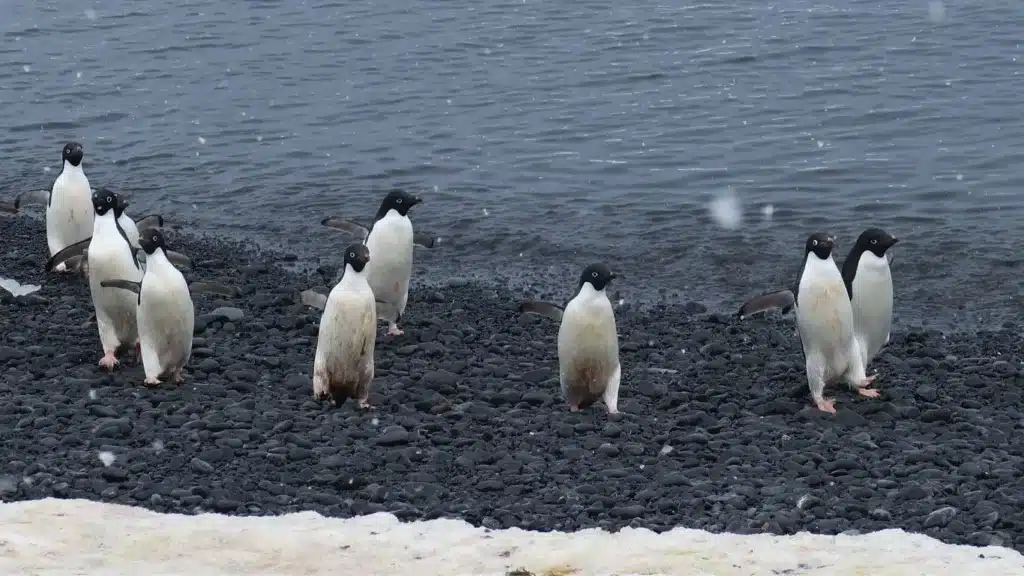
Article written by Georgina Rannard, Becky Dale and Erwan Rivault Originally published by BBC News (Sun, 17 Sep, 2023) The sea-ice surrounding Antarctica is well below any previous recorded winter level, satellite data shows, a worrying new benchmark for a region that once seemed resistant to global warming. “It’s so far outside anything we’ve seen, it’s almost mind-blowing,” says Walter Meier, who monitors sea-ice with the National Snow and Ice Data Center. An unstable Antarctica could have far-reaching consequences, polar experts warn. Antarctica’s huge ice expanse regulates the planet’s temperature, as the white surface reflects the Sun’s energy back into the atmosphere and also cools the water beneath and near it. Without its ice cooling the planet, Antarctica could transform from Earth’s refrigerator to a radiator, experts say. The ice that floats on the Antarctic Ocean’s surface now measures less than 17 million sq km – that is 1.5 million sq km of sea-ice less than the September average, and well below previous winter record lows. That’s an area of missing ice about five times the size of the British Isles. Dr Meier is not optimistic that the sea-ice will recover to a significant degree. Scientists are still trying to identify all the factors that led to this year’s low sea-ice – but studying trends in Antarctica has historically been challenging. In a year when several global heat and ocean temperature records have broken, some scientists insist the low sea-ice is the measure to pay attention to. “We can see how much more vulnerable it is,” says Dr Robbie Mallett, of the University of Manitoba, who is based on the Antarctic peninsula. Already braving isolation, extreme cold and powerful winds, this year’s thin sea-ice has made his team’s work even more difficult. “There is a risk that it breaks off and drifts out to sea with us on it,” Dr Mallett says. Credit: Dr Robbie Mallet Sea-ice forms in the continent’s winter (March to October) before largely melting in summer, and is part of an interconnected system that also consists of icebergs, land ice and huge ice shelves – floating extensions of land ice jutting out from the coast. Sea-ice acts as a protective sleeve for the ice covering the land and prevents the ocean from heating up. Dr Caroline Holmes at the British Antarctic Survey explains that the impacts of shrinking sea-ice may become evident as the season transitions to summer – when there’s potential for an unstoppable feedback loop of ice melting. As more sea-ice disappears, it exposes dark areas of ocean, which absorb sunlight instead of reflecting it, meaning that the heat energy is added into the water, which in turn melts more ice. Scientists call this the ice-albedo effect. That could add a lot more heat to the planet, disrupting Antarctica’s usual role as a regulator of global temperatures. “Are we awakening this giant of Antarctica?” asks Prof Martin Siegert, a glaciologist at the University of Exeter. It would be “an absolute disaster for the world,” he says. There are signs that what is already happening to Antarctica’s ice sheets is in the worst-case scenario range of what was predicted, says Prof Anna Hogg, an Earth scientist at the University of Leeds. Since the 1990s, the loss of land ice from Antarctica has contributed 7.2mm to sea-level rise. Even modest increases in sea levels can result in dangerously high storm surges that could wipe out coastal communities. If significant amounts of land ice were to start melting, the impacts would be catastrophic for millions of people around the world. ‘We never thought extreme weather events could happen there’ As a self-contained continent surrounded by water, Antarctica has its own weather and climate system. Until 2016 Antarctica’s winter sea-ice had actually been growing in size. But in March 2022 an extreme heatwave hit East Antarctica, pushing temperatures to -10C when they should have been closer to -50C. “When I started studying the Antarctic 30 years ago, we never thought extreme weather events could happen there,” says Prof Siegert. Sea-ice has broken record minimums in summer for three of the past seven years, including February 2023. Some scientists even believe these low ice records may indicate a fundamental change is happening to the continent – a shift in the conditions which have kept the region insulated. Antarctica’s remoteness and shortage of historical information means a lot is still unknown. The region is still the “Wild West” in scientific terms, according to Dr Robbie Mallett. Scientists know how far the sea-ice spreads, but not, for instance, how thick it is. Unlocking that puzzle could radically change climate models for the region. Credit: Dr Robbie Mallet At the scientific base Rothera, Dr Mallett is using radar instruments to study sea-ice thickness for an international research project called Defiant. He and other scientists are still trying to disentangle the causes of the vanishing winter ice. “There is a chance that it’s a really freak expression of natural variability,” he says, meaning that lots of natural factors could have built up and are affecting the region simultaneously. This year’s record-warm oceans are likely a contributing factor, scientists suggest – warm water will not freeze. And there may have also been changes in ocean currents and the winds that drive temperatures in the Antarctic. The El Niño weather phenomenon, currently developing in the Pacific, could also be subtly contributing to shrinking sea-ice, although it is still weak. Dr Mallett says there are “very, very good reasons to be worried”. “It’s potentially a really alarming sign of Antarctic climate change that hasn’t been there for the last 40 years. And it’s only just emerging now.” Banner Credit: Dr Robbie Mallett
Elephants on the march across African borders as heat stress leads to fatalities
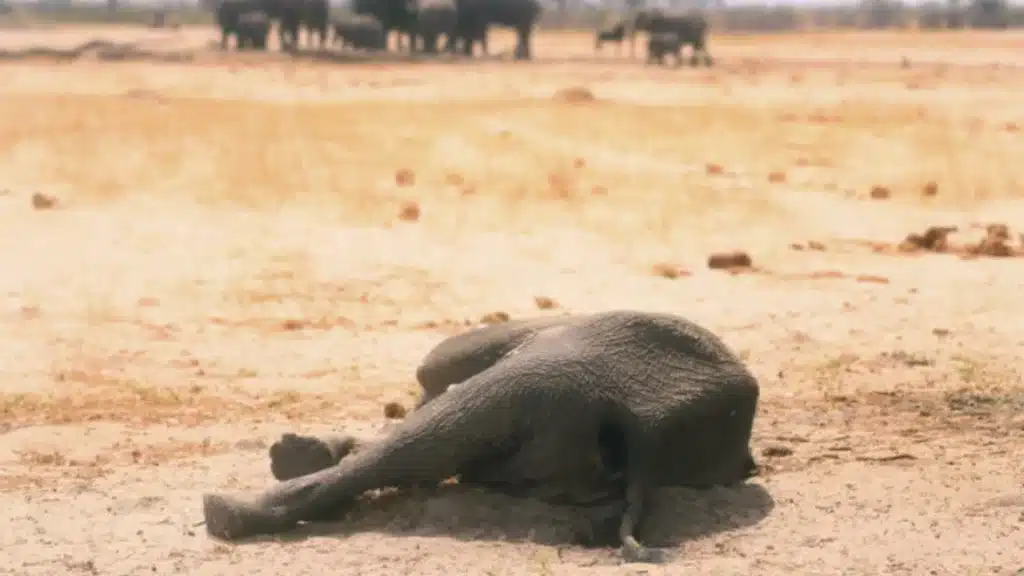
Article written by Nyasha Chingono Originally published by The Guardian (Wed, 20 Sep, 2023) Mortality rate grows as animals roam long distances and clash with local people in desperate search for water The climate crisis is pushing elephants on a forced migration across borders in southern Africa in search of water, creating problems for national parks and conservation efforts. In recent weeks, Zimbabwe’s elephants have been crossing the country’s borders into Botswana, officials said on Tuesday. Exactly how many elephants are affected is not yet known. The development comes as a survey this month revealed that elephants are dying of heat stress. Angola, Botswana, Namibia, Zambia and Zimbabwe together hold half of the world’s savanna (African bush) elephants. Of those 228,000 elephants, the survey reported a “carcass (mortality) ratio” of 10.5%. The survey covers the Kavango-Zambezi Transfrontier conservation area, one of the world’s largest wildlife conservation areas, comprising 520,000 sq kms (210,000 sq miles) within the borders of the five states. “The carcass ratio suggests a high level of mortality which warrants further investigation as a potential warning sign for the health and stability of the elephant population,” the report stated. In Zimbabwe, however, the elephant population has until recently been growing. This has been putting pressure on biodiversity and leading to clashes with local people as the animals breach human habitats in search of water. According to government spokesman Nick Mangwana, 60 Zimbabweans have been killed by elephants so far this year. “Elephants know no boundaries – they are moving in search of water and food,” said Tinashe Farawo, spokesman for the Zimbabwe Parks and Wildlife Management Authority (Zimparks). “We already have mitigation measures in place, but there are some things which are beyond us, like no rainfall. We are now relying more on artificial water from boreholes. It is an expensive process.” Farawo added that buffaloes and “all types of animals present in the Hwange national park” were also leaving in large numbers. According to Zimparks, Zimbabwe has an estimated 100,000 elephants, and authorities had reported overpopulation in regions such as Hwange, an area of more than 14,600 sq kms (5,600 sq miles) and home to about 50,000 elephants. “I cannot quantify how many elephants have moved – whether it’s hundreds or thousands – but it has been a lot,” said Farawo of the migration, which began in August. In a bid to ease overpopulation in Hwange, authorities last year planned the transportation of elephants to other areas, such as Gonarezhou in south-east Zimbabwe, near the border with Mozambique. But Farawo said a lack of resources had halted the plan. “There is no translocation of animals. We would have loved to decongest, but there is nothing like that at the moment,” he said. Meanwhile, Zimbabwe has been lobbying the Convention on International Trade in Endangered Species to temporarily lift its ban on elephant ivory sales (£480m), which it says keeps growing, and it argues that the proceeds of a one-off sale could be used to boost its conservation efforts.
Revealed: almost everyone in Europe is breathing toxic air
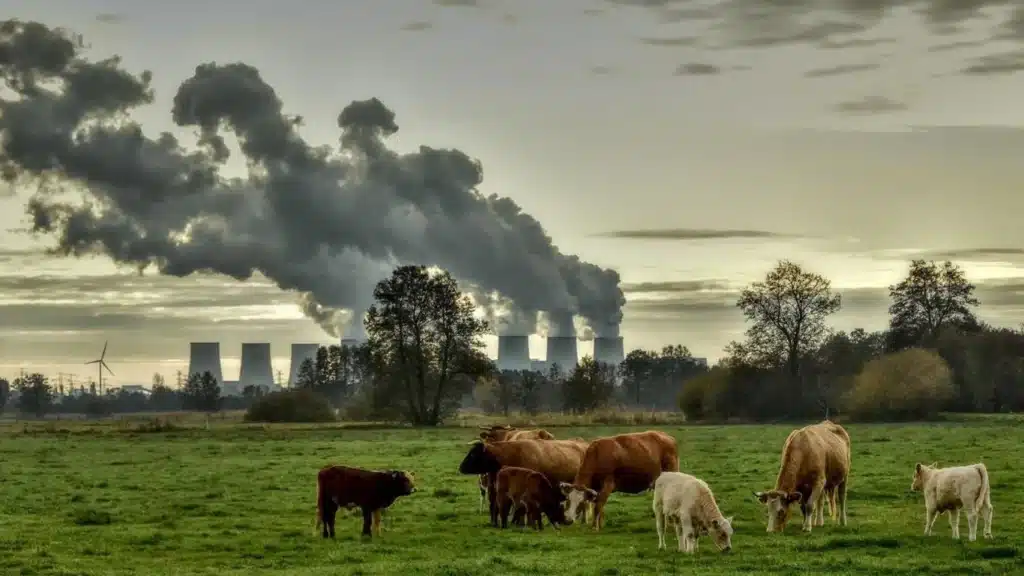
Article written by Matthew Taylor and Pamela Duncan Originally published by The Guardian (Wed, 20 Sep, 2023) Guardian investigation finds 98% of Europeans breathing highly damaging polluted air linked to 400,000 deaths a year Europe is facing a “severe public health crisis”, with almost everyone across the continent living in areas with dangerous levels of air pollution, an investigation by the Guardian has found. Analysis of data gathered using cutting-edge methodology – including detailed satellite images and measurements from more than 1,400 ground monitoring stations – reveals a dire picture of dirty air, with 98% of people living in areas with highly damaging fine particulate pollution that exceed World Health Organization guidelines. Almost two-thirds live in areas where air quality is more than double the WHO’s guidelines. The worst hit country in Europe is North Macedonia. Almost two-thirds of people across the country live in areas with more than four times the WHO guidelines for PM2.5, while four areas were found to have air pollution almost six times the figure, including in its capital, Skopje. Eastern Europe is significantly worse than western Europe, apart from Italy, where more than a third of those living in the Po valley and surrounding areas in the north of the country breath air that is four times the WHO figure for the most dangerous airborne particulates. The Guardian worked with pollution experts to produce an interactive map revealing the worst-hit areas on the continent. The measurements refer to PM2.5 – tiny airborne particles mostly produced from the burning of fossil fuels, some of which can pass through the lungs and into the blood stream, affecting almost every organ in the body. The current WHO guidelines state that annual average concentrations of PM2.5 should not exceed 5 micrograms a cubic metre (µg/m3). The new analysis found only 2% of the population of Europe live in areas within this limit. Experts say PM2.5 pollution causes about 400,000 deaths a year across the continent. “This is a severe public health crisis,” said Roel Vermeulen, a professor of environmental epidemiology at Utrecht University who led the team of researchers across the continent that compiled the data. “What we see quite clearly is that nearly everyone in Europe is breathing unhealthy air.” The data also reveals: Almost all residents in seven countries in eastern Europe – Serbia, Romania, Albania, North Macedonia, Poland, Slovakia and Hungary – have double the WHO guidance. More than half the population of North Macedonia and Serbia live with four times the WHO figure. In Germany, three-quarters of the population lives with more than twice the WHO guidance. In Spain that figure is 49%, and in France it is 37%. In the UK, three-quarters of the population live in areas where exposure is between one and two times the WHO guidance, with almost a quarter more than two times over that limit. Close to 30 million Europeans are living in areas with small particle concentrations that are at least four times the WHO guidelines. In Sweden, by contrast, there is no area where PM2.5 reaches more than twice the WHO figure, and some areas in northern Scotland are among the few across Europe that fall below it. Traffic, industry, domestic heating and agriculture are the main sources of PM2.5 and the impact is often felt disproportionately by the poorest communities. Air pollution has become a key issue in Europe, with the EU coming under pressure to do more to tackle the growing public health crisis. Last week, the European parliament voted to adopt the WHO guidelines on PM2.5 by 2035. The law, which must still be finalised in negotiations with the council, would set a legally binding limit for annual PM2.5 concentrations of 5µg/m3, down from 25µg/m3 today. But experts say urgent action needs taking now. They point to a growing body of evidence that shows air pollution affects almost every organ in the body and is linked to a huge range of health problems from heart and lung disease to cancer and diabetes, depression and mental illness to cognitive impairment and low birth weight. One recent study found air pollution was responsible for 1 million stillbirths a year, another that young people living in cities already have billions of toxic air pollution particles in their hearts. Dr Hanna Boogaard, an expert on air pollution in Europe at the US Health Effects Institute, said the new analysis was crucial to help inform the debate about air pollution and its effects in the continent, which she said resulted in hundreds of thousands of deaths each year. “These deaths are preventable and the estimate does not include millions of cases of non-fatal diseases, years lived with disability, attributable hospitalisations, or health effects from other pollutants.” She said the move to toughen up the EU’s limit provided “a unique opportunity to be bold … and maximise public health benefits for Europe and beyond.” Some towns and cities across Europe, including London and Milan, are making strides to tackle air pollution, from the introduction of ultra-low emissions zones to traffic reduction schemes and walking and cycling initiatives. But experts say politicians must act with more urgency in light of the growing evidence of harm. Research has also shown that within countries, poorer communities are more likely to live in areas with the worst air pollution. Barbara Hoffmann, professor of environmental epidemiology at the University of Düsseldorf, said air pollution was an issue of “environmental injustice”. “The countries that are hit most are also the countries with the lowest mean income, with a few notable exceptions – this illustrates the degree of environmental injustice we are experiencing in the EU. Cleaning up the air specifically in eastern Europe is urgently needed to provide equal opportunities for a healthy life across Europe.” The data was compiled by academics at Utrecht University in the Netherlands and the Swiss Tropical and Public Health Institute as part of the EU-funded Expanse project. They used a combination of sources, from high-resolution satellite data to pollution monitoring stations and information about land use, to model annual average PM2.5 levels across
American Airlines demonstrated what could be the world’s cheapest way to fight global warming
Article written by Tim Fernholz Originally published by Quartz (Mon, 6 Sep, 2023) The airline is trialing technology developed by Bill Gates’ Breakthrough Energy and Google. Aviation is a significant contributor to climate change, with emissions from airplanes responsible for about 3.5% of human-caused global warming. It’s not simply the byproducts of burning jet fuel, however. Just look up: Airliners can leave behind contrails—condensation trails—of ice crystals that form artificial clouds around particles in the planes’ exhaust. These clouds trap heat in the Earth’s atmosphere, and if we could reduce them, scientists believe that it could slow global warming. And good news, according to researchers at Breakthrough Energy and Google: This is low-hanging fruit. Marc Shapiro, the head of contrails at Breakthrough Energy, calls reducing contrails the “highest-leverage climate opportunity that we know of,” the equivalent of removing carbon from the atmosphere at a cost of 10 dollars per ton or less. The science of contrail control began in the 1940s, with efforts to build stealthier military aircraft, but by the 1990s scientists had realized that cirrus clouds play a heating role in the atmosphere—and cirrus clouds are similar to (and indeed can be seeded by) aircraft contrails. Last year, the Intergovernmental Panel on Climate Change (IPCC) estimated that contrails represent about 35% of the aviation industry’s contribution to global warming. But with know-how from satellite observation, greased by machine learning, airlines can fly their aircraft to avoid creating contrails. The key is avoiding humid “ice supersaturated regions” of the atmosphere where long-lasting contrails can form. Typically, this requires changes in altitude similar to those pilots already perform to avoid regions of turbulence. Breakthrough Energy, an organization founded by Bill Gates to pursue climate solutions, and Google’s Research division separately developed models to predict where contrails will form, and in 2022 they began collaborating to develop one solution. “Relative humidity predictions are notoriously inaccurate,” explains Juliet Rothenburg, who leads Google’s work at the intersection of climate change and “artificial intelligence.” Their approach uses data from NASA’s GOES-16 weather satellite, along with other weather indicators. The developers had to train machine-learning software to recognize contrails in their data set, and then train it to predict where contrail-conducive regions would occur in the future. GIF: Google To test the product in the wild, the two organizations brought in American Airlines. The predictions were integrated into the pilots’ flight planning software, and over the course of 70 flights between January and March of 2023, pilots would fly both modified and standard routes to create useful comparisons. By examining satellite data after the flights took place, the researchers were able to conclude that their software reduced contrail creation by 54%. “All airlines are going to have to do this eventually—[in] years, not decades,” Jill Blickstein, American’s VP of sustainability says. Still, there are wrinkles to iron out. Notably, the additional maneuvering increased American’s fuel usage by about 2%, which Blickstein calls a “meaningful number. We don’t take additional expense lightly.” Beyond buying more fuel, it’s important to make sure the climate benefits of avoiding contrails also outweigh the additional emissions. The three organizations are planning to expand these experiments and involve other airlines and air traffic control organizations, in particular with night flights in low-density airspace, like transatlantic routes. (Nighttime contrails have a much bigger warming effect.) While deploying this technology across airlines is fairly straightforward—it’s another “weather data layer” to add to existing flight planning software, Shapiro says—the impact of those new maneuvers on air traffic would need to be reckoned with. Plans to use satellite data to optimize flight paths to burn less fuel, for example, have run into challenges coordinating with air traffic controllers. It’s not yet clear how this service will be deployed commercially. Google and Breakthrough view it as research underlying their commitments to reducing carbon footprints. Blickstein says American is pleased to contribute to this research, but that any reduction in climate impact wouldn’t affect the airline’s pledge to reach net zero emissions by 2050 because the data is not granular enough to precisely calculate a single airline’s contrail contributions. Higher resolution satellites being launched in the years ahead could change that, Rothenburg says. Breakthrough’s hope is to develop an independent organization that can collect this contrail data and provide verification. Eventually, the vision is that the organization becomes an airline-supported clearinghouse for this data, like the International Airline Trade Association, a venue for global coordination in the air travel business. Still, “we can do a lot with a coarse estimate,” Blickstein says. The potential is there to reduce about 1% of human contribution to global warming, if we can just fly the planes in the right places.
‘Alarming’ scale of marine sand dredging laid bare by new data platform
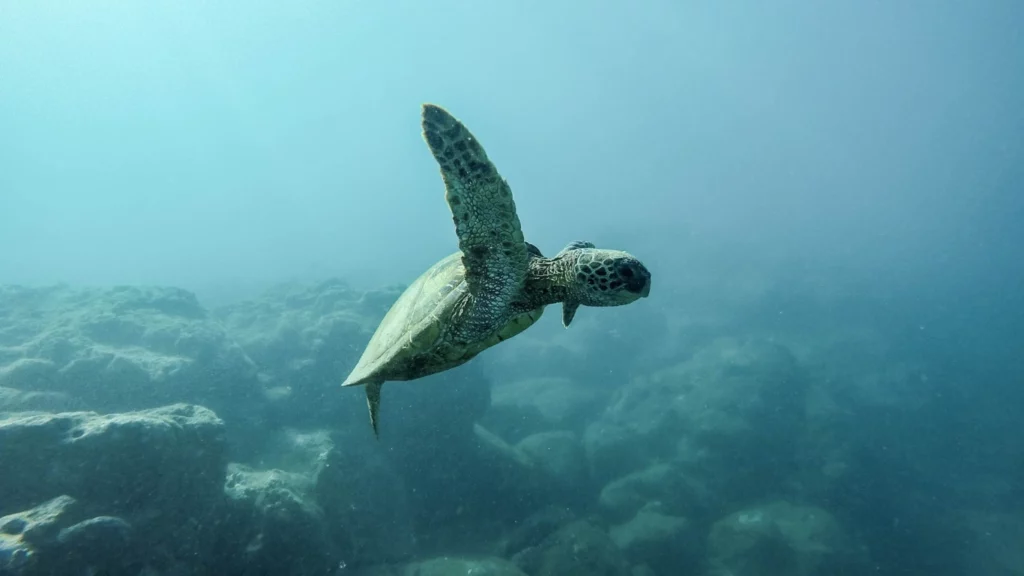
Article written by Karen McVeigh Originally published by The Guardian (Tue, 5 Sep, 2023) UN-developed Marine Sand Watch estimates 6bn tonnes dug up a year, well beyond rate at which it is replenished One million lorries of sand a day are being extracted from the world’s oceans, posing a “significant” threat to marine life and coastal communities facing rising sea levels and storms, according to the first-ever global data platform to monitor the industry. The new data platform, developed by the UN Environment Programme (Unep), tracks and monitors dredging of sand in the marine environment by using the AIS (automatic identification systems) data from ships. Using data from 2012-19, Marine Sand Watch estimates the dredging industry is digging up 6bn tonnes of marine sand a year, a scale described as “alarming”. The rate of extraction is growing globally, Unep said, and is approaching the natural rate of replenishment of 10bn to 16bn tonnes of sand flowing into the sea from rivers and needed to maintain coastal structure and ecosystems. The platform has identified “hotspots” including the North Sea, south-east Asia and the east coast of the United States as areas of concern. In many places where extraction is more intense, including parts of Asia, marine sand is being extracted well beyond the rate at which it is being replenished from rivers. “The scale of environmental impacts of shallow sea mining activities and dredging is alarming, including biodiversity, water turbidity, and noise impacts on marine mammals,” said Pascal Peduzzi, the director of GRID-Geneva at Unep. “This data signals the urgent need for better management of marine sand resources and to reduce the impacts of shallow sea mining,” he said. “Unep invites all stakeholders, member states and the dredging sector to consider sand as a strategic material, and to swiftly engage in talks on how to improve dredging standards around the world.” Developed by GRID-Geneva, a centre for analytics within Unep, Marine Sand Watch has trained artificial intelligence to identify the movement of dredging vessels from its AIS data. It has data from 2012-19 from Global Fishing Watch, a company set up to track commercial fishing activities using AIS data from fishing vessels, but is working on more recent data. Credit: Reuters Sand and gravel makes up half of all the materials mined in the world. Globally, 50bn tonnes of sand and gravel are used every year – the equivalent of a wall 27 metres high and 27 metres wide stretching round the equator. It is the key ingredient of concrete and asphalt. “Our entire society is built on sand, the floor of your building is probably concrete, the glass on the windows, the asphalt on roads is made of sand,” said Peduzzi. “We can’t stop doing it because we need lots of concrete for the green transition, for wind turbines and other things.” Last year, Unep called for better monitoring of sand extraction and use to avert an environmental crisis. It recommended a halt to mining on beaches and to establish an international standard for extraction in the marine environment. While extracting sand from quarries on land can, to some extent, be restored, extracting sand and other materials from the marine and river environment will change the shape of a river or coastline and “sterilise the bottom of the sea. It is very damaging,” said Peduzzi. “These vessels are like a giant vacuum cleaner on the bottom of the sea,” he said. “All the micro-organisms in the sand are crunched and nothing is left behind. If you take all the sand away to bare rock, nothing will recover. But if you leave 30-50cm it will recover.” Peduzzi said the platform was not set up to “name and shame” companies, but to “make the invisible visible” and to highlight the scale of the problem. Already, the platform has achieved its first aim, to highlight the problem, he said. The International Association of Dredging Companies (IADC), the umbrella organisation for the industry, on Tuesday launched a paper on best practice for responsible dredging of the “scant resource”. Overall, the aggregate industry is worth hundreds of billions of dollars annually. While international practices and regulations vary, some countries, including Indonesia, Thailand, Malaysia, Vietnam and Cambodia, have banned marine sand export. The work by Unep/GRID-Geneva follows a UN environment assembly resolution to strengthen scientific, technical and policy knowledge and to support global policies and action on environmentally sound extraction and use of sand. China, which has 200 dredging vessels, is developing a record-breaking dredger 50% more powerful than its existing “super island builder in the South China Sea”, according to reports this year.
‘Catastrophic’ loss: Huge colonies of emperor penguins saw no chicks survive last year as sea ice disappears
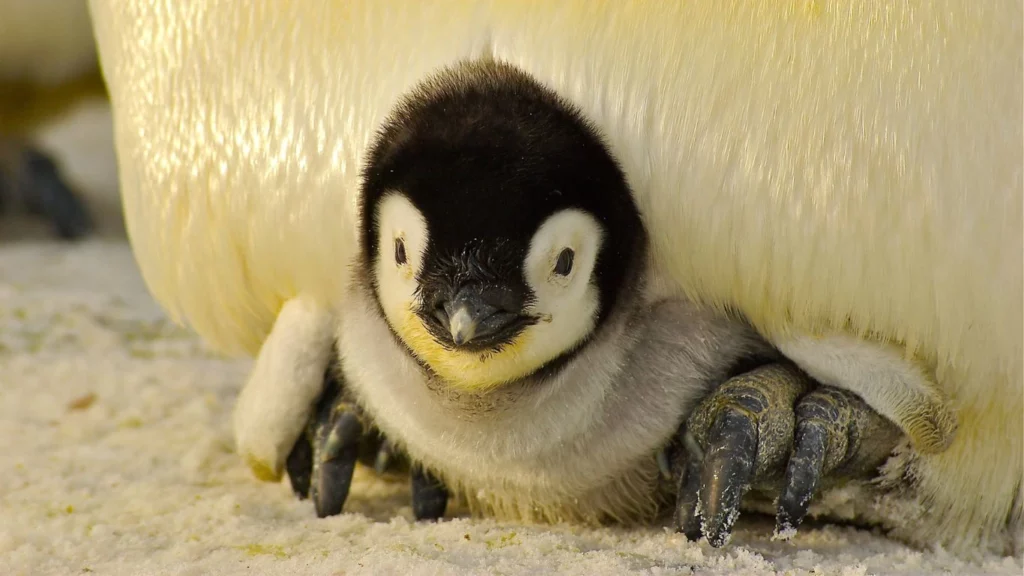
Article written by Rachel Ramirez Originally published by CNN World (Thu, 24 Aug, 2023) (CNN) — As rapidly warming global temperatures help push Antarctica’s sea ice to unprecedented lows, it’s threatening the very existence of one of the continent’s most iconic species: emperor penguins. Four out of five emperor penguin colonies analyzed in the Bellingshausen Sea, west of the Antarctic Peninsula, saw no chicks survive last year as the area experienced an enormous loss of sea ice, according to a study published Thursday in the journal Nature Communications Earth & Environment. This widespread “catastrophic breeding failure” is the first such recorded incident, according to the report, and supports grim predictions that more than 90% of emperor penguin colonies will be “quasi-extinct” by 2100 as the world warms. The researchers monitored five emperor penguin colonies in the Bellinghausen Sea, ranging in size from roughly 630 pairs to 3,500. Using satellite images from 2018 to 2022, they counted how many of the birds were present at these colonies during breeding season. They found that in 2022, four of the colonies experienced “total reproductive failure,” meaning it is highly probable that no chicks survived. Emperor penguins rely on stable sea ice attached to land for nesting and raising their chicks. Eggs are laid from May to June and after they hatch, the chicks develop their waterproof feathers and become independent around December and January. But in 2022, the sea ice broke up much earlier, with the some parts of the region seeing a total loss by November. Researchers monitoring the satellite images said they were used to seeing black blobs on ice during that time of the year, but suddenly there were none. When the sea ice breaks earlier, chicks can fall into the water and drown, said Norman Ratcliffe, co-author of the study and seabird biologist with the British Antarctic Survey. “Or they may drift away on floes and the adults just lose them and then they would starve to death,” he told CNN. The penguins in this region have experienced “a massive loss,” said Ratcliffe, calling the findings “an early alarm bell.” Previously, these sorts of breeding failures “have been very much dispersed and at a lower incidence across the continent,” he said. For the past few years, scientists have been sounding the alarm about a steep decline in Antarctica’s sea ice. It fell to unprecedented lows in February, at the height of the continent’s summer. Even in the depths of winter, when the ice usually builds back, it still did not return to anywhere near expected levels. In mid-July, Antarctic sea ice reached the lowest level for this time of year since records began in 1945. It was 2.6 million square kilometers (1 million square miles) below the 1981 to 2010 average – an area as large as Argentina. Scientists are still trying to untangle the reasons why, but many believe the human-caused climate crisis is a major driver. For emperor penguins, this downward trend is especially devastating, said Ratcliffe, because “there’s nowhere else for the birds to go.” The birds are known to adapt to breeding failures by relocating to other nearby sites, but that won’t work if the entire breeding habitat is affected. Between 2018 and 2022, 30% of the 62 known emperor penguin colonies in Antarctica were affected by partial or total sea ice loss, according to the report. Cassandra Brooks, an assistant professor at the University of Colorado Boulder who has done extensive research on Antarctic species and who was not involved in the research, said that the study provides even more proof that emperor penguins face risks to their survival. “There is mounting evidence that emperor penguins may actually go extinct directly due to loss of sea ice resulting from our planet’s warming,” she told CNN. “Our window in which to ensure their survival is narrowing.” In Antarctica, climate change threatens more than 80% of emperor penguin population Emperor penguins are the most vulnerable species in Antarctica, according to a 2022 study published in Plos Biology. In the most pessimistic estimation, emperor penguins could potentially be completely extinct by 2100. A separate study published last year found that 65% of Antarctica’s native species, emperor penguins top among them, will likely disappear by the end of the century if the world fails to rein in planet-warming fossil fuel pollution. In the worst-case scenario, it found emperor penguins could be completely wiped out by 2100. The disappearance of sea ice won’t just affect the penguins. It puts other species at risk, including seals, which rely on sea ice to feed and rest, as well as the microorganisms and algae that feed the krill which, in turn, are vital to the diets of many of the region’s whales. Antarctic sea ice also helps regulate the planet’s temperature, reflecting the sun’s incoming energy back to space. When the ice melts, it exposes the darker ocean beneath which absorbs the sun’s energy and contributes to global warming. “The bottom line is that this is quite concerning both for the physical oceanography and biology of Antarctica and the ecosystems that depend on them,” Ratcliffe said.
World’s oldest moss could go extinct as a result of climate crisis
Article written by Rume Otuguor Originally published by The Guardian (Wed, 9 Aug, 2023) Scientists say Takakia, a 390m-year-old moss found in Himalayas, is at risk despite its ability to adapt to extreme weather The world’s oldest moss, found in the Himalayas, may not be able to survive climate breakdown, scientists have said. Takakia, which has been growing for 390m years, is one of the fastest-evolving species ever found, but that may not be enough to save it, the researchers warned. Takakia is a small, slow-growing moss that can be found only in small quantities in remote parts of the US, Japan and Tibet. After a decade-long expedition, scientists have analysed its DNA for the first time to learn how climate breakdown is affecting the species and its habitat. The ancient moss was already 100m years old before the Himalayas formed underneath it, triggering a fast adaptation process. “We set out to describe and analyse a living fossil,” said Ralf Reski, a plant biotechnologist at the University of Freiburg in Germany and an author of the paper published in the journal Cell. The expedition was not straightforward owing to the high altitude and volatile weather in the Himalayas, which the plant biologist and expedition co-leader Ruoyang Hu said could go through “four seasons within one day”. The team found that owing to these extreme weather conditions, Takakia had evolved over generations to become adept at fixing broken DNA and recovering from ultraviolet damage. In response to these conditions, the plants developed the ability to grow anywhere. Yikun He, a plant biologist at Capital Normal University in Beijing and another author of the paper, said Takakia used a flexible branching system to create a “very sturdy population structure, which can effectively resist the invasion of heavy snowstorms”. After conducting studies on Takakia’s environment, the team found that the climate was steadily warming, causing glaciers to melt and exposing the moss to higher levels of ultraviolet radiation than it had experienced before. The authors noted that Takakia populations in Tibet had decreased by about 1.6% yearly over the span of their study. Hu predicted that by the end of the 21st century, livable conditions for the Takakia will have reduced to only 1,000-1,500 square kilometres across the world. Plant scientists are attempting to preserve and prolong the survival of this species by multiplying some specimens in the laboratory and transplanting them to experimental sites in Tibet.
Ocean temperatures hit 90 degrees, fueling weather disasters
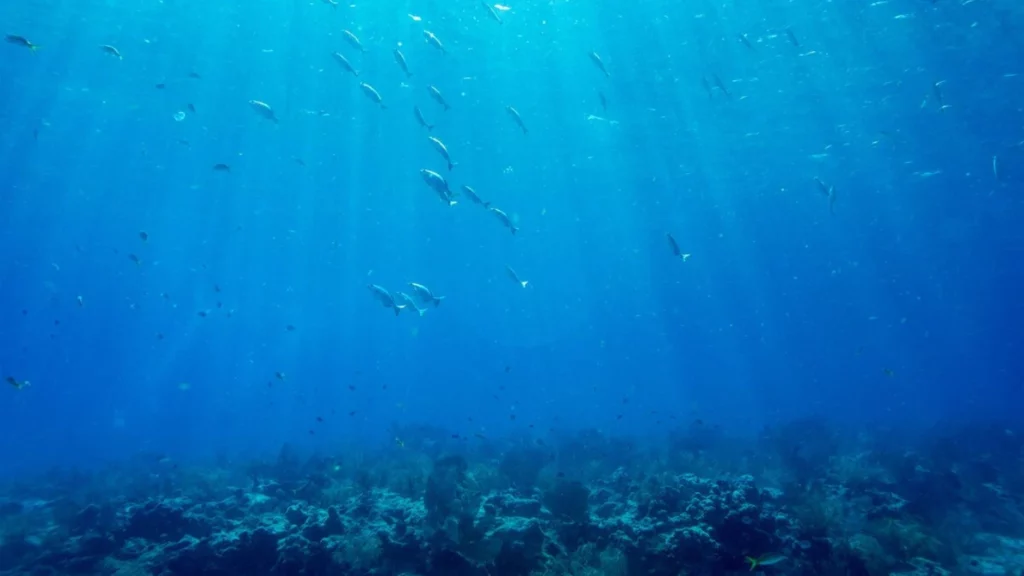
Article written by Brian K Sullivan Originally published by Bloomberg (Tue, Jul 25, 2023) Soaring water temperatures are triggering extreme heat, storms and drought. Heat searing enough to knock out mobile phones. Wildfire smoke that turns the skies an apocalyptic orange. Flash floods submerging towns in upstate New York and Vermont. This grim procession of recent disasters is being driven in part by climate change. But there’s one particular facet of global warming that’s providing potent fuel to make extreme weather even more intense: record-hot oceans. Global ocean surface temperatures in June were the highest in 174 years of data, with the emergence of the El Niño weather pattern piling onto the long-term trend. Near Miami, coastal Atlantic waters are pushing 90F (32C.) Hot oceans are amplifying weather-driven catastrophes that are claiming lives and inflicting massive economic damages — a cost that could rise to $1 trillion per year in the coming decades, according to marine scientist Deborah Brosnan. They’re also accelerating climate change. As water temperatures rise, oceans lose their ability to serve a vital function: absorb the world’s excess heat. That’s setting off a cascade of climate impacts, including stronger storms, rising sea levels and the loss of coral reefs and other marine life. As water temperatures climbed, they’ve had impacts that extend to the most remote places on Earth: Antarctic sea ice reached its lowest June extent on record despite winter being underway there, according to the US National Centers for Environmental Information. But the impact of sizzling seas has hit closer to home for millions around the globe, often with catastrophic results. Hurricanes and typhoons are among the most salient examples of extreme weather fueled by warm oceans. Soaring water temperatures supercharge storms by adding moisture to the atmosphere — and there are signs that’s already happening. Global accumulated cyclone energy – a measure of storms’ collective power – was almost twice the normal value for June. Earlier this year, Tropical Cyclone Freddy set a preliminary record as the longest-lasting tropical cyclone ever recorded. The storm formed near Australia and crossed the Indian Ocean before making landfall in East Africa and killing hundreds. Freddy put out as much power as all the storms in an average North Atlantic hurricane season. It was followed in April by Tropical Cyclone Ilsa, which roared into Western Australia with the strongest winds on record in the area prior to landfall. The world is currently in the grips of an El Niño, a natural climate pattern characterized by warmer-than-normal waters in the eastern tropical Pacific. That shifts weather patterns around the globe, though it also typically creates wind conditions that tamp down on storms in the Atlantic. But hot Atlantic ocean temperatures could change that. Though the North Atlantic hurricane season doesn’t usually reach its peak until September, it’s already seen an active start with two storms churning at the same time in June, the first time that’s happened in more than five decades. This year could see more storm activity than normal. The hot ocean temperatures are a major reason why Phil Klotzbach, author of the closely watched Colorado State University hurricane outlook, boosted his forecast for this year’s Atlantic hurricane season to 18 named storms from 14 in June. “While we’re likely to have a moderate to potentially even strong El Niño event for the peak of Atlantic hurricane season, the extremely warm Atlantic is likely to mitigate” the wind conditions that can rip apart storms, he said. Rainfall from everyday summer storms has also been juiced by hot seas, unleashing destruction far from the coast. Flooding across the US Northeast in July killed one woman in New York, closed rail lines and devastated Vermont, causing as much as $5 billion in losses. The freak storm tapped into a deep vein of moisture stretching all the way from the Atlantic. Warm oceans also contribute to the other end of the extreme-weather spectrum: Droughts and wildfires. Winds in the upper atmosphere known as the jet stream are influenced by the ocean below, and hot seas can cause them to bend in extreme ways. That results in areas of high pressure that can trap hot air in place for weeks — a phenomenon known as heat domes. In Texas, blistering conditions have sent power demand to record highs. The sizzling heat has extended to Europe, where temperatures on the Italian island of Sardinia touched 115F (46C) last week and nearly toppled Europe’s all-time high. Scorching weather is also blanketing Asia, with temperatures in Tokyo soaring to nearly 16F (9C) above the seasonal average. This shift in the jet stream kept storms away from Canada, leading to drought and the nation’s worst wildfire season on record. A haze from the Canadian blazes descended on New York City in June, creating hazardous air quality, and later drifted across the Atlantic to Europe. “This pattern has been in place most of the winter and spring, and it is responsible for the storms out west, persistent dry conditions where the fires are raging, and the winds bringing the smoke to the Eastern Seaboard,” said Jennifer Francis, a climate scientist at the Woodwell Climate Research Center in Massachusetts. Bone-dry conditions are lowering water levels on the Mississippi and Ohio Rivers in the US and the Rhine and the Danube in Europe, raising the prospect of shipping problems on important freight routes. The drought is also threatening global supplies of crops including sugar cane and rice. As oceans heat up, they are also less able to absorb CO2 from the atmosphere, said Brosnan. That could create a cycle of warming oceans, more carbon dioxide in the atmosphere and, as a result, ever-more extreme weather. The problem of warming oceans ultimately only has one solution, according to Michael Mann, a climate scientist at the University of Pennsylvania: Cut greenhouse gas emissions. “The large factor here, at a global scale, is the ongoing warming from carbon pollution,” Mann said. “It’s the steady overall ocean heating we should be most concerned about. It will continue until carbon emissions reach zero.”
Deadly global heatwaves undeniably result of climate crisis, scientists show
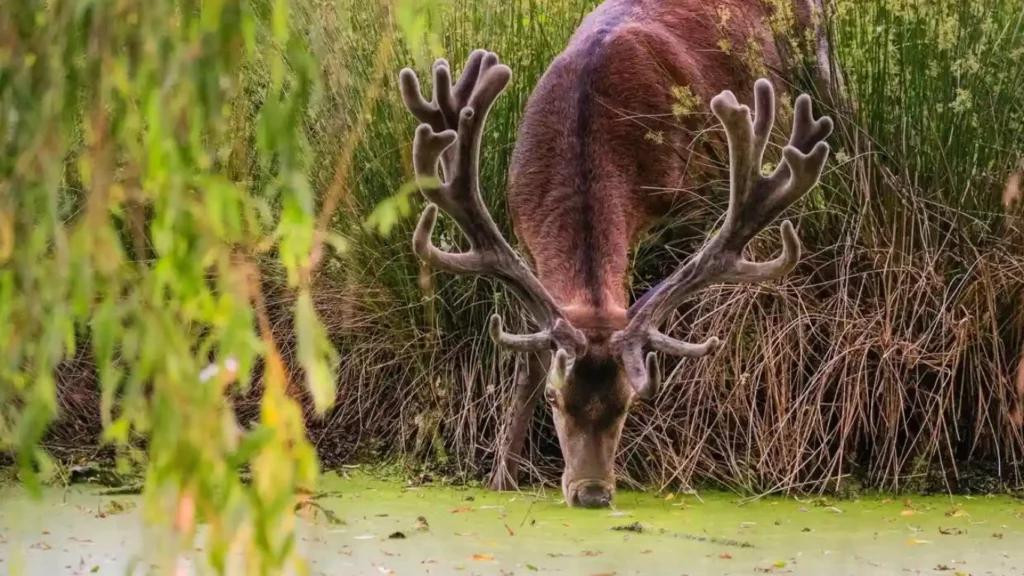
Article written by Damian Carrington Originally published by The Guardian (Tue, Jul 25, 2023) Analysis makes it clear human-caused global heating is destroying lives with worse to come without sharp emissions cuts The human-caused climate crisis is undeniably to blame for the deadly heatwaves that have struck Europe and the US in recent weeks, scientists have shown. Both would have been virtually impossible without the global heating driven by burning fossil fuels, their analysis found. Another searing heatwave, in China, was made 50 times more likely by the climate crisis. The results make it crystal clear that human-caused global heating is already destroying lives and livelihoods across the world, making the need to cut emissions ever more urgent. Such brutal heatwaves are no longer rare, the scientists said, and will worsen as emissions continue to rise. If the world heats by 2C, they will happen every two to five years. A report by leading climate scientists in March endorsed by the world’s governments, said: “There is a rapidly closing window of opportunity to secure a livable and sustainable future for all.” The latest analysis demonstrated how rapidly that window is closing. Earlier in July, temperature records were shattered in many places in southern Europe, the western US and Mexico and China, bringing heat-related deaths and wildfires. The first week of July saw the hottest global temperatures in history. The researchers found that greenhouse gas emissions made the heatwaves 2.5C hotter in Europe, 2C hotter in North America, and 1C hotter in China than if humankind had not changed the global atmosphere. “Such heatwaves are no longer rare and the most important thing is, these extremes kill people, particularly destroying the lives and livelihoods of the most vulnerable,” said Dr Friederike Otto at Imperial College London, UK, who was part of the analysis team. “Politicians often claim that they care about normal people and poor people,” she said. “If we did value people, it’s pretty obvious what we need to do. I don’t think stronger evidence has ever been presented for a scientific question.” Otto said it was “absolutely critical” that governments agree to phase out fossil fuels at the UN climate summit Cop28, which opens on 30 November. The summit president, Sultan Al Jaber, is also the CEO of the state-run oil and gas company of the host nation, the United Arab Emirates. “We still have time to secure a safe and healthy future,” said Otto. “If we do not, tens of thousands of people will keep dying from heat-related causes each year.” Julie Arrighi, director of the Red Cross Red Crescent Climate Centre, said: “Extreme heat is deadly and rapidly on the rise.” She said it was crucial for countries to act to protect people from heat. In the UK last week, the government’s adaptation plan was called “very weak” by experts. On Monday, the prime minister, Rishi Sunak, indicated he may delay or abandon some green policies under pressure from the right wing of his party. A similar series of heatwaves across the northern hemisphere in 2018 was also judged impossible without global heating. More than 500 extreme weather events have now been analysed by scientists, who found 93% of heatwaves and 68% of droughts had been made more severe and/or more likely by human-caused emissions. More than 61,000 people died in the European heatwaves of 2022, according to a recent study, including more than 3,000 in the UK. Another study estimated that millions have died from heat across the world in the past three decades because of the climate crisis. However, global progress to cut the burning of fossil fuels remains very slow, with the G20 the latest group to have such plans stymied by the opposition of fossil fuel states led by Saudi Arabia on Saturday. The new analysis by the World Weather Attribution group used peer-reviewed methods to quantify the impact of the climate crisis on the recent heatwaves. They used weather data up to 18 July and computer models to compare today’s climate, with 1.2C of global heating, with the cooler climate of the late 1800s. The study found the heatwaves in Europe and the US were, as an absolute minimum, made 950 and 4,400 times more likely by global heating – making it virtually certain that they were the result of human-caused emissions. In China, the heatwave was made 50 times more likely. In today’s hotter climate, these heatwaves are expected about every five years in China, every 10 years in Europe and 15 years in the US, but will happen ever more frequently as emissions continue to rise. The growing El Niño, a natural climate phenomenon, probably added a little heat to the heatwaves, the scientists said, but global heating from burning fossil fuels was the main reason for their severity. Gareth Redmond-King, at the Energy and Climate Intelligence Unit in the UK, said: “As we keep burning fossil fuels, we fuel ever worse climate impacts. It won’t stop until we cut emissions to net zero. Politicians who attempt to delay [climate] measures are locking in more of these extremes.” Helen Clarkson, CEO of the Climate Group, which works with 500 multinational companies, said: “The UK government rowing back on green policies is both astonishing, at a time when the impacts of climate change are getting worse, and economically irresponsible. Previous moves to scrap green policies [on home insulation] added at least £2.5bn to the UK’s energy bills during the cost of living crisis.”
EU passes nature restoration law in knife-edge vote
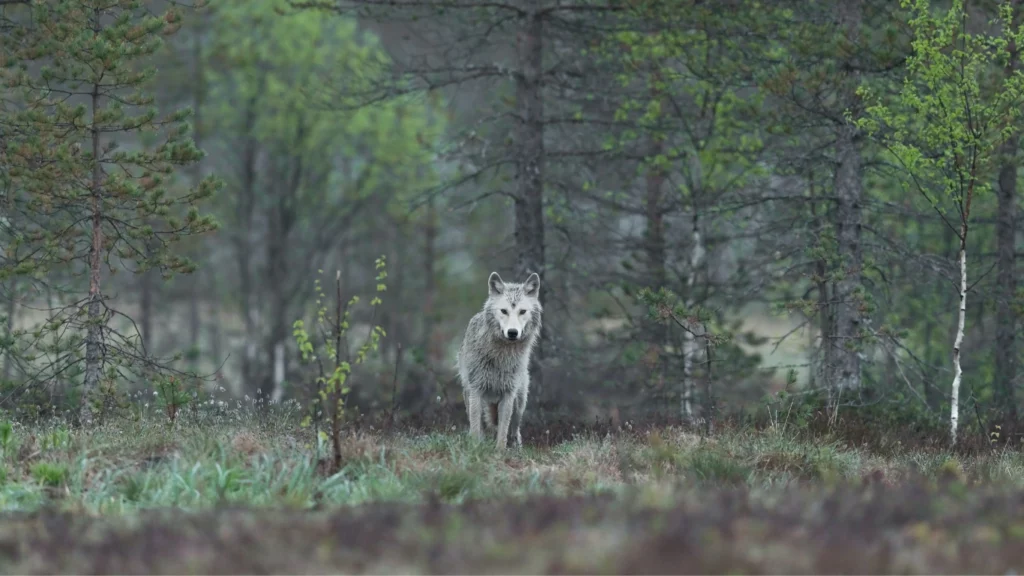
Written by Ajit Niranjan Originally published by The Guardian (Wed, Jul 12, 2023) MEPs back law to place recovery measures on 20% of EU’s land and sea by 2030 by dozen votes The EU has narrowly passed a key law to protect nature – a core pillar of the Commission president Ursula von der Leyen’s European Green Deal – after months of fiery debate and an opposition campaign scientists criticised as misleading. The nature restoration law will place recovery measures on 20% of the EU’s land and sea by 2030, rising to cover all degraded ecosystems by 2050. Lawmakers decided against “killing the bill” by only a dozen votes in Strasbourg on Wednesday but watered it down on several points. They will send the proposal back to an environment committee before thrashing out details with member states. “It’s a huge social victory,” César Luena, a centre-left MEP from Spain in charge of the proposal, told reporters. “This is a law on behalf of nature. It’s not a law against any person whatsoever.” Nature is dying faster than humans have ever known, a landmark scientific assessment found in 2019, driven by climate change, pollution and the way people exploit the land and sea. The restoration law aims to reverse this trend and help the bloc hit biodiversity targets it has previously failed to meet. Opposition from the European People’s party (EPP), the centre-right group to which Von der Leyen belongs, nearly sank the proposal outright. Together with the rightwing European Conservatives and Reformists, the far-right Identity and Democracy group and parts of the market-liberal Renew group, the EPP argued the law would hurt food security and punish producers reeling from the pandemic and energy crisis. “Less land for farmers, less sea for fishermen, less activity for businesses, and fewer European products and jobs for our citizens,” said Rosanna Conte, an Italian MEP from the Identity and Democracy group, during a heated debate on Tuesday. “These are the heavy repercussions of the proposals contained in a regulation permeated with ideology and counterproductive for nature itself.” Scientists have rejected the claim that restoring nature is bad for food and the economy. An open letter signed by 6,000 scientists said opponents of the law “not only lack scientific evidence, but even contradict it”. They highlighted studies showing that restoring nature would improve food security, help fisheries, create jobs and save money. “We are systematically hearing misinformation,” said Guy Pe’er, a conservation biologist at the Helmholtz-Centre for Environmental Research, who was first author of the letter. “Lobby organisations can generate as much misinformation as they want. But when policymakers are going against the science, we need to step in.” Europe’s nature is in bad health. More than 60% of its soils are unhealthy and 81% of habitats in poor condition. A recent study found the abundance of farmland birds has halved in the past 40 years. Pe’er said it was unclear if even the dinosaurs died out that fast. He added: “Forty years is an extremely short time. In evolutionary terms, it’s the speed of a meteorite falling on us”. The day before the vote, farmers drove tractors to the European parliament and told MEPs to vote against the bill, while climate protesters including the Swedish activist Greta Thunberg urged them to support it. Green groups criticised changes in the approved text that cut a proposal to restore agricultural ecosystems and added a line to delay implementation of the law until after a formal assessment of Europe’s food security. Peter Liese, an EPP lawmaker from Germany, said: “It is astonishing that even the Greens are celebrating this weakened version of the nature restoration law as a victory.” The law had previously been rejected by the European parliament’s fisheries and agriculture committees. A third committee, in charge of environmental issues, found no majority in favour of it after a tied vote. Farmers and fishers said the law demanded too much and did not clarify who would pay. The EU wants fishers decarbonise the fleet and protect the environment using existing funding, said Daniel Voces de Onaíndi, the managing director of the fishing lobby group Europêche. “We want to implement this in a fair manner in the EU – and not with an environmental hammer.” Copa Cogeca, the farming lobby, praised last-minute changes to the agricultural side of the proposal but said the law remained “fundamentally ill-prepared, lacks a budget and will remain unimplementable for farmers and forest owners”. Shortly before the vote, a handful of conservative lawmakers said they would break with their party line in favour of an amended version of the law. “I cannot in good conscience, good faith, vote against this law,” said Frances Fitzgerald, an Irish MEP and the vice-chair of the EPP, in a video posted to Twitter shortly before the vote. “We should have a constructive approach.” The EPP ran a provocative campaign against the law on social media. In the weeks leading up to the vote, the EPP tweeted that the proposed law would turn the Finnish city of Rovaniemi, which claims to be the official home of Santa Claus, into a forest. In another tweet, it said the law would shut down two windfarms in the Netherlands. The industry lobby group WindEurope said it had spoken to experts and did not see why this would be the case. Michael Bloss, a German MEP with the Greens, said: “The louder you scream and the more false information you spread – that is sometimes a winning strategy. But the loser, in the end, is democratic debate.”
World’s oceans changing colour due to climate breakdown, study suggests
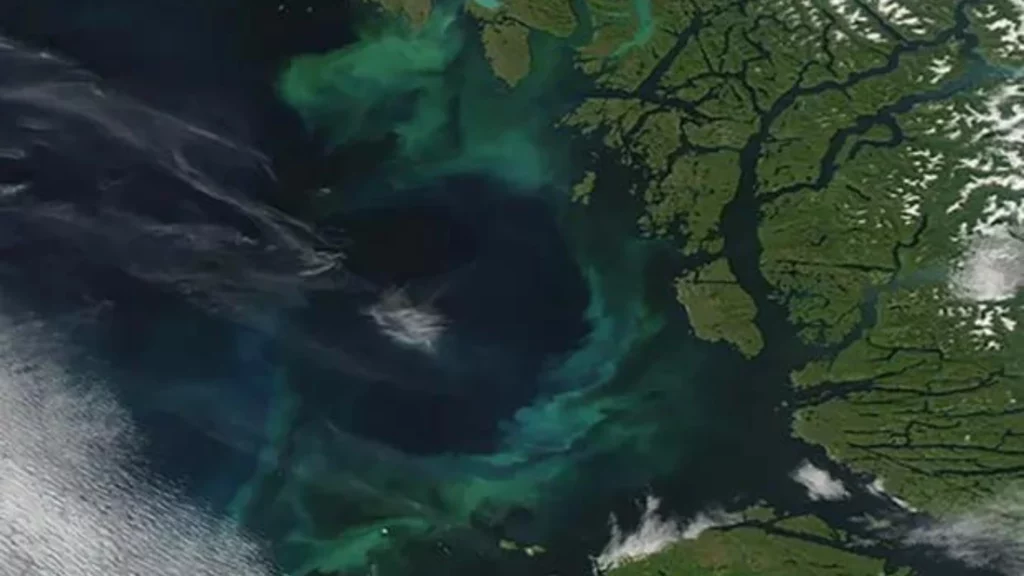
Written by Sofia Quaglia Originally published by The Guardian (Wed, Jul 12, 2023) The sea is becoming greener due to changes in plankton populations, analysis of Nasa images finds Earth’s oceans are changing colour and climate breakdown is probably to blame, according to research. The deep blue sea is actually becoming steadily greener over time, according to the study, with areas in the low latitudes near the equator especially affected. “The reason we care about this is not because we care about the colour, but because the colour is a reflection of the changes in the state of the ecosystem,” said BB Cael, a scientist at the National Oceanography Centre at the University of Southampton and author of the study published in Nature. Prior research focused on changes in the greenness of the ocean – from the verdant chlorophyll in its plankton – to learn about trends in the changing climate. But Cael’s team pored over 20 years of observations by Nasa’s Modis-Aqua satellite, an exhaustive data repository, and looked for patterns of change in the ocean’s hue through a fuller colour spectrum including red and blue. Plankton of different sizes scatter light differently, and plankton with different pigments absorb light differently. Examining changes in colour can give scientists a clearer picture of changes in plankton populations around the globe. Phytoplankton is crucial to ocean ecosystems because it is at the base of most of its food chains. When comparing these changes in colour with those hypothesised from a computer model simulating what the oceans would look like if human-caused global heating had never taken place, the change was clear. “We do have changes in the colour that are significantly emerging in almost all of the ocean of the tropics or subtropics,” said Cael. The changes have been detected over 56% of the world’s oceans – an area greater than all of the land on Earth. In most areas there’s a clear “greening effect”, Cael said, but he added that there are also places where red or blue colourings are rising or falling. “These are not ultra, massive ecosystem-destroying changes, they may be subtle,” said Cael. “But this gives us an additional piece of evidence that human activity is likely affecting large parts of the global biosphere in a way that we haven’t been able to understand.” Although this discovery firmly documents another consequence of a changing climate, what is not yet clear is how strong these changes are and what is happening inside the ocean to cause them, according to Michael J Behrenfeld, a researcher of ocean productivity at Oregon State University, who was not involved in the research. “Most likely, the measured trends are associated with multiple factors changing in parallel,” said Behrenfeld. For instance, the potentially increasing abundance of microplastics in the ocean, which like any other particles increase light scattering. “With answers to these questions, we can then begin understanding what the ecological and biogeochemical implications are,” said Behrenfeld. Nasa will be launching an advanced satellite mission in January 2024 called Pace (plankton, aerosol, cloud, ocean ecosystem) which will also measure hundreds of colours in the ocean instead of a handful, progressing studies like these further. “Making more meaningful inferences about what the changes actually are ecologically is definitely a big next step,” said Cael.
Climate change is driving earlier springtimes. For some birds, that could equal extinction: Study
Written by Nicole Karlis Originally published by Salon.com (Thu, Jul 6, 2023) Birds are trying to adapt, but can’t quite keep up with the earlier arrival of spring By now, it’s well understood that a warming planet is slowly advancing the arrival of spring. Flowers, like the famous cherry blossoms, are experiencing record-early blooms. Bees and other pollinators are missing early blooms. This trend is alarming many ecologists and climate scientists as heat records are shattered and ocean temperatures soar. Now, a new study published in Proceedings of the National Academy of Sciences takes a look at its impact on another beloved spring event — hatching songbird chicks — and what the potential consequences are for the future of birds. The study, led by scientists at the University of California, Los Angeles, and Michigan State University, found that birds are producing fewer chicks when they start breeding too early or too late in the spring season. This type of research is known as phenology, or the study of periodic events in biological life cycles. As climate change results in earlier springlike weather, birds have been unable to adapt their reproductive readiness. “Understanding the links between phenology and demographic processes is critical to predicting the future response of species to ongoing climatic change,” the study authors write. “For North American birds, many of which have undergone large-scale phenological shifts over the last several decades, this is a topic of particular concern.” As the start of spring begins earlier and earlier, the researchers anticipate that this trend will only worsen, generating a large-scale impact on many bird populations that could even lead to extinction. “By the end of the 21st century, spring is likely to arrive about 25 days earlier, with birds breeding only about 6.75 days earlier,” said the study’s first author, Casey Youngflesh, who led the research as a postdoctoral researcher at UCLA and is now a postdoctoral fellow at Michigan State University, in a statement. “Our results suggest that breeding productivity may decrease about 12% for the average songbird species.” These findings are surprising because they contrast “what has been observed at the individual level, where the earliest breeding individuals in a given year for a given population tend to have higher breeding productivity,” the study authors report. That makes some sense — longer warmer seasons can mean more time for more clutches, a group of eggs fertilized at the same time. But this benefit weakened significantly at the population level. Nonetheless, some species did come out on top, including northern cardinal (Cardinalis cardinalis), Bewick’s wren (Thryomanes bewickii), and wrentit (Chamaea fasciata.) Biologists have been trying to better understand the potential consequences of early spring on birds for a while. In an interview with Salon, Youngflesh emphasized that understanding the timing for songbird ecosystems is “very important,” but it’s not an easy task to do. For this study, researchers used data from a bird banding project called Monitoring Avian Productivity and Survivorship (MAPS) where people use mist nets to capture songbirds and place a lightweight, numbered aluminum leg band on their leg. The birds are later released, unharmed, but the band allows scientists to collect data that can be used to estimate key demographic parameters, including breeding patterns. To compare this with spring’s arrival, the researchers used satellite imagery to literally measure when greenery is appearing. Plants are imperfect way of measuring this relationship but they do mean caterpillars, which are one of the primary food sources birds share with their young. As climate change worsens, pollinators are also affected, meaning less insect food for birds. For every four days that vegetation appears earlier in the spring, birds are only breeding earlier by about one day. Based on their continent-wide analysis of 41 bird species, the researchers concluded that birds can’t keep up with the early arrival of spring and as a result, they’re raising fewer chicks when spring arrives early. Morgan Tingley, a UCLA associate professor of ecology and evolutionary biology and the study’s senior author, said the results of their work — which took six years to complete — importantly demonstrates that there is an optimal time for birds to reproduce. “There actually is this period when birds are aligned in their timing of reproduction and with springtime, as determined by plants, that does lead to sort of the maximum reproductive success,” Tingley told Salon. “When you are asynchronous it leads to a mismatch, and so that if birds are too early, or if they are too late, then their reproductive success goes down.” Tingley said that the general, long-term trend is that for every four days that vegetation appears earlier in the spring, birds are only breeding earlier by about one day. “Over time, this can rack up to falling further and further behind,” Tingley said. “And so the final result we had was that because of this trend — and because we know that spring is going to keep on getting earlier on average over the course of this century, given ongoing trends of climate change — we estimate that by the end of the century this could lead to a decline in bird productivity somewhere around 5 to 12 percent.” The higher end could be “catastrophic,” Tingley said. Indeed, in 2019, a study published in Science estimated that North America has seen a net loss of 2.9 billion birds since 1970. At the time, the National Audobon Society declared the findings indicative of “a full-blown crisis that requires political leadership as well as mass individual action.” Taking this into account, coupled with the findings of the impact of early spring on breeding, scientists say there needs to be an immediate shift to doubling down on conservation efforts. “They are kind of adapting, but they’re not doing it quickly enough, and that’s a concern.” “It’s hard to predict for any given species what might happen,” Tingley said. “But the level of declines that we’re seeing are declines that could, if species has no other way to deal with it, could certainly
Three in every five wildlife crimes in Europe go unpunished: Report
Written by Himanshu Nitnaware Originally published by Down To Earth (Thu, Jul 6, 2023) Birds were the species most targeted in wildlife crimes Most wildlife crimes remain invisible or go unpunished in Europe, flagged a new report. On an average, about 60 per cent of complaints of wildlife crimes reported to the prosecution did not lead to indictments, noted the document published by LIFE SWiPE project on July 5, 2023. The most common punishment issued was suspended imprisonment, added the report, Uncovering the Invisible: Successes and Challenges for Wildlife Crime Prosecution in Europe. LIFE SWiPE analysis covered wildlife crimes in 11 European countries. LIFE SWiPE is a project that aims for successful wildlife crime prosecution in Europe. It is implemented by WWF, Flora and Fauna International, TRAFFIC, the Wildlife Trade Monitoring Network, the State’s Attorney Office of the Republic of Croatia and the Judiciary Academy of Croatia. The project is operated in European countries such as Bosnia and Herzegovina, Croatia, Hungary, Romania, Serbia, Ukraine, Italy, Poland, Slovakia and Spain. Between 2016 and 2020, most crimes — accounting for 27 per cent — were related to the illegal killing of wildlife, while the use of poisoned baits accounted for 16 per cent. Prohibited methods and equipment for hunting and illegal wildlife trade amounted to 14 per cent and 13 per cent, respectively, The listed wildlife crimes may be way fewer than the actual instances as most cases did not fall under the scope of the SWiPE project as they were related to red deer, wild boar and roe deer. For example, in Romania, “out of over 600 cases of wildlife crime received, only 25 fell within the project’s definition of wildlife crime. Other countries, such as Bosnia and Herzegovina and Spain, mentioned that cruelty against domestic animals featured prominently among animal torture data received.” Most recorded crimes had national characters. While birds were the most targeted species for wildlife crimes, finches were among the most targeted animals in seven out of 11 countries. The goldfinch (Carduelis carduelis) was the most targeted bird species. In Ukraine, they were the species most affected by illegal trade. In Italy, 410 poaching cases were reported between 2016 and 2020. While songbirds were hunted for consumption in Italy, they were caught alive in other countries. In countries like Poland, Romania, Hungary and Croatia, songbirds were caught and exported to Italy. However, they were kept alive in Spain due to traditional beliefs, especially goldfinches, which are popular as pets. The second species highlighted in the dataset was raptors. Raptor species such as Accipiter sp., Aquila sp., Buteo buteo, Circus aeruginosus, Falco sp., Gyps fulvus, Haliaeetus albicilla and Milvus milvus were hunted and poisoned in Croatia, Serbia, Spain, Slovakia and Hungary. Tortoises, some reptiles and parrots were killed for their skin or body parts. Parts of elephants, sturgeons and brown bears were also seized and confiscated. “Wildlife is not reported missing like humans and cannot self-report themselves as victims, so most of these acts go unreported, and in all likelihood, much more go undetected,” said Roselina Stoeva, LIFE SWiPE’s project manager, in a press statement. In Bulgaria, during the analysed frame time, four brown bears were reportedly dead, while additional four cases came to light via media reports or files from prosecutors. During the same period, the bear population dropped over 10 times — to 329 from 411. However, there was no evidence of undocumented mortalities. In another case, official statistics noted that one chamois was killed in 2017. However, various media reports and nature conservation organisations revealed 21 animals were killed during the period. While 410 passerines were poached between 2016 and 2020, the number of birds hospitalised for gunshot wounds or seizures in CRAS, a WWF wild animal recovery centre, accounted for 1,183, according to SWiPE. The report recommended the use of a special police force and increased use of technology such as drones and GPS for monitoring endangered species. It also suggested training dogs to detect poisoning and wildlife crimes. “Wildlife crimes are wild crimes against life. To halt the decline in biodiversity and put nature on a path to recovery for 2030, governments must take bold actions to tackle the crimes that threaten our most iconic wildlife, right here in Europe,” Stoeva added. The report also suggested creating a centralised database to register wildlife crimes, increasing financial resources and strengthening coordination across European borders. Plugging legal loopholes, stopping the purchase of illegal hunting gear, and training authorities and judicial officials for effective law implementation were other recommendations.
Climate change spells ‘terrifying’ future: UN rights chief
Originally published by France 24 (Mon, Jul 3, 2023) Climate change threatens to deliver a “truly terrifying” dystopian future of hunger and suffering, the United Nations’ human rights chief warned Monday. Volker Turk slammed world leaders for only thinking of the short term while dealing with the climate crisis. Turk told a UN Human Rights Council debate on the right to food that extreme weather events were wiping out crops, herds and ecosystems, making it impossible for communities to rebuild and support themselves. “More than 828 million people faced hunger in 2021. And climate change is projected to place up to 80 million more people at risk of hunger by the middle of this century,” said Turk. “Our environment is burning. It’s melting. It’s flooding. It’s depleting. It’s drying. It’s dying,” he said, evoking a “dystopian future”. “Addressing climate change is a human rights issue… there is still time to act. But that time is now,” he said. The 2015 Paris Agreement saw countries agree to cap global warming at “well below” two degrees Celsius above average levels measured between 1850 and 1900 – and 1.5C if possible. The global mean temperature in 2022 was 1.15C above the 1850-1900 average. On current policy trends, the planet will be 2.8C warmer by the end of the century, according to the UN’s IPCC climate science advisory panel. “We must not deliver this future of hunger and suffering to our children, and their children. And we don’t have to,” Volk said. “We, the generation with the most powerful technological tools in history, have the capacity to change it.” Turk said world leaders “perform the choreography of deciding to act and promising to act and then get stuck in the short term”. He called for an end to “senseless subsidies” of the fossil fuel industry, and said the Dubai COP28 climate summit in November and December needed to be the “decisive game-changer that we so badly need”. Turk urged the world to “shun the green-washers” as well as those who cast doubt on climate science, driven by their own greed. The Human Rights Council’s 53rd session runs until July 14.
Current heatwave across US south made five times more likely by climate crisis

Article written by Oliver Milman Originally published by The Guardian (Tue, Jun 27, 2023) Latest ‘heat dome’ event over Texas and Louisiana, plus much of Mexico, driven by human-cause climate change, scientists find The record heatwave roiling parts of Texas, Louisiana and Mexico was made at least five times more likely due to human-caused climate change, scientists have found, marking the latest in a series of recent extreme “heat dome” events that have scorched various parts of the world. A stubborn ridge of high pressure has settled over Mexico and a broad swath of the southern US over the past three weeks, pushing the heat index, a combination of temperature and humidity, to above 48C (120F) in some places. More than 40 million people in the US, including those living in the Texas cities of Houston, San Antonio and Austin, have been placed under excessive heat warnings, raising fears over the health of people vulnerable to the heat and placing Texas’s energy grid under strain from surging air conditioner use. The heating of the Earth’s atmosphere and oceans by the burning of fossil fuels made the extreme heatwave at least five times more likely, according to a recent analysis by Climate Central, a climate science non-profit. The punishing heat, which is forecast to linger further throughout the week in Texas, is creating “stressful conditions for millions of people”, according to Andrew Pershing, vice-president for science at Climate Central. Speaking to the Guardian on Monday, Andrew Dessler, a climate scientist at Texas A&M University said the university’s campus at College Station has had a string of days above 37C (100F), when it usually doesn’t hit such peaks until August. “It’s depressing to think we’re not even in July and we are getting this sort of heat,” he said. “When it’s this hot you are a prisoner in your own house, you are a prisoner to air conditioning.” Dessler said that the southern part of Texas will probably have one of its hottest Junes ever recorded as it is most acutely affected by the heat dome that has its epicenter in Mexico – the Mexican cities of Monclova and Chihuahua have set all-time record temperatures of of 46C (115F) and 41C (107F), respectively. This heat dome, one the strongest ever recorded, was formed by a high-pressure atmospheric system that created a sinking column of warming air that trapped latent heat already absorbed by the landscape, like a sort of lid. Such events typically occur without rain and are cloudless, allowing the sun to bake the surface unhindered, causing temperatures to spike. “The heat evaporates water and then just heats up the land,” said Dessler. “If you have this sort of high-pressure system sitting stationary over a region, you can have these really impressive heatwaves.” Heat domes have long existed in Texas, and elsewhere, and there is some conjecture among scientists as to whether or not the climate crisis is causing more “blocking events” where patches of high pressure are held in place by alterations to a jet stream that normally pushes weather systems from west to east. “But when these heat domes do happen, they are getting worse, that’s for certain,” said Michael Wehner, a climate and extreme weather expert at Lawrence Berkeley National Laboratory who estimated that the Texas heatwave was made around 2.7C (5F) hotter by human-caused global heating. Extreme heat dome events have caused heightened temperatures across the world in recent times, such as the record heat and wildfires seen in May in western Canada, or the historic heat experienced in locations as varied as Puerto Rico and Siberia earlier this month. The record warm winter experienced by many countries in Europe earlier this year, as well as a separate heatwave that scorched the continent last summer and resulted in thousands of deaths, have also been blamed, in part, upon heat domes that refused to budge. One of the harshest heat domes on record settled over the US north-west, a place used to more temperate climes, in the summer of 2021, causing temperature records to be shattered and dozens of people to die. Last week, Oregon’s most populous county sued major oil and gas companies for billions of dollars in damages for their role in fueling the heatwave. Scientists have calculated that the climate crisis made that heatwave 150 times more likely, with heat domes becoming ever more dangerous as the planet heats up. Limiting global heating to 1.5C (2.7F) above pre-industrial times, instead of 2C (3.6F), would halve the number of people exposed to the sort of severe heat dome conditions that caused such distress in 2021, a study has found. Local authorities can help counter heat domes by setting up cooling centers and providing warnings and shelter to those most affected by the heat, such as the sick and the elderly, but scientists say the global heating already set in motion by the untrammeled combustion of oil, coal and gas will continue to have escalating impacts. “It’s clear that we are way outside natural variability here,” said Wehner. “Dangerous climate change is here, now. If you don’t recognize that, you’re just not paying attention. Every summer now there’s some devastating heatwave somewhere in the world.”
Thousands of dead fish have washed up on a Thai beach. Experts say climate change may be to blame
Article written by Reuters and Laura Paddison, CNN Originally published by CNN (Fri, Jun 23, 2023) Climate change may have stimulated a plankton bloom that caused thousands of dead fish to wash up along a roughly 4 kilometer (2.5 mile) stretch of beach in Thailand’s southern Chumphon province on Thursday, an expert said. Thon Thamrongnawasawat, deputy dean of the Faculty of Fisheries at Kasetsart University, attributed the fish deaths to the bloom – a natural occurrence that lowers oxygen levels in the water and causes fish to suffocate. “Various natural phenomena, such as coral bleaching or plankton bloom, have naturally occurred for thousands to tens of thousands of years. However, when global warming occurs, it intensifies and increases the frequency of existing phenomena,” he said. According to local authorities, plankton blooms happen once or twice a year and typically last two to three days. Officials have collected seawater for further assessment and analysis. Worldwide, marine heatwaves have become a growing concern this year. Global sea surface temperatures for April and May were the highest on record for those months, according to the British Met Office, which said the cause is both the arrival of the natural climate phenomenon El Niño, which has a warming impact globally, as well as human-caused climate change, which means higher temperatures for oceans and land. This month, thousands of dead fish washed up on beaches in Texas, and experts are warning of algal blooms along the British coast as a result of rising sea temperatures. In Southern California, hundreds of dolphins and sea lions have been washing up on beaches dead or sick, amid a toxic algal bloom. While California’s algal blooms were caused more by strong coastal upwelling than high temperatures, scientists say climate change likely to increase toxic algal blooms, as some thrive in warm water. “Whether it’s Australia and places like the Great Barrier Reef or even places around England which are experiencing quite bad marine heatwaves at the moment, it’s really going to be detrimental to those local ecosystems,” said Sarah Perkins-Kirkpatrick, a climate scientist with the University of New South Wales in Australia. Banner credit: Kantaphong Thakoonjiranon/Reuters
Ecological tipping points could occur much sooner than expected, study finds
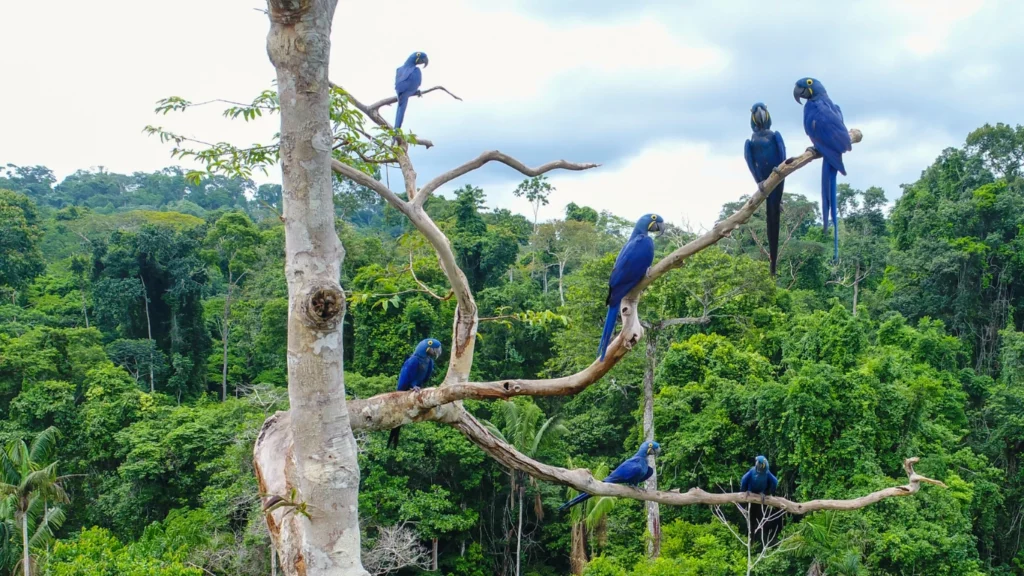
Article written by Johnathan Watts Originally published by The Guardian (Thu, Jun 22, 2023) Amazon rainforest and other ecosystems could collapse ‘very soon’, researchers warn Ecological collapse is likely to start sooner than previously believed, according to a new study that models how tipping points can amplify and accelerate one another. Based on these findings, the authors warn that more than a fifth of ecosystems worldwide, including the Amazon rainforest, are at risk of a catastrophic breakdown within a human lifetime. “It could happen very soon,” said Prof Simon Willcock of Rothamsted Research, who co-led the study. “We could realistically be the last generation to see the Amazon.” The research, which was published on Thursday in Nature Sustainability, is likely to generate a heated debate. Compared with the long-established and conclusively proven link between fossil fuels and global heating, the science of tipping points and their interactions is relatively undeveloped. The United Nations’ top science advisory body, the Intergovernmental Panel on Climate Change, has been more cautious. In its latest report, it said there was a chance of a tipping point in the Amazon by the year 2100. However, several prominent Brazil-based scientists, including Carlos Nobre, have warned that this may come much sooner. The new study underlines that alarming prospect. It observes that most studies until now have focused on one driver of destruction, such as climate change or deforestation. But when you combine this with other threats, such as water stress, degradation and river pollution from mining, the breakdown comes much quicker. Lake Erhai in China collapsed sooner than most observers expected. According to Willcock, this was because projections had been based on one factor – agricultural runoff that was loading the water system with excess nutrients – but other stresses compounded and accelerated this degradation. When climate variation, water management and other forms of pollution were added into the mix, the lake system quickly lost its resilience. Overall, the team, comprised of scientists from Southampton, Sheffield and Bangor universities, as well as Rothamsted Research, looked at two lake ecosystems and two forests, using computer models with 70,000 adjustments of variables. They found that up to 15% of collapses occurred as a result of new stresses or extreme events, even while the primary stress was maintained at a constant level. The lesson they learned was that even if one part of an ecosystem is managed sustainably, new stresses such as global warming and extreme weather events could tip the balance towards a collapse. While the scope of the study was limited, the authors said the results showed the need for policymakers to act with more urgency. “Previous studies of ecological tipping points suggest significant social and economic costs from the second half of the 21st century onwards. Our findings suggest the potential for these costs to occur much sooner,” the co-author Prof John Dearing noted. Willcock said the findings were “devastating”, but said this approach – of analysis through system dynamics – also had a positive potential because it showed that small changes in a system could have big impacts. Although the study focused on the negative aspect of straws breaking the back of ecosystems, he said the opposite could also be true. Lake Erhai, for example, has shown signs of recovery. “The same logic can work in reverse. Potentially if you apply positive pressure, you can see rapid recovery,” he said, though he emphasised time was running out faster than most people realised.