
How our supporters helped wild animals in August
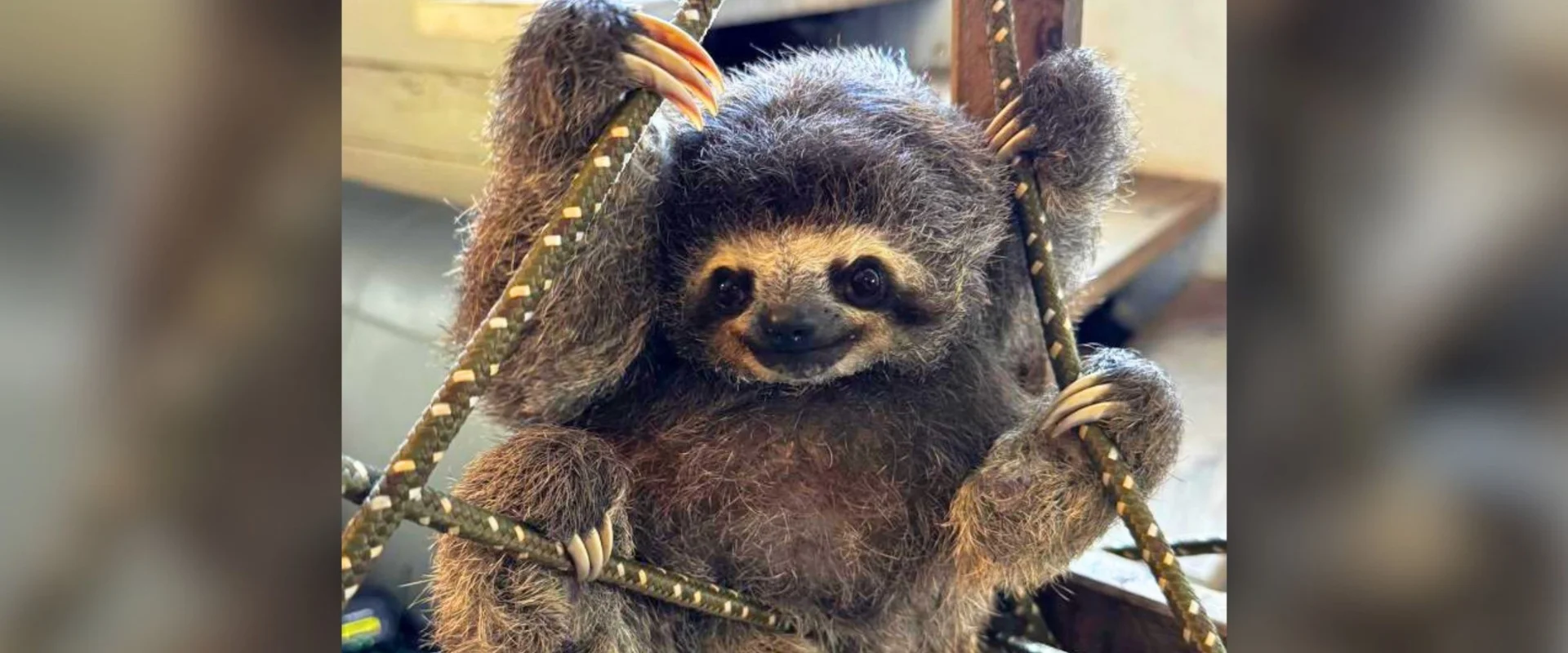
Wild animals around the world continue to face devastating threats, from extreme weather and habitat destruction to injury and human-wildlife conflict. Thanks to the generosity of our supporters, we were able to help animals in urgent need during August. Here’s how your donations made a difference last month. Southwestern France Helping wildlife affected by devastating wildfires Your generosity helped rescue teams respond to this wildfire emergency in France, treating animals for burns, dehydration and trauma, and caring for those orphaned by the flames. Source: CSFL Catastrophic wildfires in southwestern France destroyed thousands of hectares of wildlife habitat, leaving countless animals injured, displaced and fighting for survival. Thanks to your generosity, we were able to support our partner, Réseau Centres de Soins Faune Sauvage (RCSFS), as its rescue teams responded to this enormous wildlife emergency. Your donations helped provide emergency veterinary care, medication and vital supplies for animals suffering from burns, dehydration and trauma. Many young animals were also separated from their mothers and left orphaned as they fled the flames. Your support helped rescue teams care for these vulnerable animals when they had nowhere else to turn. Thank you for helping give France’s injured and displaced wildlife a chance to survive. Read the original story. South Africa – Greater Kruger Giving Fishan the care he needs Your support is helping Fishan stay mobile, giving him the chance to remain with his herd. Thank you for keeping him where he belongs. Source: HERD Fishan is a 37-year-old elephant living with his herd in South Africa’s Greater Kruger wilderness. A serious leg injury from years ago, combined with arthritis, means that every step can be painful for him. Fishan’s herd is his family and staying with them is incredibly important for his wellbeing. Thanks to your generous support, we were able to help provide the specialist veterinary care and ongoing treatment he needs to remain mobile and continue living alongside his herd. Your donations are helping make life more comfortable for Fishan and giving this much-loved elephant the best possible chance of continuing to live with his family. Thank you for helping Fishan keep moving and stay where he belongs – with his herd. Read the original story. Venezuela – Caracas Supporting Baby, the sloth’s recovery Orphaned as a newborn when her mother was killed by stray dogs, Baby is now growing stronger thanks to the care made possible by your support. Source: ASI/Dan Snyders We were one of the few international animal welfare organizations that managed to send a team to Venezuela after the devastating earthquakes there. Among the animals we helped was Baby, a three-toed sloth. Baby was only days old when stray dogs killed her mother, leaving the tiny sloth completely dependent on human care. She was rescued by our partner, Fundación Chuwie, received treatment and is growing stronger. Thanks to your support, Fundación Chuwie has been able to provide Baby with the specialist care and supplies she needs as she grows, while also helping its rescue team care for other sloths in danger. Sloths are in trouble in Venezuela because the lush forest canopy on which they live is being destroyed by human activity. Baby is one of some 300 sloths rescued each year by our partner. Your donations are helping ensure that rescuers have the equipment and resources they need to respond when sloths are injured, orphaned or trapped. Thank you for helping give Baby – and other vulnerable sloths – a second chance. Read the original story. Did you know? Your legacy can help protect wild animals long into the future. Find out how leaving a gift in your Will can make a lasting difference for animals around the world. Read more. Follow us on social media for heartwarming updates, important news and more. It was World Lion Day on August 10 and we celebrated one of nature’s most iconic animals while recognizing the urgent challenges lions face. At Animal Survival International we work to protect lions, particularly the disgusting trade in lion body parts and trophy hunting. Here is how we campaign against threats to wild animals. Source: Stu Porter/Shutterstock Much-needed relief on the way for Kenya’s thirsty animals. We’re pleased to share that our vital project to bring a life-saving water source to Tsavo West National Park’s vulnerable wildlife is underway. See the progress here. Source: ASI/Byron Seale (left) and Mwalua Wildlife Trust (right) In the news Campaigners are demanding a sanctuary for Johannesburg Zoo elephants. Read more. Source: The Incidental Tourist Thank you for standing with vulnerable wild animals around the world. Every rescue, rehabilitation and wildlife project featured here has been made possible through the compassion and generosity of people like you. Together, we’re creating a brighter future for wildlife. Banner source: ASI/Dan Snyders
How our supporters helped wild animals in July
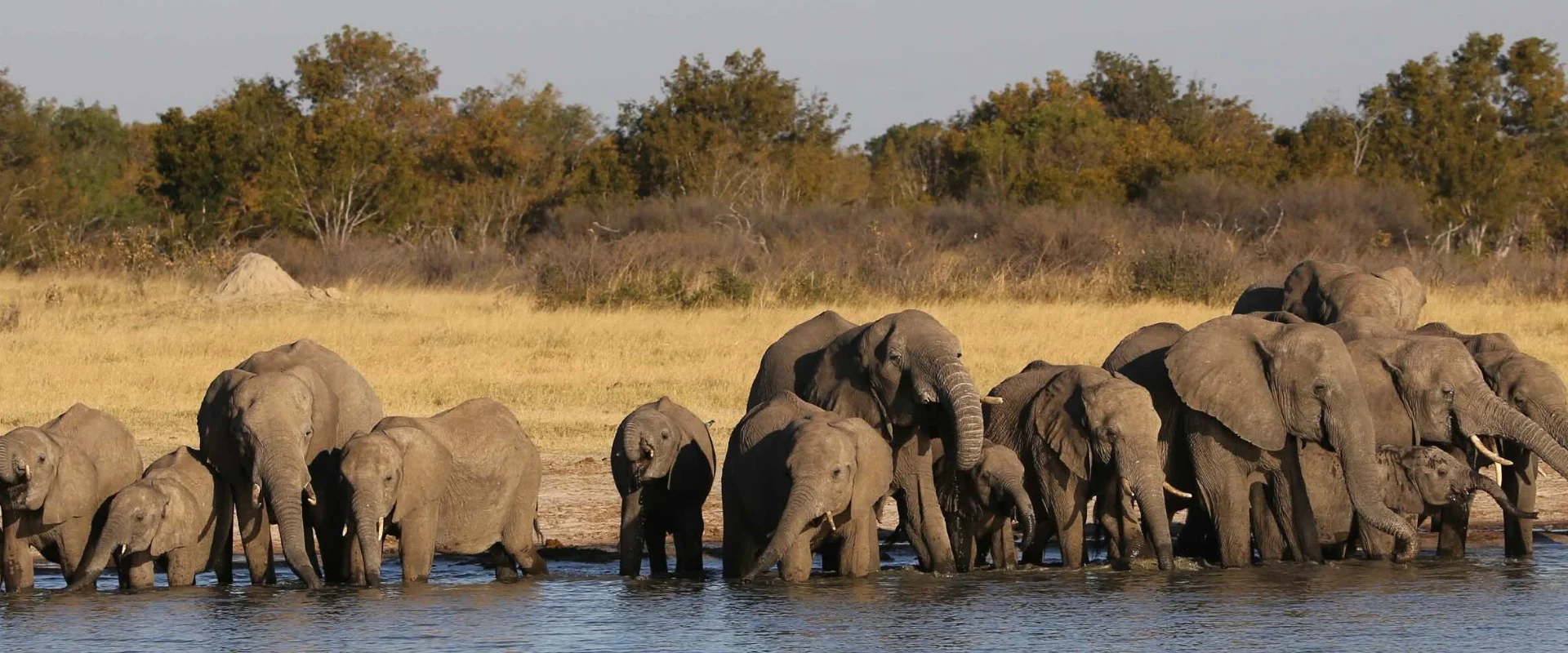
Every month, our supporters make it possible for us to respond when wild animals need us most. In July, the kindness of donors like you helped provide emergency care, protect vulnerable wildlife and support long-term conservation projects across Africa and Asia. Here’s what that support helped achieve. Laos – Vientiane Giving Pepsi the pangolin a second chance at life Pepsi, a critically endangered Sunda pangolin, is on the road to recovery thanks to the generosity of our supporters. He was rescued just before he was to be turned into rice wine. Source: LCTW We launched an appeal to help Pepsi, a critically endangered Sunda pangolin rescued as he was about to be turned into rice wine. Thousands of pangolins are trafficked in Asia each year to supply the illegal wildlife trade, where the animals are killed for their scales, meat and steeped in alcohol for sale in bars and restaurants. Thanks to the generosity of our supporters, we helped our partner, Laos Conservation Trust for Wildlife (LCTW), provide Pepsi with the specialist veterinary care, rehabilitation and round-the-clock support he needs to recover. Every rescued pangolin represents hope for one of the world’s most heavily trafficked mammals. Thank you for helping give Pepsi a second chance. Read the original story. South Africa – Limpopo Giving rescued leopard cub Mohli a brighter future We were able to contribute towards the care and rehabilitation of Mohli, a young leopard cub that was found alone and fighting for survival in Limpopo, South Africa. Source: Indlulamithi Big Cat Sanctuary In July, we appealed for support for Mohli, a young leopard cub rescued after being found abandoned, starving and fighting for survival in South Africa. She is now receiving expert care at our partner, Indlulamithi Big Cat Sanctuary, where she has been given the chance to grow strong in a safe environment. While we didn’t reach our full fundraising target, thanks to the kindness of our supporters, we were still able to make a donation towards Mohli’s care and rehabilitation. Every contribution helps provide nutritious food, veterinary treatment and care for an orphaned wild animal who needs all the help she can get to survive her traumatic start to life, and one day thrive in the wild, where she belongs. We are grateful to everyone who helped give this magnificent big cat a brighter future. Read the original story. Kenya – Tsavo West National Park Bringing life-saving water to wild animals of Tsavo There is hope for the animals of Tsavo West National Park in Kenya after we were able to raise funds for work to begin on a reliable source of water in this dry, harsh environment. For illustrative purposes. Source: Shutterstock This month, we once again appealed to help create a vital water source for wildlife in Kenya’s Tsavo West National Park, where prolonged drought has left elephants, rhinos, lions and countless other animals struggling to find water. Thanks to our donors’ outpouring of support, we have raised the funds needed for this lifesaving project. Our partner, Mwalua Wildlife Trust, will now begin work to create the water pan and provide a permanent and reliable source of clean water to sustain wildlife throughout the harsh dry seasons. This project will provide lasting benefits for thousands of wild animals for many years to come, helping them survive water scarcity – one of the greatest threats they face. Read the original story. Did you know? Your legacy can help protect wild animals long into the future. Find out how leaving a gift in your Will can make a lasting difference for animals around the world. Read more. Follow us on social media for heartwarming updates, important news and more. Water flows for wildlife in the Hwange region! Thanks to the generous support of our donors, our partner in Zimbabwe has been able to equip two boreholes on Farm 41 with solar-powered pumps and panels. Watch the video. Source: Supplied A much-needed clinic upgrade for our South African wildlife partner Friends of Free Wildlife. Through the continued generosity of our supporters, we’ve been able to fund a vital vet clinic project. Here are just a few of the animals being helped. Source: Friends of Free Wildlife In the news Orange-lipped monkey that roars and snorts deep in Congo rainforest is a new species to science. Read more. Source: Frankfurt Zoological Society Trail cameras show elephants, leopards, and more embracing India’s 7-mile wildlife crossing months ahead of schedule. Read more. The South African cheetah census that broke the population illusion. Read more. Thank you for standing with vulnerable wild animals around the world. Every rescue, rehabilitation and wildlife project featured here has been made possible through the compassion and generosity of people like you. Together, we’re creating a brighter future for wildlife. Banner source: Shutterstock
Our supporters’ donations in action in June
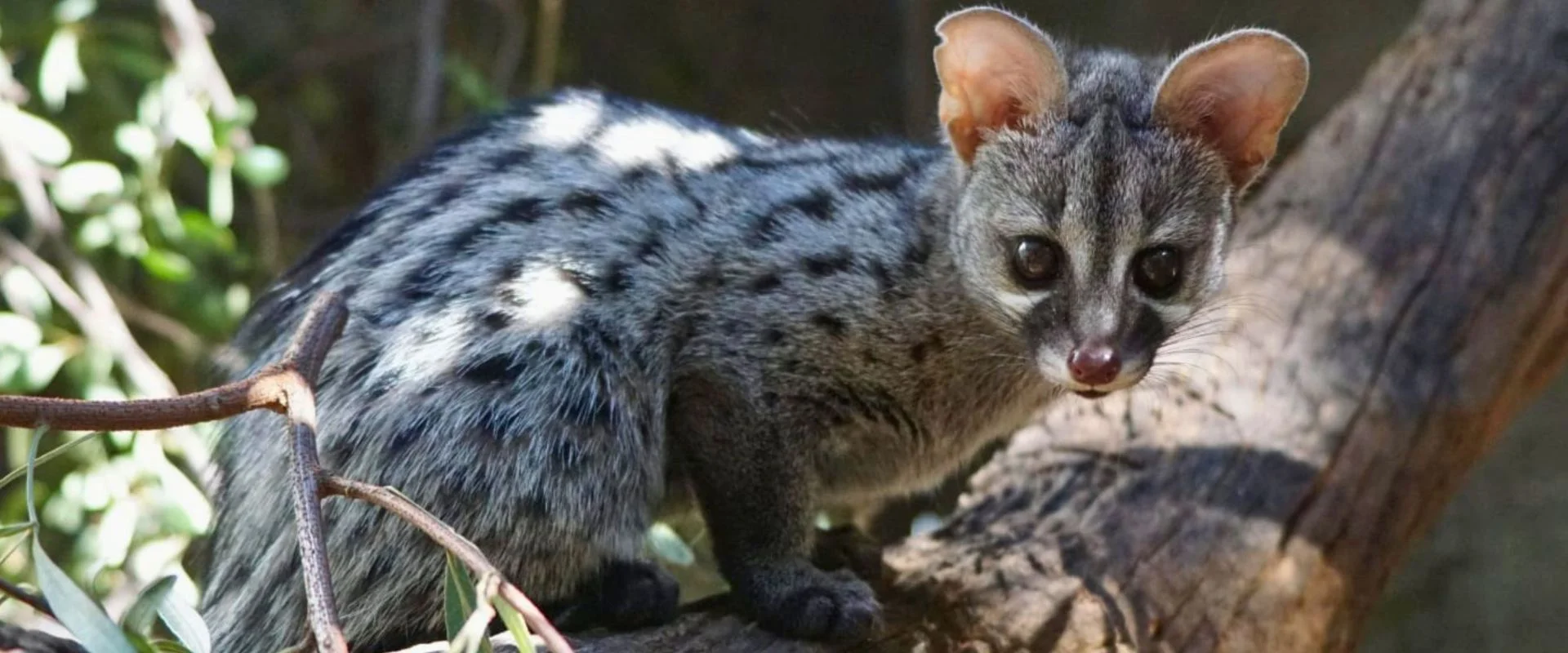
Thanks to the kindness and compassion of our supporters, June was another month of hope for wild animals facing enormous challenges. Together, we were able to respond to urgent crises, provide lifesaving care and support dedicated conservation partners working tirelessly to protect some of the world’s most vulnerable species. Here are just some of the ways your generosity helped make a difference throughout June. South Africa – Northern Cape Providing critical care to a tiny creature injured by a felled tree Your support helped save this tiny orphaned genet. After a devastating leg fracture and major surgery, she and her rescued brother are slowly on the road to recovery. Source: Kalahari Wildlife Project Thanks to the generosity of our supporters, we were able to help fund critical care for a tiny orphaned genet that suffered a devastating leg fracture after a tree was felled, killing her mother and sibling. Now in the care of our partner, Kalahari Wildlife Project (KWP), this infant has undergone major surgery and is slowly on the road to recovery. She is approaching a vital growth milestone of 2,2 pounds! (one kilogram). Both she and her brother, who was also rescued, are going strong but will require many more months of rehabilitation. Every gift helped give this little genet and other wild animals in our partner’s care a fighting chance. We are deeply grateful to everyone who supported this appeal and helped our partner continue its vital work – rescuing, rehabilitating and, wherever possible, returning wild animals to the freedom of their natural habitats. Read the original story. Madagascar – Antananarivo Supporting the rehabilitation of critically endangered tortoises found bound, taped and stuffed into traffickers’ suitcases The response to the plight of these critically endangered radiated tortoises was overwhelming. Thanks to your generosity, TSA can now give them the space they need to recover. Source: Turtle Survival Alliance The heartbreaking story of critically endangered radiated tortoises found alive, crammed into suitcases, and with their legs taped inside their shells, touched the hearts of our supporters around the world. Thanks to their outpouring of support, this appeal exceeded expectations, raising vital funds to help Turtle Survival Alliance (TSA) relocate 1,000 of its rescued tortoises to a larger rehabilitation centre and covering their care costs for a year. TSA currently has approximately 19,000 tortoises in its care, and this relocation will ensure that each has the space it needs to recover and grow strong. The overwhelming response to this appeal is a powerful reminder that every life matters – and that together, we can stand against the cruel wildlife trade. Every donation helped give these gentle animals a second chance at life, and brought hope to a species that has declined by around 80% in recent decades because of poaching and habitat loss. We are immensely grateful to every supporter who made this lifesaving work possible. Read the original story. South Africa – Tzaneen Support for a pangolin saved from cruel smugglers Pingu narrowly escaped the illegal wildlife trade. Thanks to your generosity, she is now receiving the specialist care she needs to survive. Source: ASI/David Barritt Our appeal to help little Pingu, a rescued pangolin who narrowly escaped the illegal wildlife trade in South Africa, highlighted the extraordinary level of care these critically endangered animals need to survive. Every donation helped support Pingu’s round-the-clock protection, specialist rehabilitation and the dedicated care she needs before she can safely return to the wild. We are deeply grateful to everyone who supported Pingu’s journey. Pangolins are among the world’s most trafficked mammals, and every life saved gives hope to the species. Read the original story. Tanzania – Arusha Protecting super tusker elephants with powerful drones We didn’t reach our goal this time, but every donation brought us one step closer to protecting East Africa’s last super tuskers. Our matching gift appeal to help our partner, Conservation Through Tourism (CTT), purchase additional anti-poaching drones to protect East Africa’s last remaining super tusker elephants received a wonderful response from our supporters. With fewer than 30 super tuskers remaining in East Africa, every effort to safeguard them from poachers, trophy hunters and human-wildlife conflict is vitally important. Although we didn’t reach our fundraising goal this time, every donation brought us one step closer to giving these magnificent elephants the protection they so desperately need. We are grateful to everyone who donated and shared the appeal. We will continue fundraising for this critical project until our partner has the resources it needs to expand aerial protection across vulnerable wildlife corridors in Tanzania. Together, we can help ensure these extraordinary elephants, and the irreplaceable genetic legacy they carry, have a future. Read the original story. Follow us on social media for heartwarming updates, important news and more. One ‘ellie’ of a relocation! The rescued elephants of Somboon Legacy Foundation in Thailand have arrived safely at their new home. See it here. Source: Somboon Legacy Foundation World Giraffe Day: Giraffes may be experiencing a ‘silent extinction’. Listen up, here. Did you know? Your legacy can help protect wild animals long into the future. Find out how leaving a gift in your will can make a lasting difference for animals around the world. Read more. In the news Wild animal consumption on the rise in Central Africa, study finds. Read more. They’re back! Rhino orphans return to the shores of Lake Kariba. Read more. Five reasons for hope in global wildlife conservation. Read more. Visual AI tracks nearly 100 wildlife species to improve conservation. Read more. Elephants return to Mount Elgon side of Uganda after four decades. Read more. A rare and mysterious creature has just been detected in a remote Kenyan forest. Here’s why experts are so excited. Read more. Every rescue, rehabilitation, and return to the wild is only possible because of compassionate people like you. Thank you for standing with us and our dedicated conservation partners as we fight to protect wildlife around the world. Together, we can continue giving vulnerable wild animals the second chance they deserve. Banner source: Shutterstock
How our supporters have been helping wild animals
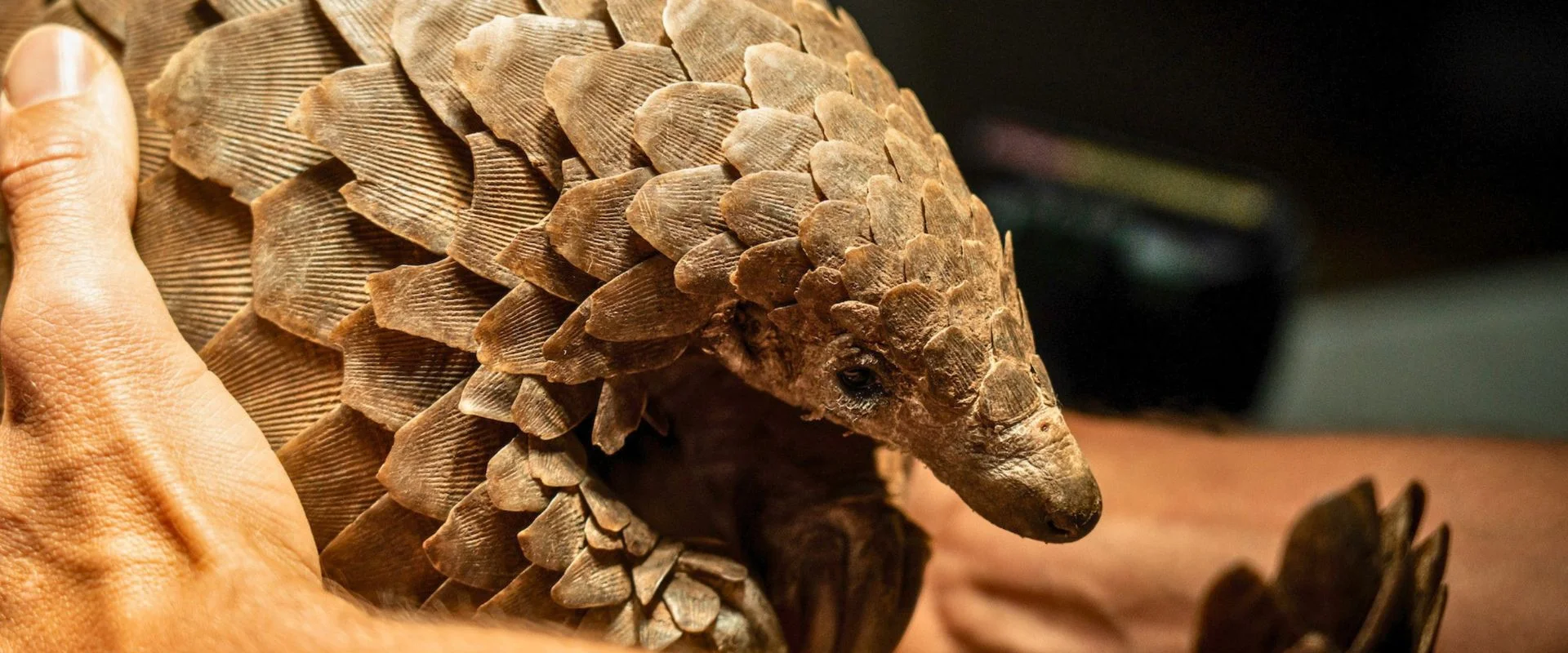
Thanks to our supporters’ generosity, we were able to step in where animals needed us most, helping to protect vulnerable animals and support conservation efforts around the world. Here’s how our supporters’ kindness helped make a difference in May. Malawi – Lilongwe Support for a rescued pangolin with an amputated leg Nthambi lost her leg to a poacher’s snare in rural Malawi — but thanks to your generosity, this brave pangolin is receiving the specialist care she needs to recover. Source: Lilongwe Wildlife Trust Nthambi had her leg amputated when she was caught in a poacher’s snare in rural Malawi. Severely traumatized and in immense pain, the injured pangolin required emergency surgery and round-the-clock care from our partner, the Lilongwe Wildlife Trust (LWT). Thanks to our supporters, we will donate towards ongoing care for Nthambi and the many other rescued wild animals at LWT, including pangolins, primates and orphaned baboons rescued from illegal trafficking and the bushmeat trade. Pangolins are the most trafficked mammals in the world, targeted for their scales and meat. Every rescue is a race against time, and animals like Nthambi depend entirely on specialist rehabilitation and compassionate care to survive. Thank you for showing kindness to this brave little fighter. Read the original story. South Africa – Western Cape Helping rebuild a safe haven for rescued big cats Thanks to your support, we are contributing towards rebuilding Panthera Africa’s fireproof night houses — bringing these rescued big cats one step closer to home. Source: CFW In May, we launched an appeal to help rebuild Panthera Africa Big Cat Sanctuary after a devastating wildfire in January destroyed much of its vital infrastructure, displacing rescued lions, tigers and other big cats. Thanks to our supporters, we are helping the sanctuary rebuild critical fireproof night houses for its animals. These structures are especially important for older rescued animals who need warm, secure places to sleep during the cold winter months. Read the original story. Laos – Vientiane Keeping rescued bears cool during soaring summer temperatures Source: LCTW Thanks to the generosity of our supporters, we raised the funds needed to build four much-needed cooling pools for 23 rescued sun and moon bears at our partner, the Laos Conservation Trust for Wildlife (LCTW). These bears were inherited when LCTW transformed a former zoo into a dedicated rescue sanctuary. While the bears can never return to the wild, they now live in spacious, naturalistic forest enclosures where they are finally safe from the exploitation they once endured. However, with temperatures in Laos soaring to extreme levels, the bears have been struggling to keep cool, often relying on small drinking basins to splash and submerge themselves in. Your support will now allow LCTW to construct proper pools in each enclosure, giving the bears vital relief from the heat and greatly improving their daily comfort and wellbeing. This project is a simple but life-changing upgrade for animals who have already endured so much, and it would not have been possible without you. Read the original story. Did you know? Your legacy can help protect wild animals long into the future. Find out how leaving a gift in your Will can make a lasting difference for animals around the world. Read more. Follow us on social media for heartwarming updates, important news and more. Baboons matter! More than 17,000 people have signed our petition against the proposed plans to capture and confine Cape Town’s free-ranging baboons, in essence imprisoning these wild animals. Add your voice by signing now. Source: Shutterstock In the news Chinese court cases reveal most trafficked rhino horns come from Southern Africa. Read more. Source: Shutterstock 40 years on from the disaster, why there are foxes, bears and bison again around Chernobyl. Read more. Maxwell Frost condemns Sloth World animal deaths and calls for federal investigation. Read more. At 100, David Attenborough’s message is no longer just about wonder. Read more. Thank you for standing with vulnerable wild animals around the world. Every rescue, rehabilitation and conservation effort featured here is only possible because of compassionate supporters like you. Together, we are giving animals hope for a safer future. Follow us on social media and visit www.animalsurvival.org to stay updated on the latest rescues, urgent appeals and inspiring success stories, and to continue making a lifesaving difference for animals in need. Banner source: Lilongwe Wildlife Trust
Monthly Highlights April 26
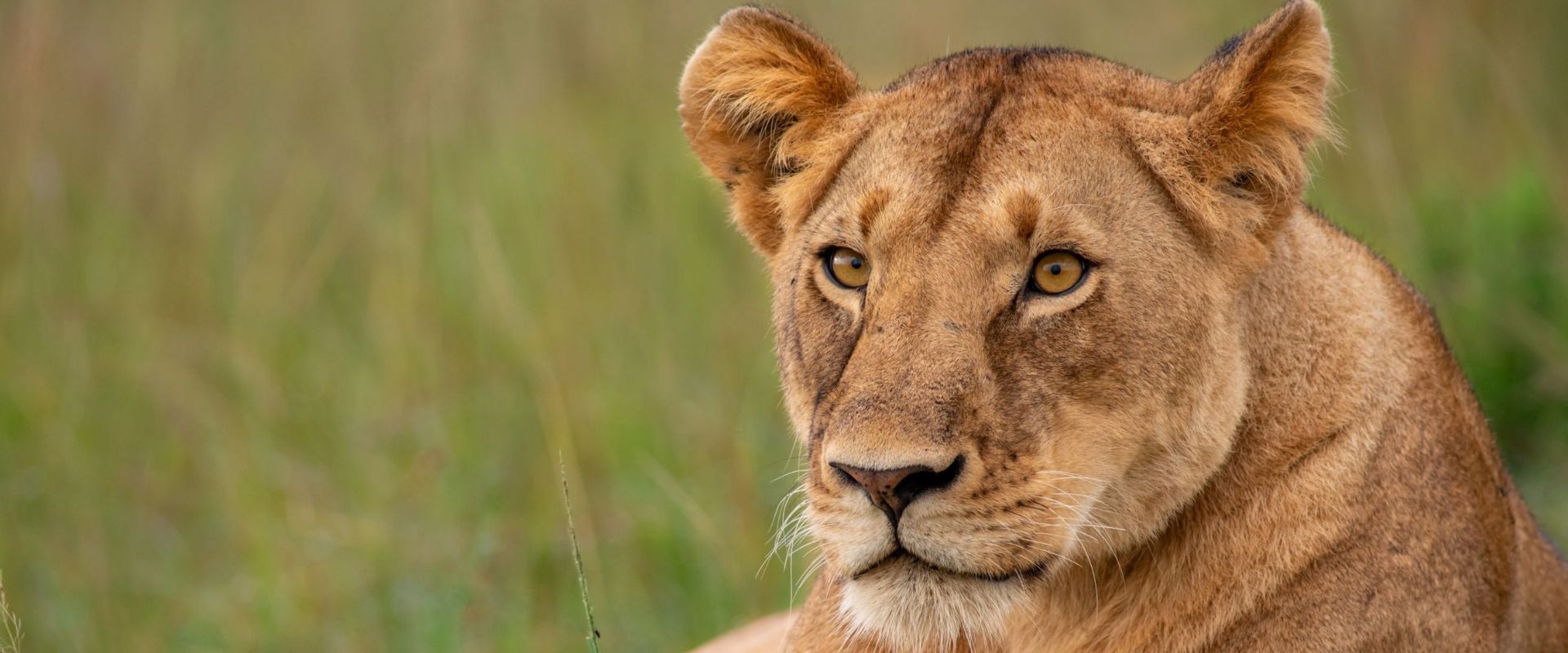
Thanks to our supporters’ generosity, March and April were powerful months of action for wildlife. Together, we were able to step in where wildlife needed us most, helping to give vulnerable animals a second chance at survival. Here’s how your support made a difference. Thailand – Kanchanaburi A new home for abused Asian elephants Source: Somboon Legacy Foundation ILast month, we asked for our supporters’ help in relocating a group of elderly, abused elephants. Our partner, Somboon Legacy Foundation, was told to vacate the premises they’d had for years – premises where its fragile elderly elephants were safe and recuperating after decades of abuse. With time running out, we asked for support to help fund the relocation of these elephants to a new home where they can continue to live in peace. Thanks to our supporters, we are able to contribute towards this important relocation effort, helping give animals the chance to remain safe, together and free from further suffering. Your compassion is helping ensure that, after a lifetime of suffering, they can finally enjoy the dignified retirement they deserve. The relocation is set to take place this month, and we will keep you updated as it progresses. Read the original story. South Africa – Mpumalanga Little rhino calf Wilson is a painful reminder of the threats facing Africa’s rhinos Source: CFW After losing his mother, young white rhino calf Wilson was found collapsed and gravely injured following a hyena attack in a South African game reserve. Rangers reached him just in time, and he was airlifted to our partner, Care for Wild Rhino Sanctuary (CFW), where specialist teams worked around the clock to stabilize him. Despite the dedicated efforts of veterinarians and caregivers, Wilson sadly succumbed to his injuries. His story is a heartbreaking reminder of the immense challenges facing orphaned rhino calves and the urgent need to protect Africa’s rhinos from the ongoing threats they face. Donations received have been donated to CFW in Wilson’s memory, and will be put towards the rehabilitation of other infant rhino calves currently in their care. Read the original story. Laos – Vientiane Keeping rescued bears cool during soaring summer temperatures Source: LCTW Thanks to the generosity of our supporters, we raised the funds needed to build four much-needed cooling pools for 23 rescued sun and moon bears at our partner, the Laos Conservation Trust for Wildlife (LCTW). These bears were inherited when LCTW transformed a former zoo into a dedicated rescue sanctuary. While the bears can never return to the wild, they now live in spacious, naturalistic forest enclosures where they are finally safe from the exploitation they once endured. However, with temperatures in Laos soaring to extreme levels, the bears have been struggling to keep cool, often relying on small drinking basins to splash and submerge themselves in. Your support will now allow LCTW to construct proper pools in each enclosure, giving the bears vital relief from the heat and greatly improving their daily comfort and wellbeing. This project is a simple but life-changing upgrade for animals who have already endured so much, and it would not have been possible without you. Read the original story. A difficult update to share Source: The LionWatch Project Last month, we launched an urgent appeal to help capture and relocate a lioness at risk of being killed by hunters and poachers in South Africa – just like the rest of her pride had been. Alone and vulnerable, she was at risk of being hunted, and we had identified a fenced reserve to relocate her to. Our partner, the LionWatch Project, began patrolling for the animal even before we put out our plea to our supporters. The plan was to dart and relocate her. Our partner was able to further ramp up its search efforts thanks to our donors’ compassionate support. It has been some weeks since she has been spotted, which may mean she’s moved into a different area. We are not sure if she is still alive, but we are continuing to search for her and we’re committed to continue until we have a definitive answer either way. Together with our partners, we work tirelessly day and night to help wild animals in crisis, but sometimes, despite our very best efforts, the outcome is not what we had hoped for. Our search has continued and we will keep you posted. Read the original story. Follow us on social media for heartwarming updates, important news and more. Look at this lovely new enclosure our supporters helped fund for rescued wild cats in the UK. Source: WildSide Exotic Rescue It’s a rescue, but is it real? Here’s how to spot fake animal rescue content on social media. Asian elephant Pun is on her way to her new home! See it here. Eye in the sky! Check out this drone in action for the wild animals of Tanzania. Our supporters’ generosity provided warm, water and food for the animals of Ukraine. Here’s the heartwarming update. Did you know? Aquatic animals are the most exploited but least protected. “Sea” more here. Your legacy for wild animals Your legacy isn’t just a gift. It’s a commitment to help safeguard wild animals and their habitats long after you’re gone. Click here if you are interested in learning more about including Animal Survival International in your will. Wildlife news in review Botswana shows how smarter cattle herding can save lions, reopen ancient wildlife pathways. Read more. Can African penguins be brought back from the brink? Better designed no‑fishing zones could help. Read more. ‘One of the most successful wildlife comeback stories’: The Alps lost its vultures – then it got them back. Read more. Seals and sea lions provide clues to evolution of vocalization. Read more. Chinese national arrested over attempt to smuggle 2,000 queen ants from Kenya. Read more. Born in captivity or stolen from the wild: How exotic animals become pets in Europe. Read more. Facebook shuts Indonesia groups after Mongabay and Bellingcat report illegal wildlife
Here are the animals and projects our supporters helped last month
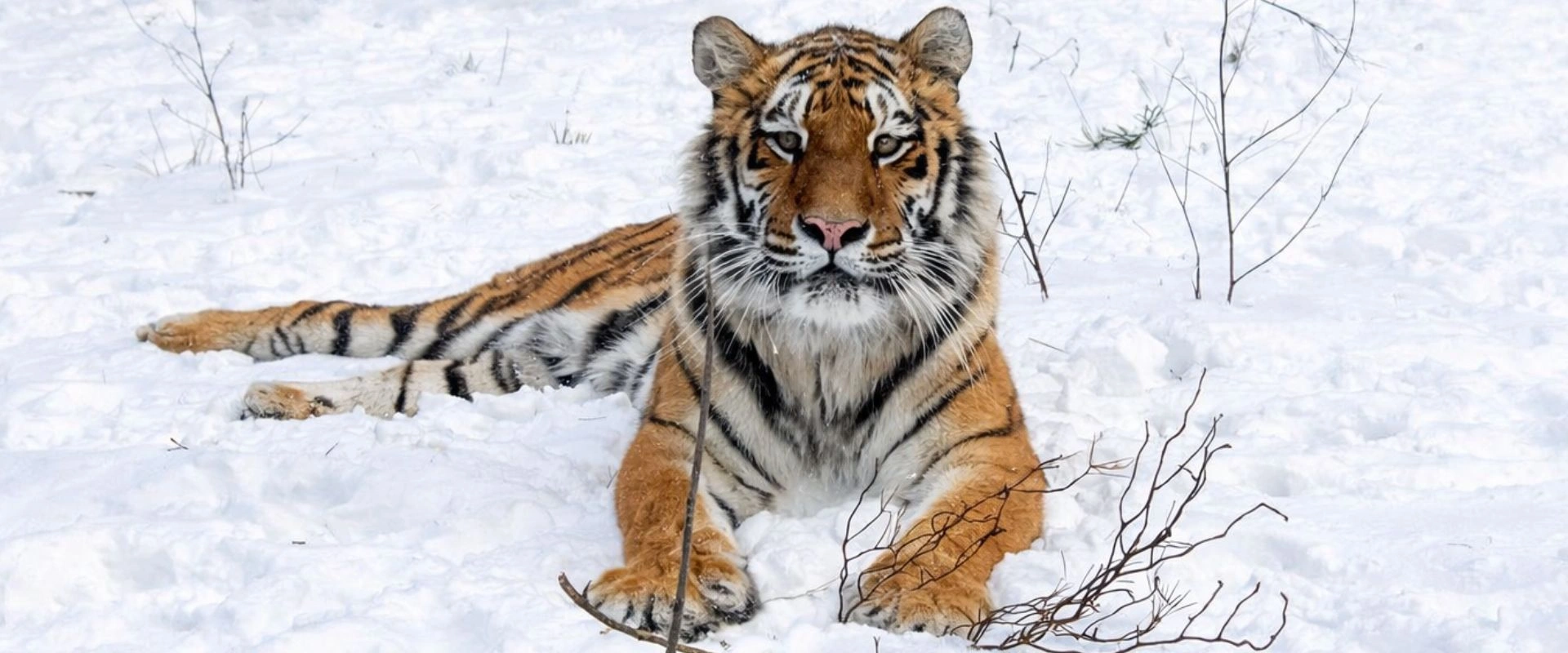
Because of the support we received from our donors in February, we were able to step in for wild animals confronting some of the most urgent and devastating threats. Here’s a look at the powerful impact our compassionate donors are helping to create. Zimbabwe – Matabeleland Helping drought-stricken animals through sustainable solar power Your generosity has helped lay the groundwork for reliable water access at our partner in Zimbabwe’s arid Matabeleland region — and we hope to go further in the months ahead. Credit: MARES In Zimbabwe’s arid Matabeleland region, prolonged drought has left animals with severe water shortages and dwindling food supplies. At our partner sanctuary, Matabeleland Animal Rescue and Equine Sanctuary (MARES), many rescued animals are elderly, disabled or blind – and especially vulnerable when the rains fail. In February, we asked our supporters to help fund a sustainable solar-power solution. With a borehole already installed, the next vital step was solar infrastructure to pump reliable water and enable irrigation during the driest months. This project will help drought-proof the sanctuary and protect animals for years to come. Although we did not reach our full target, thanks to our supporters, we’ve been able to contribute to this important work – and we hope to offer further support in the months ahead. Read the original story. Ukraine – Kyiv region Providing life-saving warmth for rescued animals in harsh winter Thanks to your incredible support, the animals at Wild Animal Rescue Center in Ukraine now have the warmth and stability they need to make it through the coldest days. Credit: WARC At our partner sanctuary, Wild Animal Rescue Center (WARC) near Kyiv, dozens of rescued lions, tigers, lynxes and other animals were living in freezing conditions after Ukraine’s electricity infrastructure was repeatedly damaged by war. With no power for heating, the animals – many already sick or injured after enduring abandonment, conflict and hardship – were at risk of succumbing to sub-zero temperatures. The situation was urgent: without a reliable source of heat, these vulnerable animals simply could not survive the brutal winter months. Our supporters helped fund the purchase of a generator and fuel to keep the heating running throughout winter. Thanks to our donors, we were able to provide this life-saving equipment. Their warmth and well-being this winter are a direct result of our supporters’ compassion and solidarity. Read the original story. Global – World Pangolin Day Supporting the world’s most trafficked mammals Thanks to your contributions on this World Pangolin Day, our partners will be able to provide vital veterinary treatment, rehabilitation and rewilding efforts for some of the most vulnerable and trafficked animals on the planet. Credit: Prelena Soma Owen/Africa Geographic Pangolins are some of the most threatened animals on the planet. Due to relentless poaching for their scales and meat, they have become the most trafficked wild mammal in the world, with millions taken from their natural habitats across Africa and Asia over the past decade. These shy, scaly creatures depend entirely on quiet, specialised care when they are rescued and they face huge challenges in the wild without dedicated protection and rehabilitation. On World Pangolin Day in February, we reached out to our supporters to help fund urgent care, veterinary treatment, rehabilitation and protection efforts for rescued pangolins, as well as support monitoring and rewilding where possible. Thanks to the generosity of our donors, we raised funds that will help our partners continue this essential, life-saving work for these special animals. Read the original story. Follow us on social media for heartwarming updates, important news and more. Something to trumpet about! Asian elephant Boon Dee’s new home is almost complete, thanks to wildlife warriors like you. Watch the video. Credit: ASI/Taryn Slabbert In Zimbabwe, lions can roam a little more freely thanks to the generosity of our supporters. Read more. Credit: VFAPU Roaring good news! Panthera Africa’s big cats find hope and healing after the flames. See more. Credit: Panthera Africa Big Cat Sanctuary Your legacy for wild animals Your legacy isn’t just a gift. It’s a commitment to help safeguard wild animals and their habitats long after you’re gone. Click here if you are interested in learning more about including Animal Survival International in your will. In the news Climate crisis linked to fall in southern right whale birth rates as researchers raise ‘warning signal’. Read more. Credits: Pexels/Ivan Stecko Is microplastic pollution a problem for animals? Read more. INVESTIGATION | Wildlife crime syndicates tighten grip on South Africa’s natural heritage. Read more. Rhino poaching doubles in South Africa’s Kruger Park. Read more. Lion DNA helps convict poachers for first time. Read more. None of our work would be possible without people like you. Our supporters’ compassion makes lifesaving action possible around the world — from direct rescue and care to vital emergency assistance. Look out for more stories next month. Thank you for standing alongside animals in need.
How our supporters helped animals around the world in January
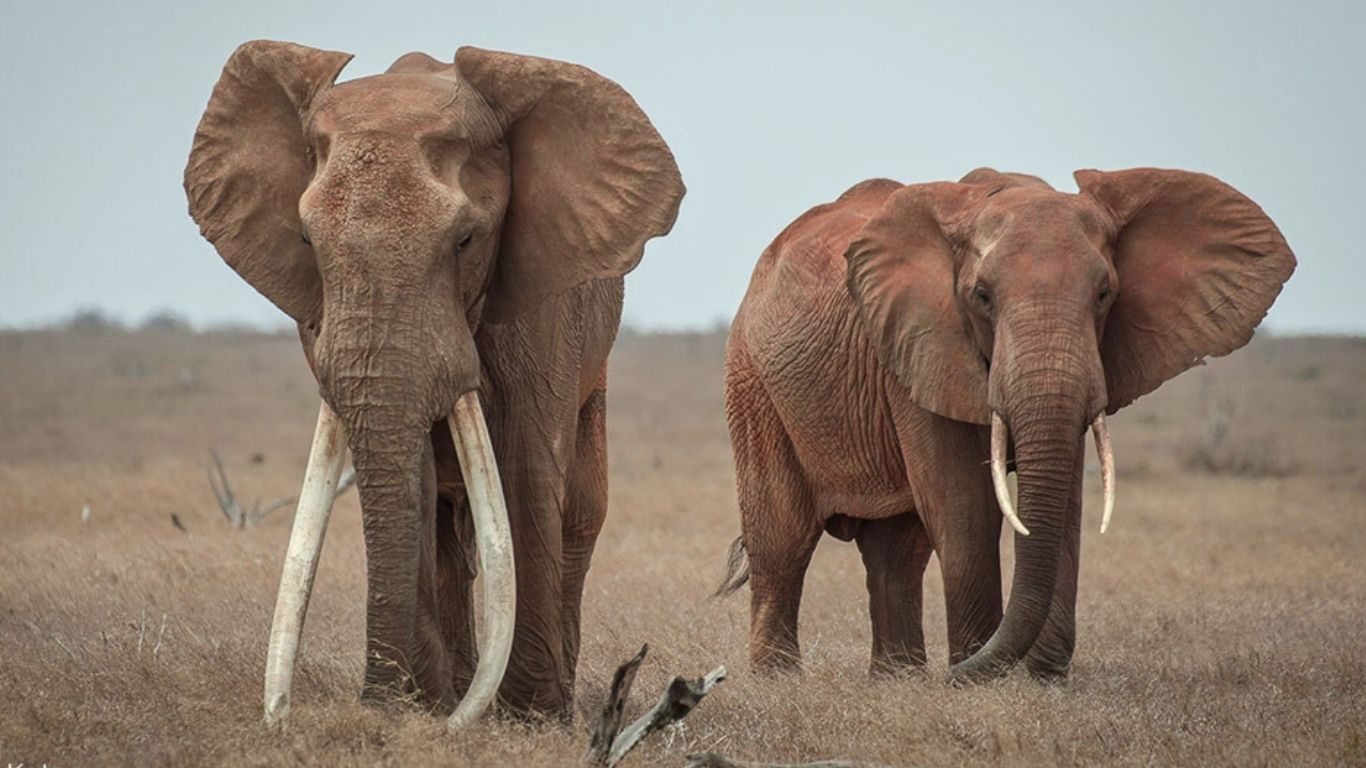
Thanks to our supporters’ help in January, we took action on behalf of wild animals facing some of the gravest threats on Earth. Here’s how our donors’ generosity is making a difference. East Africa – Tanzania Helping to protect Africa’s majestic ‘super tusker’ elephants Drone technology helps guide elephants to safety, keeping them away from poachers, hunters and human settlements. Credit: William Burrard-Lucas/Financial Review Our Conservation Through Tourism partner continues its vital work safeguarding the last remaining super tusker elephants – iconic giants with massive tusks prized by poachers and trophy hunters. These elephants migrate across vast, unprotected corridors between Kenya and Tanzania, and are dangerously exposed to illegal hunting and human-wildlife conflict. Drones have become an essential tool in helping guide these elephants safely to water and food, and away from danger. Through our supporters’ generosity, we have now been able to equip our partner with not one but two critical drones to safeguard the animals. Thank you for helping protect these magnificent giants. Read the original story. South Africa – Stanford Providing emergency support during deadly wildfires in the Western Cape The injured animals need day and night veterinary care. Credit: Panthera Big Cat Sanctuary In early January, wildfires ravaged our partner in South Africa, Panthera Africa Big Cat Sanctuary, leaving 25 rescued lions, tigers, leopards and others displaced, injured and distressed. Tragically, the fire led to one fatality and a number of burn injuries, as frightened animals tried to escape from the advancing flames. Thanks to the support of our donors, we were able to help fund critical veterinary care and the emergency relocation of some of the cats requiring immediate care. All surviving animals were safely evacuated to species-appropriate farms and sanctuaries, and we are thrilled to tell you that those still receiving care are improving daily. Our supporters truly opened their hearts to these animals and we, and the animals, could not be more grateful. Read the original story. South Africa – Gauteng Support some of South Africa’s tiniest victims of hunting, fires and human interference Each month, our partner rescues and rehabilitates animals, like this baby genet. Your donation made the difference between life and death for orphaned wild animals. Credit: FFW Our partner Friends of Free Wildlife is stretched by a surge in orphaned and injured wildlife coming through its doors. With hundreds of animals arriving every week – many orphaned by wildfires, drought and human conflict – your support helps provide critical food, shelter and medical care to give these vulnerable young lives a chance. It is not always easy to raise funds for less ‘charismatic’ and iconic species, but birds, bats and bushbabies need just as much help as elephants and rhinos. With our supporters’ help, we have been able to give a donation to further Friends of Free Wildlife’s wonderful work. Read the original story. Thailand – Phetchaburi A new home and a chance of friendship for rescued Asian elephant Pun Pun is one step closer to a bigger home and the chance of friendship. Credit: WFFT Pun’s life has been heartbreakingly hard. For decades, she was forced to breed in a cruel elephant-riding and tourist industry in Thailand, with her babies taken from her shortly after birth. This cycle of trauma left her lonely and heartbroken, as well as mistrustful of other elephants and in desperate need of peace and companionship. Pun now lives in safety and peace at our partner sanctuary, Wildlife Friends Foundation Thailand (WFFT), but she is lonely. Thanks to your generosity, we’re now giving Pun a donation toward a much larger, enriched enclosure – a space where she can finally begin to heal. This new home will allow Pun to be introduced, slowly and carefully, to neighbouring elephants so she may form bonds and experience the companionship she’s been missed for so long. Read the original story. Follow us on social media for heartwarming updates, important news and more. Plans are afoot to capture some of Cape Town’s free-ranging baboons and enclose them. Learn more and sign our petition here. Female Chacma baboons stay in their natal troop for life, forming strong matrilines. These family ties provide stability across generations. Credit: Shutterstock The ASI team was heartbroken to learn of the passing of our partner’s beloved rescued elephant, Pai Lin, at the end of 2025, just weeks after we met her on a campaign trip. In her retirement years, this elderly girl experienced the joy of freedom, peace and safe sanctuary with our partner, Wildlife Friends Foundation Thailand. In the news Do hibernating animals go to the loo? Read more. Rescued Himalayan brown bear, Chada, emerging from hibernation. Credits: Instagram/whiterock.savewildfund Researchers sound an alarm after observing the behavior of African lions: ‘Very serious’. Read more. The mutant wolves of Chernobyl have evolved to survive cancer. Read more. None of the help we give is possible without people like you. Our supporters’ compassion fuels lifesaving work around the globe, from direct rescue and care to critical emergency support. Stay tuned for more stories next month – and thank you for standing with animals in need.
What we achieved for wild animals in 2025
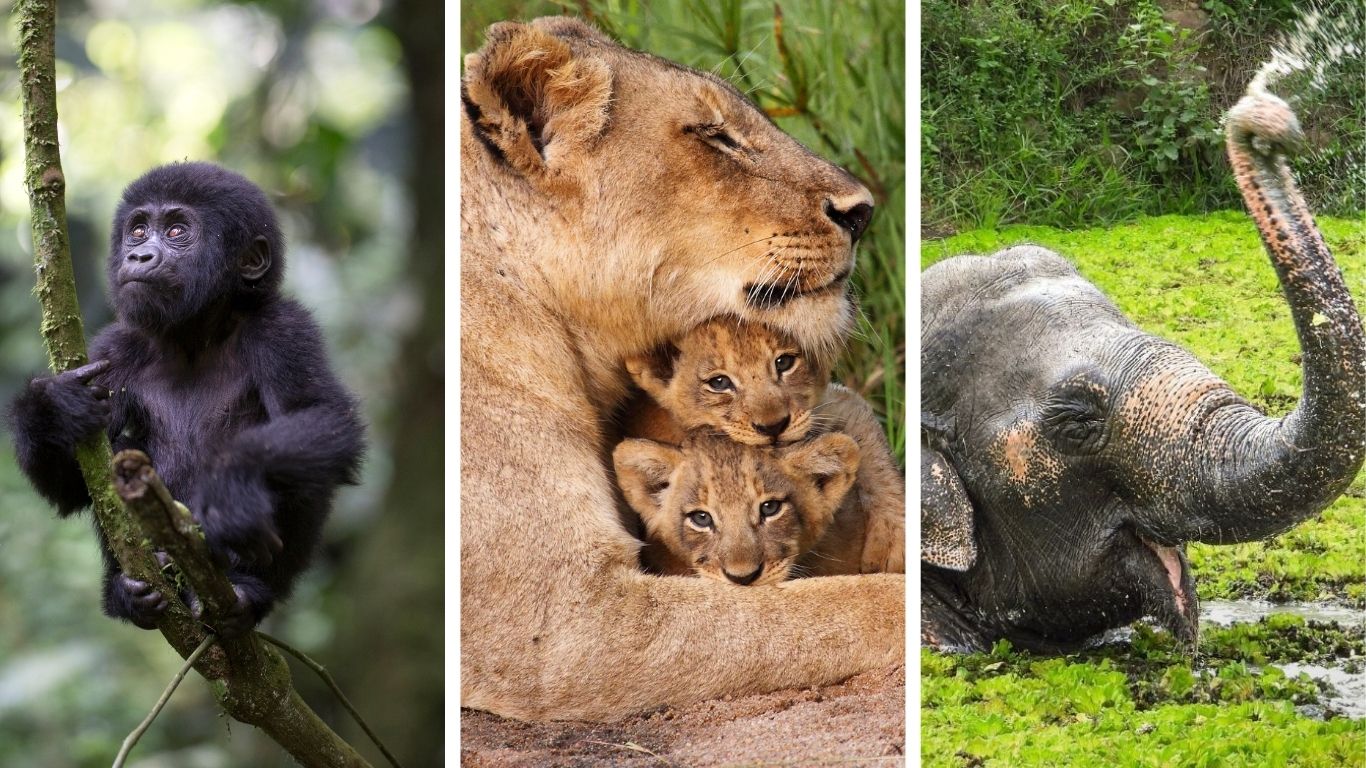
As we swing into a new year of action for animals, we reflect on everything our supporters helped us achieve for wildlife in 2025. Here are a few of the many lives you helped change, and save, in 2025 Credit: CFW (Top left), ASI/Taryn Slabbert (Top middle) KWP (Top right corner), ONCA Wildlife Sanctuary (Bottom left corner), WFFT (Bottom middle) and Umoya Khulula Wildlife Centre (Bottom right corner) Drought mitigation projects Climate change is taking its toll on Southern Africa, with longer dry seasons and less rainfall. Our work provides thousands of animals with fresh drinking water: In South Africa’s Limpopo Province, we helped fund the creation of a borehole for a herd of rescued elephants in the care of our partner, Hoedspruit Elephant Rehabilitation and Development (HERD). Climate change and other factors are causing frequent and worsening droughts, and we wanted to help give this special herd fresh, abundant water all year round. In Zimbabwe’s desperately dry Hwange region, our supporters helped us fund two life-saving water pumps for elephants and other animals battling lingering drought. This project supports the work of our partner, the Presidential Elephants Research Trust (PERT), by bringing water to a 7,413-acre (3,000-hectare) area bordering Hwange National Park – an area which had no other means of providing water during the dry season. In Bulawayo, Zimbabwe, we helped fund a borehole and water pumps for our partner, Matabeleland Animal Rescue and Equine Sanctuary (MARES), a refuge for over 100 injured, neglected and abused animals. Lingering drought had locked animals in a desperate state of hunger and thirst. Advanced anti-poaching solutions Illegal wildlife trafficking persists globally, affecting over 4,000 species but especially rhinos, pangolins and tigers in Africa and Asia respectively. A growing online market, particularly on platforms like Facebook, fuels the trade. We are helping to mitigate the crisis: In Zimbabwe, we contributed towards an anti-poaching drone for our partner, Zambezi Conservation Unit (ZamCon), which patrols high-risk poaching zones along the Zambezi River. We purchased AI-powered camera traps for our Zimbabwean partner, Victoria Falls Anti-Poaching Unit (VFAPU), to support its fight against the surge in lion poaching for the Asian market. Lion paws, heads, teeth and bones are especially sought-after as fake medicinal cures and curios. We helped our partner, Kariba Animal Welfare Fund Trust (KAWFT), with the emergency de-snaring of a helpless baby elephant calf, and equipped its team with vital tools for emergency de-snaring operations. The landlocked Asian country of Laos is a key trading hub for wildlife, and our partner there – the Laos Conservation Trust for Wildlife (LCTW) – has a massive job on its hands. We funded a drone for the team so it can effectively monitor the forests surrounding its sanctuary, where many rescued animals are released back into the wild. Emergency rescue and disaster relief Climate change, extreme weather, habitat loss and human-driven disasters are increasingly disrupting animals’ habitats and jeopardizing their lives. ASI is ready to step when animals need us most: In January, we provided emergency funding in the United States to Wetlands and Wildlife Care Center of Orange County (WWCC), which rescued and treated animals during Los Angeles’ catastrophic wildfires. We provided emergency funding to US big cat sanctuary Wild Felid Advocacy Center of Washington (WFACW), which had to destroy thousands of dollars’ worth of food after a bird flu outbreak killed 21 of its big cats, believed to have come from contaminated meat. When a severe flood destroyed our partner sanctuary, Turtle Survival Alliance (TSA), in Madagascar, we stepped up to help 5,000 fragile juvenile tortoises. Due to water exposure, these reptiles – critically endangered radiated and spider tortoises – were at risk of deadly pneumonia. Funds were used to evacuate them to TSA’s surviving shelter several hours away. Thanks to our supporters, we continue to help animals affected by the Ukraine war – long after many other organizations stopped. This year, we provided substantial funding to Wild Animal Rescue Centre (WARC), which rescues wild animals from the frontlines. We funded new tires for rescue vehicles, covered heating bills for animals during the bitterly cold winter, and – in partnership with the LionWatch Project – relocated three of their rescued lions to a permanent sanctuary in South Africa. In the war-torn Democratic Republic of Congo (DRC), we funded critical communication devices for rangers from The Gorilla Organization, who are protecting the region’s last remaining gorillas. These critically endangered animals are caught amid the conflict and risk being poached for their meat by desperate, starving civilians. We contributed to round-the-clock care for infant wild animals orphaned by bushfires in South Africa. These injured and frightened animals, rescued by our partner, Friends of Free Wildlife (FFW), have no hope of survival without critical care and long-term rehabilitation. We provided funding to Sea Search, a group of scientists researching the devastating outbreak of rabies in the seal population of South Africa’s Western Cape. Our scientists explain the potentially far-reaching consequences of this outbreak here. Through our supporters’ kindness and generosity, we helped thousands of animals across the world in 2025 – and with your continued support in 2026, we’ll help thousands more. A heartfelt thank you from all of us at ASI, and all the animals whose lives you helped improve.
How our supporters helped animals in November
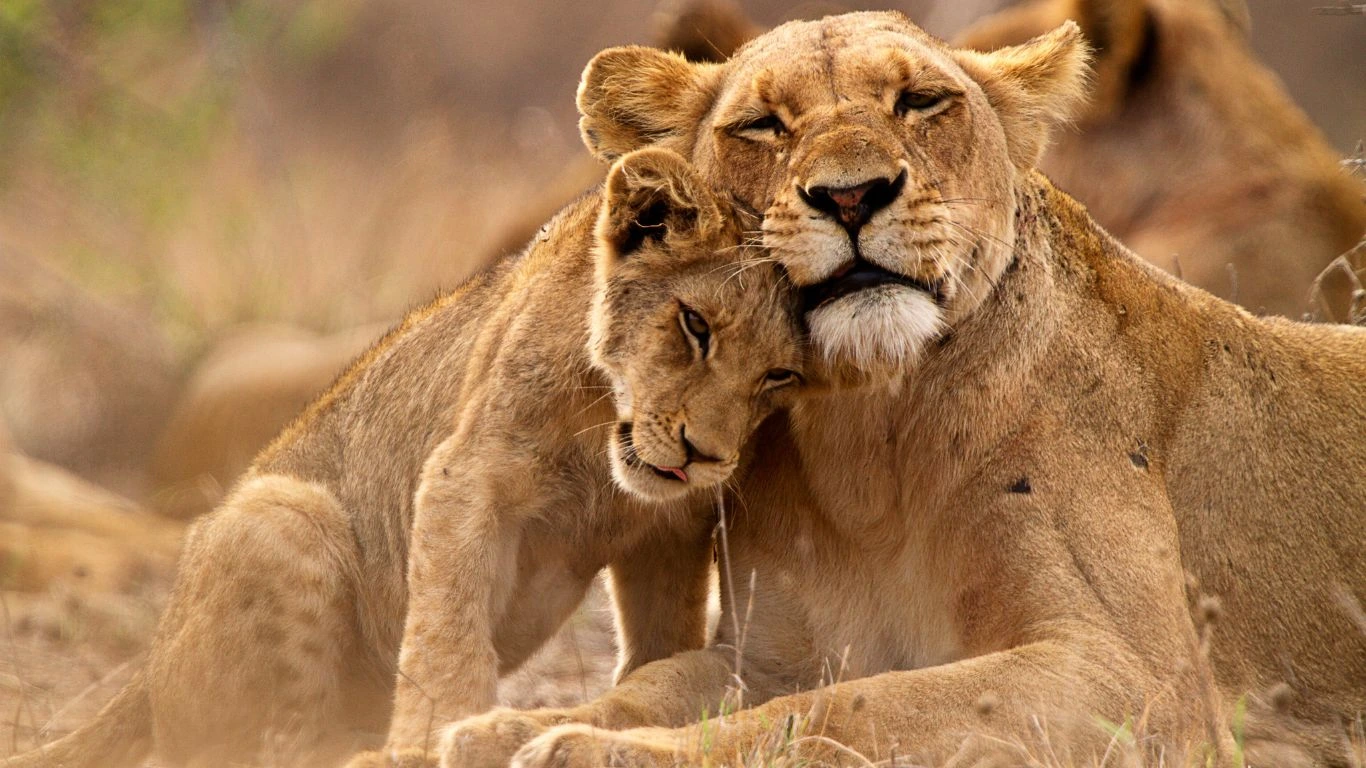
November was an encouraging month for wild animals in many parts of the world. Puffins were spotted in Ireland’s County Antrim for the first time in a quarter-century; European wildcats could be reintroduced in England, and Colombia banned all new oil and mining projects in its Amazon biome. Our supporters’ kindness helped us support several valuable projects for wildlife in November. Here is how their donations had an impact. United Kingdom – Herefordshire Continued care for big cats saved from abhorrent conditions Credit: WildSide Exotic Rescue In early 2025, our partner WildSide Exotic Rescue saved 11 big cats from being euthanized after they were saved from a cruel captive facility. WildSide originally undertook to take in four wild cats, because that was all they had space for. But with the looming threat of the animals being euthanized, they rescued all 11. That meant the animals had to be kept in temporary enclosures unsuited for the long-term well-being of the animals. We reached out to our supporters, who understand how important it is for rescued wild animals to live in conditions as close to their wild habitats as possible. Thanks to our supporters’ compassion, we were able to donate toward larger enclosures for lynxes and bobcats. Read the original story. Botswana – Makgadikgadi Pans National Park Funding a high-tech drone to stop poachers and remove snares Credit: Kara Capaldo A recent surge in snaring along the Boteti River in the African country of Botswana left a mother lion dead – and her cubs to fend for themselves. These majestic creatures are hunted using snares; when an animal is trapped, the poachers kill them and cut out their body parts and bones, which are highly sought-after for their bogus ‘medicinal’ value in Asian markets. We had to ensure that the mother’s cubs would not suffer the same fate, and we reached out to our supporters for help. Thanks to their generosity, we were able to fund a drone for our partner, Camelthorn Farmstead, so that the area can be regularly and effectively patrolled for snares, injured animals and poacher incursions. Read the original story. Democratic Republic of Congo (DRC) Helping protect the last remaining gorillas of the DRC In November, we continued to raise funds for satellite communication devices – vital for rangers protecting the Congo’s last remaining gorillas. These critically endangered primates are caught in the conflict between warring groups, which has left around 7 million people displaced and desperate. As a result, these gorillas are at risk of being poached for their meat, and their only hope is the rangers who risk their lives to protect them. In order to coordinate rescues, interceptions and proper protection for these animals, they must have reliable communication devices – a challenge in a country where much of the infrastructure has collapsed. This month, thanks to our supporters, we donated the outstanding amount needed, and we will let you know as soon as our partner, The Gorilla Organization, has purchased the devices. Read the original story. Credit: iStock-505751918 guenterguni Follow us on social media for heartwarming updates, important news and more. Twitter Instagram LinkedIn Facebook Oh, Henry! This is the infant aardvark our supporters helped, and you won’t believe how much he’s grown! When Henry was rescued, he was near death, now he has made a wonderful recovery. Credit: Kalahari Wildlife Project Happy rhinos! Orphaned calves, Nola and Cathy, are doing well following their rescue a few months ago, thanks to our supporters. Have a look at them now. Rushed to safety, after their mothers were killed, Nola and Cathy are learning to be rhinos again, splashing around in the sanctuary’s mud wallows and cuddling up to their adoptive “mom” Dianna. Credit: Care for WildFantastic flying fox! Little Onyx is making a remarkable recovery in the Seychelles. Read more here. Orphaned at just a few weeks old, Onyx is now making a full recovery and learning how to fly! Credit: Protect Paradise See the forest for the seeds! Recently, the ASI team helped scatter forest-restoring seedballs near Soysambu Conservancy in Kenya. In the news Spanish photographer captures world’s first ever white Iberian lynx on camera. Read more. Credit: Ángel Hidalgo Long time, no sea: more than 100 million red crabs migrate on Christmas Island, delighting conservationists. Read more. Why do bats spread so many diseases? They’re evolutionary marvels. Read more. These rare whales had never been seen alive. Then a team in Mexico sighted two. Read more. With one month left until 2025, we are redoubling our efforts to help as many animals as we can in 2025. Please – keep supporting our work, keep sharing our stories, and follow us on social media. Banner credit: Thomas Retterath/Shutterstock
How our supporters helped animals in October
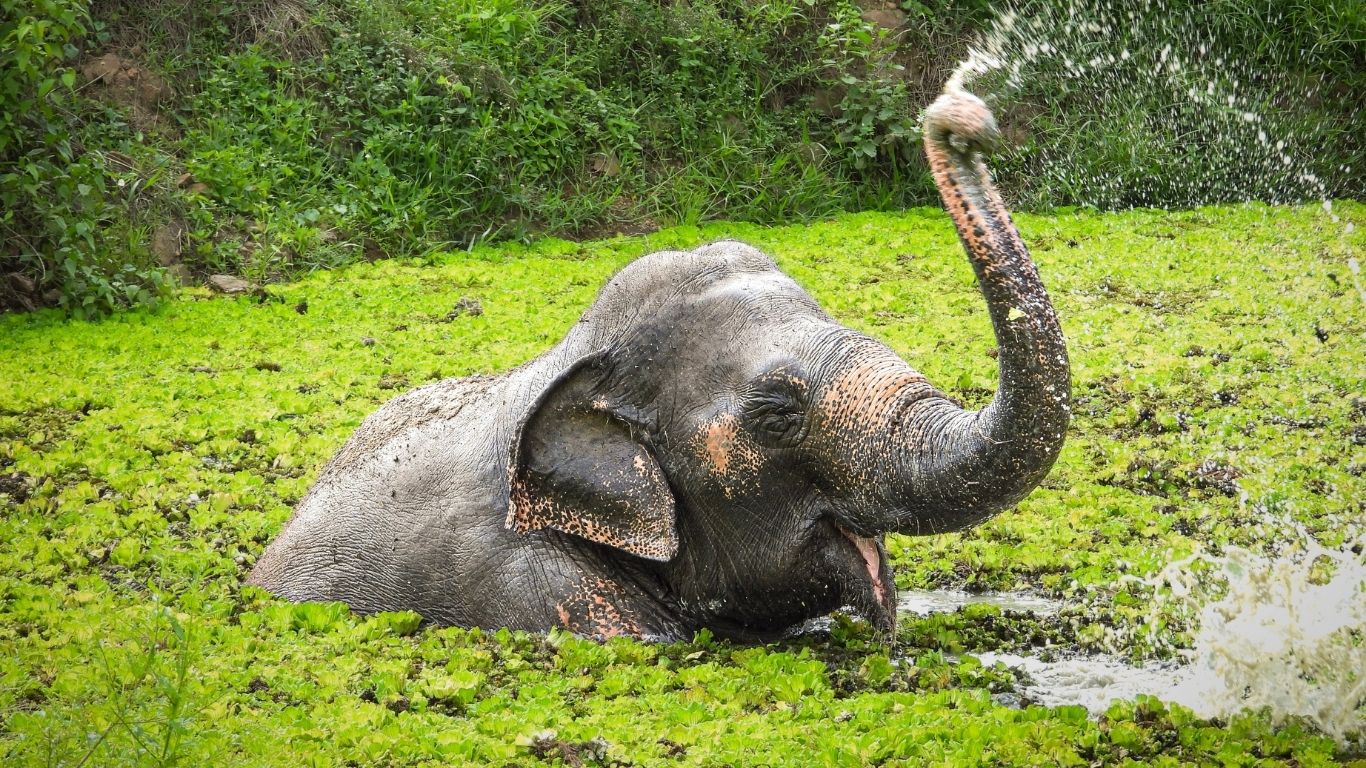
From otters to elephants, our supporters opened their hearts to wildlife in need last month. Here’s how our supporters’ kindness helped animals in October. South Africa – Tzaneen Life-saving care for an infant otter found all alone Credit: Umoya Khulula Wildlife Centre When otter pup Angus was just one month old, he was found terrified and alone on the side of a road in Limpopo, South Africa. His mother was likely struck by a car or killed by poachers. Angus was taken in by our long-term partner, Umoya Khulula Wildlife Centre, and given immediate treatment – and we asked our donors for help in supporting this care. Today, Angus – a Cape clawless otter – is thriving. He is swimming and diving, collecting clams and rocks, and loving the water. It is thanks to the dedication of our partner and the kindness of donors that this young otter will ultimately be released into the wild to live the life he deserves. Read the original story. Thailand – Phetchaburi Building a dream home for formerly abused Asian elephant, Boon Dee Credit: WFFT As a supporter, you may know about our work for Boon Dee – an Asian elephant saved after decades of abuse in Thai tourist camps. Today, she lives at our partner’s sanctuary, Wildlife Friends Foundation Thailand (WFFT). Our goal is to help build Boon Dee the retirement home of her dreams: an enclosure with its very own lake, because she loves to swim but is afraid of other elephants. To achieve this, we need our supporters’ help. We are slowly getting closer to our goal and are positive that with continued support, we will eventually get all the way there. You can read the original story here, or contribute to this worthy project for a very deserving elephant. Laos – Vientiane Helping protect some of Asia’s most vulnerable wild animals from poachers Every year, thousands of critically endangered species are ripped from the wild and slaughtered for their body parts. Pangolins, bears, tiger cubs, primates and countless other wild species suffer this gruesome fate. Our partner, Lao Conservation Trust for Wildlife (LCTW), regularly intercepts poachers, rescues animals and rehabilitates them – but poachers are now encroaching on the forest around its sanctuary. From our experience, we know that drones are vital in the fight against wildlife crime, and we reached out to our supporters for help. While we haven’t reached our target, we are hopeful that in time, we will raise sufficient funds to purchase this crucial anti-poaching device for our hardworking partner. Read the original story. Credit: IndianWildography & Adamardn & Shivaram Subamaniam Follow us on social media for heartwarming updates, important news and more. Twitter Instagram LinkedIn Facebook No spine, all brain! Did you know that octopuses are widely considered the most intelligent invertebrates on the planet? 🐙 Plus, they are magnificent to behold – just have a look! Credit: Wirestock Which seabird has recently received the dubious honor of being placed on the critically endangered list? Hint: it “wears a tuxedo.” Find out here. Credit: Shutterstock WATCH: Lions rescued from war-torn Ukraine are finally safe at a beautiful sanctuary in South Africa. Good news: Thousands of critically endangered spider and radiated tortoises are safe after surviving a devastating cyclone. Read more. Credit: Turtle Survival Alliance In the news Credit: Atlanta Journal-Constitution High hopes that new Lappet-faced vulture chick can help rebuild species numbers in South Africa. Read more. UN High Seas Treaty to come into effect. Read more. Man jailed after killing spotted eagle owl in Cape Town, South Africa. Read more. Baby giant tortoises thrive in Seychelles after first successful artificial incubation. Read more. More than half of world’s bird species in decline, as leaders meet on extinction crisis. Read more. Everything ASI achieves for animals is thanks to the compassion and support of our donors. Please keep supporting our work, sharing our stories and following our projects, so we can continue to help wild animals in need around the world.
Here’s how our supporters helped animals in September
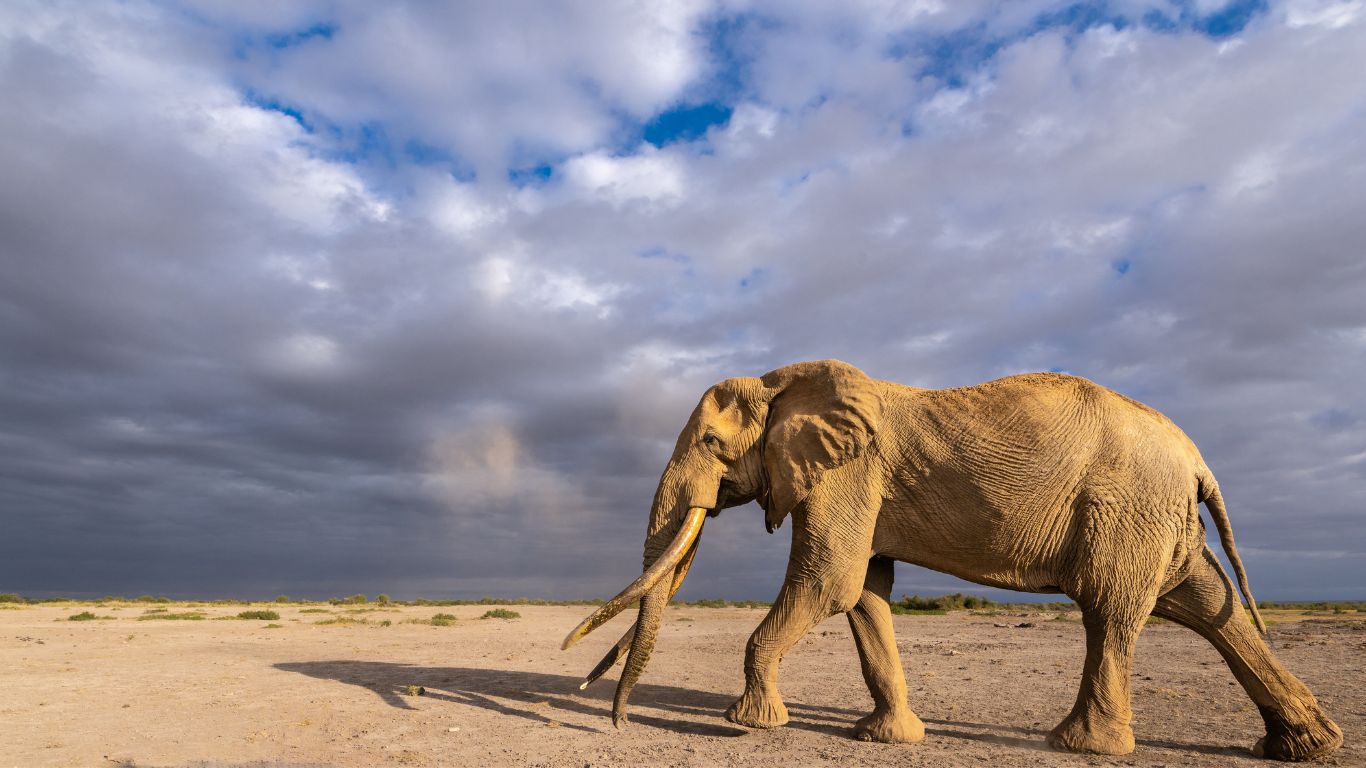
September was a life-changing month for lions Cleopatra, Zorya and Mira – three big cats rescued in Ukraine and now safe at last in South Africa. They made it all the way home thanks to donors like you, whose support also extended to creatures great and small across Africa. Here’s how our supporters’ kindness helped animals in September. Ukraine – Kyiv You helped bring them home! Mira, Zorya and Cleopatra now enjoy a peaceful, natural habitat thanks to your generous support. Credit: ASI/Taryn Slabbert In a triumph for animal war victims, three big-cat survivors are finally home in Africa.. Five-year-old Cleopatra and cubs Zorya and Mira were rescued from the frontlines of Ukraine by our partner, Wild Animal Rescue Center (WARC). After more than a year of careful planning the lions were flown to their new home in South Africa – the LionWatch Project sanctuary in Alldays. It is a victory that brought our entire team to tears – and many of our supporters, too. Read the full good-news update here. Zimbabwe – Harare Support for a devastated anti-poaching team in eastern Zimbabwe Drones are vital in identifying poaching threats, especially in thick brush, and are a critical tool in protecting rhinos from attack. Credit: SANParks After nearly two decades without a poaching incident, our partner in Zimbabwe suffered a bitter loss: 22-year-old black rhino, Gomo, was brutally killed in a planned poaching attack. As poachers become more sophisticated, it is critical that anti-poaching units intensify their security. The heartbroken team at Imire Rhino and Wildlife Conservation (IRWC) realised it urgently needed a drone to provide enhanced protection for its endangered animals, and we in turn reached out to our supporters. Thanks to the compassion of our donors, we have been able to raise some of the funds, and we will keep you updated on our ongoing fundraising efforts. Read the original article. Seychelles – Mahé Infant flying fox gets life-saving care after falling from his mother Now in the care of Protect Paradise, Onyx is thriving. Credit: Protect Paradise Seychelles Little Onyx was just a few weeks old and totally dependent on his mother when he lost his grip on her and fell to the ground. His odds of survival would have been nearly zero were it not for our partner, Protect Paradise Seychelles (PPS). Onyx needs several months of dedicated care, monitoring and rehabilitation to grow strong and ultimately be released into a safe, protected area. Thanks to our supporters, we were able to donate towards these costs. PPS reports that the little survivor is thriving, and currently learning to fly. We will keep you posted on his progress. Read the original article. East Africa – Tanzania Protecting the last remaining ‘super tusker’ elephants of East Africa Thousands of elephants travel between Kenya and Tanzania through wildlife corridors, crossing vast landscapes in search of water and food. Drones, with thermal imaging, are vital in tracking and protecting the herds which include the highly prized super tuskers. Credit: CTT Every year, thousands of cross-border elephants migrate between Kenya and Tanzania, including fewer than 30 ‘super tuskers’, who are about to be wiped out for good. These rare bull elephants have enormous tusks that each weigh over 100 pounds (45 kilograms) and make them prime targets for poachers and trophy hunters. We are working with Conservation Through Tourism (CTT), which uses drones to help protect these elephants from the many threats they face: hunting and poaching, and also retaliatory killings, when hungry elephants wander too close to communities and consume humans’ food and water. The team uses drones to guide elephants safely through the wilderness, intercepting at any sign of danger. Three of the corridors are fully protected, but CTT requires additional drones to monitor the remaining two corridors. Thanks to our supporters, we have begun fundraising towards additional drones. We have not yet reached our target, and will continue to appeal towards this deeply important initiative. Read the original article. Zimbabwe – Lake Kariba Funding vital anti-snaring equipment to help save wild lives Our support means that baby elephants like this can be quickly and safely de-snared, reducing stress on the entire herd – and protecting rescuers from harm. Credit: KAWFT Our partner in Zimbabwe, Kariba Animal Welfare Fund Trust (KAWFT), encounters growing numbers of snared animals needing immediate rescue. These rescues are challenging, time-sensitive and, without the right equipment, dangerous for both the people and animals involved. KAWFT reached out to us for help in funding vital de-snaring equipment. These critical tools will enable our partner to help animals fast, while staying safe from threats (such as mother elephants charging rescuers as they attempt to help snared calves). Our donors’ kindness means we’ll be able to cover the full cost of equipment needed – thank you for providing this lifeline to the precious wildlife of Lake Kariba. Read the original article. Follow us on social media for heartwarming updates, important news and more. Twitter Instagram LinkedIn Facebook The most joyful thing you’ll see all day! Here’s Asian elephant Boon Dee enjoying her daily swims after years spent in tourist camps. Credit: WFFT Do vultures have the least glamorous job in the whole of the animal kingdom? Click here to decide for yourself… Credit: VulPro How many of these simple steps do you take to help protect our ozone layer each day? Credit: ASI Did you know that there are five species of rhino, each with its own unique characteristics? See them here. Credit: Utopia 88 Taking a holiday? Here’s an easy way to choose an ethical wildlife attraction that’s fun for you, and good for the animals! Credit: Jan Otto In the news Vulture capitalism: how black markets for black magic threaten African vultures. Read more. Credit: Nepali Times Read more of the latest climate news here. Everything ASI achieves for animals is thanks to the compassion and support of our donors. Please keep supporting our work, sharing our stories and following our projects, so
Victory for animal war victims! You helped bring three lions home to freedom from the Ukraine war
Today, we’re writing with joy in our hearts and with immense gratitude to you, our dedicated supporters. Thanks to the compassion and support of ASI donors like you, three lions – Cleopatra, Zorya and Mira – have finally made it back to Africa from the Ukraine war zone. Cleopatra, who lived first in a Ukrainian zoo, then survived the terror of war, takes her first steps onto African soil. Credit:ASI/Taryn Slabbert After surviving the horrors of war, they have arrived safely at their forever home: a blissful sanctuary in South Africa, where they will roam free under the African skies. Cleopatra, a lioness rescued from an abandoned zoo, and Zorya and Mira, two tiny cubs found injured and starving on the frontlines, are now safe. Their journey to freedom was long and filled with challenges, but your kindness made it possible. Zorya and Mira were rescued in Ukraine at just a few months old, both severely injured and traumatized. Now at last, they have their freedom. Credit: WARC This monumental cross-border relocation was possible because of the dedication of our partners, Wild Animal Rescue Center (WARC) in Ukraine, and the LionWatch Project in South Africa. With support from ASI and our generous donors, WARC risked life and limb to rescue these animals. They never give up on the animals – and neither do we. The LionWatch Project not only coordinated and conducted the daring international relocation, but will give the lions lifelong care and freedom at its spacious, species-appropriate sanctuary. (Left) Our partners from Wild Animal Rescue Center (WARC) in Ukraine, and the LionWatch Project in South Africa. (Right) Natalia Popova of WARC bids an emotional farewell to the cub (sedated) she rescued and cared for for nearly two years. Credit: WARC and LionWatch Because of people like you, the lions will never hear the sound of bombs again. Instead, they’ll grow strong, the African sun on their backs, and the earth of their ancestral homeland beneath their paws. After enduring the horrors of war and a challenging relocation, Cleopatra relaxes at last in her new permanent sanctuary in South Africa. Credit:ASI/Taryn Slabbert This wasn’t just a relocation. It was a rescue mission of love, courage, and hope. And it could not have happened without you. Rescued as tiny cubs with broken back legs, Mira and Zorya are now healthy young lions. They will spend the rest of their lives in peace, enjoying the African sun. Credit:ASI/Taryn Slabbert You can read the full relocation story here. From the depths of our hearts, and on behalf of Cleopatra, Zorya, and Mira – thank you. After the horrors they endured, you gave them the second chance they so desperately deserved. Saving animals and the planet, Campaign Manager Animal Survival International P.S. Want to see their first moments of freedom? Follow us on Facebook, Instagram, LinkedIn and X for behind-the-scenes footage, and to see the lions take their first steps on African soil. Banner credit:ASI/Taryn Slabbert
How people like you helped wildlife in August
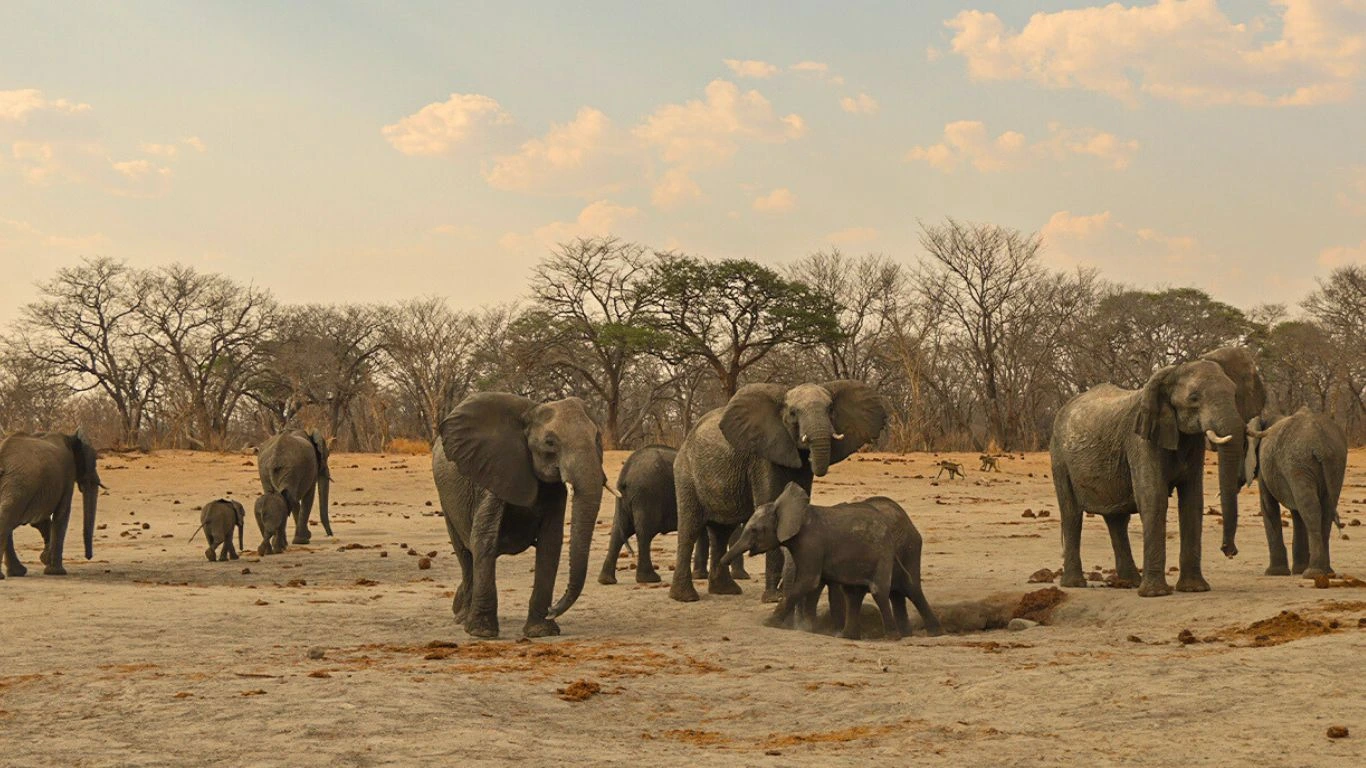
In August, compassionate donors like you helped us contribute towards a vital animal hospital in Thailand and life-saving drought mitigation solutions in Zimbabwe. Because of this kindness, wild animals in these and other areas have a fighting chance to survive the mounting threats they face. We are deeply grateful for our supporters who made this possible. Read more about these projects below. Zimbabwe – Hwange Preparing wild animals for another devastating dry season Credit: Richard Juilliart/Shutterstock In 2024, Zimbabwe experienced its worst drought in 40 years. A year later, the country is still reeling from the effects of the disaster, with wild animals some of the worst-hit victims. As another dry season takes hold of the nation, we feared the loss of even more elephant calves and other vulnerable animals around Hwange – a desperately dry area with no nearby water sources. In an effort to get ahead of this potential disaster, we asked our supporters to help us install two solar-powered water pumps at existing boreholes outside Hwange National Park, providing crucial access to water in the dry months ahead. Thanks to the support of compassionate people like you, we will be able to help fund both water pumps and ensure water is flowing for thirsty animals ahead of the hottest, driest part of the year. Read the original story. Thailand – Phetchaburi Establishing a veterinary clinic for rescued abused animals Credit: WFFT Our partner, Wildlife Friends Foundation Thailand (WFFT), is home to an ever-increasing number of animals rescued from abuse, cruel captivity and exploitation. From elephants saved after decades of back-breaking labor to tigers, primates and bears who spent most of their lives in chains, there are so many animals needing critical care. Recently, WFFT began work on a new veterinary clinic for wildlife – a vital facility designed to provide expert on-site treatment for a wide range of ailments. WFFT was around $12,000 shy of its goal, and we reached out to our supporters for help. Thanks to kind-hearted animal lovers like you – and generous major donors – we will be able to contribute a significant portion of this outstanding amount to WFFT. Read the original article. Follow us on social media for heartwarming updates, important news and more. Twitter Instagram LinkedIn Facebook A draft bill released by South Africa’s Department of Forestry, Fisheries and the Environment (DFFE) aims to ban all new captive lion breeding facilities in the country – a monumental step towards ending the cruel commercialized abuse of captive lions. Read more. Credit: World Animal Protection Elephants are known for their gentle natures, complex social bonds and extraordinary memories. They are also the third-most poached animal in the world. Read more. Credit: Shutterstock The shocking cost of unethical wildlife tourism: Have you inadvertently been part of the problem? Find out here. Credit: Nick Kleer/Instagram Planting the seed! Our seedballs campaign is helping to restore Kenya’s forests, 5c (4p) at a time. Read more. Credit: ASI Across the globe, bird flu is tearing through avian populations, causing mass die-offs that are devastating ecosystems in more than 80 countries. Read more. Credit: LouieLea/Shutterstock In the news Cyborg bees to be Chinese military scouts. Read more. Credit: The Telegraph Orcas are bringing humans gifts of food – but why? Read more. Credit: Shutterstock Everything that ASI achieves for animals is thanks to the compassion and support of our donors. Please keep supporting our work, sharing our stories and updates, and following our projects, so we can continue to help wild animals in need around the world. Banner credit: ASI/Taryn Slabbert
Find out how supporters like you helped us protect wildlife in July
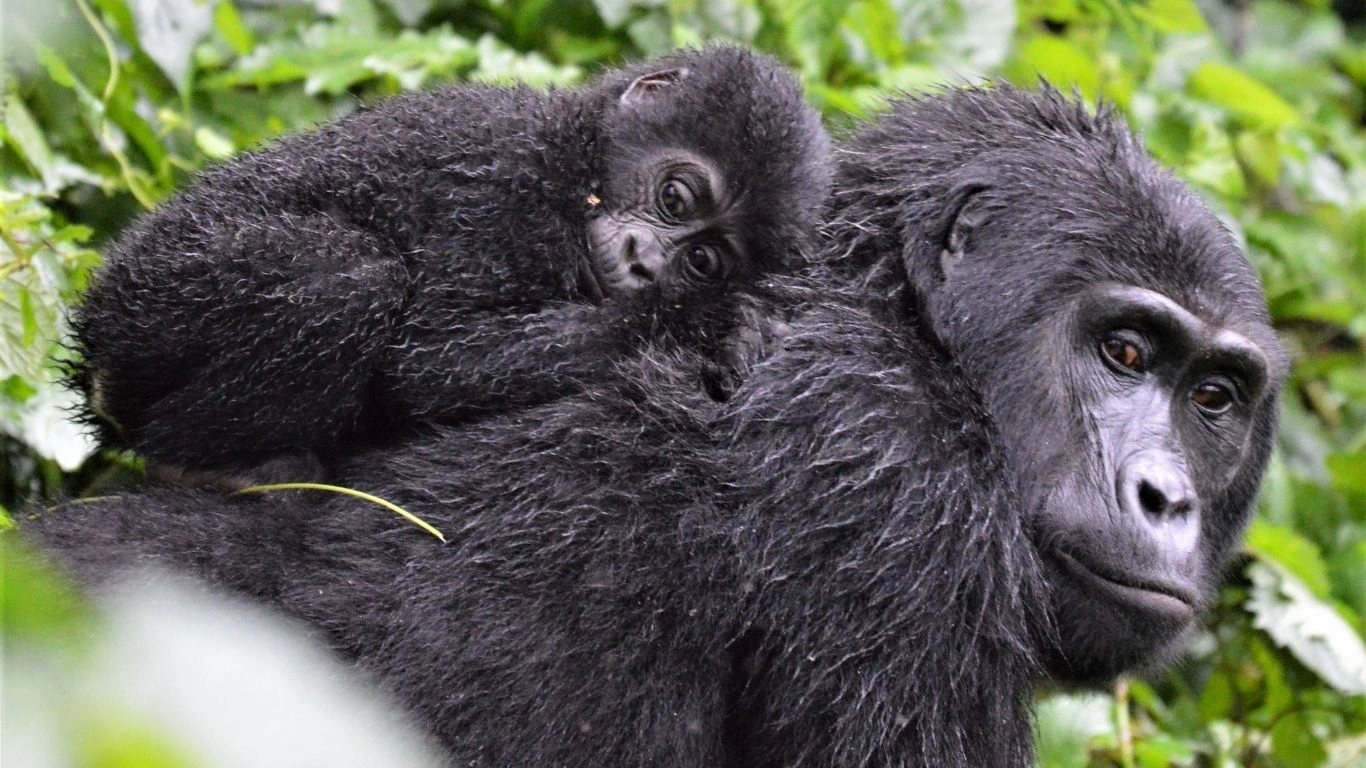
Every month, we work non-stop to protect the planet’s wildlife, and every life we save is thanks to the kindness and compassion of our donors. Here is how our supporters helped us make a difference in July. Zimbabwe – Victoria Falls Helping to install AI-powered camera traps to stop poachers before they kill Credit: VFAPU There has been an alarming rise in poaching in Zimbabwe, and criminals seem to be targeting lions in particular. This iconic species is hunted for its paws, teeth and bones, which are used in fake “medicinal cures” and as status symbols, primarily in Asia. Our partner, the Victoria Falls Anti-Poaching Unit (VFAPU), uses advanced AI-powered camera traps to help detect, intercept and apprehend poachers. But with thousands of acres to patrol, at least 10 more cameras are sorely needed to effectively protect the animals. We reached out to our supporters, and through their generosity, we are able to fund five additional cameras, halfway to our goal. We will keep you updated on the installation of the first five AI devices. Read the original story. Democratic Republic of the Congo (DRC) Protecting critically endangered gorillas from poaching attacks Credit: Nelio Pereira and Virunga National Park The Democratic Republic of Congo (DRC) has endured decades of conflict, and earlier this year, war erupted again, displacing millions and leaving thousands dead. Amid this chaos, critically endangered gorillas are at a serious risk of being poached for their meat by starving people. As the nation’s infrastructure collapses, the rangers who risk their lives to protect these endangered and critically endangered gorillas need to be able to coordinate anti-poaching efforts, ensuring that they can respond quickly to threats and intercept hunters and poachers. We asked our supporters for help in raising funds for satellite communication devices, and thanks to the kind support of our donors, we are able to contribute towards this essential equipment. Read the original article. North West Province – South Africa Caring for K9 units defending our country’s precious rhinos Credit: Cat Reed Photography Did you know that a staggering 95% of all rhinos have been wiped out by humans? Their horns have long been in high demand across Asia as a status symbol, and for its unfounded “medicinal” qualities. With just 27,000 left in the wild, the anti-poaching teams that are guarding these magnificent beasts need all the help they can get. In July, we asked our supporters to help us fund the shelter, nutrition and care of our partner’s highly trained rhino protection K9 unit. These teams are extremely effective in sniffing out contraband and keeping rhinos safe. We have sent some funds to help with their care, but unfortunately we did not reach our fundraising goal, and we hope to support this vital team in the future. Read the original article. Follow us on social media for heartwarming updates, important news and more. Twitter Instagram LinkedIn Facebook $5 (£4) to plant 100 trees! For the cost of your morning cuppa, you can help restore habitats for countless species in Kenya. Credit: Seedballs Kenya Winter warmth for war survivors: Our supporters helped provide much-needed support to wild animals rescued from the war in Ukraine. Trivia time! What species is boneless, can sense electromagnetic fields, and has been around for over 400 million years? Click for the answer! In the news Study reveals surge in illegal arachnid trade via Facebook in the Philippines. Read more. Credits: Shutterstock and Journal of Nature Studies England wildlife regulator chair ‘enthusiastic’ about lynx rewilding. Read more. Credit: Shutterstock/Rudmer-Zwerver Everything that ASI achieves for animals is thanks to the compassion and support of our donors. Please keep supporting our work, and sharing our stories and updates, so we may continue to help wild animals in need around the world. Banner credit: Claire E Carter
How our supporters helped wild animals in June
At Animal Survival International, we never stop working for wild animals in need – and every animal we help is thanks to donations from our supporters. Here is how animal-lovers like you helped us make a difference for wild creatures in June. South Africa – Western Cape Critical care for orphaned and injured young wild animals Credit: ArCaLu South Africa’s Western Cape is experiencing an unprecedented marine rabies outbreak, devastating the region’s seal population and threatening many more species. Our partner, Sea Search, a marine research organization, was among the first to identify the crisis and is at the forefront of rabies research and investigations. Recently, its surveillance boat was destroyed in an accident, and without it, Sea Search was unable to access remote colonies of seals – essential for research and seal protection – and contain the outbreak at its source. We reached out to our supporters and through their generous support, we have been able to contribute towards the boat repairs and crucial analysis of tissue samples. Read the original article. South Africa – Mpumalanga Providing critical anti-poaching support for orphaned rhino calves Credit: CFW Nola and Cathy were orphaned by poachers in South Africa, where at least one rhino is killed every day for its horn. Rhino horn is prized for its unproven ‘medicinal’ qualities and as a status symbol, particularly in Asia. The infants were found alone and bereft, and were immediately rescued by our partner, Care for Wild Rhino Sanctuary (CFW). Both were given critical milk formula, treatment and care. Thanks to our supporters, we were able to contribute towards milk formula and advanced anti-poaching protection for the pair. Read the original article. Middle East Installing a bomb shelter to protect wildlife rescued from war Credit: Left: iStock. Right: AP Photo/Tomer Neuberg. In times of war, animals are often innocent victims. In June, we asked our supporters for help in funding a fortified bomb shelter for hundreds of wild animals rescued from the frontlines – from bats and foxes to deer, jackals and wild birds. Our partner, The Israel Bat Sanctuary (TIBS), was using an old walk-in fridge, lined with polystyrene, to protect the animals as missiles rained down – but this offered little to no protection. With bombs landing closer to the sanctuary every day, the animals and their carers were at severe risk. Thanks to our supporters’ kindness, we will be able to contribute towards a bomb shelter with eight-inch-thick (20cm) concrete walls. We will keep you posted on its progress. Read the original article. Follow us on social for these stories and more… Twitter Instagram LinkedIn Facebook Our supporters helped us provide expert care for injured and orphaned wild animals saved from devastating wildfires in South Africa. Thanks to you orphaned wild animals in South Africa, like this Rock hyrax, are receiving expert care. Credits: FFW Plastic pollution? We have a solution! Here are five easy ways to reduce your plastics footprint. Sea change, be the change! It’s not too late to save our oceans – but the time to act is now. Watch now. In the news Pangolins should receive endangered protections, US officials say. Credits: New York Times We’re close to translating animal languages – what happens then? Read more. Pangolins should receive endangered protections, US officials say. Read more. The cost of cute: How “rescued” wild animals suffer for social media fame. Read more. Everything we do for animals is thanks to the compassion and generosity of our donors. Please continue to support our work, so we can keep fighting to save wild animals around the world. Banner credit: ASI/Byron Seale
How our supporters helped protect the planet’s wildlife in May
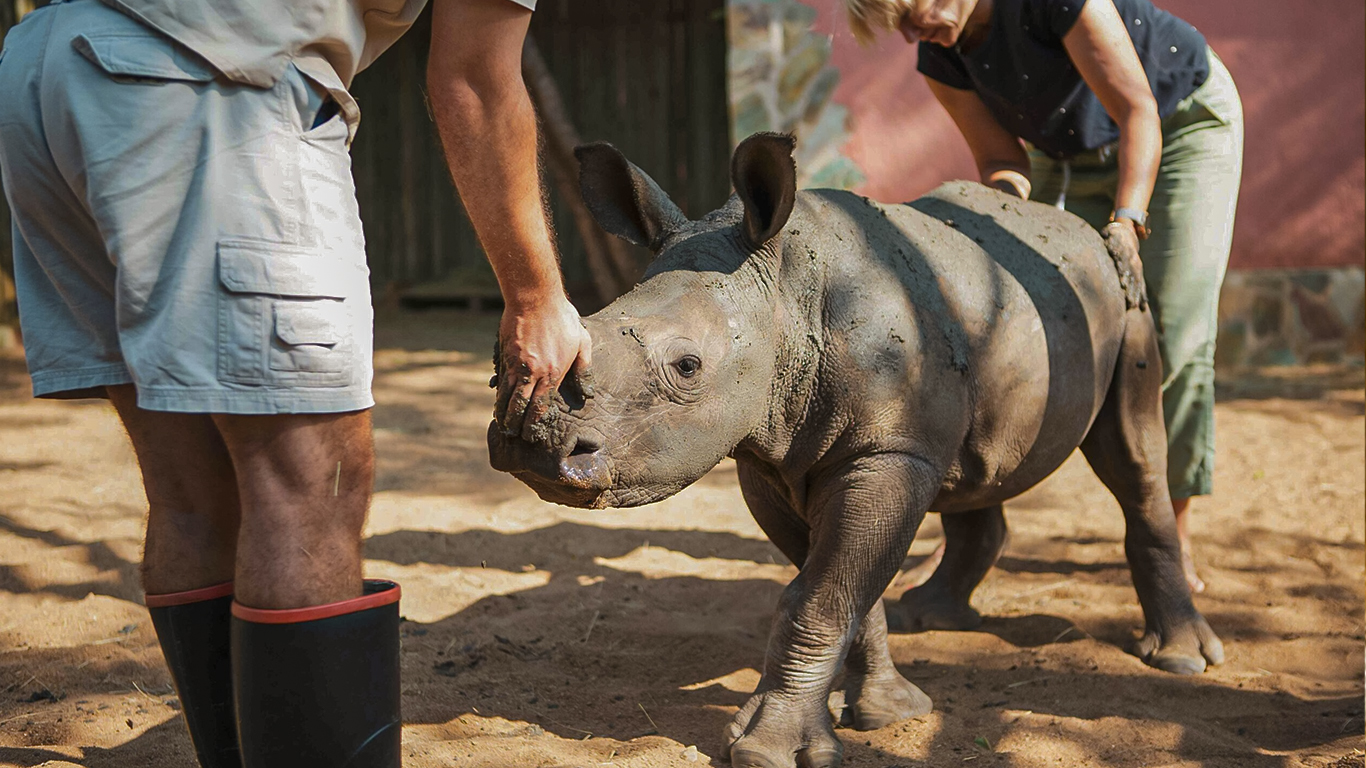
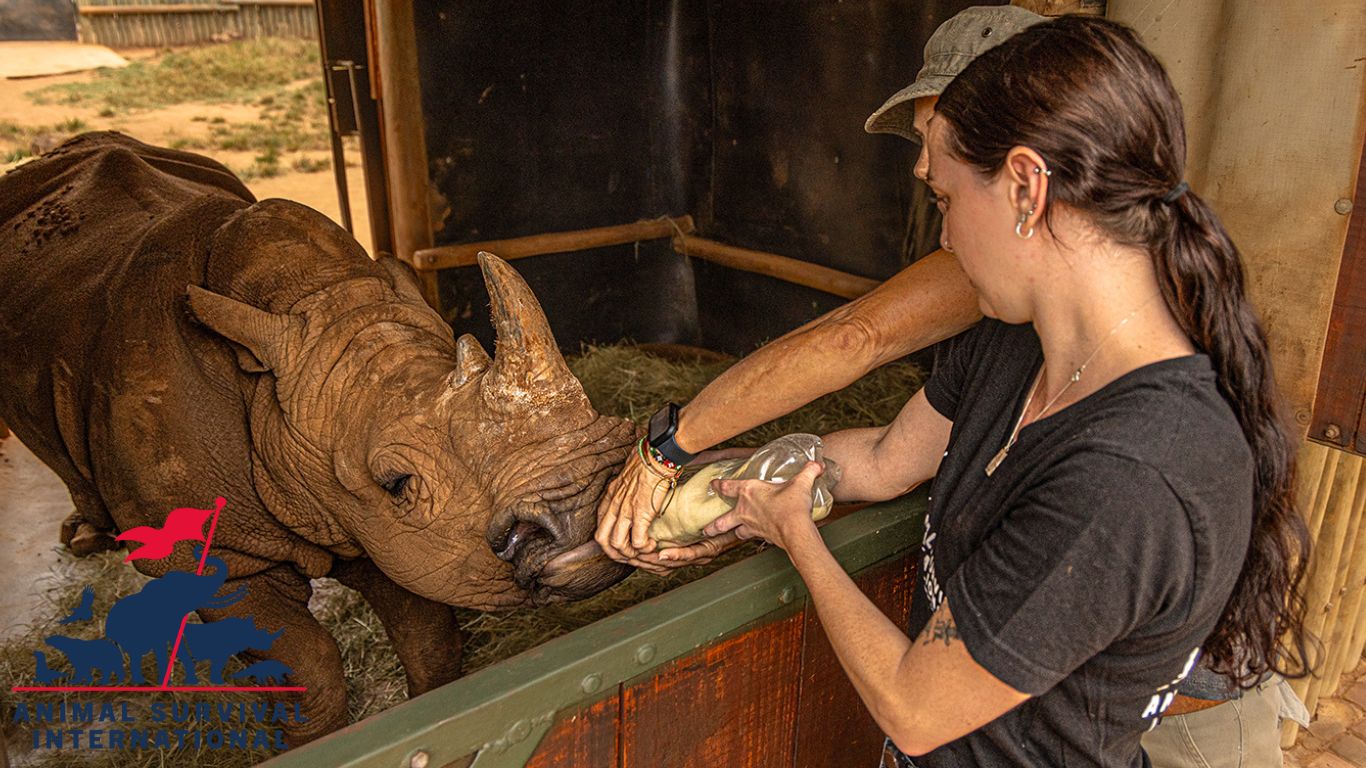
The ASI team never stops fighting for wildlife – and all our work is made possible by the kind donations of wildlife warriors all around the world. Here’s how supporters like you helped us make a difference for wild animals in May. South Africa – Hoedspruit Providing crucial nutrition for orphaned rhino calves Credit: Blog/Thompsons Africa Our partner, the Hoedspruit Endangered Species Center (HESC), rescues, rehabilitates and cares for orphaned rhinos. Many lost their mothers to poaching when they were still suckling, and these vulnerable youngsters need dedicated care to survive without their mothers. In May, we appealed for help to keep these orphaned rhinos fed – without their mothers’ milk, they need an expensive, specialized milk formula . We also need to enlarge their enclosures. Our supporters responded generously, and we have been able to contribute towards the shelter and care of the orphans. Thank you for showing compassion to these beautiful, vulnerable young animals. Read the original article. South America – Bolivia Preparing a young rescued jaguar for her return to the wild Credit: ONCA Wildlife Sanctuary Khali was just an infant when she was found discarded in a dumpster in Santa Rosa del Tacuma, Bolivia. We suspect that her mother was killed to feed the brutal trade in jaguar bones; Khali was likely kept as an “exotic pet” before being discarded when she got too ‘wild.’ This young cub – terrified, malnourished and alone – was taken in by our partner, ONCA Wildlife Sanctuary, which works to help jaguars like Khali recover and grow, while retaining their natural instincts. Their goal is to release Khali to a protected forested area, so she can live out the rest of her life in the wild. To achieve this, ONCA needs to enlarge Khali’s enclosure, which will help her to hone her natural hunting and survival skills before being released – crucial for her survival. Through our supporters’ donations, we will be able to contribute towards this project to help ensure Khali’s ultimate release back into the wild, where she belongs. Read the original article. Nigeria – Lagos Supplying a groundbreaking pangolin ICU with life-saving veterinary equipment Credit: Green Fingers Conservation Center. In Nigeria, pangolins are poached and slaughtered in their tens of thousands every year, their body parts used in unproven traditional ‘medicine.’ Our partner, Greenfingers Wildlife Conservation Initiative (GWCI), works tirelessly to intercept poachers and raid bushmeat markets to rescue these fragile, endangered creatures. Last year, our supporters helped us build Nigeria’s first pangolin ICU and nursery. Now, we must equip it with veterinary tools to treat severely injured, traumatized and sick pangolins. The species is notoriously difficult to treat in captivity, and without this specialized equipment, infant pangolins stand little chance of survival. We reached out to you, and your kindness means we can make a generous contribution towards this much-needed equipment. Look out for more exciting updates, coming soon. Read the original article. Follow us on social media for heartwarming updates, important news and more. Twitter Instagram LinkedIn Facebook Our supporters have helped give South African baby aardvark Henry a second chance at life! Just look at him now. Recently, we took to the streets of Cape Town, South Africa, to find out how much – or how little! – the average person knows about pangolins. Here are their surprising responses… In the news Poachers have killed more than 100 rhinos in South Africa this year, most of them in national parks. Read more. Two teens and 5,000 ants: How a smuggling bust in Kenya shed new light on a booming illegal trade. Read more. Did you know that this insect is considered the smartest in the world? Everything we achieve for animals at ASI is thanks to the compassion and support of our donors. Please continue to support our work, so we can help wild animals in crisis around the world.
Here’s how YOU helped wild animals in April
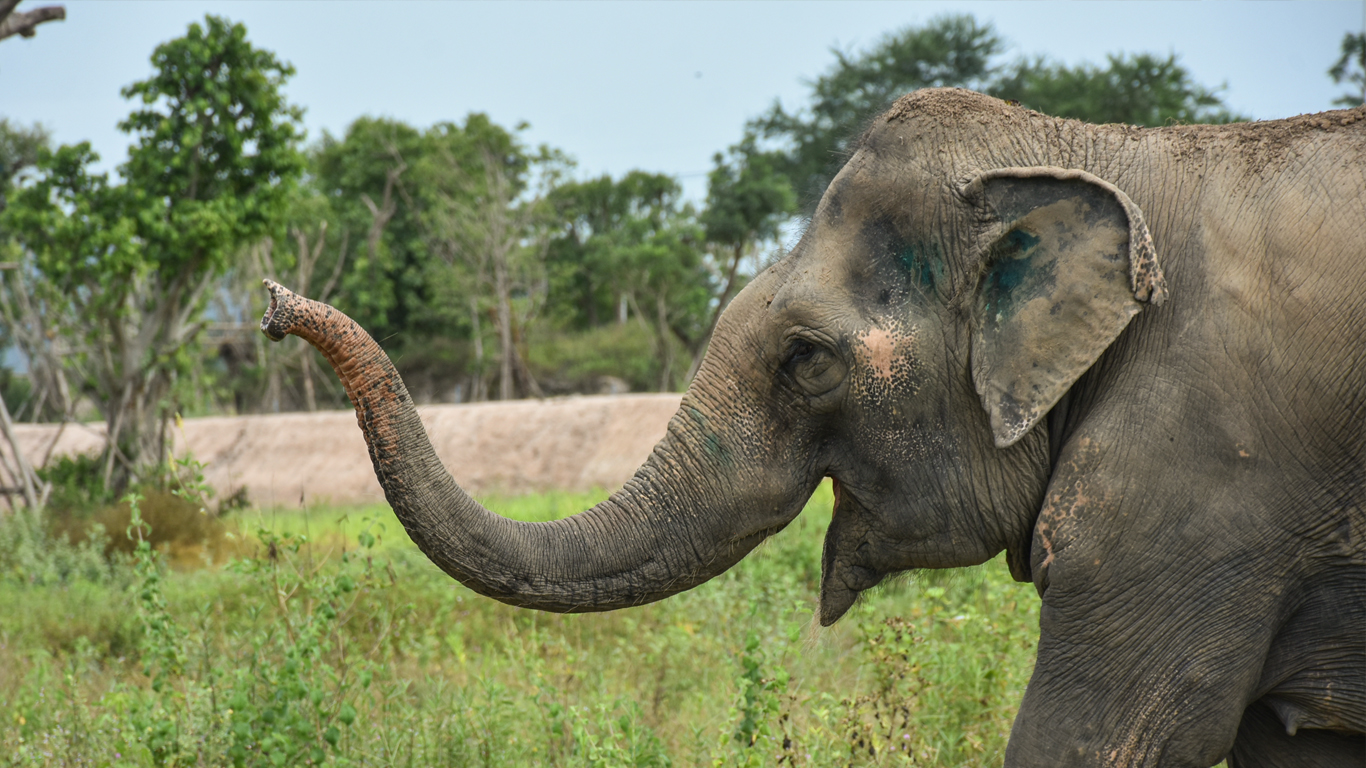
Donations from animal-lovers like you drive all our work for wildlife worldwide – read on to find out how our supporters’ generosity helped animals in April. South Africa – Johannesburg Critical care for orphaned and injured young wild animals During the height of summer in South Africa, temperatures soar and rampant wildfires rip through the foliage, putting countless wild animals at risk. Mothers are killed in the flames, and young animals are left orphaned and alone, often injured and starving. Many die – the lucky ones end up in the care of our partner, Friends of Free Wildlife (FFW). But with so many little hungry mouths to feed and so many broken legs and burn wounds to treat, the team is overwhelmed and struggling to cope with the rising costs of food and medical care. Through our supporters’ generosity, we covered half a month’s worth of food and medical treatment for hundreds of baby wild animals. Read the original article. Thailand – Phetchaburi Giving a traumatized elderly elephant the safe, happy retirement she deserves For almost 30 years, Boon Dee was forced into back-breaking labor in the tourist camps of Pattaya, Thailand. This poor elephant carried endless busloads of tourists on her back, day after painful day. By the time she was rescued by our partner, Wildlife Friends Foundation Thailand (WFFT), Boon Dee was emaciated, nearly blind in her right eye, and her skin was marred by deep, painful abscesses that told the story of severe neglect. After decades of hard labor, Boon Dee deserves a safe and peaceful retirement home. Due to her past trauma, Boon Dee is afraid of other elephants and ideally needs a large enclosure with permanent access to her very own lake, so she can escape the sweltering Thai heat. Thanks to our supporters’ compassion, we are working to build sweet Boon Dee the retirement home of her dreams. Read the original article. Follow us on social media for these stories and more… Twitter Instagram LinkedIn Facebook Civet coffee – luxury born from cruelty. Our latest awareness campaign highlights the horrific animal abuse behind the most expensive coffee in the world. See more here. Food for big cats after a deadly avian flu outbreak at a sanctuary in Washington, USA. Thanks to your support, ASI rushed emergency food for 16 surviving tigers, lynxes and other big cats at the Wild Felid Advocacy Center of Washington (WFAC) after three tons of suspected contaminated food had to be destroyed. Read more. Celebrating the flying fox on #InternationalBatAppreciationDay. These vital ecosystem engineers play a crucial role in their environments, but in the Seychelles, they are relentlessly hunted to be turned into ‘bat stew’ for tourists. Together with our partner, we are on the frontline of the fight to save flying foxes. Learn more. #EarthDay2025. From planting trees to choosing clean energy and beyond, there are so many ways to help protect our planet. How did you celebrate Earth Day? Let us know. From the News Desk At ASI, we stay abreast of the latest wildlife conservation news so we can keep you informed on the most critical issues surrounding wild animals today. We already knew chimpanzees were smart – but new research shows their engineering prowess exceeds all imagination. Read more. China removes pangolin medicine from pharmacopoeia in 2025 edition. Read more. Whaling season cancelled for second consecutive year in Iceland. Read more. At 97, endangered tortoise becomes oldest first–time mom of her species with four new hatchlings — and potentially more on the way. Read more. Everything we achieve for wildlife is thanks to the commitment and dedication of donors like you. Please continue to support our work, so we can protect animals and ecosystems around the world.
Here’s how you helped wild animals in March
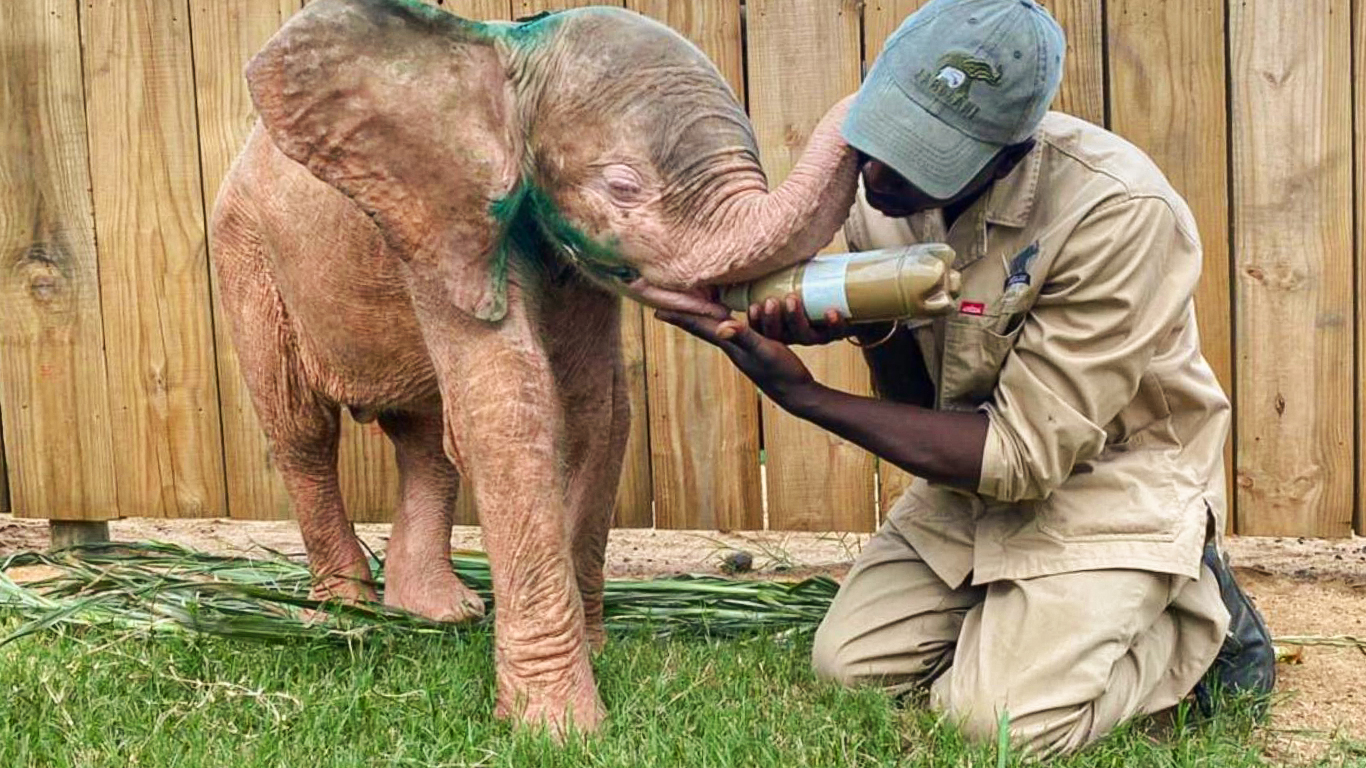
Our supporters’ donations power all our work for wild animals and their habitats. Here is how that support made an impact in March. United Kingdom – Hertfordshire Crucial care for big cats rescued from a cruel captive facility Credit: WildSide Exotic Rescue Recently, 12 big cats, including pumas, lynxes and bobcats, were rescued from a cruel captive facility in the English village of Codicote, Hertfordshire. The facility was shut down and the owner was found guilty of a litany of animal welfare charges, and 12 big cats – all in terrible condition – were taken in by our partner, WildSide Exotic Rescue. To heal and recover after their ordeal, the animals required medical care, special food and supplements – a cost our partner was struggling to meet. Through our supporters’ generosity, we were able to contribute a month’s worth of food and support for the animals. Read the original article. Ukraine – Kyiv Warmth for the freezing, injured animal victims of war Credit: WARC With an icy winter gripping Ukraine, we knew we had to help the animals at our partner sanctuary, Wild Animal Rescue Center (WARC) outside Kyiv. Many of the animals they rescue – including lions and tigers – were illegally imported or bred in Ukraine, then abandoned in the war. These animals, native to the warm climates of Africa and Asia, were at risk of freezing to death in Ukraine’s icy winter. Many are sick, injured and frail after enduring many months on the frontlines and must be kept warm if they have any hope of survival. We asked our supporters to help contribute towards critical heating for the animals, and thanks to the generous support received, we were able to make a substantial contribution towards these costs. Thank you for caring for these helpless victims of war when so many others have forgotten them. Read the original article. Zimbabwe – Lake Kariba Emergency intervention for a snared elephant calf Credit: KAWFT This young elephant was spotted limping behind its herd, a snare wrapped tightly around its leg and cutting deeper every day. Snares are cruel devices used by poachers to illegally capture wildlife. Animals who don’t die right away often suffer for weeks or months with debilitating injuries and life-threatening infections. We knew the calf was at severe risk, and that the best way to help would be to charter a helicopter to dart the elephant from the sky, remove the snare and provide critical treatment before it was too late. Through our supporters’ compassion, we helped raise the funds to dart the calf from the sky, and we are delighted to report that the snare has been removed and the calf is already looking much better. Read the original article. Follow us on social media for these stories and more… Twitter Instagram LinkedIn Facebook Here are some of the animals our donors helped provide critical support for during the wildfires in Los Angeles earlier this year. Credit: Pasadena Humane In South Africa, 17 orphaned elephants in a drought-stricken province have constant access to fresh, clean water, thanks to our supporters. Credit: HERD Orphaned elephant calf Khanyisa has had her final bottle of milk and is growing up fast! Here are some adorable photos. Credit: HERD In the news Credit: Damien Coulsen Deadly rabies outbreak amongst Cape fur seals has potential to become a widespread marine catastrophe, warns Animal Survival International. Read more. Amid legal troubles, monkey-breeding facility backers expand operations in Florida. Read more. Please continue to support our work, so we can continue protecting animals and ecosystems around the world.
From aardvarks to wild cats, here’s how YOU helped us save wild animals in February.
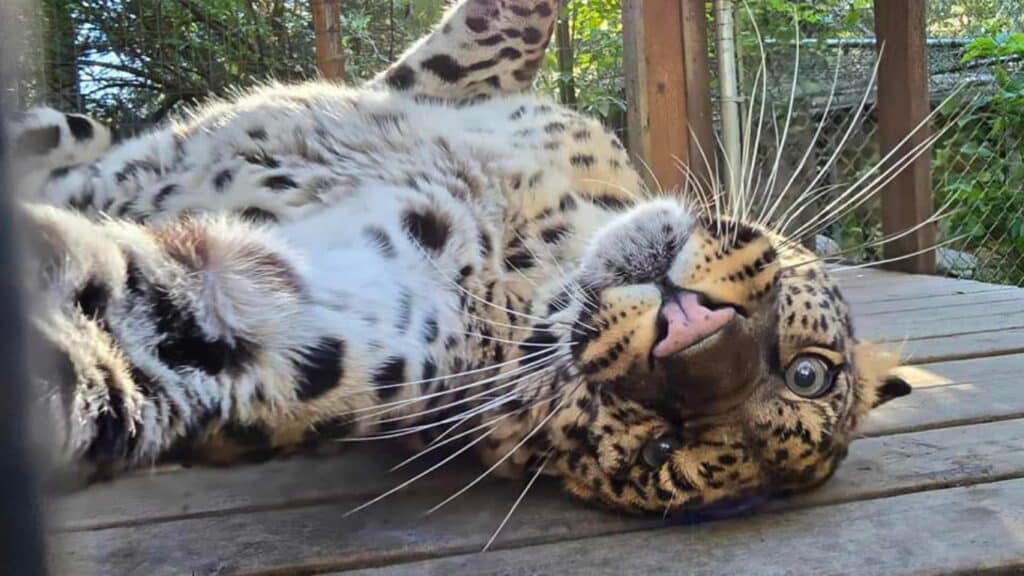
Donations drive all our work – this is how our supporters’ generosity helped animals in February. United States – Washington Supplying critical funds for big cats battling bird flu Credit: WFACW Big cat sanctuary Wild Felid Advocacy Center of Washington (WFACW) recently lost several of its animals to a devastating bird flu outbreak, believed to have come from contaminated food. The tragedy killed 21 of its rescued wild cats, including lynxes, tigers and leopards, and left several more in critical condition. Adding to the crisis, the sanctuary took a massive financial hit as it had to destroy three tons of food to prevent further risk. With our supporters’ help, we were able to donate funds towards replacing crucial food supplies, helping to ensure that the surviving cats could receive the nutrition they needed while sanctuary staff focused on the recovery and rehabilitation of the survivors. Read the original article. Madagascar – Lavavolo, Itampolo Rushing thousands of critically endangered tortoises to safety amid devastating floods Credit: Turtle Survival Alliance When a severe flood recently destroyed our partner sanctuary in Madagascar, displacing 12,000 critically endangered radiated and spider tortoises, we knew we had to help right away. At least 5,000 of the displaced tortoises were juveniles, and their exposure to water had left them at risk of deadly pneumonia. All of the tortoises had been rescued from the horrific illegal pet trade, which sees them shipped across borders in horrendous conditions. Those who survive the journey often end up with severe injuries, broken shells and other life-threatening conditions – if they survive at all. Through our supporters’ help, we were able to rush funds to our partner, Turtle Survival Alliance (TSA), to cover the cost of relocating the tortoises several hours away to their surviving shelter in Marovato. Thank you for recognizing the importance and fragility of this precious species. Read the original article. South Africa – Northern Cape Supplying milk formula for a critically ill, orphaned aardvark Credit: Kalahari Wildlife Project Henry was just a few months old when he was found orphaned on a farm in South Africa. Covered in parasites and too weak to move, his prognosis was grim. Aardvarks are gentle, burrowing creatures that are often targeted by farmers who consider them “pests,” or killed for their meat. It is likely that this was the fate of Henry’s mother. Henry was rescued by our partner, Kalahari Wildlife Project (KWP), and given immediate critical care. He will need special milk formula for up to a year before he can be released into a protected wild area. Through our supporters’ kindness, we have been able to fund his formula for an entire year, giving Henry hope for a second chance. Read the original article. Follow us on social for these stories and more… Twitter Instagram LinkedIn Facebook Flying fox, Suzie, is making fantastic progress in the Seychelles. After being stolen from the wild and confined to a cage for tourist entertainment, this little creature – blinded in one eye and with torn wings – was saved by our partner, Protect Paradise Seychelles. Just look at her now! Credits: PPS Think twice! Our new ‘Yes, but’ campaign shines a light on seemingly innocuous animal-related activities that are actually very harmful for our precious wildlife. See it here. Angie the rhino calf was fed throughout the holidays, thanks to our supporters! Just look at the wonderful progress our little fighter in South Africa is making. Credits: HESC In the news 116 tortoises repatriated to Tanzania in landmark wildlife trafficking fight. Read more. Tiger poachers use fishing boats to smuggle body parts out of Malaysia, study shows. Read more. NGOs and fishermen call for urgent action to end bottom trawling in Europe’s marine protected areas. Read more. In deep water: Ocean literacy among young people is worryingly low, new study finds. Read more. Nearly 20,000 live animals seized, 365 suspects arrested in France in largest-ever wildlife and forestry operation. Read more. Pricey dam project 7 years in the making finished by beavers for free in Czech Republic. Read more. Did you know? Not all animal rescue vehicles you see online are real. Unscrupulous social media users create fake scenarios in which animals appear to be rescued – but it is simply for “views”, “likes,” or to make money off the animals’ suffering. Read more. As we look ahead to a new month of helping wildlife in crisis around the world, we are grateful to our supporters who make all our work for animals possible. Thank you for your continued support – our planet’s precious wildlife needs all the help it can get. Banner credit: WFACW
This is how Animal Survival International helped wildlife in danger during January.
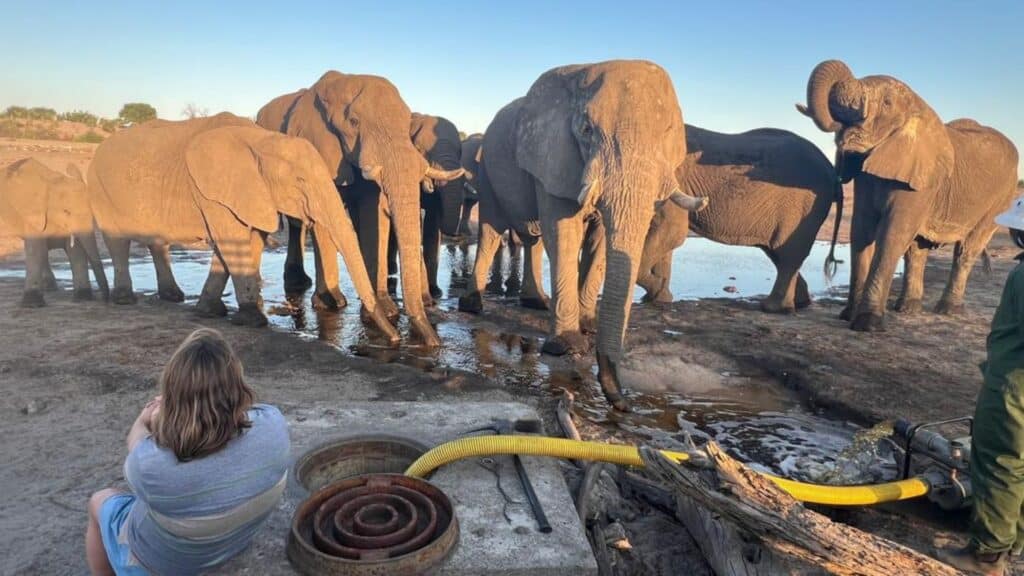
It was a challenging start to 2025 as wildfires broke out across Los Angeles, displacing thousands of wild animals and destroying tens of thousands of acres. Countless animals lost their homes and many were severely injured in the flames. Our supporters helped us rush support to partners on the ground fighting to rescue and treat creatures caught up in the blaze – more on that below. Amid the challenges, there has been some heartwarming news. Lucy the South African hippo, who our supporters helped care for, has been released back into the wild! And Pai Lin – an elderly elephant our supporters helped in Thailand – continues to thrive in her retirement sanctuary after decades of abuse. Read on for more updates from December and January. Ukraine Gearing up for winter wildlife rescues Credit: WARC Our partner in Ukraine, Wild Animal Rescue Center (WARC), works in treacherous war conditions – and now, it must battle bitter temperatures and icy roads as well. In December, we asked our supporters to help equip WARC’s animal rescue vehicles with winter tires and other essential equipment for safely conducting wildlife rescues during snowy, icy winters. Thanks to our supporters, we were able to fund the tires and additional equipment so our partner can continue to save the embattled animals of Ukraine. Read the original article. South Africa – Mpumalanga Caring for orphaned rhinos over the festive season Credit: Care for Wild Our partner, Care for Wild Rhino Sanctuary, experienced a surge of orphaned rhinos needing emergency care. Each of these four infants, one just six weeks old, needed critical treatment, 24-hour support and the highest quality, species-specific nutrition. The costs of rehabilitating a baby rhino are considerable – let alone four of them! We knew we needed our supporters’ help, and their compassion and generosity has enabled us to provide care for all four rhino infants for an entire month. Read the original article. South Africa – Hoedspruit Giving the gift of water to thirsty elephants Credit: HERD We ended the year with a plea for the Jabulani herd of elephants – a close-knit herd of orphaned elephants in South Africa. After surviving the loss of their mothers due to poaching, each one found lifelong sanctuary with our partner, Hoedspruit Elephant Rehabilitation and Development (HERD). Climate change and other factors are causing frequent droughts in the area, which are expected to worsen in the coming years. We want to provide this unique elephant herd with fresh, abundant water all year round. Our supporters enabled us to get the programme underway. Stay tuned for updates, coming soon. Read the original article. Zimbabwe – Zambezi River Funding a critical drone to combat poaching and snaring Credit: Zambezi Conservation Recently, a mother hippo was spotted along the banks of the Zambezi with a wire snare wrapped tightly around her mouth. Terrified and protecting her infant, she darted into the dense vegetation and could not be found by car, foot or boat. High-tech drones are a vital tool in situations like this. They enable rescuers to spot animals from the sky, even through thick shrubbery, so they can stage quick, effective interventions. They also help identify suspicious activity happening on the ground, so our partners can stop and apprehend poachers. Through our supporters’ generosity, we have been able to make a significant contribution towards a drone for our partner, the Zambezi Conservation Unit (ZamCon). The team is now redoubling its efforts to find the missing, injured hippo and her calf. We will update our supporters as soon as we have any news. Read the original article. United States – Los Angeles Supporting wildlife saved from devastating fires Credit: Apu Gomes/Getty Bobcats, mountain lions, coyotes, owls, opossums and countless other species have been left injured, displaced and traumatized after wildfires began sweeping through Los Angeles in early January. Our partner, Wetlands and Wildlife Care Center of Orange County (WWCC), has been taking in as many animals as it can, and it needed our help to cope with the influx of wildlife in need. Through our supporters’ generosity, we have been able to help WWCC cover the cost of critical care, including X-rays to check for broken bones, veterinary wipe-downs to remove toxic soot, burn wound treatment, skin grafts, emergency oxygen, and surgery for the severely injured. Thank you for being an angel to the animals of Los Angeles during this nightmare. Read the original article. Follow us on social for these stories and more… Twitter Instagram LinkedIn Facebook We are continuing to roll out water solutions for wildlife in drought-ravaged Botswana. Thanks to our supporters, we have brought 24-hour access to fresh water for animals in yet another part of the Makgadikgadi National Park. Read more. Credit: Camelthorn Farmstead Did you know? Not all the animal rescue videos you see online are legitimate. Here’s how to spot animal abusers posing as heroes, and how to report content that could be harmful, instead of helpful, to animals. In the news Baby gorilla rescued from hold of Turkish Airlines. Read more. ‘The forest will survive’: The volunteers saving Kharkiv’s war-charred woodland. Read more. Alaska to resume ‘barbaric’ shooting of bears and wolves from helicopters. Read more. As we look ahead to another busy year of helping wild animals in need all around the world, we are so grateful for our supporters, who make all our work possible. Are you ready to help even more wild animals and the ecosystems they call home? View our latest projects at www.animalsurvival.org now.
Animal Survival International’s impact for animals in 2024.

As we look forward to another busy year of helping vulnerable animals around the world, we wanted to take a moment to reflect on all that our supporters helped us achieve in 2024. All our work for wildlife – from the tiniest pangolins and flying foxes to the greatest elephants, lions, tigers and giraffes – is made possible by the support of our generous donors. Read on to discover some of our most impactful campaigns of 2024. Zimbabwe, Hwange National Park Providing water for drought-stricken wildlife Credit: ASI/Taryn Slabbert Wild animals in Hwange National Park were dropping dead because of an awful drought. Your support enabled us to help install a solar-powered water pump to provide a constant supply of life-saving water, making the difference between life and death for countless elephants and other wildlife. Nigeria – Lagos Establishing Nigeria’s first dedicated pangolin clinic Our partner, Greenfingers Wildlife Conservation Initiative (GWCI) in Nigeria, fights to save pangolins from illegal traffickers and bushmeat markets, caring for up to 15 fragile rescues at a time. With your support, we helped construct Nigeria’s first-ever pangolin nursery and intensive care unit (ICU), giving them a safe space to heal and recover. Pangolins are notoriously difficult to treat in captivity, and this clinic is helping our team save this endangered species, one life at a time. South Africa,Western Cape Rehabilitating and caring for two trafficked, rescued lion cubs Rescued from wildlife traffickers in Lebanon, lion cubs Issam and Kelly were severely malnourished and distressed. They are now safe with our partner in South Africa, and you helped contribute towards their costly rehabilitation and specialized care. Thailand, Phetchaburi Saving tigers from brutal captivity In 2024, our supporters raised funds to relocate captive tigers and critically endangered Indochinese leopards from a brutal breeding facility in northern Thailand. All the animals – many of whom had been in cramped captivity for well over a decade – are now living peaceful, happy lives at our partner sanctuary, the Wildlife Friends Foundation Thailand (WFFT). They are all experiencing grass under their paws, sun on their backs, and complete freedom from chains for the first time. Botswana, Makgadikgadi National Park and surrounds Supplying water for desperately thirsty wild animals Credit: Camelthorn Farmstead A record drought in Botswana has left thousands of animals starving, dehydrated and at death’s door. You helped us feed 120 starving hippos, drill boreholes and create waterholes for desperate animals in the Makgadikgadi National Park and surrounding areas. Through the support of our donors and our partner, The Brady Hunter Foundation, we have nearly quadrupled the amount of water available for animals here, creating crucial oases and helping to save thousands of lives. Thailand, Phetchaburi Providing food for abused, rescued elephants Credit: WFFT Elderly elephant Pai Lin was broken after 60 years of agonizing labor. You helped us provide delicious food and treats for Pai Lin and her fellow rescued elephants at Wildlife Friends Foundation Thailand, pampering her during the retirement she deserves. Botswana, Mirapene Supplying special milk formula for orphaned elephant calves Credit: Camelthorn Farmstead/Elephant Havens Orphaned by drought at just 11 months old, elephant calf Boteti was saved in the nick of time by our partner. Our supporters enabled us to provide her and 13 other orphans with specialized milk formula, and Boteti is getting stronger by the day. South Africa, Limpopo Providing life-saving special milk formula for a rhino calf orphaned by poaching Credit: HESC Rhino calf Angie was just six months old when poachers brutally killed her mother before her eyes. Thanks to your generosity, we provided Angie with special milk formula for two months, helping her recover and grow. Everything we achieved for wild animals in 2024 was thanks to the support of caring wildlife warriors like you. Please join us as we continue our vital work for wildlife in 2025 and beyond.
How we helped wild animals in November.
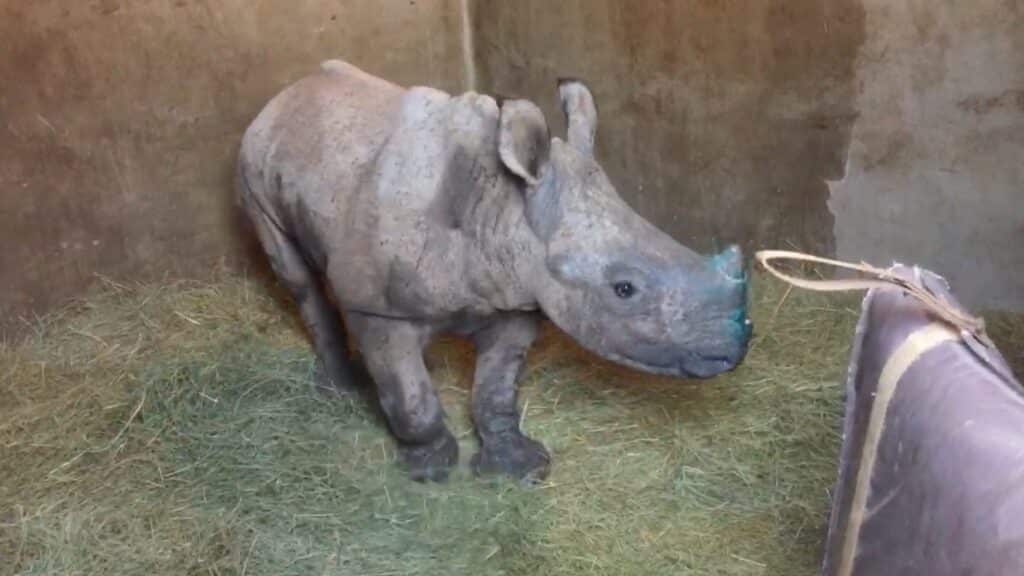
An onslaught of dismal environmental news may inspire you to bury your head in the sand like an ostrich – so today, we want to assure you that it’s not all doom and gloom. With the steadfast support of people like you, we are helping to bring species back from the brink – sometimes, one animal at a time. This month, our supporters helped us care for an orphaned rhino, treat animals affected by fire, and help the littlest victims of the prolific wildlife trade in Africa. Every life counts in the fight against extinction, and thanks to our donors, we are making a difference. Here is how that support helped in November. South Africa, Hoedspruit Caring for a rhino calf orphaned by poachers Little rhino calf Angie was just six months old when poachers brutally killed her mother right before her eyes in South Africa’s Limpopo Province. Heartbreakingly, poachers often target female rhinos, especially those with calves, because they’re slower and much more vulnerable. Angie was rescued by our partner, Hoedspruit Endangered Species Center (HESC), and given round-the-clock care. Angie needs seven gallons (26.5 liters) of special milk formula daily, which costs roughly $33 (£26) per day. Our supporters were deeply moved by Angie’s plight and through their generosity, we were able to provide two months’ worth of life-saving milk formula for this brave little fighter. Thank you for your compassion. Read the original article. Credit: HESC South Africa, Gauteng Funding critical care for animals affected by wildfires Recently, two jackal cubs and a newborn hartebeest were among the most fragile victims of wildfires in South Africa’s Gauteng province. These animals, and several more, required urgent, life-saving care after losing their mothers and surviving the horrific flames. When fires rip through the landscape, families are separated, infants are orphaned, and lives hang in the balance without near-immediate intervention. Our supporters’ hearts went out to these little creatures, which were rescued and taken in by Friends of Free Wildlife (FFW). Through your support, we were able to help fund critical veterinary care and treatment for the rescued animals. With proper rehabilitation and care, they will ultimately be strong enough to be released back into the wild, where they belong. Read the original article. Credit: Friends of Free Wildlife Zimbabwe, Victoria Falls Helping drought-stricken animals hunted by poachers Along the banks of the drying-up Zambezi River, wild animals are poached by opportunistic criminals as they drink what little life-saving water they can. Because the water level is so low – a result of the worst drought in 40 years – poachers simply hop across the river and pick off the animals as they drink. An effective solution is to set up waterholes away from the river so that animals have a steady supply of fresh water a safe distance from poachers. We reached out to our supporters for urgent help, and although we have not reached our fundraising goal, we intend to continue raising funds for this project to help the thousands of elephants, giraffes, lions, leopards and other animals that desperately need our help. Read the original article. Seychelles, Mahé Critical care for an infant orphaned flying fox Suzie, just a few months old and still dependent on her mother, was stolen by poachers and used as a tourist attraction on the island of Mahé. She was so brutally beaten by her captor that she was blinded in at least one of her eyes. Her wings sustained serious damage from her desperate attempt to flee her cage. As soon as they heard of her plight, our partner, Protect Paradise Seychelles (PPS), raced to her rescue and brought Suzie to their sanctuary for life-saving care. Thanks to our supporters’ kindness, we have contributed towards her rehabilitation, giving this vulnerable, critically important little creature a second chance at survival. Read the original article. Credit: Protect Paradise Follow us on social for these stories and more… Twitter Instagram LinkedIn Facebook Hello, kitty! Two tiny lion cubs rescued from the frontlines in Ukraine are happy and healthy, thanks to our supporters. Credits: WARC Shining a light on lion safety: An innovative anti-predation solution is keeping lions safe from hunters in Kenya. Credit: Lion Lights A helping hand for hippos: Hungry hippos in Botswana are still waiting for the rains to replenish their food – but until then, we have helped keep them fed. Credit: Camelthorn Farmstead From the News Desk At ASI, we stay abreast of the latest wildlife conservation news so we can keep you informed on the most critical issues surrounding animals today. We no longer breed minks to kill them! Romanian Parliament bans fur farms. Read more. African Penguin classified as ‘critically endangered.’ Read more. This year ‘virtually certain’ to be hottest on record, finds EU space program. Read more. ‘World’s largest’ coral discovered in Solomon Islands. Read more. World’s 1.5C climate target ‘deader than a doornail,’ experts say. Read more. Despite the barrage of bad news, there is hope – and with our supporters by our side, we can continue to make an impact for precious, vulnerable wildlife everywhere.
How we helped wild animals in October.

New research has found that planting trees in urban areas can help lower average temperatures and reduce heat-related deaths. A study conducted in Medellin, Columbia, revealed that a network of green corridors helped reduce average temperatures by 3.6ºF (2ºC). This shows how relatively small, easy-to-implement solutions can have a big impact – and it is the responsibility of every government, and every one of us, to make these small but effective changes. At Animal Survival International, our supporters empower us to make a positive impact every day. Climate change, habitat loss and illegal poaching and trafficking have dire effects on animal populations, but through the efforts of our on-the-ground partners and dedicated donors, we are protecting the vulnerable wild animals that need us most. Here is how our supporters helped make a difference in October. Botswana, Makgadikgadi National Park Another shipment of life-saving food for hungry hippos As the drought in Botswana rages on, a pod of 120 hippos continued to struggle for survival along the Boteti River, where their food sources are nearly exhausted. This is the hottest and toughest time of year for hungry, thirsty and weak animals, and we knew we needed to act. We reached out to our supporters, who helped feed these poor animals a few months ago, and once again they responded compassionately. Thanks to the generosity of people like you, we were able to send another truckload of food to the hippos – a life-saving intervention during this devastating time. Thank you for opening your heart to them. Read the original article. Credit: Camelthorn Farmstead Ukraine Rescuing wild animals big and small from the frontlines of war Nearly three years since the Ukraine-Russia war began, wild animals continue to be abandoned – trapped and terrified on the chaotic frontlines. Our partner, Wild Animal Rescue Center (WARC), conducts regular rescue missions to some of the most dangerous parts of Ukraine. From tiny rodents to fearsome tigers, the team takes these animals in and, under extremely challenging circumstances, does its best to save their lives. These rescue missions are not only dangerous, but expensive – but without them, animals will continue to die. In October, our supporters donated generously to help ensure that WARC can continue these missions. Thanks to this support, WARC can keep fighting to protect animals during the war. Read the original article. Credit: ASI/Dejan Radic Thailand, Phetchaburi Raising funds to expand a critical tiger sanctuary that has run out of space Our partner, Wildlife Friends Foundation Thailand (WFFT), saves animals from some of the worst cases of abuse in Asia. Chained tigers, abused elephants and exploited bears all find safety, shelter and care at WFFT – but the haven has run out of space to continue its critical rescue work. We reached out to our supporters, and although we have not reached our fundraising goal, we hope to help WFFT purchase additional land for its rescues in the future. Right now, countless captive wild animals in Thailand are still waiting for their turn to be saved, and we will do everything we can to help make this possible. Read the original article. Credit: WFFT Botswana, Khumaga Providing critical water sources for drought-stricken wild animals Botswana’s horrendous drought is a crisis, and we are constantly discovering more and more animals in need of urgent help, including elephants, zebras, big cats and more. Thanks to the immense and continued support of our donors, we have been able to begin work on two more vital water points for wildlife. Here, dried-up waterholes had become muddy death traps, where animals would become stuck in their futile quest for water and slowly die under the relentless sun. Thanks to an outpouring of support, we have been able to begin work on both waterpoints, ensuring we can both provide sustainable water sources and prevent slow, painful deaths. We could not have helped without your support, and we – and the animals – are immensely grateful. Read the original article. Credits: Camelthorn Farmstead Follow us on social for these stories and more… Twitter Instagram LinkedIn Facebook Excellent elephant news! Young elephant calf, Nyaodza, is going from strength to strength after being freed from a snare in Zimbabwe. Credits: KAWFT Water galore! Life-saving water is flowing for animals in drought-ravaged Botswana, thanks to YOU and our long-term partner, the Brady Hunter Foundation. Credit: Camelthorn Farmstead Triple threat! Our supporters are helping to stop poachers in Zimbabwe, thanks to a highly-effective combination of anti-poaching teams, K9 units and drones. Credit: MAPU Action for animals! In October, Animal Survival International joined FOUR PAWS in demanding improved animal welfare in South Africa. Credit: ASI/Taryn Slabbert From the News Desk At ASI, we stay abreast of the latest wildlife conservation news so we can keep you informed on the most critical issues surrounding animals today. One in two El Niño events could be extreme by mid-century. Read more. Climate change doubled likelihood, intensified deadly Europe floods: study. Read more. ‘Time capsules’ of toxic consumption: What happens to the shipping containers lost at sea? Find out here. Climate change creates a ‘cocktail’ of serious health hazards for 70 per cent of the world’s workers. Read more. Rate of ocean warming has nearly doubled since 2005: study. Read more. Two Botswana nationals in court for possession and dealing in pangolin trade. Read more. Deforestation ‘roaring back’ despite 140-country vow to end destruction. Read more. Together, we can make a difference for animals and the ecosystems they inhabit – and we are. Each time you support our work and share our stories, you help us reach more animals in need. Thank you.
How Animal Survival International Helped Wildlife in September.

If you still think climate change is something that won’t affect you, a new study released by the International Labour Organization (ILO) may make you think again. It found that more than 70 percent of the global workforce is likely to be exposed to climate change-related health complications, ranging from excessive heat exposure to chronic kidney disease linked to workplace heat stress. Cancer, cardiovascular disease and respiratory illness will also rise thanks to the climate crisis. All over the world, we are seeing animals struggling to survive extreme weather alongside a host of other human-driven challenges. With your help, we are able to provide direct aid wherever possible. Here is how our supporters helped us save animal lives in September. South Africa, Limpopo Province Rushing food to animals affected by a devastating fire In the hot, dry town of Bela-Bela in South Africa’s Limpopo Province, a wildfire broke out and destroyed 80% of vital food sources for rescued wild animals at a crucial wildlife sanctuary. Many of these animals, housed at the Bambelela Wildlife Sanctuary, are elderly, injured, paralyzed or otherwise compromised due to abuse or accidents. The sanctuary was desperate to fill the bellies of zebras, monkeys, giraffes, warthogs and other animals who survived the raging inferno. Sadly, four animals lost their lives, but the rest of the 200+ were saved. The outpouring of support from our donors meant we were able to pay for an entire month of food for all the animals at the sanctuary, providing much-needed relief during this heartbreaking time. Read the original article. Credit: Bambelela Wildlife Sanctuary South Africa, Tzaneen Supporting pangolin pups rescued from poachers Pangolins Lulu, Biscuit and Henry were all around six months old when they were stolen from the wild by poachers, who intended to sell them for their meat and scales. Fortunately, timeous tip-offs meant that our partner, Umoya Khulula, was able to intervene in time, and all three were saved and rushed for emergency treatment. Pangolins are incredibly fragile, particularly when they have experienced trauma, and their recovery is lengthy, costly and extremely delicate. All the pups required emergency treatment and will need specialized milk formula for the duration of their care – which could take up to a year. Our supporters’ kindness means we can help support their rehabilitation and give these precious pups the chance to heal and thrive, despite their horrific experiences. Thank you for caring for these precious endangered animals. Read the original article. Credit: Umoya Khulula Botswana, Maun Feeding elephant calves orphaned by drought, poaching and human-wildlife conflict Little Boteti was under a year old when she was orphaned by Botswana’s lingering drought – the worst in over 40 years. She was taken in by Elephant Havens, an elephant orphanage currently caring for around 13 orphaned elephants. These animals are at their most vulnerable in the early months and years of their life, and without their mothers, they are heavily reliant on our partner for the right nutrition, as well as emotional support. Through our supporters’ generosity, we have been able to feed all of the orphans for a month, giving them the critical support they need to survive the loss of their mothers and grow into strong, independent animals who can one day roam free in protected local reserves. Read the original article. Follow us on social for these stories and more… Twitter Instagram LinkedIn Facebook Lions saved from a cruel breeding facility in South Africa have a new home, thanks to YOU! Read more. Credit: Lions Foundation It was with heavy hearts that we announced the passing of courageous Salamas, who was rescued from a Thai big-cat breeding facility in December. Read more. Credit: WFFT From the News Desk At ASI, we stay abreast of the latest wildlife conservation news so we can keep you informed on the most critical issues surrounding animals today. Humans to push further into wildlife habitats across more than 50% of land by 2070. Read more. Wildlife trafficking ring killed at least 118 eagles in the US, prosecutors say. Read more. Click for more of our latest climate, environment, and wildlife news. We may not be able to save them all, but with our supporters continued help, we will save as many as we can. Thank you for being a voice for the voiceless in September. Animals around the world are so grateful for your support. Please continue to share our stories and donate whatever you can towards our ongoing campaigns. Banner credit: ASI/Taryn Slabbert
How Animal Survival International Helped Wildlife in August

Scientists predict that over the next five decades, humans will expand into more than half of the remaining wildlife habitats on Earth, resulting in significant biodiversity loss and a rise in human-wildlife conflict. Find out more here. In short, it is not looking good for wild animals – which is why every animal, and every ecosystem, counts in the fight against habitat loss and species extinction. Every day, we fight to preserve fragile species. This is how our supporters helped us save wild animals and the ecosystems they call home in August. Zimbabwe, Lake Kariba Saving a baby elephant from a life-threatening snare An elephant calf in Lake Kariba, estimated to be under two years old, was abandoned by her herd when a crude wire snare left her incapacitated. We had to help, fast. We reached out to our supporters, and your generous response enabled us to fund an emergency snare removal operation with our partner, Kariba Animal Welfare Fund Trust (KAWFT). The animal was darted, the snare removed, and her wounds treated. She was also given antibiotics to prevent infection. A herd was spotted in the area, so rather than move the calf to a sanctuary, our team elected to leave her in the wild and carefully monitor her progress. We are delighted to share that she is recovering very well and she has already been spotted socializing with other herds of elephants. Read the original article. Laos, Vientiane Critically endangered baby gibbon rescued from brutal Asian wildlife trade Sombad was just an infant when he was spotted being illegally sold online. Thousands of baby gibbons just like him are stolen from the wild every year to be eaten or sold as pets. Fortunately, Sombad’s plight was brought to the attention of Lao authorities and our partner, Lao Conservation Trust for Wildlife (LCTW), and the infant was rescued in the nick of time. We shared his tragic story with our supporters and hoped to raise enough for an appropriate enclosure for the animal who had lost everything – his mother, his safety, his wild home – and who deserves a second chance at a peaceful life. Unfortunately, we did not reach our fundraising goal, but hope to help in the future. Read the original article. Kenya, Amboseli region Installing a smart deterrent system to keep lions safely away from communities Kenya’s lion population has plummeted 83 percent in the past century, putting the species on the fast-track to extinction. As climate change wreaks havoc on the country’s ecosystems, lions’ food sources are disappearing too. Hungry lions are forced to venture ever closer to humans in a search for food and, following their instincts, prey on livestock. Villagers are killing them in retaliation. An innovative system, consisting of solar-powered lights that flash and blink, deters lions from livestock enclosures and encourages them to hunt for food elsewhere. By stopping them from preying on livestock, villagers have no excuse to kill the lions or other predators, saving countless lives. Our ultimate goal is to install this system in 300 hotspots in the region. Through your donations, we will be able to begin installing the system, helping to save more lion lives. Read the original article. Follow us on social for these stories and more… Twitter Instagram LinkedIn Facebook Help for hungry hippos! A pod of 100 starving hippos in Botswana is being fed, thanks to our supporters. See the photos here. Construction of Nigeria’s first dedicated pangolin nursery and ICU is underway. The clinic will bring relief and hope to countless endangered pangolins. Here’s the progress so far. Two lion cubs rescued from the frontlines of the Ukraine-Russia conflict are on the road to recovery. Here are the heartwarming photos. From the News Desk At ASI, we stay abreast of the latest wildlife conservation news so we can keep you informed on the most critical issues surrounding animals today. The dark side of nature photography: How social media threatens wildlife. Read more. Humans to push further into wildlife habitats across more than 50% of land by 2070. Read more. We are pleased to tell you that, because of you, there is hope for wild animals and the places they call home. You can continue to support our work by donating, sharing our stories, and visiting our social media pages.
How Animal Survival International Helped Wildlife in July

In July, the planet’s average temperature climbed to its highest ever recorded, with a global average surface temperature of 17.09°C (62.76°F). We are seeing the effects of global warming in many of the projects we support. Add to this the ever-present threat of poaching, and you will understand why wild animals and their habitats are in serious trouble. With our supporters, we are helping to bring relief to otherwise-doomed creatures. This is how you helped wild animals across the world in July. Botswana, Makgadikgadi National Park Rushing food to starving hippos As the horrific drought in Botswana wears on, a new disaster looms: A pod of around 100 hippos have run out of food. These animals are so hungry, they have resorted to eating elephant dung to survive. We told our supporters about this heartbreaking situation, and your generous response enabled us to rush food to the hungry hippos. We hope to continue providing support until December, when rains are expected and their natural food sources will hopefully be replenished at last. Read the original story. Credit: ASI/Taryn Slabbert (left); David Dugmore (right) South Africa, Mpumalanga Protecting orphaned rhinos with advanced tracking technology Critically endangered black rhino calves, Odin and Marcules, stood no chance of survival without their mothers as they wandered alone in Kruger National Park, until our partner stepped in. Care for Wild Rhino Sanctuary (CFW) rehabilitated the calves and the two have formed a unique bond, finding comfort and friendship in each other. Now that they are old enough to live in an intensive protection zone (IPZ), we wanted to give them extra protection against poachers who seem to get smarter by the day. Thanks to our generous supporters, we were able to pay for two cutting-edge AI-powered collars, providing an extra level of protection against criminals and other threats for Odin and Marcules. Read the original story. Credit: CFW Zimbabwe, Lake Kariba Increasing snare patrols in African poaching hotspot An increasing number of wild animals are being caught in deadly snares across the 9,320-square-mile (15,000-square-kilometer) Lake Kariba region, driven by the horrific yet lucrative bushmeat trade. Snaring is one of the cruelest methods poachers use to kill wild animals, and our partner, Bumi Hills Anti-Poaching Unit (BHAPU), patrols tirelessly to find and remove these deadly contraptions. Given a recent surge in criminal activity, we reached out to our supporters to help boost the frequency of snare patrols in the reserve. Unfortunately, we did not meet our goal to increase snare-removal patrols, but we are committed to trying to help in the future. Read the original story. Credit: BHAPU Ukraine, Kyiv Oblast Rescuing and treating big cats rescued from the deadly frontlines The terrible war in Ukraine is claiming animal lives by the thousands. Among the most tragic victims are lions and tigers abandoned as zoos collapse and private owners flee. In July, our team was in Ukraine when two tiny lion cubs were found wandering around the frontline, both with fractured legs. They were rescued by our partner, Wild Animal Rescue Center (WARC), and joined over 30 other big cats at their shelter, including majestic lions and tigers. However, WARC has virtually no resources, and with funds running critically low, these animals are stuck in cramped cages as they receive critical care and ongoing support. With our supporters’ help, we aim to contribute towards larger enclosures, help support the cubs’ treatment, and provide some relief to the exceptionally hard-working WARC team as they risk life and limb to rescue these traumatized big cats. Read the original story. Credit: ASI/Dejan Radic Follow us on social for these stories and more… Twitter Instagram LinkedIn Facebook We are devastated to share the passing of young Phabeni, an orphaned elephant calf in South Africa our supporters helped care for. Credit: HERD Bring on the waterworks! Thanks to our supporters, more water is flowing for Botswana’s drought-stricken wildlife – and we’re not done yet! Credit: Camelthorn Farmstead WATCH: From cruelty to comfort, big cats find sanctuary in South Africa – thanks to our supporters! Credit: Lions Foundation Wondering how Wanda is doing? This resilient wildebeest calf is thriving in South Africa, thanks to caring people like you. Credit: Umoya Khulula From the News Desk At ASI, we stay abreast of the latest wildlife conservation news so we can keep you informed on the most critical issues surrounding animals today. Fire at famous Bangkok market kills 1,000 animals. Read more. Iceland grants whale hunting permit despite animal welfare concerns. Read more. Why is rhino poaching down at this park in South Africa? The reasons may not be good. Read more. Climate crisis driving exponential rise in extreme wildfires. Read more. The greatest land mammal migration on Earth is taking place – and it’s not in the Serengeti. Read more. Amputee lion who survived being gored and attempted poachings makes record-breaking swim across predator-infested waters in Uganda. Read more. Romania to step up cull of brown bears after hiker killed. Read more. World logs hottest day since records began — with fresh highs expected in the coming months. Read more. All our achievements for wildlife in crisis are made possible by the generosity of our supporters, without whom, none of it would be possible. Thank you for being a friend to the animals in July.
Our supporters’ donations are making an impact from Asia to Africa.

As we reach the midway point of 2024, there is both good and bad news for wildlife. Droughts, heatwaves and wildlife crime continue to pose a threat to animals everywhere – but at the same time, much is being done to safeguard precious species and ecosystems. After protracted deliberations, the European Union approved its Nature Restoration Law this month, an unprecedented regulation that aims to increase biodiversity and restore the continent’s damaged ecosystems. And, through the continued support of our donors, we have been able to improve the lives of wild animals in the greatest need. Here is how our supporters helped us change and save wild animals’ lives in June. Thailand, Phetchaburi Supporting the hard-won retirement of elderly elephant Pai Lin Pai Lin, an elderly Asian elephant, was forced to endure 60 years of hard labor in Thailand. With few laws protecting them, Thai elephants are considered livestock, and are traded and forced to work for their entire lives. By the time she was rescued by our partner, Wildlife Friends Foundation Thailand (WFFT), Pai Lin’s body bore the scars of six decades of suffering, and her spine was completely deformed – most likely the result of being used in tourist camps, carrying up to six tourists at a time on her back. Pai Lin was WFFT’s first rescued elephant, and at 75, she is their oldest. The major cost of rescuing wild animals is their lifelong care, with elephants eating up to 660 pounds (300 kilograms) of food every day – and we desperately wanted to help give Pai Lin the retirement she deserves. Through our supporters’ donations, we have been able to send WFFT enough funds to purchase almost 200 tons of delicious and nutritious food and treats, feeding Pai Lin and their other rescued elephants for two months. Thank you for showing sweet Pai Lin and her friends true human compassion – something they have experienced very little of during their difficult lives. Read the original article. Credit: Amy Jones/Moving Animals South Africa, Tzaneen Raising funds for a life-saving mobile clinic for pangolins Every year, as many as 100 trafficked pangolins, including newborn infants and wounded mothers, are taken in by our partner, Umoya Khulula Wildlife Centre in South Africa. It is because of the success of anti-poaching operations that pangolins are rescued from the hands of cruel poachers, but often the animals are in an atrocious state, barely clinging to life. Time is of the essence for these creatures, and the quicker they can receive treatment, the better their chances of survival. A mobile pangolin clinic will enable our partner to provide treatment on-site, rather than transporting pangolins for up to hours at a time before they can administer vital care. The mobile clinic is also critical to careful, successful release into protected wild areas. With our donors’ support, we have been able to fund a significant portion of this mobile clinic, and will keep you posted on its progress. Read the original article. Credit: ASI/Taryn Slabbert Follow us on social for these stories and more… Twitter Instagram LinkedIn Facebook No matter its size, a cat is still a cat! Watch rescue leopard Gabriel playing with a box in his forever home at Panthera Africa in South Africa. YOU helped get him there! Credit: Panthera Phabeni the orphaned elephant calf is thriving in South Africa, thanks to your support. See the gorgeous photos of this special soul. Credit: HERD Thank you for helping to fund the relocation of a critical wildlife sanctuary in Lao, Asia, where animal trafficking is a critical concern. See how your support is giving hope to hundreds of rescued animals. Credit: LCTW Just look at the incredible transformation of these rescued tigers and leopards in Thailand, from skin-and-bone to sunshine and peace. Credit: WFFT Rescue lions Sara and Najla are loving life in their sanctuary in South Africa – and you helped make it happen! Credit: Lions Foundation Here is our anti-poaching partner in Zimbabwe, Bumi Hills Anti-Poaching Unit (BHAPU), removing illegal snares and fishing lines, and stopping poachers in their tracks, thanks to your support. Credit: BHAPU WATCH: Rhino calf daisy continues to go from strength to strength in South Africa. She could not have done it without the support of compassionate animal lovers. Credit: CFW/ASI My, how they’ve grown! Issam and Kelly, traumatized lion cubs rescued from the illegal pet trade in the Middle East, are thriving in the safety of their sanctuary in South Africa. Credit: Drakenstein Lion Park Our Nigerian partner, Greenfingers Wildlife Conservation Initiative, recently helped save five stricken turtles. See how they did it here. Credit: GWCI From the News Desk At ASI, we stay abreast of the latest wildlife conservation news so we can keep you informed on the most critical issues surrounding animals today. Elephants call each other by name, study finds. Over a fifth of Greece’s wildlife are critically endangered. Banner credit: WFFT News Items: Image 1, 2 & 3: Stock
How Animal Survival International helped wildlife in May

We know that almost daily, more species are being pushed towards extinction. But there is hope, too. In May, we reported that two endangered black-footed ferrets have been cloned from frozen tissue samples. In April, for the first time, fossil fuels generated less than a quarter of the EU’s electricity. And also in May, our supporters helped us make a significant impact for wild animals struggling through Botswana’s worst drought in decades – you can read more on that story below. When we work together towards a sustainable future, we can make a positive impact for our ecosystems and the animals that depend on them. Here is how our supporters helped us do just that in May. Botswana, Makgadikgadi National Park Sustainable water solutions for “Big Five” animals crippled by drought Wild animals in the Southern African country of Botswana are struggling through the country’s most devastating drought in decades. Mother elephants are dying from dehydration, leaving their calves orphaned and bereft. Other wild animals, including zebras, are perishing during labor. Their main water source, the Boteti River running through the Makgadikgadi National Park, has been almost completely dry since October 2022, with no sign of rain on the horizon. Our partner, a kind-hearted couple who own a camp bordering the park, have been providing water to desperate animals using their own boreholes and wellpoints, but they are simply not able to pump enough for the hundreds of animals needing help. In the face of this disaster, our supporters offered generous support, donating enough to help us fund two additional wellpoints, which will double the current water output and provide life-saving water for twice as many animals. With our partner, we will also begin work on additional, sustainable water solutions, as droughts will only become more frequent and severe thanks to climate change and weather patterns. In the coming weeks, we will update our supporters from the ground. Read the original article. Credit: Camelthorn Farmstead South Africa, Limpopo Providing life-saving milk formula to an orphaned baby wildebeest Wanda the wildebeest was just two months old when her mother was cruelly killed by poachers. Heartbreakingly, the little orphan stayed faithfully by her mother’s side for days, repeatedly headbutting her in an attempt to suckle without realizing that she was already dead. Wanda was rescued by our partner, Umoya Khulula Wildlife Center in Limpopo, which immediately provided her with dedicated care. Because she was separated from her mother when she was so young, she will need specialized milk and probiotic additives for the next six months to receive the nourishment she needs to grow, get stronger and eventually be released back into the wild. Our supporters’ hearts went out to this little fighter, and through your kind donations, we will be able to help fund Wanda’s critical nutritional needs. Thank you for caring for this special little orphan. Read the original article. Credit: ASI/Taryn Slabbert Follow us on social for these stories and more… Twitter Instagram LinkedIn Facebook Our supporters helped provide critical care for the four-legged heroes who protect South Africa’s rhinos. Read more. Credit: ASI/Taryn Slabbert Rhino calf Bavati, rescued almost a year ago in South Africa, is thriving! The 18-month-old now weighs a whopping 1,635 pounds (742kg)! See his transformation here. Credit: Care for WIld (left); ASI (right) Water for wild animals in Zimbabwe! Thanks to our supporters, water is now flowing for dehydrated elephants in Hwange National Park, which is facing a severe water shortage. See more. Credit: Friends of Hwange From the News Desk At ASI, we stay abreast of the latest wildlife conservation news so we can keep you informed on the most critical issues surrounding animals today. Rhino poaching on the rise in South Africa. Read more. Scientists’ experiment is ‘beacon of hope’ for coral reefs on the brink of global collapse. Read more. Two endangered black-footed ferrets cloned from frozen tissue samples in the US. Read more. Can we engineer our way out of the climate crisis? Read more. Every time we help wild animals and habitats, it is thanks to the generosity of donors like you. With your ongoing loyalty, we can continue to extend a lifeline to animals great and small around the world. Banner credit: Camelthorn Farmstead. News Items: Image 2: BBC Studios; Image 4: Francesca Jones_NY Times.
How Animal Survival International helped wildlife in April

At Animal Survival International, we believe in the value of every animal life. Each wild species plays a role in the health of the ecosystem it calls home, and as such deserves our protection – from fragile hedgehogs and flying foxes to endangered pangolins and elephants. A healthy animal ecosystem is a healthy planet – and our survival, quite literally, depends on it. Here is how we aided wild animals great and small in April. South Africa, Hoedspruit Supplying milk formula to orphaned elephant calf, Phabeni Credit: HERD In the Greater Barberton Nature Reserve in Mpumalanga, a dedicated anti-poaching team works around the clock to protect the region’s endangered rhinos. This unit is supported by canine and mounted patrols which are pivotal to their work in stamping out poaching and illegal activity in the region. Credit: HERD In March, our supporters contributed to the dental and veterinary health check-ups for the anti-poaching dogs and horses, helping to ensure that these four-legged heroes are healthy, strong and ready to help tackle crime. Thank you for supporting important anti-poaching initiatives in South Africa. Read the original article. Credit: HERD Greece, Attica Supporting helpless hedgehogs hemmed in by habitat loss Fewer and fewer safe spaces are left for hedgehogs near Athens in Greece; their habitats are disappearing before their eyes. They are in terrible and increasing danger, particularly vulnerable pregnant hedgehogs and newborn hoglets. Our partner, ANIMA (Wildlife Rehabilitation Association), rescues hedgehogs and treats them for injuries, poisoning from pesticides, and diseases like mange, which is deadly if not treated. Once rehabilitated, the animals are released outside of suburban areas to give them the best possible chance of survival in wild and semi-wild areas. Thanks to the compassion of our supporters, we were able to donate towards ANIMA’s crucial work for these fragile little critters. Read the original article. Credit: ANIMA Seychelles, Mahé Doubling our donors’ support for Seychelles’ flying foxes In April, a generous donor pledged to match our supporters’ donations towards the flying foxes of Mahé, which are relentlessly hunted for stomach-churning “bat curry.” Those who manage to evade the crude traps strung up in fruit trees face a range of other threats, including powerline collisions, disorientating street lights, and food loss due to a growing human population. Frequently, infant flying foxes are left injured and orphaned, and without quick and accurate treatment, they stand little chance of survival. Funds donated by our kind-hearted supporters were matched, and our partner, Protect Paradise Seychelles, is getting closer to their dream of purchasing an X-ray machine to accurately diagnose and treat injuries. Thank you for caring about these winged ecosystem engineers. Read the original article. Credit: ASI/Byron Seale Nigeria, Lagos Building the country’s first dedicated pangolin ICU and nursery In Nigeria, almost every species is facing extinction, and pangolins are among the top of the list. By now, you know that these shy, nocturnal creatures are being poached almost to extermination – but you may not know that infant pangolins are considered “worthless” by poachers. As such, they are discarded like rubbish when they are just days or weeks old, and will die without specialized care. Together with our partner, Greenfingers Wildlife Conservation Initiative (GWCI), we are working to build the first pangolin intensive care unit (ICU) and nursery in Lagos, which will provide life-saving care to infant pangolins, and rehabilitate them until they are old enough to be released into monitored and protected areas. Through our donors’ support of this project, we have raised funds to continue construction on this vital hospital – stay tuned for progress updates, coming soon. Read the original article. Credit: ASI/Byron Seale Follow us on social for these stories and more… Twitter Instagram LinkedIn Facebook WATCH: Hip, hippo-ray! Lovely Lucy, the orphaned hippo you helped save in South Africa a year ago, is ready to join her new hippo family! Credit: ASI/Taryn Slabbert Fruit bat Faye and her friends got a new flight aviary, thanks to our supporters! See it here. Credit: ASI/Taryn Slabbert Mallow, the young giraffe in South Africa who needed to be relocated to a new home, is with her new herd on a spacious reserve. Read more. Captive big cat update! Earlier this year, you helped raise funds to relocate a second group of captive tigers and leopards in Thailand. Just look at how they are thriving at their new home, Wildlife Friends Foundation Thailand. Credit: WFFT From the News Desk At ASI, we stay abreast of the latest wildlife conservation news so we can keep you informed on the most critical issues surrounding animals today. Greece becomes first European country to ban bottom trawling in marine parks. Read more. Namibia rhino poaching on rise in first quarter of 2024. Read more. New study shows Africa’s wildebeest who cannot migrate are becoming genetically weaker. Read more. Not just polar bears — climate change could push African rhinos to extinction. Read more. Ringleader of global monkey torture network, ‘The Torture King’, charged. Read more. Scotland’s snare ban “an important day for animal welfare.” Read more. UK government overturns plans to phase out badger cull. Read more. Sixteen bear cubs rescued from a house in Laos. Read more. Cruel and needless — the grim truth about wildlife farming exposed in new report. Read more. South Africa approves end to captive breeding of lions and rhinos. Read more. Together, we can turn the tide. Thank you for enabling us to continue our critical work for wildlife and habitats in crisis. Banner credit: HERD. News Items: Image 1: Enric Sala/National Geographic Pristine Seas; Image 5: Sukarman S.T/Shutterstock; Image 7: Tony Watson/Alamy; Image 8: Free the Bears/AFP;
How Animal Survival International helped wildlife in March

Our planet is currently undergoing a rapid and severe loss of biodiversity – consider that 68% of our vertebrate population has been wiped out in the past 50 years. Addressing these losses is not impossible if we continue prioritizing preservation. Many species, such as South Africa’s white rhino, have been brought back from the brink of extinction thanks to effective, concerted conservation efforts – programs supported by concerned citizens like you. The bottom line is that wild species will not survive without the support of people like our donors – and, in March, this support helped save lives and contribute to species preservation in several parts of the world. Here is how our donors made a difference in March. South Africa, Mpumalanga province Supporting four-legged anti-poaching heroes In the Greater Barberton Nature Reserve in Mpumalanga, a dedicated anti-poaching team works around the clock to protect the region’s endangered rhinos. This unit is supported by canine and mounted patrols which are pivotal to their work in stamping out poaching and illegal activity in the region. In March, our supporters contributed to the dental and veterinary health check-ups for the anti-poaching dogs and horses, helping to ensure that these four-legged heroes are healthy, strong and ready to help tackle crime. Thank you for supporting important anti-poaching initiatives in South Africa. Read the original article. Credit: Care for Wild South Africa, Tzaneen Saving pangolins one life at a time With up to 2,7 million pangolins killed annually for the illegal wildlife trade, every life counts in the fight to prevent their extinction. In March, our supporters donated generously towards the care and rehabilitation of pangolins at our partner, Umoya Khulula. The sanctuary treats those rescued from brutal poachers and trafficking situations, working against the odds to save these fragile, easily stressed creatures. It costs around $5,000 to treat and rehabilitate a pangolin, so every penny helps – just as every life is precious in the fight against pangolin obliteration. Thank you for your support. Read the original article. Credit: Umoya Khulula South Africa, Western Cape province Providing care for helpless lion cubs rescued from traffickers in Lebanon Issam and Kelly were just a few months old when they were rescued at an army checkpoint outside of Lebanon. They were hidden in plastic cat crates and drenched in their own urine. The cubs had been snatched from their mother and displayed physiological abnormalities due to the poor conditions in which they were kept and the inappropriate diet they were fed. They were in a truly shocking way. Our partner in South Africa, Drakenstein Lion Park, agreed to take in the cubs and give them a lifelong home. Sadly, due to the extent of human interference, they can never be released into the wild. Thanks to our supporters, we were able to raise funds to contribute towards the cubs’ rehabilitation for several months, helping to give them the essential care they need while easing the financial strain on our partner and helping ensure they can continue to rescue wild animals in urgent need. The cubs are grateful for your support. Read the original article. Credit: Drakenstein Lion Park Laos, Vientiane Implementing a solution to protect pangolins and nab poachers Hundreds of thousands of pangolins are slaughtered every year in Asia for bogus traditional ‘medicines’, trinkets, jewelry and virility potions. Our partner, the Lao Conservation Trust for Wildlife (LCTW), regularly rescues animals from the trade, and recently took in six critically endangered pangolins saved in the nick of time from a horror meat market. But rehabilitating pangolins is not enough – we know we MUST support measures to stop poaching at the source. Thanks to our supporters’ donations in March, we will be able to contribute to advanced tracking solutions for released pangolins, which will instantly alert the LCTW team if a pangolin is snared, caught or transported. These devices will not only help keep pangolins safe, but direct our team straight to poachers, so they can be stopped in their tracks. Thank you for supporting such a worthy wildlife initiative. Read the original article. Credit: Lao Conservation Trust for Wildlife Follow us on social for these stories and more… Twitter Instagram LinkedIn Facebook Our supporters helped free Masimba! Here is a wonderful update on the snared elephant in Zimbabwe you helped us save in February. Credit: KAWFT Rescued wild animals get spacious new enclosures in Kwa-Zulu Natal, South Africa. See the work in progress here! Credit: FreeMe Wildlife These little critters found themselves in prickly situations in Auckland, New Zealand. Fortunately, we were there to help… Credit: Debby Querido From the News Desk Smoked monkey and whole sharks: the suitcase smugglers feeding Europe’s hunger for bushmeat. Read more. Species harm will be irreparable if the captive big cat industry in South Africa is left to thrive. Read more. Deep learning discovers dark vessels on seas less empty than we thought. Read more. Greenland losing 30m tonnes of ice an hour, study reveals. Read more. Together, we can turn the tide. Thank you for enabling us to continue our critical work for wildlife and habitats in crisis. Banner credit: Drakenstein Lion Park. News Item: Image 8: The Guardian, Image 9, 10 & 11: StockImage
How ASI helped wild animals in February.

With wild animals in increasing peril every day, in almost every part of the world, their only hope is compassionate people like you. Every donation, share and ‘follow’ helps to support animals and habitats in dire need of help – before it is too late. In February, our supporters’ donations helped save and change the lives of wild animals from South Africa to Southeast Asia. Here is how. Thailand, Phetchaburi Supporting the relocation of tigers and leopards from a brutal breeding facility In February, we fundraised to help relocate a second group of big cats from a nightmare breeding facility in northern Thailand. Our supporters have helped our partner, Wildlife Friends Foundation Thailand (WFFT), raise sufficient funds for the next relocation of tigers and critically endangered Indo-Chinese leopards. Salamas is one of the animals grateful for the support of our donors. Since being rescued from the now-condemned breeding facility on the brink of death, she has undergone a miraculous transformation. Already an old girl, no one knows how long she has left – but what we can assure you is that human kindness has given her a brand-new life, and she will live the rest of her days in peace, feeling sun on her face, and always going to sleep with a full belly. Thank you for your compassion! Read the original article. Credit: WFFT Laos, Vientiane Supporting a shelter relocation for 250 rescued wild animals The Lao Conservation Trust for Wildlife (LCTW) cares for hundreds of wild animals rescued from truly heinous situations. From meat markets to filthy cages, these precious animals have experienced the worst of human brutality – but they have found safety and loving care with our partner, LCTW. Many of the animals are so traumatized and injured, they can never be released. However, LCTW has been told to move from its land, as its owners want it back – and it has just four months to do so! LCTW has secured a new location at a protected reserve, with a 45-year lease. The sanctuary required funds to build secure and spacious enclosures for its wild animals – from critically endangered pangolins and Siamese crocodiles to Asiatic bears, binturongs and gibbons. Our supporters’ kind donations have enabled us to make an impactful donation to LCTW, and we will continue to follow and support their efforts as they build their new sanctuary. Read the original article. Credit: Lao Conservation Trust for Wildlife Zimbabwe, Lake Kariba Removing a life-threatening snare from a young male elephant A few weeks ago, anti-poaching units spotted a young elephant bull with a wire snare wrapped tightly around his ear, throat and neck. With the torture device cutting ever-deeper into his flesh and neck, we knew the situation was critical. We immediately reached out to our supporters to raise funds to charter a helicopter and pilot to dart the animal from the sky and safely remove the life-threatening trap. Thanks to our supporters, our partner Kariba Animal Welfare Fund Trust (KAWFT) was able to hire a helicopter, pilot, and volunteer wildlife and take to the sky. However, wildlife captures are notoriously difficult and unpredictable – and despite their best efforts, Masimba could not be spotted in the thick, dense vegetation. Ground patrols are ongoing and the local community is on high alert to report any sightings of the animal promptly. Rest assured, we will provide regular updates on the progress of the search. Read the original article. Credit: KAWFT Follow us on social for these stories and more… Twitter Instagram LinkedIn Facebook Our supporters have helped repair and protect a critical wildlife sanctuary in Lekki, Nigeria! Read more. Credit: Greenfingers Wildlife Conservation Initiative (left); iStock (right) WATCH: Can you believe that Lucy, an infant hippopotamus who was rescued by our partner Umoya Khulula in South Africa last year, is now a year old? See her playful nature in this adorable video! Credit: Umoya Khulula From the News Desk France temporarily bans fishing to protect dolphins. Read more. ‘Astounding’ ocean temperatures in 2023 intensified extreme weather, data shows. Read more. The most common ways humans harm wild animals. Read more. KwaZulu-Natal game reserves under attack in South Africa. Read more. Brazilian semi-arid biome could lose over 90% of mammal species by 2060. Read more. New report calls for an immediate end to cruel and ineffective badger culling. Read more. Blue whales: Ocean giants return to ‘safe’ tropical haven. Read more. Penguin crossing: Celebrating and conserving the pride of Simon’s Town. Read more. Every time you donate, you help us continue our work in protecting and preserving precious species on the brink of disaster. Thank you for being a friend to the Earth in February. Saving animals and the planet, General Manager Animal Survival International Banner credit: WFFT; News Items: Image 6: Vincent Van-Zalinge/Unsplash, Image 7: Oceanic Films, Image 8: City of Cape Town;
How we helped wild animals in January

A new year means new opportunities to help preserve and protect our planet’s precious wildlife. It must be stressed that it is not all doom and gloom. While fires, floods, rising temperatures and human-driven destruction dominated headlines in 2023, our supporters’ help made a real, tangible difference. Any time you donate, every time you share, you make a positive impact on wild animals and ecosystems. From helping to support sustainable, climate-mitigating energy sources, to providing treatment to wildlife – sometimes one animal at a time – your support counts. Your commitment to, and investment in, our global wildlife causes makes a difference. Here is how our supporters’ donations made an impact in January. Zimbabwe, Hwange National Park Preparing a drought-ravaged national park for the return of thirsty elephants In January, we let our supporters know that elephants struggling through a terrible drought in Hwange National Park in Zimbabwe had temporarily moved into Botswana and other parts of the park. However, they are set to return from their annual migration in a few months’ time – and the water pans MUST be ready for them, or the elephants will have no water. We reached out to our supporters for help in raising funds for solar-powered battery systems to power pumps, which are used to bring underground water to the surface for the wild animals. Our supporters responded generously, and we have been able to fund one solar-powered system, at a cost of $12,500 (approximately £9,800), which will pump water 24-hours-a-day. The park will ultimately need 10 of these solar powered batteries over the next few years, and we are committed to continuing our fundraising efforts for them. Thank you for caring about suffering elephants in Southern Africa. Read the original article. Southern Africa, KwaZulu-Natal Enlarging space at a critical wildlife rehabilitation sanctuary In South Africa, hundreds of thousands of indigenous wild animals are poached annually to feed demand for their body parts, as well as the illegal pet trade. Over the past five years, the number of rescued wild creatures – like jackals, servals, caracals, and bushbabies – admitted to our partner sanctuary, FreeMe Wildlife (FMW), has doubled. The life-saving rehabilitation facility was at full capacity and facing the prospect of having to turn animals away. They were desperate for help and turned to us – and we turned to our supporters. Through the generosity of our donors, we have been able to contribute towards additional wildlife enclosures for injured, orphaned, traumatized animals rescued by FMW, giving a second chance to those who would have nowhere else to turn. Thank you for your compassion for wild animals, from the smallest to the greatest. Read the original article. Credit: FreeMe Wildlife Follow us on social for these stories and more… Twitter Instagram LinkedIn Facebook Our partner, FreeMe Wildlife, receives a prestigious greening award. Read more. Credit: FreeMe Wildlife Rhino poaching survivor, Ike, is thriving thanks to your support. Read more From the News Desk Stranded whales found to be contaminated with hazardous chemicals 30 times above the ‘safe’ limit, prompting urgent environmental concern. Read more. Global investors exposed for backing traditional medicines using endangered wildlife. Read more. Click for more of our latest climate, environment, and wildlife news. Every time we help, it is thanks to the generosity of our donors. With your continued support next month and beyond, we will continue to extend a lifeline to wild animals in need around the world. Saving animals and the planet, Campaign Director Animal Survival International Banner credit: ASI/Vic Dobry; news item credits: image 2: EIA
How we helped important wild animals in December 2023

As we embark on a new year of helping wild animals in crisis, we are grateful for everything our donors’ support enabled us to achieve in 2023. From bolstering rhino and elephant anti-poaching initiatives to giving hope to illegally and cruelly traded wildlife: everything we achieved for animals was through our donors’ generosity. Here is how those donations enabled us to finish the year strong for endangered wildlife in need in December 2023. Zimbabwe, Hwange National Park Securing a stable water supply for elephants affected by deadly drought An enduring drought is killing elephants across Zimbabwe’s Hwange National Park. The deadly combination of a woefully inadequate water supply and temperatures as high as 105.6°F (41°C) has elephants dropping dead. Water sources have dried up; many are now sticky mud, deadly for already fatigued elephants, too tired, weak, or young to free themselves. The need for an effective solution was urgent, and we reached out to you. Thanks to our donors’ support, we can help our partner, Friends of Hwange, install solar-powered battery systems at water pumps across the park, that will work around the clock to keep water pans full and elephants hydrated and safe. Thank you for caring about Africa’s endangered elephants. Read the original article. Credit: Friends of Hwange Southern Africa, Hoedspruit Treating a rhino poaching survivor at risk of deadly infection Ike, when he was just a few years’ old, was horrifically injured when poachers tried to kill him for his horn. He pulled through, but a new danger threatened his survival: a raging infection in his horn bed. Our partners, Hoedspruit Endangered Species Centre (HESC) and Hoedspruit Elephant Rehabilitation and Development (HERD) knew Ike needed swift intervention and reached out to us for help – and we immediately alerted our supporters. Our supporters know that every rhino life counts in the face of Africa’s horrendous poaching crisis, and through their swift response to Ike’s plight, we were able to fund the treatment and get Ike the urgent, emergency care he needed. Thank you for helping to save a precious rhino life. Read the original article. Credit: HERD Australia, West and East Coast Rushing emergency support to wild animals affected by wildfires In late November, horrendous wildfires tore through regions along Australia’s western and eastern coasts, killing animals and destroying their habitats. People fled, but dedicated animal rescue teams remained on the ground, braving smoke and flames to get to animals in critical need. We partnered with Express Wildlife Rescue and Rehab, who worked relentlessly to save animals in trouble. Through our supporters’ help, we were able to help them cover veterinary expenses and supplies to rush treatment to animals injured by the fires. Thank you for being there for wild animals during their greatest time of need. Read the original story. Credit: Express Animal Rescue and Rehab Follow us on social for these stories and more… Twitter Instagram LinkedIn Facebook NEW PHOTOS: Orphaned rhino calf Bavati is thriving in South Africa, thanks to our donors’ support. Read more. Credit: Care for Wild We’re helping to rebuild our partner sanctuary in Nigeria, Greenfingers Wildlife Conservation Initiative, following floods a few months ago. See the progress. Credit: Greenfingers See how we helped fit AI tracking collars to elephants in South Africa – a vital component in the fight against poaching. Read more. Credit: ASI/Xara King Spotted! A magnificent caracal family along Cape Town’s famous Chapman’s Peak drive. See the feline family here. Credit: Canva Great news for pangolins! Our supporters are helping make significant strides in safeguarding the species from accidental electrocution in South Africa. Read more. Credit: Conserv Earth From the News Desk World facing “hellish” 3°C of climate heating, UN warns before Cop28. Read more. Click for more of our latest climate, environment, and wildlife news. Every time we help, it is thanks to the generosity of our donors. With your continued support in 2024, we will continue to extend a lifeline to wild animals in need around the world. Saving animals and the planet, Campaign Director Animal Survival International Banner credit: HERD
New study shows two million species at risk of extinction. How our supporters helped to save them

A new study by scientists at the Luxembourg National Museum of Natural History has revealed that two million species are currently at risk of extinction – double the number previously estimated by the United Nations. The shock finding underscores the importance of our work for animals on the brink and our commitment to preserve every life we can. It is imperative we consider our impact on the planet as humans and consumers and ways to live more sustainably. In fact, this month, we told you that even biodegradable plastic is harmful to fish populations (read about it here). If you care about the planet – and we know as a supporter of ASI, you do – it is more important than ever to do everything in your power to help protect its precious animals and ecosystems. Here is how our supporters’ donations helped wild animals in November Southern Africa, Mpumalanga Protecting pangolins from deadly electric fence collisions In South Africa, electric fencing is used to safeguard vulnerable species from poachers and also to help prevent the spread of disease among species. However, these fences pose a deadly threat to pangolins, killing up to 2,000 of them annually as pangolins unwittingly collide with them while foraging and traversing their habitat. There is a simple solution – and through our supporters’ donations in November, we will be able to implement it: erecting barrier fences in front of the electrified fences, and thus preventing pangolins and other animals from coming into contact with the live wires. We will keep you updated on the progress of the project, which is being rolled out at a private reserve in Mpumalanga. Read the original article. Credit: &Beyond Southern Africa, Hoedspruit Providing long-term medical care to an African elephant bull Fishan, an African elephant bull, had endured unimaginable horror and hardship in his 35-year life – and his latest challenge was a fractured leg. Having survived violent human conflict and being orphaned, we knew we had to do everything we could to help him overcome this latest hurdle. Fishan requires regular anti-inflammatories and pain management medication, as well as regular wound cleaning – things that are critical to his comfort but expensive to provide. Your kind support for this determined bull means that we will be able to help cover the costs of these and give Fishan the quality of life he deserves at his lifelong home, Hoedspruit Elephant Rehabilitation and Development (HERD). Read the original story here. Credit: HERD Southern Africa, Limpopo Helping construct larger enclosures for big cats freed from breeding facility A cruel zoo and big-cat breeding facility in South Africa was shut down, and our partner Lions Foundation reached out to us for help: they had saved the 70 animals who lived there but urgently needed to enlarge their existing enclosures to help give the animals the space and quality of life they deserved after their ordeals. We reached out to you because we know we can always count on you to be there for wild animals – especially those who have suffered badly at the hands of humans. Your support for these lions, leopards, caracals and other animals poured in, and thanks to you, we can help our partner begin to build suitable enclosures for the animals. Read the original story. Credit: ASI/Michelle Mohr Southern Africa, Tazneen Helping pangolins targeted by the brutal wildlife trade Our partners regularly alert us to cases of horrific wildlife cruelty in Africa, and last month, we knew we had to reach out to you after three particularly heinous cases involving pangolins. One was covered in burn wounds after being transported in a car engine by poachers. Another had been dumped in a filthy pit toilet… yet another – who had been pregnant – had been snatched from the wild by thoughtless students and kept imprisoned for “educational” purposes. Our partner MUST be primed to act and treat animals fast, and it is of utmost importance that we equip them to do so. Your support has enabled us to do this by providing Umoya Khulula with funds to provide specialized veterinary treatment and rehabilitation to the rescued pangolins in their care, as well as emergency cases that come in. Thank you for caring for the planet’s most trafficked mammal. Read the original article. Credit: Umoya Khulula Follow us on social for these stories and more… Twitter Instagram LinkedIn Facebook Orphaned elephant calves in South Africa are receiving vital nutrition, thanks to you! Read more. Credit: HERD SUCCESS! Elephant relocation fundraising goal reached in Eswatini, Southern Africa! Read more. Credit: FreeMe Wildlife Have you ever heard a lemur sing? Listen here! Spending time in South Africa? Here’s an important notice about caracals this holiday season. Read more. Credit: Luke Nelson Spotted! Have you ever seen a… spotted zebra? Just take a look at this unique beauty! Credit: Frank Liu WATCH: Baby rhino tries to protect his mom while she receives routine veterinary care. Credit: The Dodo From the News Desk At ASI, we strive to stay abreast of the latest wildlife conservation news so we can keep you informed on the most critical issues surrounding animals today. City of Cape Town taken to court over proposed road that threatens endangered toads. Read more. More than a quarter of newly approved oil and gas blocks fall in marine protected areas. Read more. Dominica creates world’s first marine protected area for sperm whales. Read more. Kenyans get tree-planting holiday to plant 100 million seedlings. Read more. 2023 on track to be the hottest year on record, say scientists. Read more. Chinese drug firms backed by global banks found using leopard and pangolin parts, group says. Read more. Labour party promises to halt the badger cull in England. Read more.
How we helped animals in October 2023

Time is running out for our planet’s precious wildlife. When their habitats are not burning or drying up because of climate change and human activity, animals are increasingly corralled into ever smaller areas as they battle for diminishing space and resources. Daily, their challenges mount, and daily – thanks to our supporters’ help – we implement new ways to provide a lifeline to animals who would not survive without help. Here is how our donors helped make a difference in October. Southern Africa, Eswatini Herding 15 at-risk elephants to safety in a private reserve When a large group of hungry elephants wandered from South Africa into Eswatini (formerly Swaziland) in search of food during drought, 15 got stuck in a residential area. Here, they were labeled “problem” animals. Authorities were about to apply for a permit to euthanize them but when we requested a grace period to move them off the land, they gave us a strict deadline to get the elephants to a safe home. We had just weeks to raise the funds to hire a helicopter and expert pilot to drive the animals into a private reserve which agreed to shelter them. You rushed your support to the herd, helping us raise the funds, and as you read this, our team is finalizing their strategy to get the elephants to safety. We will keep you updated. Read the original story. Credit: FreeMe Wildlife Thailand, exact location not disclosed Giving captively-bred big cats a second chance Thailand is notorious for keeping big cats captive, breeding them to be tourist attractions, or to use their body parts as trinkets or in phony “traditional Chinese medicine” (TCM). Recently, Thai authorities shut down one of these horrid breeding facilities – and our partner, the Wildlife Friends Foundation Trust (WFFT), was given the opportunity to rescue 29 of its cats. It reached out to us for help in raising the funds to do so, and with your support, we raised enough to relocate one big cat and we will continue to raise funds for the others. The animals – 25 tigers and four indo-Chinese leopards – could not be released to the wild because they are born and bred to captivity. Relocating the animals to the spacious and humane WFFT sanctuary will be a slow and costly exercise, but the process has started and we are committed to getting the animals to safety. We will keep you updated in the coming weeks and months. Read the original story. Credit: WFFT Follow us on social for these stories and more… Twitter Instagram LinkedIn Facebook Nigeria’s pangolins make a remarkable comeback. Here is how our supporters made a difference. Read more. Credit: PI Meet FN, SANParks four-legged team member helping to protect wildlife in South Africa. Poor FN needed surgery. Your support paid for it. Credit: SANParks AENP Thanks to your continuous support, we were able to fund the delivery of a whopping 75 tons of sponsored gravel to Panthera Africa Big Cat Sanctuary to help their sanctuary after bad floods. Read more. Credit: Panthera Africa Remember Lucy, the orphaned hippo calf you helped us provide with specialized milk formula in South Africa earlier this year? Just look at her now! This month, we had our followers guess her weight! Read more. Credit: Umoya Khulula WATCH: World Animal Day – 4 October: What if these animals were to disappear forever? Credit: PI From the News Desk At ASI, we strive to stay abreast of the latest wildlife conservation news so we can keep you informed on the most critical issues surrounding animals today. LJUBO the bear: Here is our latest update on Ljubo, the caged bear we are fighting to free in Montenegro, and the months-old cub recently acquired by the same owner. Rhino numbers rebound as global figures reveal a win for conservation. Read more. Elephants on the march across African borders as heat stress leads to fatalities. Read more. Antarctic sea-ice at ‘mind-blowing’ low, alarms experts. Read more. Flame retardant pollution threatens wildlife on all continents, research finds. Read more. How a ‘mosaic forest’ is helping France adapt to rapid climate change. Read more. Nigeria burns $1.4m-worth of pangolin scales in anti-trafficking stand. Read more. South American monsoon heading towards ‘tipping point’ likely to cause Amazon dieback. Read more. ‘Very serious offence’: Four men sentenced for torturing a seal on a Cape Town beach. Read more. 21 species removed from US Endangered Species Act after going extinct. Read more. Animal welfare: UK passes legislation to tackle cruel “wildlife tourism.” Read more. Sumatran rhino birth offers glimmer of hope for species almost hunted to extinction. Read more. It is true that the state of our planet seems bleak, but that is why it is more important than ever to support dedicated, direct efforts to preserve wild animals and their habitats. Thank you for helping us continue our work for our world’s fragile fauna and flora in October. Saving animals and the planet, Campaign Director Animal Survival International Banner credit: Alamy. News Item Credits: Image 4: Dr Robbie Mallett; Image 9:Cape of Good Hope SPCA; Image 12: Antara Foto.
How we helped animals in September 2023

Fire and flood wreaked havoc around the world in September. Seemingly endless hectares of Greece were gutted by flames, and in Africa, freak flash floods left people and animals disorientated and displaced. In the midst of these disasters, individual animals fought to survive battles of their own – trafficked, orphaned or injured due to rampant illegal activity. In the face of rising wildlife challenges, we continually re-strategize and enhance our efforts to reach animals in some of the most treacherous situations, and dangerous places, on the planet. Here is how our donors’ support helped us do just this in September. Greece, Greater Athens Wild animals back in peril as Greece burns again In September, firefighters in Greece continued to battle blazes that could not be contained as flames re-erupted after July’s rampant wildfires. Fueled by gale-force winds and dry summer conditions, the fires devoured vast swathes of the country, destroying at least 77,000 hectares (190,000 acres) of land and eating into Mount Parnitha’s crucial green-belt national park. Our team from ANIMA (Wildlife Rehabilitation Association) stayed on the ground, risking everything to reach wild animals trapped, terrified, and burnt. Your support during this time paid for life-saving rescue missions into and out of disaster zones, enabling our team to save animal lives in the nick of time and provide critical care to wild and domestic animals, and even livestock. Every life counts. Thank you for your compassion during this time of tragedy. Your support made a difference. Read the original article or watch this video to see a fallow deer you helped save. Credit: Despina Theodosiadou South Africa, Gansbaai Fighting to save dwindling African penguin populations Once abundant along their native coast of Southern Africa, the African penguin has declined to just 2% of its original population size, placing it on the brink of demise. The species is being obliterated by human activity including overfishing, which robs marine animals of their food sources. In a horrific side-effect of this, hungry seals turn on penguins, attacking them in attempts to reach the semi-digested fish in their bellies. Penguins succumb to these brutal injuries, unless they are rescued in time by our partner, the African Penguin and Seabird Sanctuary (APSS). APSS saves injured, stranded and ailing penguins, nursing them back to health and releasing them back to Dyer Island to help bolster penguin numbers. In September, we asked for your support in helping refurbish and repair the sanctuary’s desalination plant, critical to providing life-saving fresh water to penguins. You responded generously, and your support is giving hope to future generations of endangered African penguins. Read the original article. Credit: APSS South Africa, Hoedspruit Supporting elephant calves orphaned by poaching Some progress is being made in stopping poachers and protecting wild animals – but the reality is that criminals are ever smarter and thus still slip through the cracks. In Africa, where rampant poaching feeds the insatiable Asian market, elephants are at particular risk for their ivory. And, when a mother is slaughtered, it is a death sentence for her calf too, who will succumb to starvation or predators if it is not rescued. In September, we told you about our partner, Hoedspruit Elephant Rehabilitation and Development (HERD), an elephant orphanage which cares for and rehabilitates calves, and ensures their ultimate introduction into a welcoming herd. You opened your heart to these vulnerable orphans, and through your support, we are helping HERD keep their calves fed – with specialized milk formula critical to their survival and growth – for the next three months. Read the original article. Credit: HERD Nigeria, Lagos Supporting injured pangolins and other wild animals saved from brutal bushmeat markets A growing appetite for “bushmeat” in Nigeria is seeing hundreds of thousands of animals – many of them endangered – slaughtered to feed the demand for “exotic” meat. Primates, bushbuck, turtles and critically endangered pangolins are just some of the species strung up at markets, often alive, and then brutally killed when they are purchased for the pot. We work with Greenfingers Wildlife Conservation Initiative (GWCI) in Lekki which ventures into these places of horror to confiscate terrified, injured animals. Traumatized, injured and often orphaned, most – like critically endangered pangolins – need extensive long-term care. Through your support in September, we were able to help our partner support 30 rescued animals for three months, giving them a second chance at life. Thank you for caring for animals in some of the worst places in the world for wildlife. Read the original article. Credit: GWCI Nigeria, Lagos Rescued wildlife loses their home as our partner sanctuary floods Later in September, flash floods in Lagos destroyed parts of the Greenfingers Wildlife Conservation Initiative (GWCI) sanctuary, and pangolins and other rescued wild animals lost the only safe shelter they had ever known. Pangolins are especially susceptible to stress, and we knew we had to help rebuild right away. We reached out to you, and thanks to your generous response, we have been able to help fund the rebuilding of damaged structures and replace lost food, fresh water and medicine. We are deeply grateful for your support. Read the original article. Credit: GWCI Follow us on social for these stories and more… Twitter Instagram LinkedIn Facebook WATCH: wonderful news! Remember Electra the pangolin, who was severely injured by an electrified farm fence in South Africa? She has recovered superbly – and has been released! Credit: Umoya Khulula WATCH: your support is helping us restore forests in Kenya! To do it, we are using clever little seedballs – see exactly what a seedball is and how it works its magic to restore flattened forests. Credit: ASI/Byron Seale From the News Desk At ASI, we strive to stay abreast of the latest wildlife conservation news so we can keep you informed on the most critical issues surrounding animals today. Gabon takes down international ivory trafficking network. Read more. UK government orders removal of animal cruelty content from social media. Read more.
How we helped animals in August 2023

Substantial portions of our planet are becoming uninhabitable for wild species. Pollution, poaching, disasters driven by human activity and climate change pose significant threats to delicate ecosystems and the animals which depend on them. Our work – made possible by donations – aims to provide direct aid to wildlife in mortal danger largely because of humans. Here is how our supporters’ donations helped us save lives in August. South Africa Protecting Cape fur seals from brutal human attacks Cape fur seals are becoming increasingly vulnerable in the face of commercial fishing, climate change and, horrifically, human brutality. In August, we told you that the carcasses of six Cape fur seals had washed ashore at a popular beach in Cape Town, with stab wounds that had pierced their hearts, lungs, or other major organs. A little while earlier, a seal had been skinned, and in January, four people had been arrested for stoning a seal to death. The animals’ parts are used in fake “traditional medicines” and they are also killed by fishermen under the mistaken impression that they are “competing” with seals for fish. We are working with conservation organization Sea Search to help protect Cape fur seals from the daily onslaught they face. We appealed for your support and your donations are being used to fund vital conservation initiatives, investigations into seal deaths, and to bring guilty parties to justice. Thank you for caring about vulnerable Cape fur seals. Read the original article. Credit: David Vaynor Evans South Africa Fitting life-saving anti-poaching tracking devices to the elephants of Addo Elephant National Park (AENP) Every year, tens of thousands of African elephants are killed for their ivory tusks, which are used for trinkets and ornaments. This out-of-control slaughter means the species faces the urgent threat of extinction and could be entirely gone from the wild within the next seven years. A few months ago, we fitted advanced AI-enabled tracking devices to a herd of elephants living near a poaching hotspot at our partner reserve, AENP. These tracking devices track the animals’ every move and even their vital signs, and send an alert to the anti-poaching team the moment anything is out of the ordinary. This means would-be poachers can be intercepted FAST and the animals protected. We reached out to you to help us fit some of the remaining 600 with tracking devices, and you contributed towards this vital, life-saving project for elephants. Read the original article. Credit: ASI/Vic Dobry South Africa Supporting lions rescued from the cruel big-cat breeding trade There are over 300 captive lion breeding facilities in South Africa, but as of August, there was one less: our partner, the Lions Foundation, bought one of these facilities and immediately stopped all breeding and exploitative activities. But the saved animals – nine lions and one leopard – needed veterinary attention, treatment and food, and we reached out to you for help. Your generous donations mean we can help feed and treat these rescued cats for an entire month, setting them on their long roads to recovery. They will be safe forever at the Lions Foundation sanctuary, where they will live lives as close to wild as possible. Read the original article. Credit: Lions Foundation Montenegro Our fight continues to free Ljubo – and a SECOND bear cub In August, we learnt that the owner of caged bear Ljubo had acquired a six-month-old cub, which he claimed had been left on his doorstep. We immediately initiated urgent talks with local and international authorities to have the young animal removed from the illegal zoo, and we are positive that we will be successful. Your continued support for tragic caged Ljubo is enabling us to continue the fight to free him and the new bear cub. The wheels of justice turn slowly in Montenegro, where a recent parliamentary election has further slowed bureaucratic processes, but we are making progress. Your donations have paid for large billboards in Podgorica, the capital, publicizing Ljubo’s daily suffering and encouraging people not to visit the zoo. Our lobbying has seen Ljubo moved to a larger enclosure – at least for some of the time – and meant that bear experts were finally able to assess the six-year-old animal. We will NOT stop fighting to free Ljubo and urge you to continue your support for this distressed animal. Read the original article. Seychelles Raising funds for vital medical equipment for fragile flying foxes Hunting and human activity are destroying flying fox populations across the island of Mahé in the Seychelles. These animals are orphaned when their mothers are caught for the pot, or injured when they fly into power lines. They battle a growing population for fruit – their primary source of food – and are often found exhausted, starving and helpless. Our partner, Protect Paradise Seychelles (PPS), rescues these fragile winged animals and expertly nurses them back to health – but they urgently need an X-ray machine to be able to accurately diagnose and treat injuries. Through your support, we have managed to raise a substantial portion of the $15,000 (almost £12,000). Thank you for supporting these important and largely misunderstood creatures. Read the original story. Credit: Protect Paradise Maui Racing to save wild animals from raging wildfires. When the deadliest fire in over a century ripped through the Hawaiian island of Maui, we knew that animals would be in acute danger – particularly young, old and slow-moving creatures like tortoises. Your support enabled us to rush urgent funds to assist rescue operations on the ground – teams battling the flames and smoke to rescue trapped, dehydrated and burnt animals. Thanks to you, countless animals who would otherwise have perished have been given a second chance. Thank you for your support in times of crisis, when we are ALWAYS on the ground to help animals in need. Read the original article. Credit: Smitherine Follow us on social for these stories and more… Twitter Instagram LinkedIn Facebook Last month your donations helped us complete this epic penguin
How we helped animals in July 2023

Almost everywhere, our planet’s wildlife is in crisis – from Africa to Asia, Europe and beyond. Rampant population growth, climate change, crime, and commercial activity is at the root of this suffering. At ASI, our mission is to improve the plight of animals who are helpless in the face of their greatest threat: humans. With our donors’ support, we make a real impact every month. Whether we are evacuating wildlife from burning forests, removing deadly snares or fighting for justice for caged and abused animals, public generosity drives our work, and makes it all possible. Here is how our supporters’ donations made an impact in July. Greece Racing to the aid of animals trapped in Greek Wildfires Mid-July, raging wildfires broke out across vast swathes of Greece, including on Rhodes and Corfu, and temperatures soared to the hottest in 50 years. Tourist attractions were closed across Athens due to the heatwave and as people fled, animals were left to battle dehydration, exhaustion, smoke inhalation and the flames. Our partner ANIMA (the Wildlife Rehabilitation Association), was there to help wildlife in desperate need – birds dropping from the sky and animals who would otherwise have been engulfed by flames. Thanks to your support, we were able to rush emergency rescue funds to ANIMA so they could race into the disaster zones and bring out trapped, terrified, injured animals, including deer, tortoises and birds. We exist to be there for wildlife when crises hit, and with your support, that is exactly what we were able to do for the wildlife of Greece. Read the original article. Credit: AFP Zimbabwe A delicate operation to remove torture devices from two snared elephants Two elephants roaming the vast Lake Kariba region of Zimbabwe were spotted with snares cutting deeply into their flesh. Not only were the snares likely causing great pain, but they would ultimately cause the animals to become sick and die through infection. These elusive creatures – spotted by the Bumi Hills Anti-Poaching Unit (BHAPU) and their partner, Kariba Animal Welfare Fund Trust (KAWFT) – were difficult to dart, and we knew the only way to do so would be via helicopter. We appealed to you for urgent funds to hire a helicopter in order to tranquilize the animals, remove the snares, and release them back into their herds – and you donated generously. Thanks to your support, we were able to successfully execute the operation and remove the snares before safely returning the elephants to their herds. Read the original article. Credit: BHAPU Montenegro Ljubo the caged bear continues to languish in a cruel, cramped enclosure In July, our worst fears were realized when, after briefly being rehomed to a larger enclosure, Ljubo the brown bear was discovered back in a cage – in debilitating heat. The six-year-old bear, who has been imprisoned in this illegal Balkan “zoo” his entire life, had no essential shade or respite from the blaze in this, one of Europe’s hottest summers. Visitors reported he seemed hungry and sad, and paid his captor $6.00 (£4.30) for food for him. The bottom line is that Ljubo needs a bear sanctuary where all his needs can be met. Some of our supporters are asking why it is proving so difficult to do the right thing and move Ljubo. The answer is indifference from the authorities and a lack of political will from the government. We are increasing our lobbying efforts and pushing legal action, which your support is enabling us to do. We know the road is a long one but at no point will we give up. Read the original article. Good News Updates Electra the pangolin is on the mend! See her transformation here. Credit: Taryn Slabbert Mission success! Zimbabwe elephants de-snared and safe! Read more. Credit: KAWFT Remember Bavati, the orphaned rhino calf who survived a hyena attack? Just look at him now! Credit: Care for Wild These are the flying foxes your support is helping right now. Credit: Protect Paradise Get social with us! Twitter Instagram LinkedIn Facebook Follow us on Facebook, Instagram, LinkedIn and Twitter for touching and uplifting stories, like this 28-year-old rescued chimp seeing the outdoors for the first time. Credit: BBC Save the Chimps From the News Desk: Gulf Stream could collapse as early as 2025, study suggests. Read more. 75 suspects arrested in 106 rhinoceros poaching cases in Namibia during 2022. Read more. Deep sea mining permits may be coming soon. What are they and what might happen? Read more. EU passes nature restoration law in knife-edge vote. Read more. World’s oceans changing colour due to climate breakdown, study suggests. Read more. Government introduces law banning international shark fin trade. Read more. Climate change is driving earlier springtimes. For some birds, that could equal extinction. Read more. Three in every five wildlife crimes in Europe go unpunished. Read more. Climate change spells ‘terrifying’ future: UN rights chief. Read more. Orca Rams Into Yacht Near Scotland, Suggesting the Behavior May Be Spreading. Read more. We are sincerely grateful for your generous donations and support in helping us tackle critical issues impacting wildlife around the world. Your support enables us to make a real difference for our planet’s precious wild animals. Saving animals and the planet, Campaign Director Animal Survival International Banner credit: ANIMA. News desk credits: Image 6: USGS/NASA/Landsat; Image 11: AP/Jay Janner/Austin American Statesman; Image 12: Stuart Westmorland/Getty.
How we helped in June 2023
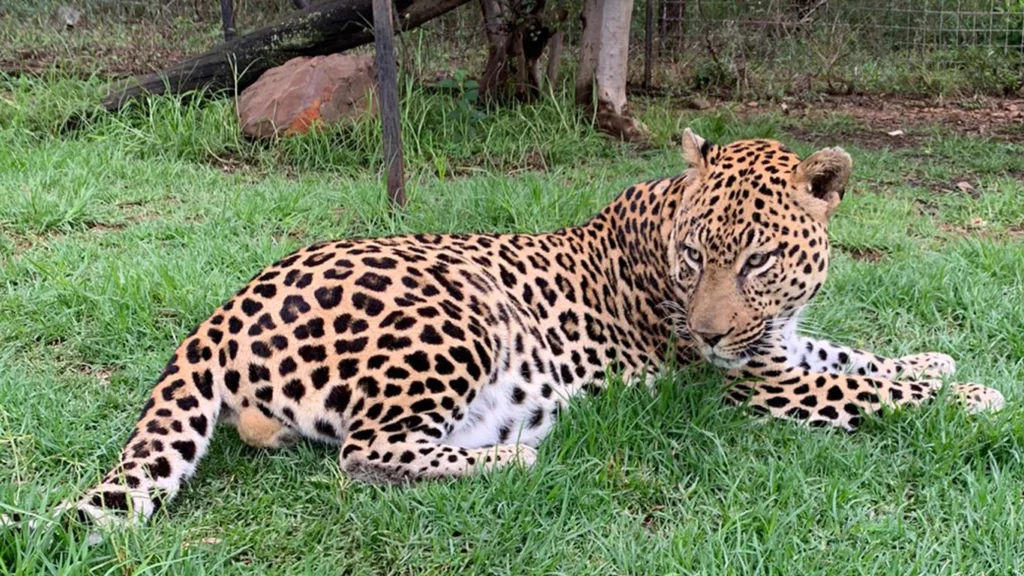
Did you know that over one million of our planet’s animal and plant species are at risk of extinction? It is a truly horrifying statistic and one that makes our work all the more pressing. At Animal Survival International (ASI), every life, and every species, matters. From rehabilitating critically endangered pangolins to stopping poachers in their tracks and relocating captive wild animals to safety, every time we help, it is thanks to your support. Here is how your generosity helped in June. South Africa, Mpumalanga Supporting the critical care of orphaned rhino calf, Bavati Our partner, the Care for Wild Rhino Sanctuary (CFW) in Mpumalanga, rescued an 18-month-old rhino calf, orphaned when his mother was killed by poachers, and then relentlessly pursued by a clan of hyenas. By the time Bavati was rescued, he was severely injured and in critical condition. It is miraculous that the calf survived the attack, but – he needed YOU to pull through. We reached out, and you came through for the calf, helping us to support his urgent veterinary care and his long-term rehabilitation. Once he is strong enough, he will be released into a monitored region to join an existing herd. Read the original article. Credit: Care for Wild South Africa, KwaZulu-Natal Wildlife vehicle wrecked while transporting serval kittens to safety. FreeMe Wildlife (FMW) rescues injured, displaced and at-risk wildlife in KwaZulu-Natal – like the days-old serval kittens they saved from a sugarcane fire. But during this particular rescue, the FMW team was involved in a terrible motor accident that resulted in their vehicle being written off. Both the human and the animal inhabitants survived the crash, with the kittens completely unharmed, but the vehicle was destroyed. FMW’s insurance covered the majority of the cost of a replacement vehicle but fell short by just under $7,000 (around £5,500). We reached out to you to help us raise the difference, and you donated generously, helping ensure that this vital wildlife rescue team can get back on the road, and back to wildlife requiring urgent care and rescue. Read the original article. Credit: FreeMe Wildlife South Africa, Tzaneen Providing life-saving care to an electrocuted pangolin. Electra is a young Temminck’s ground pangolin who was severely burnt after coming into contact with an electric fence in Hoedspruit. She was so badly injured that her bone was visible through layers of charred scales and flesh. She was rescued in the nick of time by our partner, the Umoya Khulula Wildlife Centre, which specializes in the treatment of sick and injured wildlife. They told us that this was the most horrific case of pangolin electrocution they had ever seen, and they needed to provide expert – and costly – 24-hour care to the animal. Through your support, we were able to help fund Electra’s intensive treatment. She is showing remarkable progress, and while she still has a long road ahead of her, Umoya Khulula is confident she will make a full recovery – thanks to you. Read the original article. Credit: Umoya Khulula South Africa, Western Cape Relocating a captive leopard to a beautiful, spacious sanctuary. WATCH: Last month, we shared a plea to relocate a captive, hand-reared leopard named Gabriel to a suitable sanctuary in the Western Cape. Not only did you help us raise enough money for his relocation, but you gave Gabriel a life he could never have imagined while locked up in an unsuitable facility on the brink of closure. Watch now. Credit: Panthera Africa Zimbabwe, Victoria Falls Making a real impact this World Giraffe Day. June 21 marked World Giraffe Day, but there was little to celebrate: the species is extinct in seven African countries, and numbers continue to plummet, in large part due to poaching. The animals are killed for their meat – sold at illegal markets – and for their body parts, used to make jewelry and trinkets like keyrings and giraffe tail flywhisks. Our team near Victoria Falls, the Matetsi Anti-Poaching Unit (MAPU), patrols a vast conservation region near Victoria Falls, home to herds of giraffes and other wild animals. The most effective way to identify poachers is via high-tech drones, which can detect criminal activity anywhere in the park, day or night. With your support, we raised enough money to equip the team with this vital piece of equipment – another tool in their arsenal as they combat poaching and protect the region’s vulnerable giraffe herds. Read the original article. Follow us on social for these stories and more… Recently, we were able to equip our partner, the Bumi Hills Anti Poaching Unit (BHAPU) in Zimbabwe, with much-needed hoods and hobbles, used for safely restraining predators and other wildlife during sedation and treatment. Read more. Credit: BHAPU LUCKY LUCY! Your donations have secured a long-term supply of specialized milk formula for orphaned hippo calf Lucy, in South Africa! Read more. Watch: Over one million of our planet’s plant and animal species are at risk of extinction. Here’s what we’re doing to help. From the News Desk At ASI, we strive to stay abreast of the latest wildlife conservation news so we can keep you informed on the most critical issues surrounding animals today. Thousands of dead fish have washed up on a Thai beach. Experts say climate change may be to blame. Read more.. World’s rarest marine mammal, the vaquita, clings on at the edge of extinction. Read more. Ecological tipping points could occur much sooner than expected, study finds. Read more. Iceland suspends annual whale hunt in move that likely spells end to controversial practice. Read more. UK diverges from EU rules with cosmetics animal testing ban. Read more. Report raises alarm over state of provincial nature reserves in South Africa. Read more. More than 40,000 hectares of nationally vital koala habitat marked for potential logging in New South Wales. Read more. Here’s proof fishing bans
How we helped in May 2023
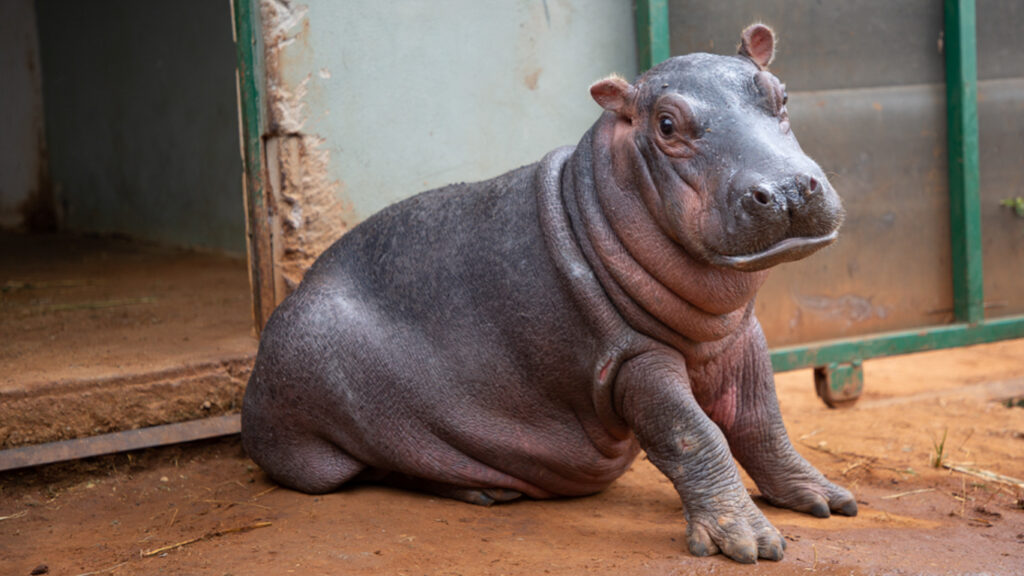
It is no secret that wild animals around the world face mounting pressure to their wellbeing and survival. Threatened species are being poached to the brink of extinction for their meat and body parts, and humans continue trading and caging wild animals. Amid all this, animals are being forced out of their homes as humans encroach on their natural habitats, and they are perishing in natural disasters due to the worsening effects of climate change. It is a harsh and hostile world for our planet’s wildlife, which is why we are deeply grateful for your support in providing direct aid to wildlife in crisis. Here is how your donations helped us reach wildlife at risk in May. Seychelles, Mahé Rehabilitating flying foxes once destined for the pot. Behind the scenes on the idyllic island of Seychelles, brutal wildlife cruelty takes place: flying foxes – a species of fruit bat – are hunted from the wild and killed to make bat curry, a delicacy among visitors and locals. These mammals are caught using crude and cruel hooks and nets, and if they are not killed outright, they are beaten or stabbed to death, then skinned and cooked. We are working with Protect Paradise on Mahé, which rescues these bats caught in nets, as well as orphaned offspring whose mothers are killed. We asked for your help in supporting this important project – flying foxes play a vital role in seed dispersal and pollinating flowering plants, and they are critical to the health of forests. You were horrified by the cruelty inflicted on these winged mammals and donated generously towards their rescue, rehabilitation and release into safe areas. Read the original article. Credit: Protect Paradise South Africa, Tzaneen Orphaned 12-week-old hippo saved from dam. Lucy was just three months old when she fell into a dam in South Africa and got stuck. Unable to help her out of the steep-walled ditch, her mother was ultimately forced to abandon her – but fortunately, after three long days of being stuck, Lucy was rescued by our partner, Umoya Khulula Wildlife Center in Tzaneen. Lucy was covered in injuries consistent with frantic but unsuccessful attempts to clamber to safety, and she was weak and dehydrated. With your support, we were able to rush our partner funds for a special milk formula – the best substitute to her mother’s milk – and pay for her lengthy rehabilitation. Once Lucy is grown and strong, she will be re-introduced to the wild. “A big thank you to Animal Survival International for donating towards the care and milk for our precious Lucy,” said Umoya Khulula on their Facebook page. “As you can imagine, hippos drink a lot of milk and do so for 12 months, and this is not cheap. ASI have donated to keep this little one’s tummy full.” Read the original article. Credit: Umoya Khulula Nigeria, Location not disclosed Infant pangolin pups saved from the brutal illegal wildlife trade. In Nigeria, pangolins are ruthlessly hunted for their meat – eaten as a delicacy, often in Asian countries – and their scales, used in worthless ‘traditional’ medicines. Pangopups are usually of no use to poachers, so they are ripped from their mothers and quite literally discarded. Our partner in Nigeria, Pangolins International (PI), recently rescued eight of these helpless and traumatized pangopups, and you helped us get them fed by donating funds for a special milk formula – often the only thing standing between them and death. When another seven pups came into PI’s care, we reached out to you once again and you responded generously, recognizing – as we do – that every pangolin life saved gives hope to a species being poached to the edge of extinction. Thanks to you, these rescued pups have a chance to survive, thrive, and one day be released into protected wild areas. For the sake of their safety, we cannot reveal their location in Nigeria. Read the original. Credit: Pangolins International and Nigerian Partners Updates South Africa Giraffe relocation Last year, we told you about three adult giraffes living in totally unsuitable conditions on a small piece of land in South Africa’s Eastern Cape. They were riddled with ticks and faced extreme food scarcity. We knew we had to relocate the giraffes to a nearby wildlife reserve as quickly and safely as possible. Thanks to your generosity, we reached our ambitious fundraising goal, but as we prepared to move them, the situation became increasingly fraught with challenges: – A giraffe calf was born, which led to a six-month postponement of the relocation until she grew old enough to receive light sedation in order to be relocated. – The arduous and difficult terrain has made the nature of the relocation via a large, heavy transportation vehicle more complicated. – Wildlife relocations are tricky operations requiring expert skill and meticulous planning to reduce unnecessary stress on the animals. While there have been attempts to relocate the giraffes by other parties in the past, every effort has been unsuccessful. This is why we need to be extremely cautious in planning this operation. In the meantime, your ongoing donations are ensuring that the animals receive the right nutrition and regular check-ups by a wildlife vet. During his upcoming visit to monitor the giraffes’ wellbeing, the vet will also be darting the bull with a contraceptive to ensure that no more giraffe calves are born under these conditions. Despite the challenges, we will not give up. We are currently consulting with wildlife relocation specialists across the country to devise a viable solution. We promise to keep you updated on our efforts and thank you for your continued support. Read the original story here. Credit: James Dicker From the News Desk At ASI, we strive to stay abreast of the latest wildlife conservation news so we can keep you informed on the most critical issues surrounding animals today. The Guardian revealed: most of EU delegation to crucial fishing talks made up of fishery lobbyists Europe
How we helped in April 2023

In April, your support helped a captive bear, elephants, giraffes, leopards and other vulnerable wildlife at risk in Montenegro, Zimbabwe and South Africa. Here is how you made a difference in April. Montenegro Fighting to free Ljubo Ljubo, a five-year-old brown bear who has been held captive his entire life, is still suffering in Montenegro. We promised our supporters we would not stop fighting to free him, even though the situation is fraught with challenges involving Ljubo’s cruel owner, the Montenegrin government and the Veterinary Inspectorate, who until we got involved turned a blind eye to this blatant cruelty. Ljubo is so traumatized that he self harms, repeatedly biting himself and chewing the bars that confine him. We cannot and WILL NOT give up on him. Thanks to the support of devoted animal lovers like you, our tireless work to have Ljubo freed and moved to a suitable bear sanctuary continues. Read our latest update on Ljubo. Victoria Falls, Zimbabwe Providing the Matetsi Anti-Poaching Unit (MAPU) with a crucial patrol boat In a poaching hotspot at Zimbabwe’s Victoria Falls, countless vulnerable and endangered wild animals are in peril. Poachers cross the river from Zambia into the Matetsi Private Game Reserve (MPGR) and slaughter elephants, hippos, leopards and giraffes for their tusks, meat and skin. Our partner, the Matetsi Anti-Poaching Unit (MAPU) works around the clock patrolling every part of the reserve to protect the region’s precious wildlife, but just a few weeks ago, their patrol boat was ripped to shreds by a Zamabezi crocodile. Without a boat, MAPU’s scouts cannot patrol islands and waterways on the river, allowing poachers easy access to the park and leaving animals at greater risk of being snared and killed. We reached out to you for support, and thanks to your generosity, we are helping to purchase a critically-needed replacement patrol boat with a reinforced aluminum hull to protect it from croc encounters. Your donations will get MAPU back on the water and ready to continue their vital work. Read the original article. Image credit: MAPU Addo Elephant National Park, South Africa Fitting endangered elephants with revolutionary AI-enabled tracking devices The endangered elephants of Africa are in the midst of a devastating poaching crisis. At least 20,000 African elephants are killed each year for the illegal ivory trade, driving them headlong to extinction. Fortunately, there is hope. New technology using artificial intelligence (AI) will completely revolutionize the way we track and monitor wildlife species and help save countless lives. The AI will monitor every movement the elephant makes, in real time, while continuously monitoring its vital signs. At the first sign of anxiety or unusual activity, the AI will send a message via satellite to anti-poaching teams, who can then respond instantly. Through your support, we have raised enough money to fit these revolutionary tracking devices to an endangered African savannah elephant family who live dangerously close to a poaching hotspot. Thank you! You have given these precious animals a better chance at survival. Updates Democratic Republic of Congo (DRC) Good News for Bonobos In January, we told you about the plight of bonobos – an endangered great ape species native to the DRC. These gentle, sensitive creatures are poached from their forest homes to be sold at bushmeat markets or to be kept as exotic pets. As few as 10,000 bonobos remain in the wild today. Our partner, Friends of Bonobos, works tirelessly to rescue bonobos, provide them with life-saving care, and release them in a protected reserve where they are carefully monitored by expert forest guards. The influx of rescued bonobos recently put immense strain on their clinic, nursery and rehabilitation program. Thanks to your support, we were able to provide our partner with enough funds to nurse as many as 20 rescued bonobos back to health. Read the original story here. Image credit: Friends of Bonobos Kenya Drought Relief Update We are excited to share the latest progress in our mission to help animals in drought-affected regions of Kenya by providing water and supporting the local ecosystem. While recent rains have brought some relief, there’s still much work to be done. Positive developments: The recent rainfall has been a tremendous boon for our tree planting efforts. After the recent rains, the seeds have an increased likelihood of germinating and growing into trees. These trees will not only offer food and shelter to local wildlife, but will also play a crucial role in offsetting our carbon footprint for 2022 by potentially locking away up to 54,431 kilograms of carbon. Challenges faced: Unfortunately, heavy rainfall has led to flash floods in some areas, causing logistical difficulties for our team. Many old and poorly maintained roads have been washed away, temporarily preventing our team from reaching rural areas. We remain committed to our mission, and as soon as the roads are repaired, our team will return to the field to carry on with our vital work. We promise to keep you informed about our progress and share any updates as they become available. Water hole/trough follow-up: We are currently working to improve water delivery efficiency to the water holes/troughs funded by your donations last year. We are considering subsidizing fuel costs for pumps/generators extracting water from boreholes in 20+ villages in the Sabuli region during extreme situations. Additionally, we are exploring solar power implementation and drilling new boreholes in the Sabuli Wildlife Conservancy. Your support matters! Your ongoing support is invaluable because your contributions play a crucial role in our efforts to protect Kenya’s vulnerable wildlife in these challenging times. Together, we can and will make a difference. Image credits:Teddy Kinyanjui South Africa, Vulpro Vultures A few months ago, we asked you to help us raise funds for equipment for an important vulture breeding program in South Africa, run by VulPro. Your generous support has enabled us to purchase two new incubators for the program. These will help facilitate the hatching of up to ten more vulture eggs per year, with the aim of
How we helped in March 2023
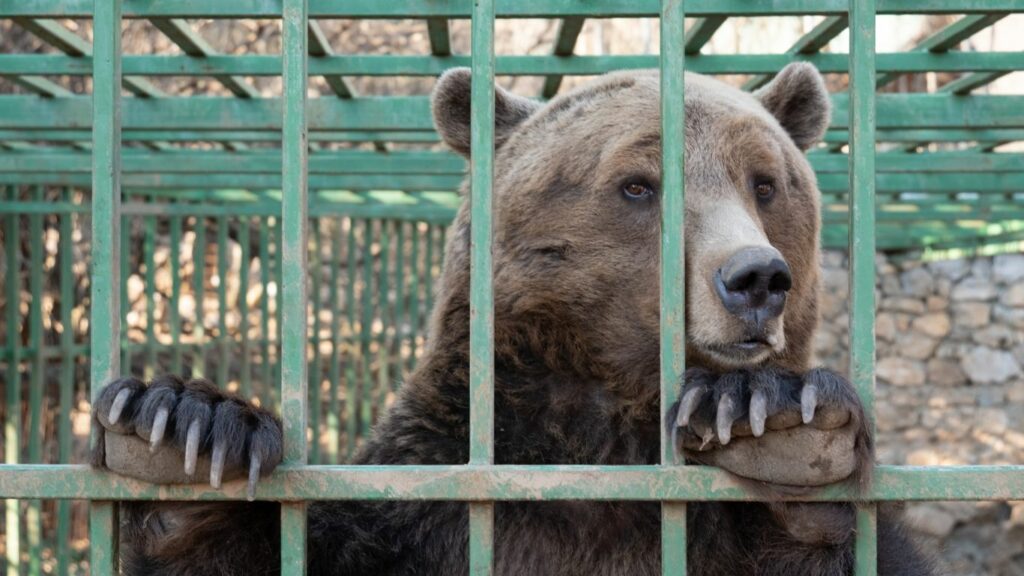
Animal Survival International (ASI) works around the clock and around the world to fight for animals threatened by the effects of climate change, habitat loss, marine degradation and the illegal wildlife trade. We go wherever the need takes us, but our vital work would not be possible without your devoted generosity. In March, we tackled the current challenges facing elephants, pangolins and other vulnerable wildlife in Nigeria and South Africa. Wajir, Kenya BRINGING LIFE-SAVING WATER TO DEHYDRATED ELEPHANTS AND OTHER WILDLIFE More than 200 elephants and at least 1,000 more wild animals, including giraffes, wildebeest and endangered Grevy’s zebras, have died of thirst because of drought. Your donations have saved lives, but the drought is getting worse. This means we must be there for the animals as long as possible and we need your continued help to preserve these animals. We have focused our efforts on Turkana County, Kenya’s largest and northernmost county, and one of the worst-hit. While we have delivered water to meet the most urgent needs of the animals, longer-term solutions are needed. Our plan is to install boreholes to provide a sustainable water supply to the wildlife of the region. Constructing boreholes in the affected areas will be a difficult process, but a critical one. We are sending a team to the area in April. Eastern Cape, South Africa ELEPHANTS NOW HAVE SOLAR-POWERED WATERHOLES IN THE ADDO ELEPHANT NATIONAL PARK A devastating drought has put hundreds of elephants, buffalo, zebra and other animals in peril at the Addo Elephant National Park in South Africa’s Eastern Cape. Nothing better illustrates this than the recent near-death experience of a juvenile elephant who became wedged in the thick sludge of a muddy dried-up waterhole. Fortunately, help was on hand and a risky rescue operation was launched. What happened to this two-year-old elephant is a frequent occurrence in an area reeling from the effects of drought. The Park manager told us that young elephants are getting trapped at the rate of one or two a month. If help is not immediately on hand, the animals die. Your previous donations already allowed us to install eight solar-powered water pumps at waterholes across the park. Now, thanks to your continued generosity, we will install additional pumps to not only provide urgent relief to desperately thirsty animals, but also prevent future life-threatening incidents for vulnerable young elephants. Image credit: Philip Keevy Nigeria PROVIDING RESCUED ORPHANED PANGOLINS WITH SPECIAL MILK FORMULA Pangolins are being pushed to the brink of extinction because of the insatiable illegal wildlife trade, which sees countless of these shy, gentle creatures poached and killed for their meat and scales every year. All eight species of pangolin are currently listed as endangered on the IUCN Red List (International Union for Conservation of Nature). Our partner in Nigeria, Pangolins International (PI) recently rescued eight juvenile pangolins – called pangopups – in critical condition, from the illegal wildlife trade in West Africa. Their mothers were captured by poachers and slaughtered for their meat and scales to be sold at local markets. Pangopups are of no use to traders, so they are routinely chucked into rubbish bins to die. Severely malnourished, dehydrated and fighting to survive following their traumatic ordeal, the eight pangopups rescued by PI were in urgent need of a specialized milk formula. Thanks to your devoted generosity, we secured enough funds to supply all eight pangopups with the nutrition they desperately need to survive. Every pangolin life is crucial in securing the future of this irreplaceable species, and your support has saved EIGHT lives. Image credit: Pangolins International and Nigerian Partners Updates Montenegro Despite fierce opposition from elements within Montenegro, we at ASI are unrelenting in our fight to free a five-year-old brown bear who has been imprisoned in cruel conditions for his entire life. Most people in Montenegro don’t know about this, so with your support, we have created giant billboards so that no one can escape knowing the horrible reality of what life is like for a caged bear in Montenegro. Here is our progress so far on freeing Ljubo from his cage: We are engaged in intensive discussions with the Montenegrin government, local authorities and other international animal organizations to ultimately secure Ljubo’s freedom to a safe and appropriate wildlife sanctuary. There are activities (including court action) going on behind the scenes that we are not able to divulge just yet, given the sensitive nature of these negotiations, but as soon as we can, we will let you know. We promise to keep you fully informed along the way. Progress is slow, but progress IS being made, and we urge you to stand in solidarity with us because no animal lover who knows about this terrible situation can turn a blind eye. This bear is so stressed that he repeatedly self-harms and endures a life in which he has rotten food thrown at him by paying tourists in search of selfies. We will not give up on Ljubo and with your backing, we WILL free him. Read Ljubo’s full story here… South Africa We have some exciting news on enabling Outreach Education programs. Our latest endeavor involved collaborating with Ocean Pledge, a phenomenal non-profit based in South Africa that focuses on ocean conservation through education and outreach. We were thrilled to support their cause by helping fund a beach cleanup campaign that involved Ocean Pledge ambassadors and local community members coming together to pick up litter and plastic debris that had washed up on the shore. Please show your support for our continued efforts to contribute to a cleaner and healthier planet by donating, sharing, and liking our updates! Let’s work together to make a positive impact on our environment. From the News Desk At ASI, we strive to stay abreast of the latest wildlife conservation news so we can keep you informed on the most critical issues surrounding animals today. High Seas Treaty: Historic Agreement to Protect International Waters Reached at
How we helped in February 2023
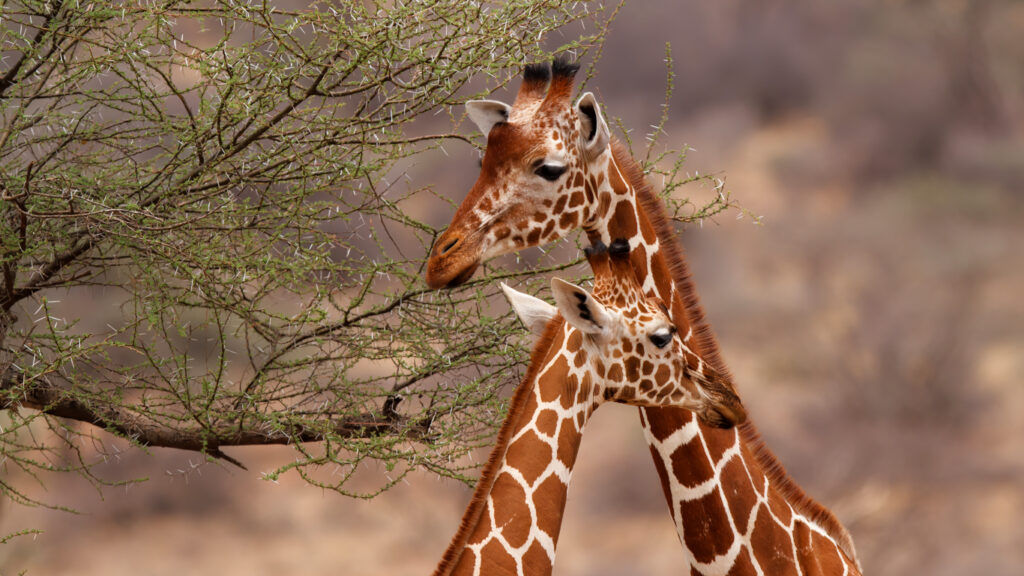
In February, your donations helped the ASI team tackle challenges facing elephants, giraffes and vultures in Kenya and South Africa. We are incredibly grateful to our compassionate supporters who make the work we do possible. Wajir, Kenya Stepping up anti-poaching efforts for endangered reticulated giraffes. Credit National Geographic Tragically, an estimated 8,500 reticulated giraffes are left in the wild. Poachers target the animals for their meat, skin, bone marrow and other body parts – the meat of one adult giraffe can fetch hundreds of dollars or pounds. In some cases, this may be as much as $450 (£368), which means that poachers have a lot to gain from a single killing. To protect these endangered creatures, we are focusing our conservation efforts in Wajir County in northern Kenya, where approximately 6,000 endangered reticulated giraffes reside – the largest pool of the subspecies. Here, we have joined forces with the Sabuli Wildlife Conservancy (SWC) to step up anti-poaching measures. Their funds are severely limited, and as poaching increases, they urgently need support to equip and train their dedicated team. Thanks to your support, we were able to provide the SWC with much-needed funds for vital anti-poaching equipment and tools to enable them to pinpoint and apprehend poachers efficiently. Your donations will give countless unique reticulated giraffes a chance to live and thrive in the wild. Wajir is also the center of our efforts to bring water to dehydrated elephants and other wildlife. More than 200 elephants and at least 1,000 more wild animals, including giraffes, wildebeest and endangered Grevy’s zebras, have died of thirst because of drought. Your donations have saved lives, but the drought is getting worse. This means we must be there for the animals indefinitely and we need your continued help. to preserve these animals. We have focused our efforts on Turkana County, Kenya’s largest and northernmost county, and one of the worst-hit. While we have delivered water to meet the most urgent needs of the animals, we know that longer-term solutions are needed. Therefore, our plan is to install boreholes to provide a sustainable water supply to the wildlife of the region. Constructing boreholes in the affected areas will be a lengthy and expensive process, but a critical one. We are currently fundraising to meet our financial goals and make this solution a reality. Hartbeespoort, South Africa Strengthening vulture numbers through vital breeding equipment and expert staff to care for hatched offspring Credit: VulPro Vultures are perilously close to extinction. In just 30 years, Africa’s vulture numbers have plummeted by 90%. One of the major problems is that they are slaughtered for worthless “traditional” medicines. In other instances, farmers poison vultures because they are considered “pests”, or the birds accidentally fly into power lines. The maligned and often misunderstood creatures are given little support because of their association with carrion and death, but if they were to be wiped out, the consequences for human and animal life would be catastrophic. Vultures play a crucial role in reducing the spread of diseases by picking decaying carcasses clean. We are working with VulPro, a vulture conservation group which rescues and rehabilitates injured and poisoned birds and runs a successful breeding program. VulPro uses specialized incubators and hatchers that maintain optimal conditions for vulture eggs to develop and hatch, but they recently informed us that they are in urgent need of two more hatchers. We reached out to you for help and are pleased to announce that thanks to your generosity, we will be able to provide our dedicated partner with ongoing support towards their vulture conservation efforts. Updates Tzaneen, South Africa Credit Umoya Khulula In December 2022, we appealed to you to help us increase support for our pangolin rehabilitation partners in Africa, who have recently seen an influx of injured pangolins rescued from the insatiable and unrelenting illegal wildlife trade. Thanks to your generosity, we were able to rush funds to the Umoya Khulula Wildlife Centre in South Africa. Your donations were used to purchase a crucial satellite tag for Barney, a rehabilitated male pangolin who has now officially been released. Barney is being closely monitored by the Umoya Khulula team and is said to be making great progress adjusting to his surroundings – and he’s gaining weight. Barney is one of many pangolins who now has a fighting chance at survival thanks to you. Lake Kariba, Zimbawe Credit: BHAPU Last year, we asked you to help us raise enough money to purchase a vital patrol vehicle for our partner, the Bumi Hills Anti-Poaching Unit (BHAPU) in Zimbabwe. This vehicle plays a critical role in helping them protect more than 3,500 elephants from poachers at their reserve. Thanks to your generosity, we were able to purchase the vehicle, which is now in use and making a huge difference to the safety of these animals. Kenya In September last year, we appealed to you to help us fund a critical reforestation project in partnership with the MARA Elephant Project and Tamfeeds in Kenya. Thanks to your support, we raised enough money to buy and distribute more than 600,000 seedballs – expected to generate at least 6,000 trees – and now, the seeds have started to grow. Through this important project, we are helping to regenerate areas destroyed by illegal charcoal burning and in so doing, are helping to preserve the country’s dwindling wildlife populations. Eastern Cape, South Africa Remember the group of giraffes you helped us raise funds to relocate in the Eastern Cape, South Africa, last year? Miracle calf, Meadow, is now old enough to be lightly sedated for the move, and this precious family is almost ready to be relocated to their new home. In the meantime, thanks to your continued donations, we are covering the cost of food and monthly check-ups. Local vet, Murray, conducts regular assessments of the giraffes’ overall health and wellbeing. We will keep you posted on their imminent relocation. Montenegro We are working on the ground in Montenegro to secure
How we helped in January 2023
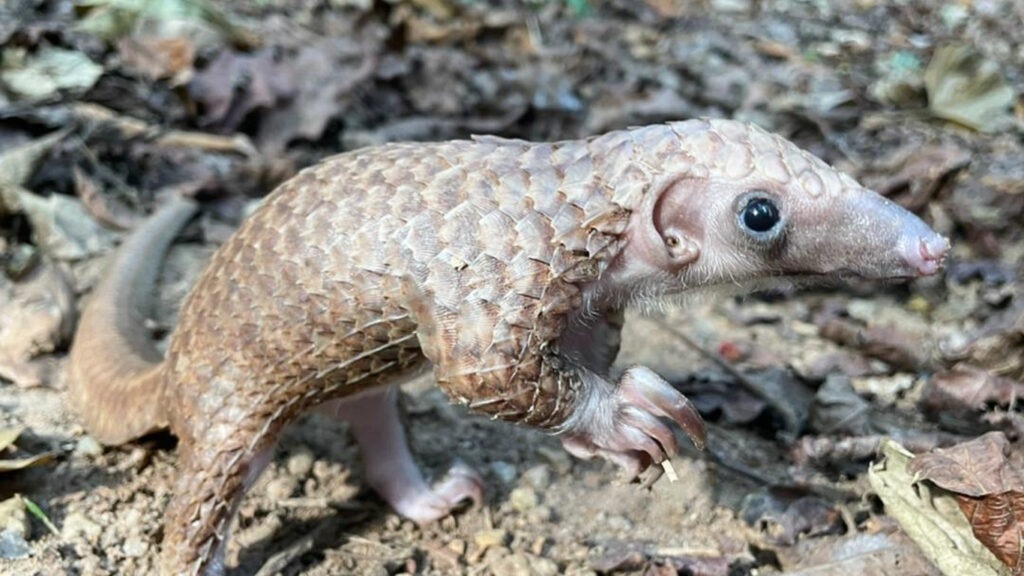
The new year is well underway and animals around the globe are even more threatened by climate change, habitat loss, marine degradation and the illegal wildlife trade. Animal Survival International (ASI) goes wherever the need takes us, but our fight to save animals would not be possible without the generosity of our supporters. Here’s how your donations made a difference in January. Nigeria Supporting the rehabilitation and release of pangolins rescued from the illegal wildlife trade Endangered, shy and gentle pangolins are at constant risk of being captured and killed for Nigeria’s out-of-control illegal wildlife trade. The insatiable demand for their scales and meat is fast-tracking the species’ path to extinction. We recently partnered with Pangolins International (PI), an organization based in the Emerald Forest Reserve in South-West Nigeria, which rescues, rehabilitates and releases pangolins back into their natural environment. Right now, there is an upsurge in confiscated pangolins, and our partner requires support to provide the animals with desperately needed shelter, medical care, specialized milk formula critical to their survival – especially for those who have been taken from their mothers as infants – and tracking devices to ensure their safe release. Thanks to your support, we were able to urgently rush funds to Pangolins International to support their efforts in saving and nurturing Nigeria’s precious pangolins. Your donation has made a real difference. Democratic Republic of Congo (DRC) Giving gentle bonobos the care and protection they deserve In the DRC in Central Africa, the rampant illegal wildlife trade is destroying peaceful, forest-dwelling bonobos, an endangered great ape species. Bonobos are native only to the DRC and are routinely captured from the wild by poachers hunting for meat to sell at markets (bushmeat), and to be kept as exotic pets. Bonobo populations have dropped dramatically in the last 30 years. It is estimated that as few as 10,000 remain in the wild. We cannot stand back and allow these animals to be wiped from the face of the earth. That is why we have joined forces with Friends of Bonobos – a Kinshasa-based organization that has the world’s only bonobo sanctuary and rewilding program. Our partner has taken in bonobos who have experienced severe physical and psychological trauma following the slaughter of their families and abuse at the hands of poachers. But the influx of rescued bonobos has begun to put immense strain on their facility. Thanks to your generosity, we were able to provide our partner with funds for life-saving veterinary treatment and medication for sick and injured bonobos. Thank you for showing these kind primates that not all humans are so callous and cruel. Montenegro Working to free Ljubo, the bear in despair, from a cage Towards the end of last year, we discovered the terrible conditions in which five-year-old brown bear Ljubo is kept. Imprisoned alone in a tiny enclosure in Montenegro, he is visibly traumatized and so stressed he self-harms, repeatedly biting his arm and the bars of his cage. Recently, the situation became even more concerning after we learned that more than a dozen other animals at the zoo had died sudden and unexplained deaths late last month. Rescuing Ljubo will take a combination of government and legal action, and new developments mean we must work even more intensively to free him. 14 animals mysteriously died on the same day in the same private zoo where Ljubo is caged. Officials have been alerted, and we are working with the country’s veterinary administration, the Environmental Protection Agency (EPA) and Ecological Inspection to conduct an urgent inspection of the zoo, along with an independent bear expert. We fear for the safety of Ljubo and are more determined than ever to get him out. With your support, we can and we WILL. A tribute to our founder, animal champion Brian Davies: 1935 – 2022 It deeply saddened us to announce the passing of our founder and fearless defender of animals, Brian Davies, in late December last year. Brian pioneered innovative projects to help animals worldwide, including successful campaigns against Canadian sealing, banning hunting with hounds in England, and stopping elephant culling in South Africa. In Brian, animals who face daily mounting pressure on their survival have lost a devoted friend. But they still have us – a network of caring hearts across the world, united by the guiding principle that animals matter, and their habitats are worth protecting. Together, we can and will continue Brian’s fight for every precious animal’s life. Updates Hartbeespoort, South Africa A few months ago, we asked you to help us raise enough money to secure new vulture chick incubators for our partner in South Africa, Vulpro, an organization dedicated to rescuing and rehabilitating injured and distressed vultures. They are tasked with the preservation of a species that plays a crucial role in maintaining the health of our ecosystems. Thanks to your wonderful generosity, we raised enough money to get them two incubators. These new incubators will help hatch 10 more vulture eggs per year. Lagos, Nigeria Our pangolin-rescue partner, The Saint Mark’s Animal Hospital and Shelter in Lagos, Nigeria, has started running an eco-kids’ conservation club. Many are the children of hunters and bushmeat sellers, and the program aims to teach them to be conservationists and protectors of nature. The hope is that this will help break a vicious cycle in which children grow up to take over the jobs of their parents. From the News Desk: ‘Swimming sensation’ Maia the sea turtle makes it to Mozambique with missing flipper With one missing flipper and in just eight days, a determined green sea turtle named Maia traveled more than 373 Miles (600 kilometers) from South Africa to Mozambique, according to South Africa’s Mail & Guardian. Read more… Unique Madagascan Mammals on Fast Track to Extinction Over 20 million years of evolutionary history could be wiped from the face of the earth if action is not taken now to stop Madagascar’s unique mammals
How we helped in December 2022
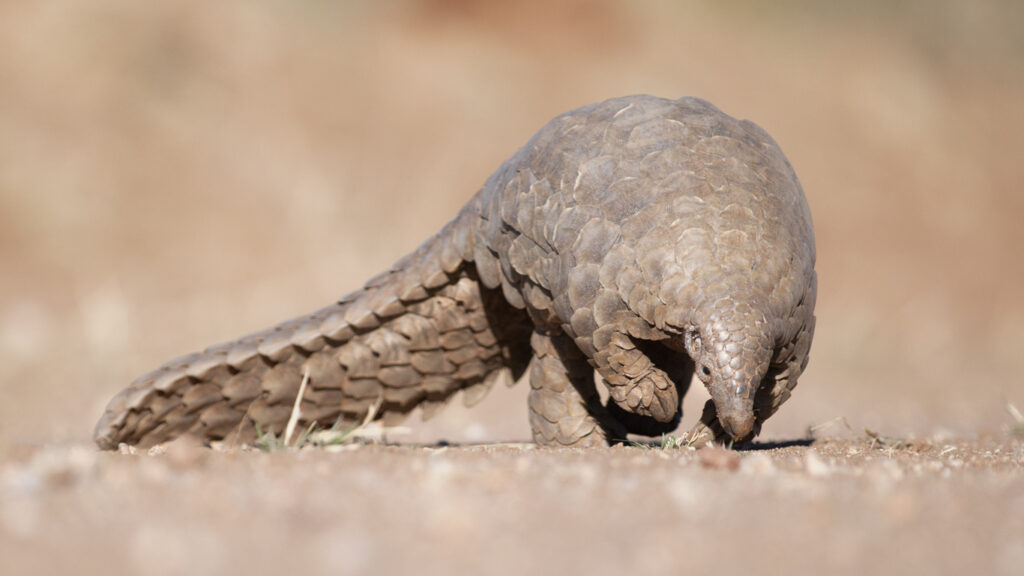
Animal Survival International (ASI) works around the globe to help animals being pushed to the brink of extinction by habitat destruction, illegal poaching, degradation of marine ecosystems and climate change. Our life-saving work would not be possible without your support. Once again, your compassion supported critical projects last month. Here’s how your donations made a difference in December. Kuwait, Middle East Transporting two lion cubs caged in a zoo to a sanctuary In the Middle East, wealthy Gulf-state nationals buy wild animals as status symbols. These animals are illegally imported, reared in captivity, bred, abused and then often escape or are discarded. ASI was recently alerted to a heartbreaking case involving 13-month-old lion cubs Najla and Sara, who were rescued from the illegal pet trade. Following their confiscation, the cubs were taken to a temporary place of safety: a zoo in Kuwait where each female was confined to entirely unsuitable and cramped 6.5 square-foot (two-square-meter) enclosures. Fortunately, the opportunity arose for Najla and Sara to be relocated to the Lions Foundation’s sanctuary in Limpopo, South Africa. We urgently needed to raise money to cover the cubs’ crucial flight to freedom. Once again, you were there for animals, and thanks to your donations, we were able to help Najla and Sara. Through your generosity, these precious lion cubs can now live in peace in a semi-wild sanctuary in South Africa where they will be content. Africa Supporting our partners as they fight to protect and preserve pangolins Gentle, shy pangolins are in grave danger of extinction, and humankind’s never-ending exploitation of wildlife is to blame. These precious creatures are in high demand in several parts of Asia for their meat – considered a delicacy among the ultra-rich – and scales which are ripped from their bodies while the animals are still alive, to be used for unfounded traditional medicines. ASI supports critical pangolin conservation efforts in Nigeria and South Africa, but our partners there have recently experienced a massive influx of rescued pangolins and are in desperate need of ongoing aid. We reached out to you for help and thanks to your generosity, were able to rush emergency funds to our partners on the ground. Your donations will cover crucial undercover sting operations, medical costs for sick, injured and traumatized pangolins, and high-tech satellite tags to closely monitor released pangolins. Montenegro Working to free Ljubo, the bear in despair, from a cage In the tiny Balkan country of Montenegro, a sad and lonely brown bear has lived his entire life locked in a cage. This bear in despair is tormented by a daily onslaught of visitors who throw scraps of fruit and vegetables sold by his owner to feed him. Named Ljubo, the bear barely has enough room to stand up and stretch and is so traumatized that he has resorted to self-harm, repeatedly biting himself and chewing the bars that cage him. The authorities have turned a blind eye to this cruelty, but thanks to your support, we are now able to fight to get Ljubo better living conditions, and ultimately moved to a suitable bear sanctuary. Sad announcement: Our founder, Brian Davies, has passed away at the age of 87 On December 27, 2022, our founder, world-renowned animal welfare activist Brian Davies, died at the age of 87. Brian pioneered innovative projects to help animals worldwide, including pivotal successful campaigns against Canadian sealing, banning hunting with hounds in England, and stopping elephant culling in South Africa. Thanks to Brian, through Animal Survival International, wild animals – from pangolins to elephants – have better lives. Right now, ASI is helping wild animals in Kenya, Madagascar, Montenegro, Mozambique, Nigeria, South Africa, the UK, the US, Ukraine and Zimbabwe. Much, much more must be done for our planet’s precious wildlife, and our team pledges to honor our formidable founder’s memory by continuing his crucial work. Read the obituary here. From the News Desk: At ASI, we are committed to taking action for animals on the ground and strive to stay abreast of the latest wildlife conservation news so we can keep you informed on the most critical issues surrounding animals today. 11 Sentenced to Death for 2017 Murder of Wildlife Activist Wayne Lotter Five years after the murder of renowned anti-poaching activist Wayne Lotter, a Tanzanian court has sentenced his killers to death. Read more… Climate Crisis to Wipe Out Puffin Nesting Sites in Western Europe by the End of This Century Most of Western Europe’s nesting sites for puffins are likely to be lost by the end of this century as a result of climate breakdown. Read more… Saving animals and the planet, Campaign Director Animal Survival International Images: From the News Desk images (top to bottom): 1. PAMS Foundation
How we helped in October and November 2022
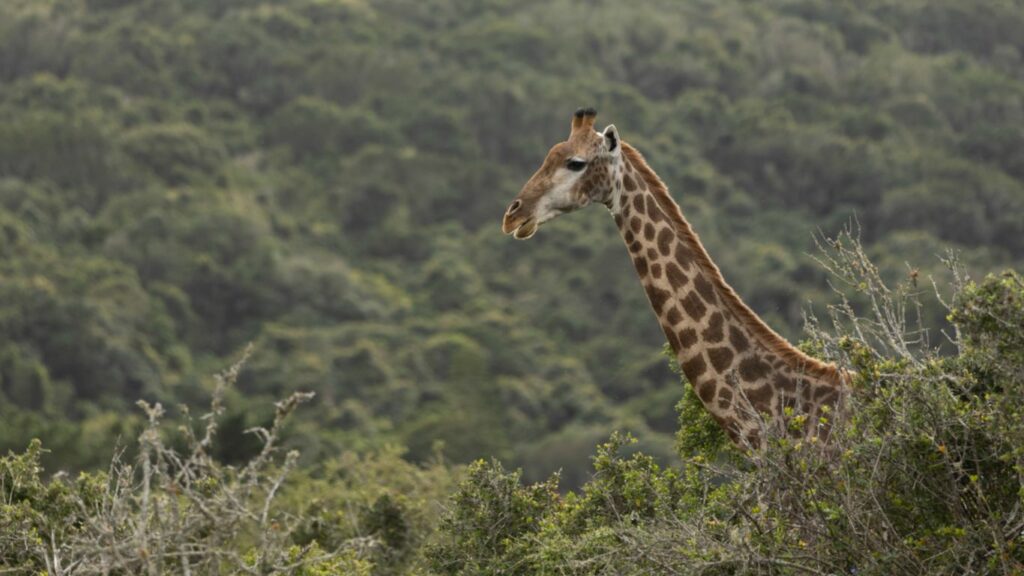
Animal Survival International (ASI) works around the clock and around the globe to help wildlife affected by climate change. Thanks to the generosity of our supporters and the tireless dedication of our partners, we are able to take immediate action for countless wild animals in dire need of help. Your support is vital in everything we do. Hartbeespoort, South Africa Saving vultures from the brink of extinction Vultures play an essential role in maintaining healthy ecosystems. African vulture populations have dropped by around 90% in the past 30 years, and some are critically endangered. If this continues, vultures will die out in the wild. The loss of vultures opens the way for less efficient scavengers, who have the potential to spread bacteria and viruses from carrion – decaying flesh – to humans. This is a harrowing reality with chilling implications for animals and humans. We partnered with Vulpro, an organization that rescues, rehabilitates and, whenever possible, releases vultures back into the wild. Vulpro’s facility houses 270 unreleasable vultures who produce just 25 hatchable eggs annually. Through your support, we were able to provide Vulpro with a specialized hatcher and incubators that will increase the number of successful hatchlings, and offer a renewed sense of hope for the survival of invaluable vulture species. Mpumalanga, South Africa Establishing a rehabilitation and release facility for seized pangolins Pangolins are the most trafficked mammals in the world, with more than one million poached over the last decade. Every year, tens of thousands are hunted and killed for their scales and meat. We support projects helping pangolins in many parts of the world, but with increasing incidences of wildlife trafficking in Mpumalanga, South Africa, the need has never been greater to establish a rehabilitation and release facility for seized pangolins in the region. Our partner, the Care for Wild Rhino Sanctuary (CFW), has the expertise to extend its care to vulnerable and threatened pangolins – but the team needed our help to do so. We reached out to you, and thanks to your generosity, have been able to provide CFW with crucial funding to equip its sanctuary with the tools needed to treat and eventually release, injured traumatized pangolins. Eastern Cape, South Africa Combating poaching and improving wildlife health with a high-tech drone Wildlife poaching is rampant in South Africa and threatens the survival of many species. Our partner, the Addo Elephant National Park, is determined to keep poachers out of the reserve, and reached out to ASI for additional help. Aerial surveillance is one of the best weapons against the scourge. Thanks to your support, ASI was able to purchase a state-of-the-art anti-poaching drone, which will enable them to spot and stop poachers day and night. Drones are also used to monitor the well-being of wildlife, and to find animals when they are sick. Mossel Bay, South Africa Refurbishing an intensive care unit (ICU) for endangered African penguins African penguin populations have declined by 98% in the last century. Tragically, there are only 10,000 breeding pairs left in South Africa. Climate change, oil spills, food scarcity due to overfishing, and disease are taking a deadly toll on these endangered seabirds. The situation is only getting worse, and now is the time for critical action if we are to have a fighting chance of saving the species. The Seabird and Penguin Rehabilitation Center (SAPREC) in Mossel Bay, South Africa, has successfully rescued, rehabilitated and released over 1,000 penguins and seabirds. SAPREC is doing wonderful work, but its intensive care unit (ICU) recently suffered severe weather damage and urgently needed to be refurbished. Through your support, we managed to raise enough funds to completely repair and weatherproof SAPREC’s ICU. Your donations have ensured that scores of sick and injured penguins have a life-saving facility where they can be treated. Montenegro Ljubo, a bear in despair, self-harms. We are fighting to get him to a sanctuary. In the tiny Balkan country of Montenegro, a sad and lonely brown bear has lived his whole life locked in a caged enclosure. Named Ljubo, he is a bear in despair. He barely has enough room to stand up and stretch and is so traumatized that he self-harms, repeatedly biting himself. The authorities have turned a blind eye to this inhumane situation, but thanks to your support, we are now fighting to get Ljubo better living conditions, and ultimately moved to a suitable bear sanctuary. Kenya Providing life-saving water to elephants and other wildlife in a devastating drought Kenya’s worst drought in 40 years is wiping out elephants at a staggering rate. Dehydrated elephants die – further devastating a species already beset by habitat loss, poaching and human interference. The drought in Kenya has killed hundreds of elephants, buffaloes, zebras, giraffes, and other animals. We provided temporary waterholes last year, but with the drought showing no sign of abating, we knew we had to get more water to the elephants of Kenya – and fast. With your support, we were able to bring life-saving water to the region’s desperately thirsty elephants and other wildlife. We initially sent in trucks of water to meet the animals’ immediate and urgent need for water and subsequently, repaired existing boreholes and drilled new ones to help reach vital water sources beneath the ground. Good News Updates: Eastern Cape, South Africa A family of three giraffes we are helping in the Eastern Cape, South Africa, is doing well. The giraffes are presently in a totally unsuitable environment, close to human activity. We planned to move them to a more suitable location. Then a calf was born. We have to wait until the calf is stronger before we move the family. The calf is growing and getting stronger each day thanks to your generosity, which has allowed us to get the animals the food and veterinary care they desperately needed. The calf is still not old enough to be relocated, but we are continuing to ensure the family’s
How We Are Helping RIGHT NOW: September 2022

Animal Survival International (ASI) works around the world to take immediate action against threats that endanger the survival of our planet’s irreplaceable wildlife. Our crucial work would not be possible without the compassion and generosity of our supporters. Once again, you have helped us reach countless animals in desperate need this month. Here’s how your donations are making a difference to animals worldwide right now. Kenya Preserving diminishing elephant populations by restoring deforested areas through Operation Seedballs In game reserves, farmers illegally chop down forest trees and burn them for charcoal, leaving behind a destroyed habitat and resulting in hunger and death for wild animals. The effect on elephants is particularly disturbing. Once the forests are gone, and their food with it, the elephants go closer to human settlements. This results in increased human-wildlife conflict and poaching for the illegal ivory trade. An effective long-term solution is “Operation Seedballs”, a reforestation project in partnership with Nairobi’s Tamfeeds and the Mara Elephant Project. Seedballs are made using charcoal dust to create a protective layer around a seed. The seedballs are then dropped from helicopters in deforested areas, mimicking the way seeds are naturally distributed by birds. When the annual rains come, the dust dissolves and hopefully, a tree grows. The project is already successful and with your help, it will become even more so. Through your support, we have raised enough funds to purchase tens of thousands of seedballs which will allow more trees to grow. Your donations have helped us seed a better future for countless threatened and endangered animals. Greece Assisting wild animals when natural and human-induced disasters strike Every year, thousands of wild animals are found hurt and in need of urgent help in and around the city of Athens in Greece. Tortoises, foxes, bats, vultures, badgers and hedgehogs all find themselves injured or displaced because of animal trafficking, natural disasters, and encroachment on their habitats. The Wildlife Rehabilitation Association (ANIMA) rescues a minimum of 5,000 wounded, sick or orphaned animals every year – but often, it’s much more than this. This year, ANIMA has experienced a 30% increase in the number of displaced animals coming into its care. Recent severe wildfires have swept through north, south, and east of Greece, putting further pressure on animals and ANIMA, whose costs have risen exponentially because of the increased need for vital emergency supplies. We reached out to you for support, and your generosity has allowed us to rush funds to ANIMA for the essential resources needed to save Athens’ smallest, most helpless victims of disaster. Zimbabwe Protecting Lake Kariba’s wildlife from deadly snares by training and equipping additional BHAPU scouts Snares are one of the world’s oldest and cruelest devices for killing animals. Recently, ‘Najam’, a two-year-old lioness in Zimbabwe, was spotted with a steel snare cutting through her mouth and hooked through her cheeks. Our partner, the Bumi Hills Anti-Poaching Unit (BHAPU), acted fast, removing the snare and providing critical care to Najam’s gaping wounds. BHAPU estimates Najam was caught in this death trap for at least four days. BHAPU prevented Najam from dying an excruciating death, and she is now healing fast. Her survival is thanks to your donations. The illegal snaring of vulnerable wildlife in Zimbabwe has increased by 25% since the start of 2022, according to BHAPU. With its present resources, BHAPU finds and removes some 40 snares a month and, on average, encounters two severe snare cases like Najam’s. BHAPU is in desperate need of more feet on the ground. Thanks to your donations, we can continue to support its worthy work by hiring, training and equipping additional scouts to fearlessly protect Lake Kariba’s precious wildlife. Madagascar Providing food to critically endangered radiated tortoises rescued by the Turtle Survival Alliance Last month, we asked you to help us raise funds to rush food to our partner, the Turtle Survival Alliance (TSA) in Madagascar, to feed starving rescued radiated tortoises. Your generosity allowed us to get them the food they so desperately needed, helping to save hundreds of precious lives. From the News Desk: At ASI, we are committed to making a difference to animals on the ground, and we also strive to stay abreast of the latest wildlife conservation news so we can keep you informed on the most important issues surrounding animals today. Three Baby Chimps Kidnapped and Held for Ransom in DRC Is this the new trend in animal wildlife crime? An animal sanctuary in the Democratic Republic of Congo (DRC) has been hit with a ransom demand after 3 of its baby chimpanzees were kidnapped. Read more… Cheetahs Set to Roam in India for the First Time Since Being Declared Extinct 70 Years Ago Indian prime minister Narendra Modi has reintroduced extinct cheetahs on his birthday, reports BBC.com. The group of 8 cats was imported from Namibia and will be the first to roam free in the country since the species was declared extinct in 1952. Read more… Efforts to Pass Global Ocean Protection Agreement Fail Discussions to pass the UN High Seas Treaty continued for two weeks in New York, without governments able to agree on the terms. Only 1.2% of international waters are protected, said the BBC, despite the fact that international waters represent almost two-thirds of the world’s oceans. Read more… Wildlife Trafficker Abdi Ahmed Extradited to the United States Notorious Kenyan wildlife trafficker Abdi Ahmed has been extradited to the United States (US) on multiple counts of wildlife trafficking, according to the Organized Crime and Corruption Reporting Project (OCCRP). Read more… Melting “Doomsday” Glacier in Antarctica – “holding on by fingernails” – Could Raise Sea Levels by Up to 10 Feet A study published in September revealed that the so-called ‘Doomsday’ glacier – an Antarctic glacier that buffers warming seas from the sizeable Antarctic ice sheet – could melt much faster than predicted, Business Insider reports. Read
How We Are Helping: June 2022
Animal Survival International (ASI) exists to be a voice and a crusading force for animals and the planet. In June, we continued to fight the challenges facing wildlife around the world. Each small act of kindness and generosity from our supporters is vital in allowing us to keep doing our work. Once again, your support shows in the work we have done this month. Here’s how your donations are making a difference to animals worldwide right now. Eastern Cape, South Africa Saving giraffes from starvation and disease by relocating them to a new home We told you about three adult giraffes living on a completely unsuitable piece of land in Eastern Cape, South Africa. Their living conditions are increasingly dire – tick-borne diseases and starvation are threatening their survival, and the death of two giraffe calves has already proven the desperate situation they are in. We have a solution – carefully capture the giraffes and relocate them to a nearby reserve that boasts a thousand hectares of free-roaming land. The Royalston Wildlife Reserve is just 5 miles (8 kilometers) from where the giraffes are now. There, they will receive immediate medical care, will have better access to food and, above all, more land to roam freely. We asked for your support in helping us raise the $15,000 (£12,200) needed for our plan to be implemented. Unfortunately, we have not yet reached our goal, but we are half-way there! We have a limited window of time to save the giraffes. We MUST move them fast or they will most certainly die. Important Update: Giraffe Relocation in South Africa Limpopo, South Africa Ensuring the survival of a tiny victim of the illegal wildlife trade Pangolins are the world’s most trafficked mammal and are constantly being poached from the wild. Our partner, the Umoya Khulula Wildlife Centre in South Africa, has a team of wildlife specialists who have devoted their lives to rescuing, rehabilitating and releasing vulnerable wildlife in desperate need of support. Just a few weeks ago, they successfully infiltrated the sale of a juvenile Temminck’s pangolin. After being held captive by wildlife traffickers for over a week in a small metal barrel, the ground pangolin (later named Bean) was in terrible and weak condition. Emaciation, severe injury and a deep head wound all threatened Bean’s survival. Umoya Khulula reached out to ASI for help in supporting Bean’s urgent life-saving treatment. Thanks to your generous donations, Bean has had the CT scans he required and is receiving 24-hour care. Every single pangolin we can rescue and rehabilitate is a small victory in the battle to save pangolins from extinction. Umoya Khulula also urgently needed a generator to provide power to the animal clinic. Thanks to your support we were able to buy one that arrived in the nick of time as power outages continue to worsen in the region. Without this generator, many recovering animals would not have received their desperately needed care. Madagascar A fighting chance for a critically endangered indri lemur pair Madagascar’s lemur populations are under terrible and constant threat. As a result of their habitat being destroyed, Madagascar’s iconic lemur species, indris, are critically endangered and one of the 25 most endangered primates globally. Indri lemurs are so endangered that the survival of even a single breeding pair could be critical. That is why L’Homme et L’Environnement, a French NGO, recently rescued a breeding pair from a forest that was destroyed by farmers and illegal loggers. The pair was relocated to a pristine forest, Vohimana Reserve, where guards protect the haven. By monitoring illegal activities and protecting the forest from slash-and-burn farming and illegal miners and loggers, these guards protect the species that call the reserve home. Thanks to your support, ASI will now be able to help protect this indri breeding pair by ensuring the forest guards are equipped with essential tools such as GPS trackers and communication devices. We are also working with L’Homme et l’Environnement on a long-term goal of helping reverse the effects of deforestation within Madagascar. From the News Desk: At ASI, we are committed to making a difference to animals on the ground, and we also strive to stay abreast of the latest wildlife conservation news so we can keep you informed on the most important issues surrounding animals today. 11 Black Rhinos Poached in Namibia’s National Park In June, 11 critically endangered black rhinos were illegally slaughtered and their horns removed in just two weeks. Their lifeless carcasses were discovered scattered across the Etosha National Park, said Namibia’s Ministry of Environment, Forestry and Tourism (MEFT) spokesperson, Romeo Muyunda. Read more… Gizmodo: Hundreds of Little Blue Penguins are Washing Up Dead in New Zealand Amid an Ocean Heatwave On a peninsula toward the northernmost tip of New Zealand’s North Island lies Ninety Mile Beach. Usually, the expanse of sand and surf is a popular site for fishing, tourists and recreation. In recent weeks, however, the beach has become a site of tragedy. Read more… Happy the Elephant is Not a Person, New York Court Rules Happy the elephant, a long-time resident of the Bronx Zoo, must remain there after a New York court ruled she is not legally a person under US law. Read more… Namibia’s Wildlife Policy Slammed Over Recent Export of Elephants to the UAE The recent export of 22 wild-caught elephants from Namibia to zoos in the United Arab Emirates (UAE) has sparked outrage at the county’s flagrant disregard of international agreements and appalling cruelty to elephants. Read more… Cruel Trade in Ivory to be Illegal as World-Leading Ban Takes Effect The UK Ivory Act, which enforces a near total ban on the import, export and dealing of items containing elephant ivory, came into full effect on June 6. Read more… Smuggling of Exotic Animals via India Escalates as Kangaroos Discovered in Bengal India’s anti-smuggling intelligence agency, the Directorate of Revenue Intelligence (DRI), says that
How We Are Helping: May 2022
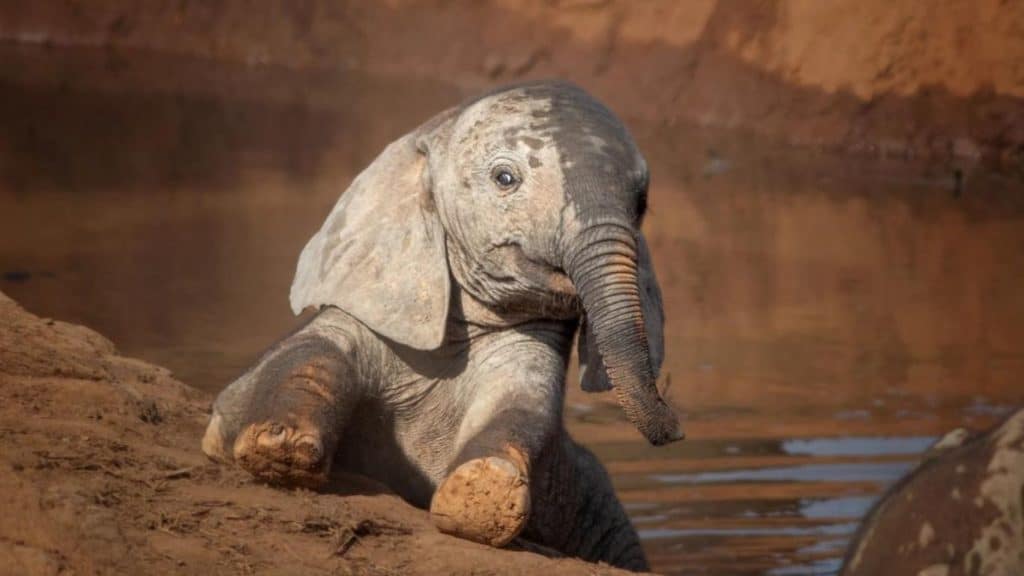
Animal Survival International (ASI) works around the globe – and around the clock – to help animals threatened and being pushed to the brink of extinction by the wanton profit-driven destruction of habitats, illegal poaching, pollution of the oceans and degradation of marine ecosystems, and – from droughts to fires to floods – the ever-increasing perils of climate change. Untold numbers of animal lives are vulnerable to these threats. Although our job becomes more challenging as each day passes, our determination to be there for animals, as the dangers they face multiply, is strengthened knowing that you are behind our life-saving work. Below are just a few examples of how your donations made a difference this past month… Algoa Bay, South Africa Rescuing abandoned, endangered African penguin chicks Climate change and overfishing are massive problems worldwide. Without immediate action, the consequences for animals may not only be grave – they could be irrevocable. We recently told you about extreme weather events severely affecting the endangered African penguin colonies of Algoa Bay. This breeding season, exceptionally harsh weather conditions and food scarcity are threatening penguin chick survival as their parents abandon them to save themselves. We asked you to help us evacuate the chicks to safety. Thanks to your generosity, and in the nick of time, we were able to rescue hundreds of helpless penguin chicks and airlift them by helicopter to rehabilitation centers, where they will stay until they are strong enough to be released. The little penguins will then be returned to their homes, fit and ready to breed. Addo, South Africa Preventing elephant calves from getting stuck in muddy waterholes The Addo National Park is in the grip of the worst drought in 102 years, and this has led to fatal consequences for young elephants. Waterholes are drying up, leaving muddy pools and steep, eroded slopes – creating death traps for the calves when they try to drink. The young elephants happily slide down into the mud but then get trapped and find it impossible to free themselves. Using concrete blocks, we lined the waterholes at 45-degree angles to provide the elephants a ramp to easily access the water and safely get out again. We are also working to supply more solar pumps to fill the waterholes (and keep them full) from underground water reserves. Wajir, Kenya In Wajir, Kenya, rare reticulated giraffes are being poached by the militant terrorist group, Al-Shabaab. The group sells the meat from the giraffes it kills to purchase more weapons. We appealed to you for support so we could purchase a state-of-the-art anti-poaching drone and protective gear to equip rangers with the tools they need to patrol the area more widely and protect the giraffes. We are pleased to report that we raised enough funds and have now ordered the drone. Cape Town, South Africa Rehabilitating turtle hatchlings suffering from plastic ingestion Rescued baby turtles and the plastic found inside them Last year, we told you about sea turtles and the devastating effect plastic waste has when they swallow it, thinking it’s food. We teamed up with the Two Oceans Aquarium Education Foundation to rescue and rehabilitate turtle hatchlings, whose already fragile lives are even more imperiled because the tiny pieces of plastic they swallow can kill them. Thanks to your support, we provided funds to ensure rescued turtle hatchlings receive the care, safe and nutritious food, and monitoring they need, until they are strong enough to be released back into the ocean. The Democratic Republic of the Congo Feeding twenty abandoned lions At the beginning of this month, ASI received an unusual request to help feed 20 lions abandoned on a farm in the Congo. The farm is owned by a military general who fled the country, leaving behind a pride of lions, three of whom are pregnant. Conserv Congo, in partnership with the Institut Congolais pour la Conservation de la Nature (ICCN), pleaded for our help and we responded. The immediate top priority, which we are helping to ensure, is that the lions are properly fed so they do not starve to death. The next priority will be to help feed, care and help the young lions when they are born – and we stand ready to help further on that happy occasion. Once again, your help is visible in the work we’ve done this month. It is thanks to your commitment and generosity that ASI is able to continue to fight back on behalf of the animals. Image credits: Banner: Charmaine Joubert_The Sun; image 1: Go Eco; image 2: Katharina Hilgers_ wildcard.co.za; image 3: Ami Vitale for National Geographic_ LifeGate_ Facebook; image 4: The Two Oceans Aquarium Education Foundation; image 5: About Animals
How We Are Helping: April 2022
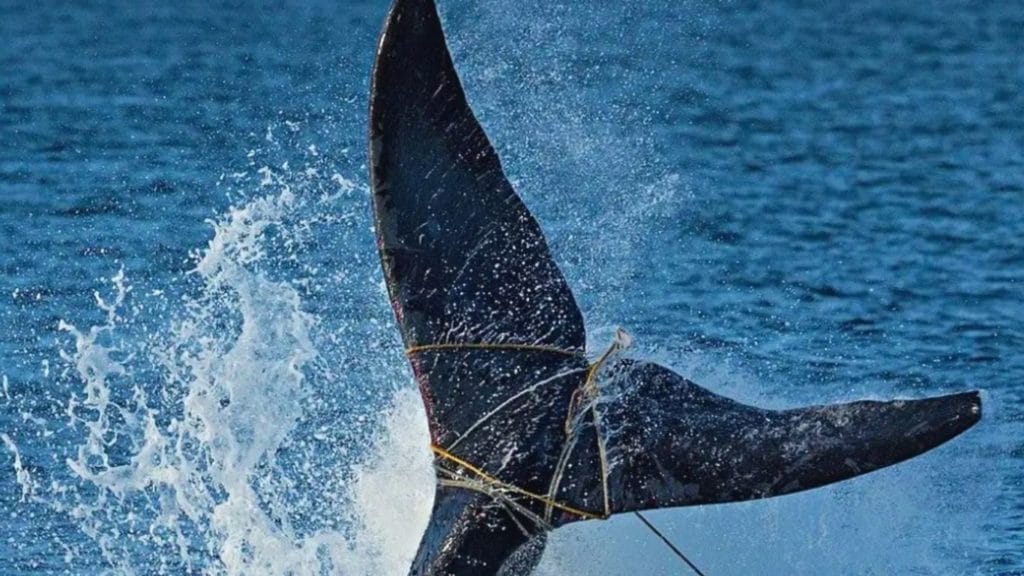
While the war in Ukraine and its devastating effects on the country’s animals rages on, the survival of animals across the globe continues to be threatened. Rampant poaching, destruction of habitats, degradation of marine ecosystems and increasing consequences of climate change remain the sad reality for the inhabitants of this planet. In addition to fighting against illegal activities that are ravaging and decimating the environment, Animal Survival International (ASI) is also confronted by contradictory laws that enable legal activities such as trophy hunting that further threaten species’ survival. Every day, our job becomes more and more difficult, but it is through your unwavering support that we maintain our resolve to strengthen our efforts and expand our work. See how your donations have made a difference this month… South Africa The National Sea Rescue Institute (NSRI) receives funds for a brand new whale-disentanglement kit and expert training for 10 candidates Every year, more than 300,000 whales, dolphins and porpoises die after getting entangled in fishing nets. The risk is particularly high in South African waters because humpback, southern right and Bryde’s whales all go there to mate and give birth. Fortunately, there are brave and dedicated expert teams that put their lives on the line to help free entangled whales. Our partner, the National Sea Rescue Institute (NSRI), responds anywhere along the 1,680-mile (2,700-kilometer) South African coastline to free whales from life-threatening entanglements. Recently, we pledged our support to the NSRI’s whale conservation efforts and wildlife rescue operations. Freeing entangled whales requires specialized equipment, and volunteers require extensive training. It is thanks to the incredible support of ASI donors that we have been able to provide NSRI with the funds it so desperately needed for a brand-new whale-disentanglement kit and expert training for 10 candidates. You have helped ensure the whales along the South African coastline may continue to live well-protected and free. Gqeberha, South Africa ASI donated £1,000 ($1,245) to the Urban Raptor Project (URP), a wildlife rescue and rehabilitation project in Gqeberha, South Africa, for the construction of a larger enclosure for a rescued juvenile caracal. The caracal was found tied up in a bucket on a local farm as the juvenile had been preying on the residing animals. The URP rescued the caracal and will rehabilitate him until he is ready to be released into a protected reserve. Construction is underway and the final enclosure will be shared on our social media pages to update our supporters. Ukraine The Askania-Nova Biosphere Reserve in Kherson secures more fodder and building materials to construct protective shelters for the animals Since the start of the war, our partner, the Ukrainian Nature Conservation Group (UNCG), has been supporting hungry and distressed wildlife trapped in Ukraine’s reserves and zoos. One of the more dire situations was at Askania-Nova, a reserve located in a region that is under complete Russian control. The reserve was in desperate need of food for 3,898 animals, including ostriches, bison, antelope, wild horses and zebras. Through our support, UNCG has helped rush fodder to the reserve. With Ukrainian forces gradually advancing towards the Kherson region, our contributions have also gone towards supplies for the building of additional shelters in the event of future hostilities. A few weeks ago, we told you about the situation at the Feldman Ecopark in Kharkiv. 6,000 captive animals at the ecopark were at risk of being euthanized. The owner of the park released a statement explaining how badly damaged the wild animals’ cages were, especially after the latest shellings in the region. He pleaded for help to have the animals evacuated as the only alternative was to have all of them euthanized. The rescue operation’s costs were insurmountable, and ASI offered to help rush emergency funds to organizations to save as many of the remaining animals as possible. We needed to take action to save them – and fast. We reached out to you for your support and the response was overwhelming. ASI was motivated and prepared to join the full-scale rescue and relocation project. However, after much deliberation, we have decided to step out of the mission, as another organization has taken over the logistics. Over the course of this war, we have promised you that we will do everything in our power to help as many animals in Ukraine as the situation allows us to, and we will continue to uphold this promise to you. Whether it is evacuating wild animals, delivering food or providing veterinary support and equipment, ASI will continue to help save the lives of innocent wild animals in Ukraine. Zimbabwe The Bumi Hills Anti-Poaching Unit (BHAPU) receives renovated anti-poaching patrol boat to protect elephants The Bumi Hills Anti-Poaching Unit (BHAPU) is a small but highly skilled team that puts its lives on the line to protect the last of Zimbabwe’s lake elephants from bloodthirsty poachers. A few months ago, BHAPU informed us that their patrol boat was completely out of commission and in dire need of repair. This boat, which facilitates 65% of the team’s arrests, is a critical tool in the fight against poachers. We were able to cover the cost of refurbishing the vessel, which has now officially returned to Lake Kariba. Thanks to your support, BHAPU’s vital anti-poaching patrol boat will finally be back in action, ready to keep these precious elephants safe. From the News Desk: At ASI, we are committed to making a difference to animals on the ground, and we also strive to stay abreast of the latest wildlife conservation news. US Allows Hunters to Import Some Elephant Trophies From African Countries The US Fish and Wildlife Service informed some hunters last month that it would allow the import of six elephant trophies into the United States from Zimbabwe. The African elephant carcasses will be the first allowed into the country in 5 years. The decision reverses an agency-wide hold on processing elephant trophy import permits that was put in place. Read more… Ireland Becomes Latest European Country To