


We continue to help raise funds for drought-stricken animals in Kenya
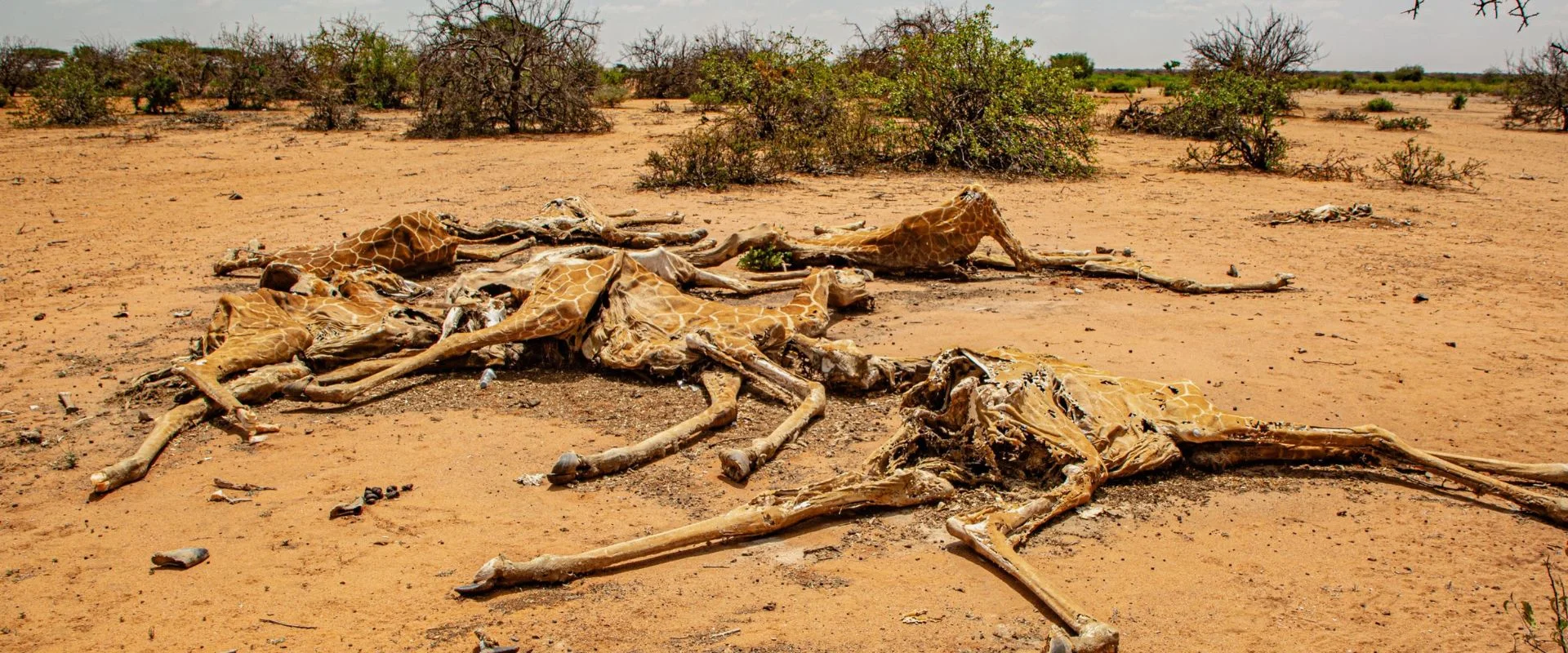
The situation for wild animals in drought-ravaged Tsavo West National Park in Kenya is heartbreaking and critically urgent. The Tsavo ecosystem is a naturally hot, semi-arid region of southeastern Kenya, but in recent years dry has turned to drought because of rising temperatures and repeated failed rainy seasons. Water has been desperately needed for several years but funding has always been a severe challenge. We are working to bring a life-saving water source to thousands of animals struggling through lingering drought in the region — and thanks to supporters like you, we’re pressing ahead as fast as we can. But the drought is relentless, and we must keep helping. We are deeply concerned for the animals awaiting our urgent help. Wild animals are visibly emaciated, exhausted and desperately competing for the last remaining water sources. And for mothers with young calves, every single day is a fight to stay alive. When riverbeds run dry in Kenya’s Tsavo West National Park, animals like this elephant pay the ultimate price. Prolonged drought has made water a matter of life and death. Source: Reuters (top) and Mwalua Wildlife Trust (bottom) They need your help badly. For the region’s 14,000 elephants especially, who need 53 gallons (200 liters) of water per day, the situation is extremely serious. Our partner, the Mwalua Wildlife Trust, says the drought continues to grip the region with brutal force. Water remains desperately scarce, grazing is almost gone and countless animals are starving as competition for survival intensifies. Elephants, buffalo, giraffe, zebra and critically endangered rhino are all struggling to survive lingering drought conditions in Kenya. Many are growing weaker by the day. Some are collapsing from exhaustion and dehydration before they can even reach water, having walked for endless hours and days in search of sustenance that does not exist. Without emergency support, more animals will die. What was once a reliable water source has been reduced to a fraction of its former size by prolonged drought. Source: Mwalua Wildlife Trust Your donation will help get water flowing to the animals before it’s too late. Please make an urgent donation today. Every contribution, no matter its size, could help save the life of an elephant calf, a giraffe, a zebra or another desperate animal fighting to survive under the scorching African sun.
The ocean has shielded us from the worst of climate change. Now it is running a fever
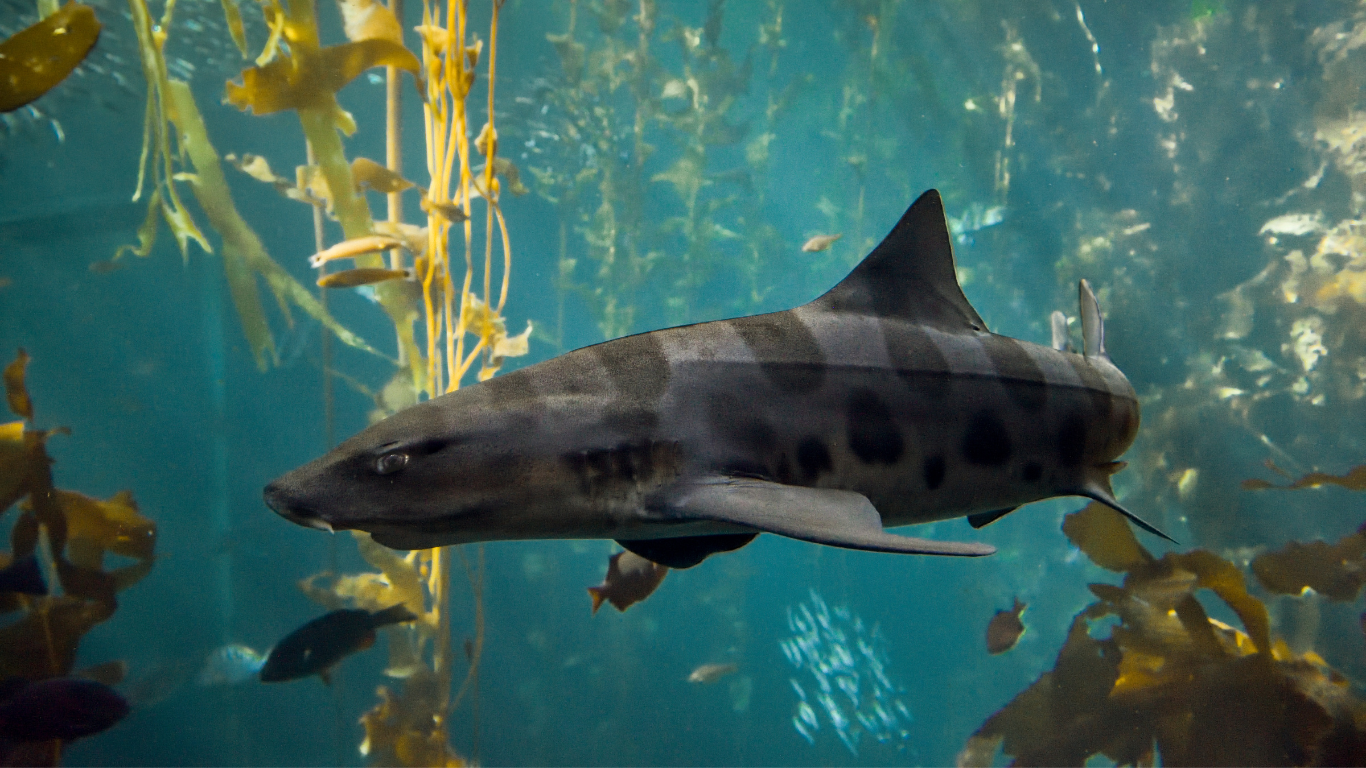
Article written by Karina Von Schuckmann Originally published by The Guardian, 17 June 2026 Nearly every indicator of climate change is flashing red. But we still hold the tools available to bring the planet back into balance The ocean is running a fever. In 2025, the number of days of marine heatwaves – prolonged spells when the sea turns abnormally, dangerously warm – was more than triple what it was in the early 1990s. These are not abstract statistics. A severe and persistent marine heatwave bleaches coral reefs, strips away the kelp forests that shelter young fish, empties fishing grounds and – if occurring frequently – can tip whole ecosystems past the point of recovery. It scrambles the chemistry the ocean lives by, its acidity, its oxygen, the carbon it trades with the air, and can feed fiercer weather on land. For the coastal communities whose food and livelihoods come from the sea, the harm is immediate and personal. I have spent my career studying where the heat from climate change actually goes. The answer, overwhelmingly, is the sea. The ocean has absorbed more than 90% of the excess heat that human activity has trapped on Earth, quietly buffering those of us on land from the full force of warming. For decades, that made it our greatest and most uncomplaining ally. Ocean warming and more frequent and intense marine heatwaves are signs that the buffer is straining. The heat we have poured into the ocean is beginning to surface as harm. Ningaloo Reef is facing the heat. Credit: James C. Farr/Shutterstock More frequent and intense marine heatwaves are just one of many new warning lights in this year’s Indicators of Global Climate Change (IGCC) report, the annual health check on the climate system compiled by more than 70 researchers from more than 50 institutions worldwide in the years between the next official UN assessment in 2028. But the climate system is changing in ways we can measure every year, and the single most revealing measurement is one most people have never heard of. It is called the Earth’s energy imbalance, and it is the closest thing we have to a master gauge of climate change: the gap between the energy reaching us from the sun and the energy the planet manages to radiate back out to space. In a stable climate, the two are roughly equal. However, several things are now prising them apart. By far the largest is the greenhouse gases humans keep adding, which thicken the atmosphere’s insulating blanket and trap heat that would otherwise escape. But they are not the whole story. As we clean up the dirty air pollution of the past, we are also losing the faint reflective haze it cast, letting more sunlight through. As the planet heats, it triggers feedback that amplifies warming. Bright, reflective ice giving way to dark, heat-absorbing ocean, cloud changes that tend to leave the Earth absorbing more energy than before and warming soils and waters releasing greenhouse gases of their own. Together, greenhouse gas emissions and this feedback are tipping the scales. Far less energy is now leaving than coming in, and the imbalance has more than doubled since the late 20th century. The Earth is, quite literally, out of balance, storing heat faster and faster. This is the engine behind nearly everything else the report records: rising temperatures, melting ice, fiercer extremes, and the intensifying marine heatwaves now scarring the ocean. The latest findings estimate that human-induced warming has reached approximately 1.37C above pre-industrial levels The other indicators in this IGCC report build a fuller picture of how this growing energy imbalance is fuelling impacts for people around the globe. The rate of sea-level rise has more than doubled in recent decades, and it continues to accelerate. In 2025, we passed a new record of 23cm of rise since 1901, which is pushing floodwaters further into low-lying coastlines and raising the floor of every tide and every storm. And this is what troubles me most: the very ability of scientists and policymakers to track these changes is now under threat. What we know about the ocean and Earth’s energy imbalance rests on a sophisticated network of sensors kept in waters across the globe and satellites. Last month, the scaling back of this work was announced: four of five monitoring sites across the Pacific and Atlantic are set to be closed, and equipment is already being pulled from the water. Other funding is under similar pressure. At the precise moment we most need to see clearly, we are turning off the lights. But paying attention is not the same as looking on helplessly. Thanks to this year’s IGCC report, we understand better than ever how human activity is pulling the climate further out of balance, and we know it lies within our power to ease it. Nearly every indicator of climate change is flashing red, but citizens, businesses and policymakers still hold the tools available to bring the planet back into balance.
Deepest and most extensive whale graveyard discovered in Indian Ocean
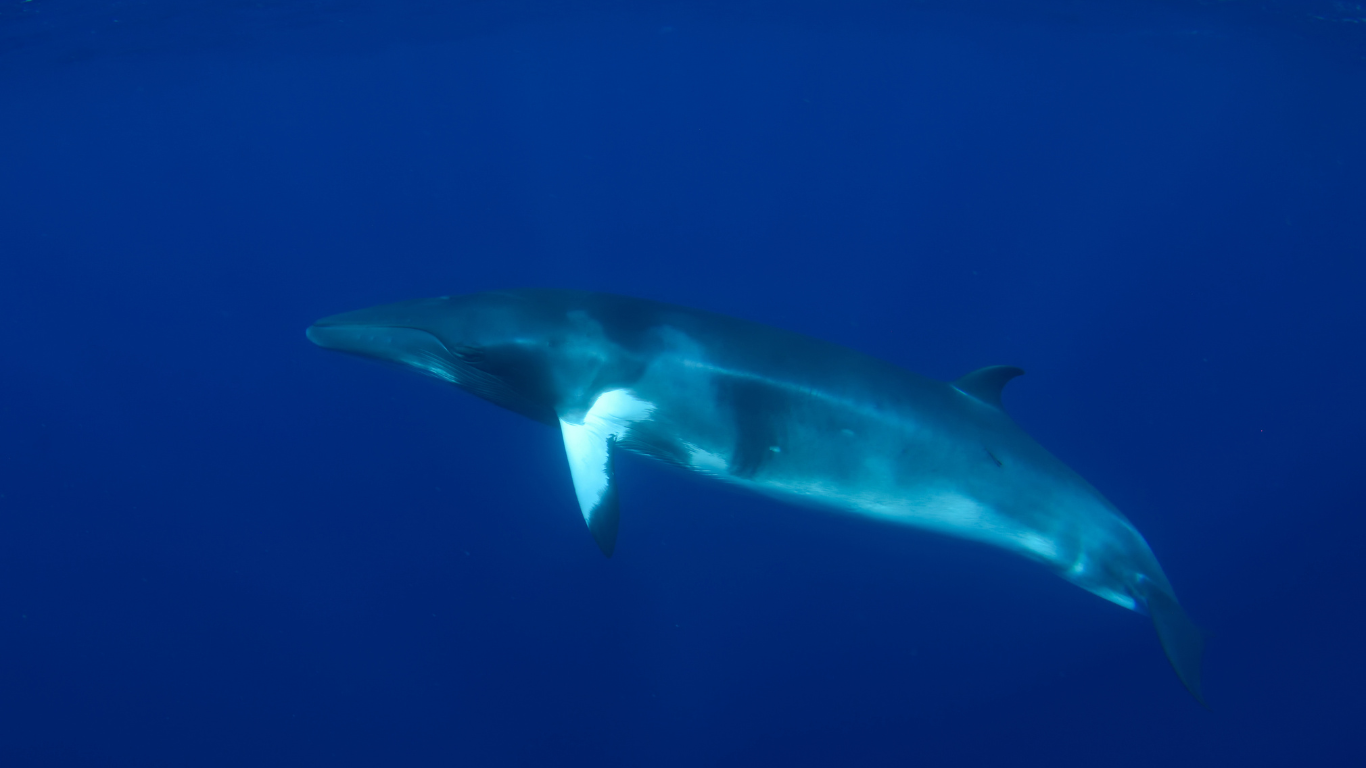
Article written by Nicola Davis Originally published by The Guardian, 10 June 2026 Some remains found in Diamantina fracture zone date back more than 5m years and reveal species and ecosystems unknown to science The oldest, deepest and most extensive whale graveyard yet discovered has been found in the south-eastern Indian Ocean, with fossils dating back more than 5m years. Whale falls – the term for dead whales that sink to the ocean floor – are not uncommon, but most have been found at depths of less than 4km (2.5 miles). By contrast, the newly discovered necropolis reaches depths of more than 7km, and extends hundreds of miles across the sea floor. What’s more, researchers found decaying carcasses teeming with life. Dr Giovanni Bianucci, a co-author of the study based at the University of Pisa, said: “This discovery demonstrates that these extreme and unexplored environments are home to species and ecosystems still unknown to science, and that we are therefore still far from understanding the true biodiversity of our planet. “Furthermore, it shows us that life can adapt and evolve even in extreme environments where light is absent and pressure is extremely high.” He added that the study also provided unique information on creatures including the “mysterious and elusive” beaked whales. In an article accompanying the study, Stephen J Godfrey of the Calvert Marine Museum in the US described the graveyard as “a truly unique discovery”, saying the site could yield many more exciting finds. “[The research] reminded me of a trailer for the first in a series of epic movies,” he wrote. A team of researchers based in China, Italy and New Zealand used a submersible to explore an area of trenches and ridges in the south-eastern Indian Ocean, known as the Diamantina fracture zone. This formed between 60m and 50m years ago as the Australian and Antarctic continents drew apart. The team, whose study was published in the journal Nature, discovered whale fossils at depths of up to 7,002 metres – near the deepest point of the Diamantina fracture zone. They subsequently carried out 32 dives to the sea floor, finding 485 whale-fossil sites, as well as five modern natural whale falls in an advanced stage of decomposition. The team noted: “Aligned along a northwest-southeast axis for 1,200km, these falls may form a previously unrecognised ‘whale-fall community supercorridor’.” The largest carcass discovered by the researchers was a five-metre long skeleton of an Antarctic minke whale. They also encountered remains of extinct species including a fossilised skull from a species of beaked whale called Pterocetus benguelae, which was dated to 5.3m years ago, and another fossilised skull from a new species the team have named Pterocetus diamantinae. The decaying whale caracasses were home to a diverse array of life including crustaceans, molluscs, bone-eating worms and brittle stars, among other creatures. Many species, the researchers noted, may be new to science. Jon Copley, a professor of ocean exploration and science communication at the University of Southampton, who was not involved in the work, said: “It’s an exciting and rare discovery – not only the world’s deepest known ‘whale-fall’ colony of deep sea animals, but also such an abundance of modern whale skeletons and fossils in this particular location.” Copley said whale falls were island-like habitats for deep sea animals, including species related to those thriving at hydrothermal vents, which make a meal of their remains. But, he added, whale falls were harder to find than undersea hot springs as they cannot be detected remotely. “Finding a ‘whale necropolis’ where there are nearly 800 skeletons per square kilometre is a surprise, and the mix of whale types is a puzzle,” Copley said, noting that it included some shallow-diving filter-feeding species such as Minke whales as well as many bones and fossils of beaked whales, which are very deep-diving hunters. “As the researchers suggest, such a necropolis probably results from being on a migration route for filter-feeding species, while also a good place for the hunter species to dive deep for squid, but perhaps pushing them perilously close to their limits as they dive into this crack in the ocean floor,” he said.
Visual AI tracks nearly 100 wildlife species to improve conservation
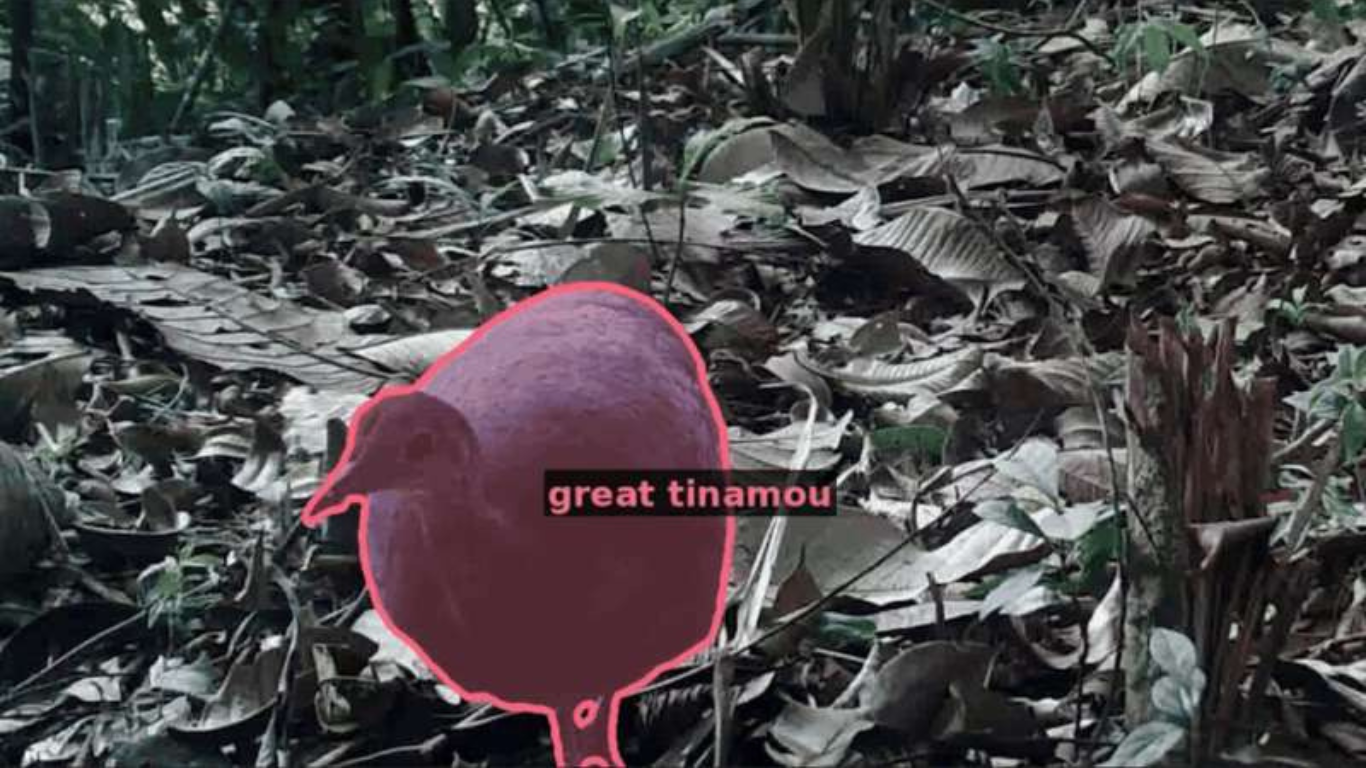
Article written by Gaby Clark Originally published by Phys.Org, 5 June 2026 Wildlife research projects worldwide could benefit from a new AI system which can automatically find, name, and follow individual animals in footage. A University of Bristol team working on Animal Biometrics and AI for Conservation have been key contributors to the SA-FARI (Segment Anything in Footage of Animals for Recognition and Identification) project, developed by an international consortium with first author Dante Wasmuht and senior author Didac Suris, overall led by ConservationX Labs (CXL) and META. SA-FARI builds on META’s latest Segment Anything Model 3 (SAM3), which is a foundational and cutting-edge Vision-Language Model that is designed to use text and visual prompts to precisely identify, segment, and follow objects in images or videos. This enables researchers to track animals in footage using ‘masklets’ which represent the exact outline of an animal in a video from frame-to-frame through time. It means the animal can be accurately separated from its background and form the basis of individual and behavioral analysis. This method has the potential to save thousands of hours for researchers using camera trap surveys in terms of viewing content manually. The SA-FARI paper will be presented on Saturday 6 June at the Conference for Computer Vision and Pattern Recognition (CVPR) in Denver, U.S., widely regarded as the leading conference for visual AI. The paper has been selected as an Award Candidate at CVPR. For the Bristol team working on Animal Biometrics and AI Conservation, this marks the second consecutive year to get such a prestigious international nomination. Tilo Burghardt, Professor of Computer Vision and Animal Biometrics at the University of Bristol, said, “Global problems require global solutions. Based on the group’s pioneering track record of over 20 years, the University of Bristol is regarded as one of the go-to places for using AI for conservation in the UK and beyond, and is an important part of a growing international community working in this area.” Dr. Otto Brookes, Lecturer in AI and Animal Biometrics from the Bristol team added, “The ability to locate animals in space and time is incredibly important for wildlife monitoring—it is a prerequisite for many tasks, such as recognizing behavior and distinguishing individuals from one another and ultimately, measuring how animals respond to conservation interventions.” The project trained and benchmarked an AI system which can automatically detect, name and track animals of nearly 100 species pixel-accurately in footage. To do this, a vast dataset of more than 11,000 wildlife videos taken in natural habitats was curated and annotated. The project offers this data freely downloadable for biologists, researchers, and conservationists to boost ecological projects worldwide with cutting-edge AI powers. Professor Burghardt believes the SA-FARI work has the potential to be extended in the future by others by adding new features such as tracking animal body pose, depth and natural language descriptions. The SA-FARI project was led by CXL and META, with important inputs from co-authors including Dr. Brookes and Prof Majid Mirmehdi from the University of Bristol, teams from the Hasso Plattner Institute, the University of Oviedo, Osa Conservation, the Senckenberg Museum of Natural History, the Max Planck Institute for Evolutionary Anthropology, and Climate Corridors—together the group pulled off a project of significant scale and truly inter-disciplinary reach.
A rare and mysterious creature has just been detected in a remote Kenyan forest. Here’s why experts are so excited
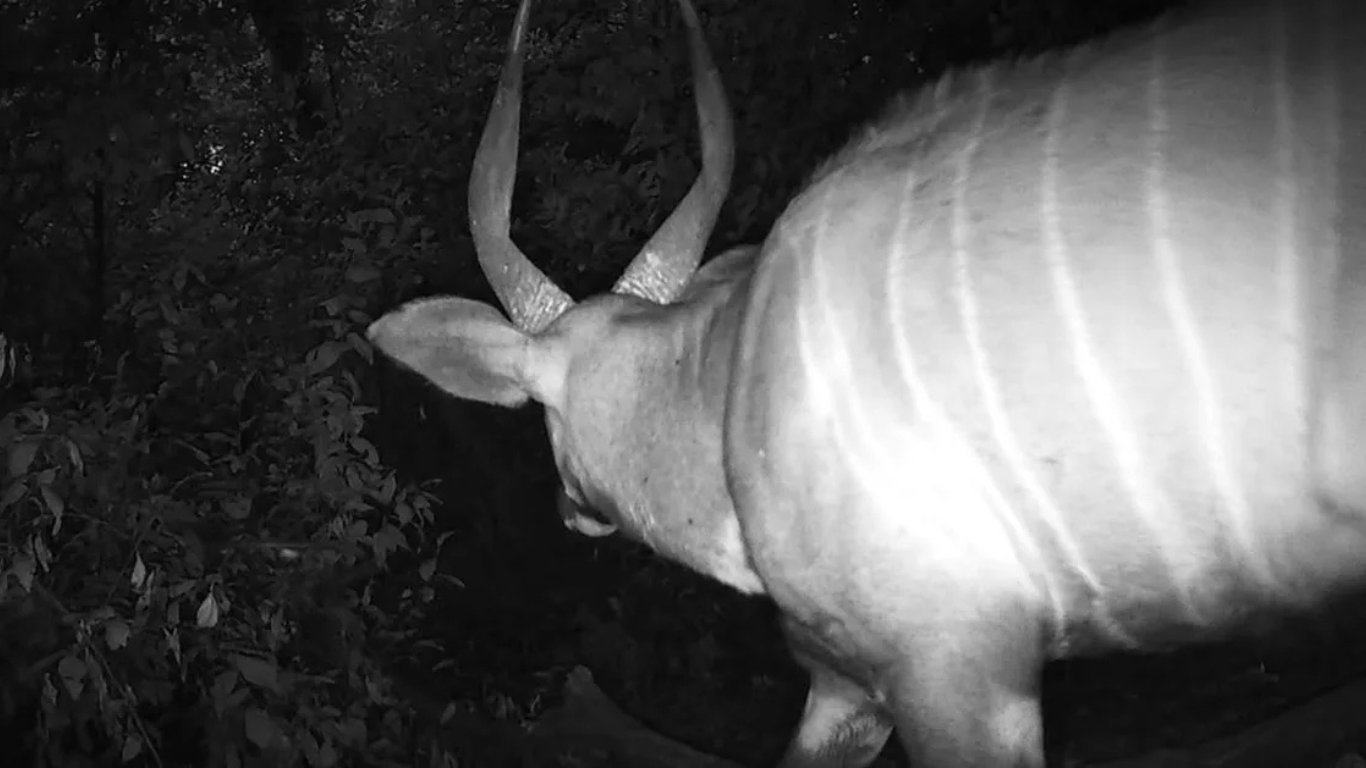
Article written by Sophie Ellis Originally published by Discover Wildlife, 1 June 2026 One of Africa’s rarest creatures is caught on a trail camera – hundreds of kilometres from where it was expected to be Africa’s rarest antelope – the mountain bongo – has been caught on a trail camera in an area where it was thought to be locally extinct. After detecting the elusive mammal in four isolated areas eight years ago, conservationists were concerned that the wild population had shrunk to a small range in Kenya’s Aberdare mountains. Bongos face threats from habitat destruction and disturbance, and their shyness, and extreme rarity, have made them historically difficult to track. Now, trail camera images show these creatures exploring a forest in Maasai Mau – around 200km from the known Aberdares population. The mature male captured on camera was likely first identified in 2018 by Tommaso Sandri, a Mountain Bongo Project (MBP) Advisory Council member and Chester Zoo conservationist. He suggested that if the animal had remained hidden for this amount of time, then other bongos may also be in the area. This was confirmed when the camera captured more images. Markings analysis has confirmed that these show a young male and a young female. A young female mountain bongo was also captured on the camera traps. Credit: Chester Zoo and Mountain Bongo Project Unlike Aberdares, Maasai Mau is not a national park and the bongos discovered there do not have the same protections. “The excitement in camp was unbelievable when we first looked through the photos,” says Oscar Dyer, director of operations at MBP. “This image is the result of years of hard work by our rangers on the ground in one of Kenya’s most inaccessible forests. Seeing a bongo here again is incredibly exciting – and it reinforces our determination to continue searching, protecting this forest and finding evidence of more bongos in the area.” These images come at a time when recent data suggest an uncertain future for the species. In 2025, an AI monitoring survey was carried out by the UK’s Chester Zoo, following guidance from the MBP and with the support of the Mount Kenya Wildlife Conservancy (MKWC) and Kenya Wildlife Service, to monitor bongo populations. It found that only 28 individuals were in the Aberdare stronghold. Mountain Bongo Project rangers check a camera trap in the field. Credit: Mountain Bongo Project “It’s difficult to put a finger on why numbers aren’t increasing,” explains Stuart Nixon, Chester Zoo’s regional field programme senior manager. “Surveys show there are habitats they could expand into. Perhaps their numbers are so low that a natural level of predation is depressing the population. So, we have a population that’s stable, but small and ageing.” There are around 900 bongos in sanctuaries (like Aberdare, which is operated by the MKWC) and zoos. Currently, organisations are looking at both protecting wild populations and reintroducing bongos to the wild as conservation methods. In 2025 and 2026, mountain bongos bred as part of conservation centres and zoo conservation programmes were translocated to help reinforce the sanctuary population in Kenya. “The Mau population represents a significant genetic pool for mountain bongos and it is therefore vital for long-term conservation,” says Robert Aruho, the head of MKWC. Their cousins, the lowland bongo, are classified as Near Threatened with fewer than 30,000 wild individuals. Banner image: the adult male mountain bongo’s first appearance. Credit: Mountain Bongo Project/Chester Zoo
Elephants return to Mount Elgon side of Uganda after four decades
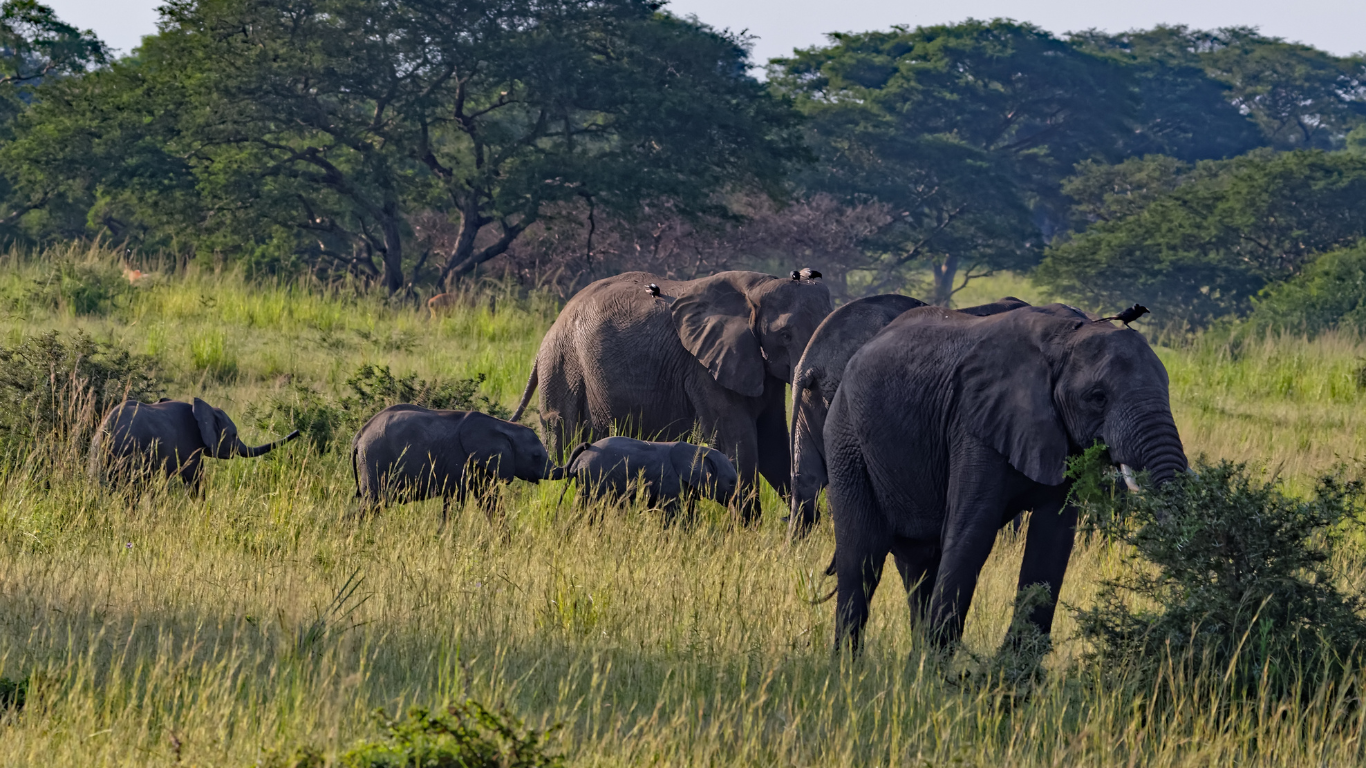
Article written by Benjamin Jumbe Originally published by Mongabay, 18 May 2026 According to monitoring with tracking collars by the Mount Elgon Foundation (MEF), last year at least 60 elephants crossed from Kenya into the Ugandan side of Mount Elgon, a vast volcanic mountain that straddles the border, returning to a part of their natural range where they’ve not been seen for over 40 years. MEF funds community projects aimed at reducing forest degradation and raising awareness of environmental issues, as well as a team of 18 community scouts on the Kenyan side of the mountain, part of the East African Wild Life Society’s Mount Elgon Elephant Project. MEF’s chair, Chris Powles, told Mongabay that back in 2022, scouts tracked four elephants crossing the Suam river, which marks the border between the two countries. Drone footage of elephants on the Ugandan side of Mount Elgon. Image courtesy of UWA. In an email interview, Powles said a number of factors could explain the elephants’ return, though it’s impossible to say for certain what’s prompted them to reestablish themselves. “[These] include the growth of the elephant population on the Kenya side, the increasing human pressure on the Kenya side, the relative safety for them on the Uganda side as it is all national park (unlike in Kenya),” he wrote. “And, maybe, the elephants alive from the time when others of them were killed in Uganda have now died naturally and so their memory of what happened in Uganda may have passed.” In the late 1970s and 80s, elephants in Uganda and other parts of East Africa were aggressively hunted by ivory traffickers — including by combatants in Uganda’s civil war. Caroline Asiimwe, responsible for research and ecological monitoring at the Uganda Wildlife Authority, said the elephant crossings from Kenya back into Mount Elgon on the Uganda side is a sign of species recovery. “Mount Elgon used to historically host elephants, but then they disappeared when the habitat was degraded, but with the restoration progress that Uganda Wildlife Authority is making, we have seen elephants return,” Asiimwe told Mongabay. “Using our drone technology, we saw a herd of elephants coming back, and since November, they have not returned to Kenya.” A line of elephants file into the Kitum cave, on Mount Elgon’s Kenyan side. Image courtesy of Ian Redmond. Mount Elgon National Park’s montane forests are home to more than 300 bird species, including the endangered lammergeyer (Gypaetus barbatus), and to mammals including leopards, oribi (Ourebia ourebi) and elephants. On both sides of the border, the mountain is a UNESCO Biosphere Reserve, but Asiimwe said communities living in Bukwo and other districts around the mountain had severely degraded large areas, causing elephants to move to neighboring Kenya. “Until these communities were removed, and we tried to restore the habitat, then we are seeing the elephants coming back,” Asiimwe said. Mount Elgon is an important catchment area for water, and the UWA official told Mongabay the authority has been working to restore degraded forest. “The park is regenerating on its own, although UWA is growing some trees,” Samuel Ngirio, a community elder from Saptet village in Bukwo district, told Mongabay. “We now have artificial [non-native] trees, cyprus and eucalyptus, and the elephants are now entering regenerated areas.” After a 40 year absence, this elephant population has been seen on the Ugandan side of the mountain. Image courtesy MEF. People living near the park have cautiously welcomed the return of elephants. “The surrounding communities accepted the return and presence of the elephants; it’s generally a mix of pride, economic optimism, significant anxiety regarding safety and livelihood losses, but [the communities] urge authorities to implement protective measures such as electric fencing, trenches and better compensation for losses for crops and livelihoods,” said Araptison Moses Malinga. He is chairperson of the Leaders Conservation Peace Initiative, a community organization composed of community elders created to foster dialogue and reduce tensions between the community and UWA. Ngirio told Mongabay that in 2025, elephants did substantial damage to maize and banana plantations in the area. “My house is very near the national park,” he said. “The fields of my immediate neigbours, Julius Musobo and his brother Ben Cheptegei, were affected.” He said residents have asked the Uganda Wildlife Authority for compensation. He also added that UWA personnel posted to the area have successfully scared elephants away from farmers’ fields this year. Mount Elgon’s elephant population is known to scrape sodium-rich rock from the walls of dozens of the mountain’s caves. Image courtesy of Ian Redmond. UWA’s Asiimwe told Mongabay that the wildlife authority plans to train communities to grow crops that are less palatable to elephants as a way to reduce potential conflict. She also said the presence of elephants could boost tourism in Bukwo district. “Elephants are among the biggest attractions for wildlife tourism and could generate revenue, create jobs such as tour guides and rangers and support conservation funding,” Malinga said. UWA’s executive director, James Musinguzi, said efforts are already underway to ensure coexistence between people and wildlife, which include restoring habitats, creating wildlife corridors to allow safe elephant movement and involving communities in conservation and eco-tourism initiatives. Fresh signs of this unique cave-mining behaviour have already been observed in caves on the Ugandan side. Image courtesy of MEF. The elephants on Mount Elgon are known to enter caves in search of sodium-rich material, carving the caves’ walls into distinctive curved shapes. In February, MEF’s Powles visited the Ugandan side of the mountain, and found old tusking marks and the same distinctive shapes. Locals also shared stories of how elephants had used caves here in the past. As elephants reclaim their historic range on Mount Elgon, the challenge now lies in balancing conservation success with the safety and livelihoods of the communities living alongside them. Meanwhile, residents like Malinga are urging authorities to introduce stronger measures to keep elephants out of their fields, including electric fencing, trenches and improved compensation for crop and property damage.
This rare monkey is disappearing from one forest — but bouncing back in another
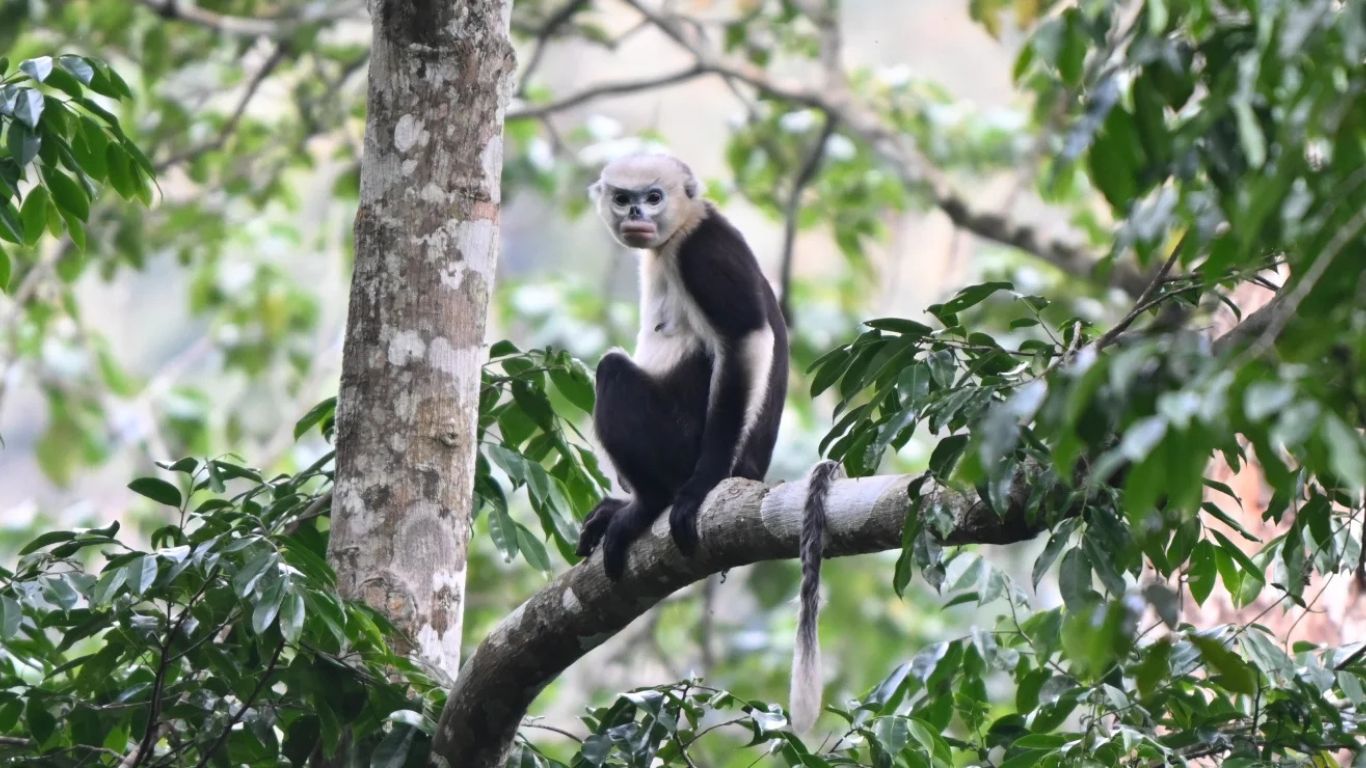
Article written by Rebecca Cairns Originally published by CNN Science, 19 May 2026 Between the branches of broad-leaf evergreens, a pair of blue-ringed eyes stare across the treetops of Khau Ca’s limestone forest. It’s a rare glimpse of one of the world’s most endangered monkeys — and one that field conservationist Canh Xuan Chu relishes. Tonkin snub-nosed monkeys are endemic to Vietnam, and only found in fragmented patches of forest in two of the country’s northernmost provinces, bordering China. A population of just 50 was discovered in Khau Ca in 2002, adding to the handful of locations where the species was rediscovered in the late 1980s and 1990s, after being presumed extinct. The Cat Ba langur, also called the golden-headed langur, is critically endangered with less than 100 remaining on Vietnam’s Cat Ba Island in the greater Ha Long Bay region. Throughout the 20th century, habitat loss and poaching for traditional medicine decimated its population, but conservation efforts on the island have seen the population grow over the past decade. Source: Tim Plowden/Shutterstock Today, the monkeys have all but disappeared from these other habitats. But a new census from conservation non-profit Fauna & Flora International found that Khau Ca’s population has more than tripled since 2002, with 160 of the critically endangered monkeys — an estimated 80% of the entire species — now living in the reserve. “It’s one of our most successful surveys,” says Chu, the project manager for Fauna & Flora’s Tonkin snub-nosed monkey program. The survey’s findings are giving the fragile species a hope for survival — and could be a model for other forests in Vietnam to restore their populations of Tonkin snub-nosed monkeys. Cao vit gibbons have the longest arms of any primate, proportional to their body size, allowing them to swing through the treetops at speeds of up to 34 miles per hour. They were presumed extinct through much of the 20th century, until they were rediscovered in the limestone forests on the border between Vietnam and China in the early 2000s. It’s one of the rarest primates in the world, with just 74 individuals counted during its last population count in 2021. Source: Editorial/Shutterstock ‘Significant increase’ Despite their outlandish facial markings, these monkeys are shy and reserved, avoiding humans and often disappearing at any unusual sounds, says Chu. It’s part of what makes them so difficult to count, a problem that goes back decades. Hunted extensively for use in traditional medicine, and sometimes bushmeat, Tonkin’s snub-nosed monkeys were so rarely seen that by the 1980s, many thought they were extinct. Shortly after discovering the population at Khau Ca, Fauna & Flora set up a conservation field station, and established community conservation teams to protect and patrol the forest, helping to remove snares and report signs of illegal deforestation or hunting. The critically endangered Raffles’ banded langur is found in Singapore and southern peninsular Malaysia, and its fragmented population is threatened by forest clearances for urban development, agriculture and mining. In Singapore, where only around 60 individuals remain, conservationists are trying to reconnect sections of forest with rope bridges over roads, and citizen scientists are helping to collect data to save their habitat. Source: Then Chih Wey/Xinhua News Agency/Getty Images To support communities that would typically make their income from farming or foraging in the forest, the project also creates new income streams, like the patrol groups. Other conservation partners, like the New Nature Foundation and Denver Zoo, are also working to reduce demands on the forest, distributing fuel-efficient stoves that cut firewood needs by 50%. Tran Van On, a member of Fauna & Flora’s community conservation team, has observed a “significant increase” in community awareness around the conservation of the Tonkin snub-nosed monkey. “People are now not only more conscious about protecting this endemic species of Vietnam, but also more aware of the importance of safeguarding forest habitats and other wildlife species,” said On, in a written statement. Banner source: Nguyen Quyet
At 100, David Attenborough’s message is no longer just about wonder

Article written by Rhett Ayers Butler Originally published by Mongabay, 5 May2026 As his 100th birthday approaches, David Attenborough occupies an unusual place in public life: not a practicing scientist, not quite a conventional journalist, and no longer only a broadcaster. His voice, familiar from decades of natural history programming, has become one of the most recognizable ways the public hears about the state of the living world. That was not always the role he played. When Attenborough began his career at the BBC in the 1950s, the task was more modest. Television was still finding its footing, and natural history programming largely meant showing audiences what they could not otherwise see. Early series such as Zoo Quest were shaped by that spirit. They were exploratory, sometimes improvised, and often framed around the thrill of encountering unfamiliar species. The tone was one of discovery. The unspoken assumption was that the natural world, vast and varied, would endure. As his work evolved, so did the technology that made it possible. Color film, lightweight cameras and, later, digital imaging expanded what could be captured. Attenborough used those tools with unusual patience. His programs lingered on behavior as much as spectacle. Courtship rituals, feeding strategies, and migrations were given time to unfold. His programs did more than show animals; they asked viewers to notice how they lived. Attenborough in Borneo, 1982. Photo by Rex Features This attention to detail became one of his signatures. It reflected a view that understanding begins with careful seeing. Attenborough rarely made himself the story. His narration was measured and often understated. The attention stayed on the animal, the habitat or the behavior unfolding on screen. The approach helped establish a standard for natural history filmmaking. It also shaped how audiences related to the material. Animals were not props for adventure. They were creatures with their own pressures, habits and place in a wider order. For much of the late 20th century, that approach carried a sense of confidence. Series such as Life on Earth and The Living Planet presented ecosystems as intricate but resilient. There were acknowledgments of human impact, though they tended to sit at the margins. The prevailing mood was one of admiration. The natural world was portrayed as something to be appreciated, perhaps even cherished, but not yet as something being pushed toward dangerous limits. That balance began to shift in the 2000s and early 2010s. Scientific consensus around climate change became firmer. Evidence of biodiversity loss accumulated. The changes were not abstract. They appeared in the very subjects Attenborough had spent decades documenting. Coral reefs bleached. Species once filmed in abundance became harder to find. Habitats fragmented. His later work did not abandon the aesthetic that had defined his earlier films. The images remained carefully composed. The storytelling retained its discipline. Still, the framing grew more direct. In series such as Planet Earth II and A Life on Our Planet, the concluding segments took on a heavier purpose. The camera still showed the beauty of forests, oceans and grasslands. The narration made clearer that these systems were under strain. Sir David Attenborough accepting The Perfect World Foundation Award in 2018. Photo by Daniel Wilke What changed was not only the tone, but the purpose. Attenborough began to speak more openly about consequences. The loss of species was no longer treated as a distant or specialized worry. It was linked to broader questions about stability, food systems and climate. The argument, when he chose to make it, was straightforward: understanding the natural world is not a matter of curiosity alone. It is tied to how societies will fare in the decades ahead. He did not always speak in the language of advocacy. His instinct remained to show rather than to argue. Yet the cumulative effect of his later work is difficult to separate from a sense of warning. The authority comes less from rhetoric than from continuity. Few individuals have documented the same systems over such a long period. Fewer still have done so for so many people. There is a restraint in how Attenborough presents these shifts. He avoids exaggeration. He also avoids offering simple resolutions. The closing passages of his recent films often point toward changes in energy use, land management and consumption. They are framed as possibilities rather than prescriptions. This has drawn criticism from those who would prefer a more forceful stance. It has also helped his work remain accessible to people who may not share the same politics. David Attenborough on Lizard Island, on the Great Barrier Reef. Photo by Freddie Claire/BBC/Atlantic Productions The result is a body of work that has changed in emphasis without losing its core method. The early films asked viewers to look closely at the natural world. The later ones ask what follows from that attention. The link between the two is the idea that knowledge carries implications. To see clearly is, eventually, to confront the conditions that make such scenes possible. As his 100th birthday approaches, it is tempting to treat Attenborough as a symbol. He has become one, in part because his career spans a period in which the relationship between people and the natural world has changed so sharply. Yet his influence is more practical than symbolic. He helped establish how nature is filmed, how it is narrated, and how it is brought into public conversation. The arc of his work traces a change in how that conversation is conducted. What began as an effort to reveal the richness of life on Earth has come to include a more sober assessment of its trajectory. The continuity lies in the premise that understanding matters. Not as an end in itself, but as the beginning of responsibility.
Kenya’s drought-stricken elephants are desperate for help
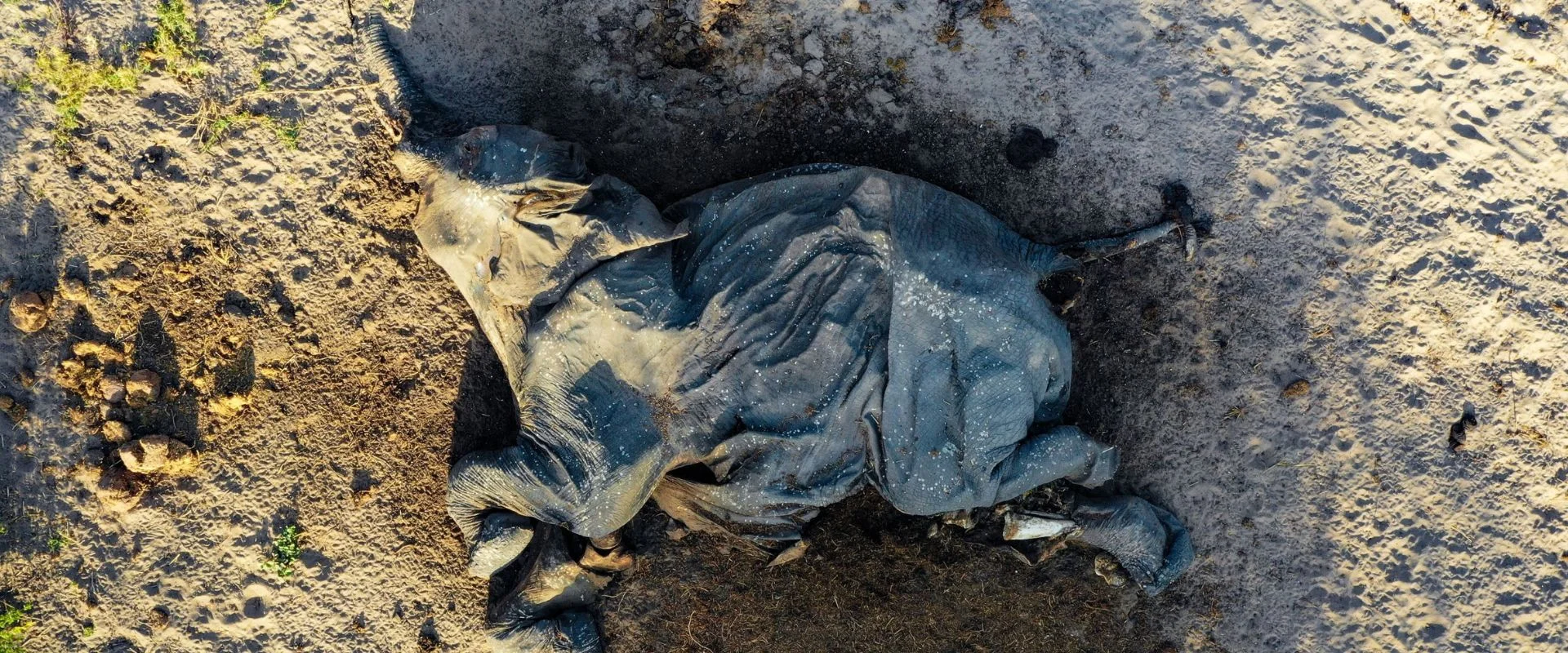
Under the blazing skies of southern Tsavo West National Park in Kenya, the earth is cracked and burnt. Prolonged drought cycles, rising temperatures and intensifying weather patterns have left vast stretches of Tsavo West dry and overgrazed. Even after light, scattered showers, the land has struggled to regenerate. The result? Desperate animals getting weaker, hungrier and skinnier every day. Natural water sources have failed. Rivers have shrunk into dust-lined channels. Water pans lie empty. The animals of Kenya are in serious trouble. The water hole has almost dried up — but the animals keep coming. In Tsavo West, prolonged drought has left the land dry, the rivers reduced to dust and countless animals growing weaker by the day. Source: Mwalua Wildlife Trust More than 14,000 elephants across the greater Tsavo ecosystem desperately gather around the few operational boreholes that remain in Kenya’s Tsavo West National Park. The Tsavo ecosystem is a major wildlife stronghold with large populations, including thousands of elephants and approximately 200 critically endangered black rhinos within the Tsavo West sanctuary zones. It is also home to large numbers of buffalo, zebra, giraffe, waterbuck, dik-dik and various antelope species. Predators, including lions and other carnivores, are dependent on herbivore survival to stay alive. With roughly 70 to 80% of the park’s wildlife biomass made up of herbivores, water access is especially critical. Animals are walking further in search of water, burning precious energy they cannot afford to lose. Calves are showing early signs of stress during extended dry spells. Climate change is taking an ever-increasing toll on wildlife. During the last severe drought in 2021, some 100 elephants died in the Tsavo region. In recent months alone, field teams have recorded additional deaths among elephants, buffalo, giraffe and zebra in the southern sector. These are the consequences of a land without water — animals dead, others barely holding on and field teams recording losses across Tsavo’s southern sector. Climate change is leaving nothing untouched. Source: Shutterstock Without reliable water, dehydration leads to starvation. Exhaustion leads to collapse. And as animals push toward park boundaries in search of water, dangerous human–wildlife conflict escalates. This is no longer seasonal hardship. Water infrastructure is now essential for survival. Our partner, Mwalua Wildlife Trust, is on the ground and working urgently to help animals before more die – but they need our help. If we can assist in providing the funding, our partner will drill and equip a solar-powered borehole in the southern sector of Tsavo West – serving critical drought-affected zones including Mang’elete, Mwakitau and an intensive protection area for rhinos. A single borehole can supply thousands of animals daily during peak dry months and is a permanent drought-resilience asset. But this life-saving solution cannot happen without support. The cost to drill and equip one solar-powered borehole – including hydrogeological surveys, casing, solar pumps, fencing and wildlife troughs – is $48,500 (£36,400). It is a significant investment, but its impact is profound and enduring. An adult elephant needs to drink up to 53 gallons (200 liters) of water per day. Without reliable water, it will become severely dehydrated and eventually die. Source: Mwalua Wildlife Trust With your help, we can bring water back to a parched landscape. Your donation will quench the thirst of an elephant calf struggling to keep up with her herd. It will spare a zebra from collapsing on a long, desperate trek. It will help stabilise entire herds – and the predators who depend on them – preserving the fragile balance of this extraordinary ecosystem. Please stand with us today. Together, we can deliver emergency water to drought-stricken Tsavo — and give its wildlife a fighting chance to survive.
This 6-foot fish has the world’s longest freshwater migration. Amazon nations are uniting to save it
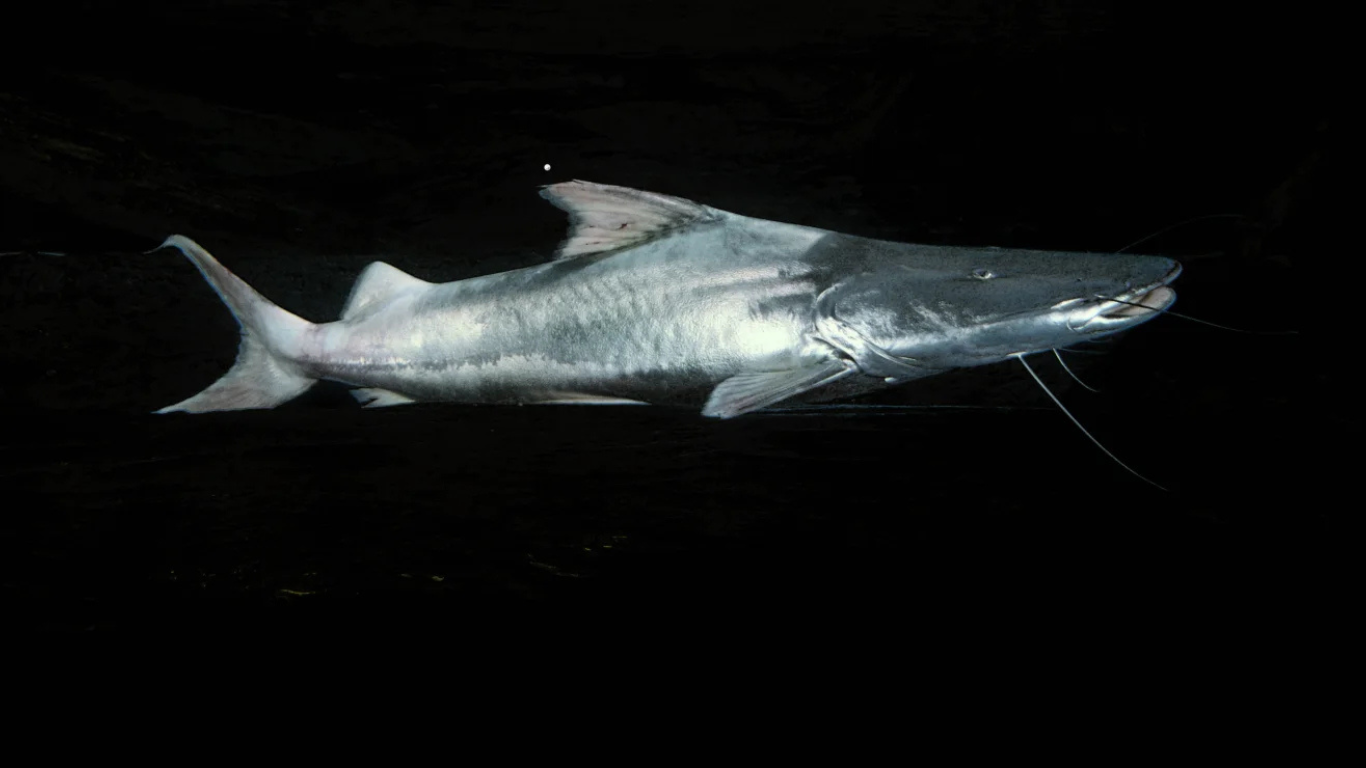
Article written by Rebecca Cairns Originally published by CNN Science, 9 April 2026 The dorado catfish, also called the gilded catfish, has the longest freshwater migration in the world: a 7,400-mile round trip from the Amazon estuary to its headwaters in the Andes. It was one of several migratory species highlighted at the Convention for the Conservation of Migratory Species in Brazil last week. Look through the gallery to see some of the longest migrations in the animal world. When the annual rains return to the Amazon, the murky river swells and quickens. For the dorado catfish, that rising tide is a millennia-old cue: it’s time for a continent-spanning homeward voyage. Its 7,000-mile round trip is the longest freshwater migration on Earth — and one of the most endangered. Scientists only uncovered the full extent of its odyssey in recent years. The dorado, part of the “Goliath” catfish family and also known as the gilded catfish, spawns in the Amazon River’s headwaters in the Andes. The larvae drift thousands of miles downstream to the estuary, where the river meets the Atlantic Ocean. The nutrient-rich, brackish water is the perfect nursery for the juvenile dorado to feed and grow — up to six feet long and 200 pounds — before it makes the 1-2 year journey back to the foothills of the Andes to lay its own eggs, and begin the cycle again. But the same route the dorado has followed for millennia is now being choked by hydropower dams and river fragmentation, blocking the fish from reaching its breeding sites and triggering steep population declines. The dorado, or gilded catfish, is named for its silver-gold scaleless skin. Credit: Michael Goulding/WCS A new international action plan, proposed by Brazil at the UN-backed Convention for the Conservation of Migratory Species (CMS) and signed yesterday aims to reverse that trend, uniting six countries in an effort to keep the river connected and give the dorado — and six other species of migratory Goliath catfish — a chance to complete their journey home. “(The dorado) is incredibly important to people living all along the Amazon River,” says Dr. Zeb Hogan, a biology professor at the University of Nevada and councilor for freshwater fish for CMS. “We need to get everyone together, to try to work together to figure out how to protect these incredible animals.” What happens in one section of the river ripples across the whole system: in 2019, studies found that dorado numbers in Bolivia, one of the locations where the catfish spawns, dropped by 80% in 15 years after two dams were built downstream in Brazil. They risk disappearing from this upstream section of river entirely, but it also has a knock-on effect downstream: the dorado is an apex predator, keeping smaller species populations in check and the entire river ecosystem in balance. An aerial view of the Amazon rainforest by the Tocantins River in Cameta, Brazil, near the Amazon River’s estuary. Credit: Mauro Pimentel/AFP/Getty Images More careful planning for future hydropower projects, including assessments of their impact on migratory fish from the outset, could help reduce harm and improve site selection, says Hogan. For existing dams, interventions like fish ladders — a structure or tunnel that allows migrating fish to get around or through the dam — or the removal of old or disused dams can help unblock migration routes, Hogan says: “Scientists have been surprised how fast these migratory fish can come back when they’re given a chance to move through the system.” A ‘milestone’ moment Migratory fish like the dorado are also essential to local food security, economies and cultural heritage. Species such as dourada, piramutaba, and other catfish are highly valued both for their size and for their food quality,” Dino Delgado, engagement and policy lead for Wildlife Conservation Society (WCS) and Amazon Waters, told CNN in a message. Around 47 million people live in the Amazon region, and its fisheries are heavily reliant on migratory species, which account for 93% of catch and generate $436 million annually, according to CMS. Around 400 Indigenous groups live in the Amazon, with many relying on fishing for sustenance — like this Kanamari man, pictured, holding a large catfish he caught in the Amazon River in Brazil, in 2002. Credit: Scott Wallace/Hulton Archive/Getty Images In addition to hydropower dams, fish in the Amazon face added pressures from mercury contamination from mining, and overfishing. In an open letter to the delegation at CMS, fishers from the Madeira basin — one of the most interrupted sections of river in the Amazon due to two large dams in Porto Velho — emphasized the need for “coordinated and urgent action” from governments, adding: “International efforts will only succeed if they go hand in hand with artisanal fishers, Indigenous peoples, and the communities that inhabit the Amazon.” Delgado, who has worked closely on the action plan’s development, says with the plan approved, important work will begin — from collating local scientific and Indigenous knowledge about critical habitats, to regional efforts to standardize data collection. The slobbering catfish is another of the migratory species covered in the action plan. Credit: Michael Goulding/WCS The laulao catfish, listed by CMS in 2024, has a migration of over 6,000 kilometers. Credit: Zeb Hogan The collaboration between the six Amazonian nations is a “milestone” for biodiversity conservation that will strengthen scientific knowledge and harmonize policies and regulations across the region, Guillermo Estupiñán, wetlands and aquatic resources specialist at WCS Brazil, told CNN in an email. The dorado — along with the laulau “Goliath” catfish, which can grow up to 12 feet long and weigh 400 pounds — was added to the CMS protection list in 2024 — a move which laid the foundation for the now-approved action plan, says Amy Fraenkel, the executive secretary for CMS. “For other species, there are these kinds of cooperative agreements under CMS,” says Fraenkel, pointing to the Central Asian mammal initiative as a successful model. “But we haven’t [previously] done that for freshwater fish, so that’s why this example is so powerful.” Swimming upstream The dorado’s struggle reflects a global crisis. A CMS
‘One of the most successful wildlife comeback stories’: The Alps lost its vultures – then it got them back
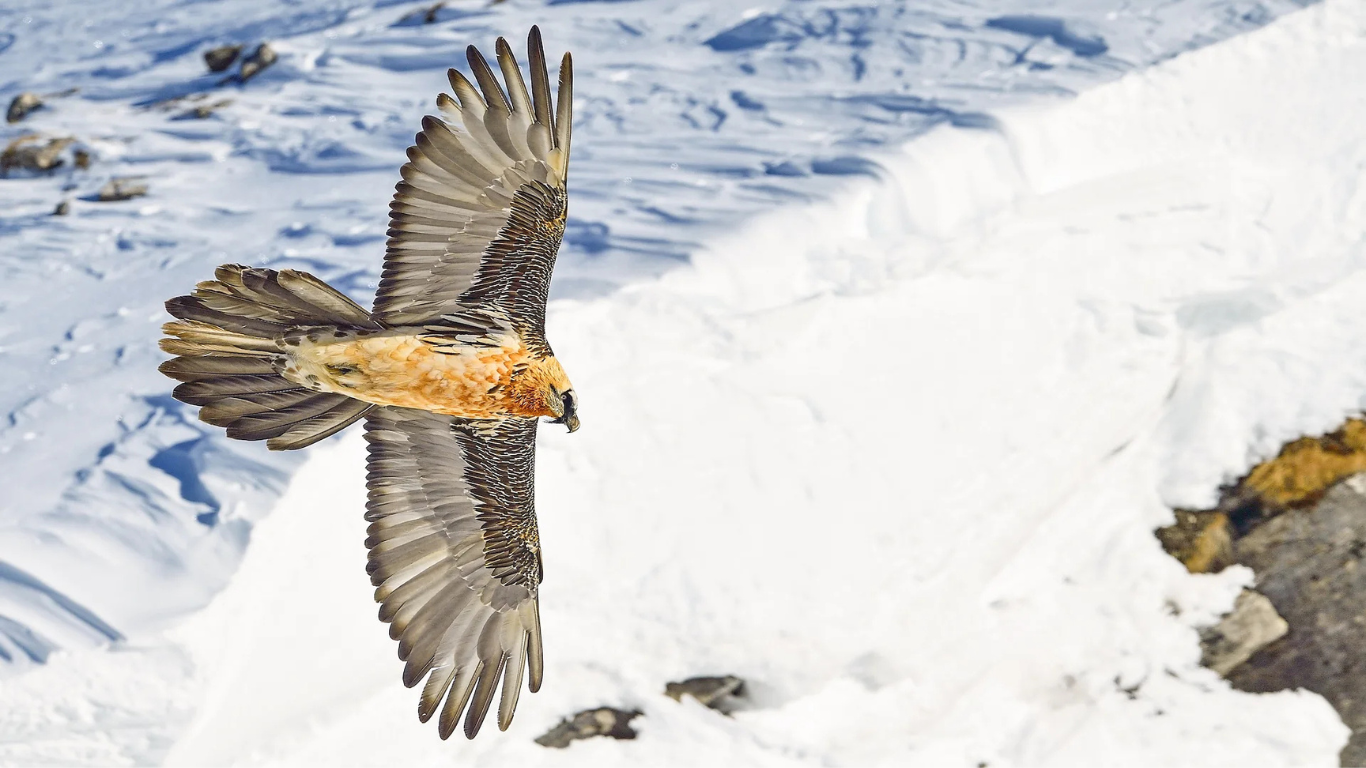
Article written by Sophie Hardach Originally published by BBC.com, 08 March 2026 Decades after its release into the wild, a super-ageing, bone-crunching vulture called Balthazar reveals a major conservation success. In the autumn of 2025, wildlife experts in the French Alps made a surprising discovery: a frail, weakened bearded vulture found lying on the ground turned out to be Balthazar, a bird released under a conservation programme in 1988, who had vanished from observations. Having been presumed dead, at over 37 years old, he is in fact the oldest bearded vulture ever to have been recorded in the wild. Over his long life, Balthazar witnessed the return of his own species to Alpine skies and cliffs, as bearded vultures have soared back from local extinction. Bearded vultures are majestic, cliff-nesting birds with wing spans of 2.5m (8.2ft) or more, about the size of a flying door. Their diet is one of their many intriguing features: they are thought to be the only animal that is ossivorous, meaning, they feed mainly on bones. The Spanish name for bearded vulture, quebrantahuesos (bone-breaker), in fact hints at the complex acrobatics this diet involves. The birds scavenge bones from carcasses, then drop them onto rocks from a great height to smash them into smaller pieces. They often have favourite bone-breaking sites, known as ossuaries, close to their nests. These bone-smashing birds used to roam the mountains of southern Europe but were hunted into extinction in the Alps and were last seen there in the early 1900s, surviving only as tiny wild populations in some other areas of Europe. Beginning in 1986, however, and over a number of decades, conservationists released a total of over 260 bearded vultures bred in captivity into the Alpine regions of Austria, Italy, Switzerland, France and Germany. Bearded vultures raise their chicks high up in the Alps’ snowy cliffs. Credit: weyrichfoto/ VCF Balthazar was among those early releases in the 1980s, and fathered the first chick raised in the wild in the Alps, after the species had been absent for decades. Today, bearded vultures are successfully breeding and raising chicks in the wild again. In 2025, the wild population of bearded vultures in the Alps passed 100 breeding pairs for the first time, to a total of 118. The population is self-sustaining (you can follow some of their awe-inspiring tracked journeys across wild valleys, ridges and rivers on these maps). “It’s a very successful story, a very beautiful story,” says José Tavares, the director of the Vulture Conservation Foundation, one of the main organisations behind the reintroduction programme. “It’s a huge success, demonstrating that when there is will and a little bit of funding and a little bit of political support, we can actually reverse the loss of biodiversity and achieve fantastic results,” Tavares says. Humans and bearded vultures have an extraordinarily long shared history in Europe. A study of ancient vulture nests in cliff caves in southern Spain, which had been re-used by the birds for generations, found an astonishing range of historical artefacts in them, including a 13th-Century sandal. But that co-existence has also been marked by persecution. “In the late 19th, early 20th Centuries, there was rampant persecution of bearded vultures in the Alps,” says Tavares. He points out that an old German name for the vultures is Lämmergeier, “lamb-vulture”, as they were mistakenly believed to hunt lambs (they are now known as Bartgeier, “bearded vulture”, in German). In reality, vultures actually play a crucial role in keeping ecosystems healthy, by devouring dead animals and preventing the spread of disease. Anti-vulture cultural beliefs even gave rise to the plot of a famous 19th-Century Swiss novel, Geier-Wally (“Vulture-Wally”), about a girl who is told to climb into a vulture’s nest and kill the chick in it but instead, saves and raises it. Conservationists released Balthazar, a vulture, in the Alps in the 1980s. Decades later, he is still alive. Credit: ASTERS “[The 19th Century] was a very dark time for wildlife in general and large carnivores and raptors in particular. There were bounties for hunters bringing back [the carcass] of a bearded vulture,” explains Julien Terraube, a senior researcher at the French Biodiversity Agency, who has co-authored a 2025 assessment of the bearded vulture reintroduction programme in the Alps. The study finds that both the number of birds and their breeding success – meaning, their ability to raise chicks in the wild, as measured by what proportion of nests with eggs lead to a fledgling – have increased over time throughout the Alpine region, showing that the reintroduction programme has been successful. In addition to the reintroduction programme, a number of factors have helped the bearded vultures come back to the Alps, even as their status across Europe remains threatened. Perhaps most importantly, bearded vultures are now a protected species in Europe and hunting them is banned (though there have been some illegal killings). As other species such as ibex and chamois have rebounded, thanks to wider conservation measures, there is more food for the vultures to scavenge. Protected areas in the Alps, which can be less disturbed by humans and more abundant in wildlife than other areas, have also helped the vultures’ breeding success. There are also individual factors. Vultures can live very long lives – 37 years and counting, in Balthazar’s case. Over that lifespan, they gain experience, which is especially important when it comes to parenting. Bearded vultures start breeding when they are about eight years old and continue to reproduce into their 20s or even 30s, giving them plenty of time to learn and improve. As a result, when it comes to raising their chicks to adulthood, “older birds are better than younger ones because they have acquired more experience,” says Terraube, based on his team’s analysis. “The longer the breeding pair has been together, the better they were as parents, and the higher their breeding success,” he explains. Bearded vultures were once reviled, but they are an important part of the Alpine ecosystem. Credit: weyrichfoto / VCF That’s because raising chicks in the high mountains, at 2,000m (6,562ft) above sea level, requires many skills, he says: where to build a sheltered, safe nest in high cliffs, in a space that’s protected from rain and snow; where to find food for the growing chick; and how to defend it against predators such as ravens. Given that
Climate crisis linked to fall in southern right whale birth rates as researchers raise ‘warning signal’
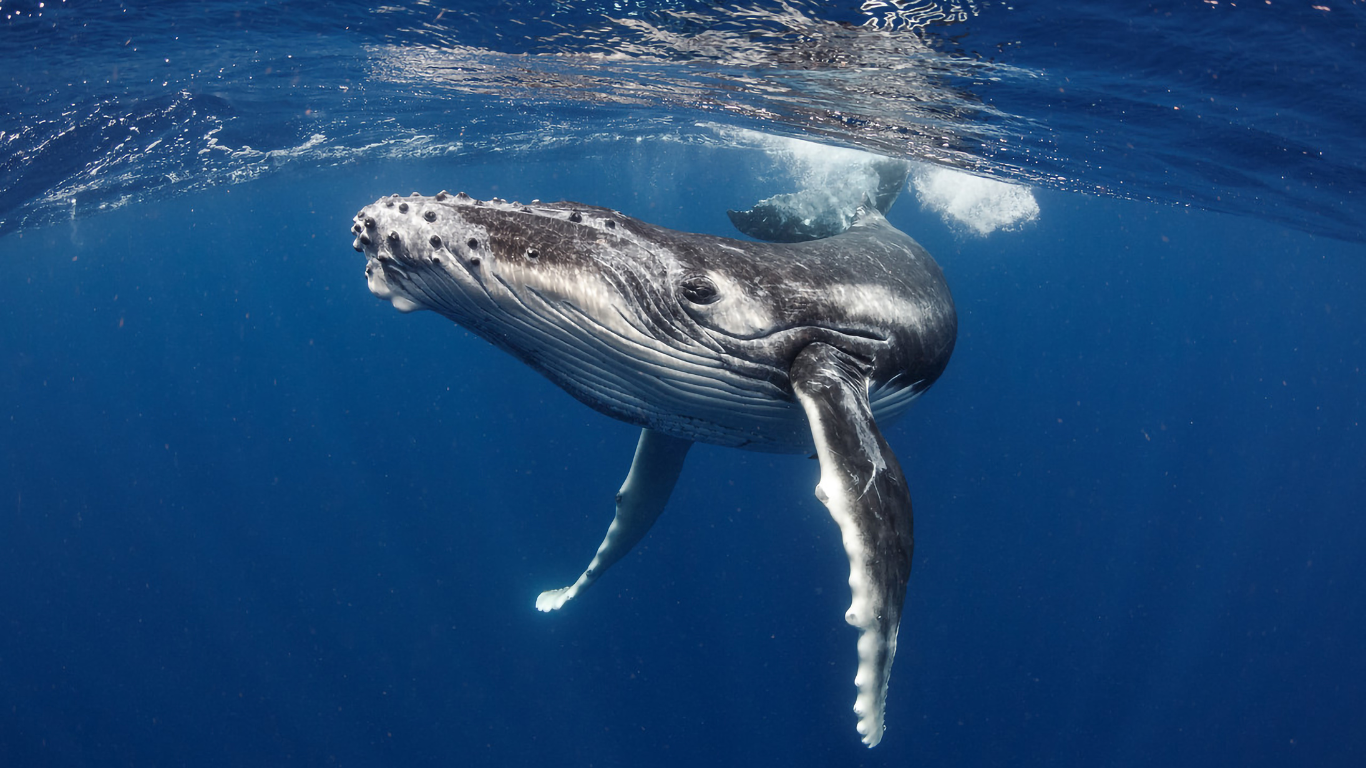
Article written by Petra Stock Originally published by The Guardian, 11 February 2026 Lead author of Australian study says breeding slowdown is linked to climate-driven changes in ‘magnificent’ whale’s foraging grounds After decades of recovery, southern right whales are showing signs of a climate-driven decline in breeding rates, which scientists say is a “warning signal” about changes in the Southern Ocean. After being hunted to near extinction by commercial whaling in the 19th and 20th centuries, southern right whales remained endangered in Australia. But long-term monitoring has revealed a worrying slowdown in breeding rates since 2017. Instead of giving birth to a calf every three years, southern right whales have shifted to four-year or five-year cycles, says Dr Claire Charlton, a marine biologist and the director of Current Environmental. For more than three decades, scientists have used photo identification data collected at the Great Australian Bight to study the species, identifying individuals by unique patterns of a type of callus, called callosities, and tracking their migrations and breeding behaviour over time. Charlton, who leads the right whale program in the Great Australian Bight, says southern right whales are “magnificent animals” – “just the sheer size of them, and the fact that they live for 150 years”. “They feed in Antarctic and sub-Antarctic waters during our summer time and then migrate up to our coasts during winter,” she said. “The whales come every year to breed, mate, rest and socialise.” The research, published in Scientific Reports, has linked the shift in breeding cycles to climate-driven changes in their foraging grounds in the Antarctic and sub-Antarctic. “We know that the ocean is warming, the sea ice is melting, that causes other environmental changes,” said Charlton, the study’s lead author. The paper analysed calving intervals over 35 years, revealing a correlation between breeding rates and sea ice extent, the prevalence of marine heatwaves, the availability of prey and other climate-driven changes. The researchers said similar trends had been observed in southern right whale populations across South America and South Africa, with other krill-dependent predators also facing pressure from marine heatwaves and declining sea ice. This was a “warning signal” about how climate change was affecting marine life, Charlton said, which highlighted the urgent need for coordinated conservation efforts. Whale scientist Vanessa Pirotta, who was not involved with the study, said long-term data was essential for understanding these long-lived animals and how they might adapt to a changing environment. “We need to continue to learn more about [southern right whales] given that we were responsible for so much of their loss and where their populations are right now,” Pirotta said. Commercial whaling ceased in Australia in 1979 and was banned by the International Whaling Commission in the late 1980s. Driven to fewer than 300 animals, populations in Australia now range between 2,346 and 3,940 individuals, or about 16% to 26% of pre-whaling levels. Southern rights were like “tractors of the ocean”, said Dr Peter Corkeron, a marine ecologist and adjunct senior research fellow at Griffith University, who was not involved in the study. To feed, the whales would seek out dense patches of zooplankton and “go back and forth like they’re mowing the lawn”. The change in calving intervals was a sign that conditions in the Antarctic and sub-Antarctic were not as good as they once were, he said. “As mammals, the choice to have a baby is demanding,” he said. “If a female wants to maximise her lifetime reproductive output, she has to balance having babies and living a long time. When conditions are getting worse, you pull back on having as many babies. “Anthropogenic climate disruption affects everything … It’s just another message, if people choose to pay attention to it, that we’ve got to do something about this.”
This innovation will save animals from drought
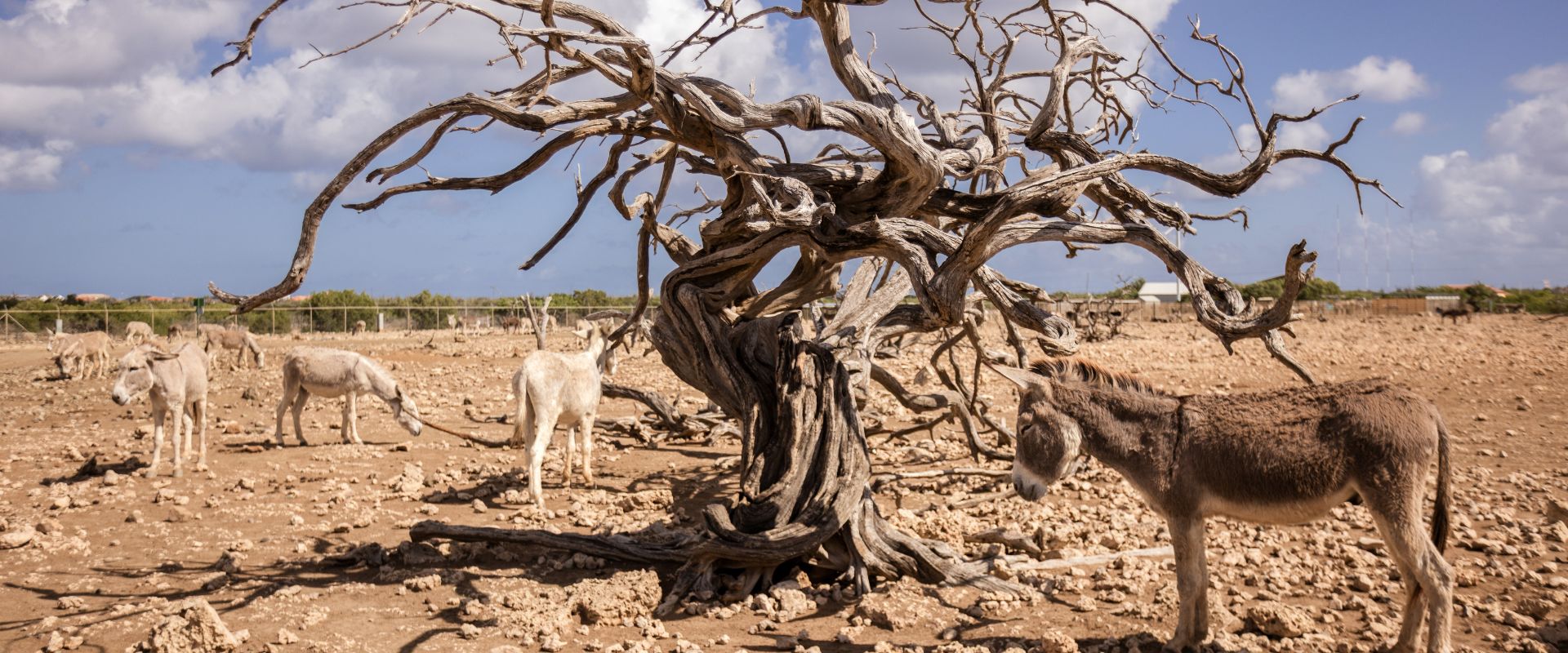
It may have only just begun, but so far, 2026 has not brought new hope for the beleaguered animals of Zimbabwe. In 2024 and 2025, the Southern African country suffered its worst drought in 40 years, driven originally by a climate pattern that disrupts normal weather patterns called El Niño. As water dried up and animals suffered and died, we – together with our partners and supporters like you, Friend – raced to provide relief. Together, we helped save so many lives. Even though the country has received some rain, experts predict El Niño is heading back and deadly drought looms again. This time, we MUST be prepared. We CANNOT allow more animal deaths. The devastating effects of drought in Zimbabwe. Credit: iStock With your help, we will keep animals fed and watered when the next drought hits. Water supply in Zimbabwe is unpredictable, even when the country does have rainfall. We must protect the animals before the next drought strikes. Last year, with the support of animal lovers like you, we funded a solar-powered borehole to pump water into a 92,460-gallon (350,000 liter) dam for the animals at our partner sanctuary, Matabeleland Animal Rescue and Equine Sanctuary (MARES). It was a lifesaver. So many animals have been saved because of it. To fully drought-proof the project, we need to install a solar-powered irrigation system to irrigate the sanctuary’s newly-seeded land – land that will then flourish and grow food for animals, even when deadly drought hits. (Left) Before the first solar pump was installed at MARES. (Right) With regular watering, parts of the grounds have returned to a lush green, providing food for hundreds of donkeys. Credit: MARES Mother donkeys need water and food to produce milk for their foals. Credit: ASI/Halden Krog We need to do this before El Niño returns because if we don’t, there will not be enough food to keep the animals alive. This food will help elderly, disabled and blind donkeys rescued from horrendous cruelty in Zimbabwe. Please help us raise $5,000 (£3,720) to keep animals watered, fed and alive when the next deadly drought hits Zimbabwe. Like elephants in Asia, donkeys in Africa are bitterly overworked, forced to bear heavy loads, and systematically beaten into submission. They live terrible lives of hardship, pain and torture, and it is only once they are saved by our partner that they ever know human kindness. Severe drought in Zimbabwe is pushing elephants to the brink, drying up water sources, reducing food, and forcing herds to travel farther to ensure herd survival. Credit: Tessa Arkwright After so much suffering, we cannot let them starve to death or die of dehydration as temperatures soar and waterholes dry up. Today – right now — you have the power to help save their lives. Will you help them?
The mutant wolves of Chernobyl have evolved to survive cancer
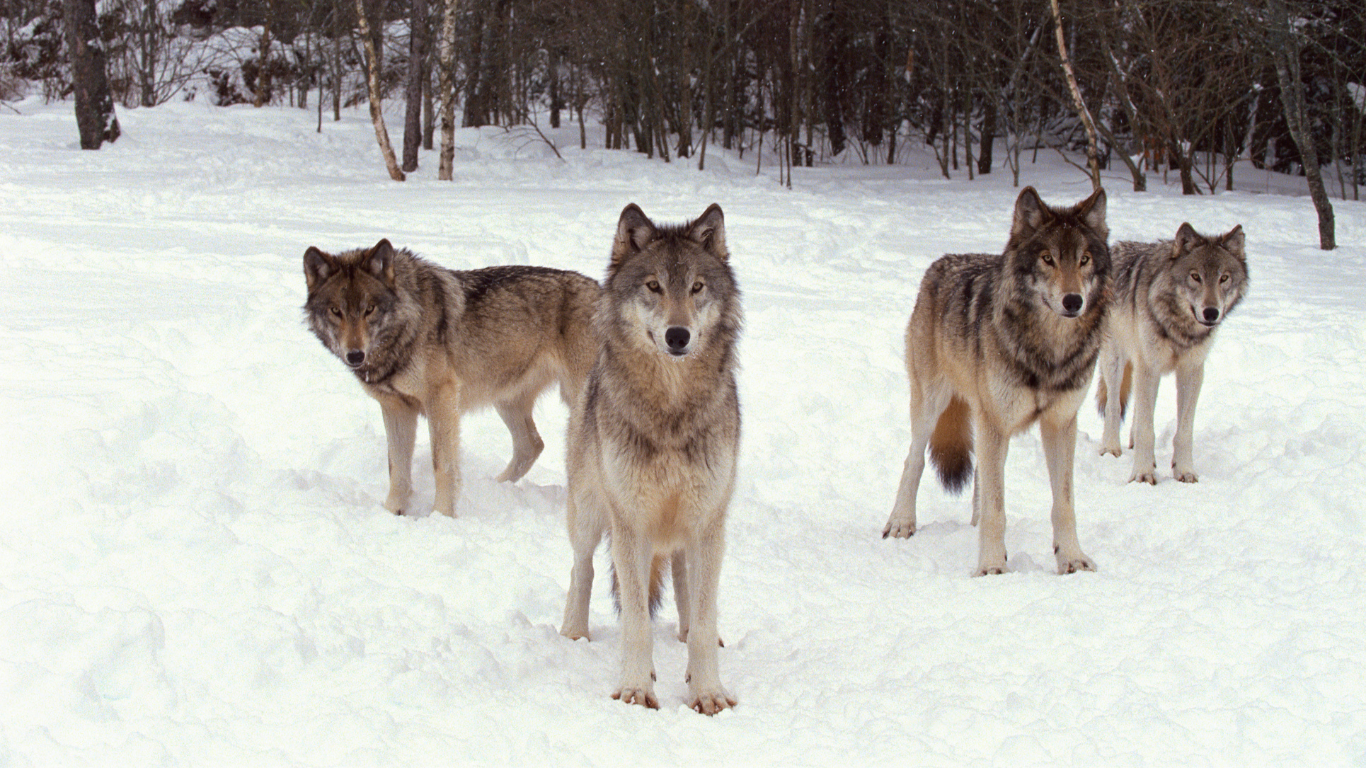
Article written by World Animal Protection Originally published by Popular Mechanics, 23 January 2026 In the shadow of nuclear disaster, these canines show remarkable resilience to the deadly disease. On April 26, 1986, disaster struck the small Ukrainian-Belarusian border town of Chernobyl, (then part of the Soviet Union) when a series of steam explosions led to a nuclear meltdown. The apocalyptic event impacted hundreds of thousands of people and greatly impacted the surrounding environment. But 40 years later, something strange is happening. The Chernobyl Exclusion Zone (CEZ), a roughly 1,000 square mile perimeter around the nuclear plant, is slowly becoming one of the world’s biggest science experiments for exploring the long-term effects of ionizing radiation. While humans might’ve abandoned the area, other animals stuck around. In 2016, a study found that the Eastern tree frogs (Hyla orientalis) in the CEZ exhibit different characteristics than their neighboring cousins, and in 2023, another study discovered distinct genetic differences between Chernobyl dogs and dogs living only 10 miles away in Chernobyl City. Now, Princeton University biologists Cara Love and Shane Campbell-Stanton are exploring another strange mammalian characteristic of the CEZ—its unexpectedly thriving wolf population. The results of the decade-long study were presented at the Annual Meeting of Society of Integrative and Comparative Biology in 2024. Analyzing wolves in the CEZ is particularly interesting because they’re apex predators, a.k.a. the top of the food chain. This is usually a privileged position in an ecosystem, but when that ecosystem is inundated with radiation, these animals are forced to eat irradiated prey that ate irradiated plants that grew out of irradiated soil. Basically, it’s radiation all the way down. This would seem to suggest that wolves would be particularly impacted in the CEZ, but Love says that isn’t happening. In fact, she told NPR that wolf populations in the CEZ are actually seven times more dense than in protected wildlife areas in neighboring Belarus. “Gray wolves offer a really interesting opportunity to understand the impacts of chronic, low-dose, multigenerational exposure to ionizing radiation,” Campbell-Stanton said in an NPR interview. “As an evolutionary biologist, the very first question in my mind was whether or not this radiation was enough of a stressor to actually be a selective pressure.” In 2014, the Princeton team attached collars to these CEZ wolves with both GPS and radiation dosimeters, in an effort to understand the population’s response to Chernobyl’s cancer-causing radiation. They discovered over time that the wolves were consistently exposed to radiation six times higher than the legal limit for humans. Love and Campbell-Stanton’s theory is that wolves are experiencing a kind of rapid natural selection, one likely caused by the equally rapid change in their surrounding environment. Some wolves within the CEZ contained genes that made them more resistant to cancer than other wolves. While still getting cancer at the same rate, these resilient canines simply weren’t as impacted, allowing them to pass on those genes to a future generation. “So in general, we found that the fastest-evolving regions within Chernobyl are in and around genes that we know have some role in cancer immune response or the anti-tumor immune response in mammals,” Campbell-Stanton told NPR. While the data shows a clear genetic cause behind the CEZ wolves’ cancer-resistance, Campbell-Stanton is quick to point out that these wolves are also free from other biological pressures—most notably, humans. The team is currently working with cancer specialists to see how these results could impact human health. For decades, Chernobyl has been characterized as an immense ecological disaster (which it definitely was), but in the past decade, the CEZ has also looked more and more like an unprecedented scientific opportunity.
Flying foxes die in their thousands in worst mass-mortality event since Australia’s black summer
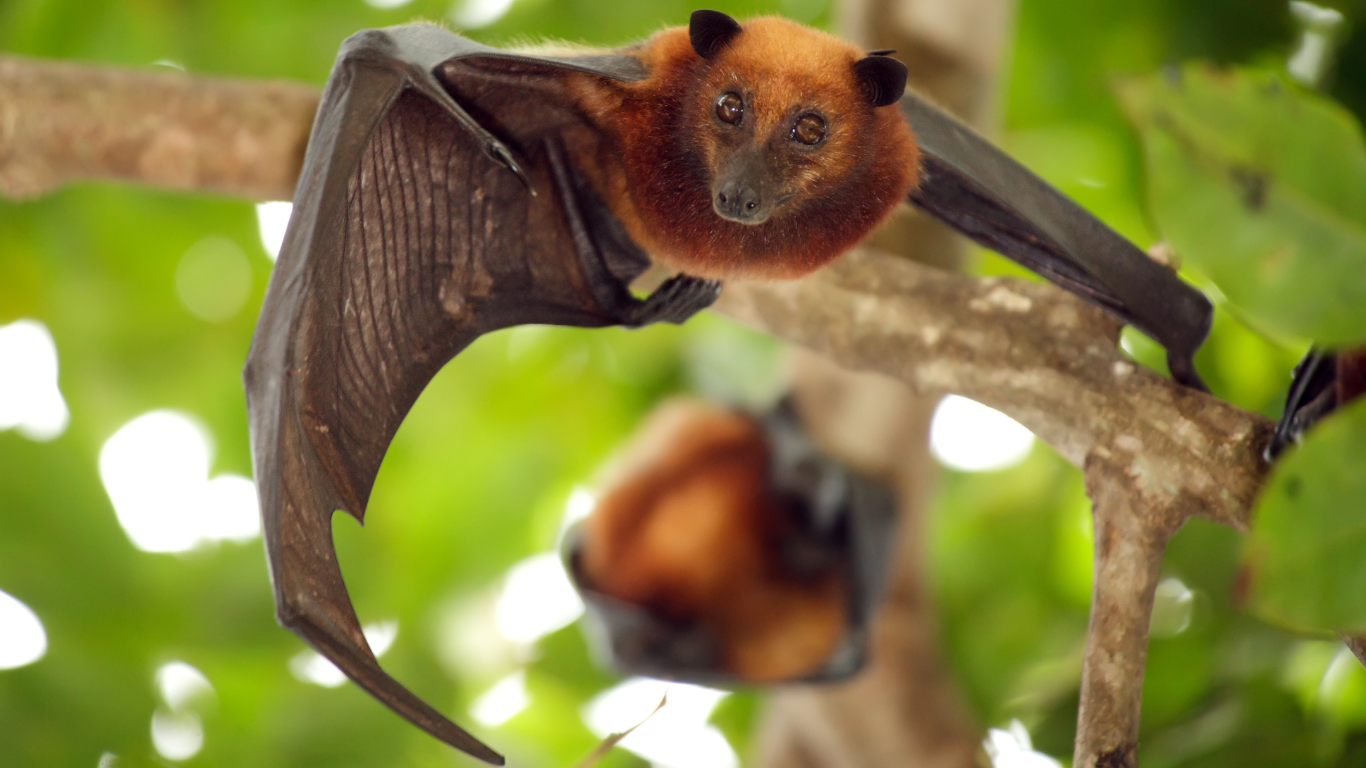
Article written by Petra Stock Originally published by The Guardian, 12 January 2026 Volunteers found thousands of dead bats at Melbourne’s Brimbank park, wildlife expert says Thousands of flying foxes have perished in the heatwave that scorched southeast Australia last week, the largest mass mortality event for flying foxes since Black Summer. Extreme temperatures resulted in deaths in camps across South Australia, Victoria, and New South Wales. Grey-headed flying foxes, listed as vulnerable under federal environmental laws, were the most affected. The director of the Fly by Night bat clinic in Melbourne, Tamsyn Hogarth, said volunteers witnessed thousands of dead bats at Brimbank Park and hundreds more at camps in Yarra Bend and Tatura. Wildlife volunteers did what they could to help, she said, rescuing dozens of pups found clinging to dead mothers. “These orphans will slowly die of heat stress, starvation, or predation if they aren’t found. “We also found countless adults who couldn’t withstand the heat in areas of the colonies that were hotter – like trees with less foliage and shade coverage and the baking hot clay of the riverbank.” Despite the best efforts of dedicated volunteers, thousands died in the heat. Researchers were still tallying the dead, estimating at least 1,000 – 2,000 flying foxes died in South Australia, thousands in Victoria, and up to 1,000 in New South Wales. “Temperatures over 42 degrees are known to cause mortality in flying foxes, sometimes at biblical scales,” said Prof. Justin Welbergen, an expert in flying foxes at Western Sydney University. The loss of life in last week’s heatwave was the “most significant mass mortality event” since 2019-20, he said. More than 72,000 flying foxes died in eight separate extreme heat events during Black Summer. One deadly heatwave in 2018 wiped out 23,000 endangered spectacled flying foxes in Queensland, a third of their population at the time. Last week, Australia’s worst heatwave in years saw temperatures in Adelaide reach 43°C on consecutive days and surpass 42°C on the hottest day in Melbourne and Sydney, with suburbs and regional areas recording maximums in the mid-to-high 40s. The heat had a “double-whammy” effect, Welbergen said, placing animals under direct stress and impeding their ability to find food by making it harder to fly and reducing the availability of nectar from eucalyptus flowers. Mothers and pups were most affected, making it harder for populations to bounce back. Dr. Wayne Boardman, a wildlife veterinarian and flying fox researcher at the University of Adelaide, said flying foxes initially showed signs of distress. “They fan their wings, they start to move down the trees, they pant a bit, and some try to fly to dip in the river.” But above 42°C, dehydration and heat stroke made it “physiologically very difficult for animals to survive.” Members of the public were advised never to try to rescue any sick, injured, or orphaned bats themselves, but instead to contact their nearest wildlife organization. The chief executive of Wildlife Victoria, Lisa Palma, said the organization increased its emergency response capacity to deal with a spike in cases, deploying its travelling veterinary service to a nationally critical flying fox colony. “Heat events like this can be catastrophic for native wildlife. Unlike us, our native animals can’t escape the heat and are highly vulnerable to dehydration, disorientation, burns, and even blindness.” Welbergen said flying foxes weren’t the only wildlife affected by extreme heat, but their deaths were often more visible with the animals roosting in trees in large numbers, often in urban centers. Flying foxes were like “canaries in the coal mine,” he said, providing an indication of what was happening to other animals as global heating increased the frequency and intensity of hot days and heatwaves. The work of rescuing and caring for wildlife affected by extreme weather weighed heavily on volunteers and an under-resourced veterinary sector, with no national wildlife rescue strategy. “We’ve been hit with a terrible season for orphaned pups. We were already at breaking point and dreading what the hot weather would bring—now our worst fears have been realized.” Hogarth said.
From ‘psychedelic’ spiders to European eels: 10 species heading into 2026 on the brink of extinction
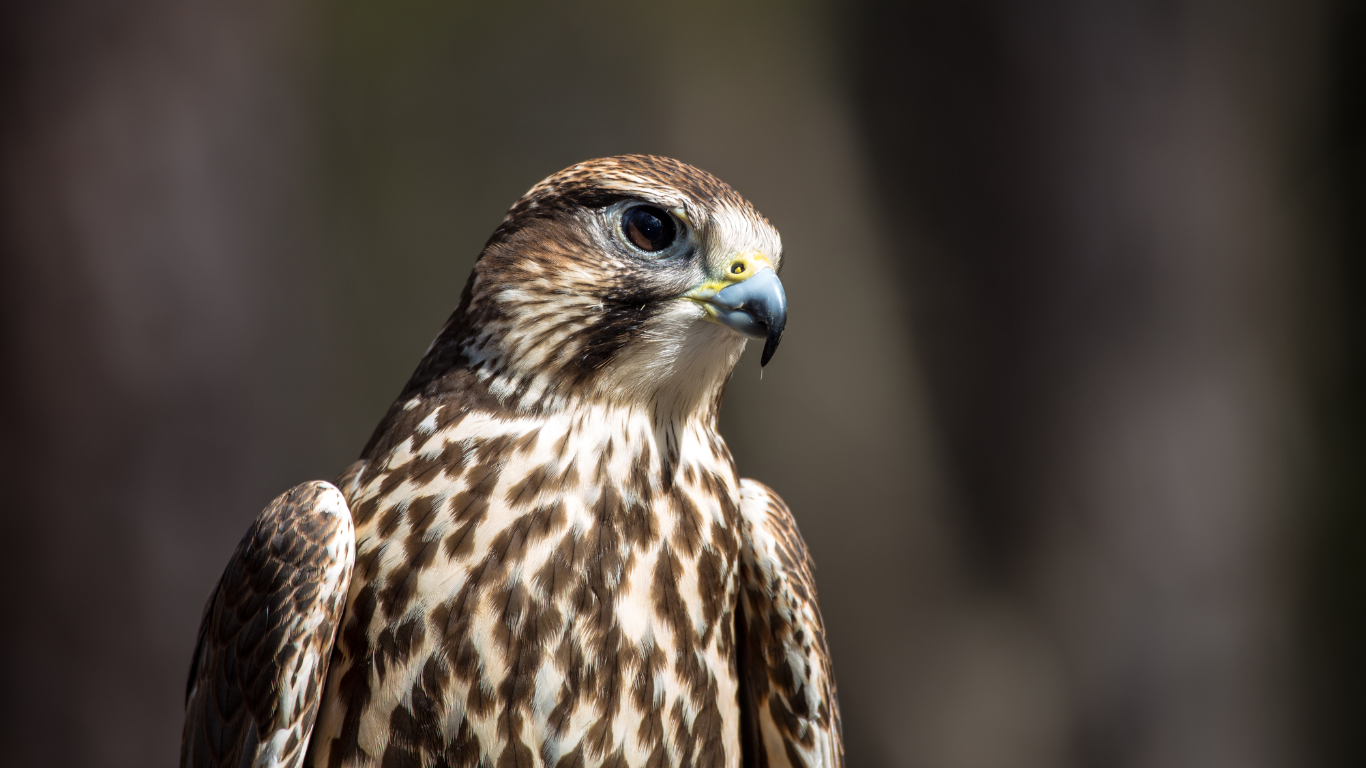
Article written by Liam Gilliver Originally published by EuroNews, 02 January 2026 Habitat loss, deforestation, the illegal wildlife trade, and climate change are pushing these extraordinary species towards extinction. Conservationists warn the world can “no longer afford” to delay climate action to protect and restore our planet’s natural wonders. Today (7 January), international nature charity Fauna & Flora has launched its 2026 Species to Watch list, highlighting some of the “weird and wonderful” creatures at risk of disappearing in the not-so-distant future. Kirsitian Teleki, Fauna & Flora’s CEO, says the list offers an insight into the “key challenges” facing some of the world’s most vulnerable species, including habitat loss, deforestation, the illegal wildlife trade, and the climate crisis. “It also shines a spotlight on the weird and wonderful plants and animals we are working to protect, and on the inspiring people and partners Fauna & Flora works with across the globe to deliver effective conservation action,” Teleki adds. “In challenging times, it stands as a beacon of hope.” As we edge closer to 2030, a “guiding star” for many nature and climate goals, here are 10 species heading into the new year on the brink of extinction. European eel Once common throughout the continent, the European eel is on a slippery slope towards extinction. Over the past 25 years, its UK population alone has plummeted by a staggering 95 percent. Experts point the blame at overfishing, driven by the once-popular jellied eel dish, as well as pollution, habitat fragmentation, and illegal trade. They may not look cute, but experts warn these snake-like creatures play a “crucial role” in freshwater and coastal ecosystems, providing a high-energy food source for otters, bitterns, and other fish-eating creatures. “Their disappearance would have dire consequences,” warns Fauna & Flora. “Having recently detected European eel during freshwater monitoring in Georgia—where they haven’t been recorded for some time—[we] will conduct further research into this enigmatic and critically endangered fish in 2026.” Cao-vit gibbon Named after its distinct call, the Cao-vit gibbon is the world’s second-rarest primate. Scientists feared the species had become extinct until its rediscovery back in 2002. Today, around 74 remain. Fauna & Flora says the critically endangered gibbon is at “extreme risk from loss of genetic diversity, inbreeding, and unforeseen catastrophes.” A 2026 census hopes to verify whether conservation efforts laid out by the organization have helped restore habitats and increase the population. Psychedelic earth tiger (Indian rainbow tarantula) Found solely in the tropical forests of the southern Western Ghats in Kerala, India, this groovy spider is awash with color and a metallic iridescence. However, its striking appearance is fueling its demise—as demand from the illegal pet trade continues to harm the population. Habitat loss and degradation have also pushed the Indian rainbow tarantula towards extinction. The Conservation Leadership Programme (CLP), a female-led team of spider experts, is now working to safeguard the species’ future through field surveys, community engagement, and awareness initiatives. Credit: Mithun Das CLP by Fauna & Flora Blackchin guitarfish This “weird and wonderful” guitarfish looks like a mix between a shark and a ray. It’s instantly recognizable with its flattened nose, broad pectoral fins, and long-finned tail. Native to the Mediterranean Sea and the eastern Atlantic, the blackchin guitarfish has become critically endangered as a result of overfishing, habitat destruction, and slow reproductive rates. Fauna and Flora are currently working in the waters of Cabo Verde, aiming to halt its decline by strengthening networks of marine protected areas and reducing shark and ray mortality from fishing. Temminck’s pangolin This ground-dwelling animal is the only one of Africa’s four pangolin species found in relatively arid areas of East and Southern Africa, with sightings going as far north as Chad and Sudan. The Temminck pangolin forages “very slowly and deliberately,” often walking on its back legs and using its short tail as a counterweight. It’s a fascinating display of adaptation, but like all pangolins, the species is threatened by the illegal trade market for its meat and scales. Fauna & Flora is supporting the development of a crisis clinic in Mozambique to help the rehabilitation and re-release of rescued and injured pangolins. Saker falcon Lightning-fast and powerful, the saker falcon has been highly prized by falconers for millennia, particularly in the Middle East. However, its soaring popularity has seen the population plummet. Scientists predict there are fewer than 30,000 now left in the wild. This year, Fauna & Flora will assess the impact of trade on the species in Central Asia by monitoring populations and gathering data on international trade chains. This evidence will be used to develop conservation strategies, community engagement and enforcement efforts. Clouded leopard Targeted for its striking markings, the clouded leopard has been pushed towards extinction due to the illegal wildlife trade. They’re trafficked alive as exotic pets, while their pelts are sold on the black market for decoration and luxury clothing. It is thought that clouded leopards are even targeted for their teeth, claws and bones, which are passed off as tiger parts. This year, Fauna & Flora is supporting community-led patrols to protect the threatened feline in Cambodia’s Virachey National Park. Utila spiny-tailed iguana Named after a small island in Honduras and known locally as wishiwilly del suampo, the Utila spiny-tailed iguana only lives in mangrove forests. While the lizard remains critically endangered, a recent survey suggests the population has increased from around 3,000-6,000 to 7,000-14,000. Fauna & Flora is supporting its in-country partners to keep on protecting and restoring mangrove trees that the iguanas depend on. Saint Lucia fer de lance A highly venomous viper with a potentially deadly bite, these lancehead snakes can grow up to two meters in length. As its name suggests, this endangered species of pit viper is endemic to the island of Saint Lucia in the Lesser Antilles. Although widely feared, the reptile isn’t aggressive and will only bite when threatened. Still, the Saint Lucia fer-de-lance is often killed by locals on sight. Now, Fauna & Flora are trying to change perceptions of
Do hibernating animals go to the loo?

Article written by Helen Pilcher Originally published by Discover Wildlife, 18 November 2025 Lots of animals hibernate. Hedgehogs hunker down, dormice curl up in a ball, and bats take to their roosts. Hibernation occurs when animals enter a state of almost total inactivity during the winter months. They do this by slowing their heart rate, lowering their body temperature, breathing more slowly and reducing their metabolism. This helps them to conserve energy and survive for long periods of time without eating. As with so many things, however, it’s a question of degree. Some animals rouse themselves from hibernation for a quick snack and a toilet break before returning to their bed. Dormice do this, and so do bats and chipmunks. This helps the animals to keep their strength up and get rid of any waste that would otherwise soil their ‘bed.’ Bears, on the other hand, truly commit to hibernation. If you’ve never come across ‘Fat Bear Week,’ check it out. Prior to hibernation, bears eat so much they can double their body weight. During Fat Bear Week, online spectators vote for the biggest chubster. (The 2025 award went to a 500kg brown bear called Chunk, who triumphed despite having a broken jaw.) Unaware of this kerfuffle, the bears then get on with the serious business of settling in their dens and drifting off. The metabolism of the black bear slows by half, and its heart rate drops from 55 beats per minute to just nine. Bears do not enter a deep, continuous sleep but remain in a state of ‘torpor’ where their body temperature drops by a relatively small amount, and they retain the ability to wake up quickly if they need to. This hibernation-like state can last for around six months, during which time they don’t pee or poop. At all. Hibernating bears still produce urine, but they don’t expel it. Instead, any urine is absorbed back through the bladder into the body, where urea in the urine is used to build proteins. This helps the animals to maintain their muscle mass and avoid the build-up of toxic waste products. Meanwhile, undigested solids accumulate in the large intestine, where any remaining water is also absorbed back into the body. This leads to the formation of a dry, solid, chunky poo which blocks the only available exit. The ‘fecal plug’ sits in the rectum until spring. Then, when the bears finally wake up, they do indeed poop in the woods.
These elephants will not survive another deadly drought
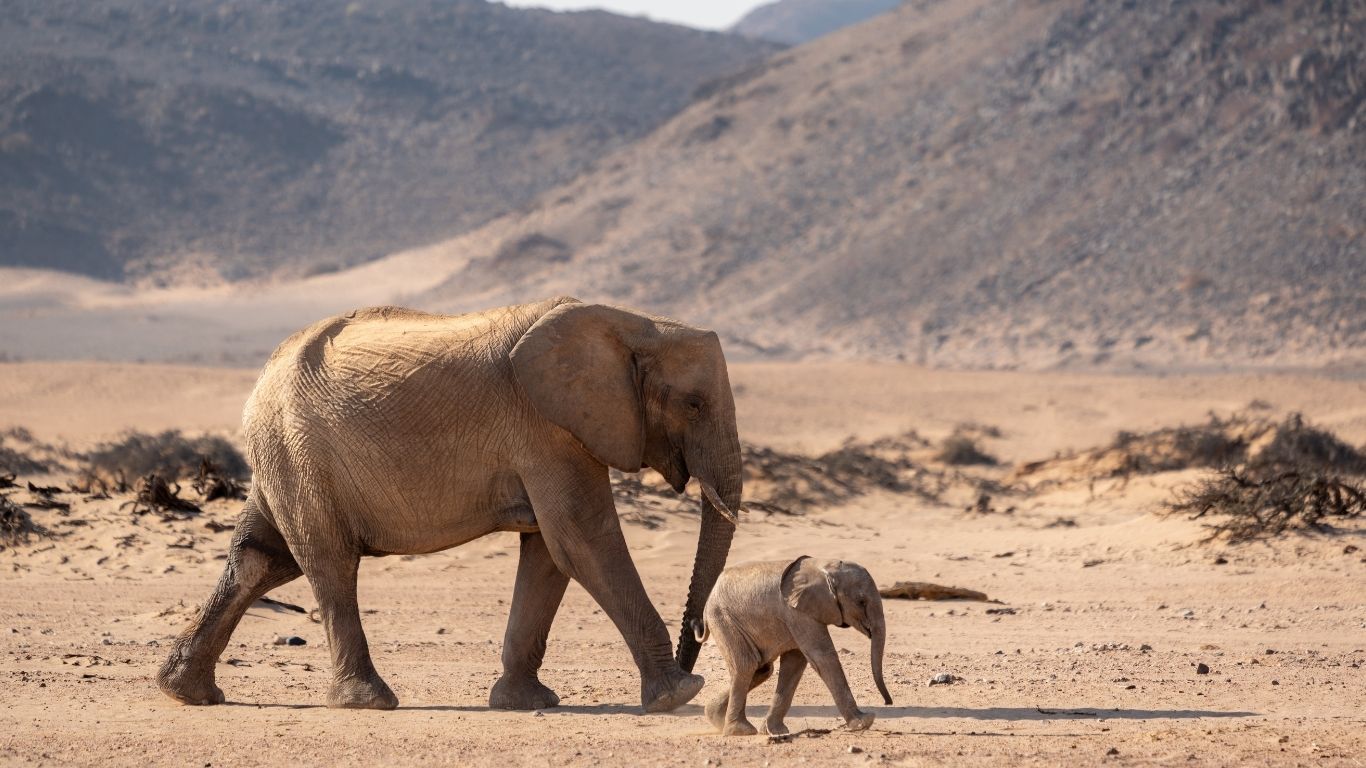
Botswana has been hit by its worst drought in decades. Last year, the rains came late, and when they finally arrived, there wasn’t enough. With temperatures soaring above 99°F (37°C), animals began collapsing and dying from the heat. We knew we had to help. Together with our supporters, we got wild animals through the worst of the crisis by installing solar-powered water pumps. But the Boteti River – the region’s lifeline for thousands of thirsty animals – is still dry. Without our help, more animals will die. Last year, together with our partner Camelthorn Farmstead, we installed solar-powered water pumps along this riverbed, giving thousands of wild animals a lifeline through the relentless drought. But as Botswana enters its hottest months, the Boteti River remains dry – and with even more elephants in the area this year, there simply isn’t enough water to go around. Please help us get them the water they desperately need as the sweltering African summer sets in. Every day, tens of thousands of thirsty animals crowd around the waterholes our supporters helped fill. Although these waterholes now offer four times more water than before we helped, by nightfall, there is still not enough for elephants to drink — the time of day they prefer to drink. The solution is simple: installing four solar-powered batteries, at a total cost of $8,000 (£6,000), to keep water flowing for elephants and other thirsty animals. By installing solar-powered batteries at our water pumps, we can ensure water flows 24/7, giving hundreds of elephants enough to drink – and ensuring no elephant, giraffe, zebra or other animal in the region needs to go thirsty. Please help us provide life-saving water for elephants and other wildlife, and to keep the water flowing for generations of animals to come.
15 elephants rescued after being orphaned – now drought threatens them
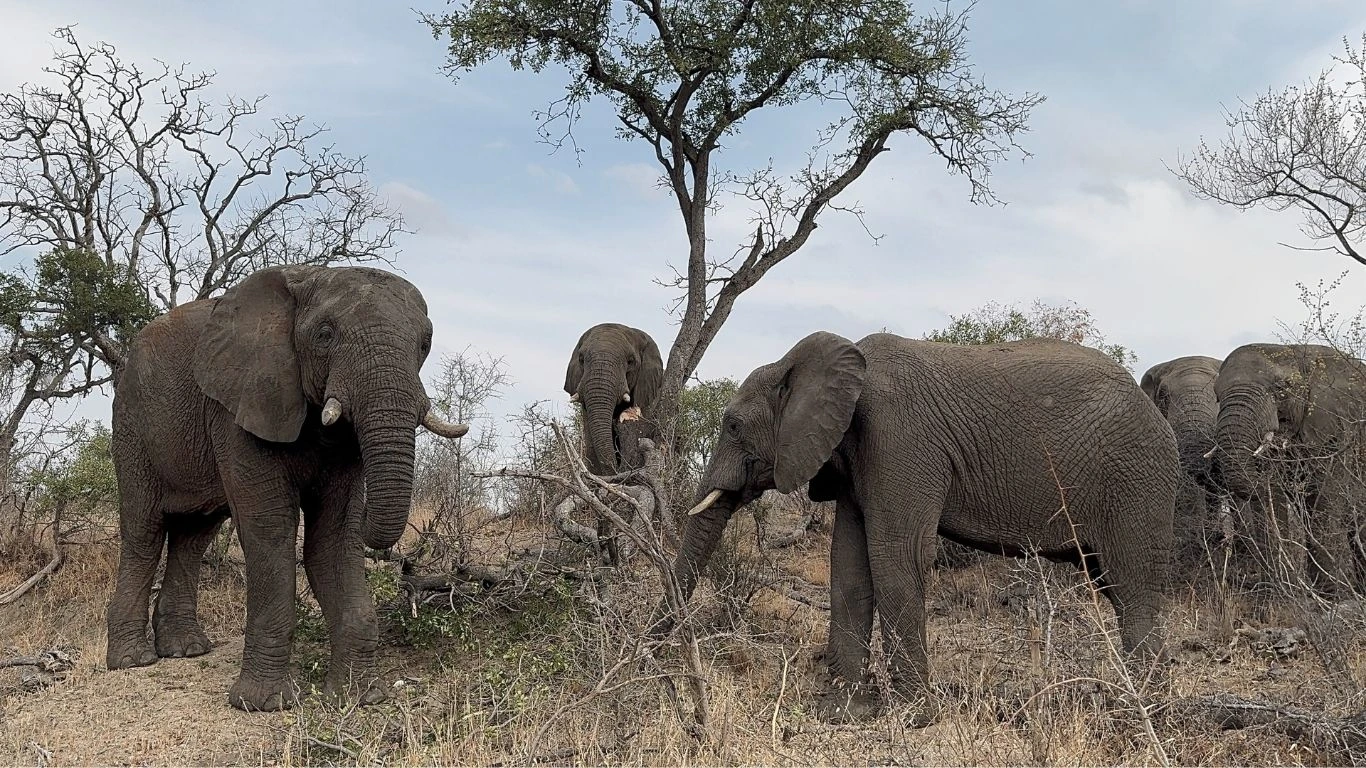
During this season of giving, 15 orphaned elephants are dearly hoping you’ll spare them a thought… The Jabulani herd is a tight-knit herd of rescued elephants who have found comfort, solace and safety in each other – and in our partner, Hoedspruit Elephant Rehabilitation and Development (HERD). Each elephant has survived the devastating trauma of losing their mother – some even witnessing their mothers’ brutal slaughter. Now, these orphans are safe from poachers – but they desperately need food. As climate change and relentless drought strip their landscape of natural vegetation, 15 orphaned elephants desperately need a reliable food source. Relentless drought conditions in Limpopo have left the land bone-dry, and a herd of rescued elephants is struggling to find enough food. Credit: HERD In South Africa’s Limpopo Province, years of erratic rainfall and prolonged dry spells have left precious wildlife struggling to survive. For the Jabulani herd, the situation is especially dire. These are semi-wild elephants, some orphaned by poaching or snaring in South Africa, and others saved from being culled in Zimbabwe. As rescued animals, they would not survive being released into the wild. They rely fully on the HERD sanctuary for food, but our partner is battling the effects of drought. As drought conditions worsen each year and natural vegetation diminishes, there is simply not enough food in the semi-wild environment to sustain the elephants. Today, we need your help to feed 15 orphaned elephants who are relying on your kindness. Amid worsening drought and diminishing natural vegetation, HERD’s bana grass plantation is critical in sustaining the elephants. Their current crop is finished and they must replant as soon as possible. Credit: HERD Our partner has created a three-hectare bana grass plantation – a sustainable, nutrient-rich, fast-growing and highly drought-tolerant crop. This bana grass has been the perfect buffer against the dry, harsh conditions in Limpopo – BUT it has reached the end of its lifecycle. We must replant the crops to keep the elephants fed right away. Replanting now, at the start of Limpopo’s rainy season, gives the grass the best possible chance to thrive and provide enough food for the elephants for the next five years. Together, we can replant the bana grass and help secure enough food for an orphaned elephant herd for the next half-decade. Credit: HERD It costs $75 (£58) to replant one row of Bana grass. If we can raise $6,300 (£4,800), we can fully restore the plantation and guarantee a steady food supply for the entire herd for FIVE YEARS. This is your chance to make a lasting difference for precious elephants in Africa who have lost their homes and their families. The first 25 donors to give $250 (£190) or more will earn the title of Bana Grass Guardian! You will receive a personalized digital plaque – a lasting tribute to your generosity and symbol of hope for the elephants’ future that YOU helped plant. Please email info@animalsurvival.org once you have made your donation, with the name you would like on your digital plaque. Please donate generously today to help us give 15 rescued orphaned elephants in South Africa the food and safe future they need.
Colombia bans all new oil and mining projects in its Amazon
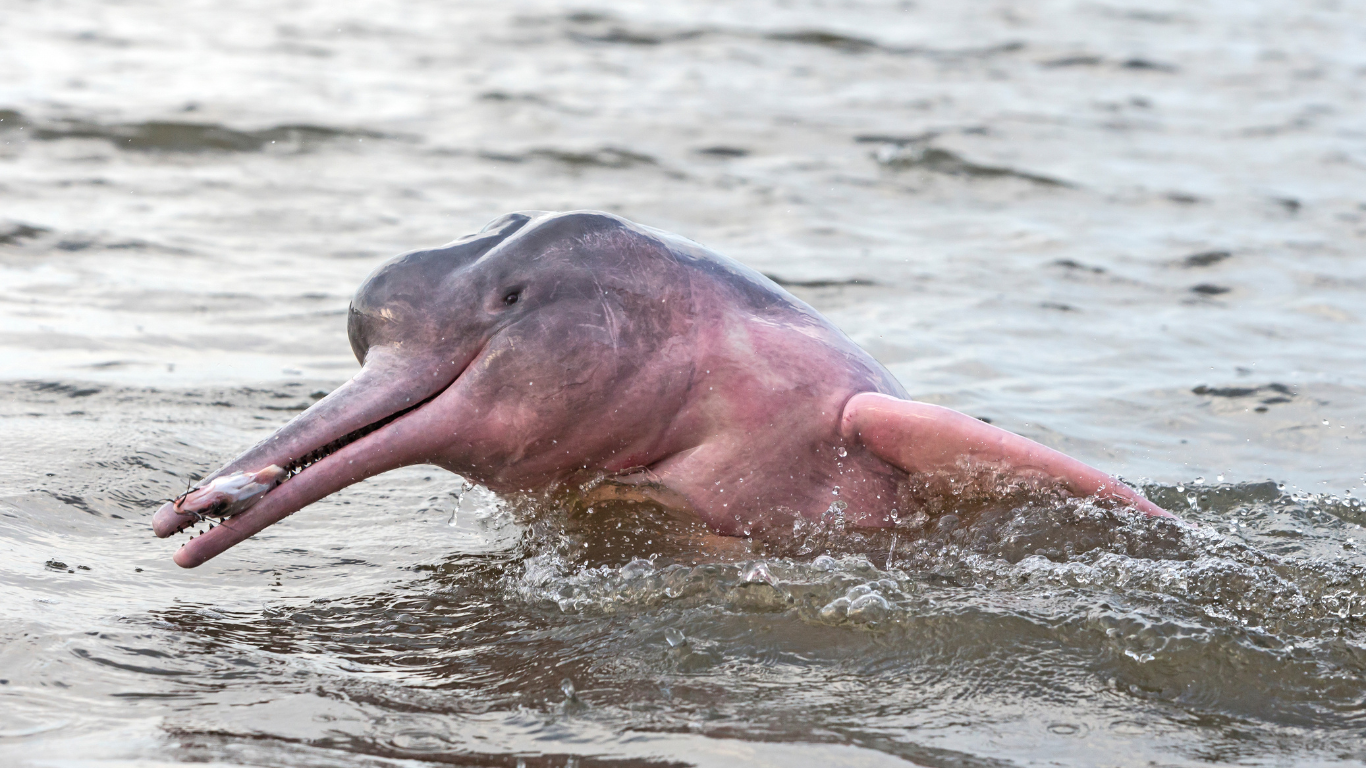
Article written by Shanna Hanbury Originally published by Mongabay, 18 November 2025 Colombia will no longer approve new oil or large-scale mining projects in its Amazon biome, which covers 42% of the nation’s territory, according to a Nov. 13 statement by its environment ministry. Acting Environment Minister Irene Vélez Torres said the entire Colombian Amazon will be made a reserve for renewable natural resources. She made the announcement at a meeting of ministers with the Amazon Cooperation Treaty Organization during COP30, the U.N. climate summit taking place in Belém, Brazil. “This declaration is an ethical and scientific commitment. It seeks to prevent forest degradation, river contamination, and biodiversity loss that threatens the continent’s climate balance,” Vélez said. She also called on other Amazonian nations to adopt similar protections, highlighting that Colombia controls just 7% of the Amazon biome. Across the Amazon, 871 oil and gas blocks cover an area roughly twice the size of France; 68% of the blocks are still in the study or bidding phases. “We do this not only as an act of environmental sovereignty but also as a fraternal call to the other countries that share the Amazon biome, because the Amazon does not know borders, and its care requires us to move forward together,” Vélez added. Brazil, which controls nearly 60% of the Amazon, has moved in the opposite direction over the past year, despite successfully cracking down on deforestation. The nation auctioned off several oil blocks near Indigenous lands and approved drilling for an offshore site at the mouth of the Amazon River. Peru is courting foreign oil companies to restart production at Lot 192, a huge Amazonian crude oil site in in the north of the country. The Ecuadorian government is planning to auction off 49 oil and gas projects worth more than $47 billion, despite protests. In Colombia, 43 oil blocks and 286 mining requests haven’t yet broken ground. The new measure, the ministry says, will prevent these projects from going forward. “Their activation could put the climate balance of the continent at risk,” the environment ministry wrote in a statement. At another COP30 event, Vélez criticized a mechanism that allows corporations to sue governments for losses caused by environmental policies, saying it infringes on state sovereignty. Such a system, she noted, makes it difficult for a nation to outlaw existing extractive industries without facing significant penalties. “Future generations must be able to find nature in a healthy state, the way we have known it,” María Soledad Hernández, coordinator of the sustainability program with the Colombia-based Amazonian Institute for Scientific Research, said in a video statement. “Talking about conservation does not mean talking about not making use of it. Talking about conservation means being sustainable, being responsible, and having activities that are balanced and in harmony with nature,” she added.
More than half of world’s bird species in decline, as leaders meet on extinction crisis
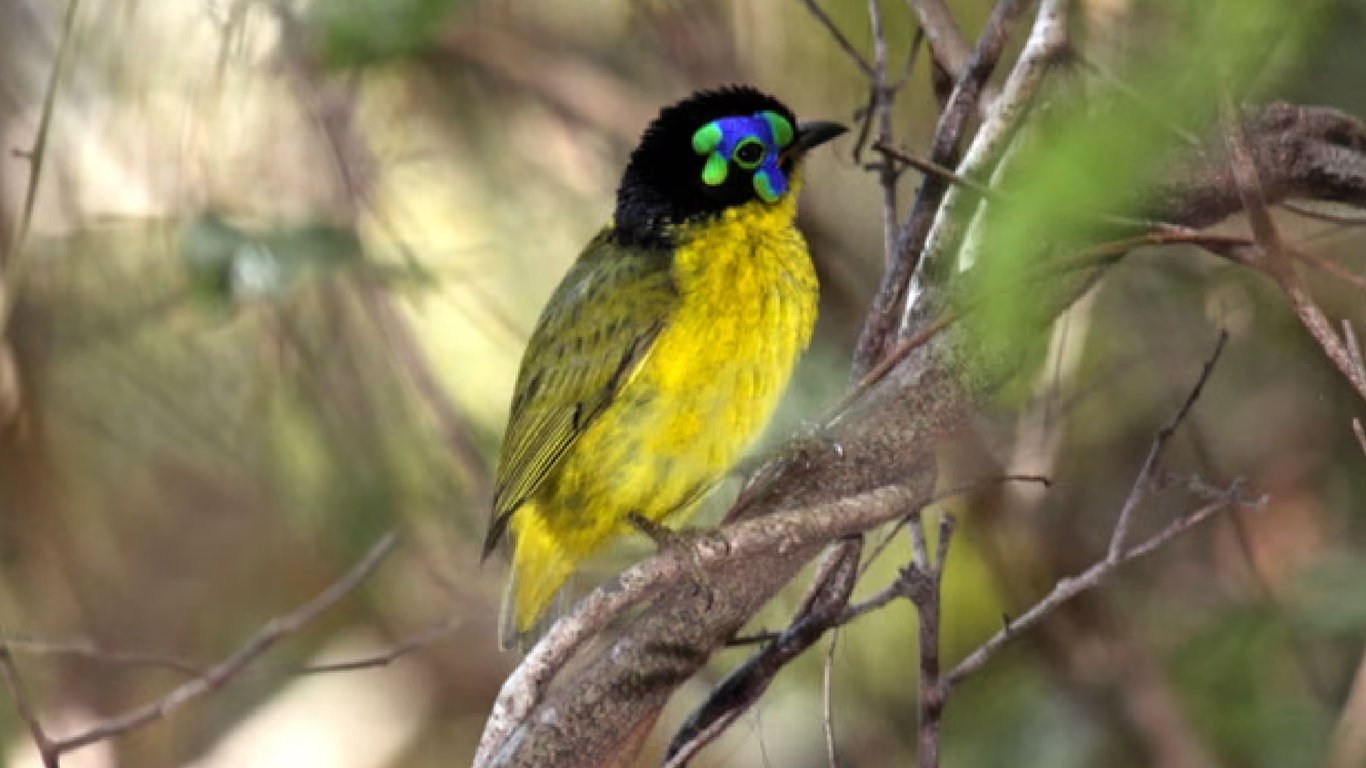
Article written by Patrick Greenfield Originally published by The Guardian, 10 October 2025 Biodiversity losses are growing, the IUCN reports as summit opens, but green turtle’s recovery ‘reminds us conservation works.’ More than half of all bird species are in decline, according to a new global assessment, with deforestation driving sharp falls in populations across the planet. On the eve of a key biodiversity summit in the UAE, scientists have issued a fresh warning about the health of bird populations, with 61% of assessed species now recording declines in their numbers. From Schlegel’s asity in Madagascar to the tail-bobbing northern nightingale-wren in Central America, many bird species have lost habitat to expanding agriculture and human development. Just nine years ago, 44% of assessed bird species had declining populations, according to the red list of endangered species from the International Union for Conservation of Nature (IUCN). Dr. Ian Burfield, BirdLife’s global science coordinator, who helped oversee the assessment, said, “That three in five of the world’s bird species have declining populations shows how deep the biodiversity crisis has become and how urgent it is that governments take the actions they have committed to under multiple conventions and agreements.” It comes as hundreds of conservationists gather in Abu Dhabi on Friday for the IUCN’s congress, where the fate of many of the world’s most at-risk wildlife species will be discussed. In the face of global headwinds on environmental action, scientists are urging governments to deliver on recent pledges to better protect nature. Birds play an important role in ecosystems, helping to pollinate flowers, disperse seeds, and control pests. Hornbills – which are found across the tropics – can spread up to 12,700 large seeds a day in a square kilometer. Credit: Chris Strickland/Alamy Dr Malin Rivers, head of conservation prioritization at the Botanic Gardens Conservation International, said: “The fates of birds and trees are intertwined: trees depend on birds for regeneration, and birds depend on trees for survival.” The green sea turtle’s recovery “reminds us that conservation works,” said the IUCN director general, Dr. Grethel Aguilar. Once classified as endangered, it is now viewed as a species of least concern due to conservation efforts. The turtles’ numbers have grown by 28% since the 1970s thanks to greater protection for nest sites in Ascension Island, Brazil, Mexico, and Hawaii. Roderic Mast, co-chair of IUCN’s species survival commission marine turtle specialist group, said the green turtle’s recovery was “a powerful example of what coordinated global conservation over decades can achieve to stabilize and even restore populations of long-lived marine species.” But there was bad news for Arctic seals, which scientists warn are drifting closer to extinction due to global heating. The loss of sea ice has seen population numbers for bearded and harp seals fall sharply. Thinning sea ice means that the Arctic seals are finding it more difficult to find areas to rest and breed. They are a critical prey species for polar bears, which researchers fear will also be affected by the loss. Dr. Kit Kovacs, Svalbard program leader at the Norwegian Polar Institute, said, “Each year in Svalbard, the retreating sea ice reveals how threatened Arctic seals have become, making it harder for them to breed, rest and feed. “Their plight is a stark reminder that climate change is not a distant problem – it has been unfolding for decades and is having impacts here and now.” Banner credit: Doug McCutcheon/Alamy
Abrupt Antarctic climate shifts could lead to “catastrophic consequences for generations,” experts warn
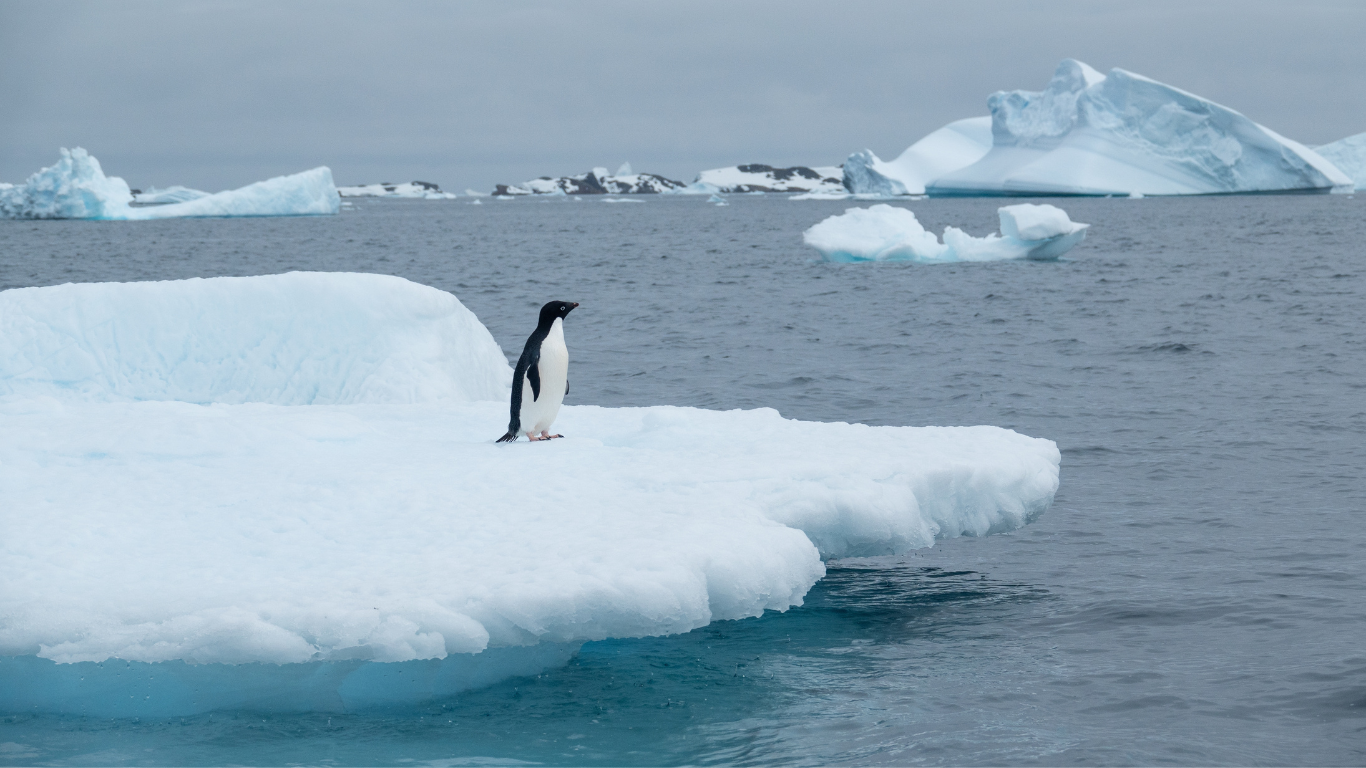
Article written by CBS News / AFP Originally published by CBS NEWS, 20 August 2025 Abrupt and potentially irreversible changes in Antarctica driven by climate change could lift global oceans by meters and lead to “catastrophic consequences for generations,” scientists warned Wednesday. More broadly, a state-of-knowledge review by a score of top experts revealed accelerating shifts across the region that are often both a cause and effect of global warming, according to a study published in Nature, a peer-reviewed international scientific journal. The study’s authors suggest that limiting CO2 emissions and, in turn, preventing global warming from exceeding at least 1.5 degrees Celsius “will be imperative” to reduce and prepare for the broad effects of abrupt Antarctic and Southern Ocean changes. “Antarctica is showing worrying signs of rapid change across its ice, ocean and ecosystems,” lead author and Australian National University professor Nerilie Abram told the Agence France-Presse. “Some of these abrupt changes will be difficult to stop.” Shifts in different facets of Antarctica’s climate system amplify each other and have accelerated the pace of warming globally as well, Abram said. The study looked at evidence of abrupt change — or “regime shifts” — in sea ice, regional ocean currents, the continent’s ice sheet and ice shelves, and marine life. It also examined how they interact. Floating sea ice does not significantly add to sea level when it melts, but its retreat does replace white surfaces that reflect almost all of the sun’s energy back into space with deep blue water, which absorbs the same amount instead. Ninety percent of the heat generated by manmade global warming is soaked up by oceans. Retreating sea ice After increasing slightly during the first 35 years that satellite data was available, Antarctic sea ice cover plunged dramatically over the last decade. Since 2014, sea ice has retreated on average 120 kilometers, or roughly 75 miles, from the continent’s shoreline. That contraction has happened about three times faster in 10 years than the decline in Arctic sea ice over nearly 50. By July 2025, daily sea ice extent in both hemispheres was at its third lowest in the 47-year satellite record, according to the National Snow and Ice Data Center at the University of Colorado Boulder. Data from NASA, released in 2020, indicated that Antarctica and Greenland had lost thousands of gigatons of ice between 2003 and 2019, indirectly contributing to more than half an inch of overall sea level rise around the world. Last September, scientists warned that the Antarctic Ice Sheet, officially called the Thwaites Glacier, would deteriorate “further and faster,” with the increased melting expected to trigger rising sea levels. Research conducted by the International Thwaites Glacier Collaboration, a collective of more than 100 scientists, found that the volume of water flowing into the sea from the Thwaites glacier and others nearby had doubled from the 1990s to the 2010s. The “overwhelming evidence of a regime shift in sea ice” means that, on current trends, Antarctica could essentially become ice free in summer sooner than the Arctic, the recent study published Wednesday in Nature found. This will speed up warming in the region and beyond and could push some marine species toward extinction, experts warned. Over the last two years, for example, helpless emperor penguin chicks perished at multiple breeding grounds, drowning or freezing to death when sea ice gave way earlier than usual under their tiny feet. Of five sites monitored in the Bellingshausen Sea region in 2023, all but one experienced a 100% loss of chicks, earlier research reported. Unlike sea ice, ice sheets and the ice shelves to which they are connected are on — or supported by — land. The world would need to heat up by 5 degrees Celsius compared with pre-industrial levels to melt the entire Antarctic ice sheet, which would lift global oceans an almost unimaginable 58 meters, or nearly 200 feet. Point of no return Global warming to date — on average about 1.3 degrees Celsius — is fast approaching a threshold that would cause part of the ice sheet to generate at least three meters of sea level rise, flooding coastal areas inhabited today by hundreds of millions, the study said. “Unstoppable collapse of the West Antarctic Ice Sheet is one of the most concerning global tipping points,” said Abram. “The evidence points to this being triggered at global warming well below 2°C.” Another potential risk is the collapse of the Antarctic Overturning Circulation, a system of ocean currents that distribute heat and nutrients within the region and globally. A “rapid and substantial slowdown” of the currents has already begun, and evidence from the previous interglacial period — between two ice ages — before our own, 125,000 years ago, points to an abrupt stagnation of the system under conditions similar to those seen today. “This would lead to widespread climate and ecosystem impacts,” ranging from an intensification of global warming to a decrease in the ocean’s capacity to absorb CO2, the study reported. Ultimately, the only way to slow down the interlocking changes is to stop adding more planet-warming gases into the atmosphere. “The greenhouse gas emission decisions that we make over the coming decade or two will lock in how much ice we will lose and how quickly it will be lost,” Abram said.
The effects of deadly drought threaten thousands of wild animals
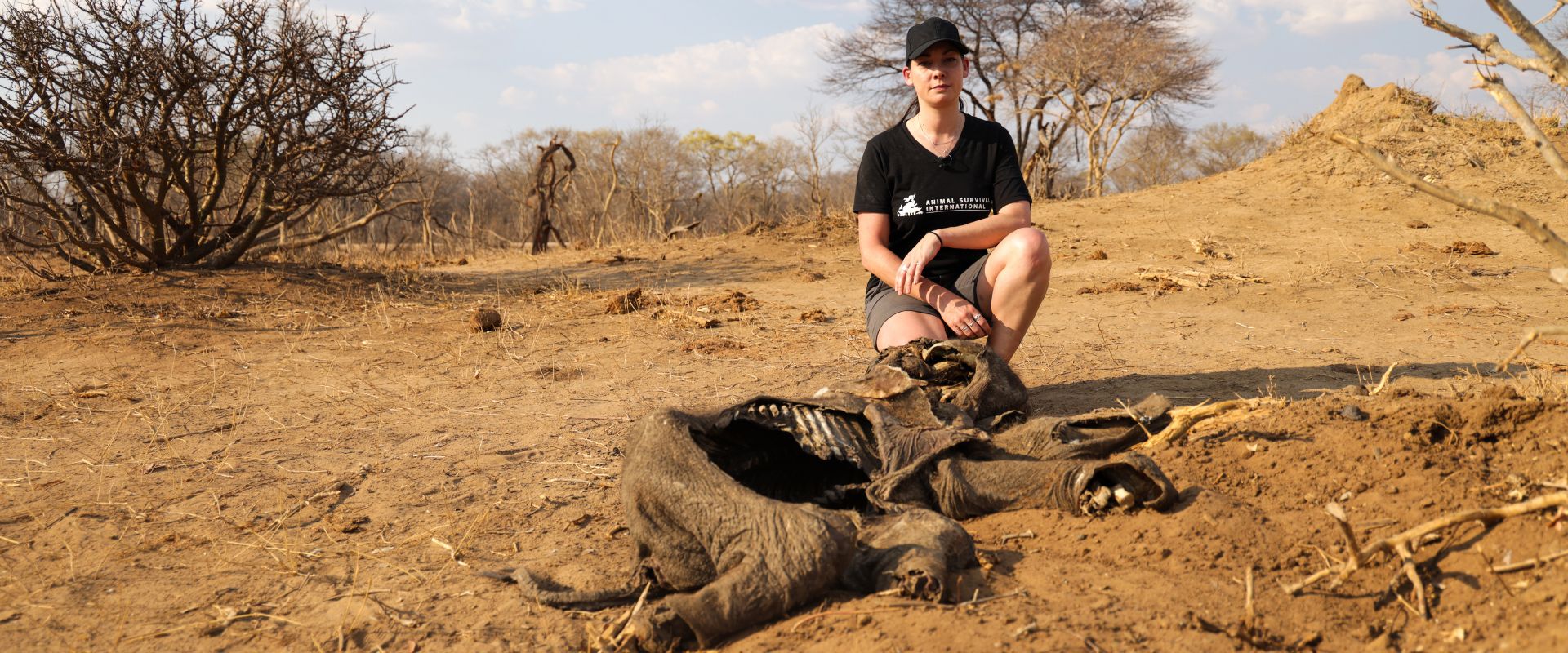
Zimbabwe is reeling from the effects of its worst drought in 40 years. In 2024, the country declared a state of disaster as crops failed and wildlife and people alike struggled to survive. During last year’s dry season, we were horrified to discover the carcasses of elephant calves – staring, dehydrated mothers unable to produce milk to feed them. The effects of this deadly disaster are far from over. Natural resources have not recovered suffiently and unless we help today, the animals will not survive the upcoming dry season. It is a bitter tragedy and one we cannot allow to happen again. The animals need YOU. Desperate animals cluster under skeletal trees in their fruitless search for relief from the baking sun. Credit: ASI/Taryn Slabbert Another year without water: Zimbabwe’s deadly drought means thousands of thirsty wild animals need help. Last year, Zimbabwe’s dry season – made significantly worse by changing weather patterns – killed thousands of wild animals and left countless infants orphaned. When my team and I visited badly-hit Hwange towards the end of 2024, we found a frightening situation. As temperatures soared up to 104°F (40°C), we saw elephants clustered beneath skeletal trees, desperate to escape the intense heat. In dried-up waterholes, we found the remains of animals who died waiting for relief that never came. Elephant mothers’ milk had dried up as they died, leaving their calves to starve. Mother elephants die of exhaustion and thirst, leaving their calves to die of starvation. Credit: ASI/Taryn Slabbert Some rain fell in late December, but because of climate change, the rainy season is almost two months shorter than it used to be, and the region is being plunged back into devastating drought. With your help, we can install critical water pumps to help save lives – and prevent countless young animals from being orphaned. We are working with the Presidential Elephants Research Trust (PERT), which operates in a 7,413-acre (3,000-hectare) area bordering Hwange National Park – an area which has no means of providing water during the dry season. Debby Querido – “I was shocked when I realized how catastrophic the situation could become without our help to provide water for wild animals.” Credit: ASI/Taryn Slabbert With your support, we will help the animals by equipping existing boreholes with solar-powered pumps to create oases. Elephants, giraffes, buffaloes, lions, leopards and countless others will benefit from the oases you can help create. Environmentally conscious people like you helped us quadruple the water available in parts of the Makgadikgadi Pans National Park in Botswana, helping to save thousands of lives. Now, wild animals in Zimbabwe need us too. Please, give as generously as you can today – your support will help make the difference between life and death for Zimbabwe’s parched and desperate animals.
‘We don’t need a disaster to justify resilience’: Climate projects can bring big economic benefits
According to a new report from the World Resources Institute (WRI), every €1 spent on climate adaptation will yield roughly €10 in benefits over a decade. Why does this matter? Because it shows just how critical your donations are today. What you donate today has the potential to have a ten-fold impact on our sustainability projects – from forest regeneration to solar power solutions – in the future. Read more and donate here. Article written by Craig Saueurs Originally published by Euronews (June 6, 2025) The 320 climate projects analyzed were found to have potential yields of about €1 trillion in projected returns over a decade. As floods, fires, and heatwaves grow more frequent and destructive, new research shows that climate adaptation isn’t just urgent. It’s also one of the smartest investments governments can make. According to a new report from the World Resources Institute (WRI), every €1 spent on climate adaptation will yield roughly €10 in benefits over a decade. That figure comes from analyzing 320 projects across 12 countries, including infrastructure upgrades, health system improvements, and disaster risk management schemes. All told, they amounted to more than €1 trillion in projected returns. “This research has pried open the lid on what resilience is truly worth – and even that first glimpse is staggering,” said Sam Mugume Koojo, co-chair of the Coalition of Finance Ministers for Climate Action from Uganda. Climate impacts are no longer distant threats Glaciers are disappearing from the Alps, and record heatwaves and flash floods are costing lives and destroying livelihoods. Scientists warn that even if warming reverses, much of the damage, such as Arctic melting, won’t be undone in our lifetimes. As climate change intensifies, the need to protect lives, economies, and ecosystems is no longer a distant concern. But this research suggests that adaptation is not only a necessity – it pays off. The WRI defines adaptation investments as those aimed at reducing or managing physical climate risks, such as climate-smart agriculture, expanded health services, and urban flood protection. The research found that some sectors generate bigger gains than others. While the WRI projects 27 percent returns on average, health-focused initiatives, such as expanding services to cope with rising malaria and heat stress, could deliver average returns of 78 per cent. Investments in risk management projects, from early warning systems to flood defenses, also stand out for their high impact and cost-efficiency. And they didn’t just pay off in times of crisis. The WRI report found that over half of the benefits from adaptation projects occur even if climate shocks don’t happen. For example, irrigation systems can support crop diversity, and evacuation shelters can double as community centers. “One of our most striking findings is that adaptation projects aren’t just paying off when disasters happen – they generate value every day through more jobs, better health and stronger local economies,” said Carter Brandon, senior fellow at WRI. “That’s a major mind shift: policymakers don’t need a disaster to justify resilience – it’s simply smart development.” New approaches and new urgency Europe has made progress. Breda in the Netherlands recently became the EU’s first National Park City in recognition of its work to restore wetlands, green its streets, and adopt a whole-of-society approach to embracing eco-minded urban development. Twenty-two cities in Europe, including Copenhagen, Milan, and Stockholm, earned an A grade from the non-profit CDP in 2023 for their climate leadership. Experts still say that Europe lacks a clear, unified green development strategy. Some warn that investment is not keeping pace with growing risks. In 2023 alone, disasters cost the continent more than €77 billion, according to the World Bank. Without action, the economic toll of climate change could reach seven percent of EU GDP. But countries around the world are exploring unconventional methods to prepare for the future and improve life in the present. The Pacific island nation of Nauru has proposed a ‘golden passport’ scheme, offering citizenship to climate investors to help fund critical infrastructure – a controversial idea that underscores the urgency many nations face in bridging adaptation finance gaps. Could COP30 offer a turning point? As global leaders prepare for COP30, the WRI and others argue that climate adaptation should no longer be treated as a side project but rather as a central part of policy. “This evidence gives leaders and non-state actors exactly what they need heading into COP30: a clear economic case for scaling adaptation,” said Dan Ioschpe, a high-level champion for COP30, the global climate conference taking place in Belém, Portugal, in November. “Belém must become a turning point [in] mainstreaming resilience into national and local priorities and unlocking the full potential of non-state actors’ leadership.”
The world’s ice sheets just got a dire prognosis, and coastlines are going to pay the price
Adapted from CNN.com By Laura Paddison (May 20, 2025) Ice sheets are melting faster than expected – even at climate targets A new study warns that Earth’s ice sheets are melting at alarming rates – and even if the world meets its climate goal of limiting warming to 1.5°C, it might not be enough to stop dangerous sea level rise. Researchers reviewed satellite data, climate models and historical evidence, including ice cores and ocean sediments. Their conclusion: both the Greenland and Antarctic ice sheets are highly vulnerable, and major melting could happen even at current global temperatures (around 1.2°C above pre-industrial levels). Together, these ice sheets hold enough water to raise sea levels by about 213 feet – a worst-case scenario, but even smaller losses could displace millions. Already, ice loss has quadrupled since the 1990s, and the current pace of melting adds about 370 billion tons of water to the oceans each year. By the end of this century, seas could rise by about 40 inches. That would force massive coastal migration and cause damage beyond what many communities can adapt to. The study also notes that earlier estimates underestimated the risk. What was once thought to be a safe threshold (3°C) is now believed to be closer to 1 – 1.5°C. Keeping warming below 1°C would offer the best chance to avoid collapse, but this would require sharp reductions in fossil fuel use – something not currently on track. Despite the grim outlook, scientists stress that every fraction of a degree matters. While 1.5°C won’t stop sea level rise, it could still reduce the scale of the damage. “There’s very little that we’re observing that gives us hope,” said one researcher, “but hitting 1.5°C would still be a major achievement.”
World lost a record-shattering amount of forest in 2024, fuelled by climate change-driven wildfires
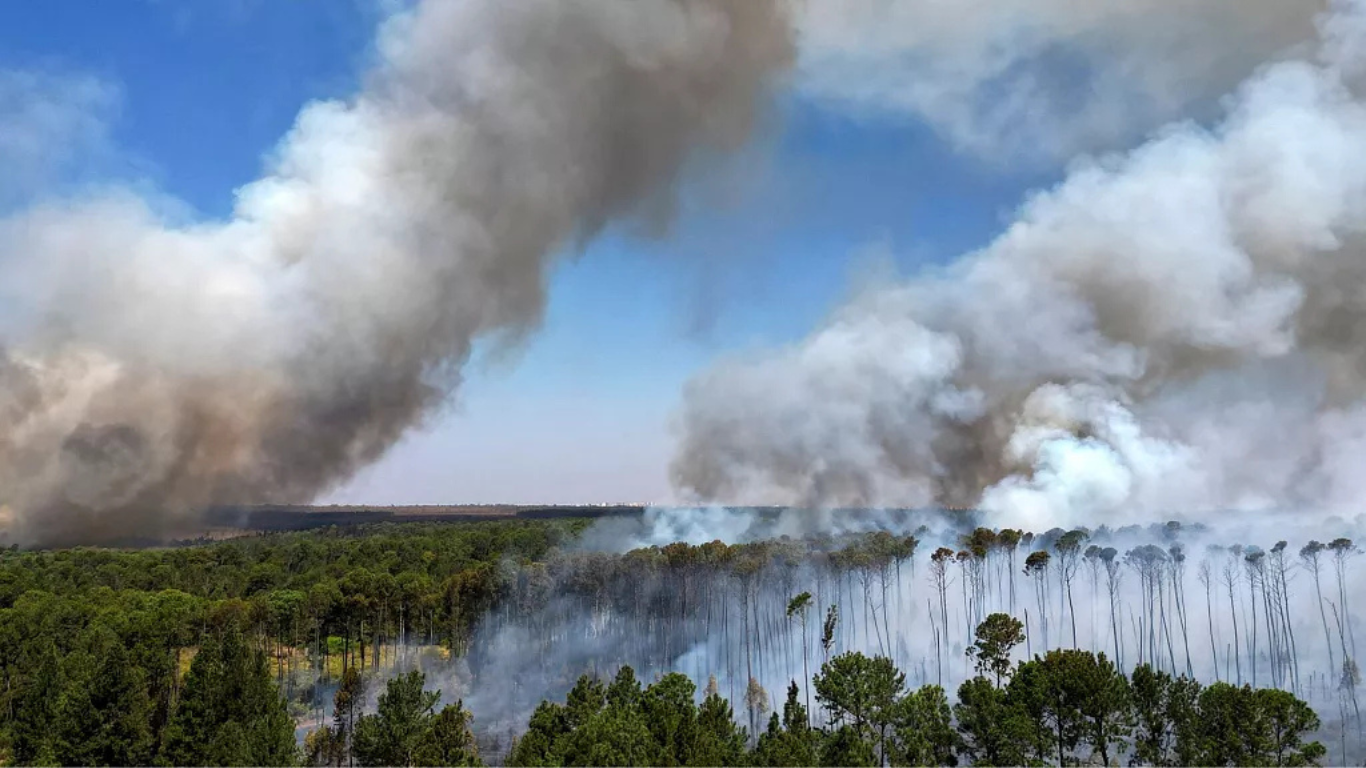
Article written by Rosie Frost Originally published by Euronews (May 21, 2025) Brazil, set to host the COP30 climate conference later this year, lost the largest area of tropical forest in 2024. The world lost a record amount of forest in 2024, driven by a catastrophic rise in fires. New data from the University of Maryland’s GLAD Lab, made available on World Resources Institute’s (WRI) Global Forest Watch platform, shows that loss of tropical primary forests alone reached 6.7 million hectares last year – twice as much as in 2023 and an area nearly the size of Panama. That is around 18 football pitches lost every 18 minutes. For the first time on record, fires, not agriculture, were the leading cause of this loss, accounting for nearly half of all destruction. They burned five times more tropical primary forest in 2024 than in 2023. Latin America was particularly hard hit. In total, these fires emitted 4.1 gigatons of greenhouse gas emissions – more than four times the emissions of all air travel in 2023. “This level of forest loss is unlike anything we’ve seen in over 20 years of data,” says Elizabeth Goldman, co-director of WRI’s Global Forest Watch. “It’s a global red alert – a collective call to action for every country, every business and every person who cares about a livable planet. Our economies, our communities, our health – none of it can survive without forests.” Extreme weather fuelled tropical forest fires in 2024 Though forest fires are natural in some ecosystems, they are mostly human-caused in tropical regions. Fires are often started for agricultural reasons or to prepare new areas for farming. Last year was the hottest year on record, with extreme conditions including severe widespread drought fuelled by climate change and the El Nino climate phenomenon. Some countries, especially those in Latin America, experienced their worst drought on record in 2024. The report says these conditions made fires more intense and harder to control in many parts of the world. While some forests can recover from these blazes, the combined pressure of land conversion and a changing climate hinders that recovery. It also creates a feedback loop that raises the likelihood of future fires. Which countries lost the most forest in 2024? Brazil, set to host the COP30 climate conference later this year, lost the largest areas of tropical forest in 2024, according to the data. In total, it accounted for 42 per cent of all tropical primary forest loss last year. Fires were fuelled by the worst drought on record for the country, causing 66 per cent of that loss. Other causes, such as farming for soy and cattle, rose by 13 per cent – still much lower than the peaks seen in the early 2000s. “Brazil has made progress under President Lula – but the threat to forests remains,” says Mariana Oliveira, director of the forests and land use programme at WRI Brasil. “Without sustained investment in community fire prevention, stronger state-level enforcement and a focus on sustainable land use, hard-won gains risk being undone. As Brazil prepares to host COP30, it has a powerful opportunity to put forest protection front and centre on the global stage.” As Brazil prepares to host COP30, it has a powerful opportunity to put forest protection front and centre on the global stage. – Mariana Oliveira – Director of the forests and land use programme at WRI Brasil Forest loss also skyrocketed by 200 per cent in Bolivia last year to a total of 1.5 million hectares. For the first time ever, it ranked in second place behind Brazil, overtaking the Democratic Republic of Congo (DRC) – despite having less than half the forest area. Stasiek Czaplicki Cabezas, Bolivian researcher and data journalist for Revista Nomadas, says fires in 2024 “left deep scars”, not just on the land but for those who depend on it. “The damage could take centuries to undo.” Despite shifting down in the rankings, DRC saw the highest levels of primary forest loss on record, surging by 150 per cent compared to 2023. Fires, made worse by unusually hot and dry conditions, caused 45 per cent of the damage. Just like the Amazon, the Congo basin acts as a crucial carbon sink, but increasing fires and forest loss now threaten its vital function. Columbia too saw an almost 50 per cent increase in primary forest loss but fires weren’t the primary cause. Instability from the breakdown of peace talks led to the growth of activities like illegal mining and coca production (the main ingredient in cocaine). Wildfires also drove forest loss outside of the tropics The rise in forest loss extended well beyond the tropics in 2024, with a 5 per cent increase in the total loss of tree cover around the world compared to 2023. That is an additional 30 million hectares lost last year, an area roughly the size of Italy. An intense fire season in Russia and Canada was partially responsible for driving this increase. While forest fires are a part of the natural dynamics in these regions, they have been more intense and longer-lasting in recent years, giving tree cover less time to recover. Research has shown that these boreal forests are increasingly susceptible to drought and fires due to climate change, creating a feedback loop of worsening fires and carbon emissions. Last year was also the first time since Global Forest Watch began keeping records when fires raged across both the tropics and boreal forests. This data should ‘jolt’ us out of complacency The report isn’t all bad news, with some countries racking up wins in the face of a challenging year. In Indonesia, for example, primary forest loss fell by 11 per cent. Efforts under former President Joko Widodo to restore land and curb fires helped keep fire rates low, even amid widespread droughts. Arief Wijaya, managing director of WRI Indonesia, says that while deforestation remains a concern, they are proud that it was one of the few countries to reduce primary forest
More than 80% of the world’s reefs hit by bleaching after worst global event on record
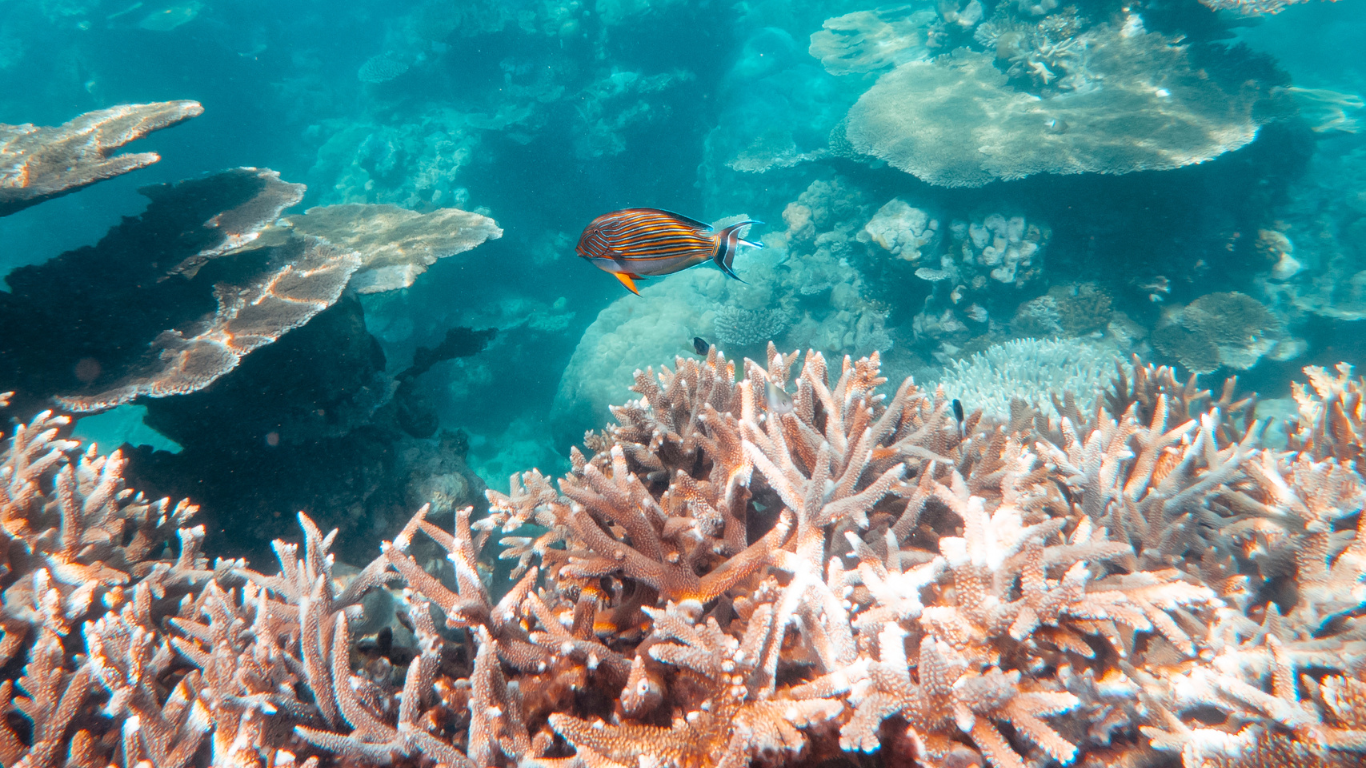
Article written by Graham Readfearn Originally published by The Guardian (Apr 23, 2025) An ashen pallor and an eerie stillness all that remains where there should be fluttering fish and vibrant colours in the reefscape, one conservationist says The world’s coral reefs have been pushed into “uncharted territory” by the worst global bleaching event on record that has now hit more than 80% of the planet’s reefs, scientists have warned. Reefs in at least 82 countries and territories have been exposed to enough heat to turn corals white since the global event started in January 2023, the latest data from the US government’s Coral Reef Watch shows. Coral reefs are known as the rainforests of the sea because of their high concentration of biodiversity that supports about a third of all marine species and a billion people. But record-high ocean temperatures have spread like an underwater wildfire over corals across the Pacific, Atlantic, and Indian oceans, damaging and killing countless corals. The 84% of reefs exposed to bleaching-level heat in this ongoing fourth event compares with 68% during the third event, which lasted from 2014 to 2017, 37% in 2010, and 21% in the first event in 1998. Even reefs considered by scientists to be refuges from the ocean’s rising levels of heat have been bleached, Dr Derek Manzello, the director of Coral Reef Watch, said. “The fact that so many reef areas have been impacted, including purported thermal refugia like Raja Ampat and the Gulf of Eilat, suggests that ocean warming has reached a level where there is no longer any safe harbor from coral bleaching and its ramifications,” he said. Many areas have seen bleaching in back-to-back years, including the world’s biggest reef system, Australia’s Great Barrier Reef, where last week authorities declared a sixth widespread bleaching event in just nine years. Australia’s other World Heritage-listed reef along the Ningaloo coast in Western Australia has seen its highest levels of heat stress on record in recent months. Scientists on the other side of the Indian Ocean have reported bleaching in recent weeks affecting reefs off Madagascar and the east African coast, including South Africa’s World Heritage iSimangaliso Wetland Park. Dr. Britta Schaffelke, of the Australian Institute of Marine Science and coordinator of the Global Coral Reef Monitoring Network (GCRMN), said the event was unprecedented. “Reefs have not encountered this before.” “With the ongoing bleaching, it’s almost overwhelming the capacity of people to do the monitoring they need to do,” she said. “The fact that this most recent, global-scale coral bleaching event is still ongoing takes the world’s reefs into uncharted waters. “[For] people who spend their entire working lives monitoring and observing reefs and protecting reefs, and living alongside them and relying on them, seeing something like this must be devastating. “Ecological grief is real. People who spend a lot of time under the water see it changing before their eyes,” she said. The GCRMN is collating monitoring data for a status report due out next year, but Schaffelke said even that report would not give a full picture of the impact of the event. Scientists in North and Central America, including Florida, the Caribbean, and Mexico, were among the first to raise the alarm after record ocean temperatures saw extreme bleaching in the Northern Hemisphere’s summer of 2023. Corals can recover from bleaching if temperatures are not too extreme, but surveys done in the months after the event have begun to paint a picture of widespread coral death. Across Florida, an average of one in five corals was lost. On the Pacific side of Mexico, one area lost between 50% and 93% of its corals. Almost a quarter of corals were killed by heat last year in the remote Chagos Islands in the middle of the Indian Ocean. Scientists described a “graveyard of dead corals” in the northern section of the Great Barrier Reef after bleaching in early 2024 that caused 40% of corals to die in one area in the south. After the extreme heat of 2023, Coral Reef Watch was forced to add three new threat levels to its global bleaching alert system to represent the unprecedented heat stress corals had faced. Melanie McField, the founder of the Healthy Reefs for Healthy People initiative in the Caribbean, said reefs had fallen quiet across the world. “Bleaching is always eerie—as if a silent snowfall has descended on the reef … There is usually an absence of fluttering fish and an absence of the vibrant colors on the reef,” she said. “It’s an ashen pallor and stillness in what should be a rowdy, vibrant reefscape.” Dr. Lorenzo Álvarez-Filip, a coral scientist at the National Autonomous University of Mexico, has been surveying reefs across the Mexican Caribbean and the Gulf of Mexico after the bleaching in 2023 and again in 2024. He said the most devastating impact was the loss of reef-building corals, such as elkhorns, that help protect coastlines and support a multitude of other marine life. “Many of the coral colonies I knew well, and which had survived [a major disease] outbreak just a few years earlier, died in a matter of weeks. “The feeling of impotence combined with the need to at least document what was happening made me very anxious – this was particularly hard when we were about to dive in sites where we knew there were big aggregations of susceptible corals. In almost all cases, we ended up with a very depressing feeling when we confirmed that all or nearly all the coral had died.” Dr. Valeria Pizarro, a senior coral scientist at the Perry Institute for Marine Science who works on reefs in the Bahamas and Caribbean, witnessed extreme bleaching in the Bahamas in July 2023. She said, “In the blink of my eyes,” shallow reefs became white landscapes, with widespread death among staghorn corals used in restoration projects. Spectacular sea fans and soft corals died quickly. “It was like they were melting with the heat,” she said. “World leaders need to really commit to reducing fossil fuels
Please help us rush 5,000 displaced endangered tortoises to safety in Madagascar and save their lives.

Over ten thousand critically endangered tortoises are fighting for their lives after two devastating cyclones destroyed their sanctuary in Madagascar. Over 800 have already drowned. Even more tragic, all were initially rescued from the horrific illegal trade. Rescuers are continuing to search for survivors and have so far recovered several thousand, all struggling to swim in the fast-rising waters. Desperate tortoises attempting to swim to safety as cyclone destroys their sanctuary. Credit: TSA Our priority now is to relocate the survivors to safety as quickly as possible. Please help now. We MUST save critically endangered tortoises from a devastating cyclone in Madagascar. Our partner in Madagascar, Turtle Survival Alliance (TSA), runs two critical sanctuaries for rescued tortoises. Tropical cyclone Dikeledi has completely destroyed one of these, displacing the 12,000 fragile tortoises in its care and claiming the lives of hundreds. A second cyclone, bringing heavy rains and flooding, has obliterated any chance of rebuilding the sanctuary for the moment. Rescuers wade through floodwaters to save displaced, critically endangered tortoises. Credit: TSA Juvenile tortoises exposed to extreme weather conditions are at risk of pneumonia and dying. Please help us get them critical care, FAST. Thousands of radiated and spider tortoises have been recovered and search-and-rescue efforts continue. Five thousand of those recovered are juveniles, and their prolonged exposure to the floodwaters has put them at acute risk of pneumonia. They require urgent, specialized care to survive, and to receive this, they MUST be relocated to TSA’s remaining sanctuary, roughly 234 miles (375 kilometers) away. Credit: TSA Please help us raise $3,000 to hire a transport vehicle and get the sick, struggling tortoises to safety. These little creatures have already survived so much. Each has been saved from the horrors of the illegal wildlife trade, which sees them stolen from the wild to be eaten, or shipped in abhorrent conditions to be “pets” – mostly in Asia, but also in Europe and America. Critically endangered tortoises are poached in their thousands every year, and illegally smuggled in horrendous conditions. Credit: TSA Often during transportation, tortoises are tightly packed, starved and their shells broken, and countless die on route to their final destination. Madagascar’s radiated tortoises are especially sought-after as “pets,” and their populations have plummeted 75% since the early 2000s, rendering them critically endangered. The International Union for Conservation Nature (IUCN) predicts the species could be extinct by as soon as 2050. Credit: TSA Once abundant in Madagascar, tortoise populations have declined alarmingly over the past 20 years. All four local species are now critically endangered. We have a chance right now to help save 5,000 of these severely compromised and critically endangered animals. Will you help them? Please, donate right away and help us save their lives – and give hope to their entire species.
In deep water: Ocean literacy among young people is worryingly low, new survey finds
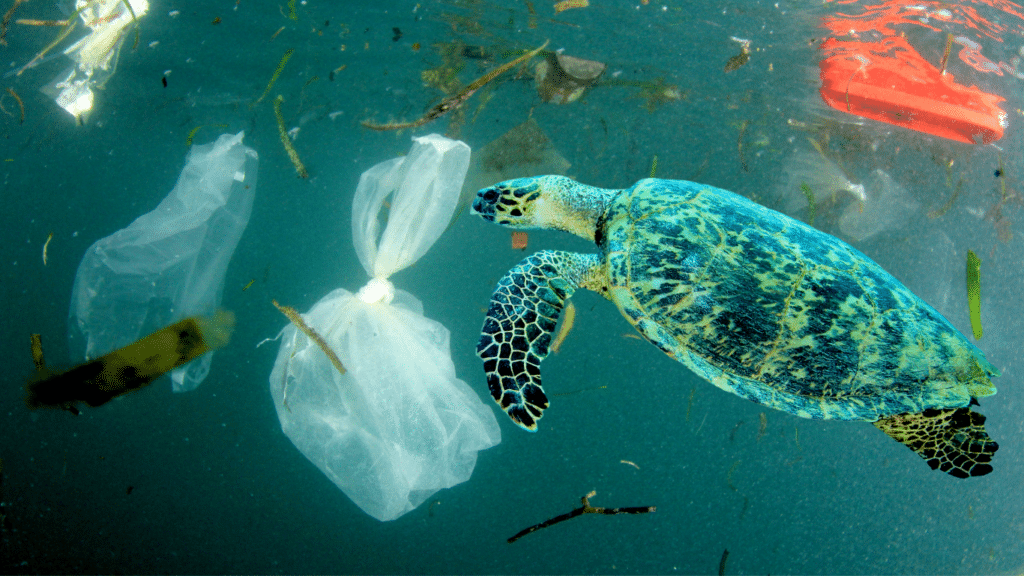
Article written by Rebecca Ann Hughes Originally published by Euro News (Feb 5, 2025) The survey found little demand amongst young people for significant action or accountability from ocean stakeholders. There’s a concerning disconnect between young people’s recognition of the ocean’s vital role in climate change and the importance of measures required to protect it, a new global survey has found. A large majority of young people are concerned about the ocean’s health—yet they place a higher priority on protecting forests, reducing air pollution, and tackling freshwater scarcity. Young people also have high expectations for governments, NGOs, and local communities but low expectations for businesses, highlighting a misunderstanding about who holds responsibility for ocean pollution, the authors said. The study by the world-leading ocean health initiative Back to Blue found these worrying gaps in ocean literacy levels among 18–24-year-olds in 35 countries. Young people ‘do not fully fathom the dire conditions of our oceans’. Results from the 3,500 respondents of the survey found that 75 percent of young people are concerned about the state of ocean health. However, few acknowledge the jeopardy the ocean is in, nor the ways in which this can be prevented—almost half (47 percent) of young people think the ocean is still healthy. The Dominican Republic, Puerto Rico, and the Philippines are among some of the top countries that believe this, even though they are struggling with plastic pollution, coral reef degradation, and habitat loss. The authors said it strongly indicates that young people “do not fully fathom the dire conditions of our oceans.” Indeed, 61 percent prioritize other climate issues, such as deforestation, over ocean conservation. Notably, this perspective is shared by 88 percent of young people in Panama—a country bordered by both the Pacific Ocean and the Caribbean Sea, where the ocean plays a vital role in the economy. “It is surprising and alarming to see so many young people misjudge the ocean’s health. This level of low ocean literacy risks hindering progress and funding for protecting our oceans,” Peter Thomson, UN Ocean Envoy, said. “We must invest in educating young people about the importance of ocean health and how to safeguard it for the future.” The authors argued that strengthening ocean literacy is pivotal for fostering a deeper understanding of the ocean’s multifaceted role. It is not only a driver of local economies through industries like fisheries, tourism, and renewable energy but also a critical buffer against climate change impacts. “The ocean is one of the most overlooked and underfunded areas in global sustainability, yet its decline directly impacts how we live,” Thomson added. “We must remember that the ocean is silently dealing with sea level rise, soaring temperatures, and acidity levels, as well as irreversible threats to biodiversity because of human activity. The least we can do is understand it better and make it a priority to save.” Improved ocean literacy can help put pressure on policymakers The survey also found little demand amongst young people for significant action or accountability from ocean stakeholders. Less than half of young people want government action that will ensure the ocean’s health. Only 17 percent want to see corporations and businesses take increased responsibility. The latter finding is particularly worrying, as the study found that young people are concerned about ocean contamination—chemical pollution (48 percent) and plastic pollution (50 percent)—yet they do not know where responsibility lies. Better knowledge of the dangers facing the ocean would increase citizen and stakeholder pressure on policymakers and funding sources, the authors said. “It’s incredibly interesting to see that some young people recognize that the ocean can have a role in addressing the impacts of climate change and that damaging ocean health is detrimental to this,” Emma McKinley, an ocean literacy expert and senior research fellow at Cardiff University, said. “Yet, this study suggests that not all young people recognize the need to demand more action from governments and the private sector to do more to prioritize ocean health.” The authors of the study called on educators and policymakers to incorporate ocean literacy into school curriculums to “equip the next generation with the knowledge and tools needed to protect our oceans and address the challenges they face”.
Giant iceberg on crash course with island, putting penguins and seals in danger
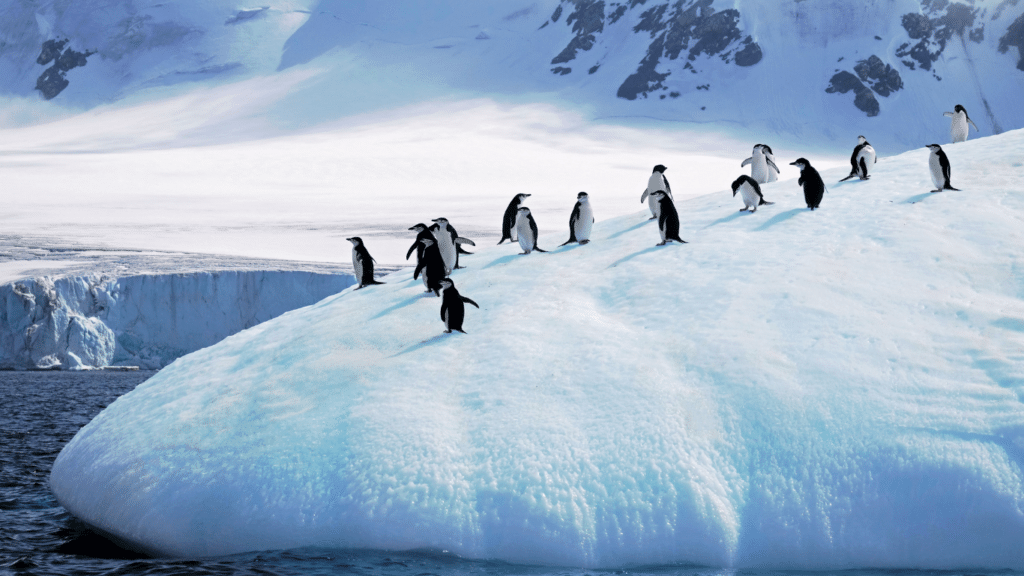
Article written by Georgina Rannard and Erwan Rivault Originally published by BBC (Jan 23, 2025) Giant iceberg on crash course with island, putting penguins and seals in danger The world’s largest iceberg is on collision course with a remote British island, potentially putting penguins and seals in danger. The iceberg is spinning northwards from Antarctica towards South Georgia, a rugged British territory and wildlife haven, where it could ground and smash into pieces. It is currently 173 miles (280 km) away. Countless birds and seals died on South Georgia’s icy coves and beaches when past giant icebergs stopped them feeding. “Icebergs are inherently dangerous. I would be extraordinarily happy if it just completely missed us,” sea captain Simon Wallace tells BBC News, speaking from the South Georgia government vessel Pharos. Around the world, a group of scientists, sailors and fishermen are anxiously checking satellite pictures to monitor the daily movements of this queen of icebergs. It is known as A23a and is one of the world’s oldest. It calved, or broke off, from the Filchner Ice Shelf in Antarctica in 1986 but got stuck on the seafloor and then trapped in an ocean vortex. Finally, in December, it broke free and is now on its final journey, speeding into oblivion. The warmer waters north of Antarctica are melting and weakening its vast sides that extend up to 1,312 feet (400 meters), taller than the Shard in London. It once measured 3,900 sq km, but the latest satellite pictures show it is slowly decaying. It is now around 3,500 sq km, roughly the size of the English county of Cornwall. And large slabs of ice are breaking off, plunging into the waters around its edges. A23a could break into vast segments any day, which may then hang around for years, like floating cities of ice cruising uncontrollably around South Georgia. This isn’t the first huge iceberg to threaten South Georgia and the Sandwich Islands. In 2004 one called A38 grounded on its continental shelf, leaving dead penguin chicks and seal pups on beaches as massive ice chunks blocked their access to feeding grounds. The territory is home to precious colonies of King penguins and millions of elephants and fur seals. “South Georgia sits in an iceberg alley, so impacts are to be expected for both fisheries and wildlife, and both have a great capacity to adapt,” says Mark Belchier, a marine ecologist who advises the South Georgia government. Sailors and fishermen say icebergs are an increasing problem. In 2023, one called A76 gave them a scare when it came close to grounding. “Chunks of it were tipping up, so they looked like great ice towers, an ice city on the horizon,” says Mr. Belchier, who saw the iceberg while at sea. Those slabs are still lingering around the islands today. “It is in bits from the size of several Wembley stadiums down to pieces the size of your desk,” says Andrew Newman from Argos Froyanes, a fishing company that works in South Georgia. “Those pieces basically cover the island—we have to work our way through it,” says Captain Wallace. The sailors on his ship must be constantly vigilant. “We have searchlights on all night to try to see ice—it can come from nowhere,” he explains. A76 was a “gamechanger,” according to Mr. Newman, with a “huge impact on our operations and on keeping our vessel and crew safe.” All three men describe a rapidly changing environment, with glacial retreat visible year-to-year and volatile levels of sea ice. Climate change is unlikely to have been behind the birth of A23a because it calved so long ago, before much of the impacts of rising temperatures that we are now seeing. But giant icebergs are part of our future. As Antarctica becomes more unstable with warmer ocean and air temperatures, more vast pieces of the ice sheets will break away. Before its time comes to an end, though, A23a has left a parting gift for scientists. A team with the British Antarctic Survey on the Sir David Attenborough research vessel found themselves close to A23a in 2023. The scientists scrambled to exploit the rare opportunity to investigate what mega icebergs do to the environment. The ship sailed into a crack in the iceberg’s gigantic walls, and PhD researcher Laura Taylor collected precious water samples 400 m away from its cliffs. “I saw a massive wall of ice way higher than me, as far as I could see. It has different colours in different places. Chunks were falling off—it was quite magnificent,” she explains from her lab in Cambridge, where she is now analysing the samples. Her work looks at the impact the meltwater is having on the carbon cycle in the southern ocean. “This isn’t just water like we drink. It’s full of nutrients and chemicals, as well as tiny animals like phytoplankton frozen inside,” Ms. Taylor says. As it melts, the iceberg releases those elements into the water, changing the physics and chemistry of the ocean. That could store more carbon deep in the ocean as the particles sink from the surface. That would naturally lock away some of the planet’s carbon dioxide emissions that contribute to climate change. Icebergs are notoriously unpredictable, and no one knows what exactly they will do next. But soon the behemoth should appear, looming on the islands’ horizons, as big as the territory itself.
Water still desperately needed for drought-stricken animals.
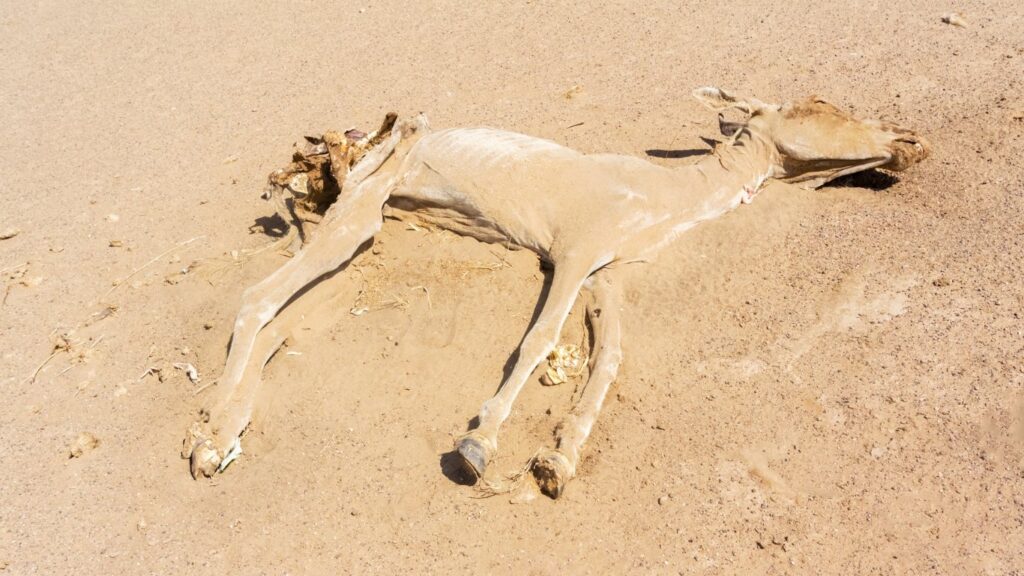
For the animals of Zimbabwe, the new year does not mean new hope. It means 365 long, miserable days filled with suffering and pain. Without our help, many will not survive. Credit: MARES “The donkeys are collapsing and dying. We have no more feed or grass. Things are very desperate.” – Matabeleland Animal Rescue and Equine Sanctuary (MARES) Zimbabwe is battling a severe drought that has dragged on for over a year, locking animals in a desperate state of hunger and thirst. The smattering of rain in Bulawayo has not reached outlying areas where animals have no food and no water. Over 60 have already died in the area MARES operates in. To make matters worse, the country’s severely mismanaged power supply means up to 20 hours without electricity per day – so even where boreholes have been drilled to access water, there is often no electricity to pump the water to the surface for the animals. Dehydrated, rake-thin and utterly defeated, Zimbabwe’s animals are dropping dead as you read this. Solar-powered pumps are a reliable way to bring underground water to the surface for animals. We MUST install these pumps FAST. Our long-term partner in Bulawayo, Matabeleland Animal Rescue and Equine Sanctuary (MARES), is a refuge for over 100 injured, neglected and abused animals. It also helps hundreds more every year through regular community outreach programs. But with the drought stretching on for so many months, and countless animals relying on them for survival, MARES is in crisis. “Our emergency supplies have been depleted and we [are] receiving calls that more and more animals are collapsing and dying.” – MARES Credit: MARES Even as funds, supplies and electricity run dry, MARES is inundated with calls to help animals in distress. They are saving as many as they can, but without water or electricity, the situation is nearly hopeless. We must raise $7,800 (approximately £6,200) to drill a borehole and install two solar-powered water pumps for the animals. One solar system will run a pump at an existing borehole, providing a steady supply of water for the animals in their care. It will also power vital veterinary equipment and lights for on-site treatment, empowering our team to provide crucial care for hundreds of gravely ill and injured animals. Credit: MARES But water isn’t just needed for the dehydrated animals – it’s also required to irrigate farmlands that are currently withering under the relentless sun, leaving the animals with nothing to eat. With your help, we will drill another borehole and install a second solar system to pump water for around 30 acres (12 hectares) of land at the sanctuary to grow grass for the starving animals. Hundreds of animals are facing starvation, dehydration and death. Will you help save them from their suffering? With over 2,000 litres of water required every day just to keep the sanctuary’s animals alive, the need is severe. Together, we can help these desperate animals, installing pumps that will provide thousands of liters of water every day. Please donate generously right away. Their lives count on your kindness today.
In the aftermath of savage Los Angeles fires, animals still need life-saving care.
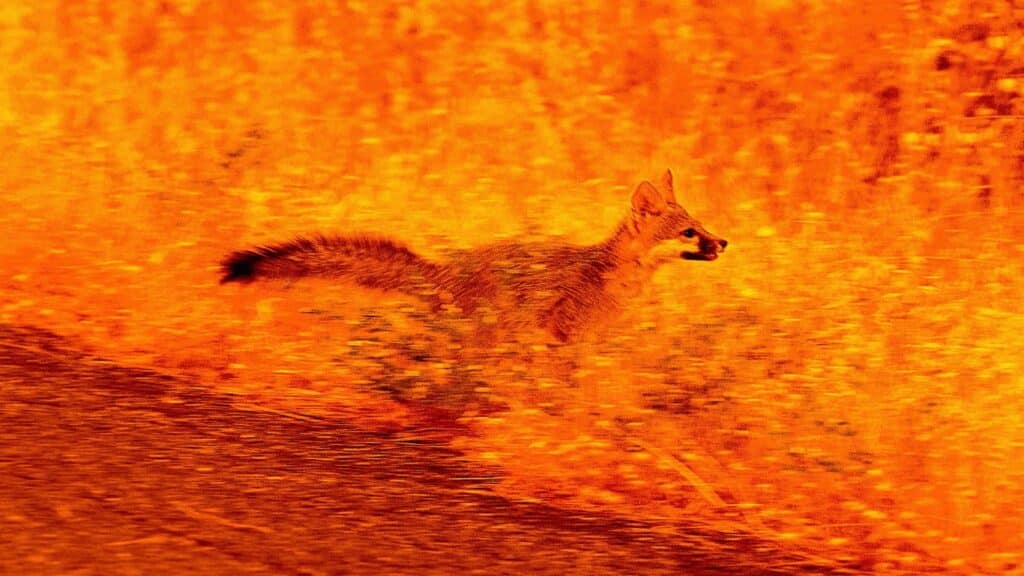
Intense fires are still raging in Los Angeles and extreme winds forecasted for today and tomorrow pose a deadly new threat to wildlife. Rescuers are being overwhelmed by the number of wild bird and animal victims and these creatures badly need your help. A mountain lion in Los Angeles seeks refuge from the burning landscape. Credit: Jason Klassi/Getty “Tragically, many wildlife are impacted by wildfires and lose their lives. But for those that can be rescued, our staff is trained and ready to triage and treat burn and smoke inhalant victims.” – Wetlands and Wildlife Care Center LosAngeles’ wildfires are catastrophic for wildlife. Owls, opossums, coyotes, bobcats, rabbits and mountain lions all need immediate emergency care. Our partner, Wetlands and Wildlife Care Center of Orange County (WWCC), is taking in as many as it can, but it needs help. The animals arrive in terrible conditions, and as the fires continue to rage, more are pouring in all the time. Your donation will help cover the cost of critical care, including X-rays to check for broken bones, veterinary wipe-downs to remove toxic soot, burn wound treatment, skin grafts, emergency oxygen, and surgery for the severely injured. Deer surveying the charred, barren wasteland that remains of their home in the Palisades. Credit: Apu Gomes/Getty The fires, among the most destructive in Los Angeles’ history, have razed 40,300 acres (16,300 hectares) of land so far – an area larger than the city of Paris. Experts believe the disaster has been exacerbated by global warming, as climate-related extreme events increase in frequency and intensity across the globe. Search and rescue missions are underway for injured wildlife seared by fire. Our partner works tirelessly to help wild animals caught in natural disasters. Credit: WWCC Imagine the terror of these helpless creatures as fires blaze around them, with no hope of escape. It is the stuff of nightmares. Our team is ready to find and triage survivors, stabilize them and give them critical care – but they need our help to save them. Your donation today will help save wild animals caught in LA’s cataclysmic fires. Credit: WWCC It is a deeply distressing situation, but we know that with your help today, we can bring comfort and hope to animals who have lost everything. Please, open your heart to the tragic wild animals of Los Angeles, and donate any amount you can right away.
Will you give orphaned elephants the gift of water this holiday season?
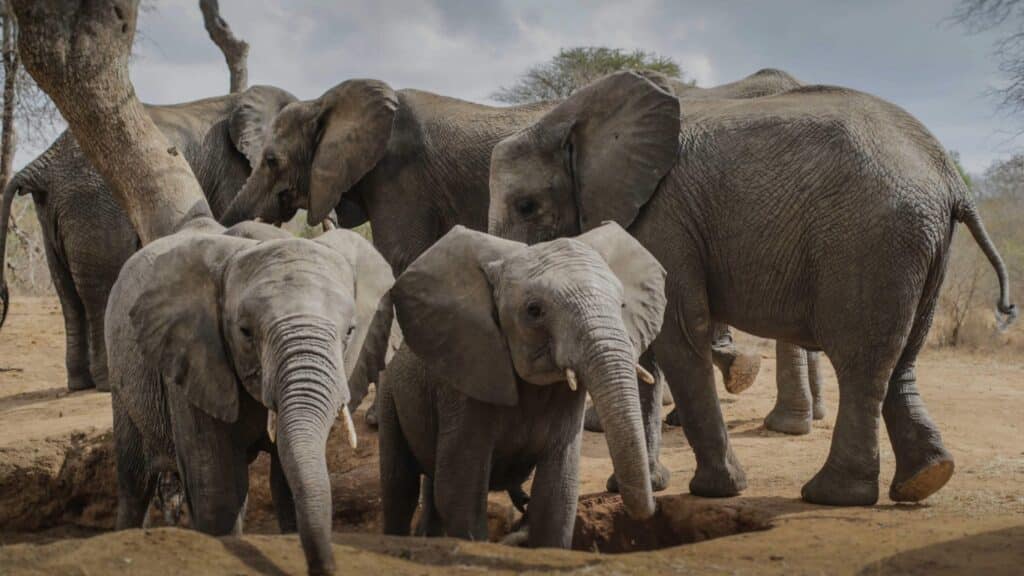
Before you raise your holiday glass to bid farewell to the year, we ask you to take a moment to think about the animals. The endangered elephants of South Africa have a vital item on their wish list for 2024 – and they are sincerely hoping you’ll help make it come true… Credit: HERD Please help us give thirsty, rescued elephants the gift of water before the year ends. Imagine a majestic herd of rescued elephants – each one already orphaned under heartbreaking circumstances – basking in a magnificent pool of fresh, abundant water. This is our dream for the Jabulani Herd – a family of 17 orphaned, rescued elephants in the care of our partner, Hoedspruit Elephant Rehabilitation and Development (HERD) in South Africa. These precious animals have experienced untold suffering in their lives, and we want your help to give them the idyllic, life-sustaining oasis they deserve. With adults weighing around six tons, elephants naturally have a BIG thirst – they need up to 50 gallons (200 liters) of water every day to survive. Credit: HERD In 2025 and beyond, we want to provide them with a steady, stable water source so they never again have to worry about where their next drink might be coming from in this drought-prone country. We need your help to make it happen. Let’s celebrate the strength of South Africa’s orphaned survivors by giving these elephants a lifetime of crucial water. If we can raise $7,000 (£5,500), we can drill a borehole near the elephants’ primary waterhole and equip it with a solar-powered pump. This will provide a reliable, long-term source of water for the elephants, sustaining them through the current dry period and well into the future. Your generosity in 2024 helped us provide life-saving water to wildlife across drought-ravaged Botswana and Zimbabwe. Thanks to you, countless wild animals who would otherwise have perished are alive and well, despite the horrific drought that has ravaged southern Africa. Now, you can make the same life-changing difference for elephants in South Africa. Make your final gift of 2024 count by donating generously now.
Drylands now make up 40% of land on Earth, excluding Antarctica, study says
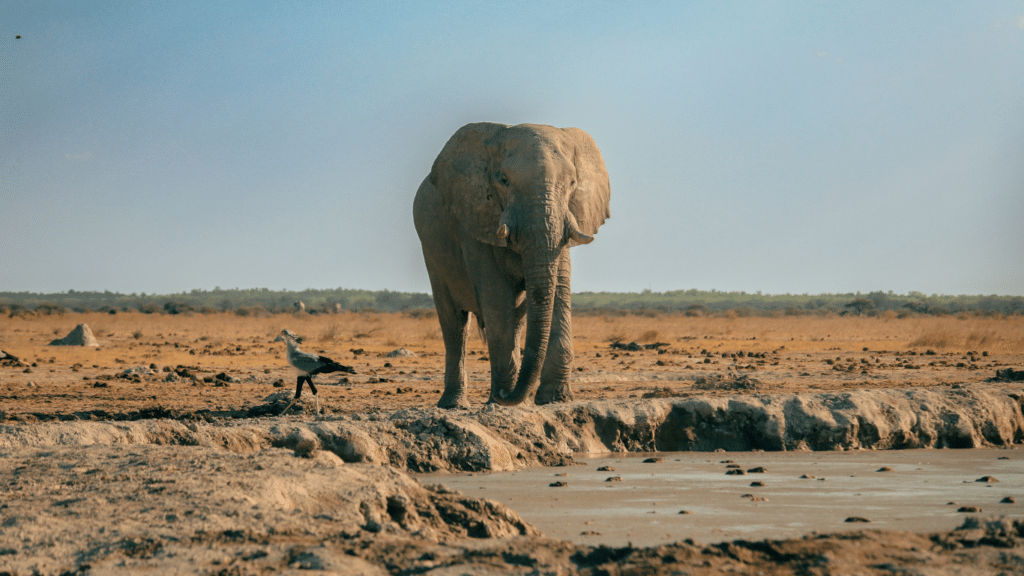
Article written by Fiona Harvey Originally published by The Guardian (Dec 9, 2024) An area nearly a third larger than India turned permanently arid in past three decades, research shows An area of land nearly a third larger than India has turned from humid conditions to dryland – arid areas where agriculture is difficult – in the past three decades, research has found. Drylands now make up 40% of all land on Earth, excluding Antarctica. Three-quarters of the world’s land suffered drier conditions in the past 30 years, which is likely to be permanent, according to the study by the UN Science Policy Interface, a body of scientists convened by the United Nations. Africa lost about 12% of its GDP owing to the increasing aridity between 1990 and 2015, the report found. Even worse losses are forecast: Africa will lose about 16% of its GDP, and Asia close to 7%, in the next half decade. Ibrahim Thiaw, executive secretary of the UN convention to combat desertification (UNCCD), said: “Unlike droughts – temporary periods of low rainfall – aridity represents a permanent, unrelenting transformation. “Droughts end. When an area’s climate becomes drier, however, the ability to return to previous conditions is lost. The drier climates now affecting vast lands across the globe will not return to how they were, and this change is redefining life on Earth.” Some crops will be particularly at risk: maize yields are projected to halve in Kenya by 2050 if current trends continue. Drylands are areas where 90% of the rainfall is lost to evaporation, leaving only 10% for vegetation. Two-thirds of land globally will store less water by mid-century, according to the report published on Monday. Governments are more than halfway through a global conference in Riyadh, which concludes this Friday under the UNCCD. Saudi Arabia is one of the world’s most arid countries and is anxious to use the fortnight of talks to gain global agreement on halting the degradation of the world’s lands and begin restoring affected areas. Despite hosting the conference, Saudi Arabia has appeared reluctant to talk about the climate crisis, which is the key driver of desertification around the world. Saudi Arabia played an obstructive role at a key climate summit, the UN framework convention on climate change conference of the parties (Cop) in Azerbaijan last month. The world’s water problems are fast growing more acute as a result of global failure to tackle greenhouse gas emissions. According to the UN SPI (science-policy interface) study, as of 2020, about 30% of the population – 2.3 billion people globally – lived in drylands, up from about 22.5% in 1990. By 2100, this is projected to double if too little is done to reduce carbon emissions. Nearly half of Africa’s people already live in drylands. Barron Orr, chief scientist at UNCCD, said: “For the first time, a UN scientific body is warning that burning fossil fuels is causing permanent drying across much of the world, with potentially catastrophic impacts affecting access to water that could push people and nature even closer to disastrous tipping points.” Climate breakdown is “inextricably linked” to the world’s water crisis, multiple studies have shown, but poor farming practices, overextraction of water, the erosion of soil and destruction of natural vegetation are also factors. Praveena Sridhar, chief technical officer of the Save Soil campaign group, said: “Healthy soils are the foundation of life. Drying lands signify degraded soils, and the cause is clear: human activity. “Intensive agriculture is the leading driver of land and soil degradation, fuelling biodiversity loss, carbon sequestration decline, and worsening floods, droughts and wildfires – issues rapidly increasing across the globe.” Experts called on governments to act. Mark Maslin, professor of earth system science at University College London, who was not involved with the study, warned: “This is the land we rely on to produce food. [This] is not only a warning but a call to politicians that there are solutions. “First, we can curb greenhouse gas emissions, which will reduce climate change and global aridification. Second, we can acknowledge the world is drying and take measures to slow it down and to adapt to it. “We now have so many solutions: sustainable agriculture, water management, reforestation and rewilding to education and awareness building. Ultimately, good local and national governance is required to deal with the desertification of our precious life-giving planet.” Kate Gannon, research fellow at the Grantham Institute, London School of Economics, told the Guardian: “Rising aridity deepens poverty, forces overexploitation of fragile resources and accelerates land degradation, creating a vicious cycle of resource scarcity, water insecurity and diminished agricultural potential. “These communities, with the least capacity to adapt, face dire consequences to health, nutrition and wellbeing from risks of food shortages, displacement, and forced migration. This is not only a profound injustice but also a global challenge.”
The Arctic could be ice-free by summer 2027: What it means for weather, shipping and polar bears
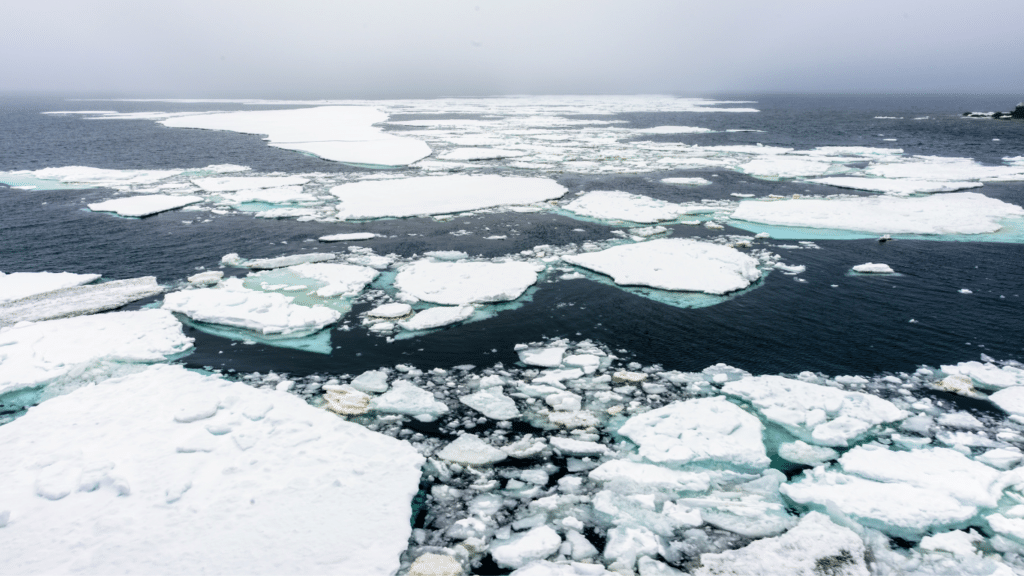
Article written by Jennifer Marsden Originally published by euronews. (Dec 4, 2024) The Arctic Ocean may see its first ice-free day before 2030, earlier than scientists predicted. While most projections of the Arctic’s sea ice have focused on month-by-month conditions, a new study has revealed possible predictions down to the day. Previous expectations had the Arctic Sea loss predicted around 2030, but these results reveal that an ice-free day could occur as early as late summer 2027. Nine other simulations, while less likely, predict that it could occur within the next three to six years. Scientists, from the study published in Nature Communications, say the Arctic’s first ice-free day is now inevitable and irreversible, regardless of how humans alter greenhouse gas emissions. What is an ice-free Arctic, and why does it matter? The Arctic Ocean covers a vast area of more than 16 million square kilometres, and for thousands of years, it has witnessed a natural seasonal event: layers of frozen seawater dramatically build up over the winter months into a thick ice cap that peaks in March before it melts in September. In recent decades, however, this dramatic event has been less prevalent. Sea ice has declined by more than 12 percent every decade since 1978, when satellite imagery—the Scanning Multichannel Microwave Radiometer, or ”SMMR’—started recording Arctic sea ice growth and retreat. That’s 80,000 square kilometres every year—roughly the same size as Austria or the Czech Republic. Scientists define ‘ice-free’ as the sea ice area dropping to less than one million square kilometres in a short time, which is considered a climate tipping point. A team of international researchers, including climatologist Alexandra Jahn from the University of Colorado Boulder and Céline Heuzé from the University of Gothenburg in Sweden, used over 300 computer models to predict the first ice-free day. These showed an accelerated timeline compared to what was previously projected. Rapid ice loss events are typically associated with intense winters and spring warming. Long-term, if the Arctic Ocean is regularly declared ice-free, this could significantly impact the fragile ecosystem of the northernmost sea, including everything from the ‘emblematic polar bear to the crucial zooplankton,’ the study reveals. What will the Arctic Ocean’s ice-free days mean for humans? The day the Arctic shows ice-free conditions is symbolically significant. It will visually highlight how humans have changed one of our planet’s defining natural features: from a white to a blue Arctic Ocean. “The first ice-free day in the Arctic won’t change things dramatically,” explained Jahn in a statement. “But it will show that we’ve fundamentally altered one of the defining characteristics of the natural environment in the Arctic Ocean, which is that it is covered by sea ice and snow year-round, through greenhouse gas emissions.” The sun never sets in the Arctic during summer, so without the reflective ice reflecting sunlight into space, the ocean will absorb and distribute a substantial amount of heat around the Earth. International waters do not have any jurisdiction, so commercial industries could exploit opportunities found in the warmer Arctic waters. They could fish and deep-mine previously inaccessible marine and mineral populations, while freight companies could take a quicker shipping route across the Northwest Passage. The warming could also lead to more erratic and extreme weather events through changing wind and ocean current patterns. Warmer years have already occurred: in March 2022, some of the Arctic was 50F/10C warmer than the average, which caused areas around the North Pole to almost melt. The study’s authors say there is still a chance to delay the timeline for the sea ice melt in the near future. “Any reductions in emissions would help preserve sea ice,” added Jahn.
Starving animals in Botswana resorting to cannibalism.
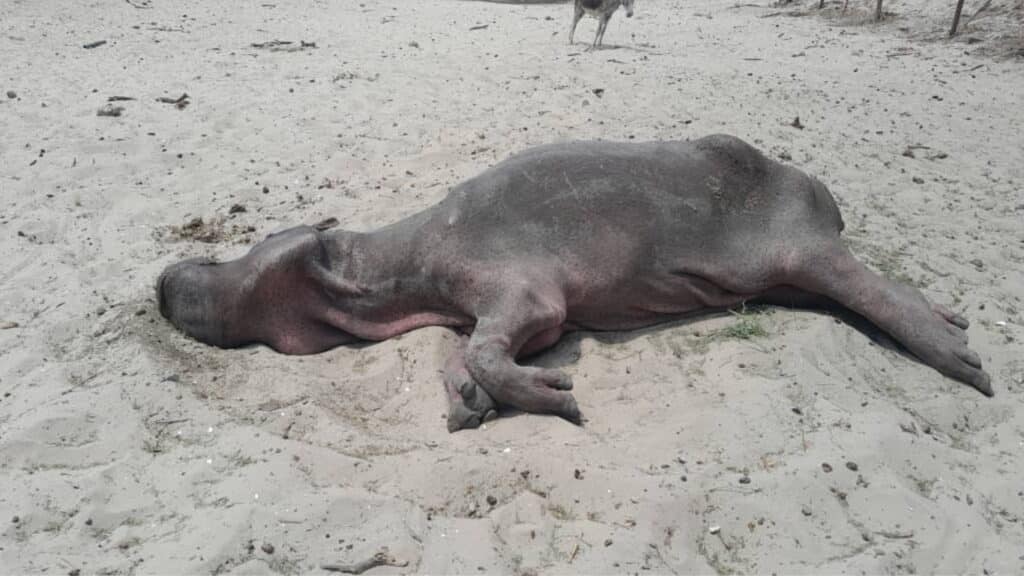
Across Southern Africa, drought-stricken hippos are resorting to dreadful measures to fill their achingly empty bellies. Credit: de Wets Wild In Botswana, these normally herbivorous animals are so hungry, they have been eating the rotting carcass of a dead cow. But somehow, it gets worse. In the Motopi region, a herd of hippos was seen eating excrement to fill their bellies… and then one of their own – a hippo that had become trapped in the sticky mud of a near-dry waterhole. The hippo was literally being eaten alive – THAT is how desperate the situation is. Right now, 88 animals are starving to death. Credit: MAWS Our partner in Botswana, Maun Animal Welfare Society (MAWS), has launched a vital assistance program for animals affected by this horrific drought, providing much-needed food and water. MAWS has now expanded the program to feed 13 hippos and 75 other animals who require immediate help. “Hungry, hungry animals… They are dropping like flies, we have calls every day about horses, donkeys and cows [falling] down and unable to get up. Starving to death or having eaten plastic bags in desperation.” – Equine Assist, Maun MAWS needs good quality bales, pellets, quick beet supplements, and lucerne – anything with high nutritional value – to help feed the animals, and they need it right away. Time is of the essence. These animals are eating plastic, rubbish and worse – and they are getting sicker, weaker, and ever closer to a slow, premature death. For just $48 (£38), you can feed a starving animal for a month. If we can raise $4,200 (around £3,300), we can feed all 88 animals for an entire month, including hippos, donkeys, horses and other starving creatures. Credit: MAWS Every $48 (£38) you donate feeds an animal for a month – hopefully, buying enough time until the rains come in late December. Botswana’s rainy season was supposed to start in November, but the rains never came. No one knows when the drought will break. We have to help until the rains finally arrive. Please, will you be the lifeline for 88 starving animals?
World’s 1.5C climate target ‘deader than a doornail’, experts say
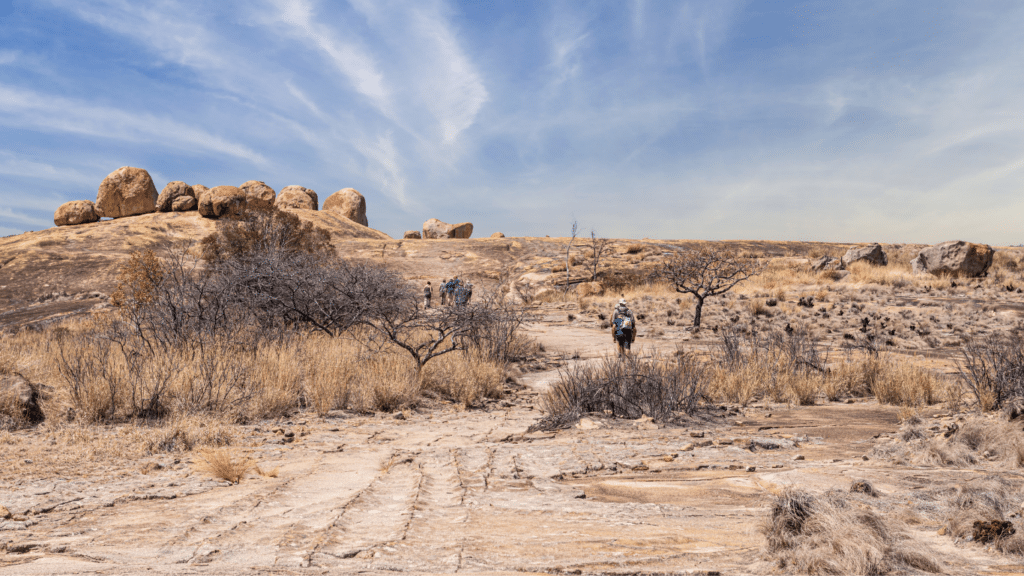
Article written by Oliver Milman Originally published by The Guardian (Nov 18, 2024) Scientists say goal to keep world’s temperature rise below 1.5C is not going to happen despite talks at Cop29 in Baku The internationally agreed goal to keep the world’s temperature rise below 1.5C is now “deader than a doornail,” with 2024 almost certain to be the first individual year above this threshold, climate scientists have gloomily concluded—even as world leaders gather for climate talks on how to remain within this boundary. Three of the five leading research groups monitoring global temperatures consider 2024 on track to be at least 1.5C (2.7F) hotter than pre-industrial times, underscoring it as the warmest year on record, beating a mark set just last year. The past 10 consecutive years have already been the hottest 10 years ever recorded. Although a single year above 1.5C does not itself spell climate doom or break the 2015 Paris agreement, in which countries agreed to strive to keep the long-term temperature rise below this point, scientists have warned this aspiration has in effect been snuffed out despite the exhortations of leaders currently gathered at a United Nations climate summit in Azerbaijan. “The goal to avoid exceeding 1.5C is deader than a doornail. It’s almost impossible to avoid at this point because we’ve just waited too long to act,” said Zeke Hausfather, climate research lead at Stripe and a research scientist at Berkeley Earth. “We are speeding past the 1.5C line in an accelerating way, and that will continue until global emissions stop climbing.” Last year was so surprisingly hot, even in the context of the climate crisis, that it caused “some soul-searching” among climate scientists, Hausfather said. In recent months there has also been persistent heat despite the fading of El Niño, a periodic climate event that exacerbated temperatures already elevated by the burning of fossil fuels. “It’s going to be the hottest year by an unexpectedly large margin. If it continues to be this warm, it’s a worrying sign,” he said. “Going past 1.5C this year is very symbolic, and it’s a sign that we are getting ever closer to going past that target.” Climate scientists broadly expect it will become apparent the 1.5C target, agreed upon by governments after pleas from vulnerable island states that they risk being wiped out if temperatures rise further than this, has been exceeded within the coming decade. Despite countries agreeing to shift away from fossil fuels, this year is set to hit a new record for planet-heating emissions, and even if current national pledges are met, the world is on track for 2.7C (4.8F) warming, risking disastrous heatwaves, floods, famines, and unrest. “We are clearly failing to bend the curve,” said Sofia Gonzales-Zuñiga, an analyst at Climate Analytics, which helped produce the Climate Action Tracker (Cat) temperature estimate. However, the Cop29 talks in Baku have maintained calls for action to stay under 1.5C. “Only you can beat the clock on 1.5C,” António Guterres, secretary general of the UN, urged world leaders on Tuesday, while also acknowledging the planet was undergoing a “masterclass in climate destruction.” Yet the 1.5C target now appears to be simply a rhetorical, rather than scientifically achievable, one, bar massive amounts of future carbon removal from as-yet unproven technologies. “I never thought 1.5C was a conceivable goal. I thought it was a pointless thing,” said Gavin Schmidt, a climate scientist at Nasa. “I’m totally unsurprised, like almost all climate scientists, that we are shooting past it at a rapid clip.” “But it was extremely galvanizing, so I was wrong about that. Maybe it is useful; possibly people do need impossible targets. You shouldn’t ask scientists how to galvanize the world because clearly we don’t have a fucking clue. People haven’t got a magic set of words to keep us to 1.5C, but we have got to keep trying.” “What matters is we have to reduce emissions. Once we stop warming the planet, the better it will be for the people and ecosystems that live here.” The world’s decision-makers who are collectively failing to stem dangerous global warming will soon be joined by Donald Trump, who is expected to tear down climate policies and thereby, the Cat report estimates, add at least a further 0.04C to the world temperature. Despite this bleak outlook, some do point out that the picture still looks far rosier than it did before the Paris deal, when a catastrophic temperature rise of 4C or more was foreseeable. Cheap and abundant clean energy is growing at a rapid pace, with peak oil demand expected by the end of this decade. “Meetings like these are often perceived as talking shops,” said Alexander De Croo, the Belgian prime minister, at the Cop29 summit. “And yes, these strenuous negotiations are far from perfect. But if you compare climate policy now to a decade ago, we are in a different world.” Still, as the world barrels past 1.5C, there lie alarming uncertainties in the form of runaway climate “tipping points,” which once set off cannot be halted on human timescales, such as the Amazon turning into a savanna, the collapse of the great polar ice sheets, and huge pulses of carbon released from melting permafrost. “1.5C is not a cliff edge, but the further we warm up, the closer we get to unwittingly setting off tipping points that will bring dramatic climate consequences,” said Grahame Madge, a climate spokesman at the UK Met Office, who added that it would now be “unexpected” for 2024 to not be above 1.5C. “We are edging ever closer to tipping points in the climate system that we won’t be able to come back from; it’s uncertain when they will arrive; they are almost like monsters in the darkness,” Madge said. “We don’t want to encounter them, so every fraction of a degree is worth fighting for. If we can’t achieve 1.5C, it will be better to get 1.6C than 1.7C, which will be better than getting 2C or
‘World’s largest’ coral discovered in Solomon Islands
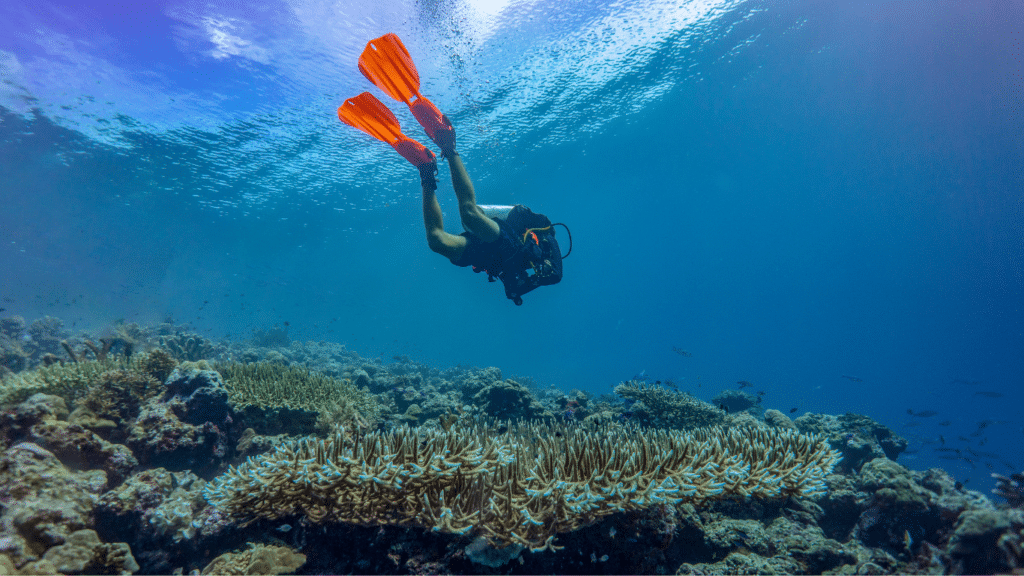
Article written by Nick Squires Originally published by The Telegraph (Nov 14, 2024) The ‘mega’ coral is longer than a blue whale and is in glowing health despite warming seas that bleach others of its kind Scientists have discovered the largest single coral ever recorded—so big that they had originally thought it was a long-forgotten shipwreck. The “mega coral,” which is a network of small creatures that together form one huge organism rather than a reef, was found in the waters of the Solomon Islands in the South Pacific. Unlike coral reefs around the world that have been struck by bleaching as a result of warming seas, the newly-discovered coral is in rude health. Measuring 112ft by 105ft and 16ft high, it is longer than a blue whale and amounts to the size of five tennis courts. The vast coral, thought to be 300 years old, was discovered by marine scientists on the National Geographic’s Pristine Seas expedition in the Three Sisters Islands, hundreds of miles southeast of the capital, Honiara. “Finding this mega coral is like discovering the tallest tree on earth,” Enric Sala, founder of Pristine Seas, told National Geographic. “This discovery rekindles our sense of awe and wonder about the ocean.” In size, it surpassed other corals that were previously thought to be the largest on the planet, including one in American Samoa that is affectionately known as Big Momma. It was so large, the scientists say it can be seen from space. “While Big Momma looked like a huge scoop of ice cream plopped down on the reef, this newly-discovered coral is as if the ice cream started to melt, spreading forever along the seafloor,” said Molly Timmers, lead scientist on the expedition. ‘Coral oasis’ The researchers very nearly missed it altogether—it was found the evening before they were due to move to another area. While a coral reef is made up of multiple coral colonies, this is a single coral colony, formed by a species called Pavona clavus. The scientists believe it consists of up to a billion coral polyps—the tiny marine animals that form corals. “While the nearby shallow reefs were degraded due to warmer seas, witnessing this large, healthy coral oasis in slightly deeper waters is a beacon of hope,” said Eric Brown, coral scientist for the expedition. Peter Mumby, a scientist from the University of Queensland who was not part of the expedition, described the coral as “astonishingly large.”. It may have grown to such a large extent because it was located away from the Pacific’s main cyclone belt, he said. “I would suspect in this case that this coral has existed in a very benign environment that’s sheltered from major disturbances.” “If it’s in the Solomon Islands, it won’t be subjected to very frequent major storms,” Prof Mumby told the Australian Broadcasting Corporation. The scientists embarked on the Pristine Seas expedition last month with the aim of studying the marine ecosystem of the Solomon Islands, a Melanesian island nation that lies north-east of Australia.
This year ‘virtually certain’ to be hottest on record, finds EU space program
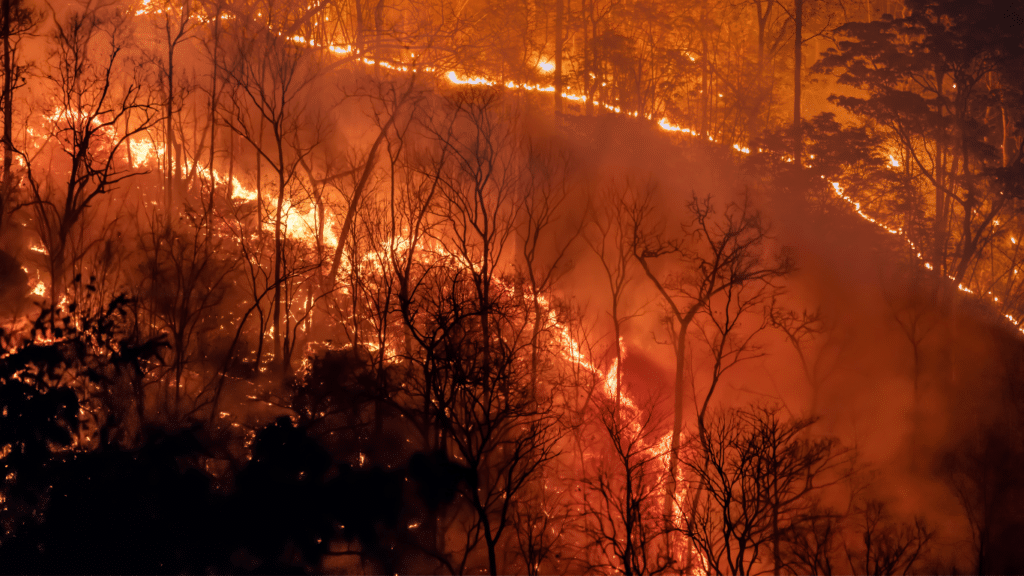
Article written by Ajit Niranjan Originally published by The Guardian (Nov 7, 2024) Copernicus Climate Change Service says 2024 marks ‘a new milestone’ and should raise ambitions at Cop29 summit It is “virtually certain” that 2024 will be the hottest year on record, the European Union’s space programme has found. The prognosis comes the week before diplomats meet at the Cop29 climate summit and a day after a majority of voters in the US, the biggest historical polluter of planet-heating gas, chose to make Donald Trump president. Trump has described climate change as a “hoax” and promised to roll back policies to clean up the economy. The report found 2024 is likely to be the first year more than 1.5C (2.7F) hotter than before the Industrial Revolution, a level of warming that has alarmed scientists. “This marks a new milestone in global temperature records and should serve as a catalyst to raise ambition for the upcoming climate change conference,” said Dr Samantha Burgess, deputy director of the Copernicus Climate Change Service. The scientists found global temperatures for the past 12 months were 1.62C greater than the 1850-1900 average, when humanity started to burn vast volumes of coal, oil and gas. In their monthly climate bulletin, they said October 2024 was the second-warmest October on record, behind only October 2023, with temperatures 1.65C greater than preindustrial levels. It was the 15th month in the past 16 to be higher than the 1.5C mark. World leaders promised to stop the planet from heating 1.5C by the end of the century but are on track to heat it by roughly double that. Scientists say a single year above the threshold does not mean they have missed the target, as temperature rise is measured over decades rather than years, but warn that it will force more people and ecosystems to the brink of survival. “Our civilisation never had to cope with a climate as warm as the current one,” said Carlo Buontempo, the director of Copernicus. “This inevitably pushes our ability to respond to extreme events—and adapt to a warmer world—to the absolute limit.” The Copernicus findings are based on billions of weather measurements from satellites, ships, aircraft and weather stations. The temperature analyses in the ERA5 dataset on which the bulletin relies differ slightly from other prominent datasets used by climate scientists in the US and Japan. The scientists also found that Arctic sea ice had reached its fourth-lowest monthly level for October, at 19% below average, while Antarctic sea ice extent hit its second-lowest for October, at 8% below average. They pointed to heavier-than-normal rains that hit large parts of Europe, including Spain, where flash floods killed more than 200 people as they ripped through villages and swamped homes with mud. Last week, the World Meteorological Organization (WMO) found the concentration of planet-heating pollutants clogging the atmosphere had hit record levels in 2023. It found carbon dioxide was accumulating faster than at any time in human history, with concentrations having risen by more than 10% in just two decades, heating the planet and making extreme weather more violent. “The most effective solution to address the climate challenges is a global commitment on emissions,” said Buontempo.
Devastating wildfires leave baby animals orphaned.

When the dry South African landscape catches fire, there is little animals can do to escape the raging flames, which can tear through the bushveld at a terrifying 13.5mph (22kph). Credit: Friends of Free Wildlife Recently, two tiny jackal cubs were orphaned in such fires. Their mothers either lost them as they became disoriented in the chaos, or perished in the devastating flames. Even more heartbreakingly, a newborn red hartebeest – a species of antelope – lost her mother moments after she was born. The fragile calf was found with her umbilical cord still attached, disorientated and too weak to even stand on her own. These traumatized little animals stand no chance without support from our team and animal-lovers like you. Infant wild animals are fighting for their lives after fire orphaned them and destroyed their homes. Credit: Friends of Free Wildlife These animals, and many others with equally tragic histories, have found safety and care at our partner, Friends of Free Wildlife (FFW), a private, community-run wildlife rescue and rehabilitation center in Gauteng, South Africa. FFW has placed the baby jackals together so they can support each other in the wake of this crushing loss, helping them on their long road to recovery. But for the little hartebeest, recovery will take a lot more time, resources and effort. Because her mother died immediately after the infant was born, she did not receive her first, vital feed, which would have given her crucial immune-boosting colostrum. While she is clinging to survival, she is weak, immuno-compromised, and at serious risk of death. Credit: ASI/Savannah Anderson When our team visited, she was still not able to stand or walk on her own. Baby animals dependent on their mothers have lost their primary caregivers to devastating wildfires. Please, help us give them a second chance at life. FFW works to help rescue, rehabilitate and release wild animals in the Gauteng region, including endangered species so close to extinction, even a single life could tip the scales. In the aftermath of this spate of wildfires, they have their hands full. The little antelope needs to be bottle-fed every two hours, from the early hours of the morning until well into the night. She is also receiving physiotherapy so she may gain the strength to stand and walk on her own, and red light therapy to speed up her recovery. Even as the team struggles to fund the rehabilitation of these survivors, more rescues keep pouring in. Credit: ASI/Savannah Anderson Devastating wildfires in Gauteng are increasing in frequency and intensity, due largely to climate change. Animals lucky enough to escape the flames are often left with severe injuries and rely on organizations such as FFW to survive. Without this care and the dedicated team at FFW, they wouldn’t have a chance. FFW is in dire need of funds for food, medicine and veterinary supplies to keep these babies alive, and to ensure they can recover and be safely returned to wild areas where they belong. But as more animals in need arrive at the shelter, they can only continue their work through the support of people like you. Please, open your heart to these little victims. They are vulnerable, afraid, and need all the support they can get – so please, donate any amount you can today.
African Penguin classified as ‘critically endangered’
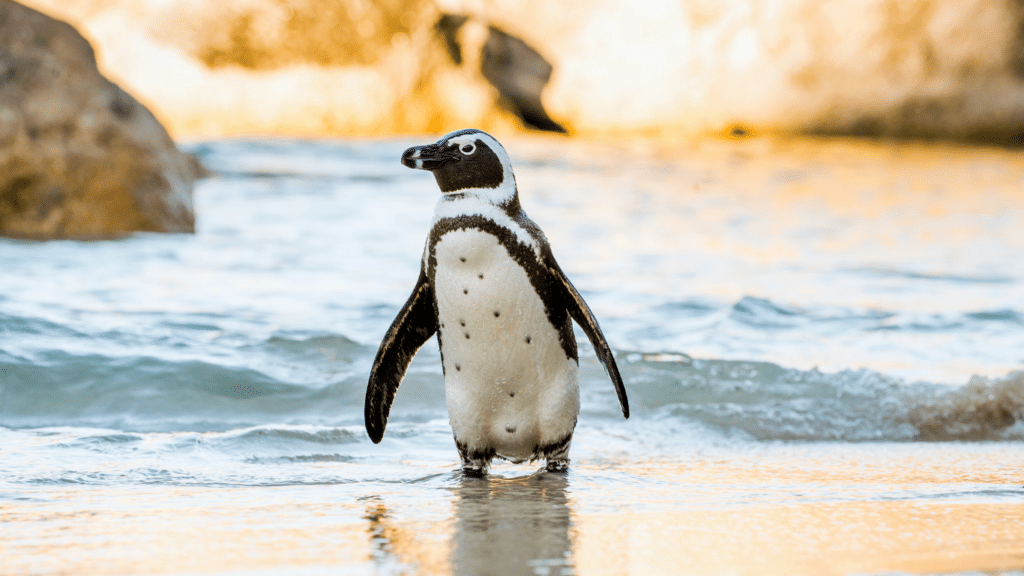
Adapted from originally published by Cape Town Ect (Oct 28, 2024) The African Penguin, with its distinctive black-and-white tuxedo and playful nature, is a cherished symbol in South Africa and around the world, Cape {town} Etc reports. Yet despite its popularity, the species has been uplisted to Critically Endangered by the IUCN, revealing it is one step away from becoming extinct in the wild. The bird is the first penguin species (of the 18 species globally) to meet the criteria for this classification. Faced with numerous threats, a primary cause of the African Penguin’s decline is a lack of available food due to climate change, made worse by competition from commercial fishing around its breeding colonies, which impacts the species’ survival and breeding success. While there are existing no-take zones where commercial fishing is prohibited to help the penguins better access the fish they feed on, primarily sardines and anchovies, research by seabird scientists has demonstrated that these zones are currently inadequate for penguin conservation. The IUCN Red List is the international ‘Gold Standard’ tool for measuring species extinction risk; to date, 163 040 species have been assessed, of which 45 321 are threatened with extinction. While the Red List indicates the detrimental status of global biodiversity, it also points towards an urgent need for solutions, and the prioritisation of collaborative, cross-sector action before it’s too late. The current commercial fishery no-take zones in South Africa surround six African Penguin colonies that represent 76% of the global African Penguin population. Yet research finds that these zones fail to sufficiently protect important feeding areas for the penguins, forcing them to compete with commercial fisheries for food. Scientists such as BirdLife South Africa’s Dr Alistair McInnes and the University of Exeter’s Dr Richard Sherley recommend expanded and achievable no-take zones that provide more substantial benefits to penguins without causing disproportionately high costs to the purse-seine fishing industry. Two conservation groups have taken action to enforce greater protection of the species. Launched by the Biodiversity Law Centre earlier this year, the two non-profit organisations have instituted a case against the office of the South African Minister of Forestry, Fisheries and the Environment, to challenge the Minister’s ‘biologically meaningless’ island closures to purse-seine fishing around key African Penguin colonies. The legal action seeks to substitute the existing commercial fishery no-take zones with alternative zones designed using an internationally-recognised process that will better align them to the African Penguins’ important feeding areas, while minimising the impacts on the purse-seine fishing industry.
We’re still trying to reach our goal to fill waterholes in Botswana.

Our supporters are helping to provide critical water sources for wildlife in drought-ravaged Botswana, saving countless animals from dehydration and death. Credit: Camelthorn Farmstead Now, we have discovered that animals are dying on the banks of two more waterholes that have run completely dry. The situation is heart-breaking – but the good news is that, with your support, we can provide a long-term solution. Animals are dying of thirst on the banks of two dried-up waterholes. Please help us install water pumps FAST. Two sites need our immediate attention – one inside the Makgadikgadi National Park in north-eastern Botswana, and another in the Motopi region, about an hour’s drive away. Severe drought in parts of Botswana has left wild animals, like these hippos in Maun, trapped in near-dry waterholes. Credit: AFP Here, dried-up waterholes have created muddy death traps. Desperately thirsty animals wade in, seeking a drop to drink, and become lodged in the thick, sticky mud. Writhing, crying and baking under temperatures exceeding 99°F (37°C), they slowly die over many days. It is utterly gut-wrenching – no animal should suffer like this. Zebras and at least three hippos have already died this way, and unless we can fix the waterholes, more will perish. There is a solution. Credit: Camelthorn Farmstead If we can raise $6,500 (roughly £5,000), we can install solar-powered water pumps at both sites. Water will begin flowing fast, providing a crucial lifeline to these desperately thirsty animals. We must install two solar-powered water pumps to help save elephants, zebras and other wild animals in Botswana. Since June, we have provided a life-saving supply of water to elephants and other animals in the Khumaga region of the Makgadikgadi National Park. This park spans an enormous 2,423 miles (3,900 kilometers) and is a haven for countless vulnerable and endangered wild species. As Botswana’s worst dry spell in over 40 years bakes the land, functional waterholes are essential to prevent thousands of animals from succumbing to dehydration. Time is truly of the essence – the longer it takes to raise the funds, the more animals will die. Our partner, Camelthorn Farmstead, is ready to install the solar-powered pumps as soon as funds are raised, and can complete both projects within a matter of weeks. The situation may be dire, but together, we can and will make a difference, saving wild animals who have no-one else to turn to. Please donate whatever you can today.
Rate of ocean warming has nearly doubled since 2005: study

Originally published by Dawn (Oct 1, 2024) The pace at which oceans are warming has almost doubled since 2005 as global temperatures rise because of human-caused climate change, a report from the EU monitor Copernicus said on Monday. The findings by the Copernicus Marine Service underscore the consequences of a warming planet on oceans, which cover 70 percent of earth’s surface and act as a major regulator of the climate. Ocean warming has “increased continuously” since the 1960s but sharply accelerated in the years since 2005, oceanographer Karina von Schuckmann from Copernicus told reporters. Over the past two decades, the pace of warming has close to doubled from a long-term rate of 0.58 watts per m2 to 1.05 watts per m2. “Ocean warming can be seen as our sentinel for global warming,” said von Schuckmann, a specialist on the unique role the ocean plays in Earth’s climate system. The findings echo the IPCC, the expert panel of climate scientists mandated by the United Nations, on the longer-term heating of the oceans because of humanity’s release of planet-heating emissions. Since 1970, some 90 percent of excess heat trapped in the atmosphere due to the release of carbon dioxide and other greenhouse gasses has been absorbed in the oceans, the IPCC says. Warmer oceans fuel storms, hurricanes and other extreme weather by influencing global weather patterns and where rainfall lands. Copernicus said its report detailed “record-breaking ocean temperatures, marine heatwaves stretching down to the deep ocean, unprecedented sea ice loss and rising levels of heat stored in the ocean”. Ripple effect It said in 2023, more than 20 percent of the world’s oceans experienced at least one severe to extreme marine heatwave, events that have ripple effects for marine life and fisheries. Such heatwaves can lead to the migration and mass mortality of certain species, harm fragile ecosystems, and interfere with the flow of deep and shallow waters, hindering the distribution of nutrients. Ocean warming “can affect all aspects of the marine world, from biodiversity to chemistry to fundamental oceanographic processes, currents, and as well as the global climate,” said von Schuckmann. More extensive marine heatwaves also tend to be longer. The average annual maximum duration of such a heat event has doubled since 2008 from 20 to 40 days, according to the latest “Ocean State Report” by Copernicus. Compared to an earlier baseline, the bottom of the northeast Barents Sea in the Arctic appears to have “entered a state of permanent marine heatwave,” said von Schuckmann, citing a research paper. 2023 also saw the lowest sea ice on record in the world’s polar regions. The report said that in Aug 2022, a temperature of 29.2 degrees Celsius was recorded in the coastal waters of the Balearic Islands off Spain, the warmest in forty years. That same year, a marine heatwave in the Mediterranean Sea stretched to roughly 1,500 meters below the surface, illustrating how heat can reach the deep ocean. Copernicus noted that ocean acidity had also increased 30 percent since 1985, another consequence of climate change caused primarily by the burning of fossil fuels. Above a certain threshold, the acidity of seawater becomes corrosive to the minerals used by marine life including corals, mussels, and oysters to make their skeletons and shells.
Climate change creates a ‘cocktail’ of serious health hazards for 70 per cent of the world’s workers

Originally published by International Labour Organization (Apr 22, 2024) The health consequences of climate change can include cancer, cardiovascular disease, respiratory illnesses, kidney dysfunction and mental health conditions. A “staggering” number of workers, amounting to more than 70 percent of the global workforce, are likely to be exposed to climate-change-related health hazards, and existing occupational safety and health (OSH) protections are struggling to keep up with the resulting risks, according to a new report by the International Labour Organization (ILO). The report, Ensuring safety and health at work in a changing climate, says that climate change is already having a serious impact on the safety and health of workers in all regions of the world. The ILO estimates that more than 2.4 billion workers (out of a global workforce of 3.4 billion) are likely to be exposed to excessive heat at some point during their work, according to the most recent figures available (2020). When calculated as a share of the global workforce, the proportion has increased from 65.5 percent to 70.9 percent since 2000. In addition, the report estimates that 18,970 lives and 2.09 million disability-adjusted life years are lost annually due to the 22.87 million occupational injuries, which are attributable to excessive heat. This is not to mention the 26.2 million people worldwide living with chronic kidney disease linked to workplace heat stress (2020 figures). However, the impact of climate change on workers goes well beyond exposure to excessive heat, the report says, creating a “cocktail of hazards,” which result in a range of dangerous health conditions. The report notes that numerous health conditions in workers have been linked to climate change, including cancer, cardiovascular disease, respiratory illnesses, kidney dysfunction and mental health conditions. The impact includes: 1.6 billion workers exposed to UV radiation, with more than 18,960 work-related deaths annually from nonmelanoma skin cancer. 1.6 billion are likely to be exposed to workplace air pollution, resulting in up to 860,000 work-related deaths among outdoor workers annually. Over 870 million workers in agriculture, likely to be exposed to pesticides, with more than 300,000 deaths attributed to pesticide poisoning annually. 15,000 work-related deaths every year due to exposure to parasitic and vector-borne diseases. “It’s clear that climate change is already creating significant additional health hazards for workers,” said Manal Azzi, OSH Team Lead at the ILO. “It is essential that we heed these warnings. Occupational safety and health considerations must become part of our climate change responses—both policies and actions. Working in safe and healthy environments is recognized as one of the ILO’s fundamental principles and rights at work. We must deliver on that commitment in relation to climate change, just as in every other aspect of work.” The report also explores current country responses, including revising or creating new legislation, regulations, and guidance, and improving climate mitigation strategies—such as energy efficiency measures—in working environments.
‘Time capsules’ of toxic consumption: What happens to the shipping containers lost at sea?
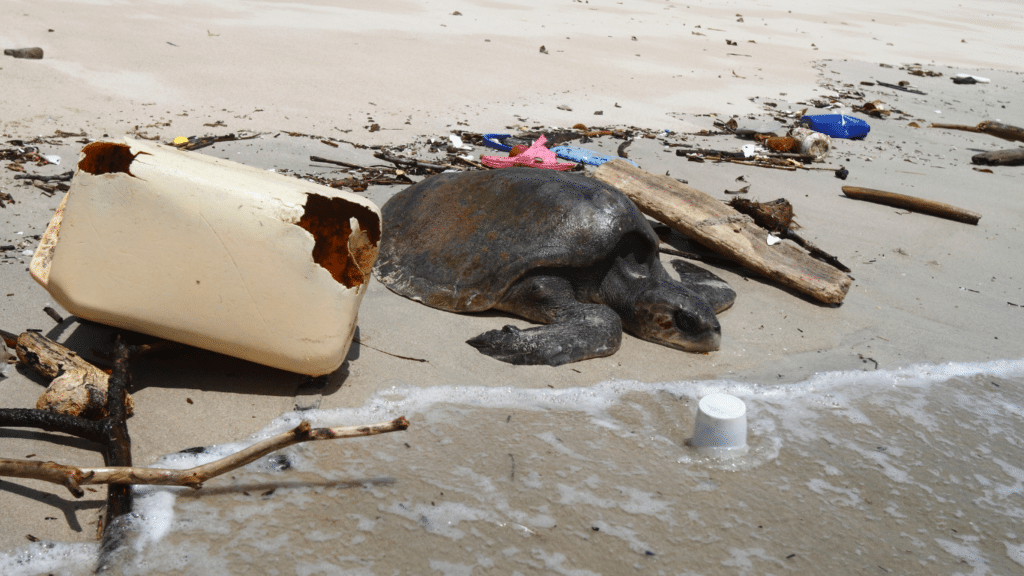
Article written by Christina Larson, Helen Wieffering, Manuel Valdes with AP Originally published by Euro news. (Oct 3, 2024) A single container changes the micro-ecosystem around it – impacting seafloor species that scientists are still discovering. Russ Lewis has picked up some strange things along the coast of Long Beach Peninsula in Washington state over the years: bicycle helmets with feather tufts, life-size plastic turkey decoys made for hunters, colourful squirt guns. And Crocs – so many mismatched Crocs. If you find a single Croc shoe, you might think somebody lost it out on the beach, he said. “But, if you find two, three, four and they’re different – you know, one’s a big one, one’s a little one – that’s a clue.” These items aren’t like the used fishing gear and beer cans that Lewis also finds tossed overboard by fishers or partygoers. They’re the detritus of commercial shipping containers lost in the open ocean. Most of the world’s raw materials and everyday goods that are moved over long distances – from T-shirts to televisions, mobile phones to hospital beds – are packed in large metal boxes the size of tractor-trailers and stacked on ships. A trade group says some 250 million containers cross the oceans every year – but not everything arrives as planned. How many shipping containers get lost at sea? More than 20,000 shipping containers have tumbled overboard in the last decade and a half. Their varied contents have washed onto shorelines, poisoned fisheries and animal habitats, and added to swirling ocean trash vortexes. Most containers eventually sink to the seafloor and are never retrieved. Cargo ships can lose anywhere from a single container to hundreds at a time in rough seas. Experts disagree on how many are lost each year. The World Shipping Council, an industry group, reports that, on average, about 1,500 were lost annually over the 16 years they’ve tracked – though fewer in recent years. Others say the real number is much higher, as the shipping council data doesn’t include the entire industry and there are no penalties for failing to report losses publicly. Much of the debris that washed up on Lewis’ beach matched items lost off the giant cargo ship ONE Apus in November 2020. When the ship hit heavy swells on a voyage from China to California, nearly 2,000 containers slid into the Pacific. Court documents and industry reports show the vessel was carrying more than $100,000 (€119,000) worth of bicycle helmets and thousands of cartons of Crocs, as well as electronics and other more hazardous goods: batteries, ethanol and 54 containers of fireworks. Researchers mapped the flow of debris to several Pacific coastlines thousands of miles apart, including Lewis’ beach and the remote Midway Atoll, a national wildlife refuge for millions of seabirds near the Hawaiian Islands that also received a flood of mismatched Crocs. Scientists and environmental advocates say more should be done to track losses and prevent container spills. “Just because it may seem ‘out of sight, out of mind,’ doesn’t mean there aren’t vast environmental consequences,” said marine biologist Andrew DeVogelaere of California’s Monterey Bay National Marine Sanctuary, who has spent more than 15 years studying the environmental impact of a single container that was found in sanctuary waters. “We are leaving time capsules on the bottom of the sea of everything we buy and sell – sitting down there for maybe hundreds of years,” he said. Nitric acid, plastic pellets and baby seals This year’s summer winds washed thousands of plastic pellets ashore near Colombo, Sri Lanka, three years after a massive fire aboard the X-Press Pearl burned for days and sank the vessel a few miles offshore. The disaster dumped more than 1,400 damaged shipping containers into the sea – releasing billions of plastic manufacturing pellets known as nurdles as well as thousands of tonnes of nitric acid, lead, methanol and sodium hydroxide, all toxic to marine life. Hemantha Withanage remembers how the beach near his home smelled of burnt chemicals. Volunteers soon collected thousands of dead fish, gills stuffed with chemical-laced plastic, and nearly 400 dead endangered sea turtles, more than 40 dolphins and six whales, their mouths jammed with plastic. “It was like a war zone,” he said. Cleanup crews wearing full-body hazmat suits strode into the tide with hand sieves to try to collect the lentil-size plastic pellets. The waterfront was closed to commercial fishing for three months, and the 12,000 families that depend on fishing for their income have only gotten a fraction of the $72 million (€65 mn) that Withanage, founder of Sri Lanka’s nonprofit Centre for Environmental Justice, believes they are owed. “Just last week, there was a huge wind, and all the beaches were full of plastic again,” he said in mid-June. Lost container contents don’t have to be toxic to wreak havoc. In February, the cargo ship President Eisenhower lost 24 containers off the central California coast. Some held bales of soon-waterlogged cotton and burst open. Debris washed ashore near Monterey Bay National Marine Sanctuary, a federally protected area. The ship’s captain informed the US Coast Guard, which worked with the National Oceanic and Atmospheric Administration and California State Parks to remove the debris. Each bale was too heavy to drag away – instead they had to be cut up, each filling two dump trucks. “A rancid soggy mess,” said Eric Hjelstrom, a chief ranger for California State Parks. “If tidal pools get filled with cotton, that can block out sunlight and harm a lot of organisms.” Baby seals were all around one bale as it fell into an elephant seal nursery. “You have to be careful how to approach it – you don’t want to injure the seals,” Hjelstrom said. A marine mammal specialist gently escorted 10 pups away before the bale was removed. Although the operators of the President Eisenhower helped pay for cleanup, neither California nor federal authorities have ordered the company to pay any penalties. As for the metal shipping containers, only one was spotted on a US Coast Guard
One in two El Niño events could be extreme by mid-century
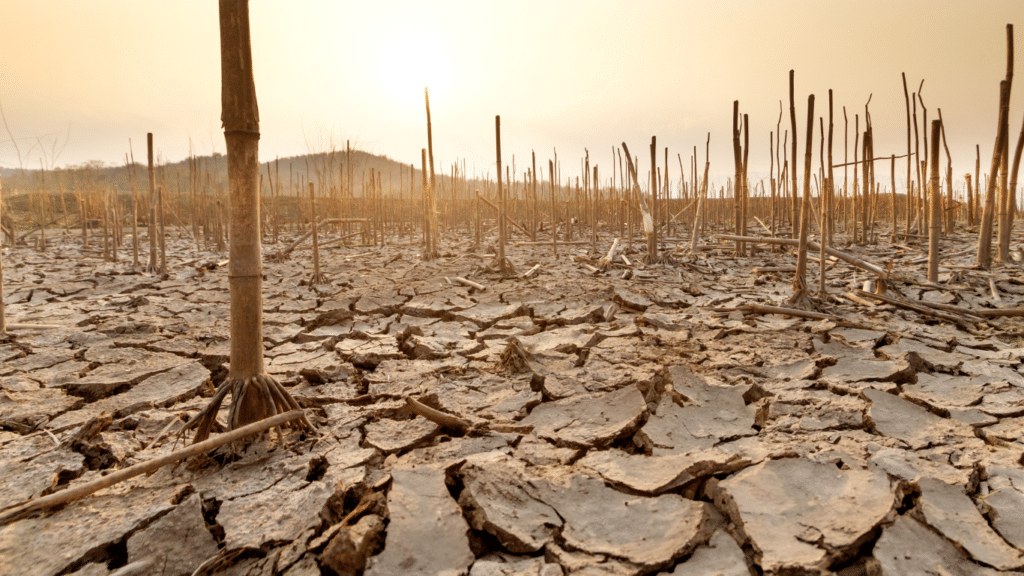
Article written by Yvaine Ye Originally published by Science Daily (Sep 25, 2024) With the climate pattern known as El Niño in full force from mid-2023 to mid-2024, global temperatures broke records for 12 months in a row. As one of the strongest El Niño events on record, it was likely the main culprit of unprecedented heat, floods and droughts worldwide. In a new study published Sep 25 in the journal Nature, a University of Colorado Boulder climate scientist and collaborators reveal that the planet could see more frequent extreme El Niño events by 2050 if greenhouse gas emissions continue to increase. “It’s pretty scary that 2050 is not very far away,” said Pedro DiNezio, the paper’s co-lead author and associate professor in the Department of Atmospheric and Oceanic Sciences. “If these extreme events become more frequent, society may not have enough time to recover, rebuild and adapt before the next El Niño strikes. The consequences would be devastating.” Shifting wind and soaring temperatures El Niño occurs when water temperatures along the equator in the Pacific Ocean rise by at least 0.9 °F above average for an extended period. The seemingly marginal temperature change can shift wind patterns and ocean currents, triggering unusual weather worldwide, including heat waves, floods and droughts. When the area warms by 3.6°F above average, scientists classify the El Niño event as extreme. Since the U.S. National Oceanic and Atmospheric Administration began collecting data in the 1950s, the agency has recorded up to four extreme El Niño events. During an extreme El Niño, the impacts on global weather tend to be more severe. For example, during the winter of 1997-98, El Niño brought record rainfall to California, causing devastating landslides that killed more than a dozen people. Over the same period, the planet lost about 15% of its coral reefs due to prolonged warming. Last winter, El Niño almost reached extreme magnitude, DiNezio said. “El Niño events are difficult to simulate and predict because there are many mechanisms driving them. This has hindered our ability to produce accurate predictions and help society prepare and reduce the potential damage,” they said. Prior research suggests that climate change is intensifying and increasing the frequency of extreme weather events, possibly linked to changes in El Niño patterns. However, due to limited data, scientists have yet to confirm whether El Niño will strengthen with warming. DiNezio and their team set out to simulate El Niño events in the past 21,000 years — since the peak of Earth’s last Ice Age — using a computer model. The model shows that during the Ice Age, when Earth’s climate was colder, extreme El Niño events were very rare. As the planet warmed since the end of the Ice Age, the frequency and intensity of El Niño have been increasing. The team validated the model by comparing the simulated data with past ocean temperature data retrieved from fossilized shells of foraminifera, a group of single-celled organisms ubiquitous in the oceans long before human existence. By analyzing the type of oxygen compounds preserved in these fossilized shells, the team reconstructed how El Niño drove ocean temperature fluctuations across the Pacific Ocean for the past 21,000 years. The ancient record aligned with the model’s simulations. “We are the first to show a model that can realistically simulate past El Niño events, enhancing our confidence in its future predictions. We are also proud of the robust technique we developed to evaluate our model, but unfortunately, it brought us no good news,” DiNezio added. The model predicts that if society continues to pump greenhouse gases into the atmosphere at the current rate, one in two El Niño events could be extreme by 2050. The control knob Despite El Niño’s complexity, the model reveals that a single mechanism has controlled the frequency and intensity of all El Niño events as the planet has warmed since the last Ice Age. When the eastern Pacific Ocean water warms from natural fluctuation, the winds that always blow east to west over the equatorial Pacific weaken due to changes in air pressure above the ocean. But during an El Niño, weakened winds allow warm water to flow east, and the warmer water weakens the winds even more, creating a feedback loop known as the Bjerknes feedback. DiNezio’s research suggests that as the atmosphere warms rapidly from greenhouse gas emissions, the planet experiences stronger Bjerknes feedback, leading to more frequent extreme El Niño events. With the most recent El Niño now in the past, DiNezio emphasized that society needs to focus on taking measures to reduce the impact from future extreme El Niño events, including cutting emissions and helping communities, particularly those in the developing countries, become resilient to extreme weather. “We now understand how these extreme events happen, and we just need the will to reduce our reliance on fossil fuels,” they said. “Our findings emphasize the urgent need to limit warming to 1.5 °C to avoid catastrophic climate impacts.”
Food has run out once again for starving hippos.

A while ago, we asked for your help to feed 100 starving hippos along the Boteti River in Botswana’s Makgadikgadi National Park, where a brutal drought had decimated the animals’ food sources. The desperately hungry hippos were eating elephant dung to survive – until we rushed them emergency food supplies thanks to your support. Credit: Camelthorn Farmstead Now, food and funds have run out – and the drought is only going to get worse over the next few months. With no food and rain still months away, 120 suffering hippos are facing starvation once more. Please, help us feed them. Right now, the drought is worse than ever in the park, and the hippos need YOU. Drought has wiped out their food sources, and more hippos have arrived from other parts of the park desperately hungry. We now have 120 hungry hippos to feed. A donor reached out and offered to provide food for the worst part of the dry season, but this support has now fallen through, and we urgently need to raise funds to feed the animals. Itf we don’t, these hippos face starvation and will die. Credit: AFP/Getty The consequences of drought have been devastating for wild animals, and with no sign of rains to come, more animals will die – unless we help. Since 2022, northern parts of the country have been affected by a drought so severe, animals have dropped dead, infants have been left orphaned, and water-related human/wildlife conflict has left countless wild animals dead. With your help, we are bringing relief in the form of boreholes, wellpoints and pumps to help save these thirst-ravaged animals. But while water can be pumped out of underground reservoirs, food must be shipped from outside the park – and until the rains come again, the hippos are relying on us and kind-hearted supporters like you for life-saving food. Credit: David Dugmore Not only are there more hippos than before, but they’re also so hungry that they’re eating more than usual to get enough nutrition. With the increased number of hippos and their higher food consumption, we need to provide more food than we originally anticipated. Despite being fed, the hippos are rapidly losing weight and struggling each day. With so many desperate animals on the brink of starvation, we need at least 150 bales of hay each week for the next two months. Without viable food sources, desperate hippos eat elephant dung to survive. We cannot turn our backs on these painfully hungry hippos now, or everything we have already done will have been in vain. Our partner, Camelthorn Farmstead, situated near a waterhole where the hippos gather, has been working hard to distribute the food donations they’ve received through your support. They have less than a week’s worth of food left for the hippos. Credit: ASI/Taryn Slabbert With your support today, 120 starving hippos can receive life-saving food, saving them from slowly succumbing to starvation. Please help us raise $7,000 (about £5,300) to feed 120 hippos for the next two months during the driest and most difficult time of the year. Your support will help keep these animals and their calves from suffering and starvation. Please, donate to make a difference right away. 120 hungry hippos are hoping for your compassion today. Please, donate as much as you possibly can, and help us save their lives.
Orphaned elephant calf still desperate for your help.

When 11-month-old elephant calf Boteti was orphaned, Botswana’s drought had become so severe, the infant was close to starvation. Her mother, in her dying moments, had brought Boteti to the edge of near-dry waterhole to drink. There, utterly depleted, she collapsed and died in front of her calf. Infant Boteti with her mother shortly before her mother’s tragic death. Credit: Camelthorn Farmstead This was the scene our team discovered along the dried-up Boteti River in the Makgadikgadi National Park as a deadly drought destroyed wildlife populations. When Boteti was found by our team, she was so hungry she was attempting to eat her dead mother’s tail in a desperate bid to fill her belly. Elephants have been proven to grieve their dead, experiencing similar emotions to humans when losing a beloved member of their herd. If they are calves, like Boteti, their chance of survival is slim. If you have been following our work, you will know we are implementing drought-alleviating solutions along the Boteti River in northern parts of the park – but these solutions have come too late for little Boteti’s mother. For Boteti, however, there is a sliver of hope: You, and our partner, Elephant Havens. Please, help us give this baby elephant a fighting chance of survival. Grieving Boteti awaiting rescue beside the carcass of her mother. Credit: Camelthorn Farmstead It seems Boteti’s mother walked for days in the scorching heat to bring her baby to water, ultimately collapsing and dying on the banks of the near-dry Boteti River. Our team witnessed the devastating scene. They rushed to Boteti’s side, staying with her for hours until help arrived in the form of Elephant Havens – a dedicated elephant orphanage located two and a half hours away. Young elephants are incredibly fragile both physically and emotionally, particularly those that have experienced heartache and stress like little Boteti. They are entirely dependent on their mothers, and without them, their rate of survival is low – but Elephant Havens is determined to give Boteti everything possible to survive. Boteti needs special milk formula, dedicated care and emotional support if she has any hope of surviving the trauma of being orphaned. Credit: Camelthorn Farmstead Boteti and 12 other orphans in Elephant Havens’ care must be bottle-fed a special formula every three hours to survive. Because calves stay with their mothers – males for up to 20 years, and females for all their lives – receiving emotional support is just as important. People from the local community are trained to care for elephants until they are weaned and introduced into a soft-release area. Here they remain for another five years, and bond with one another to form strong family units. These units will endure when they are ultimately released into safe, protected areas. Before they are released into the protected Okavango Delta, the elephants are fitted with satellite collars that provide hourly updates on their location. This helps ensure that they stay a safe distance from communities, reducing human-wildlife conflict. Credit: Elephant Havens Please help us feed Boteti and her orphan friends so they can grow big and strong enough to join a new herd. Your donation will be the light and warmth these sweet orphans so dearly need. For every $370 (roughly £290) you donate, we can feed Boteti for an entire month, providing her with the life-sustaining milk she needs to survive during this critical part of her development. For every $4,700 (approximately £3,560) we raise, we can feed all 13 orphans for a whole month. Without the experts at Elephant Havens, Boteti and her friends would stand little chance of survival – but even they cannot do it without the support of wildlife heroes like you. Please show these vulnerable orphans your compassion today.
The dark side of nature photography: How social media threatens wildlife
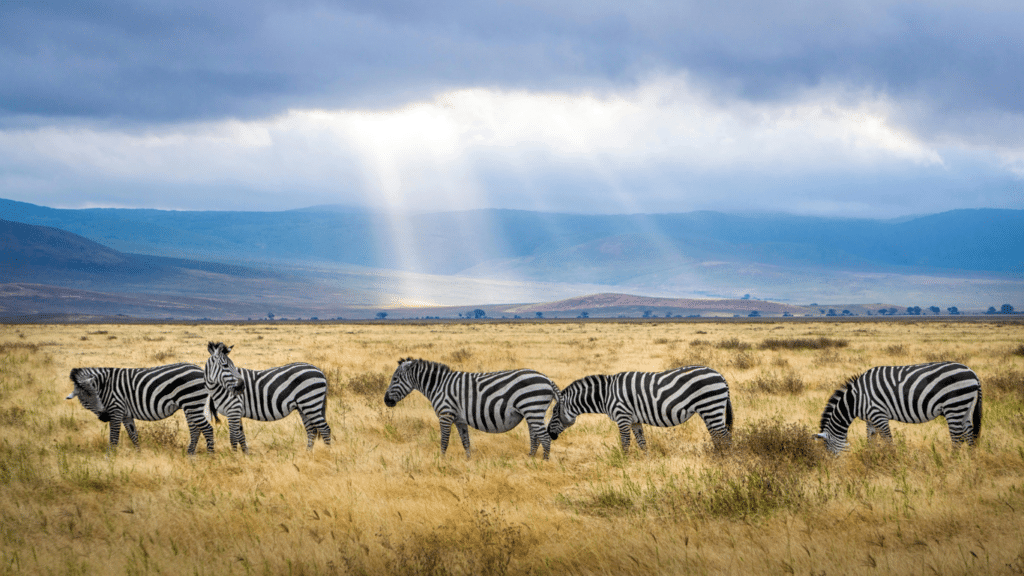
Article written by Kaleigh Harrison Originally published by Enviroment Energy Leader (Aug 16, 2024) The “Instagram effect” has led to overcrowding and environmental damage at once-secluded beaches. For example, Thailand’s Maya Bay, made famous by the film “The Beach,” had to be closed to tourists in 2018 after social media popularity led to over 5,000 daily visitors, causing severe coral reef destruction and shoreline erosion. Social media’s ability to make remote locations instantly famous has become a major threat to sensitive habitats. When stunning photos of “undiscovered” natural wonders go viral on TikTok or Instagram, they can spark an influx of visitors that overwhelms delicate ecosystems. This phenomenon has impacted species across the globe. In China, the critically endangered blue-crowned laughingthrush has been forced to alter its nesting habits due to an onslaught of photographers seeking rare shots. Fragile orchid populations have been decimated after location data was shared online, with one newly discovered species in Vietnam driven to extinction in just six months. Even well-intentioned nature lovers can inadvertently cause harm. Simply walking through a wildflower meadow to recreate a beautiful social media image can damage rare plants. Drones used for aerial photography frequently disturb wildlife, causing animals to flee or become aggressive. Unethical practices for online fame The pressure to capture attention-grabbing content has led some photographers to engage in damaging behaviors. Baiting animals with food to lure them closer for photos disrupts natural behaviors and can increase aggression. Playing recorded birdcalls to draw out rare species for pictures can leave birds vulnerable to predators or disrupt breeding. These unethical practices stem from the intense competition for likes and followers on social media platforms. While individual photographers may see their actions as harmless, the cumulative impact on wildlife can be severe. Balancing awareness and protection Despite these issues, social media remains a powerful tool for raising awareness about biodiversity and conservation. Citizen science projects like the Aussie Bird Count have leveraged social platforms to engage millions in data collection. The key is finding ways to harness this engagement while mitigating negative impacts. Conservation organizations and eco-tourism businesses can take the lead by promoting responsible photography practices. This includes educating followers about the harm of geotagging sensitive locations and the importance of maintaining distance from wildlife. Social media platforms and nature photography groups also have a role to play. Stricter moderation policies around sharing location data for rare species and banning posts that show unethical wildlife interactions can help curb some of the worst abuses. By working together to promote more ethical nature photography, businesses and conservationists can help ensure that our collective love of wildlife doesn’t inadvertently destroy what we’re trying to celebrate.
World logs hottest day since records began — with fresh highs expected in the coming months
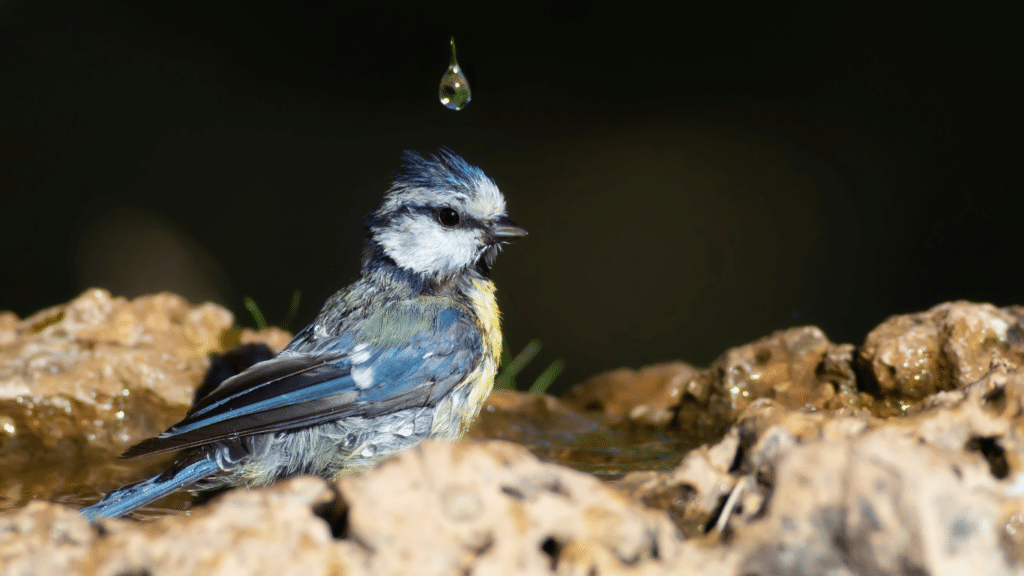
Article written by Sam Meredith Originally published by CNBC (Jul 23, 2024) The world’s average temperature climbed to its highest level ever recorded on Sunday, according to the European Union’s climate monitor. The EU’s Copernicus Climate Change Service (C3S) found that the global average surface temperature rose to 17.09 degrees Celsius (62.76 degrees Fahrenheit) on July 21—marginally higher than the previous record of 17.08 degrees Celsius set on July 6 last year. “On July 21st, C3S recorded a new record for the daily global mean temperature,” C3S Director Carlo Buontempo said Tuesday. “What is truly staggering is how large the difference is between the temperature of the last 13 months and the previous temperature records. We are now in truly uncharted territory and as the climate keeps warming, we are bound to see new records being broken in future months and years,” Buontempo said in a statement. C3S confirmed on Tuesday that Sunday’s average temperature reflects a fresh high, in their records, which stretch back to 1940. However, they noted that it is the difference between the temperatures since July 2023 and all previous years that really stands out. Before July 2023, the EU’s climate monitor said the previous daily global average temperature record was 16.8 degrees Celsius on August 13, 2016. CS3 said there have now been 57 days since July 3 last year that have exceeded that previous record. Excessive heat has gripped large parts of the U.S., Russia and southern Europe in recent days. The burning of fossil fuels, which is the primary cause of the climate crisis, makes extreme heat much more likely. CS3 recently confirmed that the planet’s more than year-long hot streak continued apace in June. Every month since June last year, has ranked as Earth’s hottest since records began, when compared to the corresponding month in previous years. Some climate researchers had previously warned that an extraordinary run of record heat was likely to usher in a long, hot summer—”and not in a good way.” Scientists have repeatedly called for rapid reductions in greenhouse gas emissions to stop global average temperatures from rising.