

Looming Brexit Could Be a Disaster for Animals
The Animal Survival International is deeply concerned that the chaos surrounding Brexit is very bad indeed for animals. 80 percent of current animal welfare legislation comes from EU law. If the UK leaves Europe on October 31, as planned by the Conservative government, UK animal welfare may well suffer enormous setbacks. A raft of new legislation will be needed to protect animals at a time when the country will be wrestling with an array of serious legislative issues. There is no indication from the government that animal welfare will be on any priority list. As just one example of the scope of the problem is that a million pets have travelled with their owners from the UK to Europe on Eurostar since 2013. The UK government’s response to this is to state that pet travel requirements will change on the day Brexit happens, and that it is possible from then on – and we quote: “You must have your dog, cat or ferret microchipped and vaccinated against rabies before it can travel. You must wait three months from the date the successful blood sample was taken before you can travel.” The hardship for pets and owners, should this happen, is hard to overstate. The tests will be expensive and the paperwork time consuming, holidays will become more difficult to arrange and finance, and pets more likely to be abandoned. There are massive concerns about the welfare of farm animals. Britain will have to urgently negotiate new trade agreements, which will almost certainly be made with countries with lower animal welfare standards. Britons could be faced with a flood of beef from the USA where cattle are given growth hormones, and pork which is produced from pigs raised in sow stalls, where the sow is barely able to move and unable to turn around and is without proper bedding. Sow stalls have been banned in the EU since January 2013. Then, there is the problem of chickens as many countries still allow battery cages that are inherently cruel to the fowls. Animal lovers may well have no way of knowing under what conditions animals are raised. Abusing animals is cheaper than raising them under reasonable conditions which means that meat produced by cruel treatment will be cheaper than that produced domestically where rules are stricter. Economists predict financial hard times for the UK after Brexit, and people will naturally lean towards cheaper products. The consequences are obvious: poorer animal welfare and poorer UK farmers. The UK has always been a key player in the EU on international animal welfare matters to ensure the EU has a block vote in international bodies like the International Whaling Committee, and the Convention on the International Trade in Endangered Species (CITES) has animal welfare and protection at its heart, from elephants to whales. Any change brought about by Brexit must ensure that the UK’s commitment remains unwavering, using its influence to protect endangered animals and their habitats. ASI is working to support MPs and prospective MPs from any party, who are animal friendly and prepared to fight for laws and regulations that protect animals. In these uncertain times, we urgently need your help to ensure that animals are not casualties in post Brexit times. Please donate today to ensure that ASI will be in a position to ensure that animal welfare does not become a forgotten issue.
An End to the Export of Elephants to China

We are very pleased to have been able to help Zimbabwe’s elephants live lives of freedom and salute the vital work of PESLawyers
Giraffes Trade to Be Regulated Across the World
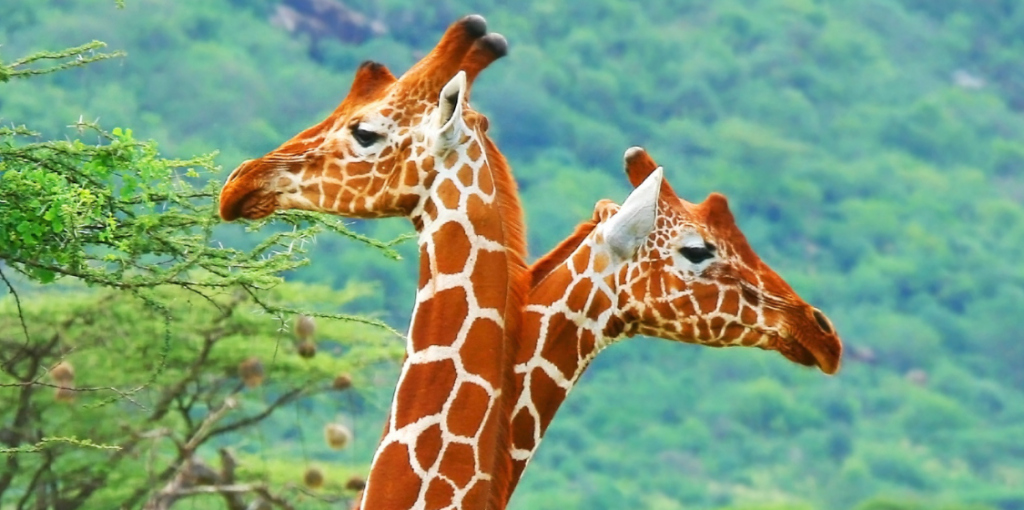
This is a step in the right direction and in Africa particularly, it’s a measure that is needed, given that poaching is out of control.
Landmark Punjab Ruling Should Be a Message to All Courts Around the World
We have to show compassion towards all living creatures. Animals may be mute but we as a society have to speak on their behalf.
Two Pangolins, 272kg of Elephant Tusks Seized From Suspected Poachers in Namibia
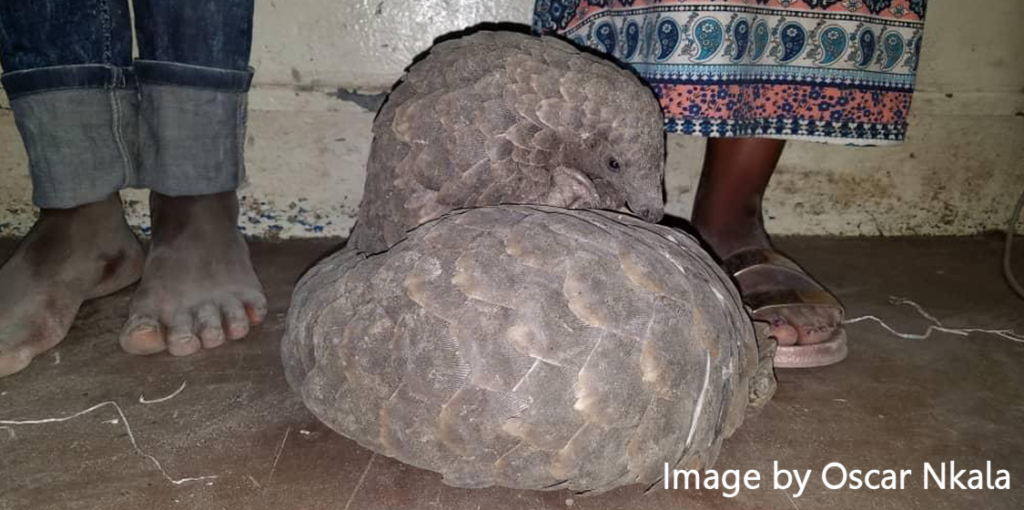
Preliminary police investigations suggest all the ivory came from elephants poached across the border in Botswana. The source of the pangolins is yet to be determined.
Botswana’s Elephants: Myths vs Facts
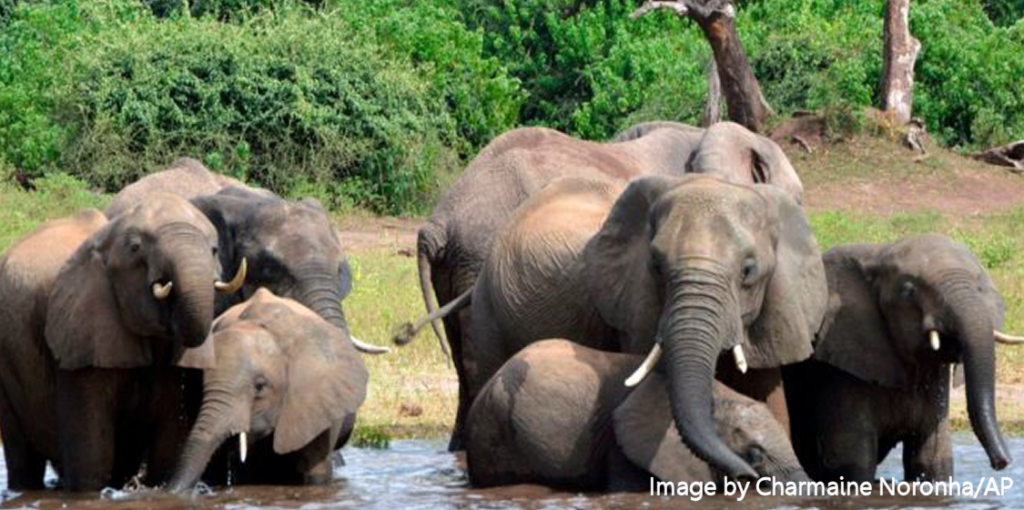
In the final analysis, the southern African countries represented at the Kasane Conference appear intent on moving against science and cogent argument.
The Impact of Botswana’s Hunting Decision Will Be Felt Across Africa
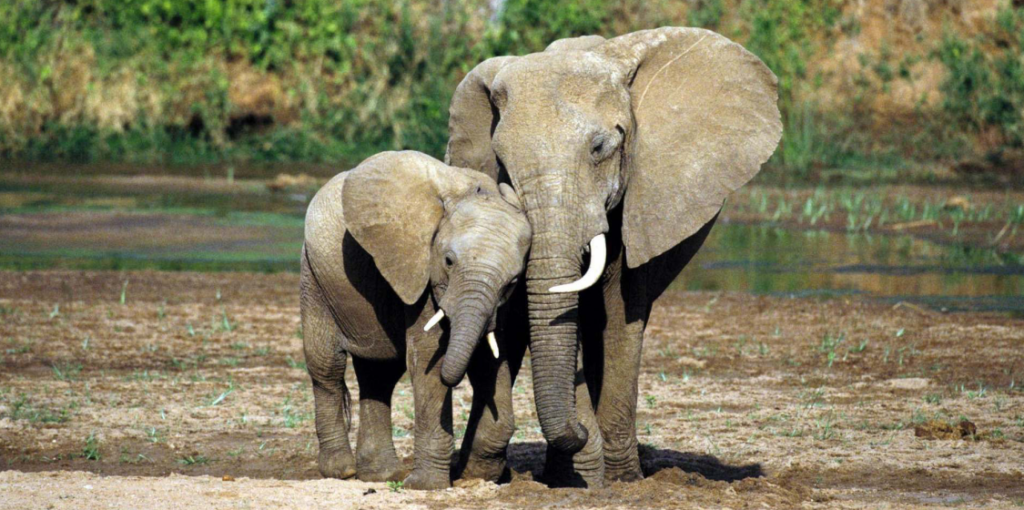
Botswana was the last refuge for these elephants, and suddenly that refuge is going to start hunting them.
Tiger Found Caged in Houston House
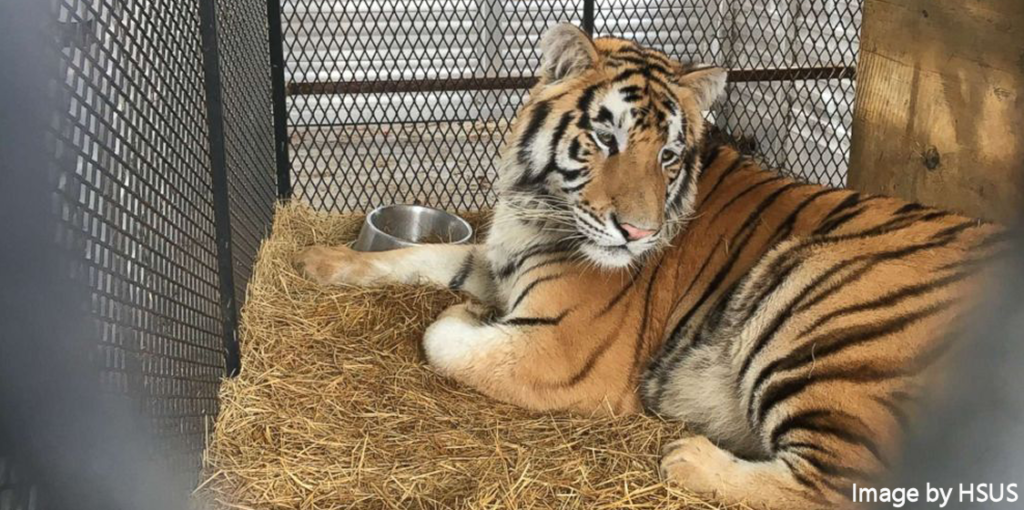
In the US, only 35 States have banned the private ownership of wild cats, and Texas is not one of them.
A Crime of Reporting: Inaccurate Media Failing Zimbabwe’s Elephants
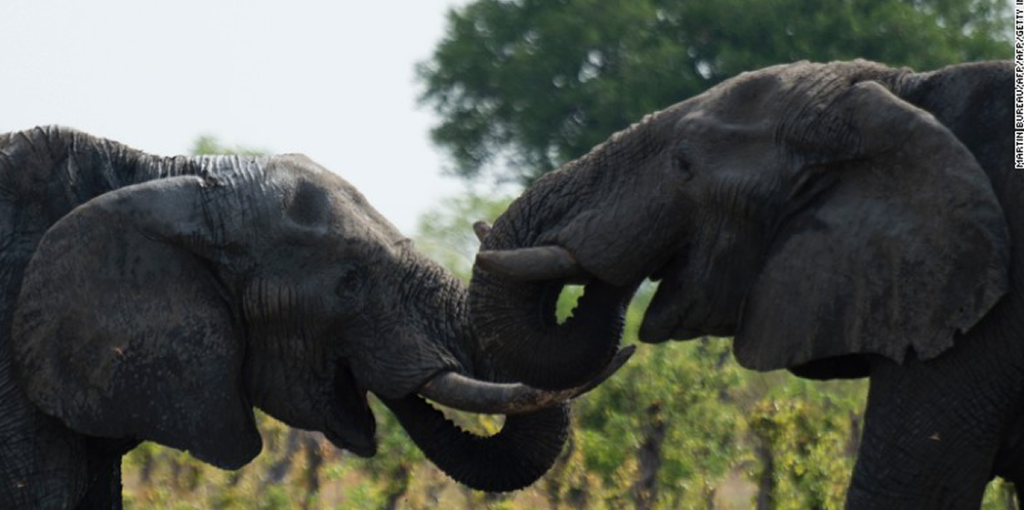
The CNN article characterizes a government whose hands are tied. This is, frankly, erroneous – a mistake.
Arizona’s New Animal Proposal Goes to the Governor
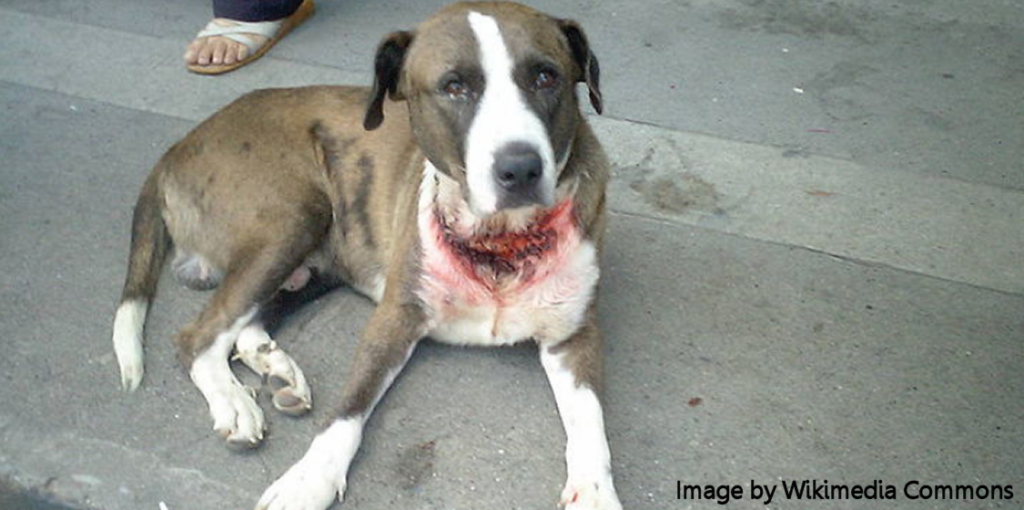
There’s a great link between domestic violence and abusing animals. These people need help. This bill gets them help.
Botswana Risks International Condemnation if It Reintroduces Elephant Hunting and Turning Elephants-Into-Pet-Food Plan

This is an idea that, if turned into reality, would see Botswana internationally reviled.
35 More Baby Elephants Being Sent From Zimbabwe to Lives of Hell in China
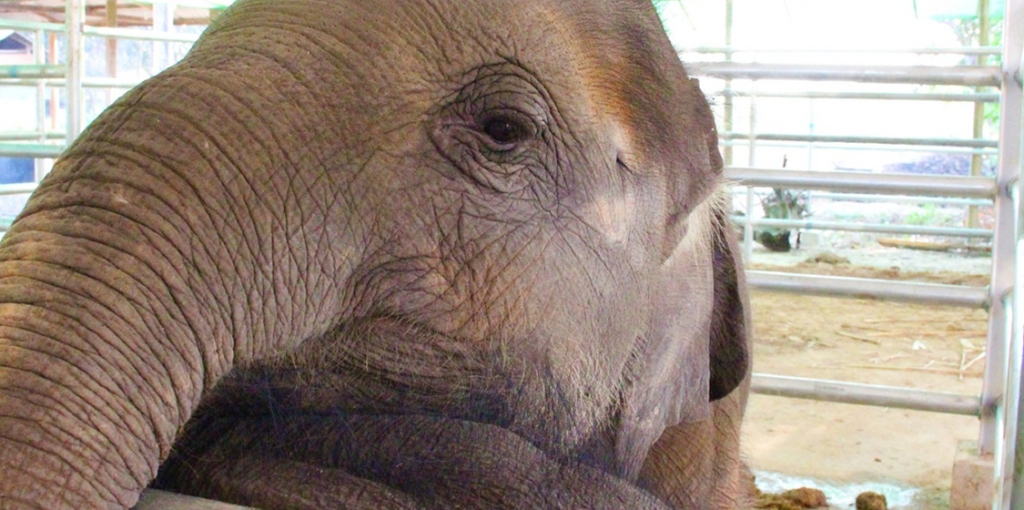
Many of these babies will still be breast feeding. Scientists say they will never fully recover from the trauma.
CITES CoP18 Will Be Held in Colombo, Sri Lanka in May 2019
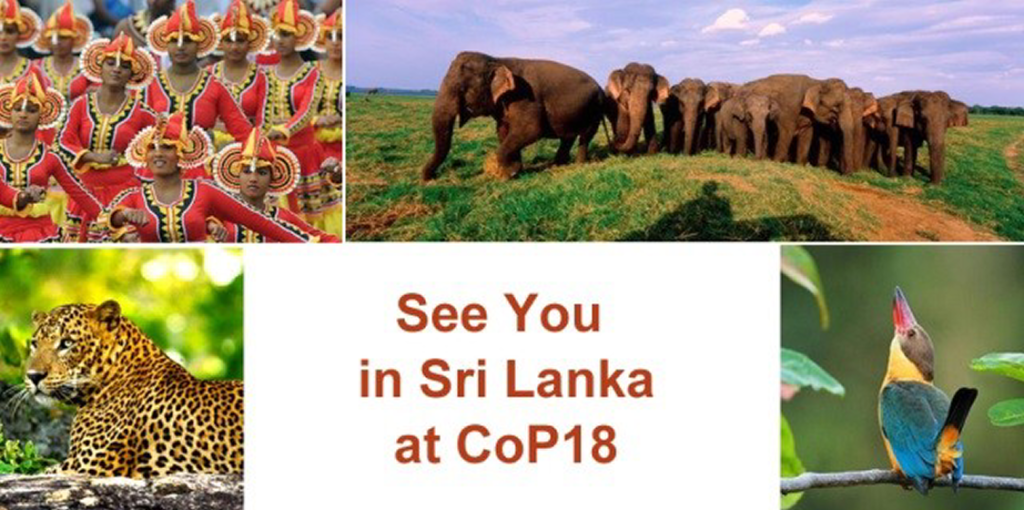
Cites, the United Nations organisation which regulates wildlife trade, meets in Sri Lanka in May for its 18th session.
What Brexit Could Mean for Animal Welfare
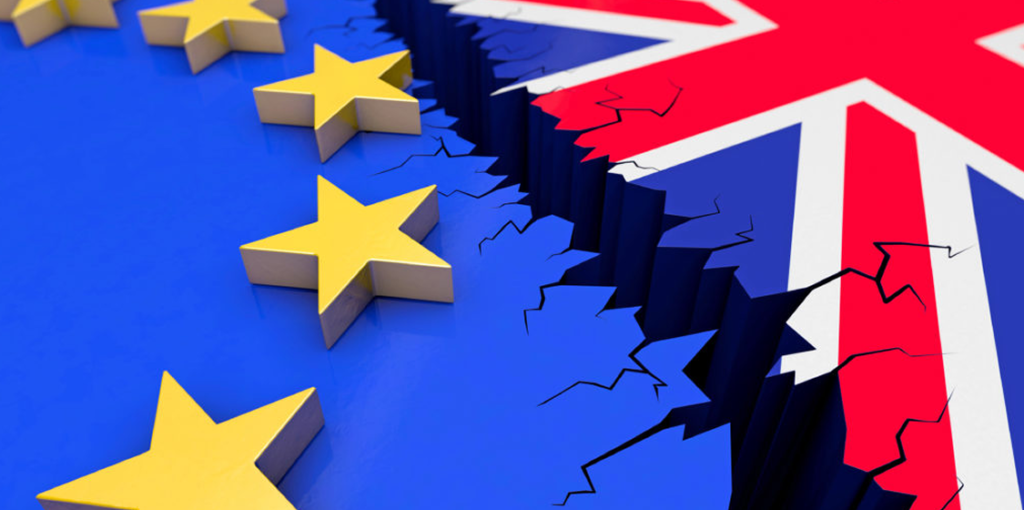
Whatever the outcome, of the current debate on Brexit, the UK leaving the EU will have profound implications for Animal Welfare.
Hunters Pepper Caged Fox With Bullets
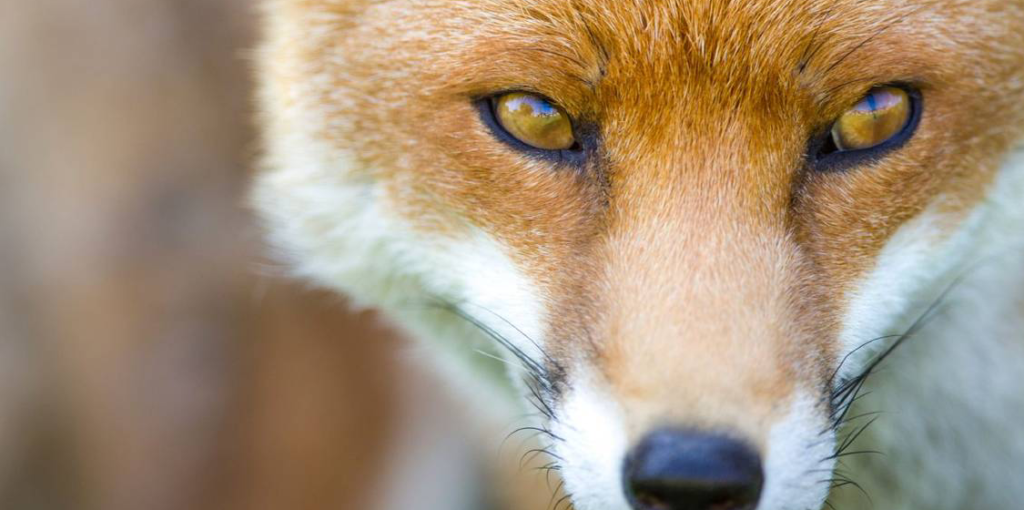
The hunters claim they hunt to protect the environment, but it’s really an excuse for the kind of barbarity shown in this video.
Vietnam Continues to Be a Major Center of Ivory Trading
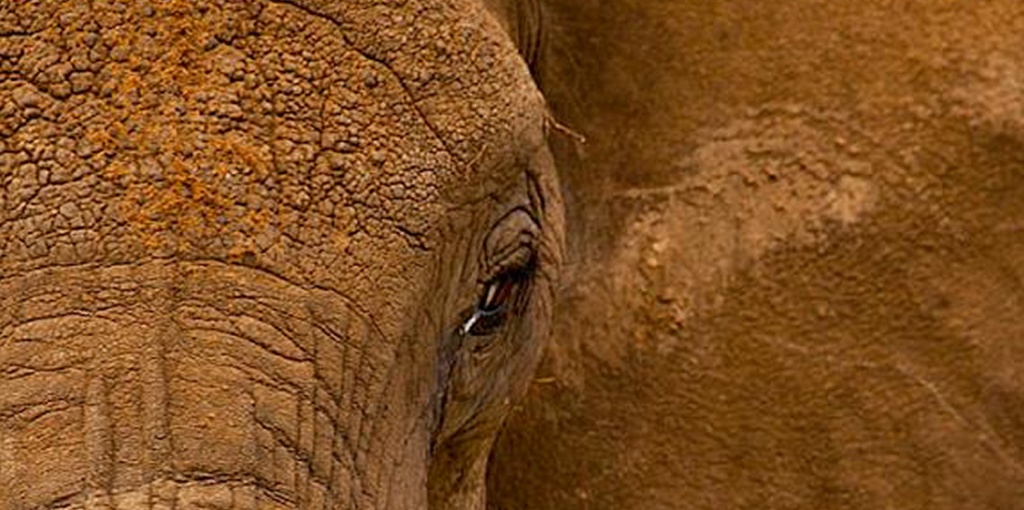
Regulatory and enforcement efforts must catch up to the markets, or the Vietnamese illegal ivory market will remain one of the largest in the world.
Japan to Defy the World-Wide Whaling Ban and Start Killing Whales
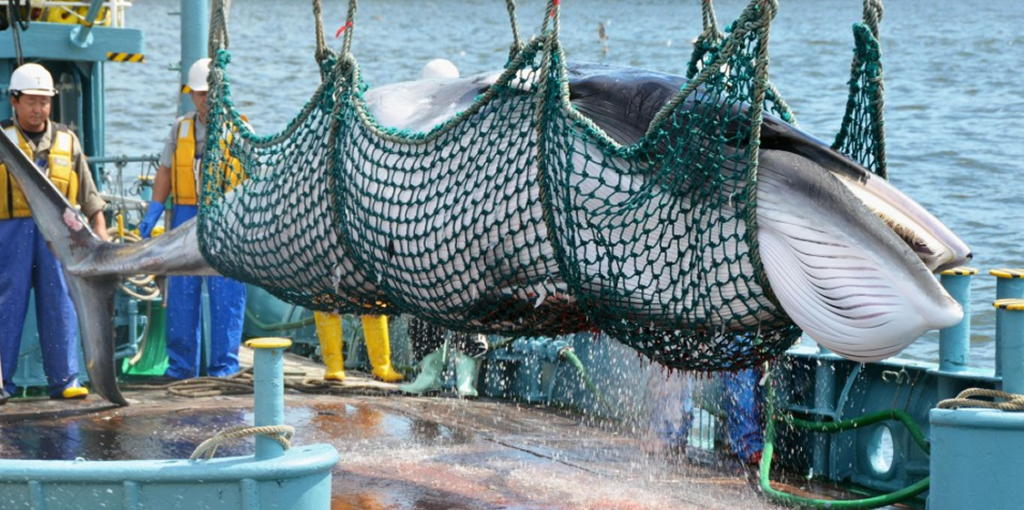
A massive battle is underway to protect whales and allow their stocks to recover before they are lost forever. The situation is so serious that a world-wide ban on commercial whaling has been in place since 1986.
UK Introduces Strict Ban on Sale of Ivory
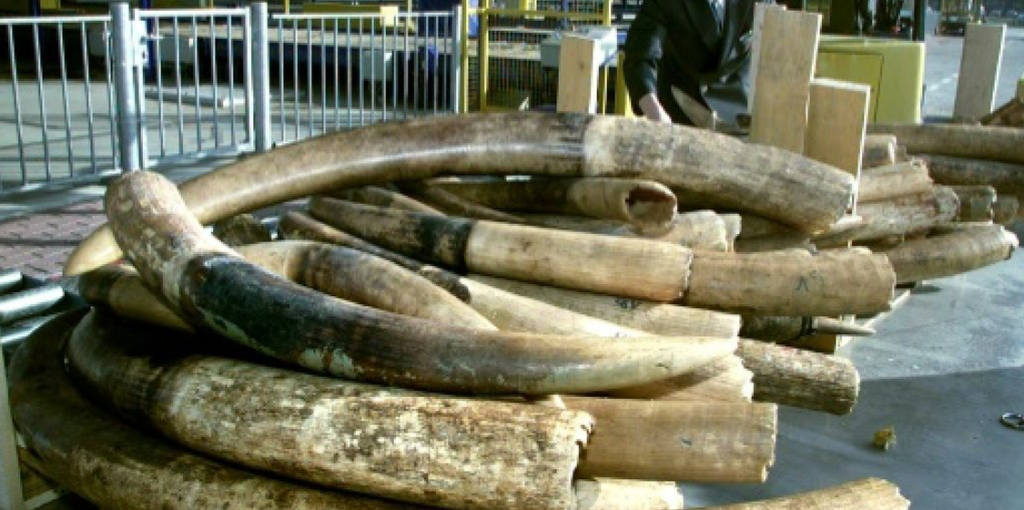
The number of elephants living in the wild has declined by almost a third in the last decade and around 20,000 elephants a year are being slaughtered due to the global demand for ivory.
Some Giraffe Subspecies Are at Risk of Extinction
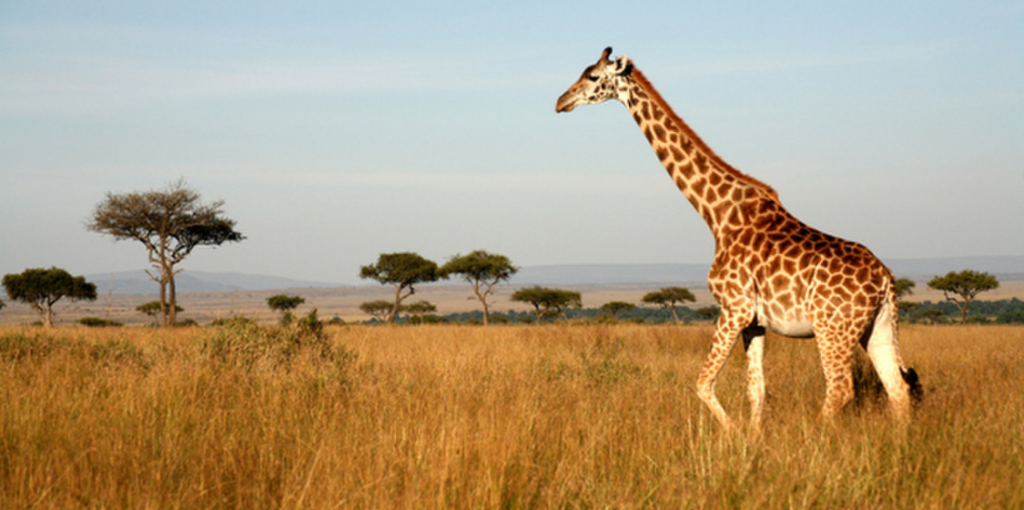
Two out of nine subspecies of giraffe are listed by IUCN as critically endangered, while others are considered endangered, vulnerable and near threatened.
New Hope for Fin Whales and Mountain Gorillas

The IUCN Red List now includes 96,951 species of which 26,840 are threatened with extinction.
Could the End of Captive Lion Breeding in South Africa Be In Sight?
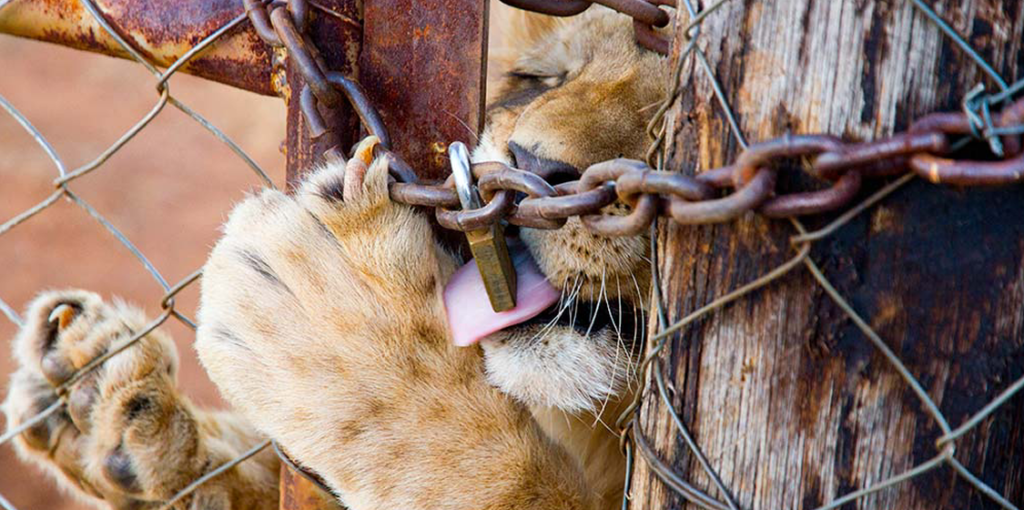
Continued and sustained pressure on the government is the only way to ensure that the parliamentarians’ wishes are respected.
Singapore Seeks a Ban on Ivory Sales
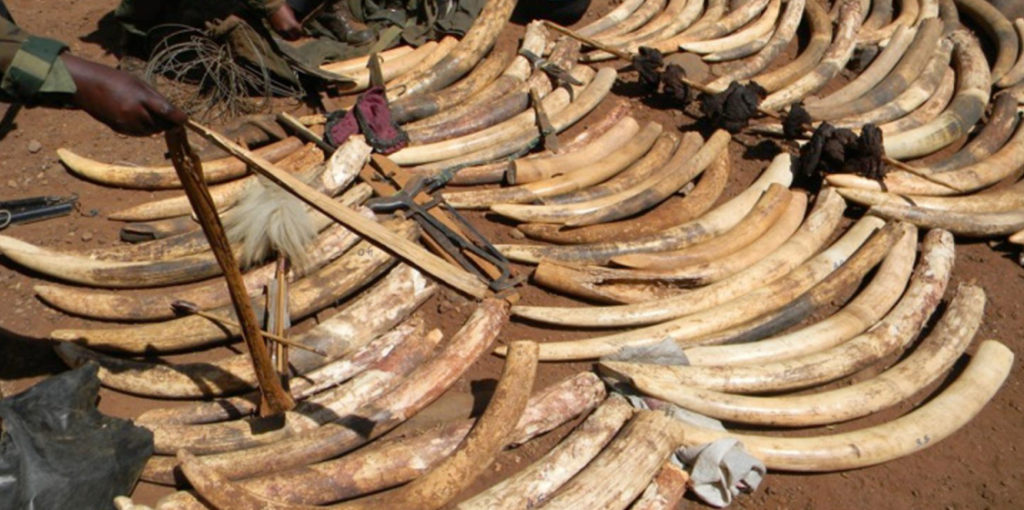
If the ban is passed, it means individuals and local businesses will no longer be able to sell or buy any form of elephant ivory in Singapore.
China Reverses Tiger and Rhino Products Ban
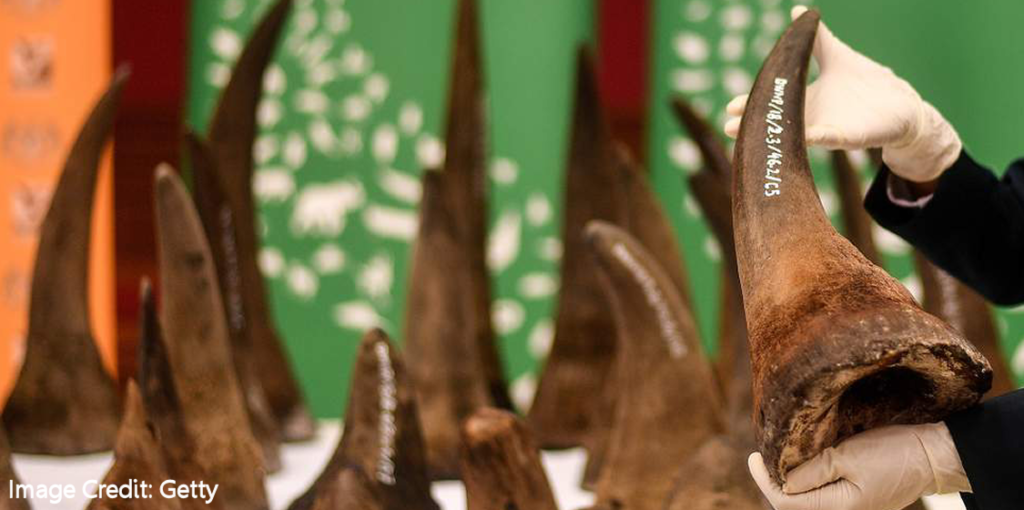
“We are relieved and pleased that sanity has prevailed,” said David Barritt, a spokesman for the Animal Survival International (formerly Political Animal Lobby).
Orphaned Rhino Highlights the Tragedy of the Trade in Rhino Horn
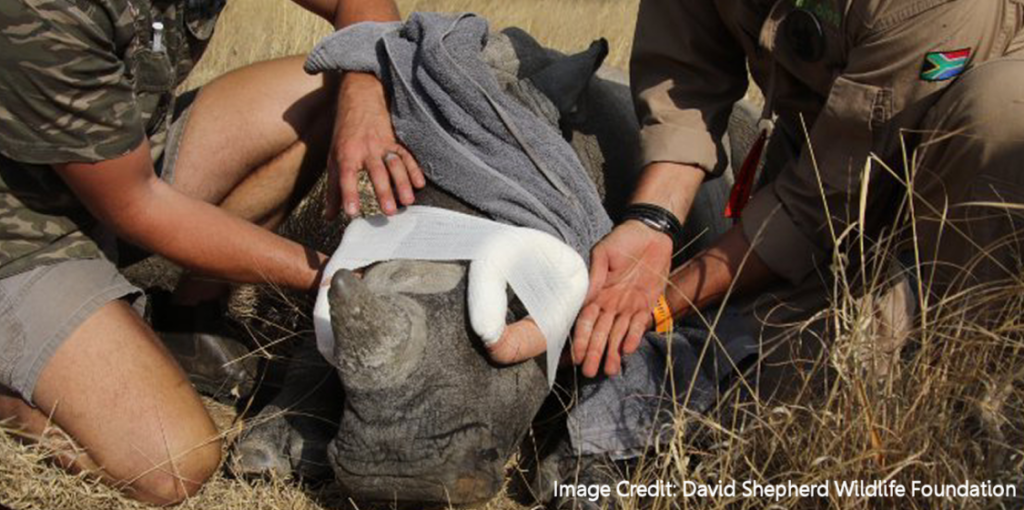
Baby David’s mother was the latest victim of the poaching scourge that has swept across South Africa since 2008.
Godfray Review Shifts Focus From Badgers to Farmers
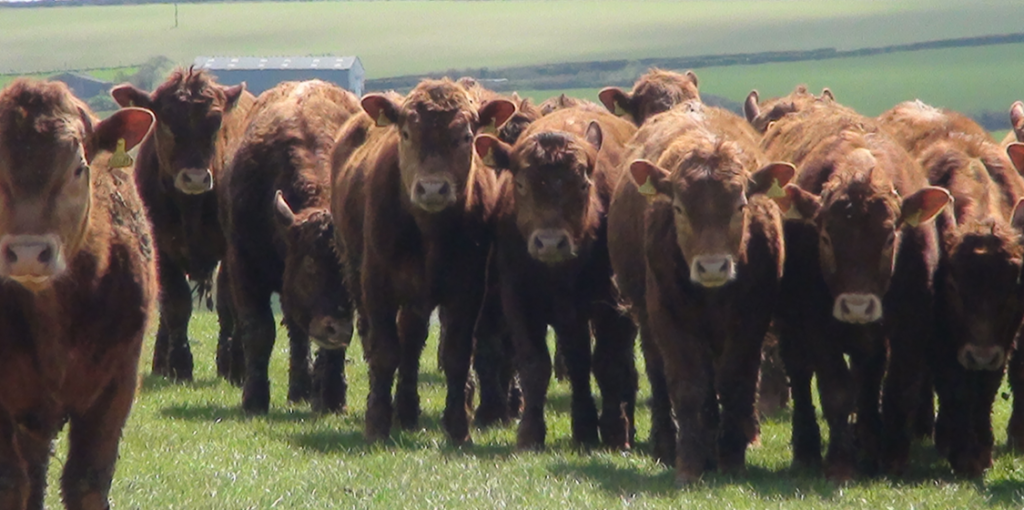
We intend to keep applying pressure on the UK government until it finally does what any responsible government must surely do under the circumstances: abandon its policy of killing badgers.
New Knowledge About Tigers Could Help to Protect Them
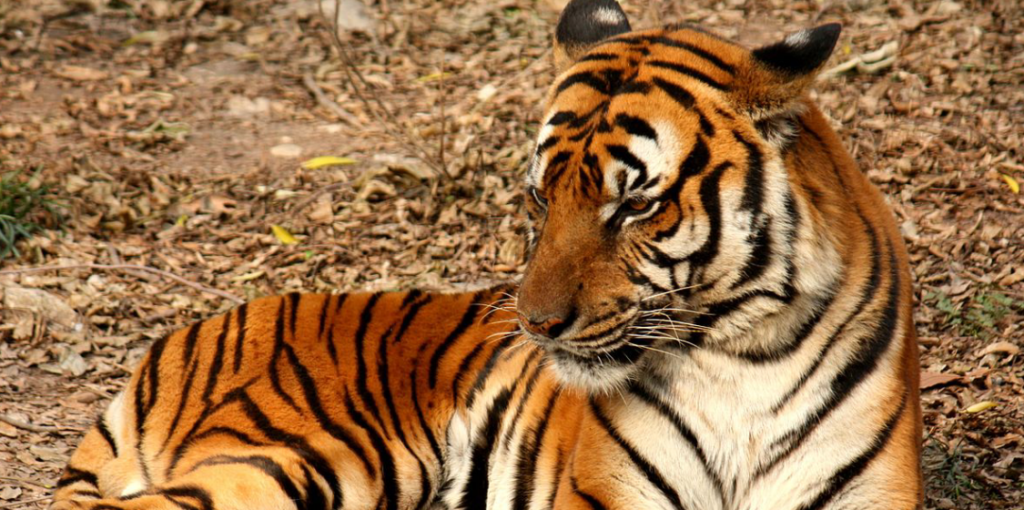
Preserving what is left of tigers’ genetic diversity will mean ensuring that all remaining subspecies are taken into account, say the researchers.
Lies, Damn Lies and Statistics
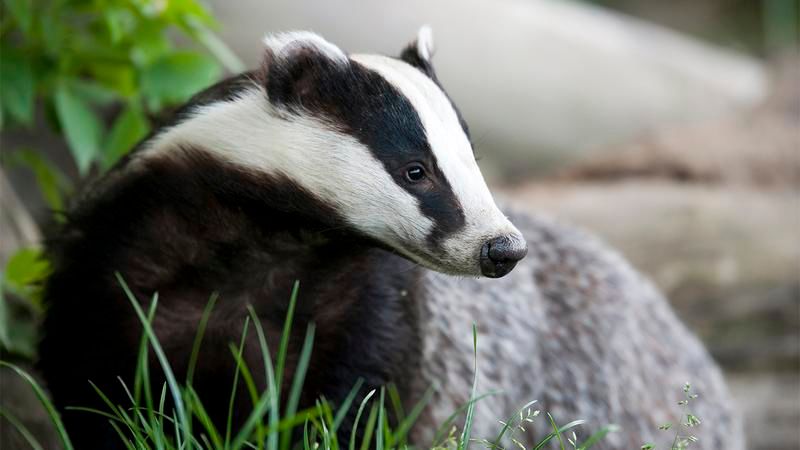
They challenge the government to abandon its 25-year bTB eradication policy.
Criminals May Be Using Antiques as a Way to Launder Rhino Horn
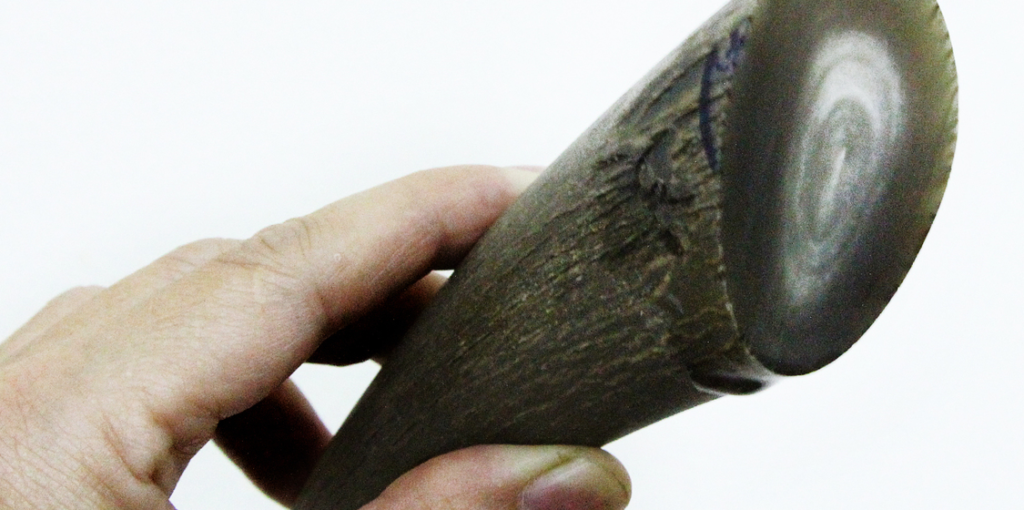
Sophisticated criminal networks use every way possible to traffic illegal rhino horn to consumer countries, often routing it through countries in the European Union.
Botswana’s Safari Tourism Industry to Fight Elephant Poaching
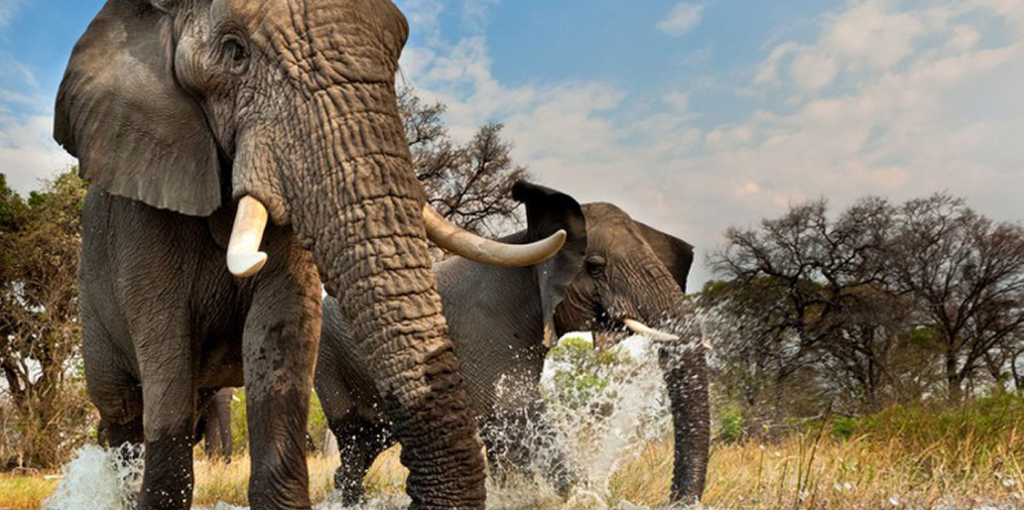
Until recently, these forces have combined to stop widespread poaching activity, making Botswana a haven for Africa’s increasingly threatened wildlife.
Conference Focuses Spotlight on the Illegal Wildlife Trade
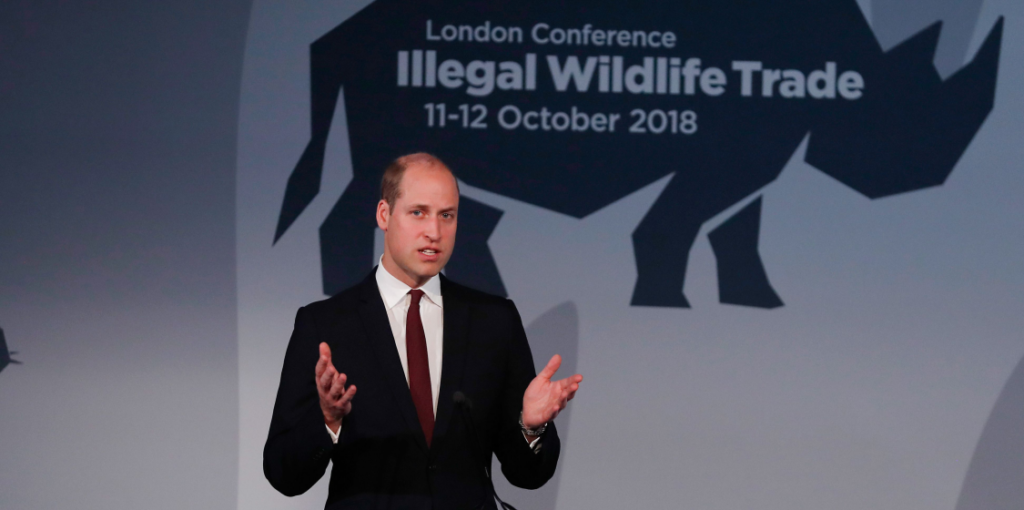
Participants at the London conference sought to strengthen international partnerships in an effort to tackle the illegal wildlife trade which is worth as much as £17-billion (US$22.5-billion).
The Airline Industry Has the Power to Curb Illegal Wildlife Trafficking

Illegal wildlife trafficking impacts more than 7,000 species of animals and plants. Criminal organizations involved in wildlife trafficking are often directly connected to other trafficking networks, with the profits being used for all manner of illegal activities.
Vietnamese Wildlife Syndicates a Growing Threat to Elephants
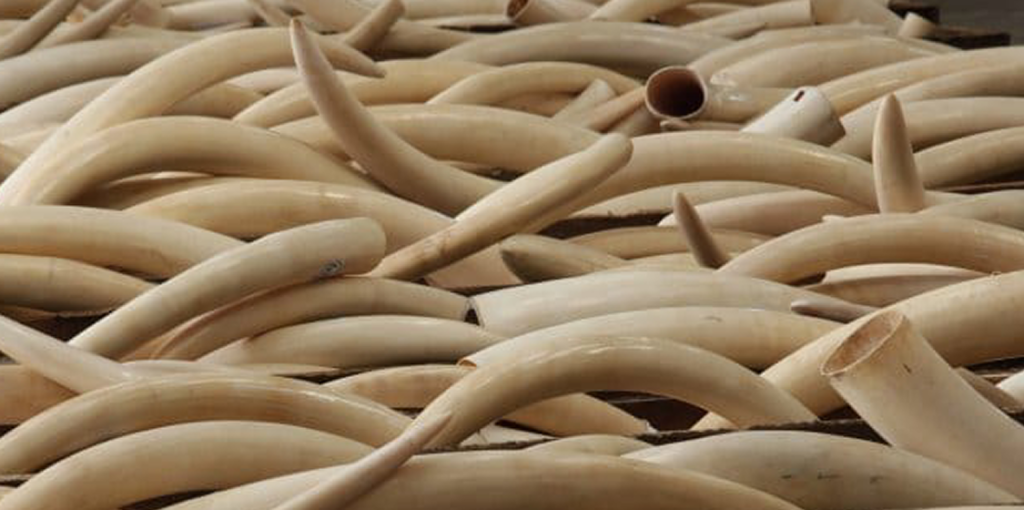
While the seizures likely represent a small fraction of the actual volume trafficked, they represent as many as 11,414 dead elephants.
Sniffer Dogs Prove Their Worth in Rhino Poaching Crisis
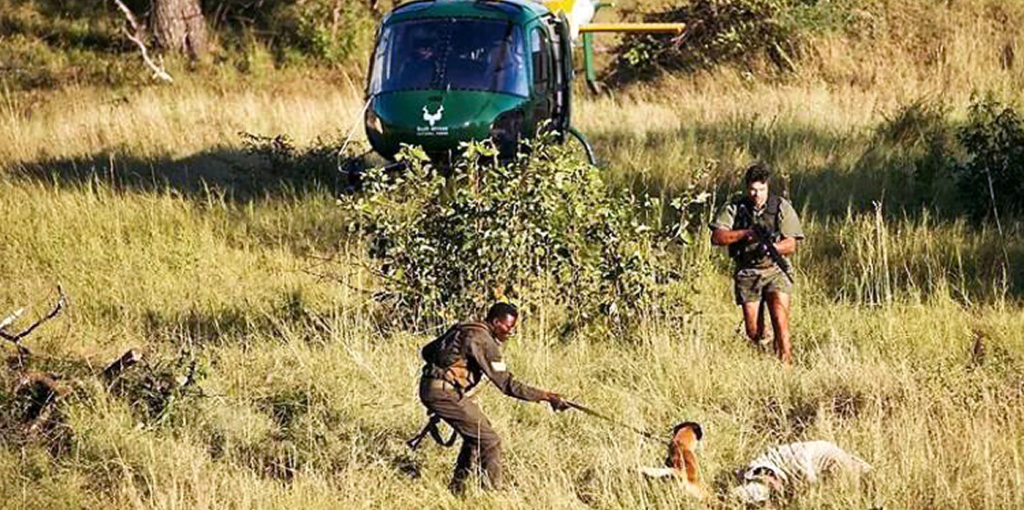
Network for Animals supports seven of the 54 sniffer dogs that work for the Kruger National Park’s canine unit. The dogs and the brave men who work with them, hunt down poachers in the huge nature reserve, which is larger than the country of Wales.
Tories Expand Cruel and Pointless Badger Cull
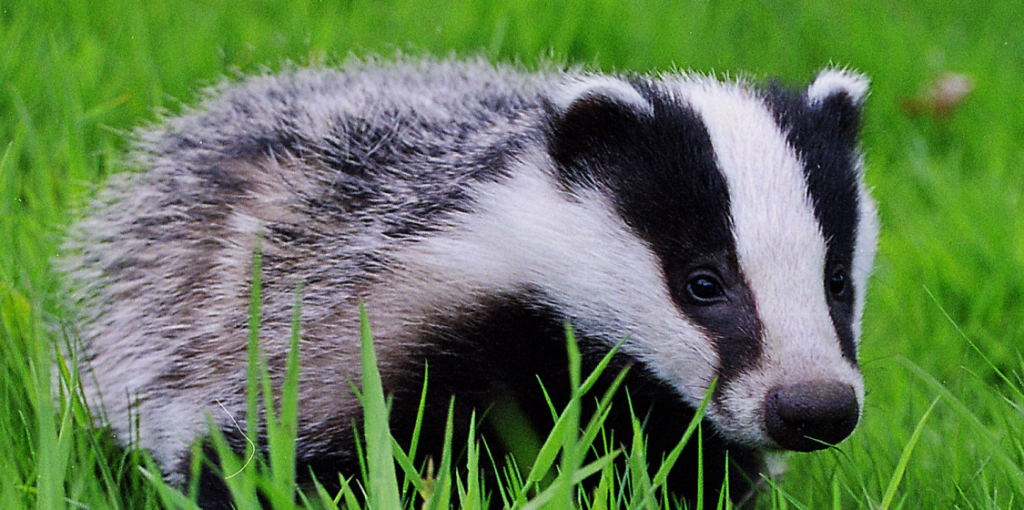
It’s clear that neither scientific reasoning nor constant pressure from animal lovers will end the horror of the badger cull. Only a change in government will stop the madness.
Is Zimbabwe Exporting Rhinos to China?
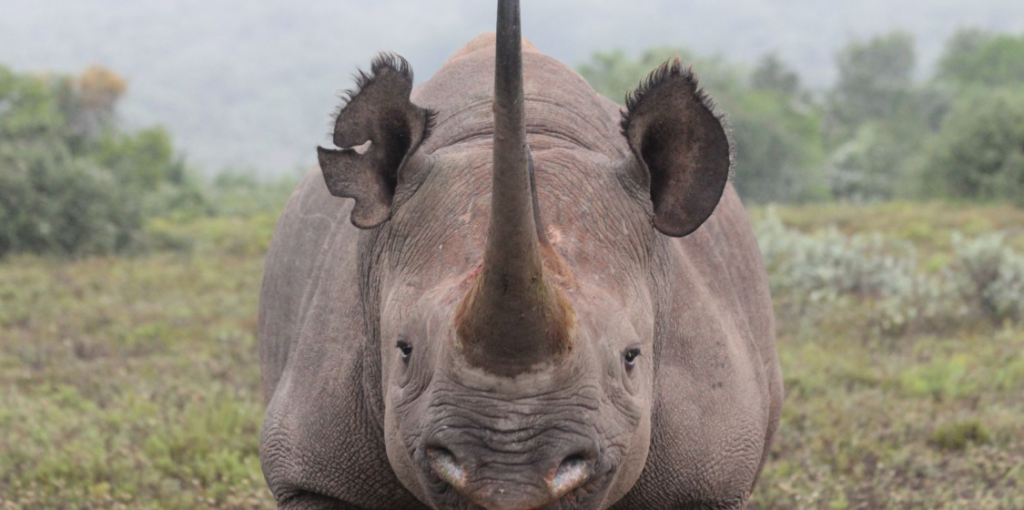
Most recently, it was reported that 31 young elephants captured in the Hwange National Park in January this year, were to be exported – probably to China.
Kudos for Singapore Airlines. It Won’t Transport Lion Bones From South Africa
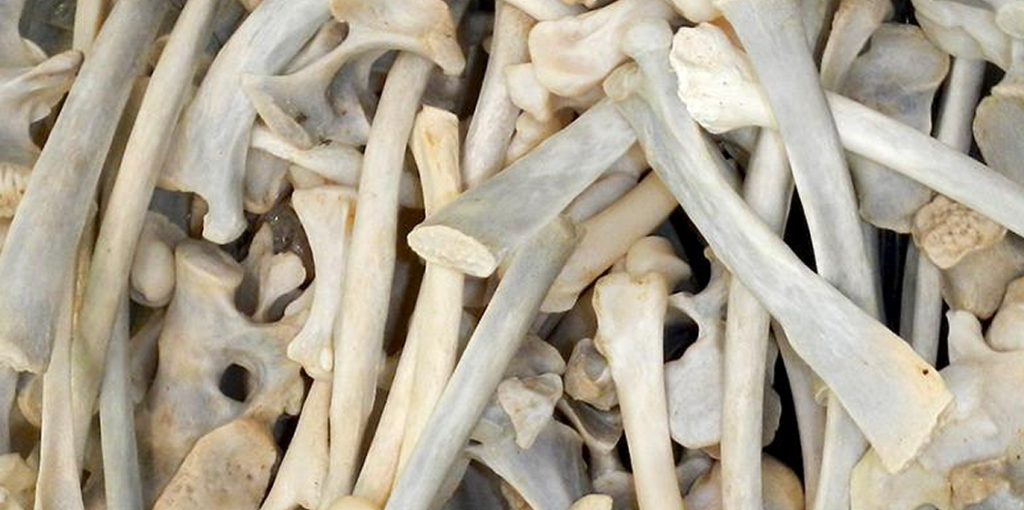
Our organisation strongly supports the movement by animal rights activists and organisations to shut down this industry that is a stain on South Africa’s reputation as a leader in the conservation of wild animals and natural landscapes.
Elephant Massacre in Botswana
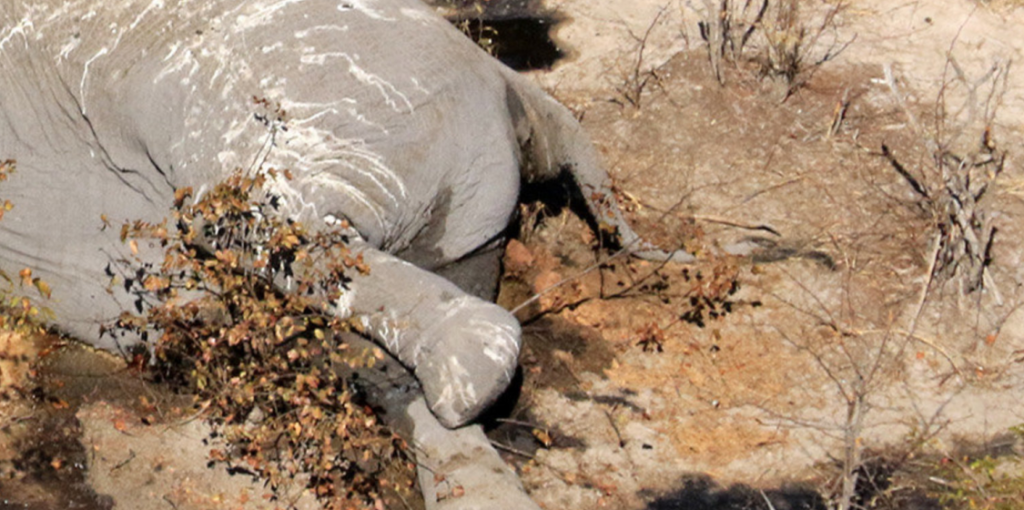
The bodies of 87 elephants, most with their tusks chopped off, were discovered by a non-governmental organisation, Elephants without Borders, which was conducting a routine elephant census along the Botswana border.
Is the Tide Turning for Elephants?
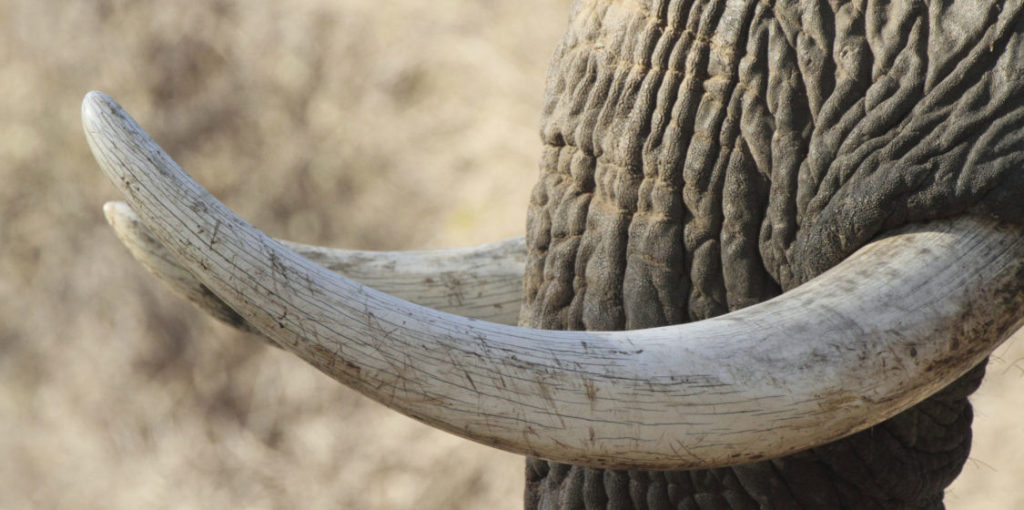
The work done by Network for Animals and its supporters comes at an important time for elephants − a time when the tide appears to be turning against the trade in ivory.
Canned Lion Hunting
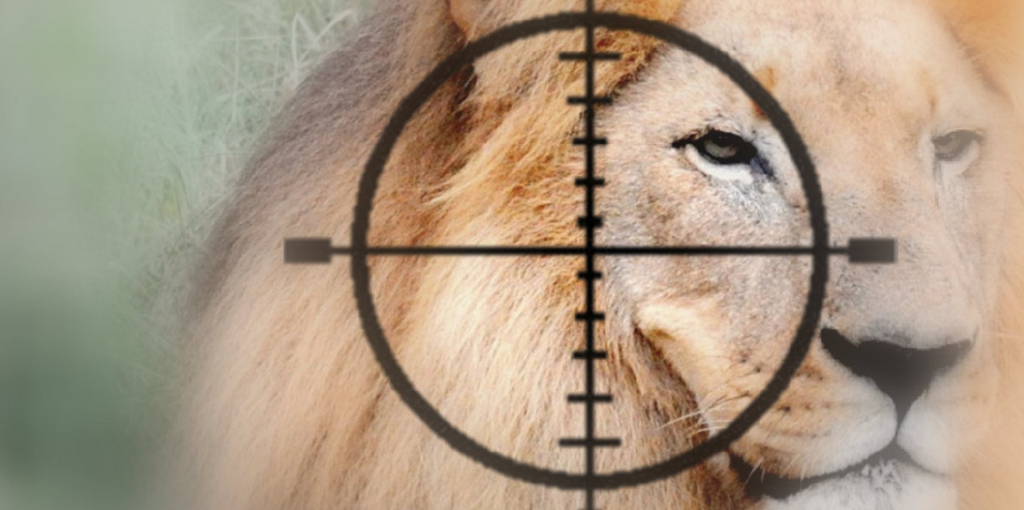
This Zapiro cartoon in the Daily Maverick captures the essence of South Africa’s shameful canned lion hunting industry that places cash before conservation.
Legal Challenge to the Controversial Badger Cull
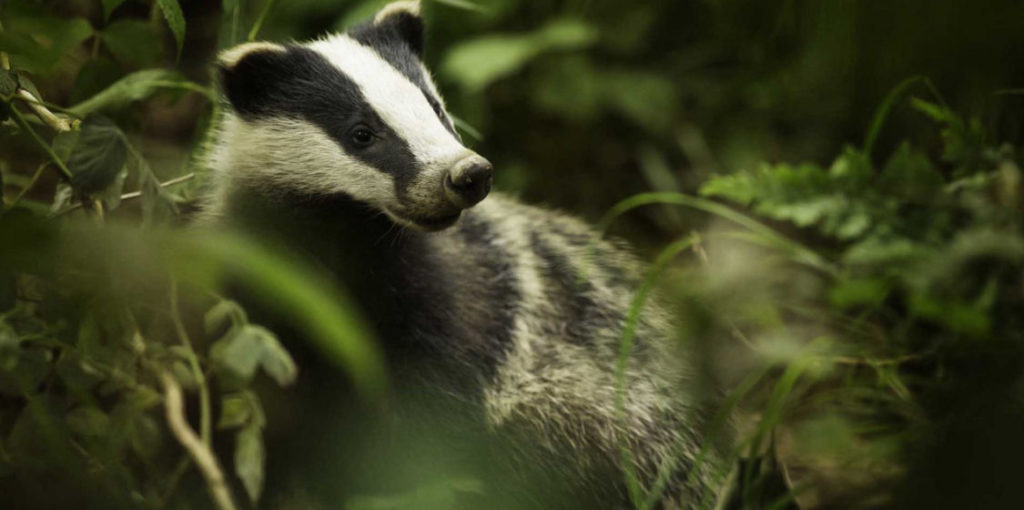
According to the Badger Trust, 30,000 badgers have been killed since 2013 as a result of the Defra’s policy to cull badgers.
A Step Backwards for the American People
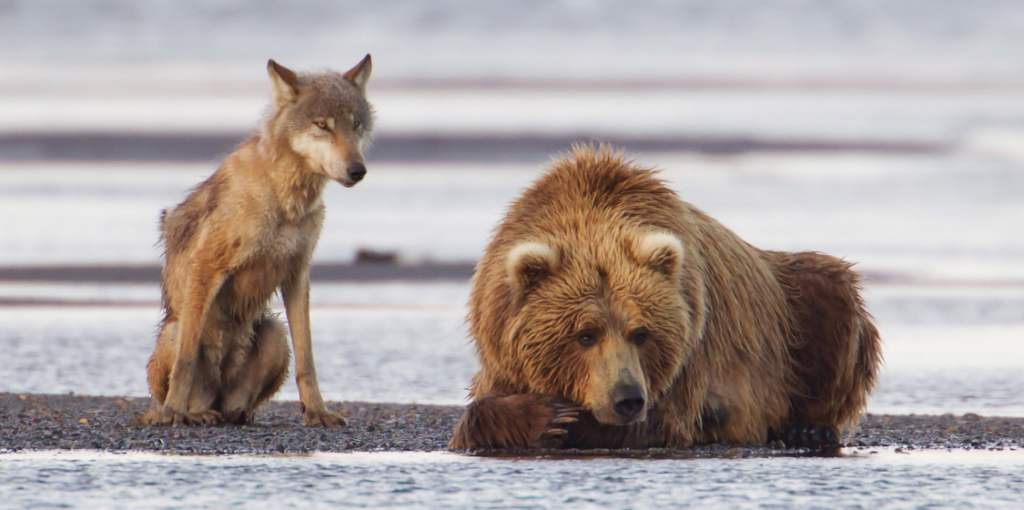
We assure our supporters that ASI will continue to push back against laws like this one that lead to untold pain and hardship for wild animals.
Wildlife Crime: Global Seizures and Arrests in Transcontinental Operation
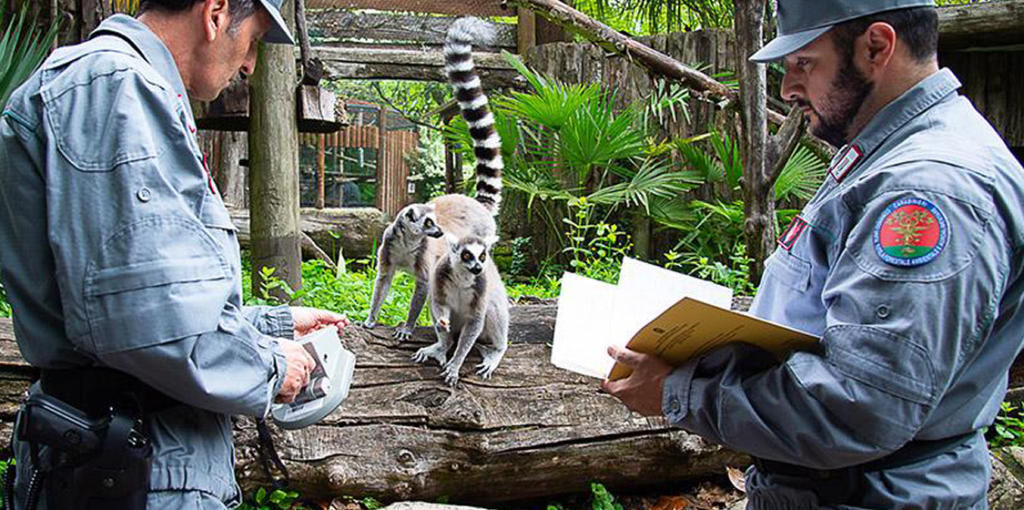
The global law enforcement community is to be congratulated for these significant seizures.
South Africa’s Famed Wildlife Is at Risk
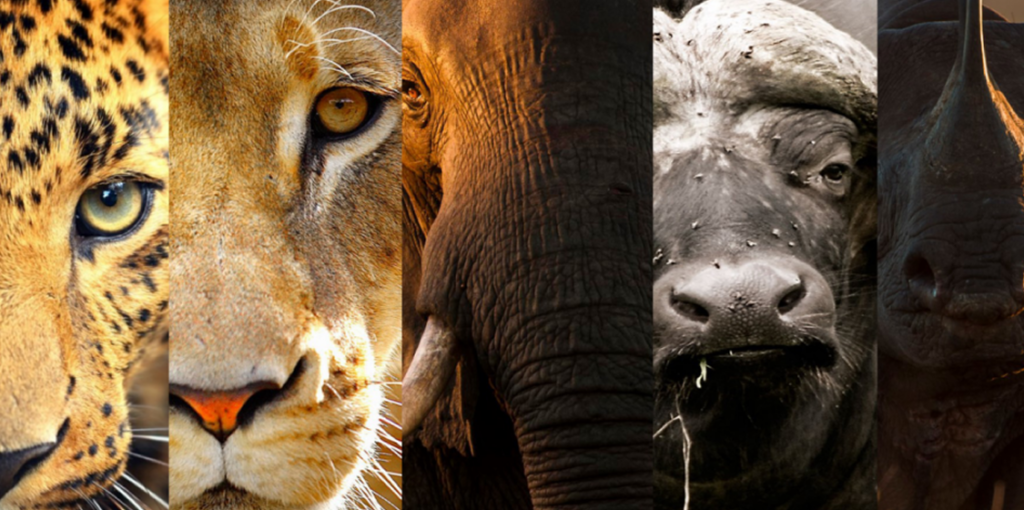
When wildlife becomes a commodity as it has done in South Africa, the welfare of animals becomes secondary.
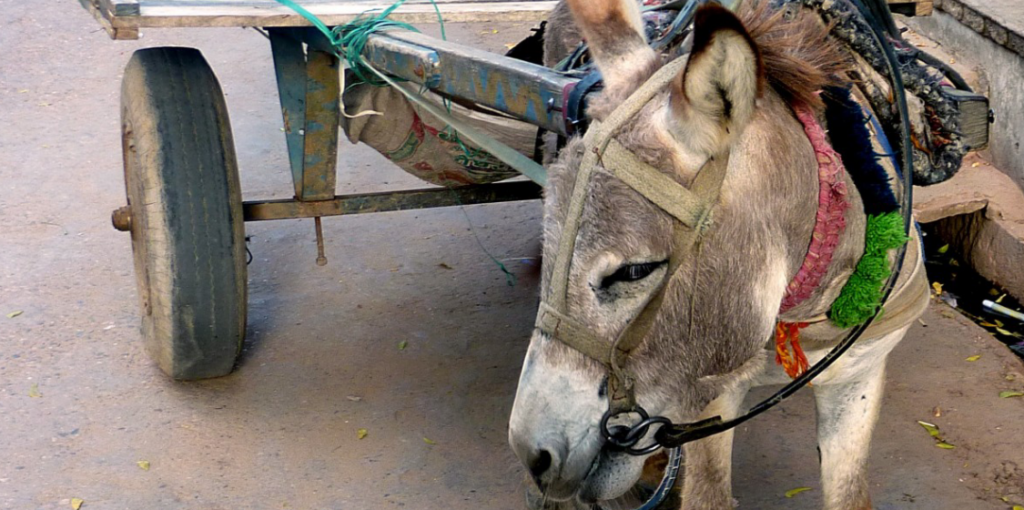
Australia Seeks to Stop the Trade in Donkeys Before It Starts
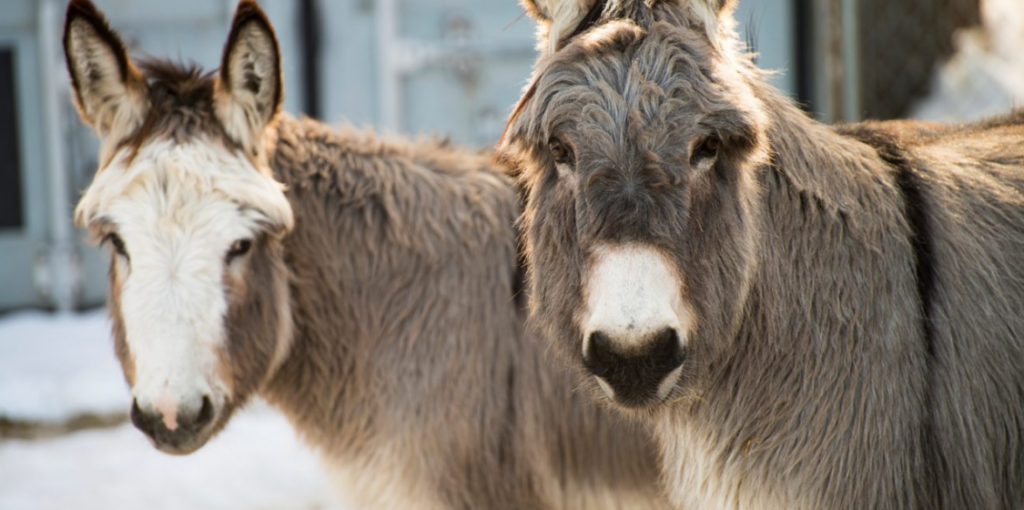
The number of donkeys in African countries has thinned dramatically in recent years: Kenya’s donkey population, for example, has fallen by half since 2009, to 900 000.
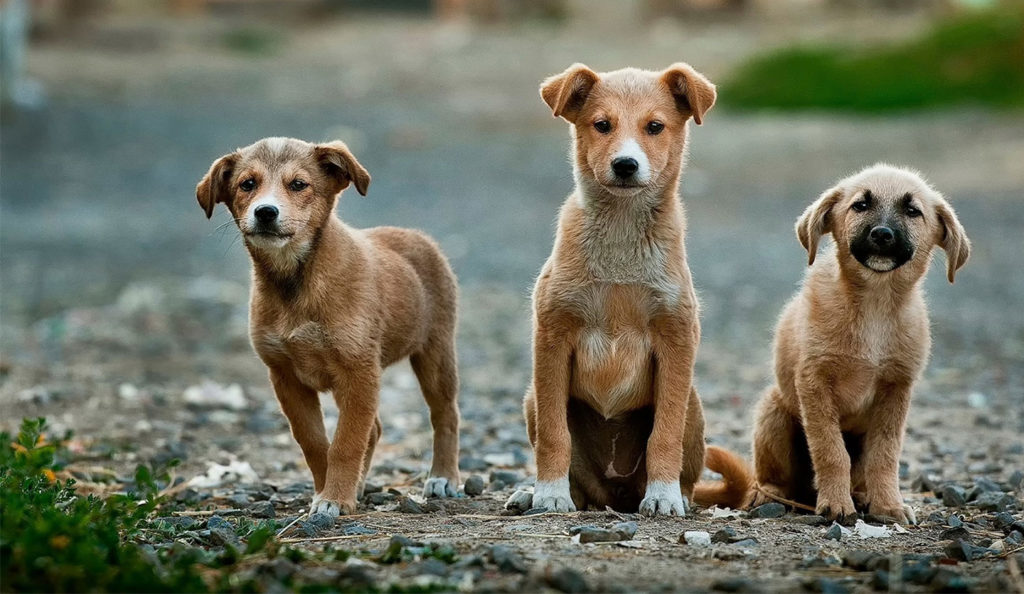
Pet Shop Sales Ban Could Help to End the Misery of the Illegal Puppy Trade
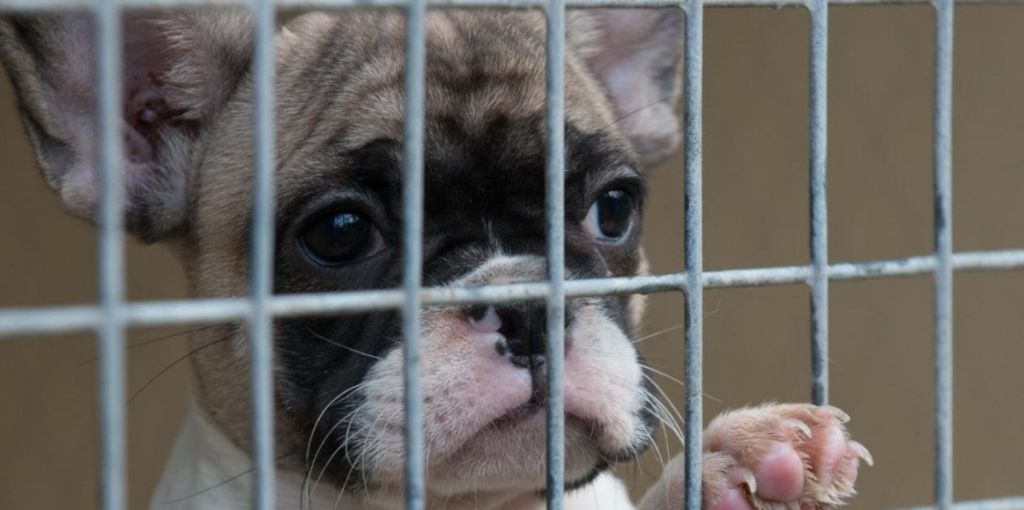
We would like to see a public education campaign instituted to highlight the serious health implications and terrible cruelty that is associated with puppy farming
Yulin Is the Evil Headquarters of China’s Animal Cruelty
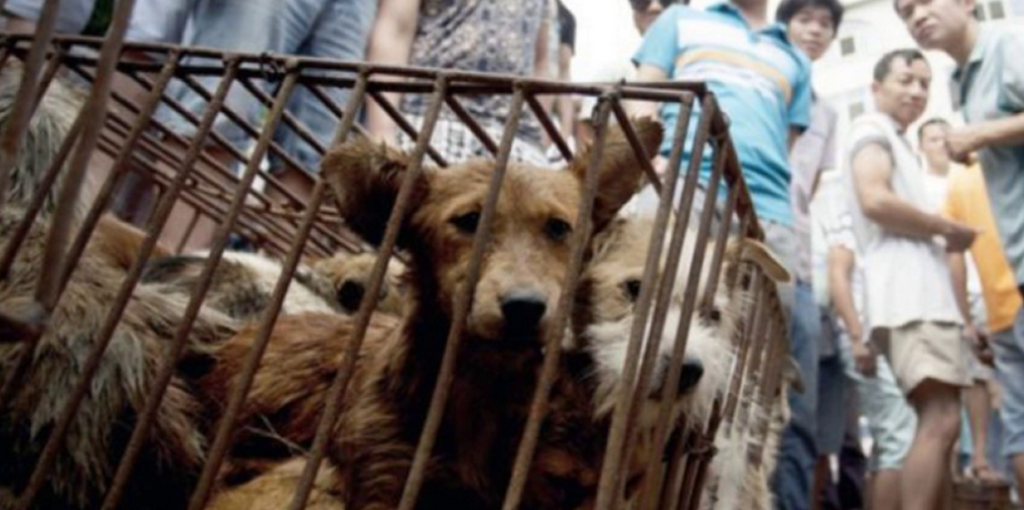
Around ten million dogs and cats are killed and eaten by humans each year in China. Horrifyingly, they actually celebrate this shame at the annual Yulin Lychee and Dog Meat festival.
Huntsman Is Found Guilty and Fined
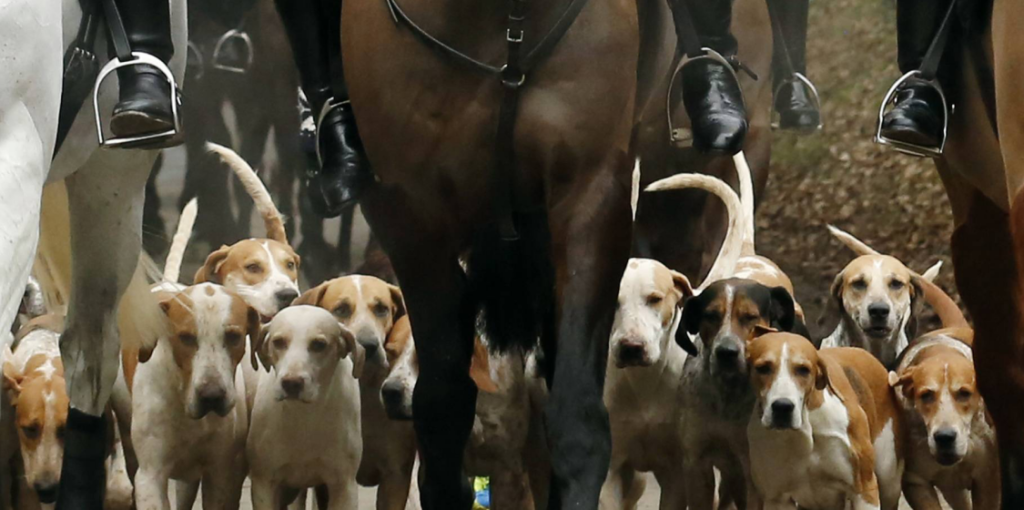
Hunter, George Adams, 66, was fined £1 000 (US$1 430) and ordered to pay costs and damages of £1 030 (US$1 475) when he was convicted and sentenced by the Peterborough Magistrates Court earlier this month for using hounds to kill a fox on 1 January 2016.
Oxford Residents to Say “No” to the Badger Cull
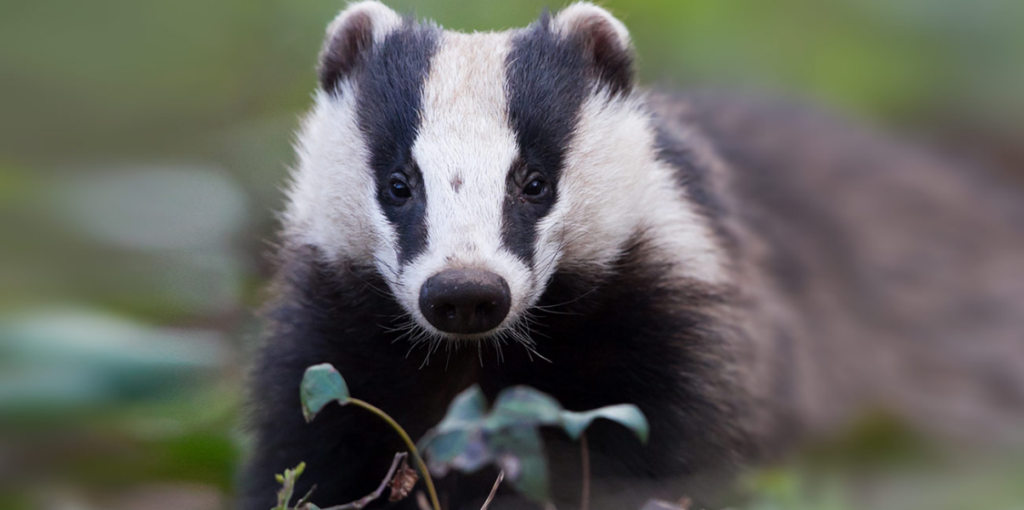
Animal Survival International (formerly Political Animal Lobby) spokesperson, David Barritt, said the organisation agreed absolutely with the Oxfordshire Badger Group and ASI was heartened by the groundswell of support for badgers that is rising across Britain.
ASI and NFA Honor Daphne Sheldrick
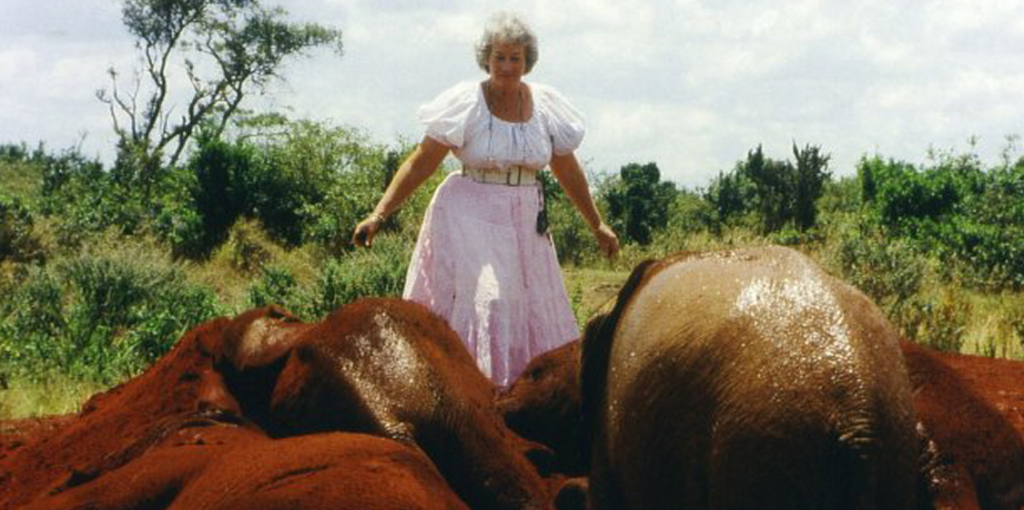
“Daphne was a giant among animal lovers,” said David Barritt, NFA campaign director and a spokesperson for ASI. “We honour her life’s work and we pledge to continue doing everything in our power to protect the wild animals and wild places of Africa.”
Hunters Should Stop Using Lead Bullets and Help Save the Vultures
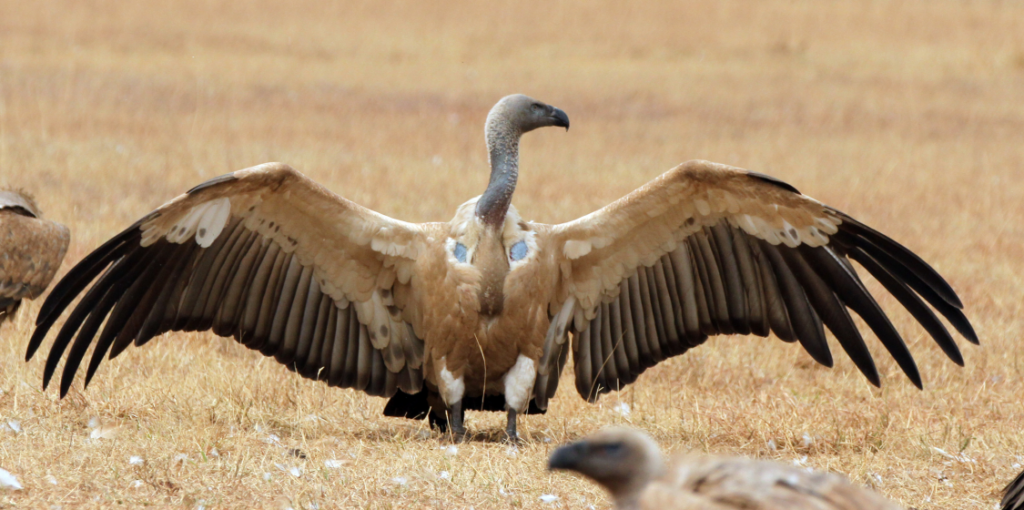
Concern over the threat to scavenging raptors is increasing. Recent research has shown that lead poisoning can have negative effects even if it doesn’t kill the birds.