

Southern Africa

These lions are safe from war – but now, they need water

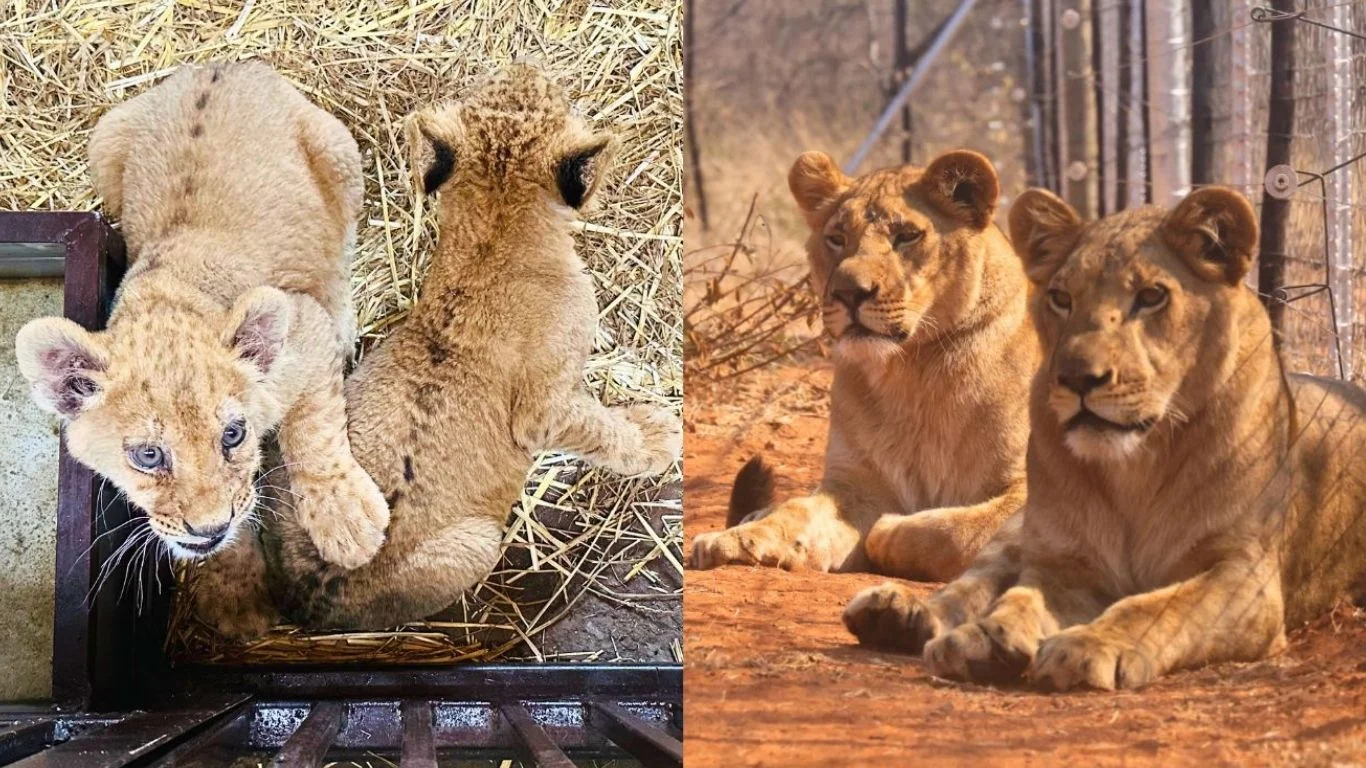
When lion cubs Zorya and Mira dragged their tiny, broken bodies through the wreckage of war on the Ukraine frontline, it seemed almost impossible that these terrified, severely injured infants would ever find safety. We helped care for them for over a year in a temporary Ukrainian shelter – and recently, our supporters helped us get them to safety in South Africa. Now they need your help to not just survive, but to thrive. Credit: WARC No-one knows how the infant cubs, both with their back legs broken, ended up frightened and alone on the frontlines of the Ukraine war. We do know they were just two of many victims of animal abandonment. Thanks to the generosity of animal-lovers like you and the help of our partners, Wild Animal Rescue Center (WARC) in Ukraine and the LionWatch Project in South Africa, we achieved something truly extraordinary for the lions: financing medical care to heal their wounds and, recently, evacuating them from the war zone. While their escape was the crucial first step, it’s only the beginning of what they need to truly thrive. From a Ukrainian zoo to the turmoil of war, Cleopatra, Mira and Zorya are now adjusting to their new lives on African soil. Credit: WARC (Left) and ASI/Luke Kruyt (Right) Safety is the bare minimum. It doesn’t mean their needs are over. Far from it. The lions are safe now, but Zorya and Mira have one vital need and are counting on your support: they need water, as their new home is in an area where temperatures reach around 104°F (40°C), and the rainy season has passed.  With your help, we will install an energy-efficient, self-sustaining water system in their sanctuary area – particularly necessary as South Africa enters its sweltering summer season. This system will automatically refill the waterhole whenever necessary. It will be a huge benefit for Zorya and Mira. Credit: WARC (Left) and ASI/Luke Kruyt (Right) Together, we can create the oasis they deserve in Africa. Today, Zorya and Mira no longer hear bombs falling. They feel the sun on their backs, the earth beneath their paws, and the safety of a home they can finally call their own, but they do need a reliable source of water. If we can raise $8,000 (£6,100), we can keep the lions hydrated and healthy through the harsh summer, and beyond.  It will ensure the lions always have access to clean, fresh water as summer temperatures soar to 104°F (40°C). Every contribution, large or small, will make a tangible difference to their lives.

Read More »

Poachers are killing animals YOU helped save

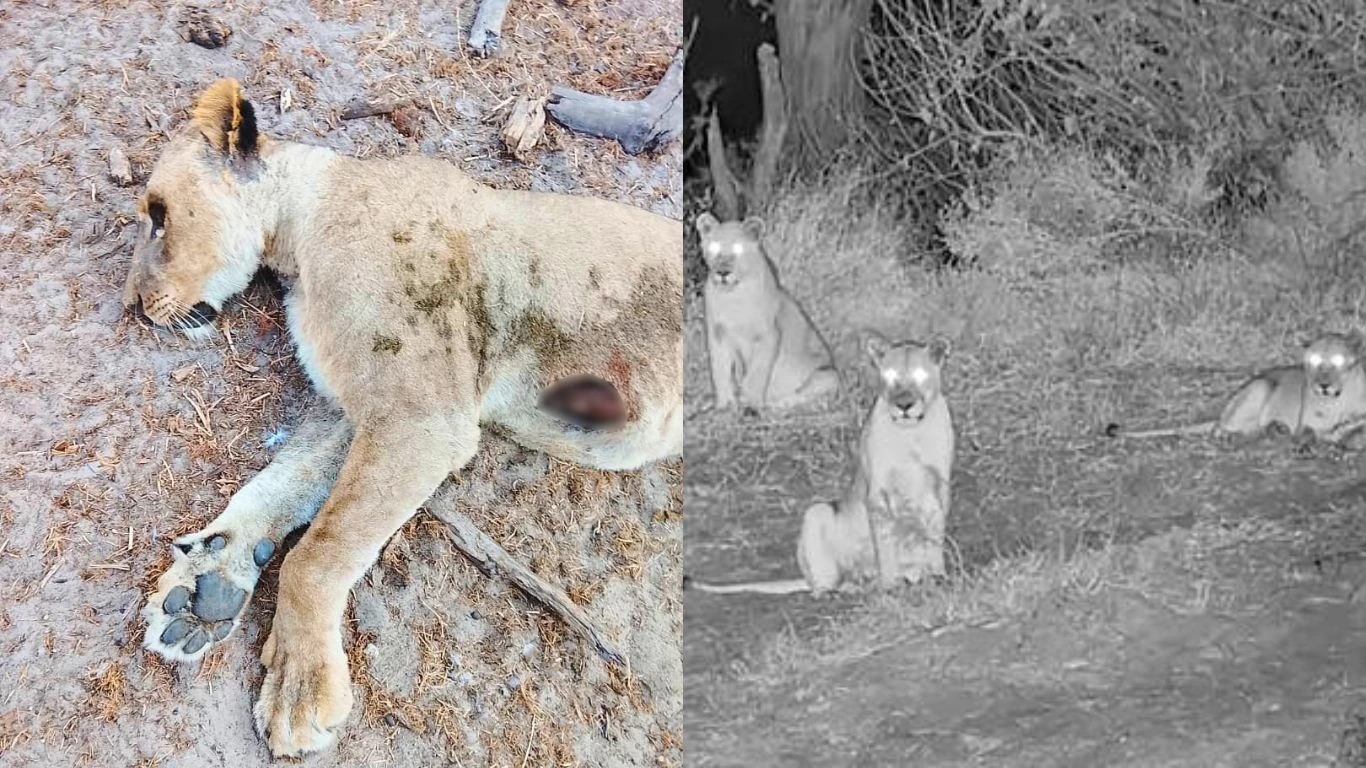
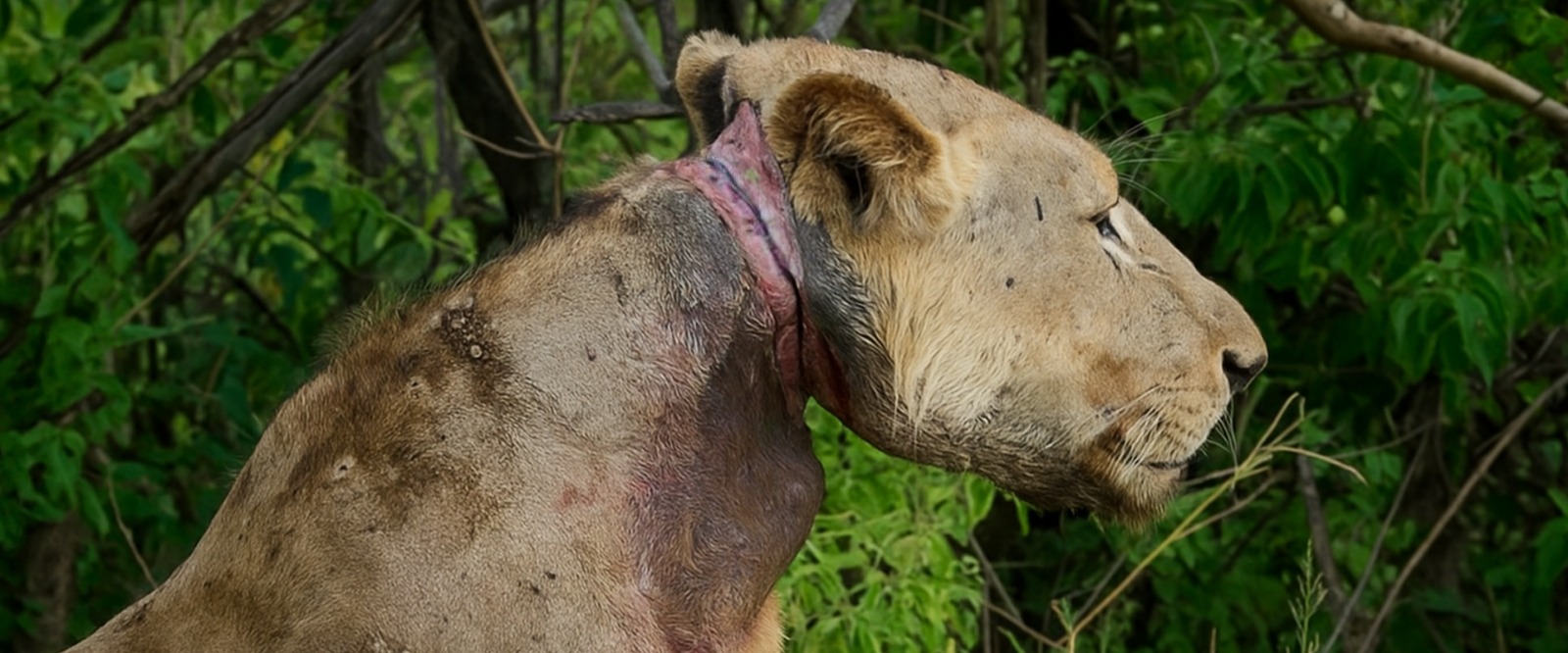
Last year, you helped us provide life-saving water for thousands of wild animals caught in a dreadful drought in Botswana. Now, a new danger is threatening their lives: a recent surge in snaring. This horrifically cruel poaching method leads to brutal death for wildlife – all to feed the insatiable demand for animal parts. Lions are at particular risk. Credit: Camelthorn Farmstead Recently, a lioness succumbed to a snare that slowly strangled her to death.  Now, her orphaned cubs are in grave danger. The snared mother lioness was spotted by our partner, Camelthorn Farmstead, along the banks of the Boteti River in Botswana’s Makgadikgadi National Park.  She had a snare wound tightly around her neck, causing severe injury and hampering her ability to hunt and eat. The snared mother lion was in obvious pain as the wire cut into her neck. She ultimately succumbed to her wounds. Now, without our immediate help, her cubs face the same threat. Credit: Camelthorn Farmstead We tried to find and de-snare the animal, but each time rescuers got close, she would disappear into the thick bushes, making it impossible to keep tabs on her long enough for rescuers to dart her.  Tragically, she died before we could reach her, leaving two orphaned cubs behind. A drone would have helped save the mother lion’s life. Now, it is urgently needed to protect her surviving cubs. Drones have become critical to protecting wildlife in high-risk areas. They allow teams to locate injured animals quickly, identify poachers or hunters, and stop illegal activity fast. In this case, it would have allowed our team to keep their eyes on the lioness at all times, and dart her fast to save her life. The snare caused significant damage to the right side of her jaw through to the back of her neck. Can you imagine the incredible pain she suffered up to her death? Credit: Camelthorn Farmstead As the dead mother’s cubs roam the wilderness, oblivious to the lethal threats all around them, they dearly need our protection. Will you help them? We have already raised almost half the funds needed for a drone. Please help us raise the outstanding $5,400 (£4,000) to purchase it. There is a growing demand for lion parts in “traditional Chinese medicine” (TCM) and local “muthi” (traditional African medicine). There have been increasing instances of poached lion carcasses found with their body parts removed – a key indicator of the illegal trade. Credit: Thomas Retterath/Shutterstock We must help these animals. The surviving cubs and their pride are crucial to the survival of the species in Botswana.  Today, lions are extinct in 26 of 48 African countries. Roughly 3,000 of those who remain live in Botswana, including these cubs – and if we do not protect them, we could lose this population entirely.   Please, donate now. We are almost halfway to our goal – help us get all the way there.

Read More »

Angus, an orphaned otter, was found crying for his mother

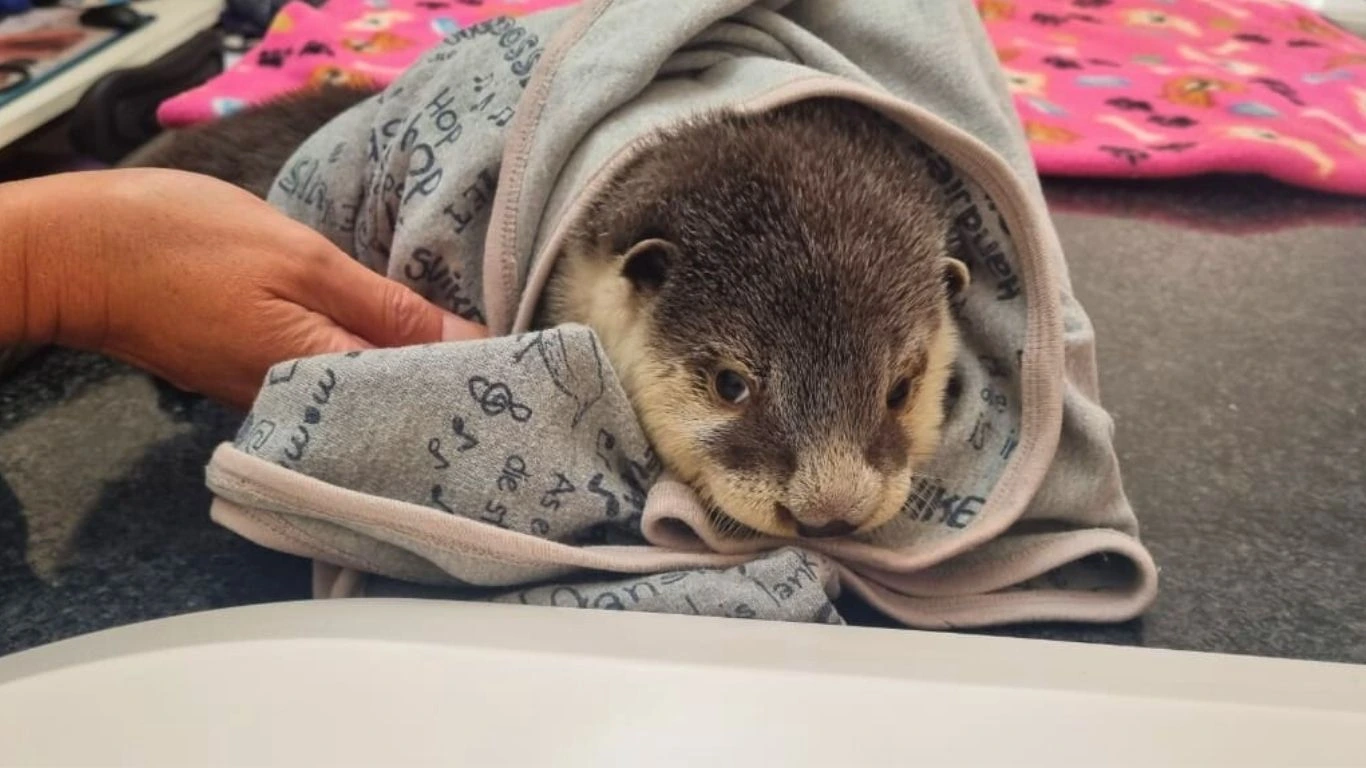
When otter pup Angus was just one month old, he was found terrified, emaciated and alone on the side of the road in Limpopo, South Africa, desperately crying for his mother and snapping in fear at those trying to rescue him. No one knows what happened to Angus’s mother, but it is likely she was struck by a car and left for dead, or cruelly killed by poachers. Angus, found terrified and emaciated, is now safe in the care of our partner, but his road to recovery has only just begun. Credit: Umoya Khulula Baby otter Angus is bereft without his mother. But with your help, we can give this precious orphaned pup a second chance. Angus was rushed to our partner, the Umoya Khulula Wildlife Center, which specializes in the rescue and rehabilitation of sick, injured and orphaned wildlife. The infant weighed just two pounds (one kilogram) – the same as a small bag of rice. In the wild, baby otters like Angus stay with their mothers for around a year, learning to swim, hunt and survive on their own. The animals form strong family bonds, and otter pups have even been seen holding hands with their mothers while floating or resting, just to make sure they stay close at all times. Angus does not have this chance. He is alone, with no mother to guide him, and no paw to hold. Just a few days into rehab, Angus was already splashing playfully in his pool. With continued support from animal lovers like you, he will have the future he deserves. Credit: Umoya Khulula After losing his mother, baby Angus needs your help to survive. Can he count on you? Umoya Khulula is doing everything it can to recreate the nurturing environment Angus would have had in the wild, feeding him a natural diet of fish, crabs and clams, and teaching him to swim in its dedicated baby enclosure. But our partner has so many injured and orphaned animals to care for, and to keep giving Angus everything he needs to develop and grow, we need your help. If we can raise $3,500 (around £2,500), we can help provide specialized care, nutrition, shelter and treatment for this precious otter pup who has already lost so much in his short life. Will you help him today? African clawless otters are under increasing threat. We must give baby Angus the best possible chance at survival. Baby otters are poached from the wild and sold into the exotic pet trade. To capture the infants, their protective parents are often electrocuted or shot to death. Credit: EuroNews/Reuters Around the world, otters face mounting threats to their survival. Urbanization, agricultural development and pollution are destroying their habitats, while in countries like South Africa, they are slaughtered for their skin and body parts, to be used in traditional ‘medicine’ and to make clothes, hats and even musical instruments.  Because so many people find them adorable, they are also increasingly snatched from the wild to feed the exotic pet trade.  Horrifically, protective parents may be shot or electrocuted just so poachers can easily snatch the babies. They are then bred in inhumane conditions, sold to the highest bidder, and forced to live life in captivity, ‘performing’ for likes on social media or being handled by streams of visitors in Asian ‘pet cafes.’ This is how Angus should be living – wild and free. With your help, we can get him there. Credit: Liaan Lategan Angus is lucky to have survived – and to have escaped a fate of lifelong imprisonment. But the loss of his mother means his survival is in the hands of animal-lovers like you. Together, we can give him the expert care he needs to develop and grow, so he may one day have a family of his own. Please, donate today, and help give Angus the happy future he deserves.

Read More »

Snares are killing Zimbabwe’s elephants. This vital equipment can save them

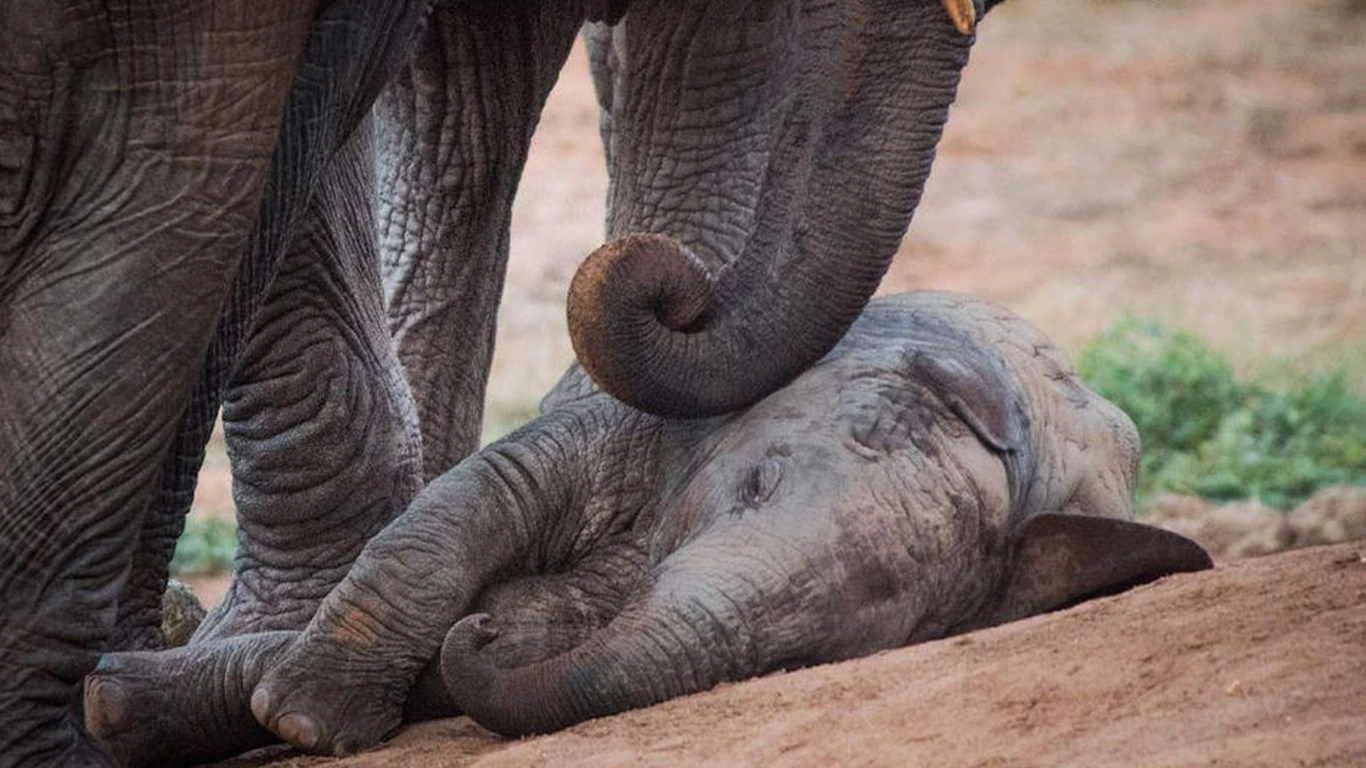
It was a gut-wrenching scene: a frantic mother elephant standing guard over her helpless calf, who had been caught in a deadly snare. Desperate and distressed, the pair were vulnerable to predators and poachers alike – and with the baby unable to move, it was only a matter of time before tragedy struck. As soon as our partner, Kariba Animal Welfare Fund Trust (KAWFT), was alerted to the danger for the snared baby elephant, it raced to the rescue. But the combination of dense bush, a terrified, territorial mother, and outdated equipment made their work extremely difficult. Without the right tools, rescuing injured wild animals – especially large creatures like elephants – can be incredibly dangerous for both the animals and the rescue team. Our expert team acted just in time – sedating the calf, removing the snare, treating its wound, and reversing the sedation before it was too late. Credit: KAWFT Mother elephants are extremely protective of their young, posing a lethal threat to rescuers trying to help – yet if the rescue teams can’t safely access the injured calf, the infant is almost sure to die. Over two days, the team attempted to sedate the animals – but these attempts failed, as they lacked the enhanced equipment needed to safely tranquilize them both through the dense bush from a safe distance. For the baby elephant and her mother, time was rapidly running out. Luckily, on the third day, a local partner was able to help them with the equipment they needed. Once the pair was safely sedated, the team worked fast to remove the snare, treat the calf’s wound and administer powerful medication, and both animals quickly recovered. Mother elephants are fiercely protective of their young, which can pose a serious danger to rescuers trying to save a snared calf. For illustrative purposes only. Next time, the animals might not be so lucky. The only way to ensure our partner can rescue baby elephants and other poaching victims is to equip them with the specialized, life-saving tools they need. This close call highlights just how important it is for our teams to be properly equipped; in just a few more days, the calf would likely have died from infections, predators or poachers. Our partner needs a vital piece of equipment to ensure they’re ready to sedate and treat snared elephants and other animals at a moment’s notice, saving countless lives. Snares are a serious problem in Zimbabwe, posing a deadly threat to wildlife. These cruel wire traps leave animals with horrific wounds, and often cause a slow, painful death if they aren’t removed in time. Credit: KAWFT If we can raise $2,390 (£1,800), we can equip our partner with enhanced tranquilizing equipment, as well as more essential medicines and supplies to carry out life-saving de-snaring operations. The better our teams are equipped, the more animals we can help save. But we can only do it with your support today. Will you help us fund this vitally important tool for animals in distress? Please, donate as much as you possibly can now, and help us reach our goal.

Read More »

This infant flying fox is fighting for life after falling from his mother

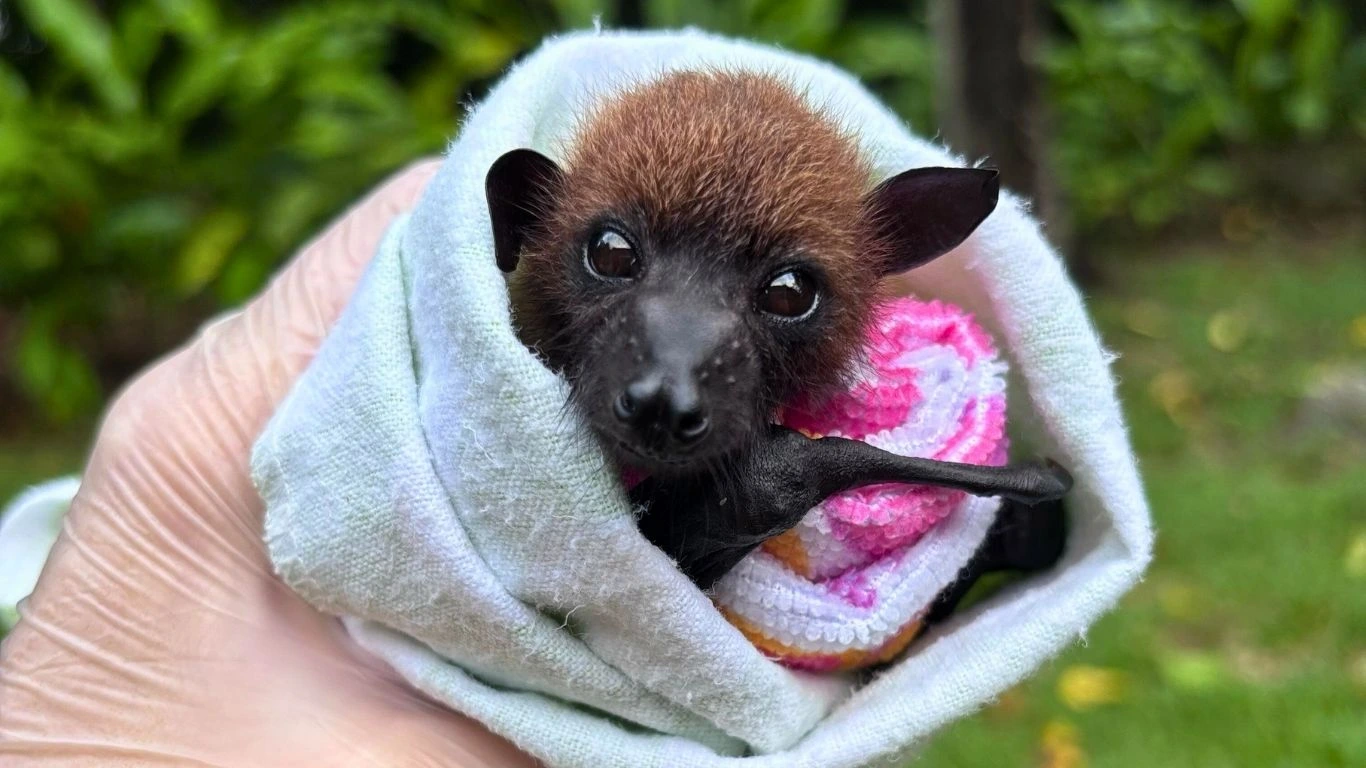
Tragically, baby flying fox Onyx was orphaned when he lost his grip on his mother and fell from her body. He was tiny and just a few weeks old. Infants like Onyx are born blind, hairless and completely reliant on their mothers. Becoming separated is bewildering, terrifying and, in most instances, fatal. The odds of survival for orphaned flying foxes are low – but, with your help, Onyx has a chance. Baby flying foxes, also known as pups, cling to their mothers for the first several weeks of their lives. This (pictured right) is what happens when they fall. Credit: Batusi Nights and Hugh Pitty For these remarkable little ecosystem engineers, life can be brutal, and deadly threats are everywhere. Tiny Onyx would have been completely defenceless in an inhospitable landscape. Infants fall from their mothers for a variety of reasons: predator attacks, flying difficulties (due to mothers’ injuries), or their mothers being ill, injured or starving. They are also torn apart when hunters catch the mothers to be killed and eaten in ‘bat curry’ – a local ‘delicacy’ fed to tourists. Most of these helpless infants do not make it. But Onyx was one of the lucky ones, because our partner, Protect Paradise Seychelles (PPS), came to the rescue. He was immediately taken into their care, given critical nutrition and treated for parasites. Now in the safe care of Protect Paradise, the fight is not over during this critical period of treatment and rehabilitation. Credit: Protect Paradise But Onyx’s fight for survival is not over yet – and he needs YOUR help today. This vulnerable infant will need close monitoring, treatment and expert rehabilitation for at least six months. If we can raise $3,000 (£2,240), we can cover his treatment for six months, as well as help provide life-saving care and nutrition for the other orphaned baby bats in our partner’s care. Flying foxes are delicate, harmless and vitally important to the environment. Flying fox mothers and their pups share a strong, dependent bond. Credit: Nico Faramaz/Shutterstock Flying foxes are critical in pollinating flowering plants and dispersing seeds, keeping forests healthy. They reproduce very slowly, giving birth to just one pup a year, so every life counts. Caring for our planet means caring for all its creatures – not only the majestic elephants of Africa, but also the tiniest flying foxes fighting for survival in an unforgiving landscape – like Onyx. Today, this little fighter and so many others like him need every ounce of your support to survive. He’s counting on you – please, donate to his recovery today.

Read More »

Lions butchered in Zimbabwe as poaching surges.

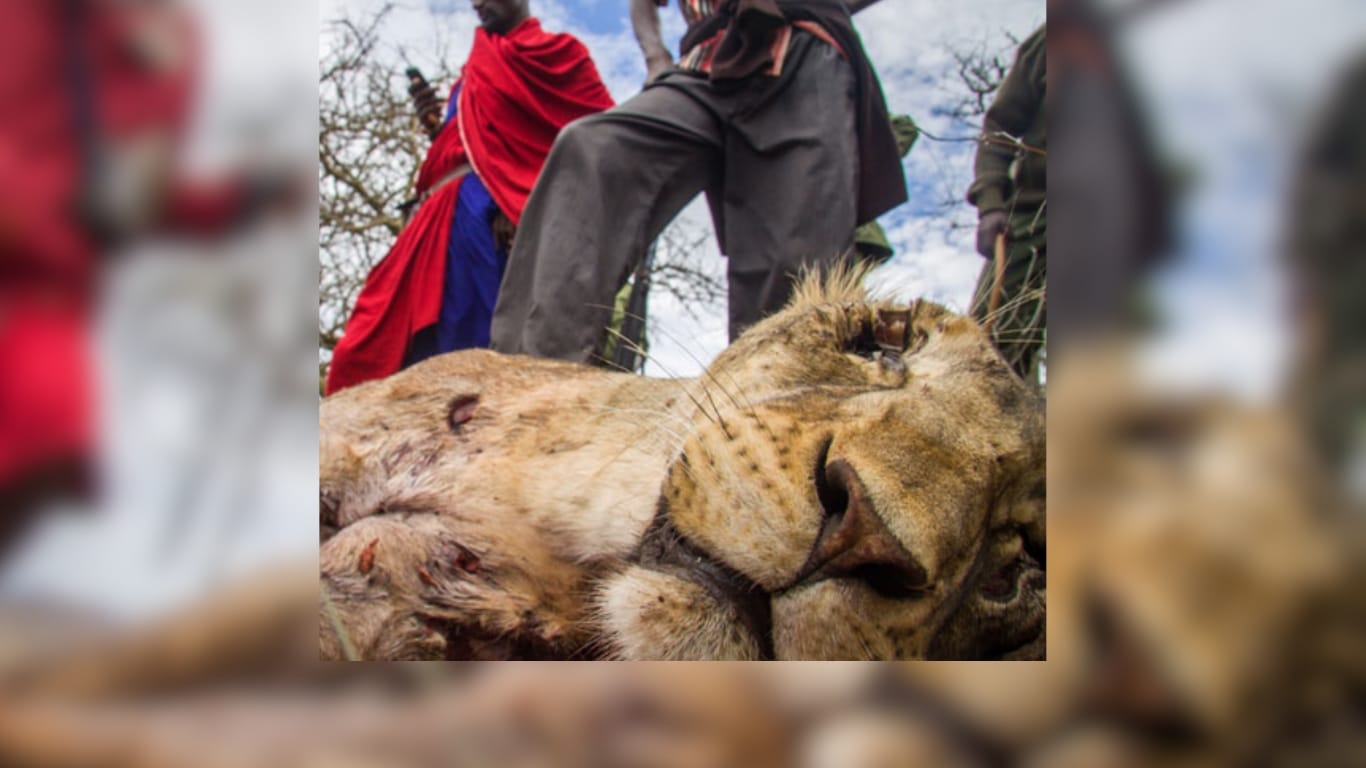
A horrifying poaching incident has shaken Victoria Falls, a small tourist town in Zimbabwe. An adult male lion was found caught in a deadly snare. Injured but alive, he was darted, treated, and released back into the wild – but there was a much more gruesome discovery waiting nearby… The brutalized remains of a lioness – the snared lion’s partner – were found near the snare, her flesh stripped from her bones, and her head and paws hacked off. She leaves behind two four-year-old offspring and three nine-month-old cubs – all of whom must now fend for themselves. Without their mother, their chances are slim.  Worst of all, the tiny cubs are acutely vulnerable to poachers. This lion died after being caught in a lethal snare. These torture devices leave animals suffering for hours or days before they succumb to their injuries. Credit: Kariba Animal Welfare Fund Trust We need to act FAST to prevent more despicable acts of cruelty like this. The grim discovery was made by local conservationists who immediately alerted Zimbabwean wildlife authorities and our partner, the Victoria Falls Anti-Poaching Unit (VFAPU). There has been an alarming rise in poaching in Zimbabwe, and criminals seem to be particularly targeting lions. This iconic species may be king of the jungle, but lions stand no chance against armed and ruthless poachers, who violently kill and sell their body parts into the illegal wildlife trade. Lion paws, teeth and bones are especially sought after as fake ‘medicinal’ cures and status symbols in Asia. For poachers in the Zimbabwean wilderness, killing one of these majestic beasts and hacking off its paws and head is nothing more than a quick way to make money. The remains of the freshly butchered female lion that was found near the injured male. Credit: Shutterstock/Juanita Layne (left, IMAGE FOR ILLUSTRATION PURPOSES ONLY) & VFAPU (right). One of the best ways to stop poachers in their tracks is through innovative AI-powered technology. AI-powered camera traps are a critical and highly-effective tool in the fight against poachers – and with your help, we will install them throughout poaching hotspots in Zimbabwe. This year alone, using four existing camera traps, our partner VFAPU has removed 97 snares, detected 49 attempts, and arrested 11 poachers who, if convicted, could face up to nine years in prison. The team also rescued six animals from snares. AI-powered cameras detect human movement in real time and send instant alerts to anti-poaching units. Teams are immediately dispatched to stop the poachers before they can lay cruel snares or kill an innocent creature. But four camera traps are not enough to catch every poacher, and we must install more as soon as possible. Camera traps are vital to identify poachers, day or night, and send immediate, real-time alerts to anti-poaching teams. Credit: VFAPU For every $400 (£312) raised, we can install an additional camera trap, helping our partner to protect lions and catch poachers. VFAPU patrols a vast area covering 124,000 acres (50,000 hectares). The more sophisticated camera traps we can install, the more animals we can protect, and the more poachers will end up behind bars – where they belong. We need to install at least 10 more camera traps to help the team cope with the dramatic surge in poaching – but we can only do this with your support today. Right now, lions are sitting ducks for poachers. With your support, we can not only protect vulnerable animals, but actively arrest and prosecute the criminals profiting off their deaths. Please donate as much as you can today.

Read More »

Will you help protect these two rhino orphans from poachers.

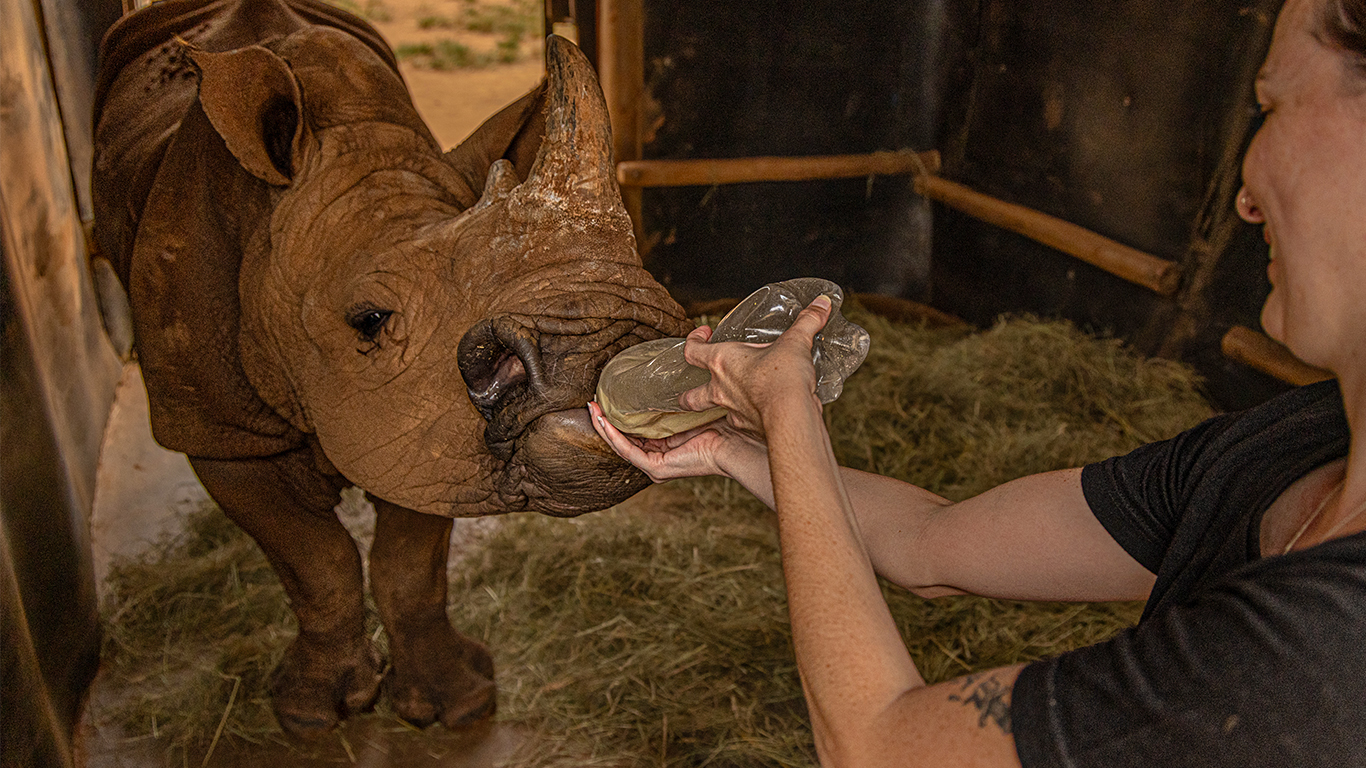
When two mother rhinos were mercilessly slaughtered for their horns in South Africa, their infant calves were left starving, vulnerable and alone. In the first 90 days of 2025, 103 rhinos were killed by poachers in South Africa. Infants Nola and Cathy could be next – if we do not help them today. Our partner, Care for Wild Rhino Sanctuary (CFW), immediately took in the two vulnerable, grieving babies, who were found standing helplessly beside their slain mothers. Dianna, an older orphaned rhino at the CFW Rhino Sanctuary, has been a source of comfort for Nola and Cathy after the loss of their mothers. Credit: CFW They had been forced to watch helplessly as poachers murdered their mothers, then brutally hacked the horns off their dead bodies. Dehydrated, confused and deeply traumatized, Nola and Cathy were quickly airlifted to the safety of CFW’s intensive care unit (ICU). Every rhino lost pushes the species closer to extinction forever. Unless we take action, these animals could disappear forever. Preventing poaching is a vital step in safeguarding rhinos, and we are working with partners across Africa to stop criminals in their tracks. Anti-poaching teams, artificial intelligence and satellite tracking are vital to stopping wildlife crime – and they WORK. Nola and Cathy are growing stronger by the day, which is wonderful news for these orphans. But this is only half of the battle won. This is an example of an advanced AI tracking collar used to protect rhinos from poachers. Credit: CFW Will you help us protect Nola and Cathy with vital anti-poaching tracking collars? Now, each calf MUST be fitted with a state-of-the-art artificial intelligence tracking collar specially designed to provide enhanced protection against poachers and other threats when they are released into a protected wild area. This will ensure the rhinos get to live in a safe, wild area, just as they deserve – AND that they remain protected. For this, they are relying on you, *|FNAME|*. Will you help them? Credit: CFW We couldn’t save Nola and Cathy’s mothers. But with your support, we can save their orphaned babies, giving them a chance at a safe future. We cannot let heartless poachers destroy this species’ only chance at survival. Your support is crucial in the fight to save Africa’s rhinos, and to stop the criminals who are so intent on killing them. Nola and Cathy are counting on you today. Please donate generously, and help give them the safe, protected futures they deserve.

Read More »

Time is running out to stop the spread of rabies on South Africa’s coasts.

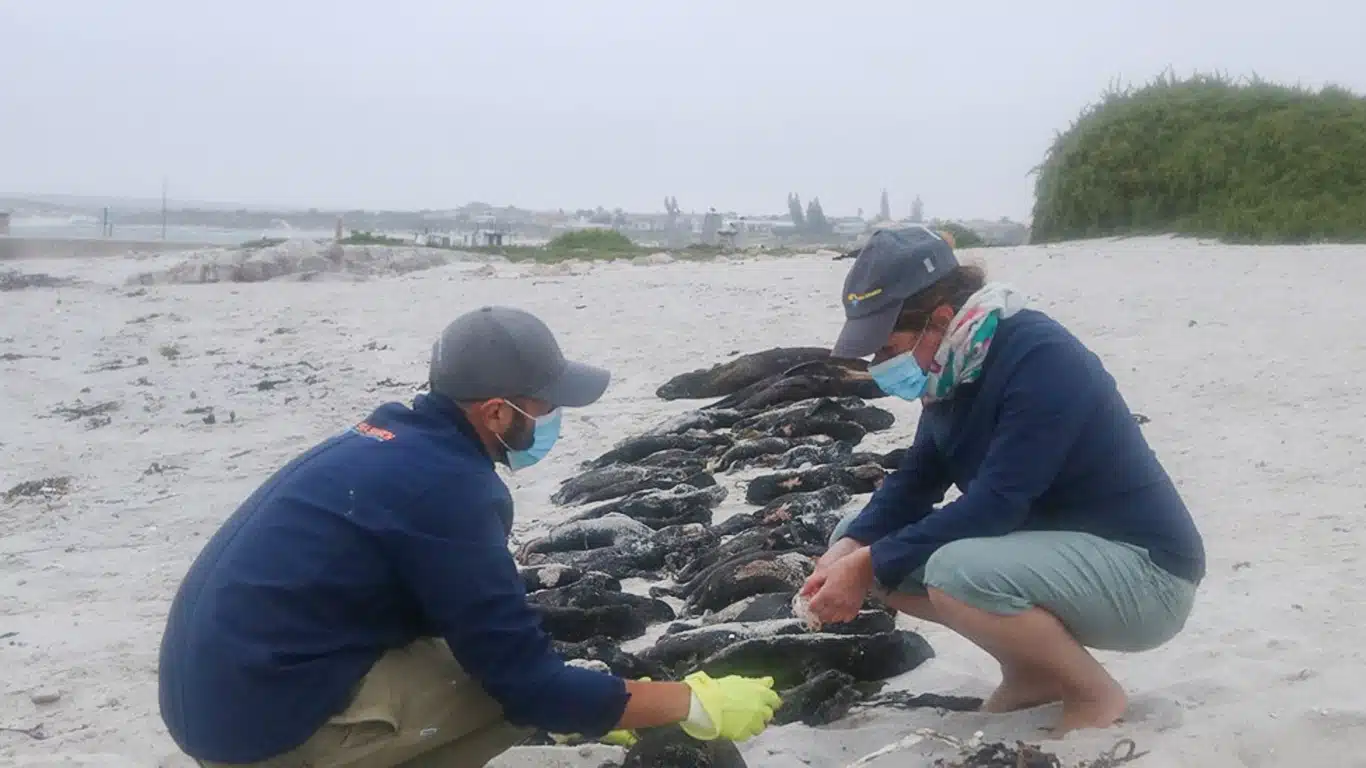
A deadly threat is emerging off the coast of South Africa – one that has the potential to develop into a widespread marine catastrophe.   For the first time ever, rabies is spreading through the Cape fur seal population in South Africa, sparking fears of a far-reaching marine pandemic. Without immediate action, this devastating virus could spread rapidly, endangering countless more marine mammals and triggering an ecological crisis.    This is not just a disease outbreak – it is a potential ecological and public health crisis.   For the first time ever, rabies is spreading through the Cape fur seal population, sparking fear that the virus will infect other marine mammals. Credit: Sea Search Rescue and Conservation/Herbert Gawrisch   The first case in Cape fur seals was confirmed in May 2024. Since then, South African scientists have been struggling to track the virus as it spreads amongst local colonies.    In the final stages of infection, the rabies virus essentially ‘commands’ the animal to bite, transmitting the virus through saliva. According to the National Institute for Communicable Diseases, “Multiple reports of attacks on humans by aggressive Cape fur seals have been reported over the last few months along the Cape coastline. This is the first incidence of rabies being maintained in a marine mammal population.”   We know the virus can infect humans and land mammals. What we don’t know is whether it can jump species yet again, potentially infecting other marine mammals such as whales, orcas and other seal species.    Local scientists are battling to understand this terrifying new development. To prevent this from becoming a full-blown pandemic, they need all the help they can get.   The deadly disease caused by a virus, often manifests with aggressive behavior in infected animals. This aggression is a key factor in the virus’s transmission. Credit: Sea Search Rescue and Conservation   If we ignore this terrible threat, the virus could spread to other marine species, coastal wildlife, and humans.    Rabies is a fatal disease; if it isn’t treated immediately after infection, contracting full-blown rabies is a death sentence. We must stop the spread now to prevent countless deaths, both on land and at sea.   Animal Survival International (ASI) has partnered with Sea Search, a marine research NGO that was among the first to identify this unprecedented outbreak. Their team of scientists is leading the response, tracking infected seals, conducting post-mortems, mapping behavioral changes, and gathering critical data from coastal colonies to understand how rabies is spreading through the marine ecosystem.   But their only surveillance boat was recently destroyed, and Sea Search is now unable to continue their vital, life-saving work.   The Sea Search surveillance boat  was critical in the monitoring of the spread of rabies in Southern Africa’s marine mammals – we must help the research team return to the sea immediately. Credit: Sea Search Rescue and Conservation   The surveillance boat was destroyed in a recent transport accident. Without it, they are unable to access remote colonies, losing critical time, data, and the ability to contain the outbreak at its source.   Rabies is continuing to spread, and for every day without this vessel in the water, more animals, ecosystems and people are at risk.   This surveillance vessel is not just a boat — it is the frontline defense against the spread of rabies across the world’s oceans.   With your support, we can help the Sea Search rabies research team return to the sea immediately, so they can: Reach remote seal colonies rapidly and consistently to monitor the spread of the infection Administer vaccines and facilitate medical intervention for suspected infected animals Coordinate with veterinarians and epidemiologists to understand the epidemic and develop effective solutions Humanely manage infected individuals to stop the spread Protect the seal colonies from fishermen and others who may try to kill the seals out of fear     Getting Sea Search back on the water will give us the best chance of containing this virus before it spreads further through the marine ecosystem — and, potentially, beyond. Please, donate today to help protect marine life, coastal ecosystems and human communities from the spread of this deadly, fast-moving virus.

Read More »

Fewer than 3,650 days remain until the African penguin is extinct.

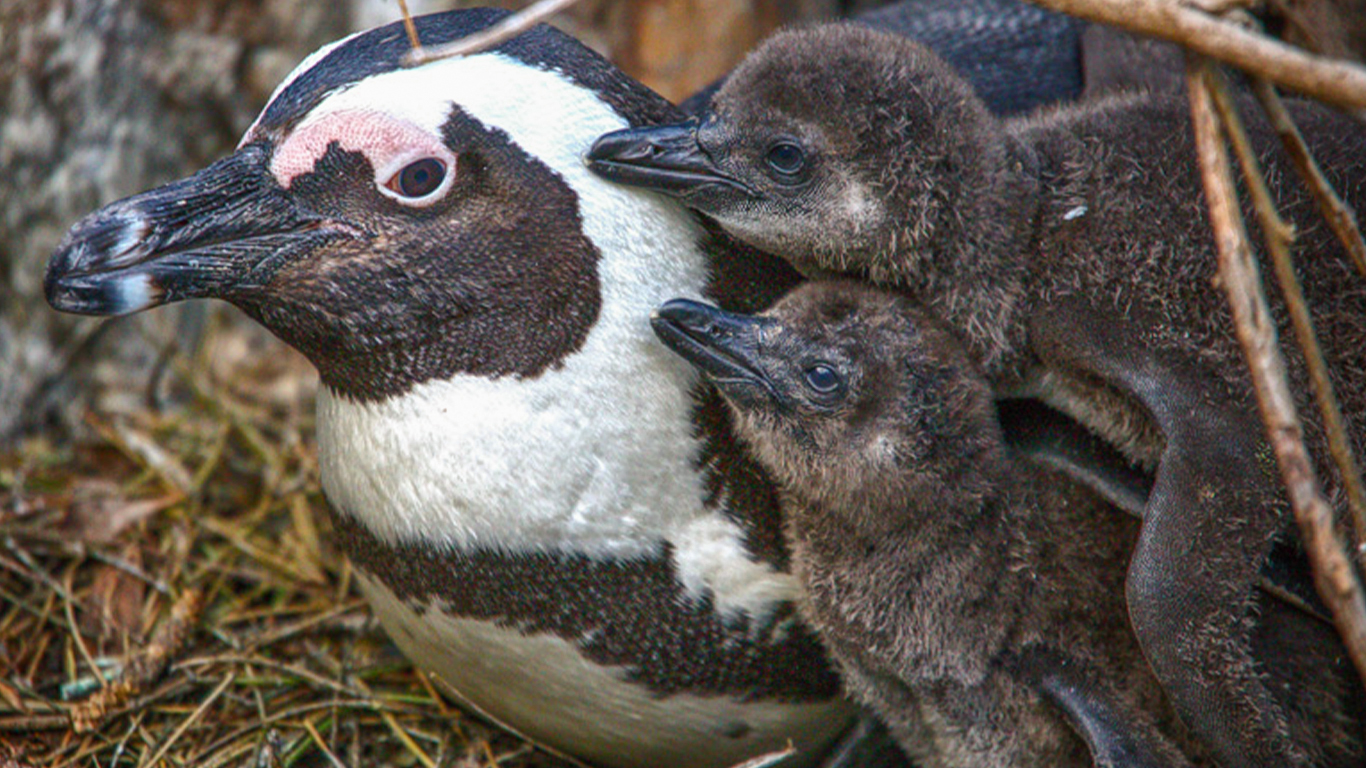
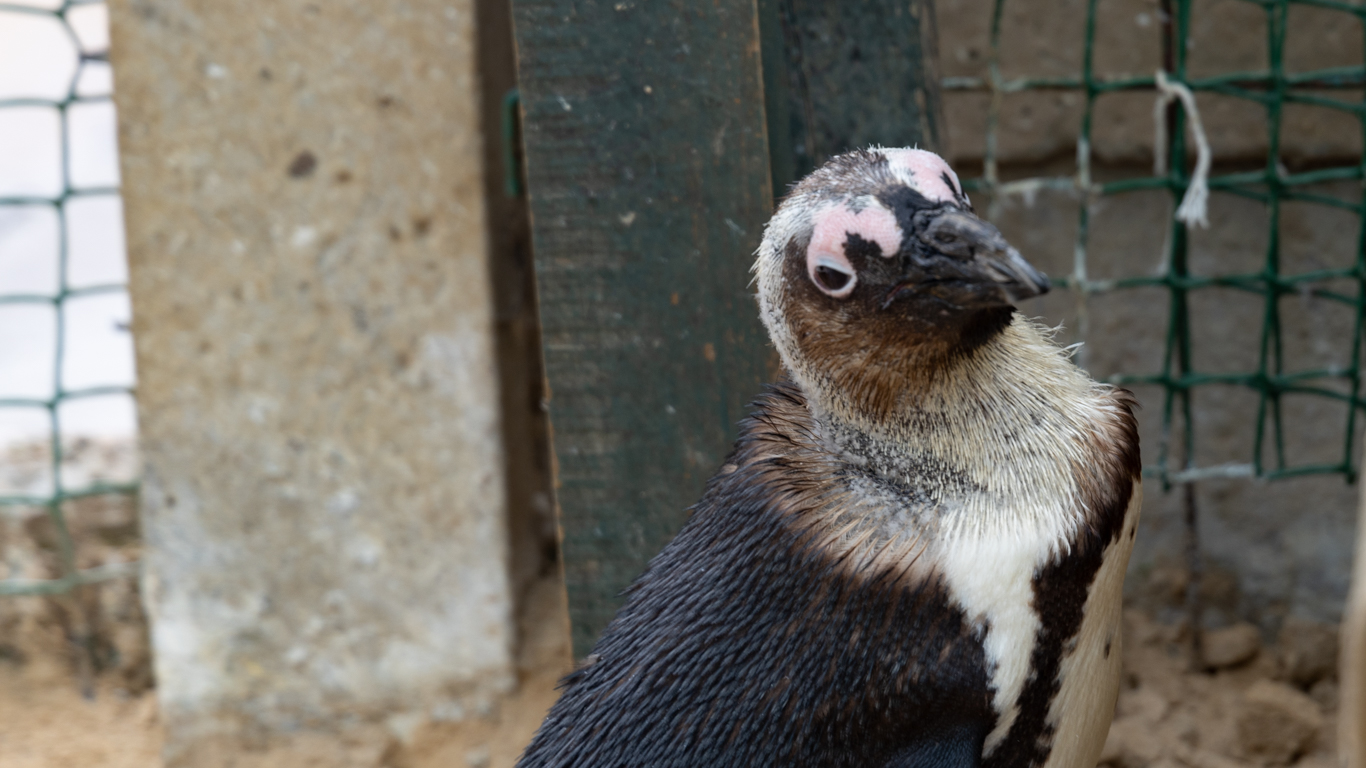
African penguins have just been placed on the critically endangered list of the International Union for the Conservation of Nature (IUCN), with approximately 3,650 days left until they go extinct forever. Starvation and human activity are threatening the species’ last, dwindling numbers – only 3% of the original population remain.  With only 8,750 breeding pairs left in South Africa, the situation for African penguins is critical – and the time to act is NOW. Chicks hatched in incubators after their eggs were abandoned are hand-reared until they are strong enough to be released. Credit: Reuters/Esa Alexander Alarmingly, as you read this, the fate of African penguins is hanging in the balance. Increasingly, parent penguins are dying due to starvation – caused by rampant overfishing – and oil spills, which impact their ability to hunt, swim and regulate their body temperature.  When they die, their fertilized eggs are left abandoned, and right now, there are eggs all along the coast of South Africa for parents who will never return. Without urgent intervention, these eggs will not survive, dashing hopes for the survival of the entire species. The most critical need right now is to rescue the abandoned eggs and bring them to our partner’s specialized breeding facility. Penguin parents look after eggs together, with one caring for the eggs while the other hunts. With food resources dwindling, the hunting parents are dying of starvation at sea, forcing the carers to abandon their nests in search of food. Credit: Bernd Dittrich We are working with the Southern African Foundation for the Conservation of Coastal Birds (SANCCOB), an organization dedicated to conserving seabird populations in South Africa. It works closely with wildlife rangers in South Africa who monitor breeding colonies to identify abandoned eggs, and birds in need of urgent care. Eggs cannot survive for longer than three days without warmth. SANCCOB runs a successful chick-bolstering program out of Cape Town, South Africa, which rescues and incubates these eggs, hand-rears chicks once hatched, and cares for them until they are strong enough to be released into protected and patrolled areas. Oil spills and pollution impact penguins’ ability to swim, hunt and thermoregulate, leading to hypothermia, starvation and death. Credit: Avian Demography Unit of UCT The penguin egg rescue program saves an impressive 90% of all eggs rescued. Every single life saved this way is critical for the species’ survival. Every $1,000 (£770) we raise will empower our partner to rescue, incubate and raise a critically endangered penguin chick. With every egg crucial to the survival of the entire species, we must support this vital program. We cannot watch these birds die off without doing everything we can to stop them disappearing forever.  Please help us save the beautiful African penguin – there is so little time left. Credit:  David Selbert SANCCOB is working closely with government officials to curb the impacts of overfishing and progress has been made, most notably through fishing closures around African penguin breeding colonies. However, it will be a while before these initiatives show any positive impact. Meanwhile, the threat of starvation still looms large. The loss of even one chick has devastating effects on the entire African penguin population. Your contribution today, no matter its size, will make a difference in the fight to save the African Penguin from extinction.    Please, donate right away.

Read More »

Will you give orphaned elephants the gift of water this holiday season?

Before you raise your holiday glass to bid farewell to the year, we ask you to take a moment to think about the animals. The endangered elephants of South Africa have a vital item on their wish list for 2024 – and they are sincerely hoping you’ll help make it come true… Credit: HERD Please help us give thirsty, rescued elephants the gift of water before the year ends. Imagine a majestic herd of rescued elephants – each one already orphaned under heartbreaking circumstances – basking in a magnificent pool of fresh, abundant water. This is our dream for the Jabulani Herd – a family of 17 orphaned, rescued elephants in the care of our partner, Hoedspruit Elephant Rehabilitation and Development (HERD) in South Africa. These precious animals have experienced untold suffering in their lives, and we want your help to give them the idyllic, life-sustaining oasis they deserve. With adults weighing around six tons, elephants naturally have a BIG thirst – they need up to 50 gallons (200 liters) of water every day to survive. Credit: HERD In 2025 and beyond, we want to provide them with a steady, stable water source so they never again have to worry about where their next drink might be coming from in this drought-prone country. We need your help to make it happen. Let’s celebrate the strength of South Africa’s orphaned survivors by giving these elephants a lifetime of crucial water. If we can raise $7,000 (£5,500), we can drill a borehole near the elephants’ primary waterhole and equip it with a solar-powered pump. This will provide a reliable, long-term source of water for the elephants, sustaining them through the current dry period and well into the future. Your generosity in 2024 helped us provide life-saving water to wildlife across drought-ravaged Botswana and Zimbabwe. Thanks to you, countless wild animals who would otherwise have perished are alive and well, despite the horrific drought that has ravaged southern Africa. Now, you can make the same life-changing difference for elephants in South Africa. Make your final gift of 2024 count by donating generously now.

Read More »

Starving animals in Botswana resorting to cannibalism.

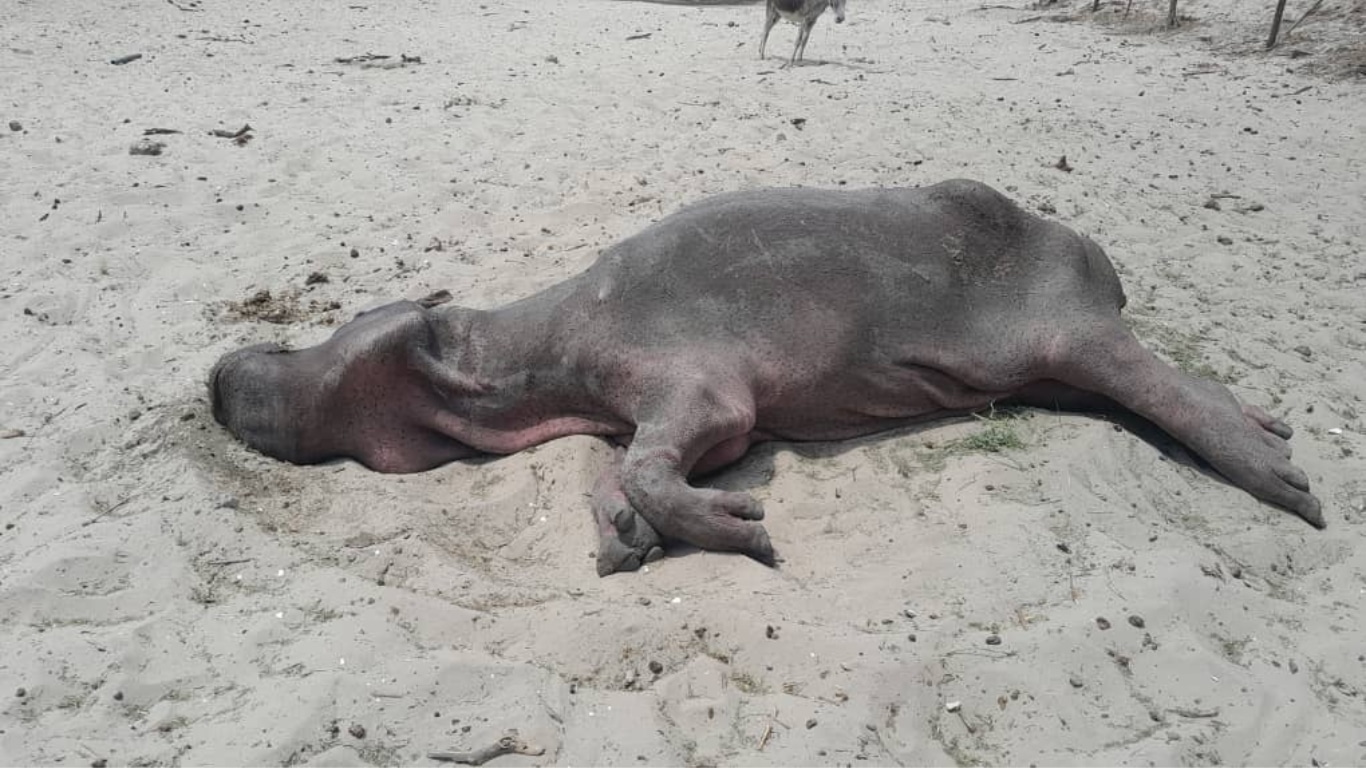
Across Southern Africa, drought-stricken hippos are resorting to dreadful measures to fill their achingly empty bellies. Credit: de Wets Wild In Botswana, these normally herbivorous animals are so hungry, they have been eating the rotting carcass of a dead cow. But somehow, it gets worse. In the Motopi region, a herd of hippos was seen eating excrement to fill their bellies… and then one of their own – a hippo that had become trapped in the sticky mud of a near-dry waterhole. The hippo was literally being eaten alive – THAT is how desperate the situation is. Right now, 88 animals are starving to death. Credit: MAWS Our partner in Botswana, Maun Animal Welfare Society (MAWS), has launched a vital assistance program for animals affected by this horrific drought, providing much-needed food and water. MAWS has now expanded the program to feed 13 hippos and 75 other animals who require immediate help. “Hungry, hungry animals… They are dropping like flies, we have calls every day about horses, donkeys and cows [falling] down and unable to get up. Starving to death or having eaten plastic bags in desperation.” – Equine Assist, Maun MAWS needs good quality bales, pellets, quick beet supplements, and lucerne – anything with high nutritional value – to help feed the animals, and they need it right away. Time is of the essence. These animals are eating plastic, rubbish and worse – and they are getting sicker, weaker, and ever closer to a slow, premature death. For just $48 (£38), you can feed a starving animal for a month. If we can raise $4,200 (around £3,300), we can feed all 88 animals for an entire month, including hippos, donkeys, horses and other starving creatures. Credit: MAWS Every $48 (£38) you donate feeds an animal for a month – hopefully, buying enough time until the rains come in late December. Botswana’s rainy season was supposed to start in November, but the rains never came. No one knows when the drought will break. We have to help until the rains finally arrive. Please, will you be the lifeline for 88 starving animals?

Read More »

Lions in Kenya are being killed – simply for being lions.

There are few safe spaces left for lions in southern Kenya – and those that remain are steadily disappearing.   Human settlements are rapidly encroaching on critical lion habitats, and the consequences for wild animals are devastating.     As climate change wreaks havoc on Kenya’s natural environments, the lions’ food sources are disappearing too. Hungry lions are forced to venture ever closer to humans in a search for food and, following their instincts, prey on livestock.   Villagers are killing them in retaliation.   Hungry lions eat livestock to fill their empty bellies – and they’re paying for it with their lives. It is a sad fact that around the world, humans and animals are competing for ever-diminishing land and resources. Tragically, the animals always lose.   Outside the Amboseli National Park in southern Kenya, the situation is particularly dire. Lions are killed using spears or poison, either in retaliation for eating livestock or, even worse, as a pre-emptive measure before the lions kill a single domestic animal.   Recently, seven lions were killed by villagers in a single attack. Every week, lions and other wild animals, including leopards, cheetahs and hyenas – all critical to the healthy functioning of ecosystems and edging ever closer to extinction – are wiped out for being seen as a threat to livestock.   We have a solution that will help save the few remaining lions.     Livestock in Kenya is usually kept in traditional African enclosures called ‘bomas.’ These enclosures keep the domesticated animals in, but are easily breached by predators.   Our partner, Lion Lights, has developed a cost-effective solution that has seen impressive results. The expert team installs specialized “deterrent” devices on bomas – durable, solar-powered LED lights that flash and blink at regular intervals, scaring predators away.   This not only protects livestock from attacks, but removes the excuse farmers have long used to slaughter lions and other critical predators.     The solution is remarkably effective.   Two long-term projects in Kenya have proven the effectiveness of the lights – one of which has been running for ten years, and another which was installed three years ago.   Since the lights were installed, the slaughter of lions and other predators has been reduced by around 80% – and in some cases, been eradicated altogether.   Only around 200 lions remain in the Amboseli region. Please, help protect them before it is too late!   With your generous support, we plan on covering an expansive area of roughly 1.5 acres (over 65,000 square feet or 6,000 square meters) with these advanced deterrent lights.   For every $135 we raise (approximately £105), we can protect an entire boma and its livestock — as well as all the lions and other predators in that area.   Over time, we hope to equip all 300 of the area’s bomas with these lights, helping to put an end to the retaliatory killing of lions and other crucial predators once and for all.   These lights will not only protect lions, but a multitude of other important predators. It is tragic that lions are killed simply for following their natural instincts.   We CAN stop the slaughter, but ONLY with YOUR help.   With your support today, we can implement this proven, highly-effective solution to keep wild animals safe.   Lions are extinct in 26 African countries. Don’t let Kenya become the 27th! Please, donate generously to ASI right now.

Read More »

We could lose pangolins forever.

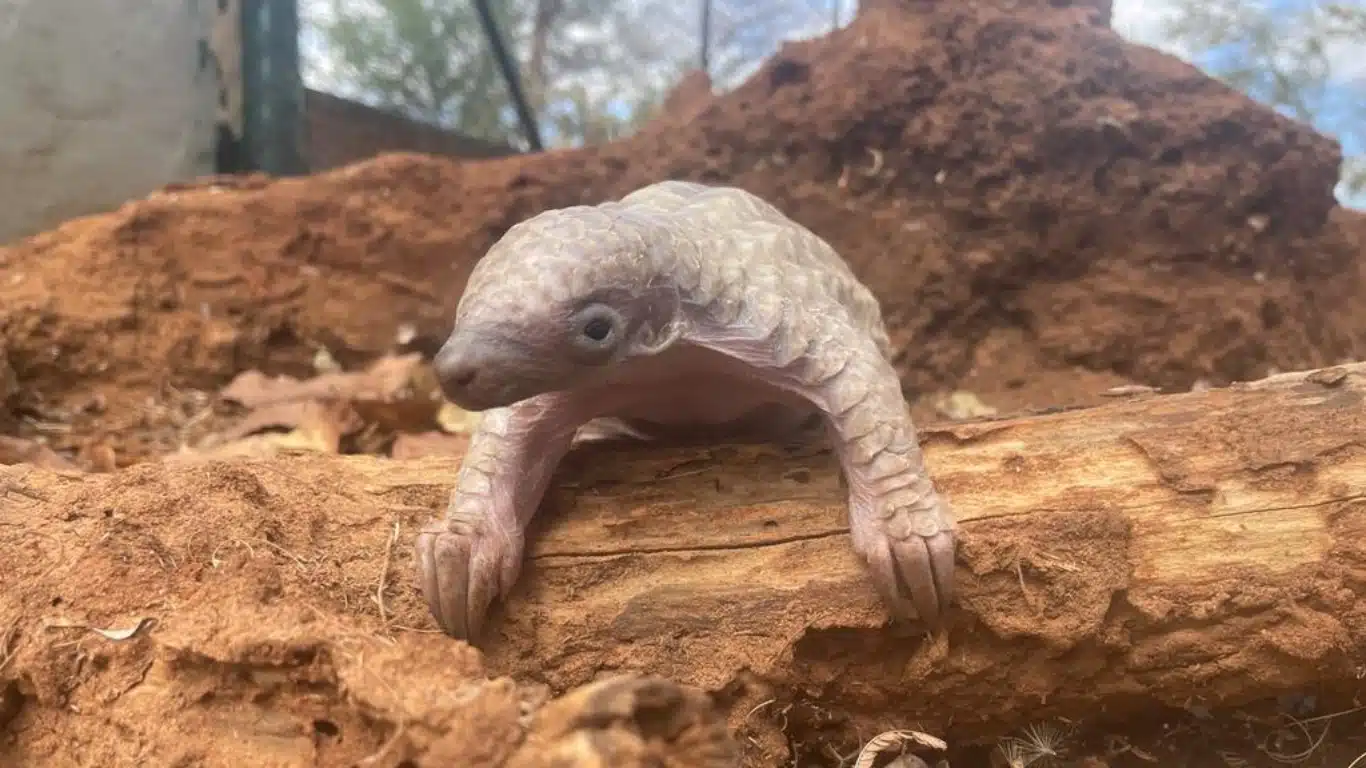
The rate at which pangolins are disappearing from our planet is truly horrifying. Up to 2,7 million of these critically important mammals are mercilessly hunted every year for the illegal wildlife trade. Credit: Umoya Khulula Archie, an infant Temminck’s pangolin in South Africa, is a survivor of this sickening scourge. His mother, tragically, was not so lucky. In a wicked act of wildlife cruelty, mother pangolin Sarabi was beaten about the head with a spade as she tried to protect her infant baby from poachers. It ultimately killed her. Sarabi was poached from the Kalahari Desert in Southern Africa, and suffered a terrible head wound when poachers attempted to uncurl her with a shovel. Their frenzied attack on this helpless, fragile creature fractured her skull and gouged out a big piece of flesh. They were most likely trying to force her to uncurl as she was tightly wrapped around her newborn infant, desperate to keep him safe. Credit: ASI/Dejan Radic After a successful sting operation, Sarabi was confiscated from the poachers and rushed for medical treatment. But the abuse she had endured was just too much, and heart-breakingly, she died as a result of her extensive injuries, stress and trauma. Her baby, Archie, was just six weeks old and weighed 280 grams (less than 10 ounces) when he was left orphaned. Sarabi’s baby, Archie, was entrusted to our partner, Umoya Khulula Wildlife Rehabilitation Centre in Tzaneen, South Africa, for life-saving care. At just six weeks of age, his survival was uncertain – especially as he lost 35 grams between the time he was confiscated and when he arrived in our partner’s care. That is a massive amount of weight for such a tiny creature. Archie’s mother, Sarabi, receives a CT scan. Despite efforts to save her, she succumbed to her terrible head wound. Credit: Umoya Khulula Archie received expert 24/7 care, began to suckle, and gained weight. He now weighs 11 pounds (5 kg), and once he reaches 12 pounds (5,5 kg), he will be released into a protected reserve where he can be kept safe and monitored while still enjoying life in the wild. Our partner is currently seeing some of the WORST cases of cruelty towards pangolins. It costs an average of $5,000 (around £3,980) to medicate and rehabilitate each one that survives… THIS is why it is CRITICAL we fight to save every one. Pangolins are the most trafficked mammal in the world, relentlessly hunted from the wild for their meat, skins and scales. The animals are consumed as a delicacy in Asian countries like Vietnam and China, while their skins are turned into bags and belts. As for their scales, some people believe they can cure ailments, even though this has never been proven by science. Pangolin tongues may be dried and carried as good-luck charms; their fetuses consumed as aphrodisiacs. Credit: WCRU/ZXZhang Because of sickening, widely held misconceptions about pangolins in Asia and Africa, it is easy to see why this timid nocturnal creature is being hunted to the brink of extinction. Help us rescue and save every pangolin life we can! All eight species of pangolin are threatened with extinction, with three being listed as critically endangered and perilously close to being wiped out. Archie is almost ready to be released, but our partner has other pangolins in its care that urgently need critical treatment and care in order to survive. Sweet Pea, a rescued pangolin who weighs less than 9 pounds (4 kg), desperately needs supplementary feed and continued long-term rehabilitation in order to regain her strength. Without the support of people like you, she will not have a fighting chance. Can Sweet Pea count on you today? Credit: Umoya Khulula For every $5,000 we raise (around £3,980), we can help save the life of a pangolin and give hope to the entire species. Given the alarming pace at which pangolins are hurtling towards extinction, EVERY PANGOLIN LIFE COUNTS. So please, be as generous as you can right now. The survival of the species relies on the survival of each individual pangolin – and you have the power to help save lives now.

Read More »

DAYS REMAIN to relocate 15 elephants before its too late.

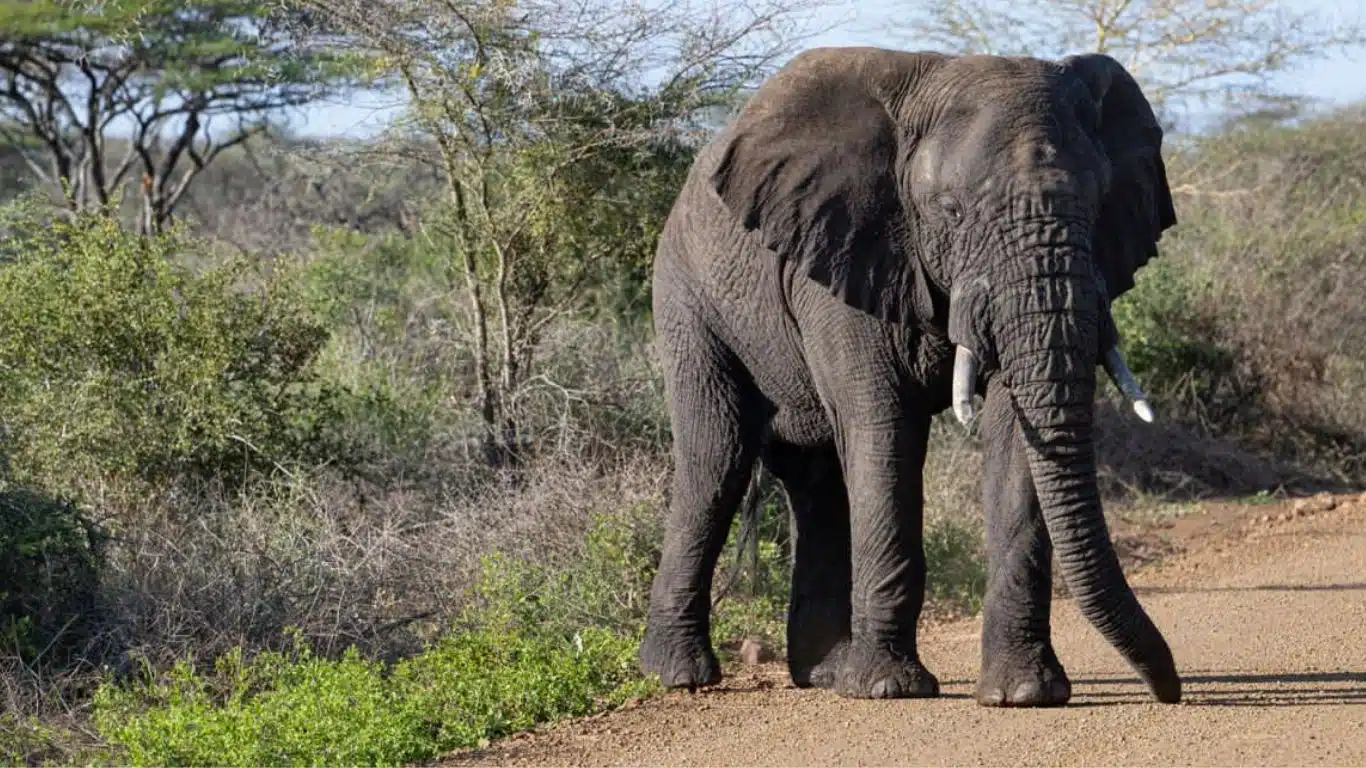
A herd of 15 hungry elephants who wandered in search of food face being killed. Why? Because in their quest for food across drought-stricken Southern Africa, they stumbled onto residential land. Credit: FreeMe Wildlife The herd, including seven calves, need sanctuary. they need our help right now – without it, they will be killed by authorities. Here is how we plan to help, with your support, right now. We MUST relocate 15 at-risk elephants to safety within TWO WEEKS – before heavy rains close our window of opportunity! Credit: FreeMe Wildlife Please, help now! A few years ago, a large herd of around 80 starving elephants journeyed from their native Zululand in South Africa in search of food. Not only were these poor animals desperately hungry as a result of drought, but members of their herd were being slaughtered by poachers. Under severe threat from all sides, they found their way into Eswatini (formerly Swaziland), where the majority made it safely through residential areas into a protected reserve. However, 15 remained stuck in a residential zone, where right now, they are at great risk of being killed because they are considered dangerous or “competition” for resources.  An elephant carcass floats in a dam. Credit: Daily Maverick. 15 elephants face slaughter as they find themselves trapped in a residential area of Eswatini in Southern Africa. If we can safely drive them out, we can save their lives! In one heart-breaking incident in South Africa, a grieving elephant from the herd went on the attack after a poacher killed her calf. She trampled a resident to death – and because of this, she and the other elephants are considered “problem” animals. This, combined with their inadvertent damage to water tanks and pipes in residential areas, means the authorities are ready to shoot them. Credit: SABC News The process of applying for kill permits – which we know will be granted – has only been temporarily halted because of our pledge made to hire a helicopter and move the elephants. If we cannot do it, the permit WILL be granted and the animals KILLED. Only weeks remain to move 15 elephants, including seven calves, to safety! Please, help us. Their lives depend on it! With your support, and together with our partner FreeMe Wildlife based in Howick, South Africa, we will hire a helicopter to safely and effectively drive the elephants into a fenced and protected reserve in Eswatini, which has agreed to provide a safe space for the elephants, and where no hunting is permitted. Trail camera footage shows these elephants wandering around – unbeknownst to them they are in grave danger of being killed. Credit: FreeMe Wildlife Only an expert pilot with the skills to round up and move a large, elusive herd will be able to pull off this critical mission. In just a few weeks, summer rainfall is expected to begin, causing shrubbery to grow thicker and making it far more challenging to find the elephants from the sky and move them. Trying to move them from the ground presents a far higher risk of injury to our team and increases the chances of the mission failing. We must move them and FAST. The elephants are in grave danger and their lives depend on being moved. The taller the trees and shrubbery grow, the difficulty of finding these elephants increases. Credit: FreeMe Wildlife Please help us hire a helicopter NOW. If we can raise $5000 (roughly £4100), we will hire a helicopter, an expert pilot and logistical support in order to save the elephants’ lives. It is a race against time to help these elephants – some are only young calves – and your donation right now can and will make a life-or-death difference. So please donate now, and we promise to hire a helicopter and help save the animals’ lives.

Read More »

African penguins face extinction, please help us prevent that from happening.

Iconic and charismatic, African penguins have declined in numbers by over 98% in the last century. At their current rate of demise, they could be extinct by 2035. Credit: APSS Once abundant along their native coast of Southern Africa, the African penguin has declined to just 2% of its original population size, placing it on the brink of demise. Today, we are asking for your urgent help in protecting the surviving breeding pairs in Gansbaai, South Africa, which are critical to the survival of the species and the health of our oceans at large. Credit: APSS The steep decline in African penguin populations is deeply alarming. Penguins are dying at a truly terrifying rate. Human-driven activities, like overfishing, are obliterating African penguin populations. A horrific, unexpected side effect of overfishing means that seals lose their food sources, so they attack penguins in an attempt to reach the semi-digested fish in their bellies. Surviving penguins are left with horrific injuries and often succumb to these. Deadly coating of tanker oil; certain death without rescue. Credit: APSS Fishing net entanglement, as penguins hunt for food, further affects their numbers. Oil spills, marine pollution and degradation are other major threats. The African penguin population in Southern Africa is in deep, deep trouble; we have a plan to help bolster their populations along with our partner, the African Penguin and Seabird Sanctuary (APSS) in Gansbaai. APSS works to protect the remaining 1,000 breeding pairs on South Africa’s Dyer Island – a critical breeding ground along the coast and one that has seen its penguin population drop from 26,000 breeding pairs in 1979 to just 1,000 today. Credit: APSS Most adult females lay a maximum of two eggs per breeding season, and only one-third of all hatched chicks survive to reach their breeding age – which takes three to six years. This underscores the importance of protecting every penguin we can. Out of 18 global penguin species, the African penguin has been identified as one of three requiring urgent conservation intervention. Because it is human activity that has disrupted penguin populations, it is critical that we help intervene and save as many as possible. Deadly coating of tanker oil; certain death without rescue. Credit: APSS Our partner regularly rescues injured penguins, chicks and other seabird species who would otherwise have no chance of survival. Once successfully rehabilitated, they are released back onto Dyer Island. This rescue, treat and release program has seen Dyer Island’s penguin population stabilize and remain that way for the past three years. Credit: APSS With your help, human threats to penguins, like fishing net entanglement, can be monitored by the expert team, and swift intervention can occur when a penguin is in trouble. Rescued penguins have 89.5% survival rate if they are given the right treatment and care. We really need your help today to save every penguin we can. There is a small emergency rehabilitation center on Dyer Island where emaciated, injured, and sick birds can be immediately cared for and undergo basic surgical operations. There is also a desalination plant used to hydrate penguins with purified water – a literal life-saver for many seabirds. Credit: APSS But this machine needs urgent maintenance and will not function for much longer. Without it, birds are almost guaranteed to perish after surviving all they have endured on the island. If we can raise $7,000 (roughly £5,513), we can repair and refurbish the desalination plant and ensure the team has every piece of equipment they need to save lives. Because of Dyer Island’s remote location and the region’s unpredictable water conditions, trips to the mainland are infrequent, which means the Dyer Island clinic MUST be fully prepared to handle any penguin illness or injury they need to. Credit: APSS The situation for the African penguin species is critical. Please support our critical rehabilitation efforts by donating now. The situation for African penguins is dire; now is the time for action. It is imperative that we take every step necessary to save every penguin life we can – so please donate generously right now.

Read More »

Critically important vultures are being ruthlessly poisoned and pushed to EXTINCTION.

Vultures are perilously close to extinction. If they die out, the consequences for human life will be catastrophic. We need to pay attention to this rapidly dwindling species right now because our health and perhaps our very survival is at stake. Credit: VulPro Tragically, maligned and often misunderstood vultures are given little support because of their association with carrion and death, but… This is the exact reason nature’s “clean-up crew” needs our URGENT protection! If vultures were to become extinct, the damage would be irreparable. Diseases like botulism, the plague and rabies would spread rapidly, and large numbers of rural people would stand little chance against these voracious illnesses. But this is the reality we will face if we do not act immediately. Credit: VulPro We can help by buying hatchers for rescued vultures so that every vulture egg has the optimum chance of survival. In just 30 years, Africa’s vulture numbers have plummeted by 90%. In South Africa, four of the country’s nine vulture species are listed as critically endangered. The African white-backed vulture for example – vital to Southern Africa’s ecosystems and once prolific across the region and the world – is now globally listed as critically endangered. Credit: VulPro The reasons for plummeting vulture numbers in Africa is horrifying. But with your help, we will help the species recover. The plight of African white-backed vultures is alarming, but nearly all vultures are in trouble. One of the major problems is that throughout Africa, they are slaughtered for worthless “traditional” medicines. To capture vultures, poachers kill other animals and lace the carcasses with poison. When the birds die after feeding on poisoned carcasses, poachers harvest their body parts. In other instances, farmers poison vultures because they are considered “pests” – a total lack of understanding of a species that is in fact creating healthy habitats. And in a third peril, vultures fly into power lines, a terrible end. Credit: VulPro Because the vulture may not be killed outright, ailing birds can be rescued and treated so they may return to full health – and this is where your help is needed to ensure that they live and breed. We are working with VulPro, a vulture conservation center near the Magaliesberg mountains in South Africa, which rescues and rehabilitates injured and poisoned birds, and runs a successful breeding program. Vultures who cannot be released back into the wild due to the severity of their injuries live out their lives at the sanctuary, but their offspring are released to help strengthen wild vulture populations. VulPro works with white-backed vultures, the vulnerable Cape vulture, the critically endangered hooded, white-headed vultures and endangered lappet-faced vultures, as well as other large birds of prey and protected species. Credit: VulPro A massive challenge is that vultures usually produce only one egg per year. It is critically important that as many eggs as possible are successfully incubated at VulPro. Because many rescued vultures have disabilities or injuries that make it difficult for them to efficiently incubate their eggs, VulPro uses specialized incubators and hatchers that maintain optimal conditions for vulture eggs to develop and hatch. Right now, VulPro is in urgent need of two more hatchers – critical to ensuring the correct humidity and temperature for eggs to hatch successfully. We really want to help them purchase these important pieces of equipment because the prospect of losing vultures is of utmost concern, and without our help, they are sure to disappear. Credit: VulPro Vultures need your help to survive. Your health could be at risk if they die. If we can raise $6,600 (roughly £5,480), we can support efforts to strengthen vulture numbers. Your donation will be used for important breeding equipment and expert animal staff to care for the hatched offspring. This is a vitally important and worthwhile thing to do, so please be as generous as you can. We know that nobody who values nature – like us, and you, wants to see vultures die out forever.

Read More »

African penguin populations have declined by 98% in the last century! The species could be EXTINCT within the next few years!

African penguin populations have declined by 98% in the last century. If we do not take IMMEDIATE ACTION, the species could be extinct within the next few years. We have a plan to help them! Please, will you join us? Tragically, it’s no longer unrealistic to imagine a world without these charming and ecologically vital creatures. There are only 10,000 African penguin breeding pairs left in South Africa. At the beginning of the 20th century, there were millions. Endemic to the coasts of Southern Africa, the African penguin is listed as Endangered on the IUCN Red List of Threatened Species. Climate change, oil spills, pollution, food scarcity because of overfishing and disease are taking a deadly toll, and it’s getting worse. We are working with the Seabird and Penguin Rehabilitation Center (SAPREC) in Mossel Bay, South Africa. SAPREC is a haven for the endangered African penguin, endangered Cape gannet, and the Cape cormorant. Founder, Carol Walton, began rehabilitating sick and injured penguins and other seabirds in her garage 20 years ago. Over time, SAPREC was born and is driven by a single goal: to help save seabirds. SAPREC has successfully rescued, rehabilitated and released over 1,000 penguins and seabirds who would have had a slim chance of survival without the organization’s help. But the situation is getting worse, not better, and now is the time for critical action. SAPREC urgently needs to improve its intensive care unit (ICU) to cope with the influx of injured birds it knows is coming. At the moment, the ICU is housed in a rusting shipping container that has recently succumbed to severe weather damage. It is entirely ill-suited to accommodate sick and injured seabirds flooding through the center’s doors. To help the penguins, we desperately need to completely renovate the ICU unit. Doing so will help scores of injured penguins. The ICU unit is an essential part of the lengthy rehabilitation process. The birds need regular monitoring, feeding, fitness and waterproofing assessments, and sociability. Once necessary milestones have been achieved, SAPREC chips the birds and releases them to a nature reserve nearby. It is imperative that we take every step necessary to maintain life-saving facilities like SAPREC to help save penguins. If we can raise $5,000 (£4,200), we will immediately start work to protect and preserve South Africa’s dwindling penguin and seabird populations by creating an efficient ICU. Right now, we urgently need to repair and seal the container, improve the infrared heating lamps, install well-sealed flooring to help prevent infection and install an air circulation system for sick birds with respiratory issues. Endangered African penguins and seabirds are suffering terribly as a result of human encroachment on their habitats, and they will not survive without our help. Please, please, donate generously right now. Our solution is simple, but we cannot do it without you.

Read More »

Elephants, rhinos and more face unrelenting threat from heartless POACHERS who work for CHINESE CRIMINALS!

A poaching epidemic underway in South Africa is killing endangered animals including elephants and rhinos every day. Protecting wild animals is a huge challenge because they roam over such massive areas. Our partner, the Addo National Park alone covers 630 square miles (1,640 square kilometers) of dense vegetation offering poachers ample places to hide. The animals need our help to provide a high-tech drone to locate poachers before they kill animals. The poachers work for Chinese criminals seeking rhino horns, elephant tusks, lion bones, leopard skins – in fact, any wild animal body part they can peddle in Asia. They are merciless and would have no hesitation in ambushing and killing game rangers. This makes patrolling the area a difficult and seriously dangerous job. We need to prevent this from happening at Addo National Park Criminals are smart – we must be smarter! We need to raise $7,500 (£5,500) to provide Addo with a high-tech anti-poaching drone. For animals, drones can be lifesavers. Flown at night and equipped with stealth technology, they identify poachers from their body heat, lock onto them and track them through the bush. This information is sent to nearby anti-poaching teams who home in on the gangs and ARREST THEM if possible. A drone like this is an invaluable weapon in combating poaching so, your donation will have an immediate impact on the scourge of poaching and save countless animal lives. Addo is home to the world’s southernmost population of elephants and one of the best hopes for their survival. Some 600 elephants live there, along with critically endangered rhinos and thousands of other animals. With your help to buy a drone, we can protect the animals and crucially, track down the killers. Please help us raise the funds needed to provide Addo’s animals with the technology to protect them. Given Addo’s dense vegetation, poachers can easily hide from foot patrols, but they cannot hide from the sky. Another plus is that sky patrols prevent anti-poaching teams from coming face-to-face with murderous armed poachers on the ground. We work extensively with the Addo National Park to help protect animals – but we can’t do it without you. Thanks to your generosity, we have helped Addo to obtain additional land for animals, set up boreholes to provide critical water supplies during times of terrible drought and have funded translocations to diversify animal gene pools – a critical part of wildlife conservation. Please, if you can, help us now in our mission to preserve the precious wildlife of the Addo National Park. We must protect them from senseless and blood-thirsty poaching. Drones are also a vital tool in biological monitoring, helping conservation teams locate animals for medical emergencies. A drone will also play an important role in monitoring animals without stressing them. Importantly, anti-poaching units can use video footage and images obtained via the drone as evidence in court cases to put poachers behind bars. Your support has previously helped us protect and care for Addo’s animals. The animals need your help yet again

Read More »

They ATE PLASTIC GARBAGE – now, 47 baby turtles are in LIFE-OR-DEATH struggle!

Right now, 47 rescued baby turtles in Cape Town, South Africa, urgently need help. After eating more than 500 pieces of plastic between them, mistaking the tiny pieces for food, plus suffering other injuries, expensive and long-term care is needed to ensure they survive. It’s vital that these hatchlings get the treatment they need – turtles are endangered and every life lost will push the species closer to extinction. We need to urgently raise $3,500 (£2,600) to give them this chance. Please, will you donate today to help these fragile baby turtles, so they can live to become the sea ambassadors that they are? From day one, the endangered loggerhead and leatherback turtle hatchlings, born on the northern coast of South Africa, have the odds stacked against them. Only two in every thousand will survive the arduous journey as they are swept down the coastline to the chilly waters of the southern coast. Here, many are washed ashore, suffering from dehydration and hypothermia. But now, the lives of these fragile babies are even more at risk because of the amount of plastic they swallow along the way. Recent estimates show that there are 6.5 million sea turtles left in the world. But plastic waste in the ocean is threatening their survival. There is an estimated 12.7 million tons of plastic in the ocean – most of it broken down into tiny bits of plastics, known as microplastics. These float on the water surface, which baby turtles mistake as food. When too many of these microplastics are ingested, it causes blockages, exhaustion, infections and death. One baby turtle died after ingesting 121 pieces of plastic in its short life. We have a chance to save the rest! Our partner, the Two Oceans Aquarium Education Foundation in Cape Town, works on the ground to rescue stranded turtle hatchlings and nurse them to health until they can be released back into the ocean. ASI has pledged to help them, but we need your support. Already, the Two Oceans Foundation has rescued 60 stranded hatchlings this year, of which 70% had plastic inside of them. In one turtle hatchling, the team discovered 121 pieces of plastic! Of course, he had no chance of survival and died shortly after being rescued. Sadly, 13 of the rescued turtle hatchlings could not be saved, but the remaining 47 have a chance of recovering and being released back into the ocean where they can live for up to 80 years! We have promised to provide support, but we need your help to do so. Please donate generously today. It costs just $2 (£1.50) a day to raise and rehabilitate one baby turtle, and it can take up to a year before the turtle is ready to be released into the wild. That is $730 (£527) per turtle. With only two in every 1,000 turtle hatchlings surviving to maturity, each one of these saved hatchlings is vital to their species. Right now, the 47 rescued hatchlings are being cared for at the Foundation’s rehabilitation center. Each one needs constant care, food and monitoring in a high-tech saltwater life-support system if they are to survive long enough to be released back into the ocean. Will you be a part of ensuring their recovery? Please help us to save this fragile species, by donating right now.

Read More »

LIFE or DEATH struggle for 47 endangered sea turtle BABIES who ate plastic they thought was food!

Our oceans have become garbage dumps! There is an estimated 12.7 million tons of plastic in the ocean – that’s the equivalent of 310,000 jumbo jets! Mistaking it for food, marine animals, including endangered sea turtles, eat this plastic which causes internal blockages, infections and eventually death. Right now, 47 rescued turtle hatchlings in Cape Town, South Africa, need intense and expensive rehabilitation after ingesting more than 500 pieces of plastic between them. These creatures have a chance of recovering and being released back into the ocean, but we need your help. Please, will you donate today to help us heal these fragile baby turtles? Recent estimates have shown us that there are 6.5 million sea turtles left in the world… but, plastic waste in the ocean is threatening their survival across the globe. From day one, the endangered loggerhead and leatherback turtle hatchlings, born on the northern coast of South Africa, have the odds stacked against them. Only two in every thousand will survive the arduous journey as they are swept down the coastline to the chilly waters of the southern coast, where many are washed ashore suffering from dehydration and hypothermia. But now, the lives of these fragile babies are even more at risk because of the amount of plastic they swallow along the way. Tiny bits of plastics, known as microplastics, which float on the water surface, are mistaken by baby turtles as food. When too many of these microplastics are ingested, it causes blockages, exhaustion, infections and death. One baby turtle died after ingesting 121 pieces of plastic in its short life. We have a chance to save the rest! Our partner, the Two Oceans Aquarium Education Foundation in Cape Town, works on the ground to rescue stranded turtle hatchlings and nurse them to health until they are ready to be released back into the ocean. ASI has pledged to help them. Already, the Two Oceans Foundation has rescued 60 stranded hatchlings this year, of which 70% had plastic inside of them. In one turtle hatchling, the team discovered 121 pieces of plastic! Of course, he had no chance of survival and died shortly after being rescued. Sadly, 13 of the rescued turtle hatchlings could not be saved, but the remaining 47 have a chance. We have promised to provide support, but we need your help to do so. Please donate generously today. To set an example and raise awareness last month, we called on our supporters to help us clean Sunset Beach in Cape Town – a well-known hotspot for stranded turtle hatchlings. Thanks to your help, we were able to team up with The Beach Co-op and the Two Oceans Foundation to organize an intensive beach clean-up that removed thousands of pieces of plastic, mainly microplastics, in just a few hours! Every piece of plastic picked up is one less in the stomach of a baby turtle! It costs just $2 (£1.50) a day to raise and rehabilitate one baby turtle, and it can take up to a year before the turtle is ready to be released into the wild. That is $730 (£527) per turtle. With only two in every 1,000 turtle hatchlings surviving to maturity, each one of these saved hatchlings is vital to their species. That’s why we need to raise as much as we can to help as many baby turtles survive as possible. Right now, the 47 rescued hatchlings are being cared for at the Foundation’s rehabilitation center. Each one needs constant care, food and monitoring in a high-tech saltwater life-support system if they are to survive long enough to be released back into the ocean. Will you be a part of ensuring their recovery? Please help us to save this fragile species, by donating right now.

Read More »

Discarded plastic is killing turtles, including BABIES!

We’ve told you before that we are committed to taking back the sea for sea creatures, one beach at a time. And we intend to keep our promise, by cleaning up plastic pollution on beaches around the world. But we need your help. This time we’re focusing on beaches in Cape Town, South Africa, where plastic pollution is having a devastating effect on endangered sea turtle hatchlings. Seventy-five percent of all plastic ever produced becomes waste, most of it ending up in our oceans. Shockingly, there is an estimated 5 TRILLION (that’s 5,000,000,000,000!) pieces of plastic in the ocean, and this figure is growing! Sea turtles are literally choking under all the garbage! More than half of the world’s turtles have ingested plastic. The South African coastline is an important nesting area for endangered loggerhead and leatherback turtles. In the winter months, juvenile turtles are swept down from the northern coast of KwaZulu-Natal by the mighty Agulhas current to the southern coast where the stormy seas wash them ashore. Most of these stranded hatchlings are suffering from dehydration, hypothermia and injury, which is a natural phenomenon – only one or two hatchlings in every thousand survive to maturity. But what is not natural is that their survival is now even more compromised by the amount of plastic the hatchlings have already ingested in their short lives. Our partner, the Two Oceans Aquarium Education Foundation, which rescues, rehabilitates and releases stranded and distressed sea turtles, explained that more than 70% of the turtles they rescue have plastic inside of them. A total of 514 pieces of plastic were passed by the 47 hatchlings currently in the Foundation’s care. Sometimes there is so much plastic inside these baby turtles that they cannot be saved. In one turtle hatchling, they discovered 121 pieces of plastic! Of course, he had no chance of survival and died shortly after being rescued. Plastic waste comes in all forms, but often the deadliest are microplastics; tiny bits of plastic that turtles mistake for food. When too many microplastics are ingested, it causes internal infections, blockages and eventually death. With your help, we can save many of these animals from this terrible fate. Please donate generously today. Bob and Harry are two adult green turtles undergoing rehabilitation at the Foundation… Bob has been there for seven years recovering from a complicated brain injury. In the first months of Bob’s rehabilitation, he passed substantial amounts of plastic, including a balloon with a string! While Harry passed a large clear piece of plastic, which could have been mistaken for a jellyfish. But it’s not only plastic waste that is affecting turtles. Discarded fishing gear and ghost nets are also lethal for larger turtles, as the creatures become entangled, injured and weighed down by the ropes and lines. Unless we step in, these turtles have little hope for their survival. Their two best chances both depend on us. One, we need to clean up the plastic pollution in our seas and on our beaches. And two, we need to help rescue, rehabilitate and release these special creatures back into the ocean. That is why we have teamed up with two important organizations; the Two Oceans Aquarium Education Foundation and The Beach Co-op, whose mission is to clean up South Africa’s beaches. There is strength in numbers, which is why we have banded with these organizations to have a greater positive impact on this issue. Every piece of plastic removed from the ocean could be another turtle saved! Together with The Beach Co-op, we are planning a massive beach clean-up at one of Cape Town’s turtle hotspots, Sunset Beach. Here, the Two Oceans Foundation team collects and rescues hundreds of hatchlings every year. Already, this year, 60 turtles have been rescued by the Foundation. To help reduce the effects of plastic ingestion and to give future rescued turtles a better chance of survival, we are calling on all our supporters to help us and The Beach Co-op clean up Sunset Beach. But this isn’t any beach clean-up. As well as removing the bigger pieces of rubbish, we will also be focusing on sifting the sand and picking up every bit of deadly microplastic we can find. But reducing plastic on the beach is only half the job. The next step is rescuing and rehabilitating each turtle that is found in distress. To do this we need to raise funds to help the Foundation provide critical medical and rehabilitation care for rescued hatchlings. It costs just $2 (£1.50) a day to raise and rehabilitate one baby turtle, and it can take up to a year before the turtle is ready to be released into the wild. That is $730 (£527) per turtle. But, with only one in every 1,000 turtle hatchlings surviving to maturity, each one of these rescued hatchlings is worth it. Right now, 47 stranded hatchlings are being cared for at the Foundation’s rehab center. Each one needs constant care, food and monitoring in a high-tech saltwater life-support system if it’s to survive long enough to be released back into the ocean. It is easy at this point to feel despondent and hopeless at the state of our oceans and the harm that is being caused to these incredible creatures. But there is hope. Turtles are resilient; they are strong, and they are fighters. Please donate generously to these ocean ambassadors today.

Read More »

Vultures are being poisoned into oblivion. Unless this is stopped, more and worse pandemics are a certainty!

A catastrophe is taking place in Africa as thousands of vultures die of poisoning, gravely impacting the environment, wildlife, and human health. We urgently need to raise $9,000 (£7,000) to build a special rescue vehicle so we can rush poison-stricken vultures for emergency medical treatment. Without treatment, the poor birds die within hours of being poisoned – there is not a moment to lose. The Animal Survival International (formerly Political Animal Lobby) was alerted by South Africa’s Endangered Wildlife Trust that there is a major problem for vultures in one of the world’s greatest wildlife sanctuaries, the Kruger National Park. Together, we investigated. The news is bad. Not only did we find carcasses of critically endangered African white-backed vultures, but we found a poisoned tawny eagle and poisoned lions, leopards, civets and baboons. To save creatures like these, we need to build special rescue vehicles. Vultures and other creatures are dying as you read this. We need that transport vehicle now to have a chance of saving poisoned creatures. We can only do so with your support. Please help them by donating today. Africa’s vulture populations have plunged by 62% in the past 30 years – with seven species crashing by 80%. We know that more than 1,200 vultures were poisoned in Southern and Eastern Africa in 2019 and this year numbers are even higher. Losing one vulture is a tragedy. Losing thousands is a catastrophe. If something isn’t done right now to save the vulture from extinction, the world – and everyone in it – is in big, big trouble. Vultures are prized for their heads and feet which are used in traditional medicine, even though they have absolutely no medical benefits. To get the vultures, poachers kill other animals and lace the carcases with poison. Vultures and other creatures die after feeding on these carcasses. The poachers then harvest their body parts. The vultures do not die immediately and that gives us hope. If we can get to them before they die and transport them for treatment, we can save many of them. This work is vitally important. Without vultures, the risk of humans getting diseases explodes. In the ‘90s, India obliterated 97% of its vultures – and the result was disastrous. When vultures eat rotting carcasses, their digestive system destroys lethal diseases like anthrax, botulism, and cholera. With nature’s clean-up crew annihilated, diseases in India surged. Since then, the Indian government has been trying to return vultures to the country… with little success. We know what’s going to happen if we lose vultures – deadly diseases will explode and humankind will face pandemic after pandemic – just like the CORONAVIRUS crisis. We can’t stand idly by and watch this happen. We thank you for your continued support which made this research possible, but the findings have revealed that much more needs to be done. We need to act now. The fate of our precious wildlife is in your hands. The race is now on to not only save vultures from extinction, but to save the other animals who share their home. We desperately need your help to save vultures and other creatures. We know that many people will shrug their shoulders because vultures are not the most glamorous creatures – but that does not mean it’s acceptable to wipe them out. If you look beyond their appearance, you will find lively social creatures who spend their lives eating things that would otherwise kill us! That’s got to be a good thing. So please, donate what you can today, and we will do our part to make sure that vultures are around tomorrow, and diseases are not.

Read More »