

Massive Victory for Polar Bears as U.S. Court of Appeals Says No to Arctic Oil Drilling
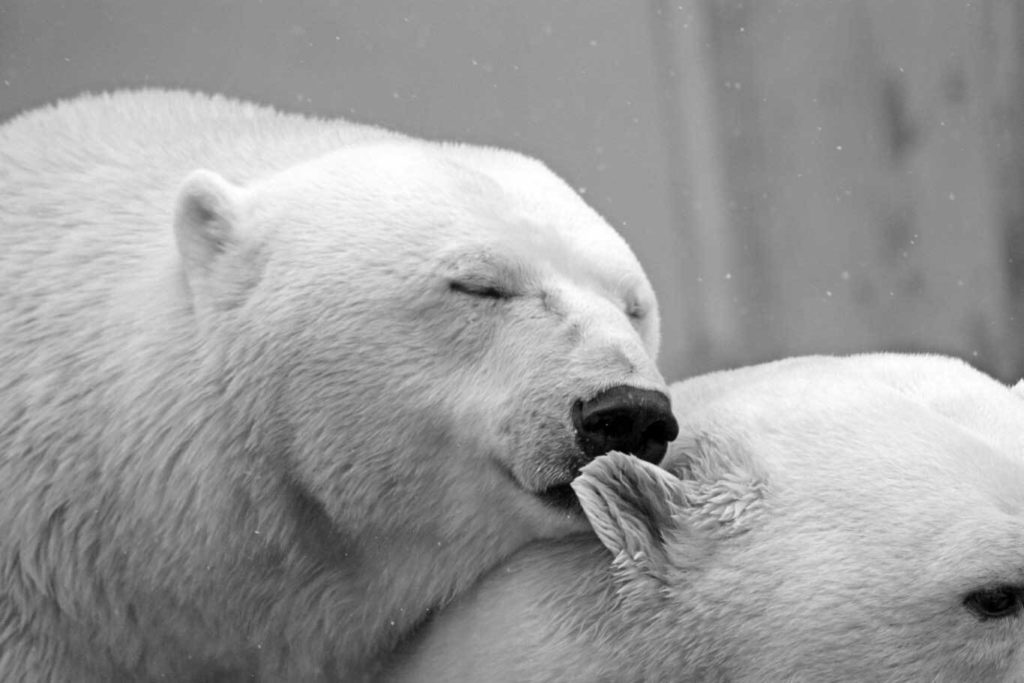
A United States federal court has rejected the Trump administration’s plans to drill in Alaska’s Arctic National Wildlife Refuge in a massive victory for polar bears. The United States Court of Appeals for the Ninth Circuit reversed the approval of a controversial oil drilling project in the Beaufort Sea situated north of Canada and Alaska by the Department of the Interior, which would see hundreds of polar bears forced to flee their dens. Dubbed “The Liberty Project”, the development by energy company Hilcorp Alaska was approved two years ago. It has since faced massive opposition from environmentalists and animal welfare activists who have fought tooth and nail to stop the artificial drilling and underwater pipeline project from rolling ahead. The drilling plans formed part of President Donald Trump’s efforts to open up public lands to logging, mining, and grazing, which President-elect Joe Biden strongly opposes. The project would have involved building a 24-acre artificial island in about 20 feet of water, with a six-mile underwater pipeline to pump the water to shore, that would risk oil spills in the sensitive Beaufort Sea and threaten polar bears and Arctic communities. The lawsuit was brought by Friends of the Earth, Greenpeace, the Center for Biological Diversity, Defenders of Wildlife, and Pacific Environment, all of whom were represented by environmental law organization Earthjustice. In the court ruling, officials stated that in line with the National Environmental Policy Act, the Trump administration had failed to consider the project’s climate impacts properly. The court ruled that by failing to analyze the effects of the project on polar bears, including noise disturbance and critical habitat damage, the Fish and Wildlife Service had violated the Endangered Species Act. “While we applaud the court for seeing through the Trump administration’s attempt to push this project through without carefully studying its risks, the fight is far from over. A cloud of uncertainty still looms over polar bears, and over 200 other animal species living in the Arctic, including caribou, reindeer, foxes, waterfowl, and walruses,” said Nicolette Peters of the Animal Survival International (formerly Political Animal Lobby). Research has shown that the Arctic warms faster than the rest of the world. Northern Siberia and the Canadian Arctic are now warming three times faster than the rest of the globe. Arctic temperatures have increased by nearly 1C in the last ten years. We can expect the north to have warmed by 4C year-round by the middle of the century if greenhouse gas emissions stay on the same trajectory.
Climate Change Is Turning the Heat Up, Surging Night-Time Temperatures
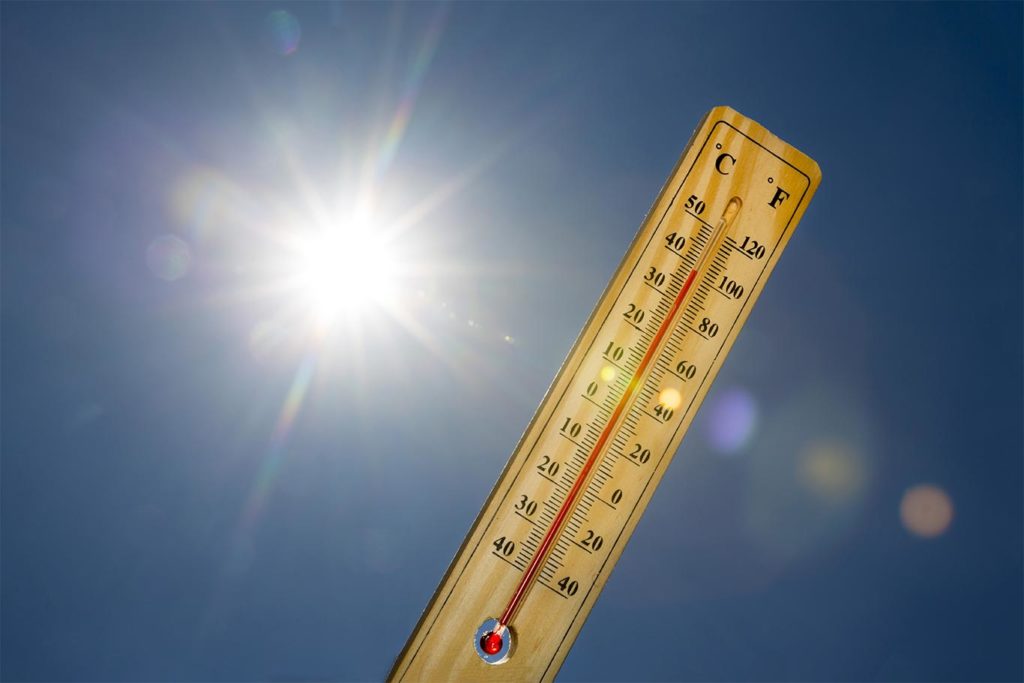
The gradual increase in the temperature of the earth’s atmosphere is warming up nights faster than days and that spells bad news for wildlife across the globe. Scientists have warned that these unequal temperature rises in a 24-hour period could hurt the natural world. According to a new study published in the journal Global Change Biology, in the 35 years between 1983 and 2017, the average night-time temperature increase has outpaced daytime rises of at least 0.25C (0.45 °F). During the study period, researchers from the University of Exeter, in the United Kingdom (UK), factored in hourly records of temperature, cloud cover, specific humidity, and precipitation. They then modeled the different rates of change of daytime maximum and night-time minimum temperatures, and mean daytime and mean night-time cloud cover, specific humidity, and precipitation. They also looked at how vegetation growth and rainfall changed. According to the research, nights are warming faster than days in all areas of the world, but mainly Europe, west Africa, western South America, and central Asia. On the contrary, in southern US, Mexico, and the Middle East, days are warming faster than nights. The total area of regions experiencing greater night warming than day warming, however, was more than two times larger. The study attributed the temperature fluctuations to the changes to clouds global warming brings. Cloud cover has a strong influence on surface solar heating and upward longwave radiation. Naturally, when cloud cover increases, sunlight is blocked during the day. However, at night the clouds retain more heat and humidity, acting like a blanket and trapping in warmth. This leads to nights getting increasingly hotter compared with days. Daniel Cox, a research fellow at the University of Exeter and lead author of the study, said that species only active at night or during the day would be particularly affected by these time shifts. That’s because hotter nights erode the ability of the night‐time to act as a “thermal refuge” where organisms can recover from daytime heat stress, while increased daytime‐specific humidity can exacerbate rising temperatures and increase the risk of heat stress in animals. While it’s too early to determine the impact night-time temperature changes will have on all individual species, cold-blooded animals – which depend on external sources of heat – are bound to be affected as they regulate their body heat through internal body functions. That’s a broad range of amphibians, reptiles, and invertebrates that will be tasked with adapting to a whole new world due to climate change. “This study sets out clear evidence that human-caused climate change is leaving its mark,” said Nicolette Peters of the Animal Survival International (formerly Political Animal Lobby). “The findings reinforce the urgency in reducing the emission of greenhouse gases for policymakers.”
TICKING TIME BOMB for polar bears (and their babies) in Arctic National Wildlife Refuge!
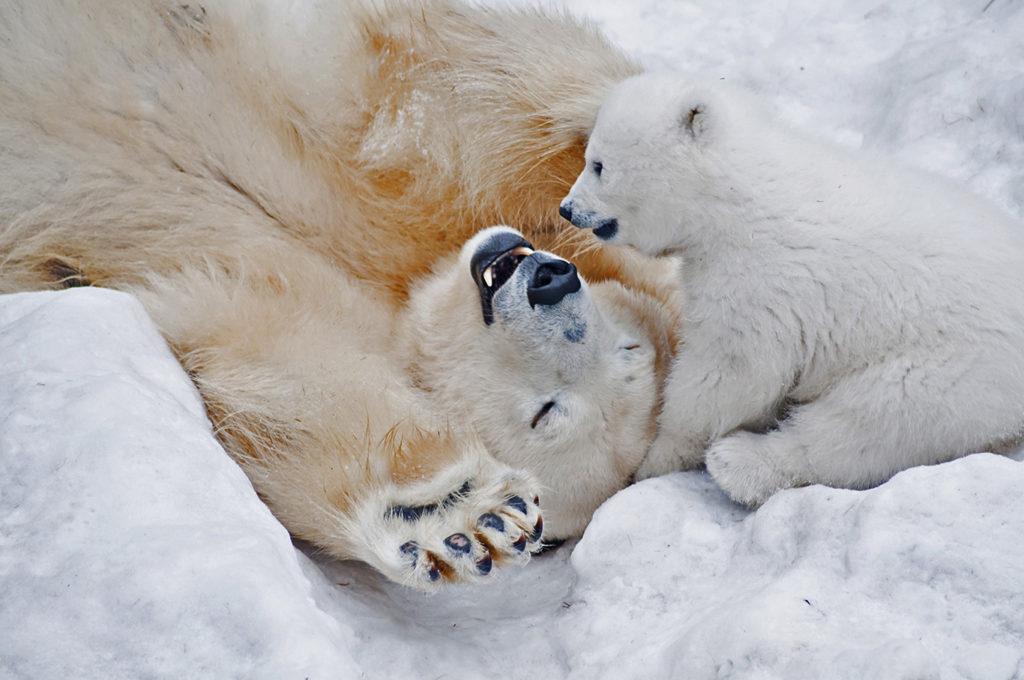
Forty percent of polar bears in the southern Beaufort Sea in northeast Alaska and Canada are gone – lost because of climate change. At this rate polar bears will be wiped from the face of the earth by 2100. Animal loving Americans must unite to save polar bear cubs The present US administration is encouraging oil drilling and exploration in the Arctic National Wildlife Refuge (ANWR) a major home for polar bears. The first leases could be issued before the end of the year. When drilling begins it will inevitably result in new-born polar bear cubs and their mothers being brutely killed in devastating numbers. The exploration will destroy the bears’ protective dens, forcing the mothers to flee, leaving their babies behind to die alone and afraid. Polar bear cubs are small and helpless, born with their eyes closed. They cannot survive without their mothers. An additional nightmare is that because the white bears dig down into the white snow to create dens for their cubs, drivers of the heavy exploration vehicles do not know they are there and will drive over the dens killing the babies. Do the lives of innocent creatures mean nothing – is money all that matters? Between 2001 and 2010, polar bear populations in the refuge dropped to 900 bears. What makes this even more concerning is that, because of climate change, polar bears increasingly rely on the Refuge for breeding. ASI supports a bill introduced to the US Congress by Jared Huffman, chairperson of the US Natural Resources Subcommittee. If passed, the bill will prohibit oil and gas activities within a mile of areas where polar bears create maternal dens by digging in snowbanks. The current administration is fighting this legislation, and sadly, without more support, the bill is unlikely to succeed. If you live in the US, you can help by writing to your Member of Congress and ask them to cosponsor the Polar Bear Survival Act (H.R. 7876). If you live elsewhere in the world, please help us raise public awareness about the catastrophe that is about to befall polar bears by sharing this email. What is about to happen in the Arctic Refuge is a disgrace. All of us who care about our fellow creatures must do all we can to fight the destruction of polar bear habitat. Help us ensure polar bears are able to live and breed in safety. Your donation in any amount will help us keep fighting for creatures who will otherwise be wiped from the face of the earth.
National Wildlife Day – September 4: Wildlife Is Mother Nature’s Greatest Treasure; We Protect To Protect It!
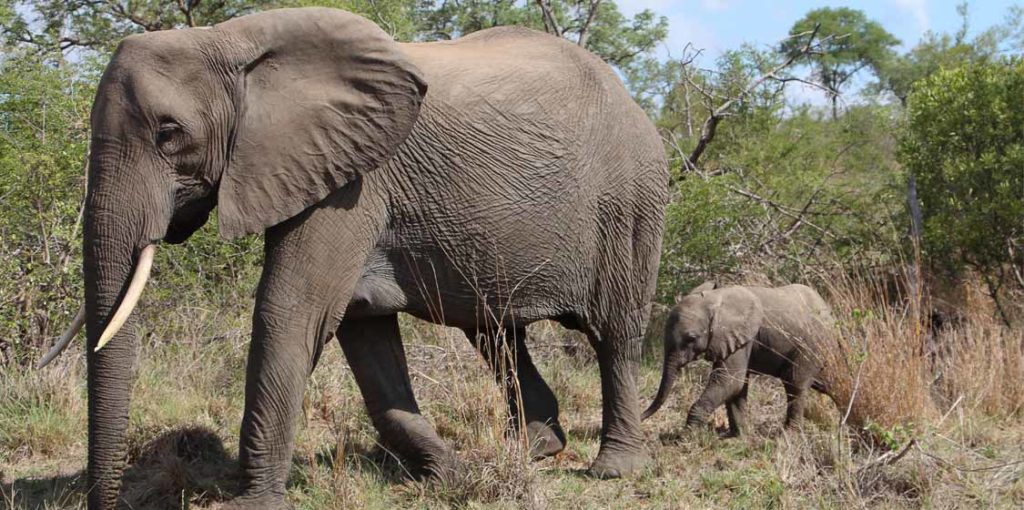
Today is National Wildlife Day. A day we give voice to the voiceless and raise awareness for animal welfare. While the world’s 7.6 billion people represent just 0.01% of all living things, we are behind the loss of 83% of all wild mammals. Researchers talk of ‘biological annihilation’ as studies reveal billions of wildlife populations have been lost in recent decades. Wildlife is dying because of habitat destruction, the international wildlife trade, hunting, pollution and climate change. The International Union for Conservation of Nature (IUCN) estimates that 27,000 species are at risk for extinction. “Today – and every other day to come – is a chance to change the future. It’s a chance for all of us to step back, take a deep breath, and appreciate everything around us. Then do something to make sure we never lose it,” said Nicolette Peters of ASI. Today is also a reminder of the urgent need to step up the fight against wildlife crime. The illegal trade in wildlife is estimated to be worth $20-billion (£15-billion) per year! Poaching and illegal harvesting, particularly in Africa, is shattering wildlife populations The unprecedented spike in illegal wildlife trade poses a growing threat not only to wildlife but to all of us. It is becoming more and more common for diseases to spread from animals to man as the wild trade increases. For example, the Coved plague came from bats and pangolins. ASI disrupts and dismantling networks involved in the illegal wildlife trade and works towards the enforcement of international wildlife laws and treaties. “The work we do is demanding, sometimes dangerous but always important,” said Peters. “The world’s wildlife is in trouble, we are trying to do something about it.”
Skating on Thin Ice: Climate Change Could See Polar Bears Extinct by 2100
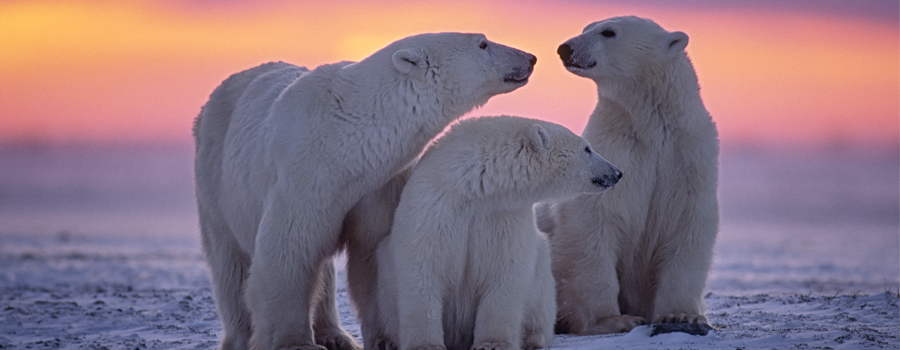
A warming climate is having significant effects on our world, and polar bears are the first on the chopping block. Most of the Arctic’s polar bears will struggle to survive by 2100 due to melting sea ice, a disturbing new study by researchers from the University of Toronto in Canada claims. The study drives home that without “aggressive” cuts to greenhouse gas emissions, polar bears will become extinct. “The loss of sea ice habitat from climate change is the biggest threat to the survival of polar bears and this study simply reinforces the need for the world to take urgent action or risk yet another animal species from being wiped out,” said Nicolette Peters of ASI. “As one of the largest land carnivores in the world, polar bears are known as a keystone species, the apex of the ecosystem. They keep biological populations in balance, which is a critical component to a functioning ecosystem. This study makes it very clear – we’re going to lose the vast majority of them, perhaps not within our lifetime, but certainly within the lifetime of our children.” Polar bears are the planet’s biggest land-based carnivores, although they actually spend most of their lives around water and ice. They range across the Arctic Ocean, in parts of Canada, Alaska, Russia, Greenland, and Norway. It’s hard to imagine such impressive, powerful predators being vulnerable, but climate change could prove to be the force that literally wipes this species from the face of the earth. Climate change is heating up the Arctic faster than anywhere else in the world, and sea ice is rapidly shrinking. The National Aeronautics and Space Administration (NASA) reports that it is dwindling at a rate of roughly 13 percent per decade since 1979. “There is very little chance that polar bears would persist anywhere in the world, except perhaps in the very high Arctic in one small subpopulation if greenhouse-gas emissions continue at so-called business-as-usual levels,” said Peter K. Molnar, a researcher at the University of Toronto Scarborough and lead author of the study, which was published in the journal Nature Climate Change. “Even if emissions were reduced to more moderate levels, we still are unfortunately going to lose some, especially some of the southernmost populations, to sea-ice loss.” Melting ice is forcing bears to burn huge amounts of energy walking or swimming long distances to get to any remaining ice. Because of melting sea ice, polar bears will soon starve to death. Dr. Steven Amstrup, the chief scientist of Polar Bears International, who was also involved in the study, said: “What we’ve shown is that, first, we’ll lose the survival of cubs, so cubs will be born but the females won’t have enough body fat to produce milk to bring them along through the ice-free season. Any of us know that we can only go without food for so long – that’s a biological reality for all species. The trajectory we’re on now is not a good one, but if society gets its act together, we have time to save polar bears.” It’s still possible to make the changes necessary to slow – and then reverse – warming in the Arctic by reducing carbon dioxide to below 350 parts per million, reducing short-lived greenhouse pollutants, helping Arctic wildlife survive unavoidable climatic changes, and taking immediate political action at all levels. Our other choice as individuals is to do nothing at all, and simply sit back and watch the precious window of opportunity we have today slam shut. Sealing not only the fate of polar bears but also the fate of humankind.
Cartoon Illustrated by Matt Pritchett – Telegraph Cartoonist

Matt Pritchett’s cartoons delight readers each day. Matt is a Telegraph institution, and his witty sketches are a vital part of the newspaper. In his newsletter, the enormously popular cartoonist explains just what inspires him each day, and shares an extra, unseen cartoon, which will not have been published anywhere else. For more cartoons from Mat you can subscribe to The Telegraph
ASI and NFA Honor Daphne Sheldrick
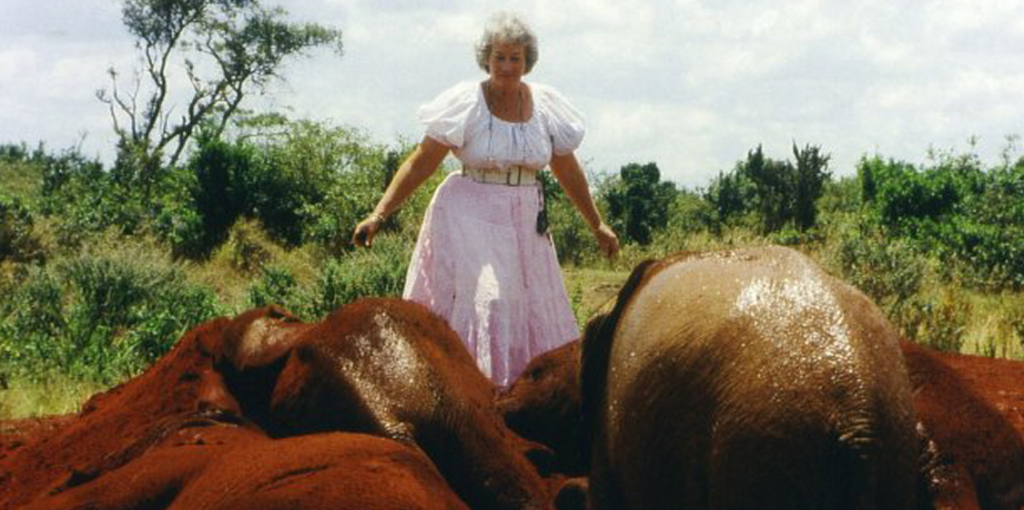
“Daphne was a giant among animal lovers,” said David Barritt, NFA campaign director and a spokesperson for ASI. “We honour her life’s work and we pledge to continue doing everything in our power to protect the wild animals and wild places of Africa.”