Asia

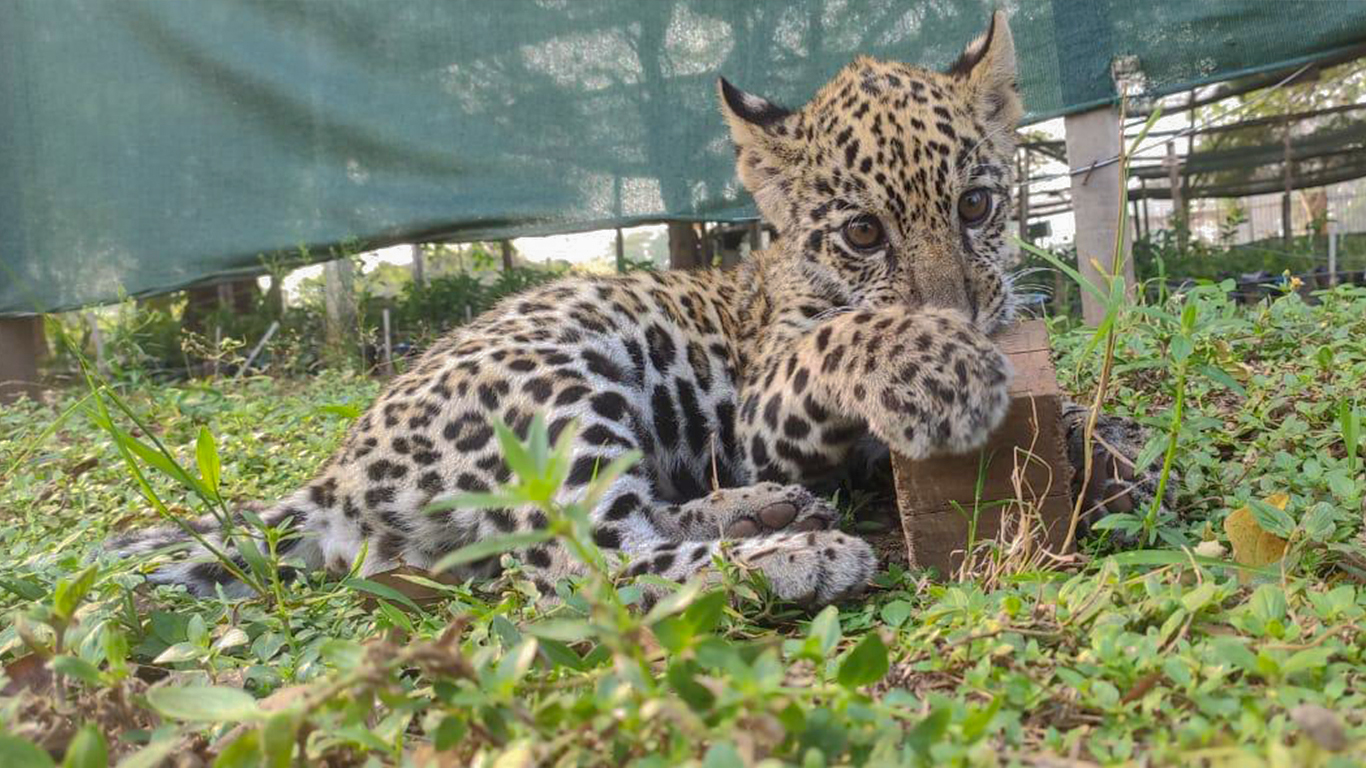
This magnificent jaguar cub was discarded in a dumpster

Khali was a helpless cub when she was found abandoned in a dumpster in Santa Rosa del Yacuma, Bolivia. Torn from her mother and terrified, she cowered from her rescuers, confused, anxious and starving. Khali’s mother was likely killed to feed Bolivia’s brutal illegal trade in jaguar bones. We’ll never know for sure, but we do know Khali deserves a different fate.   Jaguar cub Khali was saved from Bolivia’s horrific wildlife trade. Today, you can help us protect her future.   In Bolivia, jaguars like Khali are killed for their body parts, which are in high demand in Asia for use in unproven traditional ‘medicine.’ Their teeth are particularly sought-after, while their bodies are either left to rot or boiled down into a treacle-like ‘paste’ and sold. Body parts are even smuggled into prisons, where they are fashioned into goods for resale. Khali was rescued by ONCA Wildlife Sanctuary, a haven for wild animals on the banks of the Amazon’s Beni River. It seems she was discarded by someone who illegally kept her as a pet – but, as so often happens, this wild animal was abandoned when she became  less ‘cute’ and harder to handle. ONCA’s goal is to encourage and maintain Khali’s wild nature, which will be vital to her survival if she is released into a protected forest. Under its care, she has grown into a healthy, wild jaguar.     The team is working hard to ensure Khali is released into a protected natural area – but this could take two years and she needs your help today.   Initially, Khali went on supervised walks with handlers. These are not like the casual dog walks you may be accustomed to – handlers keep a safe distance, do not interact with the animal, and allow the cat to follow its natural instincts as it explores the jungle.  Khali’s natural instincts are now very strong, and for her safety and the safety of her carers, she must stay in her enclosure while ONCA secures the ideal release site and prepares her for the wild. Her current enclosure is too small for her to truly embrace her wild nature, and unless we can build a larger space, she may start to lose the instincts ONCA has done so well to preserve.   Credit: ONCA Wildlife Sanctuary The best place for a wild animal is in the wild!   Your donation today will help ensure that a wild animal can remain just that – wild! It will give Khali the room she needs to remain unhabituated, hone her natural instincts, and eventually be released into a safe, protected area where she can embrace her true nature. With its number of rescue cases constantly increasing, ONCA simply does not have the funds to enlarge Khali’s enclosure – but without it, her entire future is at risk. Khali needs you to live a wilder life.

Read More »

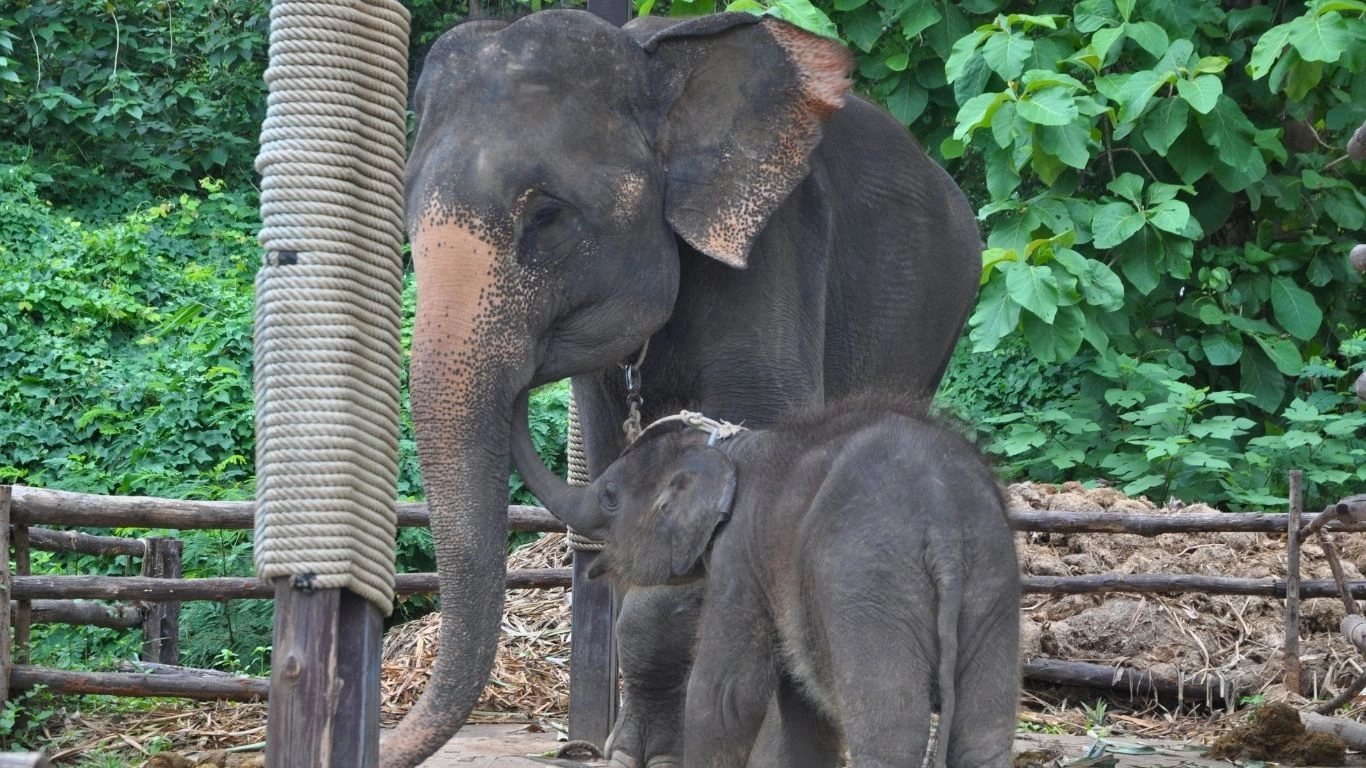
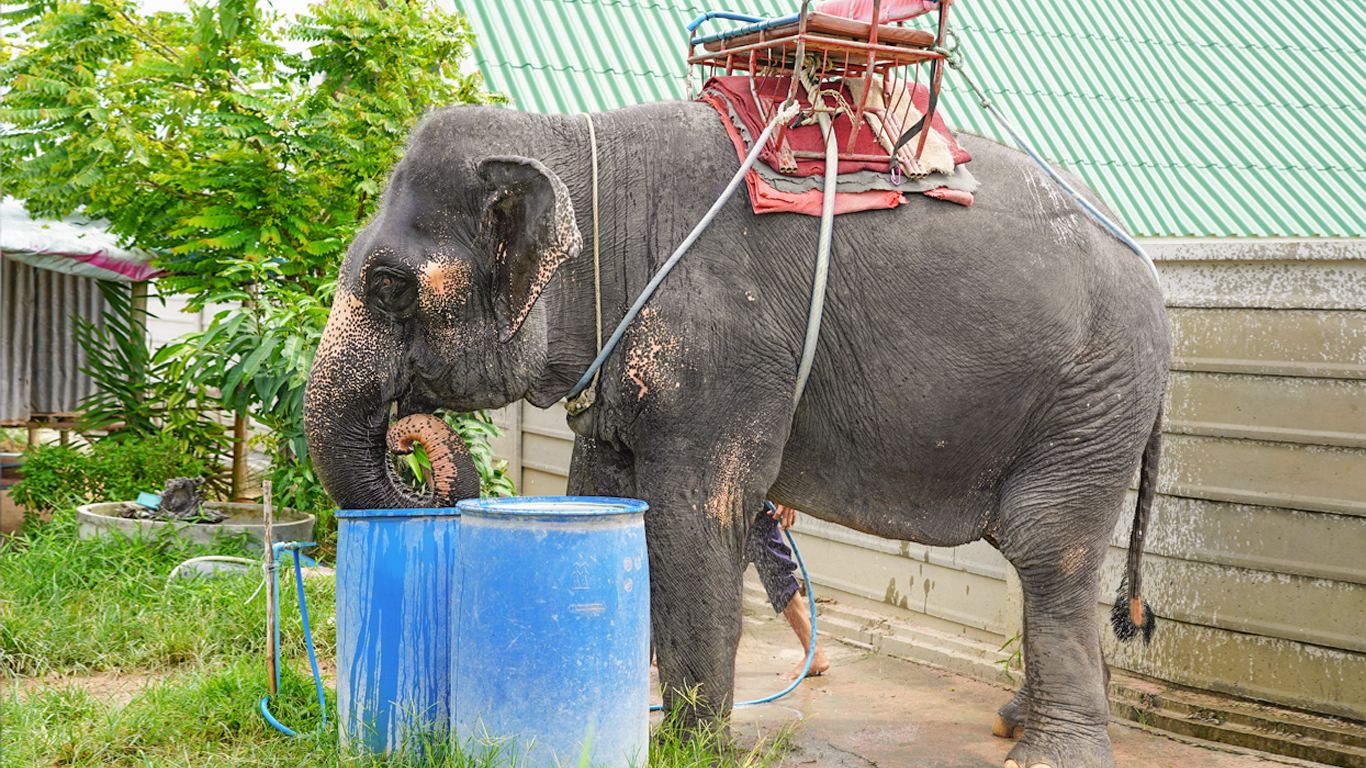
After 30 years of cruelty and abuse, this traumatised, blinded elephant has one final wish.

For almost 30 years, Boon Dee was forced into back-breaking labor in the tourist camps of Pattaya, Thailand. The poor animal carried endless busloads of tourists on her aching back, day after painful day.  By the time she was rescued by our partner, Wildlife Friends Foundation Thailand (WFFT), Boon Dee was emaciated, nearly blind in her right eye, and her skin was marred by deep, painful abscesses that told the story of severe neglect.   After three decades of ruthless abuse, Boon Dee knew nothing but pain and terror.   The image on left shows the long-term damage of  howdahs (saddles) and the weight of tourists on elephants’ spines. On the right, we see what their backs should look like. Credit: WFFT   Until she was saved, this tragic animal had not experienced an iota of kindness in nearly 30 years, and when she arrived at the sanctuary, she was terrified to leave the ‘safety’ of the transport truck. How could she believe she was finally safe?    Over 3,000 Asian elephants – much smaller than their African counterparts – live like prisoners in entertainment venues across Thailand. They are kept on short chains or ropes, and often have heavy chains around their necks.   Shockingly, their handlers use bull hooks to control them – cruel rods made of steel or bronze, with a sharp metal hook on the end. These are wielded to inflict pain and fear on the wild animals, beating them into submission.   As the team led Boon Dee by her chains to freedom, she resisted with all her might, no doubt expecting even more excruciating abuse.   Bull hooks inflict pain and fear on wild animals and beat them into submission. Credit: WFFT   Boon Dee took her first steps to freedom with great fear and anxiety – but then something miraculous happened.    During her first walk in her new sanctuary, she approached another rescued elephant named Gan Da. The team discovered they had worked together at a riding camp in Chiang Rai many years before, and immediately recognized her old friend.   After nearly 30 years of hard labor, there is only one thing Boon Dee dreams of: a safe and peaceful retirement.   This old girl enjoys her final years, in freedom but we need to help her get her own permanent enclosure. Credit: WFFT   As Boon Dee settled into her new home, she discovered something that she never had the chance to find out before – she loves to swim! As she settles into her well-earned retirement, a daily dip is her one non-negotiable requirement.    Sadly, due to years of trauma, Boon Dee is afraid of the other elephants, even her old friend Gan Da. Elephants are naturally social creatures, and her fear underscores the deep physical and psychological scars of her decades of maltreatment.   While this sweet girl gets two lovely, long “walks” a day with her carers, there is one thing she dreams of: A large enclosure with permanent access to her very own lake, so she can swim whenever her heart desires. Nothing brings this sweet elephant more joy than her daily swims, and with your help, we can build her the retirement home of her dreams.   We know you will agree that after decades of heartache and abuse, Boon Dee deserves every bit of happiness she can get.   Boon Dee now enjoys regular walks but needs her own permanent enclosure. Credit: WFFT   Your support today can make all the difference.  Please, give as generously as you can today, and help give Boon Dee the happy retirement she deserves.   

Read More »

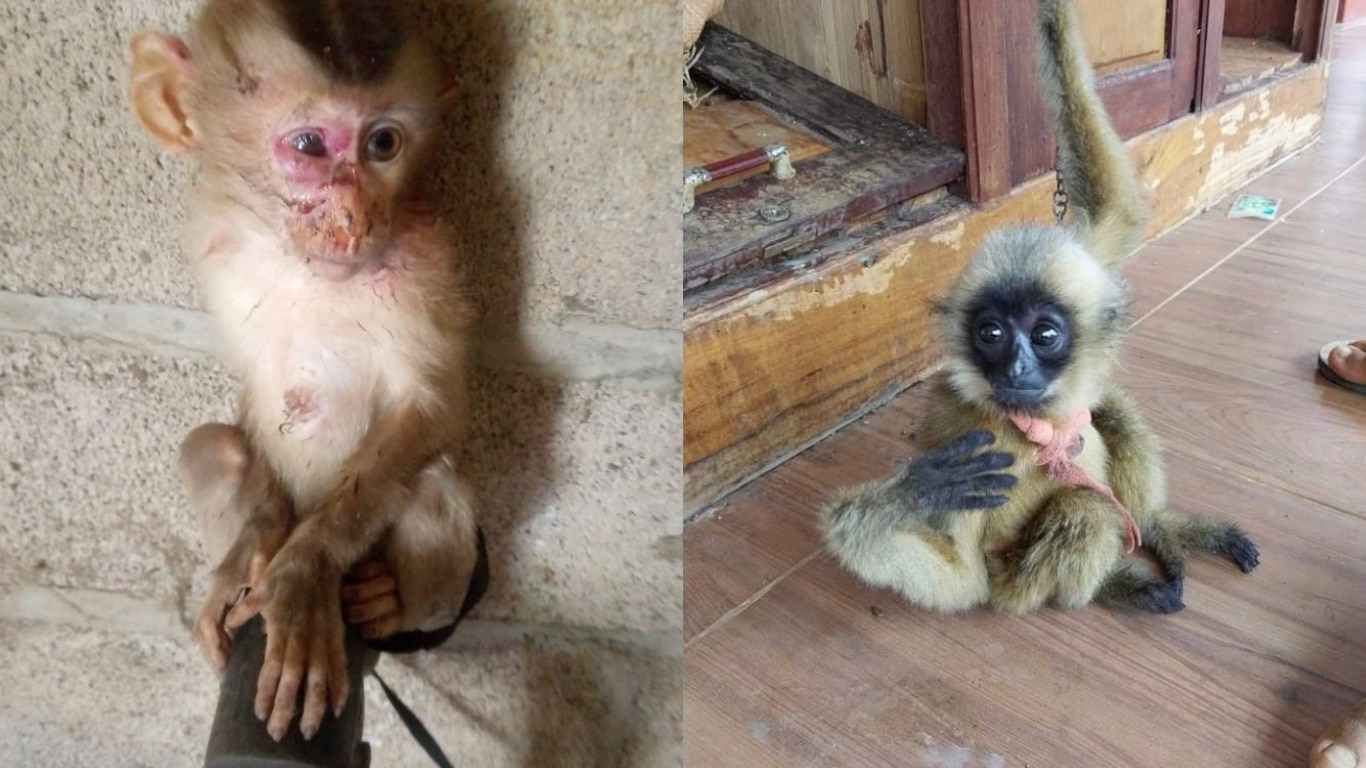
Sold online, this rescued baby gibbon is barely bigger than your hand.

Tiny Sombad, a white-cheeked gibbon, was just a few weeks old when he was ripped from his family in the Cambodian wild and caught in the terrifying world of illegal wildlife smuggling in Southeast Asia. Just a baby, he lost everything – the safety of his family; his natural habitat; his loving and nurturing mother. Credit: LCTW Every year, thousands of critically endangered gibbons like Sombad are stolen from the wild to be sold as pets or eaten. Poachers will shoot a mother holding a baby, and once the mother is dead, they will steal the baby. Only around one in 10 baby gibbons poached this way will survive. Many die as they fall from the trees, or as a result of incidental bullet wounds or abuse after being caught. For every one baby gibbon you see paraded online, there is a bloody trail of up to 10 dead mothers and nine dead babies. In June, 5,000 trafficked animals burned to death at a notorious open-air “pet” market in Thailand. Credit: LCTW 5,000 animals just like Sombad. Helpless infants like Sombad, considered “cute” and trainable, are smuggled across Asia’s borders and sold at illegal markets to be pets, exploited on the streets for money, or forced to perform on social media for “likes.”  Sombad was being sold on the internet. Sombad is one of the few trafficked animals whose story has a “happy” ending – although, orphaned and living in a sanctuary until he is old enough to fend for himself is hardly a “happy” outcome. Our partner, Lao Conservation Trust for Wildlife (LCTW) in Vientiane, Laos, is the only hope for countless endangered and critically endangered wild animals trafficked through Southeast Asia and into Laos for unfounded “traditional Chinese medicine” (TCM), to be cooked – sometimes still alive – or to become “pets.” Heartbreakingly, gibbons will be wiped out entirely if this onslaught doesn’t stop. Some species are estimated to have only 30 individuals left in the wild. This is why LCTW, alongside local authorities, works tirelessly to intercept and penalize poachers, and save near-extinct wild animals. Credit: LCTW Baby Sombad, who was found tied up with chains, is deeply traumatized and terrified after his ordeal. After a tip-off from social media, where Sombad was being sold online in private groups, LCTW saved him from his captors. He was wrapped in chains, weak and trembling. LCTW has begun carefully introducing him to a surrogate mother at their sanctuary. Gibbons have strong family bonds and males and females remain monogamous throughout their lives. Offspring stay with their parents to learn how to forage, vocalize, sing, and survive in the wild. Credit: LCTW Had Sombad not been rescued by our partner, his life would have been tragically different. Too often, trafficked monkeys are illegally confined in tiny cages, where they live their entire lives. Worse are the animals who are chopped up and used in traditional Chinese medicine (TCM). Monkeys, particularly gibbons and macaques, have long been “prescribed” in TCM, with ancient texts calling for crushed monkey skull and pickled monkey meat to treat malaria, alongside even more horrific uses. Sombad was just days or perhaps hours from this fate. Credit: LCTW With your help today, we can provide Sombad with the sanctuary he deserves – a jungle-like enclosure where he can roam freely, bask in sunlight, and rediscover the joys of a natural habitat. Please, donate for Sombad right away. LCTW does not have sufficient appropriate space for the gibbon right now, and urgently needs our help to construct the ideal enclosures for this rescued animal. Gibbons are territorial so they are often kept alone, but within view of other gibbons, during the early phases of their rehabilitation. They may later be introduced to a potential mate. Credit: LCTW Right now, Sombad is living in the sanctuary’s quarantine area as there is no enclosure for him. If we can raise $15,000 (approximately £11,750), we can help LCTW to construct a large, semi-wild enclosure so that Sombad can finally live the life he deserves. The enclosure will also go on to provide a home for more animals rescued from the brutal illegal wildlife trade in the future.   Infant Sombad has his whole life ahead of him, and after the trauma he experienced, we want to give him the best. Please, help us give Sombad the second chance he dearly deserves. We must do our best to give this brave survivor the safe, spacious enclosure he deserves after his terrible ordeal – so please, donate right away, and show your kindness to this deeply traumatized animal.

Read More »

The tragic elderly elephant forced to work for 60 YEARS.

With her disfigured spine and decades-old scars, Pai Lin’s 60 years of hard labor are etched into every inch of her battered body. Asian elephant Pai Lin, left, has a deformed spine. A fellow WFFT resident, Thung Ngern, right, displays a healthy dome-shaped spine. Spinal deformities in elephants can be caused by malnutrition or heavy labor. Credit: WFFT Pai Lin, 75, has endured more agonizing pain and abuse in her long life than it is possible to fathom. For decades, she was used as a working elephant, probably in the commercial logging industry before it was banned in 1989. After logging was banned, this tortured, tragic animal was likely used to haul as many as six tourists at a time on her back in a heavy wooden seat that would have ground relentlessly into her body. At some point during her horrific 60-year “working career,” she was forced to beg on the streets. Her deformed spine speaks volumes about her life of abject cruelty. This helpless animal, completely reliant on cruel humans, almost certainly lived in daily agony, but no one cared. She was making money for her owners, and to them, that was all that mattered. For illustrative purposes only.  Credit: Jack Board When Pai Lin was about 60 years old, her owners finally declared her “useless,” complaining that because she was in constant pain, she was “too slow” to work. Our partner, Wildlife Friends Foundation Thailand (WFFT), stepped in and now Pai Lin lives at its sanctuary – Asia’s first completely chain-free elephant haven. The forested land around the rescue center gives the elephants a chance to roam in near-natural surroundings and to socialize with other elephants. Here, they are finally given the chance to find peace and friendship. Pai Lin is now 75, the oldest elephant our partner has rescued. She prefers to spend her days alone, quietly enjoying her hard-won freedom in the protected forest she now calls home. Most of the rescued elephants at WFFT have experienced decades of abuse in Thailand, where cruelty towards wild animals is sickeningly common. Pai Lin, in particular, touched our hearts. This contraption is called a “howdah.” People will sit in them and force these poor elephants to carry them and other heavy objects for hours on end. Credit: WFFT/Amy Jones/Moving Animals The vast majority of our partner’s 23 rescued elephants were exploited in trekking camps and/or for logging. Others were forced to perform tricks or were used for street begging. It is hard to comprehend the trauma they have experienced in their lives. Most of these animals arrive covered in lice and wounds, severely traumatized and requiring intensive treatment and care – not to mention up to 660 pounds (300 kilograms) of food every day per elephant. To feed their 23 elephants, WFFT needs over 15,000 pounds (almost 7,000kg) of food every day, or 227,7 tons every month. Our partner is completely dependent on donations to provide their rescued elephants with the daily care they need, and desperately wants to give the animals the very best nutrition, treatment, enrichment and care it can. We want to help. For illustrative purposes only. This is an example of some of the abuse Pai Lin could have endured for 60 years.  Credit: Aaron Gekoski/Lady Thinker Captive elephants in Thailand endure relentless, excruciating labor until they collapse in agony and exhaustion, or simply drop dead. The survivors are hoping for your compassion today. We really want to give Pai Lin and her fellow rescued elephant friends every bit of happiness we can – and for elephants, that starts with a delicious and varied diet of fresh fruit and vegetables, banana trees and leaves, and special, nutrient-rich pellets. Many elephants do not survive Thailand’s brutal tourist trade. For the amusement of tourists, elephants are chained, starved and beaten, forced to work through searing pain in blistering heat, day after dismal day. Above and below, you will see some photographs of elephants like Pai Lin, who undergo daily abuse. Unfortunately, in Thailand, there are currently no laws to prevent this abuse and mistreatment, which is why our partner works tirelessly to rescue, treat and care for the survivors. Pai Lin endured these cruel and exhausting conditions for 60 years. But no more. After lives of unending suffering, will you help give Pai Lin and her friends this small kindness, which will make a huge difference in their lives? Pai Lin in her new home. Credit: WFFT For every $300 (roughly £240) we raise, we can provide a month’s worth of heavenly food and treats for an elephant at WFFT. If we raise $3,000 (roughly £2,400), we can provide 99 tons of food, feeding 10 elephants for a month. Pai Lin’s particular favorites are jackfruit and papaya, and we really want to give her these delicious treats. Pai Lin may only have a few years left, and after six decades of sheer hell, we want to make her last years the best of her life. Can she count on you for that kindness today? Please, donate as much as you can now, and help us give this brave survivor the golden years she deserves.

Read More »

Track pangolins 💪 Stop poachers!

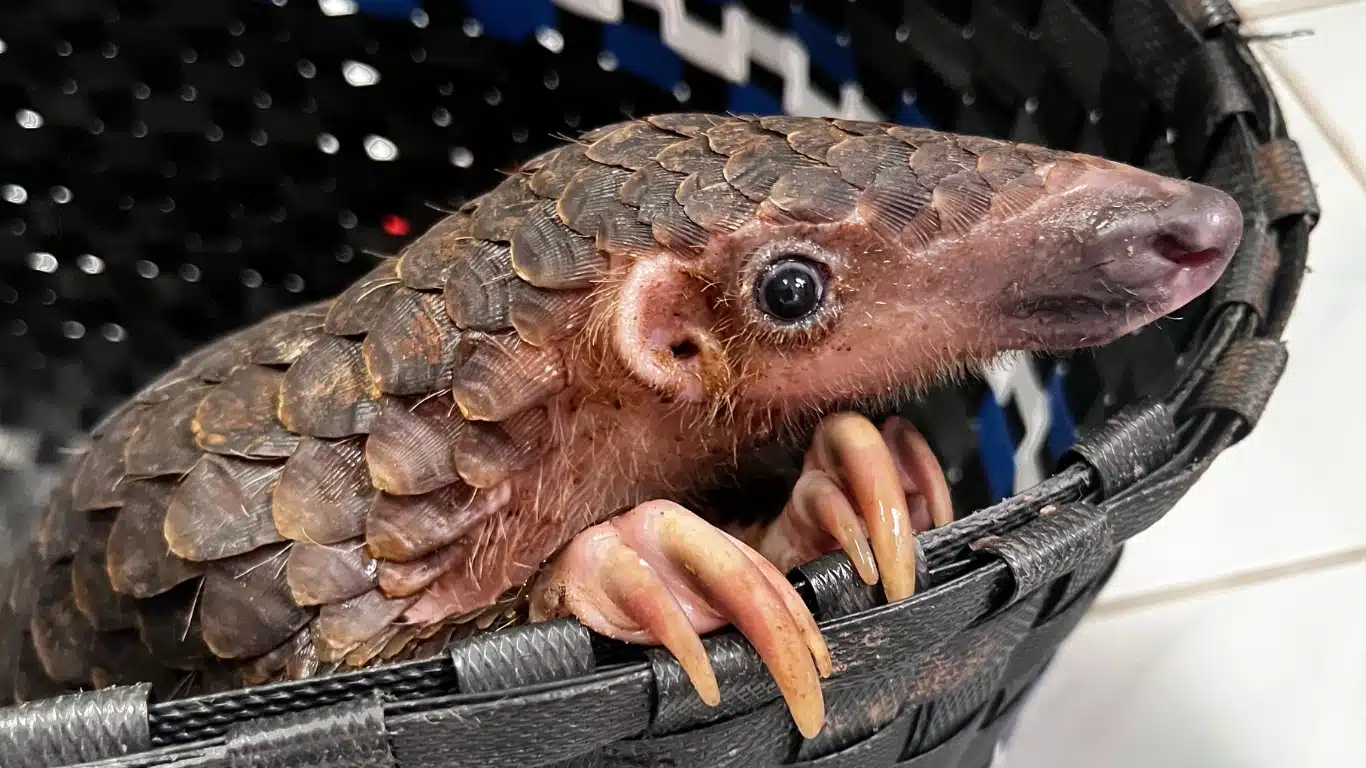
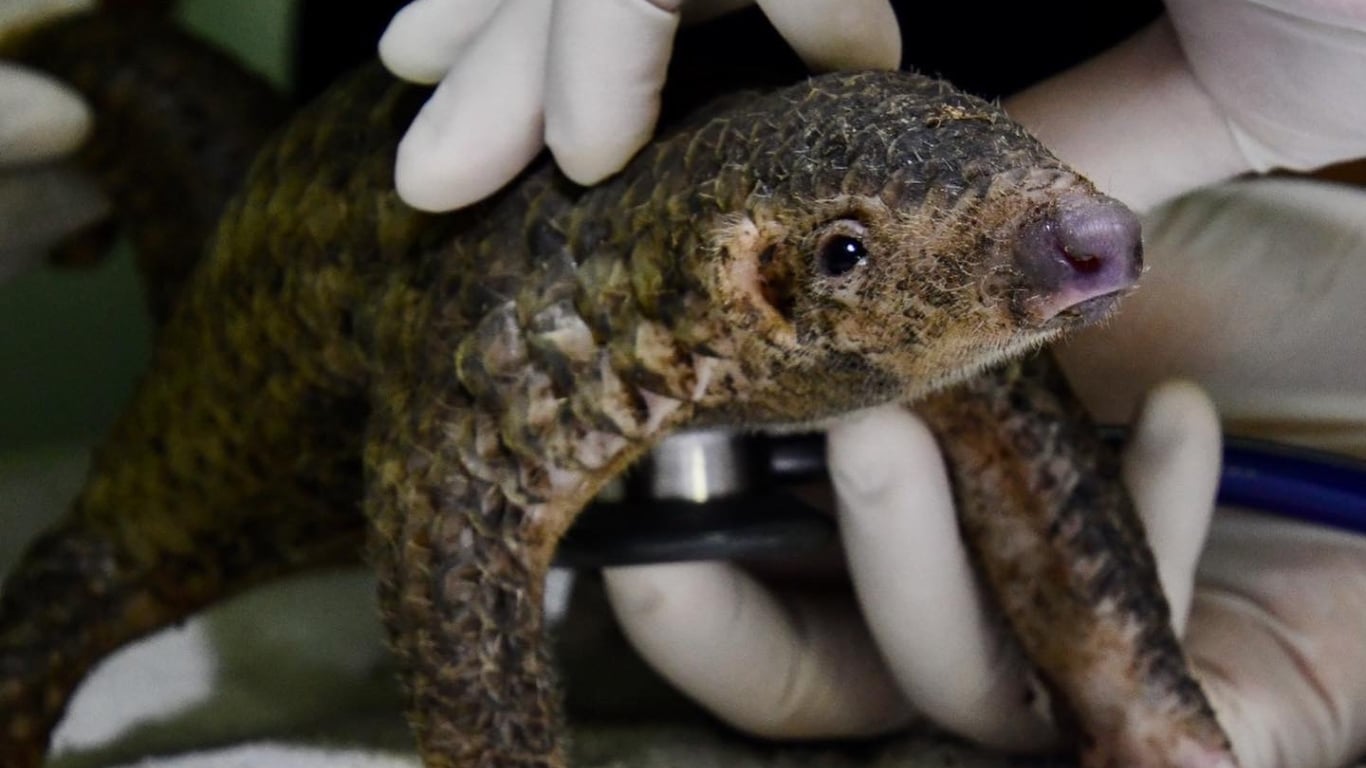
Five critically endangered pangolins, including a tiny baby and a very sick adult, have just been rescued in the nick of time from a horror meat market in Lao, Asia. Pancake the critically endangered pangolin receiving life-saving care at LCTW. Anti-poaching devices will enable our team to apprehend poachers in their tracks. Credit: LCTW The animals were rescued during an investigation into the illegal wildlife trade in the country, which sees hundreds of thousands of animals slaughtered every year for bogus “traditional medicine”, jewelry, trinkets, and unfounded virility potions. The pangolin poaching crisis is REAL, and if we do not act NOW, the species could be gone forever. We have a plan to help. Sick, starving and dehydrated, the fragile animals were rushed to the care of our partner, the Lao Conservation Trust for Wildlife (LCTW). Credit: LCTW All the rescued pangolins are of the critically endangered Sunda and Chinese sub-species, relentlessly hunted for their meat, skins and scales in Asia. It is estimated that 80% of Sunda pangolins have been wiped out by poaching, while the population of Chinese pangolins is expected to plummet by 80% by 2040. You will be relieved to know that LCTW works closely with law enforcement to rescue pangolins and bring poachers to book. Credit: LCTW The rescued creatures were all saved in the capital of Vientiane during an undercover investigation. A sixth was later saved by local government authorities. As this important investigative and prosecution work continues, the plight of the six rescued animals is currently critical. Image for illustrative purposes only. Credit: Wikipedia Pancake, a Chinese pangolin, is receiving intensive care after arriving terrified, starving and dehydrated. She was named ‘Pancake’ because she lies so flat – clearly weak and severely traumatized after her horrendous ordeal. The other survivors – all Sunda pangolins – include a baby, juveniles and adults. The infant pangopup is still suckling from its mother, and all are receiving critical care at the sanctuary. We have a way to help our partner NAB POACHERS and protect pangolins from being poached – please, help us implement it now! Once the pangolins have recovered from their nightmare ordeal, they will be released back into their natural environment. Credit: LCTW We know you will agree that they MUST be protected at all costs once released. That is exactly what we plan to do with your help today. If we can raise $15,000 (around £11,880), LCTW can fit each of the pangolins with hi-tech tracking devices prior to their release, which will immediately alert the team if a pangolin is snared or caught by a poacher as it is being transported. These advanced tracking solutions are already being used to great success by our anti-poaching partners in Africa. Should a pangolin be caught, the device will send an instant alert to its exact location, enabling the team to race into action, rescue the animal, and catch the perpetrators. The devices also monitor the animals’ breathing, heart rate and pace of movement to alert the team immediately to anything out of the ordinary. If enough money can be raised, our partner will also be able to install hidden devices throughout the forest that detect the presence and exact location of any mobile phones entering the area – almost guaranteed to be hunters or poachers. An immediate alarm will be sent, and the on-site team will be dispatched to thwart the poachers in their tracks. It is the advanced protection pangolins urgently need – AND DESERVE – right now. Credit: LCTW It is not enough to rehabilitate pangolins – we MUST ALSO track poachers and keep pangolins safe in the wild! Will you help critically endangered pangolins today? Your support now will help us protect pangolins in Lao – so please be part of the solution! Donate right away, and help us give pangolins their safety and freedom – and poachers the penalties they deserve!

Read More »

Asian wildlife sanctuary forced to SHUT, placing endangered animals in peril.

Bound, butchered for their meat, or forced to live as captive chained “pets.” This is the reality for thousands of wild animals in the Asian country of Laos – and now, you have an opportunity to help rush some to safety. Read on… Wild animals, some just infants, are stolen from the wild and kept in cramped, filthy cages as “pets” or to be sold at markets for their meat and body parts. Credit: LCTW Wild animals rescued from Asia’s BRUTAL meat and pet trade are TRAUMATIZED, INJURED and DESPERATE for SAFE sanctuary. Please, help give them life-long protection they deserve! Our partner, the Lao Conservation Trust for Wildlife (LCTW), rescues hundreds of wild animals every year from bushmeat markets, illegal traders, and cruel people who keep them chained in squalor as pets. Two infant monkeys cling to each other after being rescued by our partner. Credit: LCTW There are 250 creatures at the sanctuary. When we visited in December, we saw these animals, including critically endangered pangolins, langurs and white-cheeked gibbons, were happy and thriving, with superb care and enclosures that mimic their wild habitats. But now they have to go. Until now, LCTW has been able to treat, care for and shelter its animals at their beautiful, spacious sanctuary… …In a terrible blow to the animals, the sanctuary’s landowners want their land back – by JUNE! Our partner is racing to prepare a new sanctuary while continuing their critical rescue work for other wild animals. These screenshots, showing pangolin scales (left) and slaughtered wild animals (right), show social media being used for the illegal trade of wildlife. Translation: “Traders traders, which customer wants to buy a variety of wild animals, can order. Contact the dealer to see the actual items. Wild animals for sale daily.” Credit: LCTW The sanctuary move is a massive undertaking made more so because existing rescue work never stops! This means the animals need help right now if they have any chance of a safe future. Many rescued wild animals can never be released back into the wild because of the extent of their injuries and the severity of their trauma. They need a safe, spacious sanctuary to live in peace… There are just four months to turn this wild area into habitable spaces for its rescued wild animals. Credit: LCTW The challenge is constructing species-appropriate enclosures for all 250 wild animals in their care – and THIS is where you come in. From the smallest infant pangolins to the largest Asiatic bears and critically endangered Siamese crocodiles, every rescued animal needs a safe, appropriate enclosure. We have just sixteen weeks to help them build these – a very narrow window in which to complete a huge, expensive amount of work for the animals. Crittica, a critically endangered Chinese pangolin, and her baby, were rescued and rehabilitated. Credit: LCTW If we cannot help complete the enclosures by the deadline of JUNE, the animals will have to remain in cramped transport cages until the money CAN be raised. This would be DEEPLY TRAUMATIZING for all of them. Please, help us raise the money to provide them a new haven. Baby binturongs – also known as bearcats – are vulnerable carnivores who are poached for Chinese “medicines”, for their fur, and for the pet trade. These two infants were rescued by our partner. Credit: LCTW Each enclosure costs from $10,000 to $20,000 (around £8,155 to £16,300). They are costly but WORTH IT for animals who have lived chained, beaten, and caged for years – if not their whole lives. We CANNOT let them go back into cages! Credit: LCTW The very least they deserve is a safe home, with spacious enclosures, grass and trees to enjoy, and sun on their backs. Will you help give them that?

Read More »

Right now, criminals are “shopping” for wild animals!

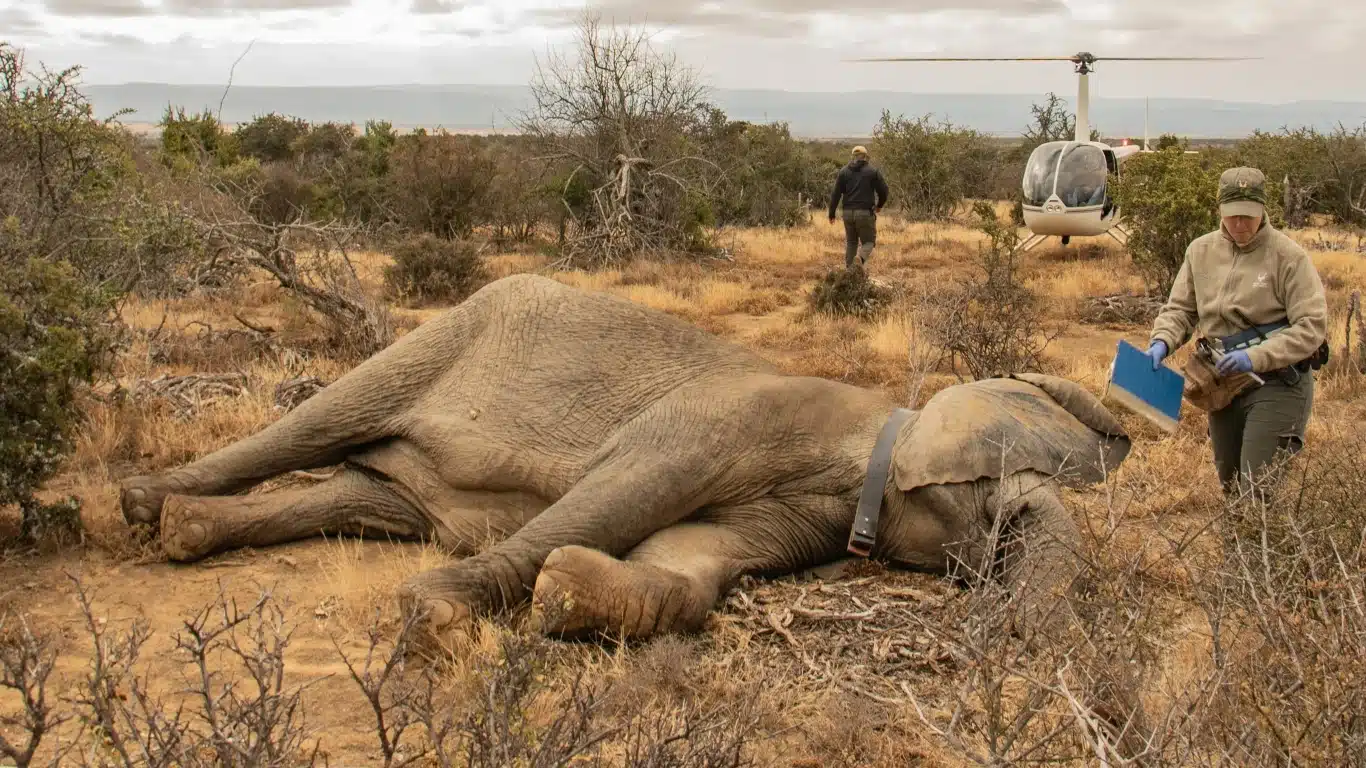
Sickeningly, over the holidays, poaching skyrockets in Africa – as Asians “go shopping” in Africa for sought-after rhino horn and other animal parts. These are especially popular as gifts and shows of excess during Christmas and the Chinese New Year. We are ramping up our efforts to help thwart poachers in their tracks. Did you know that THIS is the MOST DANGEROUS time of year for wild animals? Credit: Brent Stirton Is this the SICKEST “holiday shopping” you’ve ever heard of? Asian markets “SHOP” for rhino horn and other animal parts in Africa as Christmas and the lunar new year approaches! Credit: V.L Williams Please, help us prepare our anti-poaching teams for the onslaught! Every year, at least 20,000 African elephants are poached for their tusks. This holiday season, we are working harder than ever to ensure our anti-poaching teams are equipped and ready to intercept poachers before disaster strikes: Bumi Hills Anti-Poaching Unit (BHAPU) in Lake Kariba, Zimbabwe, which protects the lake elephants and other vulnerable wildlife in this poaching hotspot.  Matetsi Anti-Poaching Unit (MAPU), which makes 95% of its arrests along the Zambezi River in Zimbabwe, along with its expertly trained K9 team. Care for Wild Rhino Sanctuary (CFW) in South Africa, which runs a highly skilled anti-poaching team and K9 unit that protects rhinos and other wildlife in Mpumalanga. Nearly 10,000 rhinos have been poached in Africa over the past decade. Addo Elephant National Park (AENP) anti-poaching team, which patrols the vast 293,000 hectares of the AENP in South Africa’s Eastern Cape. Wildlife criminals don’t take the holidays off – and neither do we! Credit: ASI/Taryn Slabbert You can rest easy this holiday season knowing that we are putting your donations to immediate use… …bolstering our anti-poaching teams across multiple projects in Africa… Credit:Carl De Souza/AFP …preparing to thwart poachers in their tracks… ….and KEEPING ANIMALS SAFE FROM CRIMINALS! Together with our partners, we are making great progress in our anti-poaching work. BHAPU has not lost a single elephant to poaching in the last seven years… Credit: Steve Edwards/Caters News MAPU has stamped out poaching in the entire Matetsi Private Game Reserve since 2021 – once a wasteland of butchered carcasses… Care for Wild’s anti-poaching unit includes ex-military personnel using the most advanced surveillance equipment available today… The AENP anti-poaching unit uses drones to home in on criminals within the park’s borders, apprehend them, and ensure they face the full might of the law. Recently, we helped them fit advanced AI-tracking devices to elephants in a particularly vulnerable part of the reserve… Credit: ASI/Zara King BUT! None of these teams would be able to continue their LIFE-PRESERVING work for wildlife without your support. Your support throughout 2023 has helped enable these teams to perform their crucial role in protecting wild animals – but they cannot continue during this critical holiday period and into 2024 without your support. Our teams need fuel for their patrol vehicles and boats, supplies for their K9 units, including cooling jackets for summer, and more AI-enabled tracking devices for elephants and other animals vulnerable to criminals. These teams can only be as strong as their equipment. Credit: ASI This season, we need to keep our feet on the ground, with our anti-poaching teams doing everything in their power to protect animals 24/7. You have the power right now to help ensure this! So please, donate as much as you possibly can right now, and help us continue our work to protect the precious wild animals of Africa against ruthless criminals.

Read More »

LAST CHANCE to save 29 tigers and critically endangered leopards from CAPTIVITY!

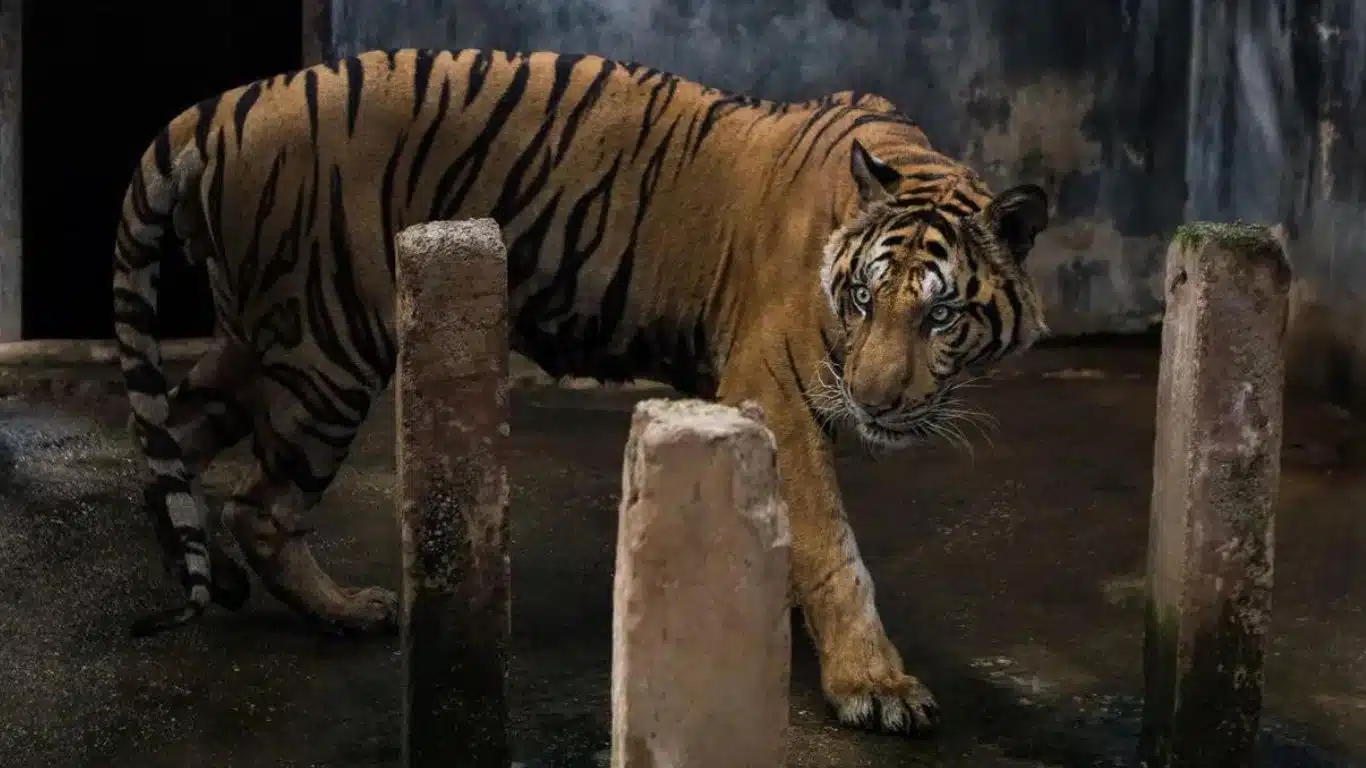
A tiger farm that has kept big cats cruelly caged in appalling conditions in Thailand has been shut down by the authorities. Now, the big cats who live there are in urgent need of rescue. If we do not help get them to safety as soon as possible, a caged zoo existence is likely to be their fate. Credit: WFFT We have a plan, and critically endangered leopards and tigers need your support. Abused and neglected in Asia: 29 caged tigers and critically endangered Indo-Chinese leopards have a ONCE-IN-A-LIFETIME chance at freedom. HELP NOW, before their window of opportunity closes! Thailand is notorious for keeping wild animals captive. Big cats are bred to be cruel tourist attractions, or for their body parts which are used in “traditional Chinese medicines.” Whiskers are worn as “protective” charms and the animals’ penises are peddled as “sexual tonics.” Skins are trophies, worn as ostentatious shows of wealth. Credit: Amanda Mustard/New York Times The cycle of tiger abuse is bitterly cruel. Cubs are snatched from their mothers as infants and hand-reared so they can be habituated for human interactions and photo ops. They are caged, their natural behaviors inhibited, and their breeding patterns interrupted, all so that tourists can take selfies with them. Or, they are bred in horrendously cruel conditions to be slaughtered for their body parts. Today – and only with your help – we have the opportunity to help save 29 of these precious, sentient beings from a death sentence behind bars. Credit: VietnamNet Please, will you help them? Operations at the captive facility in northern Thailand have already been ordered to stop. Very soon, it will be shut down altogether. At that point, any animals who have not been relocated will be turned over to the government – who will likely send them to zoos. We MUST stop that from happening! Two of the tigers who were rescued by WFFT, now living their best possible lives. Credit: WFFT Our partner, the Wildlife Friends Foundation Trust (WFFT), has been given permission to take in 29 of the facility’s 53 captive animals: 25 tigers and 4 critically endangered Indo-Chinese leopards. They hope to get approval for more. The WFFT sanctuary has spacious, stimulating enclosures and a team of wildlife experts. They allow no public interaction or experiences. Here, the animals will have the best chance at a new life, and the closest possible experience to being free. Credit: Chaz McGregor For every $8,200 (roughly £6,575) we raise, we can save a big cat and get it to freedom. Please help right now. For each big cat rescued, we need to help build a spacious enclosure, pay for the relocation, and commit to its lifelong care – the gut-wrenching reality is that tigers and leopards rescued from captivity will NEVER be able to live in the wild. We’ve asked you before to help us save wild animals from the brutalities of zoos and breeding facilities, and you have helped save and change many big-cat lives. Today we are asking you once more to show these precious creatures the human kindness and compassion they have never experienced before. Can they count on you today? We cannot save their lives without your support right now. Credit: Amanda Mustard/New York Times This is a rare and enormous opportunity. Every life is precious, and these animals deserve a chance at happiness and freedom. With your support, they can finally run around on natural ground, claw at trees, swim in lakes, and socialize with other big cats. We know we can help give these tigers and leopards a good life, but we cannot do it without your help. Please, donate immediately and generously now.

Read More »