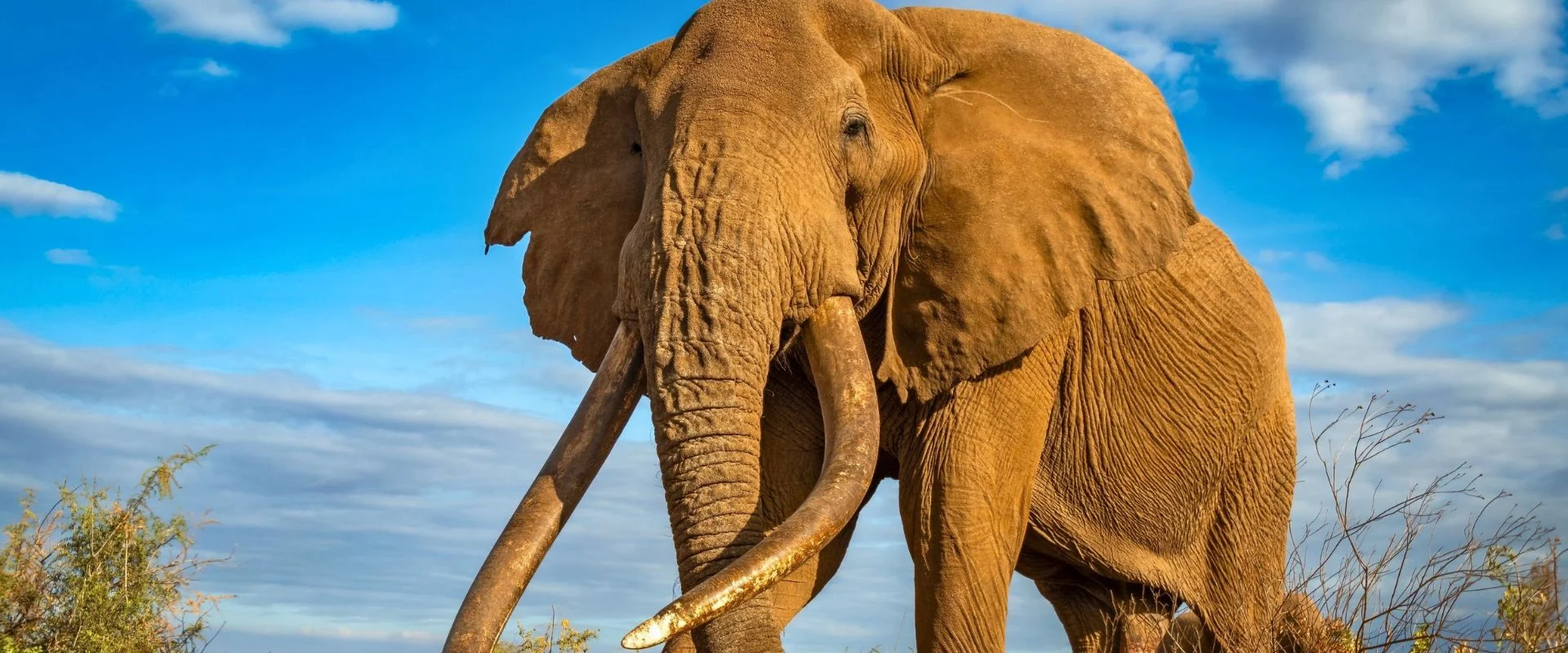


Right now is the most dangerous time of year for East Africa’s remaining, critically endangered super tuskers – elephants with tusks so long, they sweep the ground and which weigh up to 100 pounds (45 kilograms).
During the dry season, June to October, these enormous animals migrate between Kenya and Tanzania in search of food and water, crossing vast, unprotected corridors where they are highly vulnerable to being killed. Only 90 remain in all of Africa.
The most effective way to protect them from poachers, trophy hunters and communities is with advanced drones. We’ve funded two, but two more are needed.
Today, the value of your donation will be DOUBLED – which means if we raise enough funds for a drone, we’ll be able to DOUBLE THAT to fund TWO drones.
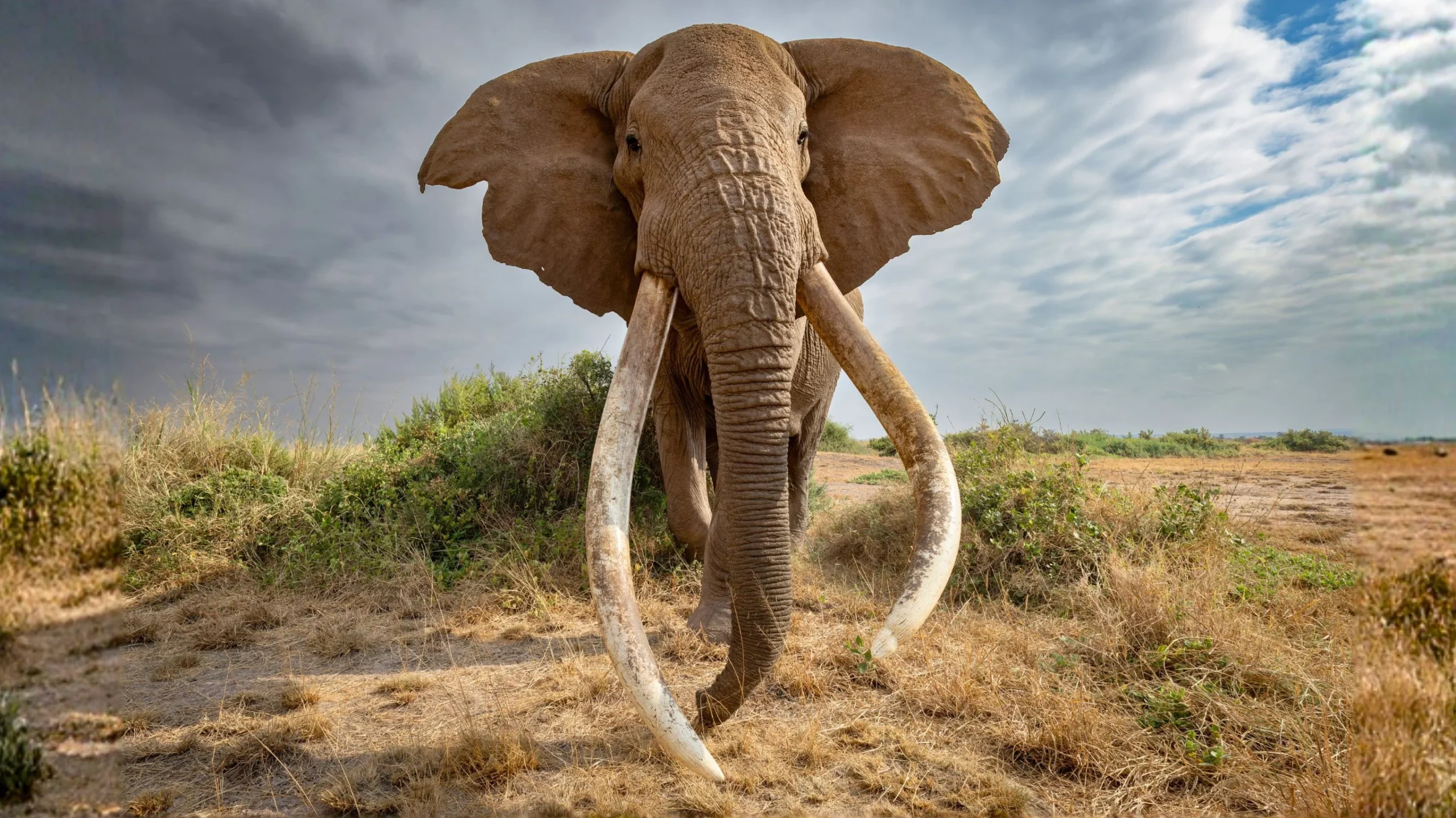 The super-tuskers of East Africa are the last of an ancient bloodline — magnificent, irreplaceable, and vanishing. Fewer than 30 remain in East Africa, and every single one matters. Source: Harry Collins Photography
This week, a generous supporter is MATCHING all donations up to $13,000 (£9,700).
If you donate $50 (£37), it becomes $100 (£74). If you donate $100 (£74), it becomes $200 (£150).
An ASI donor with a deep love of these animals is offering to match all donations made toward protecting these animals, up to $13,000 (£9,700). That means your gift today will DOUBLE its impact to help super tusker elephants.
East Africa’s last super tuskers are not just rare elephants. They are the final guardians of an extraordinary genetic inheritance — the ancient big-tusk bloodline that once defined Africa’s greatest elephants. They are living proof of a genetic legacy that is disappearing before our eyes.
Fewer than 30 super tuskers remain in East Africa. Only around 90 are left in all of Africa.
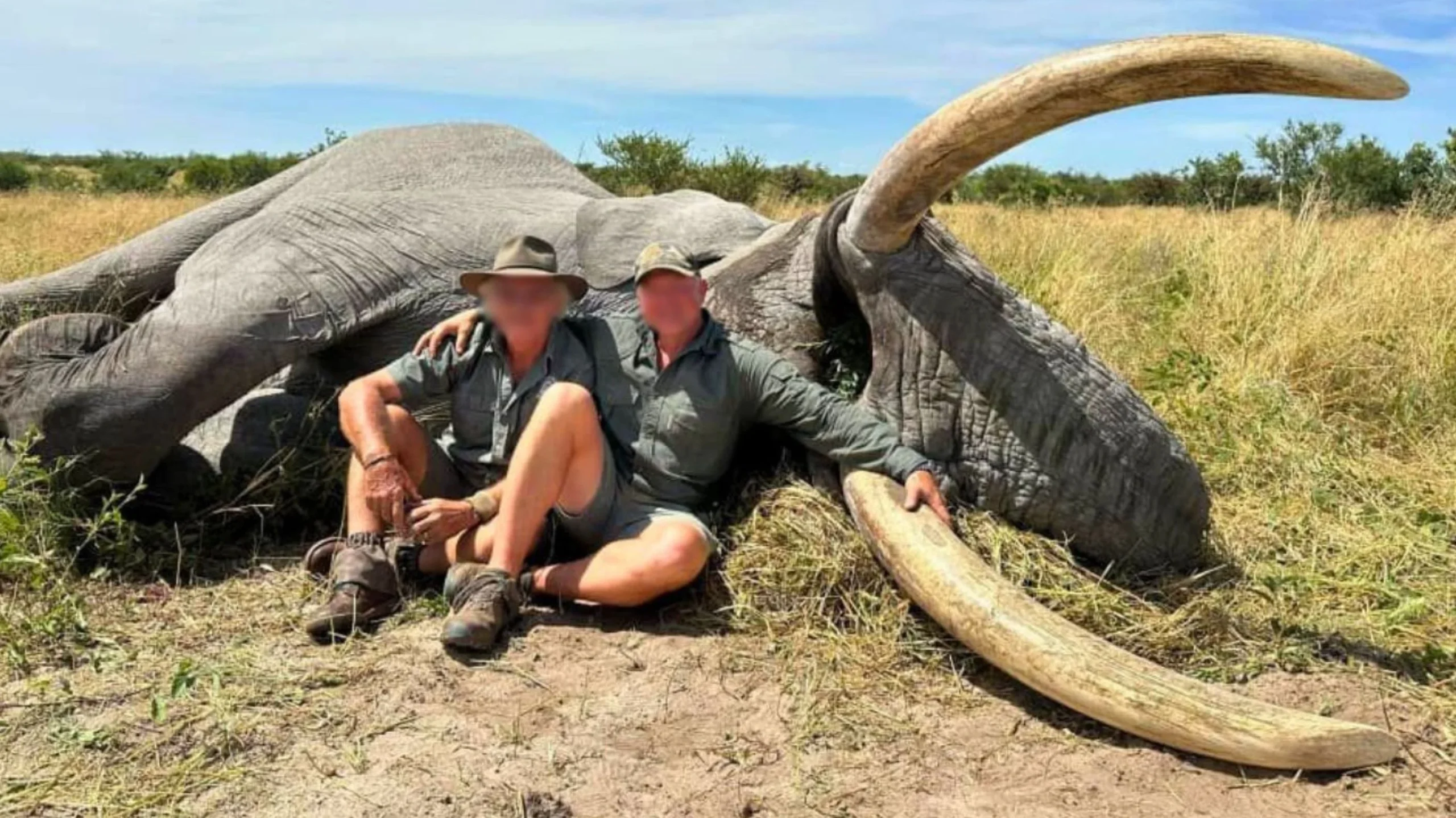 Hunted, killed and stripped of the very tusks that define them — only to be turned into trophies, edging one of nature’s most extraordinary bloodlines closer to extinction. Source: Africa geographic
Our partner, Conservation Through Tourism (CTT), works across Kenya and Tanzania’s critical wildlife corridors, which super tuskers cross in search of water, food and safety. These corridors are vast, remote and often unprotected — exactly where these elephants are most vulnerable.
Using drones, the team can monitor elephants, guide them toward safe water and food sources and help steer them away from human settlements, hunting zones and areas where poachers may be waiting in ambush.
This “guarding from the sky” helps prevent deadly encounters before they happen. It dramatically reduces the risk of elephants being poached, shot by trophy hunters or killed after entering human areas in search of food and water.
The team protects elephants in three key wildlife corridors, but we are now tackling an area that remains largely unprotected.
 Super-tuskers must cross largely unprotected corridors to survive. For these elephants, more drones could mean the difference between life and death. Source: CTT
To cover this vulnerable corridor, two more drones are urgently needed.
These elephants cannot be replaced.
If the super tusker gene is lost, it may never return, or it could take centuries to do so.
Please donate today. Your gift will be matched, your impact will be doubled and you will help protect the last elephants capable of passing on this rare inheritance.