
November was an encouraging month for wild animals in many parts of the world. Puffins were spotted in Ireland’s County Antrim for the first time in a quarter-century; European wildcats could be reintroduced in England, and Colombia banned all new oil and mining projects in its Amazon biome.
Our supporters’ kindness helped us support several valuable projects for wildlife in November. Here is how their donations had an impact.
United Kingdom – Herefordshire 
Continued care for big cats saved from abhorrent conditions
 Credit: WildSide Exotic Rescue
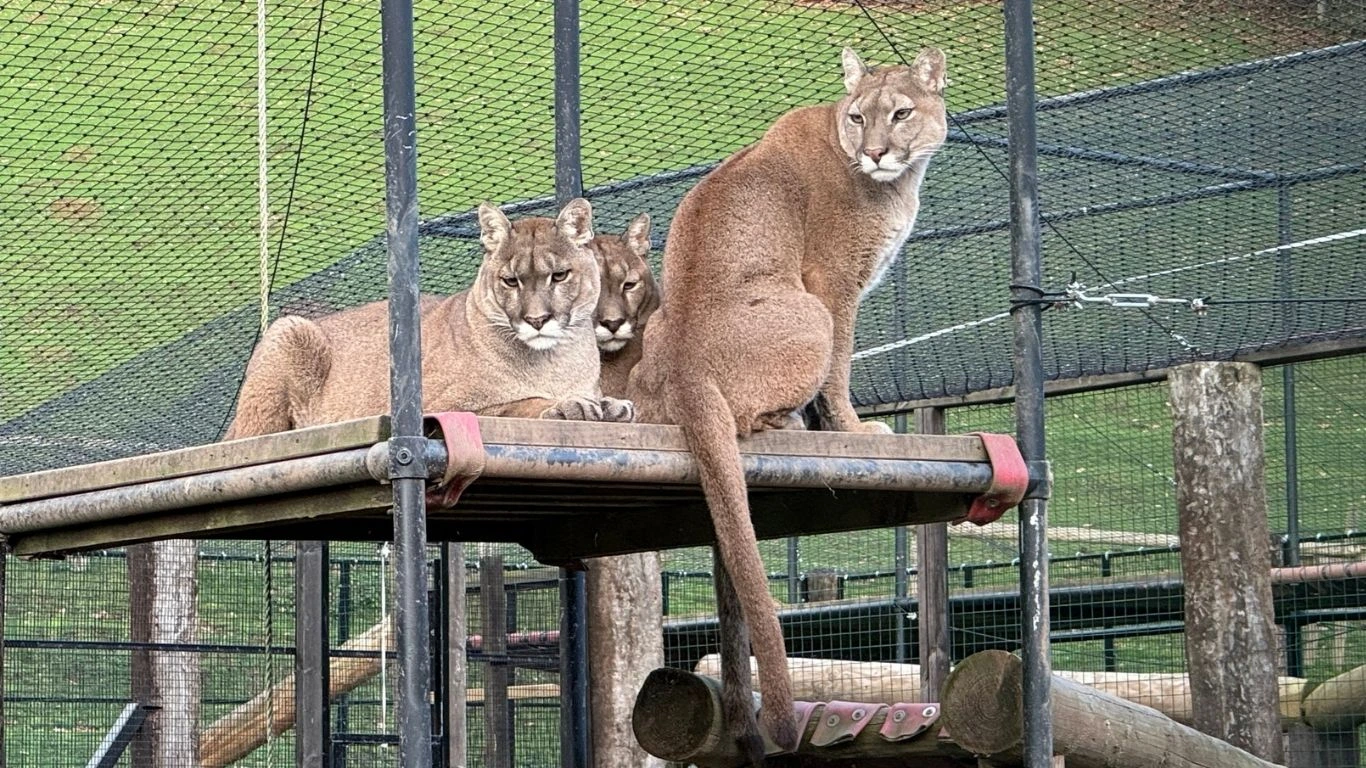
In early 2025, our partner WildSide Exotic Rescue saved 11 big cats from being euthanized after they were saved from a cruel captive facility.
WildSide originally undertook to take in four wild cats, because that was all they had space for. But with the looming threat of the animals being euthanized, they rescued all 11. That meant the animals had to be kept in temporary enclosures unsuited for the long-term well-being of the animals.
We reached out to our supporters, who understand how important it is for rescued wild animals to live in conditions as close to their wild habitats as possible. Thanks to our supporters’ compassion, we were able to donate toward larger enclosures for lynxes and bobcats.
Botswana – Makgadikgadi Pans National Park 

Funding a high-tech drone to stop poachers and remove snares
 Credit: Kara Capaldo
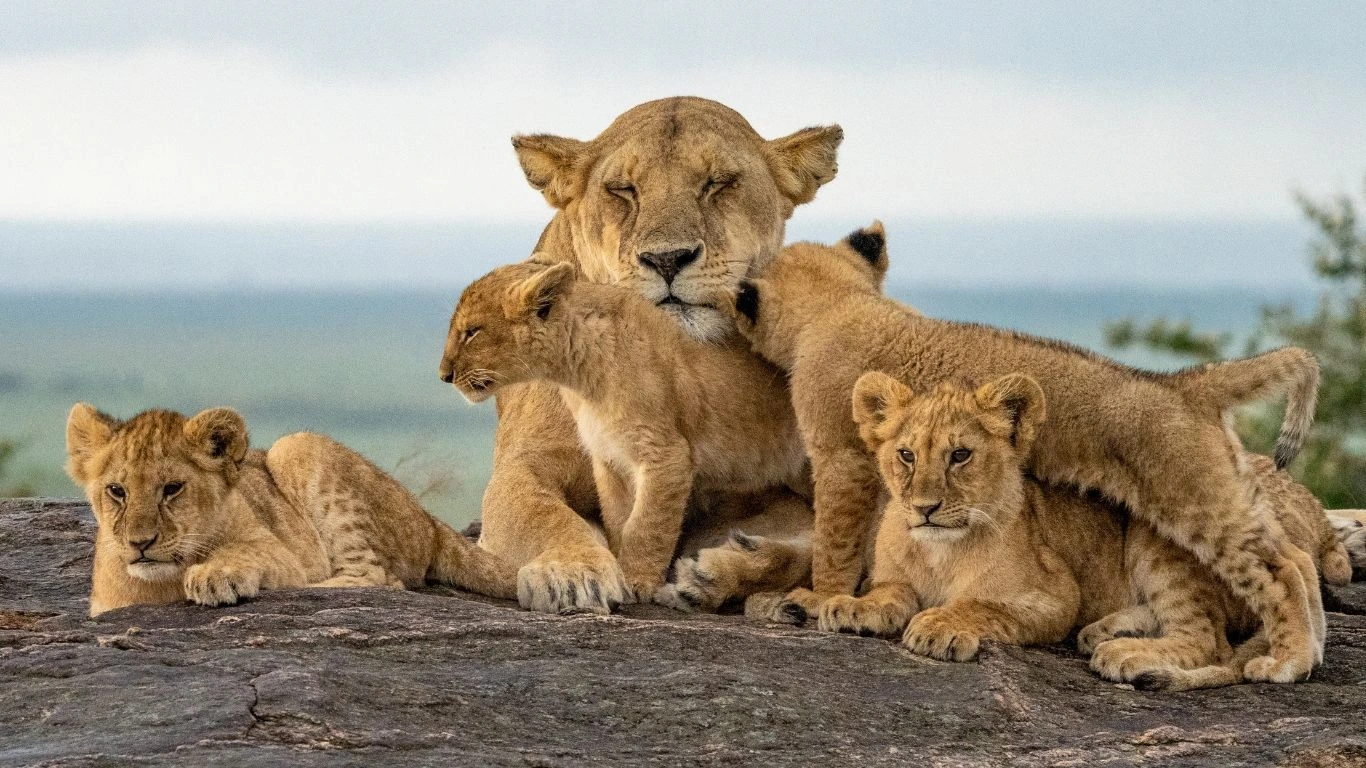
A recent surge in snaring along the Boteti River in the African country of Botswana left a mother lion dead – and her cubs to fend for themselves. These majestic creatures are hunted using snares; when an animal is trapped, the poachers kill them and cut out their body parts and bones, which are highly sought-after for their bogus ‘medicinal’ value in Asian markets.
We had to ensure that the mother’s cubs would not suffer the same fate, and we reached out to our supporters for help.
Thanks to their generosity, we were able to fund a drone for our partner, Camelthorn Farmstead, so that the area can be regularly and effectively patrolled for snares, injured animals and poacher incursions.
Democratic Republic of Congo (DRC) 
Helping protect the last remaining gorillas of the DRC
In November, we continued to raise funds for satellite communication devices – vital for rangers protecting the Congo’s last remaining gorillas. These critically endangered primates are caught in the conflict between warring groups, which has left around 7 million people displaced and desperate.
As a result, these gorillas are at risk of being poached for their meat, and their only hope is the rangers who risk their lives to protect them. In order to coordinate rescues, interceptions and proper protection for these animals, they must have reliable communication devices – a challenge in a country where much of the infrastructure has collapsed.
This month, thanks to our supporters, we donated the outstanding amount needed, and we will let you know as soon as our partner, The Gorilla Organization, has purchased the devices.
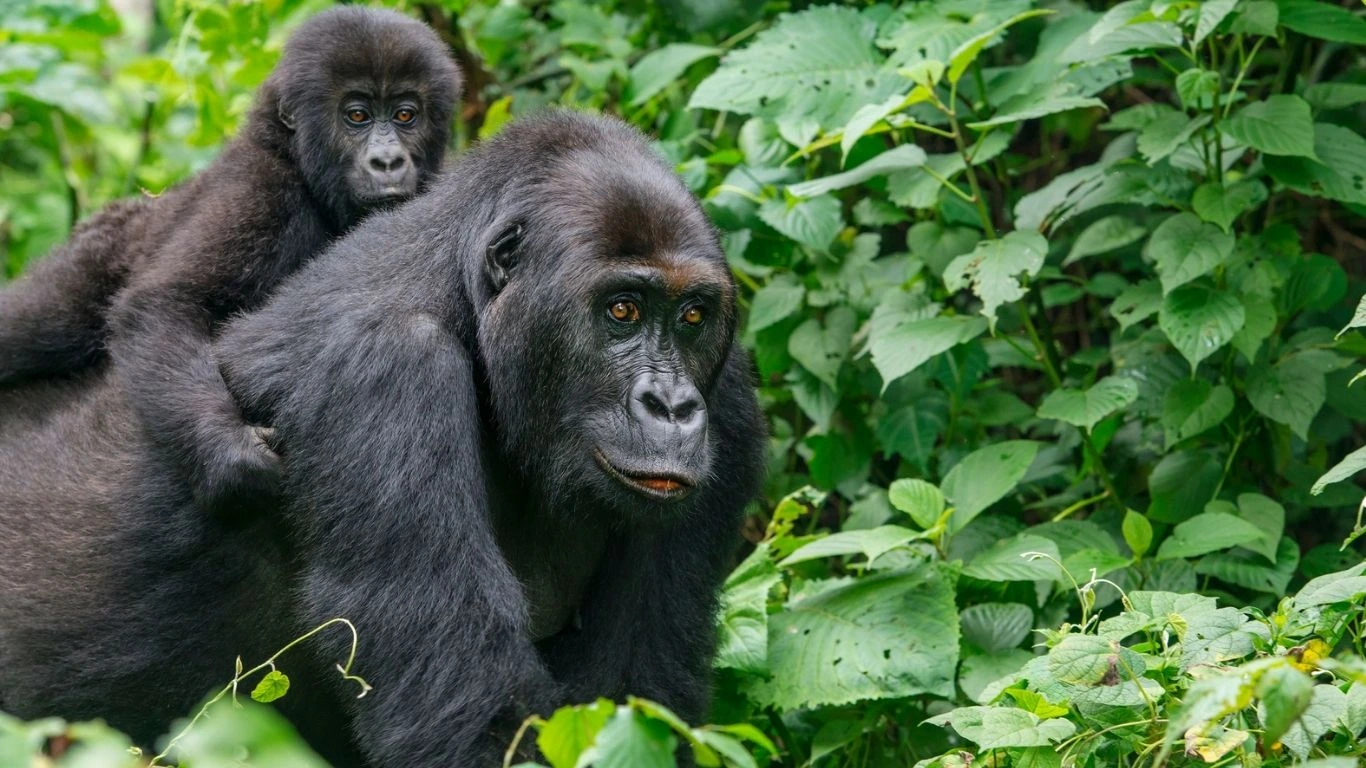 Credit: iStock-505751918 guenterguni
Follow us on social media for heartwarming updates, important news and more.
 Twitter
  Instagram LinkedIn
  Facebook


Oh, Henry! This is the infant aardvark our supporters helped, and you won’t believe how much he’s grown!
 When Henry was rescued, he was near death, now he has made a wonderful recovery. Credit: Kalahari Wildlife Project
 Rushed to safety, after their mothers were killed, Nola and Cathy are learning to be rhinos again, splashing around in the sanctuary’s mud wallows and cuddling up to their adoptive “mom” Dianna. Credit: Care for WildFantastic flying fox! Little Onyx is making a remarkable recovery in the Seychelles. Read more here.
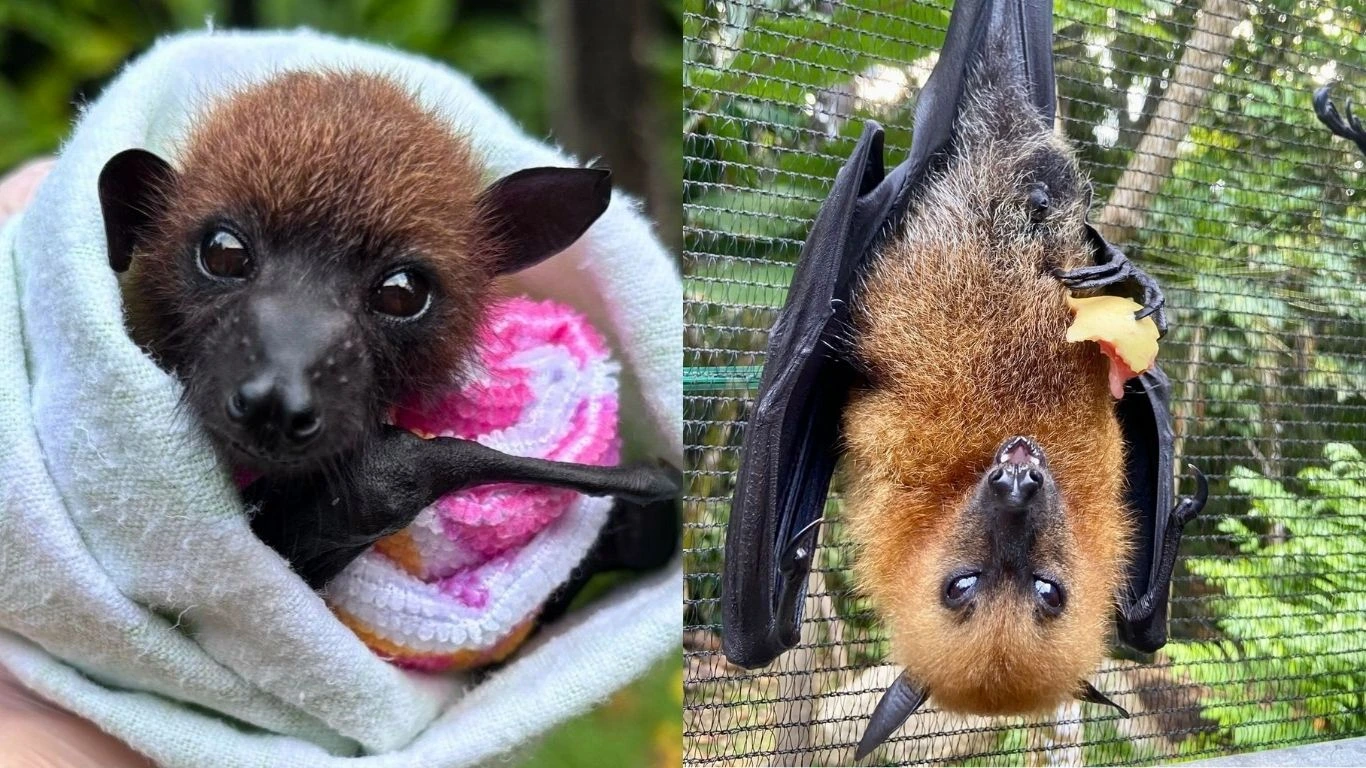 Orphaned at just a few weeks old, Onyx is now making a full recovery and learning how to fly! Credit: Protect Paradise
See the forest for the seeds! Recently, the ASI team helped scatter forest-restoring seedballs near Soysambu Conservancy in Kenya.
In the news
Spanish photographer captures world’s first ever white Iberian lynx on camera. Read more.
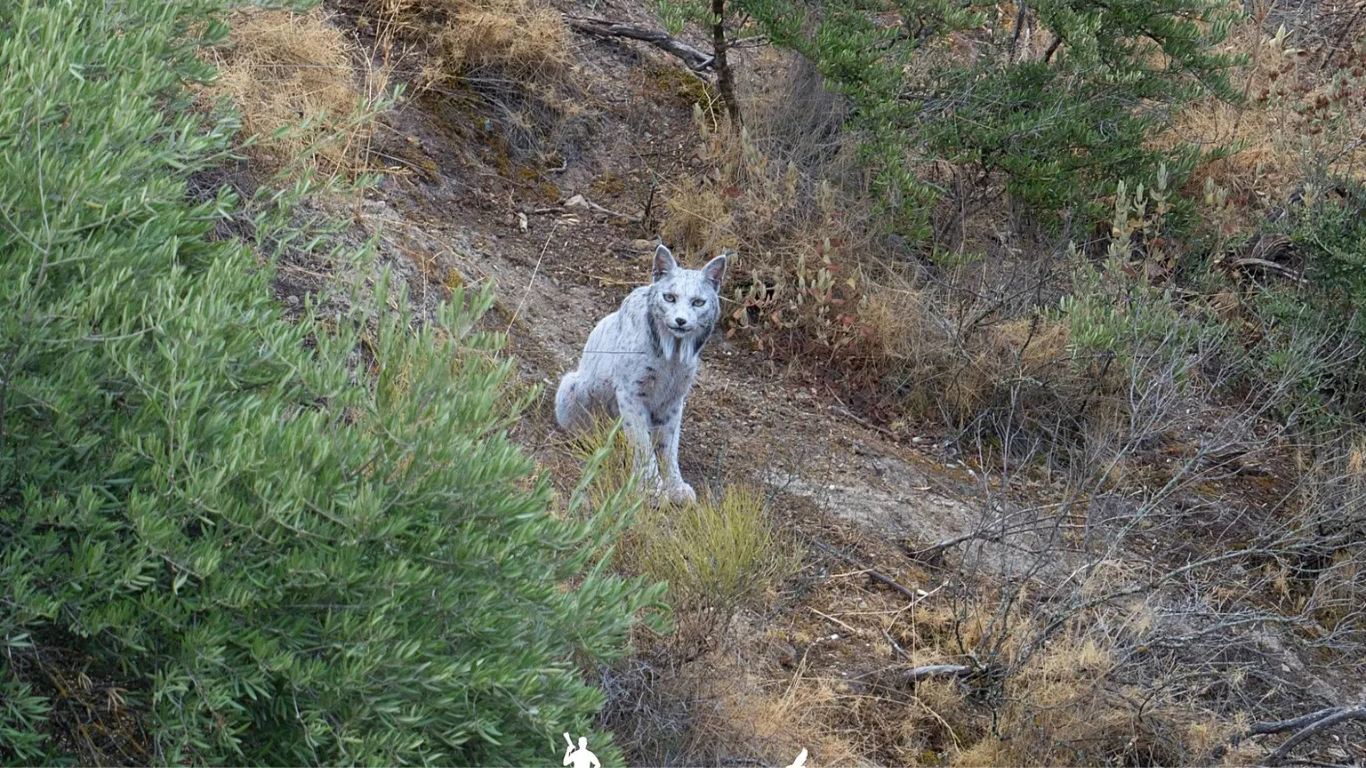 Credit: Ángel Hidalgo
Long time, no sea: more than 100 million red crabs migrate on Christmas Island, delighting conservationists. Read more.
Why do bats spread so many diseases? They’re evolutionary marvels. Read more.
These rare whales had never been seen alive. Then a team in Mexico sighted two. Read more.
With one month left until 2025, we are redoubling our efforts to help as many animals as we can in 2025. Please – keep supporting our work, keep sharing our stories, and follow us on social media.
Banner credit: Thomas Retterath/Shutterstock