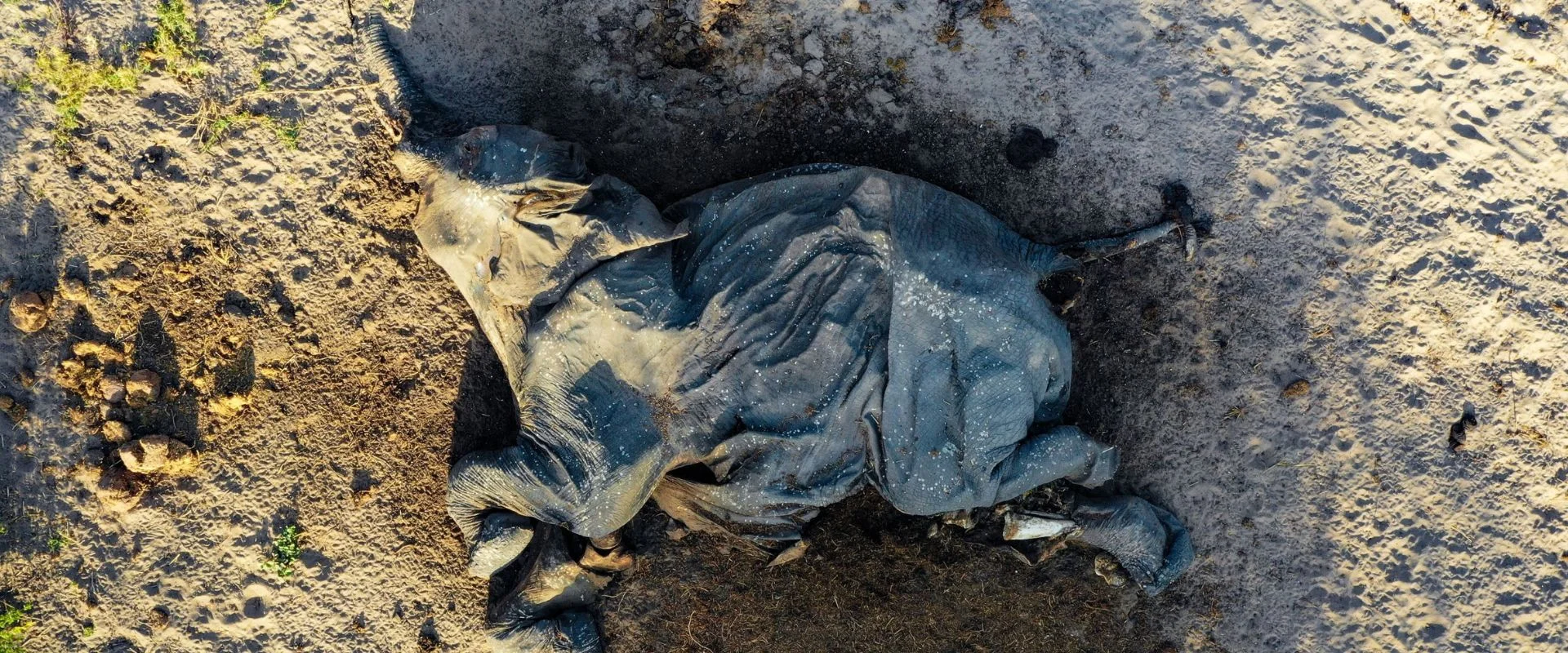


Under the blazing skies of southern Tsavo West National Park in Kenya, the earth is cracked and burnt.
Prolonged drought cycles, rising temperatures and intensifying weather patterns have left vast stretches of Tsavo West dry and overgrazed. Even after light, scattered showers, the land has struggled to regenerate. The result? Desperate animals getting weaker, hungrier and skinnier every day.
Natural water sources have failed. Rivers have shrunk into dust-lined channels. Water pans lie empty. The animals of Kenya are in serious trouble.
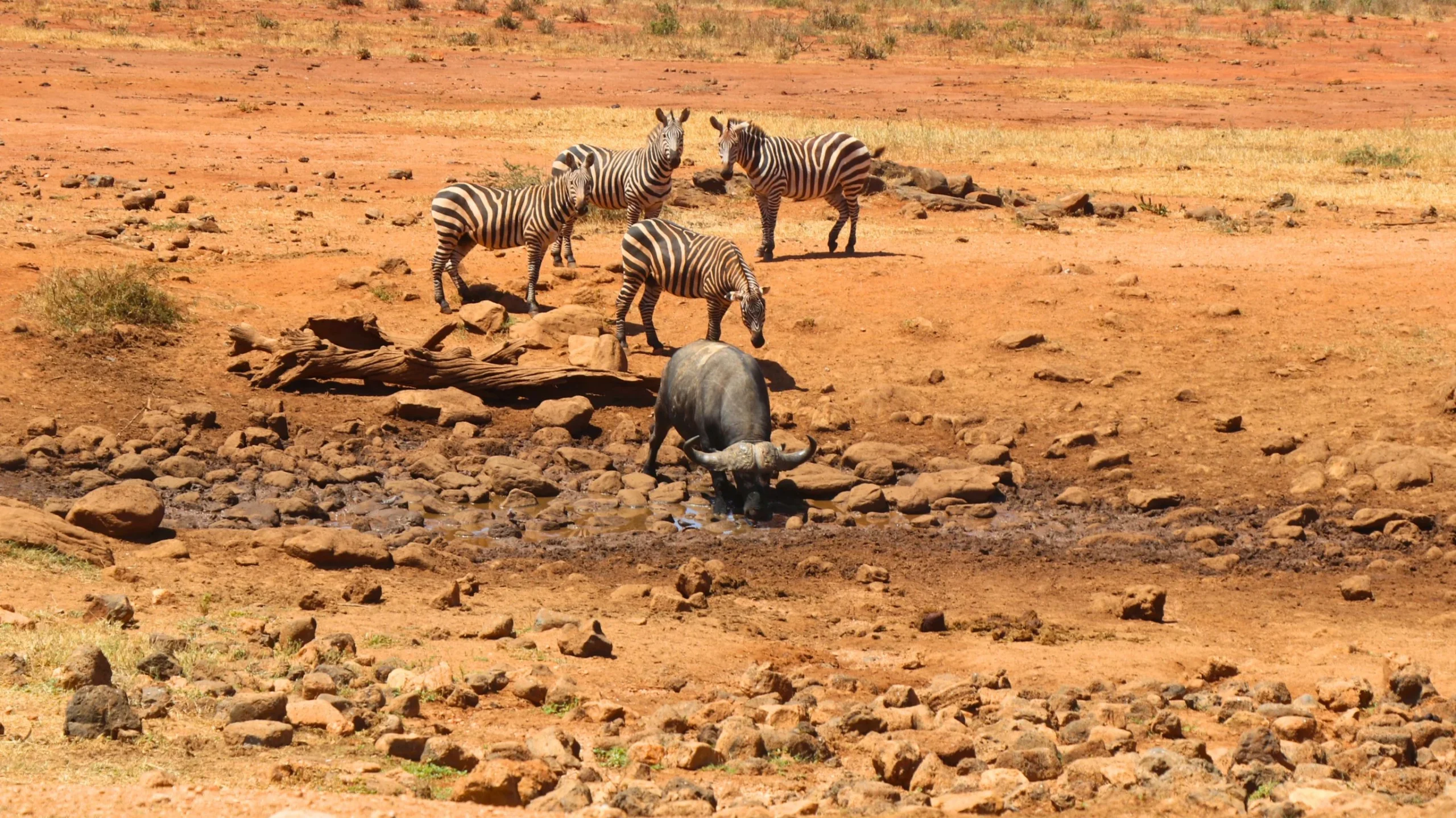 The water hole has almost dried up — but the animals keep coming. In Tsavo West, prolonged drought has left the land dry, the rivers reduced to dust and countless animals growing weaker by the day. Source: Mwalua Wildlife Trust
More than 14,000 elephants across the greater Tsavo ecosystem desperately gather around the few operational boreholes that remain in Kenya’s Tsavo West National Park.
The Tsavo ecosystem is a major wildlife stronghold with large populations, including thousands of elephants and approximately 200 critically endangered black rhinos within the Tsavo West sanctuary zones.
It is also home to large numbers of buffalo, zebra, giraffe, waterbuck, dik-dik and various antelope species. Predators, including lions and other carnivores, are dependent on herbivore survival to stay alive. With roughly 70 to 80% of the park’s wildlife biomass made up of herbivores, water access is especially critical.
Animals are walking further in search of water, burning precious energy they cannot afford to lose. Calves are showing early signs of stress during extended dry spells.
Climate change is taking an ever-increasing toll on wildlife. During the last severe drought in 2021, some 100 elephants died in the Tsavo region. In recent months alone, field teams have recorded additional deaths among elephants, buffalo, giraffe and zebra in the southern sector.
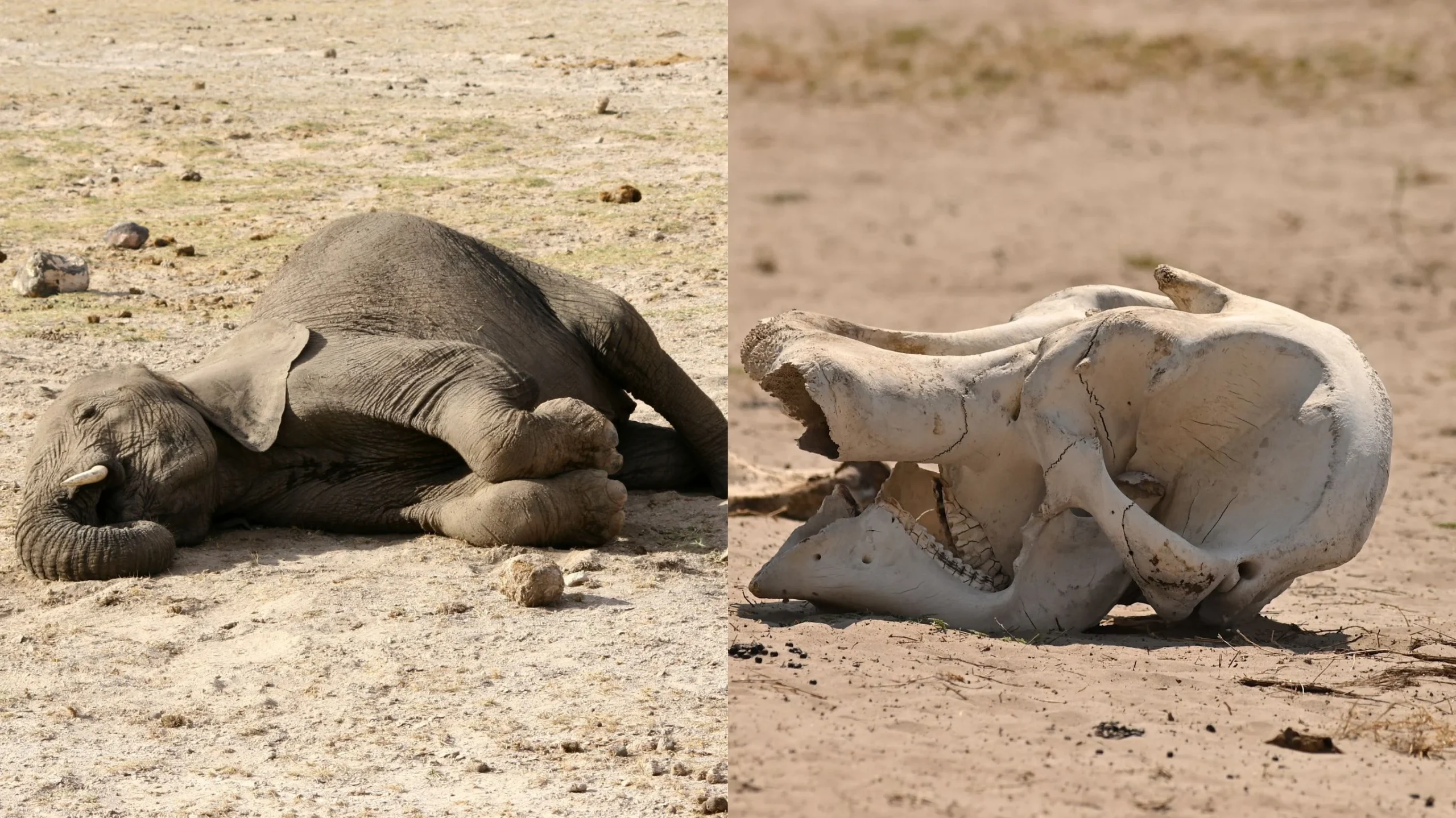 These are the consequences of a land without water — animals dead, others barely holding on and field teams recording losses across Tsavo’s southern sector. Climate change is leaving nothing untouched. Source: Shutterstock
Without reliable water, dehydration leads to starvation. Exhaustion leads to collapse. And as animals push toward park boundaries in search of water, dangerous human–wildlife conflict escalates.
This is no longer seasonal hardship. Water infrastructure is now essential for survival.
Our partner, Mwalua Wildlife Trust, is on the ground and working urgently to help animals before more die – but they need our help.
If we can assist in providing the funding, our partner will drill and equip a solar-powered borehole in the southern sector of Tsavo West – serving critical drought-affected zones including Mang’elete, Mwakitau and an intensive protection area for rhinos.
A single borehole can supply thousands of animals daily during peak dry months and is a permanent drought-resilience asset.
But this life-saving solution cannot happen without support.
The cost to drill and equip one solar-powered borehole – including hydrogeological surveys, casing, solar pumps, fencing and wildlife troughs – is $48,500 (£36,400). It is a significant investment, but its impact is profound and enduring.
 An adult elephant needs to drink up to 53 gallons (200 liters) of water per day. Without reliable water, it will become severely dehydrated and eventually die. Source: Mwalua Wildlife Trust
With your help, we can bring water back to a parched landscape.
Your donation will quench the thirst of an elephant calf struggling to keep up with her herd. It will spare a zebra from collapsing on a long, desperate trek. It will help stabilise entire herds – and the predators who depend on them – preserving the fragile balance of this extraordinary ecosystem.
Please stand with us today. Together, we can deliver emergency water to drought-stricken Tsavo — and give its wildlife a fighting chance to survive.