Traces of drugs in rivers could damage species’ development, scientists warn
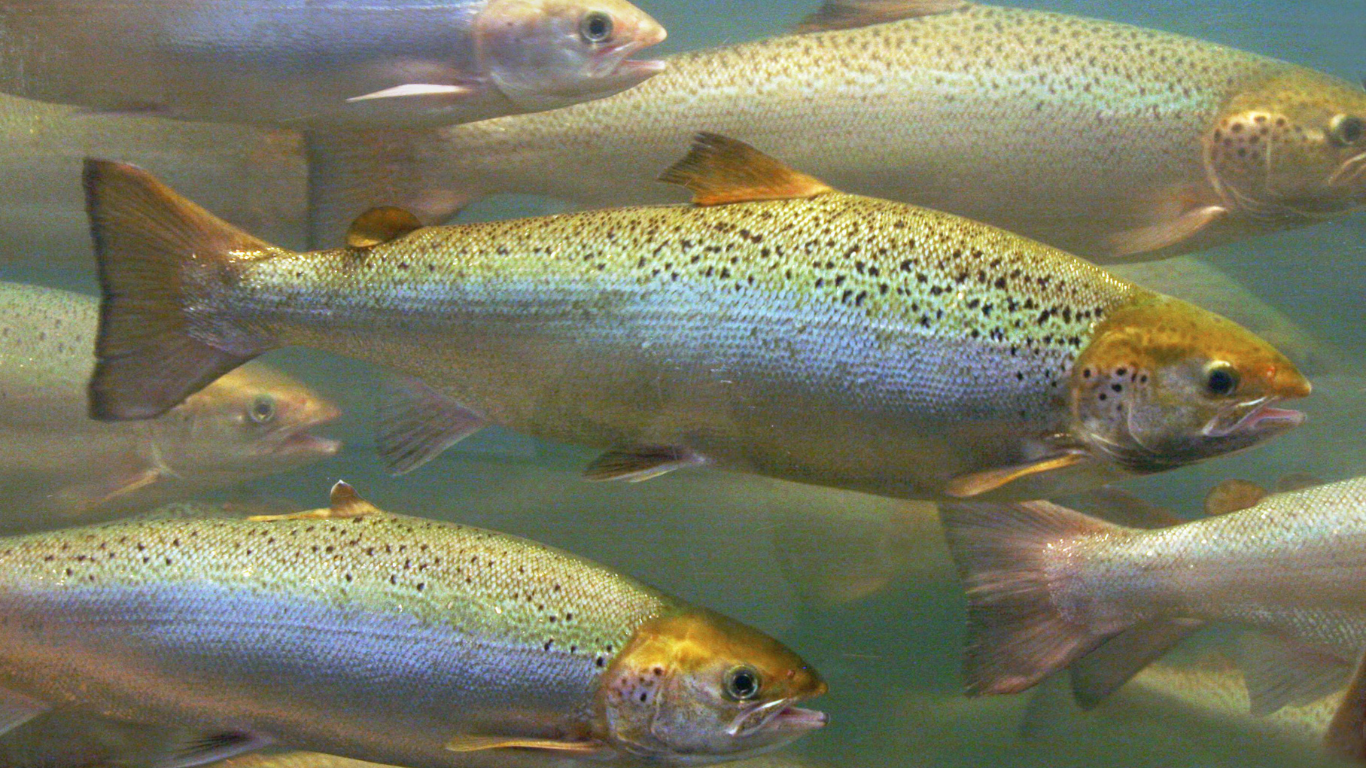
Cocaine-fuelled salmon swim nearly double the distance of non-drugged fish and venture much farther afield, scientists have said.
Wildlife experts worry that fish exposed to drugs through water pollution may end up swimming into unfamiliar waters or wear themselves out with the extra effort, potentially damaging their immune systems and development.
The remnants of recreational drugs are frequently found in Britain’s rivers and lakes, with estimates suggesting 80,000 lines of cocaine pollute the Thames each day.
Although there had been laboratory studies showing drugs in water changed animal behaviour, it was not known whether animals were being affected in the wild.
Researchers from the Zoological Society of London (ZSL) and Griffith University in Australia teamed up with Dr Daniel Cerveny of the Swedish University of Agricultural Sciences.
They implanted 105 juvenile Atlantic salmon with slow-release drugs that delivered the same cocaine by-products as polluted rivers.
They released the fish into Lake Vattern in Sweden and monitored their behaviour for eight weeks.
The salmon swam up to 1.9 times farther a week than unexposed fish and dispersed up to 7.6 miles farther across the lake.

“The idea of cocaine affecting fish might seem surprising, but the reality is that wildlife is already being exposed to a wide range of human-derived drugs every day,” said Dr Marcus Michelangeli, from Griffith University’s Australian Rivers Institute.
“Where fish go determines what they eat, what eats them and how populations are structured.
“If pollution is changing these patterns, it has the potential to affect ecosystems in ways we are only beginning to understand.”
It is estimated that global illicit drug use has increased by about 20 per cent over the past decade, and sewage treatment works are not designed to remove the compounds, which means they turn up in rivers.
Last week, figures from the Home Office’s waste-water analysis for narcotics detection programme estimated that some 123,000kg of cocaine with a market value of £9.8bn was flowing through Britain’s sewage systems.
Cocaine is a stimulant that acts on the brain and elevates dopamine, the feel-good chemical, which scientists believe increases swimming activity in fish.
Once it has been through a human body, it turns into a cocaine metabolite called benzoylecgonine, which is what salmon are exposed to in rivers.
Evidence suggests the cocaine by-product has an even bigger influence on animals.
Researchers used drug implants to raise drug concentrations to levels they would expect for fish living downstream of large urban waste-water outlets in regions where cocaine use is prominent, such as London.
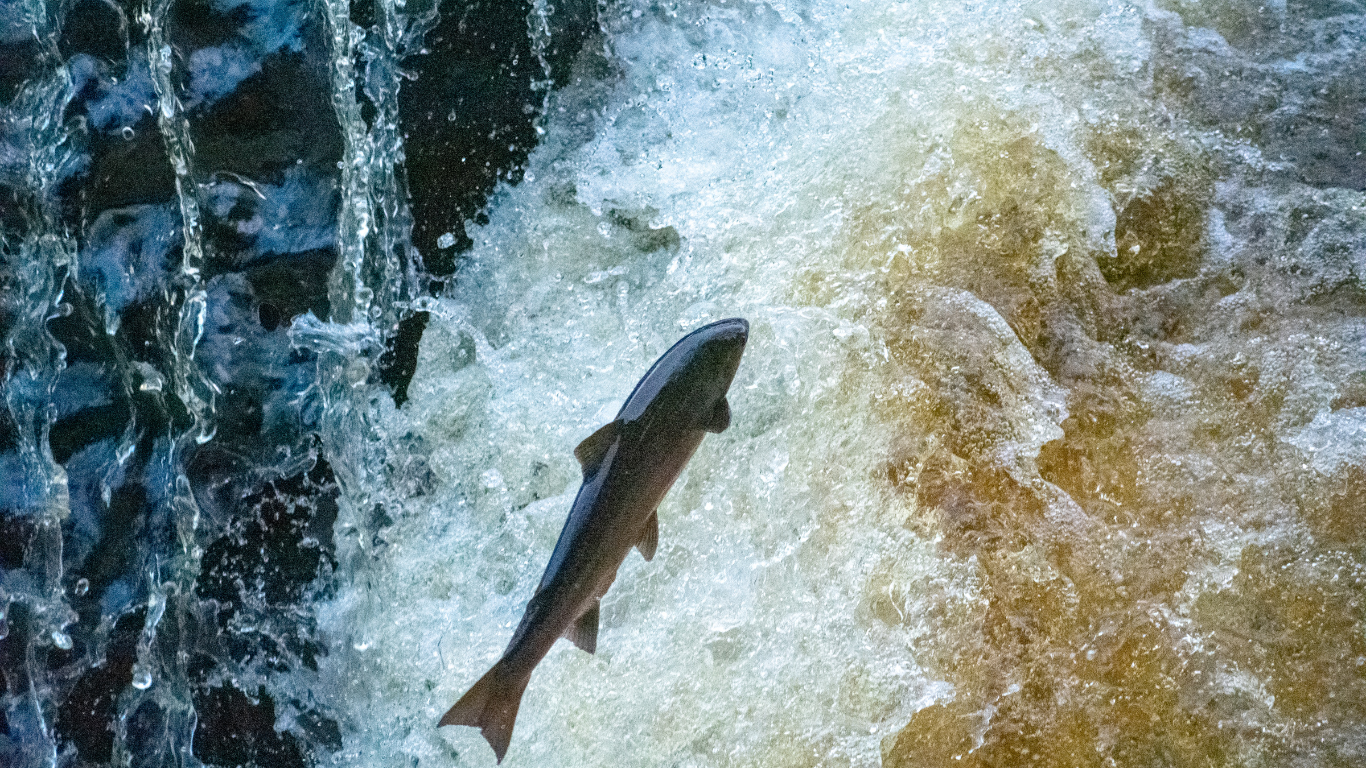
Experts say the long-term consequences are “difficult to predict”, but that it may cause fish populations to spread out and lose contact, as well as making them more vulnerable to predators.
Dr Jack Brand, a visiting researcher at the ZSL, said: “Movement is fundamental to almost everything an animal does. It determines which habitats a fish uses, what food it encounters, what predators it’s exposed to and how populations stay connected across a landscape.
“Fish that are moving farther and dispersing more widely than they normally would are potentially entering unfamiliar or suboptimal habitats and expending more energy on locomotion, energy that could otherwise go towards growth, immune function, or building the reserves needed for later life stages.
“For juvenile salmon, ‘energy budgets’ are particularly tight, so any additional cost during this vulnerable period could have real consequences.”
Previous studies have shown that cocaine-exposed eels in laboratories become hyperactive, with evidence of serious injury and muscle breakdown.
The team said there was no risk to people consuming fish. The research was published in Current Biology.