

SIGN THE PETITION
16,000 voices ignored as Cape Town mayor snubs ASI baboon petition
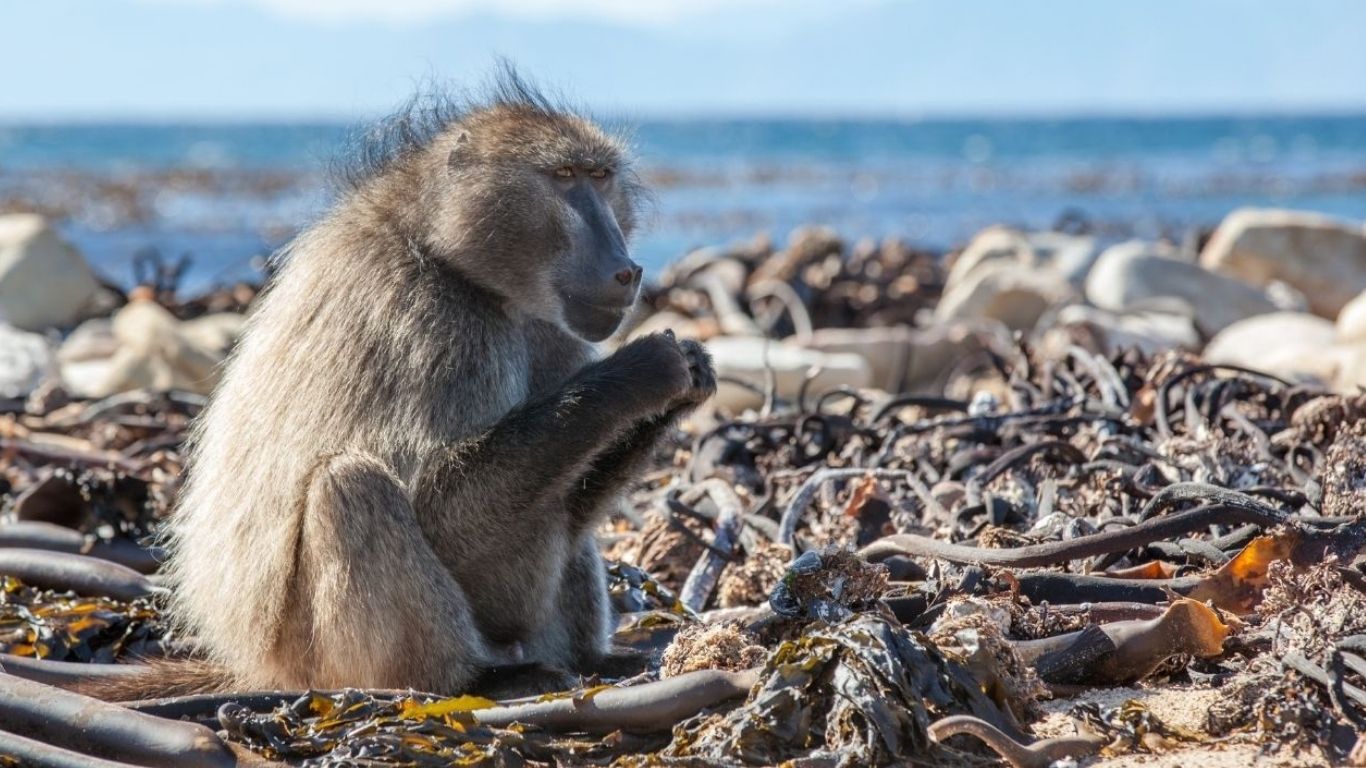
The executive mayor of Cape Town has refused to accept a petition from Animal Survival International (ASI), signed by more than 16,000 people, over the City's plans to capture, confine and sterilize wild, free-ranging baboons in the Cape Peninsula.
According to Geordin Hill-Lewis, he doesn't have the authority to do so. ASI rejects this notion because the City has allocated R12-million in its 2026 budget for the Cape Peninsula Baboon Strategic Management Plan (CPBSMP).
ASI executive director David Barritt said the mayor is trying to distance himself from a wildly unpopular and cruel plan.
“The issue he faces is that the City cannot separate itself from the fact that it is using taxpayers' money to implement a plan which is fundamentally cruel and essentially a zoo, a place where wild animals are taken and exhibited for money. How can he then tell 16,000 people it’s not his problem?”
The CPBSMP has caused widespread public concern, with thousands speaking out against the proposed confinement of the wild baboons. The ASI petition underscores strong community opposition and a clear demand for humane, science-based solutions to human-baboon conflict.
“Confinement would rob baboons of the freedom to forage, disperse and maintain complex social bonds, while sterilization would destabilize troop hierarchies and increase aggression. This threatens the long-term survival of these animals,” said Barritt.
ASI emphasizes that human-baboon conflict in Cape Town is preventable. Access to human food, unsecured waste and intentional feeding are the main drivers.
“The solution is not punishment, it’s prevention,” Barritt stressed. “With proactive management, coexistence is possible.”
Proven and humane alternatives do exist and include:
- Universal deployment of baboon-proof waste bins
- Securing refuse collection areas and limiting access to waste
- Strict enforcement of bylaws prohibiting the feeding of wildlife
- Continued use and strengthening of trained baboon ranger programs
- Strategic fencing and deterrent measures to prevent access to urban attractants
- Public education campaigns to encourage responsible human behaviour
“Baboons play a critical role in their ecosystems. Removing them disrupts natural processes, such as seed dispersal, that have been in place for generations,” Barritt said.
According to the CPBSMP, the Seaforth troop will be relocated to a ‘trail enclosure of 1,5 hectares’ on a purpose-built baboon sanctuary on private land on Plateau Road by February 2026. The plan states that each baboon will be sedated and physically examined before relocation. A veterinarian will assess the animals and provide appropriate sterilization or contraception as breeding in the sanctuary will not be permitted. No baboon will also be released back into the wild from the sanctuary.
Trapping and confining wild, free-ranging baboons in this manner is cruel and impractical.
ASI therefore calls on City leadership to abandon the enclosure and sterilization plan and to prioritise humane, preventative measures that safeguard both communities and wildlife.
SIGN THE PETITION
Media Contact:
Liryn de Jager
liryn@networkforanimals.org