

Article written by Koh Xing Ying
Originally published by Asia One, 18 November 2025
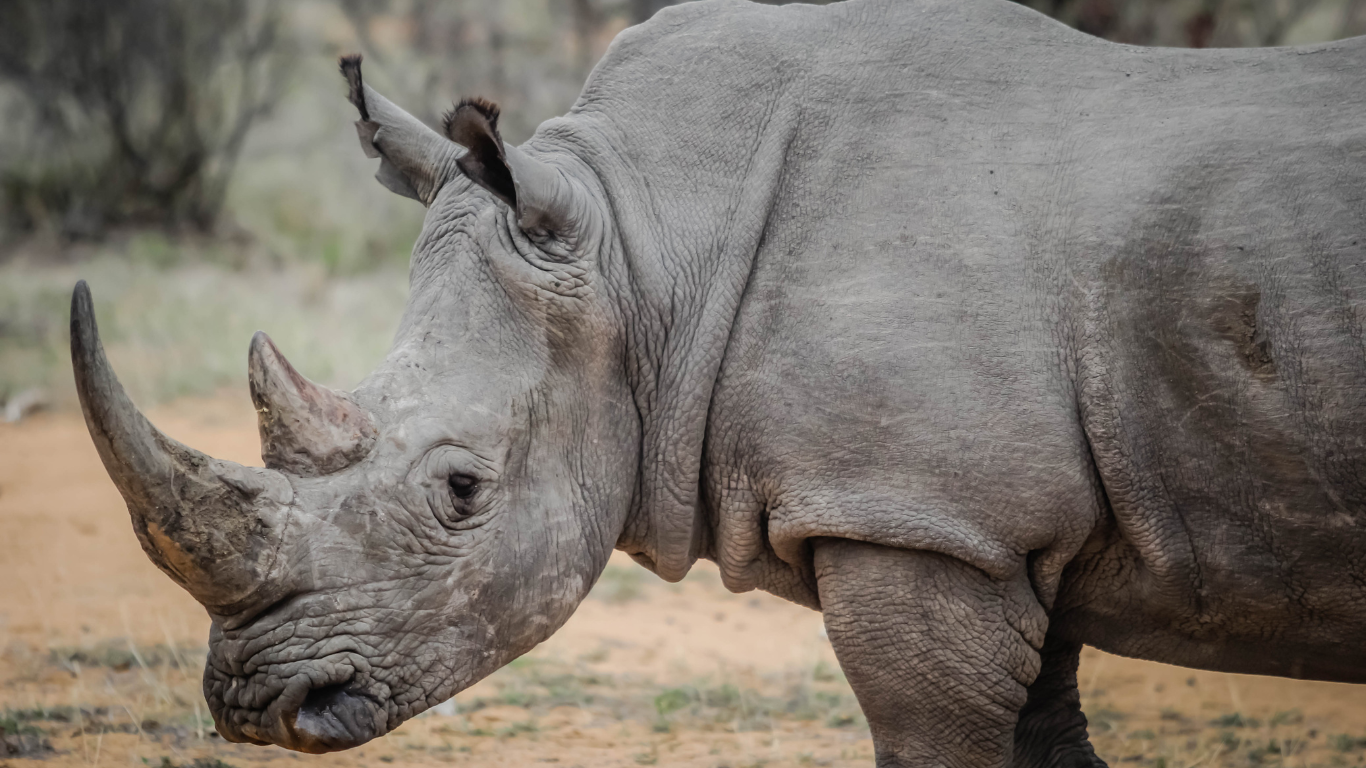
A record 35.7 kg of rhinoceros horns, along with about 150 kg of other animal parts, was seized during a routine transit inspection at Changi Airport on Nov 8 (Saturday).
The 20 pieces of rhino horn, valued at about $1.13 million and found in four cargo parcels, were en route from South Africa to Vientiane, Laos, the National Parks Board (NParks) and Sats said in a joint statement on Tuesday (Nov 18).
Other parts discovered included bones, teeth, and claws.
Senior director of wildlife trade at NParks Dr. Anna Wong said this seizure of rhino horns was the largest to date, adding that most people purchase rhino horns because they are believed to have medicinal value.
"This is our largest seizure ever, surpassing the seizure we had in 2022, which was 34.7 kg," she said.
Vengadeswaran Letchumanan, a SATS cargo acceptance staff member, recounted how he discovered the suspicious package.
"I was inspecting the cargo for any damage. When I got closer, there was a strong, unpleasant smell, as if something had decomposed," said the 30-year-old, who has been working with the cargo handler for three years.
Upon closer inspection, he noticed that the contents were inconsistent with those declared on the airway bill, which listed the shipment as "furniture fittings."
Vengadeswaran then alerted his duty manager, who then activated Sats Security Services to conduct a detailed inspection.
One package contained what appeared to be animal parts. The remaining three cargo parcels were subsequently X-rayed and found to contain similar contents.
The Airport Police Division of the Singapore Police Force was also alerted, and the items were subsequently seized by NParks.
Kuah Boon Kiam, senior vice-president of Sats cargo services, said that the trade in illegal wildlife is multinational, with air transport being a common mode of shipment.
He added that training is crucial in enabling staff to detect such shipments.
"Part of their training requires them to focus on how to handle animals as well as animal parts. It also teaches them how to detect false declarations of cargo. And this is very important, because it affects aircraft safety," said Kuah.
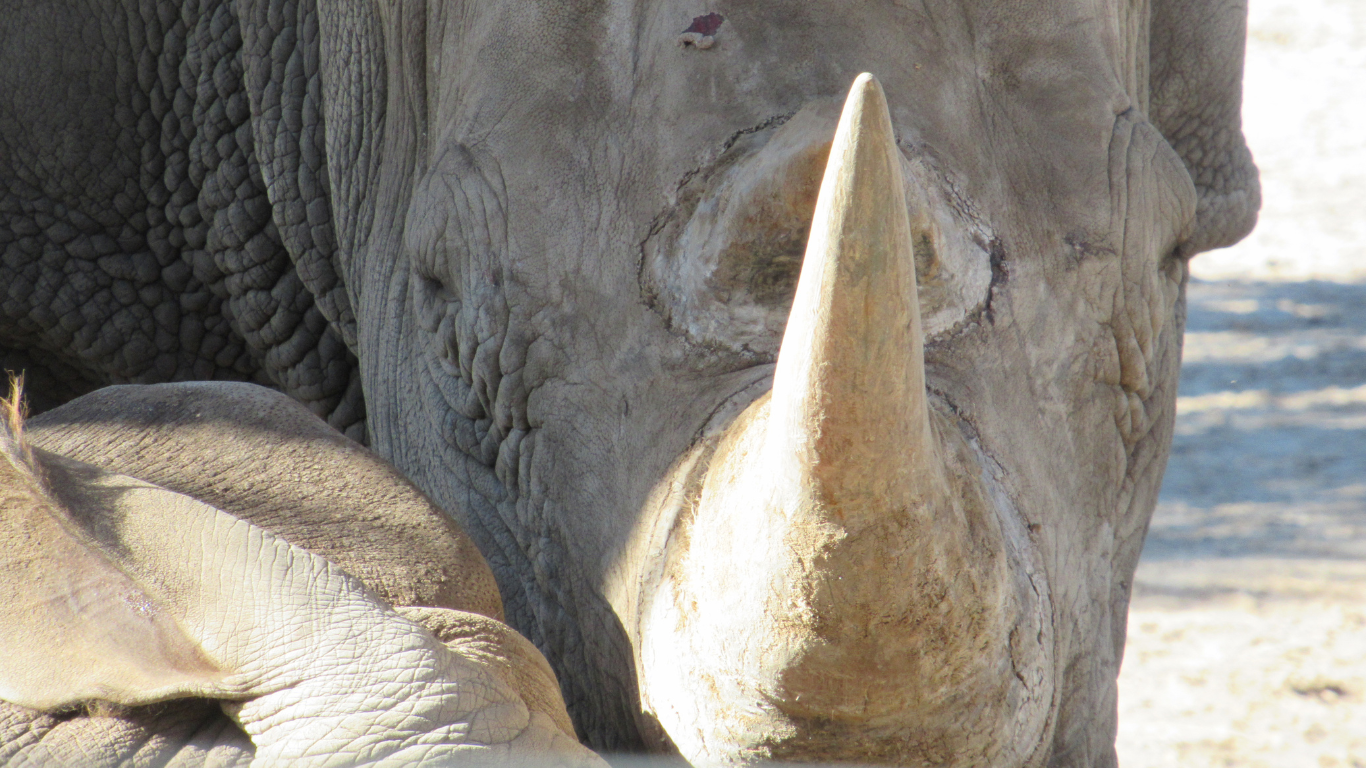
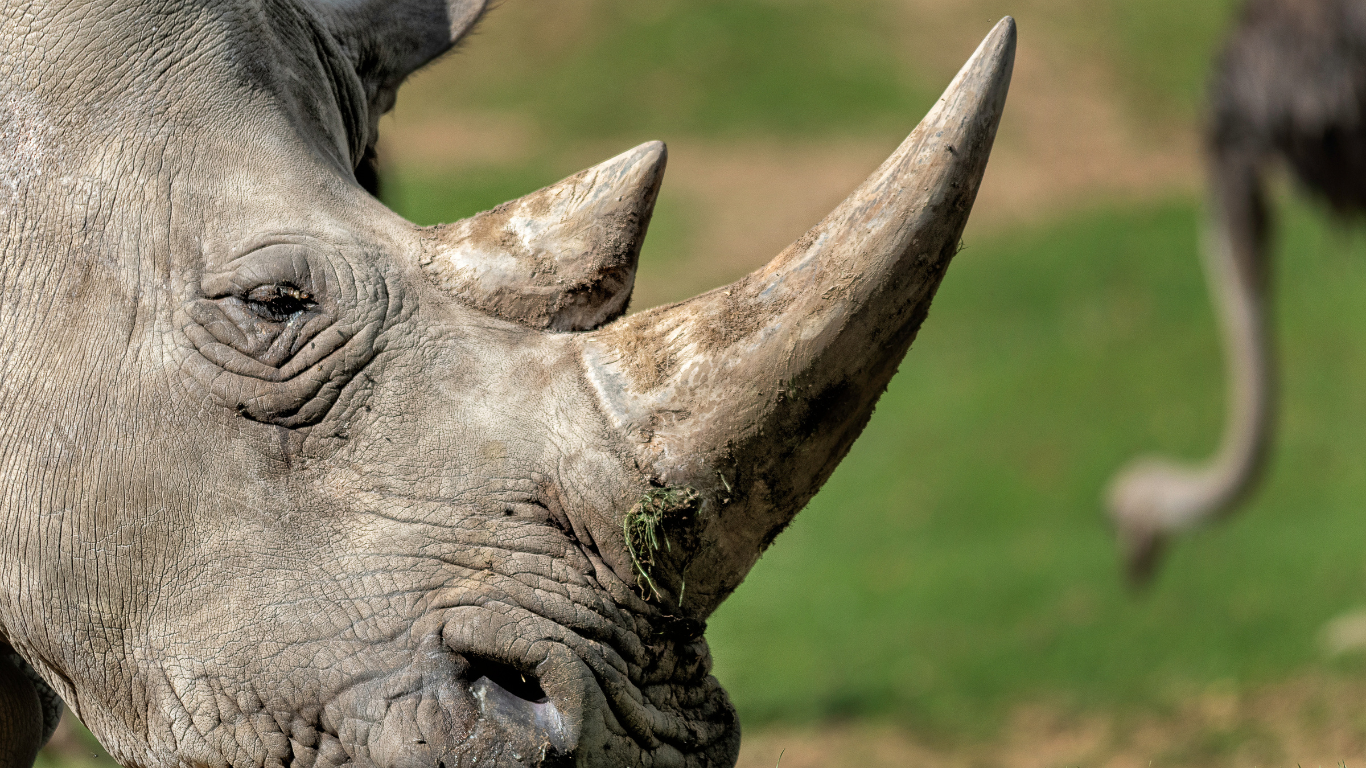
Horns from white rhinos
During a tour of the center for wildlife forensics, the media was given a demonstration of how animal species are identified through testing.
Based on species identification carried out at the center, the 20 pieces of rhinoceros horn were confirmed to be from white rhinos, a species protected under the Convention on International Trade in Endangered Species of Wild Fauna and Flora (CITES).
NParks noted that species identification of the other animal parts is ongoing.
Dr. Wong said, "As a signatory to CITES, Singapore takes a zero-tolerance stance against illegal wildlife trade, and we are very committed to combating illegal wildlife trade. Please do not purchase items that have wildlife specimens, especially endangered species."
The earlier major haul was on Oct 4, 2022, when NParks' K9 Unit detected and inspected two pieces of baggage at Changi Airport, uncovering 20 pieces of rhino horn weighing 34.7 kg.
The owner of the bags, a South African national, was immediately arrested. He pleaded guilty on Jan 26, 2024, and was sentenced to 24 months in jail.
Under the Endangered Species (Import and Export) Act, the maximum penalties for trading Cites-listed species transiting through Singapore without a valid CITES permit are a fine of up to $200,000 for each specimen and/or imprisonment of up to eight years.