Wildlife trade is decimating the planet’s biodiversity, driving declines in more than 31,500 wild species and spreading infectious zoonotic diseases that jump between wildlife, livestock and humans.
In addition to massive legal, regulated trade, there’s widespread illicit trafficking in both live animals and high-demand, profitable animal products, a commerce worth at least $20 billion per year. Dubbed “one of the world’s largest criminal activities,” wildlife ranks among the most lucrative smuggled goods, a list that includes guns, drugs and humans — but with way lower risks.
Yet, there’s patchy data on how this trade has grown over the years; what species are trafficked; and where the hotspots are. What we do know comes from law enforcement seizures, which are often just the tip of the iceberg.
“Much of what we know about [illegal wildlife trade] is based on static estimates, isolated case studies or regional snapshots, rather than long-term, system-level analyses,” said researcher Tow Jia Hao at the National University of Singapore. “[It] is a difficult picture to piece together and tackle, especially with much of the pieces still being hidden.”
To fill the knowledge gaps, Hao and his colleagues analyzed data on illegal wildlife trade from the last two decades (2000 – 2019), and compared it with legal trade data.
They gathered seizure data from TRAFFIC’s Wildlife Trade Portal and collected information on permitted wildlife trade from the CITES legal trade database, which records all legitimate commerce in species listed under a global wildlife treaty, CITES. They mapped out source and destination countries and tracked trade routes.
Their analyses revealed that wildlife trafficking networks are complex and resilient and can easily shift trade routes and source countries as needed.
It also uncovered shocking growth in illicit networks that now spiderweb across the globe: The number of countries involved more than doubled from 49 in 2000 to 110 in 2019, and trade connections jumped by more than 400%. Their findings were published in the journal Conservation Biology .
“Wildlife trade has grown exponentially … with increasing connectivity among countries, providing more opportunities for wildlife products to move across continents,” Hao said. “While some countries remain as hubs in the network, trade links have been established directly between supplier and consumer countries.”
Hao and his colleagues also discovered that illegal trade is no longer confined to a small set of routes or actors: It’s now highly spread out, happening in countries on every continent, with Asia, Africa and Europe being key hubs.
Asia, Europe and North America are current hotspots of legal trade.
“The study underscores how trafficking groups are highly flexible, able to shift transport routes, target different species and modify their modes of transportation in response to enforcement pressure, trade restrictions and changing market conditions,” Michelle Anagnostou said. She’s a wildlife crime researcher and Banting Fellow at the University of Oxford who was not involved in the study.
Asia is now a center of illegal wildlife trade
Prior to the 2010s, European countries were the top importers of both legal and illegal wildlife and acted as transit hubs for global trade. But as Asia’s middle class grew wealthier, starting in the 1980s, the demand for wildlife products surged — particularly in China and Vietnam.
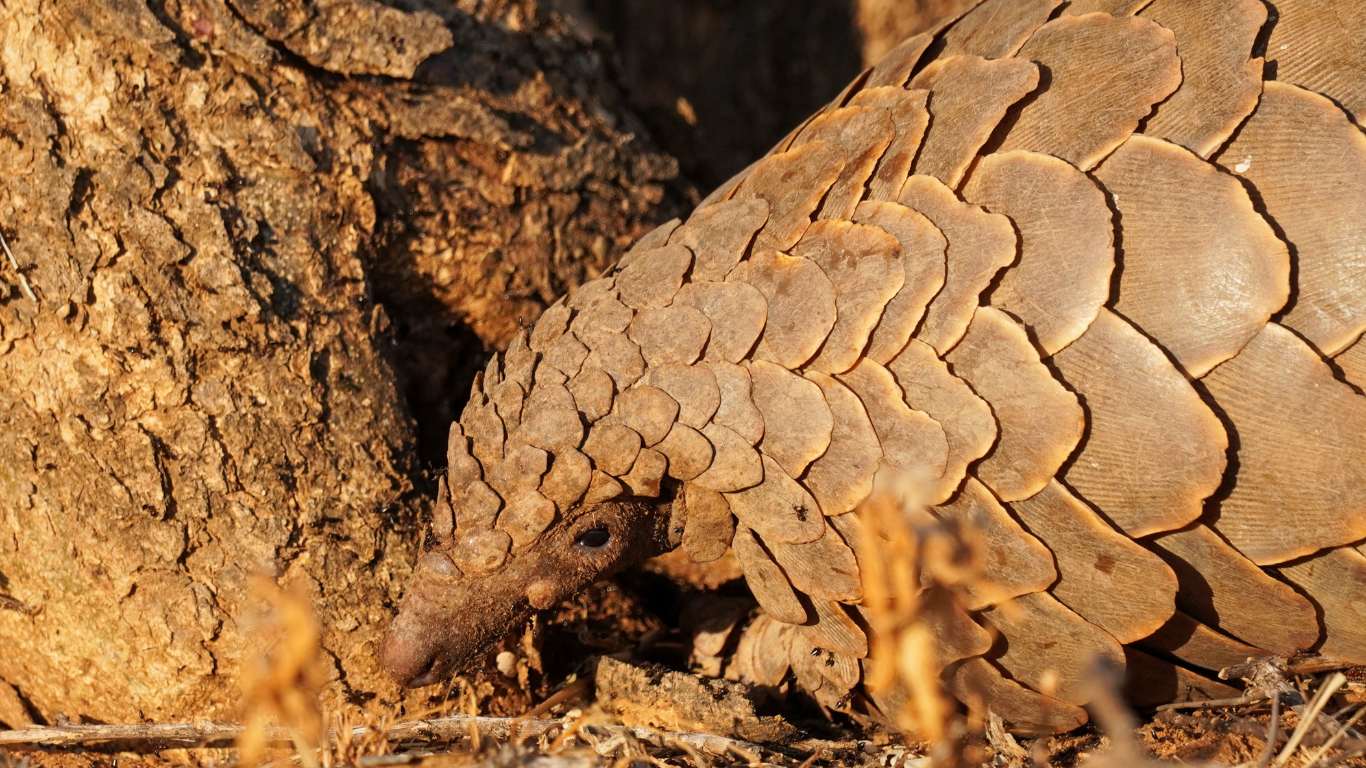
Endangered tigers poached from India in large numbers were smuggled to China — a trade that still continues. And as pangolins, turtles and other species dwindled in Asia, Africa became the target. For example, since 2008, when Chinese pangolin (Manis pentadactyla ) numbers had plummeted by 90%, poached pangolins began pouring out of Africa headed for China, where they’re coveted for meat and scales used in traditional Chinese medicine (TCM).
Between 2005 and 2010, Asia emerged as the hotspot for illegal trade, with Africa being the prominent source.
“Asia overtook Europe as the main center of illegal imports, particularly for high-profile taxa such as pangolins, rhinoceroses, large cats, reptiles and [other] species used in traditional medicine,” Has said.
Today, he said, “Europe remains a major market for both legal and illegal wildlife commodified products such as skins and live specimens, whereas demand for TCM-related wildlife products [is] centered around Asia.”
Illegal wildlife trade networks are complex and resilient
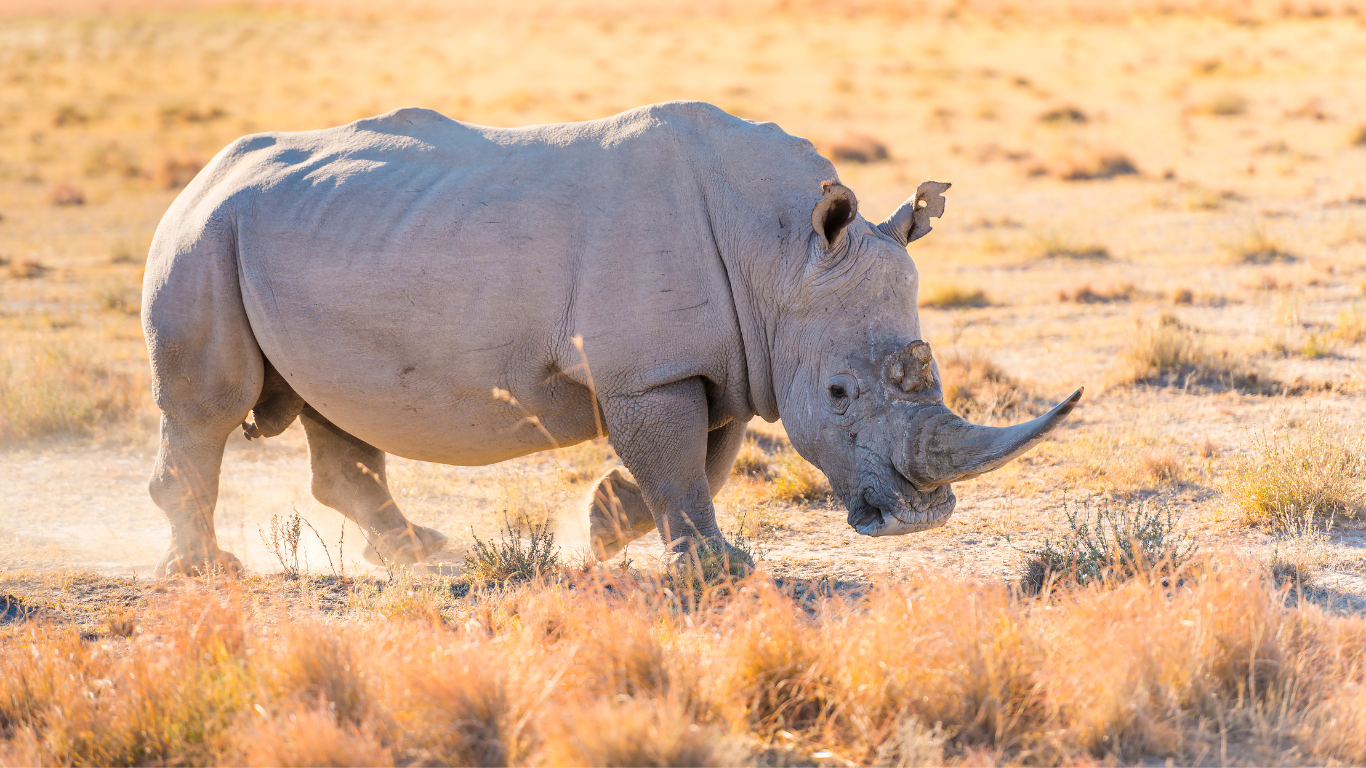
International criminal networks, the researchers found, are resilient to global disruptions, such as the COVID-19 pandemic. Although commerce came to a near-grinding halt with borders closed during the early days of the pandemic, illegal wildlife trafficking continued — slow at first, but then picking up. For instance, the rhino horn trade in Asia decreased in 2020, but shot up a year later as traffickers shifted from planes to ships to move goods and avoid quarantine restrictions.
“The COVID-19 pandemic seemed to only slow the flow of wildlife trade, despite global trade disruptions and initial hesitation towards wildlife products surrounding the origin of the virus,” Hao said. “It highlights how overwhelming the demand for wildlife products is, and how suppliers will find a way to meet demand, regardless of restrictions.”
Illicit trade is also quick to shift when certain species receive protections. When European eels were regulated under CITES in 2009 and export was banned outside the EU a year later, smugglers targeted new grounds: first, North Africa for European eels and then North America and the Caribbean for American eels.
Since this analysis relies on reported seizures, the researchers say this is an underestimate of the true scale of wildlife trade. Not all seizures are tallied: Noncharismatic animals, such as amphibians and insects, often go undetected or unreported, and not all criminals are caught.
Tackling this hydra-headed problem of illegal wildlife trade needs consistent monitoring, Anagnostou said, “to keep pace with changing dynamics, and to ensure enforcement efforts remain effective.”
By pointing out hubs of illegal commerce, this research helps authorities prioritize high-risk trafficking paths, Hao said. “Strengthening cooperation between linked source, transit and destination countries, through joint investigations, intelligence sharing and targeted border controls can help break established routes and reduce the resilience of illegal wildlife trade networks.”