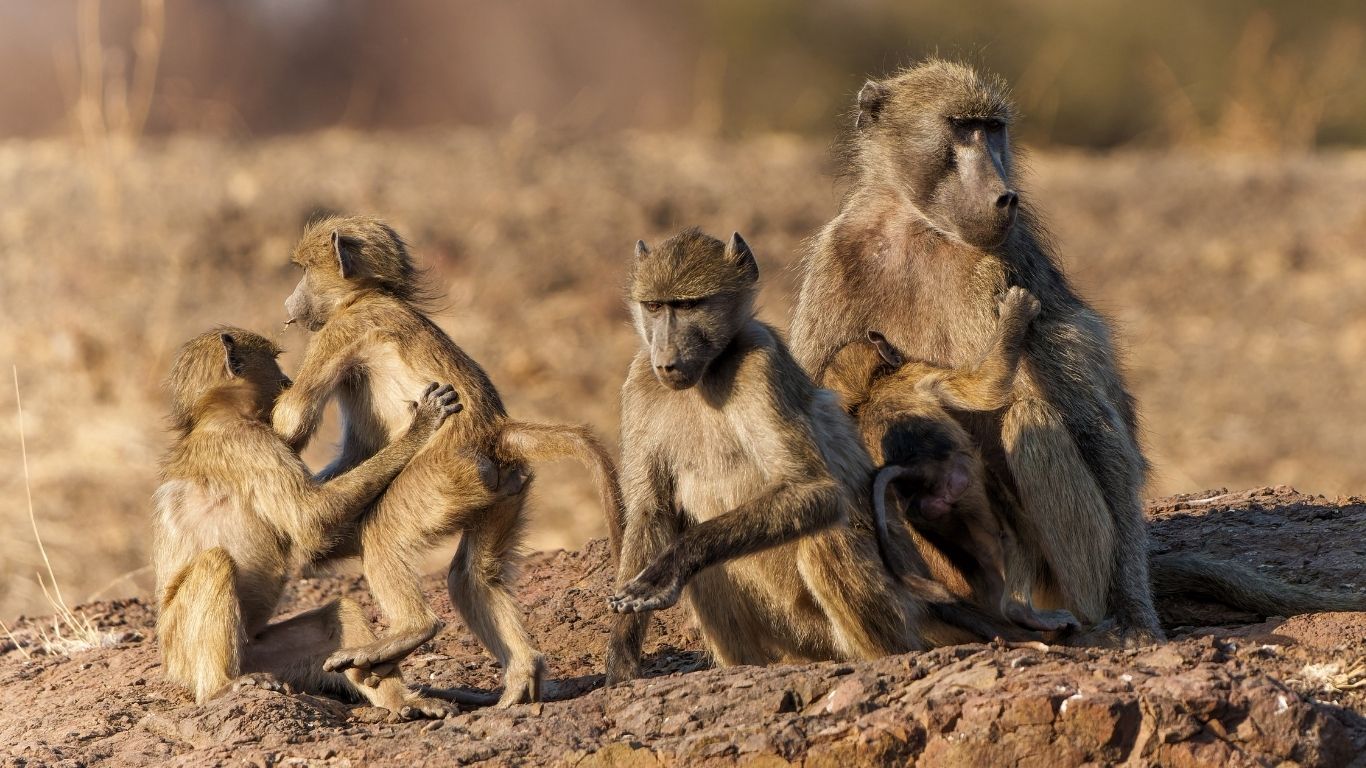


Cape Town plans to capture and confine free-ranging baboons
Animal Survival International (ASI) is deeply troubled over the City of Cape Town’s intention to capture two troops of free-ranging chacma baboons from the vicinity of the Cape Peninsula near Simon’s Town, sterilize the males and confine the troops within fenced enclosures.
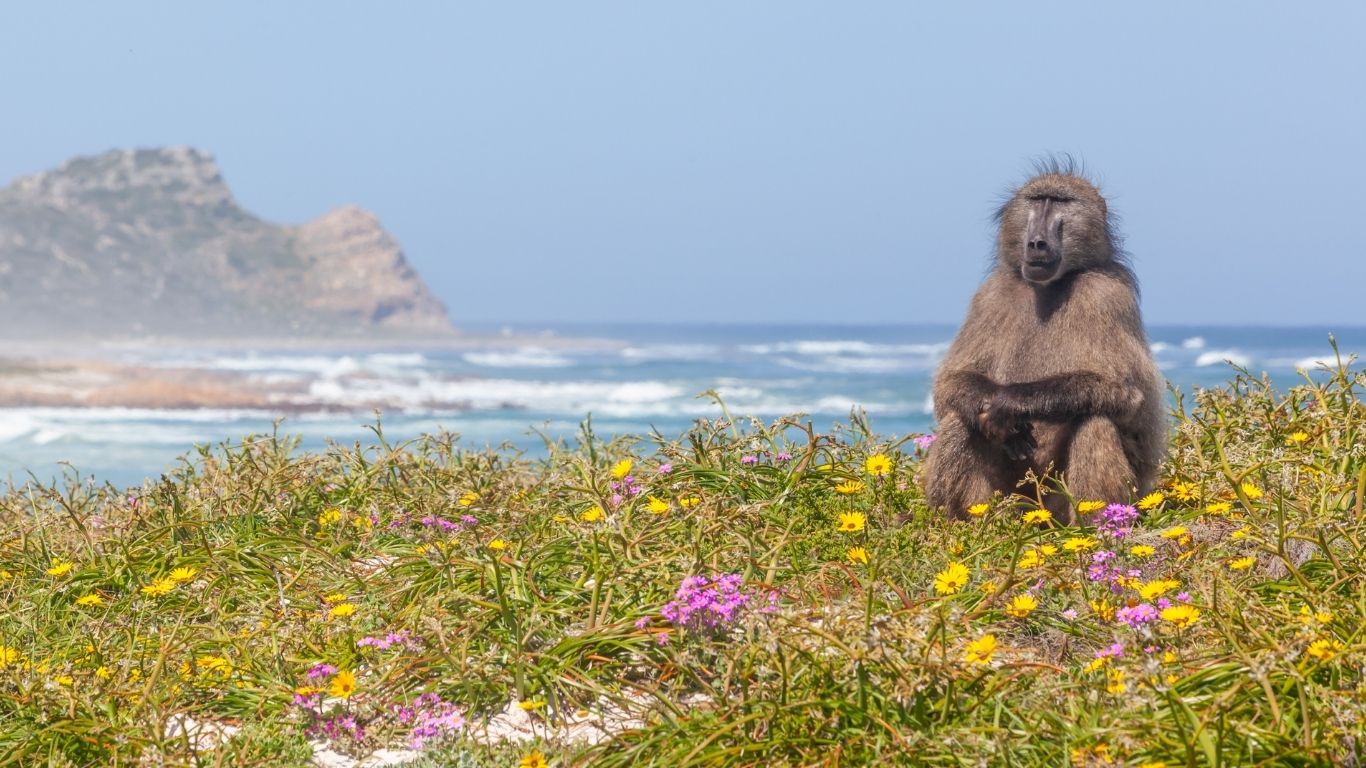
From an animal-welfare perspective, ASI strongly objects to this proposal. Cape Peninsula baboons are highly intelligent, socially complex wild animals that naturally range over large territories. Long-term confinement in a restricted enclosure carries well-recognised risks to animal welfare, including loss of space, autonomy, environmental complexity and behavioural choice. These are critical to physical and psychological well-being in free-ranging primates.
ASI also questions proposals to sterilize adult male baboons as part of the intervention. While vasectomy is used in some captive-management contexts, the permanent prevention of reproduction in wild-origin troops raises serious questions about social stability, long-term behavioural impacts and ethical issues, particularly when applied on a troop-wide scale.
ASI further notes that this project appears to be proceeding without the completion of essential legislative, environmental and administrative processes. Decisions of this magnitude which affect animal welfare, ecosystems and public interest, must be subject to full legal compliance, transparency and public scrutiny.
Extensive research indicates that confining free-ranging baboon troops carry substantial risks of stress, social disruption and ongoing welfare challenges and should only be considered after less intrusive, coexistence-based alternatives have been fully evaluated.
WHAT THE SCIENCE SAYS
Typically, wild baboons and those that occupy the Cape Peninsula have home-ranges that span around 10m square miles (26 square kilometers) in the cold/dry season and more in the warm/wet season).
“To implement baboon-human conflict management strategies, it is essential to formulate realistic conservation policies that deal with all stakeholder concerns and ensure the conservation of viable baboon populations.” Slater, et al. 2018
As such, the proposed area for each of the troops is grossly inefficient when compared to the existing ranges that are utilised for each. Even though these baboons are to a degree habituated to humans, they remain wild baboons, and as such, their permanent confinement to captivity cannot be justified from a welfare perspective.
Baboons and humans have coexisted in Cape Town for hundreds of years. What has changed is not baboon behaviour, but increasing human encroachment into baboon habitat, combined with baboon population recovery following near-local extinction in the late 1990s. Punishing wildlife for human land-use decisions is unjust and ineffective.
There are proven, ethical alternatives. Improved waste management, effective baboon-proofing of homes and businesses, targeted fencing and evidence-based coexistence strategies have been shown to reduce conflict while allowing baboons to remain free-ranging.
ASI therefore calls on the City of Cape Town to pause the proposed intervention and to reassess its approach in light of the serious animal-welfare, ecological and ethical concerns involved, with full transparency and meaningful public engagement.
Those of you who share these concerns are encouraged to support a call for a pause and independent review by signing our petition.
View our open letter to the executive mayor of Cape Town, Geordin Hill-Lewis, here.
Citation: Slater K, Barrett A, Brown LR (2018) Home range utilization by chacma baboon (Papio ursinus) troops on Suikerbosrand Nature Reserve, South Africa. PLoS ONE 13(3): e0194717. https://doi.org/10.1371/journal.pone.0194717
Read the related press releases below
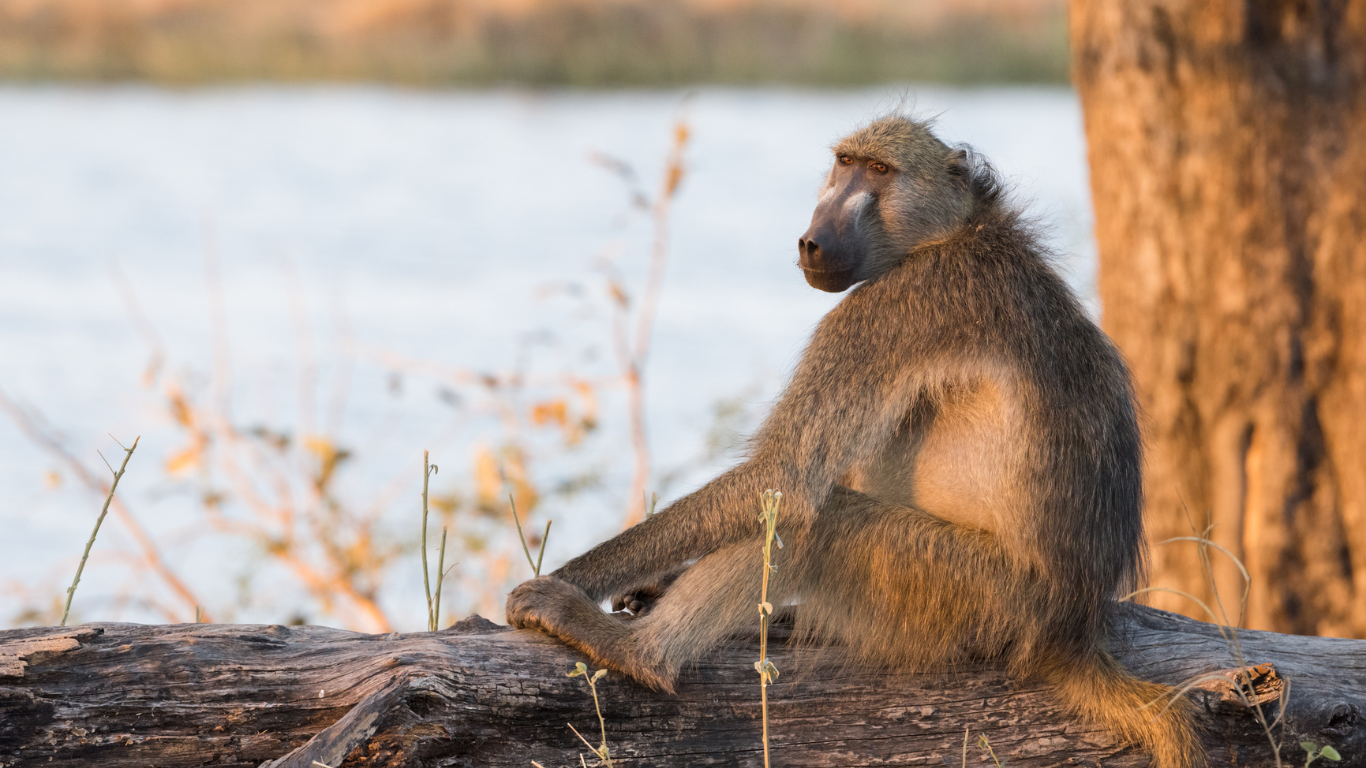
Animal Survival International Raises Concerns Over Proposed Enclosure of Cape Town Baboon Troops
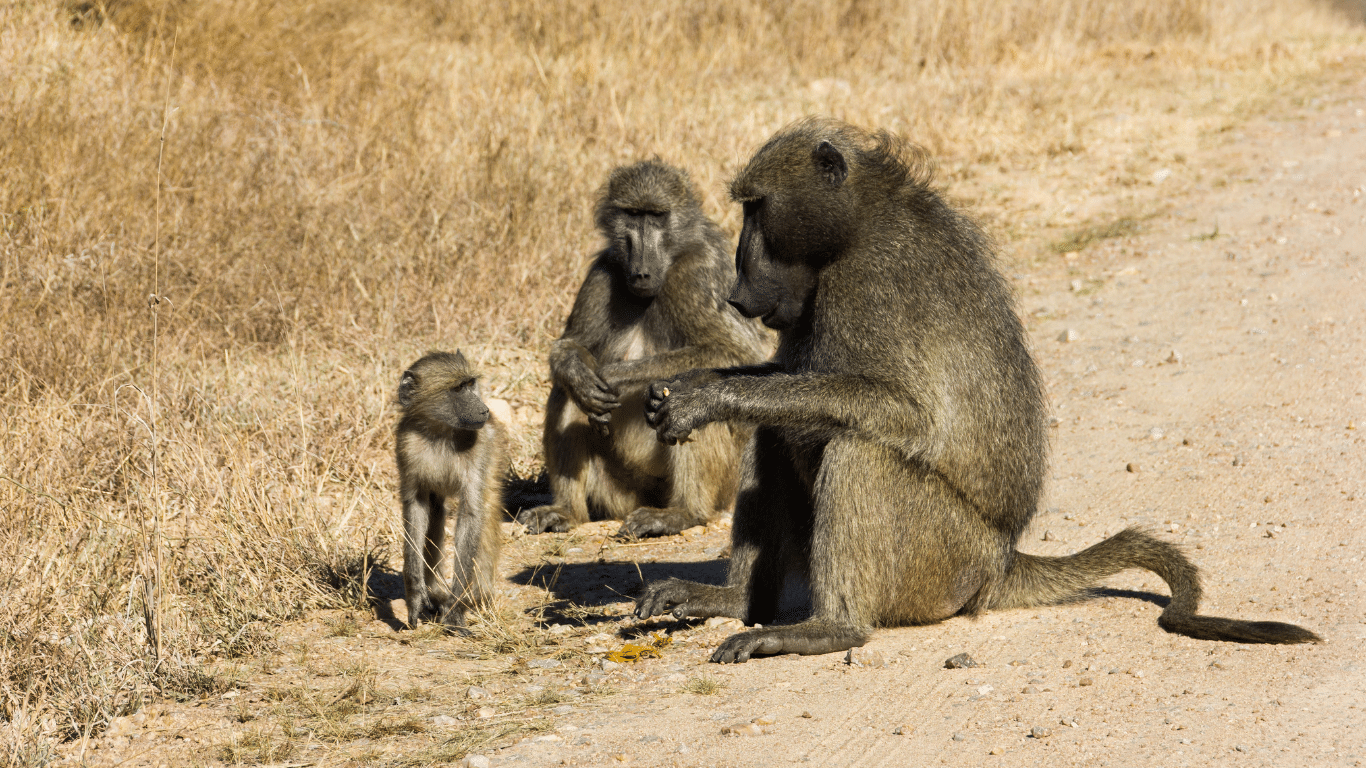
Legal threats raise concern over public opposition to Cape Baboon enclosure proposal
About Animal Survival International
Animal Survival International (ASI) is a global charity that works to help wildlife whose survival is threatened by climate change, habitat destruction, the illegal wildlife trade, poor legislation and inadequate law enforcement.
From Africa and Asia to Europe and the Americas, we work with partners worldwide to save wild animals, prevent suffering, spread awareness and combat threats to ecosystems and wildlife survival.
Other ways to help
You can help us with our vital work protecting animals around the world by making a donation today.