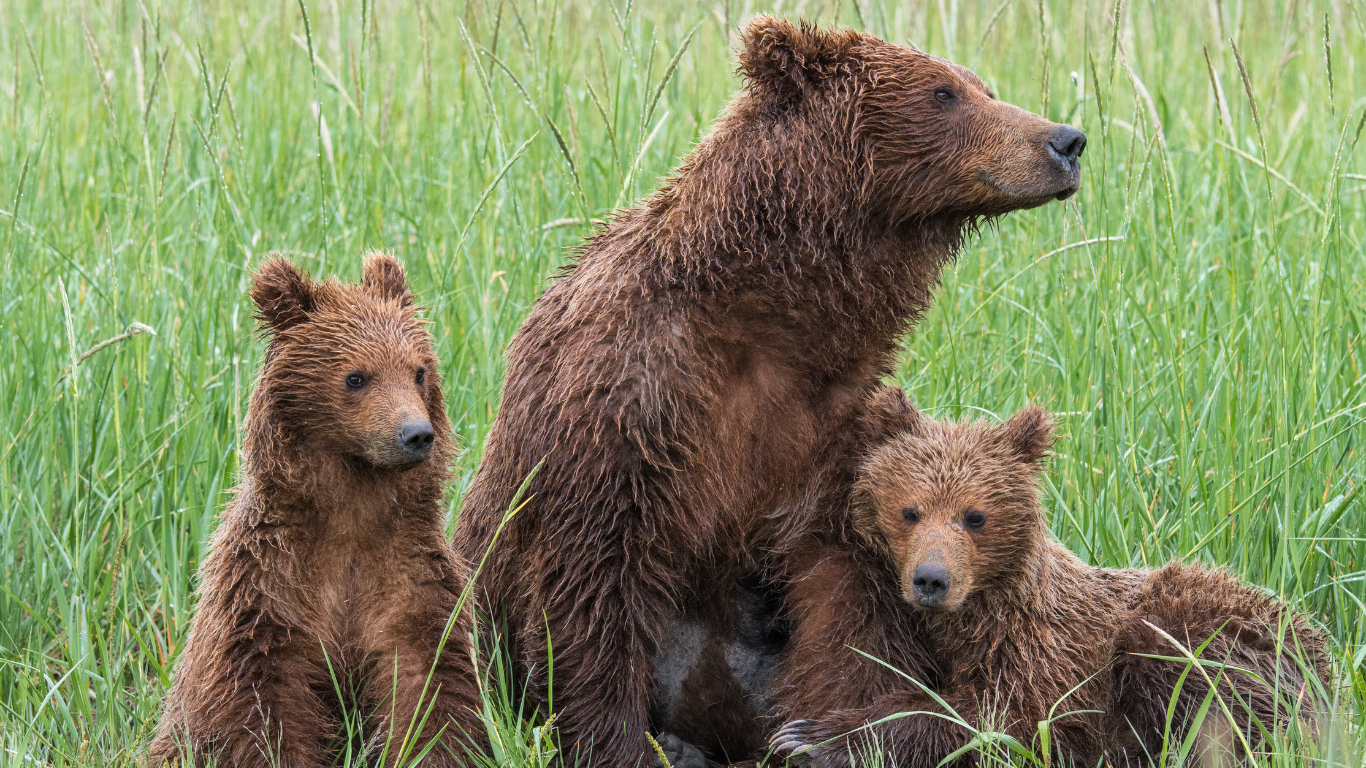
The U.S. Forest Service and Fish and Wildlife Service have done something remarkable – and not in a good way. They have effectively declared that a single acre of forest can qualify as "secure habitat" for a grizzly bear.
One acre.
For decades, federal land managers and wildlife scientists used a common-sense definition of secure habitat. To qualify as a secure habitat, a patch of land generally had to be part of at least 2,500 contiguous acres located away from open motorized routes and developed sites. The standard reflected a basic biological reality: grizzly bears need large blocks of relatively undisturbed habitat where they can forage, travel, rest, and avoid potentially dangerous encounters with people.
In 2024 and 2025, however, the agencies quietly abandoned that long-standing definition. Under the new approach, a habitat patch can be as small as one acre and still be counted as “secure habitat” on agency maps and analyses.
The agencies did not make this change because new science suddenly showed that grizzly bears can thrive in tiny habitat fragments. No such science exists. Instead, the definition changed as federal agencies sought to justify a major logging and road-building project that would not have met the previous standard.
That is not science-based management. It is bureaucratic convenience.
A one-acre patch of forest surrounded by roads, logging activity, and human disturbance does not provide the kind of security the term was originally intended to describe.
Grizzly bears now occupy only a small fraction of their historic range in the Lower 48 states. They remain vulnerable to human-caused mortality and face growing pressures from expanding development, increasing recreation, road construction, livestock conflicts, and climate change.
This is precisely the moment when habitat security should be strengthened, not diluted.
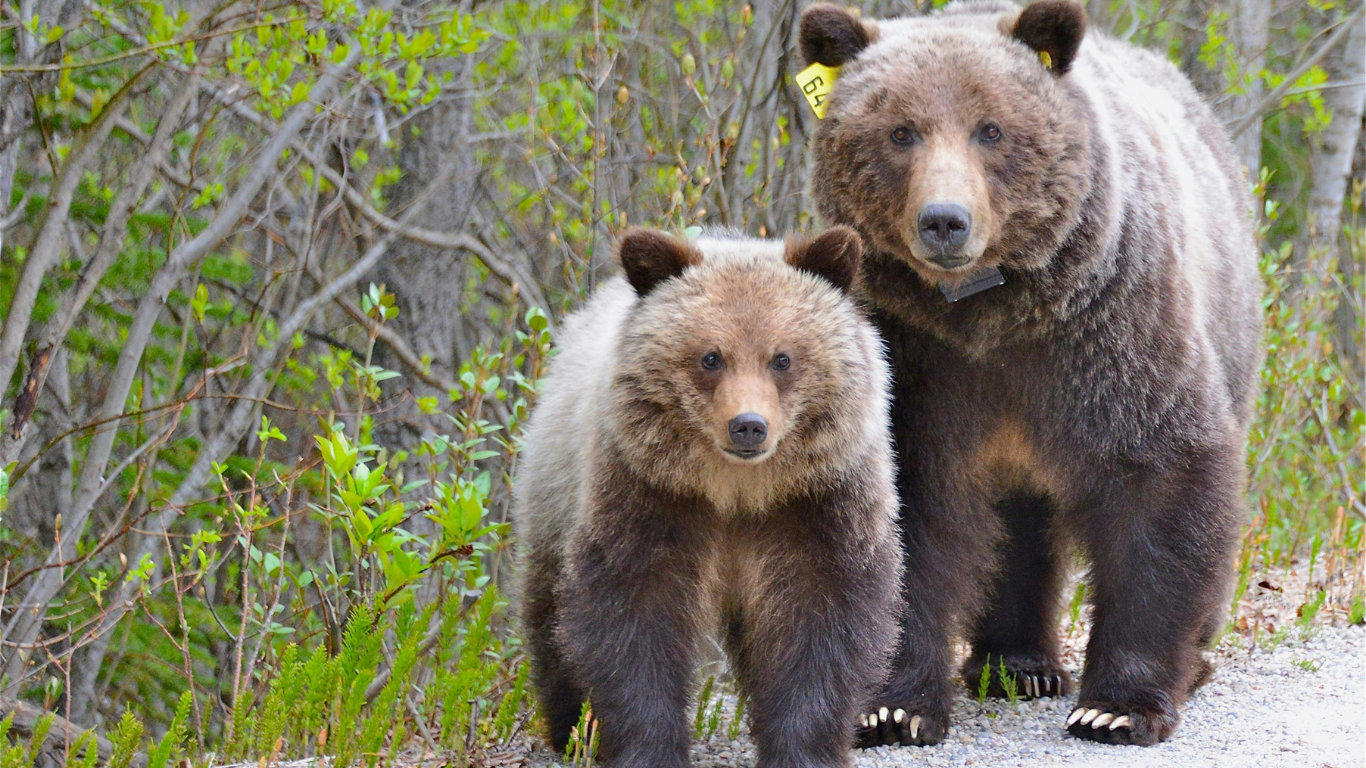
The Larabee Hat project lies within one of the most important wildlife corridors in the Northern Rockies.
Scientists have long emphasized that maintaining connectivity between these populations is essential for long-term grizzly recovery.
Yet instead of protecting this corridor, federal agencies are approving extensive logging and road construction while simultaneously redefining habitat security into meaninglessness.
The scientific community understands that grizzly bears require large landscapes.
They require connected landscapes.
They do not require semantic games.
Perhaps most telling is that this is not the first time federal agencies have attempted to reduce secure habitat standards.
A federal court previously rejected an effort to reduce the minimum secure habitat patch size from 2,500 acres to 10 acres, concluding that the agencies had failed to adequately justify the change and had not demonstrated that it would protect grizzly bears.
Now the agencies have gone even further – from 2,500 acres to one acre.
The issue is not whether a grizzly bear can physically stand on one acre of land. The issue is whether a one-acre fragment surrounded by disturbance can honestly be counted as “secure habitat” for purposes of conservation planning and recovery.
Common sense says no. Science says no. Yet federal agencies now say yes.
Conservation standards should follow science. Definitions should reflect biological reality. And federal agencies should not be permitted to discard decades of habitat-security principles simply because they complicate a logging project.
A grizzly bear does not care about bureaucratic definitions. It cares whether the landscape provides enough secure habitat to survive.
One acre is not habitat security.
It is a redefinition designed to make habitat loss disappear on paper.