
Climate Change
Climate change is real and deadly dangerous
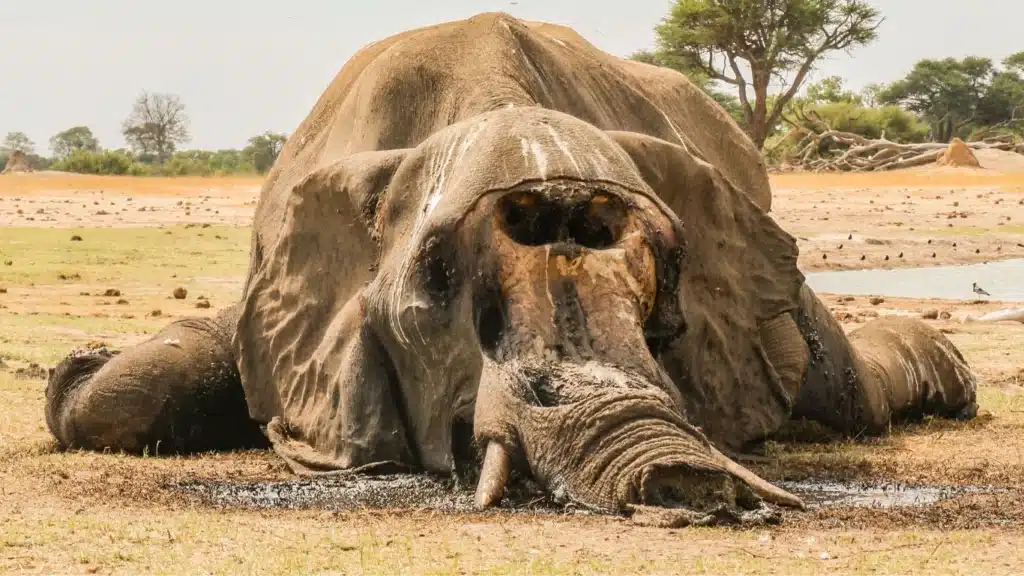
Climate change is threatening wildlife around the planet – and time to mitigate the damage is running out. Scientists warn that the effects of global warming are far worse than politicians realize. Unless we take immediate, drastic and decisive action, our survival and that of animals and ecosystems is severely imperiled.
Climate change is killing countless wild animals
In recent decades, ecologists have observed significant changes in the condition and distribution of wildlife across the globe. These changes are occurring at unprecedented rates, higher than expected for any species.
Global warming is already having a devastating impact on our environment and the world’s animals. Intense and more frequent droughts, storms, floods and temperatures; melting glaciers; rising sea levels, and warming oceans are directly harming animals, damaging the environments in which they live, and wreaking havoc on ecosystems.
From polar bears in the Arctic to turtles off the coast of Indonesia, the survival of much life on Earth is at risk from the changing climate and warming planet. Wildlife migrations are disrupted, reproductive behavior is changing in many species, animal populations are diminishing, and thousands of animal species are becoming extinct every year. Thousands – if not millions – of species are racing towards extinction.
What we do to protect animals from the worsening climate crisis
Botswana 
We began partnering with Camelthorn Farmstead in Botswana during the country’s devastating 2024 drought, when wildlife faced a growing water crisis.
In Makgadikgadi National Park in north-eastern Botswana, the Boteti River – a vital water source for the region’s wildlife – has been almost completely dry since October 2022. As the drought worsened, elephants, zebras and other animals were left struggling to find water.
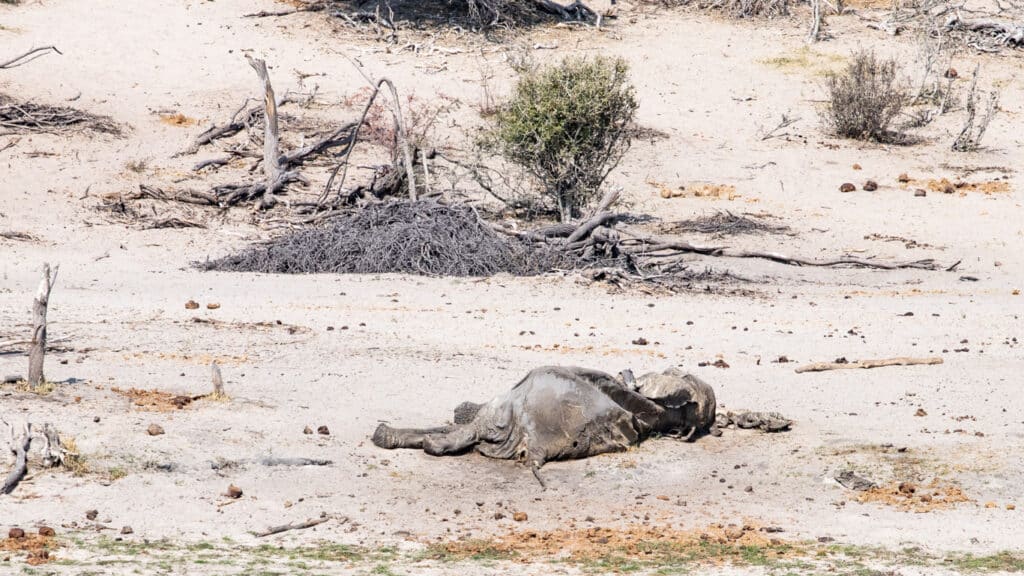
A compassionate couple living on a small farmstead on the park’s border stepped in to help. Using two wellpoints in the park, their own borehole, and long pipes running through the park’s fence, they began pumping water daily into the dry riverbed so wildlife could drink.
But with hundreds of animals arriving each day, more water was urgently needed.
Thanks to the generosity of our supporters and major donors, we upgraded the system and installed new infrastructure, including solar-powered pumps, solar panels, a newly drilled borehole and water troughs.
These life-saving improvements quadrupled the water available for wildlife, increasing daily supply from 15,850 gallons (60,000 litres) to as much as 70,000 gallons (260,000 litres).
More recently, supporters also funded solar-powered batteries for the pumps, ensuring water flows day and night – crucial for animals like elephants that often drink during the cooler evening hours.
Because of this support, thousands of animals now have reliable access to water in this drought-stricken landscape.
Kenya, East Africa 
In wildlife areas in Kenya, farmers illegally chop down forest trees and burn them for charcoal, leaving behind a destroyed habitat and resulting in hunger and death for wild animals. The effect on elephants is particularly disturbing. Once the forests are gone, and their food with it, the elephants move closer to human settlements in their search for sustenance. This results in increased human-wildlife conflict and increases the possibility of poaching for the illegal ivory trade.
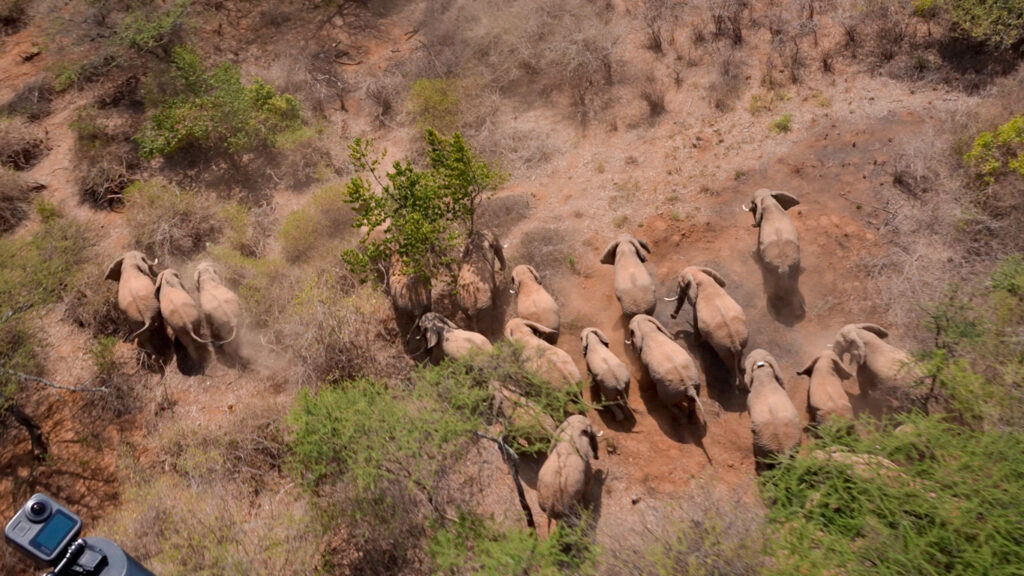
In tackling deforestation, we have implemented “Operation Seedballs,” a reforestation project in partnership with Seedballs Kenya. Seedballs are made using modified charcoal dust to create a protective layer around a seed. The seedballs are then dropped from helicopters, motorbikes or rangers on foot in deforested areas and areas not affected by extreme drought, mimicking the way seeds are naturally distributed by birds. When the region gets its seasonal rain, the dust dissolves and seeds germinate at the ideal time of year. This project is a cost-effective and efficient way to reintroduce tree and grass species into degraded zones.
Since 2023, we have donated almost 3,000 pounds (1,300 kilograms) of seedballs, helping to germinate up to 65,000 trees.
With your support, we will continue to seed a better future for countless threatened and endangered animals.
WEST AFRICA
Greenfingers Wildlife Conservation Initiative (GWCI), Lekki, Nigeria
Greenfingers Wildlife Conservation Initiative rescues pangolins and other small species from bushmeat markets, the illegal wildlife trade and abusive situations.
ASI has supported GWCI in its goal to complete Nigeria’s first-ever dedicated pangolin nursery and ICU. Thanks to our supporters, we have donated the funds to complete the construction of the building – a safe environment where these sensitive and vulnerable animals can be protected from disease and other environmental factors during their rehabilitation – a painstaking process that can take up to a year. After they are fully rehabilitated, they are released into safe, protected reserves.
With our supporters’ continued help, we were able to make another donation early this year – the final amount needed to complete the project. We will update our supporters once the clinic is complete.
ANIMA, Greece

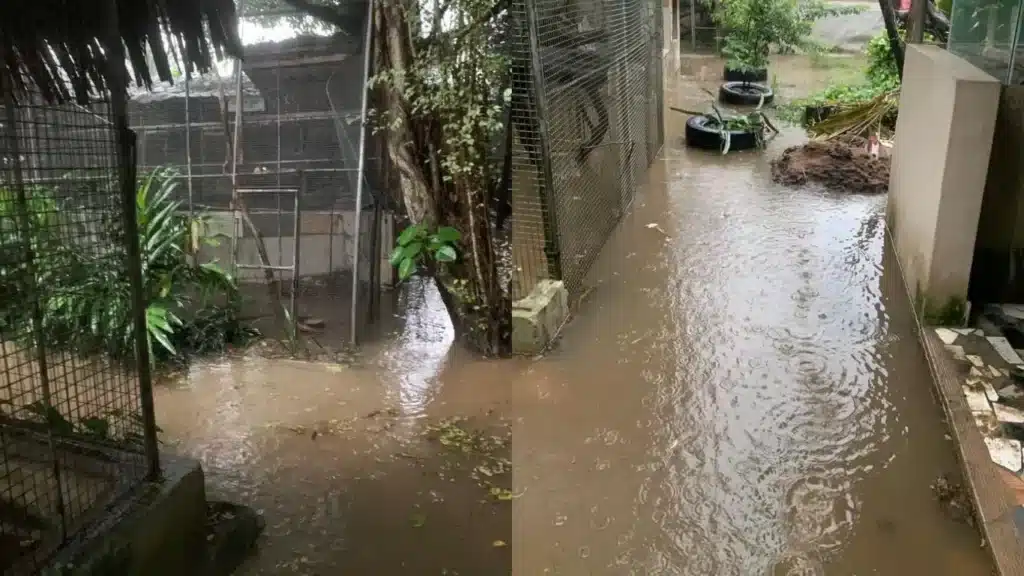
The Wildlife Rehabilitation Association (ANIMA) in Athens rescues upwards of 5,000 wounded, sick or orphaned animals every year. ANIMA is the only organization helping wildlife rescue and rehabilitation in the capital, and without its help, animals would have little hope. We have funded rescue vehicles, food, transport crates and medicines.
Addo Elephant National Park 
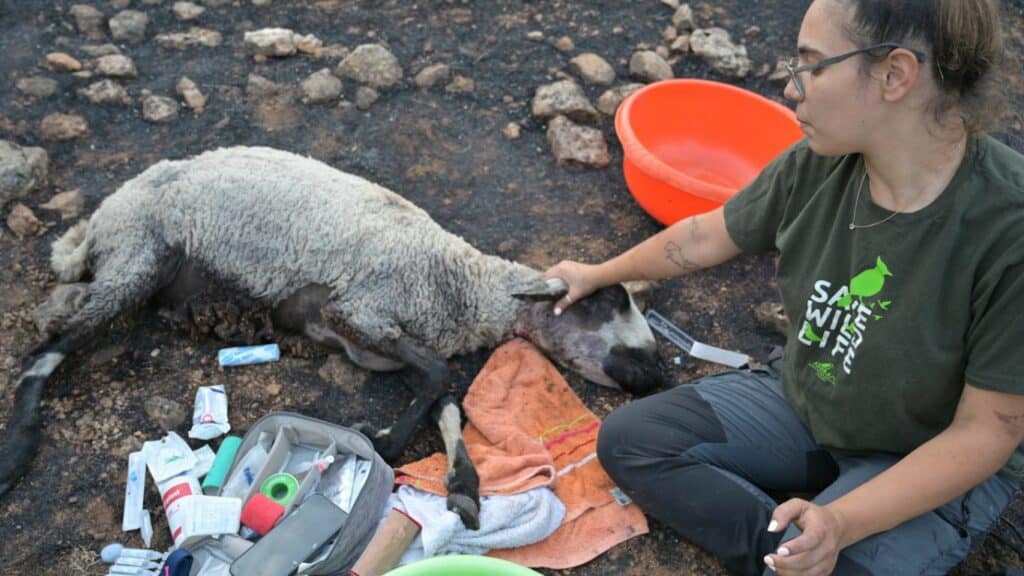
Over the past decade, the Eastern Cape has experienced its worst drought in 100 years, with a national disaster declared in 2021. At Addo Elephant National Park, temperatures soared above 100°F (38.5°C), and critical waterholes dried up, leaving hundreds of elephants and other wild animals struggling to survive.
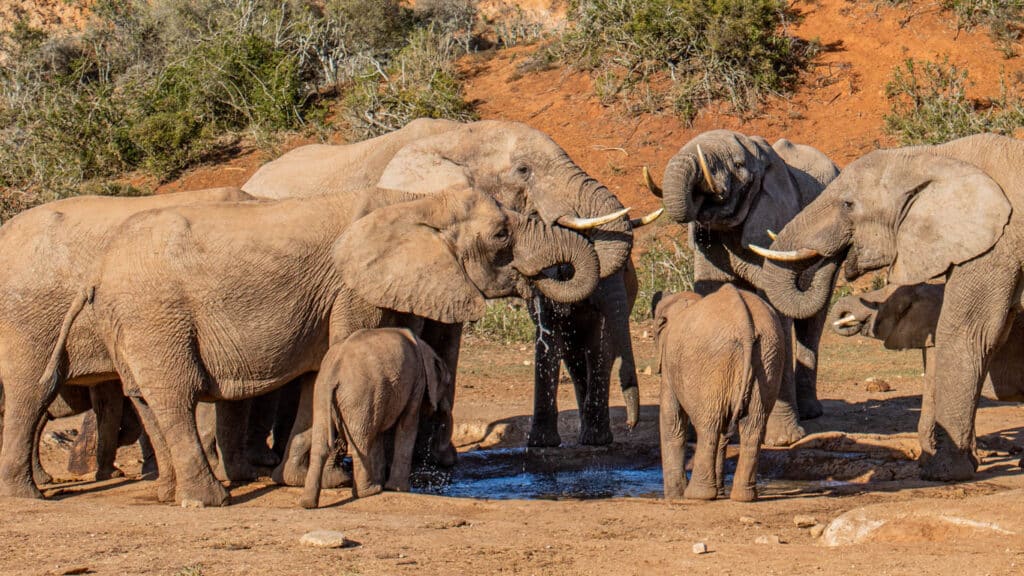
Thanks to the generosity of our donors, we installed six state-of-the-art solar-powered pumps to keep waterholes full, ensuring constant access to life-giving water for animals across Addo’s main camp. In the next phase of the project, we expanded our efforts, installing two additional pumps in the park’s northern-most section and bringing relief to the 28-strong elephant family living there.
While conditions in the region have improved, with some localized rainfall, the long-term impacts of climate change continue to threaten Addo’s wildlife. We remain ready to step in and help elephants and other animals through climate-driven and human-wildlife conflict crises – from drought and habitat loss to poaching.
Find out more about how we have helped Addo’s elephants impacted by habitat loss and wildlife crime here.
Hwange National Park, Zimbabwe, Southern Africa

Officially there are 45,000 elephants in Hwange, but that figure should be treated with extreme caution because it may be based on outdated aerial surveys or only partially cover the reserve.
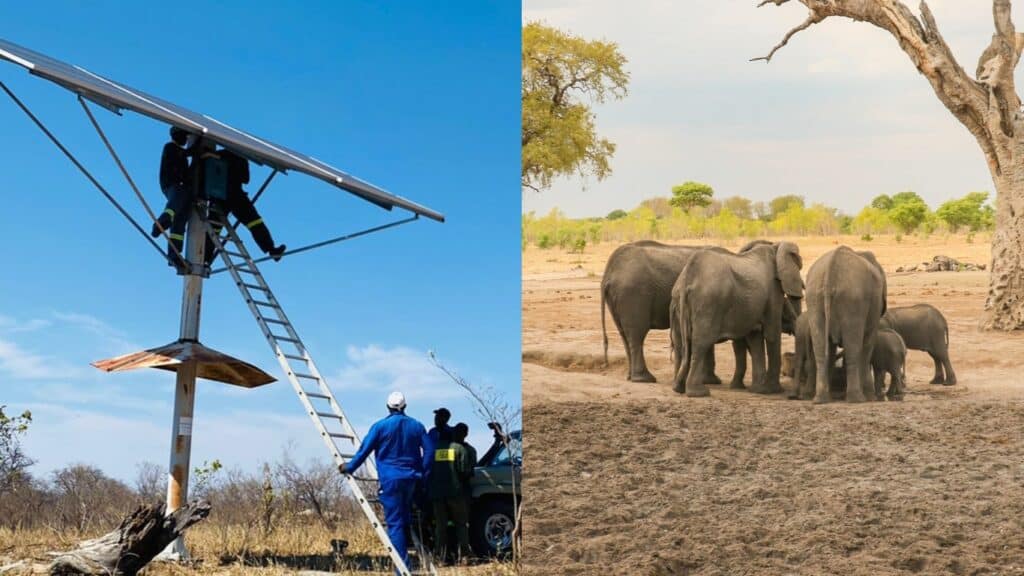
What we can say for sure is that there are thousands of elephants in Hwange who are in deep trouble, fighting for survival.
Because of a lack of surface water in the park, exacerbated by the area’s worst drought in 50 years, elephants struggle to remain hydrated, or become stuck in sticky, muddy waterholes in their desperate search for water. To provide life-saving water to the elephants and countless other wild animals, water pans are filled via pumps, which bring the precious resource from deep underground. But the majority of the pumps – powered by generators – are only able to operate for eight hours a day, while the devastating drought means they need to operate 24/7 to provide sufficient water to the elephants and other animals.
Elephants each consume between 40 gallons (150 liters) and 53 gallons (200 liters) per day, requiring millions of gallons daily for all the park’s elephants. We partnered with Friends of Hwange (FOH) to develop a solution to this crisis. With the use of solar-powered batteries, the pumps can operate for 24 hours a day, providing a constant and sufficient supply of water to the elephants. So far, our supporters have enabled us to buy one entire solar-powered battery system, but the park needs 10 over the next few years. With our donors’ support, we will continue to help fund this vital project, helping to save thousands of elephants and other animals from thirst.
Also in Zimbabwe, our partner, Matabeleland Animal Rescue and Equine Sanctuary (MARES), has been battling severe drought exacerbated by climate change. MARES is a refuge for hundreds of injured, neglected and abused animals, and helps hundreds more in the surrounding communities – and the drought was putting all the animals that rely on them in danger.
To ensure a steady supply of life-giving water, ASI contributed towards the drilling of a new borehole and the installation of two solar-powered pumps.
Globally
Over and above our current projects, we support research and raise awareness on climate-related issues so that globally, animal populations stand a chance to survive. We also pledge to hold those in power accountable for their actions, calling them out when lip service and lax enforcement fail to get the job done. Our campaigners continually search for more ways take action on the ground, and make a meaningful impact for animals.
We need to take urgent action to address the climate crisis. Reducing the use of fossil fuels, insisting on government policies, pressurizing large corporations to reduce their carbon emissions and helping animals adapt to a changing climate will help ensure we save all life on the planet.