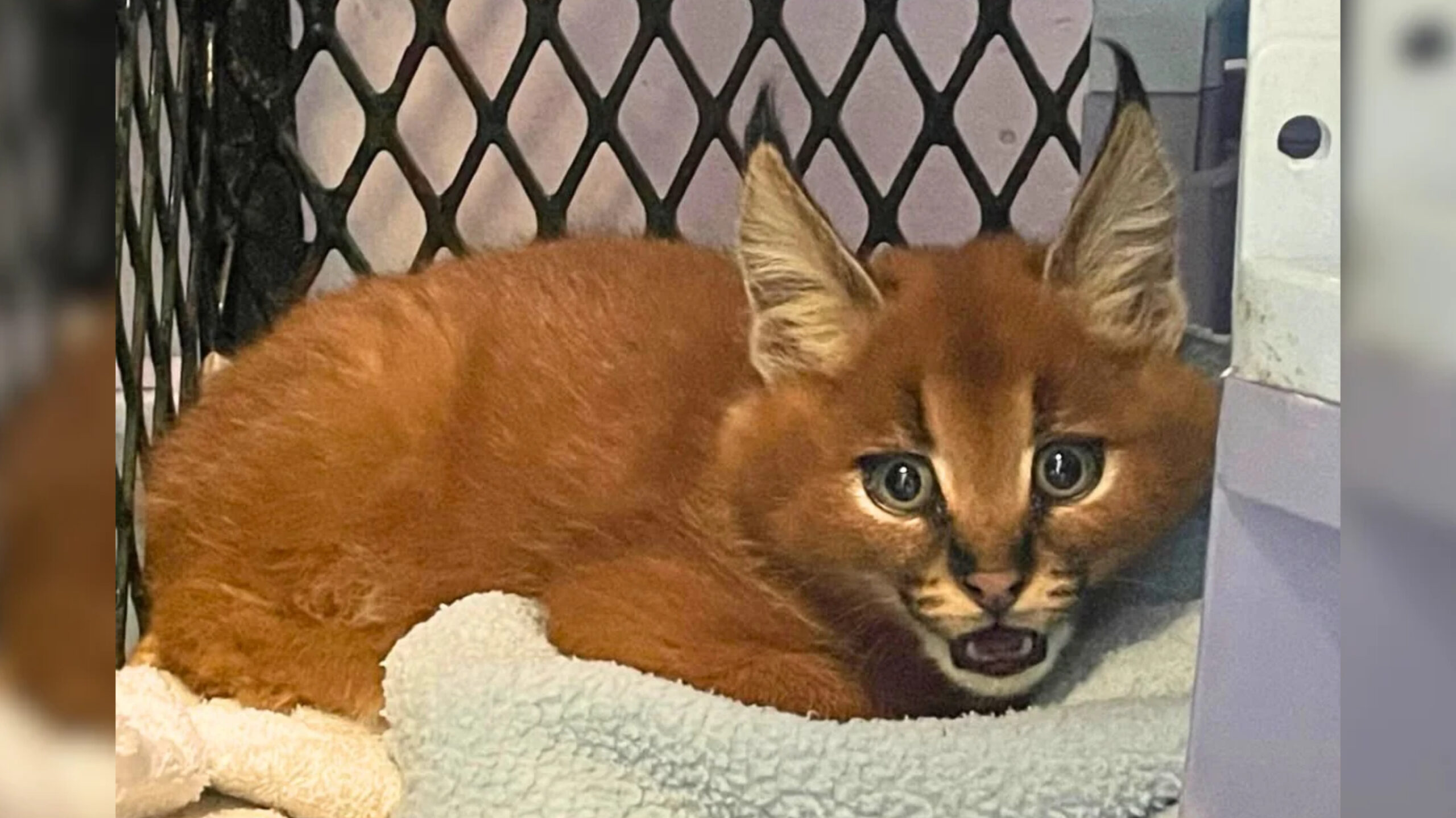


Just days old, caracal kitten Kalon was orphaned after his mother was shot and killed by farmers while searching for food in South Africa’s Free State province. He was then taken from the wild and kept as a pet by those responsible for his mother’s death.
Wild animals in South Africa are being torn from the wild and kept as exotic pets, with devastating consequences.
When the SPCA was alerted, it confiscated Kalon and rushed him to Johannesburg Wildlife Hospital for emergency veterinary treatment. He was severely malnourished, weak and traumatized – a heartbreaking example of the suffering inflicted on young wild animals caught up in the illegal pet trade.
After receiving the urgent care he needed to stabilize, Kalon was transferred to our long-time partner, the Umoya Khulula Wildlife Centre in Limpopo, South Africa. But his rescue was only the beginning.
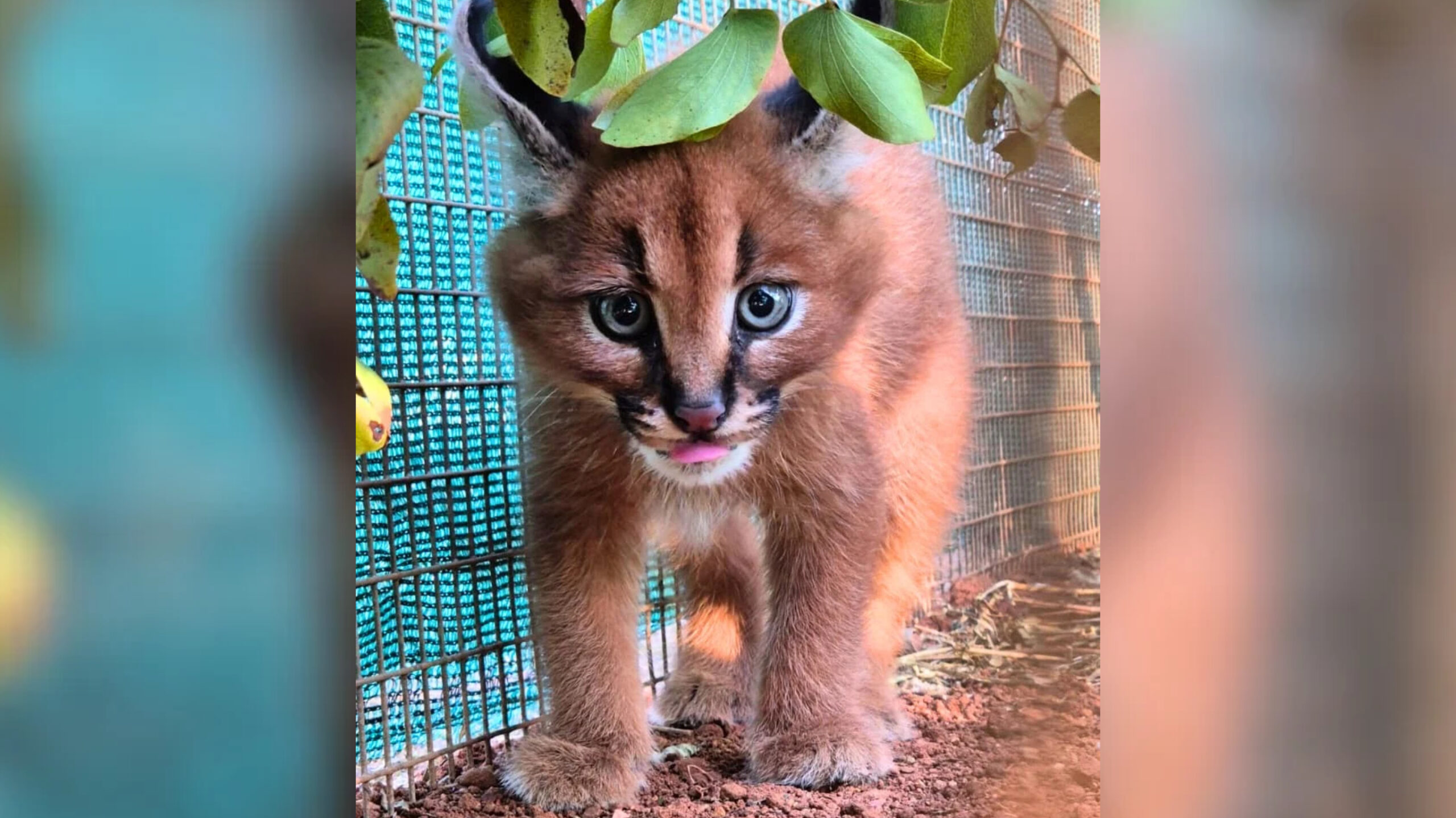 Kalon’s mother was killed when he was just days old, and he was kept as a pet in South Africa’s thriving illegal wildlife pet trade. Credit: Umoya Khulula Wildlife Centre
Now, Kalon needs your help to return to the wild where he belongs.
Caracal kittens can stay with their mothers for up to a year, learning to hunt, avoid danger and survive independently. Deprived of this vital early care, Kalon now faces a long, complex and costly rehabilitation journey.
He needs specialized nutrition, veterinary care and carefully managed enclosures to help him develop his natural instincts without becoming habituated to humans. When he’s ready, he’ll also need a safe release site and a tracking collar to monitor his progress.
Will you help us raise the $2,000 (£1,500) needed towards Kalon’s rehabilitation, rewilding and release journey?
Kalon’s story is part of a much bigger crisis.
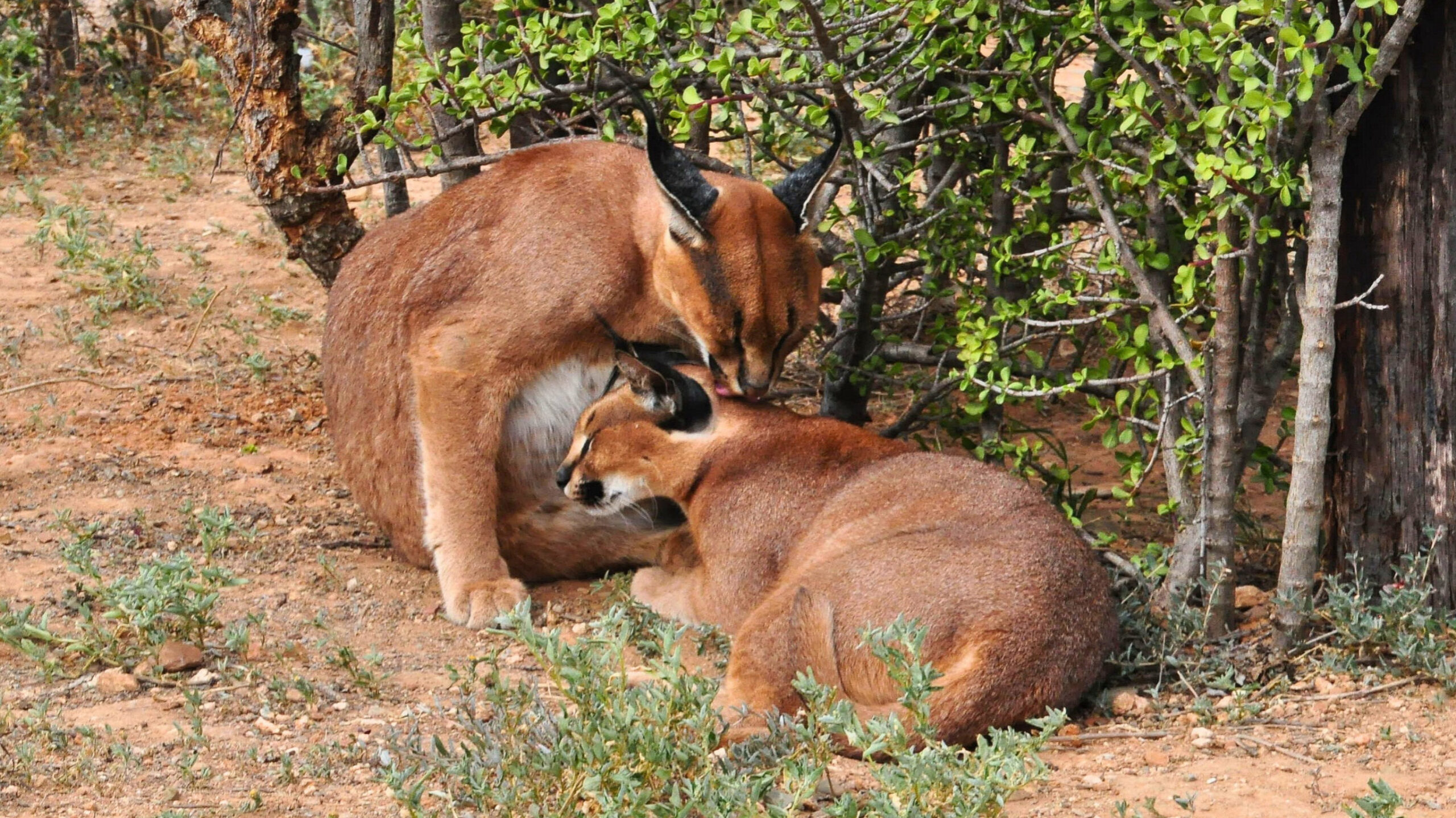 A caracal kitten can spend up to a year learning to survive from its mother. Kalon lost his, and without her, he had no hope. Credit: iStock
Around 90% of Umoya Khulula’s rescues come directly from South Africa’s illegal wildlife pet trade. The centre currently cares for around 100 animals rescued from this trade – including caracals, servals, mongooses and more – many torn from their mothers as infants and sold as exotic pets.
Often marketed on social media as “cute” companions, these wild animals have complex needs that captivity cannot meet. Many arrive severely emaciated, highly stressed and suffering from conditions caused by neglect and inappropriate diets. Some have fractures, internal injuries or bones too weak to support their weight.
As more animals arrive needing urgent care, resources are stretched to the limit.
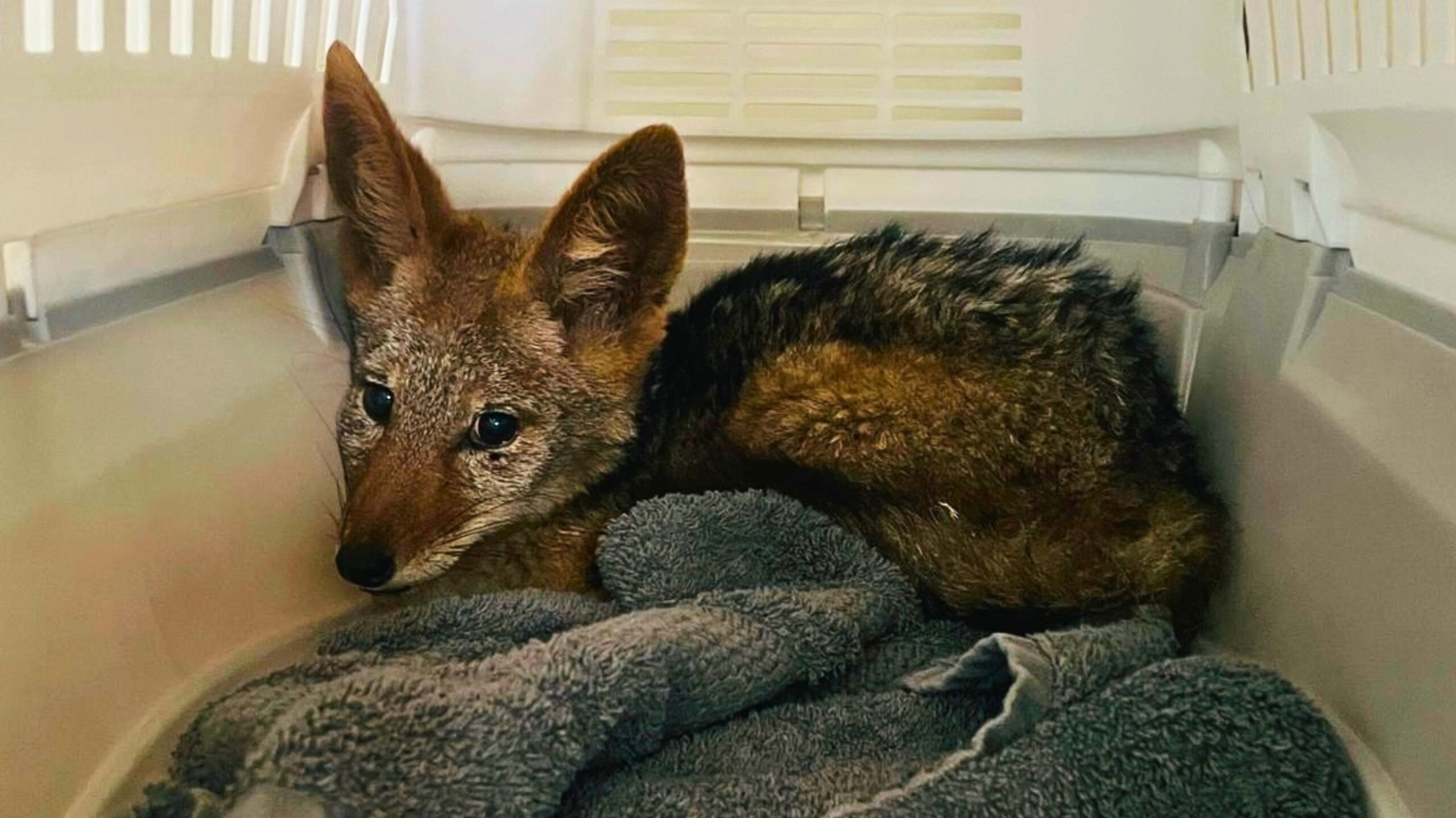 Our partner cares for 100 animals rescued from South Africa’s illegal wildlife pet trade. With more animals arriving, like this black-backed jackal, the team desperately needs your help. Credit: Umoya Khulula Wildlife Centre
Every animal needs food, shelter, veterinary treatment and, wherever possible, a carefully planned path back to the wild. But our partner is a 24-hour rescue centre with just four full-time staff members. As animals continue to arrive and rehabilitation costs rise, this small team is in danger of being overwhelmed.
Your donation can help fund Kalon’s rehabilitation while supporting the specialist care, facilities and dedicated team that give other rescued animals a chance to recover, too.
We can’t bring Kalon’s mother back, but we can give Kalon – and others like him – the best possible chance of a future in the wild.