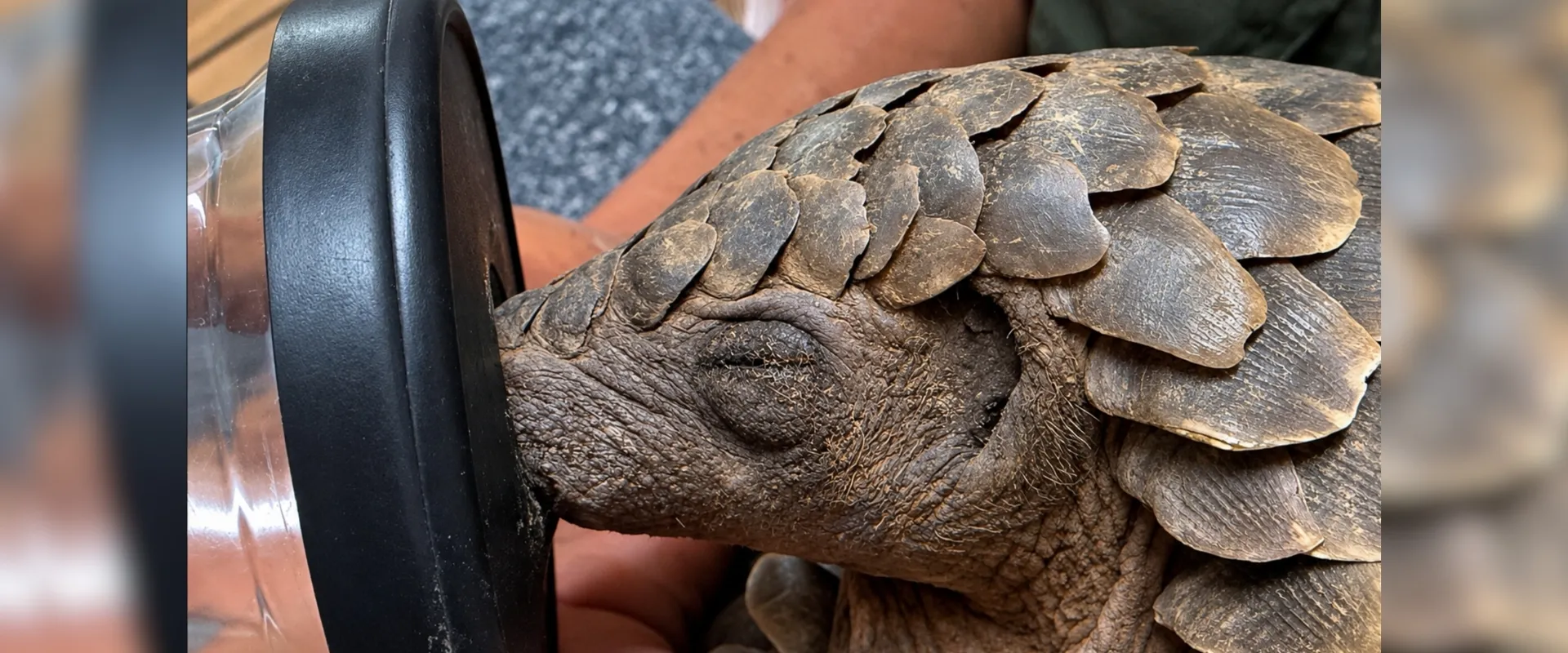


Somewhere in Namibia tonight, a pangolin will be pulled out of a sack.
It will be dehydrated, underweight and in shock. It will be alive, which is more than most of them manage. And then the difficult part begins.
Pangolins are being stolen from the wild, trafficked for the illegal trade and pushed towards extinction. For those that survive, the ordeal can leave them desperately injured and fighting for their lives. They need our help.
Pangolins are the most trafficked mammals in the world, targeted for their scales and meat.
Pangolins are shy nocturnal creatures covered in protective scales and equipped with long, sticky tongues for eating ants and termites. When threatened, they curl into a tight ball and because they have no vocal cords, they suffer in silence. All eight species are threatened with extinction, ranging from vulnerable to critically endangered. Illegal hunting and trafficking for their scales and meat are driving their decline.
After surviving for millions of years, humans are now their greatest threat.
We cannot stand by and watch them disappear.
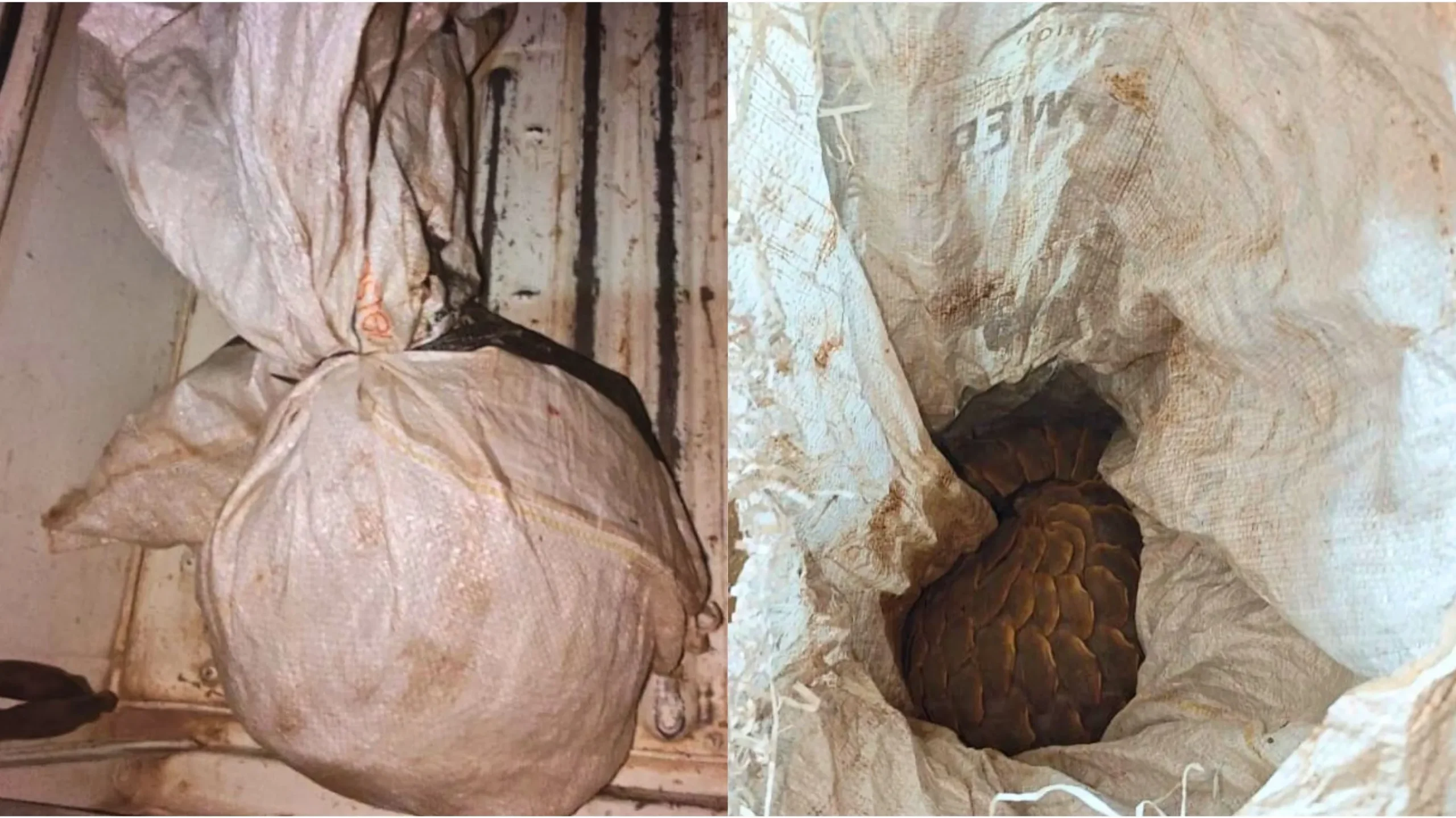 This is how pangolins are transported wrapped in plastic. They’re disappearing fast, and without action, there won’t be any left. Source: PCRF
To give the species a chance to survive, we have to fight for every single pangolin life.
But rescuing a pangolin is only the beginning of a long battle to get them ready to return to the wild.
In Namibia, our partner, the Pangolin Conservation and Research Foundation (PCRF), urgently needs a dedicated recovery room where rescued pangolins can receive specialist care. It will cost $15,000 (£11,300) to build and equip this life-saving space. Let me explain why it matters.
In Namibia, the survival rate for rescued pangolins used to be around 40%. Six out of every ten animals saved from traffickers died anyway. Since 2023, that figure has risen above 90%.
Nothing changed about the pangolins. What changed was what happened to them after the rescue: the right environment, constant monitoring and people who know what they are looking at.
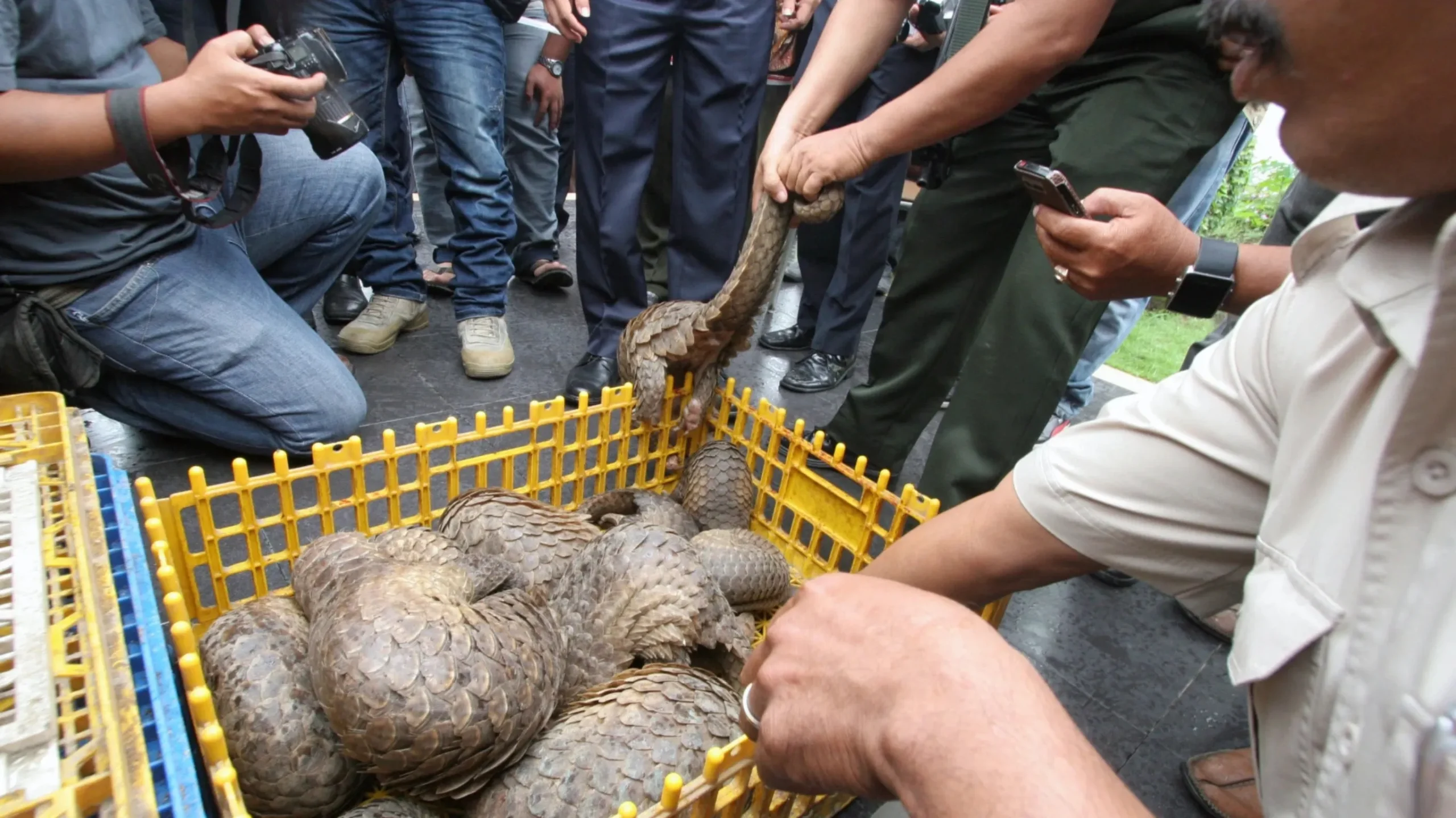 The most trafficked mammal in the world, often confiscated from smugglers by the crate load. Source: AP
One pangolin’s fight to survive.
When Sparky, a Temminck’s pangolin, was found, he was in terrible condition. He staggered when he tried to walk. He could not eat. He could not even use his tongue. This little pangolin had fluid around his heart and in his chest, a septic wound on his tail and partial sight loss in one eye.
For weeks, he had to be sedated twice a day just to be fed by hand. He depended on his carers for every mouthful. Our partners refused to give up on him.
After months of intensive treatment, his tongue began to work again. He could feed himself. He gained weight. And eventually he was strong enough to return to the bush – and the wild life he almost lost.
Sparky made it home. Please help us give other rescued pangolins the same chance.
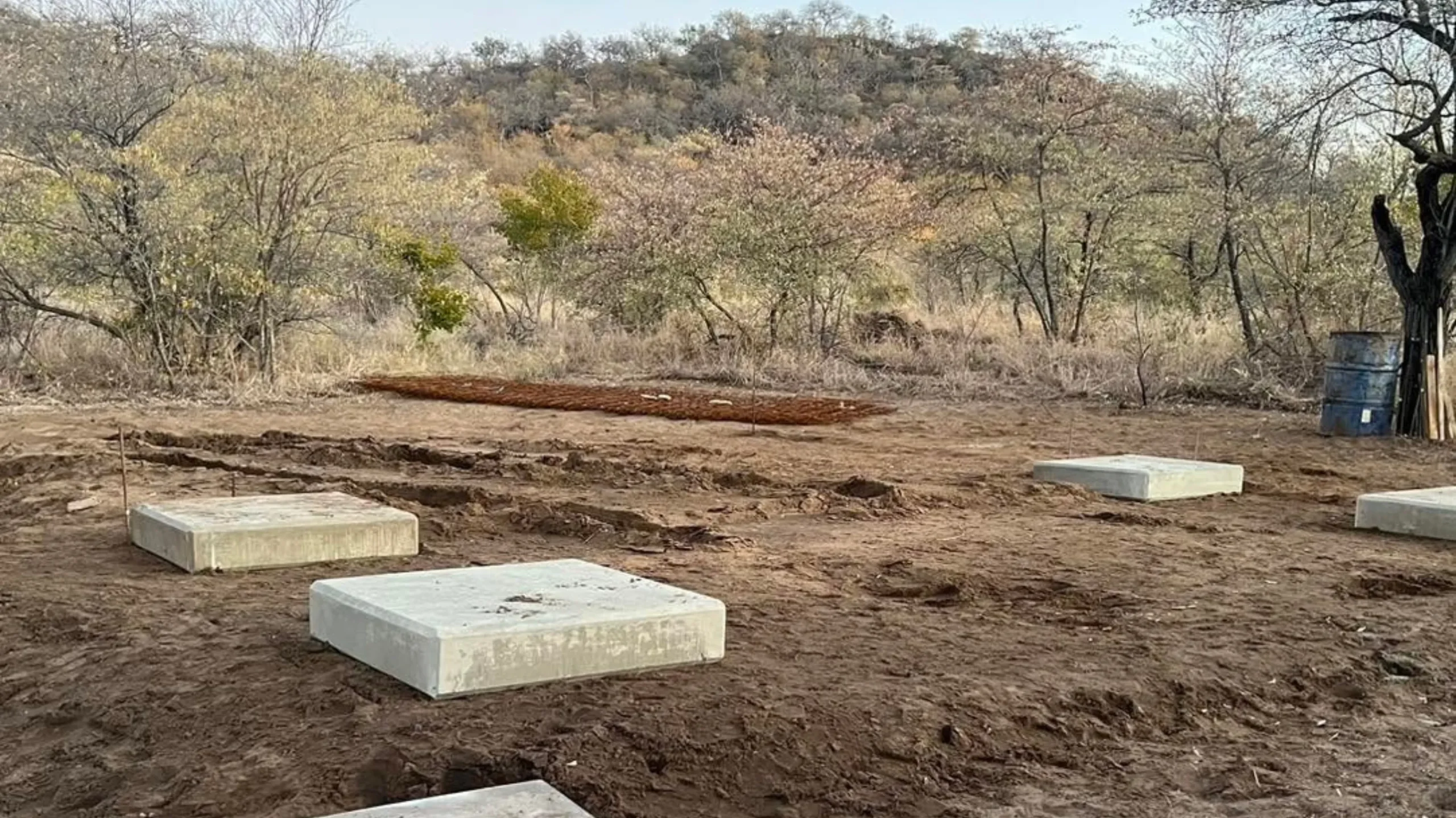 From the ground in Namibia – the future site of the PCRF base camp that will house the recovery room. Source: PCRF
Pangolins are exceptionally sensitive animals. Recovering from severe injuries and the psychological effects of trafficking can take months of specialist care and rehabilitation. They need a quiet, sheltered environment where they can rest, heal and be carefully monitored without unnecessary noise and disturbance.
Since 2020, PCRF has been rescuing and rehabilitating pangolins – using borrowed rooms, temporary enclosures and facilities at other enclosures. Their dedication has helped give pangolins like Sparky a second chance, but they desperately need a permanent space.
We need to raise $15,000 (£11,300) to build and equip an essential pangolin recovery room in Namibia. Will you help us reach our goal?
Every donation brings us one step closer to creating a secure space where rescued and injured pangolins can heal, regain their strength and return to protected wild areas where they belong.
Sparky made it home after months of specialist care. Please help us give the next rescued pangolin in Namibia that same chance by donating generously today.