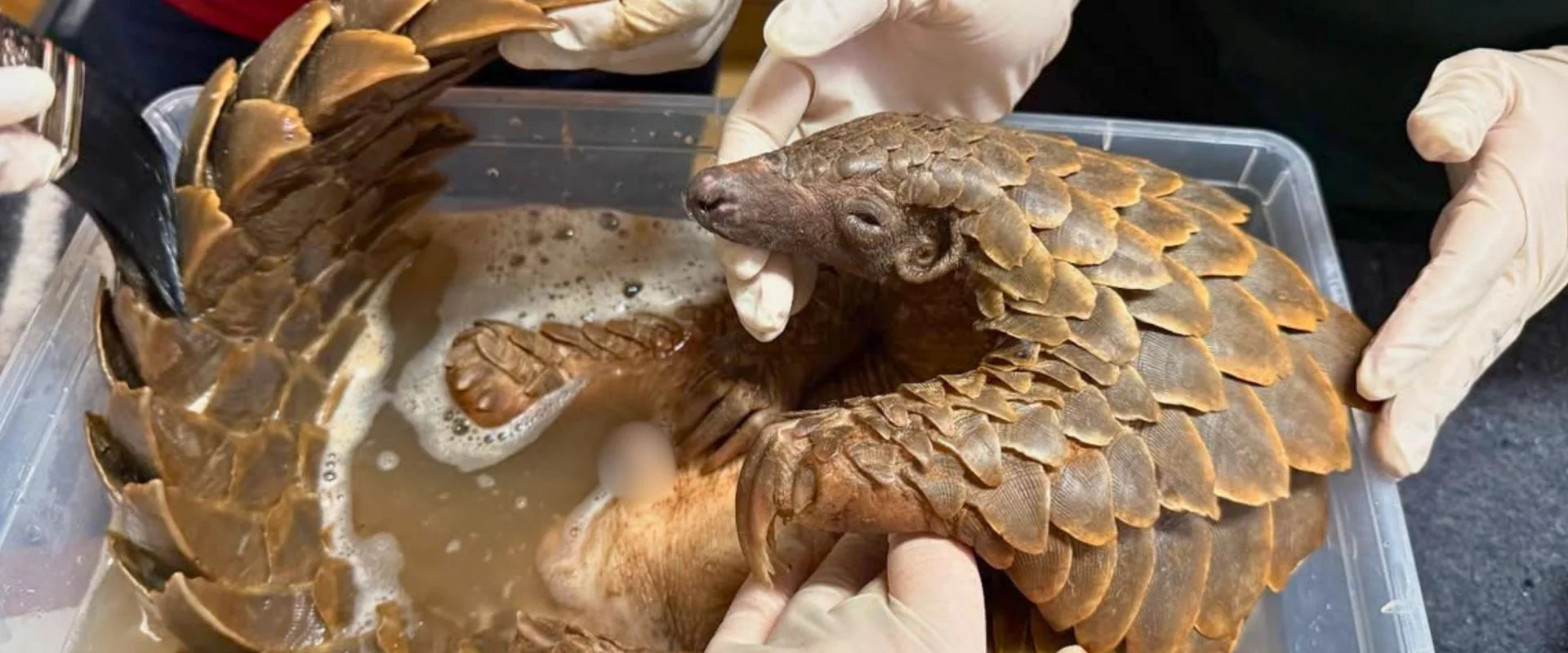


There has been a catastrophic collapse of pangolins throughout much of Asia. Now they are being driven to extinction across Africa. Pangolins are dying because of a vast illegal trade in their scales. These shy, nocturnal scaly anteaters are now the most trafficked mammals in the world.
In Namibia, the species is increasingly under attack. Enforcement has been stepped up but most pangolins seized from traffickers are already dead when they are found. Only around three out of ten are rescued alive and each one will be traumatized and most likely sick or injured.
Rescued pangolins are fighting a losing battle.
For years, nobody knew what happened to them after release. Our partner, the Pangolin Conservation and Research Foundation (PCRF), fitted pangolins with satellite tags to find out.
It was terrible news. The animals were so stressed they walked, night after night, never stopping to feed. Tag temperatures climbed to 40°C (104°F) because they weren’t finding burrows deep enough to shelter in. One male lost more than a fifth of his body weight in five weeks. Eleven days later, he was found dead.
If pangolins are to avoid extinction, this has to stop. Animal Survival International is working with PCRF to help build a pangolin research and rehabilitation center in Namibia’s Otjozondjupa region to help address this problem.
Our partner’s specialized skills and soft-release approach increase survival of rescued pangolins from roughly 30% to around 90%.
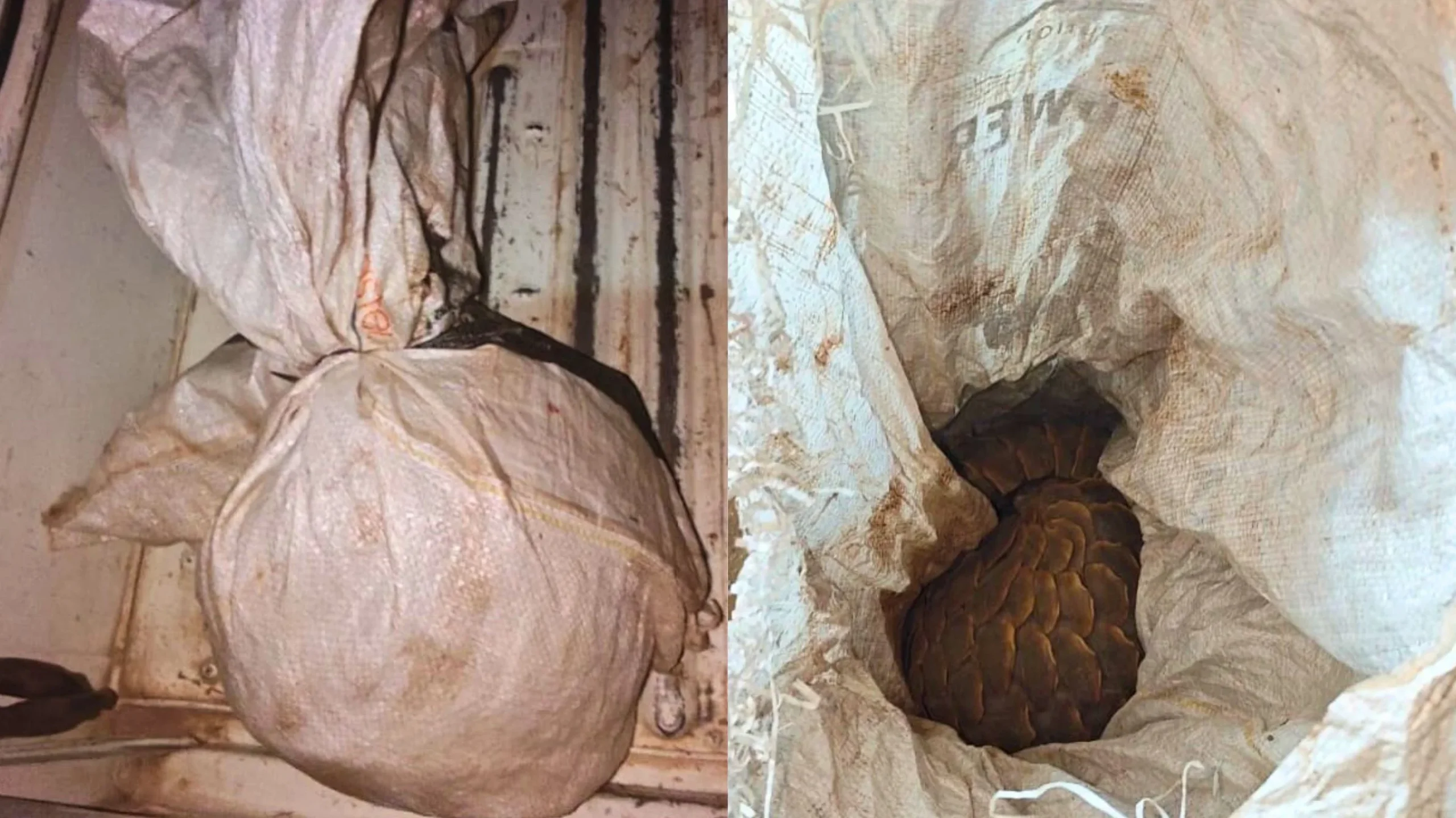 Rolled into a ball for protection. Zipped into a bag for profit. This is what trafficking does to an animal built to survive everything except us. Source: PCRF
Post-release monitoring, wild pangolin research and survival success will help inform and guide pangolin rescue across the African continent.
A purpose-built center can change everything.
With your help, we can do so much more for these gentle, shy creatures.
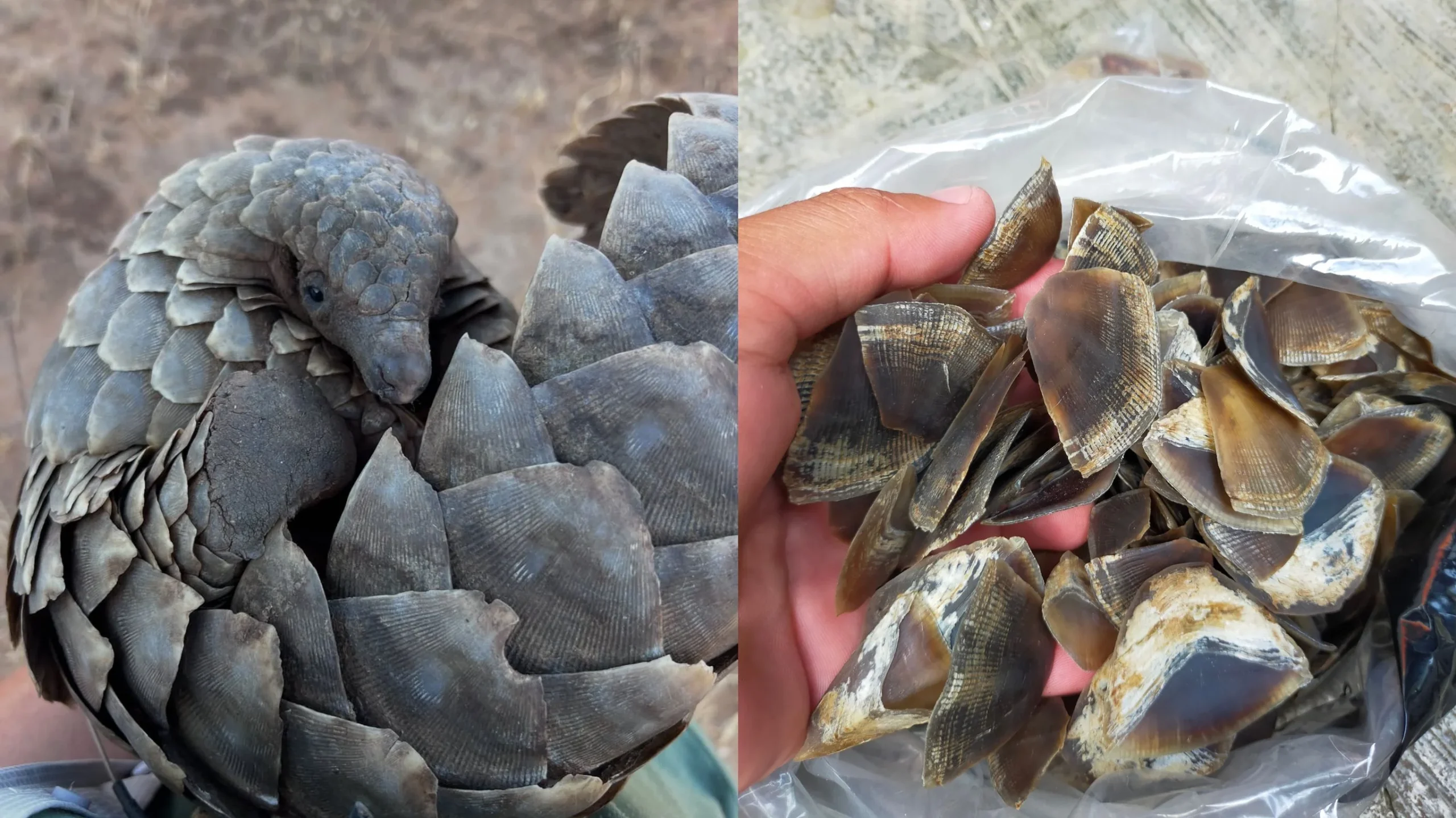 A pangolin’s scales are believed to cure swelling and boost milk supply. None of it is true. But the myth is driving one of the gentlest creatures on Earth to extinction. Source: PCRF (left) and Shutterstock (right)
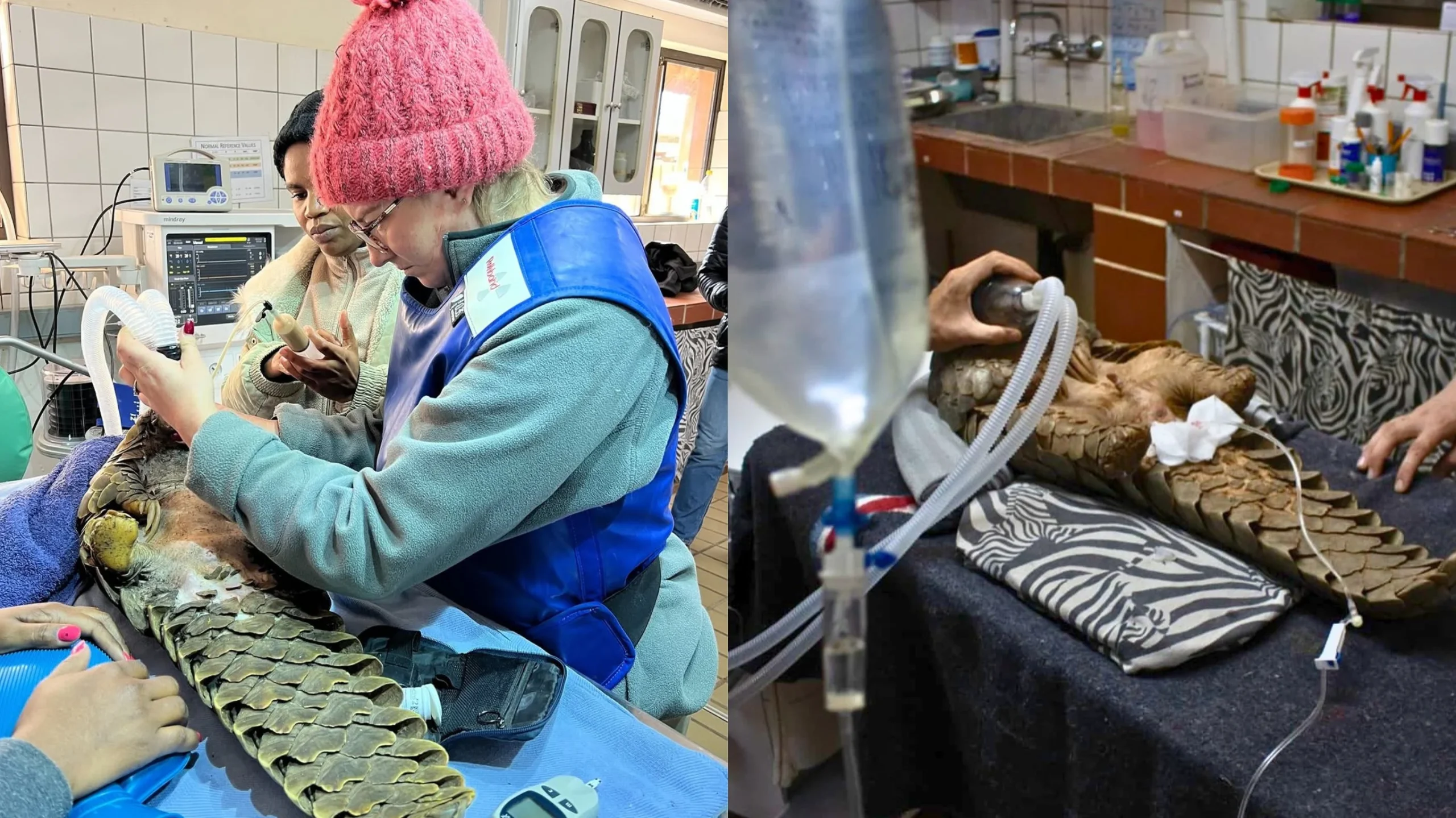 Rescued pangolins in Namibia need sophisticated medical care to survive. Source: PCRF
Your donation will help create a place where rescued pangolins can be stabilized, recover and be prepared for a successful return to the wild. Your generosity will help fund:
- Dedicated pangolin holding rooms designed for rehabilitation (quiet, secure, low-stress conditions)
- A clinic space and equipment for veterinary assessment and treatment
- Expanded on-site capacity so more rescued pangolins can be accommodated at the same time
- Research that improves rehabilitation protocols and long-term survival after release
Please donate now if you possibly can – every amount counts for the animals.