
When Nthambi was saved from cruel poachers in Malawi, bone protruded from her leg. The criminals did not care that she must have been in excruciating pain. All they cared about was making money by selling this traumatized, severely injured pangolin.
Shy, harmless pangolins just like Nthambi are the most trafficked mammal in the world, prized for their scales – used in so-called ‘traditional medicine’ – and meat, considered a delicacy in parts of Asia.
“It was immediately obvious that she was very seriously injured. She was missing part of one of her back legs, and the bone was sticking out.” – Lilongwe Wildlife Trust (LWT), Malawi
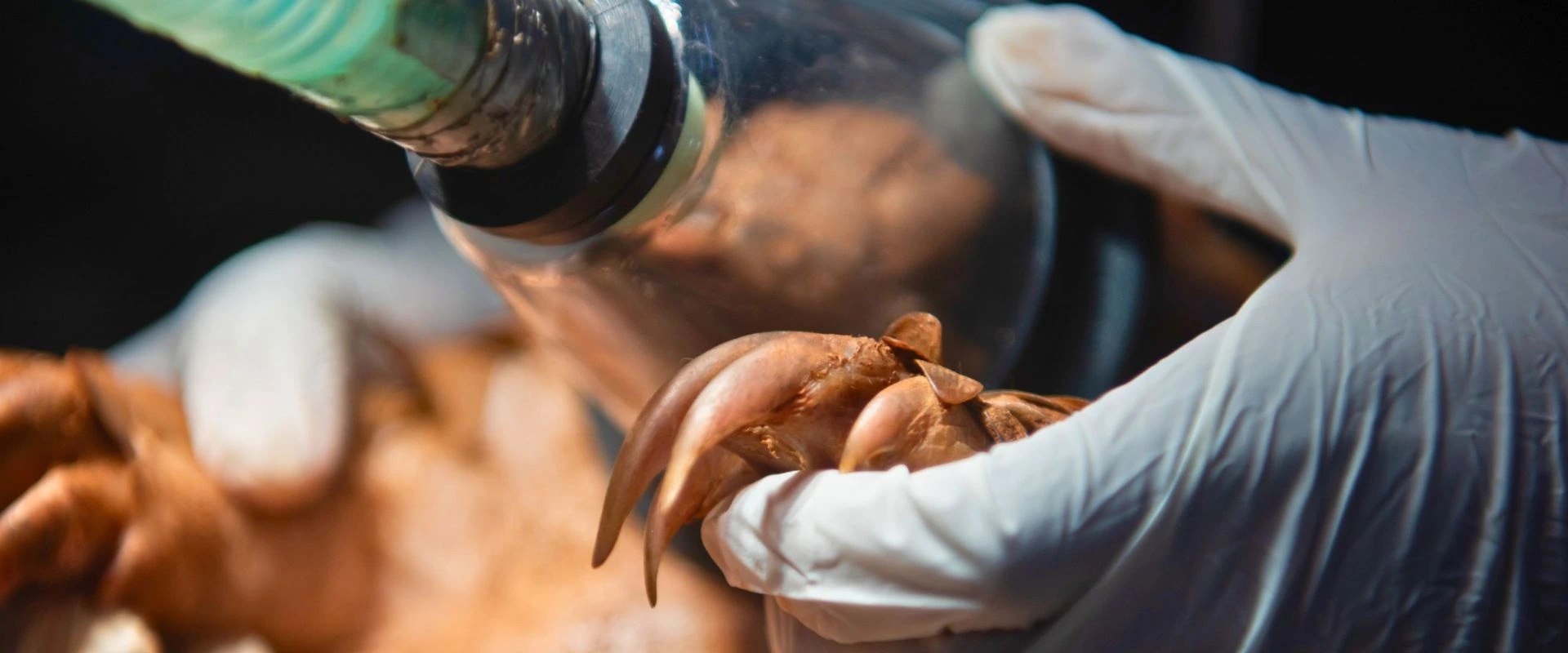
Nthambi underwent emergency surgery to have her leg amputated before being transferred to our partner, the Lilongwe Wildlife Centre (LWC), part of LWT. She was immediately assigned an emergency caretaker to stay with her 24 hours a day, even sleeping in the same room together.
Every year, our partner cares for pangolins like Nthambi – animals stolen from the wild and the protection of their families, and sold on the brutal black market, largely to Asian buyers. Animals who are terrified, wounded and in horrendous pain.

Although pangolins can survive with a missing limb, it was clear that fragile Nthambi was in terrible pain.
Nthambi remained largely immobile, and when she was encouraged to forage for food, she would curl up into a tight ball and refuse to move. Losing a limb in a cruel snare and being ripped from the wild was nearly too much for her. She had to be sedated to be tube-fed each day.
Nthambi can get a second chance – but only with your help.
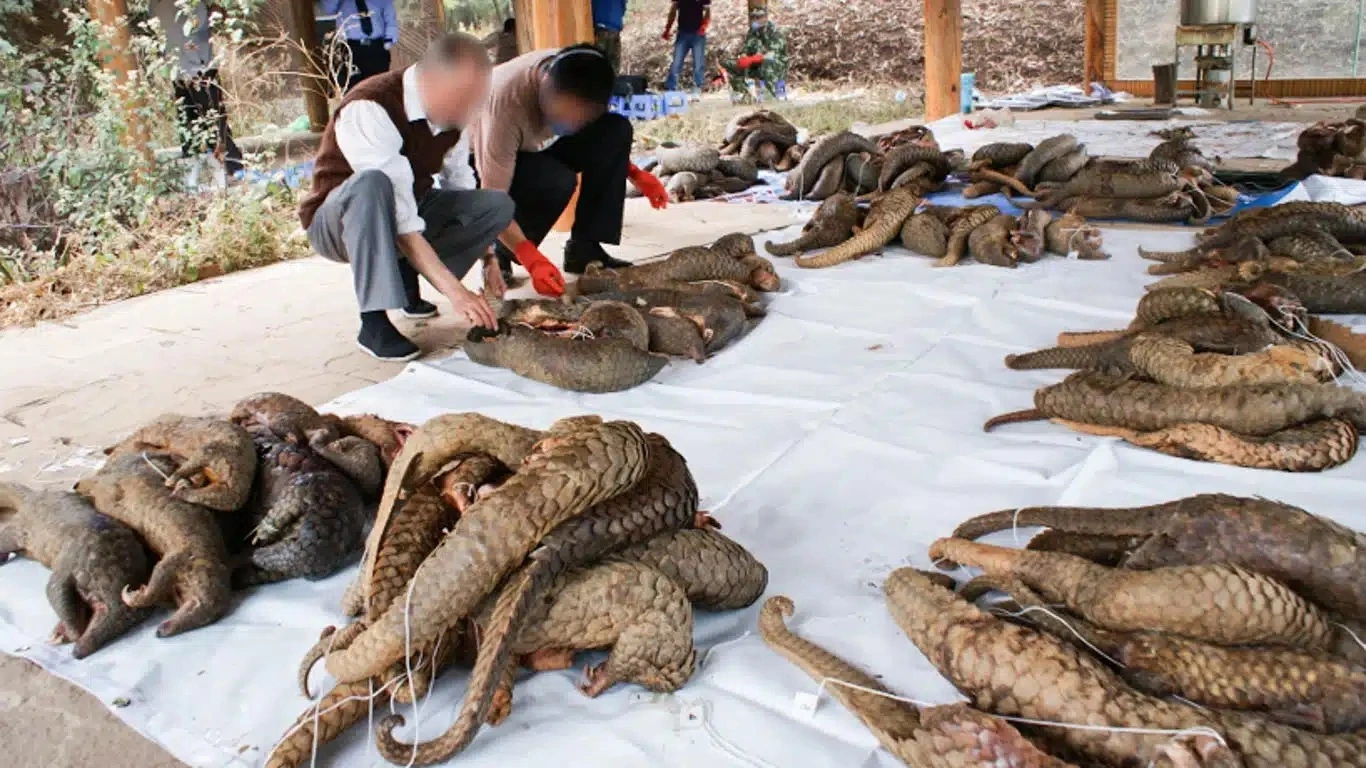 As Asian pangolin populations declined, trafficking networks shifted to Africa. Today, these ancient animals are the most trafficked mammal in the world. Source: WCRU/ZXZhang
After her horrific trauma, Nthambi’s recovery is slow. She and other rescued wild animals are counting on you to help support their recovery.
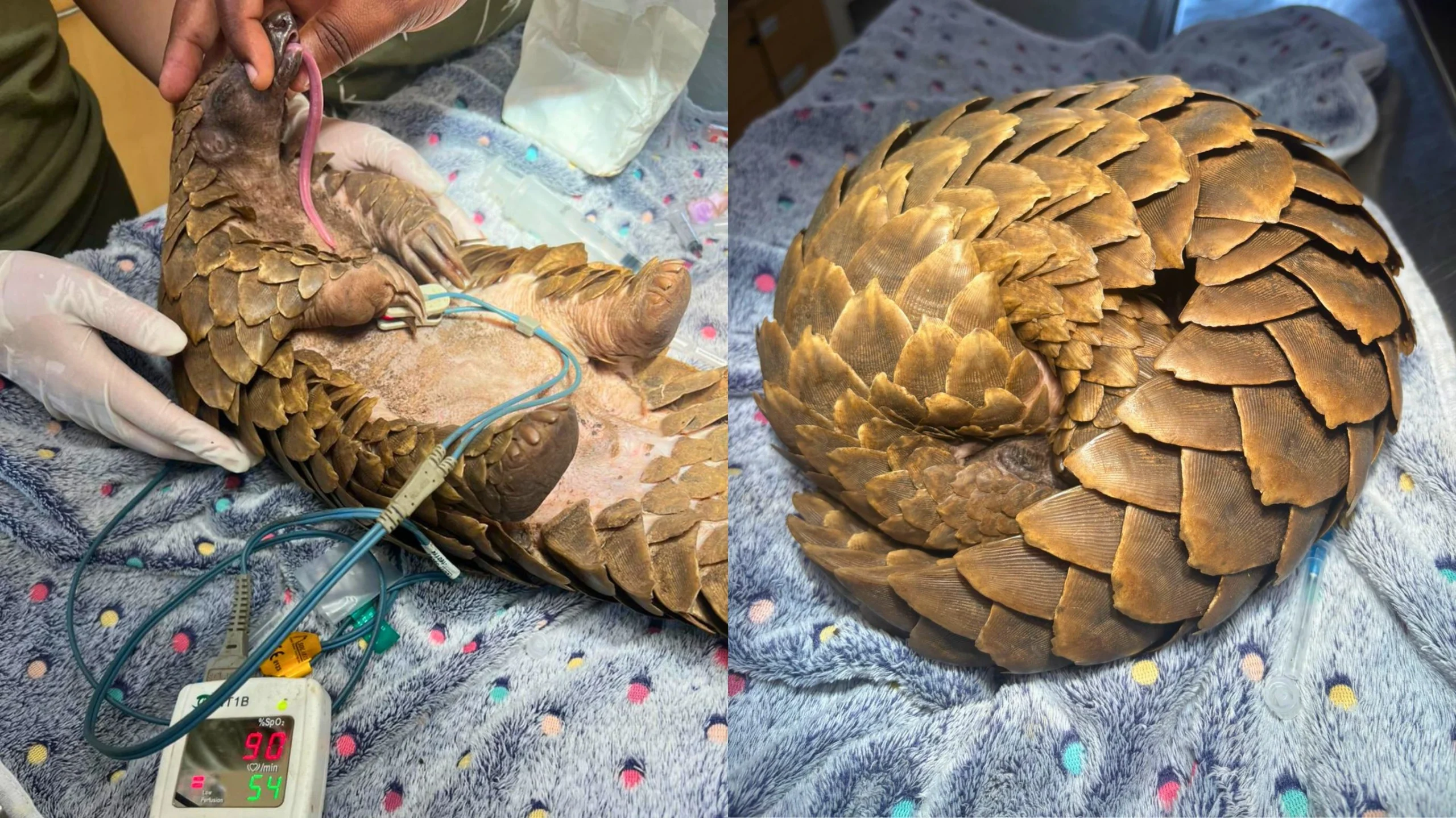 Our partner rescues and supports countless pangolins and other wild animals, like wild cats and primates, in Malawi. Source: Lilongwe Wildlife Trust
LWT can support up to 200 rescued wild animals a day, which includes pangolins, primates, wild cats, antelope and others that have been injured, orphaned or poached in Malawi. Animals like a young baboon called Benja, whose mother was killed for bushmeat.
Benja was absolutely terrified on arrival – so much so that staff and volunteers had to sit with him for 24 hours a day, every day. He now has a foster mom, Ivy, and together they will eventually join a new troop.
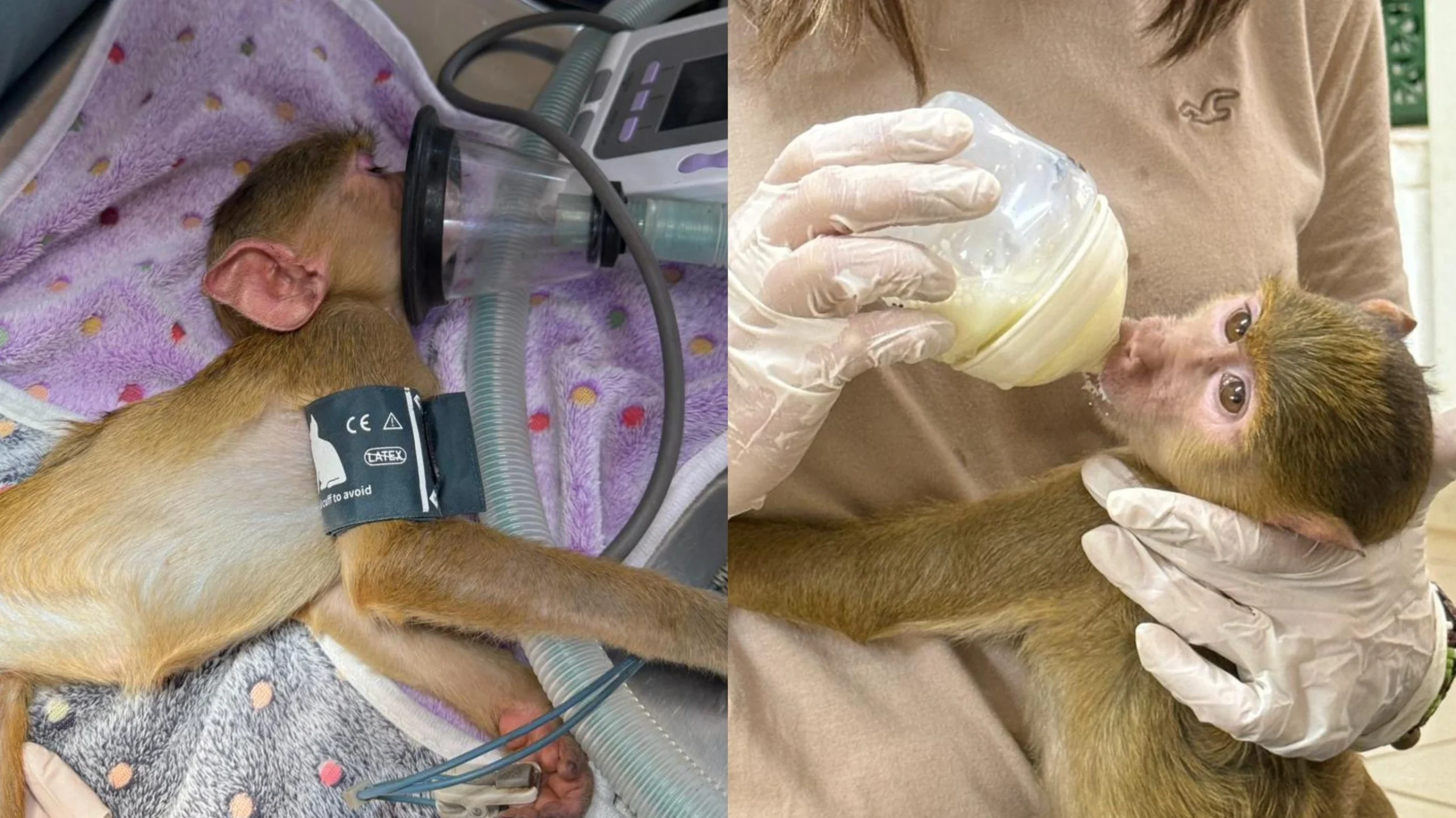 Benja lost his mother to the bushmeat trade. He now has a foster mom, Ivy, and in due time they’ll join a new troop. Source: Lilongwe Wildlife Trust
Please donate now. Your gift will help heal Nthambi, Benja and their friends.
Your support today is the lifeline these little animals need to heal from the abuse inflicted by cruel humans, and recover, so that they may live in safe, protected areas – free, just as they’re supposed to be.
Here’s how your donation will be used:
- $20 / £15 buys ten days’ worth of antibiotics for sick and injured orphans.
- $34 / £25 covers two weeks of care for an orphaned baboon like Benja.
- $68 / £50 pays for milk for the orphans in our partner’s care for a whole week.
- $135 / £100 buys a heat lamp to keep infant animals warm during critical periods of rehabilitation.
- $680 / £500 covers food costs for all animals for a week.
Your donation today will be a lifeline for these fragile and traumatized creatures. They need you. Please donate right away.