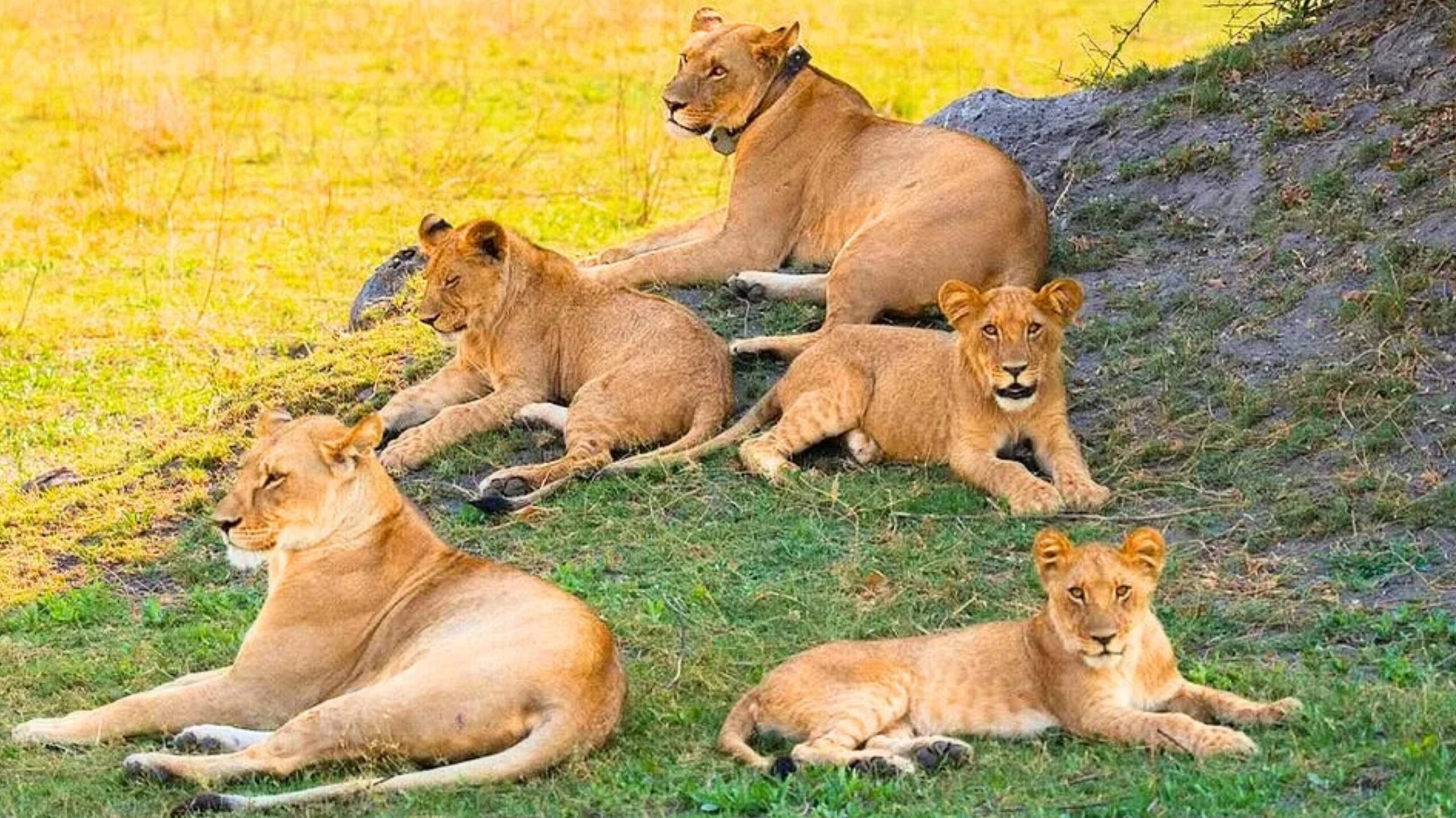


A wild lion should not have to die for following its instincts.
But on the fringes of Botswana’s Okavango Delta, an encounter with livestock can put a lion’s life in danger. When cattle are killed, the consequences can be deadly for lions facing retaliation.
In 2013, approximately 30 lions – half of the local lion population in the northern Okavango Delta region – died during a wave of retaliatory poisoning. The loss spread far beyond the lions that had been targeted. Hundreds of vultures and other scavengers also perished.
We can help prevent another tragedy.
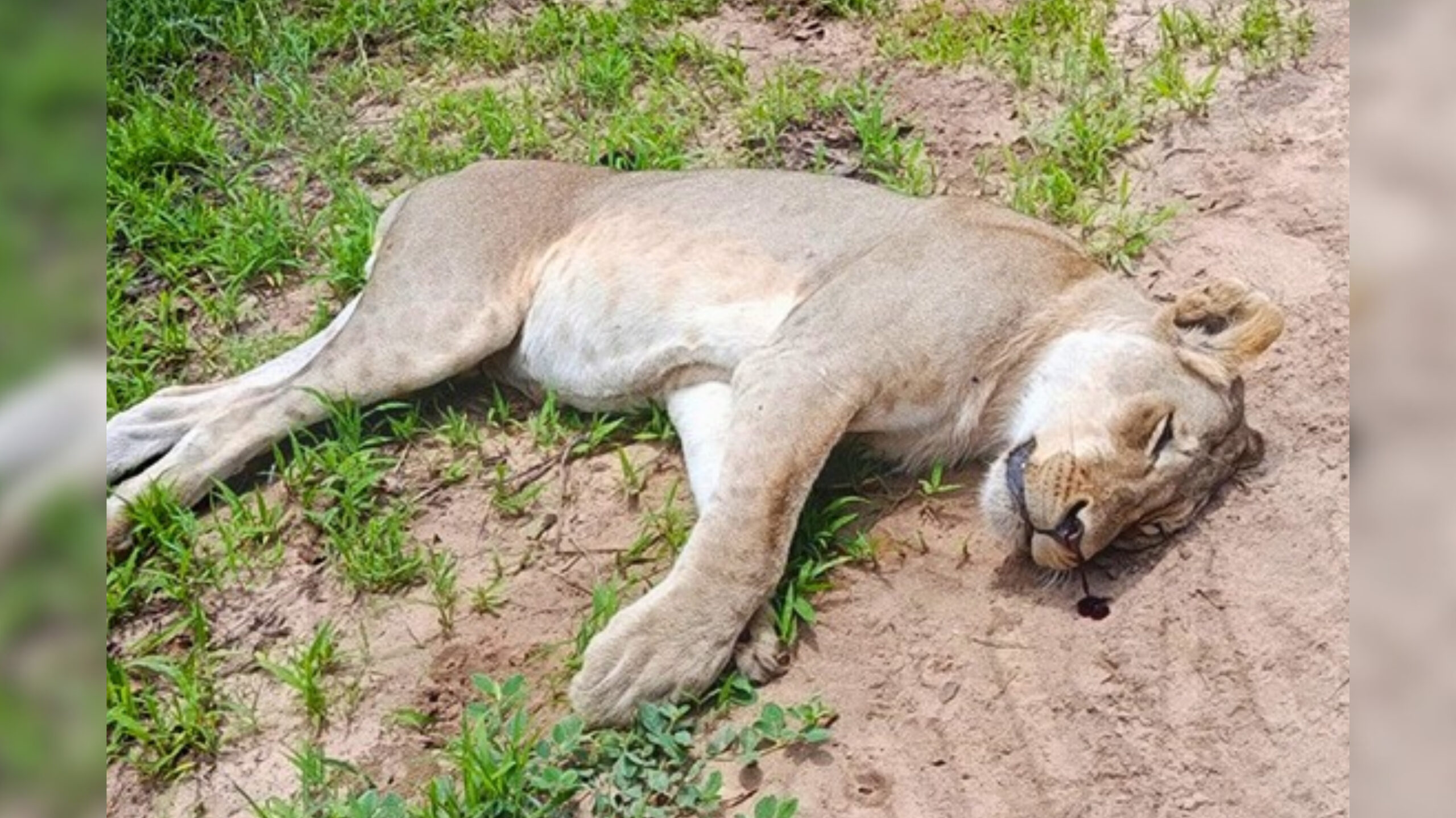 Retaliation for lost cattle is costing Botswana its lions. A decade ago, the northern Okavango region lost more than half of its lion population in a spate of retaliatory poisoning. Source: Daily News/Botswana Press Agency
Animal Survival International is raising funds to help our partner, CLAWS Conservancy, fit wild lions with GPS tracking collars that support an early-warning system, giving people the chance to act before conflict turns deadly.
One of the lions who urgently needs continued protection is Zamana, an approximately eight-year-old male whose name means “they finished our cattle”.
First identified by our partner in 2023, Zamana became the coalition mate of Twashwena, a high-conflict male whose brother had been shot by farmers. The two males have been observed moving together and fathering cubs with lionesses in an area where encounters with local communities can put lions at risk.
Now, Zamana’s GPS collar battery, first fitted in 2024, is nearing the end of its life. Without a replacement, CLAWS risks losing vital information about his movements, making it harder to anticipate potential encounters and warn nearby communities before conflict turns deadly. Replacing his collar is essential to keeping track of Zamana and helping protect both the lions and the people who share their landscape.
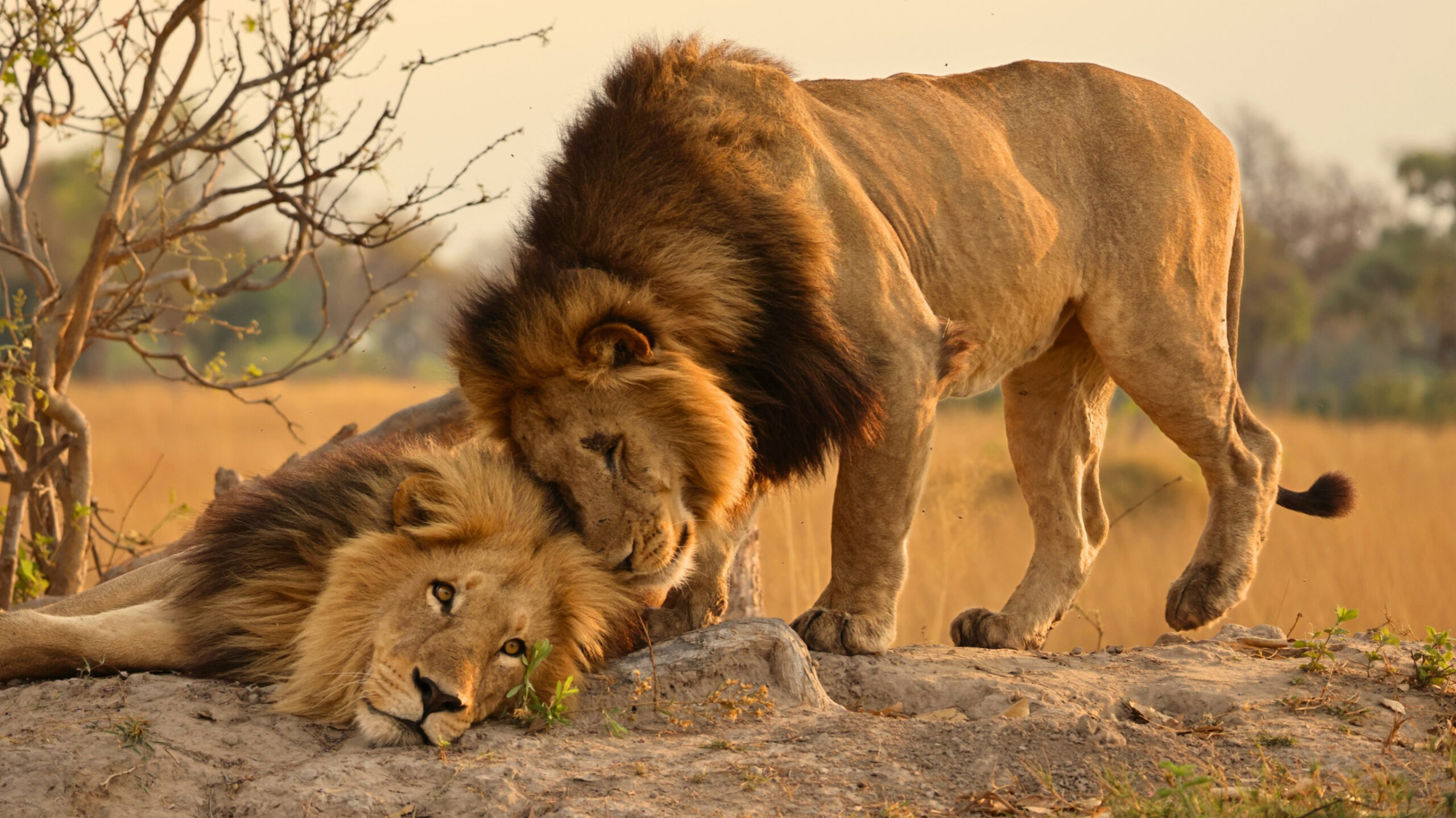 A collar cannot stop a bullet or neutralize poison. But the warning it enables can help prevent lions like Zamana and Twashwena from becoming a target in the first place. Source: CLAWS Conservancy
A warning can change how the story ends.
Our partner works alongside communities on the northern edge of the Okavango Delta. Protecting these lions means helping people avoid the encounters that lead to retaliation.
The GPS tracking collars provide location updates every two hours. When tracking data shows a collared lion approaching a designated warning area, our partner’s Lion Alert System sends messages to registered farmers’ phones. Those warnings allow farmers to gather their cattle and secure them in protective enclosures. Our partner’s response team can also follow up, using non-lethal methods to determine the safest next steps to encourage lions away from human-populated areas.
The aim is simple: prevent an encounter, prevent livestock loss and prevent the retaliation that follows.
Without a functioning collar, vital location updates are lost and lifesaving early warnings may never reach the people who need them. Our partner reports that villagers who heeded the warnings and took precautions reduced conflict by 50%. This shows just how much of a difference these collars can make.
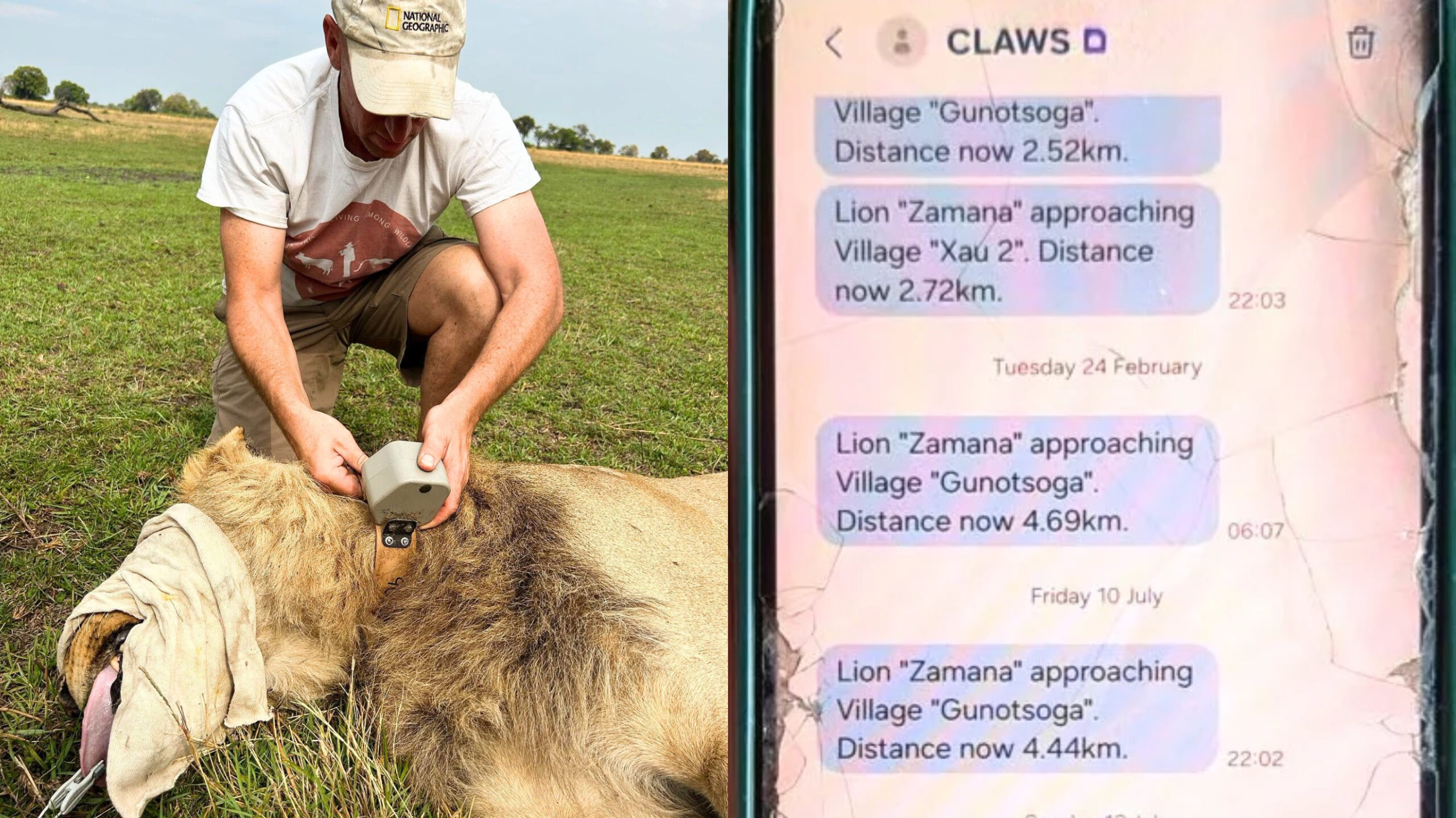 A location update leads to a warning message and a chance to act before another lion’s life is put at risk. Source: CLAWS Conservancy
Help put the next set of collars into the field this year.
Our partner is preparing for its next collaring expedition in December. The collars, tracking arrangements and specialist wildlife veterinary support needed to fit them safely cost approximately $3,500 (£2,610) per lion.
You can help keep Botswana’s lions alive, wild and where they belong.
The immediate need is clear: we need your help to get these collars into the field. You do not need to fund an entire collar, every gift can help equip the team to monitor at-risk lions and keep them safe.
These lions belong in the wild. They deserve the chance to move through their natural home without an encounter ending their lives.
Please donate today to help us track vulnerable lions, warn communities and respond before conflict turns deadly.