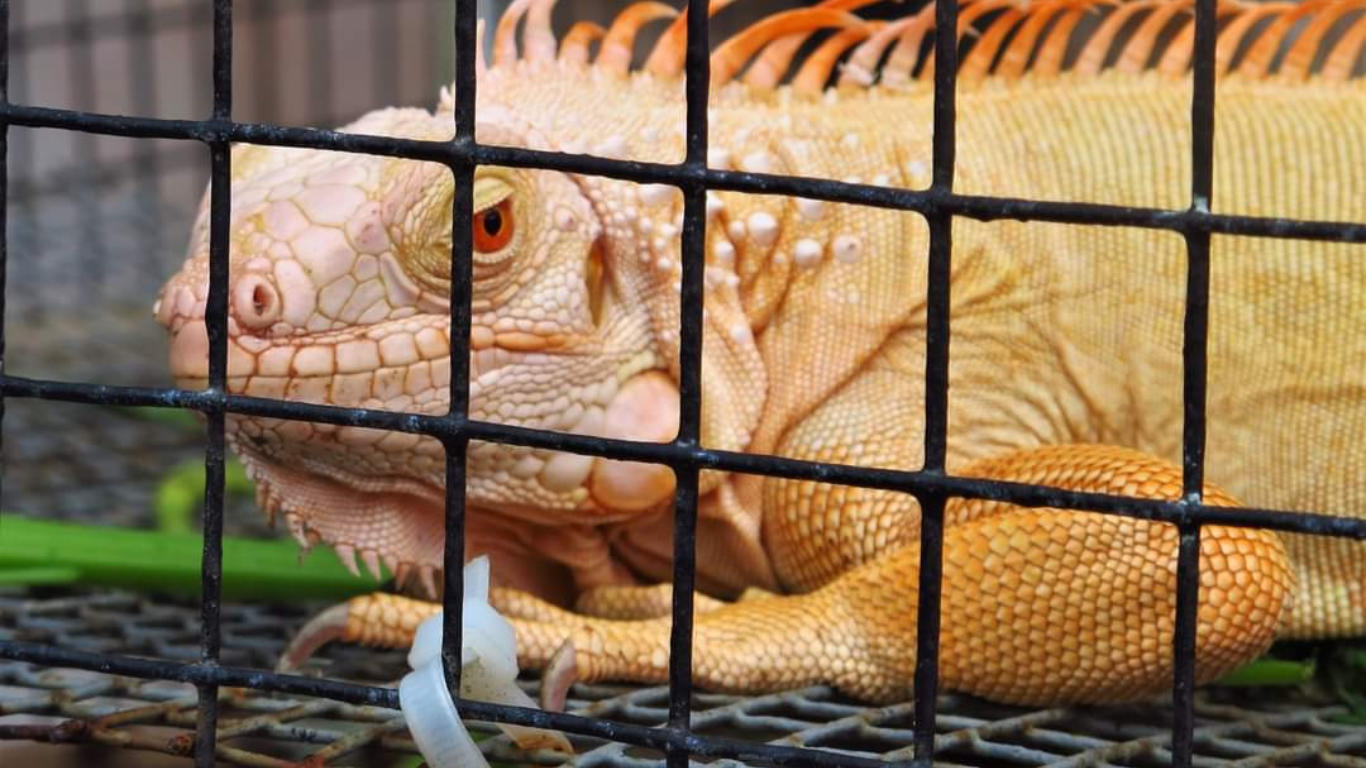
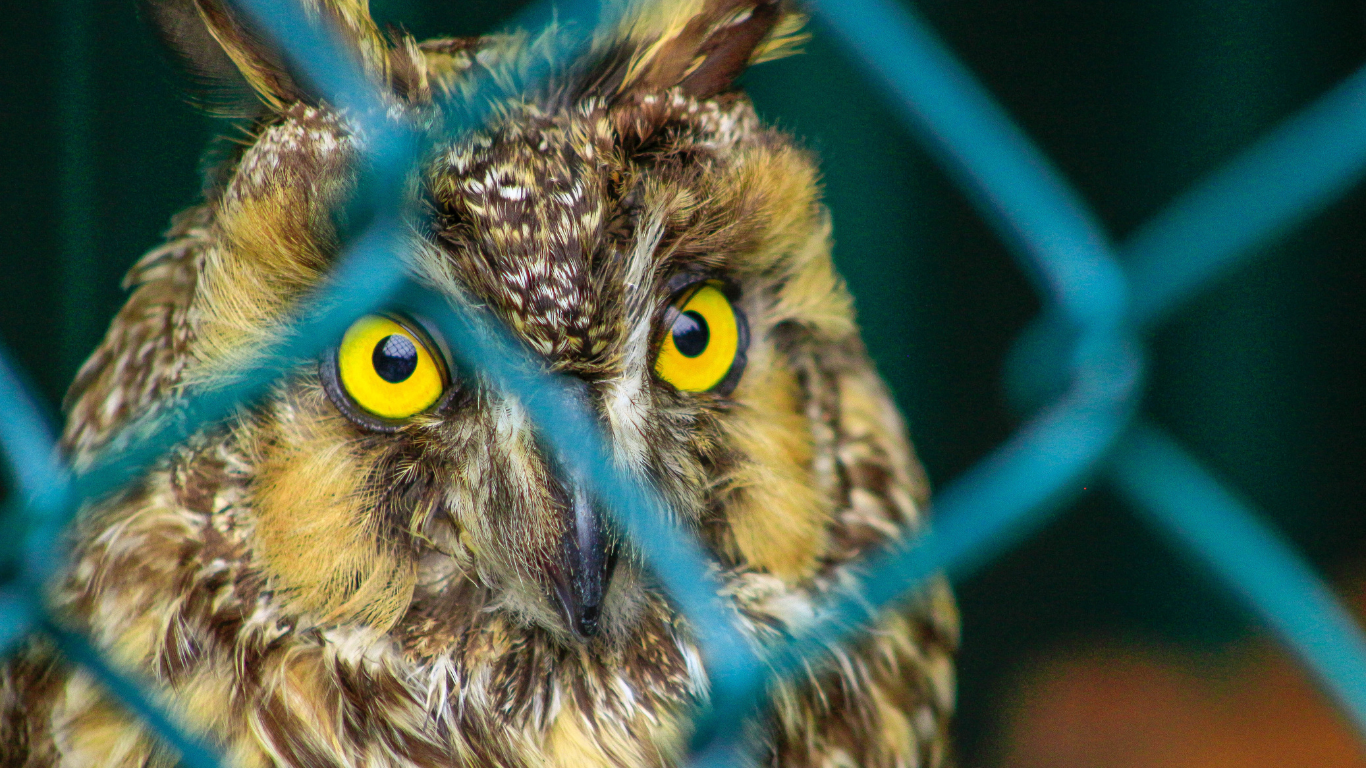
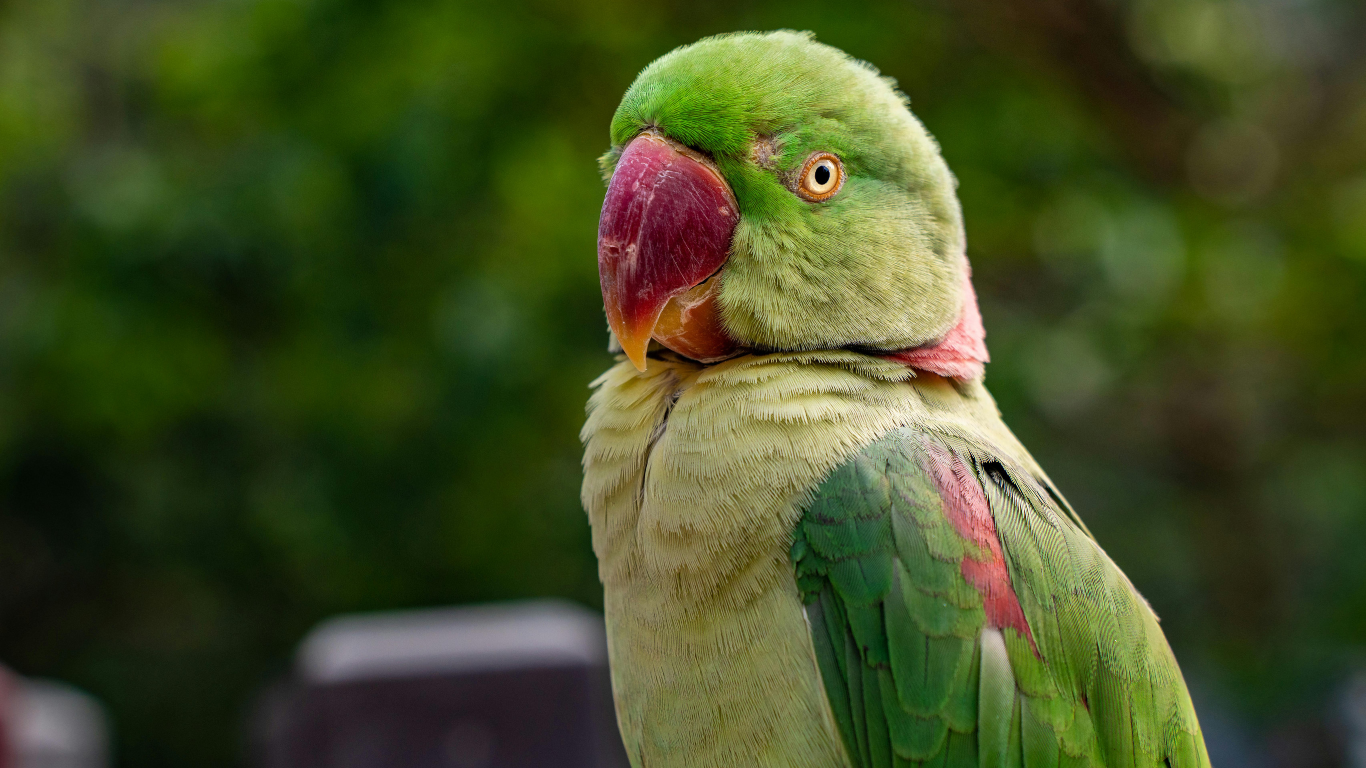
An Interpol operation in multiple countries, including Singapore in September and October targeting the illegal wildlife trade seized almost 30,000 live animals.
The international police organization said on Dec 11 that this is the highest number of animals ever seized in Operation Thunder, in its ninth run in 2025.
The operation, which targets the illegal trafficking of flora and fauna, involved the authorities from 134 countries.
They embarked on a record 4,620 raids, seizing protected animals and plants, illegally logged timber, and endangered species, said Interpol in a release on Dec 11.
A total of 20,000 animals were seized by the authorities in 2024’s operation.
The National Parks Board (NParks) said it successfully carried out a series of coordinated raids across Singapore on Oct 9 in support of Operation Thunder.
These operations targeted individuals suspected of engaging in illegal wildlife trade through online platforms, including Telegram.
“A total of six premises were raided, resulting in the seizure of 16 wildlife specimens.
“Among the confiscated animals were endangered species listed under the Convention on International Trade in Endangered Species of Wild Fauna and Flora (CITES), such as yellow-headed day geckos, a leopard tortoise, a spiny-tailed monitor, and an Argentine black and white tegu,” said Dr. Anna Wong, senior director of Wildlife Trade at NParks.
She added that the animals are currently being housed and cared for at NParks’ Centre for Wildlife Rehabilitation.
Interpol said the illegal trade is largely driven by a demand for exotic pets.
Despite the increase in the number of animal seizures in 2025, most wildlife trafficking involved animal remains, parts and derivatives, says Interpol. Credit: Interpol.
In total, 1,100 suspects were identified, and 69 notices were issued to aid the identification, tracking, and arrest of potential suspects.
Despite the increase in the number of animal seizures this year, most wildlife trafficking involved animal remains, parts, and derivatives, often used in traditional medicine or specialty foods, said Interpol.
It added that the estimated annual value of wildlife crime is US$20 billion (S$25.9 billion), but the actual figure could be much higher due to the clandestine nature of the trade.
This year’s Operation Thunder revealed an increasing illicit trade of bushmeat, or wild animal meat. Globally, 5.8 tonnes of bushmeat were seized by the authorities, including more than 400 kg of giraffe meat found in Kenya, as well as zebra and antelope meat and skins uncovered by Tanzanian law enforcement.
More than 10,000 tonnes of live plants and plant derivatives were found as well.
Law enforcement agencies across the 134 countries also reported 14,000 pieces of illegally logged timber this year. Illegal logging is estimated to account for 15 percent to 30 percent of all timber traded globally, said Interpol.
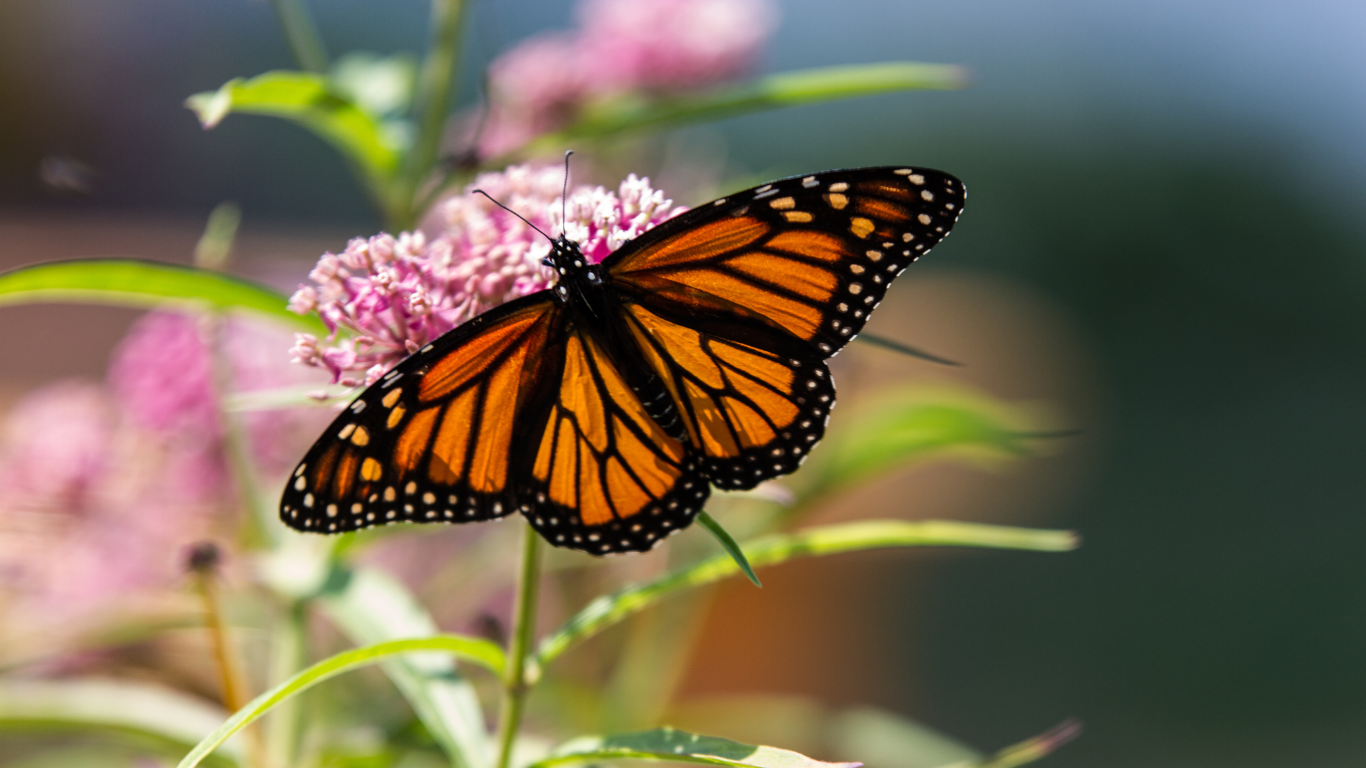
Besides live animals, the operation also revealed a spike in trafficking of exotic arthropods.
Nearly 10,500 butterflies, spiders, and insects – many protected under CITES – were seized around the world.
Interpol Secretary-General Valdecy Urquiza said, “Operation Thunder once again exposes the sophistication and scale of the criminal networks driving the illegal wildlife and forestry trade – networks that increasingly intersect with all crime areas, from drug trafficking to human exploitation.
“These syndicates target vulnerable species, undermine the rule of law, and endanger communities worldwide.
“Recognizing these deeply interconnected crime threats, Interpol is committed to strengthening global policing responses, dismantling the entire ecosystem of illicit activity, and protecting our planet’s shared natural and human heritage.”
Most wildlife trafficking involved animal remains, parts and derivatives, often used in traditional medicine or speciality foods. Credit: Interpol
On Nov 8, an attempt to smuggle 35.7 kg of rhinoceros horns from South Africa into Laos through Singapore was foiled by air cargo handler Sats and NParks.
The authorities uncovered 20 rhino horns, estimated to be worth about $1.13 million, and some 150 kg of other animal parts, including bones, teeth, and claws.
NParks’ Dr. Wong said it was the largest seizure of rhinoceros horns in Singapore to date, adding that the wildlife parts were en route to Vientiane, Laos.
In June, a married couple was sentenced to three weeks’ jail each for smuggling a Pomeranian and a dachshund across the Causeway.
The buyer of the dachshund, Tok Su Wen, 41, was fined $7,000 in December 2024, marking the first time NParks had prosecuted a purchaser for abetting animal smuggling.
In May, The Straits Times reported that 42 cases of animal smuggling attempts were stopped at Singapore’s borders – the highest number of smuggling attempts in recent years.
One of these cases involved a 40-year-old Indian national who attempted to smuggle 58 Indian star tortoises into Indonesia via Changi Airport. He was jailed for 16 months.
The tortoises were hidden in luggage with no ventilation. One of the tortoises was found dead, while 22 others were later assessed to be “thin.”
Other cases in 2024 included the smuggling of kittens, puppies, and birds. Apart from the 42 cases, NParks said live corals were also smuggled.
“Singapore adopts a zero-tolerance stance on the illegal trade of endangered wildlife species and their parts and derivatives,” said Dr. Wong, adding that agencies work closely with international partners to maintain vigilance in regulating and enforcing against illegal wildlife trade.
She added that the community can play a key role by ensuring their purchases do not contain animal parts of endangered species and they are not contributing to the demand for the illegal trade of wildlife.