

SIGN THE PETITION
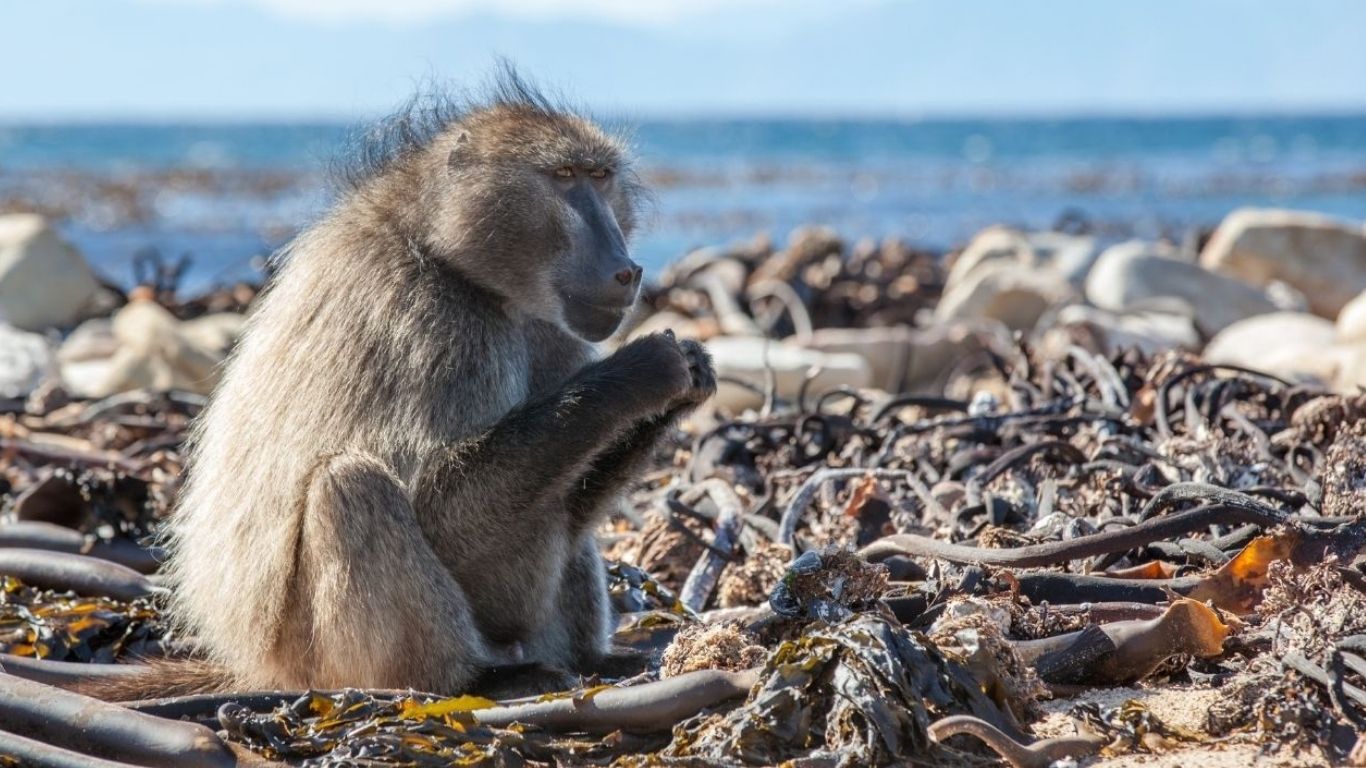
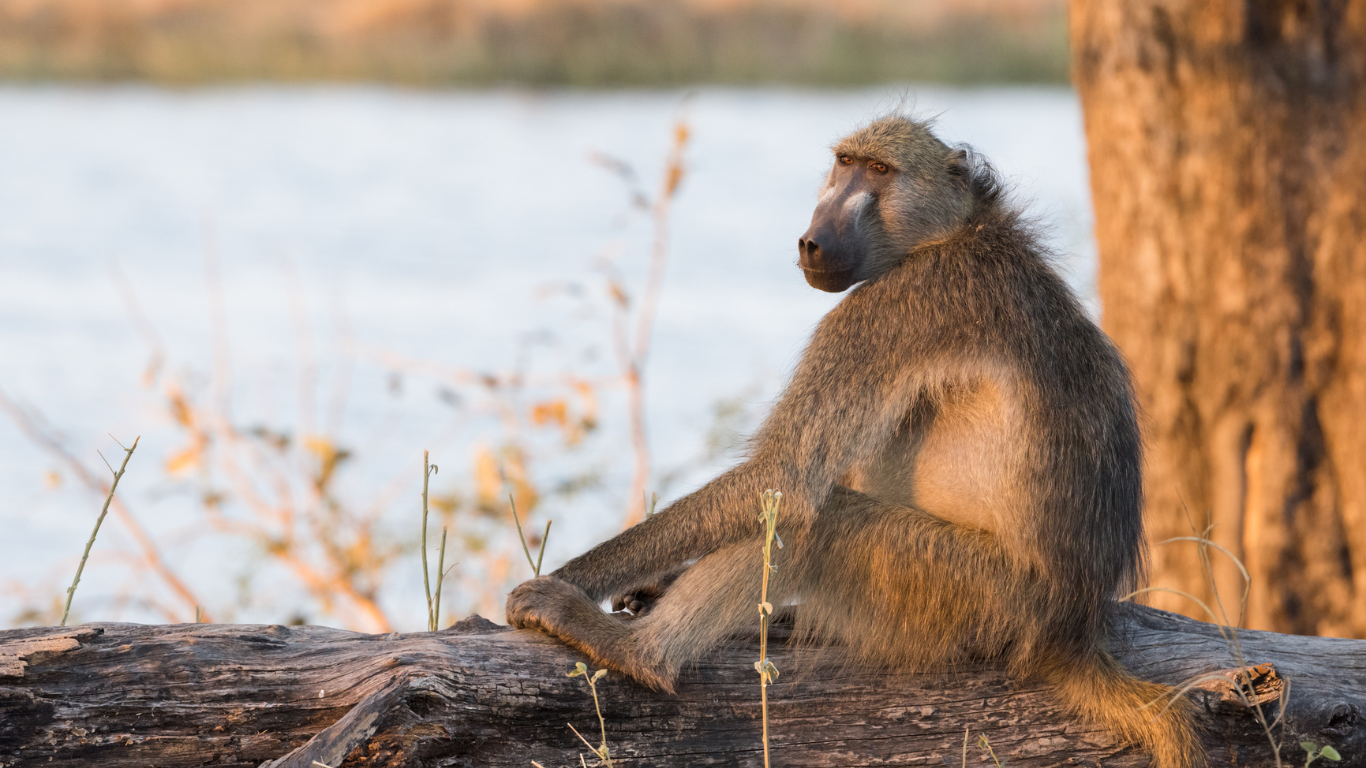
Animal Survival International (ASI), an international animal welfare organisation working in more than 10 countries with a focus on Africa, is gravely concerned about the City of Cape Town’s proposal to capture two troops of free-ranging chacma baboons from the Cape Peninsula and confine them within a one-hectare enclosure.
ASI campaign director Luke Barritt said the proposal raises profound animal-welfare and environmental concerns, and that the project appears to have got underway before all required legislative, environmental, and administrative processes had been completed.
“ASI urges the city to urgently relook at this situation because of how serious those implications are,” said Barritt.
Cape Peninsula baboons are highly intelligent, socially complex wild animals that naturally range over large areas of mountainous and fynbos habitat. Even troops that interact with urban environments rely on extensive movement and spatial separation for their physical and psychological wellbeing. Confinement to a one-hectare enclosure represents an extreme and unnatural restriction of space.
Of particular concern is the plan to place two separate baboon troops into a single enclosure. Baboon troops have established hierarchies, kinship bonds and social stability. In the wild, rival troops avoid conflict through distance and movement. Forced proximity removes this mechanism and creates a high and foreseeable risk of aggression, injury, and death, especially among adult males.
Cape Town’s hot, dry summer conditions further compound these risks, intensifying competition for shade, water and food within a confined space and placing vulnerable animals at increased risk.
Barritt said: “Enclosing two free-ranging Cape Town baboon troops in such a limited space would predictably cause stress, conflict, and suffering. This is neither humane nor proportionate, particularly when viable alternatives exist.”
ASI notes that non-lethal, non-confinement alternatives, including improved waste management, baboon-proofing, and coexistence-based strategies, have been proposed.
SIGN THE PETITION
Media Contact:
Animal Survival International
Email: info@animalsurvival.org
Website: www.animalsurvival.org