


Legal threats raise concern over public opposition to Cape Baboon enclosure proposal

In a development that has raised serious concerns, a leading campaigner who has publicly objected to the City of Cape Town’s proposal to capture and confine wild baboons, has been threatened with legal action should she continue speaking out. Animal Survival International (ASI), a leading animal welfare organisation, has raised concerns that legal action may be being used to discourage public opposition to the proposal. This is after a member of the Cape Point Baboon Trust was served with a cease-and-desist letter by lawyers acting on behalf of the private landowner where the enclosure is intended to be built. ASI warns that the use of legal pressure against concerned citizens marks a dangerous turning point in conservation decision-making, where public participation and scientific debate are being suppressed rather than encouraged. “This is not just about baboons,” said Luke Barritt, campaign director at ASI. “This is about the right of communities, scientists and civil society to speak openly when wildlife and public resources are at stake. We cannot allow the decision makers to silence people who have the best interests of animals at heart.” ASI stands firmly with the Cape Point Baboon Trust and all members of the public who are raising legitimate concerns about the proposed enclosure. Conservation outcomes succeed through transparency, evidence and public engagement; not through fear and legal threats. The City of Cape Town and CapeNature now face a defining choice: pursue a short-term, high-risk intervention or set a global gold standard for ethical, science-led management of human-wildlife conflict in an urban environment. Biologist and scientific researcher Savannah Anderson stressed the need for principled decision-making: “Conservation measures are never easy to implement. However, we must follow the line of action that truly serves the long-term interests of the baboons and the people who live alongside them. That is the only path to sustainability for future generations.” The Cape Peninsula Baboon Strategic Management Plan explicitly recognizes the importance of fencing, waste management and coexistence-based strategies over extreme containment measures. ASI urges authorities to honor both the spirit and substance of this plan. “This moment calls for leadership, not intimidation,” ASI said. “Priorities must be reframed back to the baboons and the broader community and away from private entities and expedient solutions.” The Cape Point Baboon Trust will host “Boogie for Baboons”, a public fundraising and awareness event, on Sunday 25 January at the Brass Bell, Kalk Bay. Tickets are available on Quicket, with further details to be shared via ASI’s social media platforms. Media Contact: Liryn de Jager liryn@networkforanimals.org
International wildlife group Animal Survival International Raises Concerns Over Proposed Enclosure of Cape Town Baboon Troops

Animal Survival International (ASI), an international animal welfare organisation working in more than 10 countries with a focus on Africa, is gravely concerned about the City of Cape Town’s proposal to capture two troops of free-ranging chacma baboons from the Cape Peninsula and confine them within a one-hectare enclosure. ASI campaign director Luke Barritt said the proposal raises profound animal-welfare and environmental concerns, and that the project appears to have got underway before all required legislative, environmental, and administrative processes had been completed. “ASI urges the city to urgently relook at this situation because of how serious those implications are,” said Barritt. Cape Peninsula baboons are highly intelligent, socially complex wild animals that naturally range over large areas of mountainous and fynbos habitat. Even troops that interact with urban environments rely on extensive movement and spatial separation for their physical and psychological wellbeing. Confinement to a one-hectare enclosure represents an extreme and unnatural restriction of space. Of particular concern is the plan to place two separate baboon troops into a single enclosure. Baboon troops have established hierarchies, kinship bonds and social stability. In the wild, rival troops avoid conflict through distance and movement. Forced proximity removes this mechanism and creates a high and foreseeable risk of aggression, injury, and death, especially among adult males. Cape Town’s hot, dry summer conditions further compound these risks, intensifying competition for shade, water and food within a confined space and placing vulnerable animals at increased risk. Barritt said: “Enclosing two free-ranging Cape Town baboon troops in such a limited space would predictably cause stress, conflict, and suffering. This is neither humane nor proportionate, particularly when viable alternatives exist.” ASI notes that non-lethal, non-confinement alternatives, including improved waste management, baboon-proofing, and coexistence-based strategies, have been proposed. Media Contact: Animal Survival International Email: info@animalsurvival.org Website: www.animalsurvival.org
WATCH: Great news for growing Khali, rescued jaguar in Bolivia
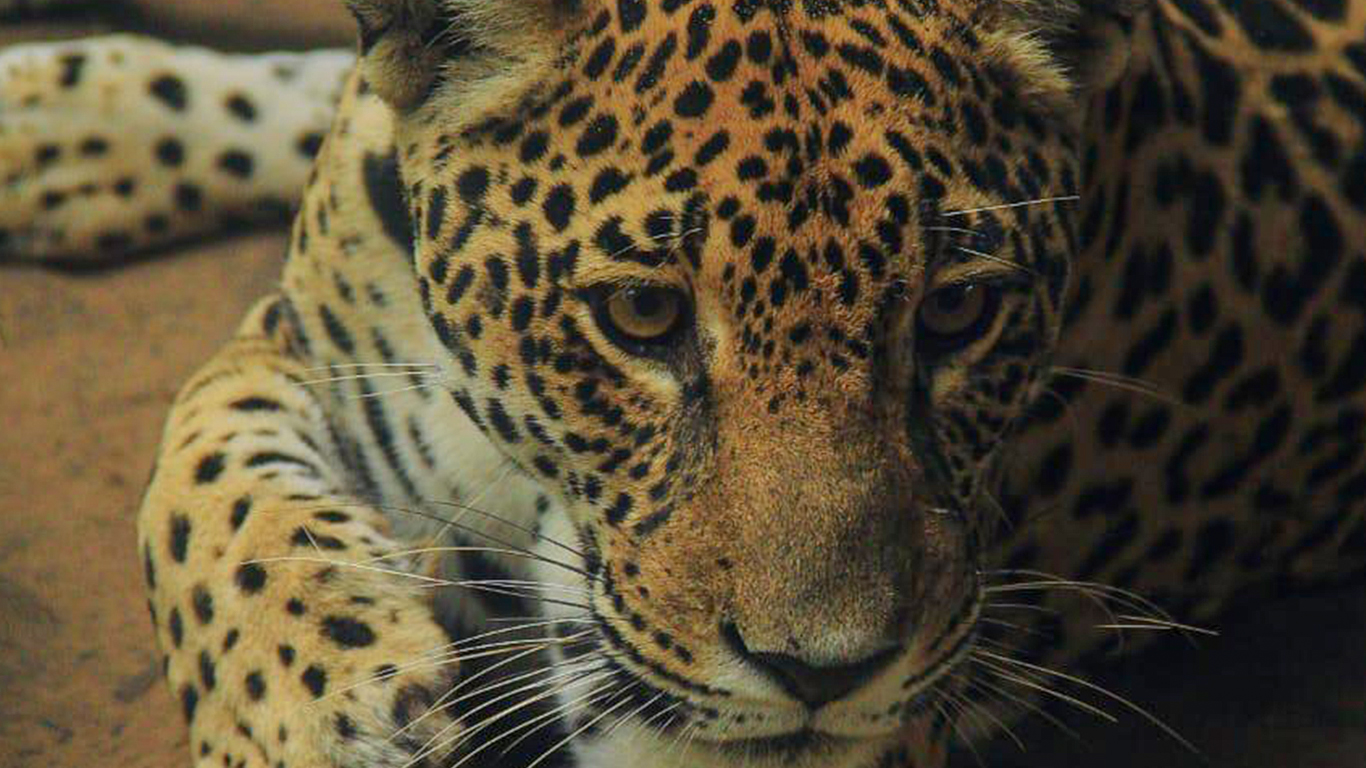
A little while ago, we told you about Khali, a young jaguar rescued from abhorrent conditions in Bolivia. Khali was just an infant when she was found abandoned in a dumpster in Santa Rosa del Yacuma, Bolivia, likely discarded by someone who illegally kept her as a pet. She was taken in by our dedicated partners at ONCA Wildlife Sanctuary, which rehabilitates and protects Amazonian wildlife. As Khali grew, so did her needs – and thanks to the compassion and support of dedicated ASI donors like you, she has been given an expanded enclosure. It will allow her to blossom into the wild jaguar she was always meant to be, and to hone her instincts as she awaits her return to her natural habitat in a protected part of the jungle. Your kindness has been essential to Khali’s journey back to the wild – thank you. You can read her full story here.