
How We Are Helping: September 2021
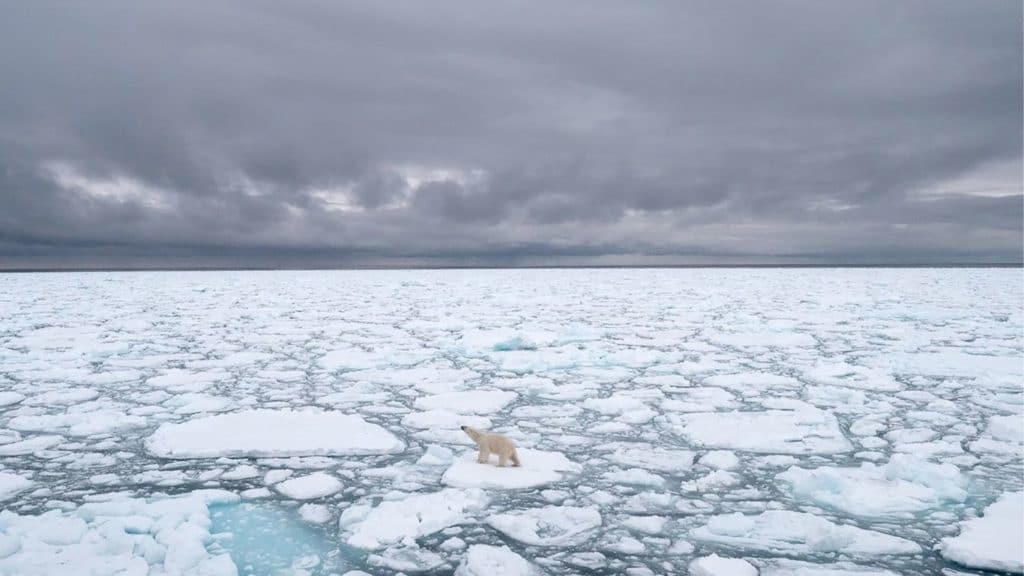
As summer comes to one side of the planet and winter arrives on the other, the challenges that animals face every day also change – fierce heat for some, deadly cold for others. This makes each small act of kindness and generosity from our supporters vital in allowing us to keep doing the work we do – no matter how big or small the task. Once again, your help shows in the work we have done this month. Whether it’s saving a snared baby elephant in Zimbabwe, facing up against the might of the UK government to protect badgers and end snaring, or rushing aid to save animals in the burning jungles of Brazil, it’s because of your generosity that we manage to continue. Take a look at how your donations have made a difference to animals this month: Zimbabwe DART’s Anti-snaring Team is Back on the Road In Zimbabwe’s Hwange region, entire wildlife populations are under threat by the thousands of snares set in and around the fenceless national park. Lying in wait to trap and strangle animals, these cruel devices cause severe injury and ultimately death. Earlier this month, our partner in Zimbabwe, DART (the Dete Animal Rescue Trust), a dedicated team working around the clock to remove snares and rescue Hwange’s injured animals, faced a major setback preventing them from doing their vital work. The organization’s only two vehicles were needing costly repairs. Without them, the team could not respond to emergency calls. We told you how each passing day without DART on the road meant more lives unnecessarily lost, and you responded swiftly. Thanks to our supporters, we raised the funds needed to get DART’s vehicles running and the team back to removing snares and rescuing animals in need! Brazil Rushing Aid to Help Save Wildlife from Runaway Fires In Brazil, the world’s largest tropical wetland, the Pantanal, has started burning – again! Every time this important utopia succumbs to runaway fires, millions of rare and endangered animals, including jaguars and giant anteaters, are lost. Last year, unprecedented wildfires, driven by the worst drought in 50 years, destroyed over a third of the Pantanal, killing 17 million animals in a matter of weeks! This year, we got news of the fires when the Pantanal Relief Fund called out for help. Already, 17,000 hectares (42,000 acres) and untold numbers of animals had been burned. We promised to do whatever we could and asked our supporters to help us raise funds for the erection of an emergency animal hospital and to help provide critical veterinary supplies. Shortly after our appeal to you, the rains came, providing much-needed, although temporary relief for the firefighters and of course the animals. But, again we have received news that small fires are beginning to flare up and that relief plans have been placed on standby. We are monitoring the situation. Please watch this space and we’ll let you know as soon as we get more details. The United Kingdom Fighting for a Complete Ban on Legal Snaring In the United Kingdom, we support the fight to end legal snaring, which kills up to 1.7-million animals every single year. Now, we have a real chance to put a stop to this carnage. Our partner, the National Anti Snaring Campaign (NASC), finally received a response from the government, calling for evidence on the cruelty of snares. To provide this, we need to ensure that accurate evidence of the cruelty of snares is submitted to the government by the NASC and other organizations as soon as possible. We called on our supporters to help sponsor the development of these reports and collate the evidence needed to show the government that snares are devices of torture and need to be outlawed immediately. Thanks to your generous donations, evidence is being gathered, and reports are in the process of being compiled. There are simple and effective alternatives to the cruelty of snaring. We do not accept that millions of animals suffer such horrific pain that some resort to gnawing off their own limbs to free themselves. We will keep you posted on the developments as the NASC proceeds with this case to fight for a complete ban on snaring. Zimbabwe Emergency Operation to Save a Baby Elephant In Zimbabwe’s Kariba region, a baby elephant fell victim to one of the hundreds of wire snares littering the area. A snare had become wound tightly around her leg which had become so dangerously swollen she was perilously close to losing the limb. In a race against the clock, we reached out to you to help us raise funds to charter a helicopter and buy medical supplies to dart the baby elephant and remove the snare before it was too late. Our partner, the Kariba Animal Welfare Fund Trust (KAWFT), quickly arranged the logistics, specialized equipment and personnel for an emergency rescue operation. Thanks to you, KAWFT was able to get a team of vets to the baby elephant in record time. With a huge effort from everyone involved, including our loyal ASI supporters, the little elephant was relieved of the snare just in time! While the helicopter kept the protective mother elephant at bay, the team of vets administered antibiotics and reversed the sedative before giving the mom and baby a chance to reunite and join up with their herd once again. ASI is committed to fighting snaring across the globe, and to prevent another animal from suffering this same ordeal in the future, we have made a generous donation to the KAWFT to sponsor regular snare sweeps in the area. From The News Desk: At ASI, we are not only committed to making a difference to animals on the ground, but we also strive to stay abreast with the latest news so we can keep you informed on the most important issues surrounding animals today. International Vulture Awareness Day Across Africa, Asia and Europe, vultures are in peril – which is
How We Are Helping: August 2021
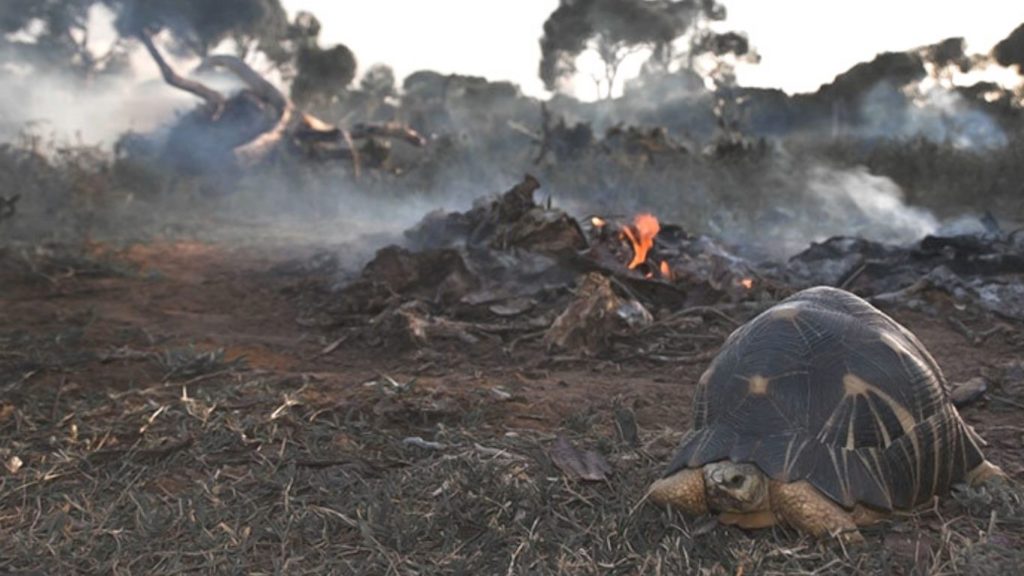
It’s been a sobering month for our species – the time of reckoning has come for planet Earth, scientists have warned. Clear evidence now shows that we face a future of extreme climate change, and only immediate and radical reductions of fossil fuel emissions will provide any hope of saving us. Clearly, we have our work cut out for us because we know that as climate change takes hold, conflict between humans and animals over the same resources is sure to grow. In the end, it is this conflict that will be the biggest threat to animals around the world. This is why we at Animal Survival International (ASI) do the work we do – we speak for the animals. But, again, we couldn’t help animals without our supporters. Take a look at how your donations have made a difference to animals this month. Zimbabwe Repairing vehicles for vital anti-snaring work Entire populations of wild animals in and around Zimbabwe’s Hwange National Park are under constant threat by thousands of deadly snares. Set up by impoverished and hungry locals, these cruel devices trap and strangle animals, causing severe pain, injury and ultimately death. Our partner, the Dete Animal Rescue Trust (DART), which works around the clock to remove these snares and rescue injured wildlife, was struck with a major setback. The organization’s only two vehicles, vital for its operation, were both in dire need of costly repairs. Without these vehicles, the team has been unable to respond to emergency calls to rescue snared and injured animals. We called on our supporters to help us raise the funds needed to repair the vehicles and get DART back on the road as soon as possible so they can continue doing the vital work they do. Thanks to your swift generosity, their vehicles are now undergoing repairs and will be back in action saving animals in no time. Nigeria Providing critical care to rescued baby pangolins Lagos city, in Nigeria, is Africa’s epicenter for illegal wildlife trafficking. With so many animals smuggled through the city, some are lucky enough to be found and confiscated. One man, Mark Ofua, has taken it upon himself to rescue and rehabilitate whichever animals he can at Saint Mark’s Animal Hospital and Shelter. Earlier this month, we asked you to help us raise funds for the care of five baby pangolins whose mothers were killed for bushmeat. Soon after that, another pangolin mother and her newborn were also brought to the shelter. All were rescued from the illegal wildlife markets in Lagos. But the shelter was running critically low on funds to rehabilitate so many baby pangolins who need 24-hour care to survive. We called on our supporters and thanks to your incredible generosity, we were able to rush aid to these fragile babies and one mom. Mark is in touch with us almost daily with the progress of the babies and mom. All are now strong enough to start the exciting next stage of learning to forage for ants. The next step will be to begin release trials so that the youngsters can be rewilded in an undisclosed national park. Here, they will need to be constantly monitored with trackers and camera traps to ensure their safety from poachers. Cape Town, South Africa Rehabilitating turtle hatchlings suffering from plastic ingestion This month, we focused on sea turtles and the devastating effect plastic waste is having on their survival. We teamed up with two organizations in Cape Town – The Beach Co-Op and the Two Oceans Aquarium Education Foundation – to help in the rescue and rehabilitation of stranded turtle hatchlings, whose lives are even more imperiled because of the microplastics they ingest. To help matters, we organized a beach clean-up at one of the turtle hatchling hotspots on Sunset Beach. Together with our team and the expert efficiency of The Beach Co-Op, we gathered as much garbage and microplastic as we could find and in just a few hours, we collected 66lbs (30kgs) of plastic! We also visited the Two Oceans turtle rehabilitation center where they showed us how much plastic these tiny, rescued turtles had eaten. Between the 47 rescued baby turtles, a total of 500 pieces of plastic had been passed! Each turtle is under constant care and monitoring in a high-tech saltwater life-support system. We called on our supporters to help us raise funds so that these babies can continue to get the specialized help they need until they are strong enough to be released back into the ocean. Thanks to your help, these baby turtles are a step closer to being released. Madagascar Celebrating the release of 1,000 radiated tortoises that you helped save The Island of Madagascar is home to the beautiful radiated tortoise, which is highly prized by the illegal pet trade market overseas. Poaching is pushing this already critically endangered species closer to extinction each year. When our partner, the Turtle Survival Alliance Madagascar (TSA Madagascar), rescued 800 of these unique tortoises from smugglers, they called on us for help. The tortoises were in a critical condition, suffering severe dehydration and injury. You helped us rush aid to these rare creatures. But then disaster struck when fresh food, critical for the tortoises’ recovery, ran dangerously low because of a catastrophic drought on the island. Again, you helped us raise funds to purchase and transport fresh organic produce to the tortoises. In the meantime, TSA Madagascar has continued to receive hundreds of tortoises confiscated from traffickers. Now we have received positive news: TSA Madagascar recently released 1,000 rehabilitated radiated tortoises back into the wild! Reintroduced within a protective community that culturally reveres radiated tortoises, these creatures will be closely guarded and monitored while still living in the freedom of the wild. This is the first of many more similar wild reintroductions of Madagascar’s radiated tortoises, and it’s thanks in part to the generosity of our supporters who see the value of rescue, rehabilitation and the safe release of endangered species
How We Are Helping: July 2021
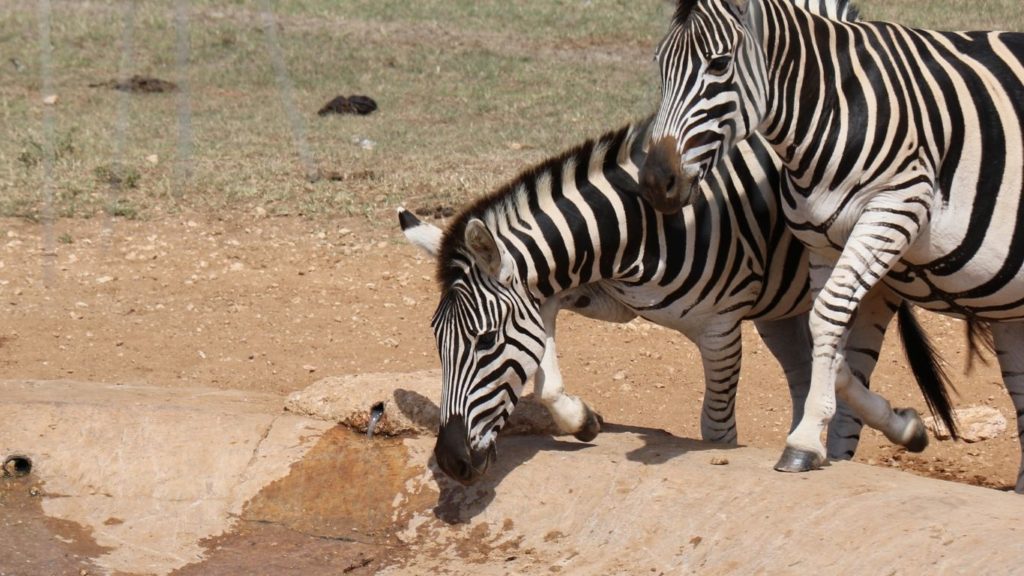
Around the world, we are faced with catastrophes, from floods in Europe to wildfires in the USA and civil unrest in South Africa. In all these disasters, thousands of animals are affected. It’s for this reason that we at Animal Survival International (ASI) do the work we do. We exist as a voice for the animals in crisis. Without our supporters, nothing we do to help animals would be possible. We are deeply grateful to all our donors. Take a look at how your donations have made a difference to animals this month. South Africa Bringing relief to drought-stricken elephants Earlier this year, we asked you to help us provide two state-of-the-art, solar-powered water pumps to bring water to the thirsty elephants of Addo National Park. Thanks to your help, we managed to supply the elephants and other wildlife, including lions and zebras, in one area of the park with a consistent water supply. Unfortunately, it was still not enough. The drought shows no sign of letting up, and Addo’s rainy season has passed. The next rains are not expected until October, at the very earliest. Animals are traveling from all corners of the huge reserve to the waterholes we have provided, but there is fierce competition to access the life-giving water. Again, we reached out to you for support, and thanks to your generosity, two previously dry waterholes are now full thanks to solar-powered water pumps we had installed, which are delivering thousands of liters of fresh, clean water to the animals of Addo. We wish we could tell you the problem is solved, but Addo consists of 420,000 acres (170,000 hectares) and now animals in other areas of the Park are in trouble. Madagascar Providing critical nutrition for endangered radiated tortoises In Madagascar, more than 800 critically endangered radiated tortoises, destined for the illegal pet market, were rescued from smugglers. Hidden in vehicles with no food or water and suffering life-threatening injuries, the tortoises were in dire need of intensive care if they were to survive the weeks following their rescue. Our partner, Turtle Survival Alliance Madagascar (TSA Madagascar) called on us for help, and thanks to our supporters, we raised enough funds to provide initial critical care for the rescued tortoises. But with drought ravaging the island, vital fresh food is becoming increasingly scarce, and expensive. So again, we called on our supporters to help us raise funds so that the tortoises can continue receiving the nutrition they need before being released back into the wild. Thanks to your generosity, we were able to rush funds to supply the tortoises with critically needed fresh food. United Kingdom Supplying nesting boxes for England’s barn owls In the United Kingdom (UK), human encroachment is fast destroying the places barn owls live. With hedgerows and copses (thickets of small trees or bushes) giving way to farms and commercial development, nesting sites are dramatically decreasing. To survive, the owls are increasingly dependent on man-made nesting boxes. Eighty percent of barn owls now nest in man-made boxes. The Suffolk Owl Sanctuary (SOS), reached out to ASI to help them provide more nesting boxes for the owls to raise their young. SOS has already provided 300 nesting boxes, but they desperately need more. We called on our supporters to help us raise funds for the creation of an additional 55 boxes. Thanks to your support, the SOS will now be able to build additional owl boxes in time for the upcoming winter months. South Africa Saving one of Africa’s rarest animals – the aardvark In South Africa’s Lowveld region, we found one of Africa’s most rare and elusive creatures, the aardvark. But sadly, this one is fighting for her life at the Umoya Khulula Wildlife Rehabilitation Center after being hit by a car. With so little known about these elusive creatures, we do not even know how many exist, it’s essential we do whatever we can to save this creature. The Umoya team has named her Venus and is doing its best to save her life and give her a second chance at life in the wild. We were there to witness how severely injured Venus was and how dangerously weak her immune system had become. To keep her alive, she needs a continuous supply of highly specialized food in addition to antibiotics, anti-inflammatory and pain medication, probiotics and antiseptic wound treatment supplies. We called on supporters to help us import these critical supplies since none were available in the country at the time. Thanks to your support, a shipment of specialized food is on its way to Venus. We’ll keep you posted on her progress. Once again, we are deeply grateful for your generous donations and help in raising awareness about the fight for survival that faces animals around the world. You make it possible for us to make a difference, protecting wildlife and wild spaces across the globe.
How We Are Helping: June 2021
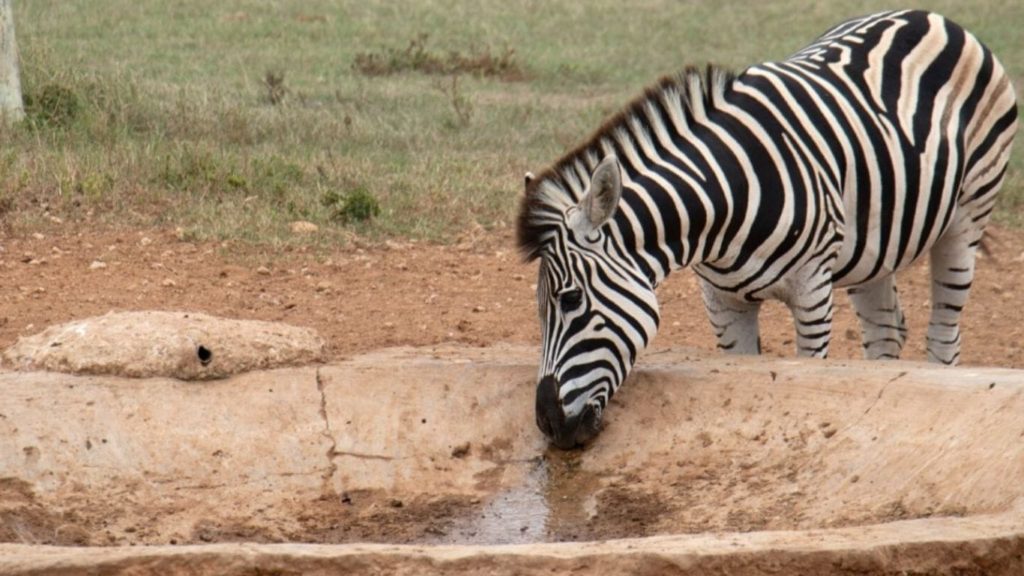
Animal Survival International, with a brand new and absolutely vital mission. For animals, these are desperate times. The impacts of climate change, habitat loss, the destruction of marine ecosystems and a shameful lack of enforcement of international treaties are creating a catastrophic situation for animals, making extinction an ever-increasing probability for countless species. We are no longer fighting simply for the welfare of animals; we are fighting for their very survival. We are broadening our focus to better help animals survive the massive challenges they face in a rapidly changing world. ASI supports scientific research, helps implement wildlife conservation projects and raises awareness around important issues impacting ecosystems. We respond immediately to crises that threaten animals. We work to hold those in power accountable for actions harmful to the environment, calling them out when policies are weak, and legislation is not enforced. Most importantly, with the help of our supporters, we provide practical help whenever possible to restore habitats and provide safe-havens. As our supporter, you help us raise public awareness, spread the facts and communicate the urgency of action needed to save millions of animal species and the environments on which they depend. How we are helping animals RIGHT NOW: June 2021 As we made our transition from PAL to ASI, we continued with business as usual, and June was yet another busy month! From Europe to Africa, we helped as many animals as we possibly could. We couldn’t have done any of it without our supporters. We are deeply grateful to all the animal lovers who make it possible to help animals. Take a look at how your donations are making a difference to animals worldwide. South Africa Saving Addo’s animals from most severe drought in 100 years In South Africa, the worst drought in a hundred years is still raging in Addo National Park, and it’s showing no sign of letting up. To make matters worse, Addo’s rainy season is over and even drier months are expected until October. Hundreds of elephants and thousands more other animals in the park need to survive until then. Already, antelope (such as kudu) and warthogs have died of thirst. Again, we called on our supporters to help us secure more water for Addo’s animals. And again, you were generous. Thanks to your generosity, we have purchased and installed four solar pumps to provide water at waterholes. These waterholes quite literally mean the difference between life and death for many animals. Creating an emergency fund for rescued pangolins Pangolins are the most trafficked mammal in the world, and more than one million have been brutally killed for their scales in the last decade. We were recently alerted that since COVID-19 regulations started to ease, more pangolins than ever are now being stolen from the wild. Thankfully, there are dedicated people standing by to receive and care for pangolins confiscated from smugglers. Most often these poor creatures are in a critical state when they are found and need urgent medical attention. It is a long and expensive process to save and rehabilitate each pangolin before they can be released back into the wild. But we never know when one of these rare animals will be seized and in need of help, which is why we have set up an emergency pangolin rehabilitation fund. We’ll keep you posted. Purchasing tracking collars to help hyenas ASI helps all animals without fear or favor, but we have to admit that after seeing The Lion King, hyenas were not our favorite animals. So, when South Africa’s Addo National Park asked us to help hyenas, we were a bit surprised. But we did the research and discovered that, far from being the villains depicted by Disney, hyenas are clever, loving parents and play a vital role in keeping disease at bay among wild animals. In part, because they have such a bad image, not much scientific research has been done on hyenas and scientists urgently need to know more. For example, we know that hyenas communicate over long distances but we have no idea how they do it. Scientists are baffled. As a first step, Addo asked if we could provide satellite tracking collars to learn how far they travel when they somehow, mysteriously, get news of a dead animal many miles away. We asked our supporters for help, and in June, we fitted three hyenas with satellite collars – a very important first step in learning more about these misunderstood creatures. Greece Cleaning up plastic pollution one beach at a time ASI is committed to combating plastic pollution in our oceans, and we are starting one beach at a time. This month, we worked on the beaches and sea around the Greek island of Kefalonia, home to the critically endangered Mediterranean monk seal. Because of plastic pollution and other factors, these creatures are becoming increasingly rare. And it’s not just the monk seals; all marine life in this area is suffering because of pollution, even the humble sea cucumbers are diminishing. Our team of cleaners consisted of divers with boats and dedicated volunteers. Together, they picked up 1,000 pounds of mostly plastic rubbish from three beaches and underwater locations! But the job is not done yet. We have pledged to continue this work. With your generous support, we will expand the beach clean-up program to as many places as we can. Zimbabwe Supporting snare removal in Hwange National Park In Zimbabwe’s Hwange National Park, wild animals are indiscriminately caught and injured by illegal snares set by poachers. With COVID-19 intensifying unemployment and poverty, even ordinary people in the Hwange area have turned to snaring wild animals to feed their families. More than 3,000 of these deadly devices now lie in wait to trap defenseless wild animals! The ASI team met with the Dete Animal Rescue Trust (DART) and saw first-hand the challenges that these snares present. DART works tirelessly in the Hwange area to remove snares and rescue animals