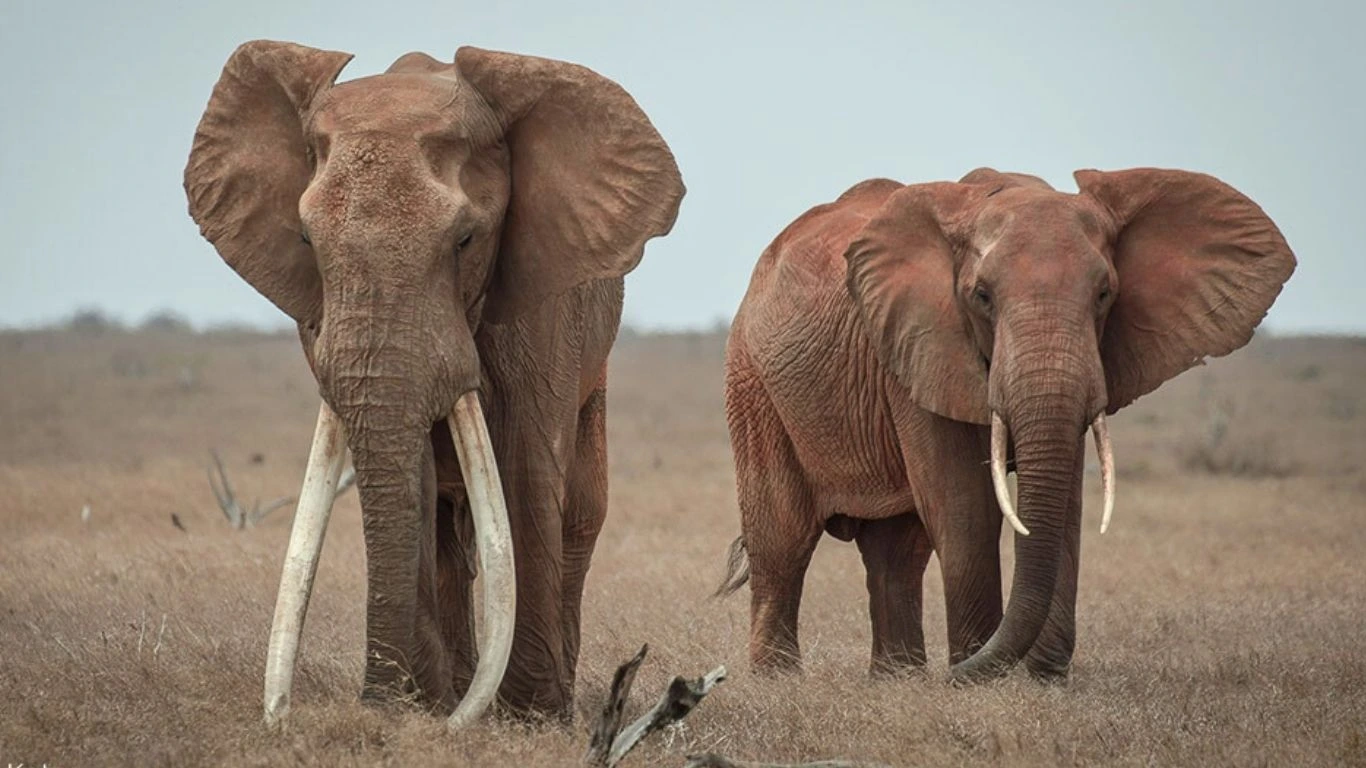


A few months ago, we told you about the plight of rare ‘super tusker’ elephants in East Africa.
We are desperate to save the last remaining 30 – but we haven’t yet reached our fundraising goal.
The threats are mounting and time is running out, if they have ANY hope of surviving, they need YOU.
Less than 30 ‘super tusker’ elephants remain in East Africa. Poachers and hunters want to kill them.
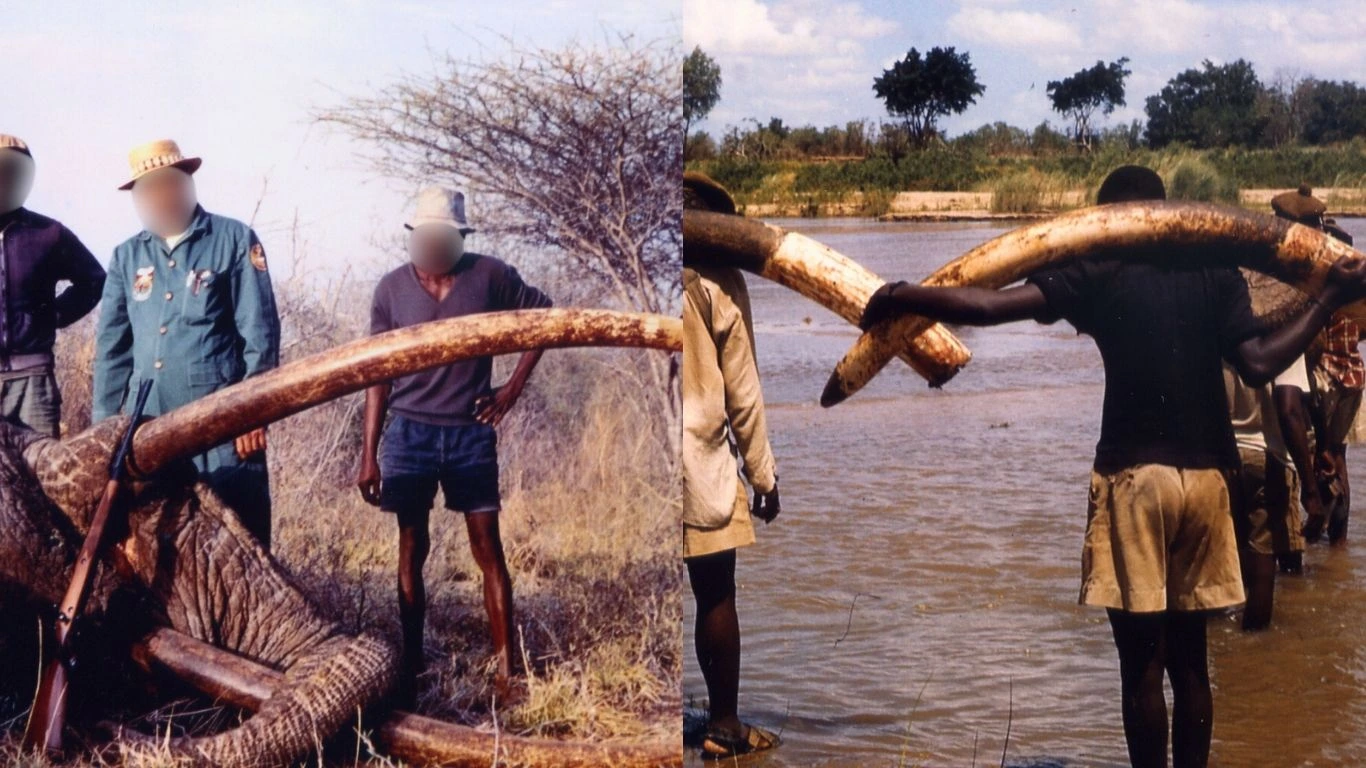 Elephants, especially super tuskers, are prized for their massive tusks, making them prime targets for trophy hunters and poachers. Credit: John Dugmore/Sports Afield
‘Super tuskers’ have enormous tusks that each weigh over 100 pounds (45 kilograms), and which often grow long enough to touch the ground. Only 30 remain in East Africa.
Their magnificent ivory tusks make them a prime target for poachers and trophy hunters. When these animals move between Kenya and Tanzania, they have no idea that killers are lying in wait to murder them.
East Africa’s last remaining super tuskers are about to be wiped.
In the last 100 years, 90% of all African elephants have been wiped out. Of those that remain, less than 30 individuals in East Africa are famed ‘super tuskers,’ with the rare and special big-tusk gene.
During the dry season, these super tuskers migrate through wildlife corridors between Kenya and Tanzania in search of food and water. As they cross the vast, unfenced corridors, they are extremely vulnerable to being poached and killed.
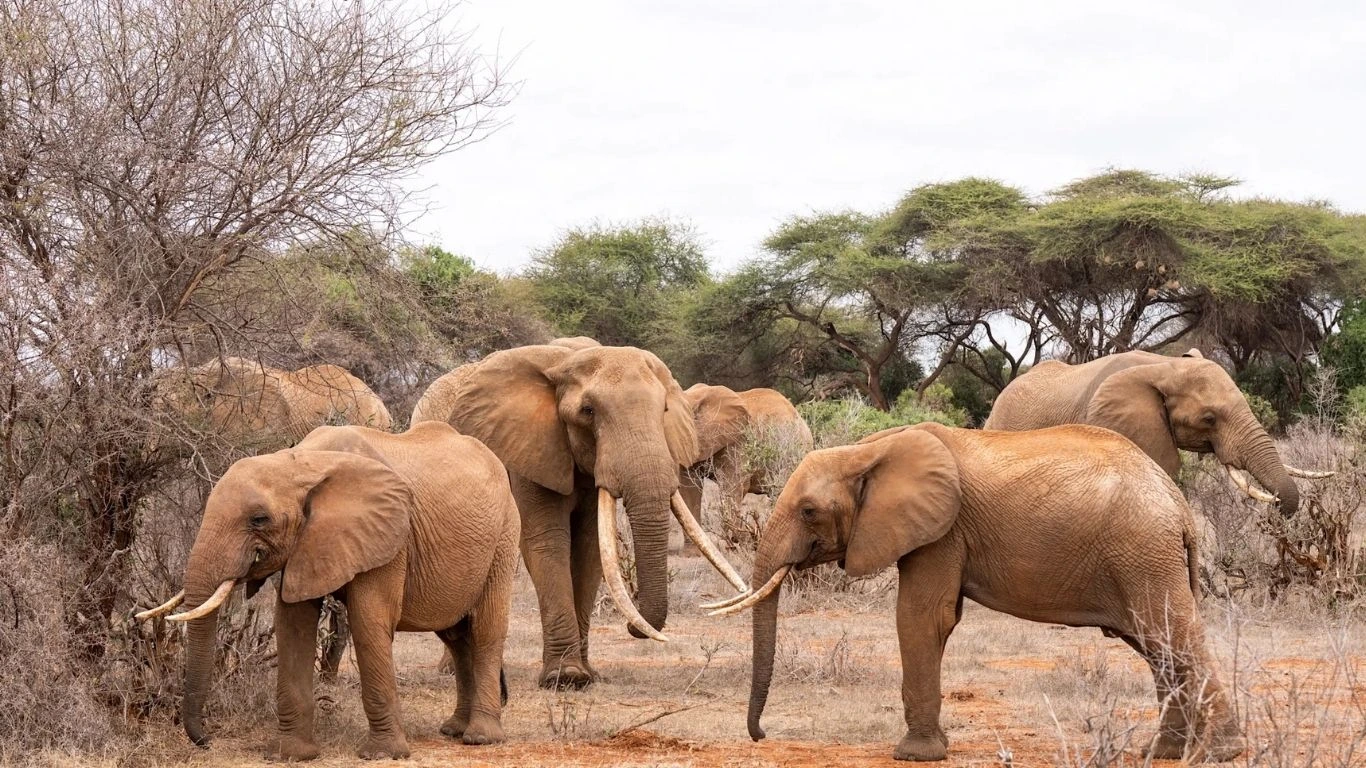 Young super tuskers beginning their journey. Very few of these elephants will develop the massive tusks that make them both remarkable and highly vulnerable to poaching. Credit: William Burrard-Lucas/Financial Review
While all elephants face constant threats, super tuskers are particularly targeted – both by ivory poachers and trophy hunters, who see them as a ‘big ticket’ prize.
Their efforts to evade these dangers aren’t the only threats. Increasingly frequent droughts across the region are shrinking elephants’ habitats. Hunger and thirst drive elephants into human-populated areas. In desperation, they eat farmers’ crops or seek out water within communities, leading to retaliatory killings.
Elephants face deadly threats from all sides. Drones will help them. Please, donate today.
We are working with Conservation Through Tourism (CTT), dedicated to safeguarding elephants across wildlife corridors between Kenya and Tanzania.
Over the past 10 months, it has responded to approximately 740 elephant-related incidents, saving countless lives.
Using drones, the team guides elephants toward safe, designated water sources and food, and then back to safety. This ‘guarding from the sky’ keeps elephants away from humans and hunting zones, reducing the animals’ risk of being illegally poached, shot by trophy hunters, or killed by the authorities for damaging human settlements.
 Drone technology helps guide elephants to safety, keeping them away from poachers, hunters and human settlements. Credit: CTT
Our partner protects elephants in three key wildlife corridors, but two remain unprotected. Please help us shield the final two corridors.
To expand into the remaining two unprotected areas, we need additional drones.
Each drone costs $12,600 (around £9,600). Ultimately, our partner needs nine more drones. So far, with our supporters’ help, we have funded one additional one. Every extra drone brings us closer to full protection across all five corridors.
Super tusker elephants are running out of time. We must help right away.
Please, donate now to help protect East Africa’s last remaining super tusker elephants.